Few days in Morocco with Mufti Raḍāul Ḥaq (May 2026)
In the Name of Allah, the Merciful, the Beneficent
Introduction
Morocco is a unique country located in northwest Africa. It has a coastline on the Mediterranean Sea to the north and the Atlantic Ocean to the west. The distance between the north of the country and the Strait of Gibraltar is only 8 miles (13 kilometres), the closest point between Europe and Africa. The country is thus a vital geopolitical and cultural crossroads where Europe and Africa converge as do the Mediterranean and the Atlantic, resulting in a rich blend of Arab, Berber, and European influences, and featuring a captivating mix of ancient medinas, bustling souks and stunning landscapes. The country has never been controlled by the Ottoman empire unlike its neighbours in north Africa. Many great scholars and luminaries of the past lived here. From a UK perspective, the country regularly features in moonsighting discussions, and it is also a famous destination for tourism and marriage.
In December 2016, I transited in the country’s economic capital, Casablanca during a visit to Sierra Leone. However, we did not exit the airport. Likewise, in July 2021, we visited Spain and intended to visit Morocco, but the ferry between the two countries was not operating. A visit to Morocco is thus long overdue, something I had mentioned to my friend, Mawlānā Khalīl Aḥmad Kāzī (b. 1389/1970) of Batley, whose wife is from Morocco and who regularly visits the country.
It was thus a pleasant surprise to receive a phone call from Mawlānā Khalīl ten days ago during my visit to Zambia, informing me of the possibility of our respected Shaykh al-Ḥadīth Mufti Raḍāul Ḥaq (b. 1369/1950) visiting Morocco prior to Eid al-Aḍḥā and us accompanying him. This is an opportunity not to be missed, after having accompanied Mufti Ṣāḥib to Barbados in 2022. The tickets are thus booked, and the itinerary is prepared. My respected father Mufti Shabbīr Aḥmad (b. 1376/1957) contacts Shaykh Muḥammad Ouchānī (b. 1399/1979), of Moroccan descent who currently lives in Blackburn, to assist and guide us. He studied with us in Darul Uloom Bury and graduated in 2003, two years before me. He very kindly makes all the arrangements and also decides to join us. A four-day itinerary is finalised for Wednesday 20 May 2026 to Sunday 24 May 2026.
Day 1 – Wednesday 20 May 2026
Visit to Casablanca
From Manchester to Rabat
Moroccan is a large country with many airports. They include Tangier in the north, Rabat and Casablanca in the centre, and Marrakech and Agadir in the south. There are direct flights from the UK to all these airports. The holiday flights such as Ryan Air and EasyJet are very cheap especially if booked in advance. The main international airport is in Casablanca which is where Mufti Ṣāḥib is due to land. There are no direct flights from Manchester to Casablanca today, although Royal Air Maroc, the country’s national carrier, does operate this route on some days of the week. We thus book a direct flight to Rabat, which is the next closest airport to Casablanca.
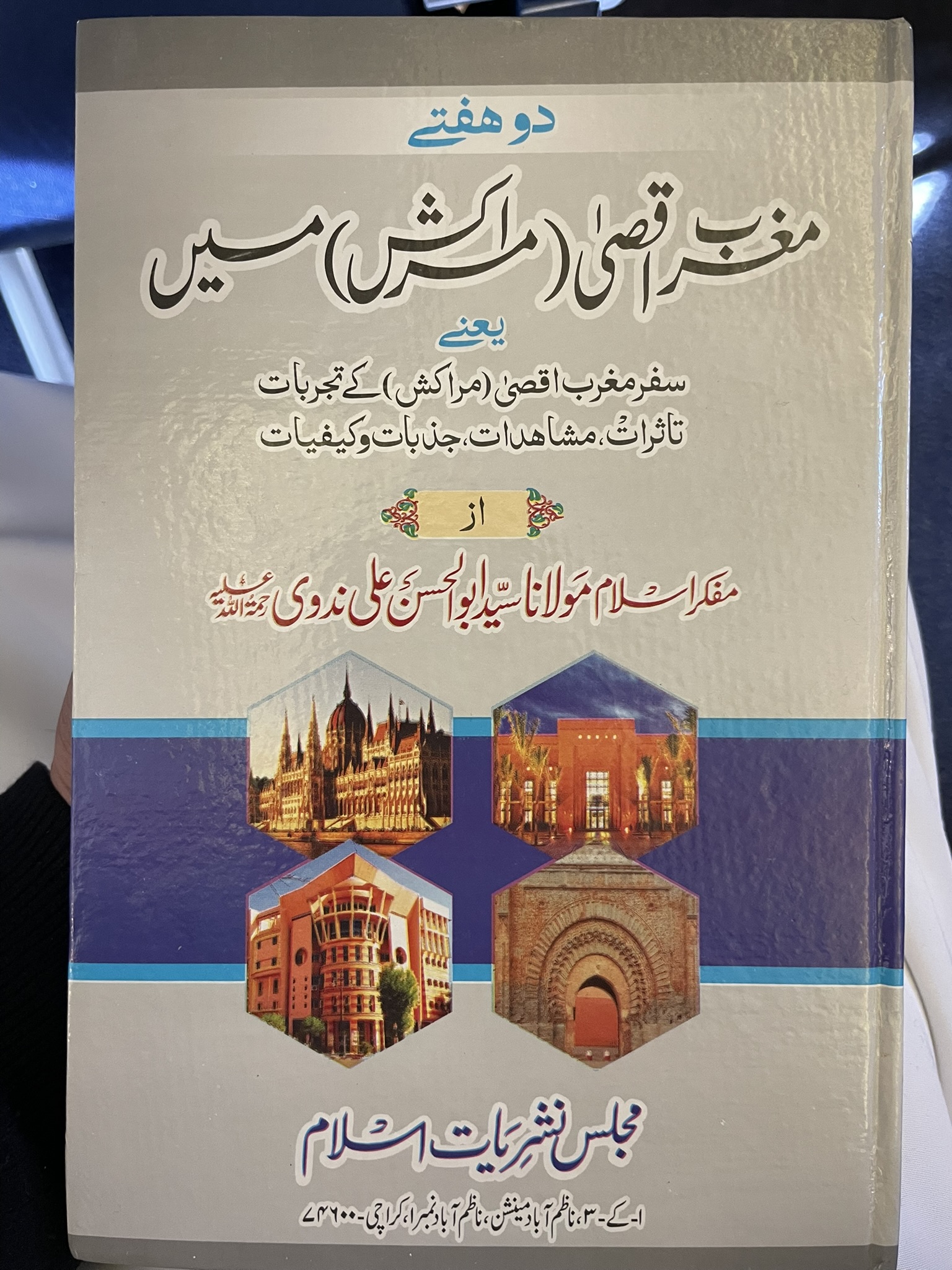
Thus, Mawlānā Khalīl and I depart on the 6.55am Ryan Air flight from Manchester Airport. The staff are strict in relation to the cabin baggage sizes and inspect the baggage, just before boarding, imposing charges on those whose sizes do not comply. It is cheaper to book the ‘Plus’ option in advance. During the flight, I read Shaykh Abū al-Ḥasan ʿAlī Nadwī’s (d. 1420/1999) Urdu travelogue of Morocco entitled Dow Haftey Magrib Aqṣā (Marrakech) Mey which is a fascinating read, preceded by a detailed history of Morocco written by one of Shaykh’s associates, Mawlānā Shams Tabrez Khān. Shaykh’s visit took place in May 1976.
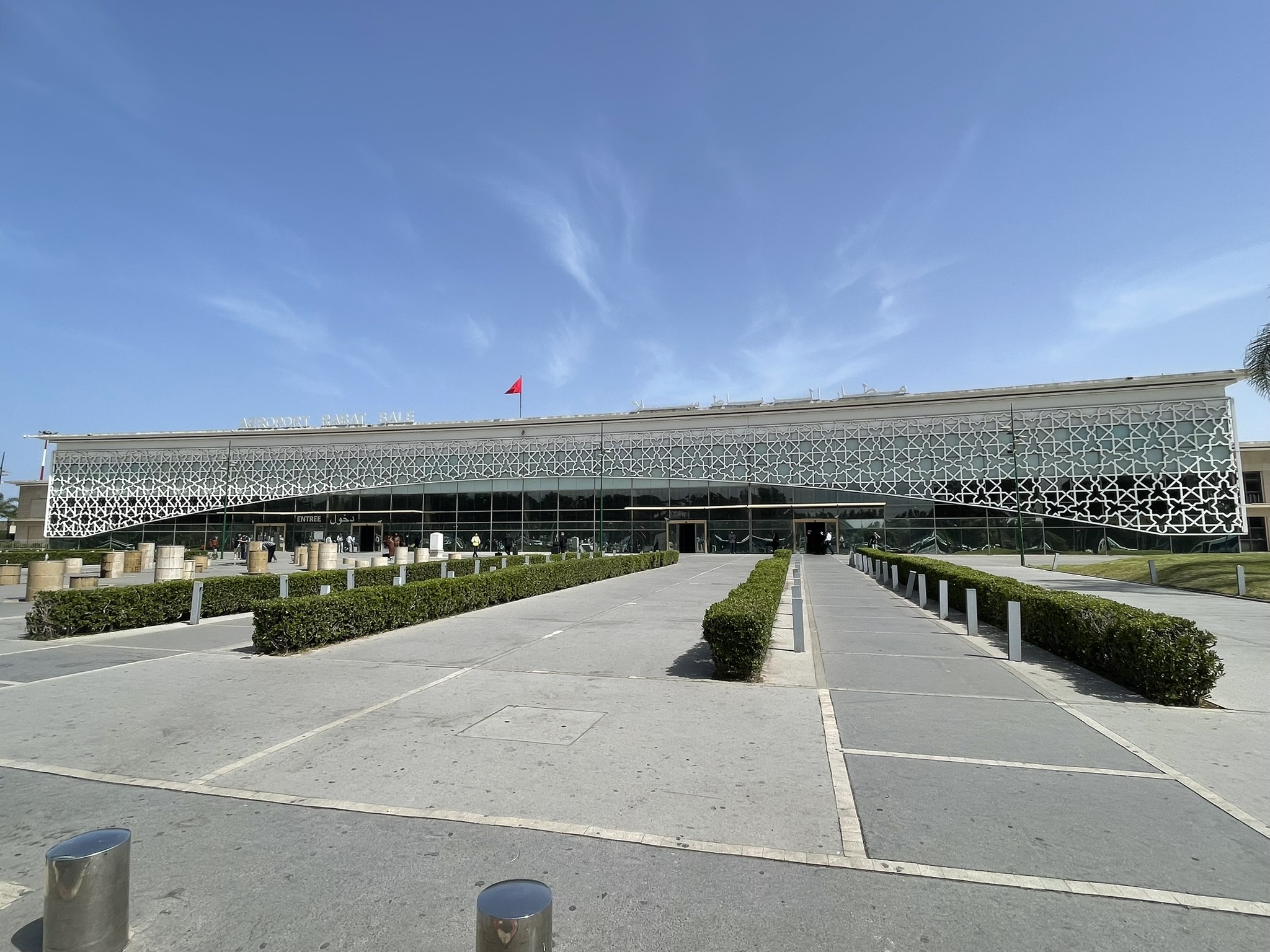
We arrive at Rabat–Salé Airport at 10.15am. The time in the summer here is the same as the UK. Visa is not required for UK nationals. South African nationals require visa. The immigration officer enquires about the purpose of the visit and the accommodation address. The process is swift and we enter the country. This is my first time in Morocco.
Morocco
In addition to its coastlines on the Mediterranean Sea and the Atlantic Ocean, the Kingdom of Morocco shares land borders with Algeria to the east and Mauritania to the south. Along its northern coast are the cities of Ceuta and Melilla, as well as Hajar Badis (Peñón de Vélez de la Gomera), which remain under Spanish administration and are claimed by Morocco as integral parts of its national territory. Morocco exercises sovereignty over its southern provinces, extending from Tarfaya to Lagouira, and regards this region as an inseparable part of the Kingdom. The country’s total area is approximately 710,850 square kilometres, and its population exceeds 38 million people. Islam is the official religion, with around 99% of the population being Muslim. Arabic and Amazigh (Tamazight) are the official languages and French is widely understood and spoken. English is also on the rise and becoming more common. The capital is Rabat although the largest city and economic capital is Casablanca. The country’s economy depends on agriculture, phosphate minerals and tourism. The Encyclopaedia Britannica states:
“Morocco, mountainous country of western North Africa that lies directly across the Strait of Gibraltar from Spain. The traditional domain of indigenous peoples now collectively known as Berbers (self-name Imazighen; singular, Amazigh), Morocco has been subject to extensive migration and has long been the location of urban communities that were originally settled by peoples from outside the region. Controlled by Carthage from an early date, the region was later the westernmost province of the Roman Empire. Following the Arab conquest of the late 7th century CE, the broader area of North Africa came to be known as the Maghrib (Arabic: “the West”), and the majority of its people accepted Islam. Subsequent Moroccan kingdoms enjoyed political influence that extended beyond the coastal regions, and in the 11th century the first native Amazigh dynasty of North Africa, the Almoravids, gained control of an empire stretching from Andalusian (southern) Spain to parts of sub-Saharan Africa. Attempts by Europeans to establish permanent footholds in Morocco beginning in the late 15th century were largely repulsed, but the country later became the subject of Great Power politics in the 19th century. Morocco was made a French protectorate in 1912 but regained independence in 1956. Today it is the only monarchy in North Africa. Although the country is rapidly modernising and enjoys a rising standard of living, it retains much of its ancient architecture and even more of its traditional customs. Morocco’s largest city and major Atlantic Ocean port is Casablanca, an industrial and commercial centre. The capital, Rabat, lies a short distance to the north on the Atlantic coast. Other port cities include Tangier, on the Strait of Gibraltar, Agadir, on the Atlantic, and Al-Hoceïma, on the Mediterranean Sea. The city of Fès is said to have some of the finest souks, or open-air markets, in all of North Africa. Scenic and fertile, Morocco well merits the praise of a native son, the medieval traveler Ibn Baṭṭūṭah, who wrote that ‘it is the best of countries, for in it fruits are plentiful, and running water and nourishing food are never exhausted.’”
Rabat to Casablanca
We are received at the Rabat–Salé Airport by brother Ḥāmid, the driver of Ilyās Ouchānī, who is the brother of Shaykh Muḥammad Ouchānī. We start the 124km road journey to Casablanca which is a 90-minute drive south. The roads here are good, three lane motorways, with beautiful trees planted throughout. It is very clean. There is a lot of greenery. The country is much more developed than I envisaged. Mawlānā Khalīl mentions that the past two decades has seen significant development. The weather is also good here in Rabat, approximately 25 degrees Celsius, making it an ideal place for residence throughout the year. The extreme heat of inland Moroccan cities like Marrakech is not found here, whilst the temperature in winter does not drop less than 10 degrees Celsius.
We eat breakfast at a service station on route and arrive at Casablanca’s Mohammed V International Airport at 1pm. Shaykh Muḥammad Ouchānī arrived here from France earlier today. He has requested a local, Qārī Ḥasan al-Fāḍilī to join us and drive us around. Qārī Ḥasan has served as an Imām here for 14 years and now runs a small Ḥifẓ and Tajwīd institute in Salé next to Rabat. Interestingly, he led Tarāwīḥ Ṣalāh at the Darus Salām Masjid in Blackburn this Ramaḍān.
Mufti Raḍāul Ḥaq’s arrival
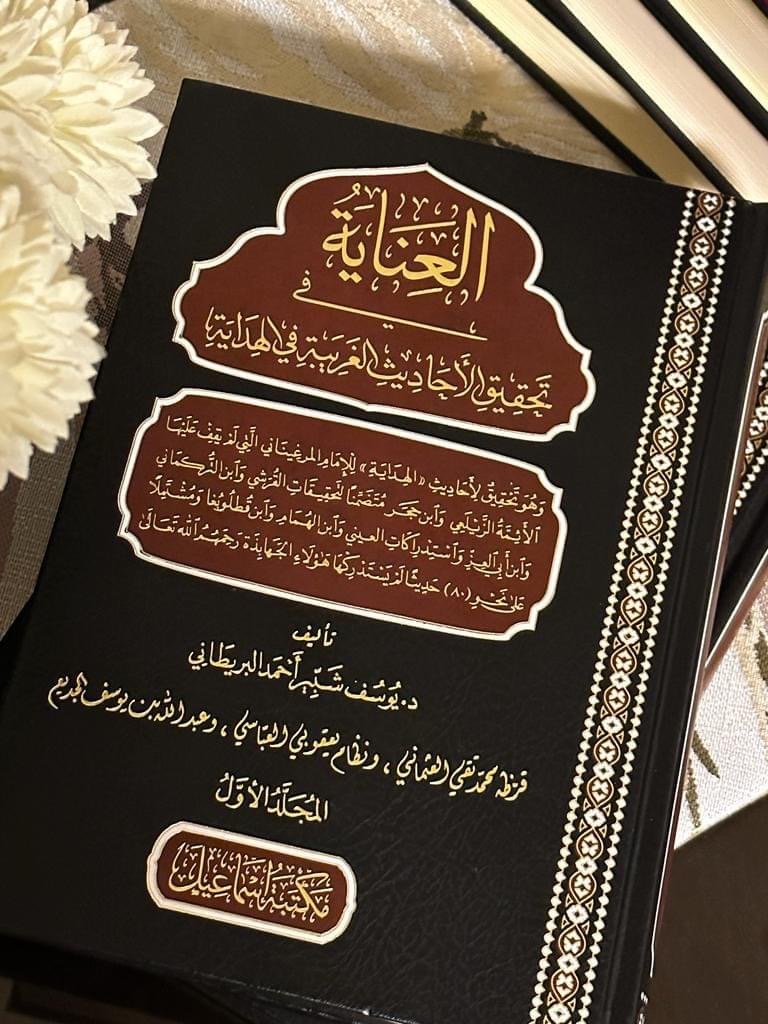
Mufti Raḍāul Ḥaq Ṣāḥib’s Emirates flight lands at 1.15pm and Mufti Ṣāḥib comes out with his assistant Mawlānā Bilāl Bāthiā (b. 1396/1976) at 2pm. Mufti Ṣāḥib is 75 years old and is fond of travelling especially to new countries. He is extremely humble, easy to converse with and is delighted to see us. He enquires about the wellbeing of my respected father Mufti Shabbīr Aḥmad (b. 1376/1957) and comments, “He phones me every week. He shows a lot of affection towards me and he is extremely humble. I always ask him about you. What book are you working on now? Your book on the Ḥadīths of Hidāyah is excellent.”
Casablanca
As we start the drive north towards Casablanca city, Mawlānā Khalīl provides Mufti Ṣāḥib a brief overview of the country. He further explains that Casablanca means ‘white house’, and that the name derives from the Spanish and Portuguese words casa (house) and blanca/branca (white) and refers to the whitewashed buildings of the city. This is why the Arabic name of the city is al-Dār al-Bayḍāʾ. It is the most populous city in the country with its population exceeding 3.5 million people.
Lunch at the residence of ʿAbdullāḥ Ouchānī
Our first stop at 2.45pm is the residence of ʿAbdullāh Ouchānī, in Bouskoura, the outskirts of Casablanca city. He is the other brother of Shaykh Muḥammad Ouchānī and his hospitality knows no bounds.
A special Moroccan meat dish is served followed by tea and desserts as well as fruit from his own farm. It is currently season for apricots and peaches. The other famous fruits of Morocco include dates, pomegranates, oranges, lemons, figs, cactus, and berries.
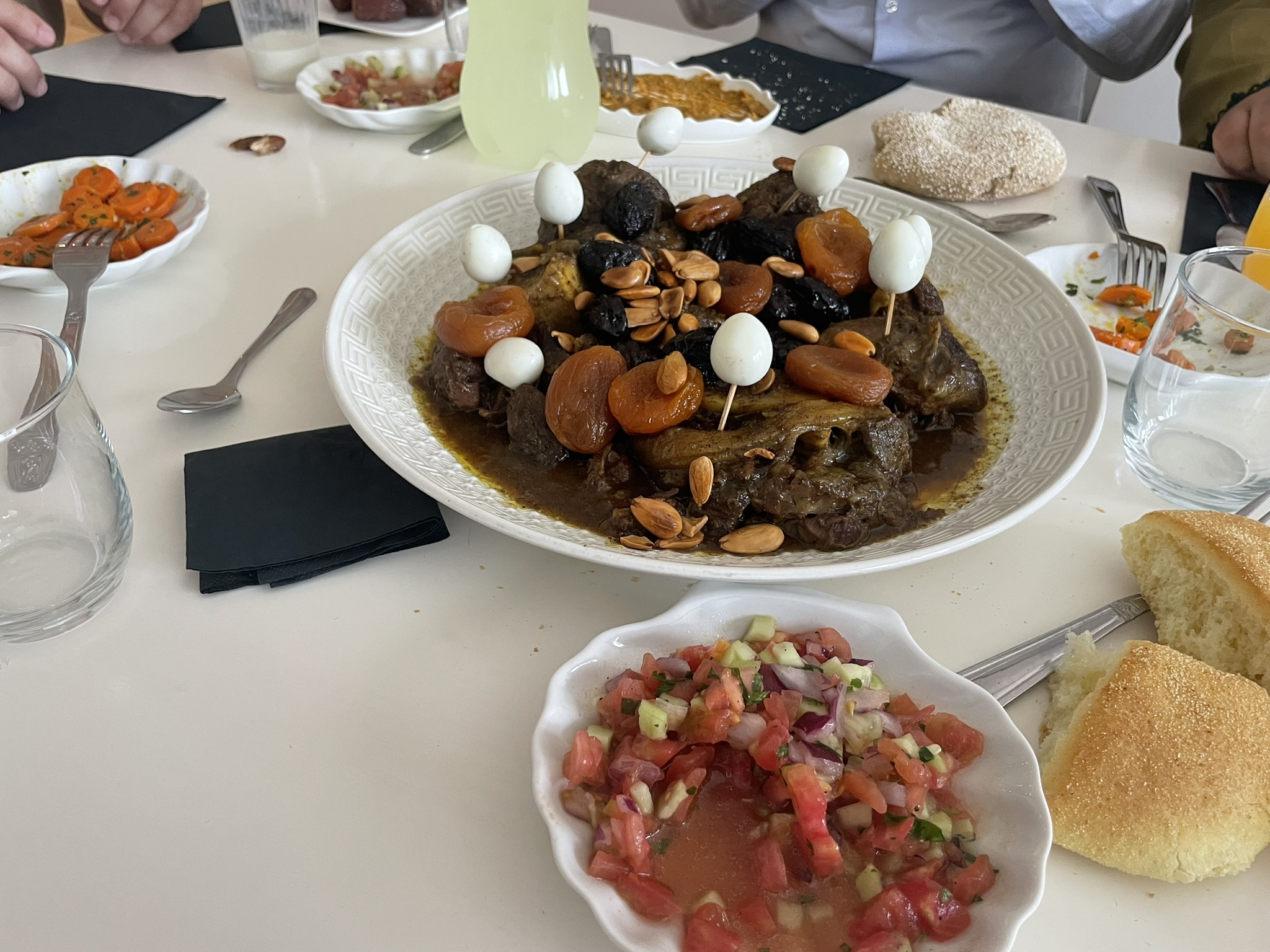
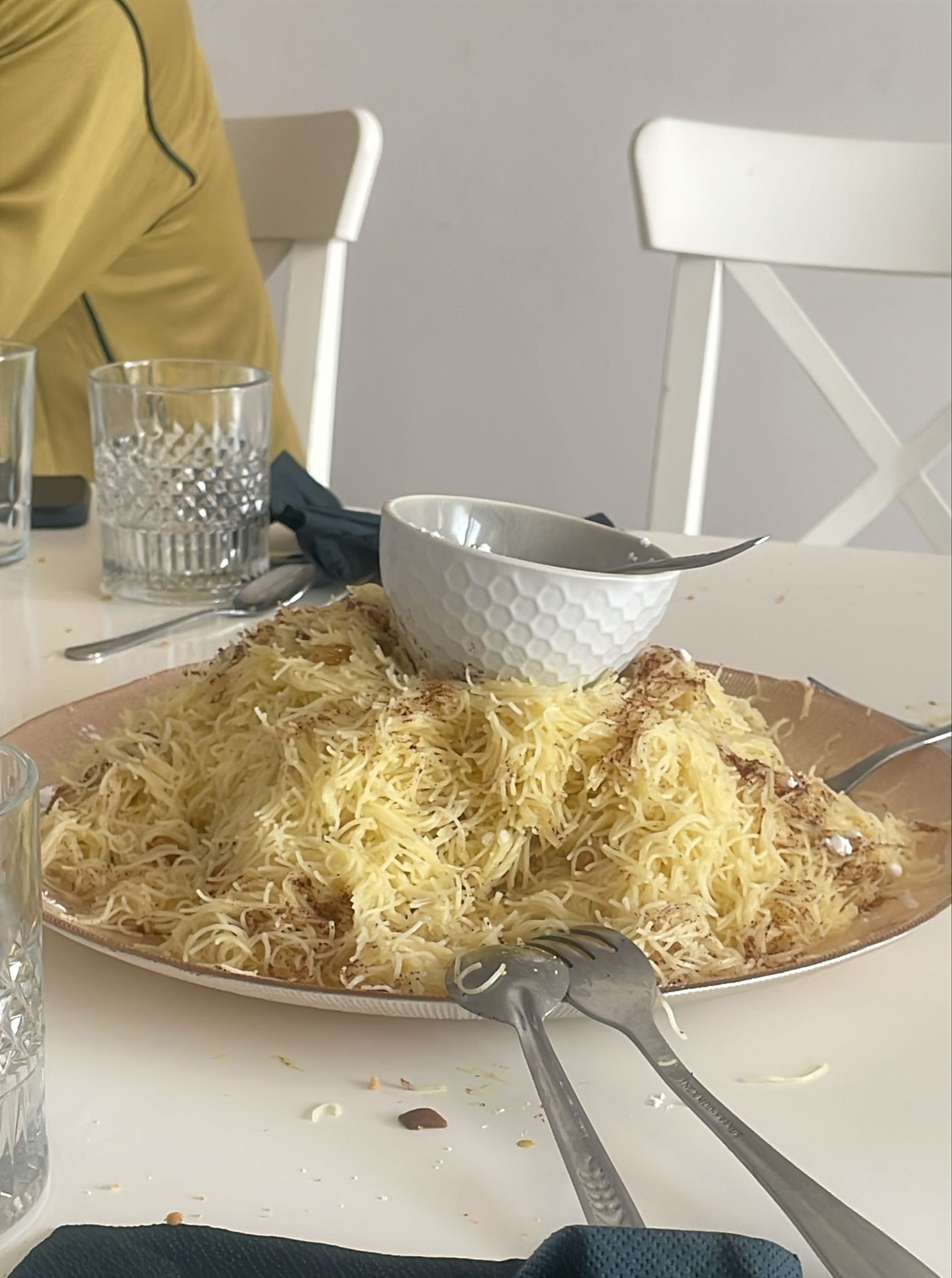
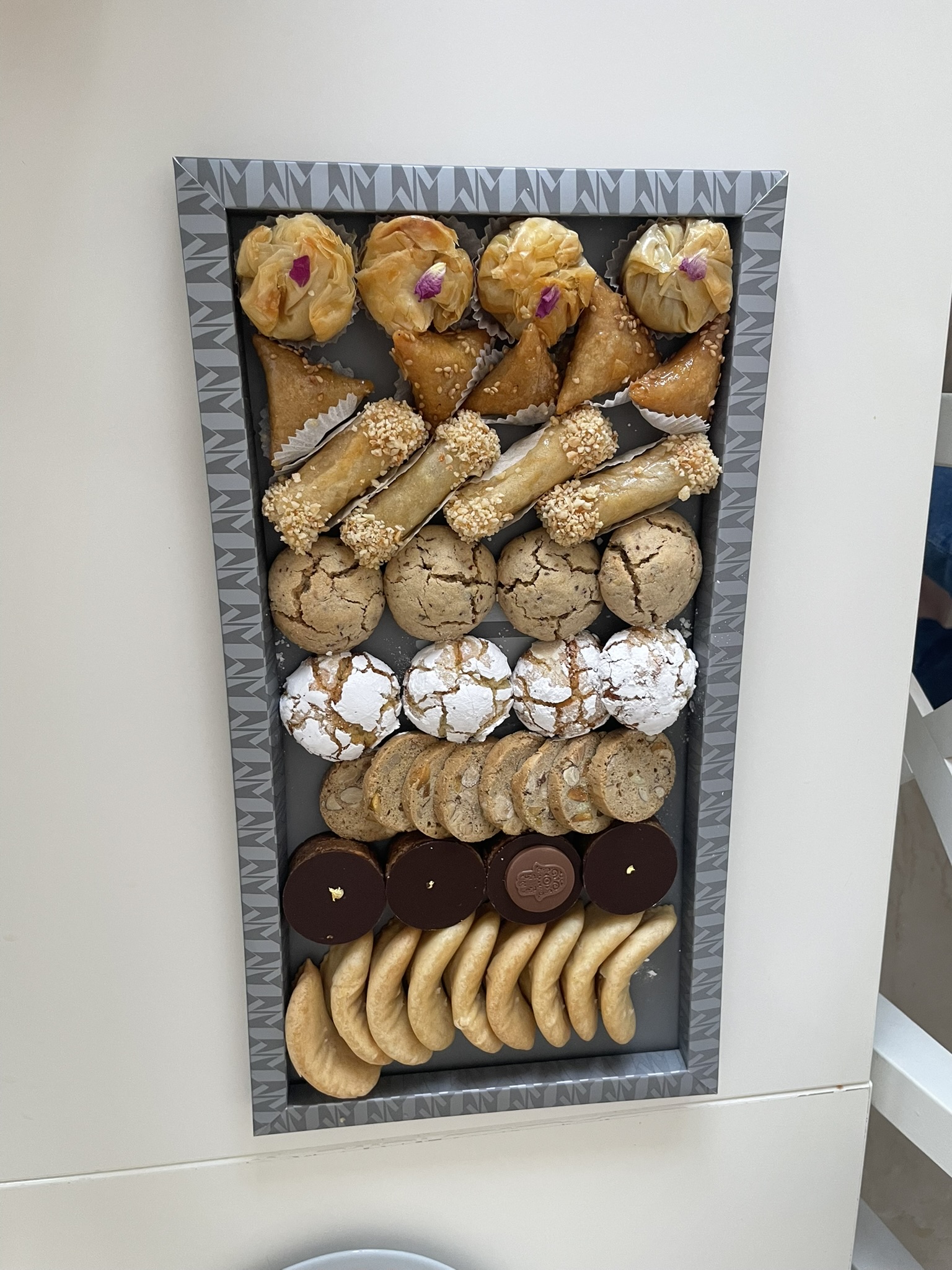
We perform Ẓuhr Ṣalāh and take leave at 4.15pm. We are using the seven-seater car of Ilyās Ouchānī which is extremely comfortable. Allah Almighty bless the whole family.
We are now on the way to the Hassan II Mosque in the heart of the city. The city is beautiful; it is clean and there is a lot of greenery with trees throughout the central reservation of the roads. It is also calm. On the way, Mufti Ṣāḥib comments that this region was first conquered by ʿUqbah ibn Nāfiʿ (d. 63/682-3) during the caliphate of the companion Muʿāwiyah ibn Abī Sufyān (d. 60/680, may Allah be pleased with them). He enquires about the famous Muḥaddīth of Morocco, Shaykh ʿAbd al-Ḥayy al-Kattānī (d. 1382/1962) and his son, Shaykh ʿAbd al-Raḥmān al-Kattānī (d. 1444/2022). Mawlānā Khalīl mentions that he met the latter in Fes and took Ijāzah in Ḥadīth from him, but he has since passed away. Mufti Ṣāḥib mentions, “Shaykh ʿAbd al-Ḥayy al-Kattānī was very impressed by Shaykh ʿAbd al-Ḥayy Laknawī (d. 1304/1886). In fact, the Arab scholars were all impressed by him. He passed away young but achieved so much including in complex subjects like philosophy and logic.” I mention to Mufti Ṣāḥib the statement of Shaykh Muḥammad Yūnus Jownpūrī (d. 1438/2017) that Mawlānā ʿAbd al-Ḥayy Laknawī substantiates everything he says and references it in full. Mufti Ṣāḥib concurs and mentions that Mawlānā had access to the books in Hyderabad, adding that Shaykh Yūnus once suggested that a Pathan did magic on Mawlānā, and Allah knows best.
Mufti Ṣāḥib then asks if I have visited Syria recently. He praises the current Grand Mufti, Shaykh Usāmah al-Rifāʿī (b. 1363/1944) who is an ardent supporter of Tablīg Jamāʿat. I update Mufti Ṣāḥib on our visit with our parents to Ḥaramayn, Masjid al-Aqsa, Jordan and Syria in April 2025 before his visit to Syria and highlight the greatest bounty which is religious freedom and the release of prisoners.
The Hassan II Mosque, Casablanca
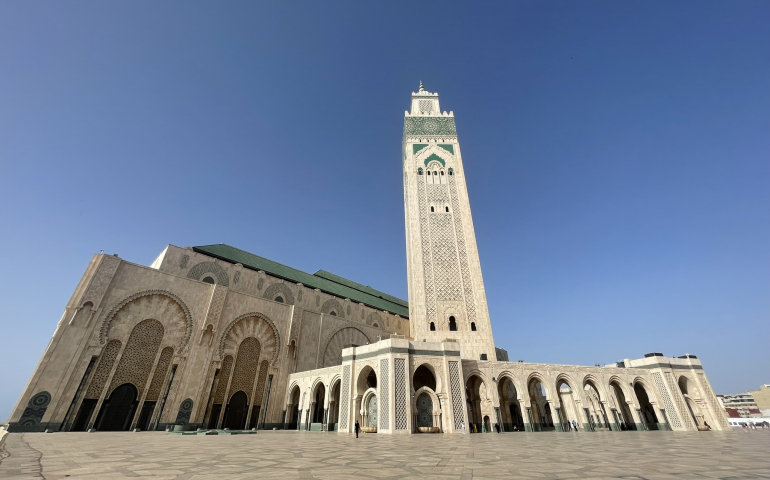
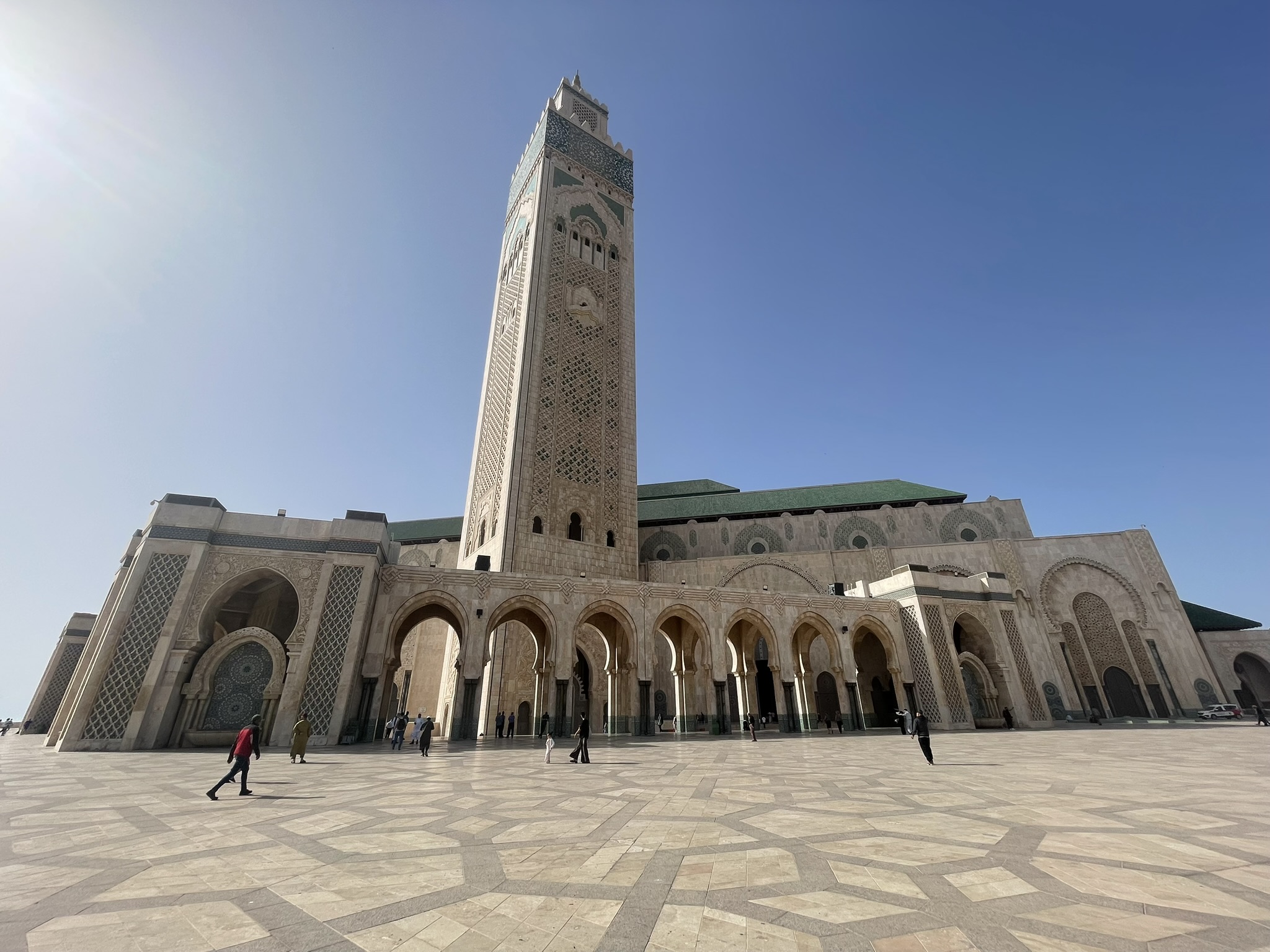
We arrive at the Hassan II Mosque at 5.15pm and park in the underground car park. Subḥānallāh! This is an architectural masterpiece built directly over the Atlantic Ocean, which can cater for 100,000 worshippers. It is the second largest mosque of Africa, after the Great Mosque of Algiers. It was inaugurated in 1993.
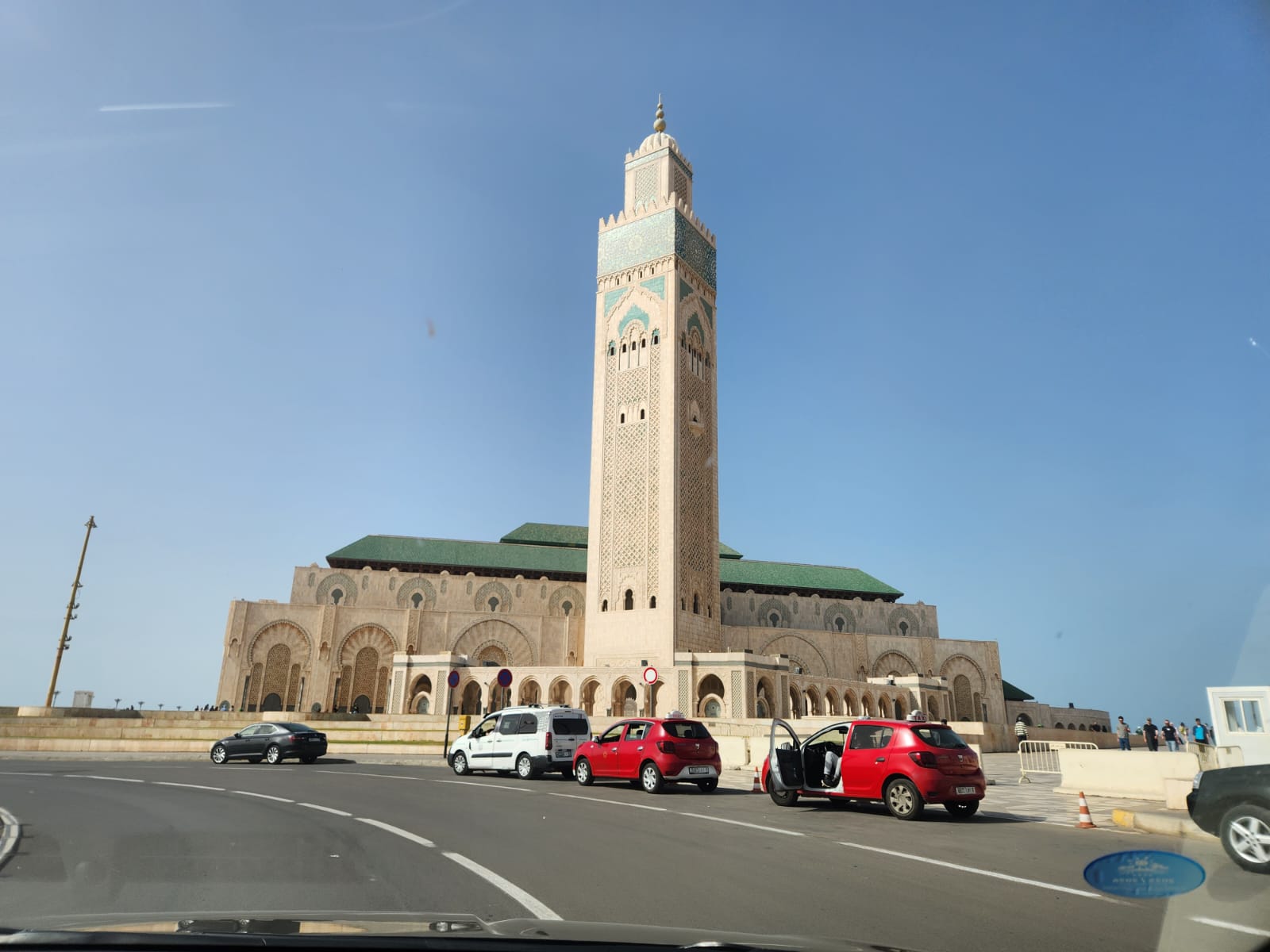
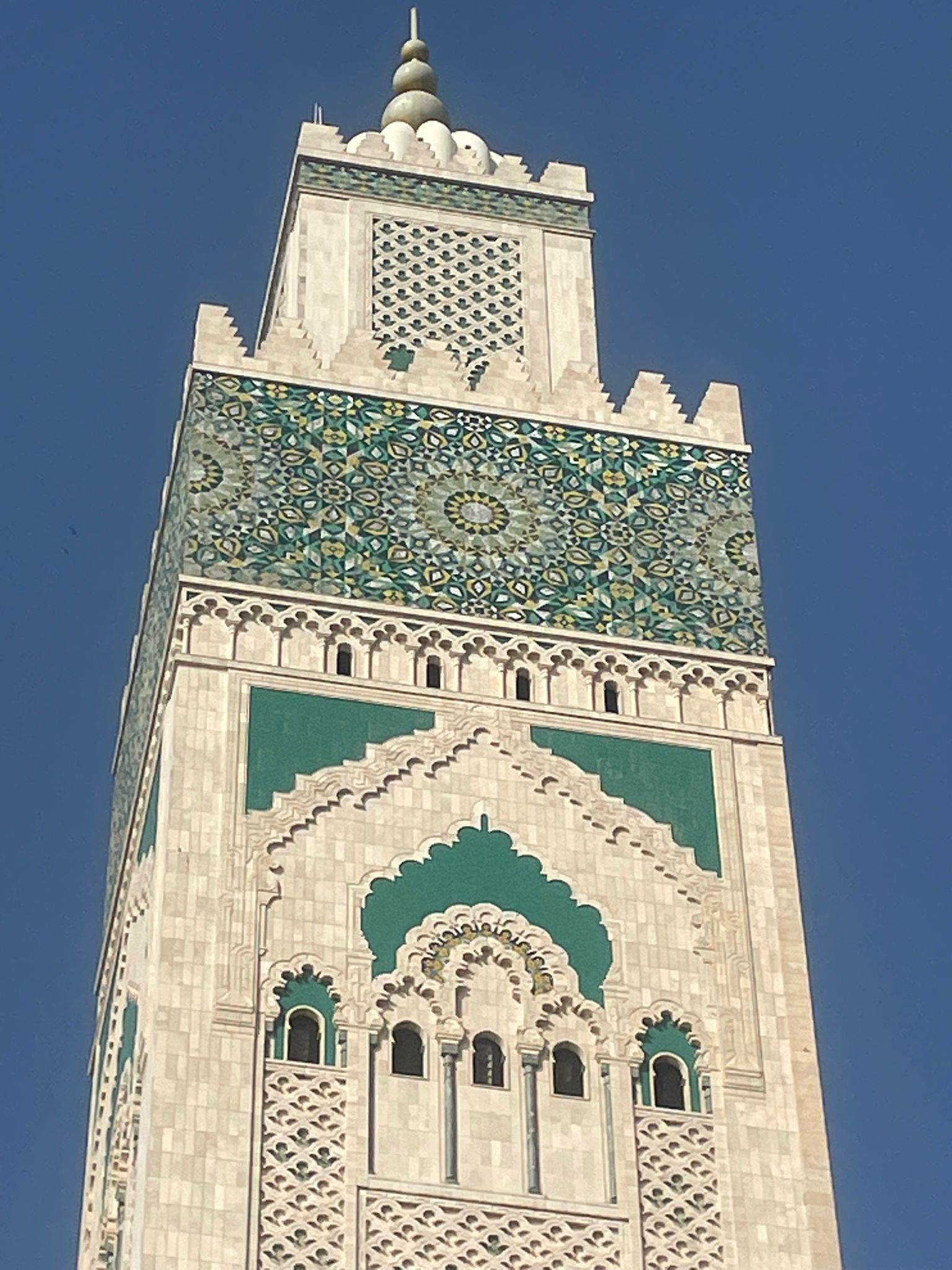
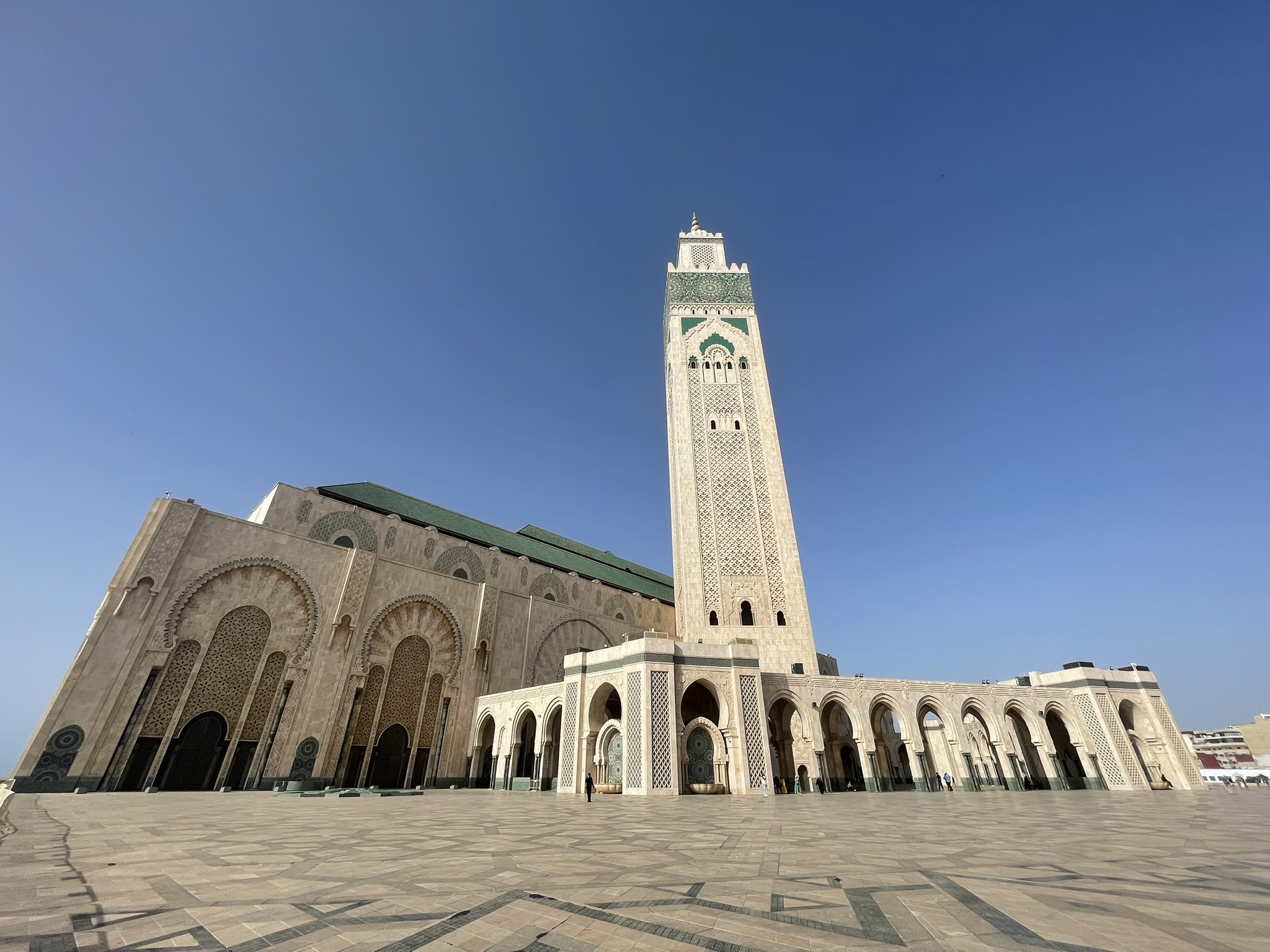
The Mosque’s website states, “Hassan 2 Mosque is actually unique in its architecture and size. With its minaret that rises to 200m in height and has a 30km laser directed towards Mecca, it is considered to be the highest religious building in the world. The idea of building a large mosque in Casablanca reflects the Royal will to provide the Casablanca metropolis with a great spiritual and civilizational monument of Morocco, giving it a harmonious urban development and allowing it to increase its radiance and influence based on faith, piety and tolerance.”
It further states, “His late Majesty Hassan II, may God rest his soul, laid the foundation stone of this mosque on 5 Dou Al Kiida 1406 of the Hegira, corresponding to July 11, 1986. The construction works started under the effective and daily supervision of His Majesty Hassan II, who had made sure that this great building reflects the artistic specificities of authentic Moroccan architecture, while highlighting its openness to technological innovations. The building of the Hassan II Mosque on the Atlantic Ocean inspired by the Qur’anic verse ‘the throne of God was upon the water’ was a pioneering idea intended to invite believers who go to this mosque to remember the greatness of God who created the sea and the sky. The design of this work was the result of collaboration between the office of the French architect Michelle PINSEAU and the various Moroccan artisanal bodies that have created and revive by the hand of maâlem (master) beauty and the splendid seal of Moroccan architecture.”

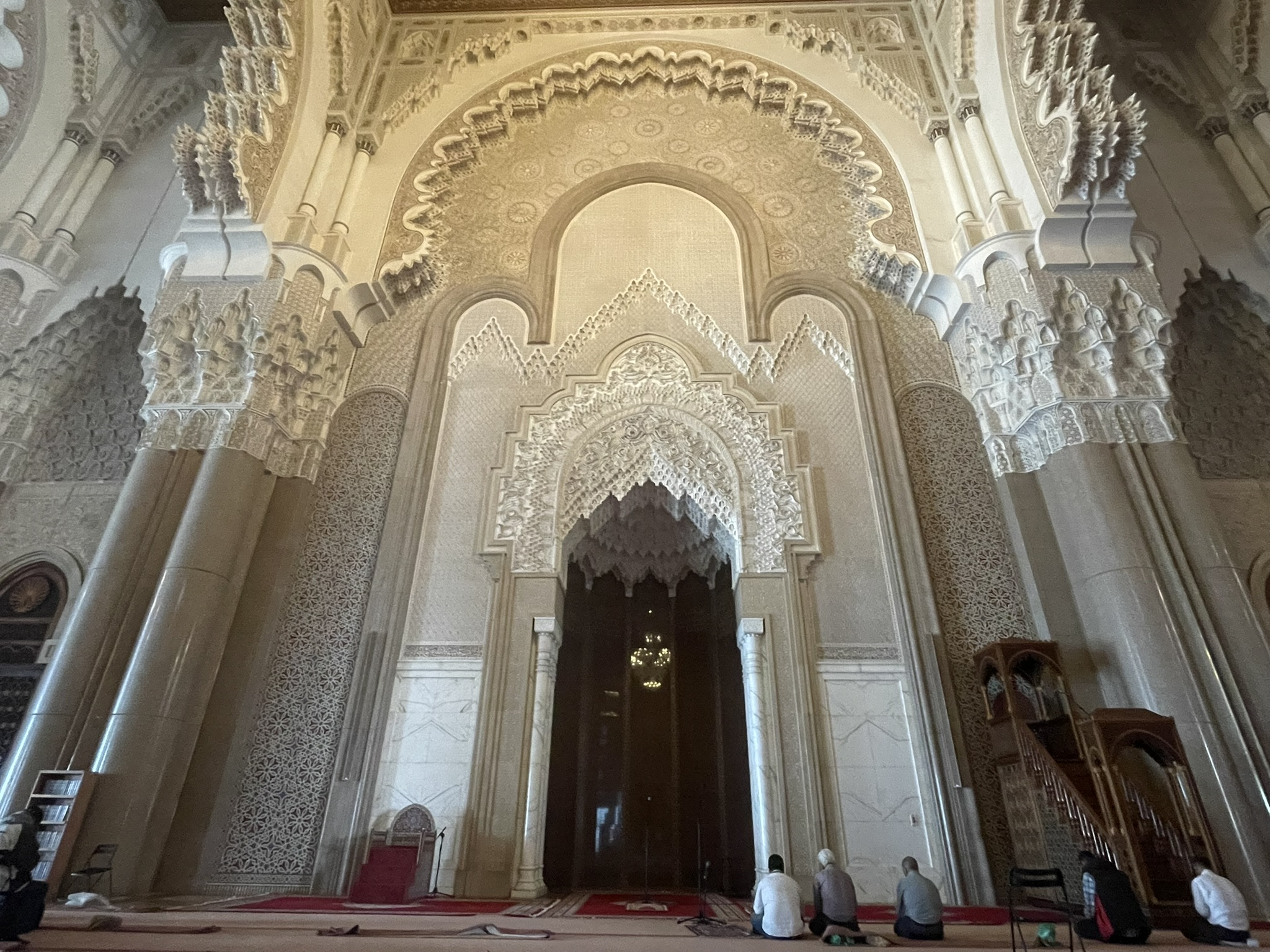
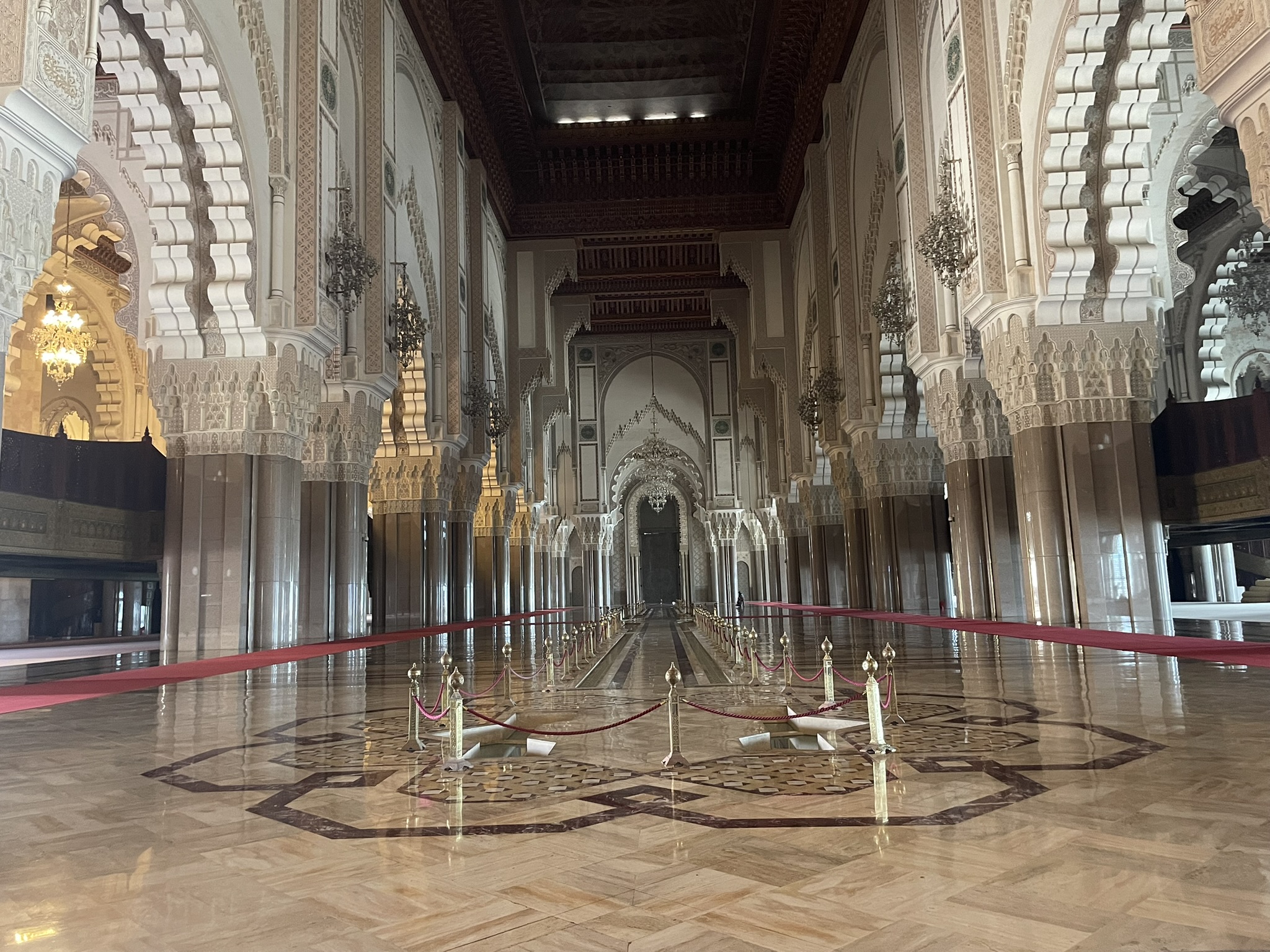
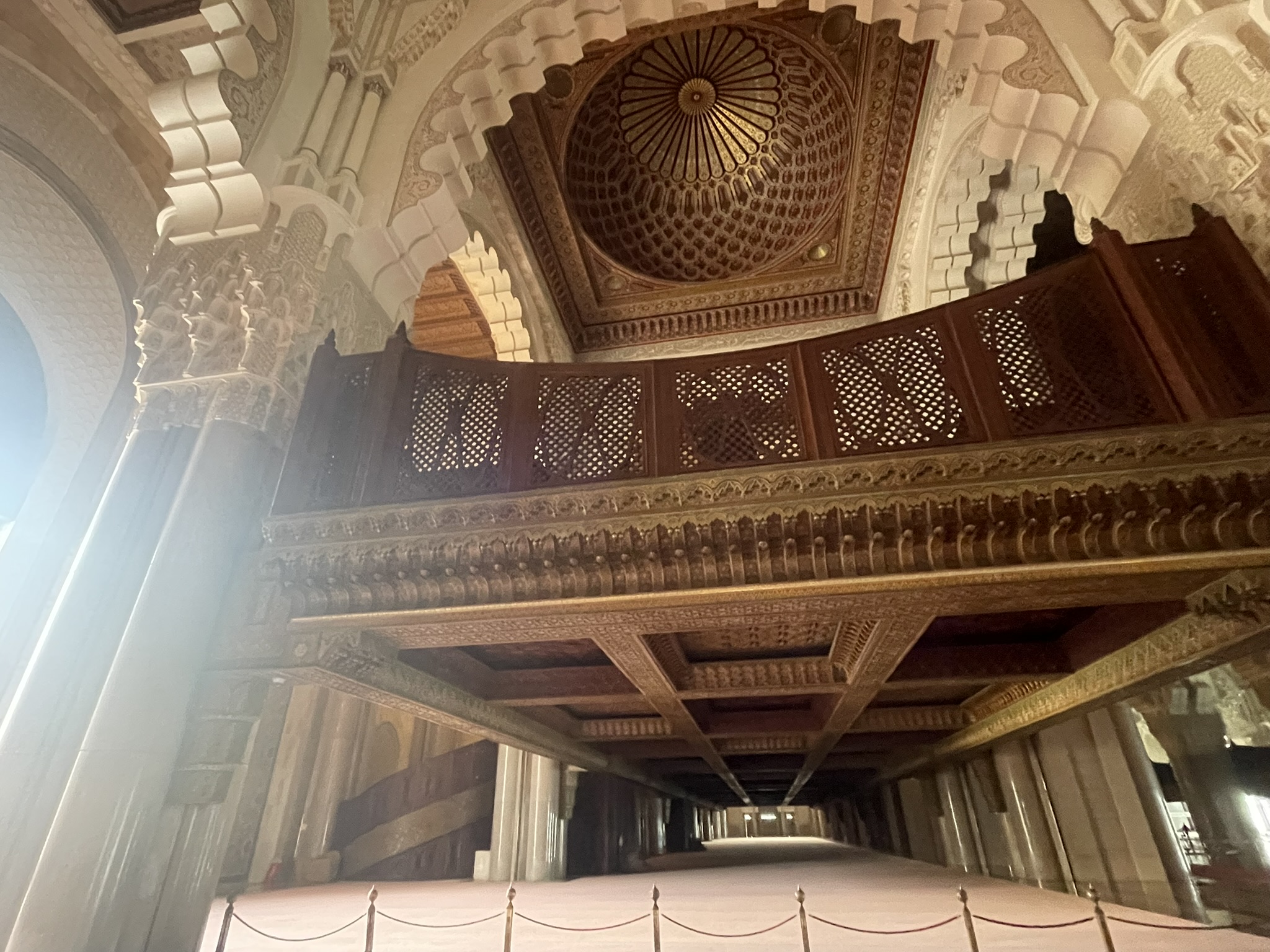
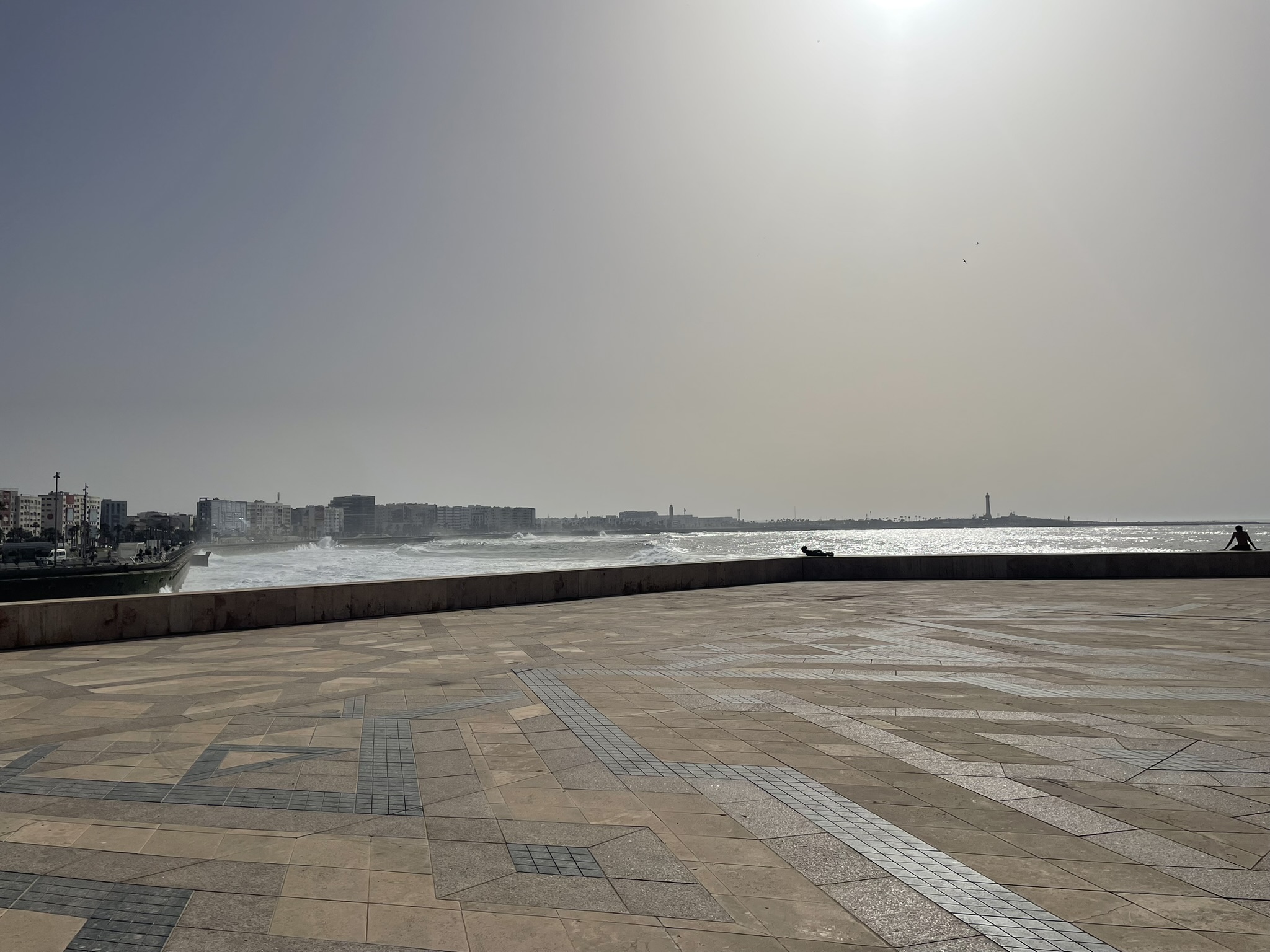
We perform ʿAṣr Ṣalāh at 5.30pm in the Masjid and take in the breathtaking views from within and outside the Masjid, including from the side of the Atlantic Ocean.
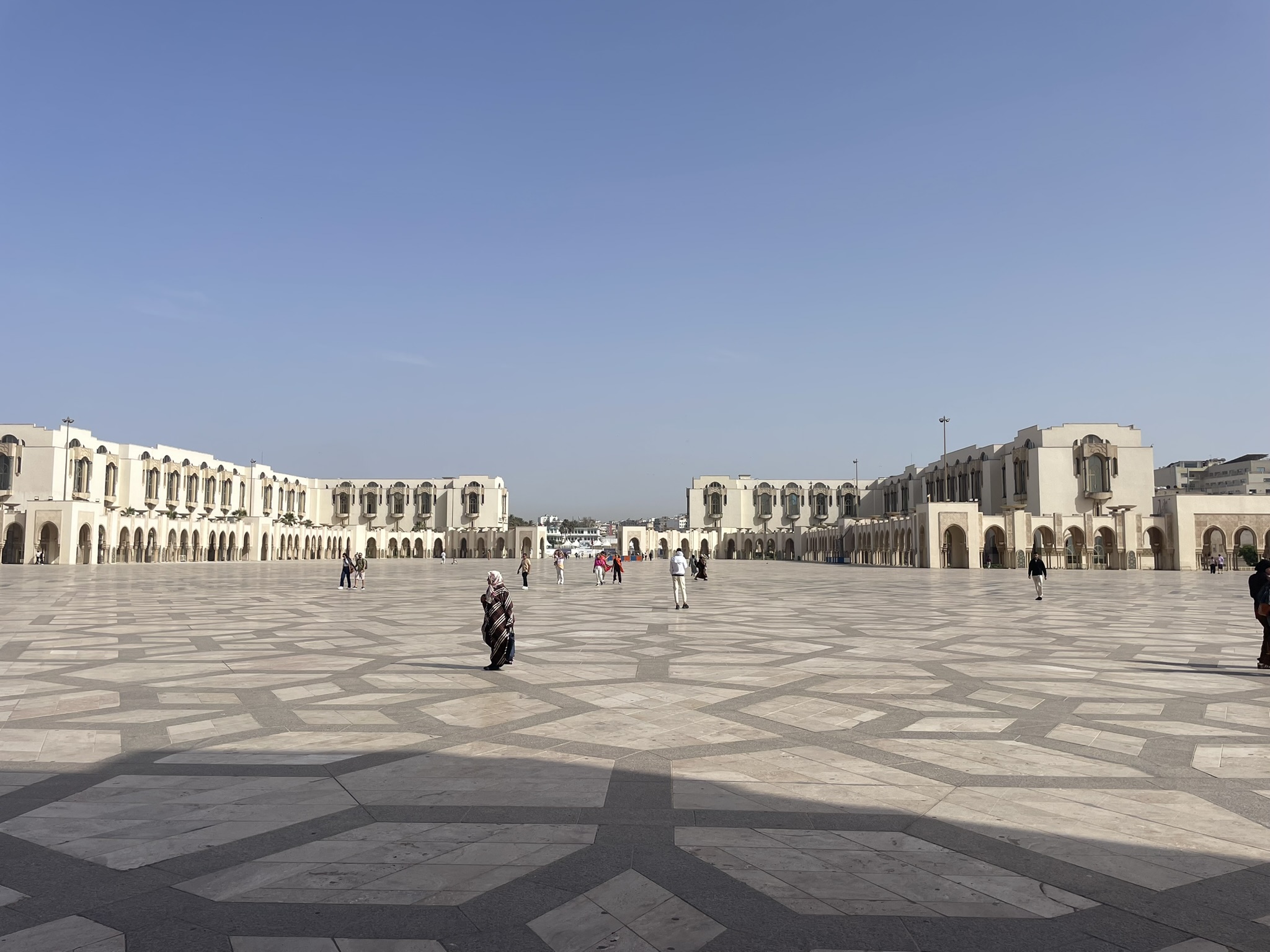
Qārī Ḥasan mentions that in Ramaḍān the mosque becomes full and there are regular lessons of Muwaṭṭaʾ Mālik in the presence of the King. Non-Muslims can enter the courtyard and the wider Masjid complex but not the main area of Ṣalāh.
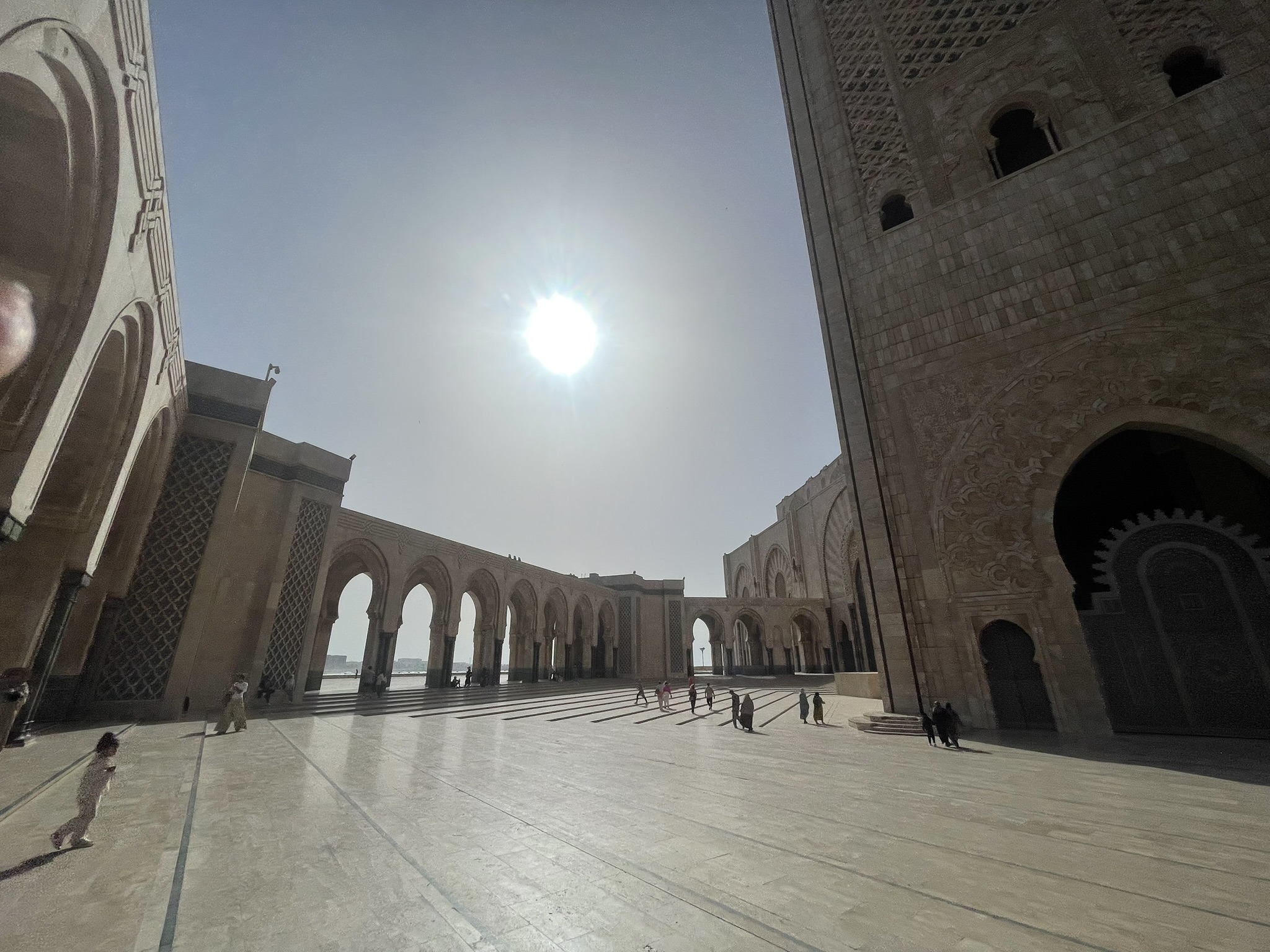
One of the pillars inside the prayer area features the full nasab (lineage) of King Hassan II (d. 1420/1999) to the Prophet ﷺ.

The story of Prophet Mūsā and Khadir and the story of Tamīm al-Dārī meeting Dajjāl
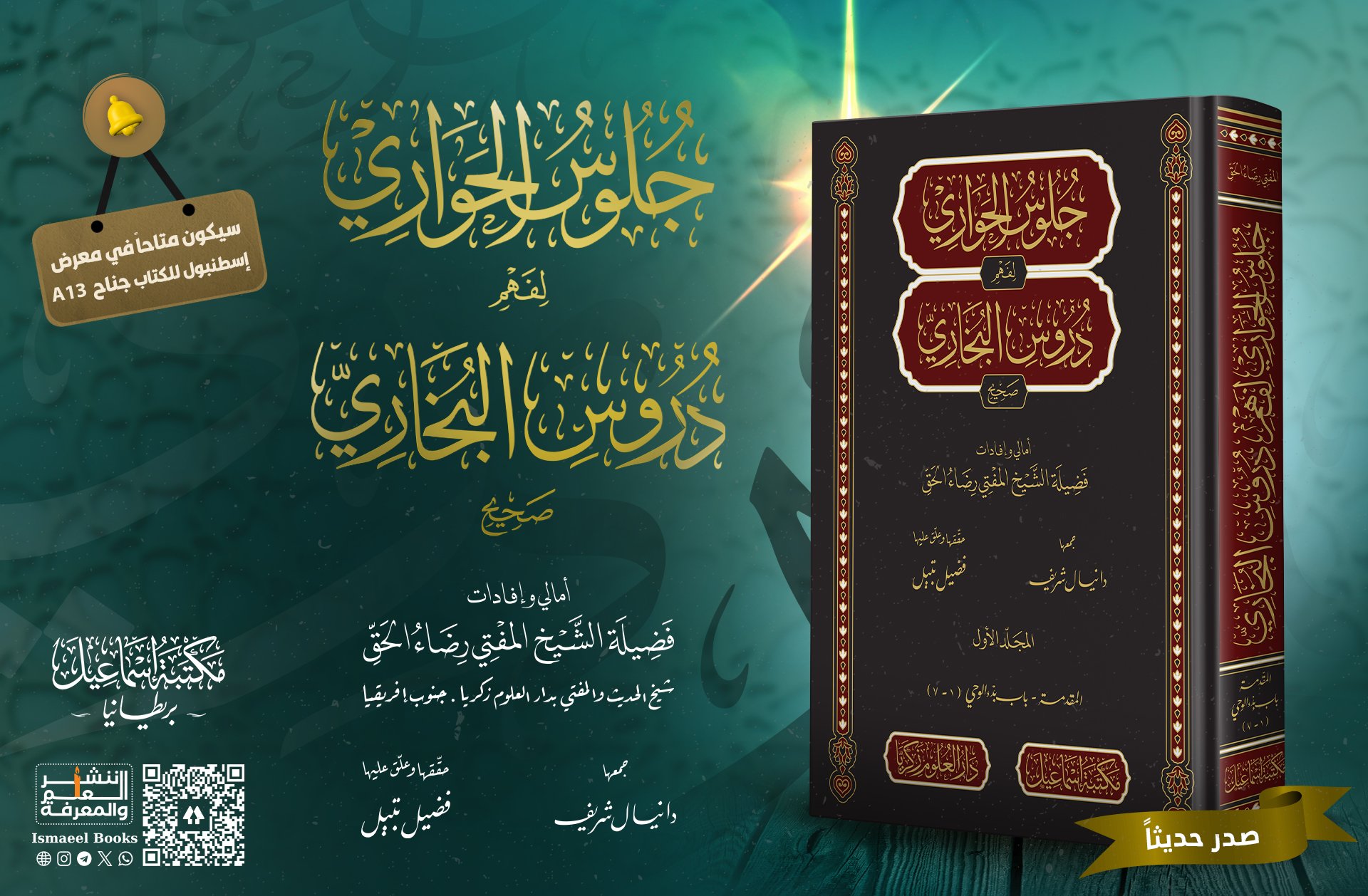
Whilst discussing the Atlantic Ocean, Mufti Ṣāḥib mentions that Prophet Mūsā (peace be upon him) travelled to Khaḍir (peace be upon him) to learn from Al-Jāmiʿah al-Baḥriyyah al-Khaḍiriyyah (The Khaḍirian University on the Sea). A student objected that a university has more than one student. Mufti Ṣāḥib responded that Prophet Mūsā (peace be upon him) was a whole nation in himself. Mufti Ṣāḥib disagrees with the opinion of some people that this encounter occurred in Cape Town, because it is very far from Palestine and Egypt.
I suggest to Mufti Ṣāḥib that Dajjāl is probably somewhere near Palestine, either in the Mediterranean Sea or the Red Sea, considering that Tamīm al-Dārī (d.ca. 40/660, may Allah be pleased with him) who met him, as transmitted in Ṣaḥīḥ Muslim (2942), was from the Palestinian city of al-Khalīl (Hebron) and also considering the fact that Dajjāl specifically asked about the Tiberia lake (Sea of Galilee) which is located 60km from the Mediterranean Sea. Mufti Ṣāḥib suggests that Dajjāl is likely a Jinn who appeared in the form of a human, emphasising that a Jinn can appear anywhere, and therefore it is not necessary that he is stationed in a fixed place or that he is stationed near Palestine. Similarly, Mufti Ṣāḥib’s preferred view in relation to Khaḍir (peace be upon him) is that he was an angel who appeared in the form of a human, hence, he can also appear anywhere at any time. Mufti Ṣāḥib further comments, “A student objected that the term ‘ʿAbd’ (servant) has been used to describe Khaḍir in the Qurʾān (18: 65) which implies that he was a human being. I said: The Qurʾān (21: 26) has used the term ‘ʿIbād’ (plural of ʿAbd) to describe the angels, so this cannot be used to deduce that he was a human being. I have discussed this issue in detail in my Arabic commentary of Ṣaḥīḥ al-Bukhārī, within the book of knowledge. Three volumes of this commentary Julūs al-Ḥawārī li Fahm Durūs al-Bukhārī have been published thus far.”
Casablanca to Fes
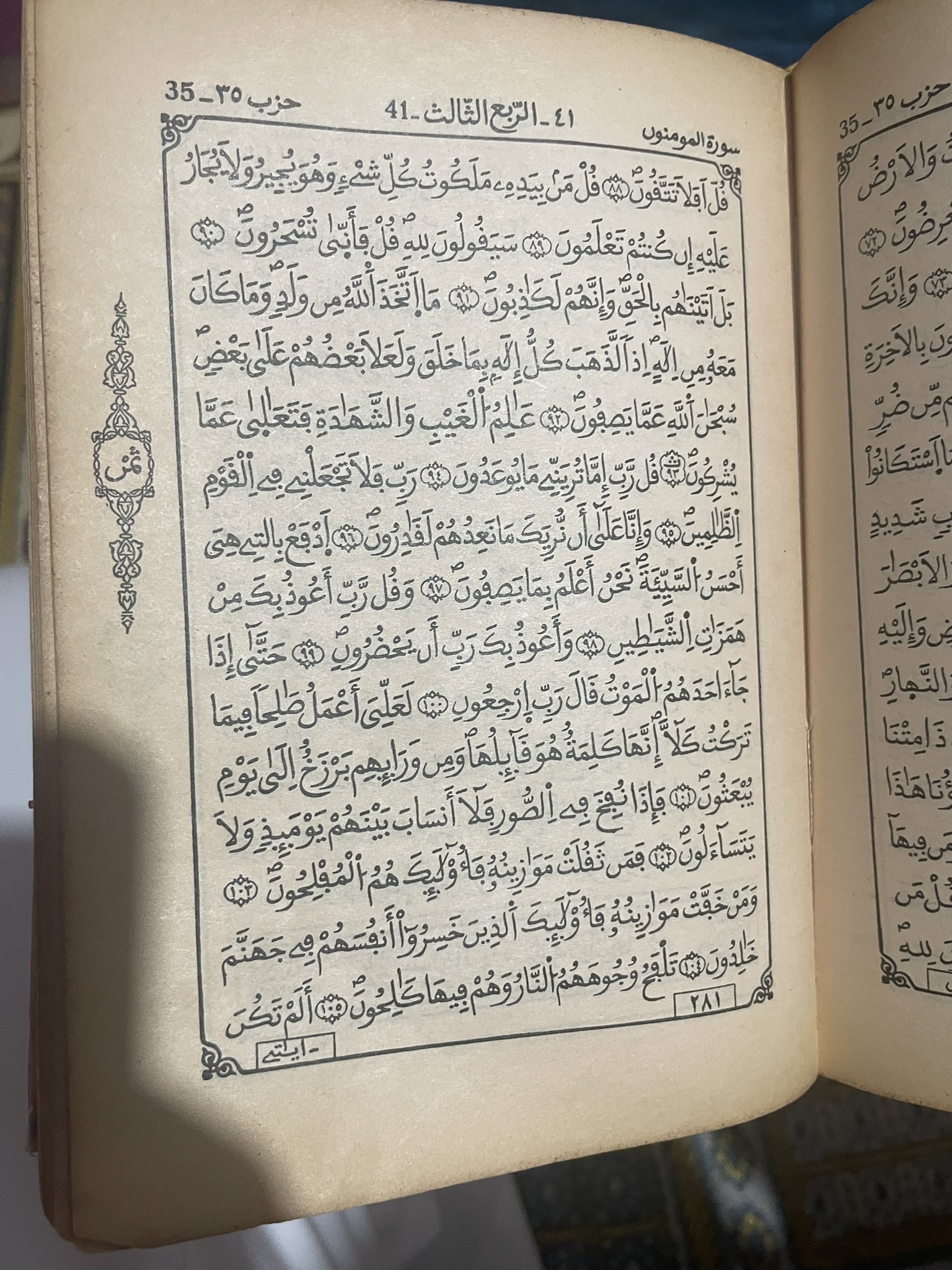
We depart from Casablanca at 6pm and start the journey to Fes which is 300km from Casablanca. There is a lot of traffic in Casablanca city, and it takes us an hour to exit the city and reach the motorway. At 8.45pm, we stop at a service station near Khemisset, in between Rabat and Meknas and perform Magrib Ṣalāh. Shaykh Muḥammad Ouchānī shows me a Qurʾān written in Moroccan script and highlights some of the differences.
During the journey to Fes, various issues are discussed with Mufti Ṣāḥib. They include:
- Moonsighting: With Eid a few days away, Mufti Ṣāḥib is informed that Eid al-Aḍḥā will be celebrated in the UK on Wednesday 27 May 2026 by everyone. In South Africa, the moon was not sighted so Eid will be celebrated on the following day. In relation to Eid al-Fiṭr two months ago, Mufti Ṣāḥib is extremely critical of the moonsighting decision of Afghanistan, where Eid was celebrated on Thursday 19 March 2026, one day before it was celebrated in Saudi Arabia, adding that he hopes punishments are not being imposed there based on such testimonies. He comments, “Astronomy provides certainty, which is why everyone uses it for Ṣalāh times. For moonsighting, it can be used as evidence to negate but not to affirm (حجة في النفي لا في الإثبات). When it comes to moonsighting, then suddenly everyone remembers Shāmī (Radd al-Muḥtār).” Mufti Ṣāḥib expresses astonishment when I inform him that a small minority in New Zealand is now following Saudi Arabia despite being ten hours ahead. He stresses that the maximum difference in Eid across the world should only be one day, and that the discrepancy occurs because Saudi Arabia decides the beginning of the months in advance of sighting the moon. At a later point in the journey, Mufti Ṣāḥib praises Mawlānā Yaʿqūb Qāsmī (d. 1444/2022) and describes him as a Muḥaqqiq (expert) scholar who would send him his beneficial publications.
- Travel from Canada to New Zealand and fasting issue: I explain to Mufti Ṣāḥib our situation during Eid al-Fiṭr when travelling from Vancouver, Canada to Auckland, New Zealand. As Eid was announced in Vancouver when we departed, and we arrived in New Zealand after Dawn (Ṣubḥ Ṣādiq), Mufti Ṣāḥib concurs with our view that the fast of that day is not necessary and does not have to be repeated because 29 days were fasted. For further details, refer to the 2026 New Zealand travelogue as well as a Fatwa in this regard entitled Travelling from a location of Eid to a location of Ramadan.
- Performing Ṣalāh behind the Ibāḍīs: I ask Mufti Ṣāḥib about performing Ṣalāh behind the Ibāḍīs of Oman. Mufti Ṣāḥib says, “Initially, we said no because they would not recite Sūrah al-Fātiḥah in Ṣalāh. However, they recite it now, so it is valid. We visited Tanzania recently where there is a sizeable Ibāḍī community and we advised that Ṣalāh behind them is valid. The Grand Mufti of Oman, Shaykh Aḥmad al-Khalīlī (b. 1361/1942) is a very learned scholar. He has brought balance within them. He has discussed the issue of seeing Allah in the hereafter and accepts that the tajallī (manifestation) of Allah will be experienced and seen.” I mention to Mufti Ṣāḥib that I discussed this issue with Mufti Muḥammad Taqī ʿUsmānī (b. 1362/1943) and he also concurred that the Ṣalāḥ is valid in so far as their beliefs are concerned. Imām Aḥmad ibn Ḥanbāl (d. 241/855) performed Ṣalāh behind those who were of the view that the Qurʾān is a creation of Allah Almighty. Mufti Muḥammad Taqī Ṣāḥib’s main concern was that they do not add a Sūrah after Sūrah al-Fātiḥah. This is not what we had experienced during our visit. When I researched this, it transpired that they do not add a Sūrah in Ẓuhr and ʿAṣr, the quiet prayers. However, the issue of adding a Sūrah is differed upon among the four schools. Mufti Radāul Ḥaq concurs and mentions that according to some schools, adding a Sūrah is recommended not compulsory. He adds that the issue of the creation of the Qurʾān is not a matter of Kufr (disbelief) although some scholars may have written this. For further details, refer to our Oman travelogue (islamicportal.co.uk/nine-days-in-oman-qatar-and-east-saudi-arabia-juwatha) where the issue has been discussed in detail. This view of Mufti Raḍāul Ḥaq is important to note because his earlier view is what is published in his Fatāwā Dār al-ʿUlūm Zakariyyā and I have not checked whether his latest position is published therein or not.
- Aḥbāsh: Whilst discussing the Ibāḍīs, Mufti Ṣāḥib mentions that a two-volume book on the Aḥbāsh has been published recently and it is an excellent book. I think Mufti Ṣāḥib is referring to Al-Aḥbāsh mā lahum wa mā ʿAlayhim by Ṣābir Ḥusnī Jābullāh, published by Dār al-Imām al-Rāzī.
- Mawlānā ʿAlī Miyā Nadwī: Mufti Ṣāḥib highlights that Mawlānā ʿAlī Miyā (d. 1420/1999), also known as Shaykh Abū al-Ḥasan ʿAlī al-Nadwī, was a prolific scholar and a great personality who was not fully appreciated or valued in India. Such was his status and leadership that Darul Uloom Nadwatul Ulama did not split into two unlike Darul Uloom Deoband and Mazahirul Uloom Saharanpur which both split in two. Mufti Ṣāḥib adds that his initial association with Mawlānā Abū al-Aʿlā Mawdūdī (d. 1399/1979) which had a wider purpose was not forgotten in some circles which was not fair.
- Mawlānā Abrār al-Ḥaq Hardoī: Likewise, Mufti Ṣāḥib highlights the status of Mawlānā Abrār al-Ḥaq Hardoī (d. 1426/2005). He says, “On one occasion in Madrasah Ṣowlatiyyah in Makkah al-Mukarramah, it was just before Ẓuhr Ṣalāh time and Mawlānā Abrār al-Ḥaq instructed everyone to remove all the luggage from the room and place it outside. Those present thought this is bizarre. When they returned after ʿAṣr Ṣalāh, they saw that the roof had fallen. Qārī Amīr Ḥasan Ṣāḥib (d. 1433/2012) who witnessed this all commented, ‘recognise the worth of this old person.’”
Musk Gift
On the approach to Fes, Mufti Ṣāḥib gifts me a bottle of musk and says:
“I am gifting this to you because I read your Arabic treatise (risālah) on musk (entitled al-Risālah al-ʿIṭriyyah fī al-Aḥādīth al-Miskiyyah) and I am gifting this to you so that it serves as a remembrance that I read your treatise.”
Subḥānallāh! I gifted a draft of this unpublished treatise to Mufti Ṣāḥib in 2022 and not only did Mufti Ṣāḥib read it, but he also remembered it and brought a gift with him from South Africa. It is these sincere gestures that truly reflect a person’s nature and affection beyond their academic contribution and knowledge. May Allah Almighty bless Mufti Ṣāḥib.
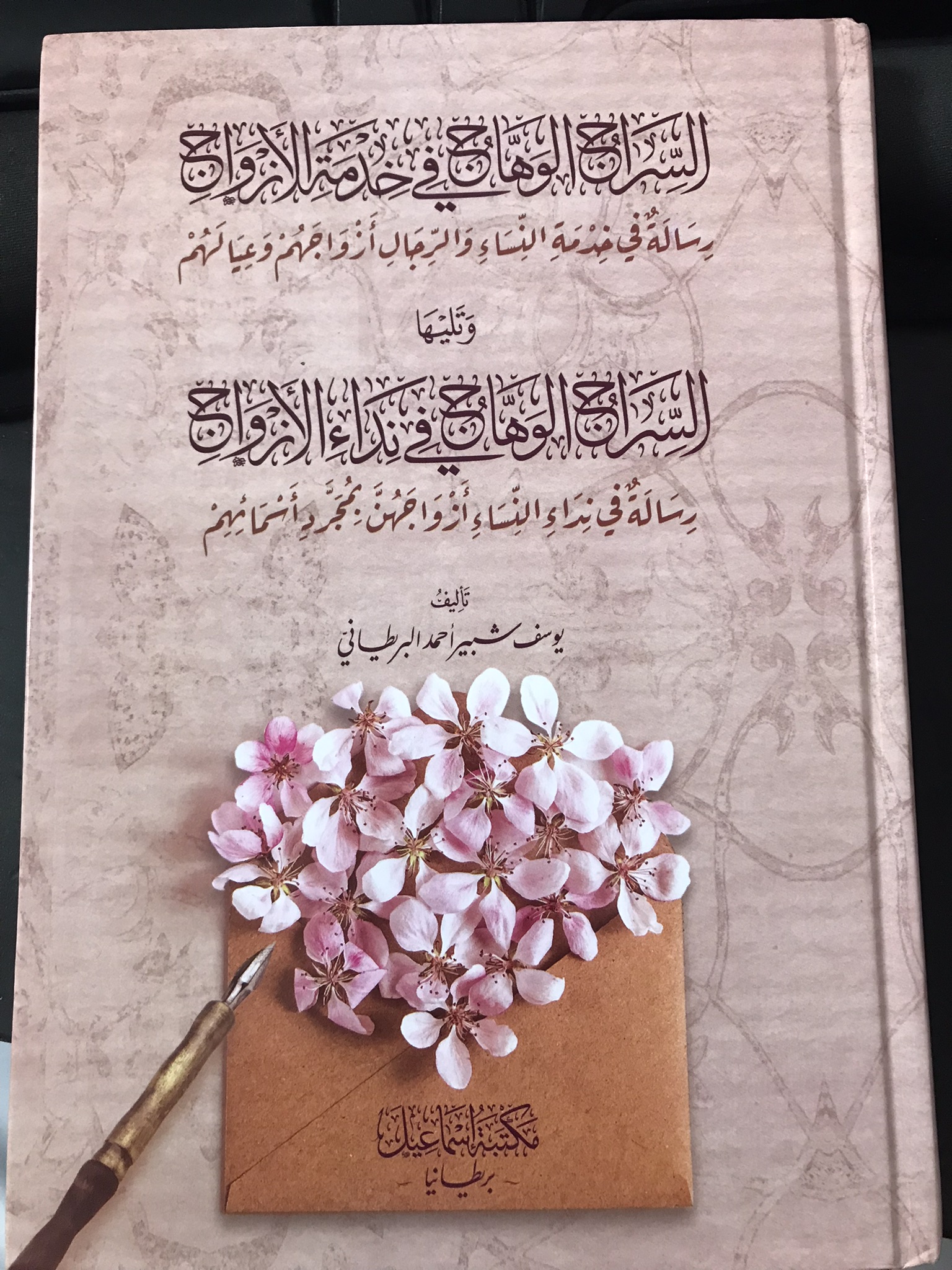
A few months ago, someone sent me photos from Mufti Ṣāḥib’s Urdu book Bād Bahārī bar Khatm Bukhārī (page 89), which is a transcript of a lecture, wherein has referred to me as his friend and cited my book Al-Sirāj al-Wahhāj fī Khidmāt al-Azwāj. In 2022, Mufti Ṣāḥib encouraged this book to be taught in seminaries for girls. This reflects his humility and commitment to benefit from seniors as well as juniors, a trait of a true scholar.
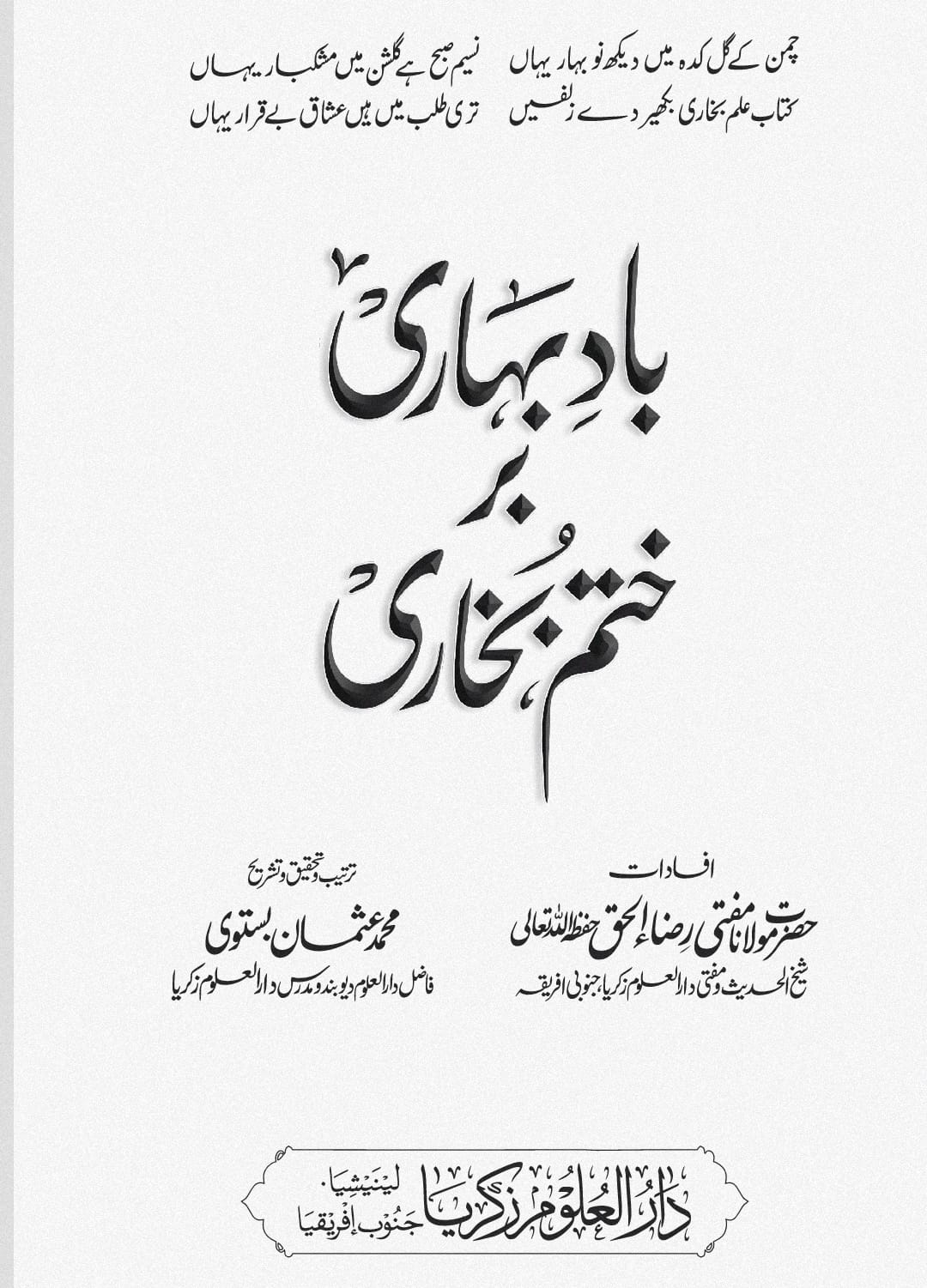
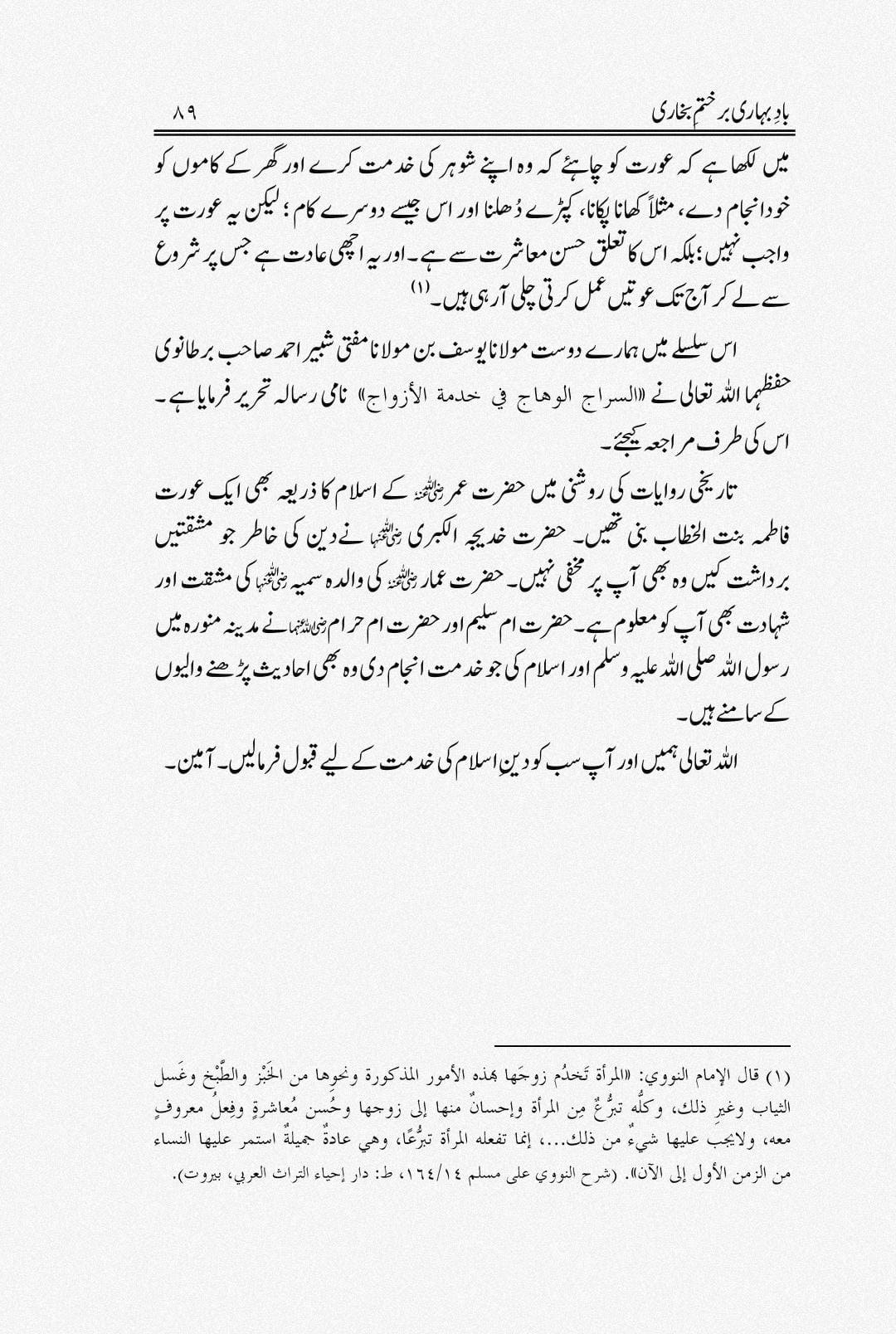
Likewise, Mufti Ṣāḥib gifts oud to Mawlānā Khalīl and says to him:
“This oud has been gifted to me from a family member of Mawlānā Ḥusayn Aḥmad Madanī. You are worthy of this gift.”
Fes/Fez (Fās)
At 10.30pm, we enter the historic city of Fes which is described as Morocco’s cultural and spiritual capital. It is primarily known for the Fes el-Bali (the old Fes) walled medina, which is a UNESCO World Heritage site. The UNESCO website states:
“Founded in the 9th century, Fez reached its height in the 13th–14th centuries under the Marinids, when it replaced Marrakesh as the capital of the kingdom. The urban fabric and the principal monuments in the medina – madrasas, fondouks, palaces, residences, mosques and fountains – date from this period. Although the political capital of Morocco was transferred to Rabat in 1912, Fez has retained its status as the country’s cultural and spiritual centre.”
The Encyclopaedia Britannica states:
“Fès, city, northern Morocco, on the Wadi Fès just above its influx into the Sebou River. The oldest of Morocco’s four imperial cities, it was founded on the banks of the Wadi Fès by Idrīs I (east bank, about 789) and Idrīs II (west bank, about 809). The two parts were united by the Almoravids in the 11th century to become a major Islamic city. Fès reached its zenith as a centre of learning and commerce under the Marīnids in the mid-14th century and has kept its religious primacy through the ages. The Treaty of Fès (March 30, 1912) established the French protectorate in Morocco. The city is almost completely surrounded by low hills covered with olive groves and orchards. The ancient battlements of Fès, flanked by stone towers, still partly enclose the old city, which is known as the Fès el-Bali. The old city contains the 9th-century Qarawīyīn Mosque and is the seat both of a famous Islamic university (founded 859) and of the Sidi Mohammed ibn Abdellah University (founded 1974); it is also the sanctuary (zāwiyah) of Idrīs I and houses the tomb of Idrīs II. The old city contains a number of well-preserved funduqs (caravansaries). The Fès el-Jedid (New Fès) section of the city, founded in the 13th century by the Marīnids, contains the Royal Palace and the adjoining Great Mosque, which is noted for its 13th-century polychrome minaret. Just south of the Royal Palace is the Mellah, or Jewish quarter; many of the Jewish goldsmiths, silversmiths, and jewellers who once lived there immigrated to Israel in the decades following the founding of the Jewish state (1948). The modern section of the city, the Ville Nouvelle, lies on a plateau to the southwest; it was founded by Marshal L.-H.-G. Lyautey of France in 1916. The city’s industrial quarter is in this district, near the railway station. Fès is a centre for trade and traditional crafts, and until the late 19th century it was the only place in the world where the fez (brimless red felt hat in the shape of a truncated cone) was made. Most of the city’s traditional crafts, such as leatherwork and pottery making, are practiced in the narrow, winding streets of the old city and are sold in that section’s traditional marketplaces, or sūqs. Tourism is a major industry in Fès. The old city was named a UNESCO World Heritage site in 1981. Fès has an international airport. The area in which Fès is situated produces cereals (primarily wheat), beans, olives, and grapes; sheep, goats, and cattle are also raised. Pop. (2004) 946,815; (2014) 1,091,512.”
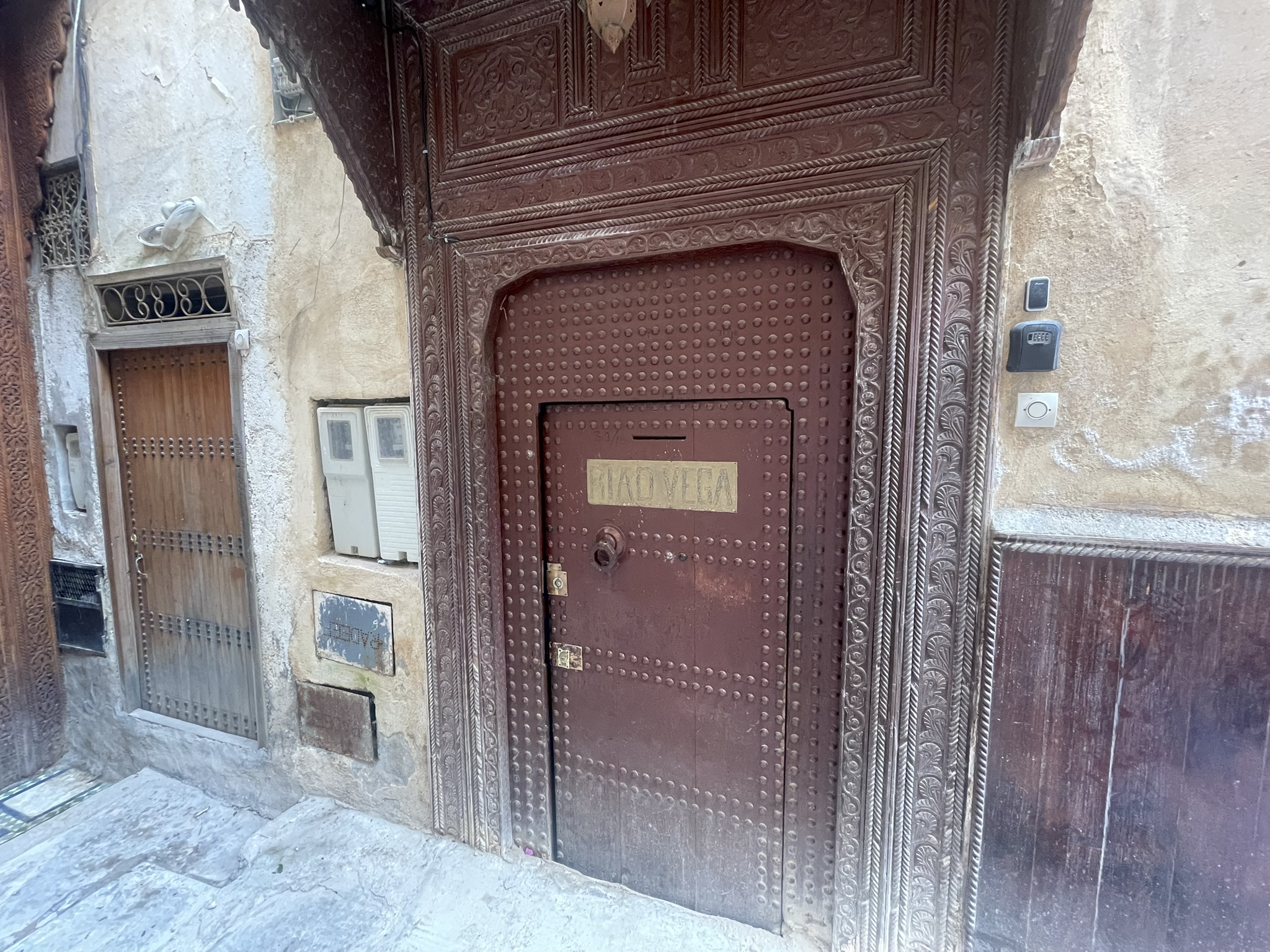
Riad Vega, Fes el-Bali
We park our car in an underground car park near the main entrance of Fes el-Bali and thereafter enter this historic medina on foot. This is one of the world’s largest car-free urban zones, not ideal for those who struggle to walk.
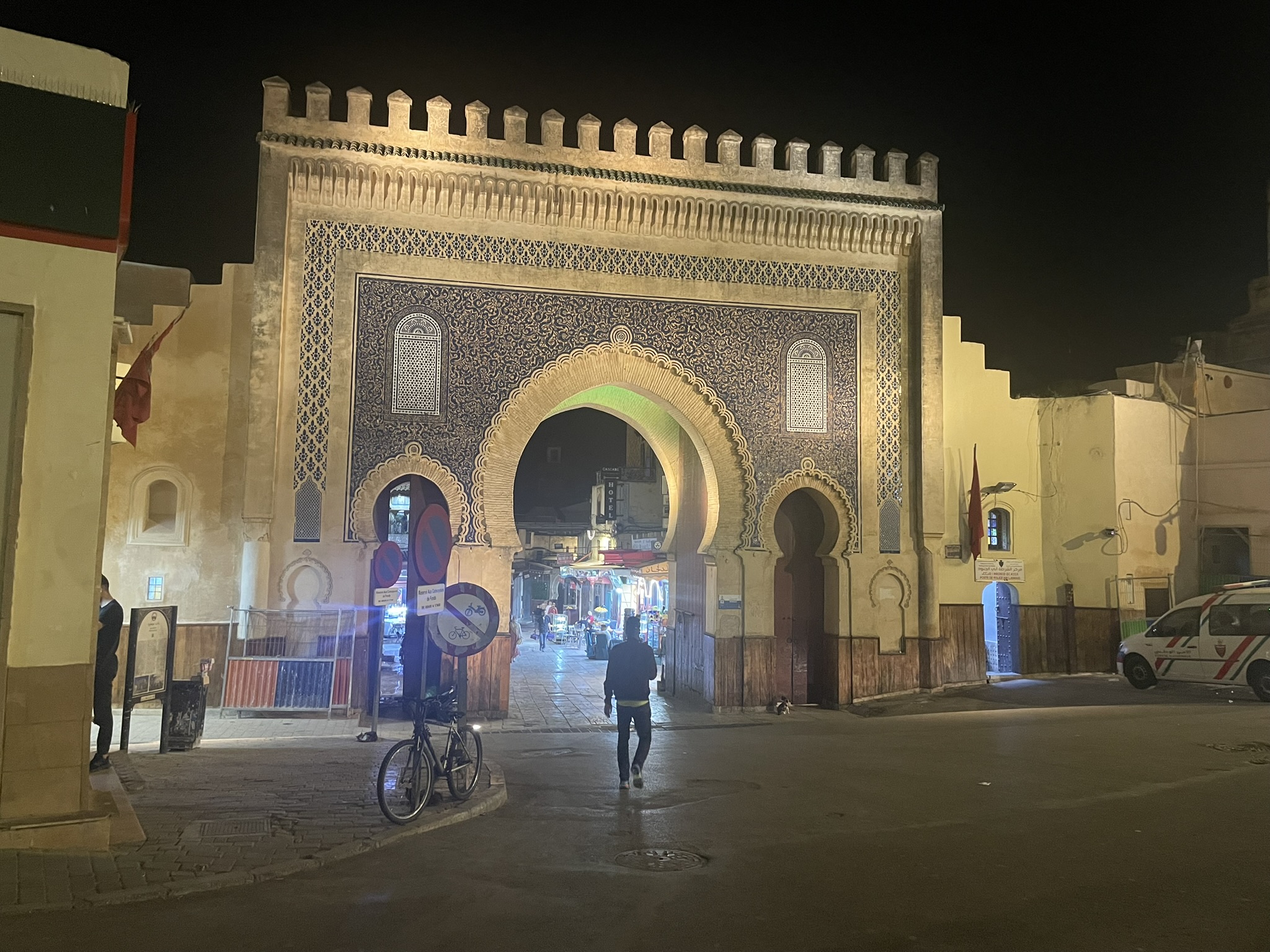
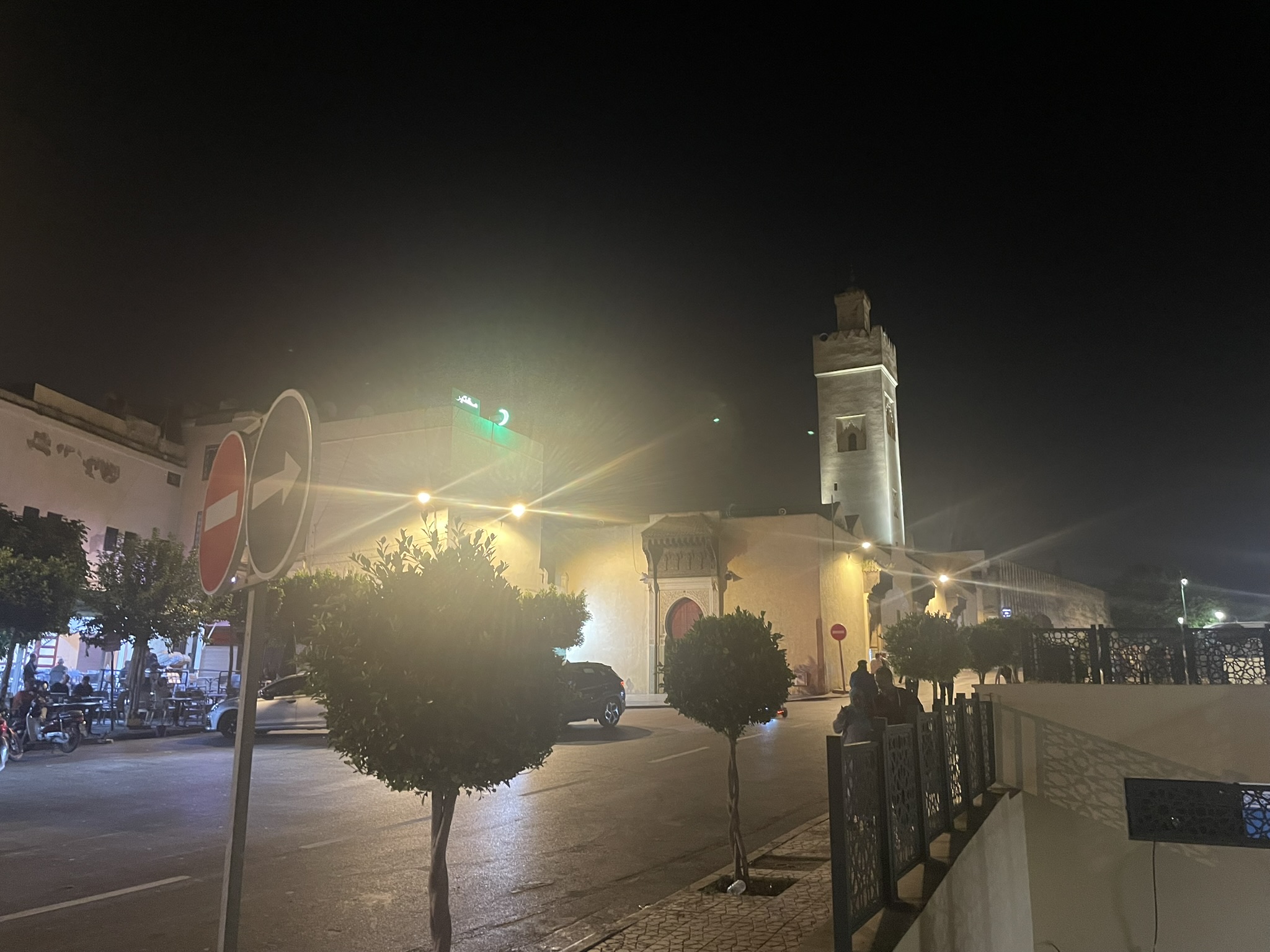
Shaykh Muḥammad Ouchānī has booked the Riad Vega guest house for all of us within Fes el-Bali so that we can appreciate the traditional Moroccan way of living and experience living in a Riad, which is a traditional inward-facing house or palace built around a central, open-air courtyard or garden, often centred around a fountain. As we approach the Riad Vega guest house, we pass the residence of a Jewish person. The presence of Jews in Fes is historic. The famous geographer, ʿAllāmah Yāqūt al-Ḥamawī (d. 622/1225) mentions in Muʿjam al-Buldān (4: 230) that Fes is home to the largest number of Jews across the Maghreb. According to statistics, before 1948, there were approximately 265,000 Jews living in Morocco. Today, however, the number of Jews is approximately 2,500 with most residing in Casablanca, making the country home to the largest Jewish community in North Africa.
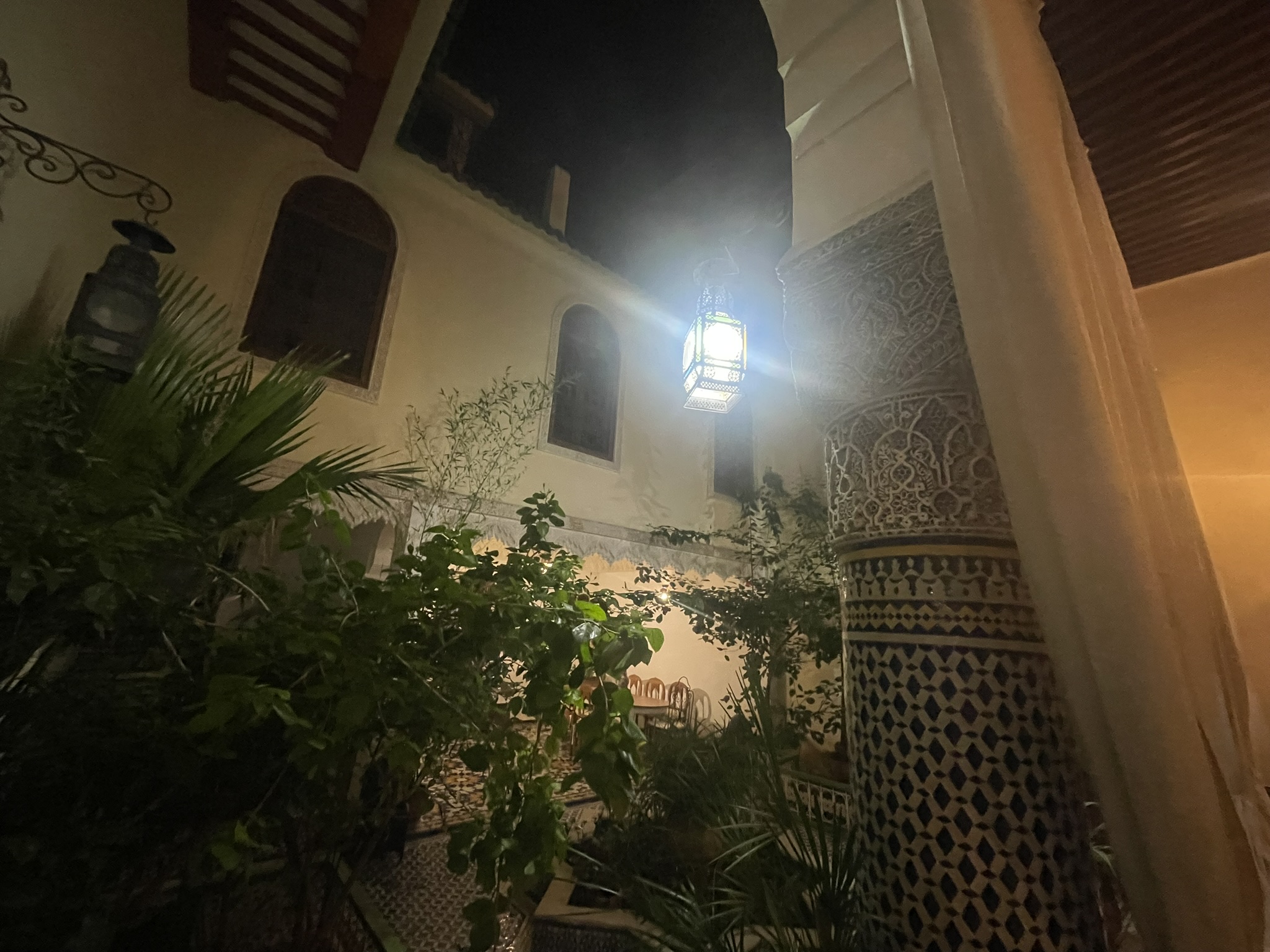
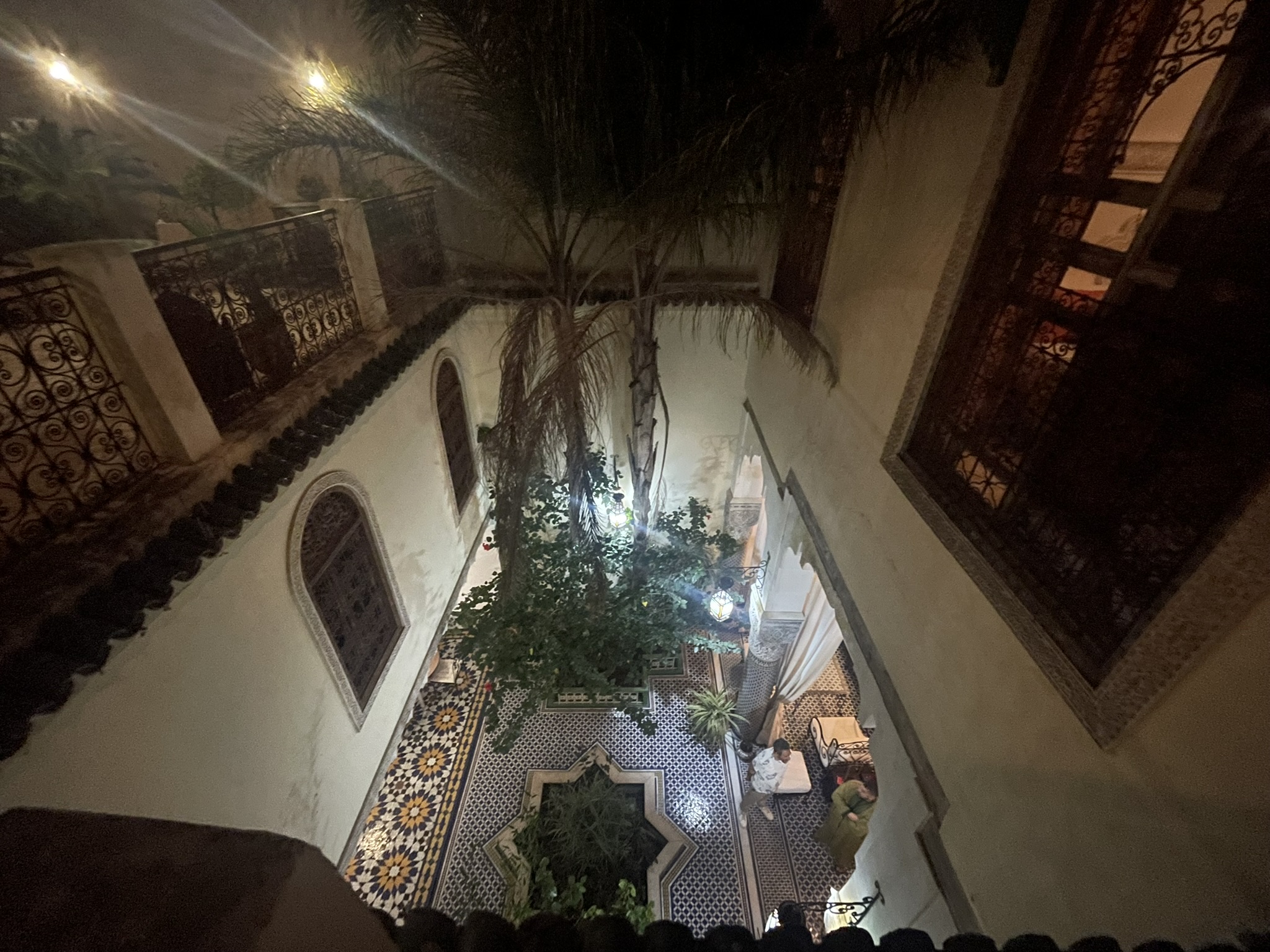
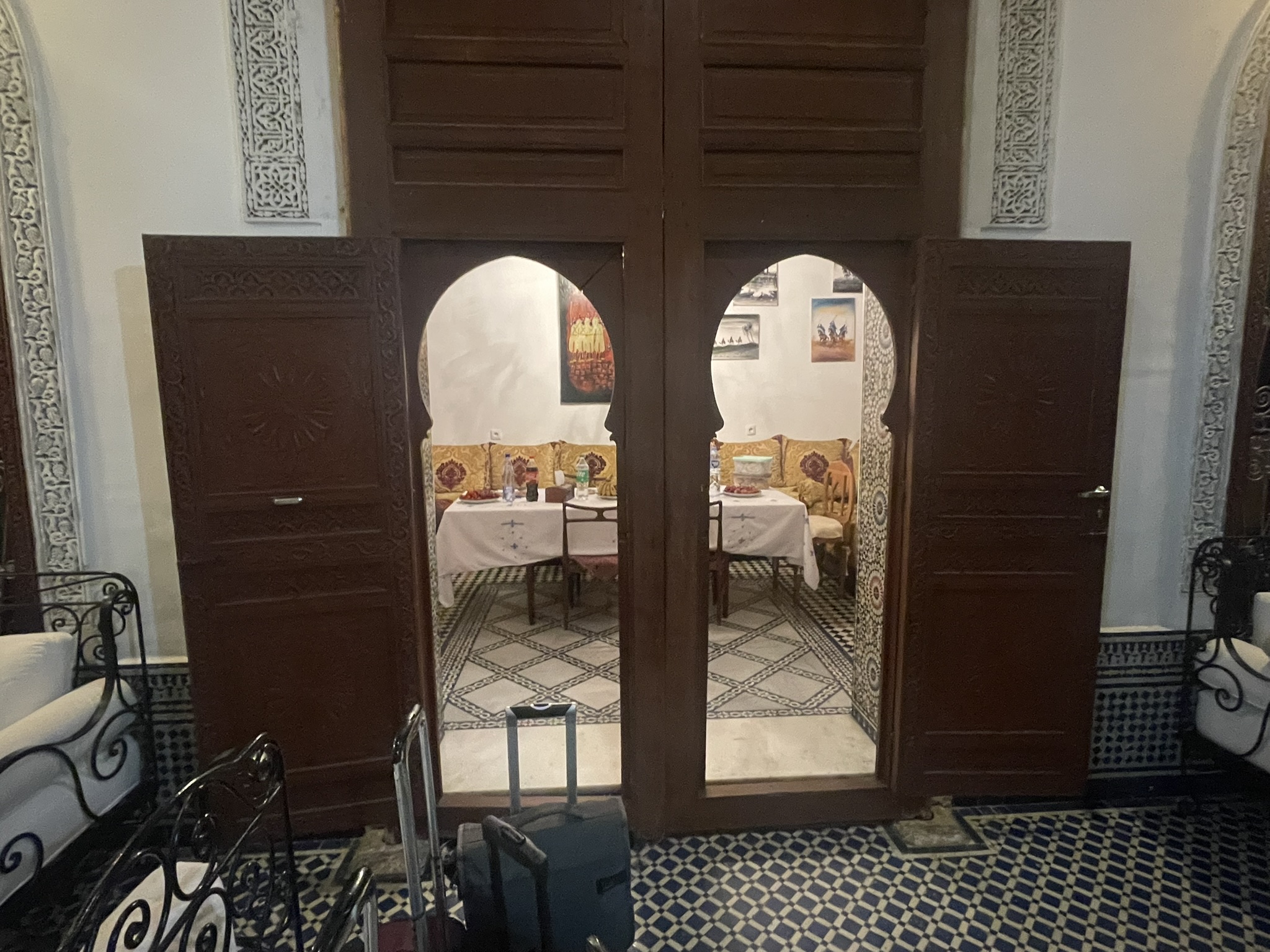
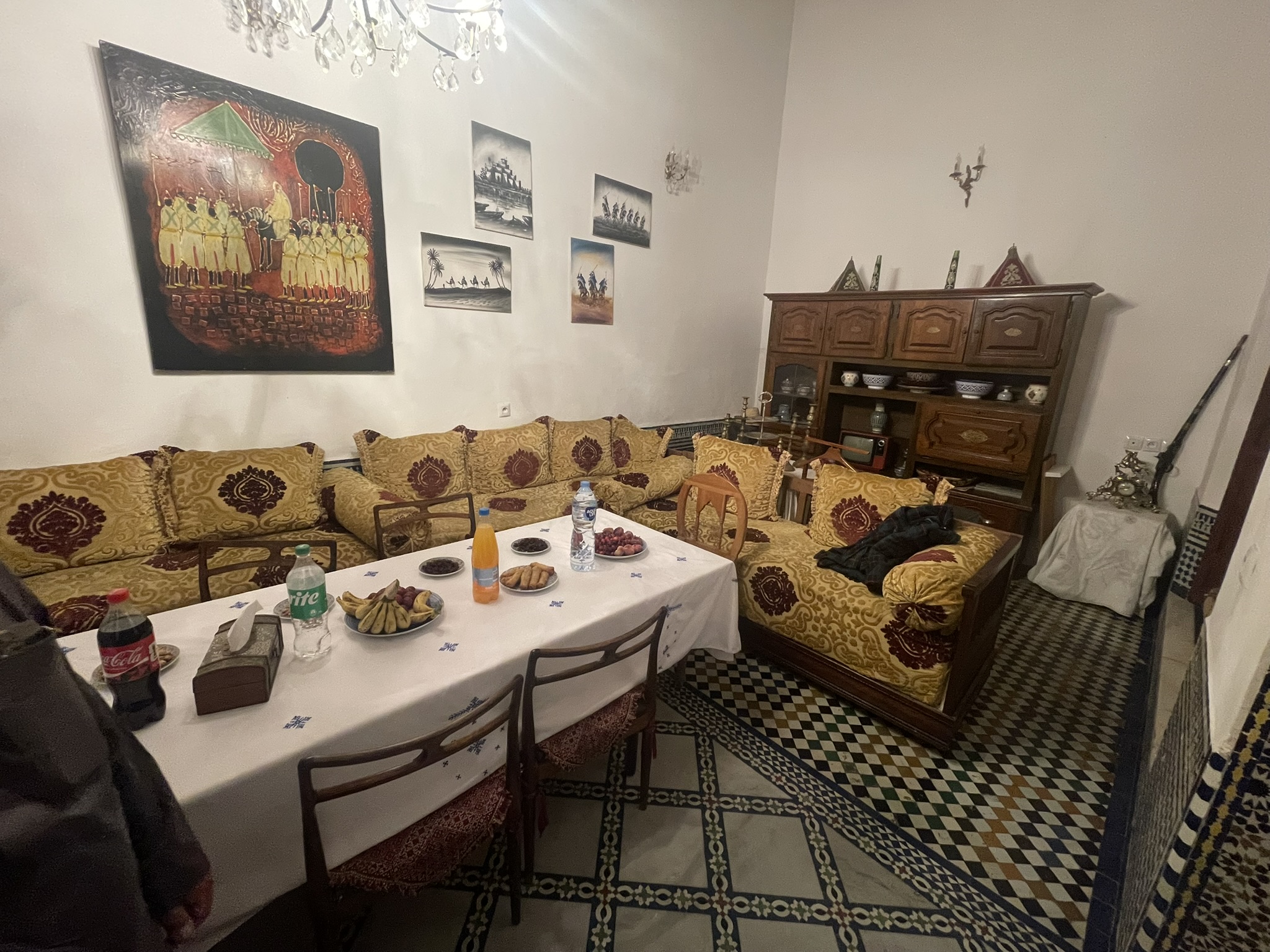
We enter the Riad Vega guest house, eat dinner, perform Ṣalāh and rest for the evening. There are several bedrooms which are sufficient for 12-15 people. Generally, Morocco is safe. One can walk around at night without any fear.
Day 2 – Thursday 21 May 2026
Tour of Fes
Breakfast and Ṣaḥīḥ al-Bukhārī recitation
It is a late morning start as we eat breakfast at Riaz Vega. The breakfast is good. Generally, the Moroccans have a healthy diet with regular use of fresh olive oil, organic butter, salads and fresh fruit.
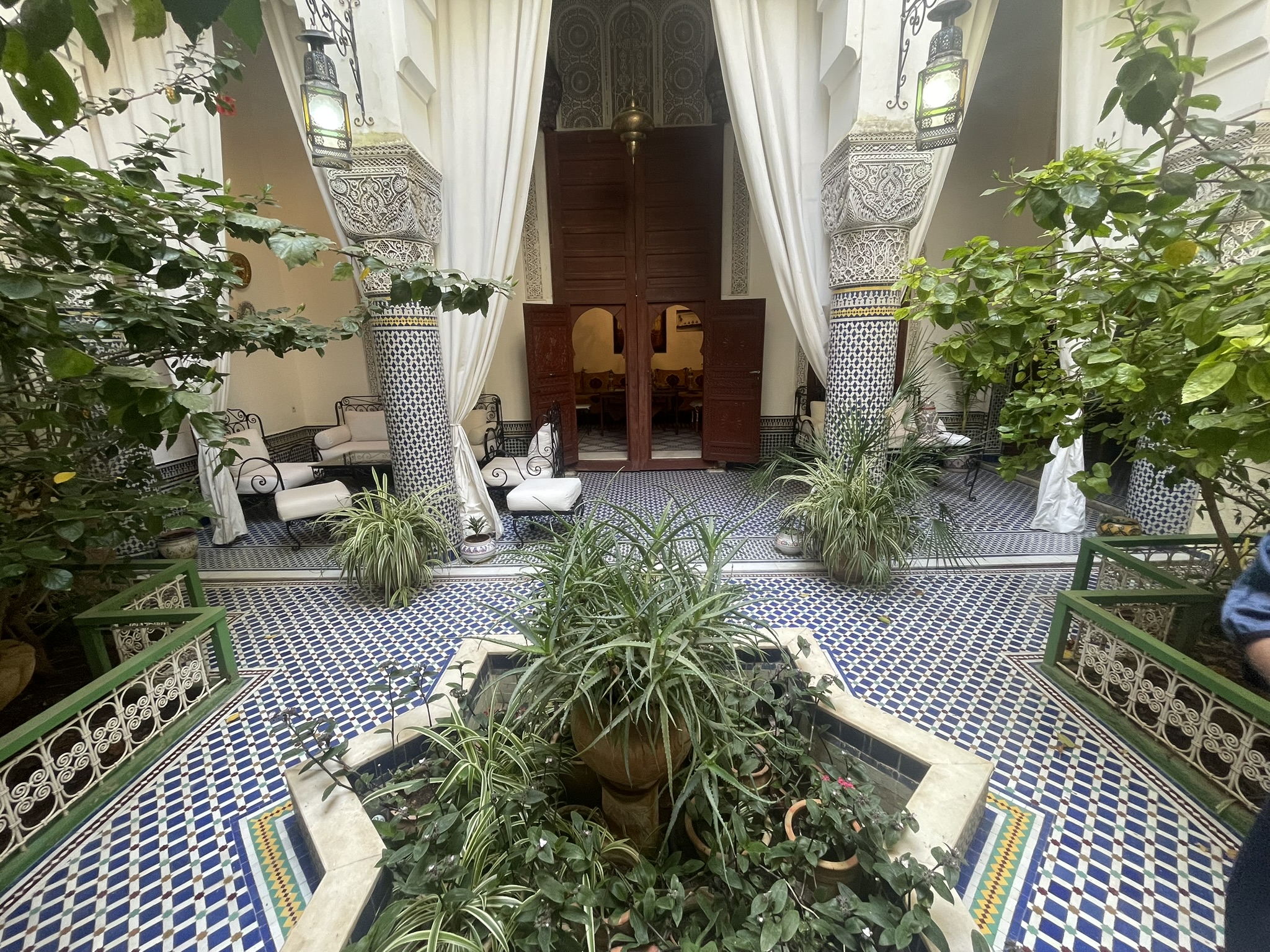
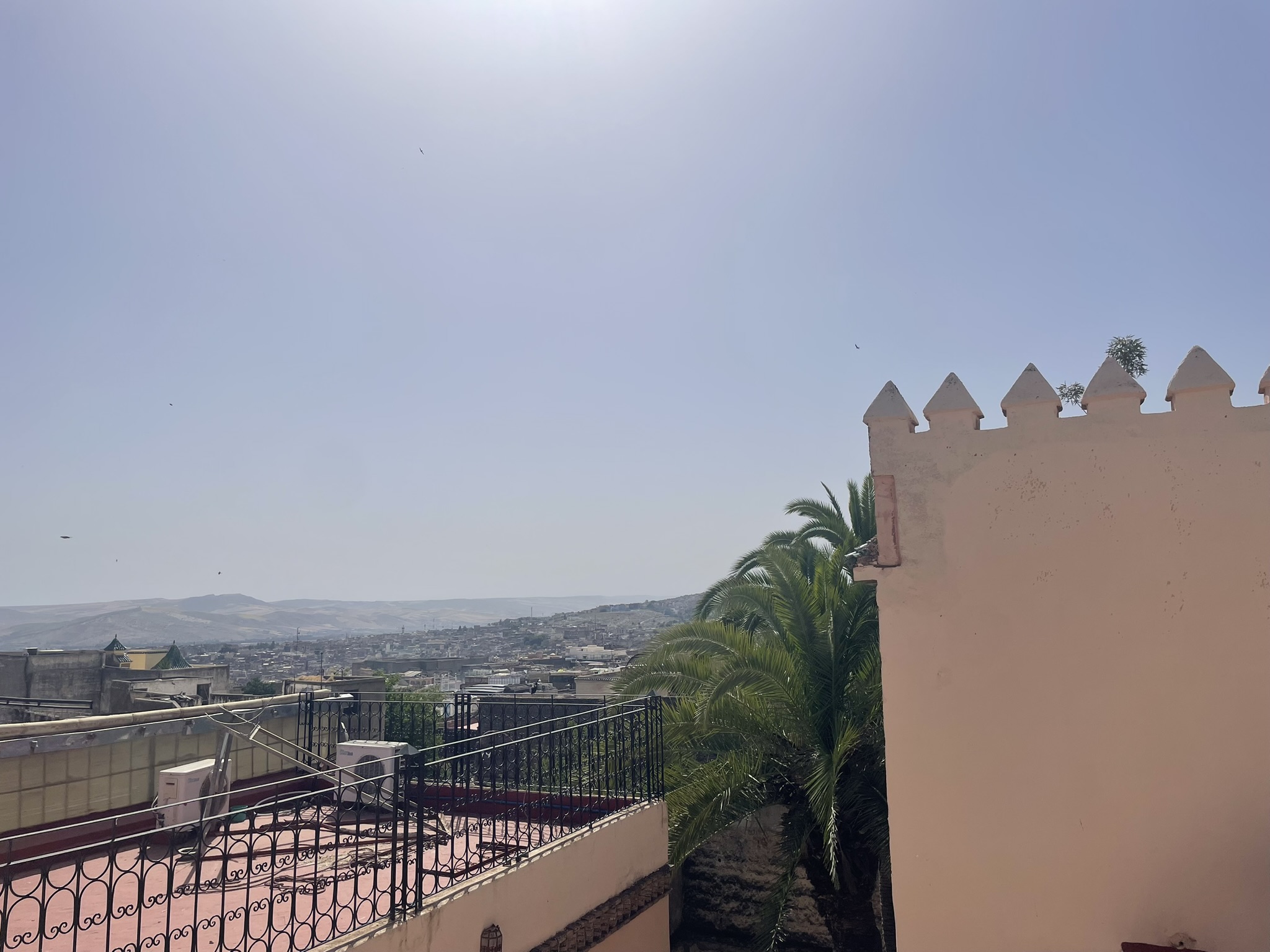
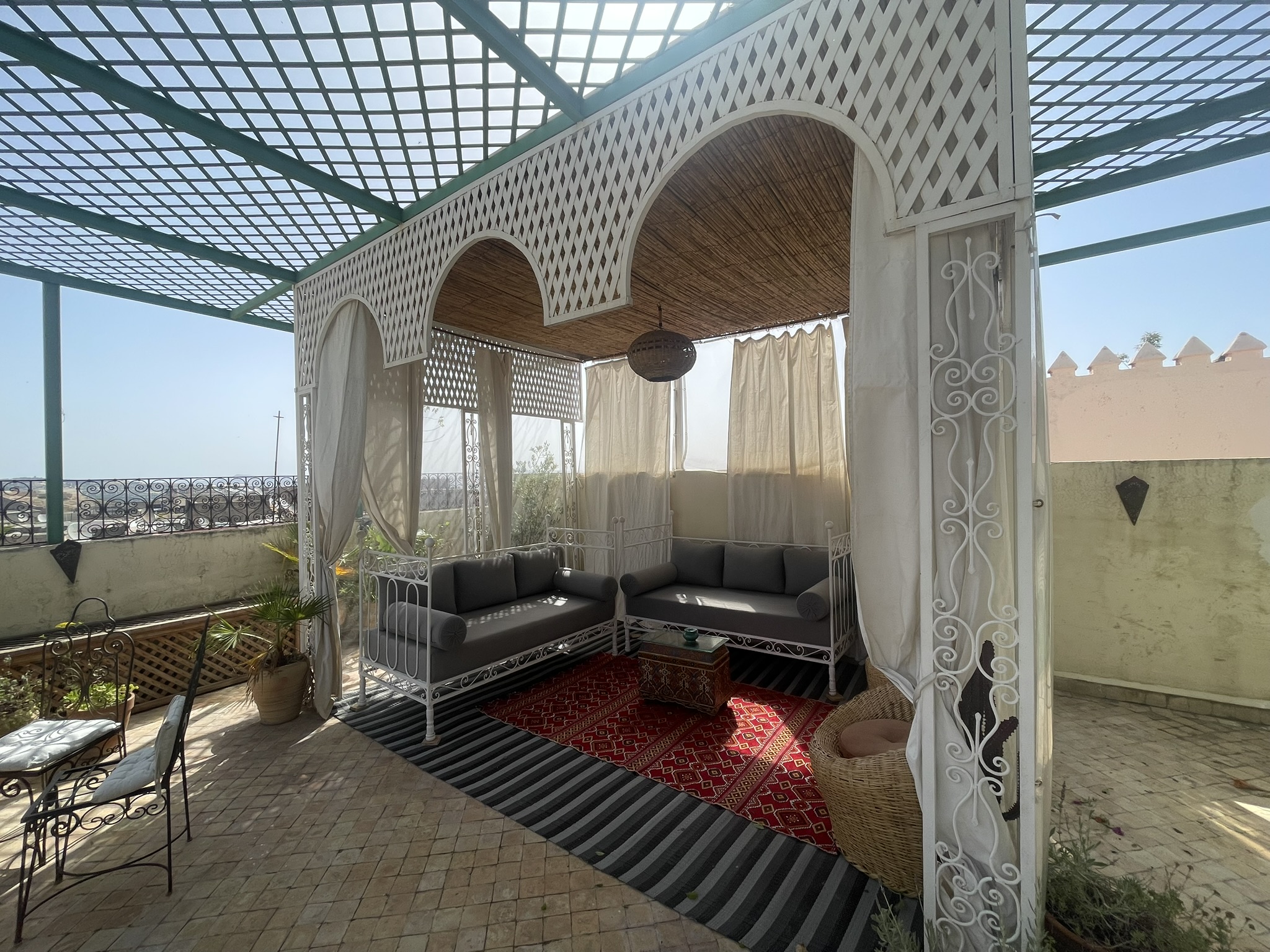
As we wait for our guide to come, I take the opportunity to continue my recital of Ṣaḥīḥ al-Bukhārī to Mufti Ṣāḥib which I had begun in 2022. The opening Ḥadīths of the chapter of purity are read (135 to 146).
Fes el-Bali
Our local guide for the day, Idrīs comes at 10.45am and we begin touring the historic Fes el-Bali in which we spent the night. The guide explains, “There are 9,400 streets in this walled medina. 145,000 people reside here and there are 80,000 guests daily. Vehicles are not allowed here. It is easy to get lost. The city was established in 789 CE making it the oldest city in Maghreb. In 808 CE, it became the capital of the region. The region’s history however goes back much before this. It is suggested that Ḥarām ibn Nūḥ (the son of Prophet Nūḥ, peace be upon him) resided in this region.” Brother Idrīs then explains the history of the country to date.
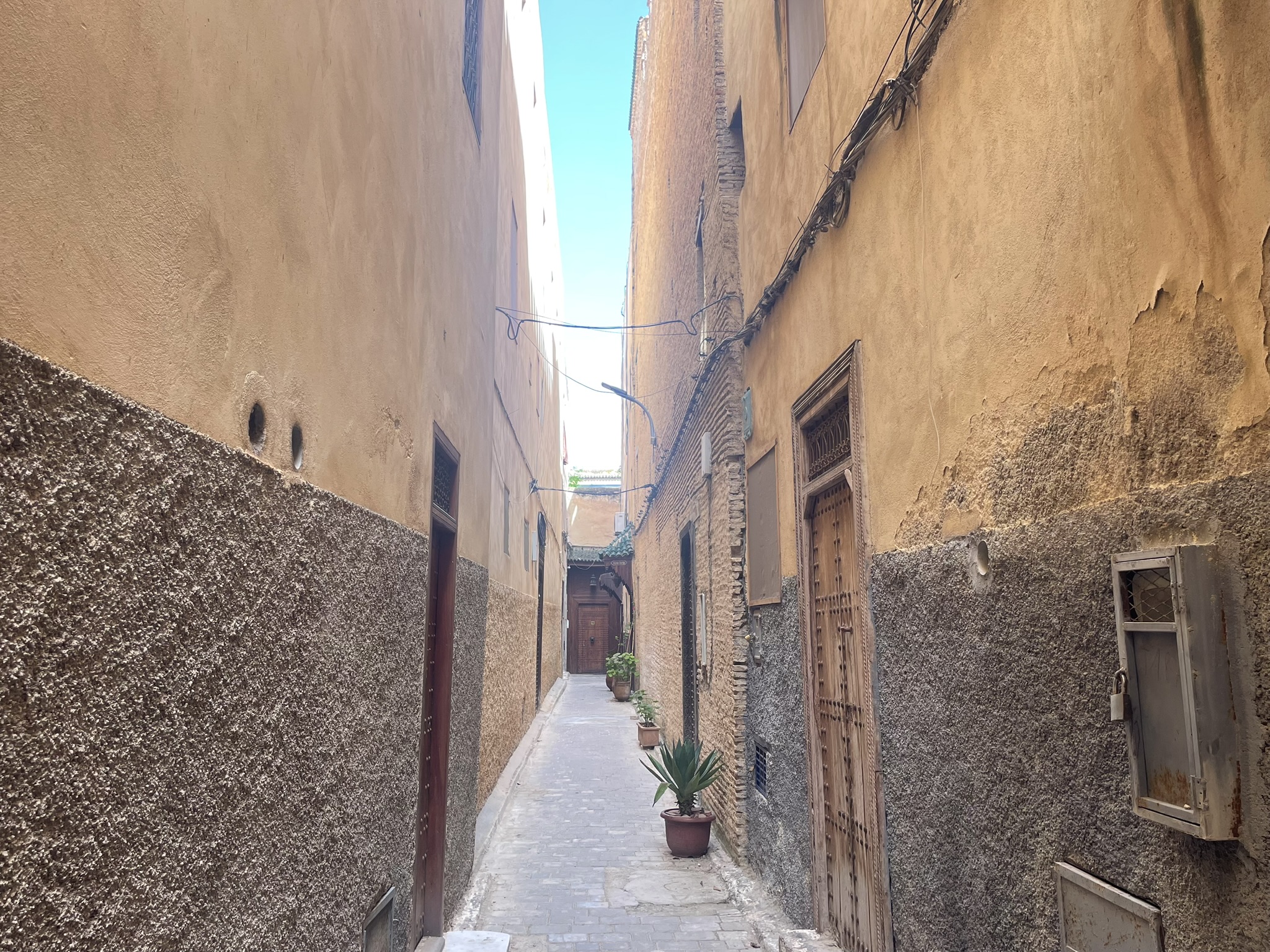
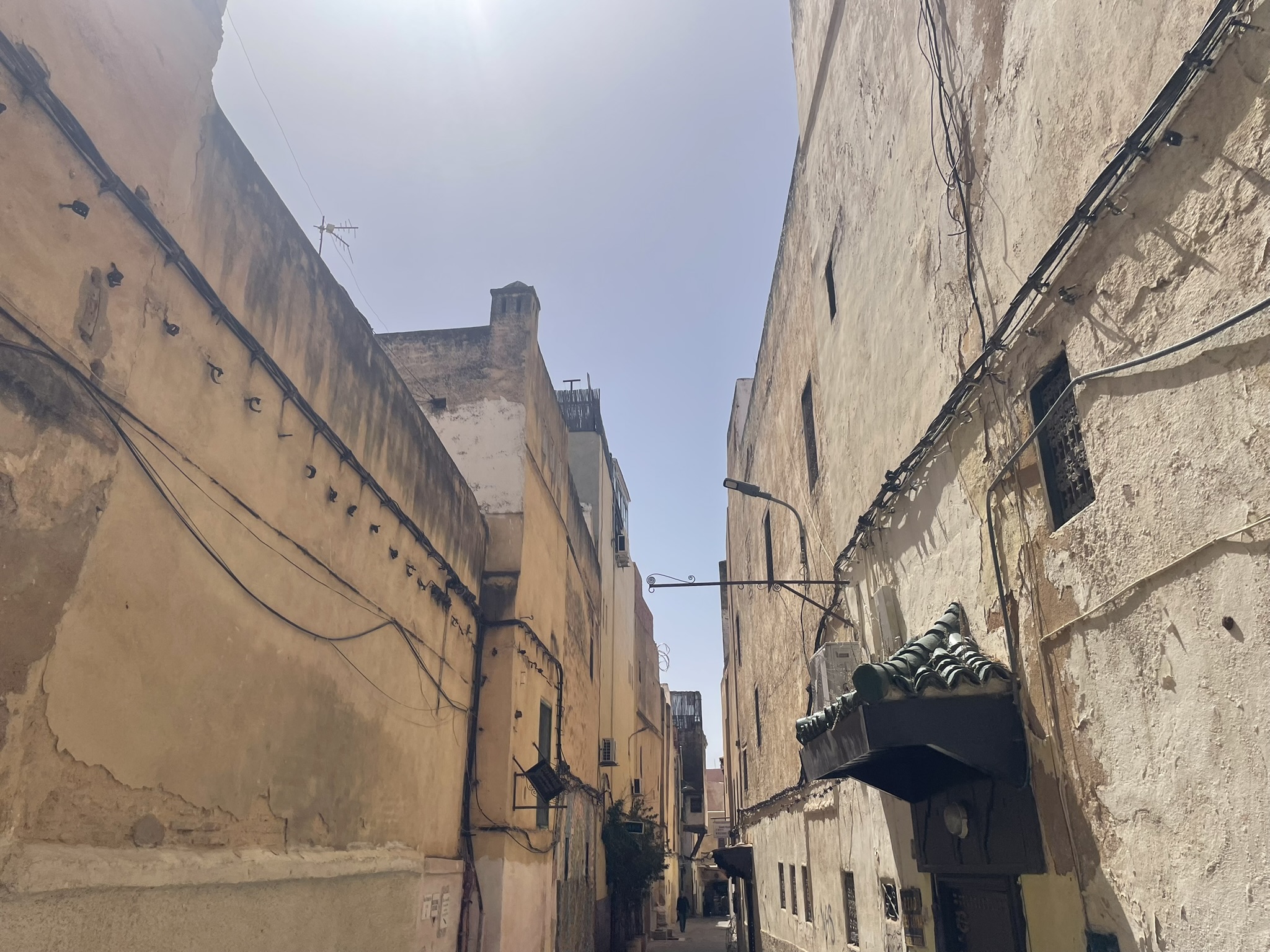
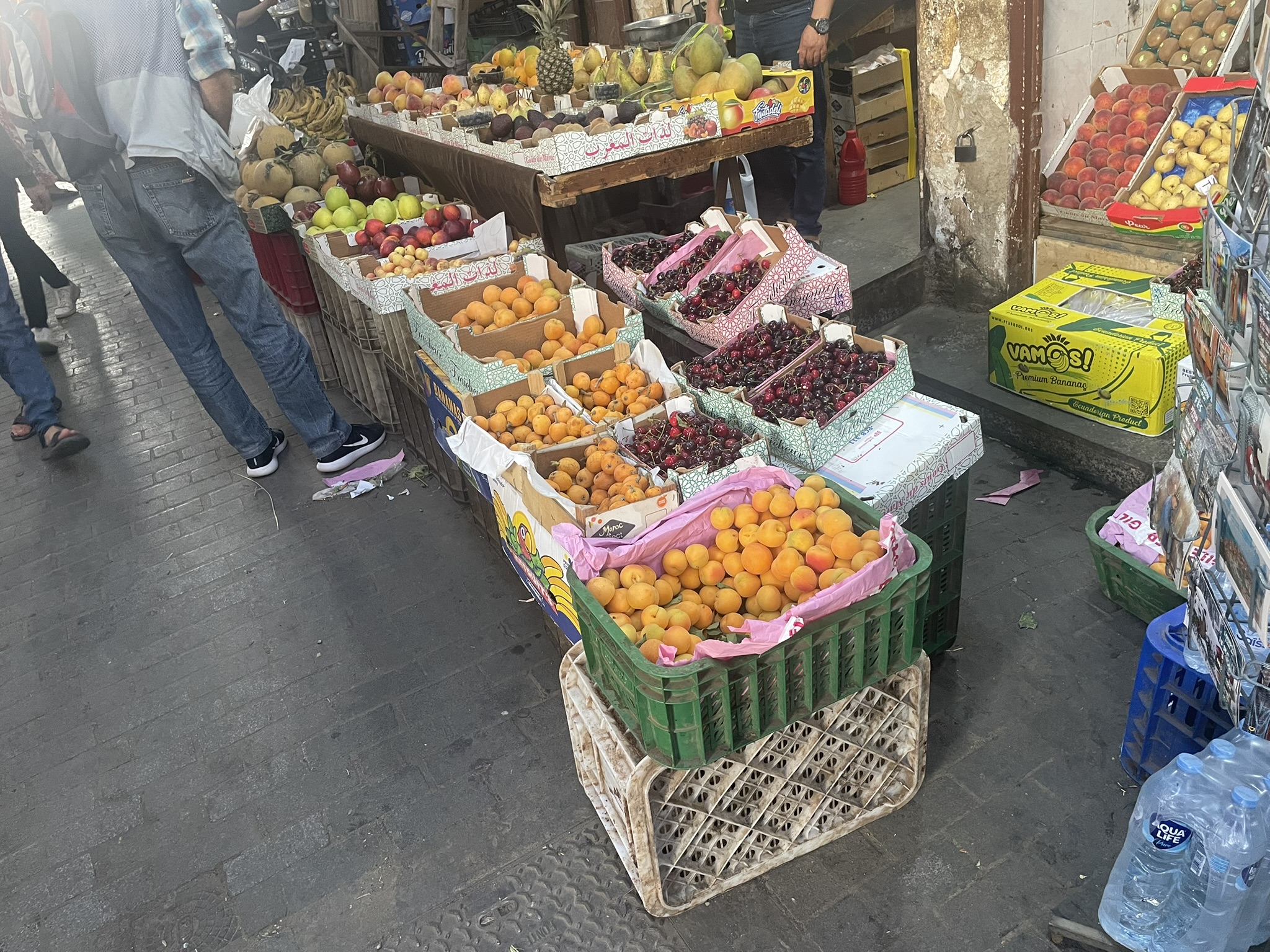
As we walk through the medina and pass souks, spice markets, artisan workshops and much more, it reminds you of the old city of al-Quds, except that Fes el-Bali is significantly larger.
Medressa El Bouanania (Bou Inania Madrasa)
Our first stop at 11am is Medressa El Bouanania on the south side of Tala’a Kebira Street, not far from Riad Vega.
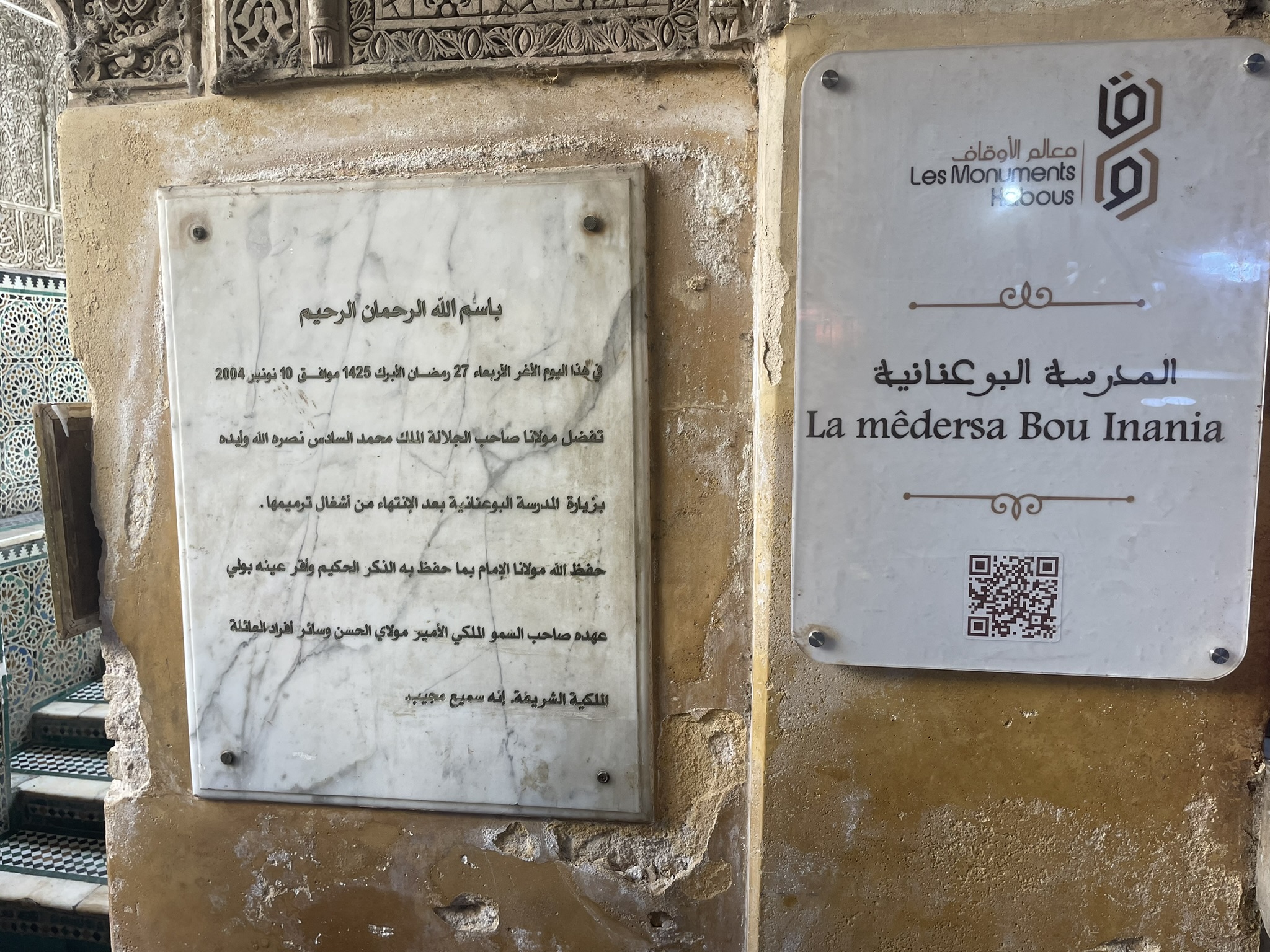
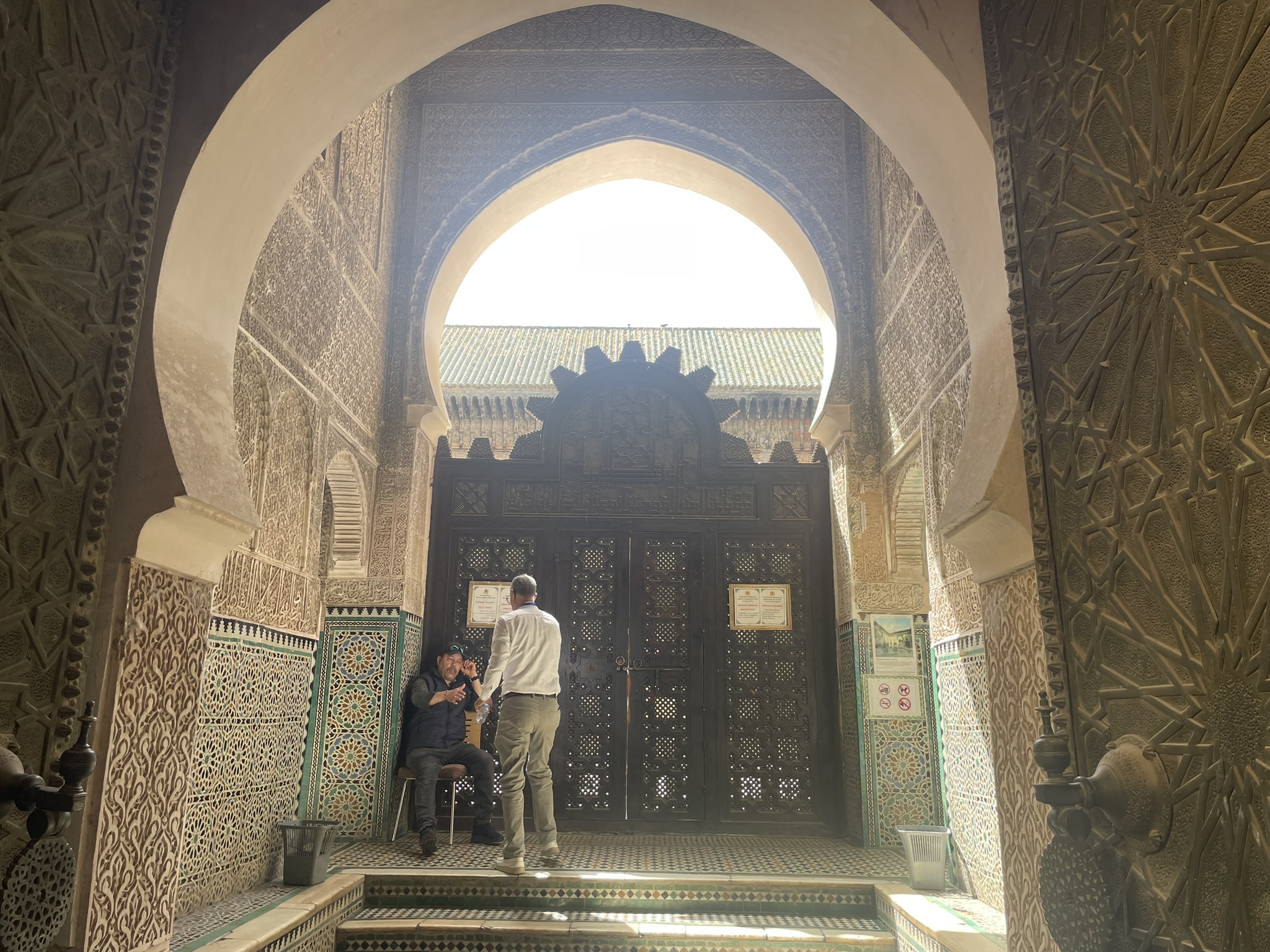
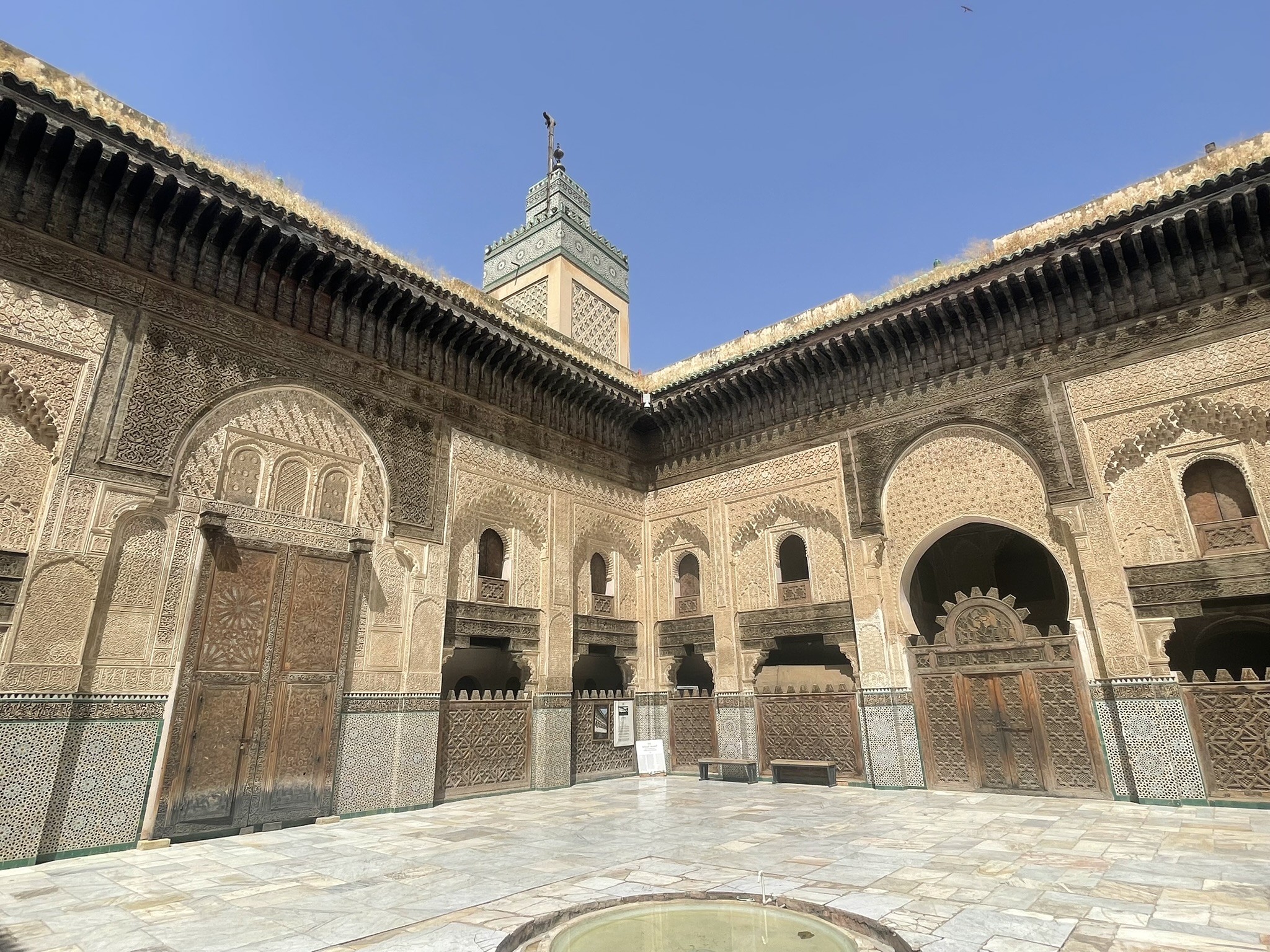
The madrasah was built in 1350–55 CE by the Marinid sultan Abū ʿInān Fāris (d. 759/1358) and also served as a congregational mosque, which is why it is one of the few Moroccan madrasahs with a prominent minaret. The courtyard is flanked by two classroom chambers on the ground floor and students’ quarters on the second floor. Ahead of this after the courtyard is the prayer area. Much of the building is covered with high-quality decoration in carved stucco, zellij (mosaic tilework) and carved wood. This is a perfect reflection of Marinid architecture and also of historic Moroccan architecture in general.
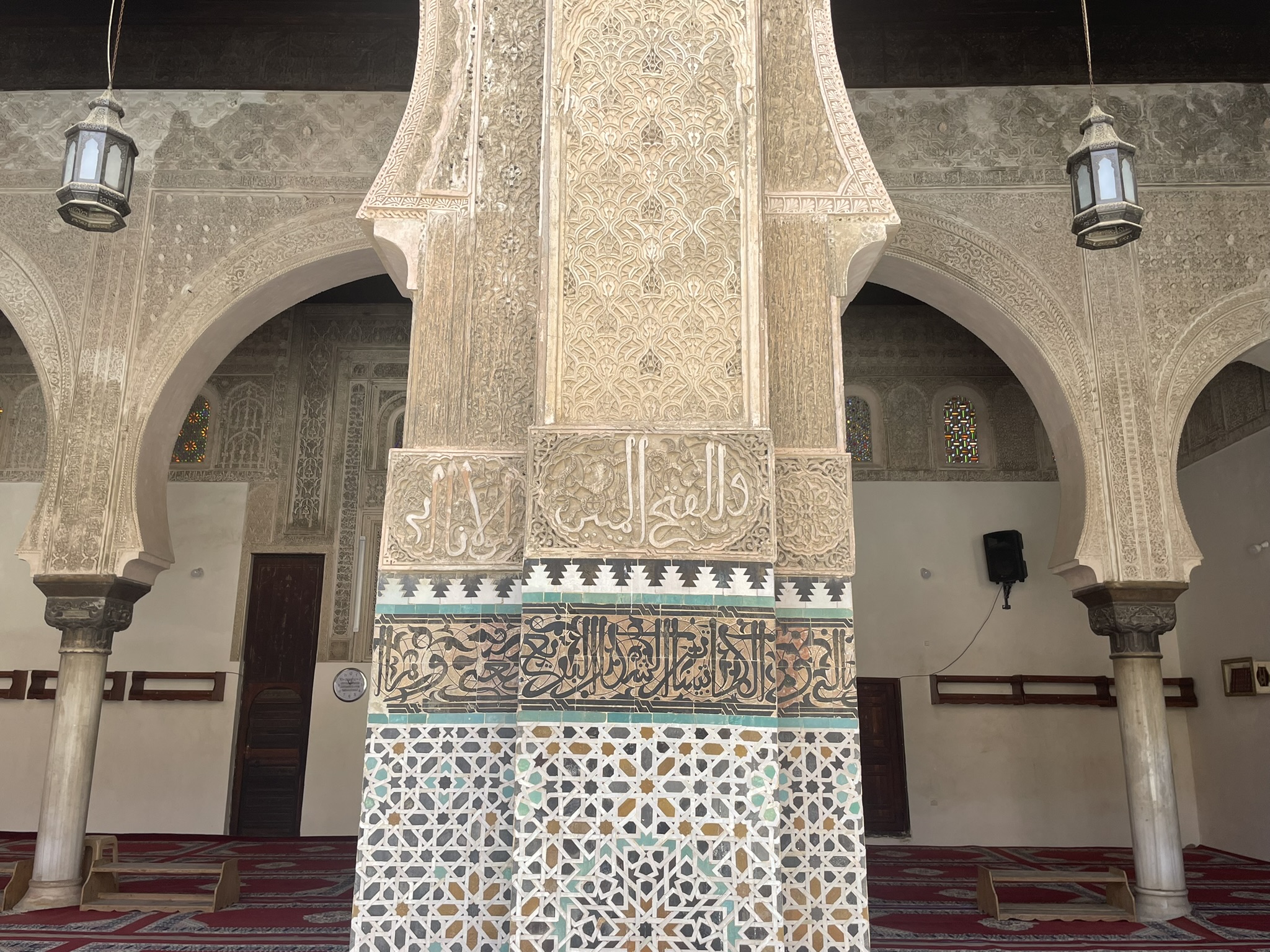

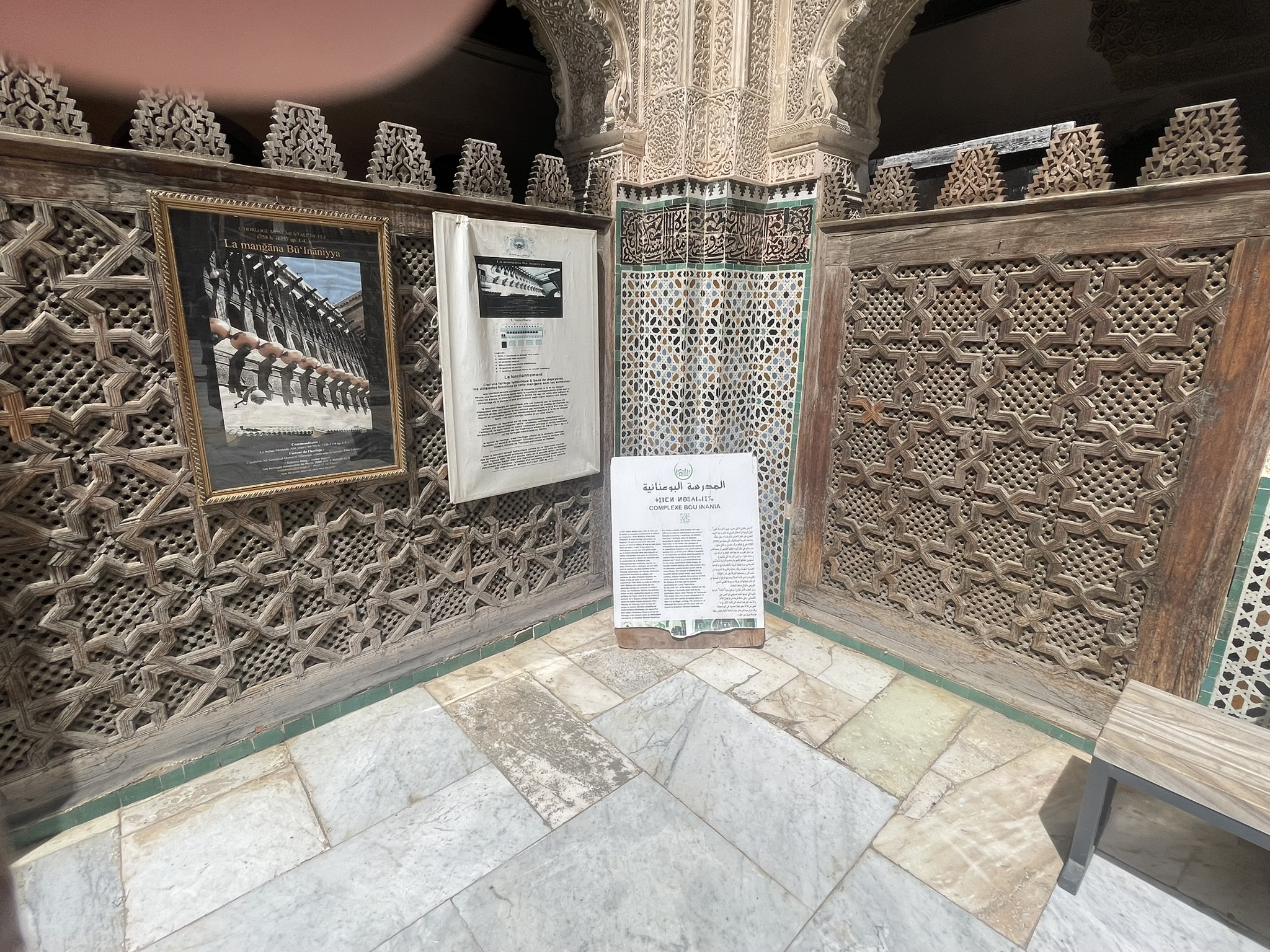
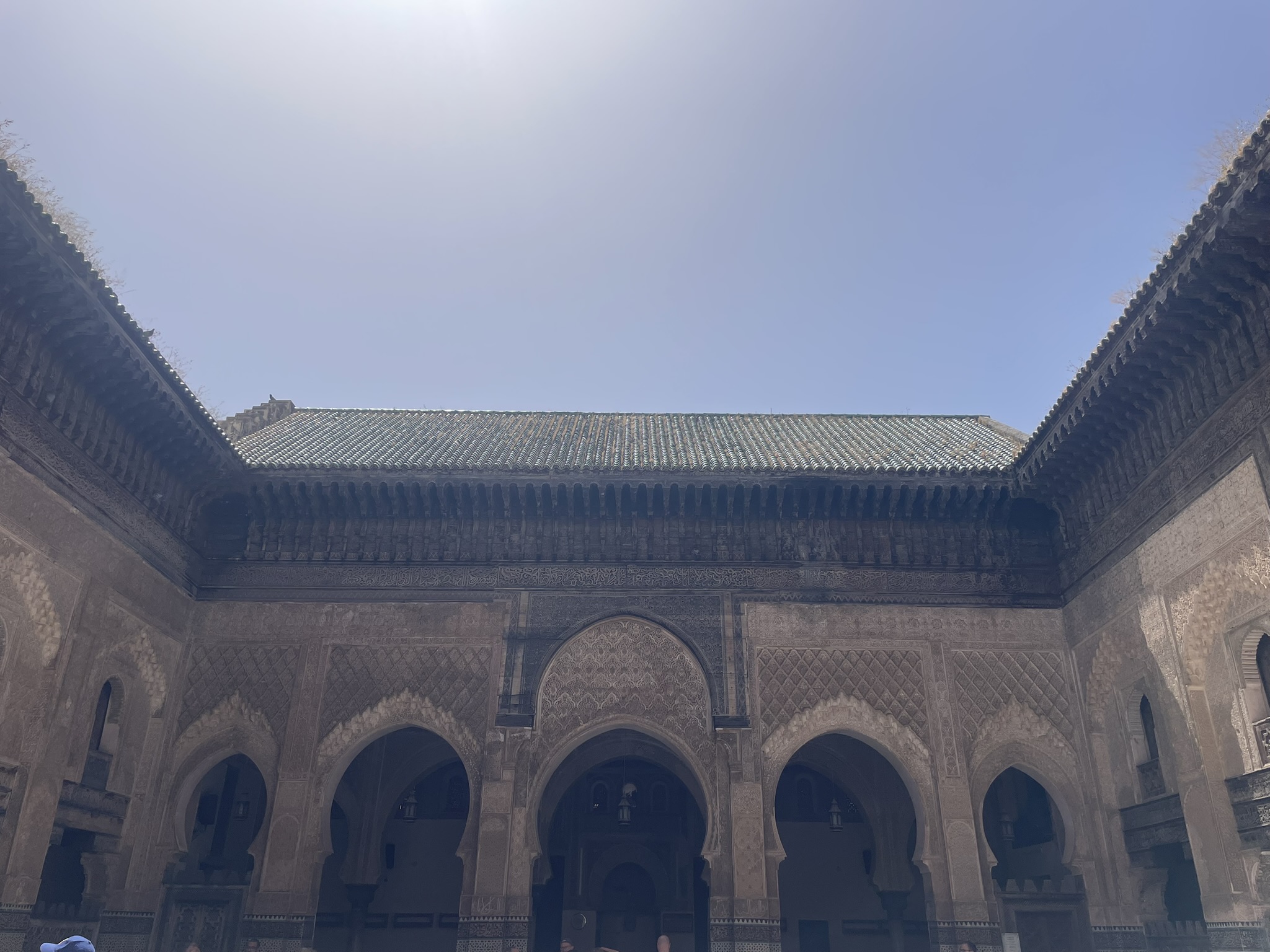
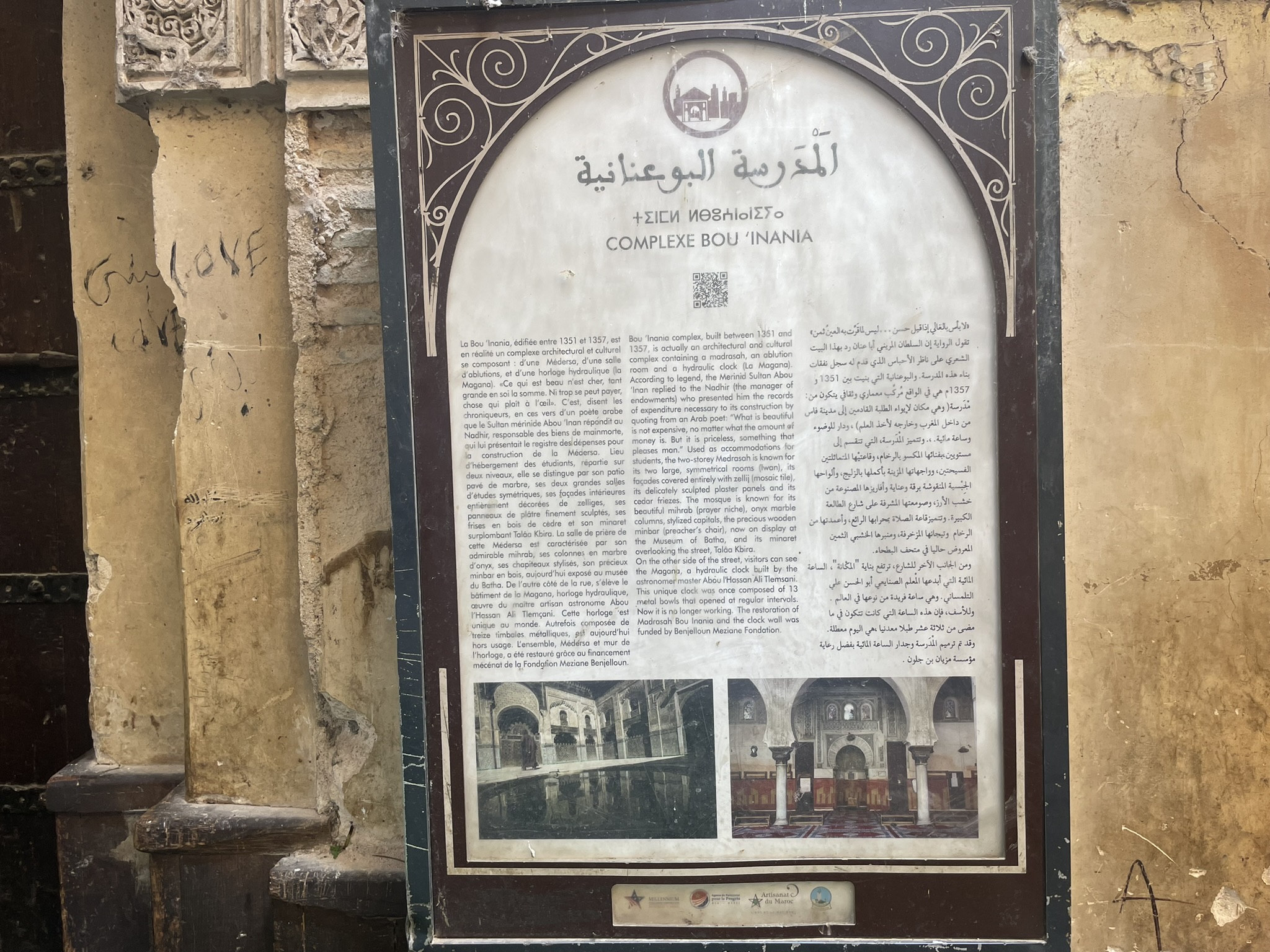
There are many tourists on site. The entrance fee is 20 Moroccan Dirhams (£1.60). Generally, the price of food and entrance to tourist attraction is cheap here. Across the Tala’a Kebira Street, on the north of the street, is an ablution facility as well as the Dar al-Magana, a structure whose street façade is occupied by an elaborate water clock. There is some renovation work taking place, so the water clock is not entirely visible.
Medressa Al Attarine (Al Attarine Madrasa)
We leave Medressa El Bouanania and start the 1km walk through the old city towards the historic Mosque and University of al-Qarawiyyin. It is easy to get lost here. Mufti Ṣāḥib is 75 years old so we take a few breaks. As we come close to al-Qarawiyyin, we pass Medressa Al Attarine (the school of the perfumers). It was built by the Marinid sultan Abū Saʿīd ʿUthmān II (d. 731/1331) between 1323 and 1325 CE, making it slightly older than Medressa El Bouanania.
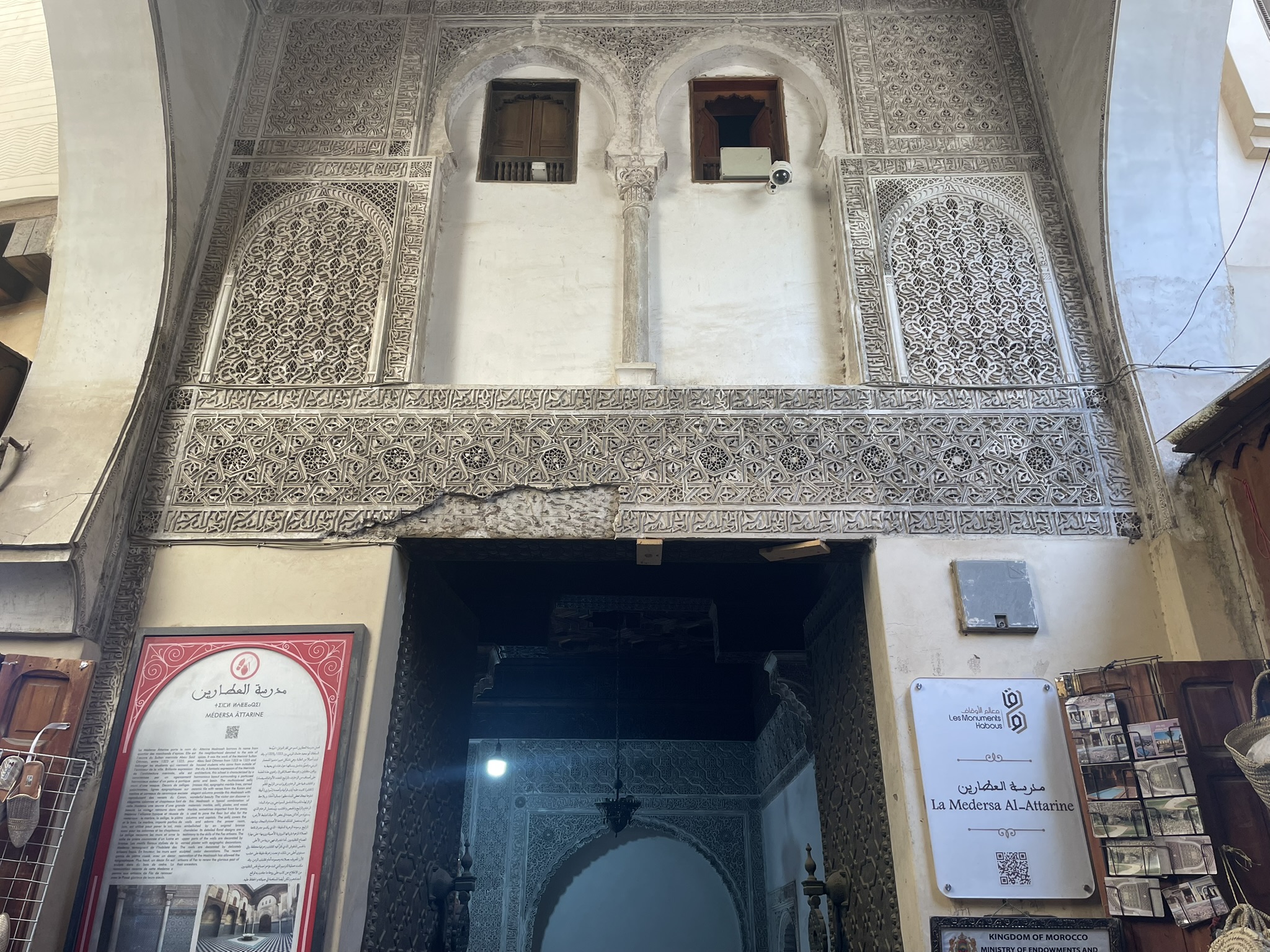
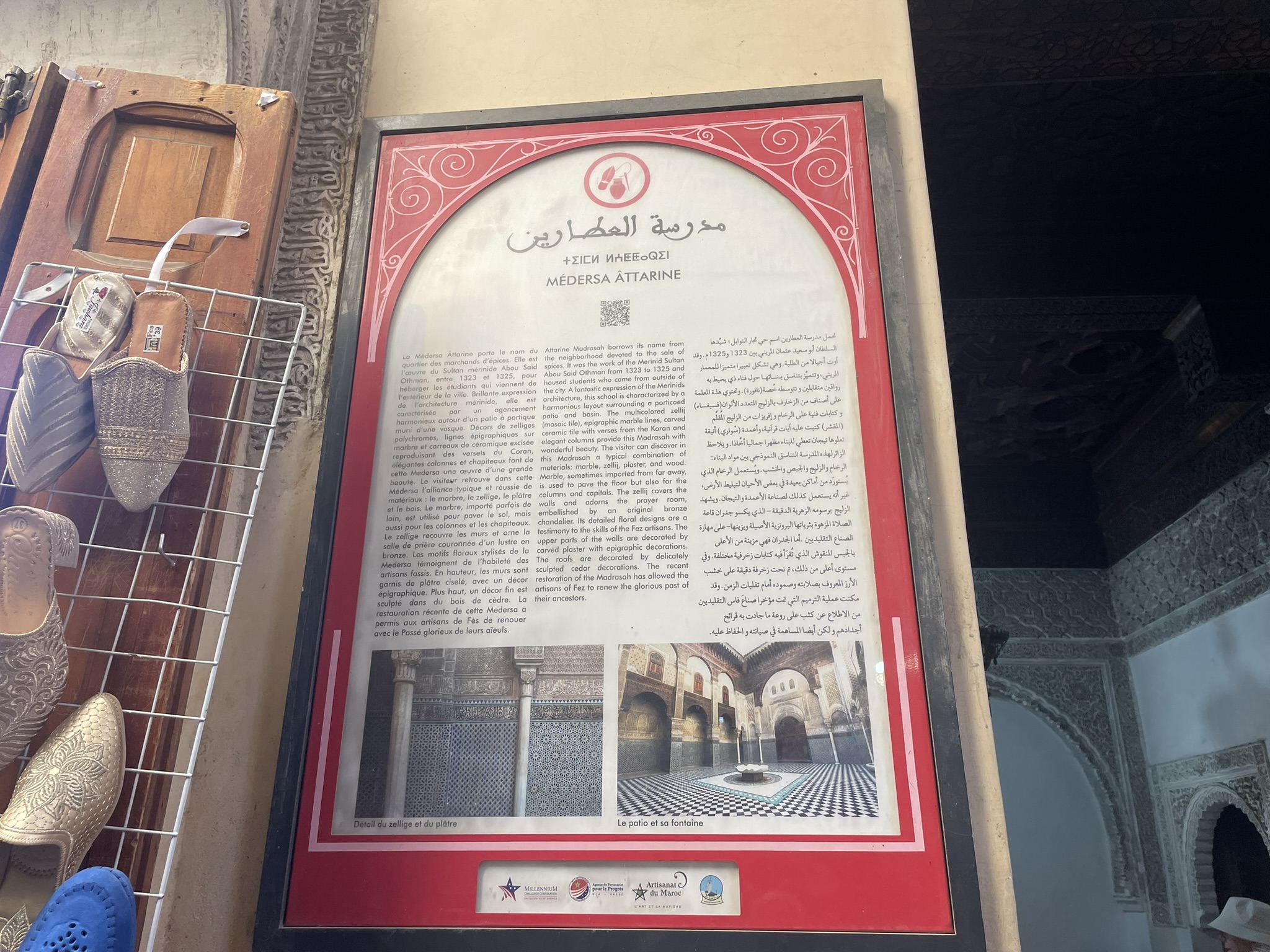
It is another example of the Marinid architecture. These madrasahs provided teaching and lodging for its students as well as for students studying at al-Qarawiyyin.
Mosque and University of al-Qarawiyyin
We arrive at the world-famous Mosque and University of al-Qarawiyyin, which was established in 859 CE by a female, Fāṭimah al-Fihrī (d. ca. 266/878) and is regarded as the oldest university in the world.
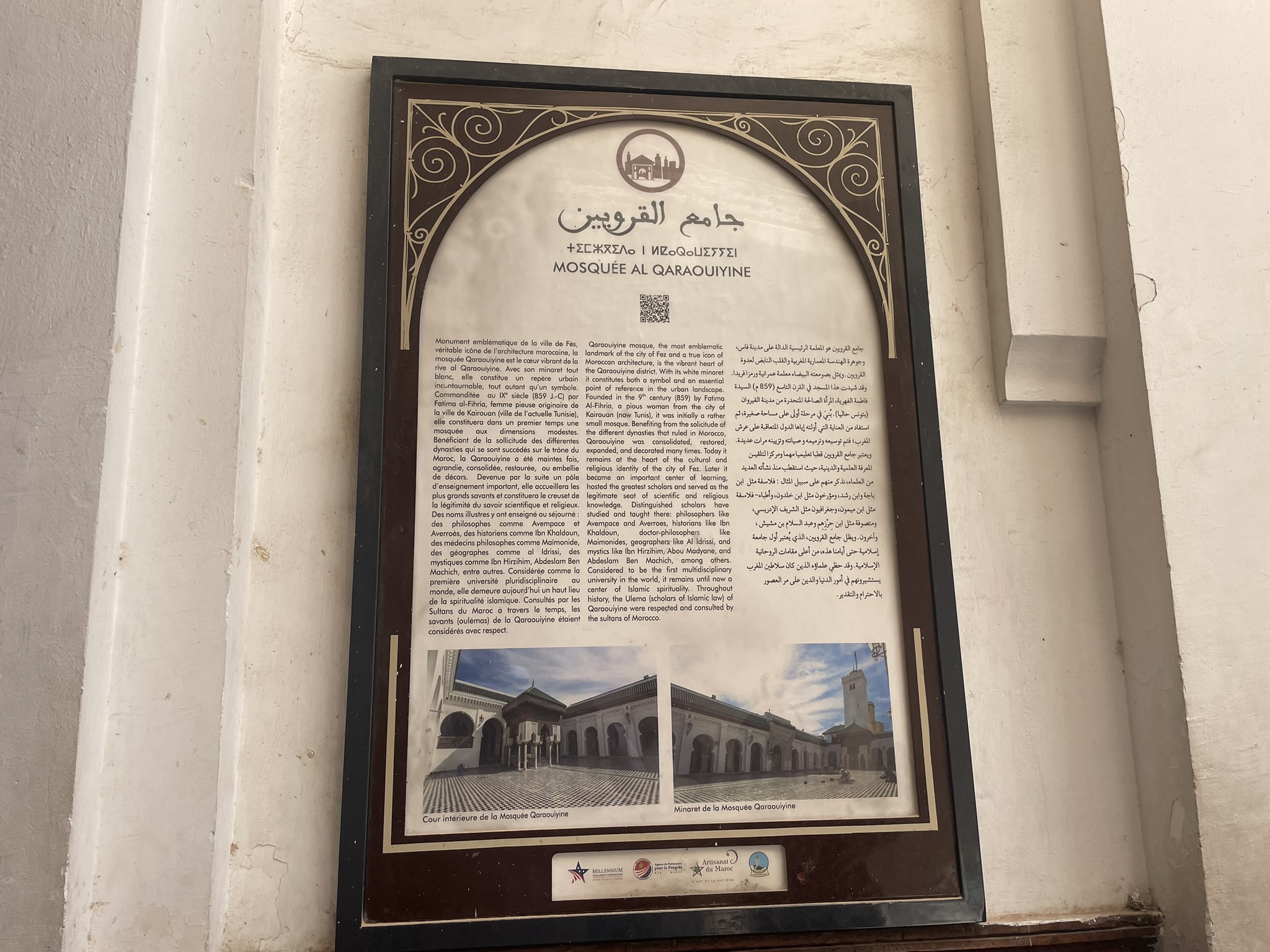

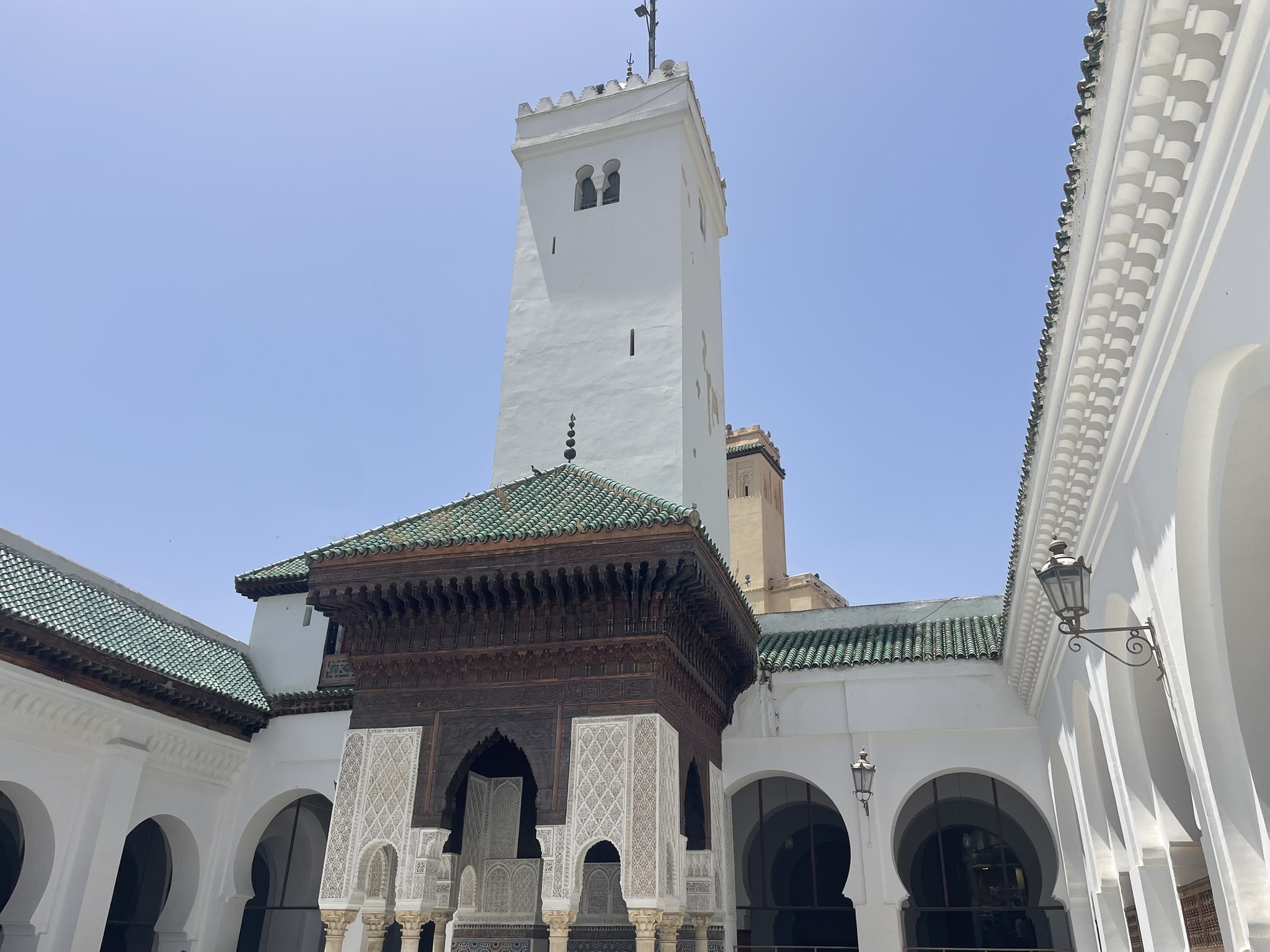
An article on the BBC website authored by Chris Griffiths and Thomas Buttery states:
“Established at the very beginnings of Morocco’s oldest imperial city, the University of Al-Karaouine (also written as Al-Quaraouiyine and Al-Qarawiyyin) was founded in 859 and is considered by UNESCO and the Guinness Book of World Records to be the oldest continually operating university in the world. Other historical and archaeological sites like ancient India’s Taxila and Nalanda universities may date back further, and ancient Sumerian societies first began incorporating scribal schools (Eduba) just after 3500 BC, but Al-Karaouine proudly holds the world record as it has continually offered education since its founding. It is also the first degree-granting educational institution in the world. Located in the heart of the old city, the complex is composed of a mosque, university and library, and is connected to the labyrinth of interconnecting streets and alleyways on all four sides. Its ceramic green tiled roofs take centre stage over Fez’s urban sprawl from any viewpoint over the city.”
The article further states: “The story of how the institution came into existence is perhaps even more remarkable than its architecture. In the early to mid-9th Century, when Fez was first beginning to establish itself as a bustling metropolis, Fatima al-Fihri – a migrant from the city of Kairouan (in modern day Tunisia) – settled and married in Fez along with her sister Mariam. After their father passed away, the sisters decided to use the fortune they inherited to give back to their newfound community by creating the Al-Karaouine Mosque and University complex. Mariam used much of her share of the inheritance to build the central Andalusian Mosque – its ornamentally decorated interior can accommodate up to 20,000 people at prayer – while all of Fatima’s money, time and energy went into providing an adjoining place of education for the people of Fez. Fatima was so devoted to the cause that she even fasted during the construction of the complex (some sources say for up to 18 years).”
The article further states: “The mosque is off limits to non-Muslims, so most tourists can only seek glimpses of the structure’s grand courtyard – and its intricate, hand-painted carvings, arches and water fountains – through the large doors on all four sides. Rooftop terraces within the medina serve as vantage points, allowing for breathtaking views over the mosque and its white minaret that sends out the call to prayer across the town. From ground level, the true shape and structure of the complex is hidden, where buildings are stacked so close together that roofs touch and crossover above the alleyways. But the trail of grand doorways and wooden walls help visitors define its outline. The mosque is filled with visual details like the elaborately decorated ceiling in the main entrance. The building’s interior as it appears today was largely shaped by the Almoravid dynasty, which expanded the mosque and prayer halls during the 12th Century. Additional changes continued to take place throughout subsequent centuries. The Almohad dynasty – which took control of large areas of Morocco and the southern regions of Spain after its rise over the Almoravids in the 12th Century – added Moorish floral patterns and the Andalusian design influence of the central marble fountain. The two pavilion fountains – which are reminiscent of the Alhambra palace’s Court of the Lions in Granada, Spain – were added in the early 17th Century.”
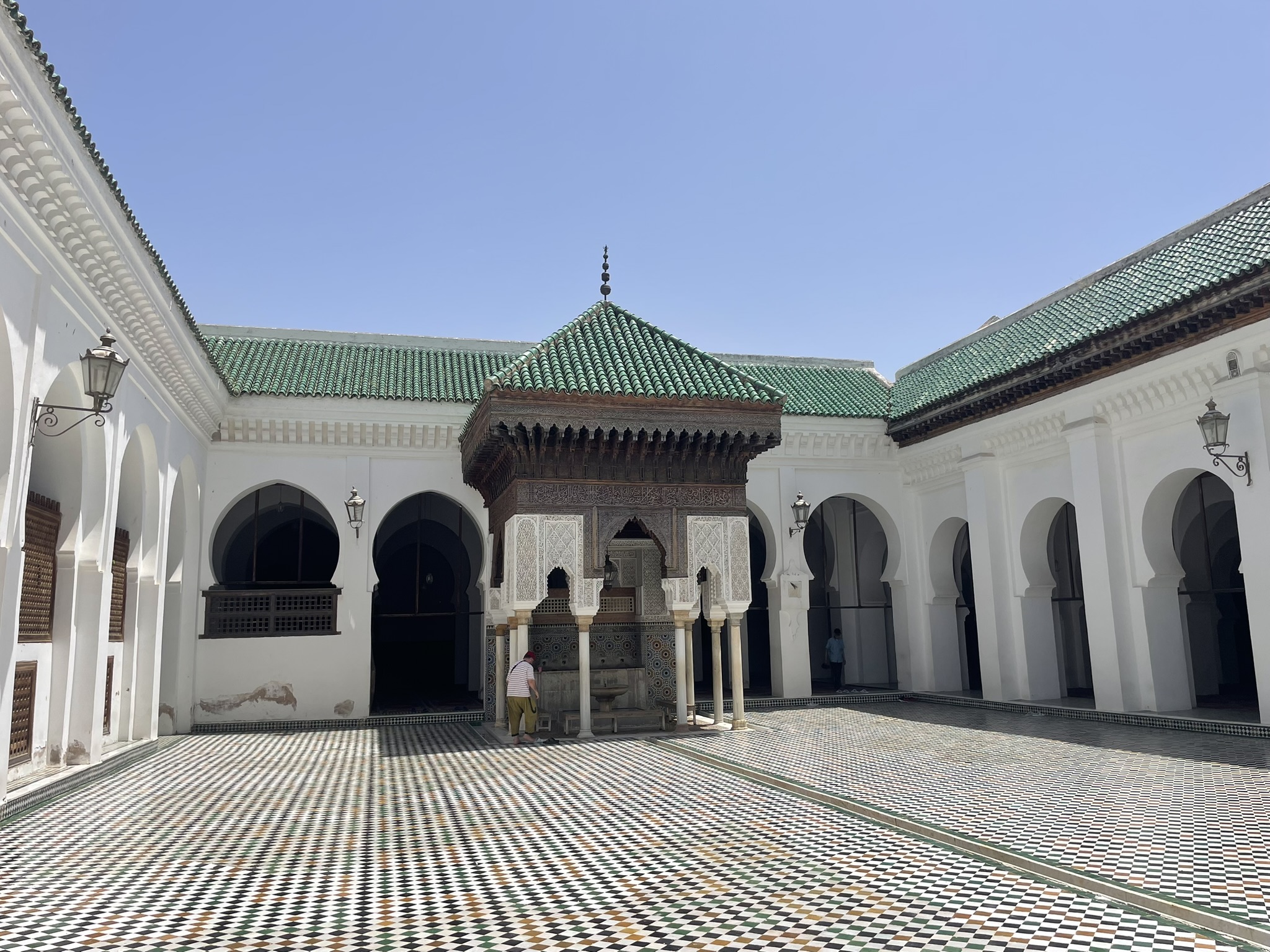
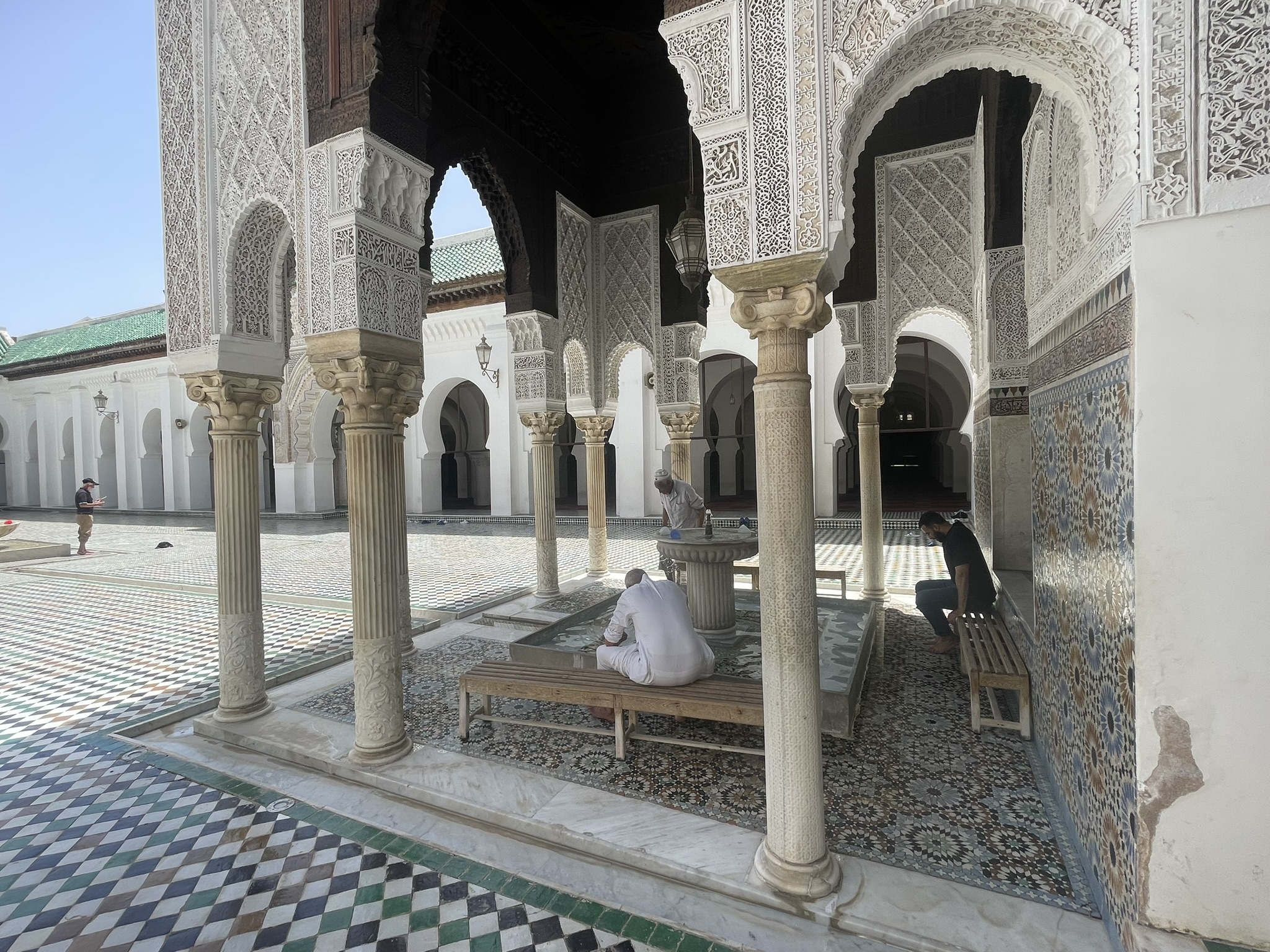
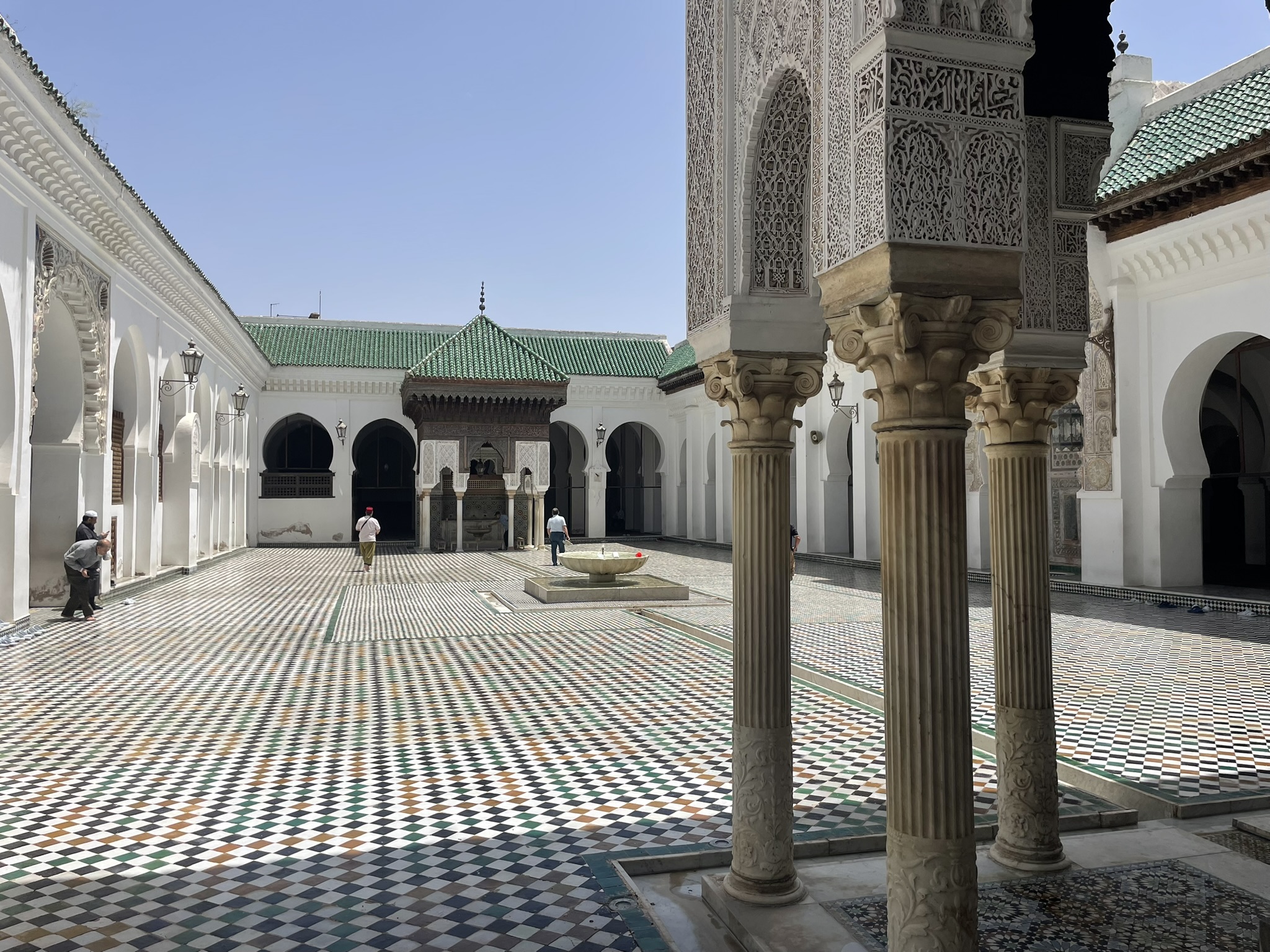
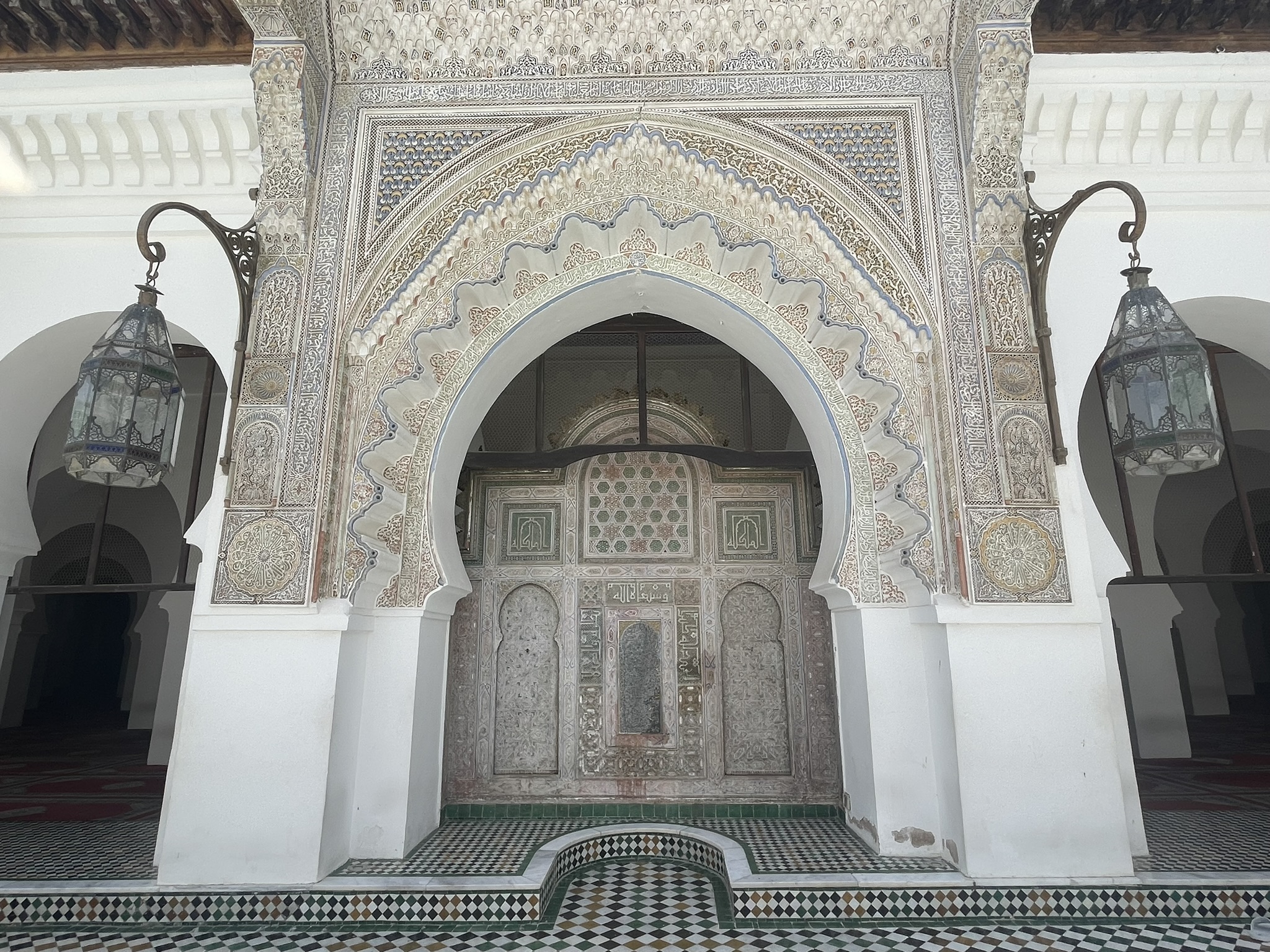
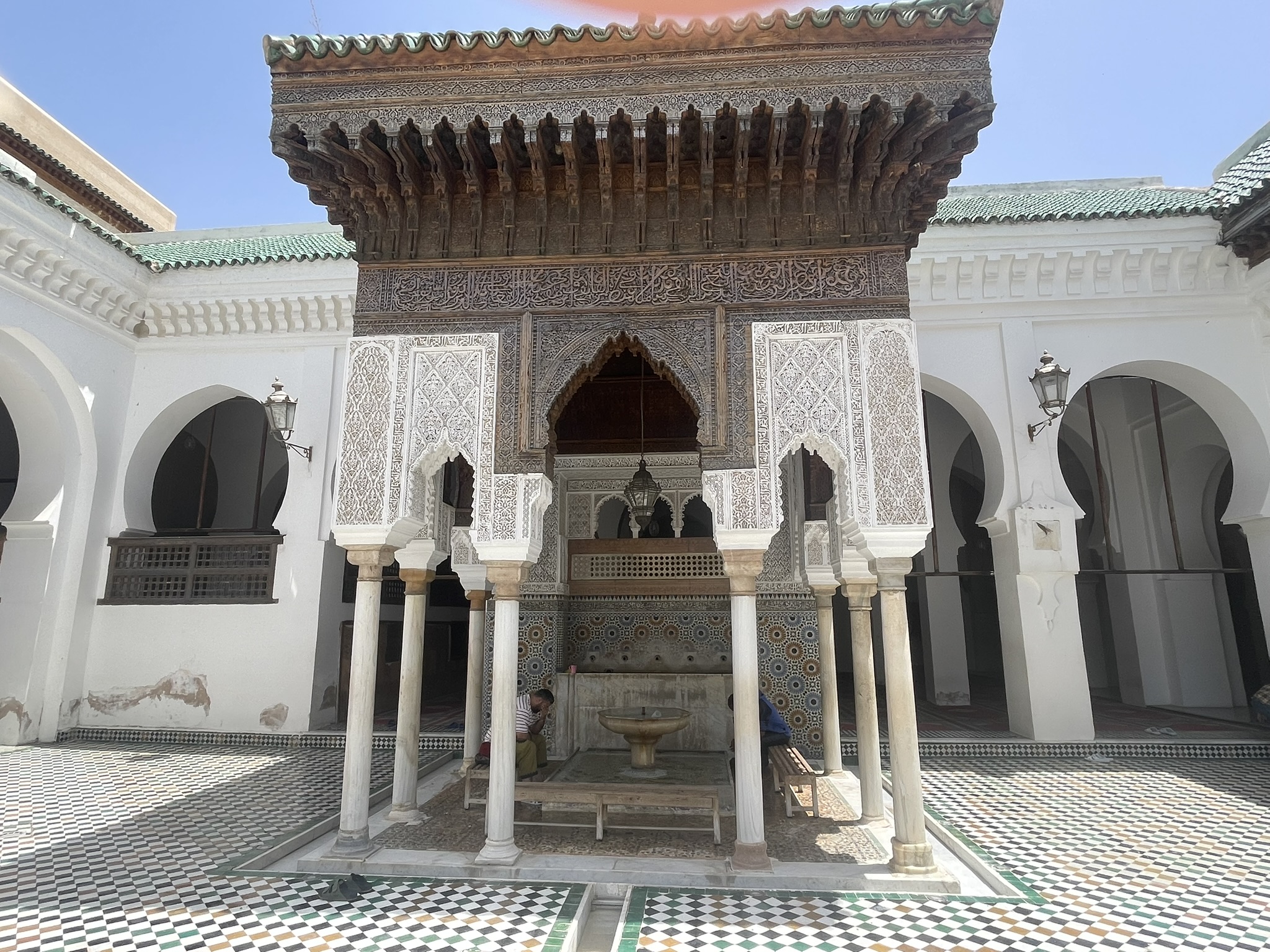
The article further states: “The Marinid dynasty expanded the library in 1359, adding a large space stacked with more than 20,000 hand-written books dating from the early Middle Ages. It also includes 4,000 rare texts and manuscripts. Sadly, many important texts and even entire libraries have been destroyed in other Arab nations, such as Iraq’s Mosul University library, during wars in recent decades. The Al-Karaouine Library, which contains some of the oldest preserved manuscripts in Islamic history, is now one of the most important in the Islamic and Arabic world. To this day, a 9th-Century Mushaf Al Karim (an old copy of a Quran), a 10th-Century account of the Prophet Muhammad’s life and textbooks by 12th-Century scholar Ibn Tufail are kept safe inside the library’s walls. During the complex’s most recent restoration between 2012 and 2016, a high-tech laboratory was built to restore the historical manuscripts, ensuring they live on for many more generations. The library also holds a 16th-Century vault, with an impenetrable copper door that has four locks and requires four key holders to open it. This system was used to protect only the most precious texts. Abdelfettah Bougchouf, the library’s curator, has the only key to the one lock that is still used.”
Some scholars of al-Qarawiyyin
As we wait for al-Qarawiyyīn to open for Ẓuhr Ṣalāḥ, Mufti Ṣāḥib reminds us that this was once upon a time home to giants of knowledge who taught and/or studied here. They include the following:
- Qāḍī Abū Bakr ibn al-ʿArabī al-Mālikī (d. 543/1148) who passed away in Fes and is buried in the Bab Mahrouk Cemetery as outlined below.
- ʿAllāmah Ibn Rushd al-Qurṭubī (d. 595/1198), whose name is latinised as Averroes, a Mālikī jurist and intellectual, who wrote on many subjects including philosophy, theology, medicine, astronomy, physics, psychology, mathematics, neurology, linguistics in addition to the Islamic sciences. He is known as the father of rationalism because he authored numerous commentaries on Aristotle. He has been criticised for his philosophical views. He was born in Cordoba and passed away in Marrakesh. His famous work in Islamic jurisprudence is Bidāyat al-Mujtahid (Siyar, 21: 307) which is widely available.
- Musā ibn Maymūn, Moses ben Maimon (d. 601/1204), also known as Maimonides and Rambam, was a medieval Sephardic Jewish philosopher and theologian who became one of the influential Torah scholars of the Middle Ages. He was also an astronomer and served as a physician to Ṣalāḥ al-Dīn al-Ayyūbī (d. 589/1193). He was born in Cordoba and passed away in Egypt.
- ʿAllāmah Ibn al-Ḥāj al-ʿAbdarī al-Fāsī (d. 737/1336), the Mālikī jurist and saint who authored Al-Madkhal which is extremely beneficial and authoritative on the subject of innovations. He was born in Fes and passed away in Cairo (al-Wafayāt, 1: 154; al-Dībāj al-Mudhahhab, 2: 321; Dhayl al-Taqyīd, 1: 258; al-Durar al-Kāminah, 5: 507). His teachers include ʿĀrif Ibn Abi Jamrah (d. 699/1296), the pious saint who authored Bahjat al-Nufūs, a commentary of Mukhtaṣar Ṣaḥīḥ al-Bukhārī, which Ḥāfiẓ Ibn Ḥajar (d. 852/1449) frequently cites in Fatḥ al-Bārī. ʿAllāmah Ibn al-Ḥāj is not to be confused with the Ḥanafī jurist, ʿAllāmah Ibn Amīr Ḥāj (d. 879/1474) who authored Ḥalabat al-Mujallī, the commentary of Munyat al-Muṣallī.
- ʿAllāmah Lisān al-Dīn Ibn al-Khaṭīb (d. 776/1374), the famous poet, writer, historian, philosopher, physician and politician who authored many books including al-Iḥāṭah fī Akhbār Garnāṭah. He was born in Loja, Spain and was killed in Fes and buried in the Bab Mahrouk Cemetery (al-Badr al-Ṭāliʿ, 2: 191; al-Tāj al-Mukallal, p.433; Shajarah al-Nūr al-Zakiyyah, 1: 330).
- ʿAllāmah Ibn Khaldūn (d. 808/1406), the famous philosopher, sociologist and historian who spent some of his formative years in Fes. His book Muqaddimah is well established among Muslims and non-Muslims. He was born in Tunis and passed away in Cairo.
The solar clock and the Qiblah issue
We enter the courtyard of al-Qarawiyyin and perform ablution in the water fountain. We observe the solar clock to the rear of the courtyard, which features historic sundials, via which precise prayer times would be ascertained. Al-Qarawiyyin is also famous for a historic water clock, like the one at Medressa El Bouanania.
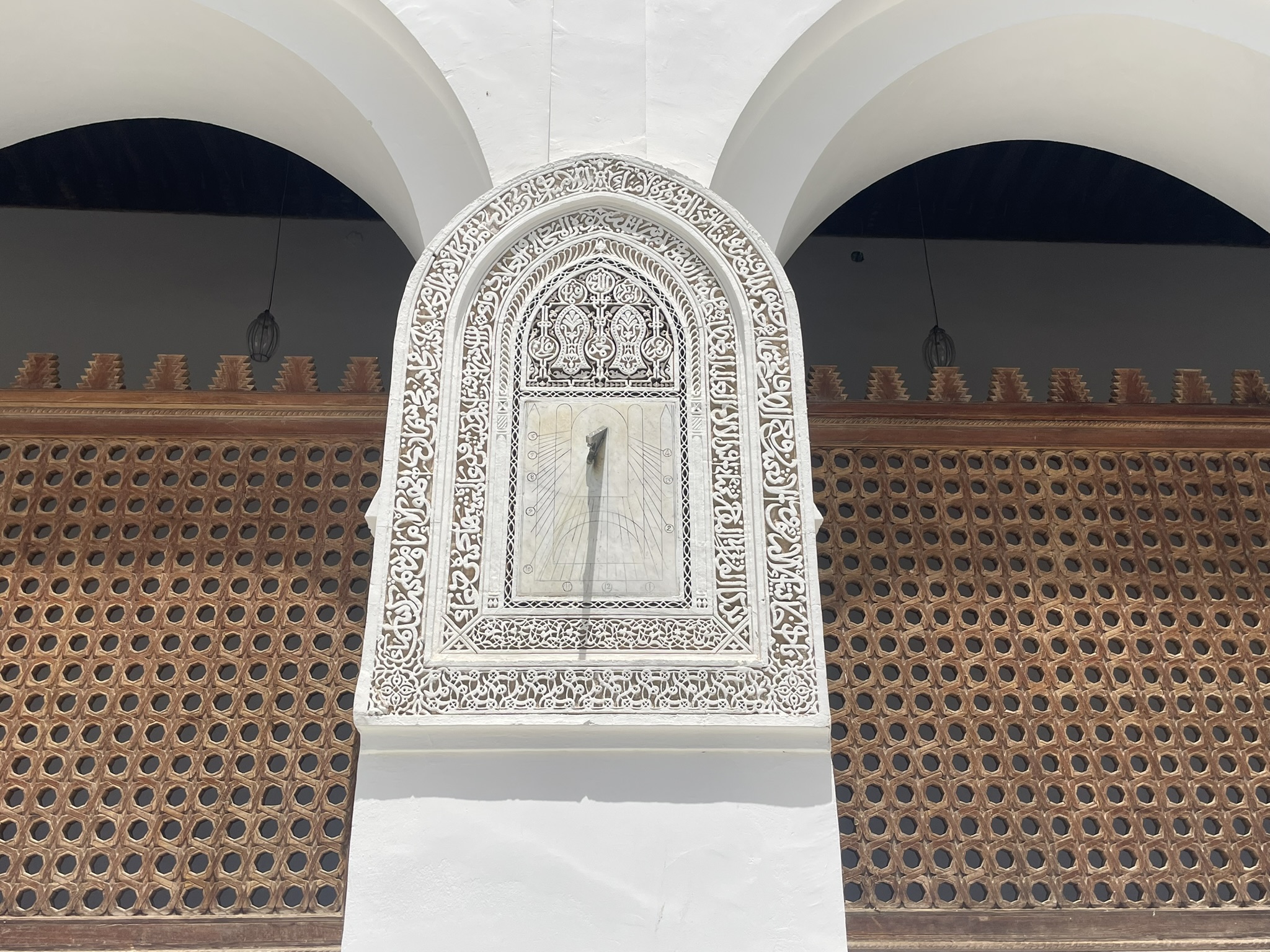
As we enter the prayer area, we observe that most people are not performing Ṣalāh in the direction of the building which is facing south. Rather, they are performing southeast towards the corner.
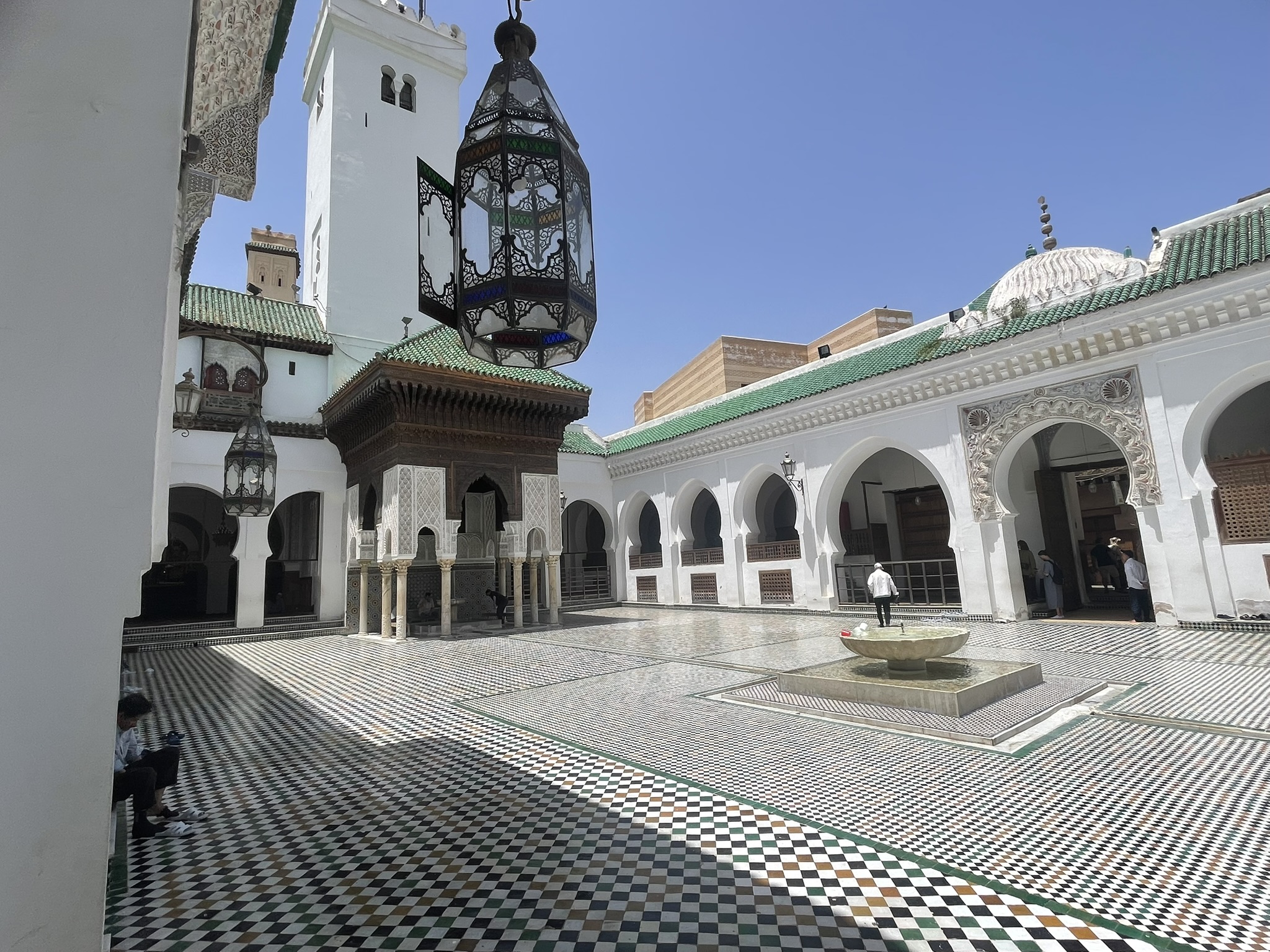
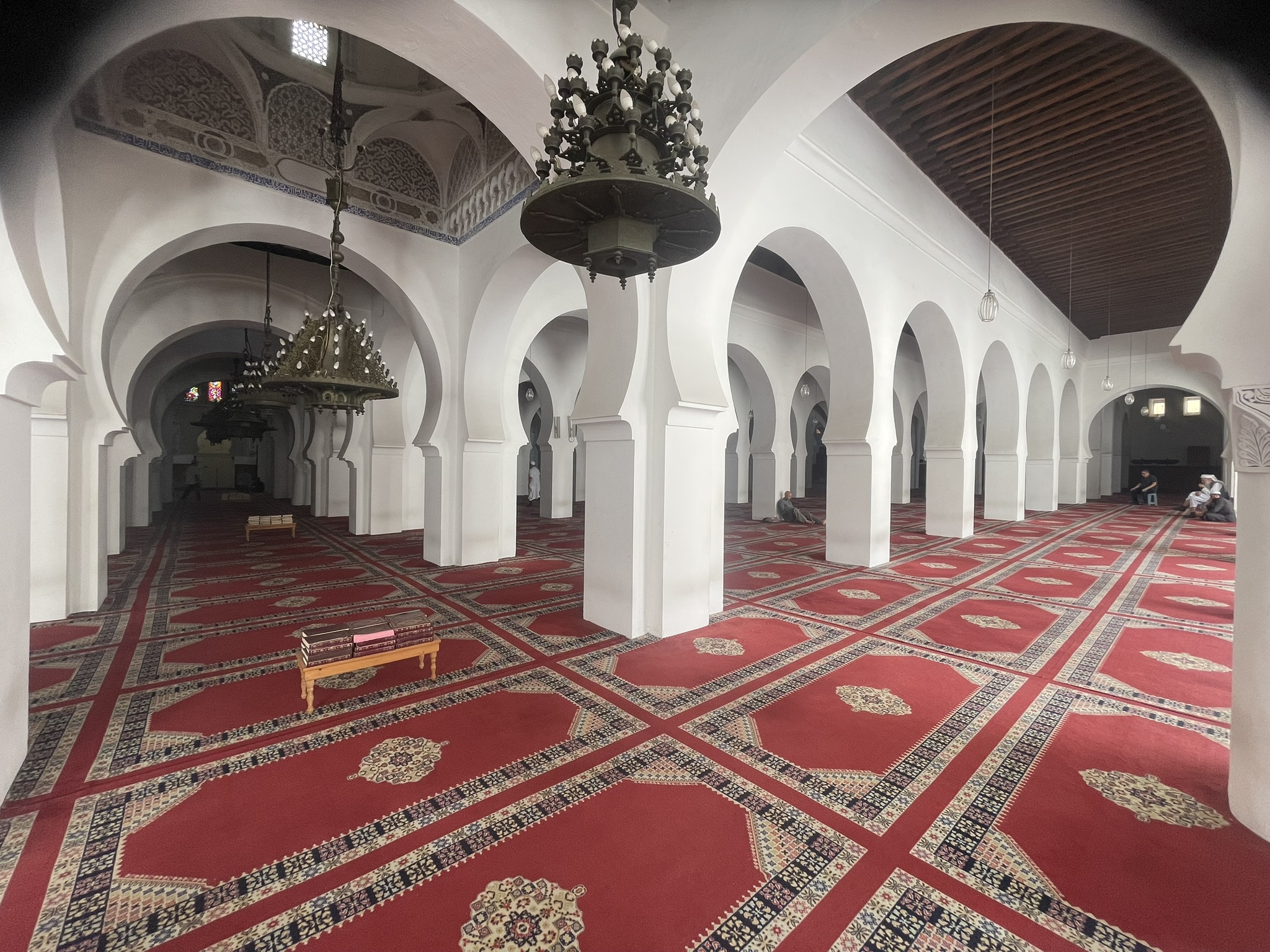
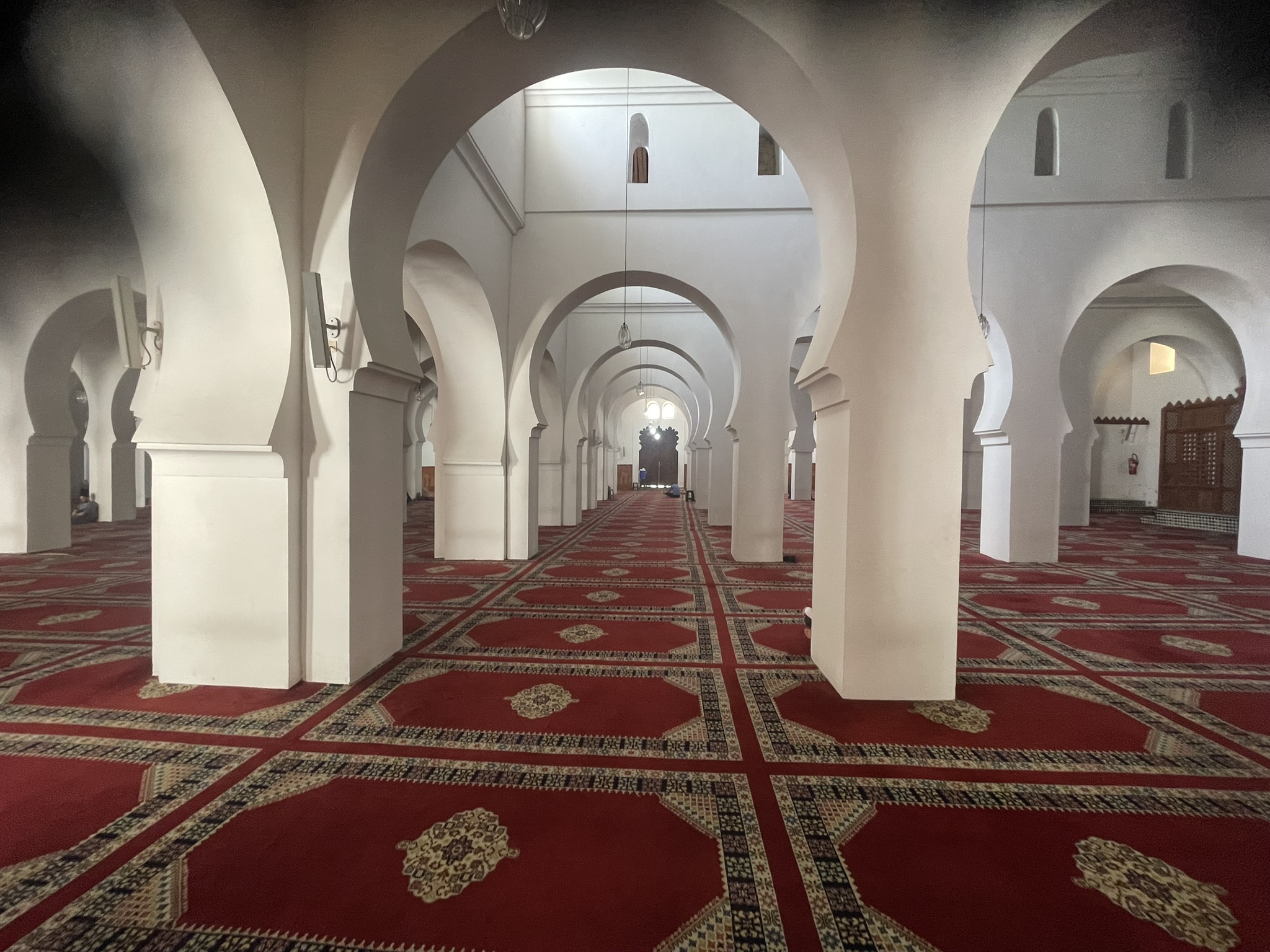
This reminds me of the direction of the Great Masjid of Cordoba which is also south instead of the correct southeast. I mention this to Mufti Ṣāḥib and share with him a summary of what I had written in my travelogue on Spain with the possible explanations. Mufti Ṣāḥib suggests that this is perhaps due to lack of advancements in the early era. Allah knows best. I have yet to come across a satisfactory explanation. On the issue of Qiblah, I recently visited New Zealand and was informed that the Qiblah is 261 degrees from north, i.e., southwest, as this degree angle provides the shortest route to Saudi Arabia. I always assumed that the Qiblah in New Zealand would be northwest. Mufti Ṣāḥib suggests similar whilst acknowledging that the southwest may well be closer to Makkah, which is perhaps the reason. Returning to Morocco, Qārī Ḥasan suggests that the old mosques of Morocco all face south, and that in some Masjids, people pray southwest, whilst in others they pray south.
We perform Ẓuhr Ṣalāh and observe that most Mālikīs fold their hands in Ṣalāh whilst some keep their hands to the side.
Zawiya of Sidi Ahmed al-Tijani
We leave al-Qarawiyyin and Mufti Ṣāḥib’s wheelchair has also arrived. At 1.30pm, we arrive at the Zawiya of Sidi Ahmed al-Tijani, which is home to the tomb of the founder of the Tījāniyyah Sufi order, Shaykh Aḥmad al-Tījānī (d. 1230/1815) who was from the descendants of the Prophet ﷺ. We understand that the complex hosts an international forum for the Tījāniyyah order on a regular basis.
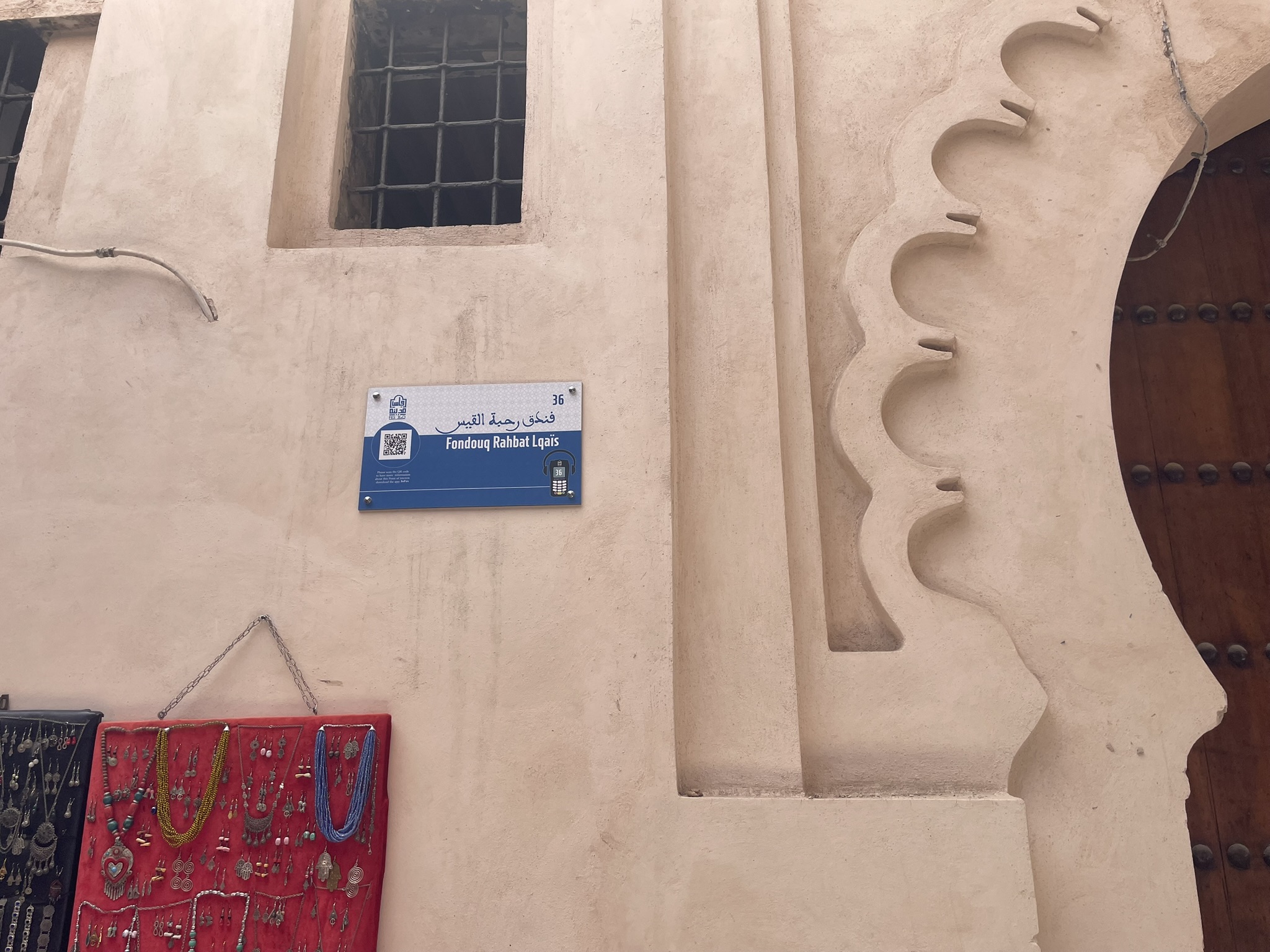
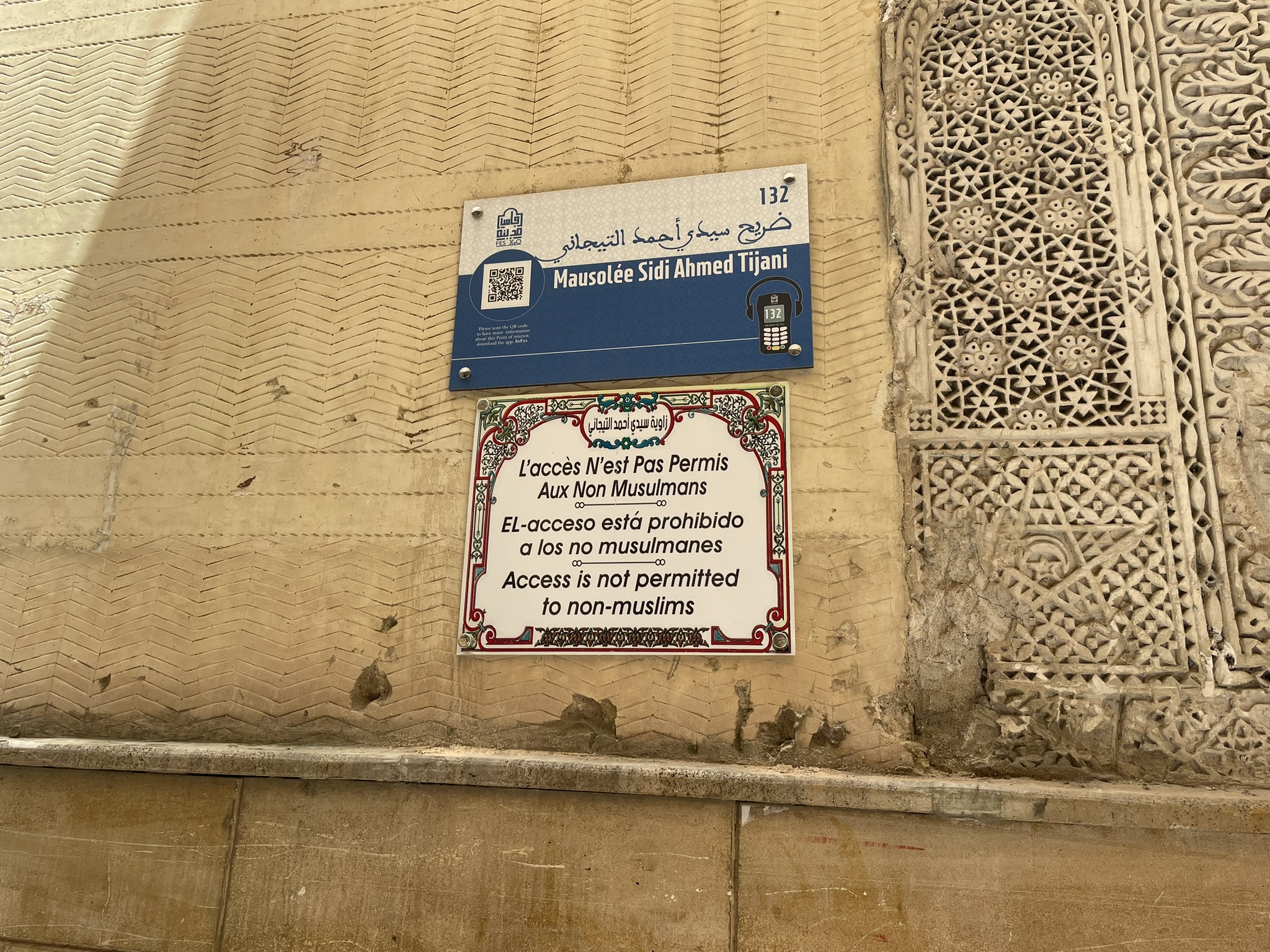
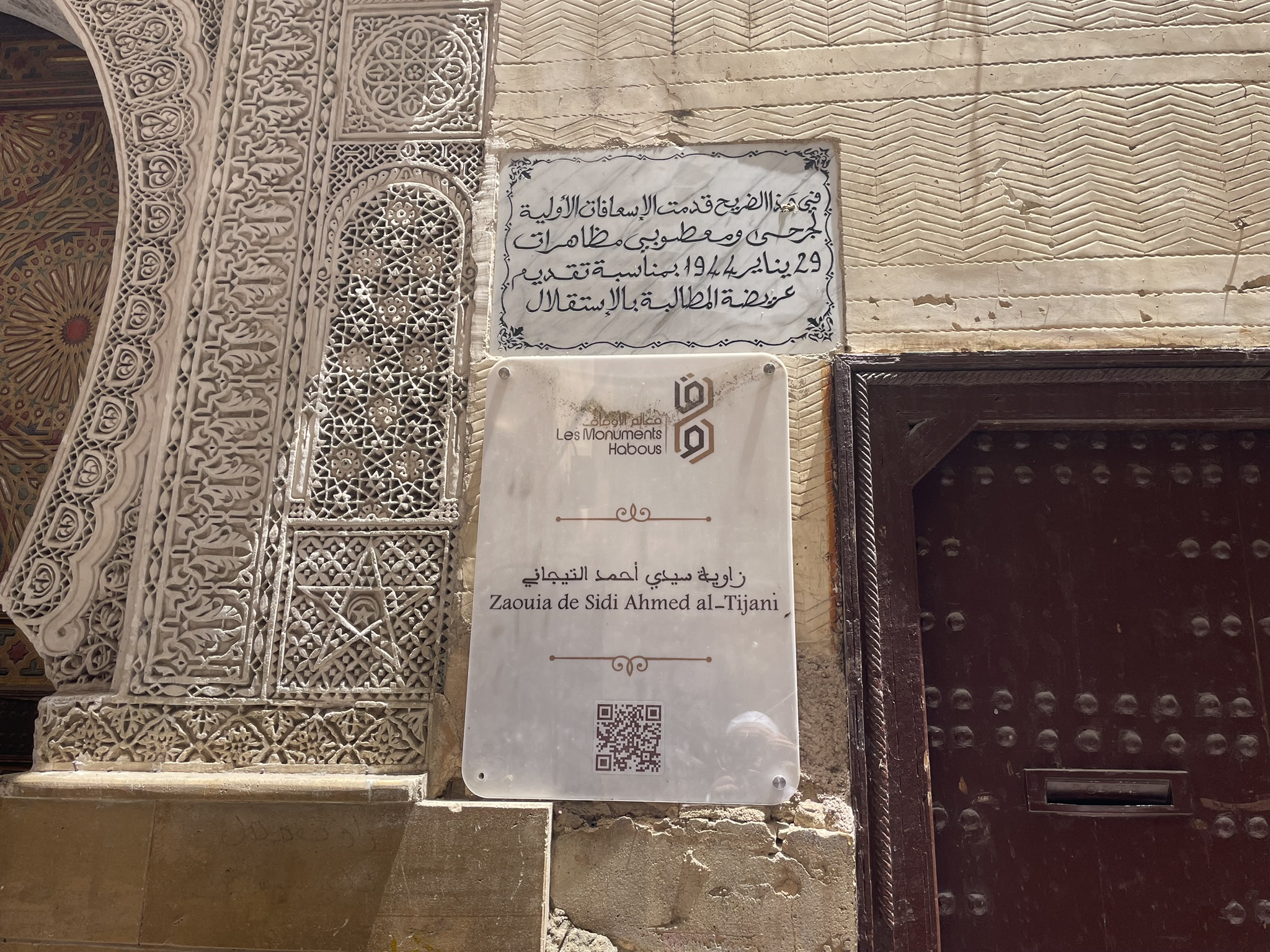
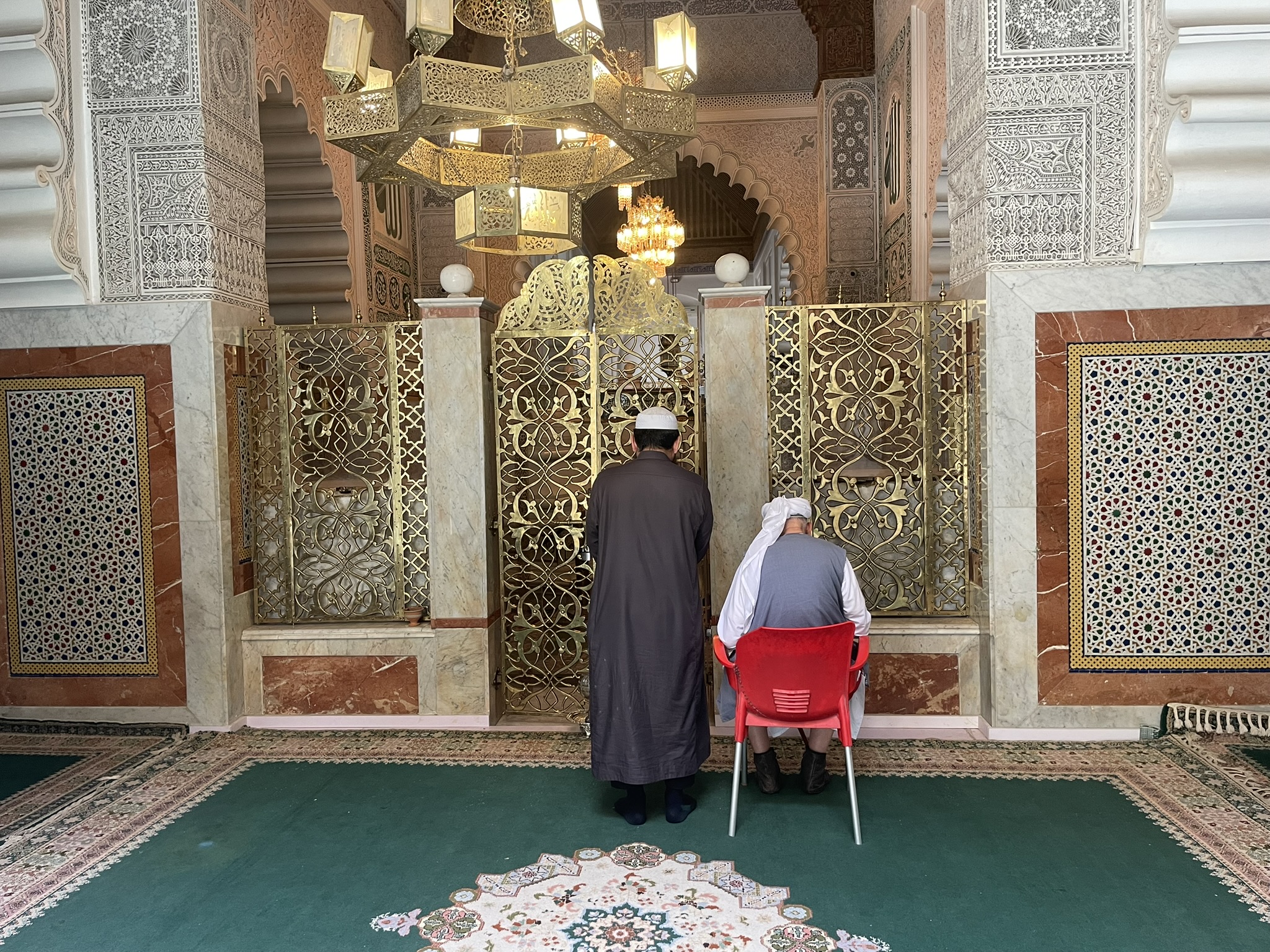
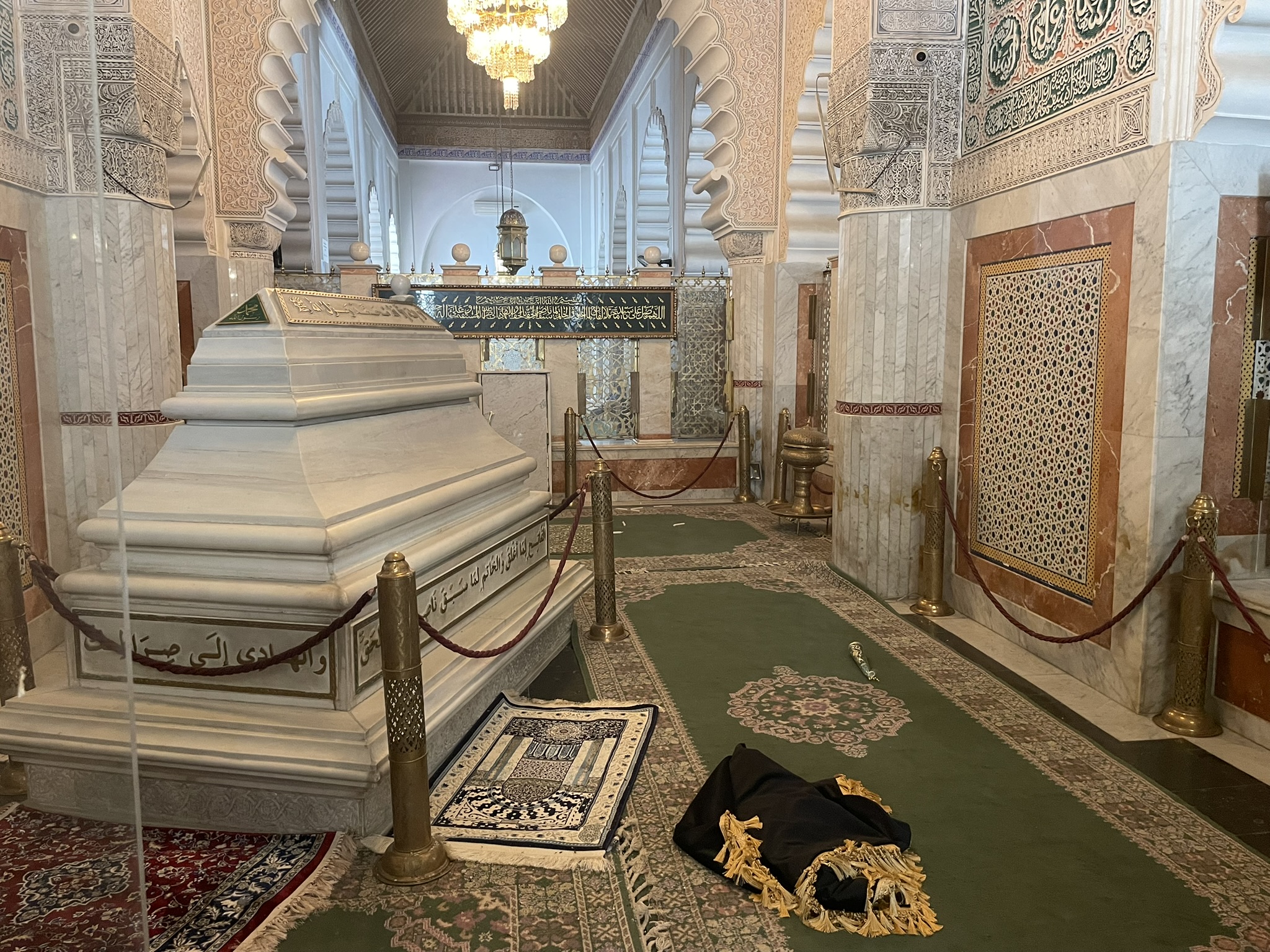
The Tījāniyyah Sufi order is prevalent across West Africa as is the Shādhilī order. Accordingly, Mufti Ṣāḥib suggests that there are six famous Sufi orders in the world, with the first four being more common in the Indian subcontinent and the Middle East:
- The Chishtī order.
- The Naqshbandī order.
- The Suharwardī order.
- The Qādirī order.
- The Shadhilī order.
- The Tījānī order.
We offer our respects at his grave and continue our tour.
Lharam Al Idrissi (Mausoleum/Zawiya of Moulay Idriss II, ضريح الإدريس الثاني)
Our next stop at 1.45pm is the Mausoleum and Zawiyah of Idrīs II (d. 213/828) nearby.
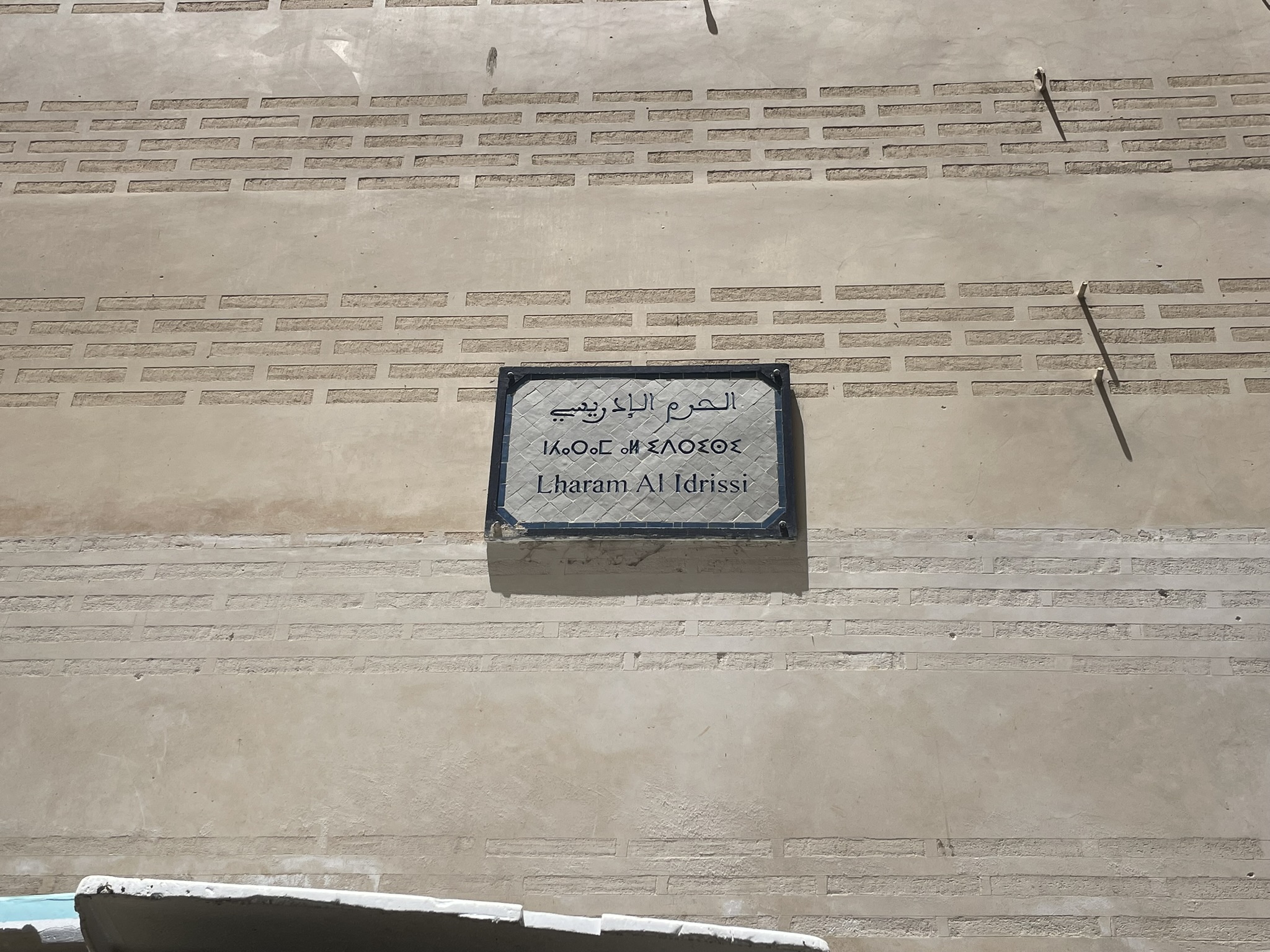
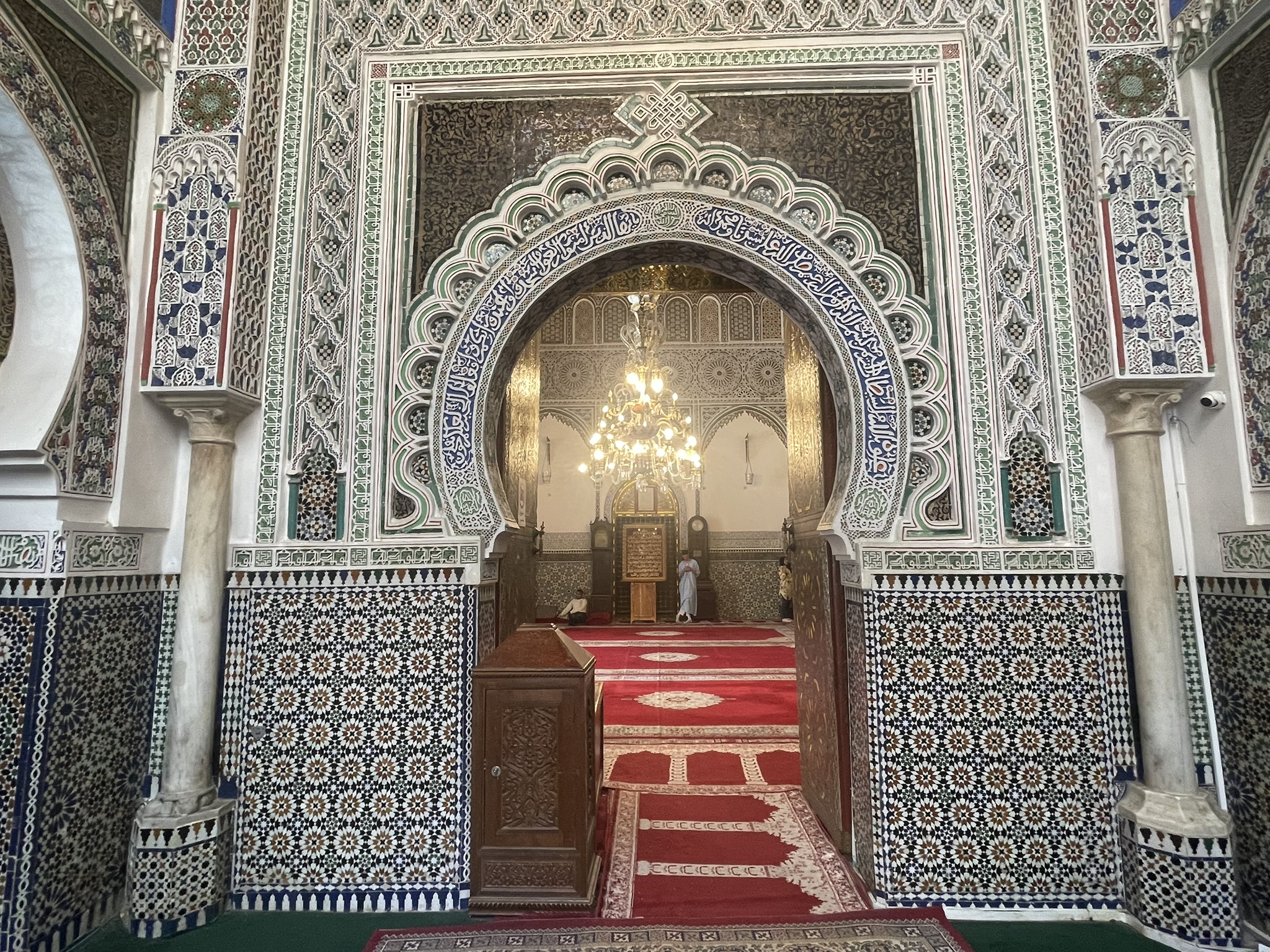
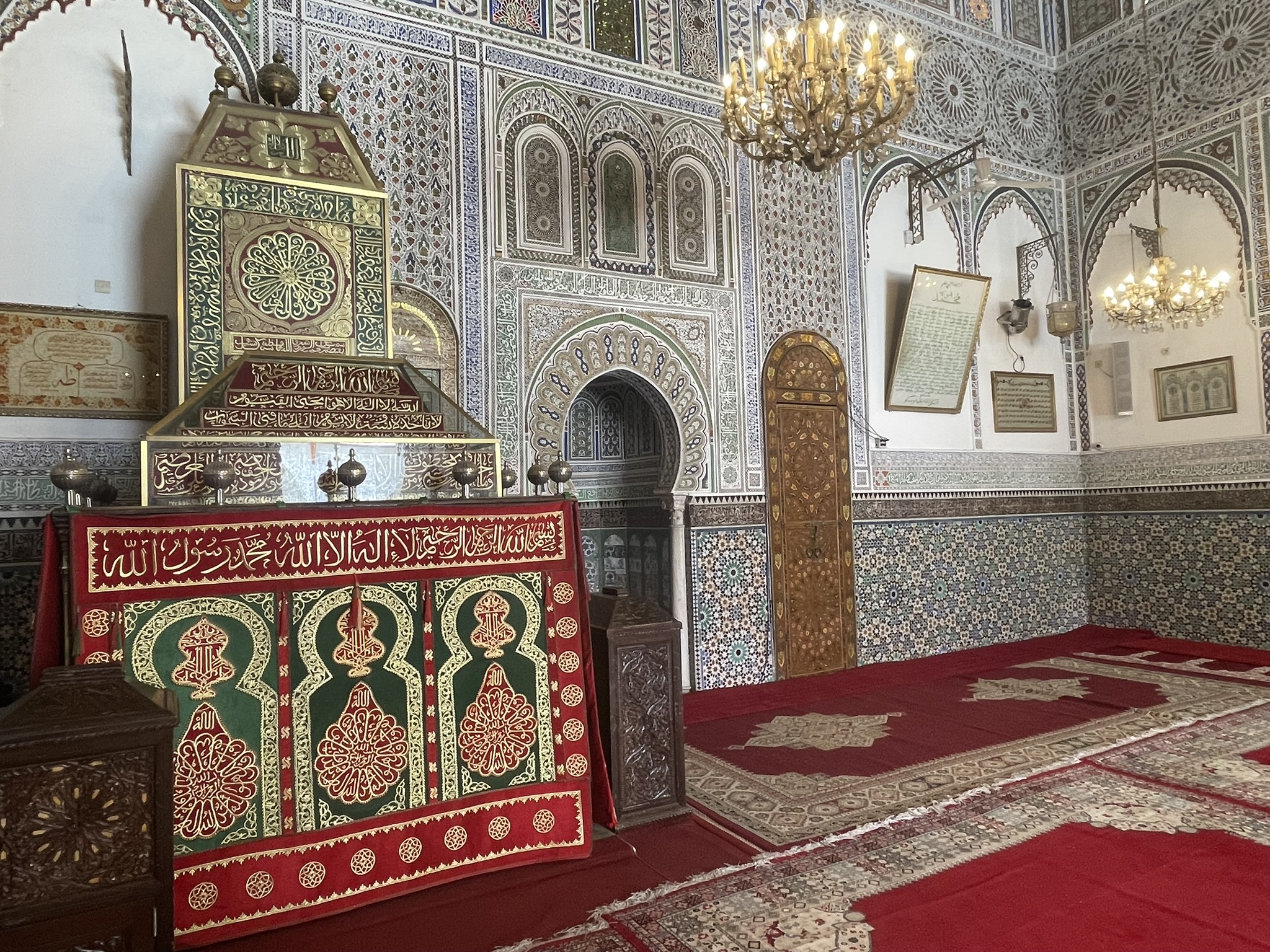
This is regarded as a holy shrine in Morocco, because Idrīs II founded Fes city and he was also a descendant of the Prophet ﷺ. He ruled this region from 807 to 828 CE. On an annual basis, this place serves as the starting point for the Mīlād procession. There is a local belief that women wanting to facilitate childbirth come here for blessing. It is also bizarrely suggested locally that five pilgrimages to this site is equivalent to one Hajj.
Chouara Tannery
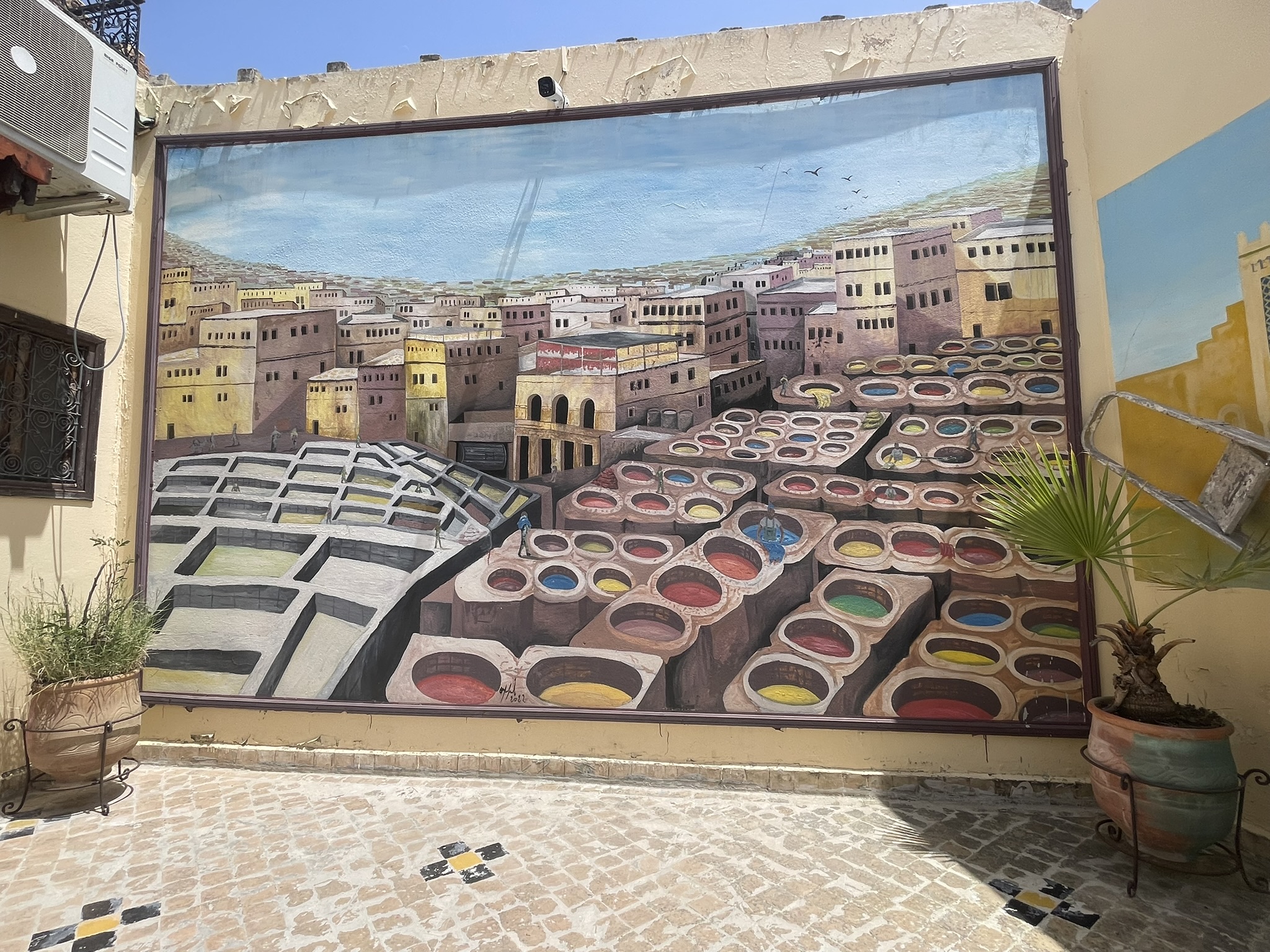
Mufti Ṣāḥib is tired so he returns to the Riad Vega guest house on the wheelchair, whilst we visit a large leather shop. One of the workers, ʿAbd al-Mājid al-Wazzānī takes us to the terrace of the shop from where the Choura Tannery is visible. It is a remarkable sight. This is home to the thousand-year-old method of treating, drying and dying leather. No chemicals are used for the entire production process, and no machinery is used either. Everything is manual. The most notable feature is the numerous stone vats filled with different coloured dyes and white liquids.
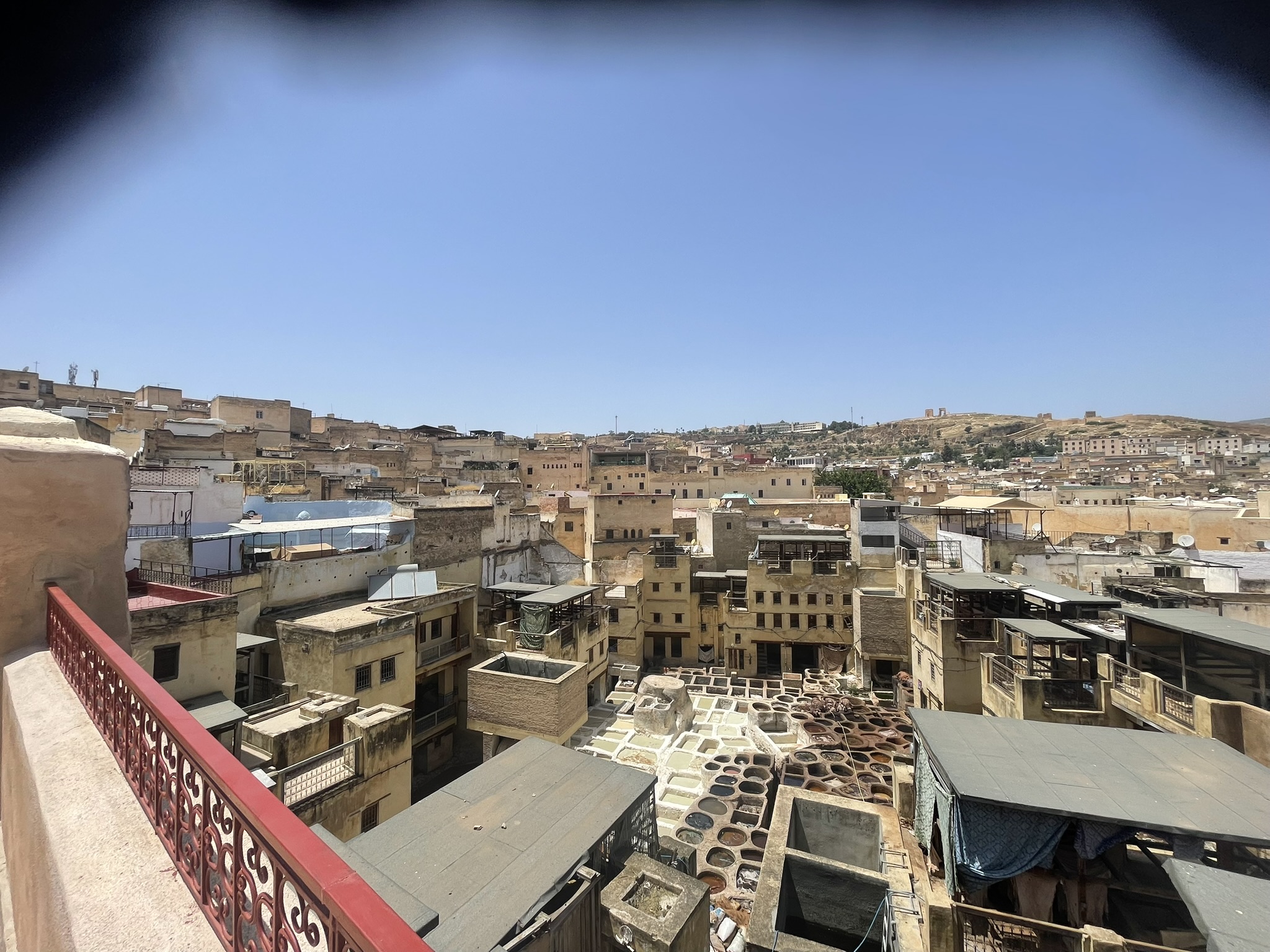
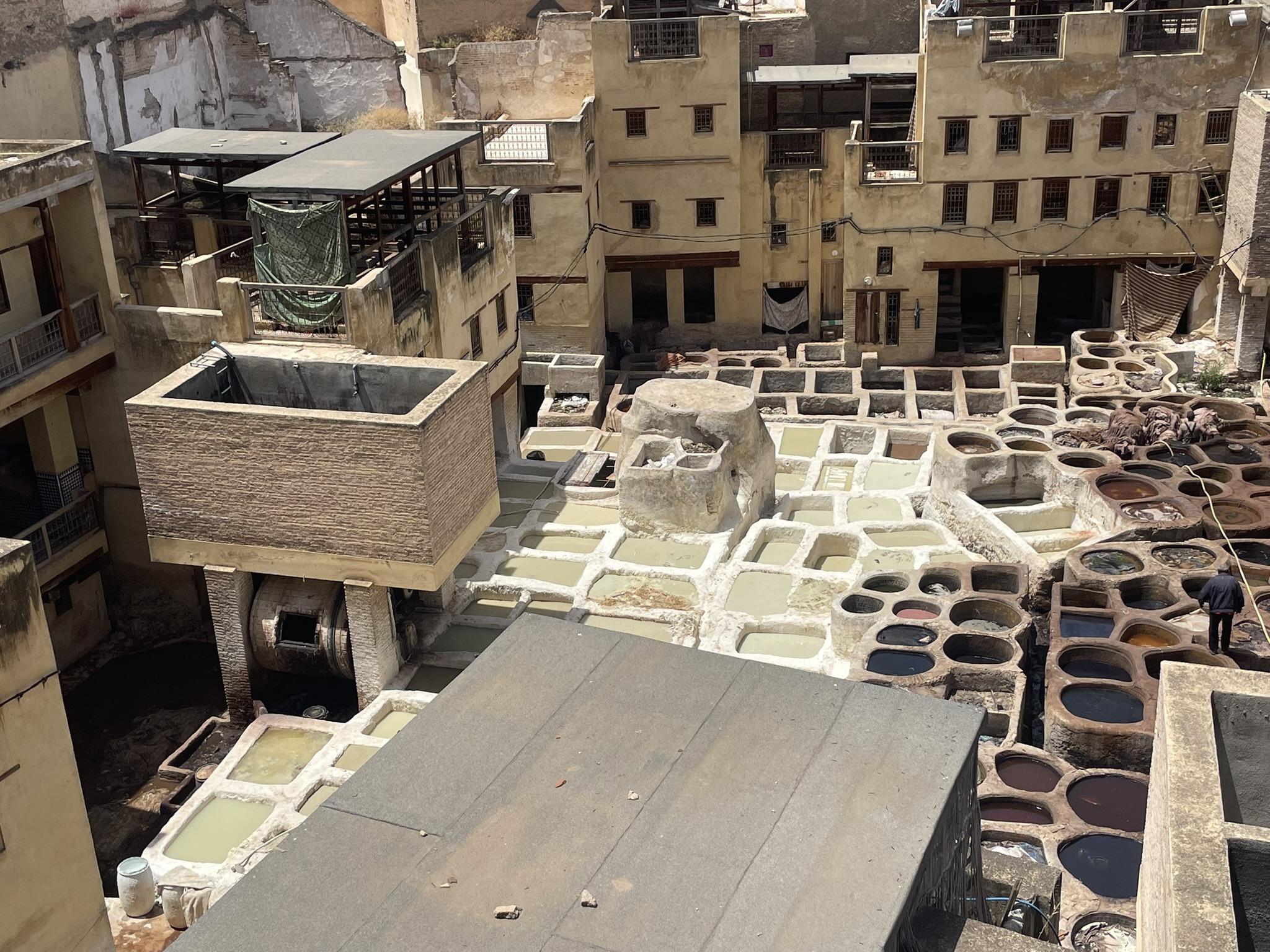
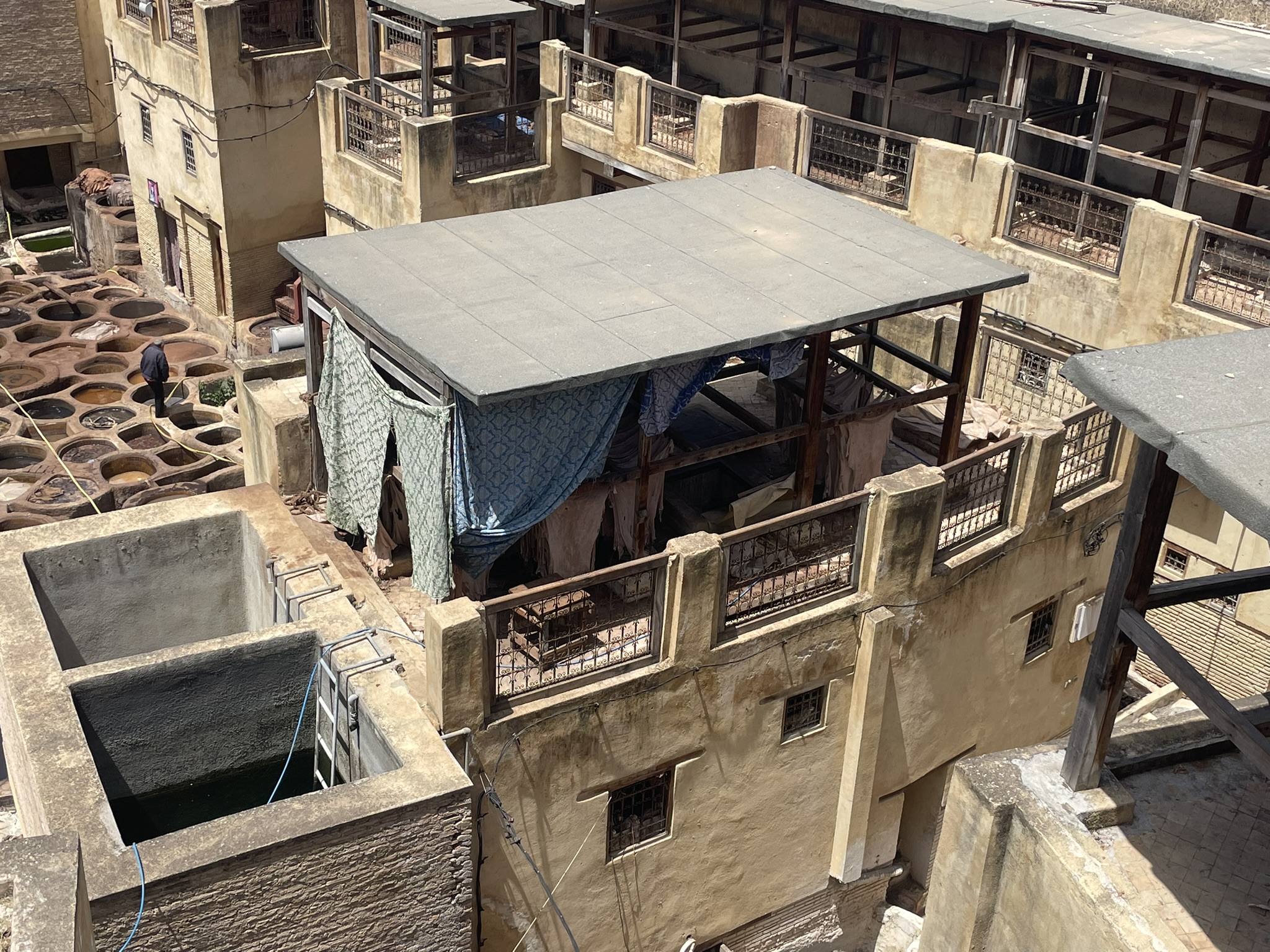
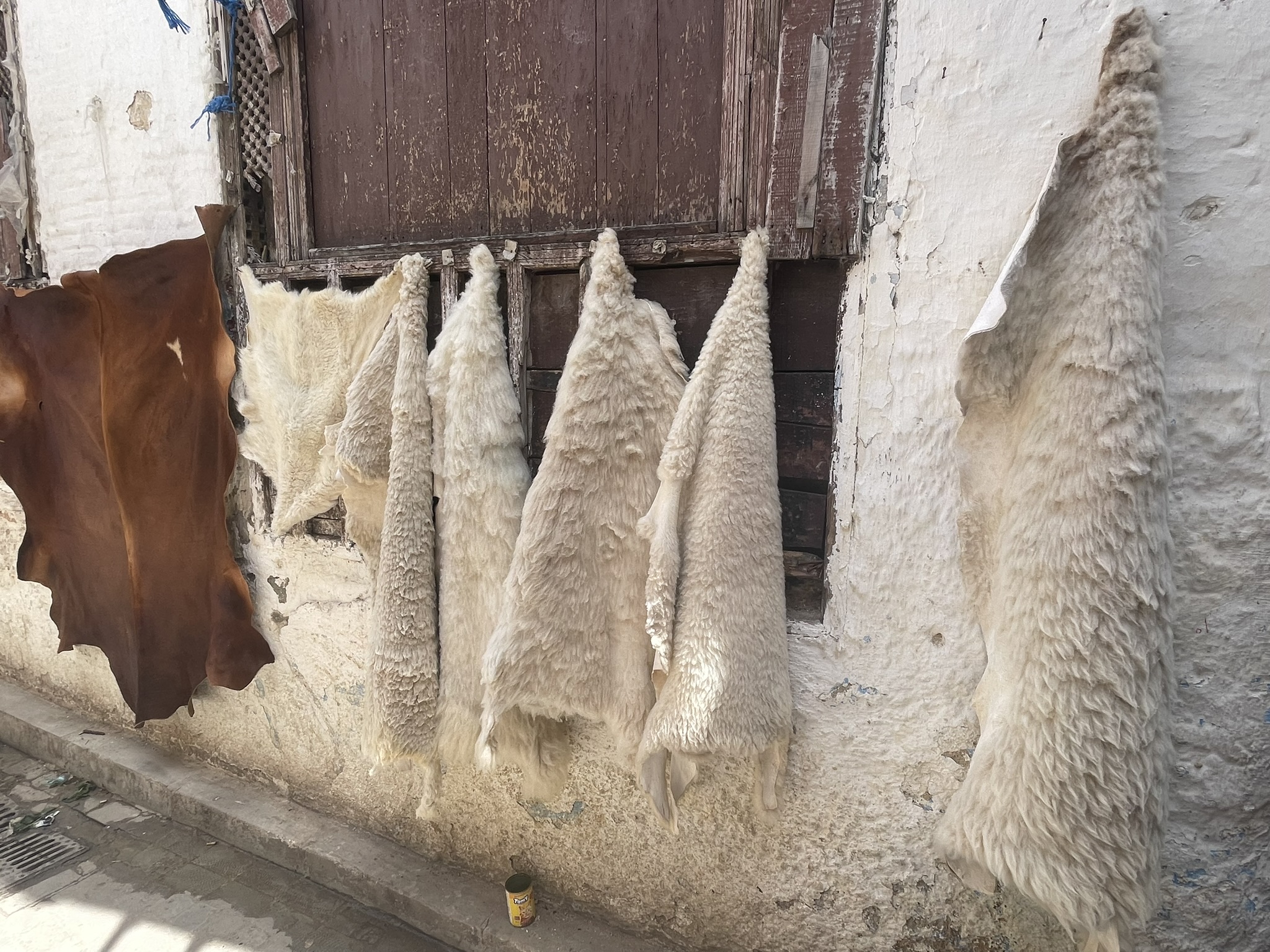
The leather produced via this process is available to purchase in the form of bags, coats, shoes, slippers and other items which are available in this and neighbouring shops. They are obviously not cheap!
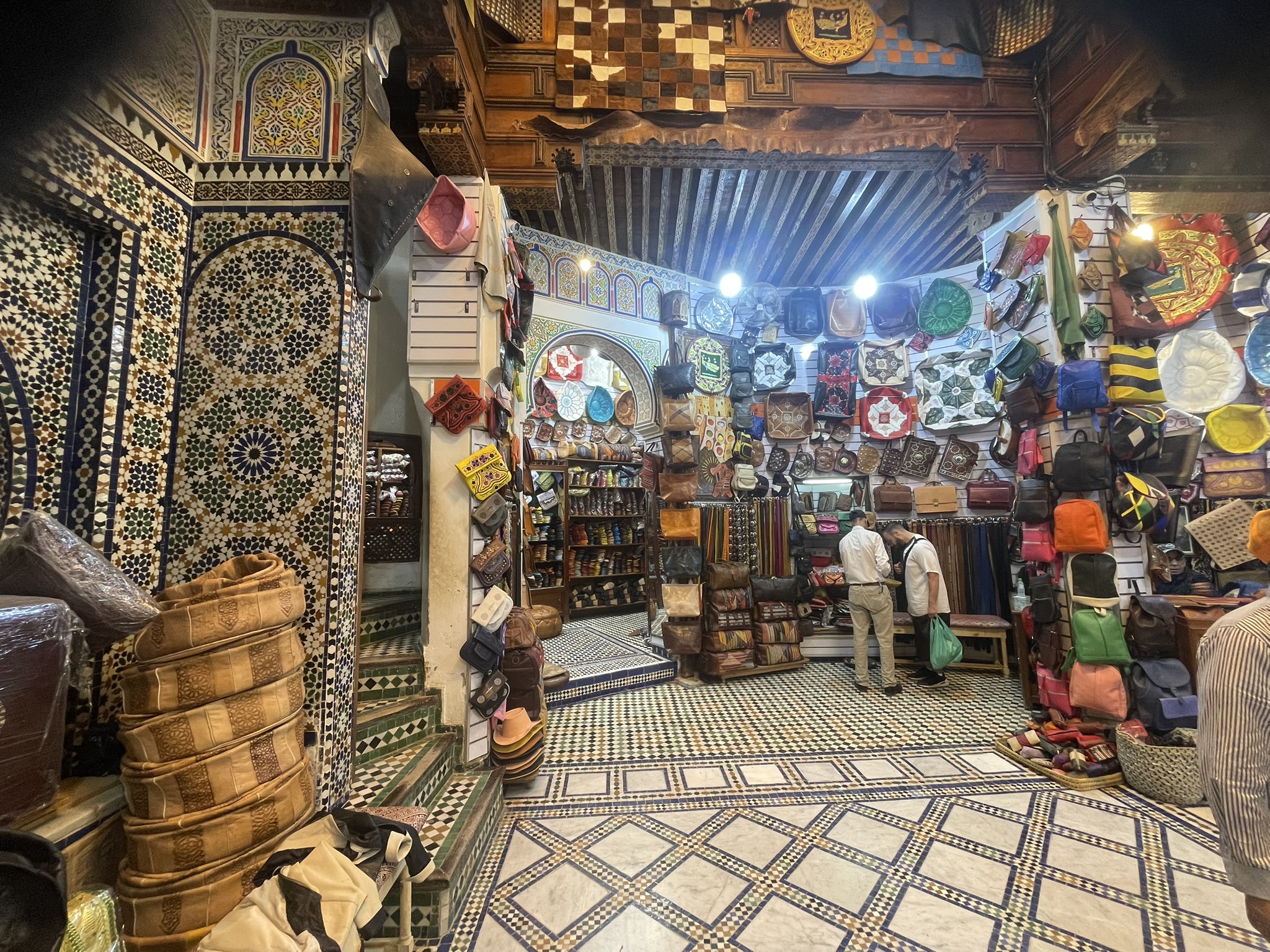
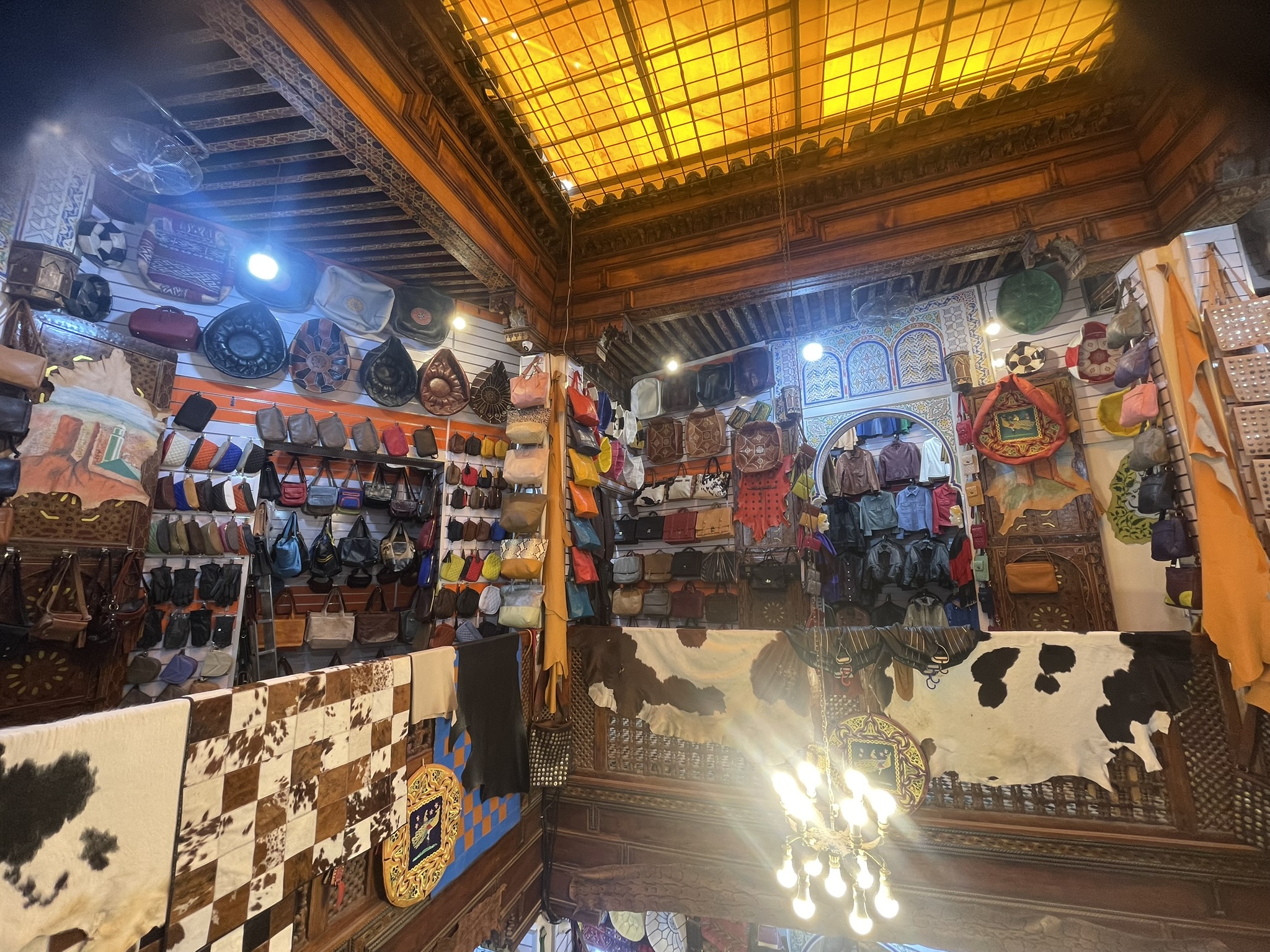
Allah is not in need of any nation
As we return to the Riad Vega guest house and walk through the old city, we pass many madrasahs, zawiyas and mosques. Once upon a time, Fes was the hub of Islamic learning. Today, these centres of learning have become tourist attractions. Many are closed. This reminds us that Allah Almighty is not in need of any one nation or people, and that the centres of knowledge rotate around the world and do not remain fixed to a particular location, except for Makkah, Madīnah, al-Quds and also Shām to an extent. This does not mean that Morocco does not have learned scholars or hubs of learning, however, the honour and prestige that Morocco and Spain once held in relation to Islamic sciences and other sciences are now non-existent.
Jawāhir al-Uṣūl and Mufti Ṣāḥib’s Iʿtidāl (balance)
Following some rest, we depart from the guest house at 5.30pm and proceed to the car park outside Fes el-Bali. An elderly Moroccan local lady suddenly appears in front of Mufti Ṣāḥib and says in Arabic, “I saw you yesterday and I wanted to come and meet you because you reminded me of my 114-year-old father, so please remember me in your prayers.” Her Akhlāq brings tears to our eyes. We should avoid judging just by looking at the outer. Moroccans are humble people.
Mufti Ṣāḥib then asks me about Jawāhir al-Uṣūl which has been published with his footnotes and whether I had read it. I reply in the negative. He mentions that he sent the book to a scholar for a foreword and was then informed via someone else that a foreword would be written if Shaykh Shuʿaib al-Arnaʾūṭ’s (d. 1438/2016) and Shaykh Bashshār ʿAwwād Maʿrūf’s (b. 1359/1940) citations are removed. Mufti Ṣāḥib refused because this is against academic integrity. Mufti Ṣāḥib praises both these scholars and mentions that he also quotes Shaykh Nāsir al-Dīn al-Albānī (d. 1420/1999) and sometimes critiques his views. He also suggests that it was probably not the scholar’s decision, but rather the decision of one of his associates. I then share my personal experience in relation to this associate, and Mufti Ṣāḥib remarks, “So, you have also experienced this!” May Allah protect us all from rigidness and guluww.
Grave of Qāḍī Abū Bakr ibn al-ʿArabī, Bab Mahrouk Cemetery
We arrive at the car park and proceed to the Bab Mahrouk Cemetery which is home to many graves.
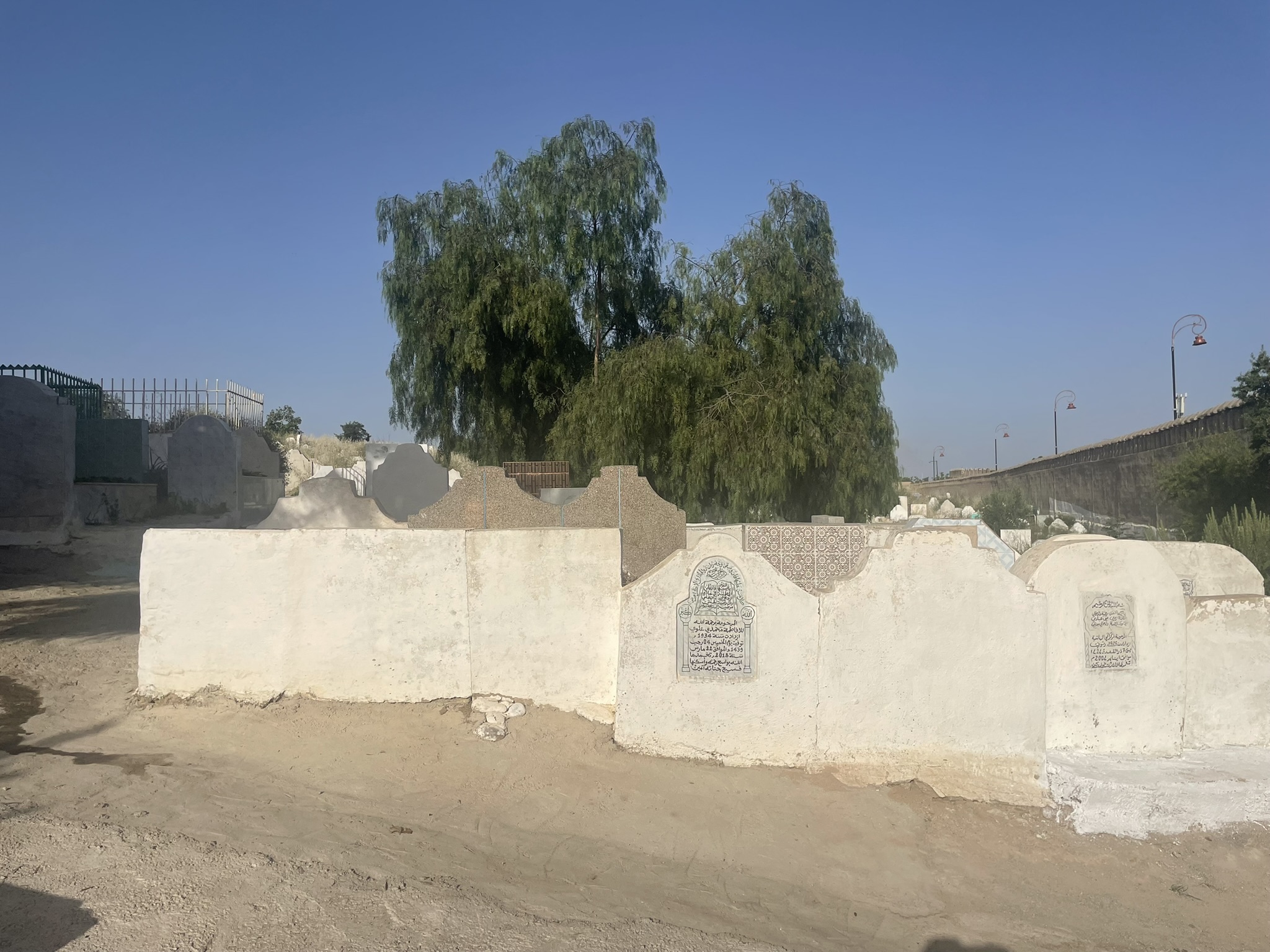
Within the cemetery is a small building wherein it is suggested lies the grave of one of the gems of Andalusia, the great Muḥaddith, jurist and scholar, Imām Qāḍī Abū Bakr ibn al-ʿArabī al-Mālikī (d. 543/1148), whose commentaries on Sunan al-Tirmidhī and Muwaṭṭaʾ Mālik are famous, along with his Aḥkām al-Qurʾān and al-ʿAwāṣim. Several other books of his have been published in recent years by the Moroccan based Dār al-Ḥadīth al-Kattāniyyah such as Sirāj al-Murīdīn among other books. He was born in Seville, Spain as outlined in my Spain travelogue and passed away in Fes, Morocco (Siyar, 20: 203).
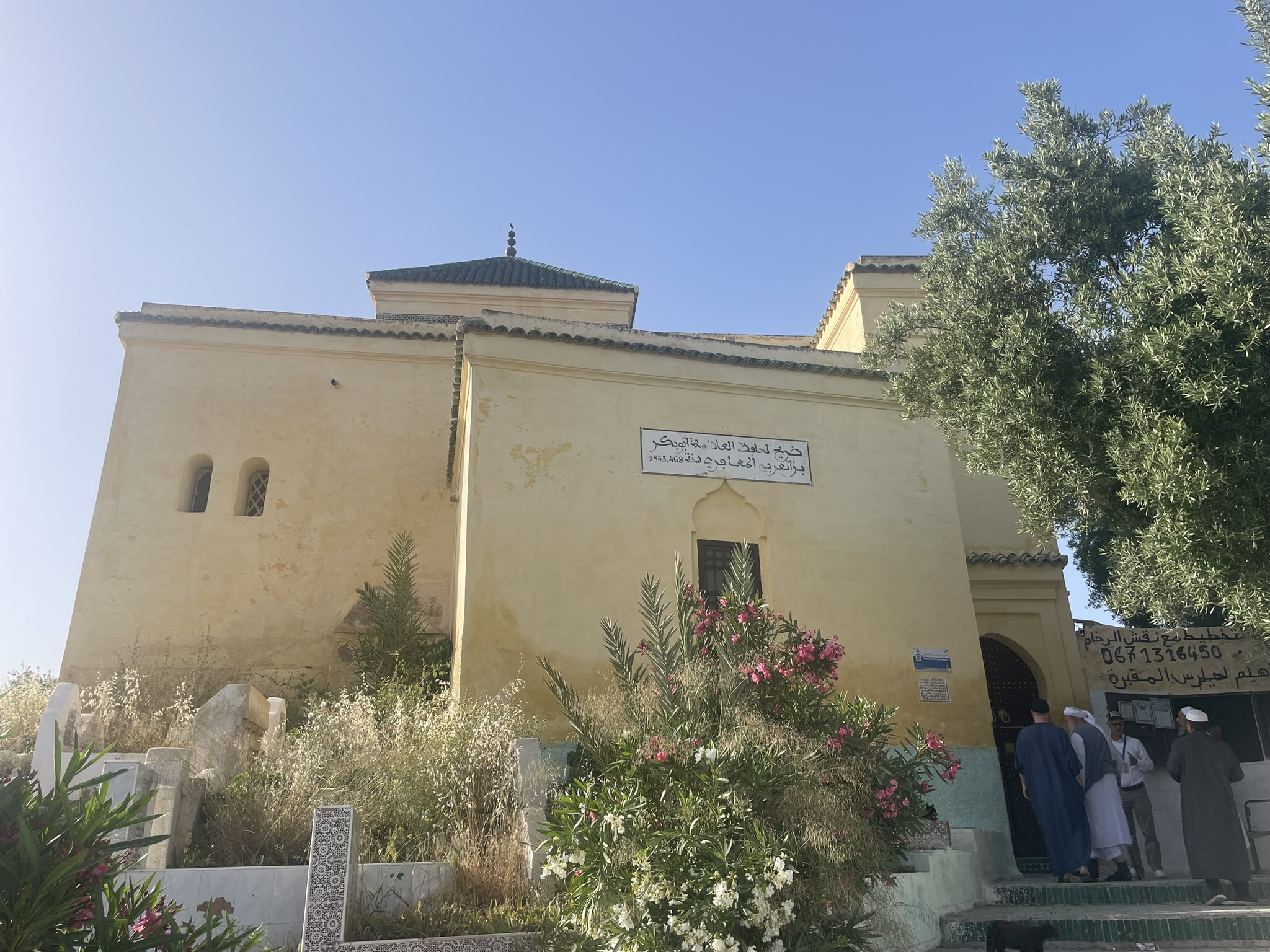
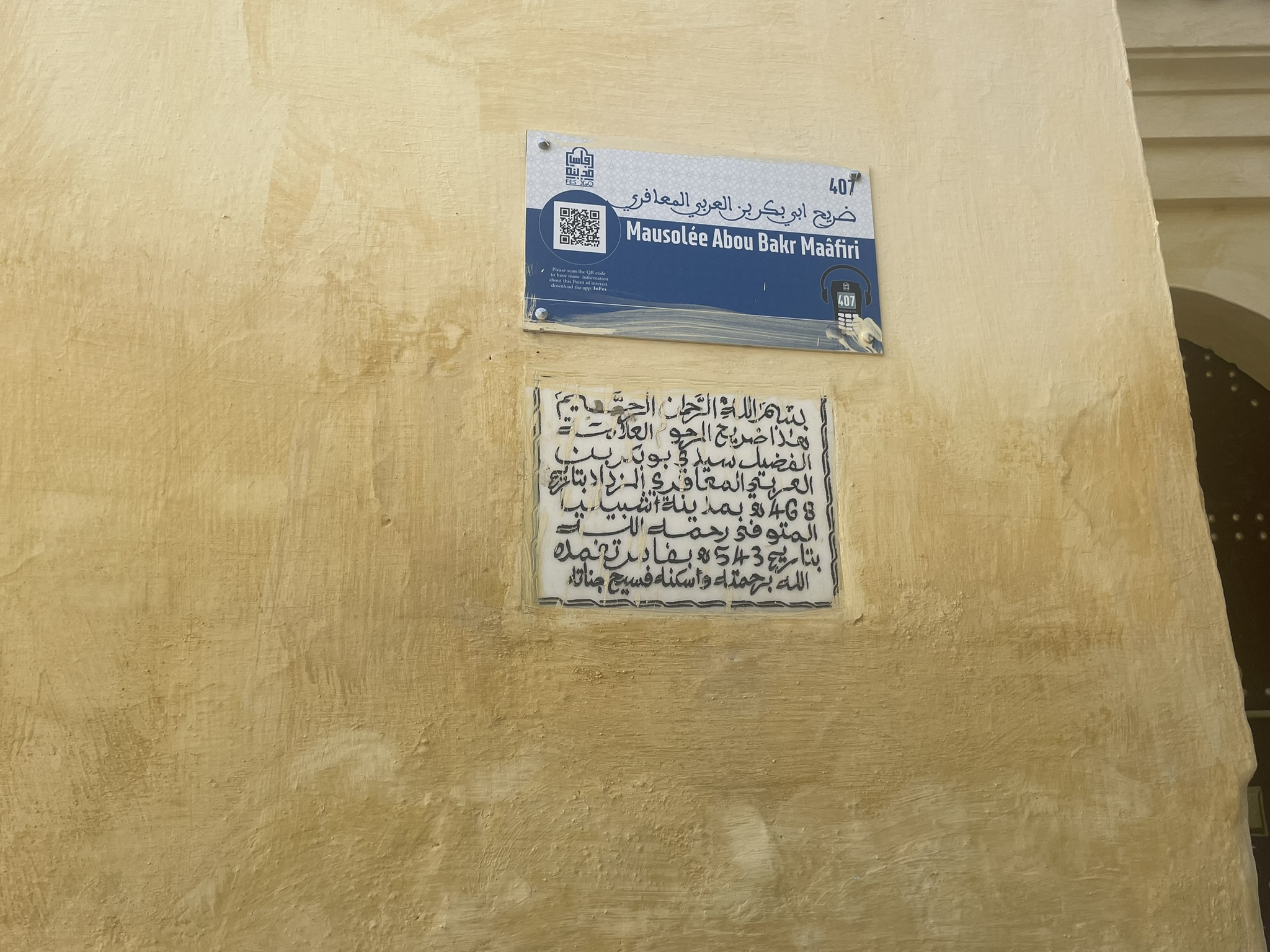
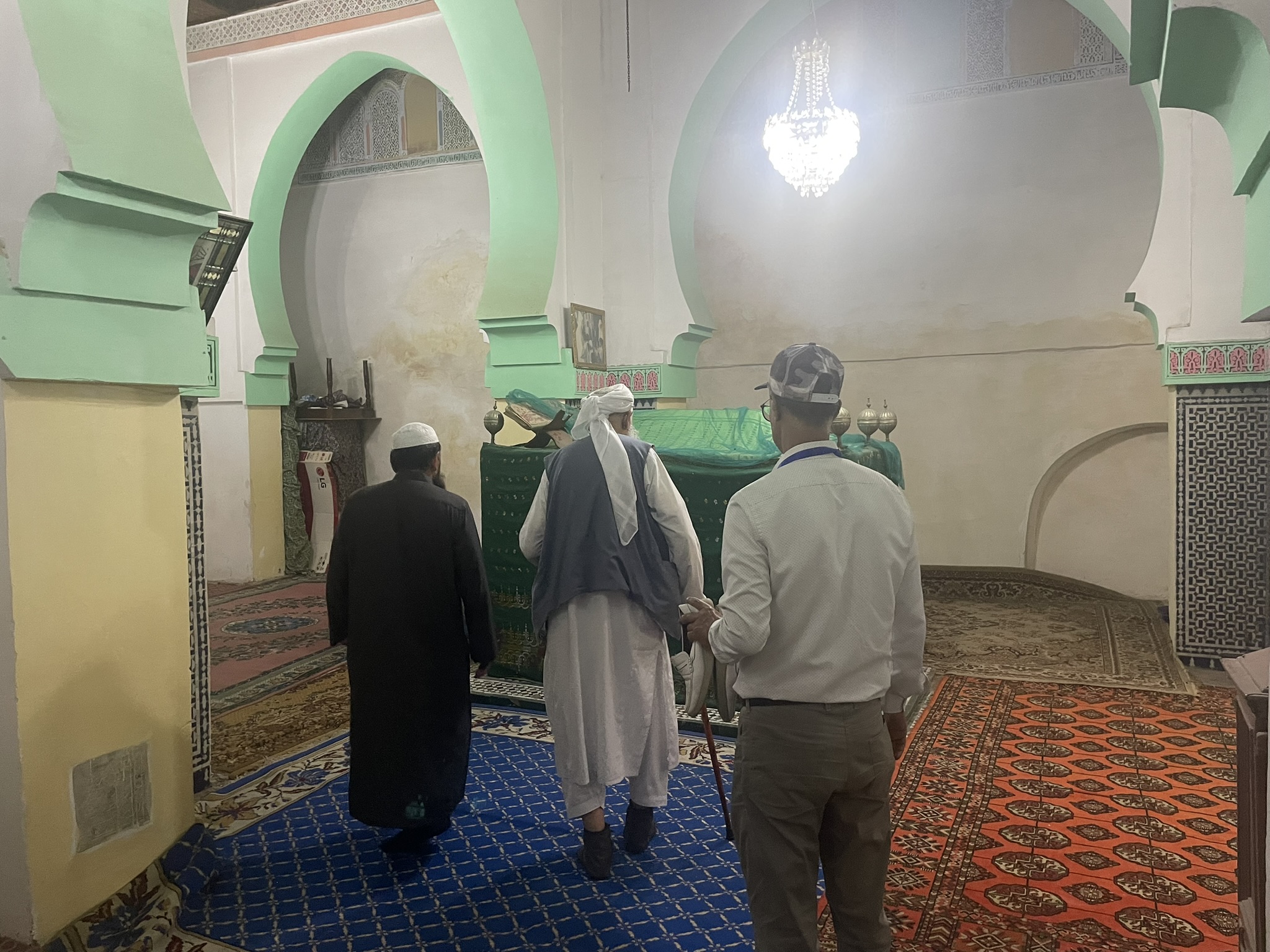
He should not be confused with the controversial Sufi scholar, Shaykh Muḥyuddīn ibn ʿArabī al-Mursī al-Dimashqī (d. 638/1240), who was born in Murcia, Spain and passed away in Damascus, Syria.
I have personally benefited a great deal from Qāḍī Ibn al-ʿArabī’s writings and cited him hundreds of times in my works. Thus, when one visits the grave of someone with whom you have such a connection, the feeling is different. I mention to Mufti Ṣāḥib that his commentary on Sunan al-Tirmidhī is probably the earliest published complete commentary. Shaykh Muḥammad Ouchānī suggests that Qāḍī’s Aḥkām al-Qurʾān was written in response to the Aḥkām al-Qurʾān of the Ḥanafī scholar, Imām Abū Bakr al-Jaṣṣāṣ al-Rāzī (d. 370/981). Mufti Ṣāḥib comments that ʿAllāmah Jāṣṣāṣ was a Mutazilite in creed and that he refuted Sayyidunā Muʿāwiyah (d. 60/680, may Allah be pleased with him) whereas Qāḍī Abū Bakr ibn al-ʿArabī defended Sayyidunā Muʿāwiyah (may Allah be pleased with him) and the Umayyads, adding that Al-ʿAwāṣim is a very good book. Mufti Ṣāḥib also suggests that Mawlānā ʿAbd al-Rashīd Nuʿmānī (d. 1420/1999) was also critical of Sayyidunā Muʿāwiyah (may Allah be pleased with him) and the Umayyads which he disagrees with.
Fes el-Jdid (New Fes) and the Royal Palace of Fes
We offer our respects at the grave of Qāḍī Ibn al-ʿArabī and proceed to visit Fes el-Jdid (New Fes). We pass the Royal Palace of Fes which sits on an 82-hectare land making it the largest palace in the country. We park our car next to the Alawi Square (Place des Alaouites) which serves as the gateway to the Royal Palace.
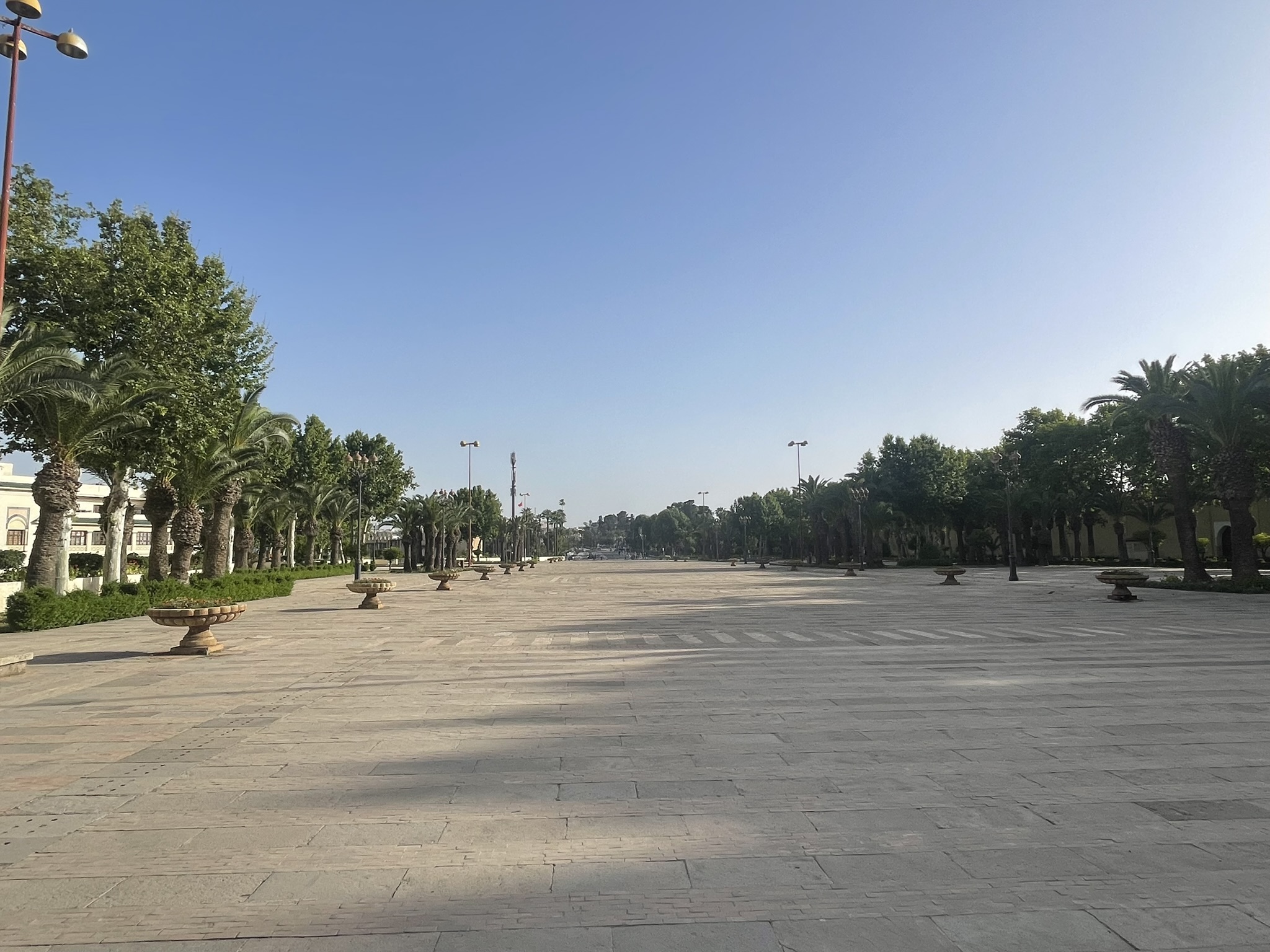
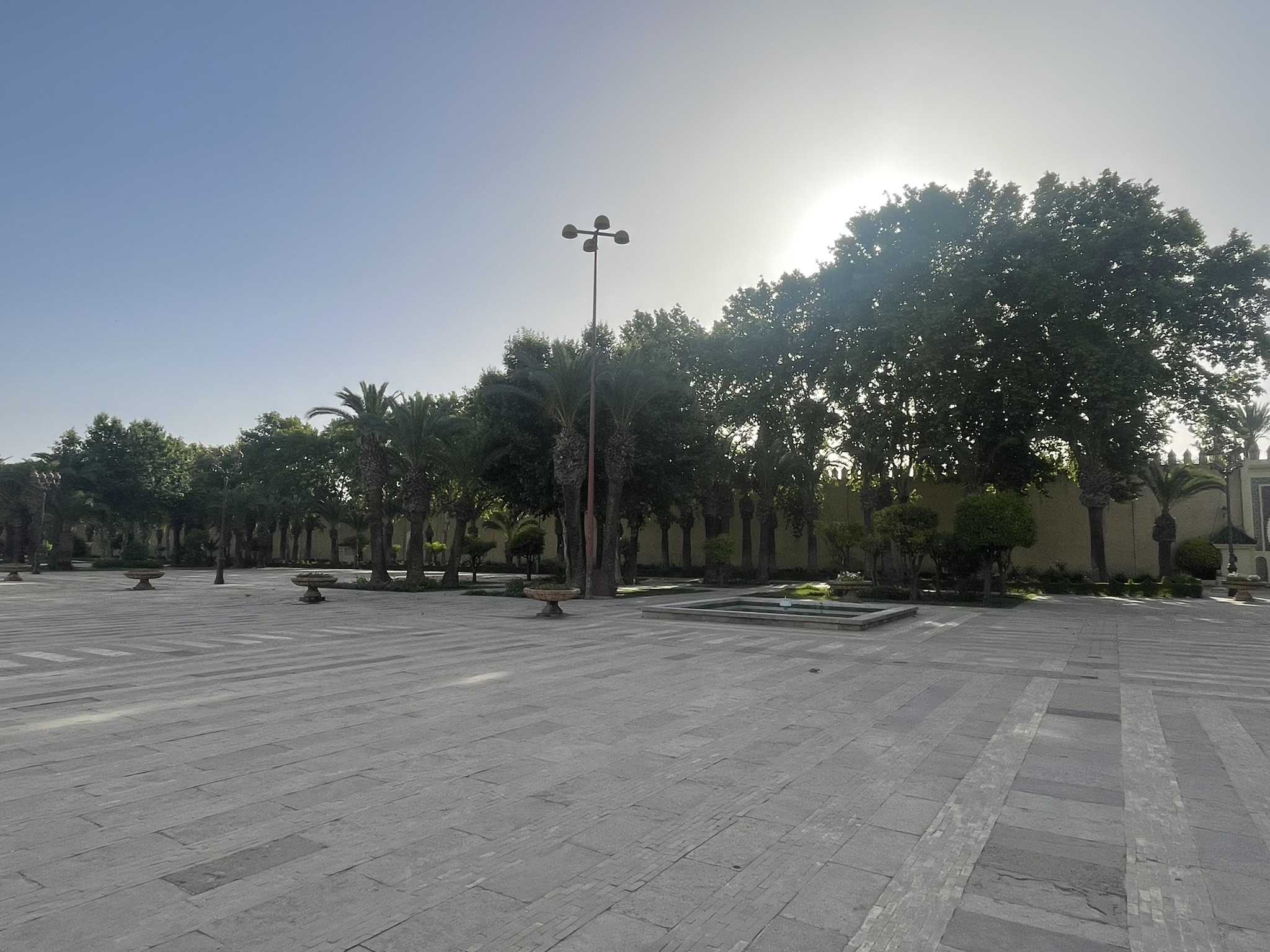
The seven monumental palace gates adorned with intricate, hand-crafted zellij tilework, carved cedar wood, and gleaming brass fittings are visible from here. We knock on one of the doors, but the knock is not heard.
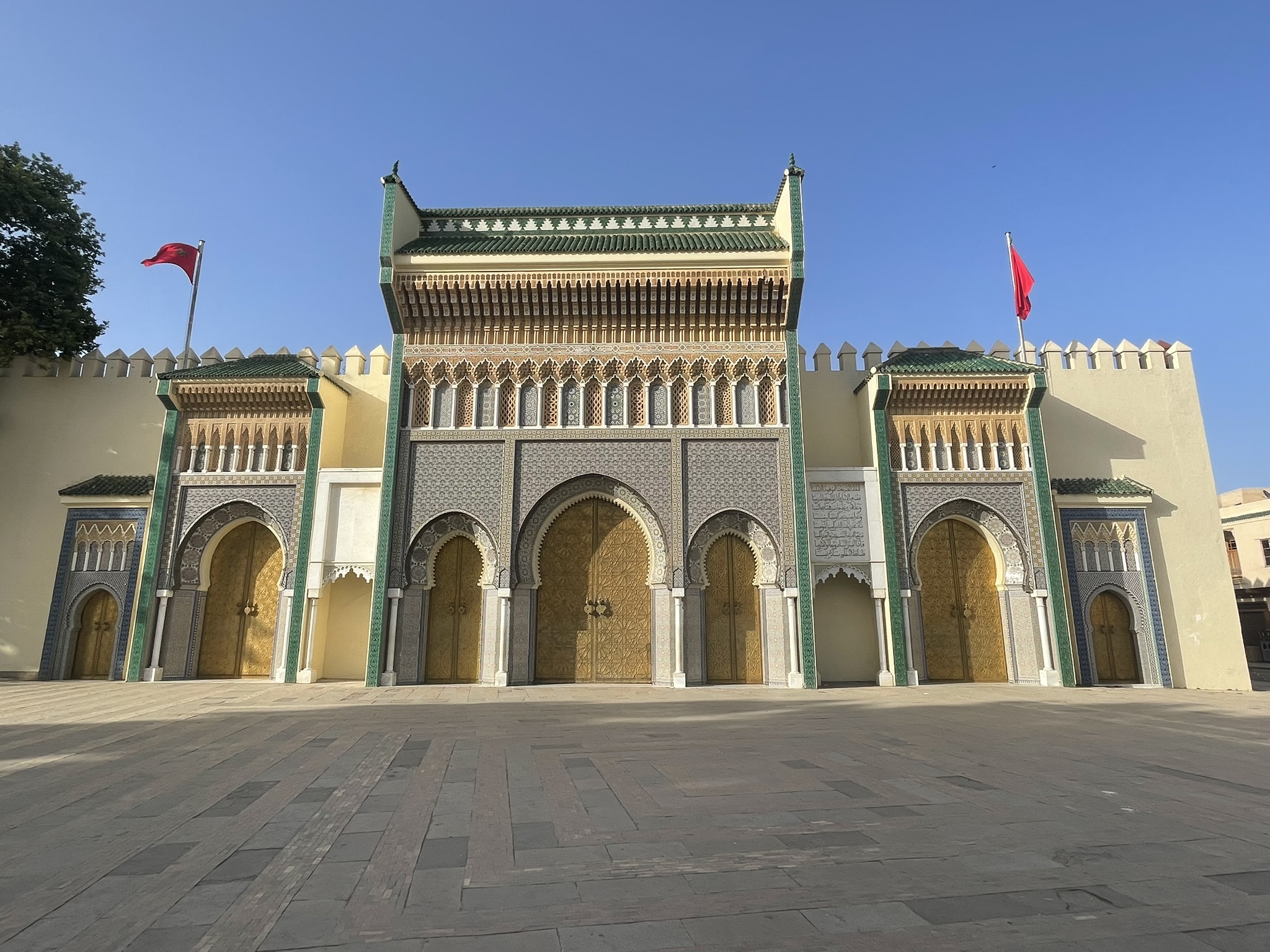
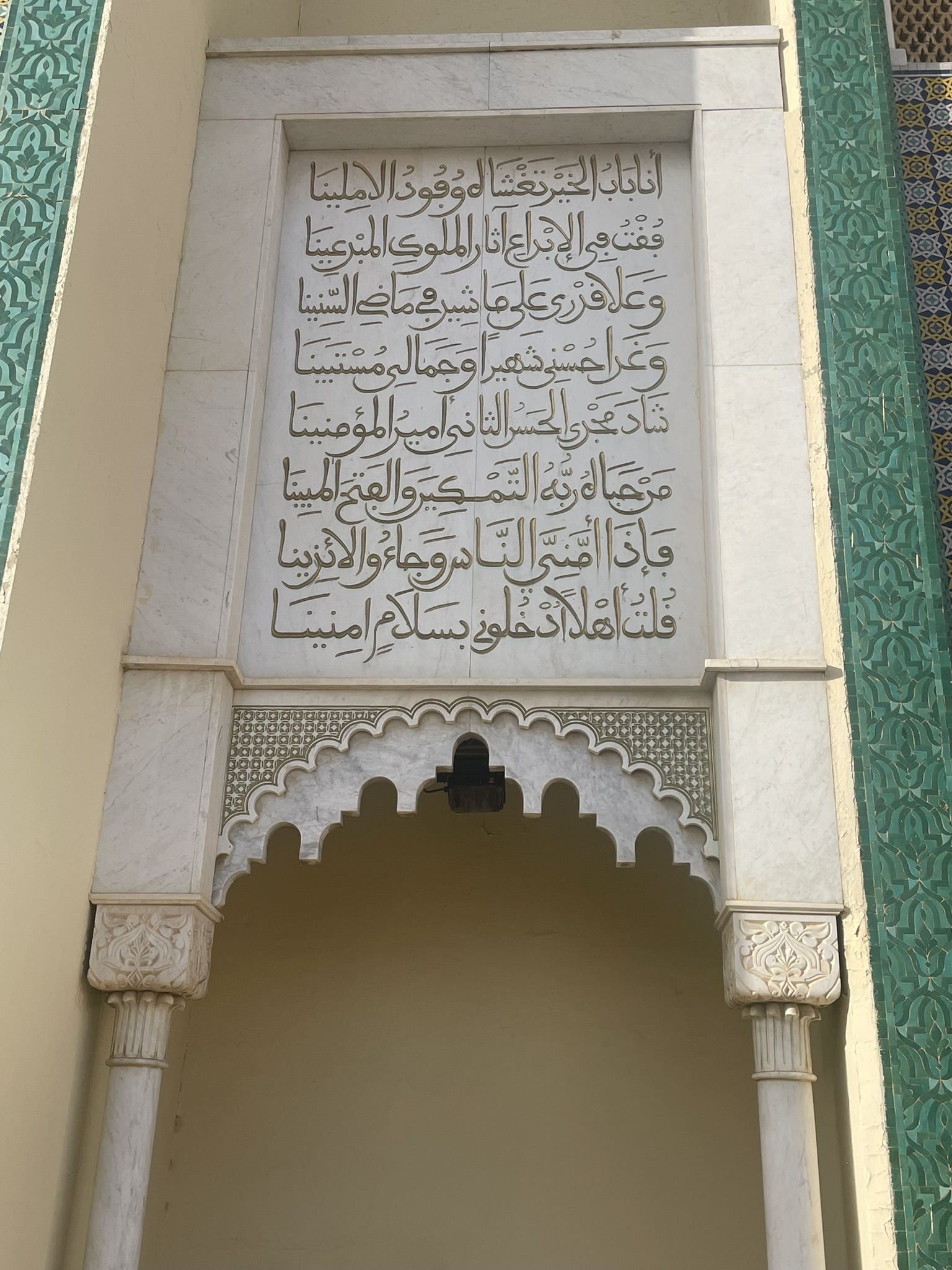
Mufti Ṣāḥib comments on why palace is called al-Qāṣr in Arabic, “Firstly, because the sight is fixated and confined on it. Secondly because access to it is restricted and confined. Thirdly because the age of its inhabitants is short.” I add a fourth reason that the hopes of the people are also limited there.
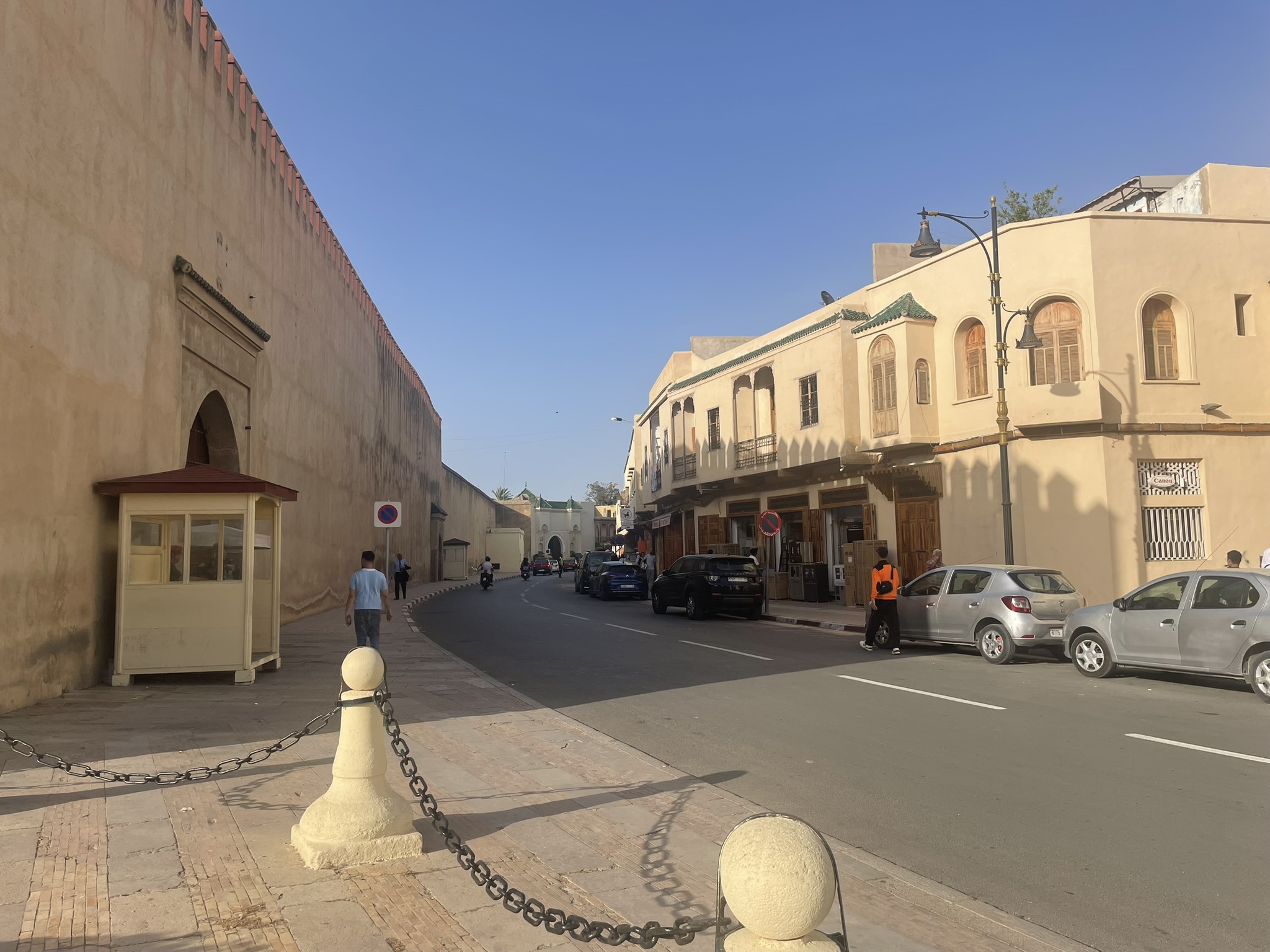
As we drive around Fes el-Jdid, Shaykh Muḥammad Ouchānī highlights the differences between the residences of Fes el-Jdid and Fes el-Bali. Within Fes el-Bali, the balconies are within the homes, not visible to people outside, whereas in Fes el-Jdid, the balconies are outward facing enabling people to showcase their wealth. This was the Andalusian influence on the New Fes.
Olive Trees
Throughout Fes and whilst on route to Fes, we notice the abundance of olive trees. Morocco is the world’s 5th largest producer and exporter of olive oil with an average production of 140,000 tonnes every year. Mufti Ṣāḥib comments:
“Allah Almighty has taken an oath in the Qurʾān on the olive. We do not know the extent of the benefits of olives.”
Panoramic views of the city
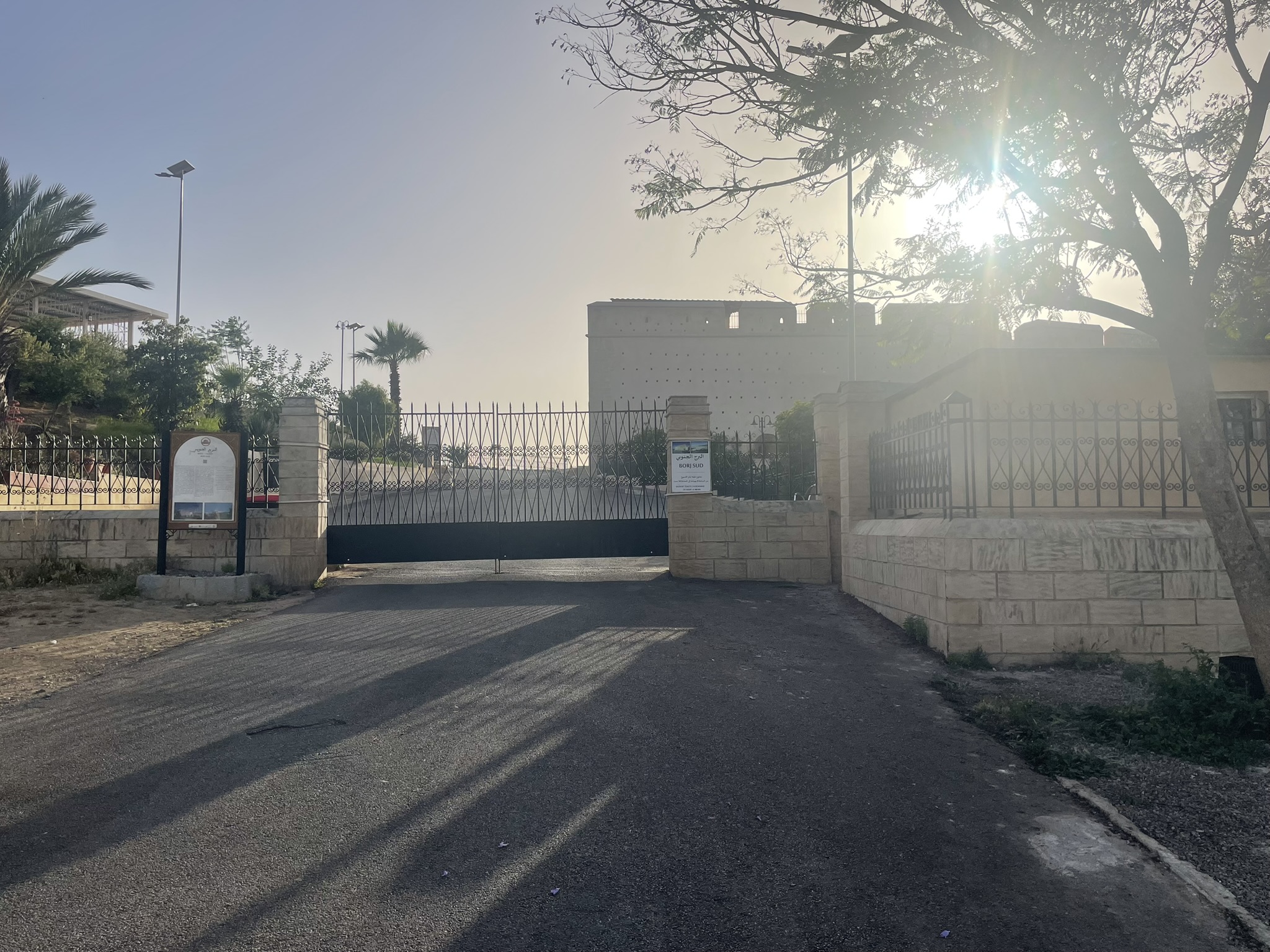
Our guide Idrīs takes us towards Borj Sud, a fort that was established in 1582. There is a viewpoint here on the hill which provides a view of Fes el-Bali.
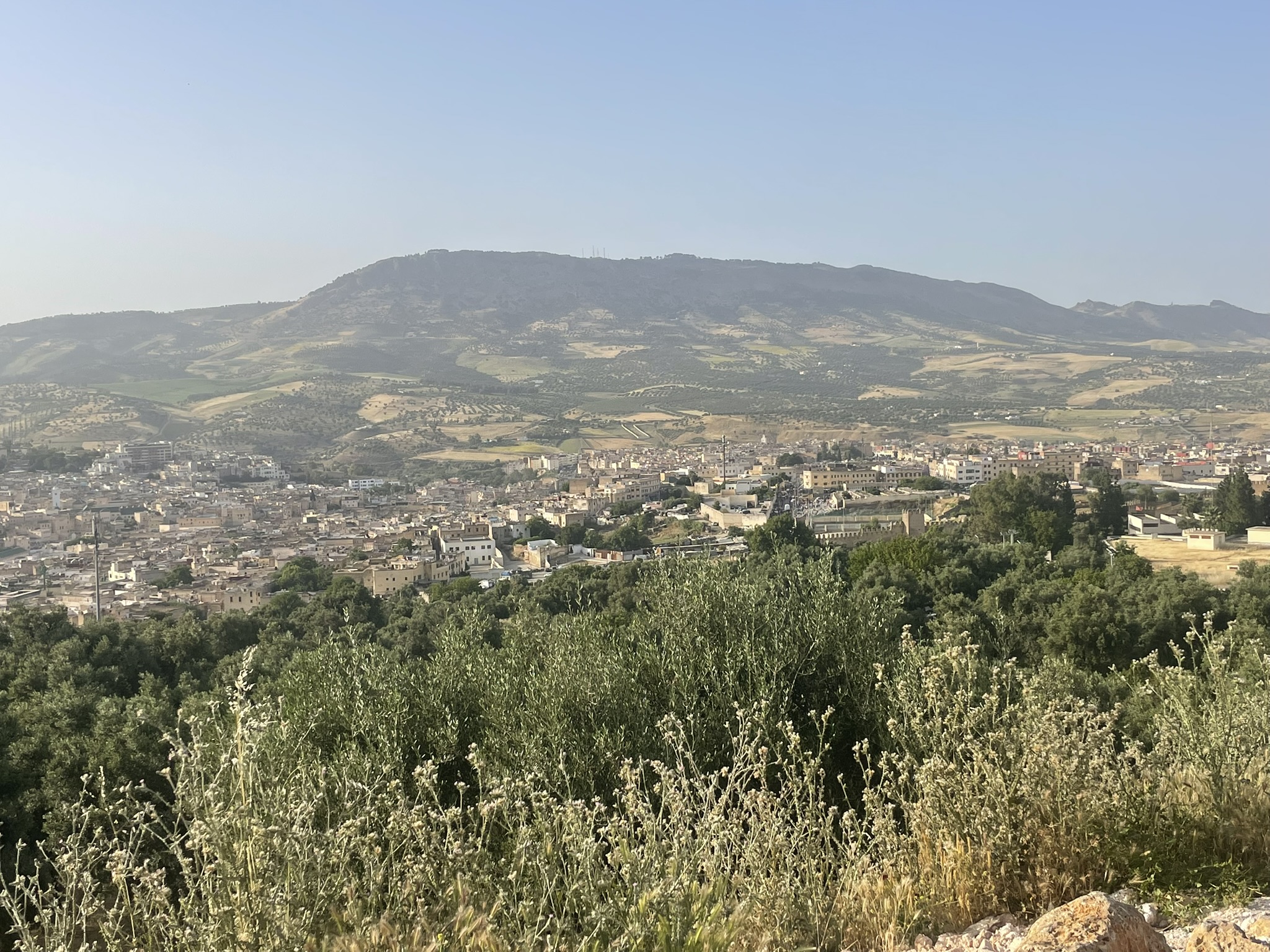
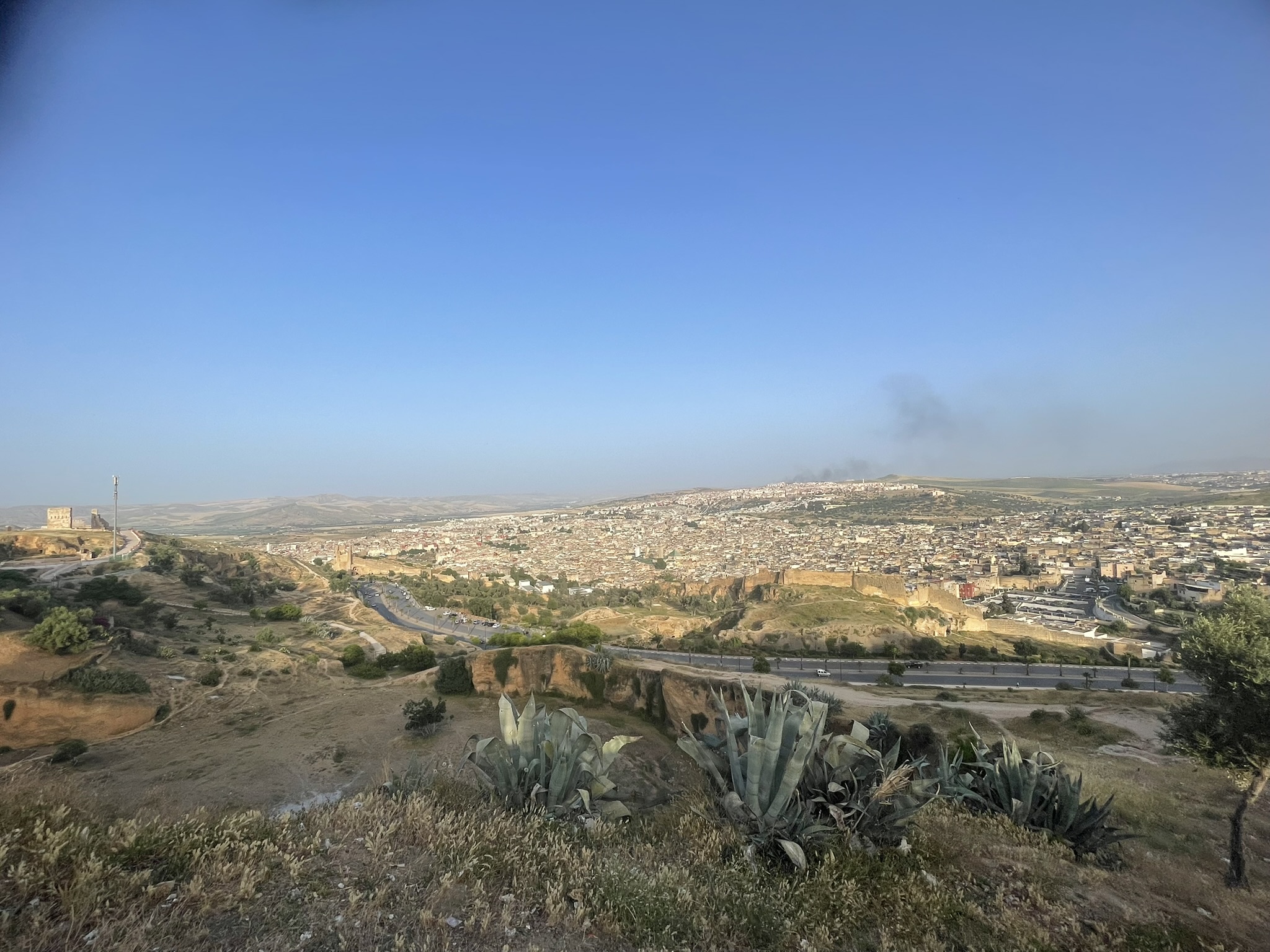
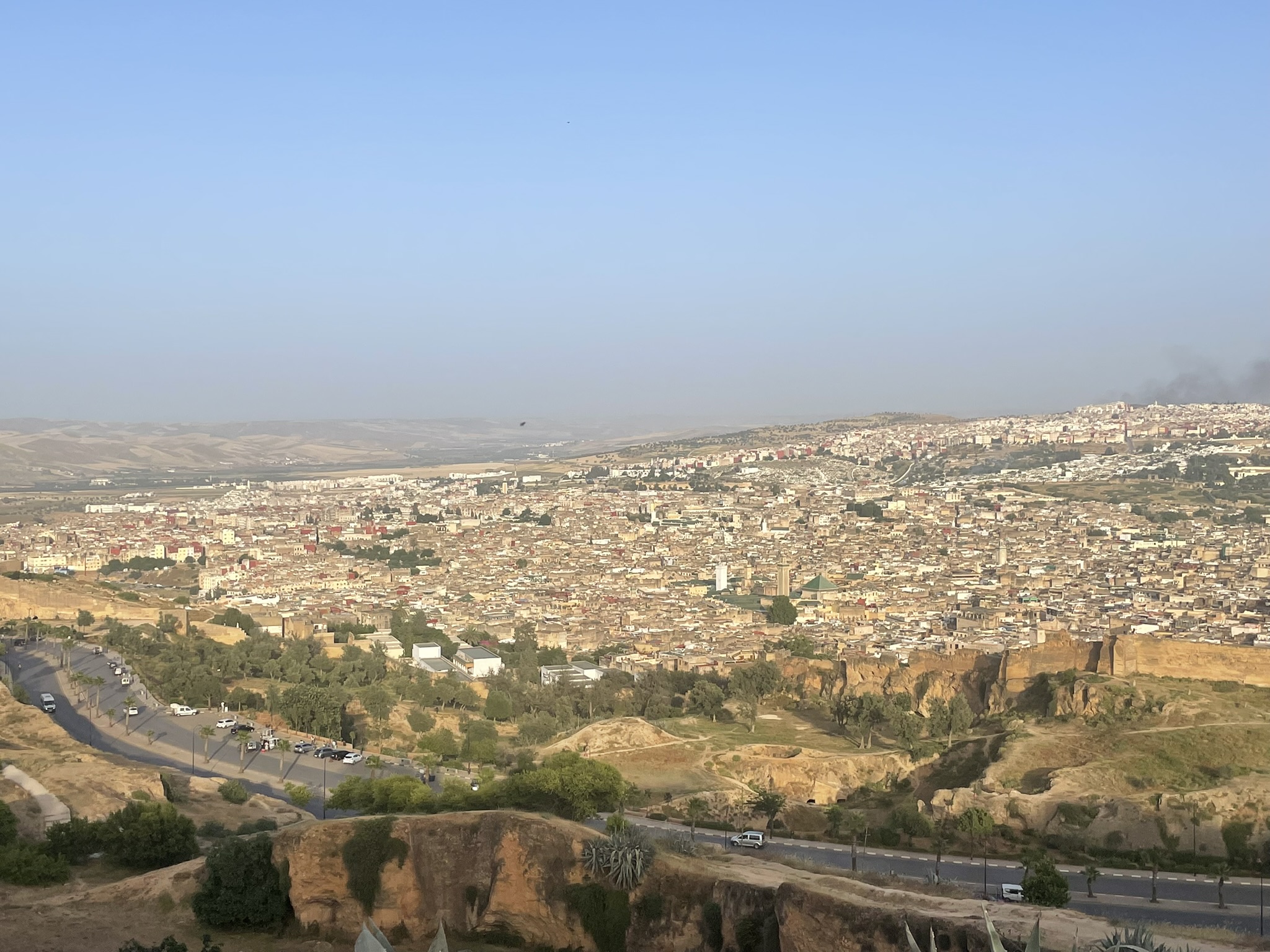
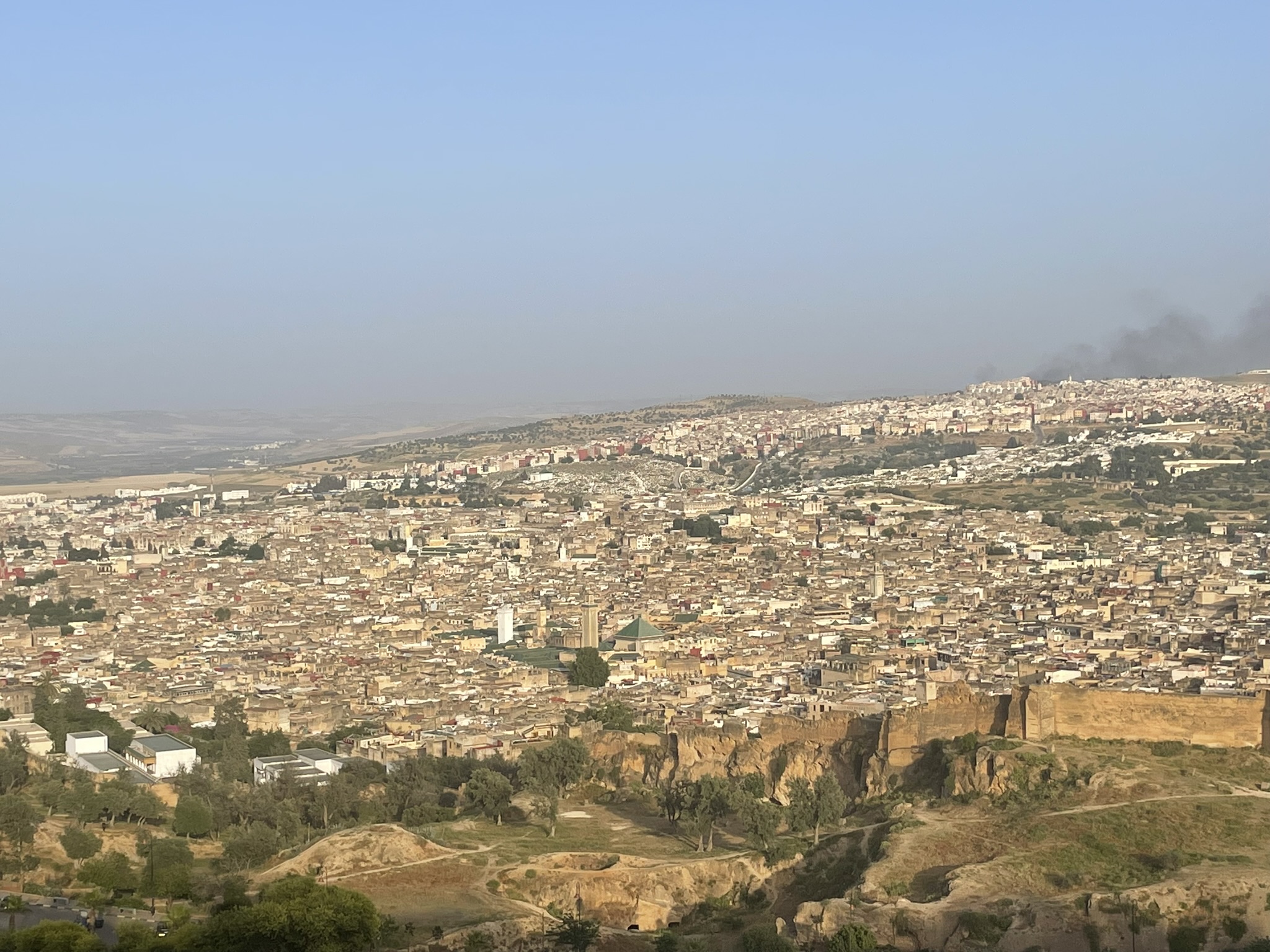
From here, we proceed to another viewpoint near the Marinid Tombs, which is another place to visit, but it is currently closed due to restoration works. This viewpoint provides panoramic views of both Fes el-Bali and Fes el-Jdid. The size of Fes el-Bali and its layout can be better appreciated from here. Much of its 14km wall is also visible from here. Some parts of the wall were destroyed by the Portuguese.
Dinner at Michwate Zaouja Tanya (مشواة الزوجة الثانية)
At 7.30pm, we arrive at Michwate Zaouja Tanya restaurant which has a unique name which should not be misunderstood that a second wife will be available here. It is simply a reference to making the restaurant a second home and enjoying the experience.
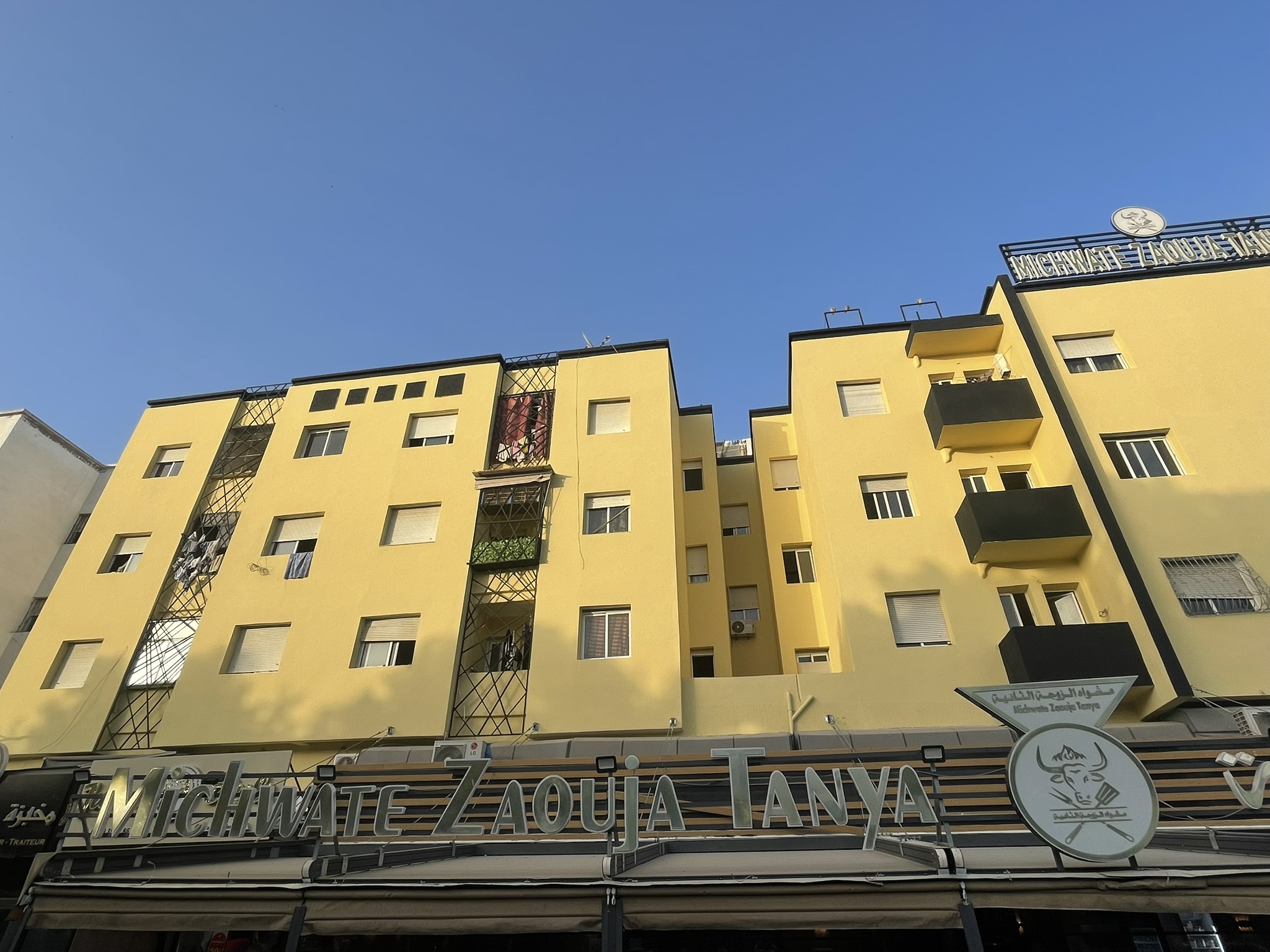
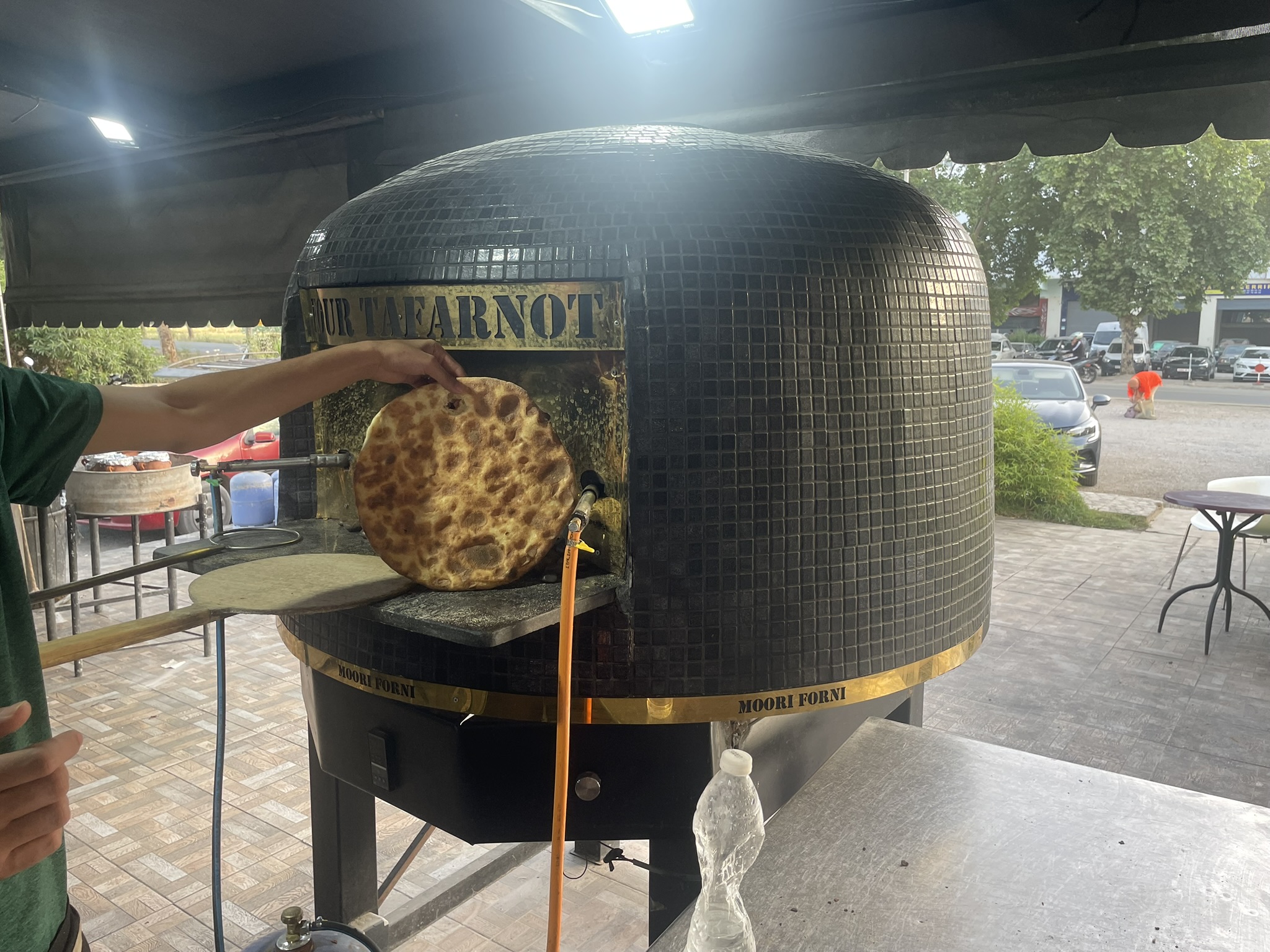
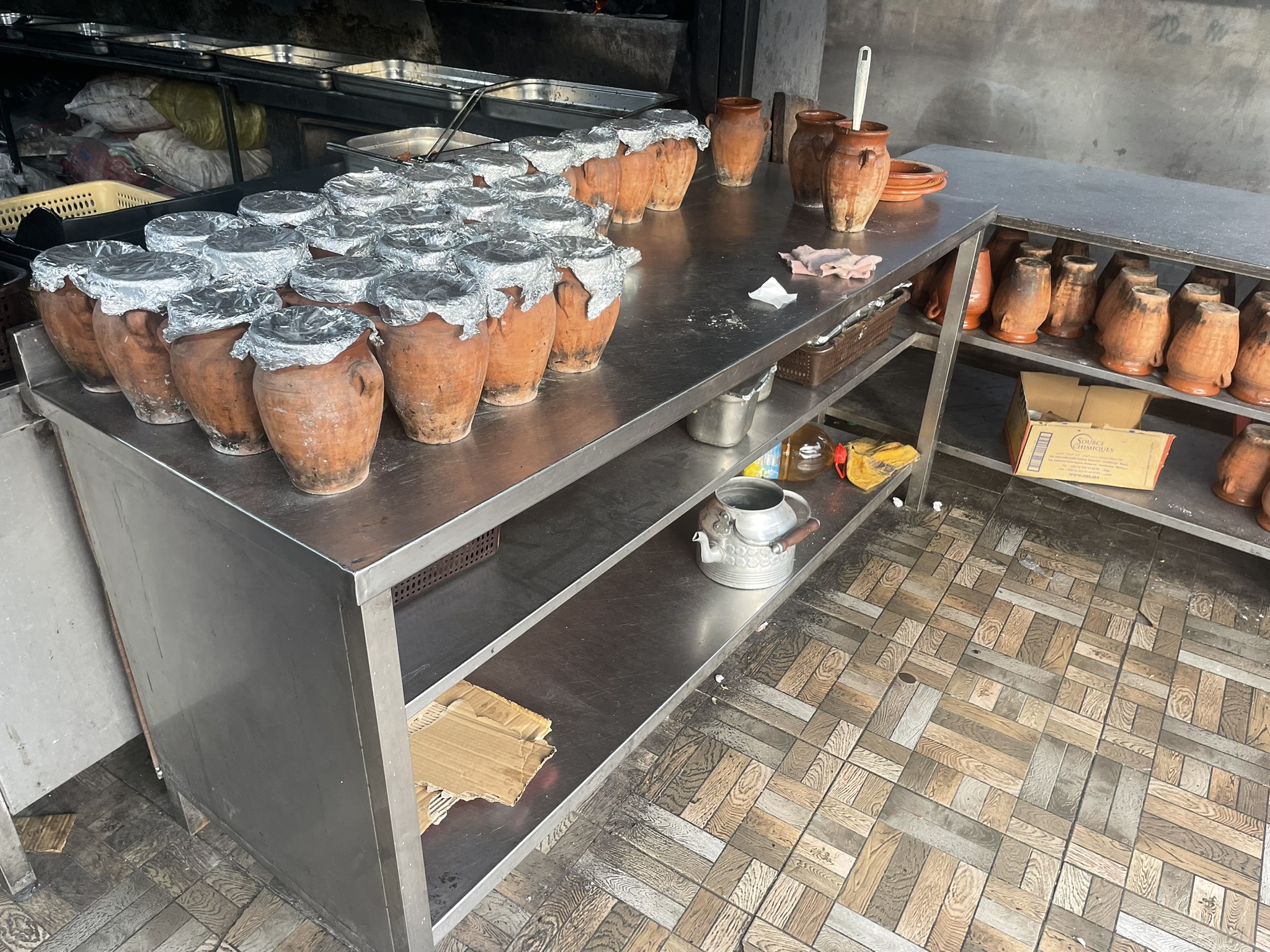
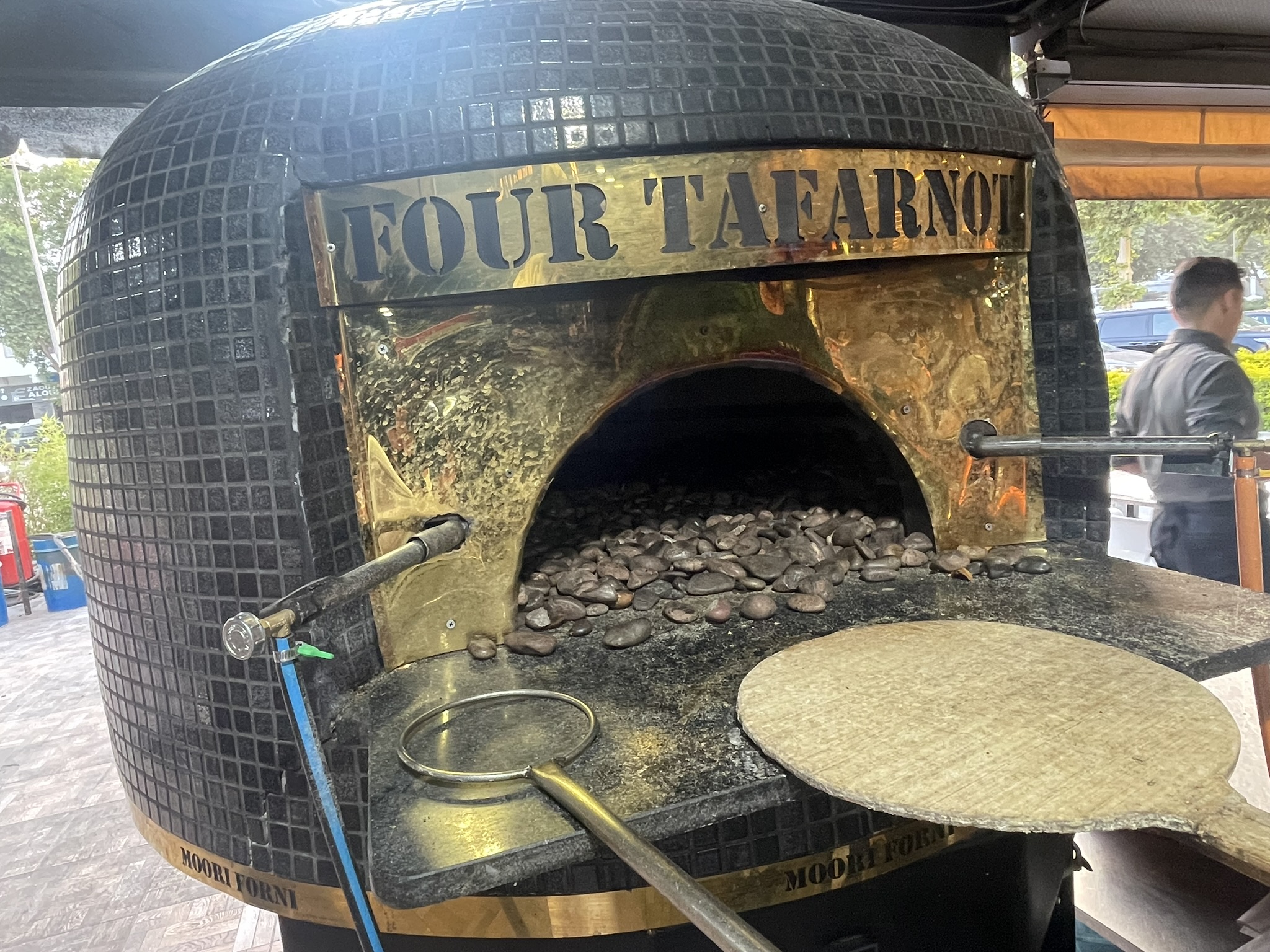
The food is good as is generally the case in Morocco and is reasonably priced. Shaykh Muḥammad Ouchānī at one point suggests that the reason why many British Muslims choose to marry in Morocco is because Moroccan women are loving and caring and that they behave like women and do not try to be men! During dinner, Mufti Ṣāḥib places French fries on my plate a few times knowing that I like them. Mufti Ṣāḥib has no takalluf (formality) whatsoever. He is very relaxed and simple. He likes travelling and stays with the flow. He tastes all the foods and has no dietary requirements. His memory at this age in relation to all the various Islamic sciences puts us to shame. He is also well aware of current events and discourses and is open to discuss and listen to views he may not agree with.
Difference of one dot in ʿuluww and guluww
We return to the car park near Fes el-Bali and walk to the Riad Vega guest house.
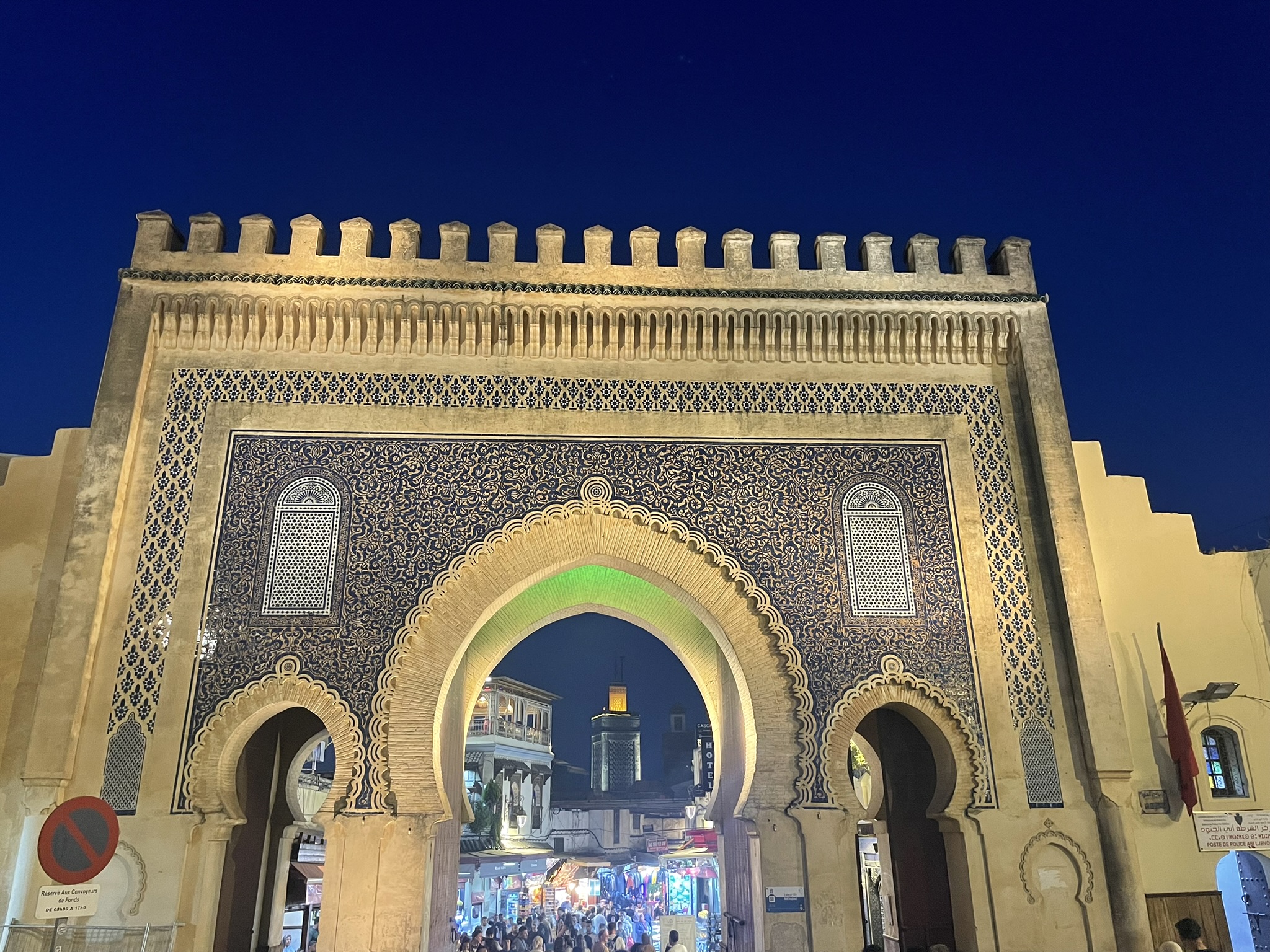
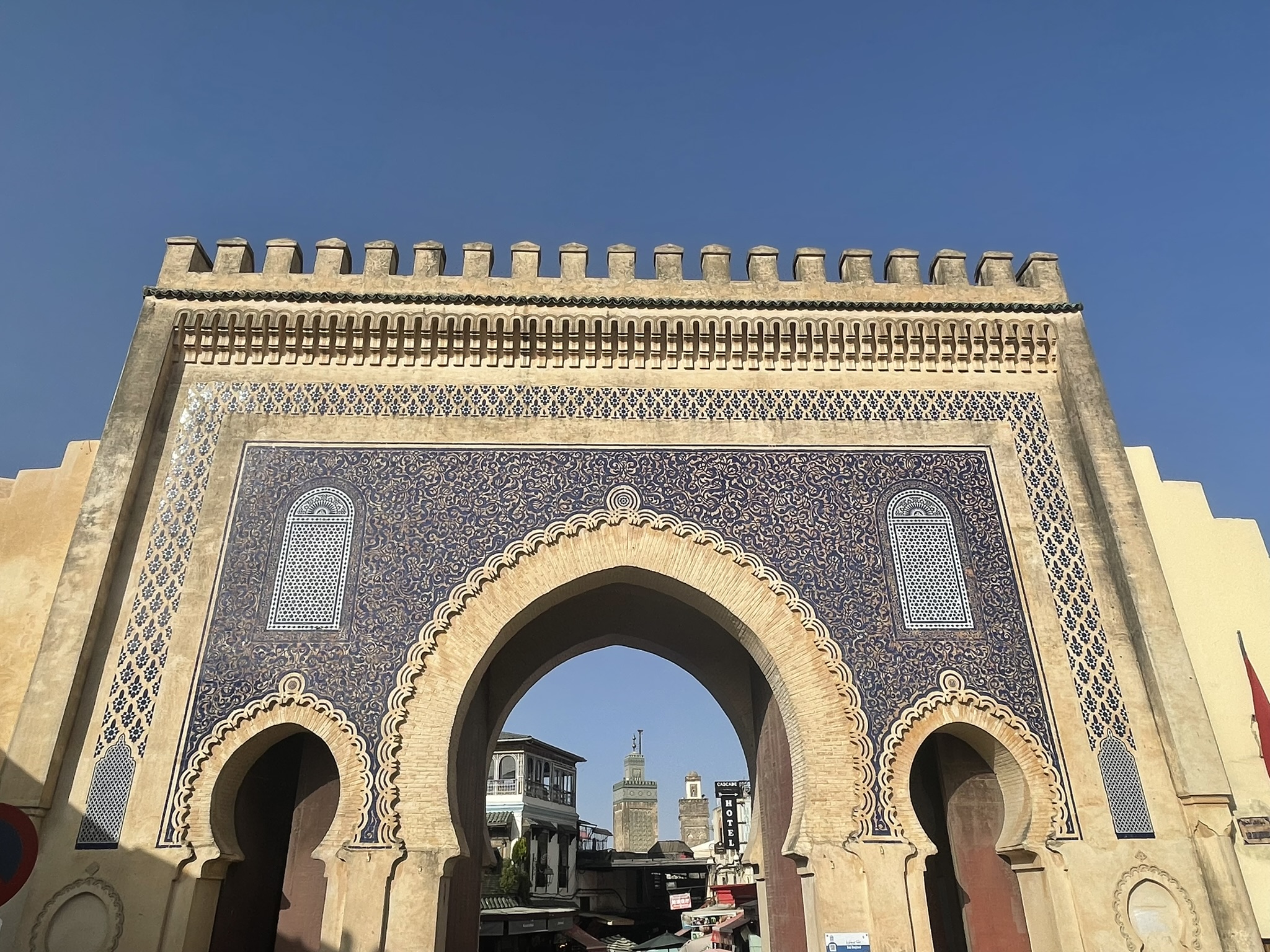
As Mufti Ṣāḥib rests, we sit with Shaykh Muḥammad Ouchānī and discuss various issues. At one point, Shaykh makes a memorable and remarkable point, “There is only a difference of one dot (in Arabic) between ʿuluww and guluww. ʿUluww (praising someone and holding them in high esteem) is valid but guluww (exaggerating) is not. Problems begin when people start guluww in any personality or in any matter.” This is unfortunately a common disease, to the point that some Shaykhs ostracise their spiritual pupils if they do not comply with the Shaykh in all aspects of life and mislead them by suggesting that this is the way of the elders, when the reality is far from this. Mawlānā Rashīd Aḥmad Gangohī (d. 1323/1905) disagreed with his spiritual mentor, Ḥājī Imdādullāh Muhājir Makkī (d. 1317/1899) on the issue of Mīlād, and there are numerous similar examples.
Fascinating story of Mawlānā Yūsuf Motālā, Jabbār Lāhorī and Mahdī Sūdānī
Shaykh Muḥammad Ouchānī was close to our respected teacher, Ḥaḍrat Mawlānā Yūsuf Motālā (d. 1441/2019). He recalls several stories and encounters.
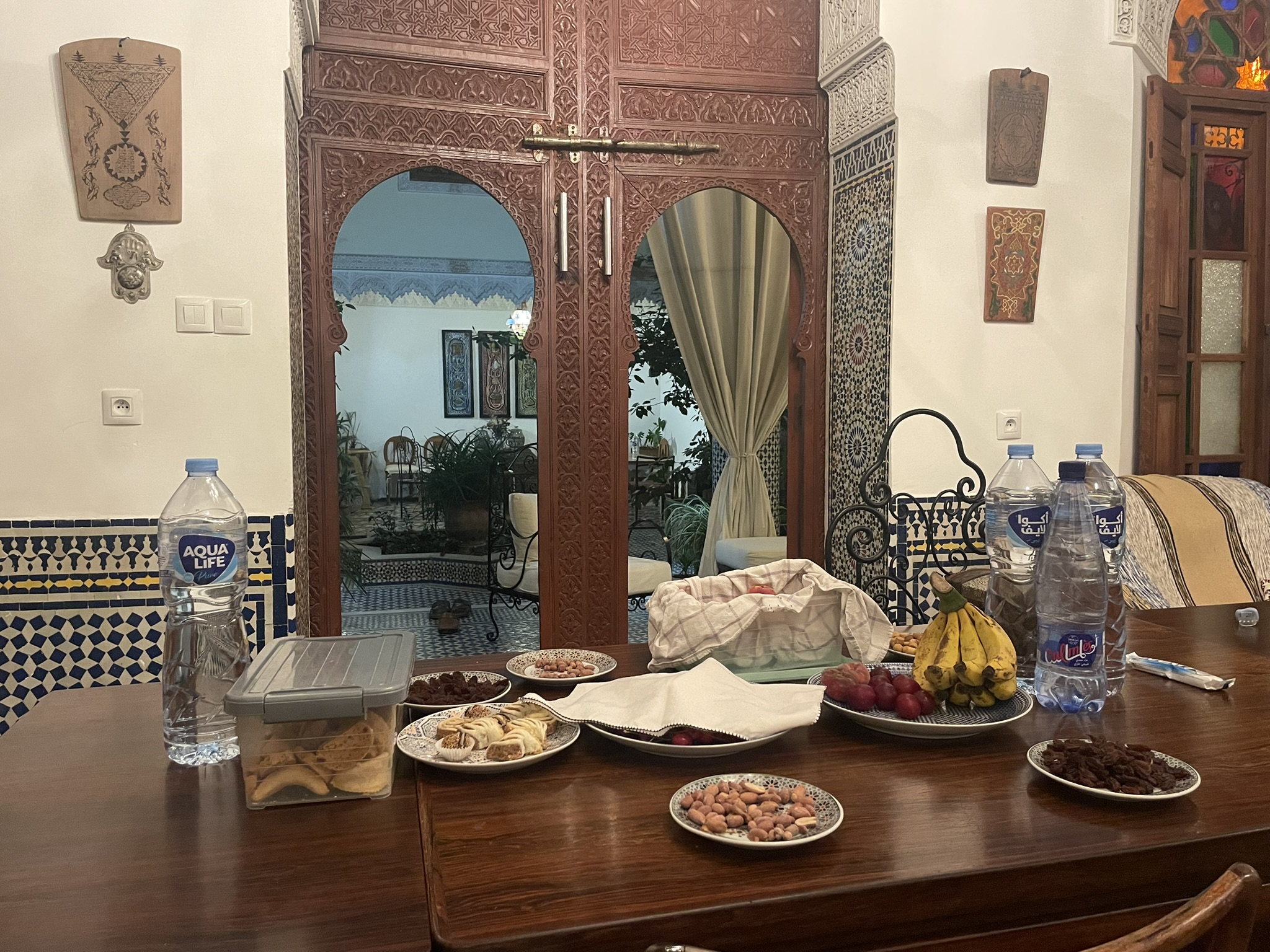
The most fascinating is the story of Jabbār Lāhorī and Mahdī Sūdānī, two Algerian students who were expelled from Darul Uloom Bury in 1979. In 2012, thirty-three years later, Ḥaḍrat asked Shaykh Muḥammad to locate the two and apologise to them and bring them to Darul Uloom at his expense, because they were wronged due to a “Shayṭān” (in Ḥaḍrat’s words) who had made a false complaint against them. Subḥānallāh! However, there was no address or contact details. The office records only mentioned that they are from the coastal city of Oran in northwest Algeria. Shaykh Muḥammad travelled to Oran and located one of them with the assistance of some local taxi drivers, which is nothing short of a miracle. Eventually, they spoke to Ḥaḍrat over the phone. Ḥaḍrat apologised to them and requested them to visit the UK. They said that there was no need for an apology. They also confirmed to Shaykh Muḥammad that the complaint for which they were expelled was indeed false, although they had other issues prior to that. This is a fascinating and remarkable story which requires a standalone detailed article.
Day 3 – Friday 22 May 2026
Meknes and Rabat
From Fes to Meknes
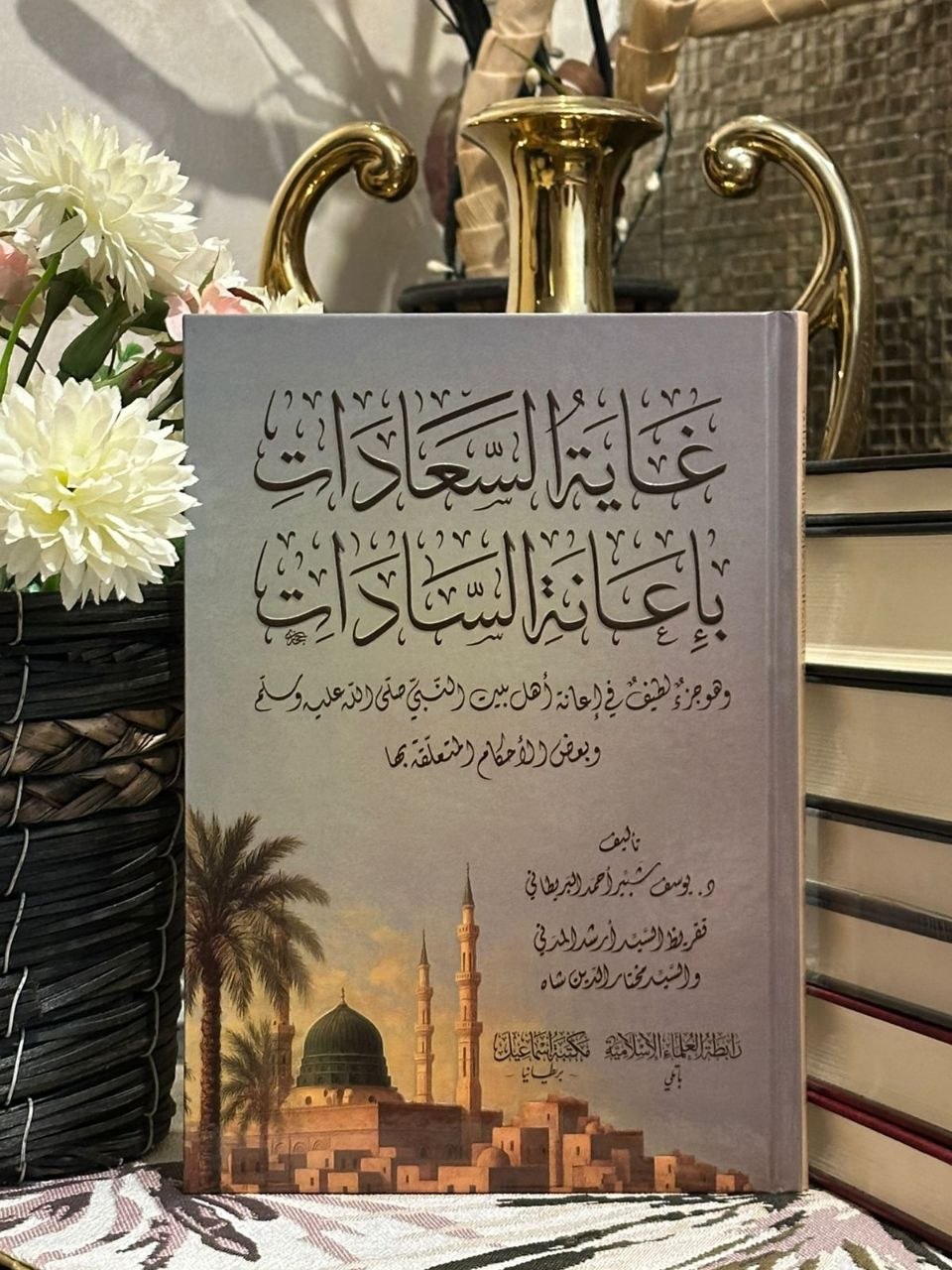
It is an early morning start at 7.45am as we depart from Fes and travel west towards Meknes, which is 60km away. I gift Mufti Ṣāḥib a copy of my most recent publication Gāyat al-Saʿādat bi Iʿānat al-Sādāt.
Mawlānā Khalīl informs Mufti Ṣāḥib that a person in India has claimed to be Allah’s Khalīfah for all the Muslims. Mufti Ṣāḥib says:
“First remove Modi and then we will appoint you!”
A discussion follows regarding the deteriorating situation of Muslims in India.
Should Pakistan have been established?
Mufti Ṣāḥib is firmly of the view that the prejudice and anti-Muslim sentiment that exists currently in India is a result of the establishment of Pakistan, and that Pakistan should not have been established. He suggests that Mawlānā Ḥusayn Aḥmad Madanī (d. 1377/1957), Mufti Kifāyatullāh Dehlawī (d. 1372/1952), Mawlānā Ḥifẓurraḥman Seohārwī (d. 1382/1962) and Mawlānā Abū al-Kalām Āzād (d. 1377/1958) were all experienced in politics, whereas the scholars advocating Pakistan were teachers who suddenly turned to politics without experience. Mawlānā Abū al-Kalām was extremely intelligent. Further, Mawlānā Muḥammad Manẓūr Nuʿmānī (d. 1417/1997) met Mawlānā Ashraf ʿAlī Thānawī (d. 1362/1943) and convinced him against the establishment of Pakistan. However, the following day, he changed his position. Mawlānā Manẓūr has documented this in his autobiography Taḥdīth Niʿmat (p. 154 – 167), a book which Mufti Ṣāḥib highly recommends. Mufti Ṣāḥib further suggests that this was the only former British colony where people were split, everywhere else people remained in their areas.
I ask Mufti Ṣāḥib that if Shaykh al-Hind Mawlānā Maḥmūd Ḥasan Deobandī (d. 1339/1920) and Mawlānā Ḥusayn Aḥmad Madanī were alive today, would they have advocated the same and whether there is any example in history of Muslims surviving as a minority in any country for a long period of time. Mufti Ṣāḥib cites the example of Mauritius where there is mutual co-existence and believes that there would have been a 50:50 split across unified India eventually due to the increased birth rate among Muslims. It is suggested to Mufti Ṣāḥib that scholars on both sides were used to an extent and after partition were sidelined, and although it was their humility to not take a leadership position, but it would have been better for the likes of Mawlānā Ḥusayn Aḥmad Madanī and also ʿAllāmah Shabbīr Aḥmad ʿUthmānī (d. 1369/1949) to have led a ministry and be directly involved in running the country at that critical initial juncture.
I brief Mufti Ṣāḥib on my experience of working in Punjab, India and the impact of partition on the thousands of Masjids that are occupied by non-Muslims, some of which we have liberated, and the impact on Muslims particularly women who lost their faith. This, Mufti Ṣāḥib suggests, is one of many disastrous consequences of partition. There are inevitably both perspectives on the matter. I also update Mufti Ṣāḥib on my visit to Qadian town, including the visit to the headquarters of the Qādiyānīs, the so-called white minaret and the misinterpretation of the ḥadīth in Ṣaḥīḥ Muslim, our establishment of the first Masjid of the Muslims there after several decades, and most importantly meeting a graduate of Darul Uloom Deoband who is working for the Qādiyānīs. I have written in detail about this visit to Qadian. Mufti Ṣāḥib is speechless.
As we continue discussing the partition, Mufti Ṣāḥib mentions that Mawlānā Muḥammad Manẓūr Nuʿmānī was an expert in debating, and his memory was very good. On one occasion, he came to Mawlānā Ashraf ʿAlī Thānawī and sat in the Tashahhud position. Mawlānā Thānawī asked him to change his posture. He replied that I am comfortable. Mawlānā Thānawī said: but I am not! Mawlānā Thānawī did not like takalluf (formality).
Meknes
We enter Meknes at 9am.
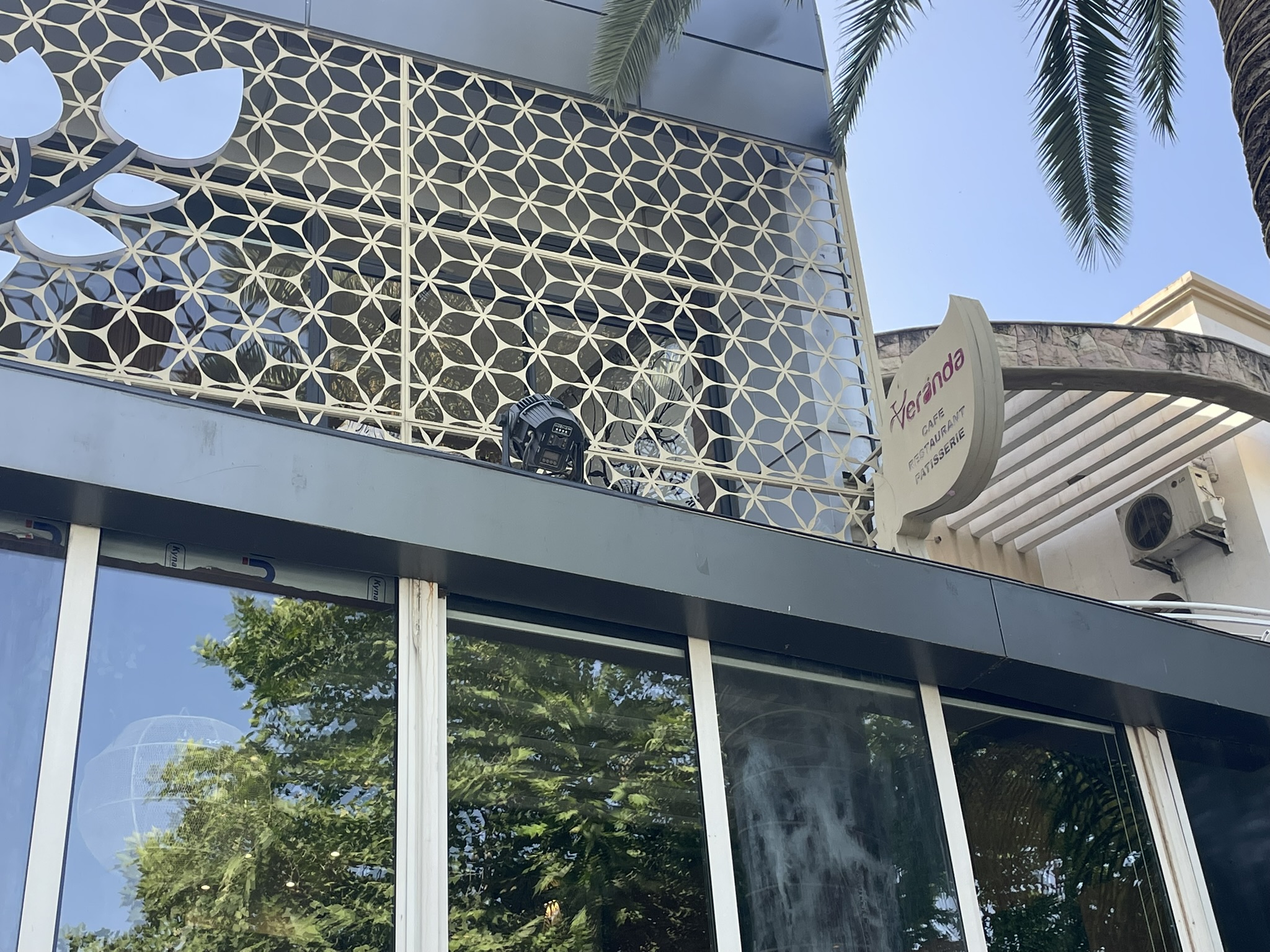
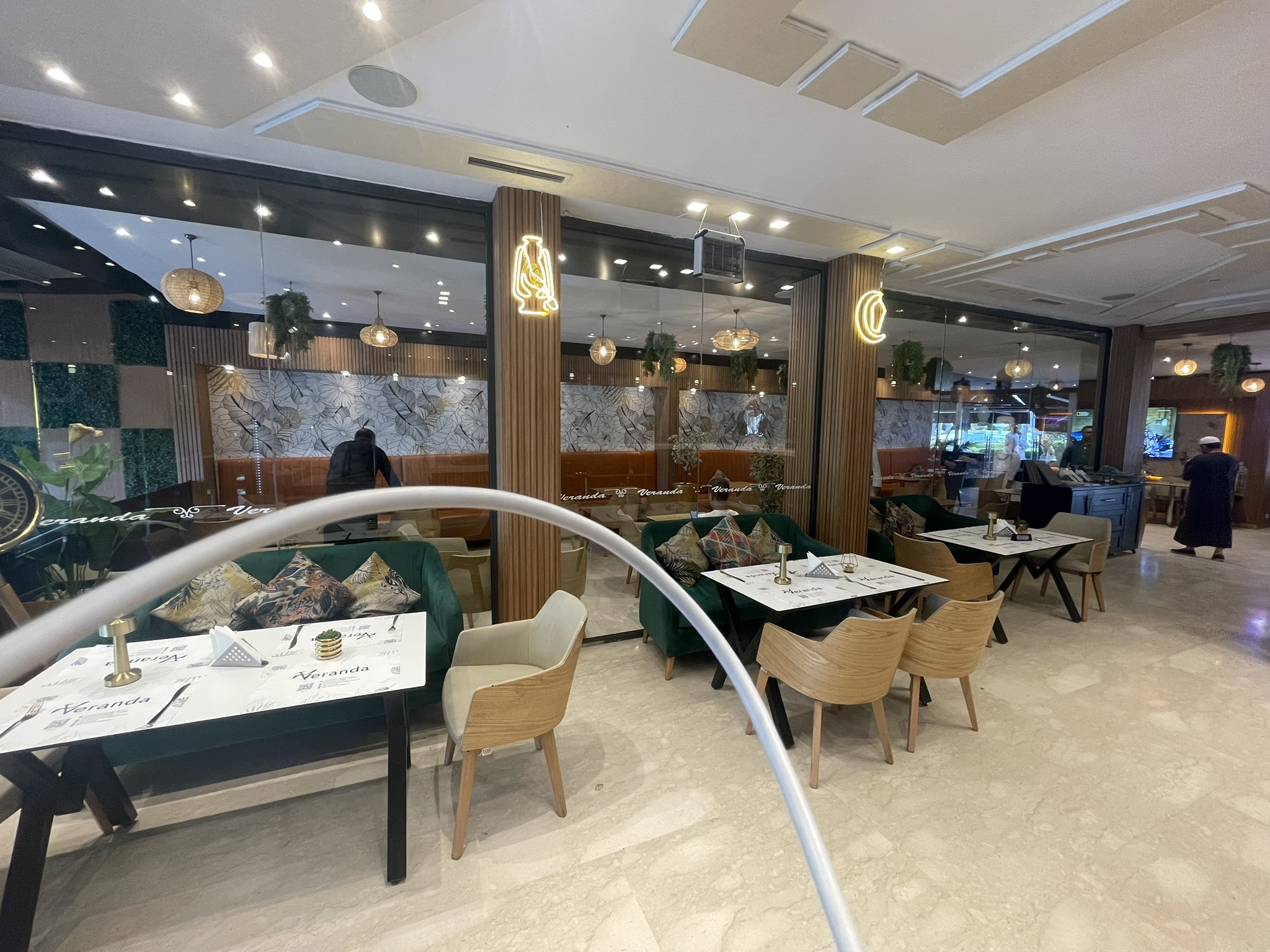
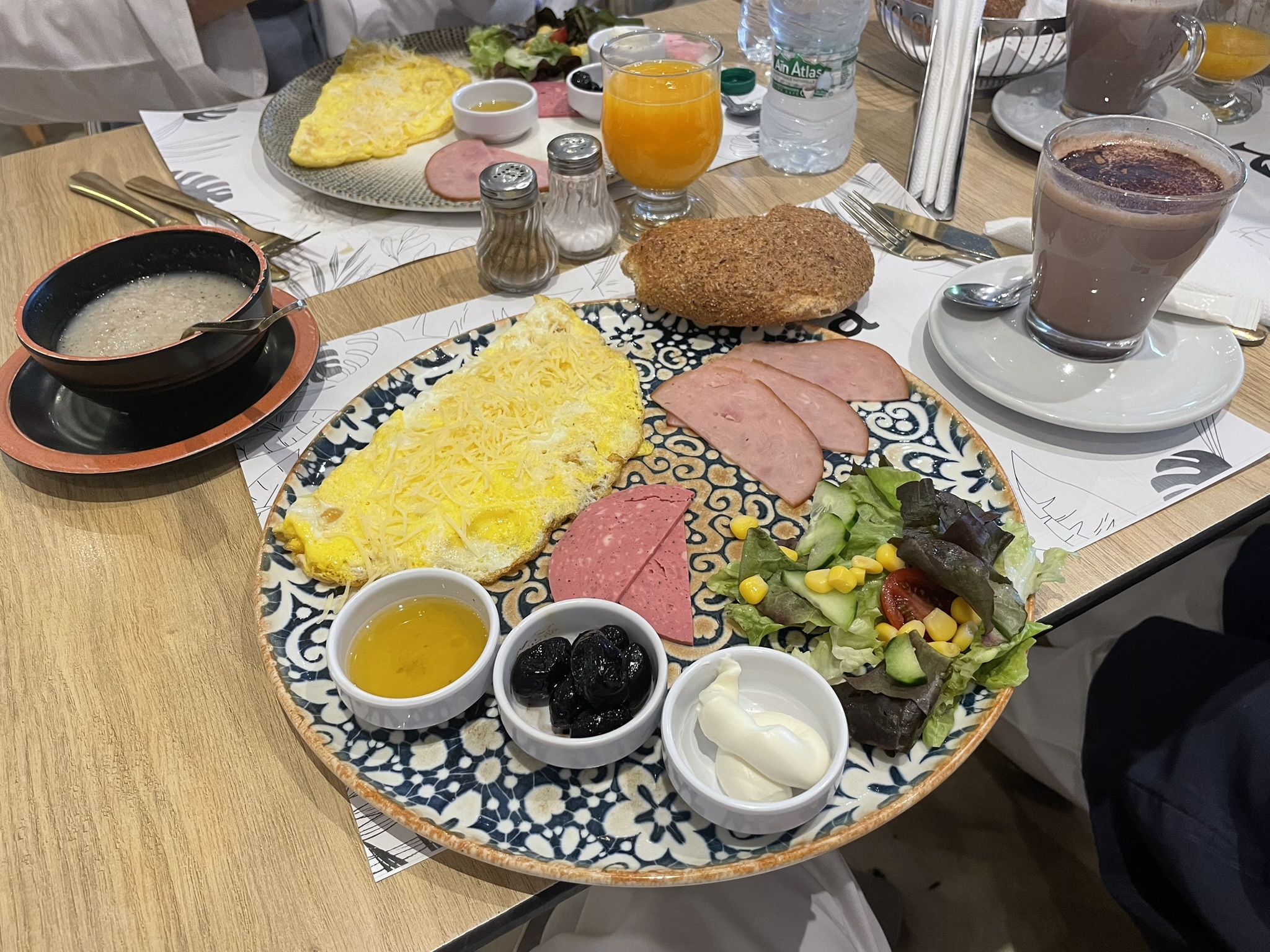
Meknes is another historic city which was made into the capital by Sultan Moulāy Ismāʿīl ibn Sharīf (d. 1139/1727) in the 17th century, who also created a massive imperial palace complex and endowed the city with extensive fortifications and monumental gates. We eat breakfast at Café Veranda as we enter the city.
Does the travel of a menstruating woman constitute travel?
During breakfast, I ask Mufti Ṣāḥib whether the travel of a woman in menses constitutes travel for the purpose of shortening Ṣalāh. Mufti Ṣāḥib confirms that it does constitute travel and that he has written on it, retracting from his earlier view. This should be noted because I attributed the earlier view to Mufti Ṣāḥib in my detailed answer on this issue (www.islamicportal.co.uk/salah-for-a-travelling-female-in-her-menses). Mufti Ṣāḥib agrees that it is difficult to understand how it does not constitute travel, and that sometimes a ruling is written by one scholar and others just follow suit.
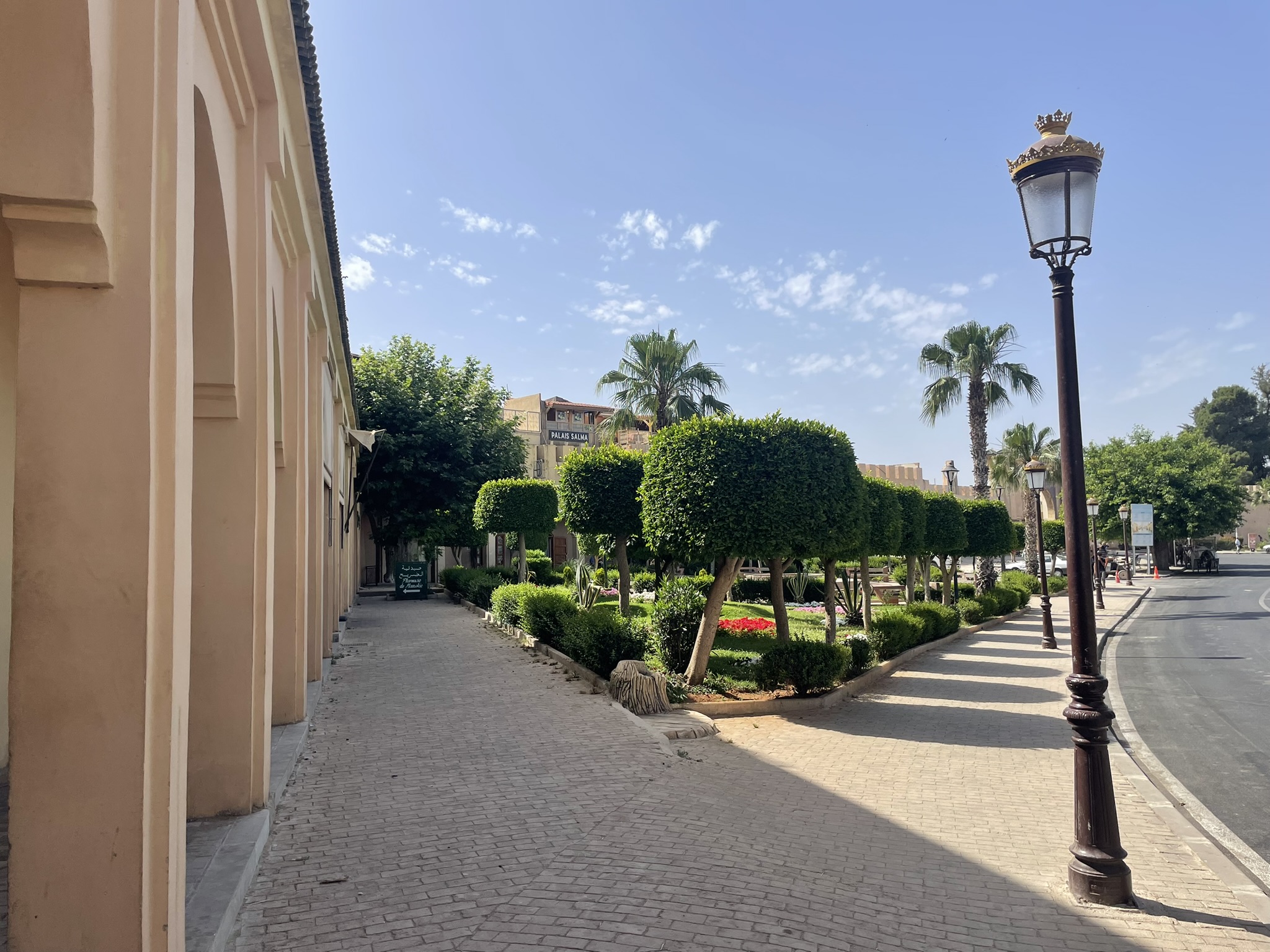
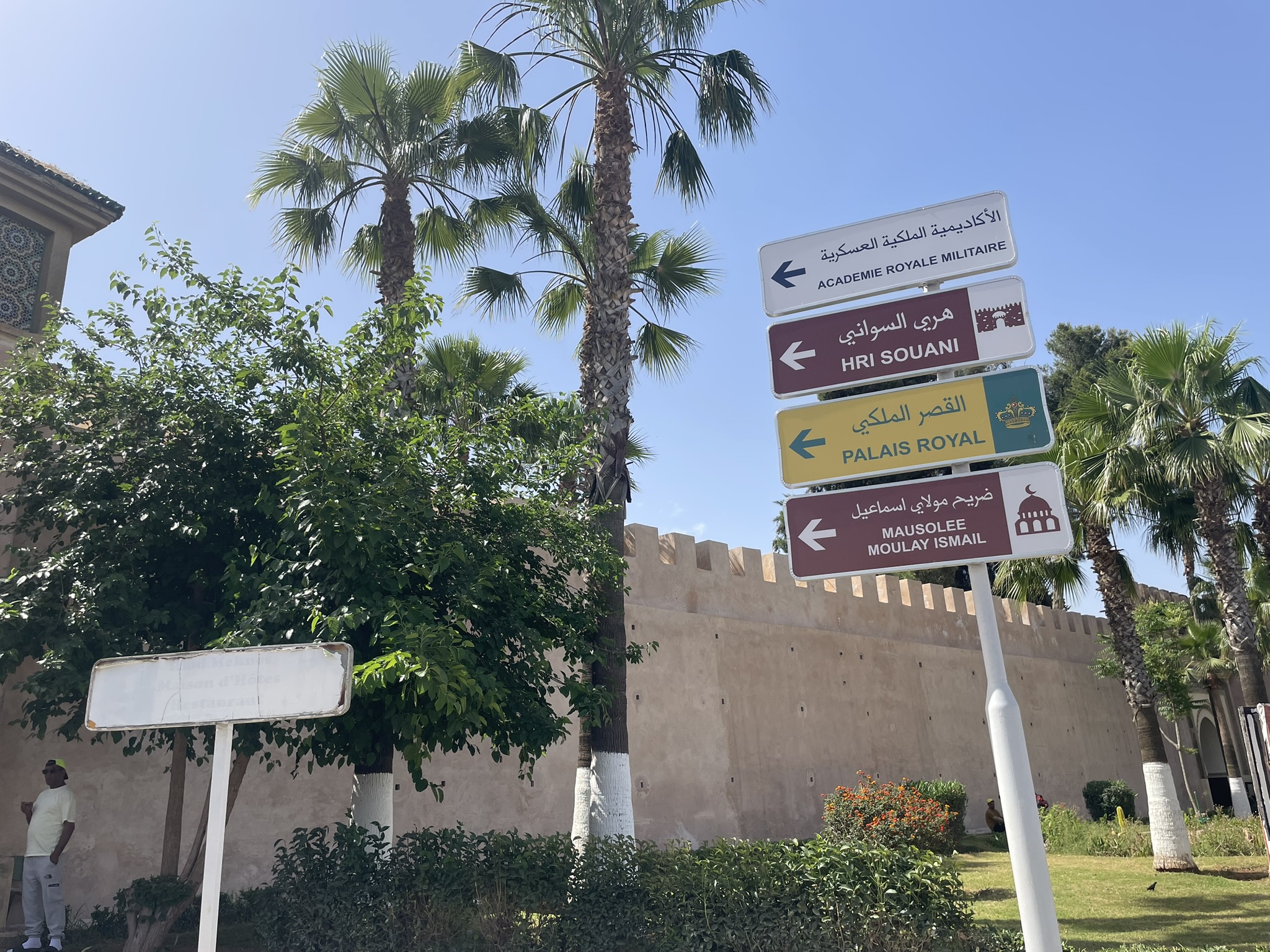
Mausoleum of Moulay Ismail
We arrive at 10.30am at the imperial palace complex where there are many tourists including from China. Today, the weather is warmer at 30 degrees Celsius. Within this complex, we visit the mausoleum of Moulāy Ismāʿīl ibn Sharīf whose long reign (1672 – 1727) saw the consolidation of ʿAlawī power, the development of an effective army trained in European military techniques which repelled the Ottomans, and the introduction of French influence in Morocco. It is suggested that he had 700 sons and countless daughters.

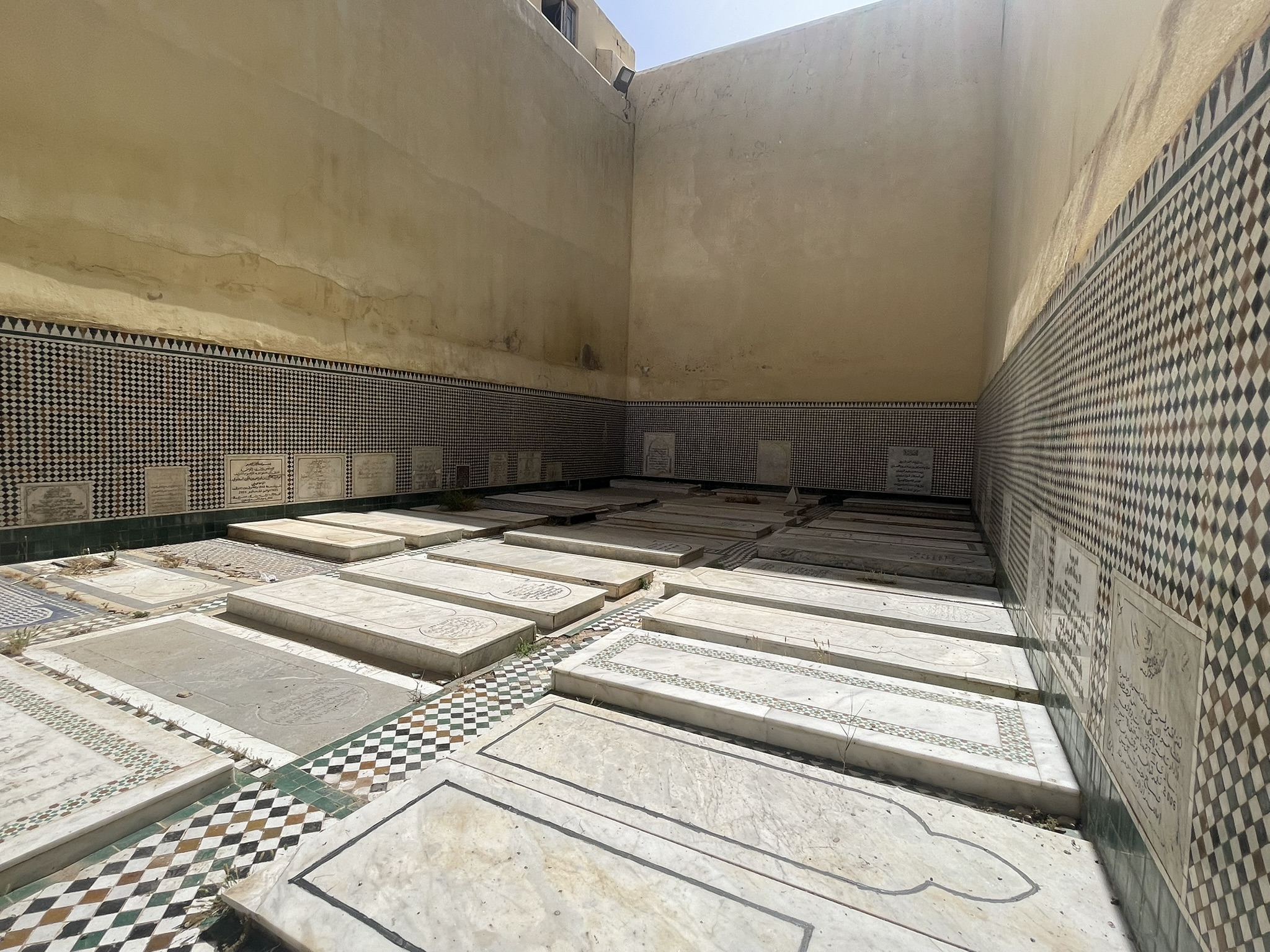
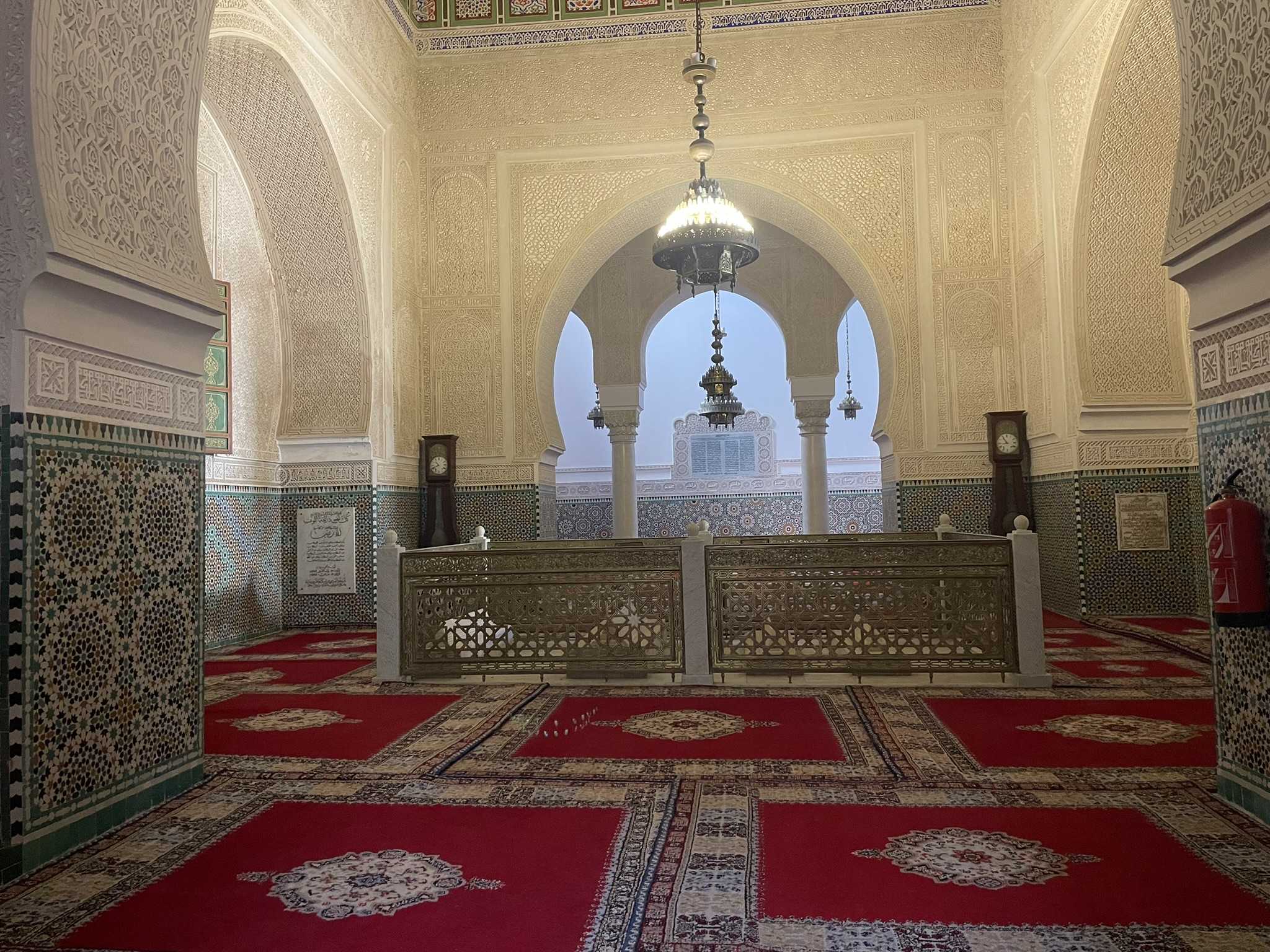
From Meknes to Salé-Rabat
We set off at 11am and travel west towards the twin cities of Salé and Rabat which are next to each other. The distance between Meknes and the two cities is 150km and the journey takes just under two hours.
Rabat is the capital city of Morocco, located on the northwestern coast of the Atlantic Ocean. It was founded in the 12th century by the Almohads. After a period of growth, the city fell into a period of decline. When the French established a protectorate over Morocco in 1912, Rabat became its administrative centre, and when Morocco achieved independence in 1956, Rabat became its capital. The city’s medina is a UNESCO World Heritage site. There is a high-speed rail that exists between Casablanca and Rabat and from Rabat all the way to Tangier. There are many tourist attractions in Rabat including: Kasbah des Oudaias, Andalusian Gardens, The Medina, Royal Palace of Rabat, Chellah Castle, Rabat Grand Mosque, Rabat Beach, Grand Hassan Tower and Mausoleum of Mohammed V.
Jumuʿah Ṣalāh
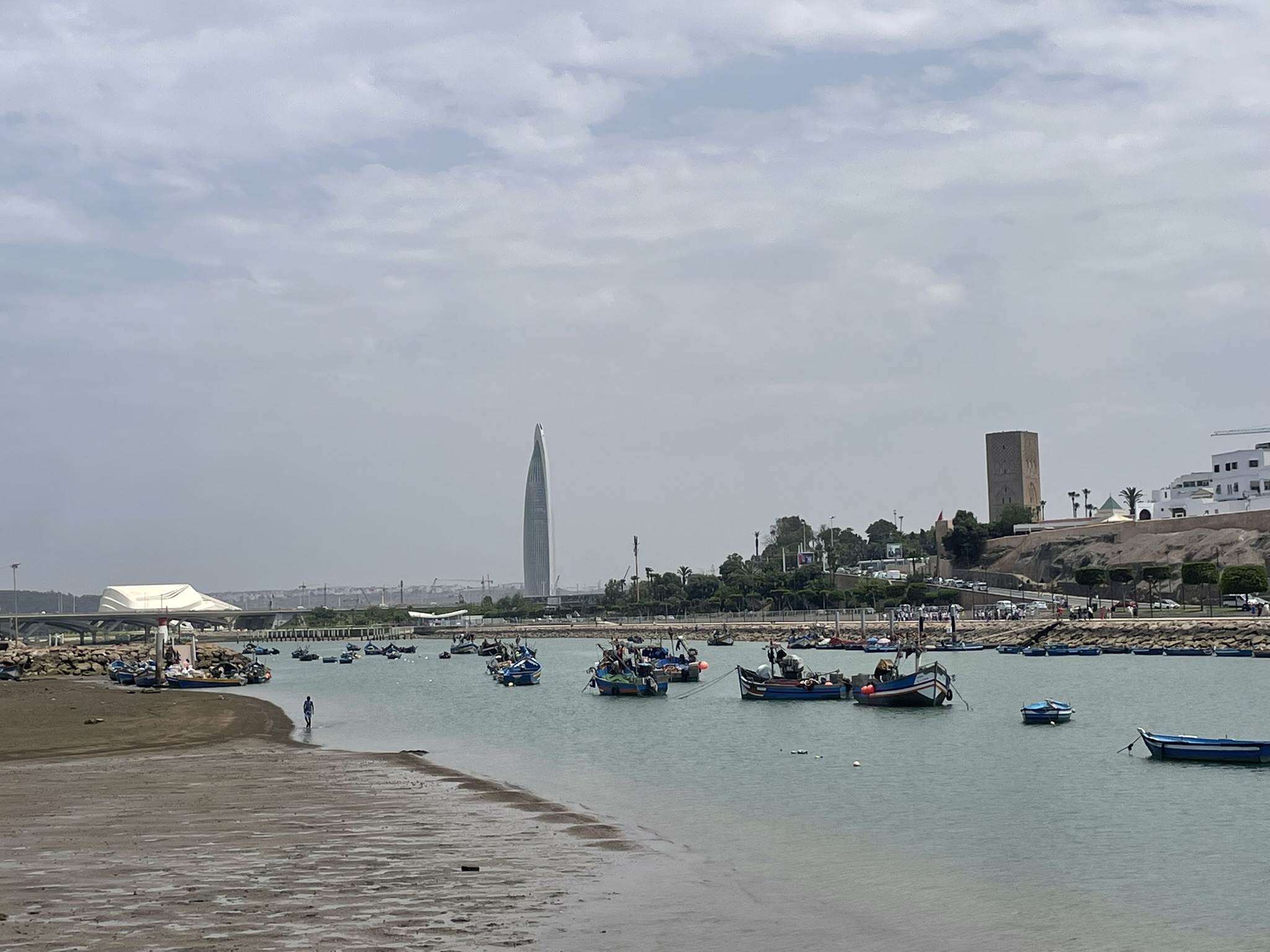
Originally, we had planned to perform Jumuʿah Ṣalāh at the Rabat Grand Mosque, located within the historic Medina. However, this would require some walking so we instead opt for a Masjid in Salé near the Atlantic coast, by the name of Masjid Āl al-Maktūm or Masjid Shaykh Muḥammad ibn Rāshid Āl al-Maktūm (Mosquée Sheikh Mohamed ben rachid al Maktoum) where we arrive at 1pm. Prior to our arrival, we make a brief stop at the Mohammed VI Tower (Burj Muḥammad al-Sādis), which is 250 meters high and has 55 floors, the third tallest tower in Africa.
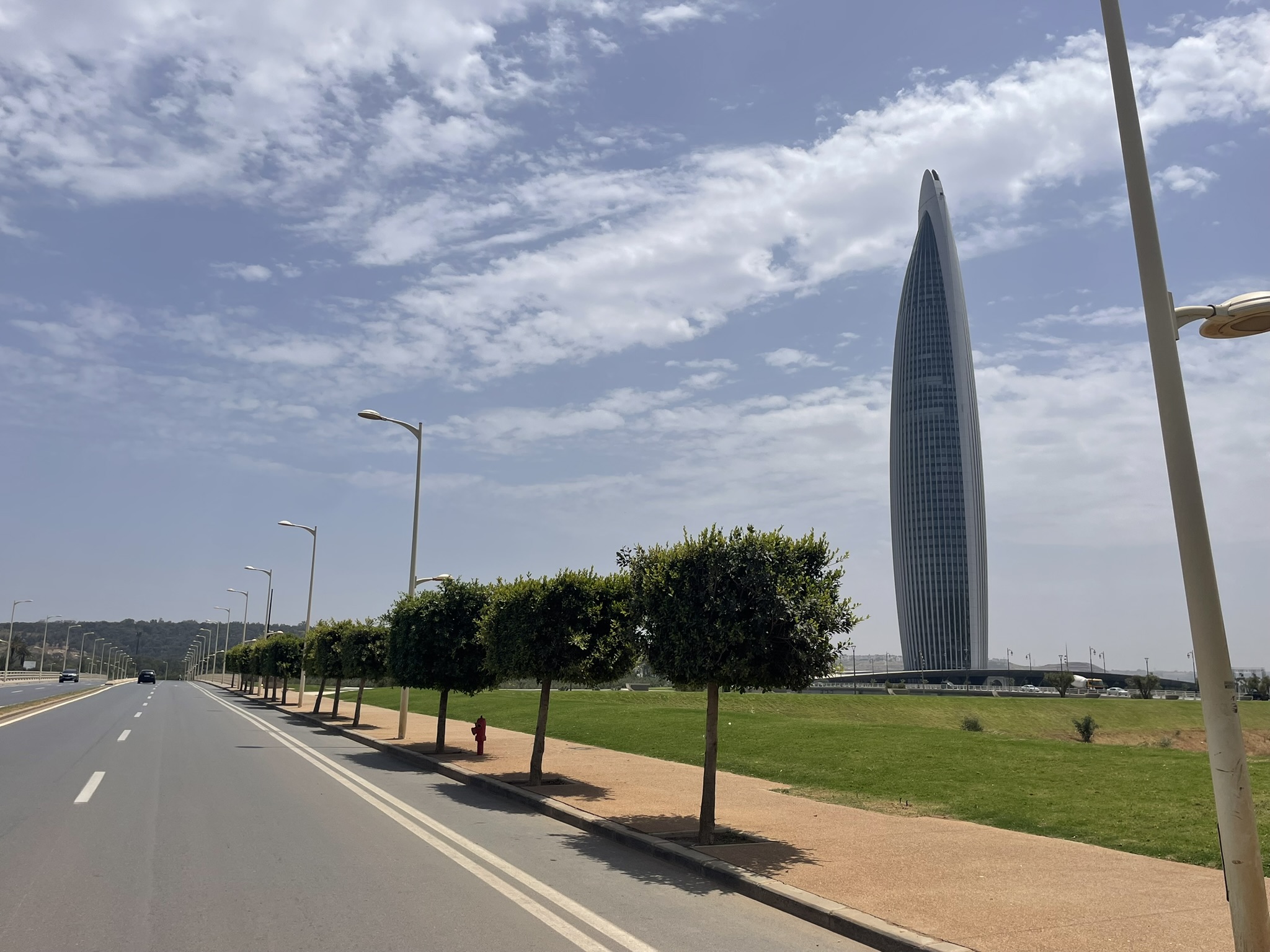
As we arrive at the Masjid on the coast, which is also known as Masjid Bāb al-Baḥr, there is a collective recitation of the Qurʾān taking place. This is a daily practice in Morocco, featuring the recitation of one Juzʾ of the Qurʾān collectively in the Masjids.
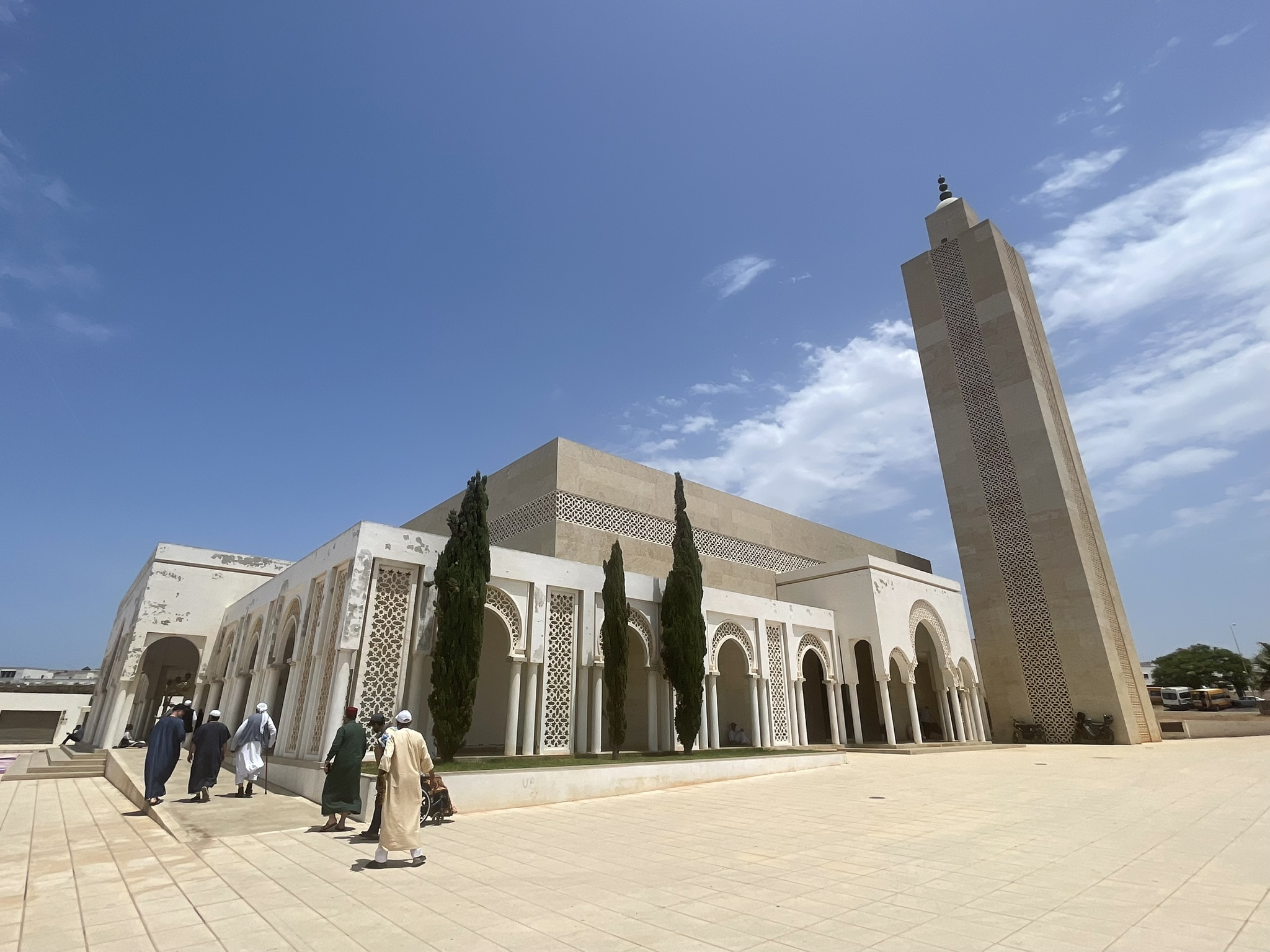
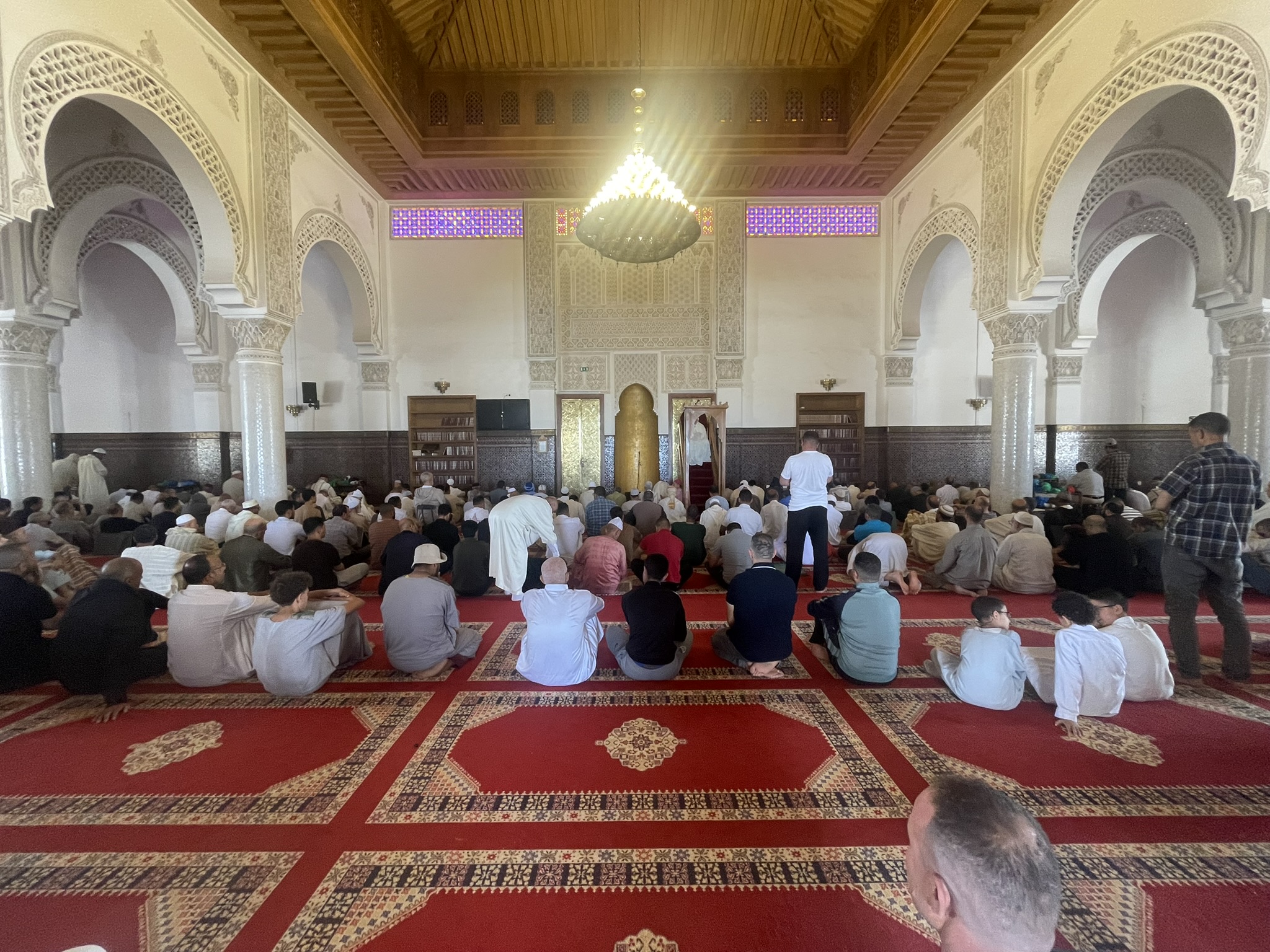
At the end of the Ṣalāh, the Imām finishes with one Salām in accordance with the Mālikī position by just saying “Assālāmu ʿalaykum”. We understand the Muqtadīs say two or three Salām. The Imām of the Masjid comes to meet us.
Boat ride
We depart from the Masjid and take a short boat ride nearby. The time is 2.30pm. We discuss the ongoing split within the Tablīg Jamāʿat movement. Mufti Ṣāḥib is firmly supportive of the world Shūrā. We share with Mufti Ṣāḥib the view that both groups accept each other as two groups propagating the Dīn, similar to two organisations doing the same work and similar to how the seminaries in Deoband and Saharanpur split. Mufti Ṣāḥib disagrees and suggests that there is a difference between the two.

An interesting discussion follows in relation to the departure of ʿAllāmah Anwar Shāh Kashmīrī (d. 1352/1933) from Darul Uloom Deoband to Dabhel, Gujarat, India. Mufti Ṣāḥib is inclined to the position of Ḥakīm al-Islām Qārī Muḥammad Ṭayyib (d. 1403/1983) and suggests that ʿAllāmah Kashmīrī was put at the forefront by those who did not want to see Qārī Muḥammad Ṭayyib take the reins. Mufti Ṣaḥib says, “Deoband did not become Dabhel and Dabhel did not become Deoband”, implying that Deoband is Deoband, which Dabhel could obviously not match. Deoband was more than one person. Mufti Ṣāḥib then says, “I heard Mawlānā Yūsuf Binorī mentioning that I was in Darul Uloom Deoband at the time and the students refused to study until ʿAllāmah Kashmīrī returns. It was only when Mawlānā Ḥusayn Aḥmad Madanī came and delivered a talk that the storm calmed.” Mufti Ṣāḥib also says, “The founder of Darul Uloom Deoband is not Mawlānā Qāsim Nānowtwī (d. 1297/1880). This is something Qārī Muḥammad Ṭayyib Ṣāḥib advocated but it is not correct. It was Sayyid Muḥammad ʿĀbid (d. 1331/1913) and his colleagues who established a Sḥūrā and it was the Shūrā that invited Mawlānā Qāsim Ṣāḥib, so the founding members are Sayyid Muḥammad ʿĀbid and his colleagues in the Shūrā, it was their initiative and idea.”
Mufti Ṣāḥib then laments at the removal of the tree under which Darul Uloom Deoband started and critiques the view of Mufti Saʿīd Aḥmad Pālanpūrī (d. 1441/2020) in this regard. There are both ways of looking at this. Mufti Ṣāḥib touches on the issue of Tawassul and mentions its categories via his six-point categorisation: (1) Tawassul via (attributes) of Allah. (2) Tawassul via deeds. There is no difference of opinion regarding these two types. (3) Tawassul via pious people, we say this is valid and the Salafīs disagree. (4) To request someone to make duʿāʾ, like ʿUmar (may Allah be pleased with him) was told by the Prophet ﷺ to include him in his duʿāʾ. (5) Tawassul via a place like the three Masjids. (6) Tawassul via a time like Friday and the day of ʿArafah.
I suggest to Mufti Ṣāḥib to collate his six pointers in a collection called Sudāsiyyāt. Mufti Ṣāḥib responds that yes if I have an assistant like you!
Lunch and ʿAṣr Ṣalāh at Casablanca
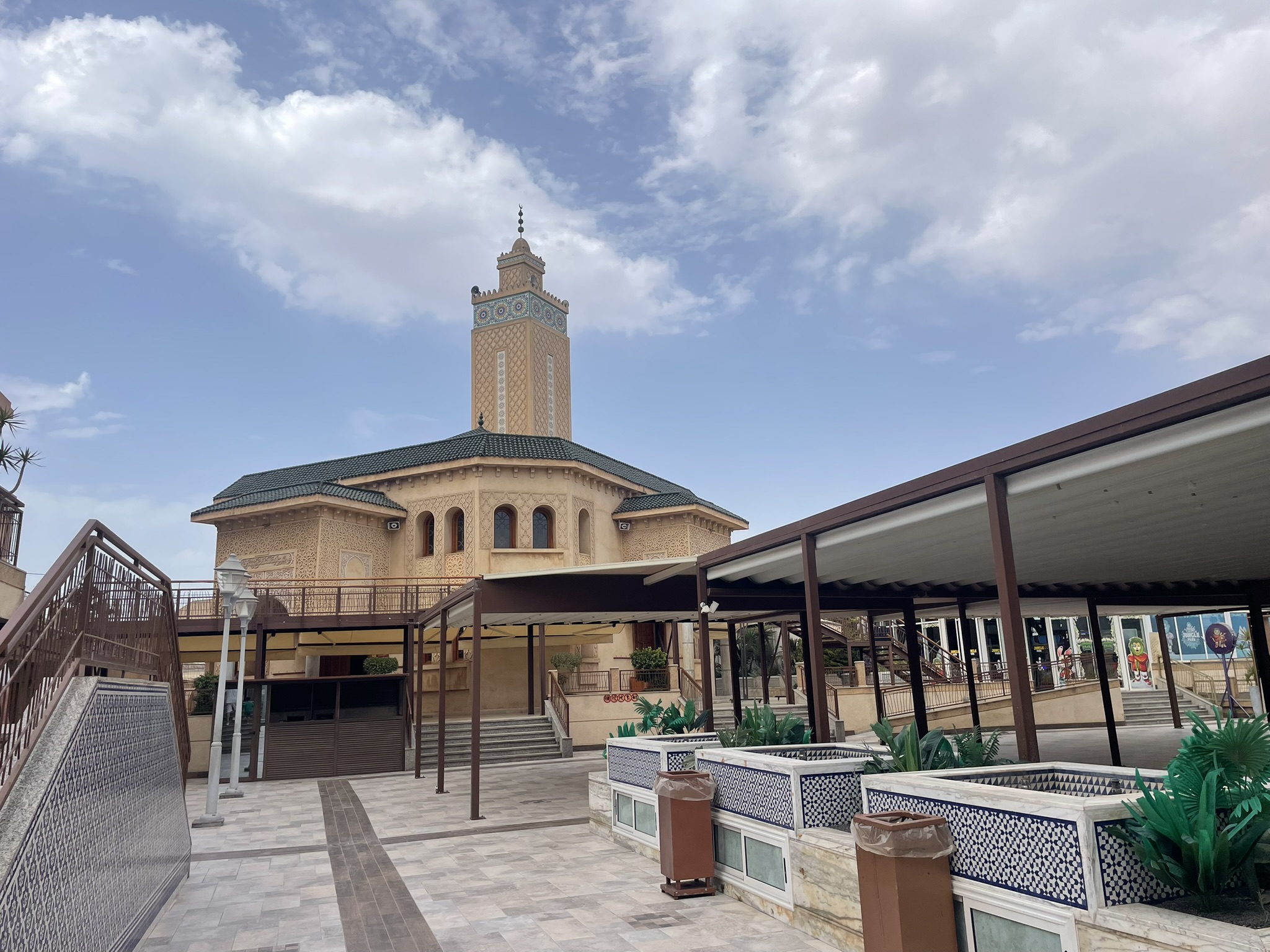
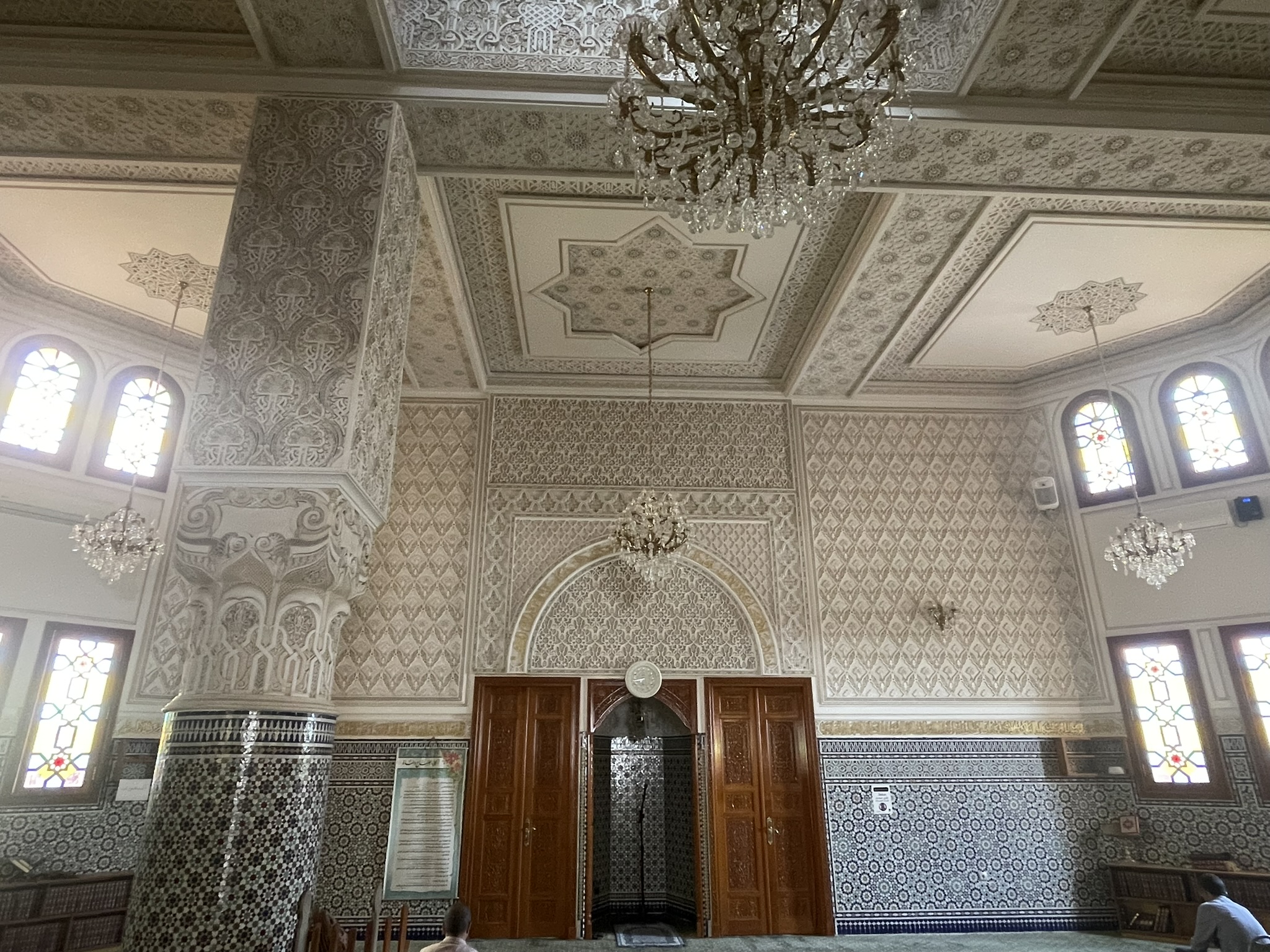
Time does not permit us to visit the landmarks of Rabat because we have to reach Marrakesh by the evening, and the distance between Rabat and Marrakesh is 320km. Casablanca comes on route, and Shaykh Muḥammad Ouchānī’s brother ʿAbdullāh wants to give us all some gifts so we decide to stop for some refreshments and ʿAṣr Ṣalāh. Mufti Ṣāḥib does not normally combine prayers whilst travelling. Brother ʿAbdullāh however has other plans. He insists on buying lunch for us. So, we eat lunch at the Jnane restaurant and perform Ṣalāh in the neighbouring Masjid al-Gābah (Mosquée La Forêt).
Casablanca to Marrakesh
We depart from Casablanca at 6pm and drive south to Marrakesh. The motorways are excellent across the country. During this and the earlier journeys of the day, we discuss various issues with Mufti Ṣāḥib. They include:
- I mention that Shaykh ʿAbd al-Ḥaq Muḥaddith Dehlawī (d. 1052/1642) has mentioned (in his book Ādāb al-Ṣāliḥīn and Lamaʿāt al-Tanqīḥ, 7: 286) that it is better to eat fruits first before food, based on the sequence mentioned in Sūrah al-Wāqiʿah (20 – 21) in the description of Jannah. Mufti Ṣāḥib comments that Imām Gazālī (d. 505/1111) has mentioned that eating fruits first is beneficial for the digestion of food [refer to Iḥyāʾ ʿUlūm al-Dīn (2: 16), wherein the same Qurʾānic verse is cited indicating that Shaykh ʿAbd al-Ḥaq’s reference is Imām Gazālī. Further, Imām Gazālī has taken this from Qūt al-Qulūb (2: 303) of Imām Abū Ṭālib al-Makkī (d. 386/996), which he does often, as I have highlighted in several places].
- Mufti Ṣāḥib states, “Mufti Walī Ḥasan Ṣāḥib (d. 1415/1995) would say that Shāh Walīyullāh (d. 1176/1762) did not have as many books as Shaykh Muḥammad Hāshim Sindī (d. 1174/1761) did, however, the latter did not reach the level of former.
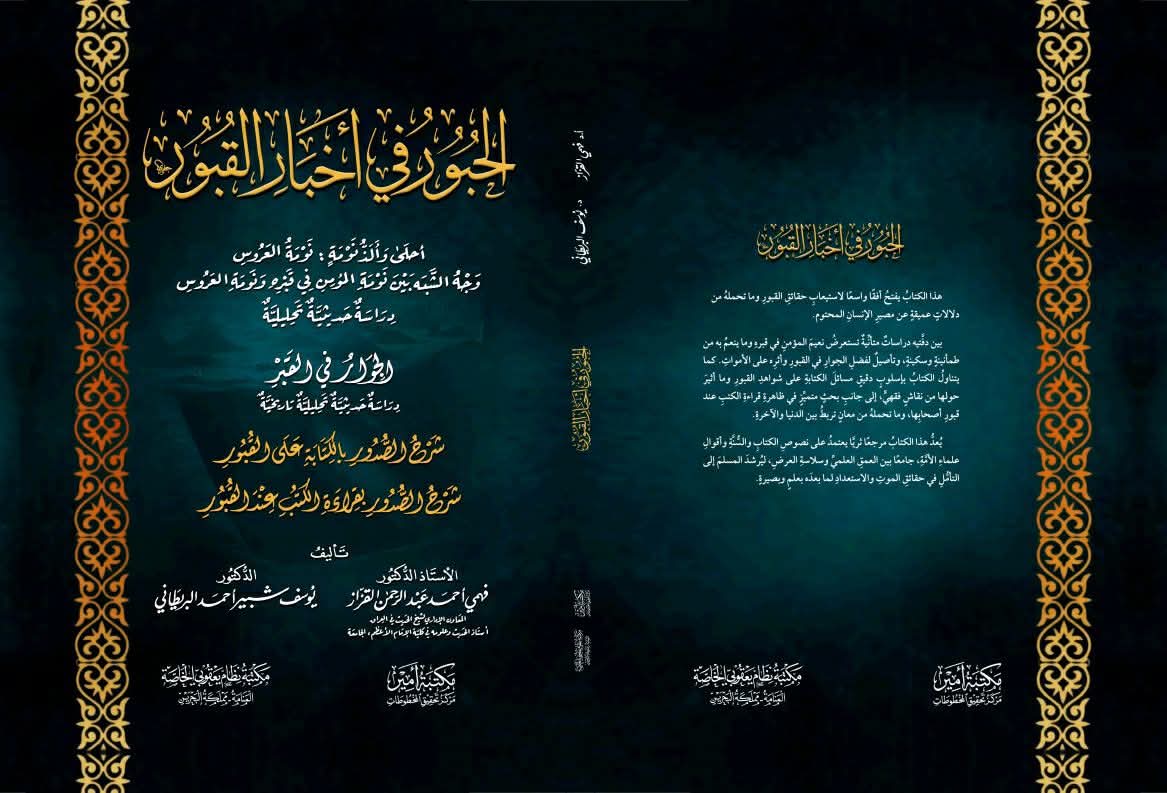
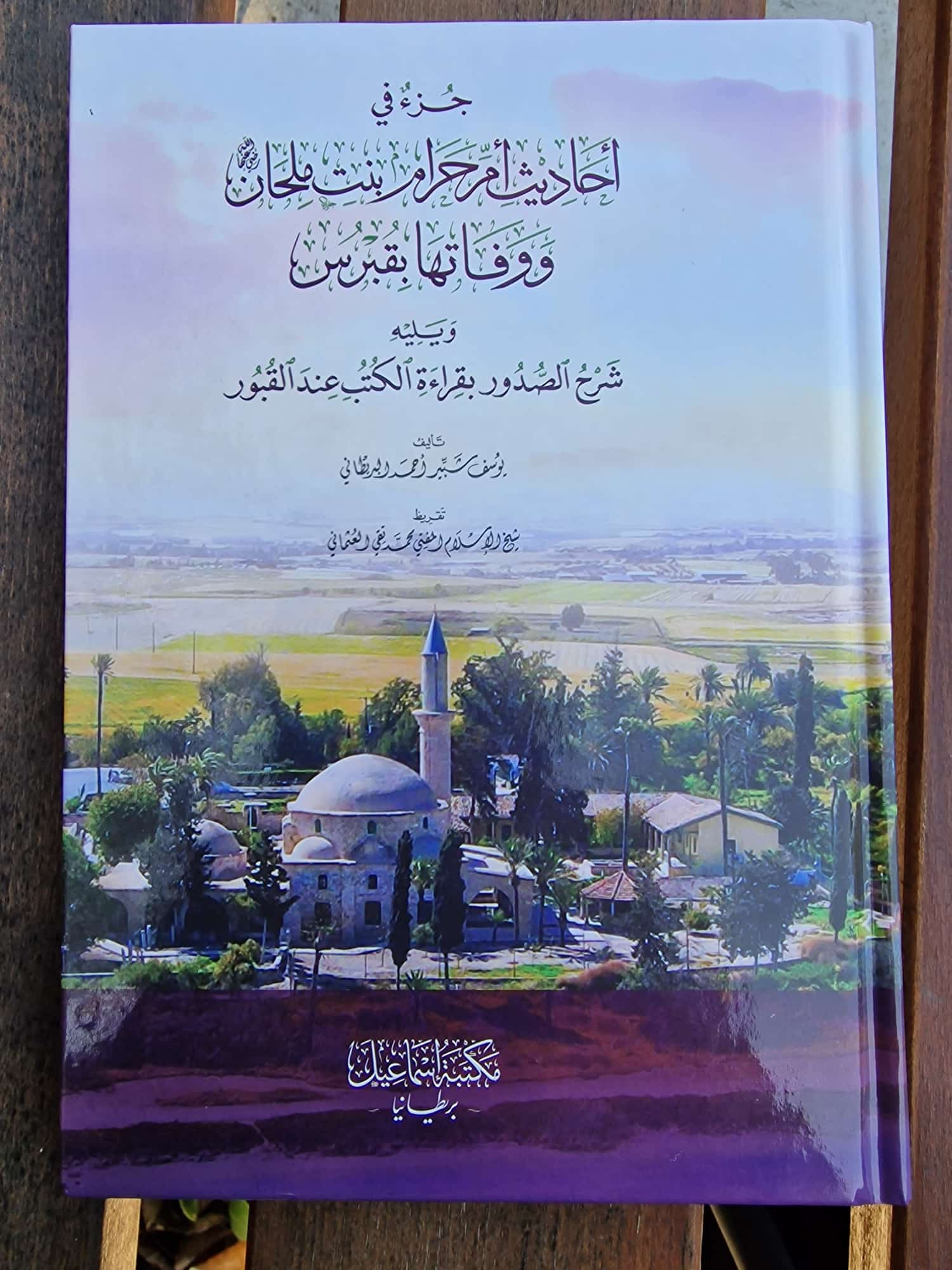
- We discuss the issue of whether the dead can hear or not and the position of the scholars of Panjpeer in Pakistan. Mufti Ṣāḥib refers to my Arabic treatise on reading books by the graves of the authors entitled Sharḥ al-Ṣudūr bi Qirāʾat al-Kutub ʿinda al-Qubūr. I inform Mufti Ṣāḥib that we found some more examples which have been added and published within a collection of four treatises regarding graves entitled Al-Ḥubūr fī Akhbār al-Qubūr. The second treatise of mine within this collection is entitled Sharḥ al-Ṣudūr bi al-Kitābah ʿalā al-Qubūr.
- We also discuss the issue of Ḥayāt of the Prophet ﷺ. Mufti Ṣāḥib refers to Imām Bayhaqī’s (d. 458/1066) book and also what our respected Shaykh Muḥammad Yūnus Jownpūrī (d. 1438/2017) has written in al-Yawāqīt al-Gāliyah (2: 102 – 107). I mention to Mufti Ṣāḥib that Shaykh Muḥammad Yūnus Jownpūrī once said that the term ‘Dunyawī’ mentioned by Mawlānā Khalīl Aḥmad Sahāranpūrī (d. 1346/1927) in al-Muhannad was written relying on what is written by ʿAllāmah Suyūṭī (d. 911/1505). Otherwise, earlier scholars like Imām Bayhaqī and others have not used the term “Dunyawī” and if Mawlānā Khalīl Aḥmad was aware of this, he would not have used the term “Dunyawī”, he relied on ʿAllāmah Suyūṭī (d. 911/1505). Mufti Ṣāḥib comments that ‘Dunyawī’ is only in certain respects, but even if the term is not used, the problem is that some people in Pakistan do not accept that the Barzakhī Ḥayāt includes the Ḥayāt of the soul and the body. Whether the term ‘Dunyawī’ is used or not, Ḥayāt Barzakhī for the prophets includes this. In this regard, Shaykh Yūnus would stress that the Ḥayāt Barzakhī of Prophets is much stronger and loftier than the Ḥayāt Dunyawī. For further details, refer to Al-ʿIqd al-Thamīn fī Ḥubb al-Nabī al-Amīn Ṣallallāhu ʿalayhi wa Sallam (p.323 – 330).
- Mufti Ṣāḥib suggests that the fruit Utrujjah mentioned in Ḥadīths as having a good fragrance and taste (Ṣaḥīḥ al-Bukhārī, 5020) maybe a reference to or include guava, because it has a good taste and fragrance, and there is no original Arabic word for it. The reason for this is that Utrujj is commonly translated as Citrus, but the Citrus fruit is bitter. (On my return to the UK, I come across a video on YouTube in two parts, Part 1, Part 2, wherein the presenter mentions that the sweet part of the citrus referred to in the Ḥadīth is the mesocarp commonly known as the albedo or pith, which is the white spongy white layer between the outer peel, the exocarp, and the juicy inner segment, the endocarp. Online sources suggest that some citrus varieties feature a sweet, edible and nutrient dense white layer, and Allah knows best).
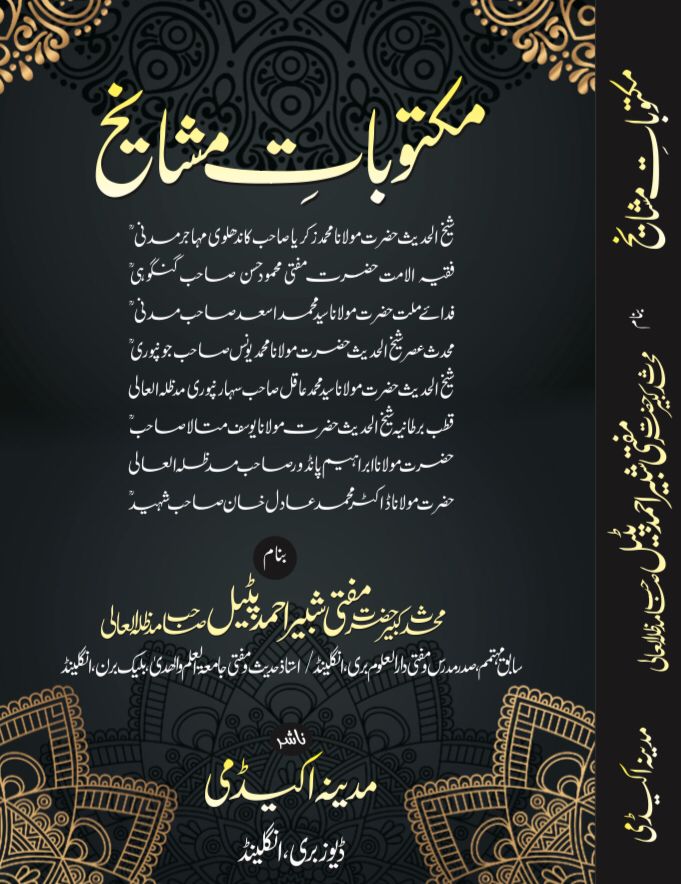
- Following a phone call with my respected father Mufti Shabbīr Aḥmad (b. 1376/1957), Mufti Ṣāḥib states, “Mufti Shabbīr Ṣāḥib’s humility is immense. He does not think of himself as anything.” Mawlānā Khalīl mentions that Ḥaḍrat Mawlānā Yūsuf Motālā(d. 1441/2019) wrote that he received direction from the Rawḍah of the Prophet ﷺ to give Ijāzah in Taṣawwuf to Mufti Shabbīr Ṣāḥib and that the Nūr of Ḥaḍrat transferred to him, adding that he is from Ḥaḍrat’s earliest disciples. Mufti Ṣāḥib comments that this is not something minor, this is significant, adding that Mufti Shabbīr Ṣāḥib is the mentor, guide and inspiration for so many charitable and good causes worldwide. Mawlana Khalīl mentions that he has gathered his profile in Urdu and published it at the beginning of Maktūbāt Mashāyikh.
- Shaykh Muḥammad Ouchānī asks Mufti Ṣāḥib regarding the Arabic form to be used when saying Salām to a female or replying to a female who sneezes. Mufti Ṣāḥib advises using the plural masculine form, because it is used for respect and honour.
- Shaykh Muḥammad Ouchānī asks Mufti Ṣāḥib about the statement of the Imāms, “When a Ḥadīth is authentic then that is my position”. Mufti Ṣāḥib explains, “That is for matters in which there is no opinion narrated from the Imāms, or it is for other Mujtahids like Imām Abū Yūsuf and Imām Muḥammad.” Mufti Ṣāḥib then stresses that the differences of the Imāms are a form of mercy. For example, the view of Imām Abū Ḥanīfah in relation to alcohol is a view for which the whole Ummah should be indebted to him, because many medicines contain it. He adds that on the 11 and 12 Dhū al-Ḥijjah, there is no dominant view of the four schools that permits Ramy before Zawāl. It is not a major issue now, but in previous years this would cause death. Now if any one of the four schools permitted this, then perhaps some deaths would be averted.
- Mufti Ṣāḥib refers to the Ḥanbalī scholar and saint who is buried in Herat, Afghanistan, Shaykh al-Islām Abū Ismāʿīl ʿAbdullāh al-Anṣārī al-Harawī (d. 481/1089). He is the author of Manāzil al-Sāʾirīn, the commentary of which is Madārij al-Sālikīn authored by Ḥāfiẓ Ibn al-Qayyim (d. 751/1350). Mufti Ṣāḥib quotes the following statement of his, “I am a Ḥanbalī so long as I live, and if I die my instruction to people is to adopt the Ḥanbalī school” (أنا حنبليٌّ ما حييتُوإنْ أمت ** فوصيتي للناس أن يتحنبلوا). Mufti Ṣāḥib comments that his direct descendants include Mawlānā ʿAbd al-Ḥayy Laknawī (d. 1304/1886), Mawlānā Rashīd Aḥmad Gangohī (d. 1323/1905) and Mufti Maḥmūd Ḥasan Gangohī (d. 1417/1996) and they were all Ḥanafīs. I mention to Mufti Ṣāḥib that Shaykh was a Sufi who is extremely revered in Herat and the airport is also named after him, but he was also a staunch Atharī in creed, as understood from his book Kitāb al-Arbaʿīn fī Dalāʾil al-Tawḥīd (which is a primary ḥadīth collection and cited in Kanz al-ʿUmmāl and other books) and his biography. I visited Herat a few weeks after his descendant, Shaykh Mujīburraḥmān Anṣārī (d. 1444/2022) was martyred. They are all from the descendants of the companion Abū Ayyūb al-Anṣārī (d. 52/672, may Allah be pleased with him).
- Mufti Ṣāḥib emphasises that what was supposed to be mercy has become otherwise due to Shaytān’s ploy of making us argue over small issues. Mufti Ṣāḥib cites the dispute of Āmīn that was taken to court in India and the judgement of the English judge who pronounced that both Āmīn bi al-Jahr (loud) and bi al-Sirr (quiet) is established but Āmīn bi al-Sharr (evil) is not established. This has also been mentioned by Mawlānā Ashraf ʿAlī Thānawī(d. 1362/1943).
- Mufti Ṣāḥib asks Shaykh Muḥammad Ouchānī who his Bayʿat (spiritual allegiance) is with. He replies that he was Bayʿat with our respected Ḥaḍrat Mawlānā Yūsuf Motālā(d. 1441/2019) until his demise and has not established Bayʿat with anyone since. Mufti Ṣāḥib states, “يكفيك” (That is sufficient for you).
During the journey, Mawlānā Khalīl requests Mufti Ṣāḥib if we can undertake loud Dhikr. Mufti Ṣāḥib grants permission and a daily Dhikr majlis takes place in the car whilst travelling.
65 Countries visited by Mufti Raḍāul Ḥaq
As we approach Marrakesh, I ask Mufti Ṣāḥib how many countries he has visited. He is not sure of the exact figure but suggests it is probably in the 30s. I mention to Mufti Ṣāḥib that Mufti Muhammad Taqi Usmani (b. 1362/1943) has visited 90 countries to date, and that a few years ago I compiled the list and published it online. We take this opportunity, with the assistance of Mawlānā Bilāl, to compile the list of the countries Mufti Ṣāḥib has visited, and Morocco is the 65th country. (The full list is available on this link). I inform Mufti Ṣāḥib that Morocco is my 60th country so I am not far behind! Mufti Ṣāḥib mentions that Mufti Muḥammad Taqī Ṣāḥib writes good travelogues and provides useful historical information from Encyclopaedia Britannica and other sources.
Arrival into Marrakesh
We enter Marrakesh city at 8.30pm. The city is known as the Red City due to its distinctive sandstone walls. It is divided into two distinct parts: the historical medina, and the new modern upscale neighbourhoods of Gueliz and Hivernage. The historical medina was once upon a time the largest and greatest city of the Maghreb as mentioned by ʿAllāmah Yāqūt al-Ḥamawī (d. 622/1225) in Muʿjam al-Buldān (5: 94). The Encyclopaedia Britannica states:
“Marrakech, chief city of central Morocco. The first of Morocco’s four imperial cities, it lies in the centre of the fertile, irrigated Haouz Plain, south of the Tennsift River. The ancient section of the city, known as the medina, was designated a UNESCO World Heritage site in 1985. Marrakech gave its name to the kingdom of which it was long the capital. It was founded in the mid-11th century by Yūsuf ibn Tāshufīn of the dynasty of the Almoravids, and it served as the Almoravid capital until it fell to the Almohads in 1147. In 1269, Marrakech passed to the control of the Marīnids, whose preferred capital was the northern city of Fès. Although Marrakech flourished while serving as the capital under the Saʿdīs in the 16th century, the succeeding ʿAlawite rulers resided more often at Fès or Meknès; however, the ʿAlawites continued to use Marrakech as a military post. In 1912, Marrakech was captured by the religious leader Aḥmad al-Hībah, who was defeated and driven out by French forces commanded by Col. Charles M.E. Mangin. Under the French protectorate (1912–56), Marrakech was for many years administered by the Glaoui family, the last of whom, Thami al-Glaoui, was the chief instigator of the deposition of Muḥammad V in 1953. Surrounded by a vast palm grove, the medina in Marrakech is called the “red city” because of its buildings and ramparts of beaten clay, which were built during the residence of the Almohads. The heart of the medina is Jamaa el-Fna square, a vibrant marketplace. Nearby is the 12th-century Kutubiyyah (Koutoubia) Mosque with its 253-foot (77-metre) minaret, built by Spanish captives. The 16th-century Saʿdī Mausoleum, the 18th-century Dar el-Beïda Palace (now a hospital), and the 19th-century Bahia royal residence reflect the city’s historical growth. Much of the medina is still surrounded by 12th-century walls; among the surviving gates to the medina, the stone Bab Agnaou is particularly notable. The modern quarter, called Gueliz, to the west of the medina developed under the French protectorate. Marrakech is famous for its parks, especially the Menara olive grove and the walled 1,000-acre (405-hectare) Agdal gardens. An irrigation system built under the Almoravids is still used to water the city’s gardens. Popular for tourism and winter sports, the city is a commercial centre for the High Atlas Mountains and Saharan trade and has an international airport. It is connected by railway and road to Safī and Casablanca. Pop. (2004) 823,154.”
Hotel Oudaya, Gueliz
We arrive at Hotel Oudaya, in the Gueliz area and check in at 9pm.
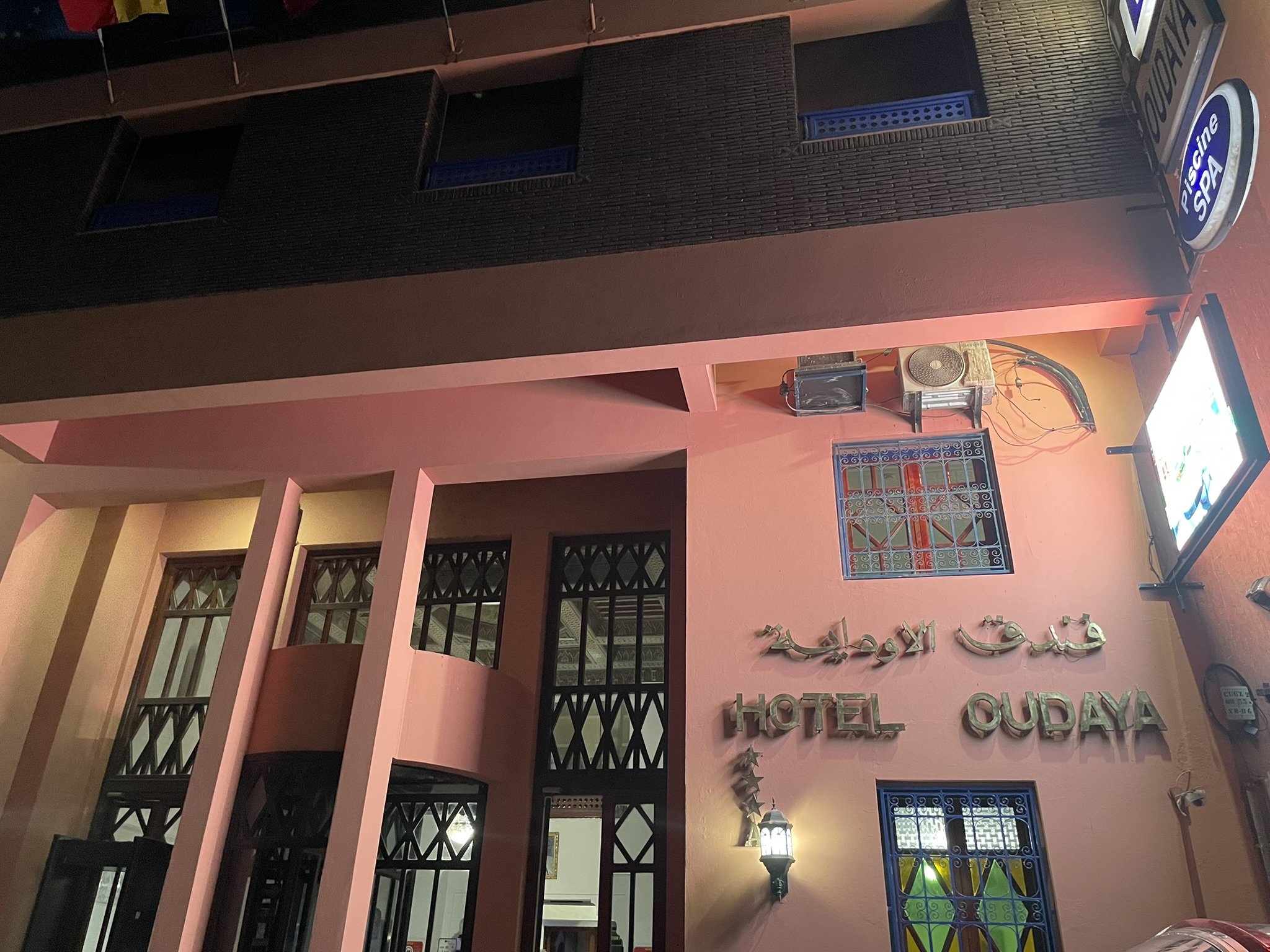
The weather is much warmer here. It is 30 degrees at night and 35-40 degrees during the day. The air conditioning at the hotel is not sufficient. We eat some dinner at the Snack Amur takeaway opposite the hotel.
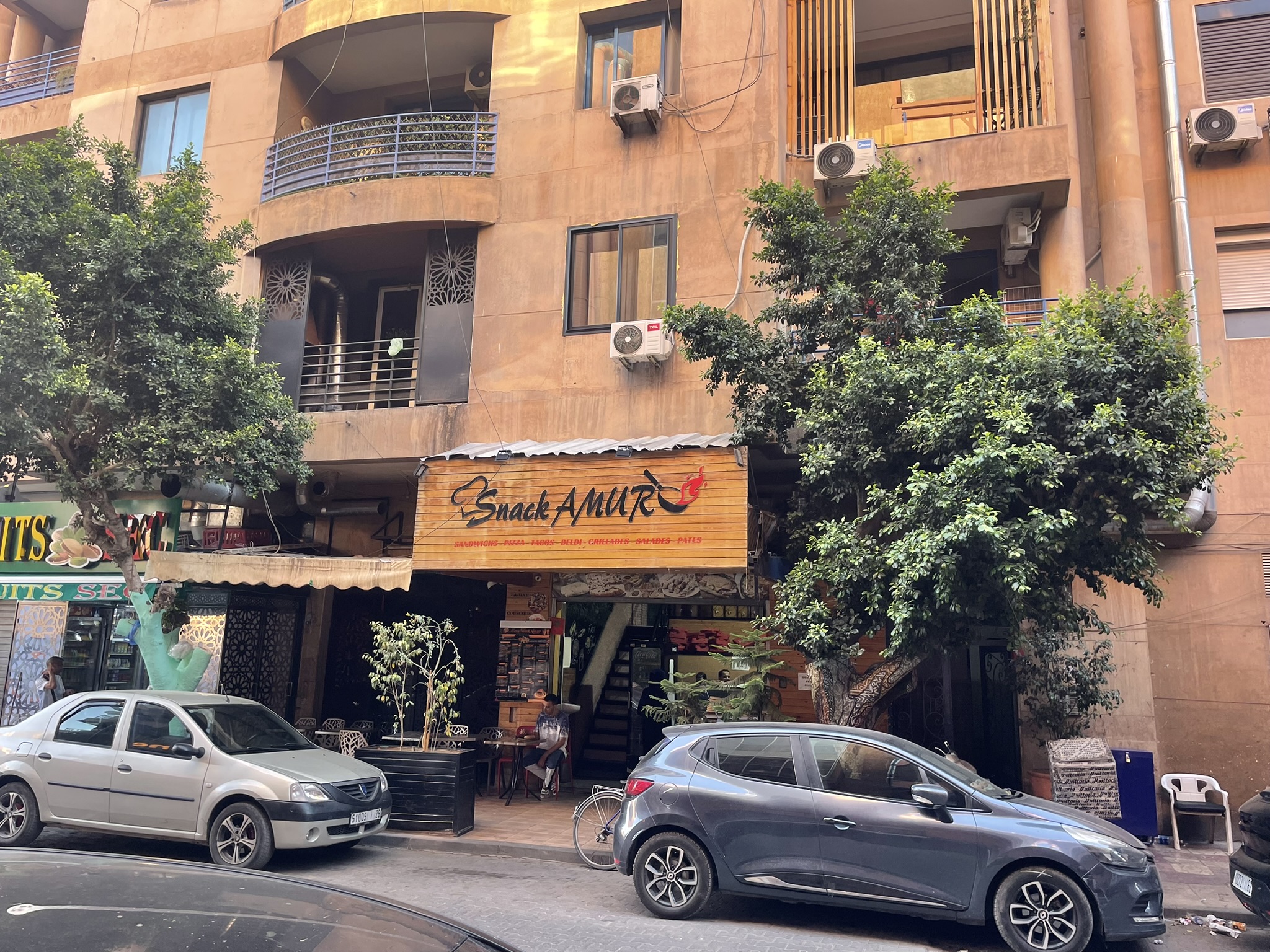
Thereafter, Mufti Ṣāḥib rests, whilst Mawlānā Khalīl kindly takes us on a walk and treats us to ice cream and desserts from the Oliveri shop nearby.
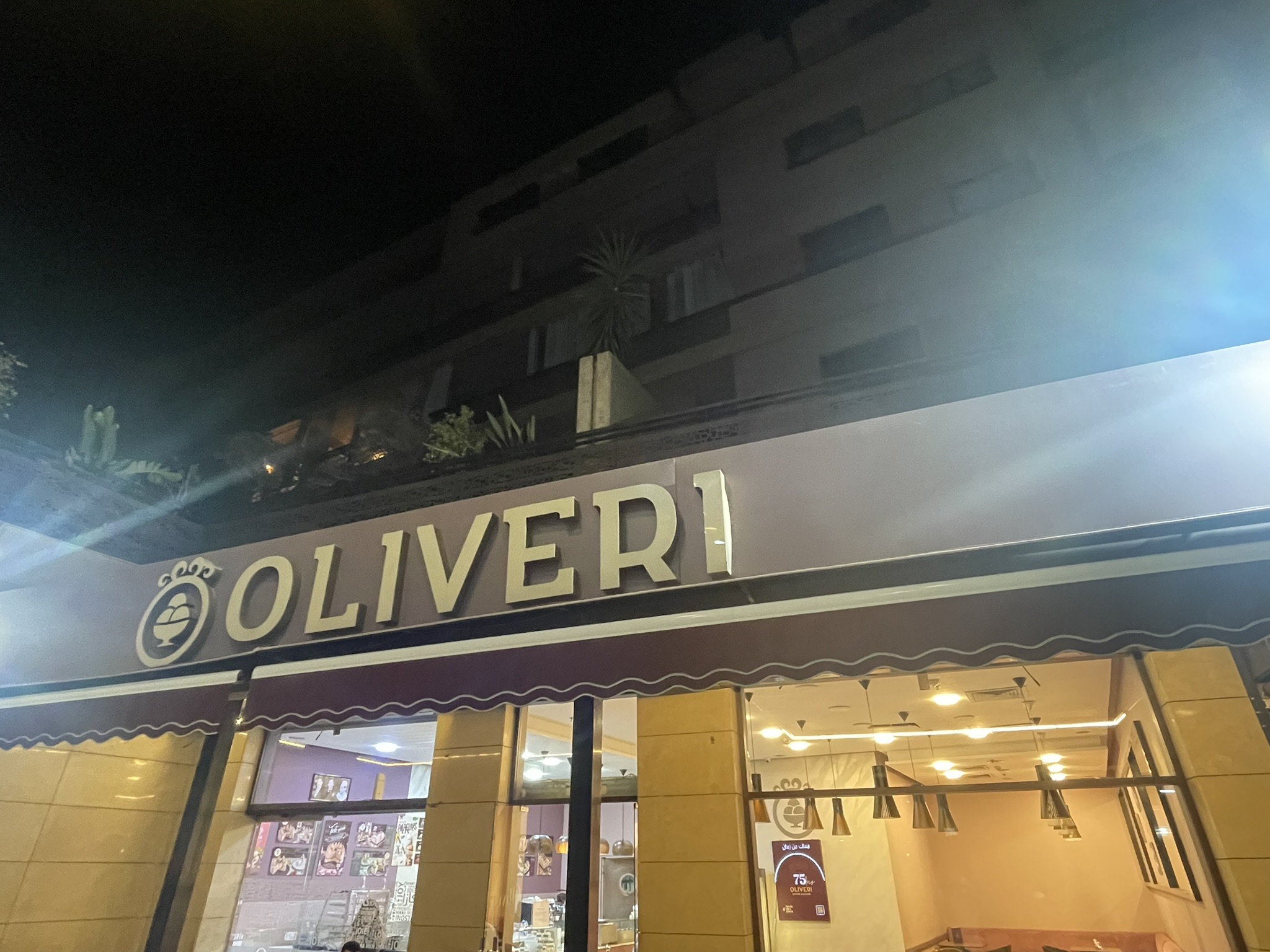
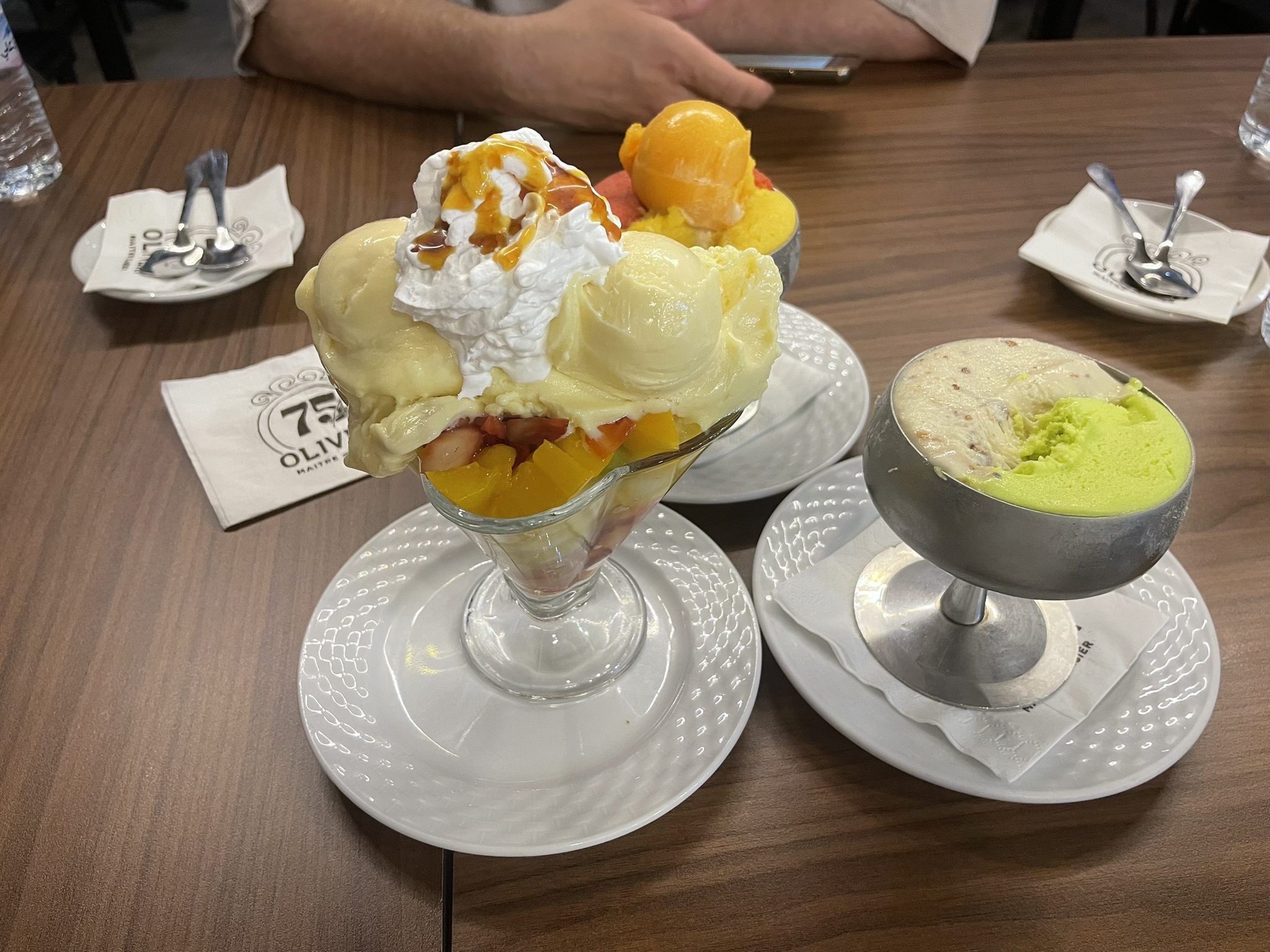
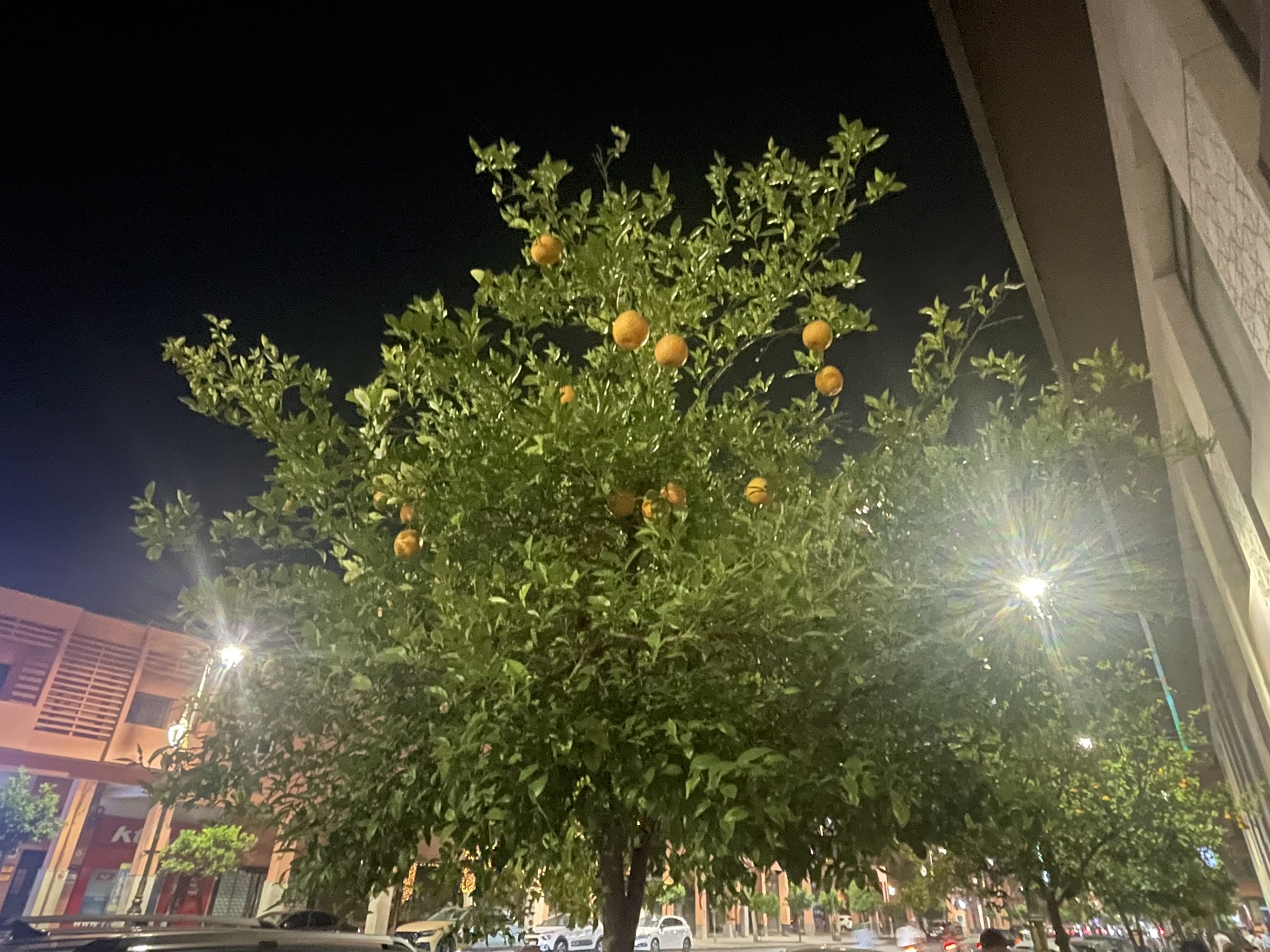
The prices are cheap compared to the UK. The Gueliz area is modern and developed as mentioned above. On our way on the road, we pass some trees bearing beautiful oranges.
Day 4 – Saturday 23 May 2026
Tour of Marrakesh
Breakfast with Shaykh Abū Shuʿbah al-Marrākushī
We depart from the hotel at 8.40am and drive through the city. Mufti Ṣāḥib comments that Marrakesh in Persian means “Pull me to you”, and Marrakesh is indeed pulling and attractive. Mufti Ṣāḥib describes the country as “دولة الأشجار والأثمار، ودولة المشايخ والأحبار” (the country of trees and fruits, and the country of scholars and saints).
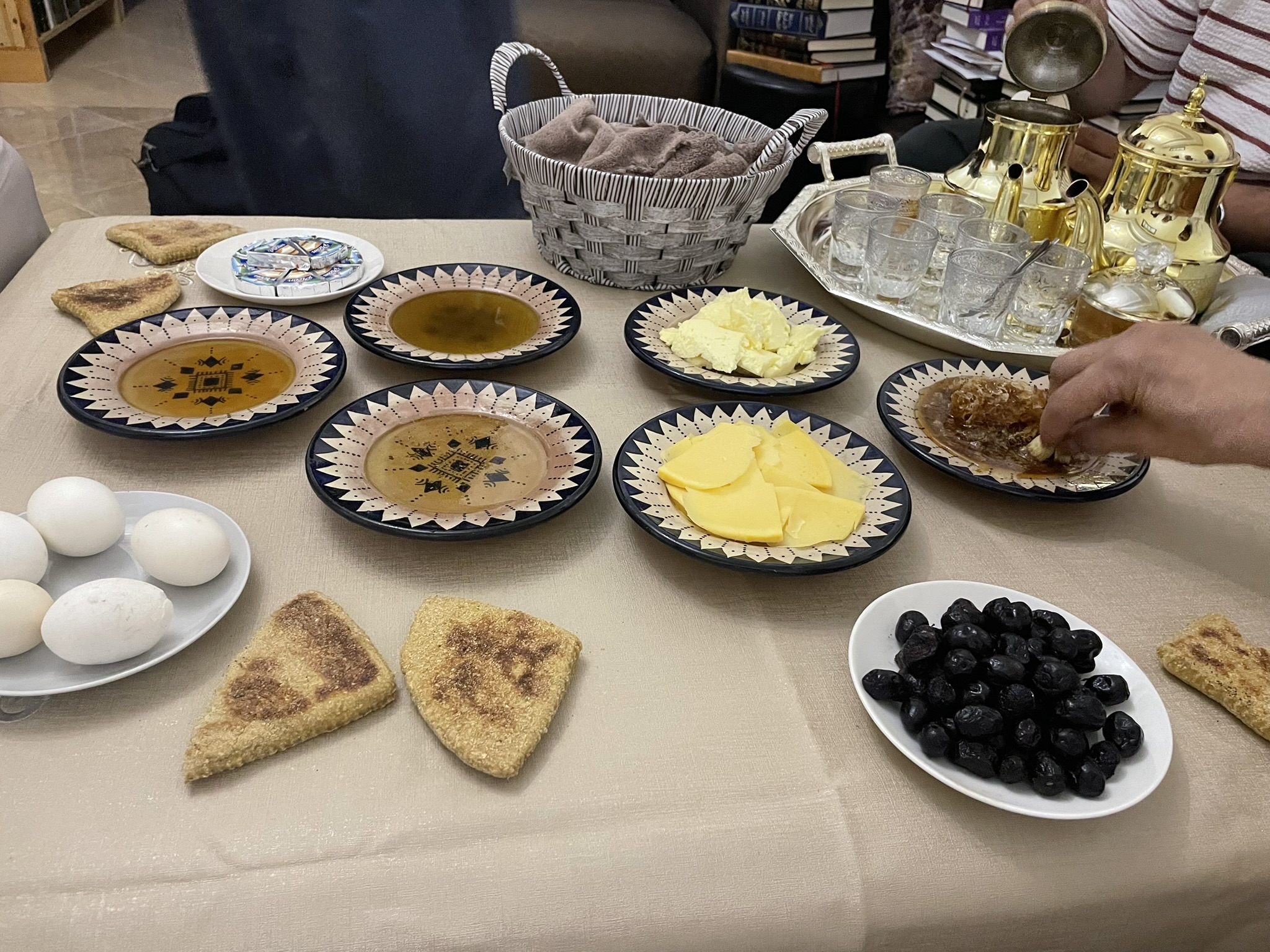
Our first stop this morning is at the residence of Shaykh Abū Shuʿbah al-Marrākushī in the Sidi Musa area of Marrakesh. Shaykh Abū Shuʿbah Muḥammad ibn Aḥmad al-Zugayr is a prolific Moroccan scholar who my respected father Mufti Shabbīr Aḥmad (b. 1376/1957) recommended we meet. My father has known him since several years since his participation in the majālis of Shaykh Niẓām Yaʿqūbī (b. 1378-9/1959) in Makkah al-Mukarramah during the last ten nights of Ramadan which results in the publication of Liqāʾ al-ʿAshr al-Awākhir bi al-Masjid al-Ḥarām of which 24 volumes have been published to date, featuring 408 treatises on a range of subjects. Shaykh Abū Shuʿbah is extremely warm and hospitable and makes us feel at home. He himself serves us breakfast which is all sourced from natural products. The people of Marrakesh are more friendly and welcoming than Fes, we are told.
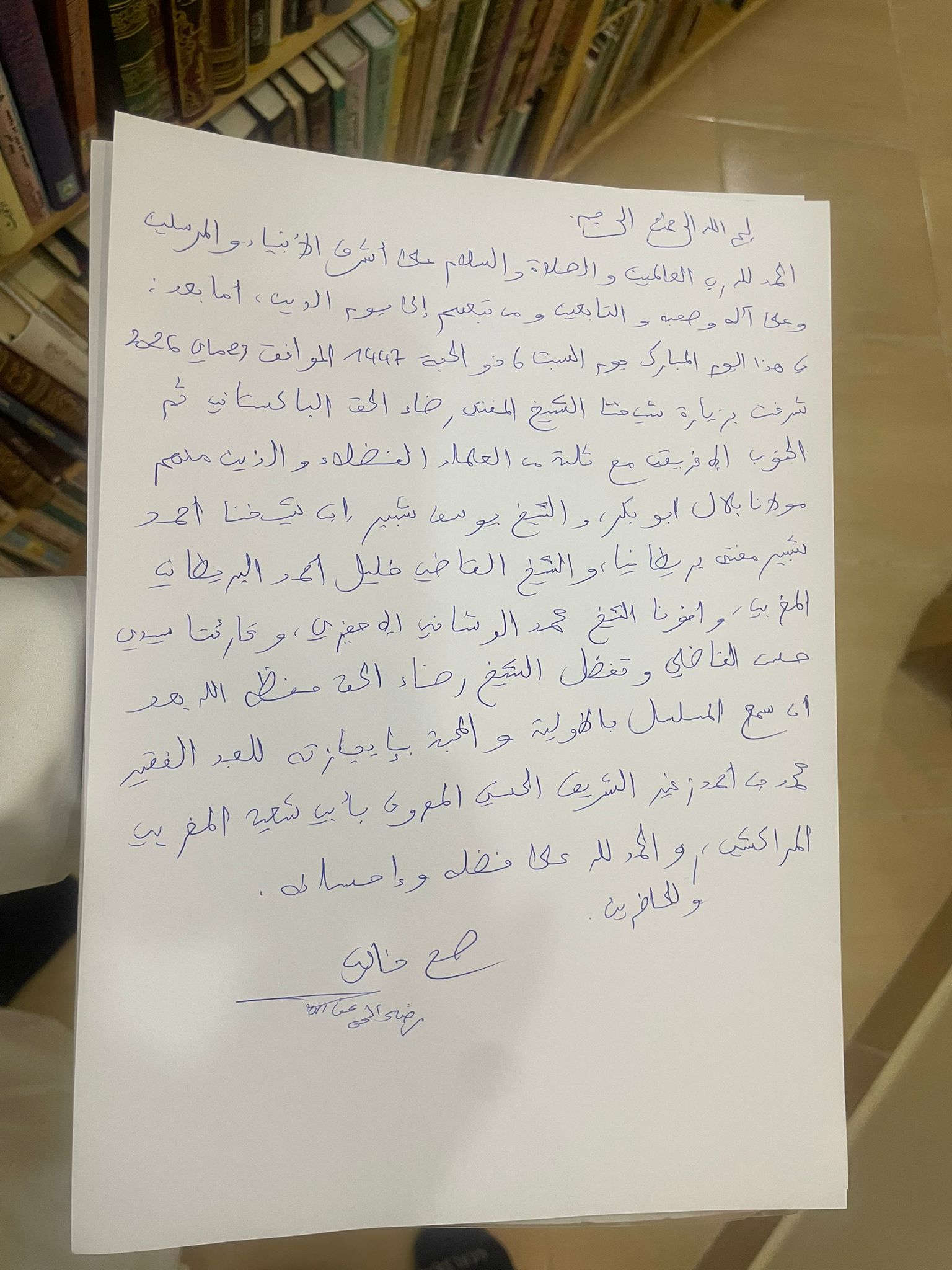
After breakfast, Shaykh Abū Shuʿbah requests Mufti Ṣāḥib for Ijāzah in Ḥadīth and reads the Ḥadīth Musalsal bi al-Awwaliyyah. The Ijāzah is documented in writing by the Shaykh immediately.
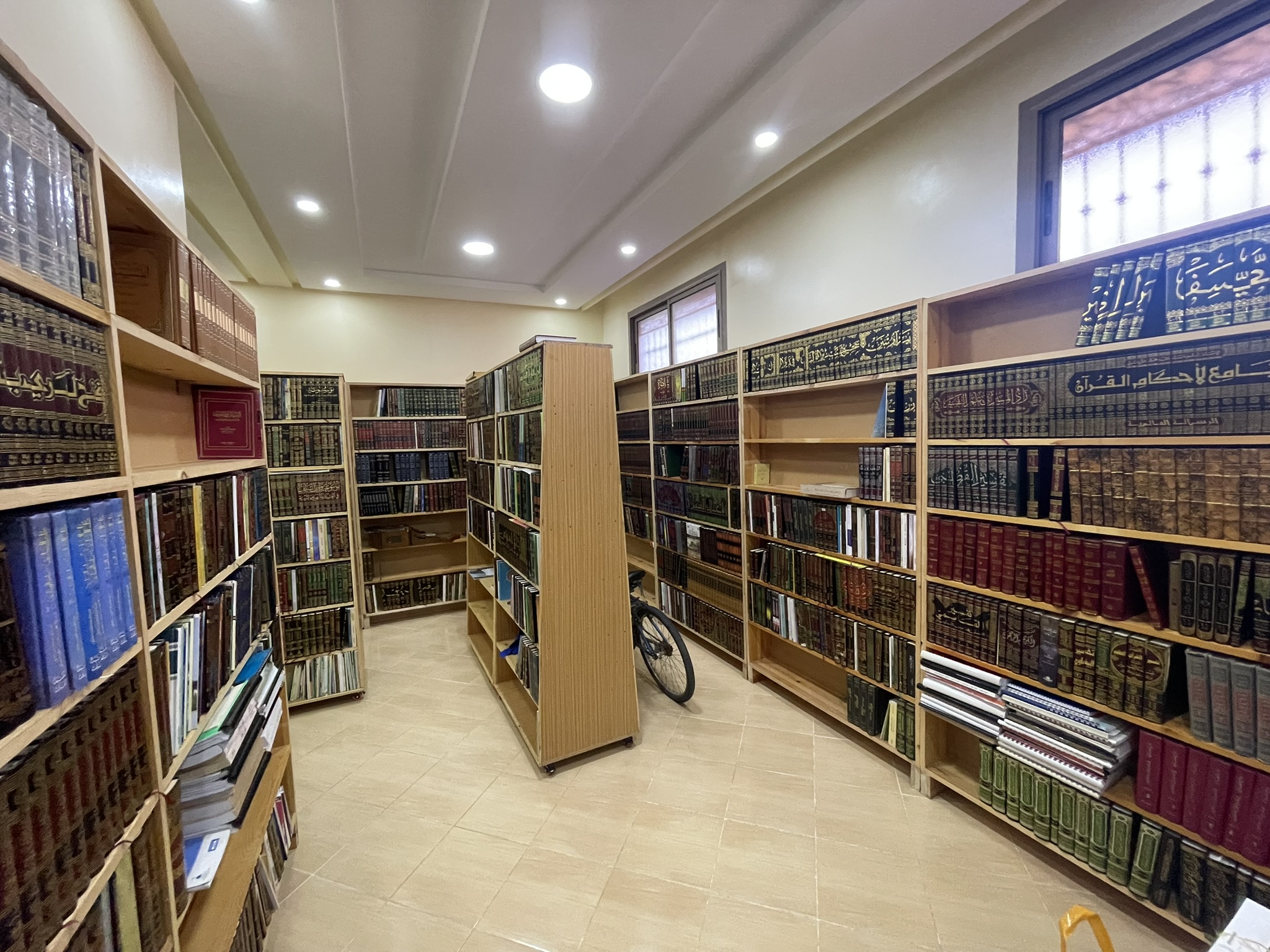
Mufti Ṣāḥib is impressed and requests him for Ijāzah. Shaykh’s knowledge is profound across the Islamic sciences, and he praises Mufti Ṣāḥib’s Julūs al-Ḥawārī li Fahm Durūs al-Bukhārī and comments that the name accurately reflects its contents. He shares many aspects of knowledge from memory, especially poetry from Mālikī texts as well as Uṣūl al-Ḥadīth texts. His memory is very strong and his knowledge is firm. Mufti Ṣāḥib later comments, “كأنه من بقايا المتقدمين”. We are all moved by his hospitality and warmth. We visit his library and he gifts Mufti Ṣāḥib some of his books. Previously, I sent him the books of Shaykh Muḥammad Yūnus Jownpūrī (d. 1438/2017) whom he reveres a great deal.
Grave of Qāḍī ʿIyāḍ al-Mālikī
We depart from Shaykh Abū Shuʿbah’s residence at 10.30am and thereafter return to the city and collect our local guide for the day, Sīdī Ḥāmid Laaroussī, who is Mawlānā Khalīl’s bother in law. We proceed to the grave of the giant of knowledge, the prolific author and master of Islamic sciences, the Andalusian scholar who is globally renown, Qāḍī ʿIyāḍ ibn Mūsā al-Mālikī (d. 544/1149) who requires little introduction. His grandfather migrated from Spain to Fes and then to Ceuta (currently under Spanish control within north Morocco). Qāḍī ʿIyāḍ himself travelled to Spain in the pursuit of knowledge and benefited from the scholars of Morocco and beyond. He served as a judge in Ceuta and thereafter in Granada. However, he passed away in Marrakesh (Siyar, 20: 212 – 218).
Qāḍī ʿIyāḍ authored many books including al-Shifāʾ which has widespread acceptance and is his most famous book. He also wrote a commentary on Ṣaḥīḥ Muslim entitled Ikmāl al-Muʿlim which Imām Nawawī (d. 676/1277) benefited from extensively. I mention to Mufti Ṣāḥib the statement of Shaykh Muḥammad Yūnus Jownpūrī (d. 1438/2017) that Ḥāfiẓ Ibn Ḥajar (d. 852/1449) did not have access to Qāḍī Īyād’s Mashāriq al-Anwār when authoring Fatḥ al-Bārī, hence why Shaykh quotes from it extensively in his commentary Nibrās al-Sārī fī Riyāḍ al-Bukhārī. Shaykh Yūnus would also say that “Qāḍī ʿIyāḍ is more knowledgeable than Imām Nawawī, but Imām Nawawī synthesises and simplifies what Qāḍī says.” Mufti Ṣāḥib comments that Shaykh Yūnus Ṣāḥib was a master at ascertaining the sources and origins of the statements of scholars even when not explicitly mentioned by the authors. I mention to Mufti Ṣāḥib that Imām Nawawī mentions “al-Qāḍī” many times in his commentary, and that Qāḍī ʿIyād often quotes from the commentary of Ṣāḥīḥ al-Bukhārī by the Mālikī scholar, ʿAllāmah Ibn Baṭṭāl (d. 449/1057) without mentioning his name, as I have noticed a few times. Al-Ḥamdulillāḥ, I have also inherited this passion of sourcing the origin and primary source of texts from Shaykh Yūnus Ṣāḥib.
At 11.15am, we arrive at Qāḍī ʿIyāḍ’s mausoleum located in a large complex but are unable to enter. There are some renovations taking place.
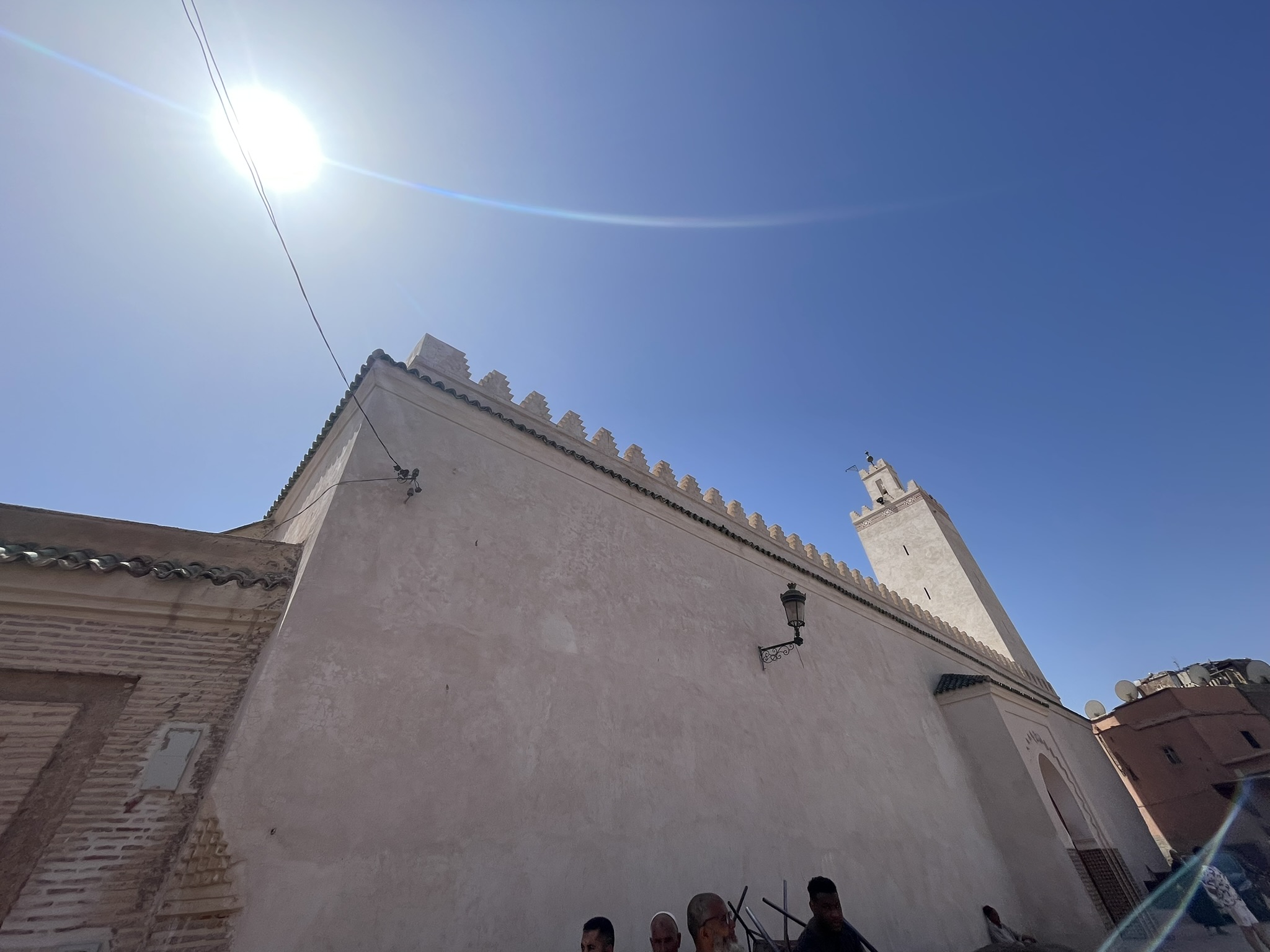
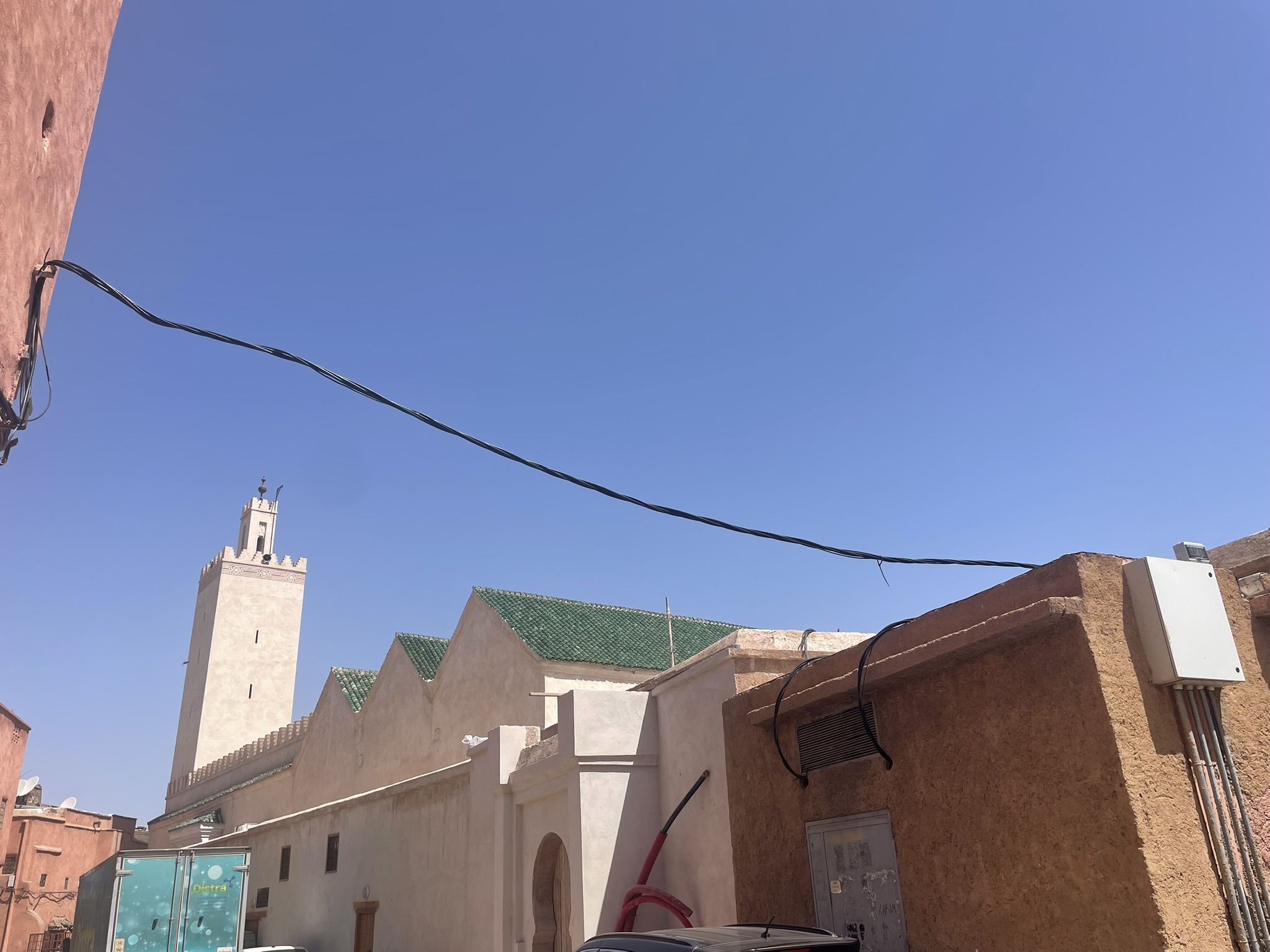
However, we manage to enter using a side door and offer our Salām from a short distance from the grave.
I have personally benefited a great deal from Qāḍī ʿIyāḍ’s books and continue to do so. When Qāḍī ʿIyād’s name is mentioned, a particular sweetness is experienced on the tongue. When I authored Al-ʿIqd al-Thamīn fī Ḥubb al-Nabī al-Amīn Ṣallallāhu ʿalayhi wa Sallam, I benefited extensively from his al-Shifāʾ and Ikmāl al-Muʿlim.
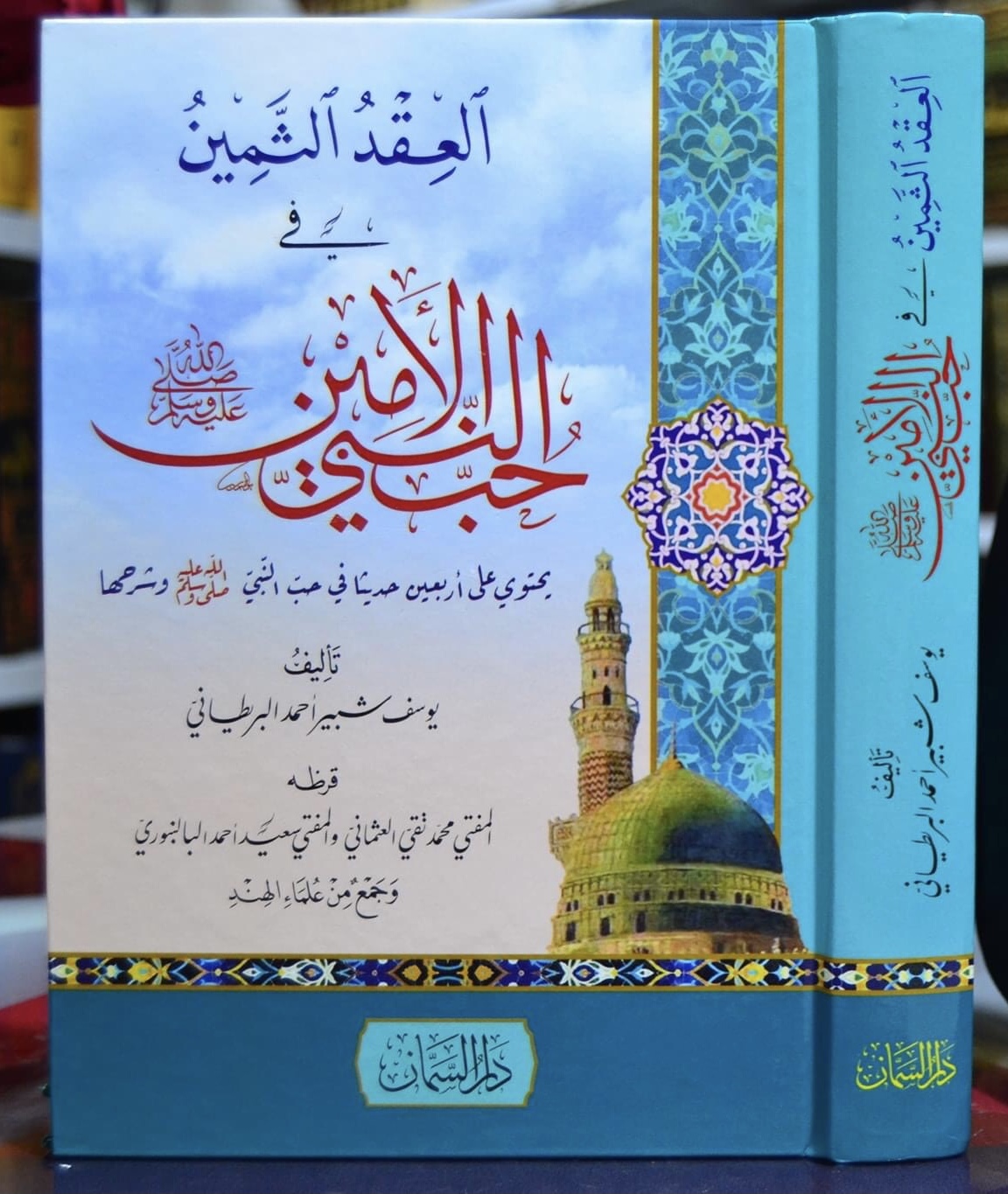
This mausoleum of Qāḍī ʿIyāḍ is highly revered locally and is one of the seven graves of the seven pious luminaries (Sabʿat Rijāl) of Marrakesh that are frequently visited by locals and tourists and strongly revered.
Dar Tifl orphanage
Our next stop nearby is the Dar Tifl (Dār al-Ṭifl) orphanage where Mufti Ṣāḥib is requested to make Duʿāʾ.
The orphanage was established in 1934 and is home to 377 children aged 4 to 18. Approximately 50% of the children are orphans. Mawlānā Khalīl and I quickly visit the education classes as well as the dormitories. The complex is large with excellent facilities. It is organised, professional and clean.
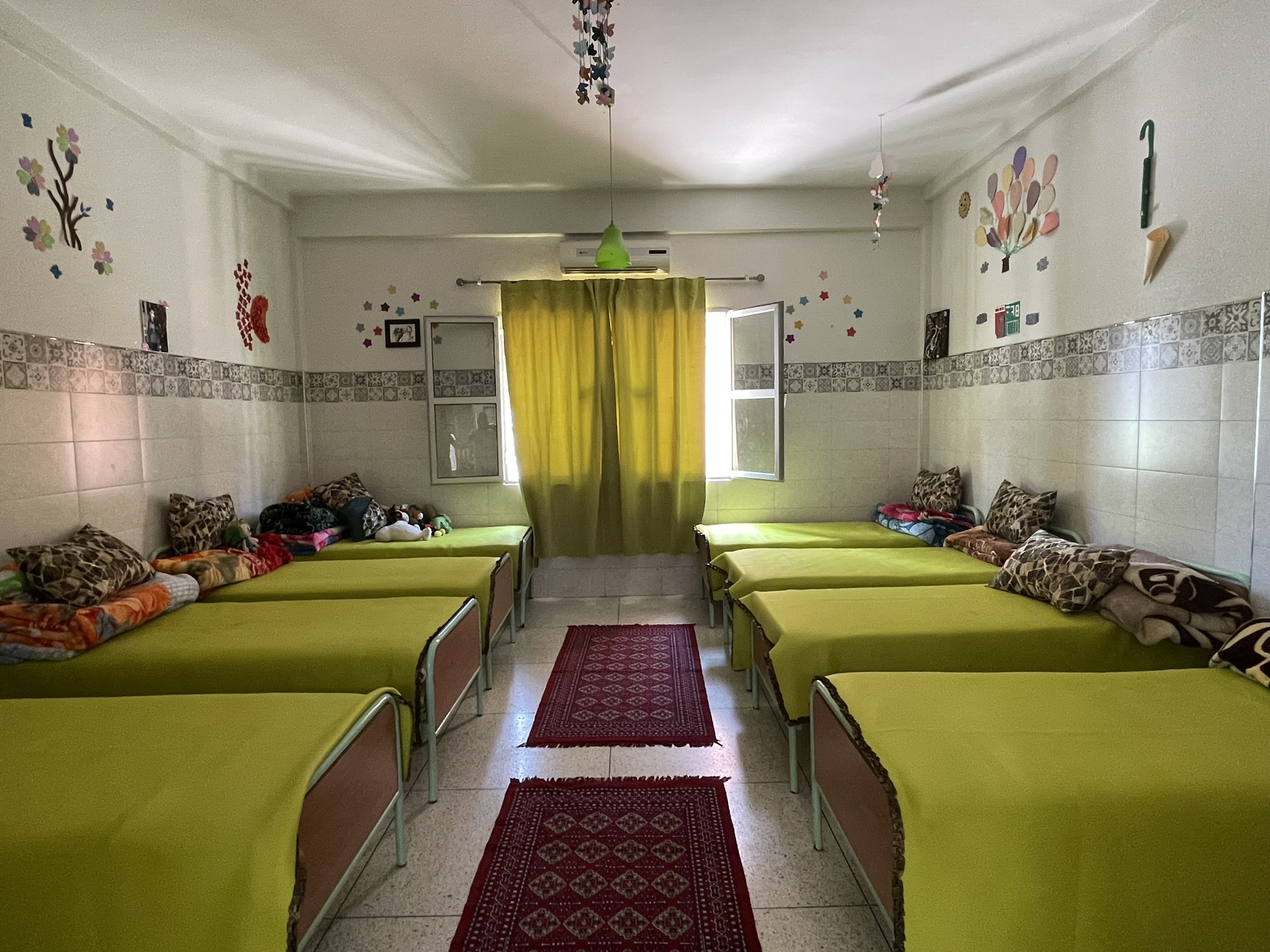
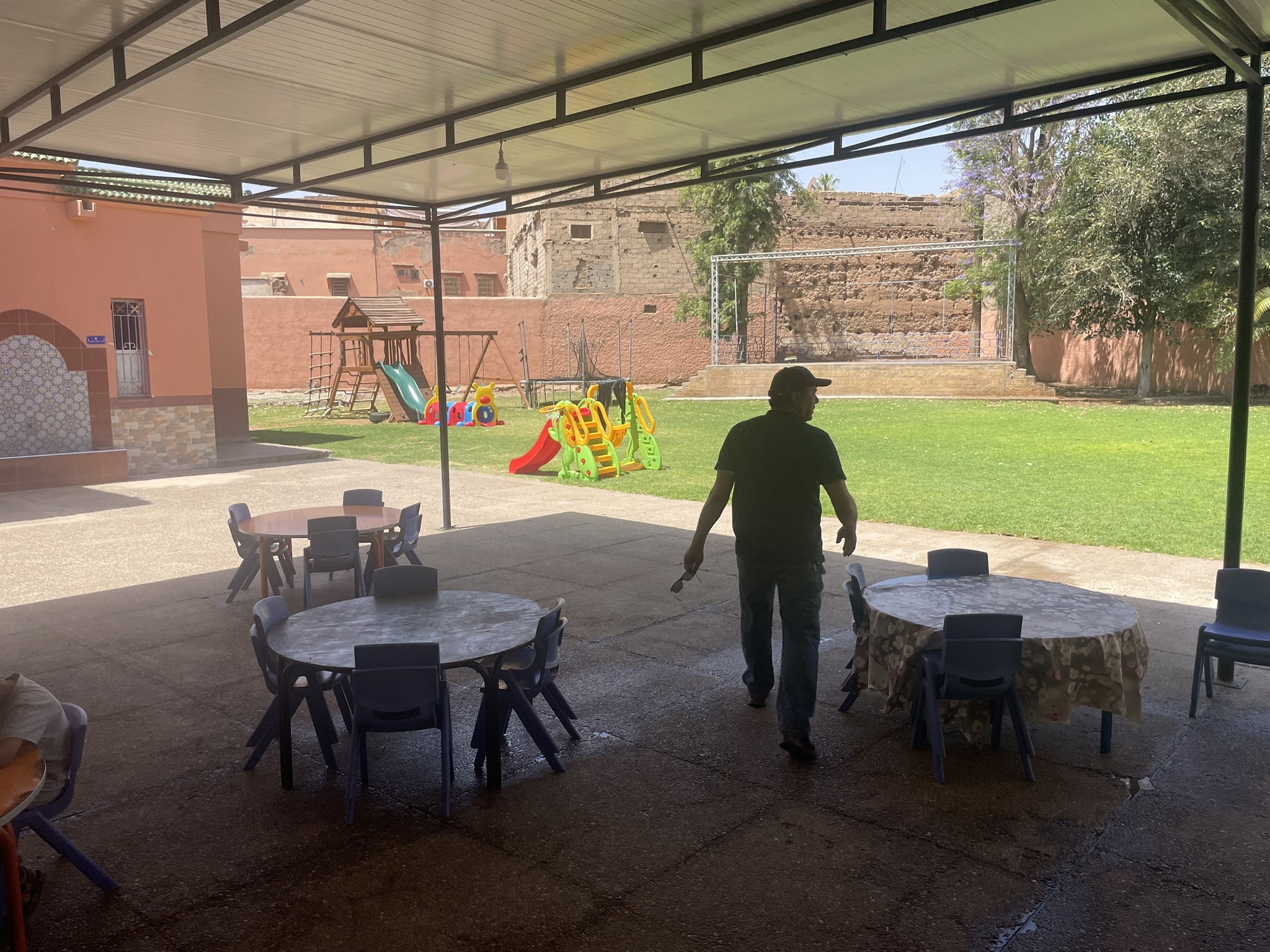
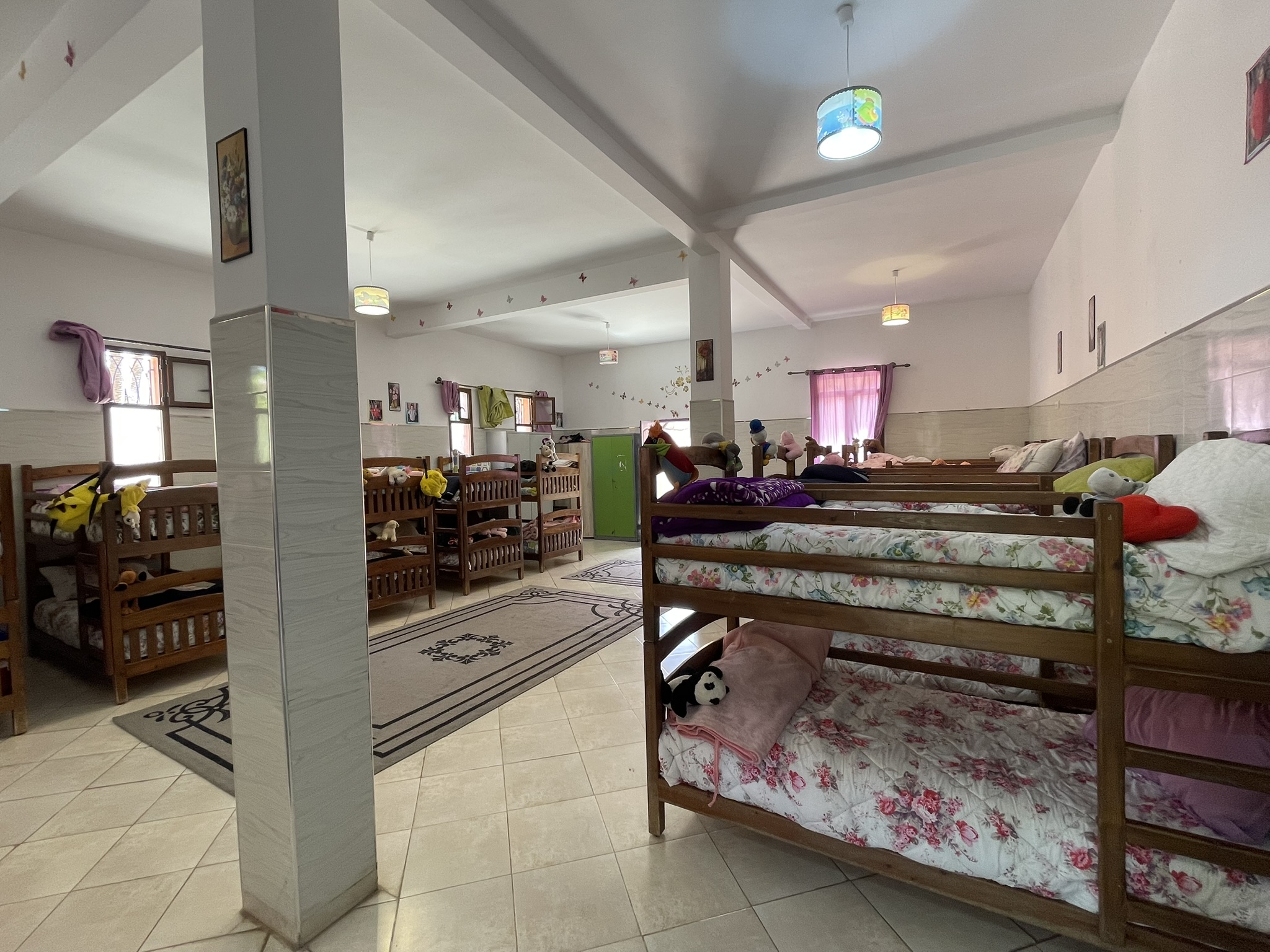
We were requested to visit the centre by our dear friend, Mawlānā Muḥammad Mota, the Chair of the Batley based Rabetah Al-Ulama Al-Islamiyyah (Institute of Islamic Scholars), who is involved in supporting this centre. May Allah Almighty bless the institute and all those who are involved in this noble endeavour. Āmīn.
Mausoleum of Imām Abū al-Qāsim al-Suhaylī
Next, we proceed to the mausoleum of Imām Abū al-Qāsim al-Suhaylī (d. 581/1185), one of the seven saints of Marrakesh referred to above. I wrote the following in my Spain travelogue:
“Ḥāfiẓ Abū al-Qāsim al-Suhaylī (d. 581/1185), the famous linguist and author of the famous book al-Rawḍ al-Unuf, which is a commentary of Ibn Hishām’s (d. 218/833) al-Sīrah al-Nabawiyyah. This book of Imām Suhaylī is relied upon by the scholars of ḥadīth and history. Ḥāfiẓ Dhahabī (d. 748/1348) describes him as the “scholar of Andalus” (Siyar, 21:157). Imam Suhaylī was born and grew up in Malaga city and passed away in Marrakesh (Wafayāt al-Aʿyān, 3:144). The attribution “Suhaylī” is to a village in close proximity to Malaga, which was probably his ancestral village. This village was named “Suhayl” because the Suhayl star was only visible from a mountain here. Perhaps, this is the location where the Castillo Sohail was built by ʿAbd al-Raḥmān III (d. 350/961), to strengthen the coastal defences. This is 20 miles from Malaga city. Some sources suggest that he was born in Seville (Ishbīliyyah) (Tadhkirat al-Ḥuffāẓ, 4:96), however, his birth in Malaga appears more probable considering the “al-Mālaqī” attribution after his name. This is in contrast with his teacher Qāḍī Abū Bakr ibn al-ʿArabī al-Mālikī al-Ishbīlī (d. 543/1148) who was born in Seville.”
Similar to his teacher’s works, I have benefited from his monumental work al-Rawḍ al-Unuf. His mausoleum is located beyond the old city walls near the king’s palace. We enter the large cemetery and walk to the mausoleum.
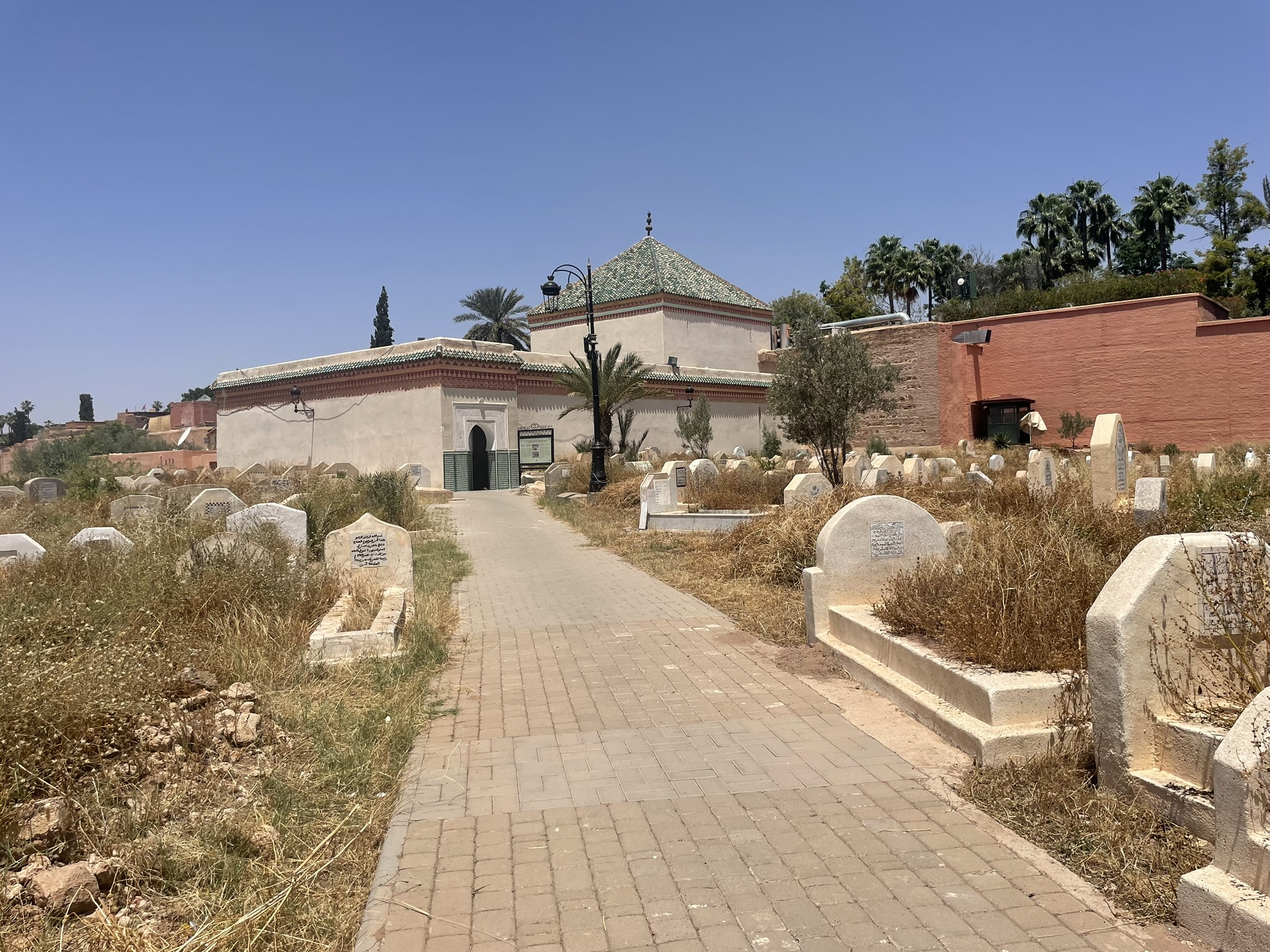
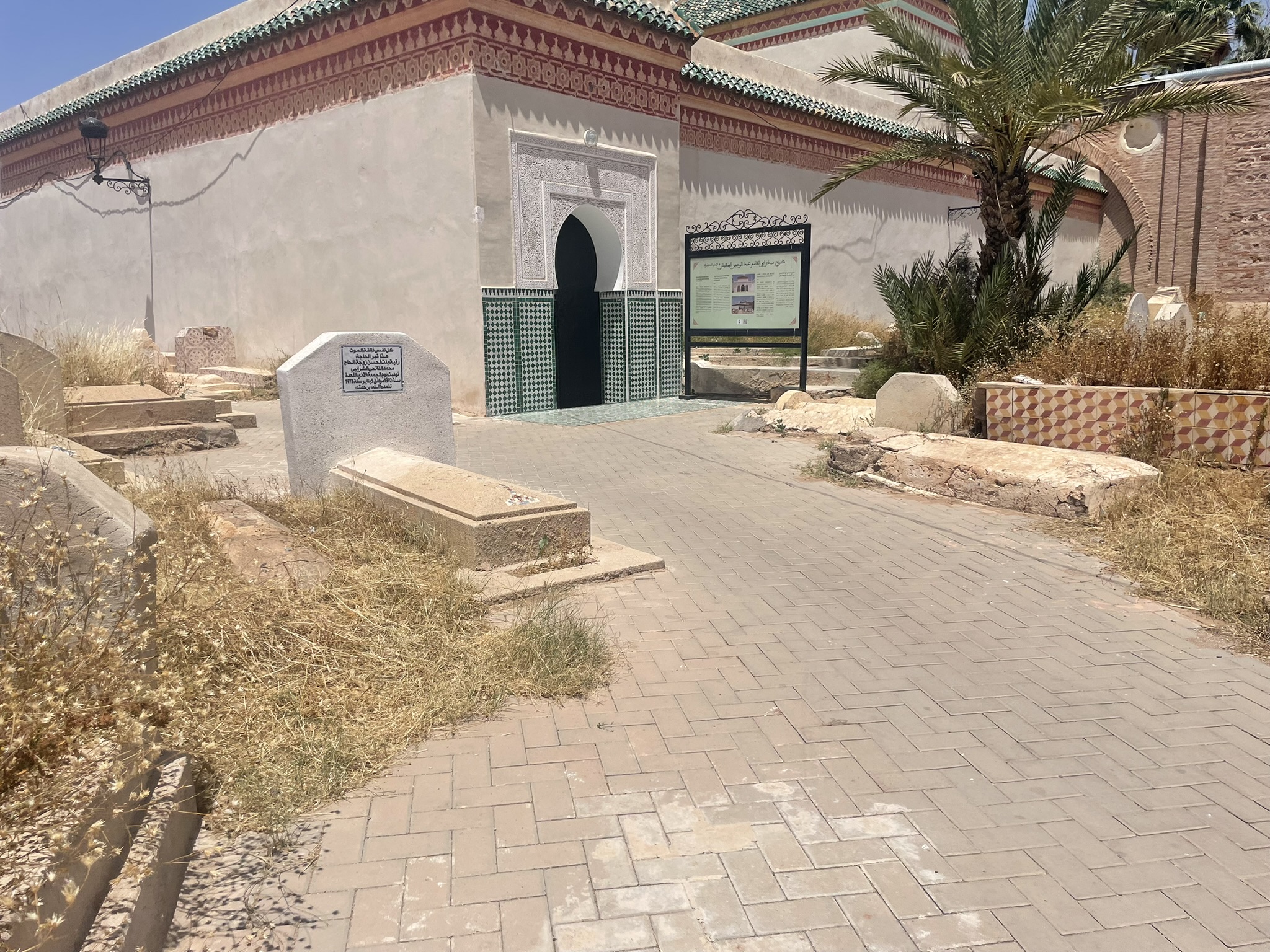
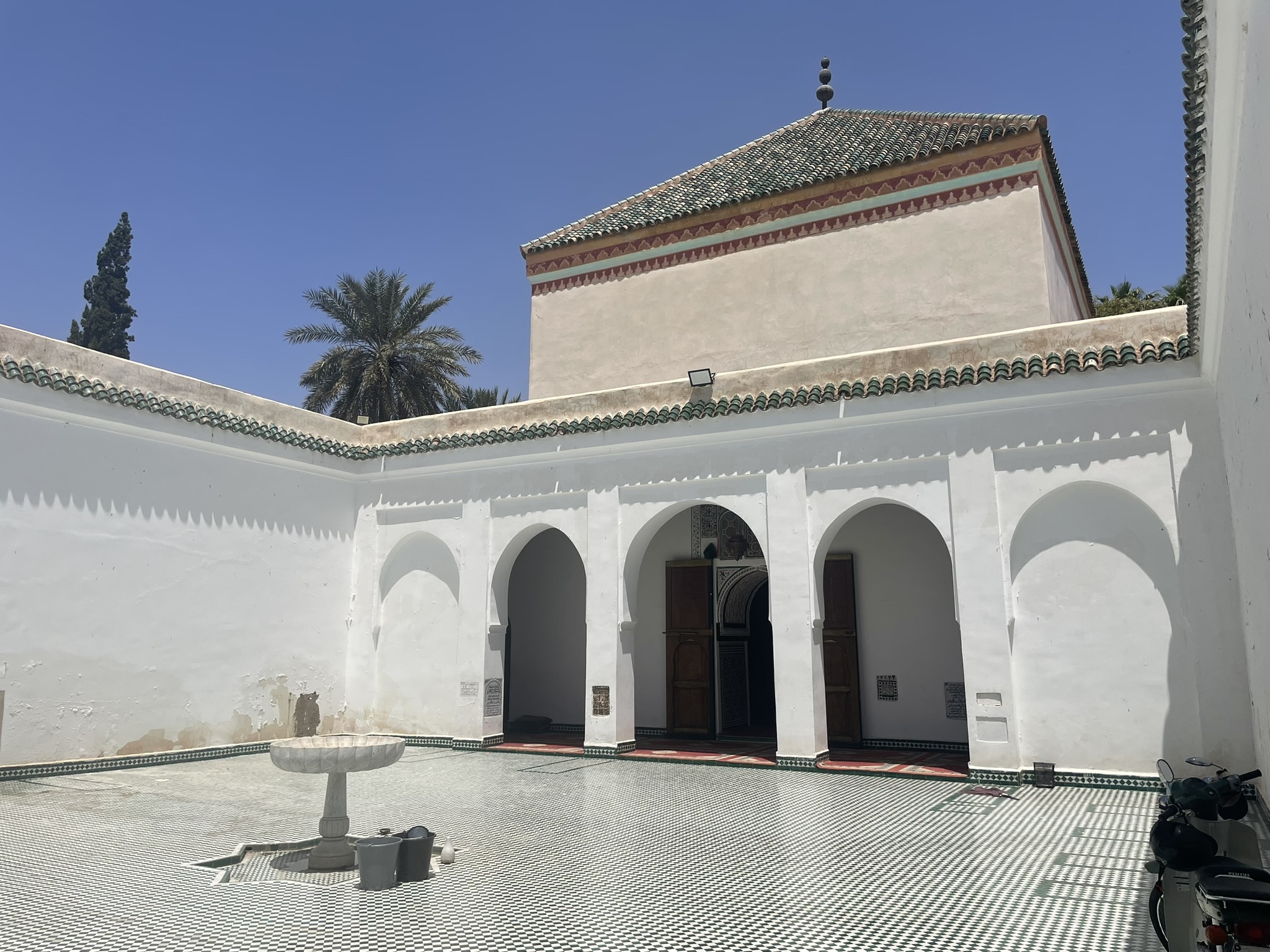
Imām Suhaylī was a proficient linguist and poet. The following Munājāt (conversation with Allah) of his is displayed on the wall behind his grave:
يَا مَنْ يرَى ما فى الضَّميرِ ويَسمعُ *** أنت المُعدُّ لكلِّ ما يُتوقَّعُ
يا مَنْ يُرجَّى للشدائدِ كلِّها *** يا مَنْ إليه المشتكَى والمفزَعُ
يا مَنْ خزائنُ ملكِه فى قولِ: كُنْ *** امنُنْ فإِنَّ الخيرَ عندَك أجمعُ
مالى سِوَى فقرِي إليك وَسِيلةً *** فبالافتقارِ إِليك فقرِي أدفعُ
مالى سِوَى قرعِي لبابِك حيلةٌ *** فلَئِن رُدِدتُ، فأىُّ بابٍ أقرعُ؟!
ومَنْ الَّذِى أدعُو، وأهتِفُ باسمِه *** إنْ كان فضلُك عن فقيرِك يُمنعُ؟!
حَاشَا لمجدِك أنْ تُقنِّطَ عاصِيًا *** والفضلُ أجزلُ والمواهبُ أوسعُ
ثمَّ الصَّلاةُ على النَّبىِّ وآلِه *** خيرِ الأنامِ، ومَنْ به يُستَشْفعُ
Imām Suhaylī suggested that his supplications were always accepted when using these couplets. Mufti Ṣāḥib comments that he was unaware that these powerful couplets were his, adding that Mawlānā Ṭāhā Kārān (d. 1442/2021) wrote some poetic couplets on the scholars of Deoband using this rhythm.
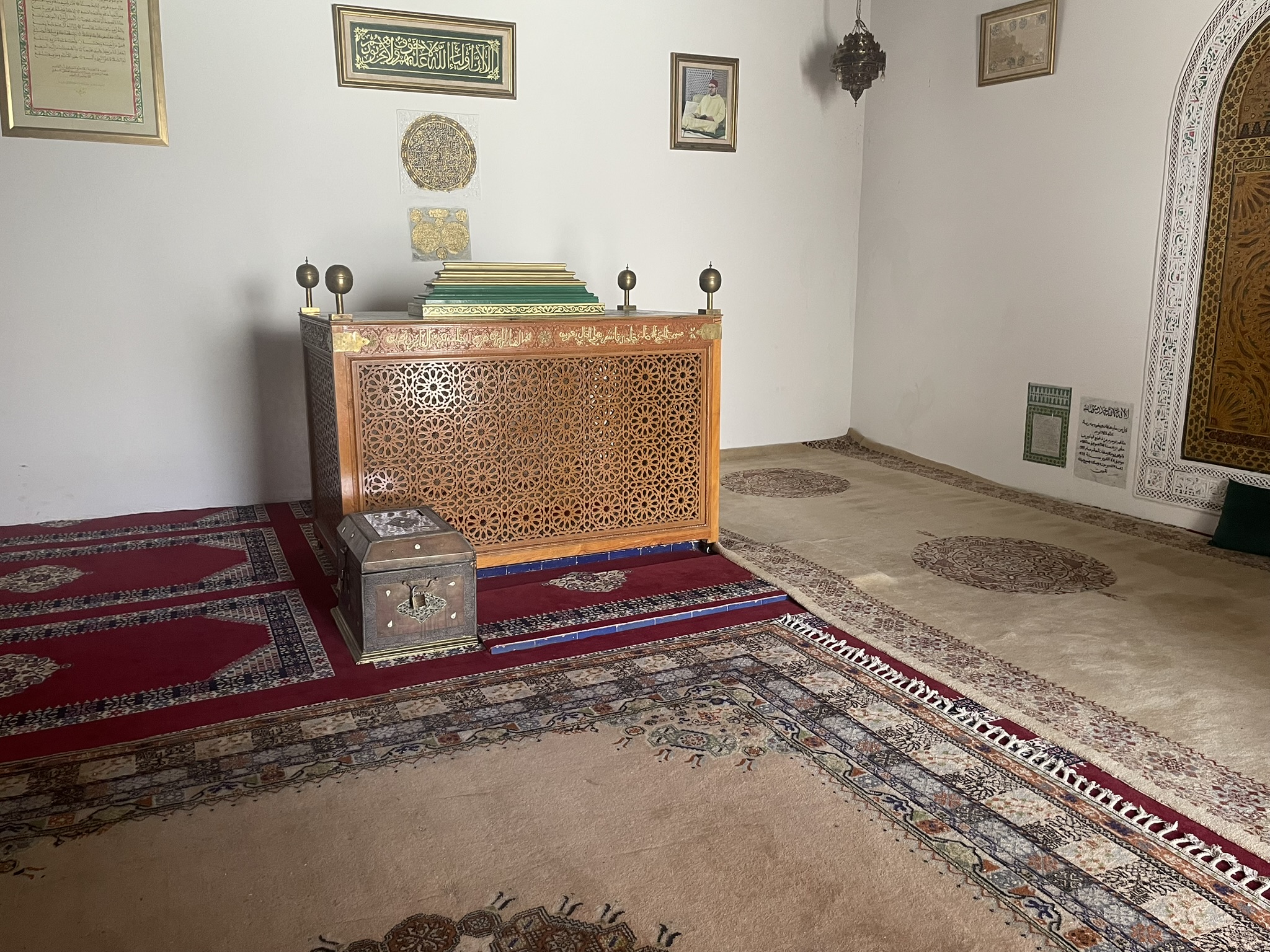
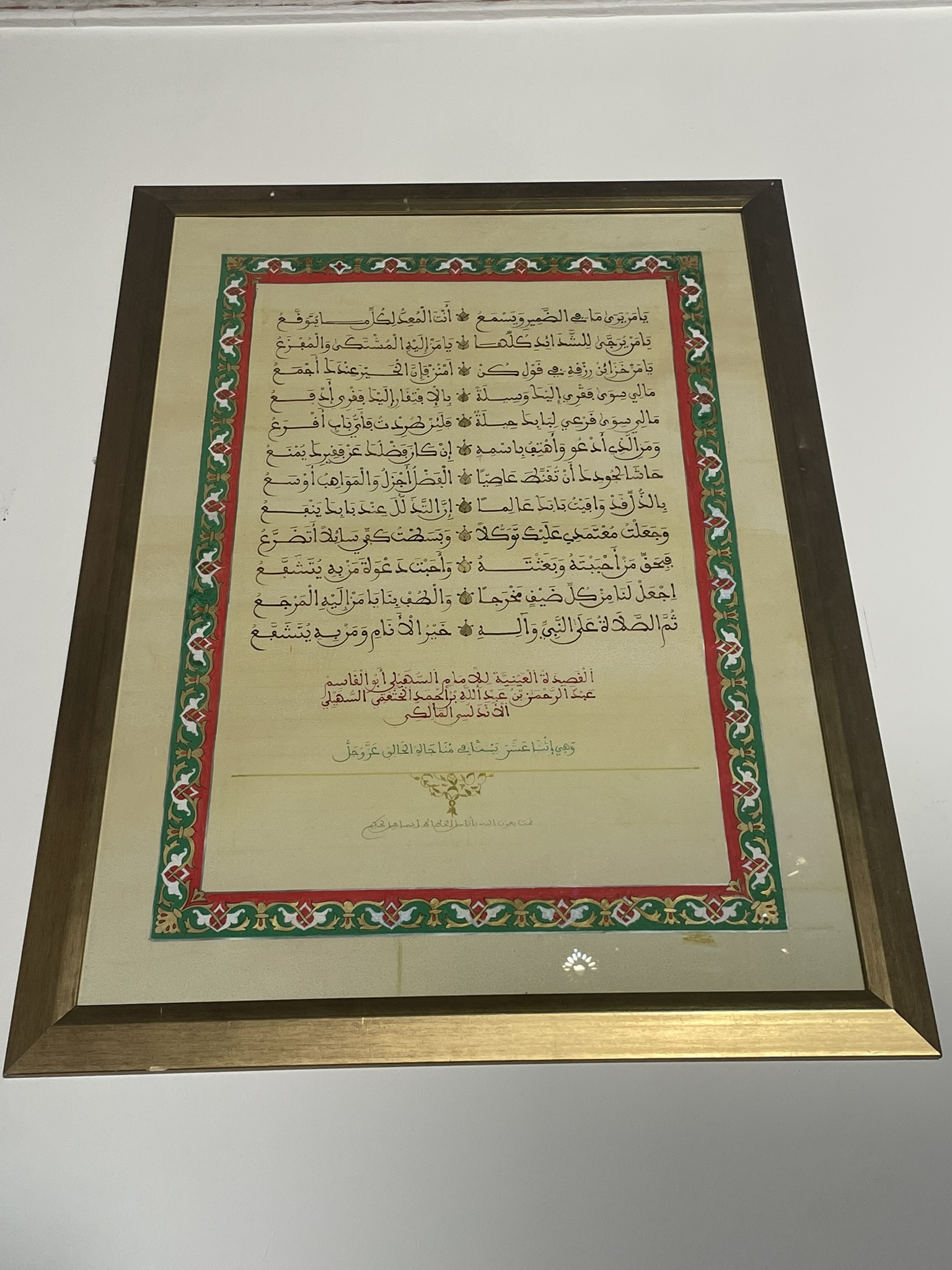
Qurbānī issue in India
Mufti Ṣāḥib is asked whether it is permissible to slaughter Uḍḥiyyah (Qurbānī) in India on 9 Dhū al-Ḥijjāh when Eid has already occurred in the location of the donor. Mufti Ṣāḥib replies that this is not allowed because the location of the animal is what matters. This is a differed issue as detailed online (www.islamicportal.co.uk/qurbani-location-fatwa) and our position corresponds with Mufti Ṣāḥib’s view.
Mausoleum of Sīdī Abū al-ʿAbbās al-Sabtī
At 1.15pm, we arrive at the mausoleum of Sīdī Abū al-ʿAbbās Aḥmad ibn Jaʿfar al-Khazrajī al-Sabtī (d. 601/1204), another one of the seven saints of the city.
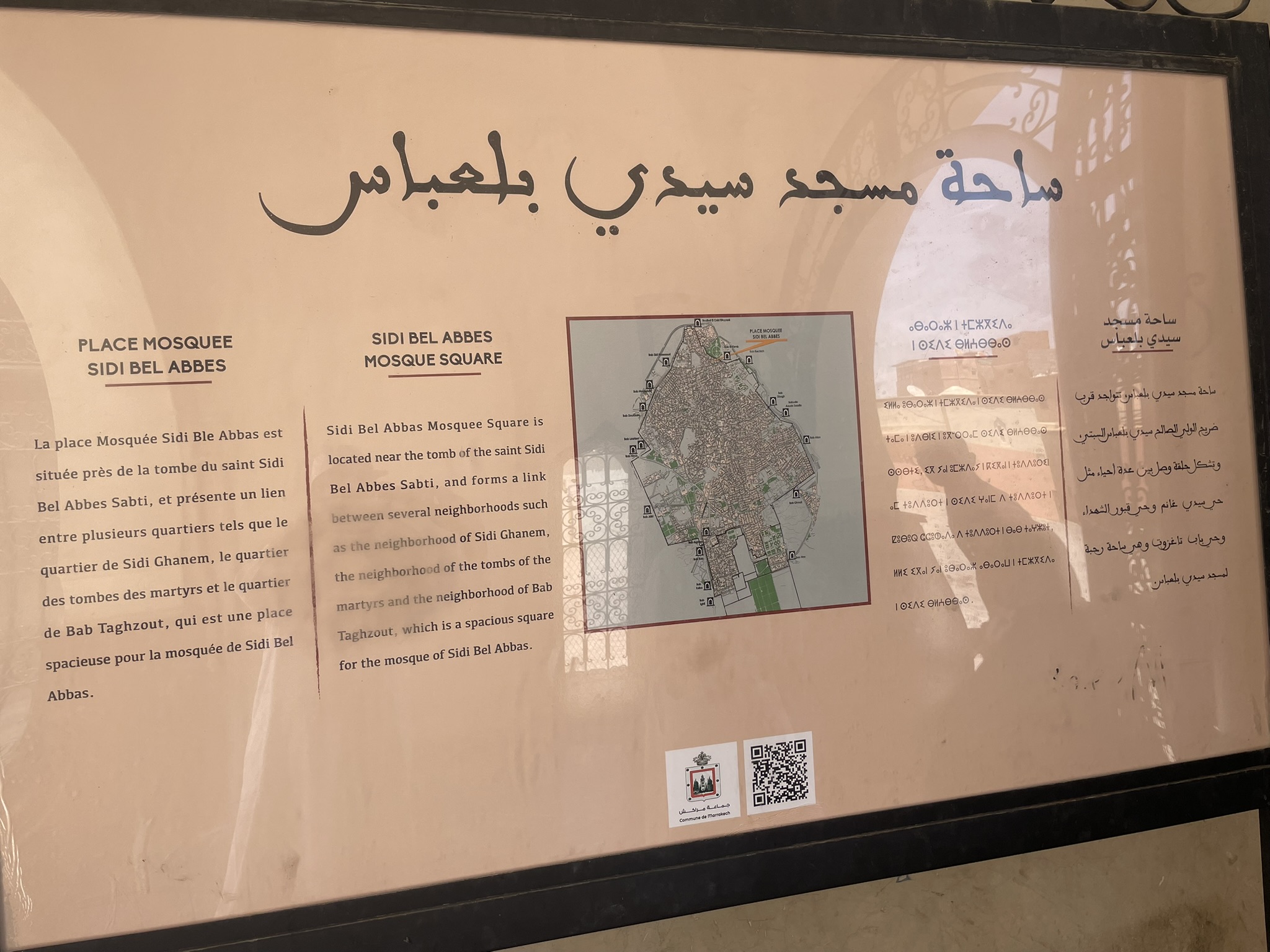

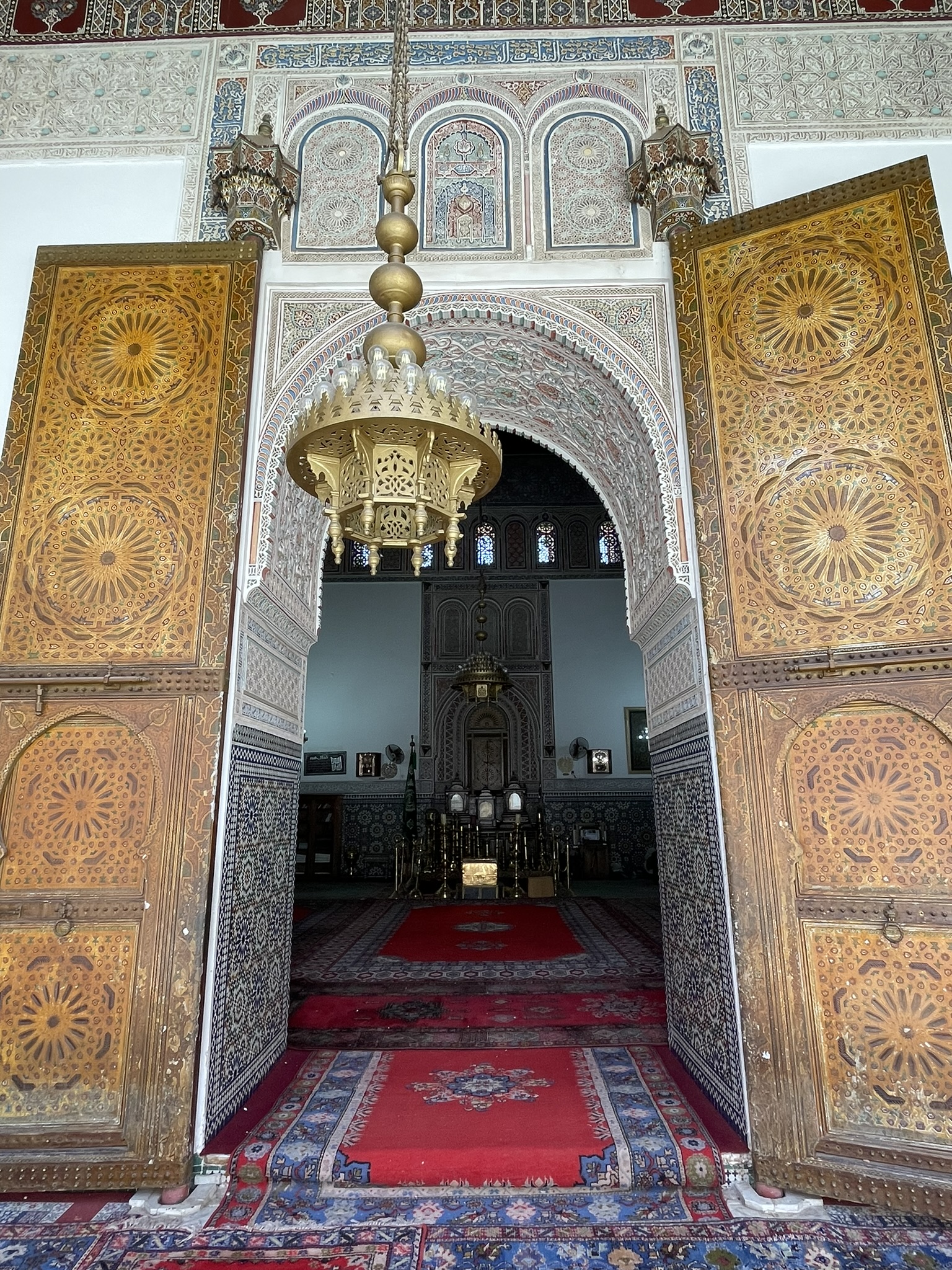
Sabtī is an attribution to Ceuta where he was born. Along with his piety, he was eloquent in his speech and was a proficient debater. He was regarded a Quṭb, with a lofty status in Taṣawwuf. ʿAllāmah Ibn al-Zayyāt (d. 617/1220) has a book entitled Al-Tashawwuf ilā Rijāl al-Taṣawwuf wa Akhbār Abī al-ʿAbbās al-Sabtī wherein he has detailed Sīdī Abū al-ʿAbbās’s stories towards the end of the book (p.451 – 477). ʿAllāmah Ibn al-Zayyāt himself attended his gatherings and mentions that there were mixed views in relation to him.
Mausoleum of Imām Jazūlī
At 1.45pm, we arrive at the Mosque that is home to the grave of Imām Abū ʿAbdullāh Muḥammad ibn Sulaymān al-Jazūlī al-Ḥasanī (d. 870/1465), who is also from among the seven saints of Marrakesh and from the descendants of the Prophet ﷺ. There are currently renovations works ongoing, so we wait and negotiate with the workers to try to get access. It is difficult. Eventually, we are allowed within the complex and are given access to the passage from where we can see the grave.
Since our arrival to Morocco, Mufti Ṣāḥib was extremely eager to visit Imām Jaẓūlīs grave. This is because he authored the famous book of Ṣalawāt (Durūd) called Dalāʾil al-Khayrāt wa Shawāriq al-Anwār fī Dhikr al-Ṣalāt ʿalā al-Nabī al-Mukhtār Ṣallallāhu ʿalayhi wa Sallam that is divided into seven sections for each day of the week. Ḥajī Khalīfah (d. 1067/1657) writes in Kashf al-Ẓunūn (2: 1172) that this book is a sign from the signs of Allah which is punctually read in the east and the west. Mufti Ṣāḥib mentions that the book was well regarded among the senior scholars of the Indian subcontinent and that the clause of attributing cure to the Prophet ﷺ has been interpreted. Further, Mawlānā Yūsuf Binorī (d. 1397/1977) would read it a lot and when someone would come to him for Bayʿat (spiritual allegiance) he would say, “I give you permission to read Dalāʾil al-Khayrāt”. My respected father Mufti Shabbīr Aḥmad (b. 1376/1957) also gives a lot of importance to Dalāʾil al-Khayrāt. Allah Almighty has granted it acceptance like al-Ḥiṣn al-Ḥaṣīn and al-Ḥizb al-Aʿẓam. In relation to al-Ḥiẓb al-Aʿẓam, Mufti Ṣāḥib quotes Shaykh al-Ḥadīth Mawlānā Muḥammad Zakariyyā (d. 1402/1982) who said that it is better than Ḥizb al-Baḥr. This is probably because al-Ḥiẓb al-ʿAẓam contains masnūn supplications, and Allah knows best.
Imām Jazūlī travelled to different parts of the world. One of his notable teachers was the Mālikī scholar, Shaykh Aḥmad Zarrūq al-Fāsī (d. 899/1493), a student of Ḥāfiẓ Ibn Ḥajar (d. 852/1449), who also authored a commentary on Ṣaḥīḥ al-Bukhārī which is published in ten volumes and available in my father’s library. This commentary is also cited by a Moroccan scholar of recent times, ʿAllāmah Zarhūnī (d. 1318/1900) in al-Fajr al-Sāṭiʿ, another excellent commentary of Ṣaḥīḥ al-Bukhārī.
Imām Jazūlī passed away in a place called Afughal, south of Essaouira. He was poisoned and passed away in Fajr Ṣalāh. It was some seventy-seven years after his demise that his body was moved to Marrakesh, and his body had no sign of decomposition (Nayl al-Ibtihāj, p.546; Al-Aʿlām, 6: 151). The distance between the two location is approximately 220km.
Feast at Mawlānā Khalīl’s in laws
We perform Ẓuhr Ṣalāh at a nearby Masjid and thereafter head to the residence of Al-Ḥāj Sīdī ʿUmar Laarousdī, who is Mawlānā Khalīl’s father-in-law. We have been teasing Mawlānā Khalīl in this regard. The lunch that is served is nothing short of a feast. The full Moroccan food is on the menu, including Khuskhus rice, meat and chicken, preceded by a variety of Salads. The fruit at the end and in particular the mouthwatering melon deserves a special mention. Allah Almighty reward Mawlānā’s family for their hospitality and affection.
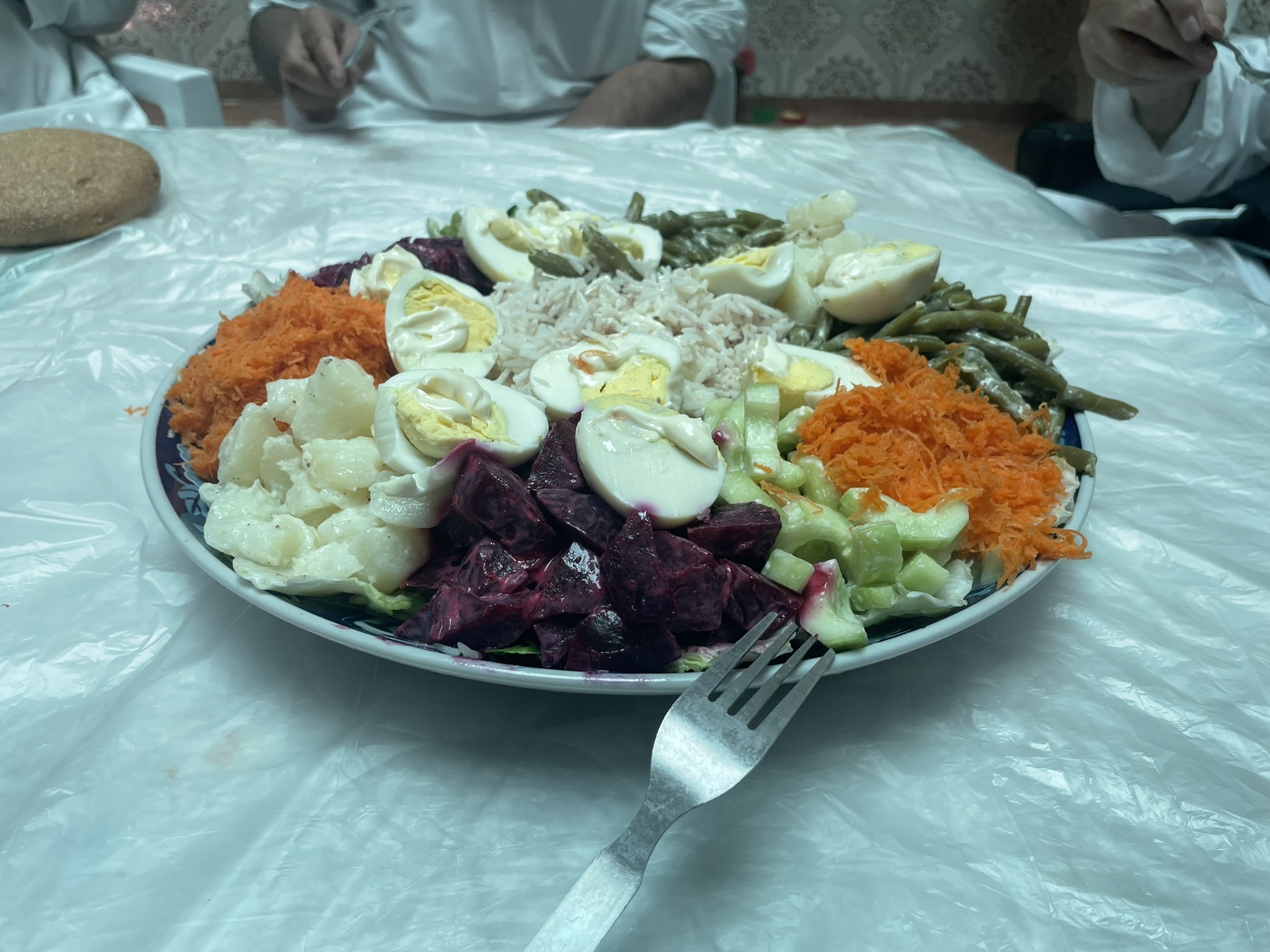
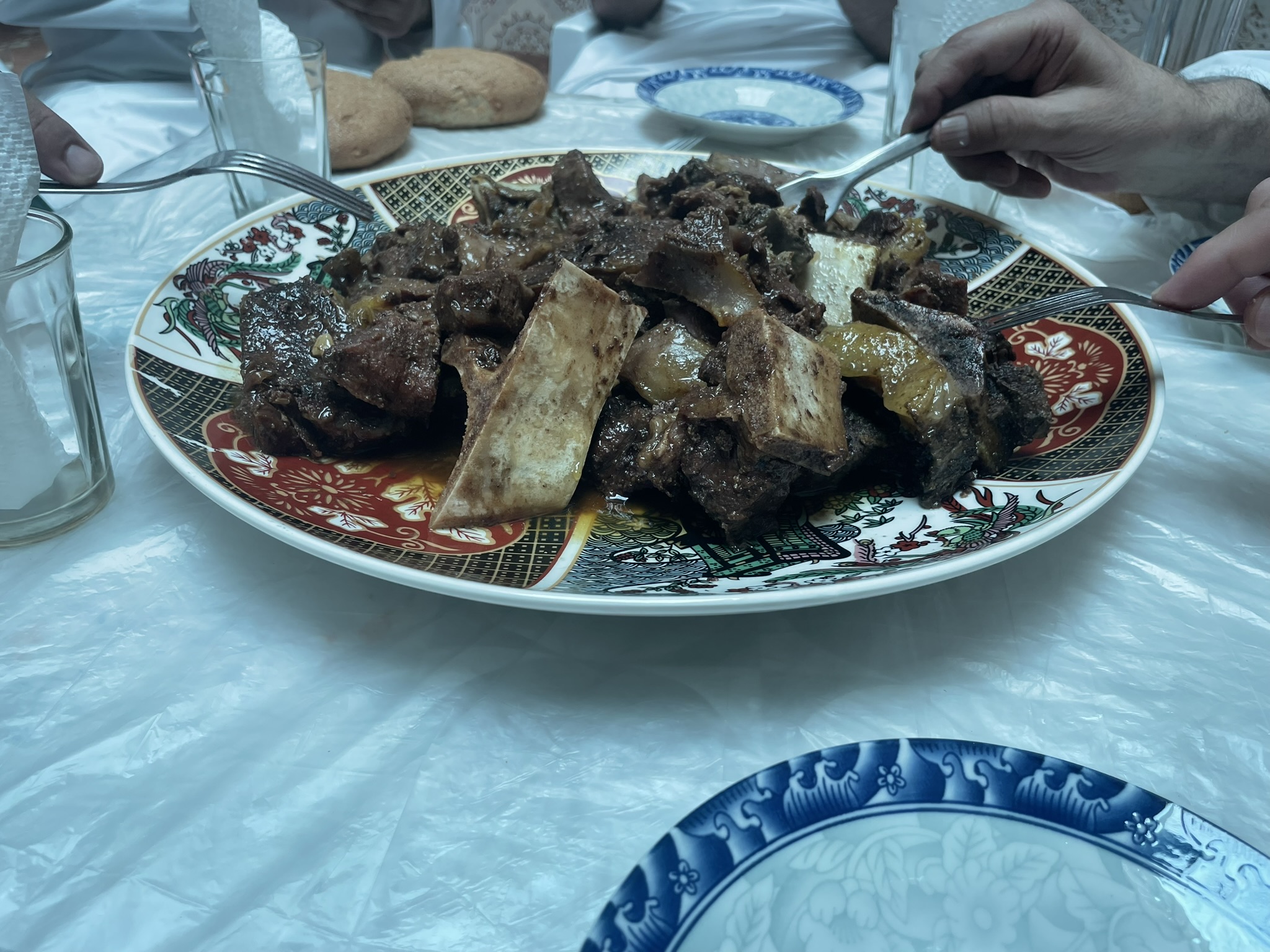
Koutoubia Mosque and Jemaa el-Fnaa
We return to the Hotel Oudaya at 4pm, rest for a short while and thereafter go for some shopping.
We eat ice cream at Da Vinci Gelateria (Bd Abou Oubeida Al Jarah, Marrakech 40000) and thereafter perform Magrib Ṣalāh at Koutoubia Mosque, the city’s historic and largest mosque that was founded in 1147 CE. The Masjid is in the southwest medina quarter of the city, near Jemaa el-Fnaa, and is surrounded by beautiful large gardens. The design of the 77-metre tower reminds me of the La Giralda (Minaret) in Seville, Spain which may have been the inspiration for this. This is an important landmark and symbol of the city. It is called Koutoubia because once upon a time it was home to hundreds of booksellers around the mosque.
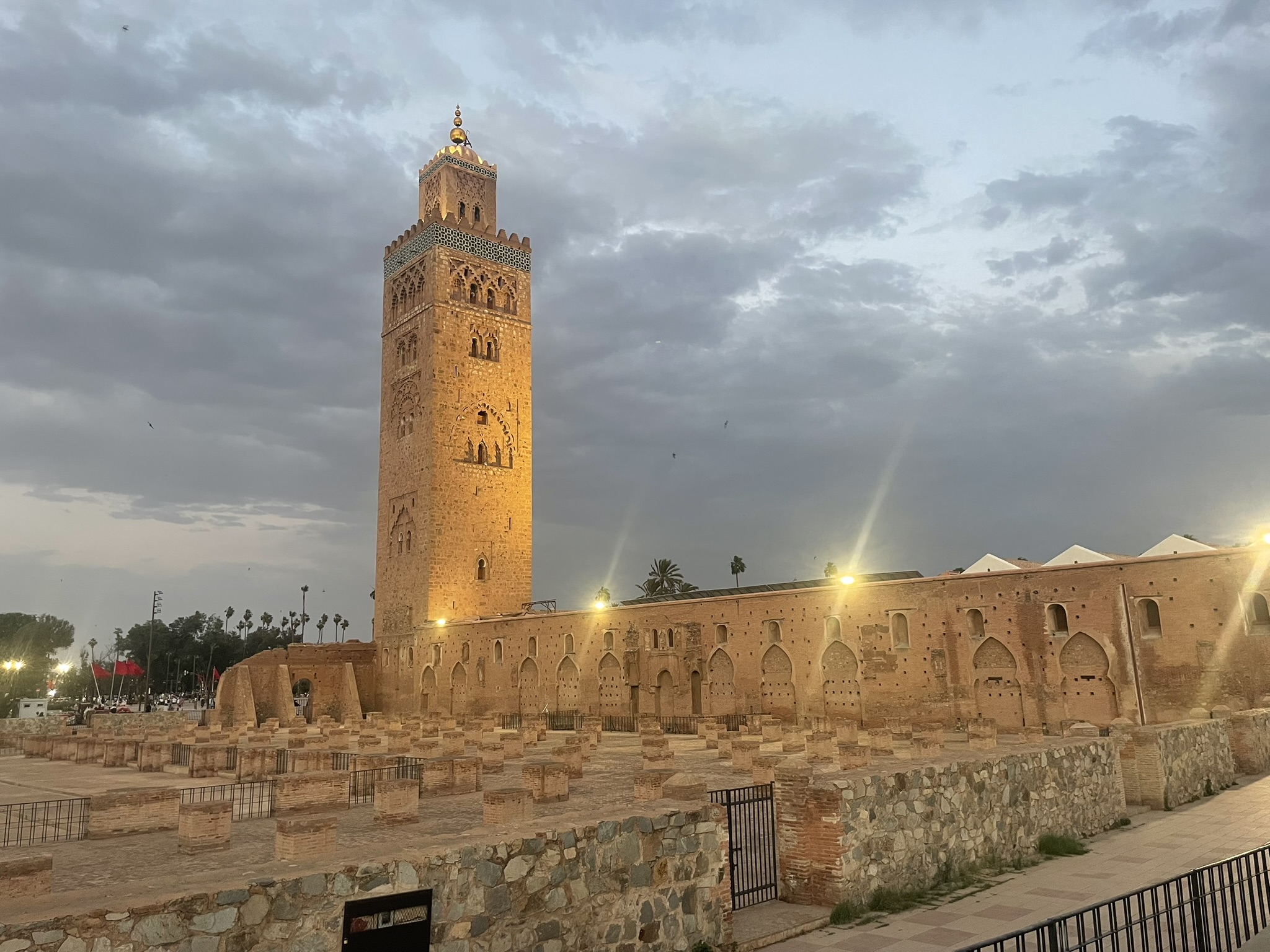
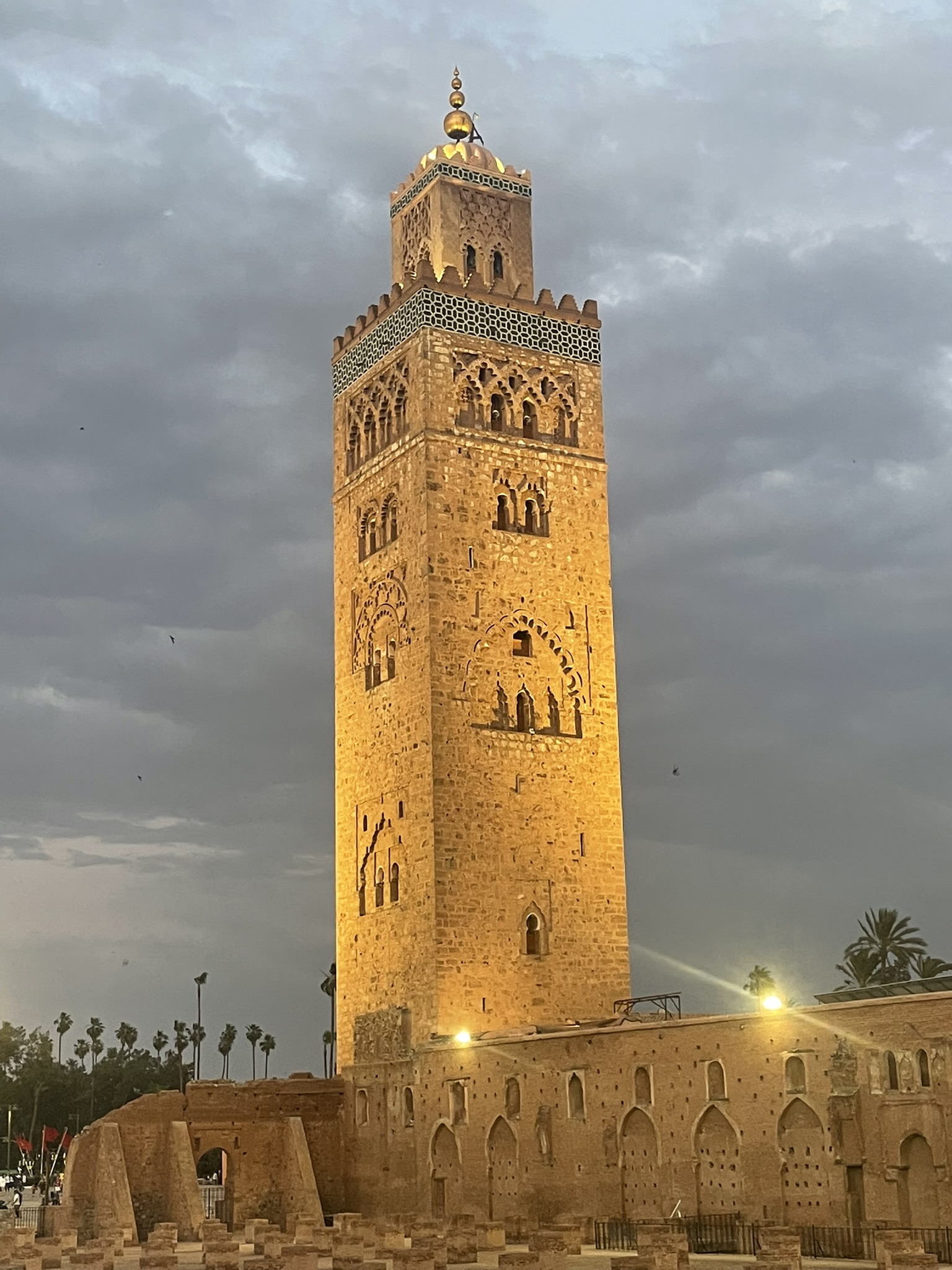
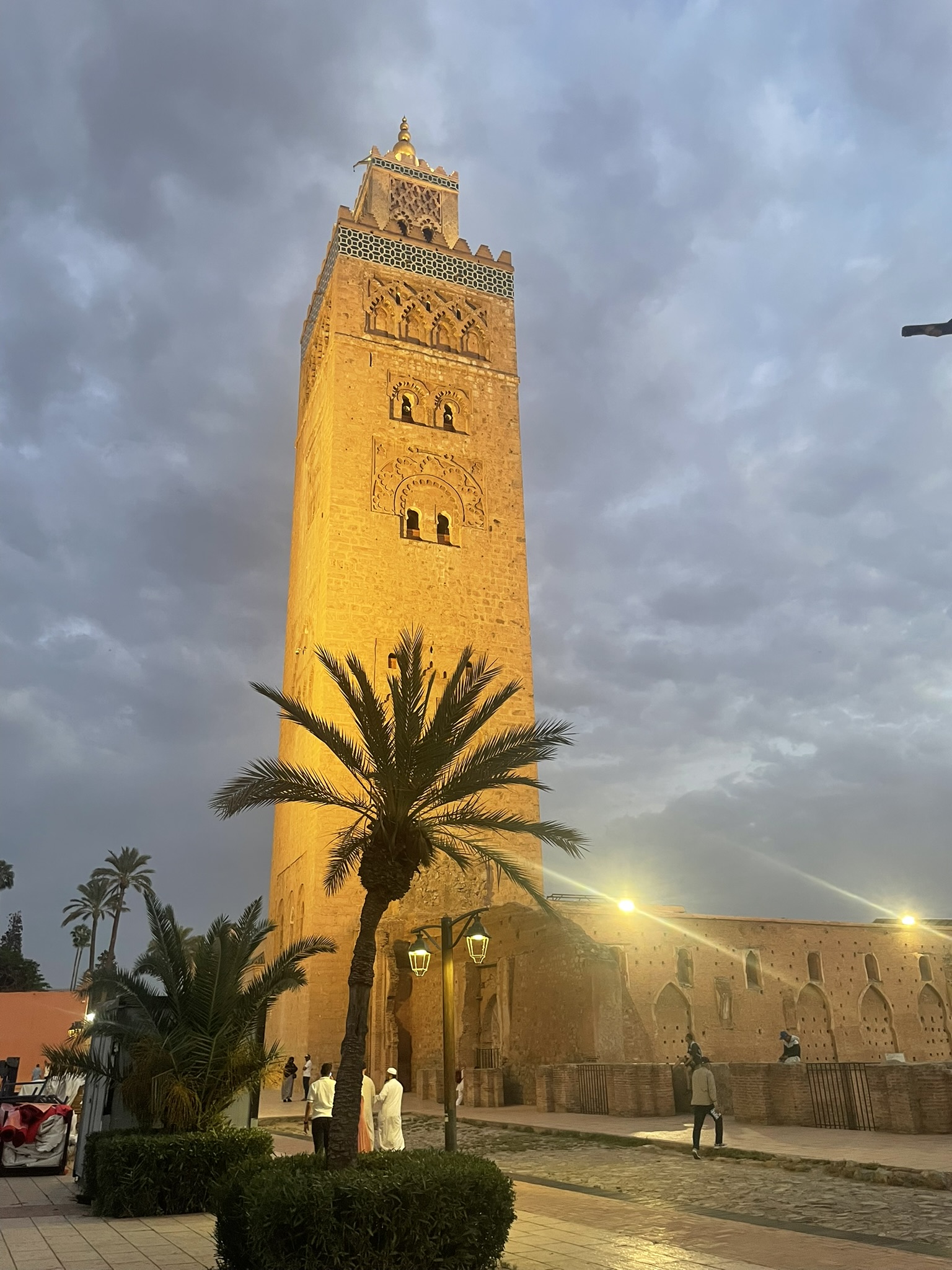
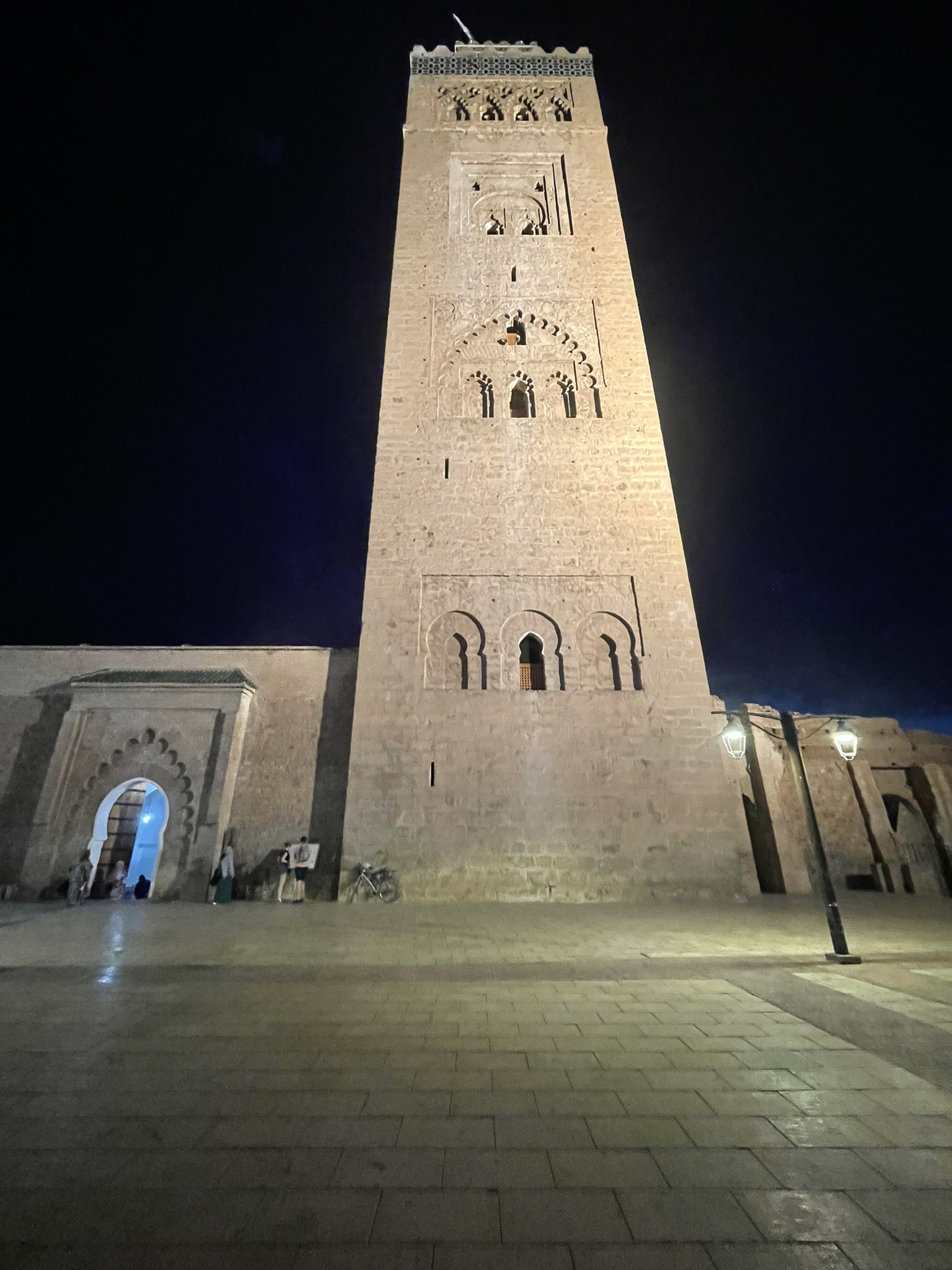
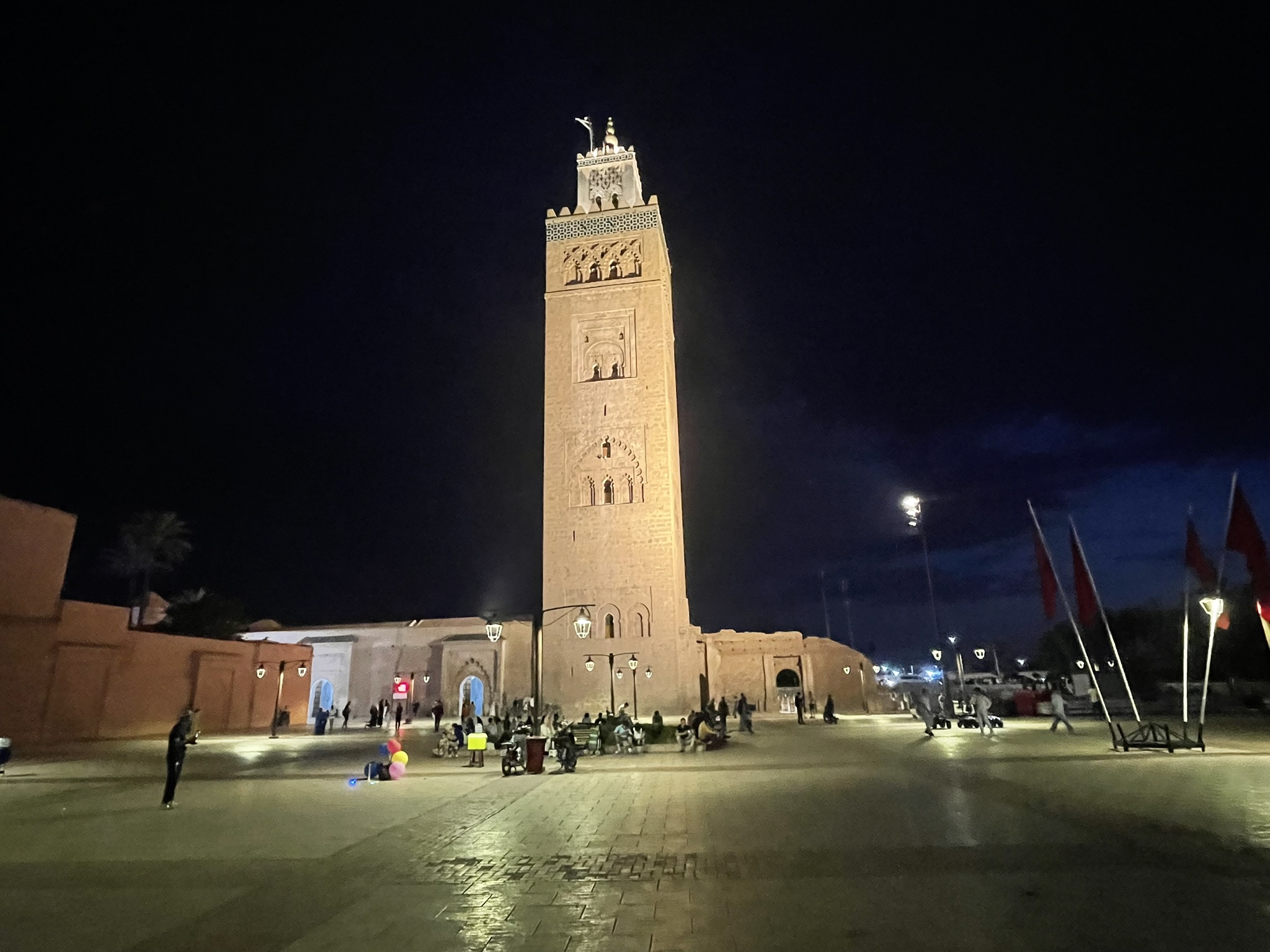
We perform ablution here. The toilet and ablution facilities are poor which is typical of Morocco. The recitation of the Imām in Magrib Ṣalāh is beautiful. The Imām here is facing south based on the direction of the Masjid, the people behind are divided, some follow the Imām whilst others are performing southeast which is the actual Qiblah.
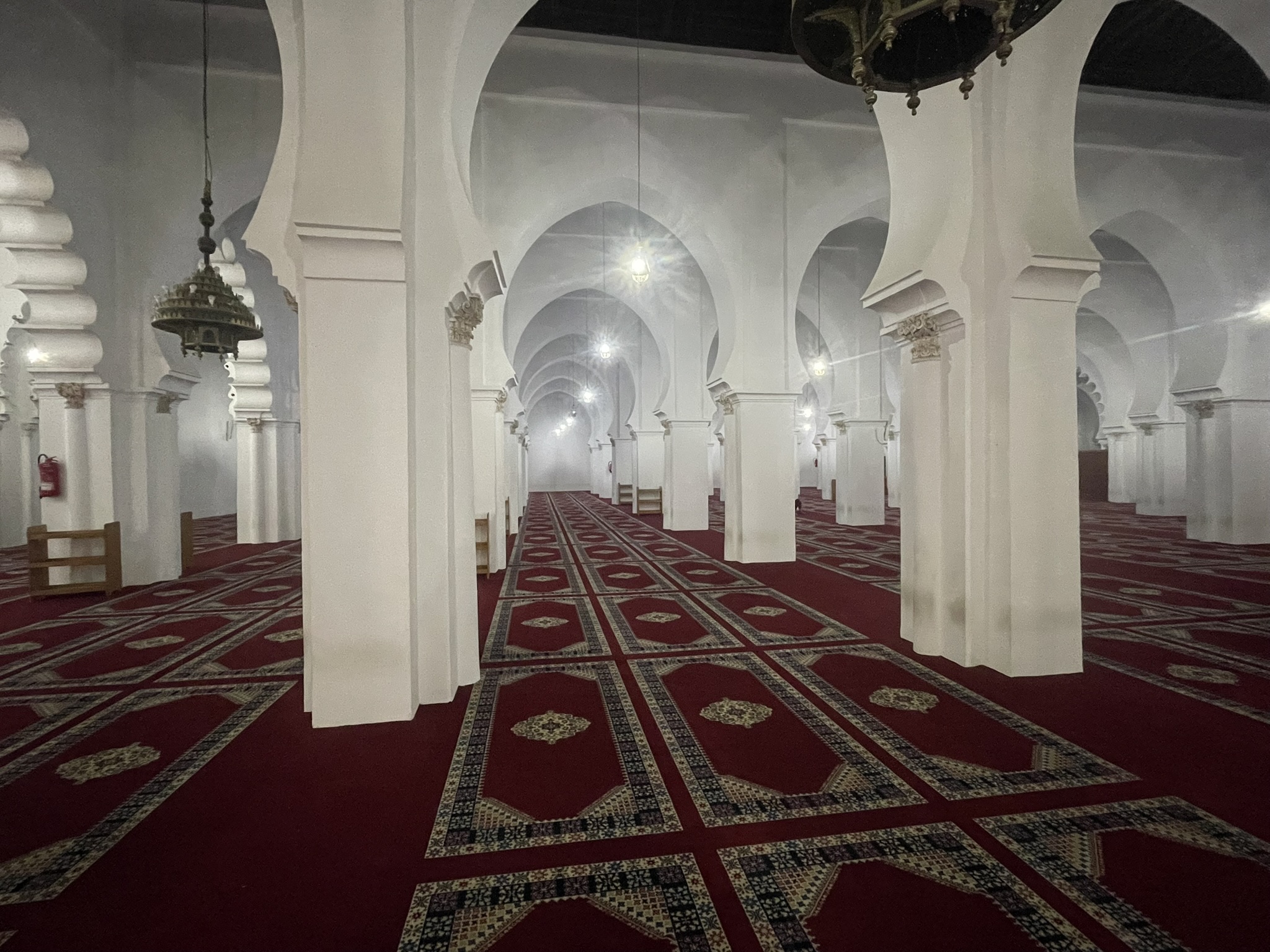
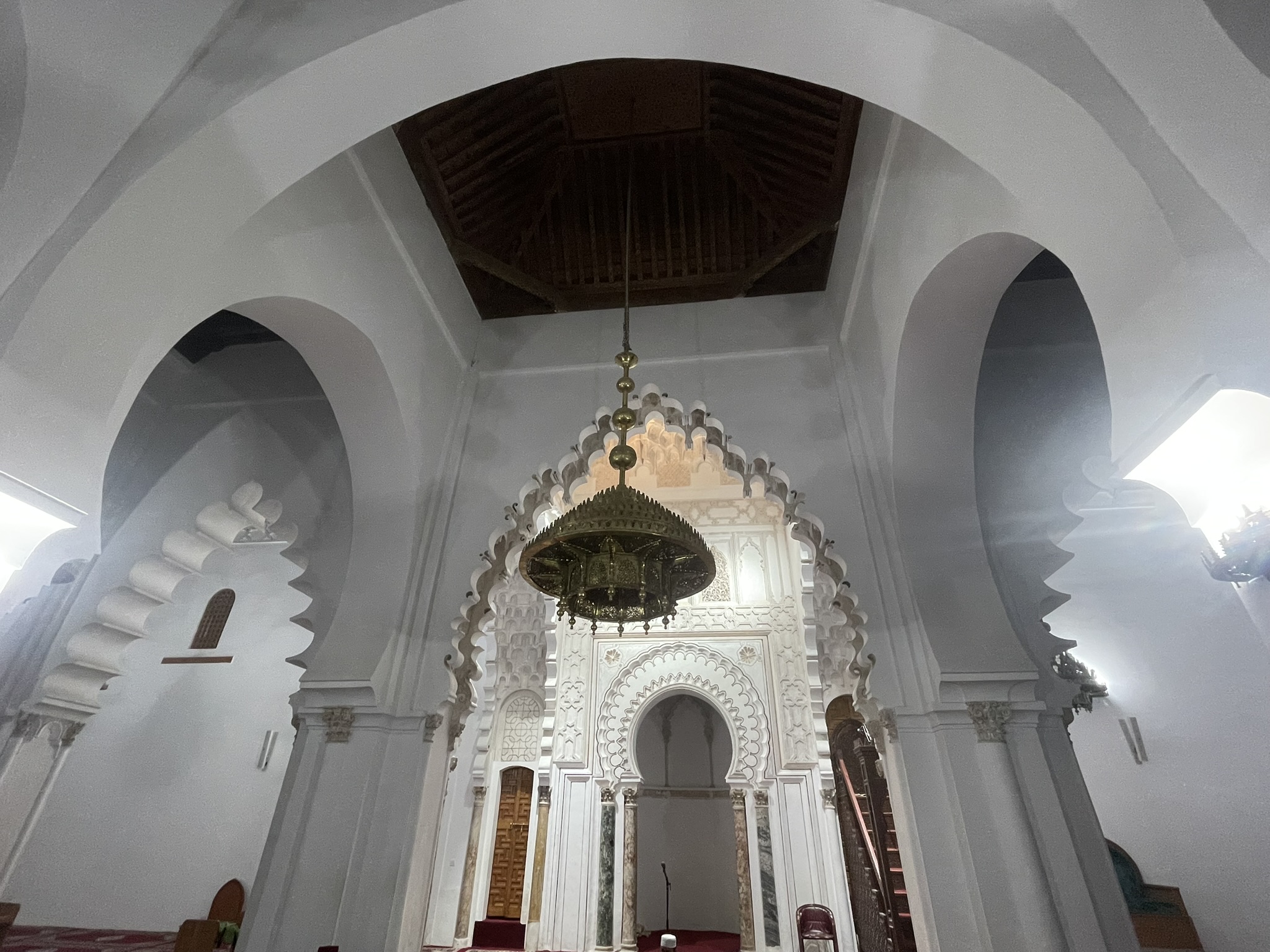
After Ṣalāh, we visit the Jemaa el-Fnaa square nearby which is regarded as the heart of the city for locals and tourists. During the day, it is predominantly occupied by orange juice stalls, water sellers with traditional leather waterbags and brass cups, and snake charmers. As the day progresses, the snake charmers depart, and the square becomes more crowded with dancing-boys, storytellers, magicians, and peddlers of traditional medicines. As darkness falls, the square fills with dozens of food-stalls as the number of people on the square peaks. The square is edged along one side by the Marrakesh souk, a traditional market. On the other side are hotels and gardens and café terraces, and narrow streets lead into the alleys of the medina quarter. Mawlānā Bilāl does some shopping, whilst the rest of us purchase fresh juice from the numerous outdoor juice shops, which is the perfect refresher for the hot weather.
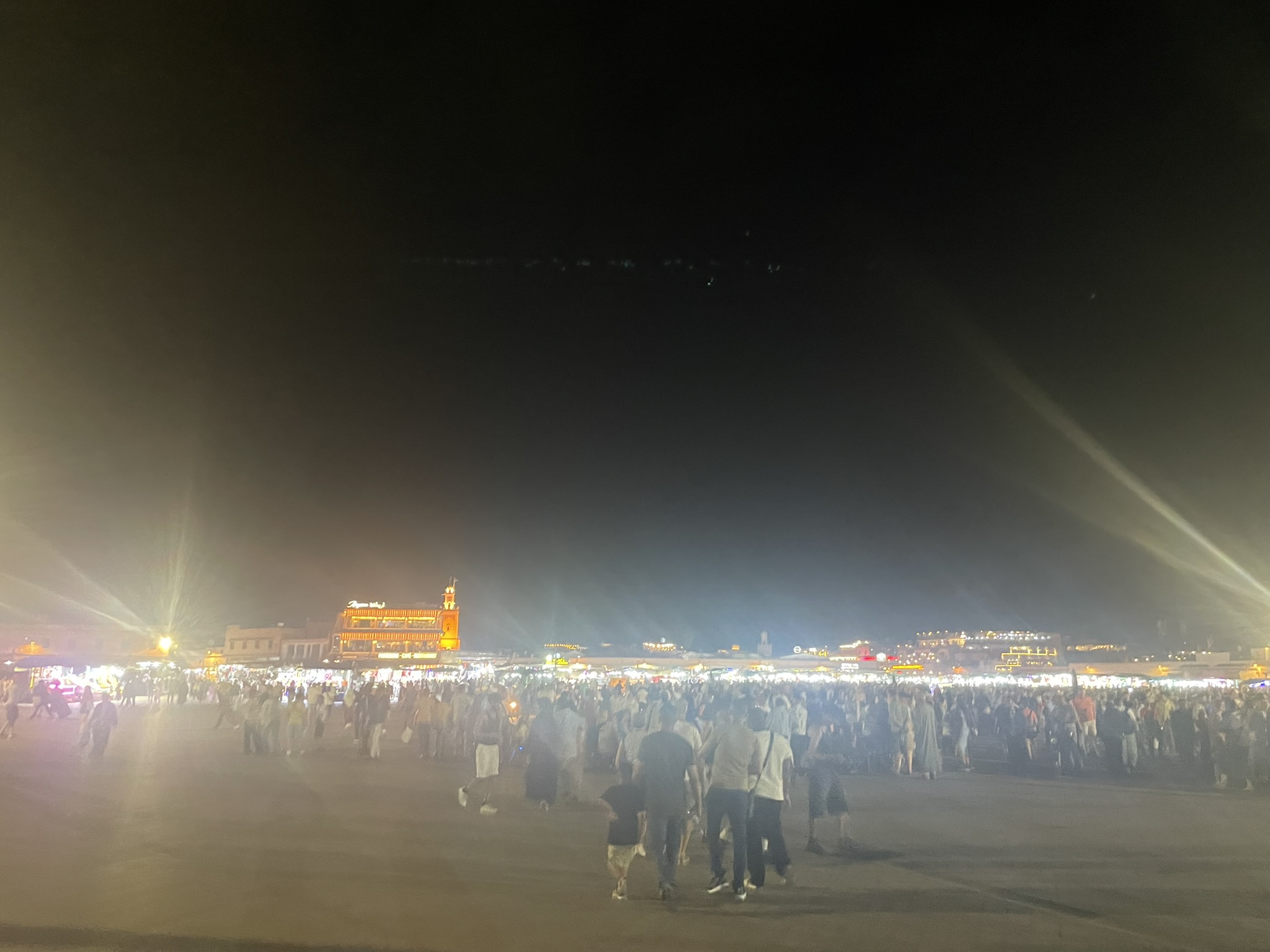
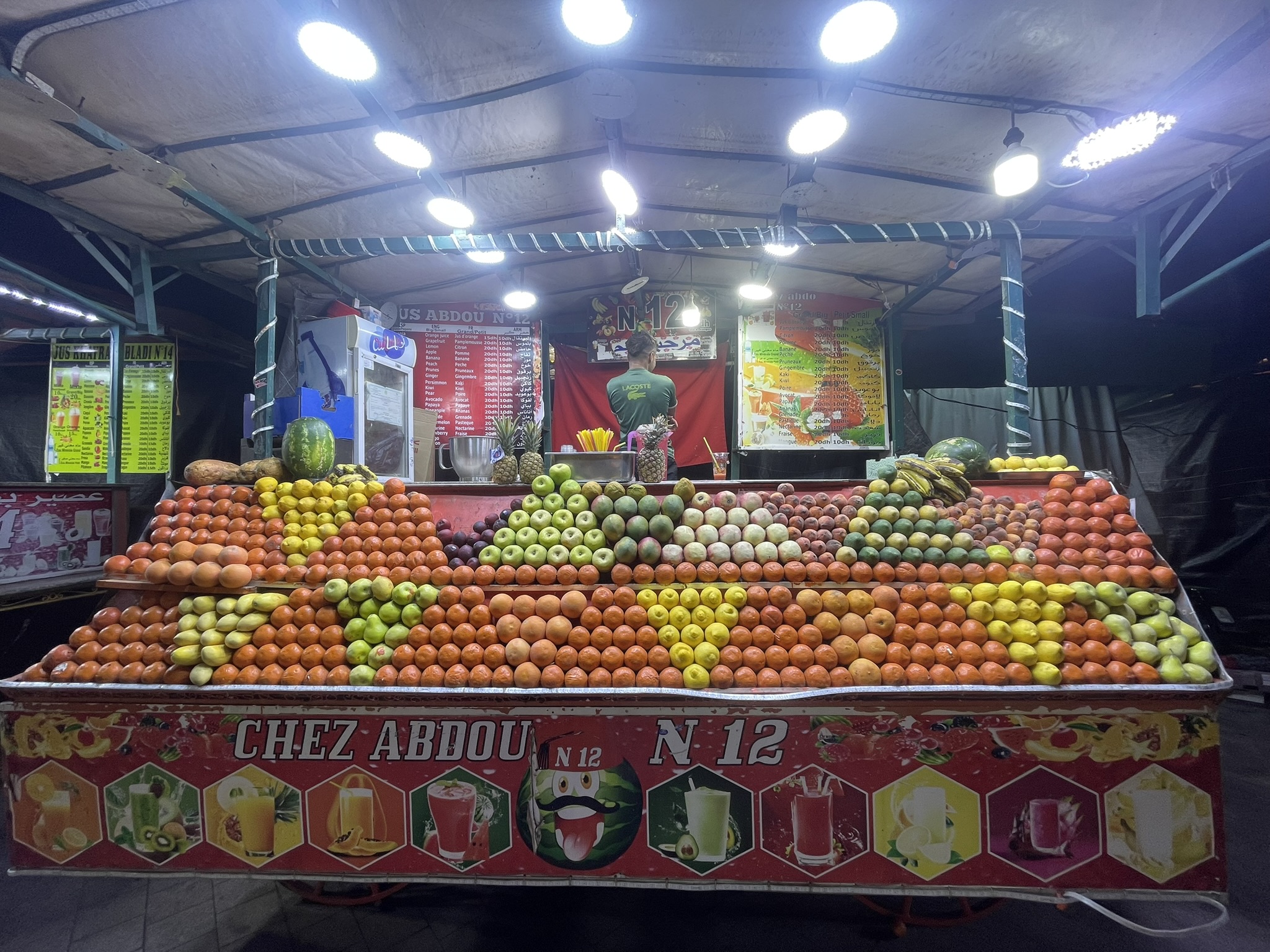
Meeting UK scholars in one-year Tablīg
We return to the hotel and meet with Mawlānā Nūr of Bolton and Mawlānā Zakariyyā of Manchester who are currently in Tablīg Jamāʿat here for one year. They explain that the work of Tablīg is permitted here from within homes, not within the Masjids. Earlier, Mawlānā Khalīl had mentioned to Mufti Ṣāḥib and this is reconfirmed that when the King of Morocco, Mohammed V (d. 1380/1961) was exiled in Madagascar, a Tablīg Jamāʿat led by Mawlānā Saʿīd Aḥmad Khān (d. 1419/1998) arrived there and met him. The King was impressed. Years later, Mawlānā Saʿīd Aḥmad Khān travelled to Morocco and was given an audience with the King who remembered the earlier encounter, and from that day the work of Tablīg has been permitted here. Mawlānā Nūr and Mawlānā Zakariyyā share with us their experiences, they also spent some time in Mauritania. We also discuss the split within Tablīg. I humbly suggest that much of the problems within the Ummah occur when we make the means into the objective, and when we restrict the effort of Dīn to one sphere. May Allah Almighty unite the Ummah. Āmīn.
Day 5 – Sunday 24 May 2026
Return Home
We eat breakfast at our Hotel Oudaya at 7am and thereafter have our final meeting with Mufti Ṣāḥib in his room. I ask Mufti Ṣāḥib regarding several texts in Kitāb al-Aṣl of Imām Muḥammad (d. 189/805) which suggest that if a person misses Sajdah al-Sahw, the Ṣalāh will be complete and it does not need to be repeated. Further, ʿAllāmah Sarakhsī (d.ca. 490/1097) has written that according to Imām Muḥammad in Kitāb al-Aṣl, Sajdah al-Sahw is wājib. This indicates that the omission of Sajdah Sahw, albeit wājib, will not necessitate the repeating of the Ṣalāh. Mufti Ṣāḥib comments, “I have not thought about this. The Madhhab is not just what the earlier scholars state, rather what the later scholars have adopted. That will be regarded as the Madhhab.” I have still to come across the basis for the Ṣalāh to be repeated, whether within the time of Ṣalāh only or thereafter also, and where this has originated from in the texts of the jurists. I have discussed this issue in detail within one of our written answers.
Mawlānā Khalīl and I depart for Marrakesh Airport, whilst Mufti Ṣāḥib, Mawlānā Bilāl, Shaykh Muḥammad Ouchānī and Qārī Ḥasan depart for Casablanca Airport. Mufti Ṣāḥib and Mawlānā Bilāl are flying to Pakistan via Dubai. We board the 10.40am EasyJet flight and arrive at Liverpool John Lennon Airport at 2pm. Mawlānā Jābir Ibrāhīm kindly collects us just as he kindly dropped us to Manchester. Shaykh Muḥammad Ouchānī is planning to return to the UK after a few days. He and his brothers left no stone unturned in ensuring a comfortable journey and undertaking all the arrangements at their own expense despite our insistence otherwise. May Allah bless them. Āmīn.
Conclusion
Reflecting on our journey, it has been extremely worthwhile and memorable. The diverse landscapes, vibrant cities, medieval medinas alongside the modern cities, warm hospitality and Islamic history of the country make it an ideal destination. The weather is good. The people are humble. The country is clean and safe. The transport infrastructure and the roads are good. Travelling with Mufti Ṣāḥib added to the experience. Mufti Ṣāḥib is an ocean of knowledge, but extremely humble and easy going. The company of Mawlānā Khalīl, Shaykh Muḥammad Ouchānī and Qārī Ḥasan further enhanced the experience. Memories of our Darul Uloom Bury and our Ḥaḍrat Mawlānā Yūsuf Motālā (d. 1441/2019) were revived. During my studying days, I would practice my Arabic speaking with Shaykh Muḥammad Ouchānī and we would often have light-hearted debates about the Mālikī and Ḥanafī fiqh. The journey was short. A future visit can include Tangier, the birthplace of the famous traveller, Ibn Battuta, and a meeting with the Rabat based Shaykh Saʿīd al-Kamalī (b. 1392/1972) who was eager to meet us but was abroad for medical treatment. May Allah Almighty grant ʿĀfiyah and Shifāʾ to him and to our respected teacher, Ḥaḍrat Mawlānā Muḥammad Bilāl Bāwā (b. 1379/1960) who has been hospitalised since a few weeks. Āmīn.
Yusuf Shabbir
20 Dhū al-Ḥijjah 1446 / 6 June 2026