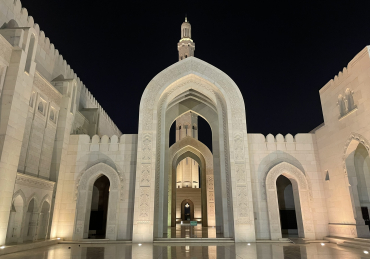
Two Days in Denmark and Norway
In the Name of Allah, the Merciful, the Beneficent
Introduction
The United Kingdom is home to an established network of mosques, maktabs, madrasas, Muslim schools and other institutions notwithstanding the ever increasing internal and external challenges. Many European countries however do not benefit from the same infrastructure, despite some countries like France having more Muslims than the UK. This is something Mawlānā Muḥammad Aḥmad of Ummah Welfare Trust and my dear brother Mufti Muḥammad have been discussing over the past few days. Initially, we decide to visit to France and Italy to understand the needs of the Muslims there and identify ways in which they can be supported and empowered. However, it is currently holiday season and we are advised that it would be more worthwhile to visit the two countries during term time.
Another country that was brought to the attention of Mawlānā Muḥammad by our respected Shaykh al-Islam Mufti Muhammad Taqi Usmani (b. 1362/1943) is Denmark. Mufti Ṣāḥib sent a talented student of his, Mufti Imtiaz ʿAlī to Denmark and requested Mawlānā Muḥammad to support him. We thus decide to travel to Denmark and Norway on Tuesday 29 July 2025 to understand the needs and the situation of Muslims in both countries. We board the 10.10am SAS airlines from Manchester to Copenhagen, which is delayed by an hour.
Denmark
Our flight enters the Swedish airspace and descends into Copenhagen Airport at 2pm, local time, which is currently an hour ahead of the UK. The world-famous iconic Öresund Bridge between Denmark and Sweden is visible from the aeroplane. The landmark features an 8km bridge, a 4km tunnel, and an artificial island called Peberholm.
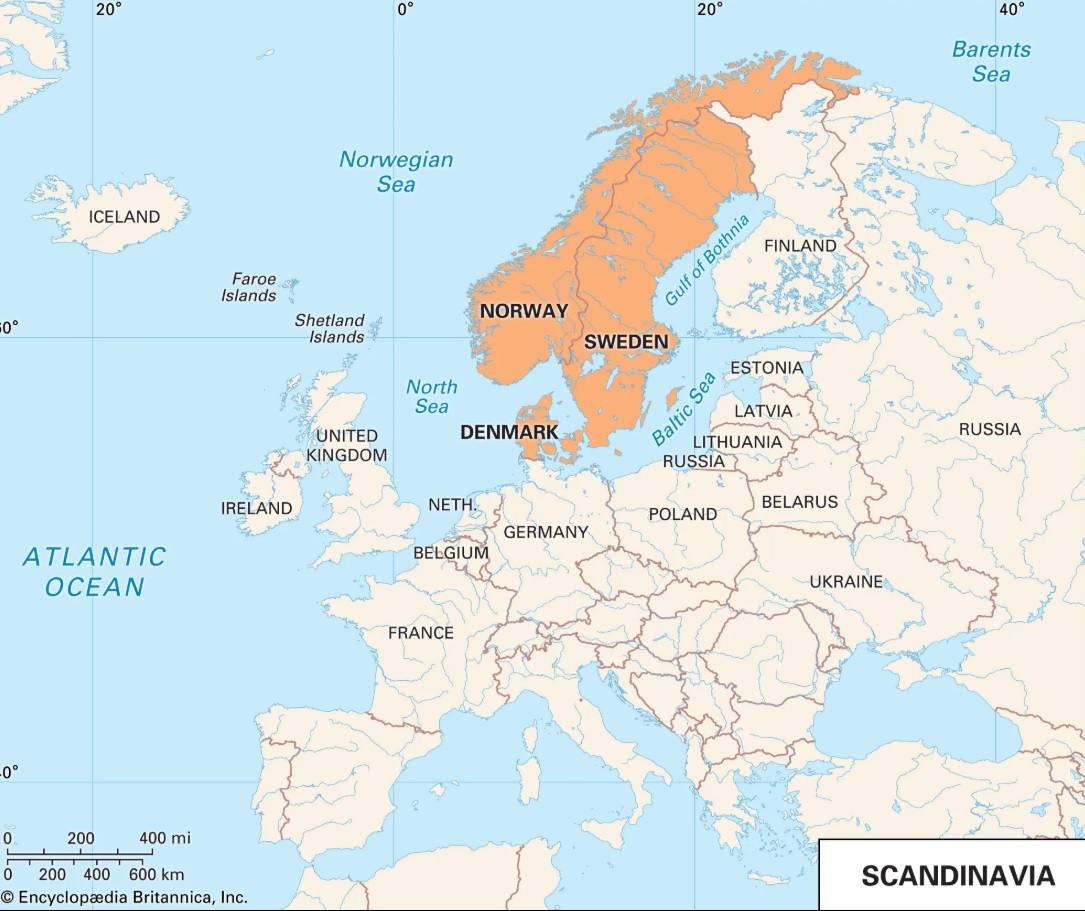
This is my first time in Copenhagen, the capital of Denmark. The Nordic country is situated in Northern Europe and is the most populous constituent of the Kingdom of Denmark, which includes the autonomous provinces of the Faroe Islands and Greenland in the North Atlantic. Greenland is 500 times larger than Denmark but has 100 times less people. Home rule was granted to the Faroes in 1948 and to Greenland in 1979, though foreign and defence policy remain under Danish control.
Denmark consists of the northern Jutland peninsula and an archipelago of more than 400 islands. It is the southernmost of the Scandinavian countries, lying southwest of Sweden, south of Norway, and north of Germany, with which it shares a 42-mile land border. The North Sea lies to the west and the Baltic Sea lies to the east. The capital, Copenhagen is located primarily on Zealand whereas the second largest city, Arhus, is the major urban centre of Jutland. The country’s population is over 6 million. The currency here is the Danish Krone, £1 is approximately 8.5 Danish Krone. The official language is Danish although English is commonly understood and spoken here.
Islam in Denmark
We are received at the airport by Mufti Imtiaz Ṣāḥib and brother Junaid from Peshawar, who advises us that the laws on seat belt are very strict. The weather at this time of year is good, 20 degrees Celsius.
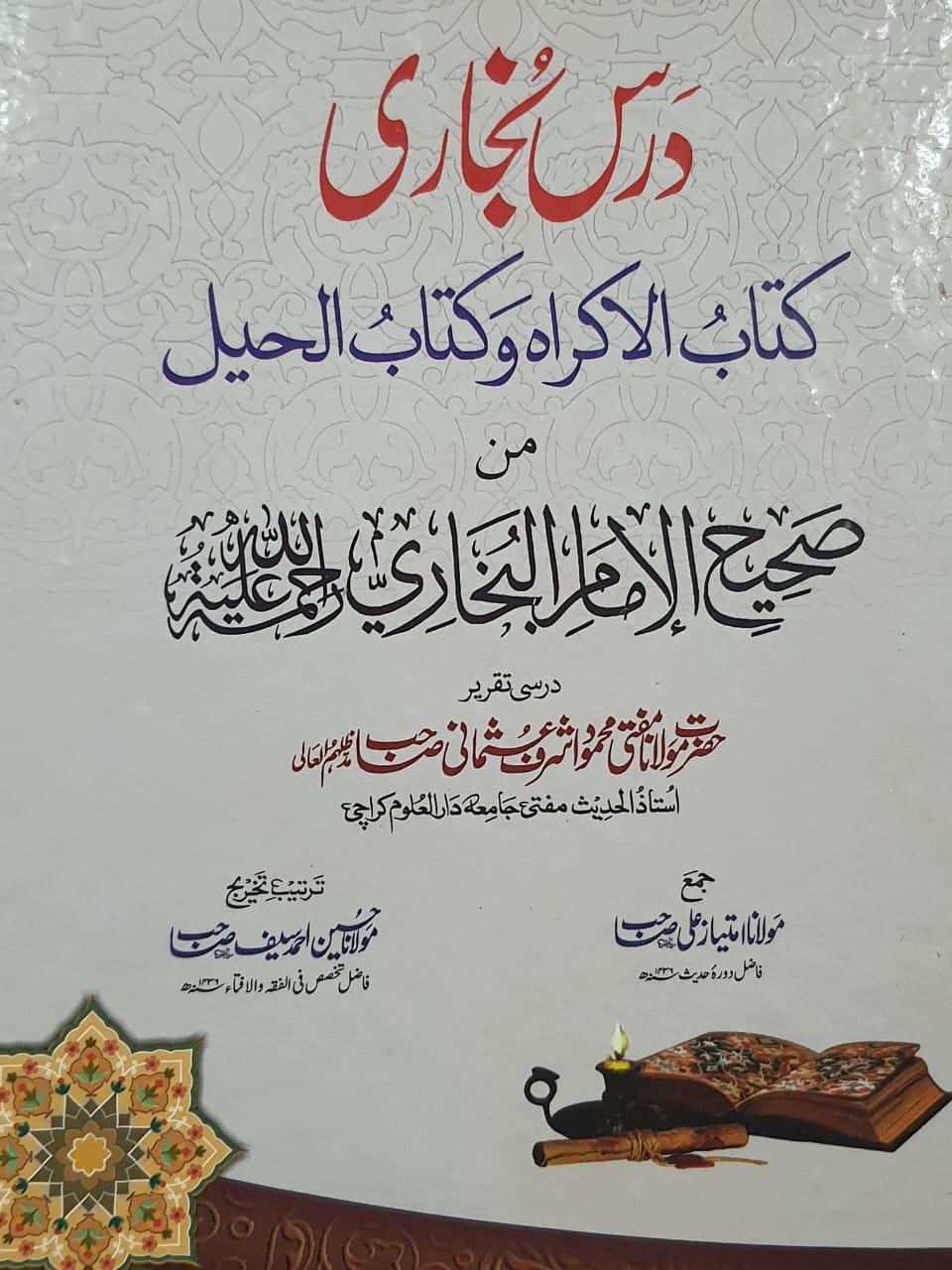
Mufti Imtiaz Ṣāḥib is originally from Mardan, Pakistan and graduated from Darul Uloom Karachi in 2014. He has been in Denmark for four years serving at the Usmani Islamic Centre. He is the author of several Urdu books including Maʿārif al-Sunnah min Ṣaḥīḥ al-Bukhārī (featuring the discourses of Mufti Maḥmūd Ashraf Usmani) and Dars Bukhārī Kitāb al-Ikrāh wa Kitāb al-Ḥiyal min Ṣaḥīḥ al-Bukhārī (featuring the lessons of Mufti Maḥmūd Ashraf Usmani) along with a revised and annotated edition of ʿUlamāe Deoband kā Dīnī Rukh awr Maslakī Mizāj by Ḥakīm al-Islām Qārī Muḥammad Ṭayyib Ṣāḥib (d. 1403/1983).
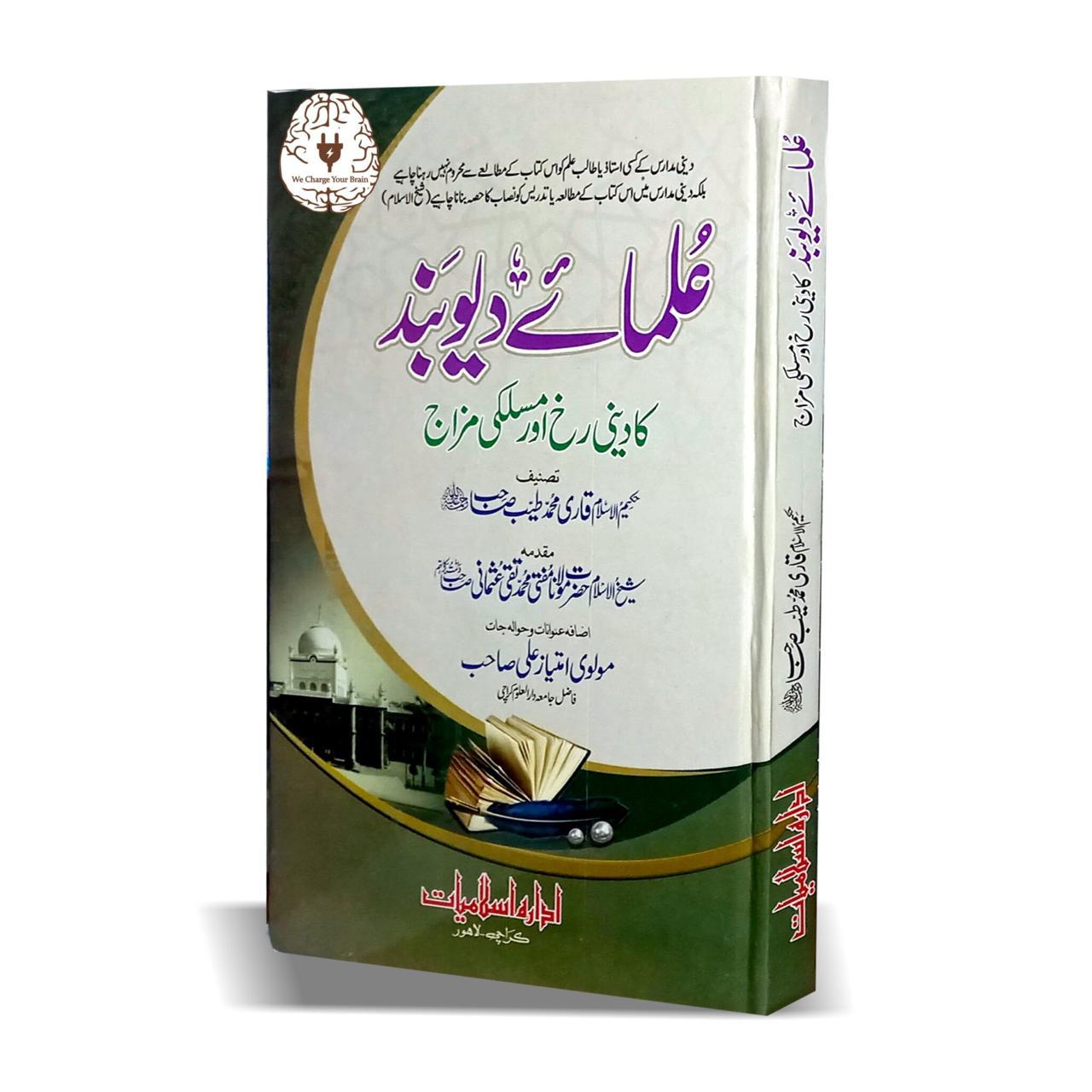
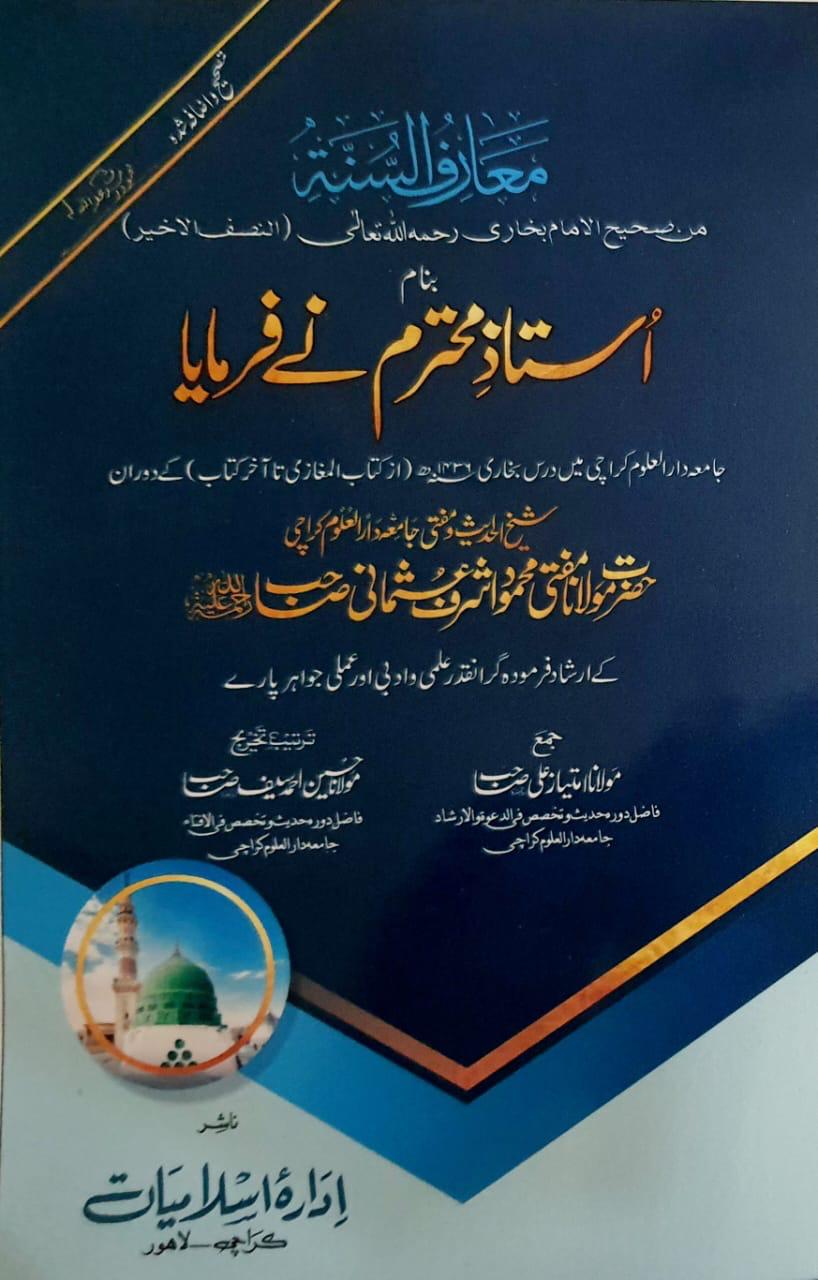
Mufti Imtiaz Ṣāḥib explains that Denmark is home to 400,000 Muslims of various ethnic origins including Turkey, Iraq, Syria, Somalia, Pakistan, Afghanistan and Bangladesh. The majority reside here in Copenhagen. There are 23 mosques, which include three Masjids run by Minhajul Quran, that is well established here. The Deobandi community here has three small muṣallas, and the fourth Usmani Islamic Centre muṣalla closed down. The Tablīg effort requires strengthening, the centre is Makki Masjid and it is guided by Dewsbury Markaz. The Qatari Masjid is a large purpose-built Masjid funded by the Qataris. There is a lot of Islamophobia in the country. The face veil is banned. Following the establishment of the Qatari Masjid, foreign funding for building mosques has been prohibited. The Turkish and Moroccan communities also have large Mosques. Some Islamic organisations take interest-based loans. The Shiites have a centre and the Aḥmadīs (Qādiyānīs) have a large centre. The Danish Muslim Union is an umbrella organisation with which many Mosques are affiliated.
From an education perspective, the greatest challenge is that the Maktab system is very weak. The Turks have some Muslim schools. There is no Darul Uloom here. Previously, when it was possible, some students studied in Darul Ulooms in the UK. However, this is no longer possible after Brexit. There is also another challenge that the few graduates who studied and graduated from the UK are predominantly not in full time religious jobs, because the living expenses are high and the Islamic organisations are unable to or unwilling to afford their salaries.
From an economic perspective, the Pakistanis are generally in the taxi industry, the Turks are in the food and hospitality sector, and the Afghans are in the cycling sector. Cycling is very common here and there are wide cycle lanes throughout the city. One has to be careful near the cycle lanes as the cycles come fast.
Meeting with Shaykh Muḥammad Fuʾād al-Barāzī of the Muslim Association of Denmark
Our first stop in the city is the Nørrebro area, which is home to a large Syrian and Iraqi community.
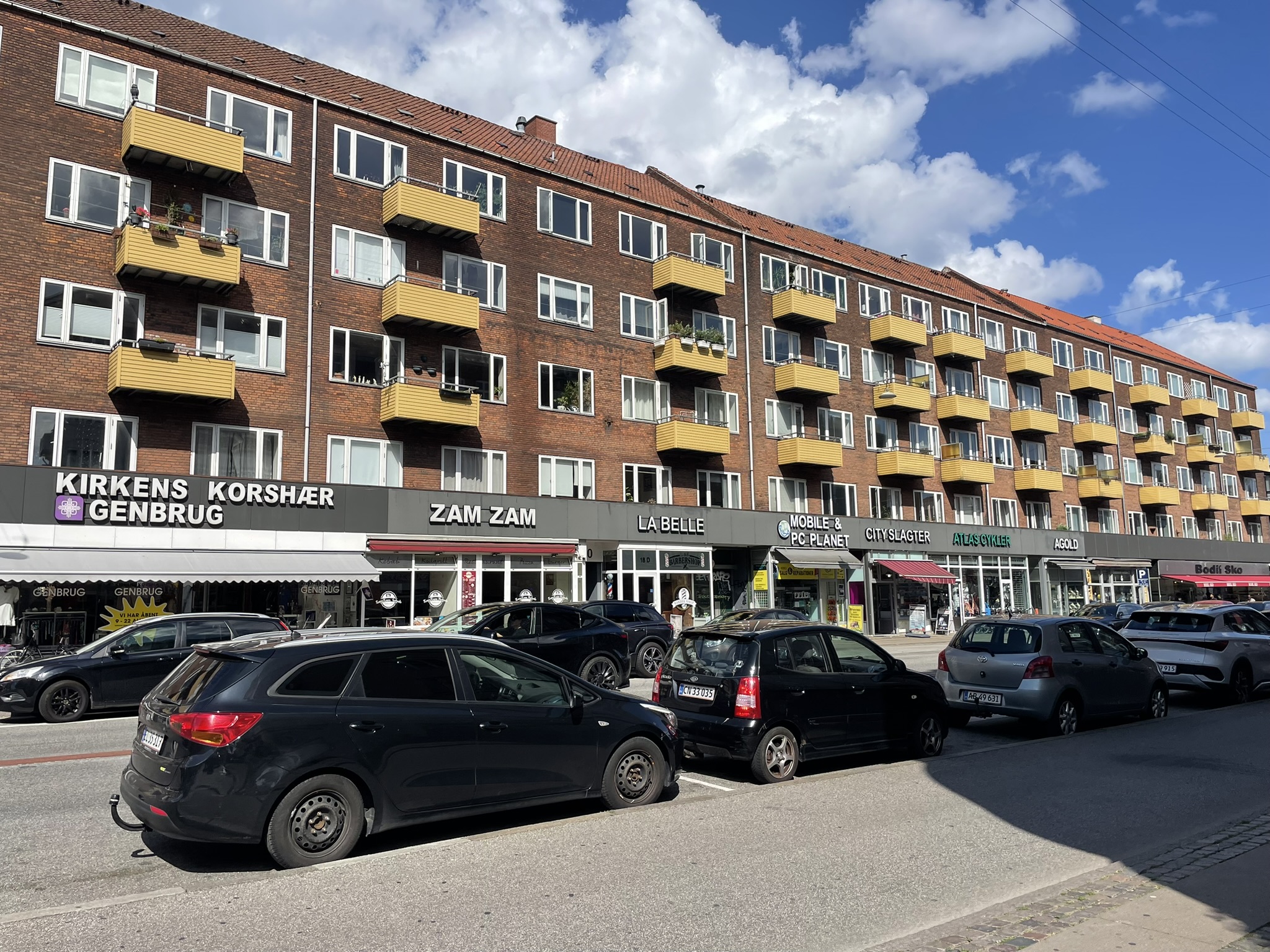
This is also known as old Copenhagen, and this is the area where Muslims first arrived. There is a mosque here known as the Muslim Association of Denmark (al-Rābaṭah al-Islāmiyyah fī Denmark).
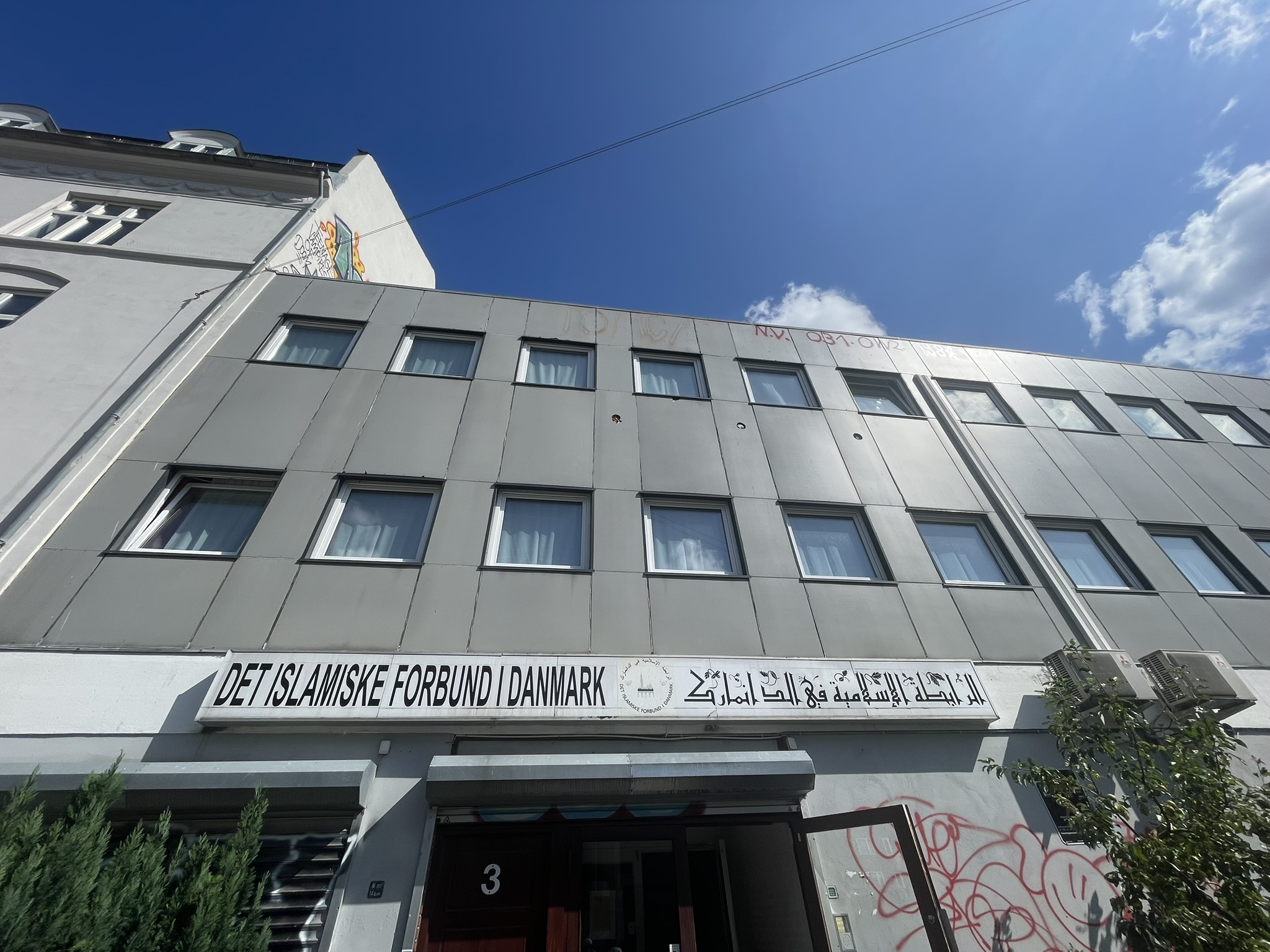
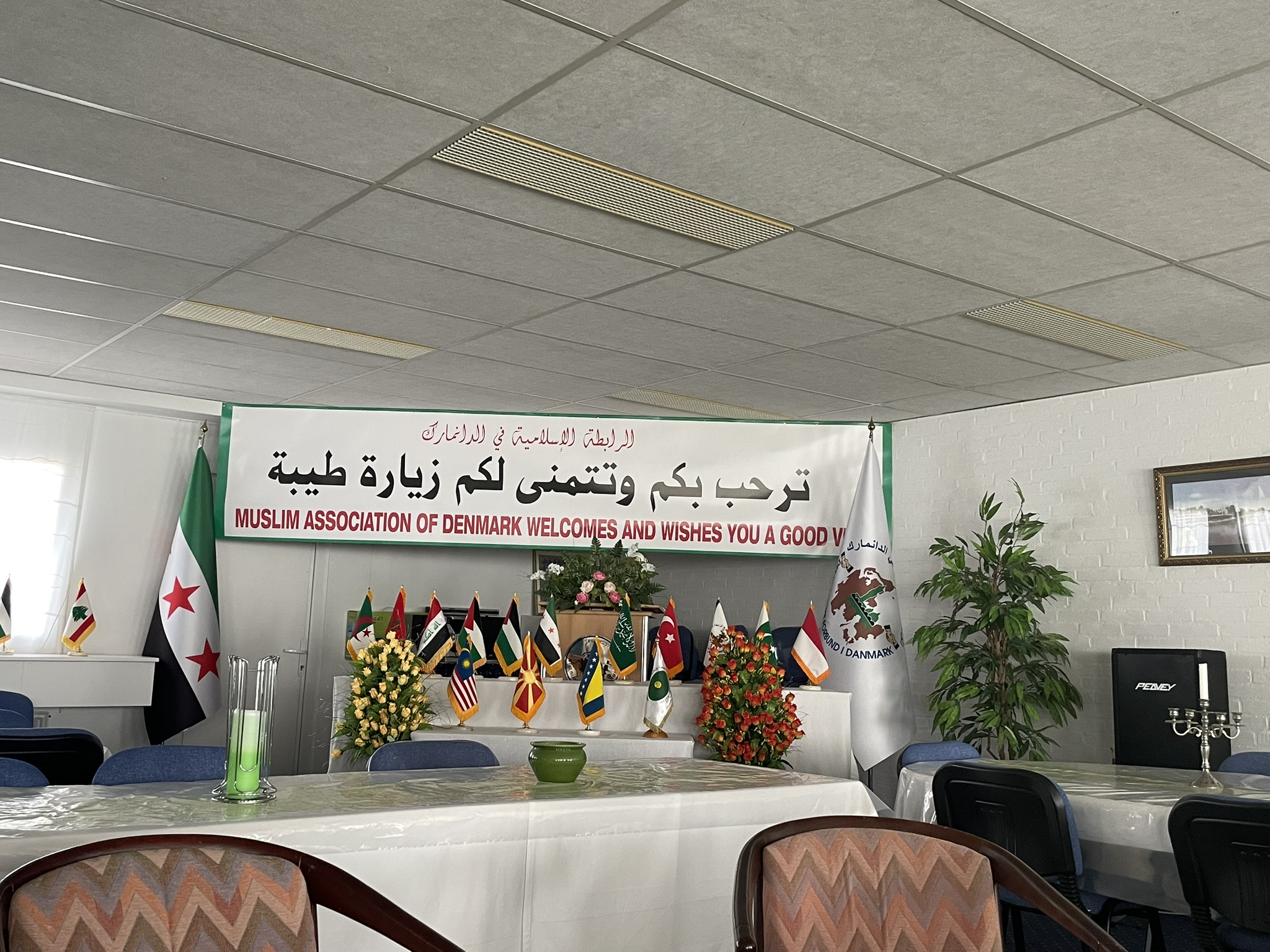
This has no connection to the World Muslim League (Rābaṭah al-ʿĀlam al-Islāmī).
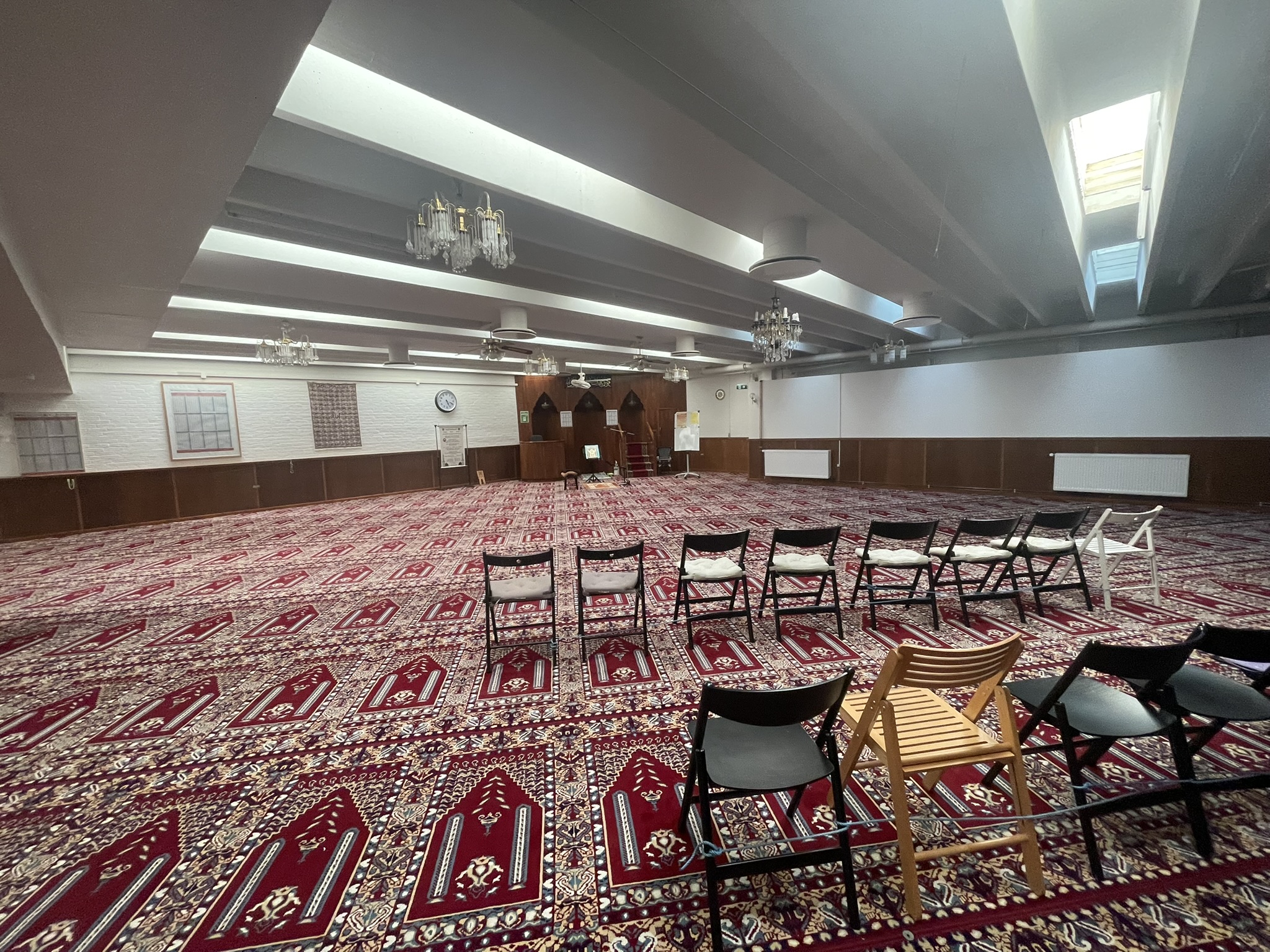
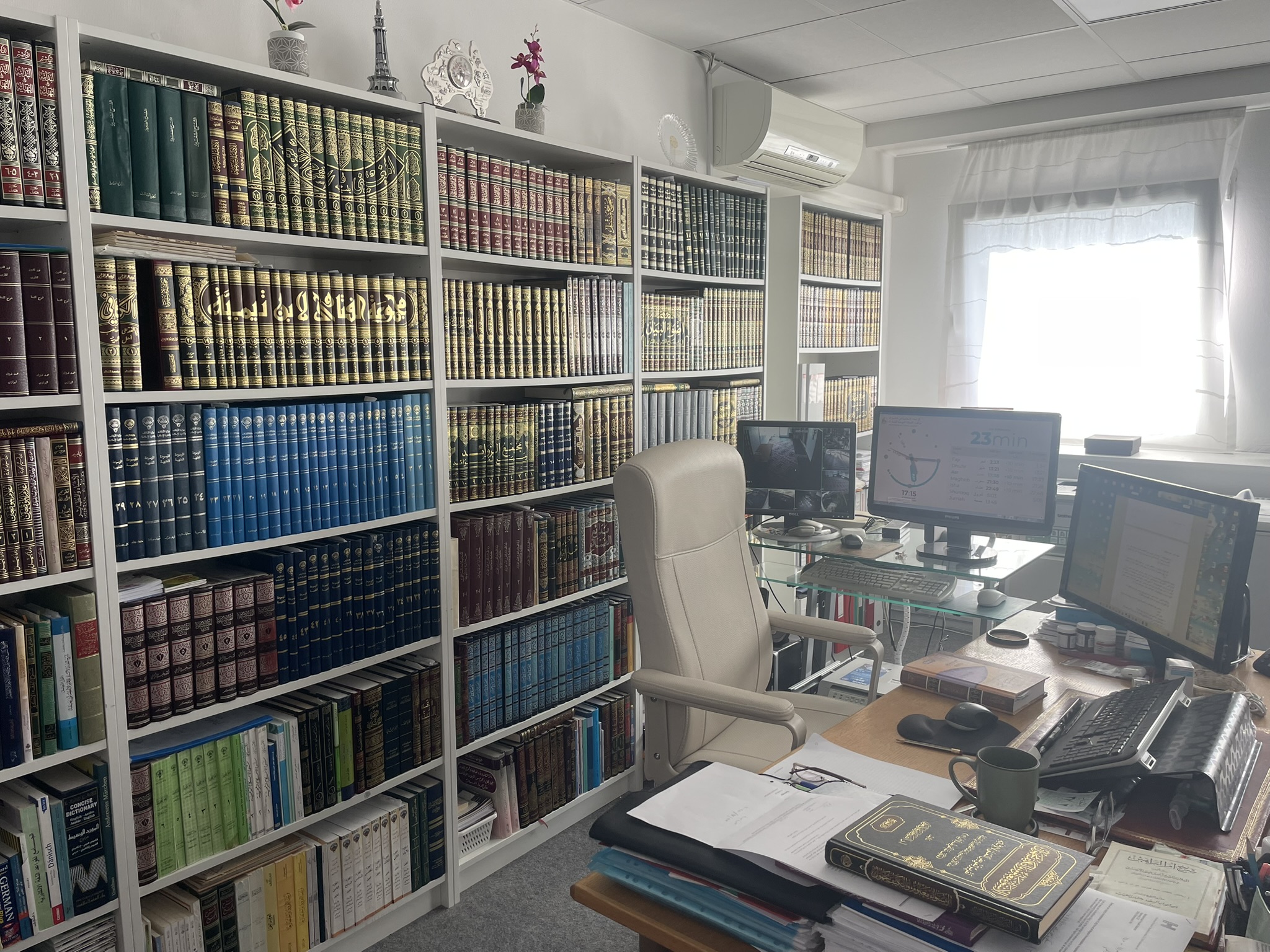
Its founder and lead person is the Syrian scholar, Shaykh Muḥammad Fuʾād al-Barāzi al-Shāmī, who studied under Shaykh ʿAbd al-Fattāḥ Abū Guddah (d. 1417/1997). He resides within the Masjid complex upstairs. He has a large collection of books and is a learned scholar and author of several books.
He teaches al-Ikhityār (a Ḥanafī fiqh text) and al-Fiqh al-Akbar at this mosque. He welcomes us and serves us tea. He is originally from Hama in Syria and left more than fifty years ago due to the situation in Syria. He explains:
“I am 79 years old. I visited Hama in April (2025) 52 years after I left. Most of the people who I knew had passed away, but there were some people who I knew from then who were alive. The Alawites hate Islam, similar to the Hindus, or perhaps even more. I arrived to Denmark in 1991. Before this, I was in the United Arab Emirates for 20 years. There is no Islamic institute of learning here in Denmark. The European Institute for Human Sciences, based in France, had a branch here in the past. We have a Quran and Arabic class for children. At one point, we had 160 children but now the number is less. There are no true ʿUlamāʾ here in Denmark. However, many of the youth have strong religious inclinations.”
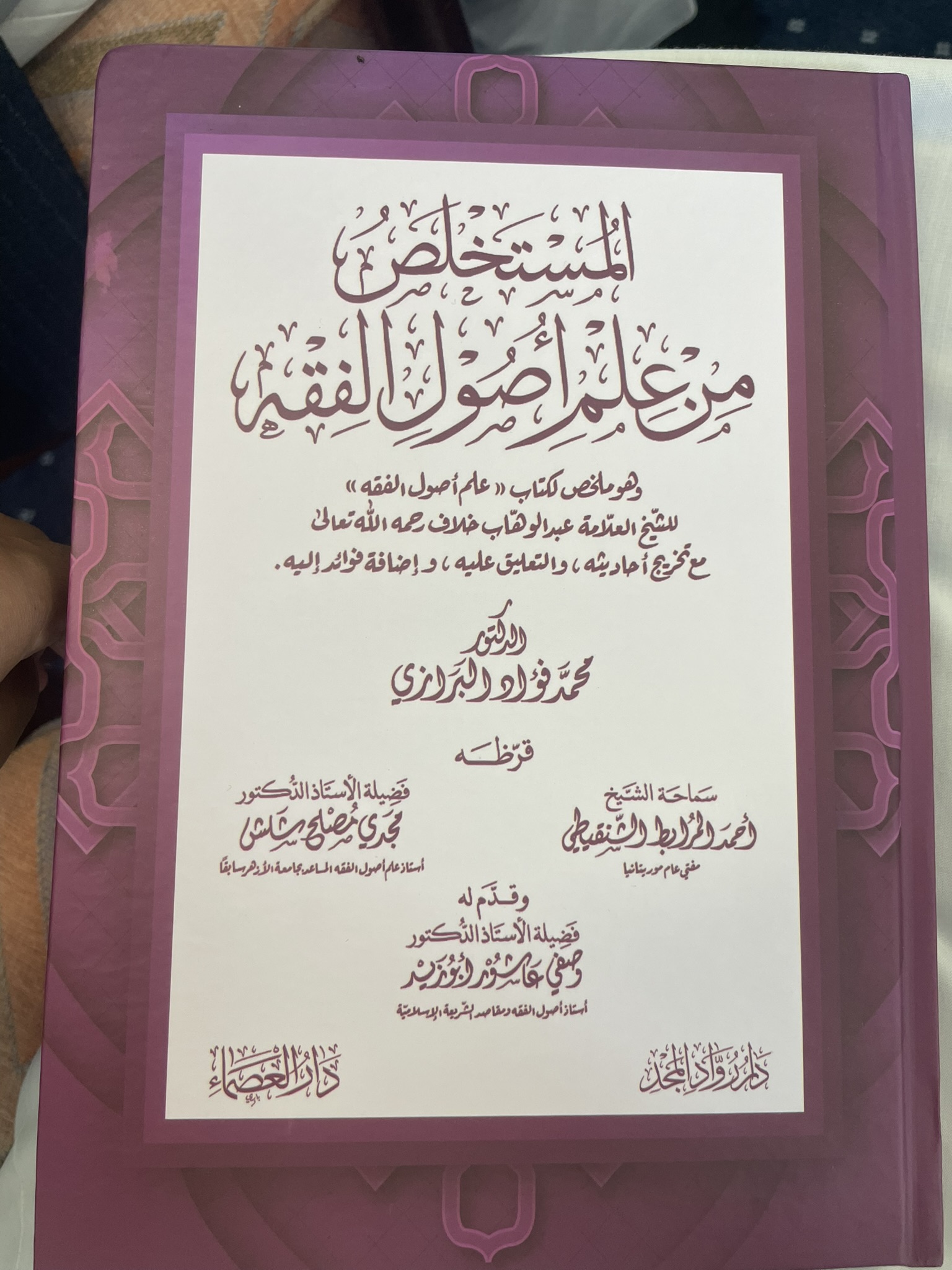
The discussion quickly turns to books and Islamic scholarship. Shaykh shows us his collection of books including al-Mustakhlaṣ min Uṣul al-Fiqh. He is interested in my published works.
Shaykh then shows me his 580-page Arabic book on Ḥijāb entitled Ḥijāb al-Muslimah bayna Intihāl al-Mubṭilīn wa Taʾwīl al-Jāhilīn which was a detailed refutation of the book of Shaykh Nāsir al-Dīn al-Albānī (d. 1420/1999).
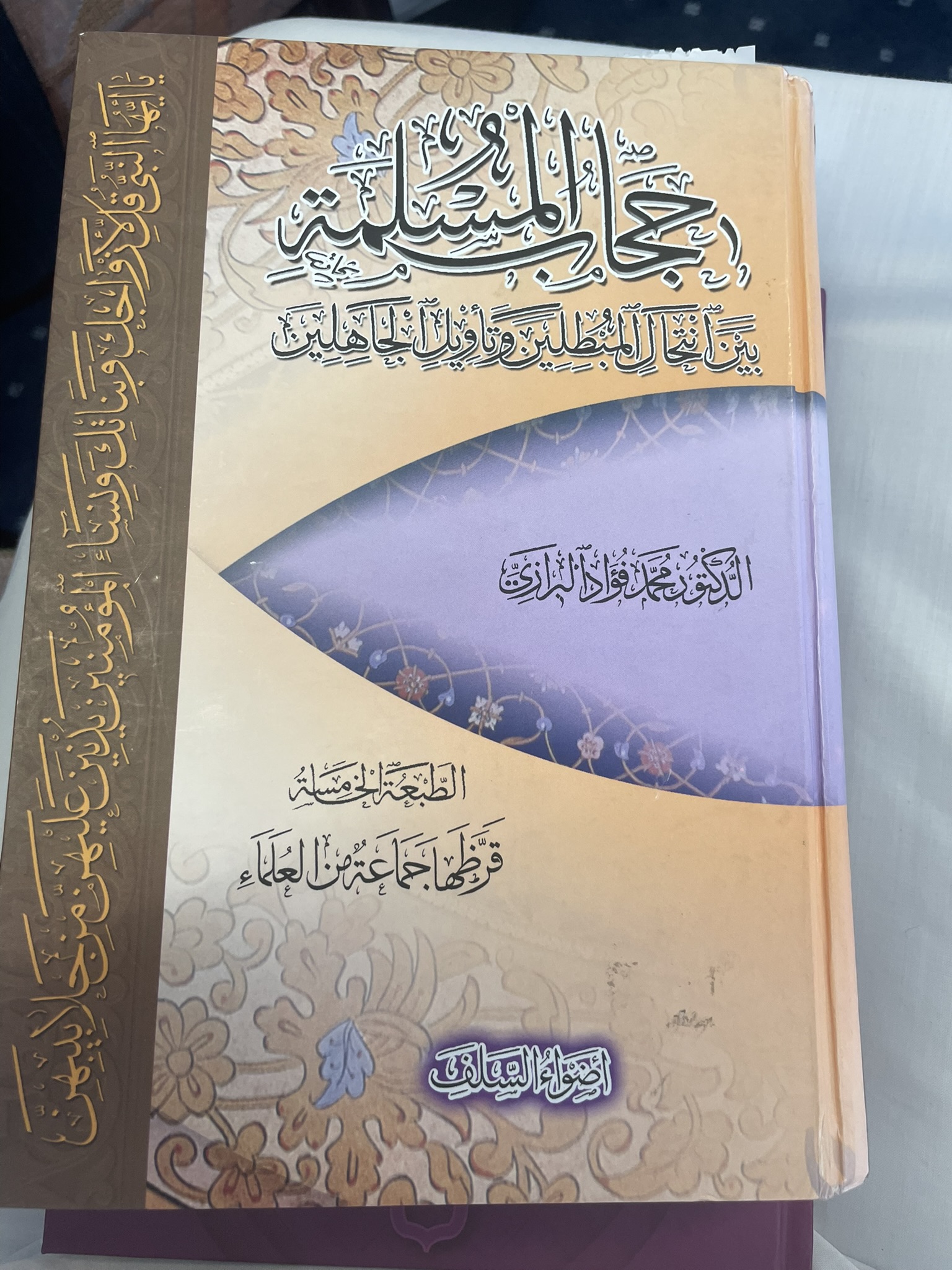
He says, “Shaykh Albānī had vast knowledge. He benefited extensively from the manuscripts at Zahiriyyah Library in Damascus, which is home to many unpublished manuscripts. His tone however is not good. I did not come on his radar so was saved from his response, or that he decided not to respond to me.” After a cursory glance at the book, I ask him why he did not ask Shaykh ʿAbd al-Fattāḥ to write a foreword to it. He mentions that he was very close to Shaykh ʿAbd al-Fattāḥ and on one occasion he received Shaykh in United Arab Emirates at his own house and showed him the book. Shaykh ʿAbd al-Fattāḥ said, “If it was not the case that Shaykh Albānī will think that you wrote this book on my instruction, I would have wrote a foreword for you.” Shaykh ʿAbd al-Fattāḥ was not even aware that Shaykh Fuʾād had written this book. Shaykh Fuʾād is extremely fond of Shaykh ʿAbd al-Fattāḥ and commends him for instilling knowledge and books in Syria, similar to how it was instilled in India at the time.
Qatari Masjid
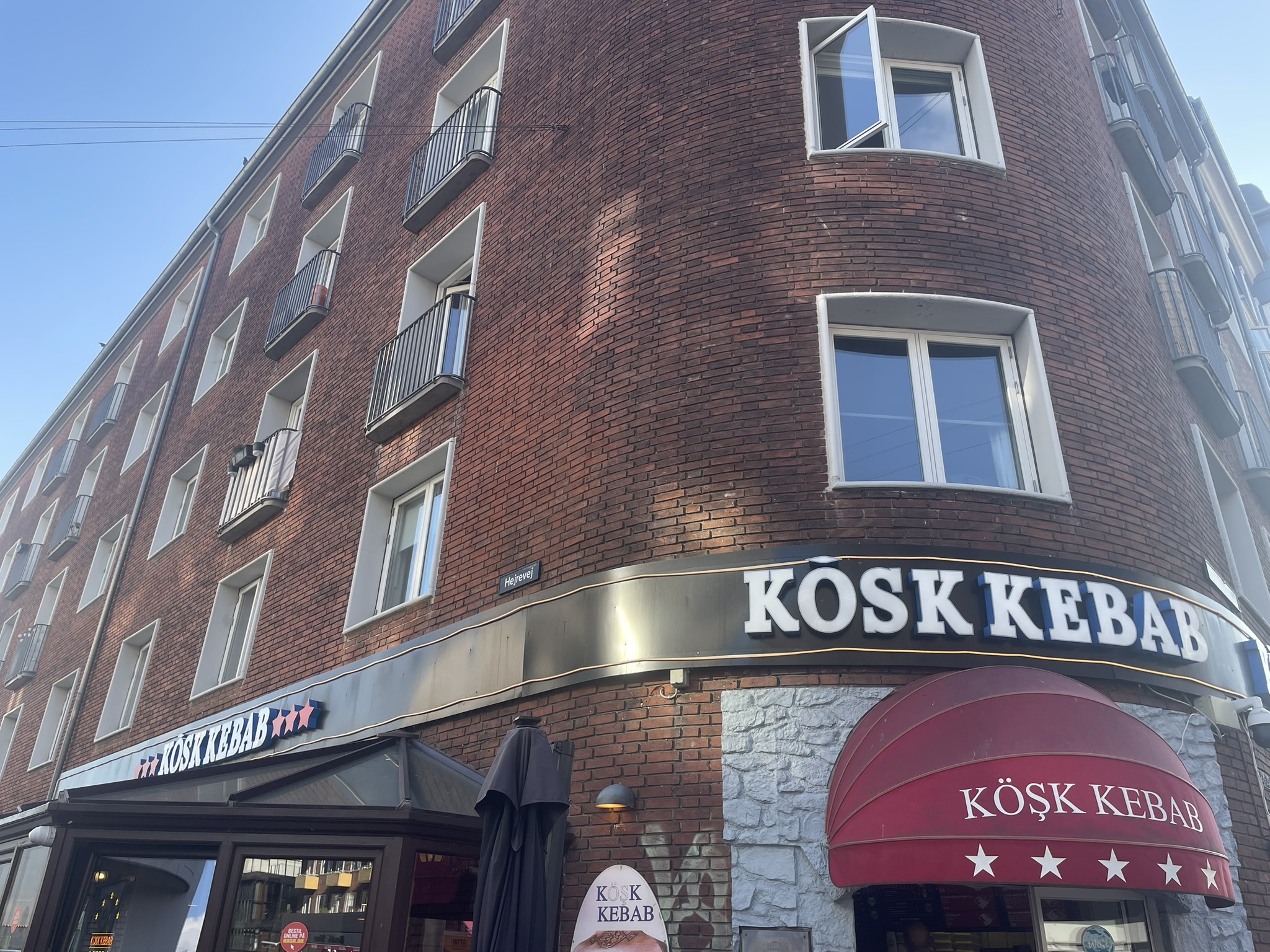
We eat food at a local restaurant Kosk Kebab and visit the Qatari Masjid thereafter.
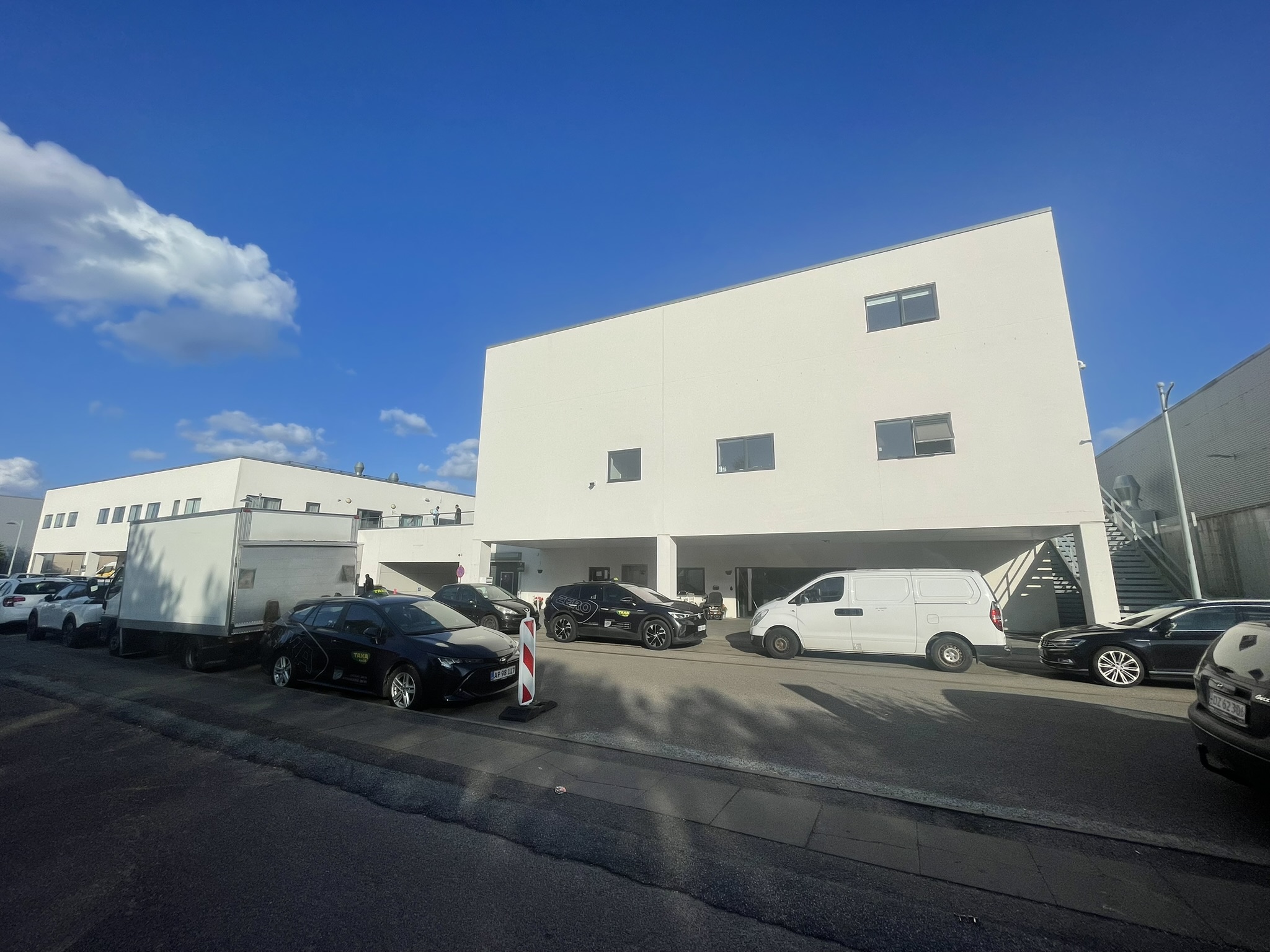
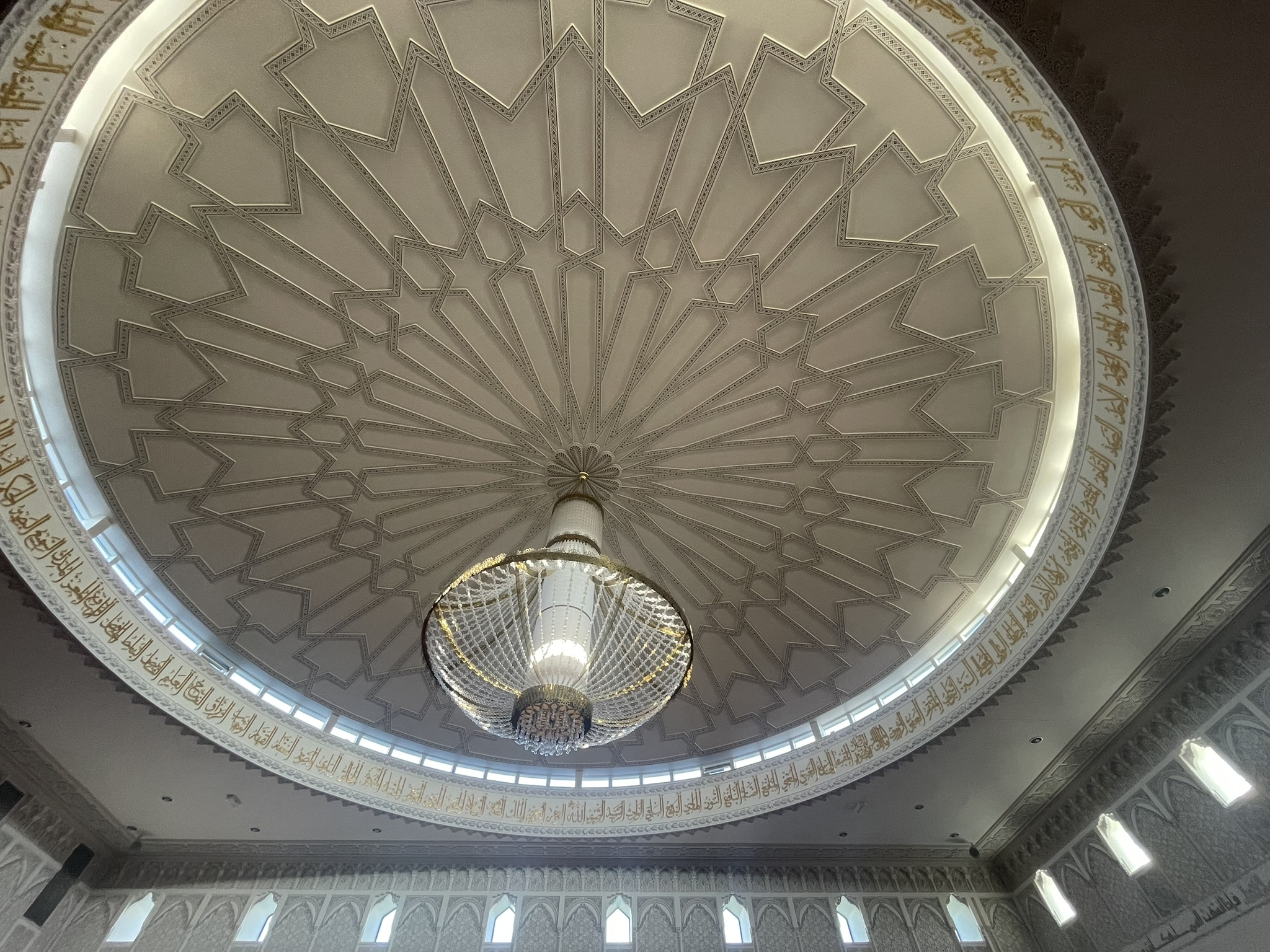
The Masjid is large and has an auditorium, but it has no dome. It is mentioned that only the Shiite place of worship has a dome.
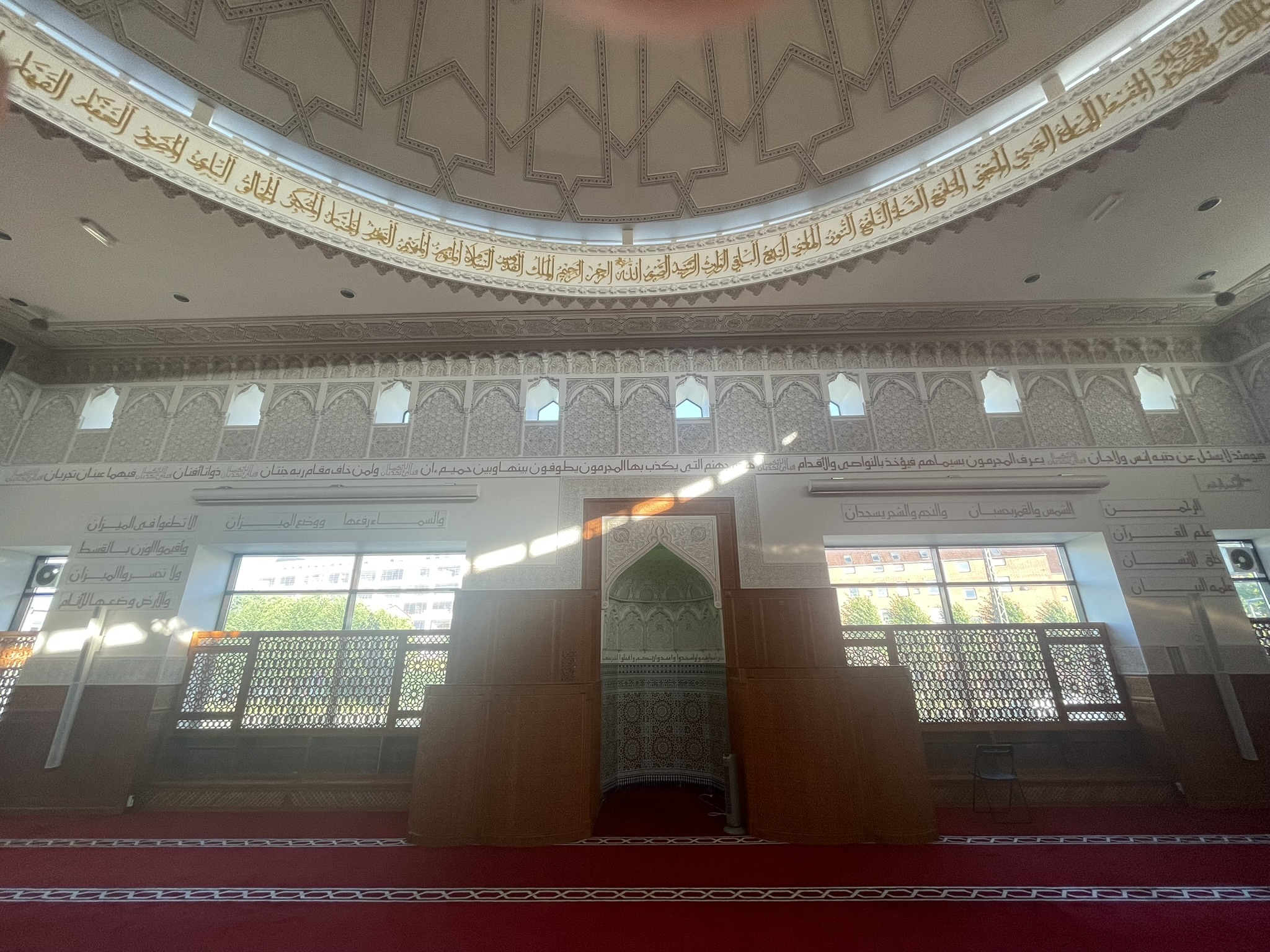
Mawlānā Fārūq Sulṭān Ṣāḥib
At 7.30pm, we arrive at the residence of Mawlānā Fārūq Sulṭān Ṣāḥib. Mawlānā graduated from Jamia Uloom Islamia, Binori Town seminary in Karachi in 1982. His daughter is married to Mawlānā Ḥanīf Jālandarī’s son. He came to Denmark 30 years ago. He explains:
“Gaddafi built a Mosque here in Copenhagen many years ago known as the Gaddafi Islamic Centre. Sibgatullah Mujaddidi of Afghanistan was Imām here and thereafter someone from Pakistan came and served as Imām for ten years. Thereafter, I was appointed as the Imām. This was thirty years ago. I had studied in Tripoli University. At that time, this was the only large Masjid. We also provided Ḥalāl certification for the diary that was exported to the Middle East.”
Subsequently, Mawlānā attempted to establish a centre near the Qādiyānī centre. However, there were internal problems and the project did not come to fruition. A lot of money was wasted. He also mentions that the few scholars who studied in Darul Ulooms in the UK are doing other jobs because they need to earn an income, adding that many Masjids including those run by the Arabs do not have full time Imāms.
Potential property for Usmani Islamic Centre
The Usmani Islamic Centre is named after our respected Mufti Muhammad Taqi Usmani who visited Denmark in 2014 at the invite of brother Suhayl Tanvir. When Mufti Imtiaz Ṣāḥib arrived here, a place was being rented as a muṣallā and maktab. However, the place had to close down. At the moment, the Centre does not have a physical base. We visit a potential property near the Moroccan Masjid which the Usmani Islamic Centre members are interested in purchasing.
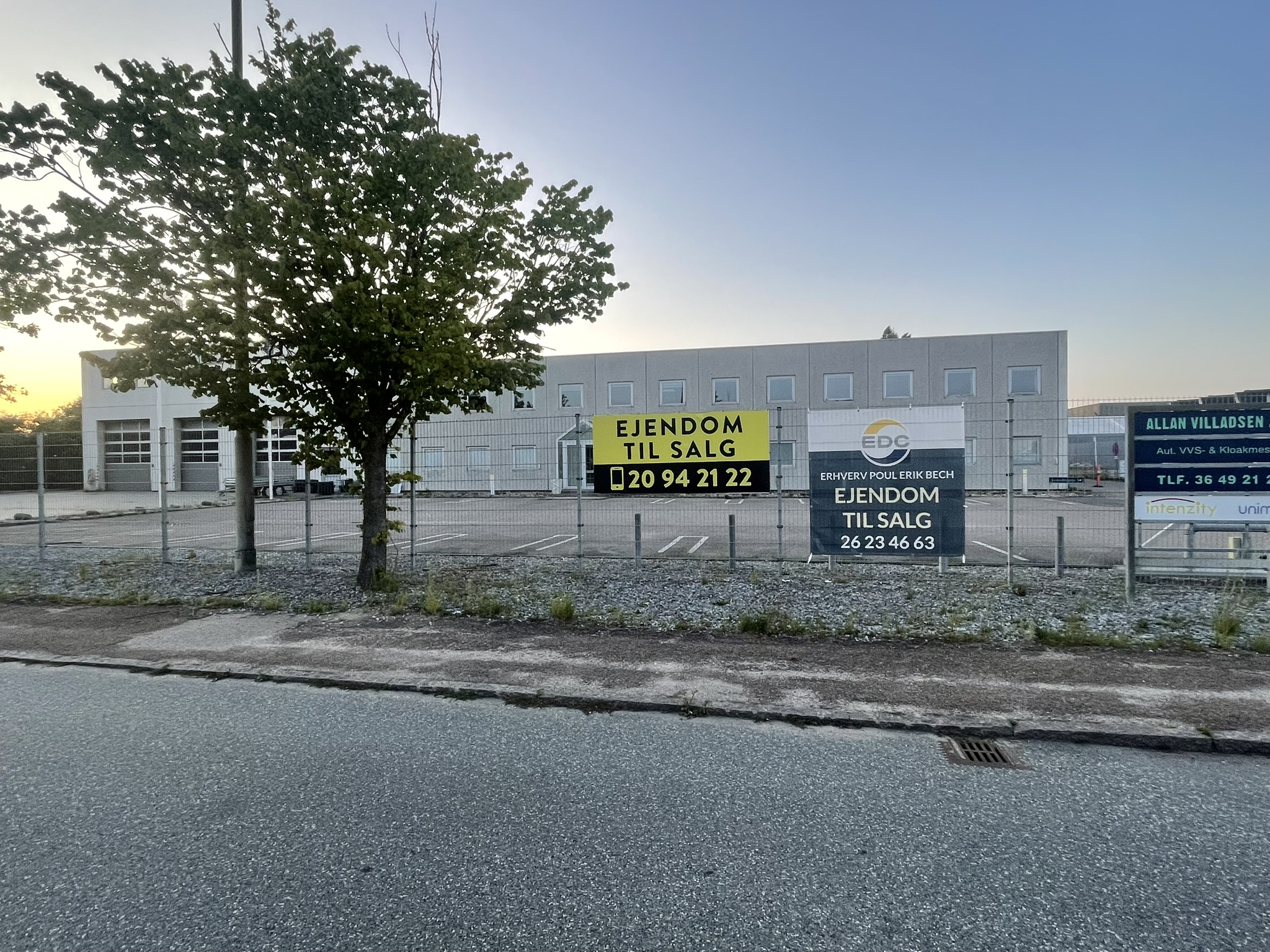
One of the committee members, brother Iḥtishām is also present. He studied in Darul Uloom Blackburn for a few months in 2007.
Moroccan Masjid
We perform Magrib Ṣalāh at the Moroccan Masjid, Imam Malik Institute.
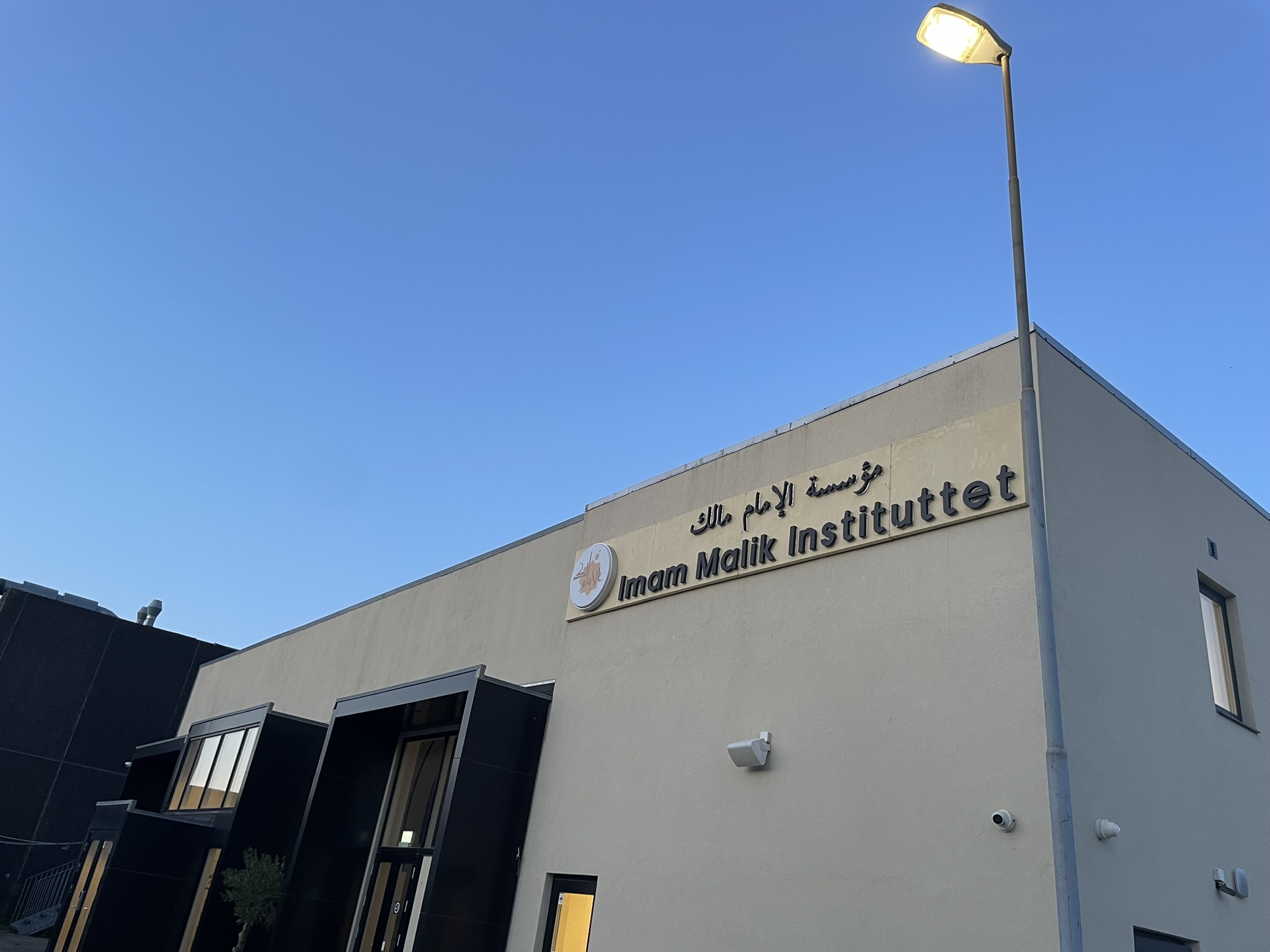
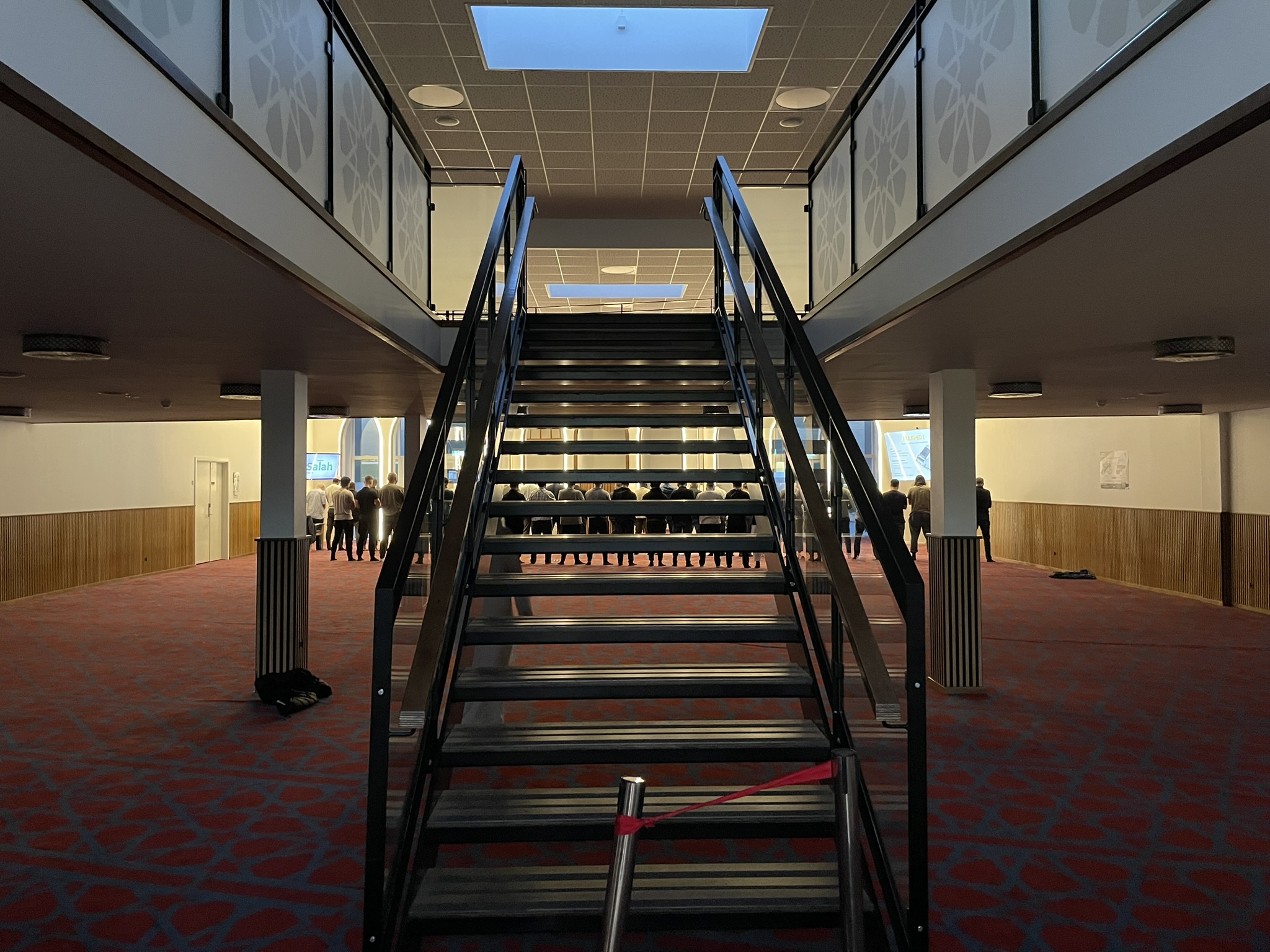
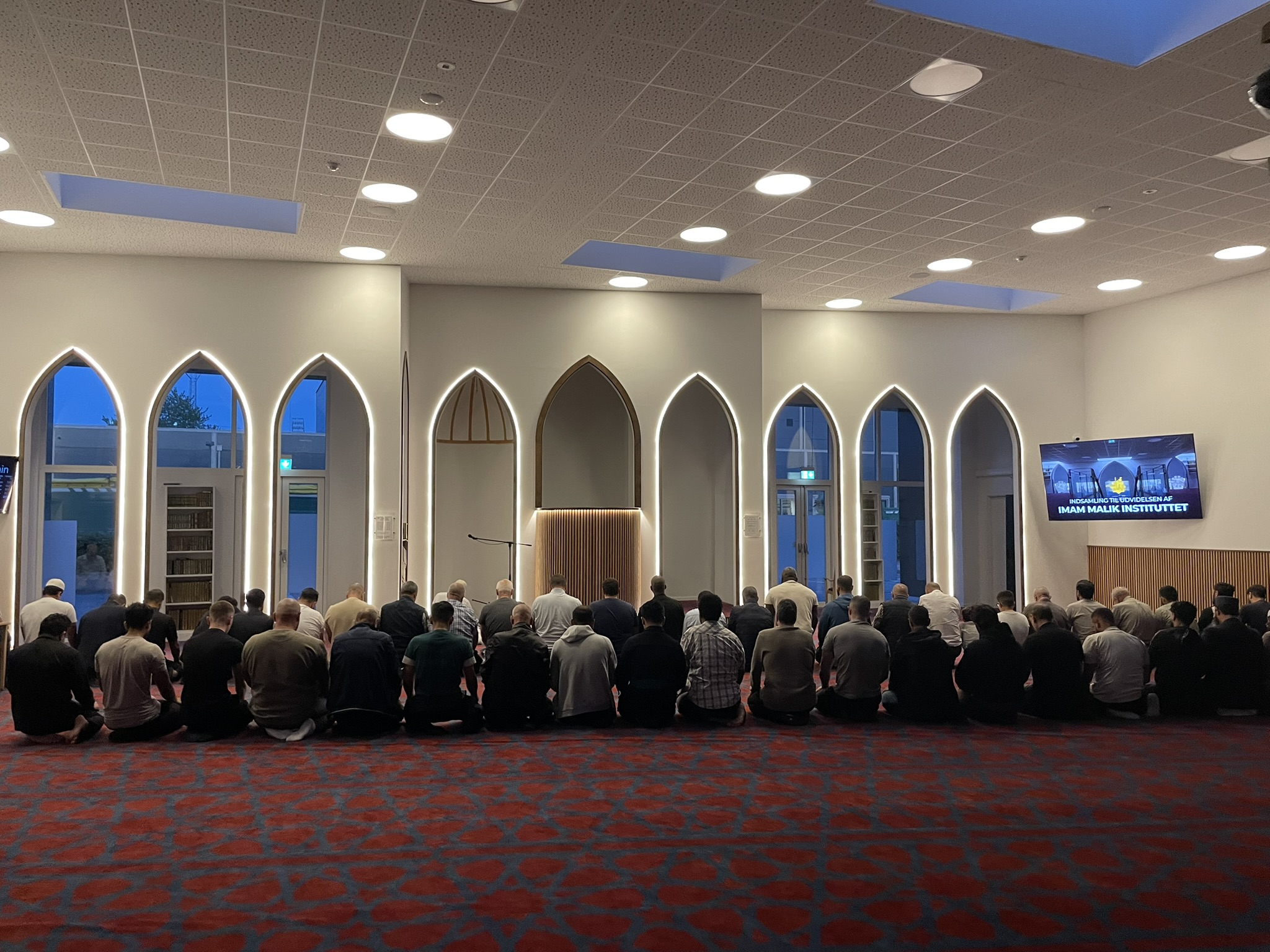
The Masjid offers weekend Islamic classes.
Mawlānā Saʿd, a Bradford graduate
From here, we head to the residence of Mawlānā Saʿd, who graduated in 2022 from Darul Uloom Dawatul Imaan, Bradford, established by Mawlānā Saʿīd Ṣāḥib. He provides a good and honest insight into the situation. There are 6-7 Asian scholars in Denmark, the majority of whom studied in Darul Ulooms in the UK. They include Mawlānā Mājid and Mawlānā Dāwūd, who both studied in Darul Uloom Blackburn. There is no organised Maktab system. Mawlānā Saʿd undertakes Dars (lecture) once a week. A detailed discussion follows regarding the Maktab system. Mawlānā suggests that the An-Nasihah curriculum should be translated into Danish and that the scholars would be ready to deliver this. The living costs in Denmark are high and the scholars need to be remunerated accordingly. It is unfortunate that some scholars have to undertake driving jobs to make ends meet. Mawlānā also makes reference to the involvement of Muslim youth in gangs.
As we rest for the night, we reflect on the challenges faced by Danish Muslims. There are several anti-Muslim rules including the prohibition of the face-veil and non-stunning, and it is not easy to establish a Mosque. There are also internal challenges within our organisations, and there is a clear lack of leadership. The Maktab system is extremely weak, and for most children, non-existent. There are fragmented efforts by some of the scholars, which need to be strengthened and expanded.
From Denmark to Sweden
The next morning, Wednesday 30 July 2025, we depart at 8.30am. We meet with brother Suhayl Tanvir, the founder of Usmani Islamic Centre who enjoys a good relationship with Mufti Muhammad Taqi Usmani. There is a Ḥāfiẓ Dāwūd here from Gujarat, India, however we are unable to meet him. We use the iconic Öresund Bridge and enter into Sweden. Mufti Imtiaz is driving. The crossing from one country into the other is seamless, as it is all within the Schengen zone. The road north towards Norway is a double road. The scenery is similar to England.
Gothenburg Mosque
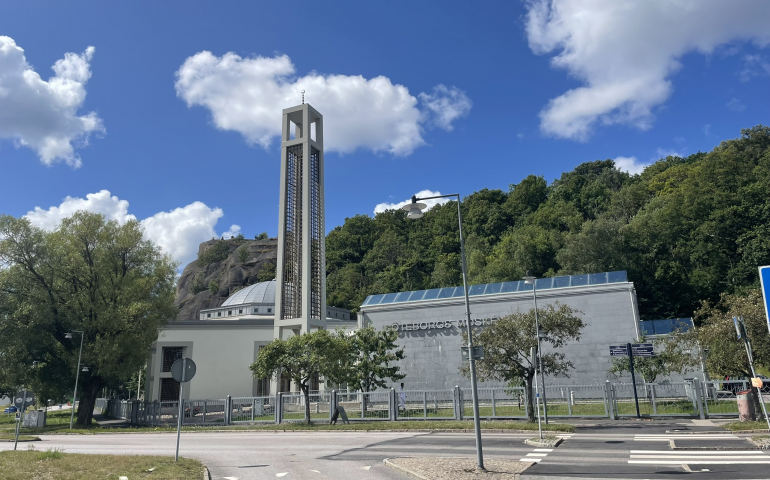
At 12.30pm, we stop at the Gothenburg Mosque (Göteborgs Moské) built by the Saudis and inaugurated in 2011.
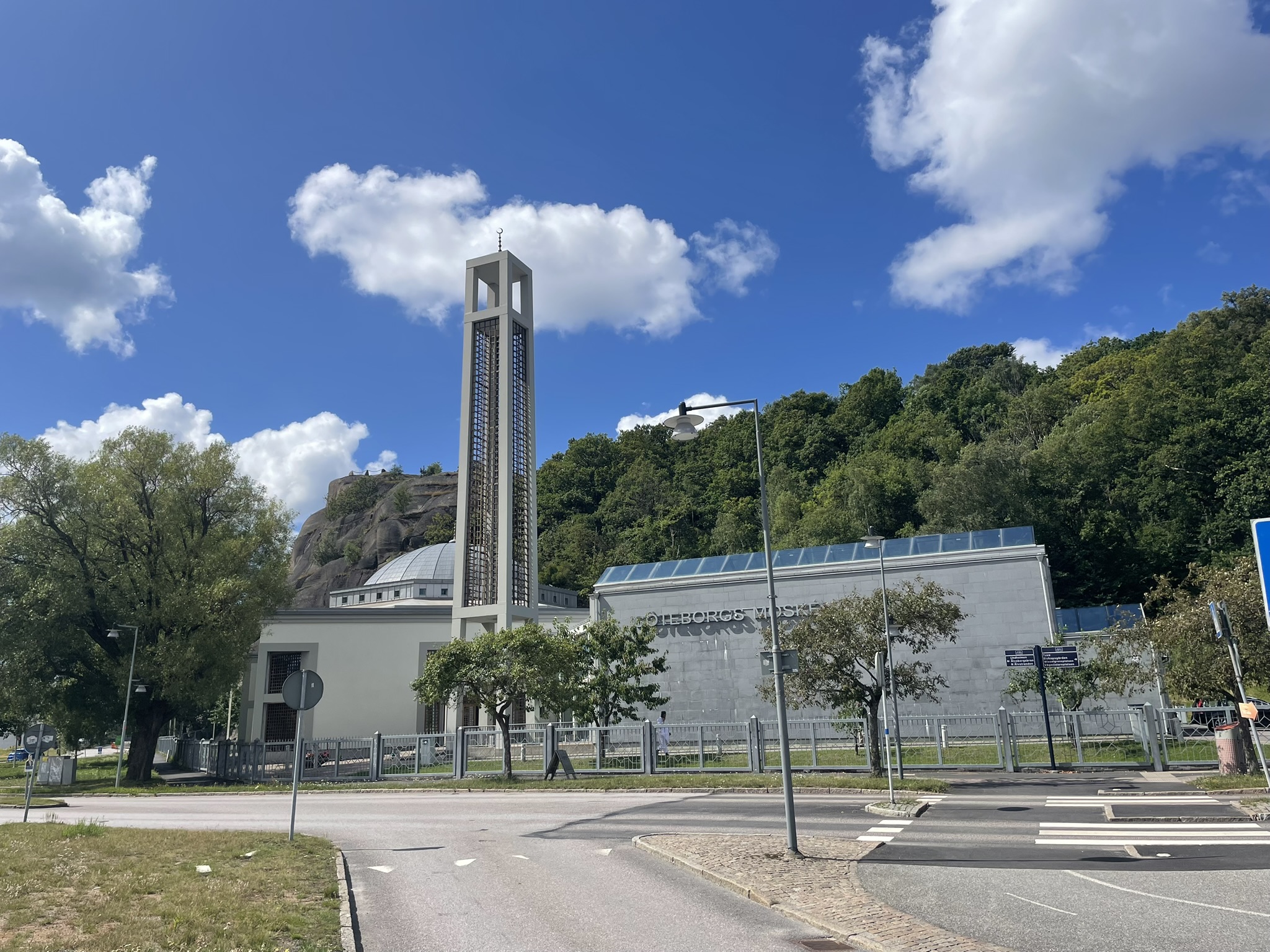
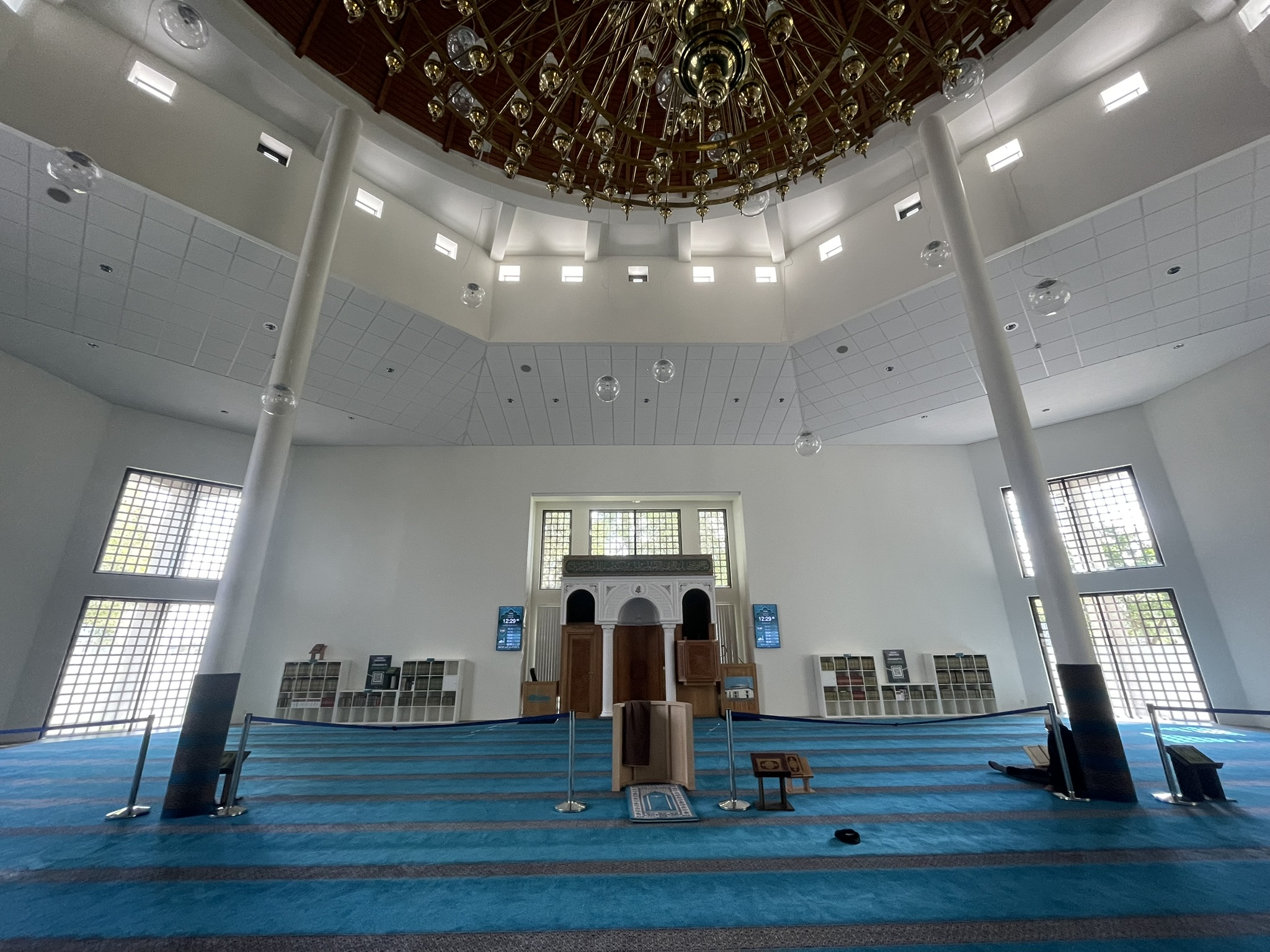
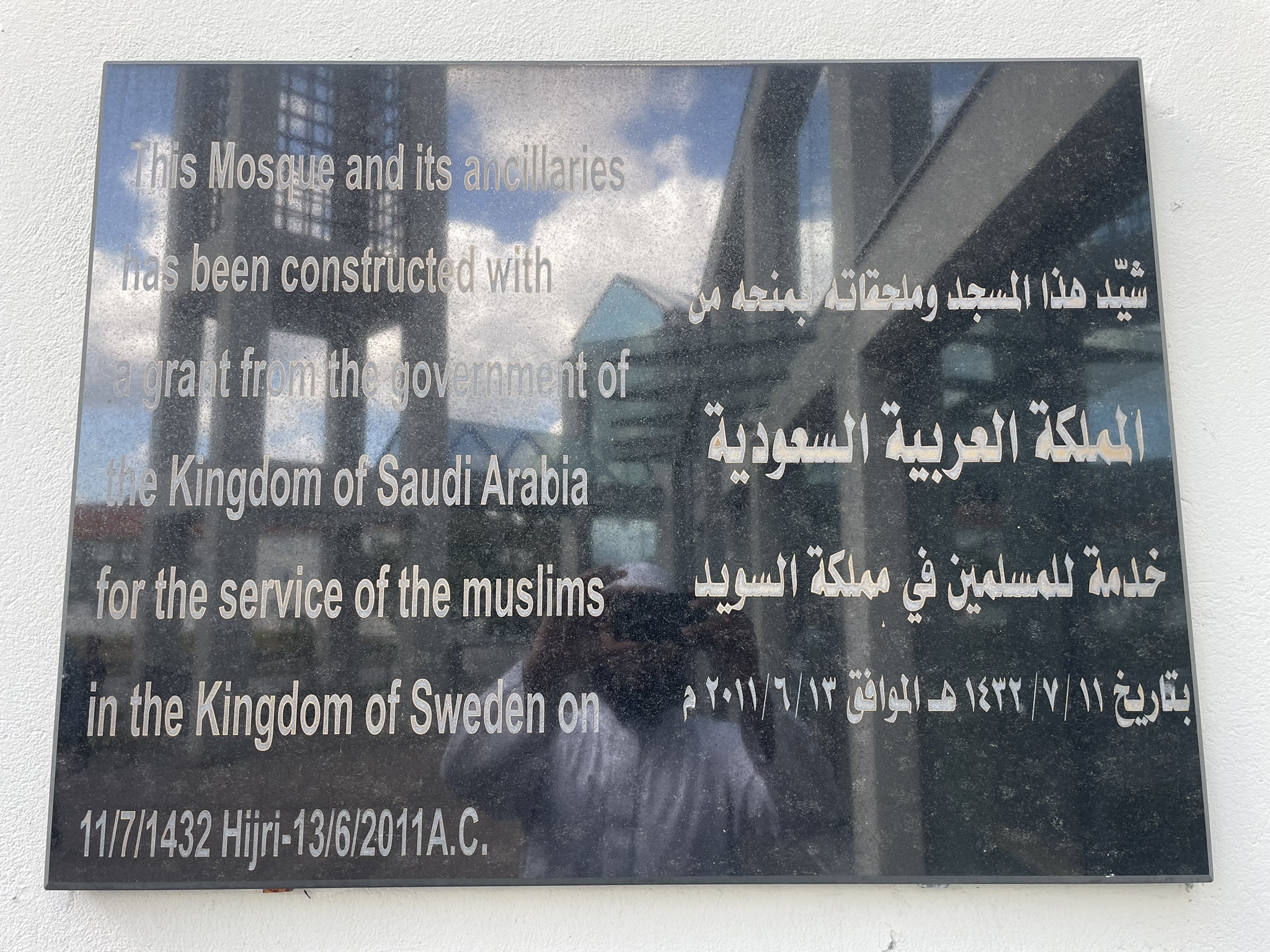
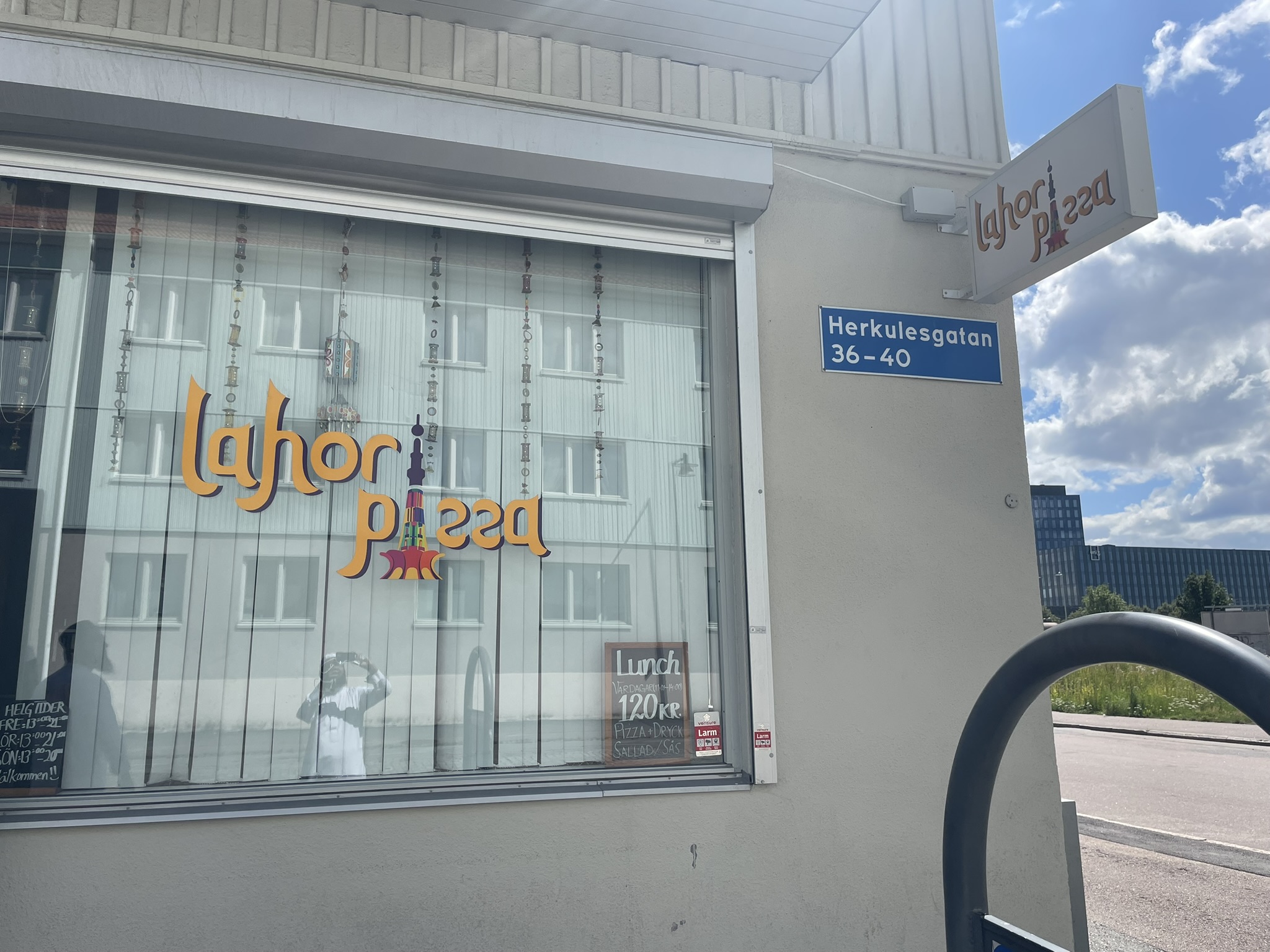
Gothenburg is the second largest city in Sweden after the capital Stockholm. Sweden is also home to a large Muslim population. Some estimates suggest that there are 800,000 Muslims here, approximately 8% of the population. We are travelling through Sweden to reach Norway. We eat lunch at the Lahori Pizza shop run by a Pakistani brother, near the Mosque. He mentions that poultry has to be stunned here before slaughter. Under English law, Muslims and Jews are exempt from stunning. Muslims should make every effort to maintain this, because there are efforts to remove this exemption.
Norway
We continue our journey north and enter Norway at approximately 4pm. There are no border checks. The landscape is more beautiful, with tunnels running through scenic mountains. This is my first time in Norway, a country I have long wanted to visit. This Nordic country shares a long eastern border with Sweden and is also bordered by Finland and Russia to the northeast. It has an extensive coastline facing the Skaerrak strait, the North Atlantic Ocean and the Barents Sea. Its total area is 148,729 square miles but the population is only 5.6 million. The official language is Norwegian but English is commonly understood. The currency is the Norwegian Krone, £1 is equivalent to 13.65 Krones. The BBC website states:
“Europe’s northernmost country, the Kingdom of Norway is famed for its mountains and spectacular fjord coastline, as well as its history as a seafaring power. It also enjoys one of the world’s highest standards of living, in large part due to the discovery in the late 1960s of offshore oil and gas. It is a major oil exporter and has resisted the temptation to splurge its windfall, choosing instead to deposit the surplus wealth into its oil fund – now the world’s largest sovereign wealth fund. What to do with the money is a hot political issue: whether to use more of it to improve infrastructure or keep it for a rainy day and future generations. Norway plays an active international role. It has mediated between Israel and the Palestinians as well as in the Sri Lankan conflict, and has participated in military action in Afghanistan and Libya. Ex-premier Jens Stoltenberg is Nato’s secretary general. It defies a global ban on commercial whaling, along with Japan and Iceland.”
Mawlānā Rizwan Dawood
Our host in Norway is Mawlānā Rizwan Dawood Ṣāḥib, who graduated from Darul Uloom Blackburn 7-8 years ago. Mawlānā is a learned scholar with a good insight into Islamic jurisprudence and is well connected locally. He has recently led a successful campaign of correcting the Ṣalāh times. He is currently Imām in Masjid Fārūq and also teaches at the Iman Senter in the country’s capital Oslo, which is where we agree to meet.
Iman Senter, Oslo
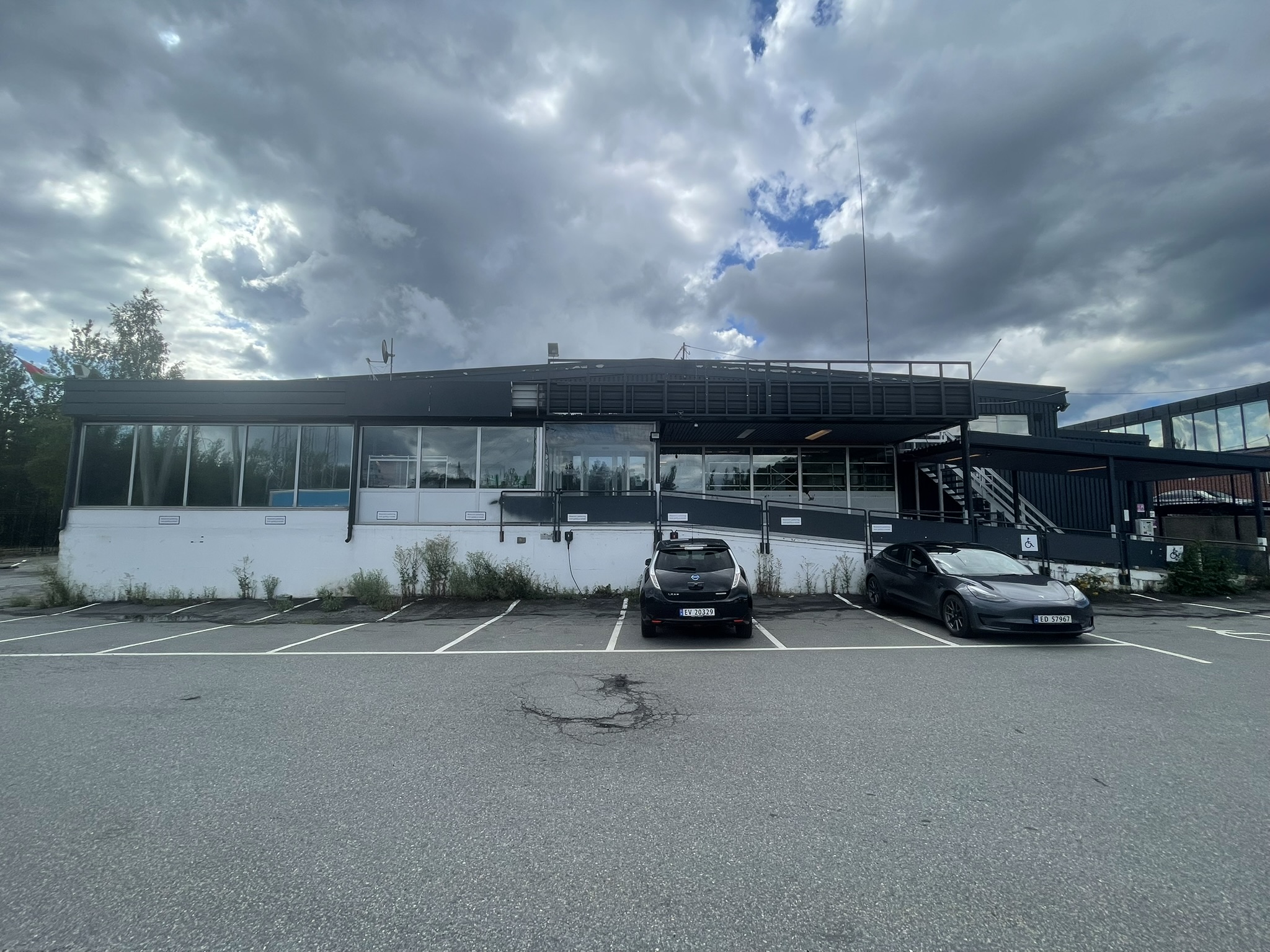
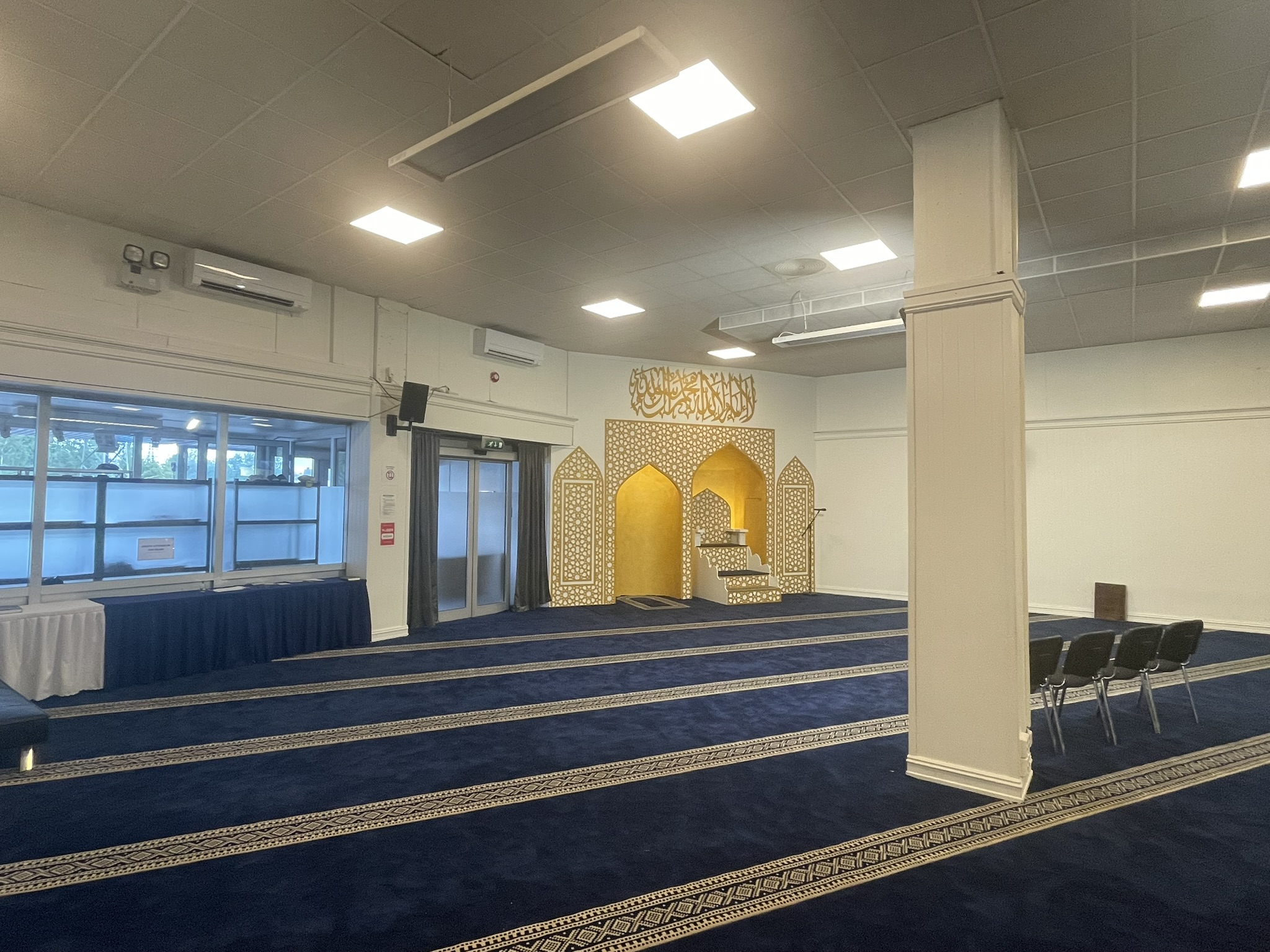
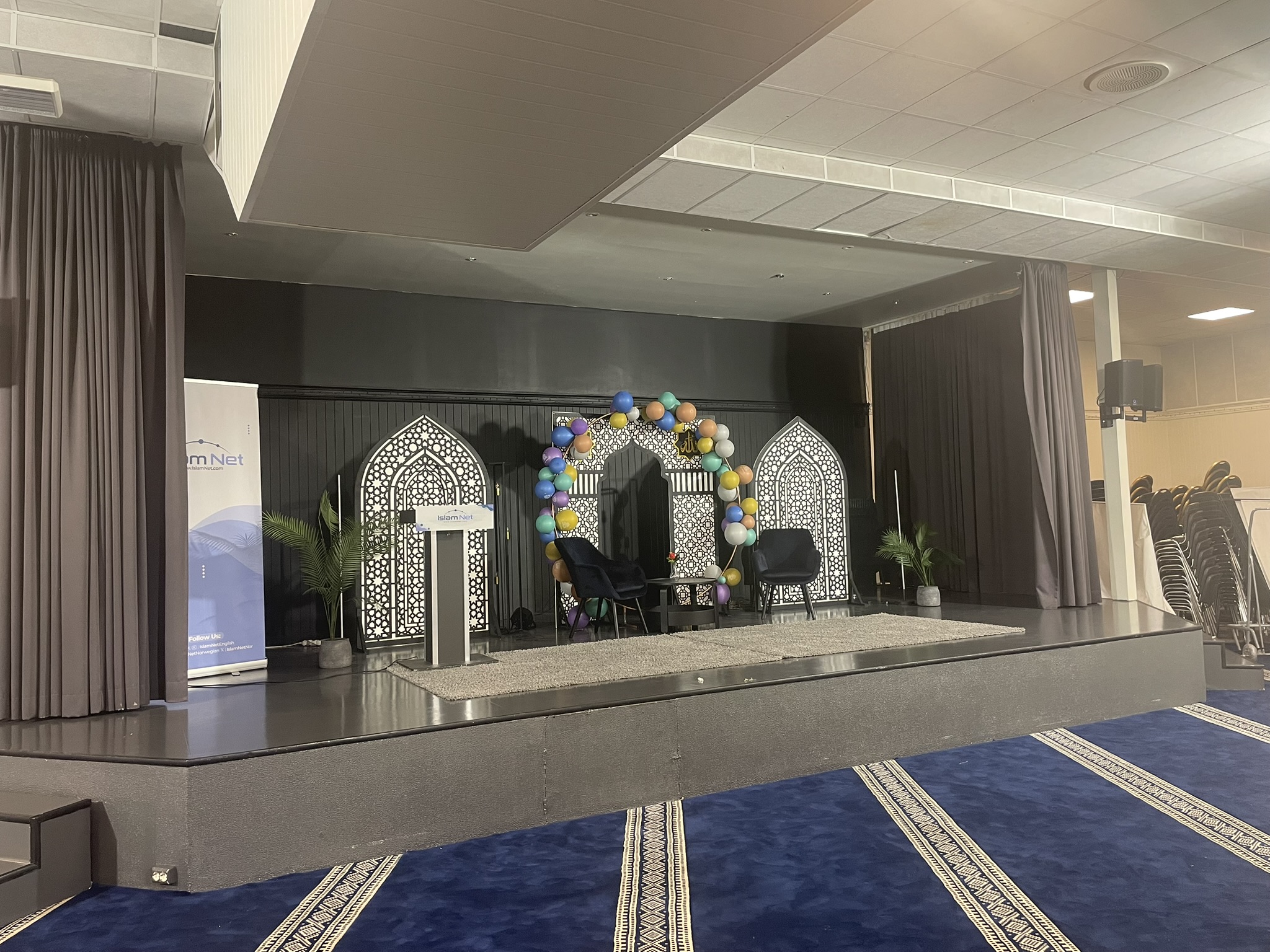
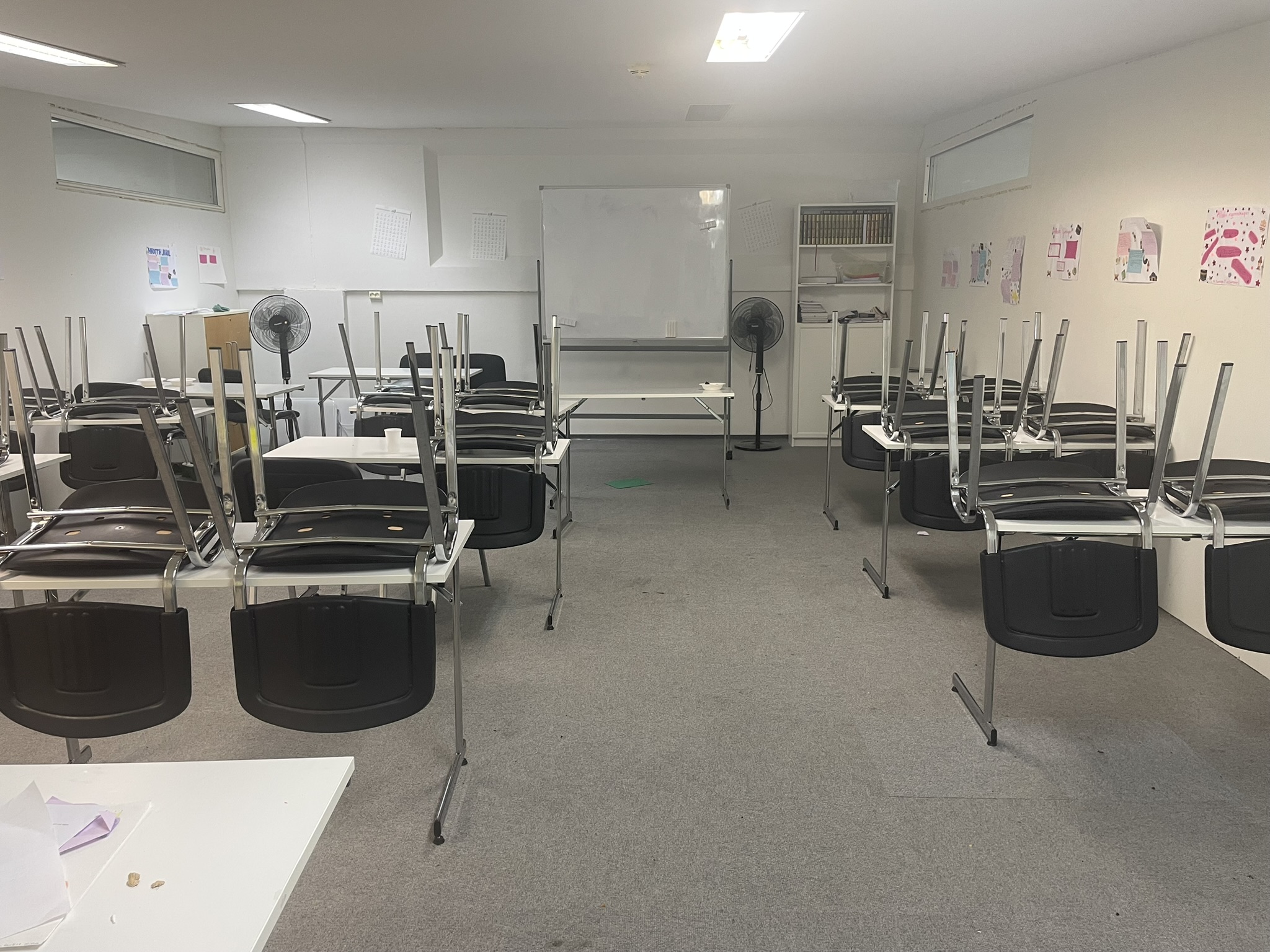
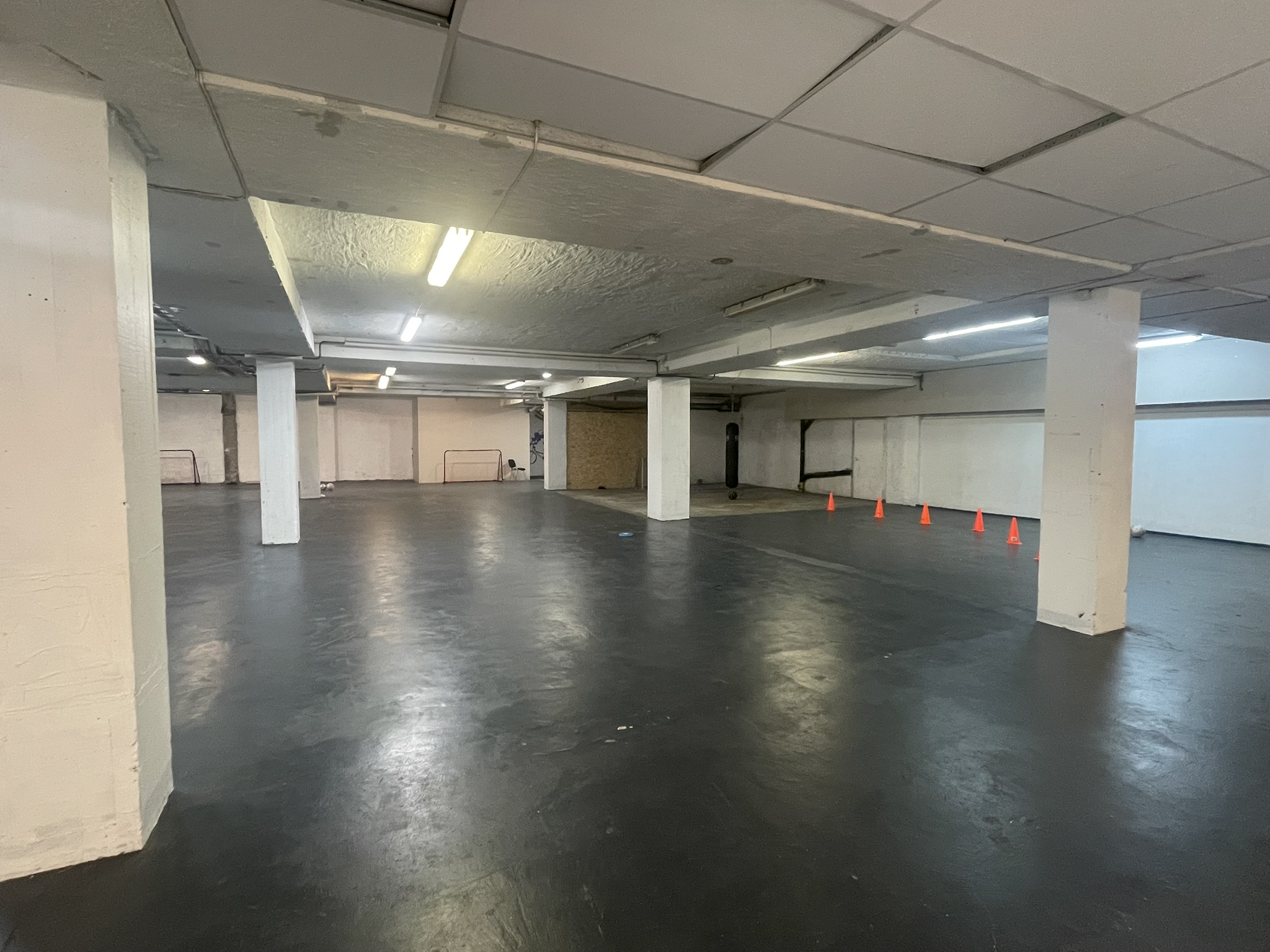
We arrive at the Iman Senter and meet with Mawlānā Rizwan, brother Fahad of Pakistani origin and Imām Muḥammad Zubayr of Burundi. This is a vibrant Masjid and community centre located 10-15 minutes from the city centre. The building was purchased three years ago. The total cost was £5 million which was raised via a successful high profile fundraising campaign. There was a lot of opposition and hate. The project was dubbed the Oslo Jihad Centre. The exterior of the building does not do justice to the interior. This is not a typical Masjid. The centre is home to sports facilities, a creche, martial arts room, and much more. The weekend Islamic classes attract 150 children and there are three classes for boys and three classes for girls. The syllabus combines the Safar Academy and Darus Salam syllabuses, catering for both the Ḥanafī and Ḥanbalī pupils. There are also plans to begin advanced Islamic classes for 16–18-year-olds which Mawlānā Rizwan is involved in.
Islam in Norway
There are approximately 250,000 Muslims in Norway, the majority of whom reside in Oslo. There are 150 mosques. Generally, Norway is less anti-Muslim than its neighbouring counterparts. The face veil is not prohibited except in university classrooms. The country has recently announced its intention to recognise Palestine. It was the first European nation to host the Afghan Taliban in January 2022, and recently allowed them to resume consular service in Oslo. The majority of Muslims here are Somalis, Pakistanis and Arabs. The Pakistanis generally work in the taxi sector, the Turks in the food and hospitality sector and many Somalis are bus drivers.
Generally, the Maktab system is good but there are no Muslim schools. There are approximately 30-35 graduates of Darul Ulooms. They include 25 who have studied in the UK, including the dynamic Mawlānā Qamar who studied in Dewsbury Markaz.
Two peculiar and unique things about Norway
Norway is famous for its universal health care and social security system. However, we are intrigued to learn two things, which we have not come across elsewhere.
The first is that religious organisations including Masjids can receive £100 per member, which includes every member of a household including young children. Thus, if a Masjid has 5,000 members, it will receive £500,000 per annum. There is thus a concerted effort on the part of the Masjids to register as many members including new born children.
The second is that the Government provides £7,000 to the parents of new born babies, and then a further £7,000 in the second year, and thereafter, £1,200 per annum until the age of 18. This has resulted in certain communities having large families, with child births on a two-year cycle. This also increases revenue for the Masjids as per the first point.
Generally, the living costs are high, and conventional mortgage is unfortunately common including among practising people.
Diverse Muslim community
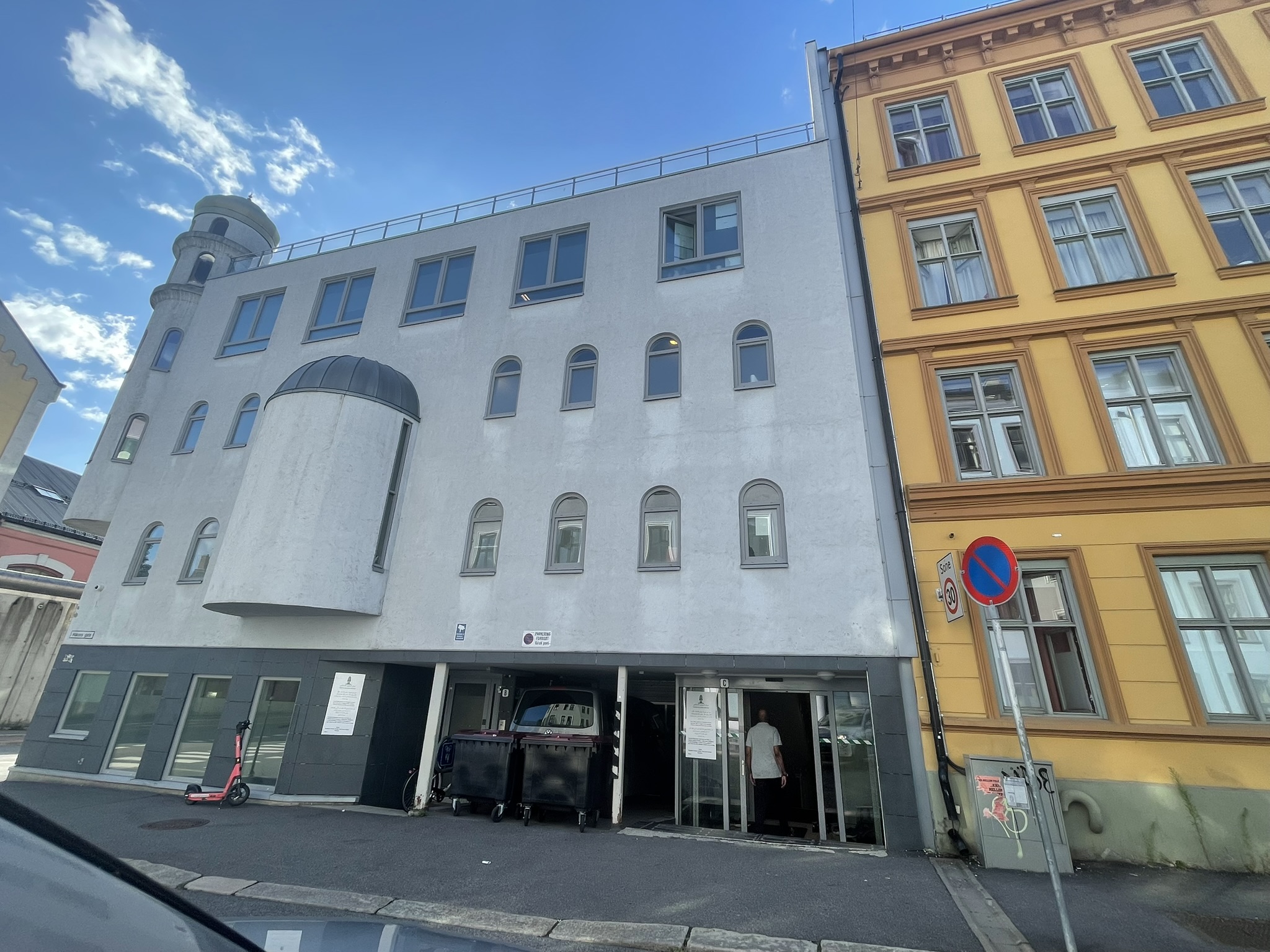
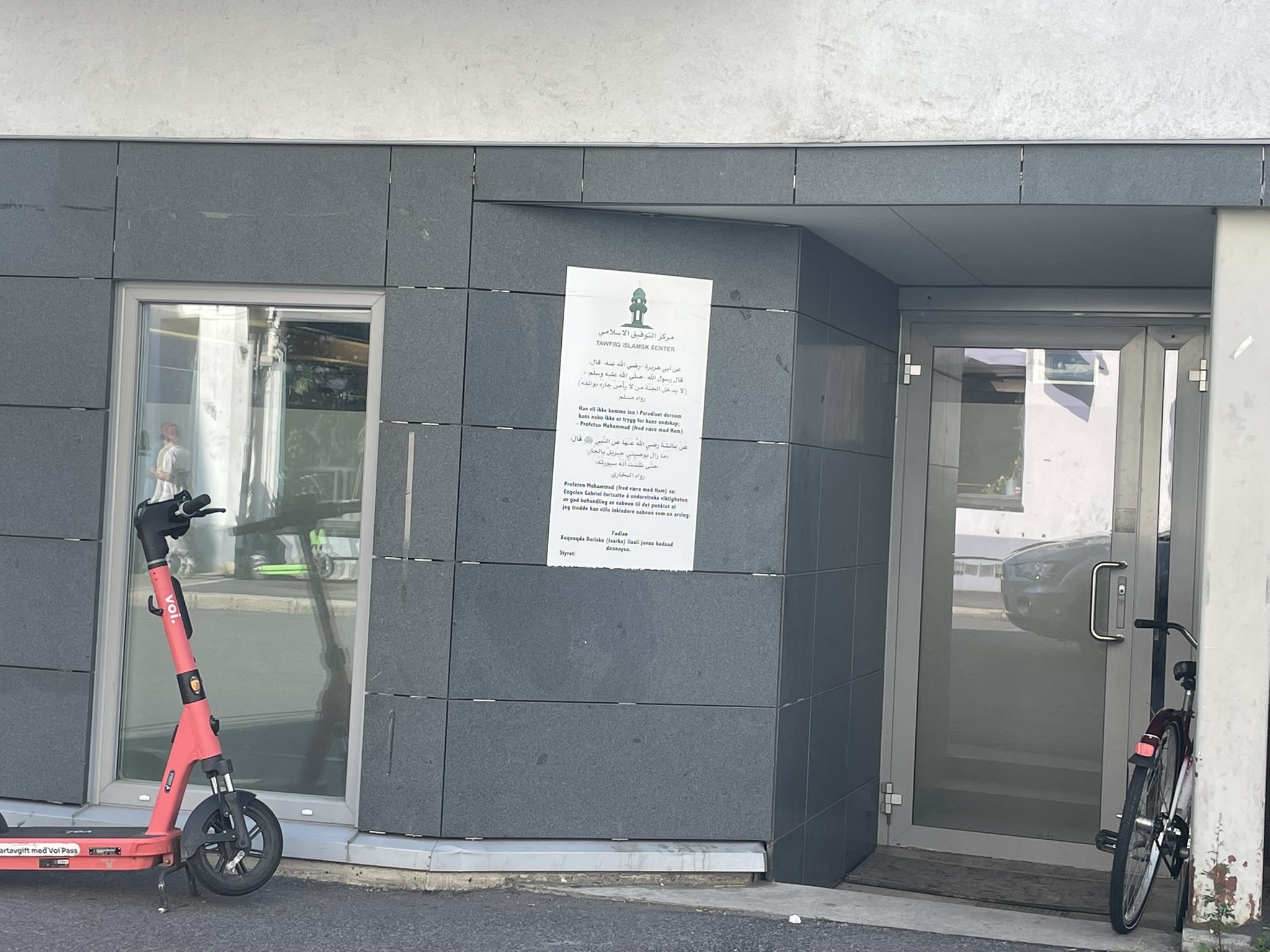
The Muslim community of Oslo is diverse in terms of ethnicity and also schools of thought. As we tour the city, we pass the Tawfiiq Islamsk Senter run by the Somali Salafi brothers.
Nearby is a Masjid run by the Barelwi brothers.
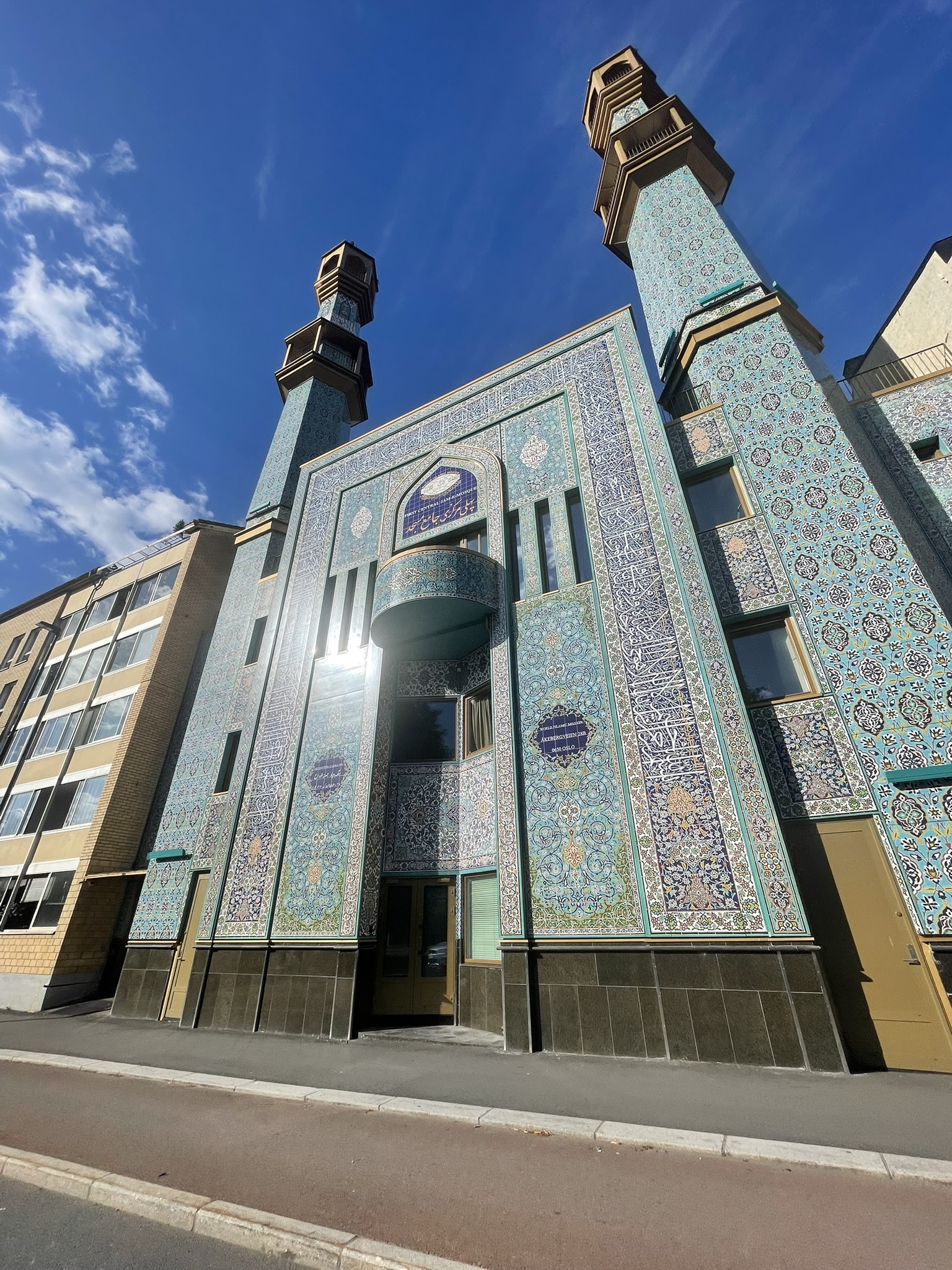
At 6pm, we arrive at the Islamic Cultural Centre, run by the Jamaat Islami brothers. They are among the most established in the country and maintain good relations with everyone. The shops under the Masjid provide income to the Masjid.
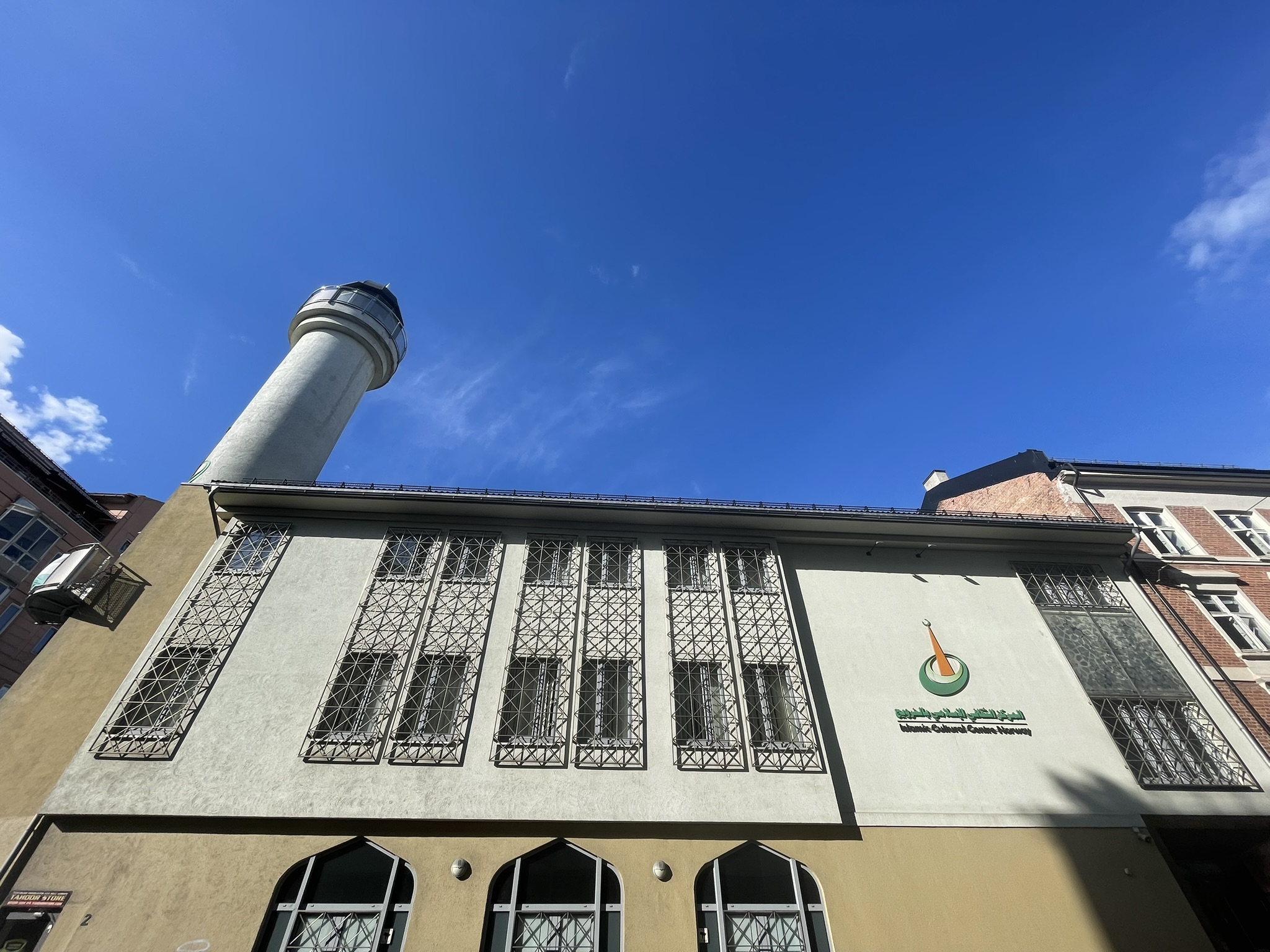
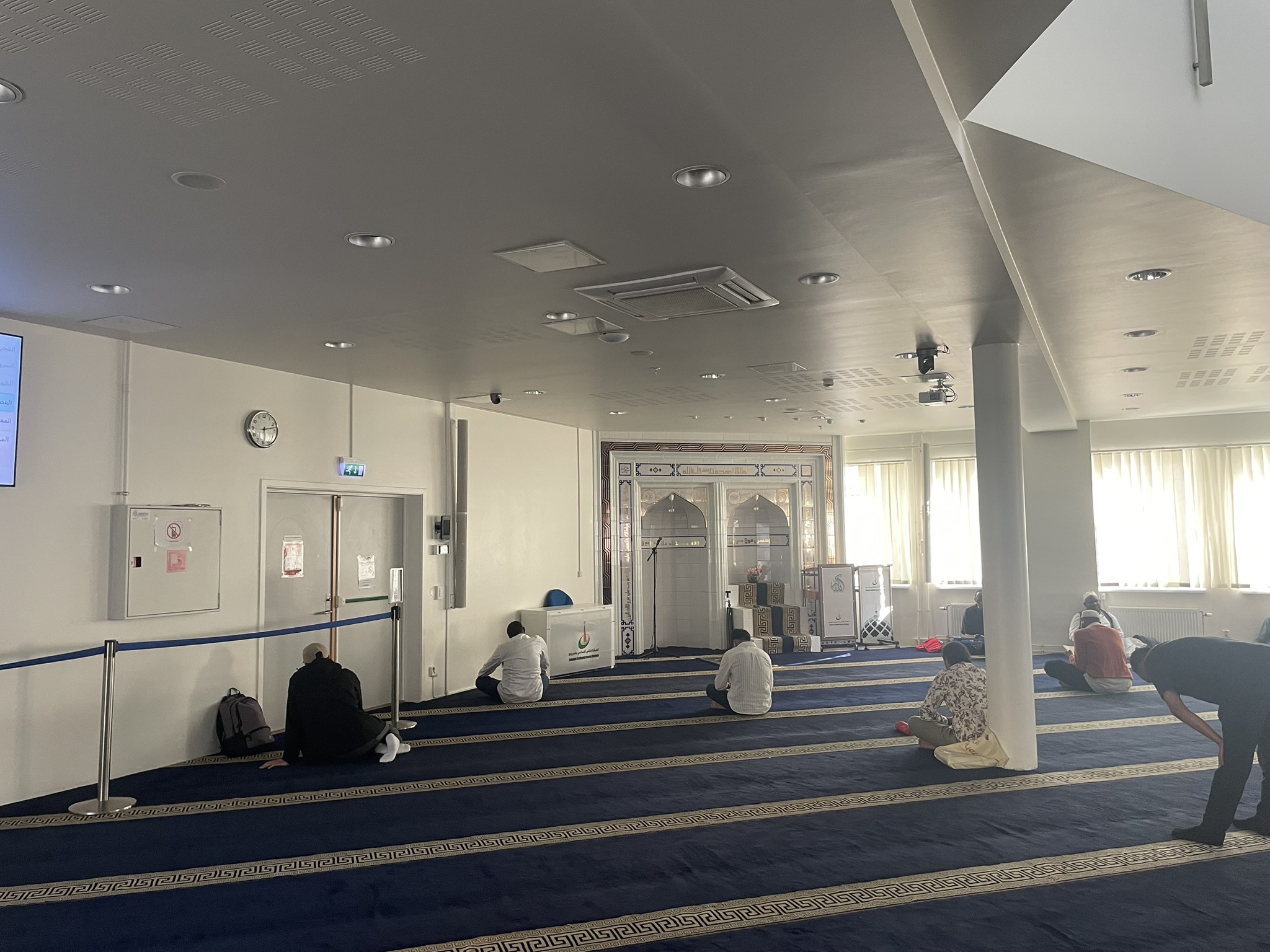
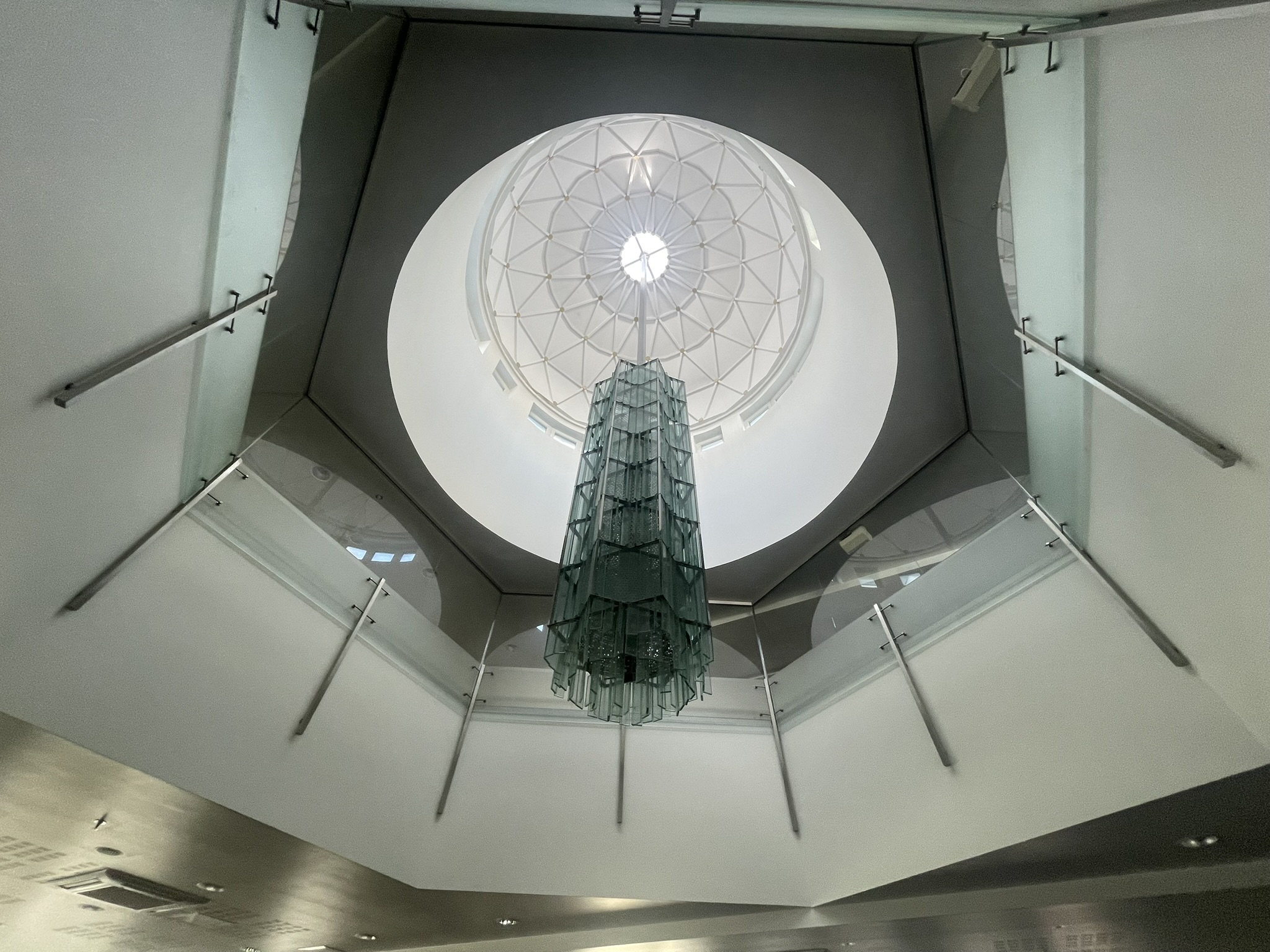
We meet with Imām Salīm ʿAlawī who explains that this Centre was established in 1974. This particular building was established in 2010. The Centre attracts people from all ethnicities. There are four floors. The first floor is for the ladies whilst the upper two floors are for the men. There are two Jumuʿah Ṣalāh congregations every week. There are 450 children in the weekend Islamic classes. During the week, 100-150 pupils attend the Quran classes and 100 ladies attend the adult classes. The Centre has 6,000 members (thereby generating £600,000 from the Government) and is the second largest organisation after a Barelwi centre that has 7,000 members. The Centre has good links with politicians and is also famous for catering for the needs of reverts. Imām Salīm and his colleague Imām Muḥammad Asjad are both extremely hospitable and give us a tour of the whole Centre. They also show us a Quran translation in the Norwegian language with brief notes taken from Tafhīm al-Quran, adding that Minhajul Quran’s version is just the translation without any notes.
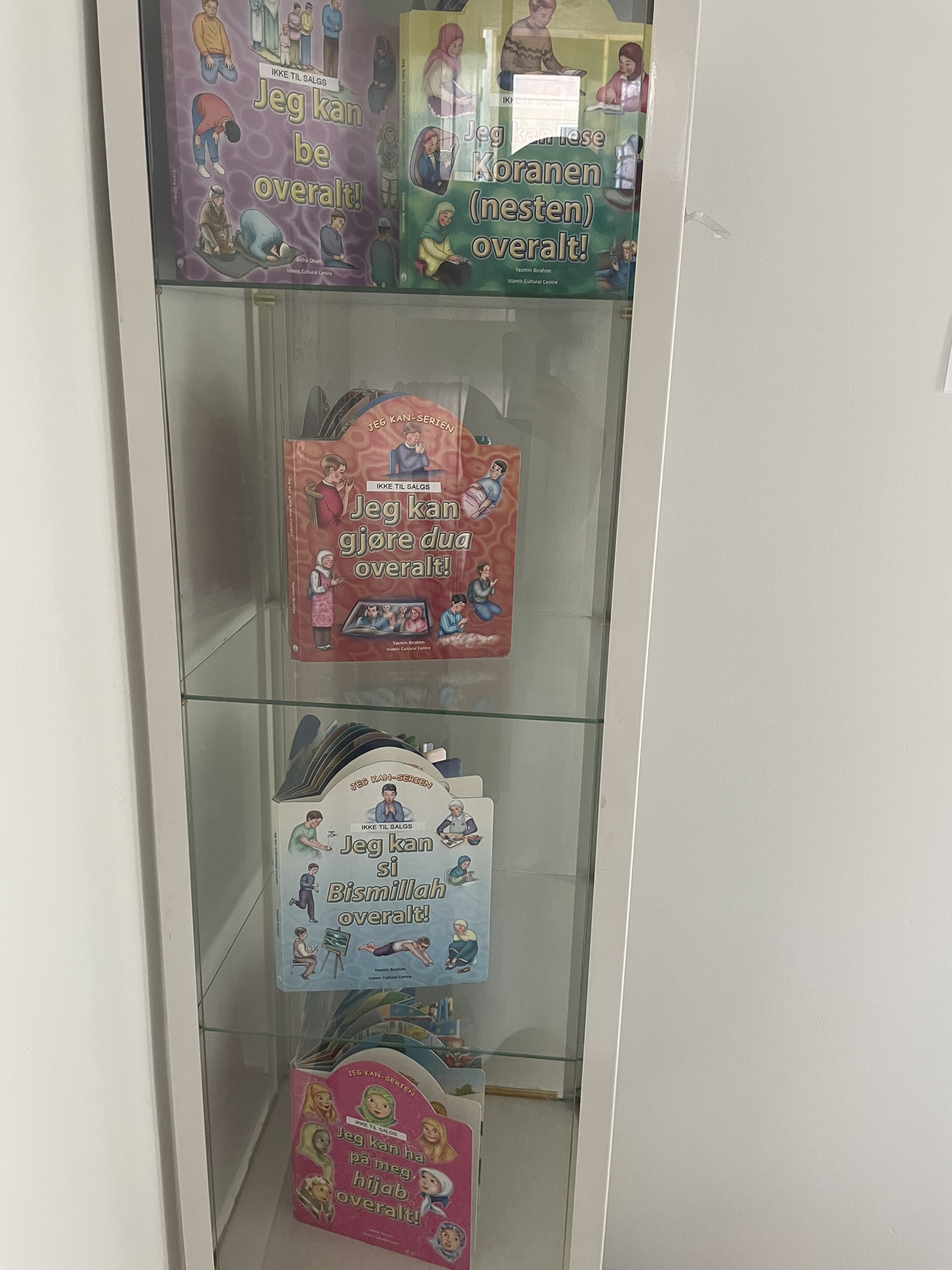
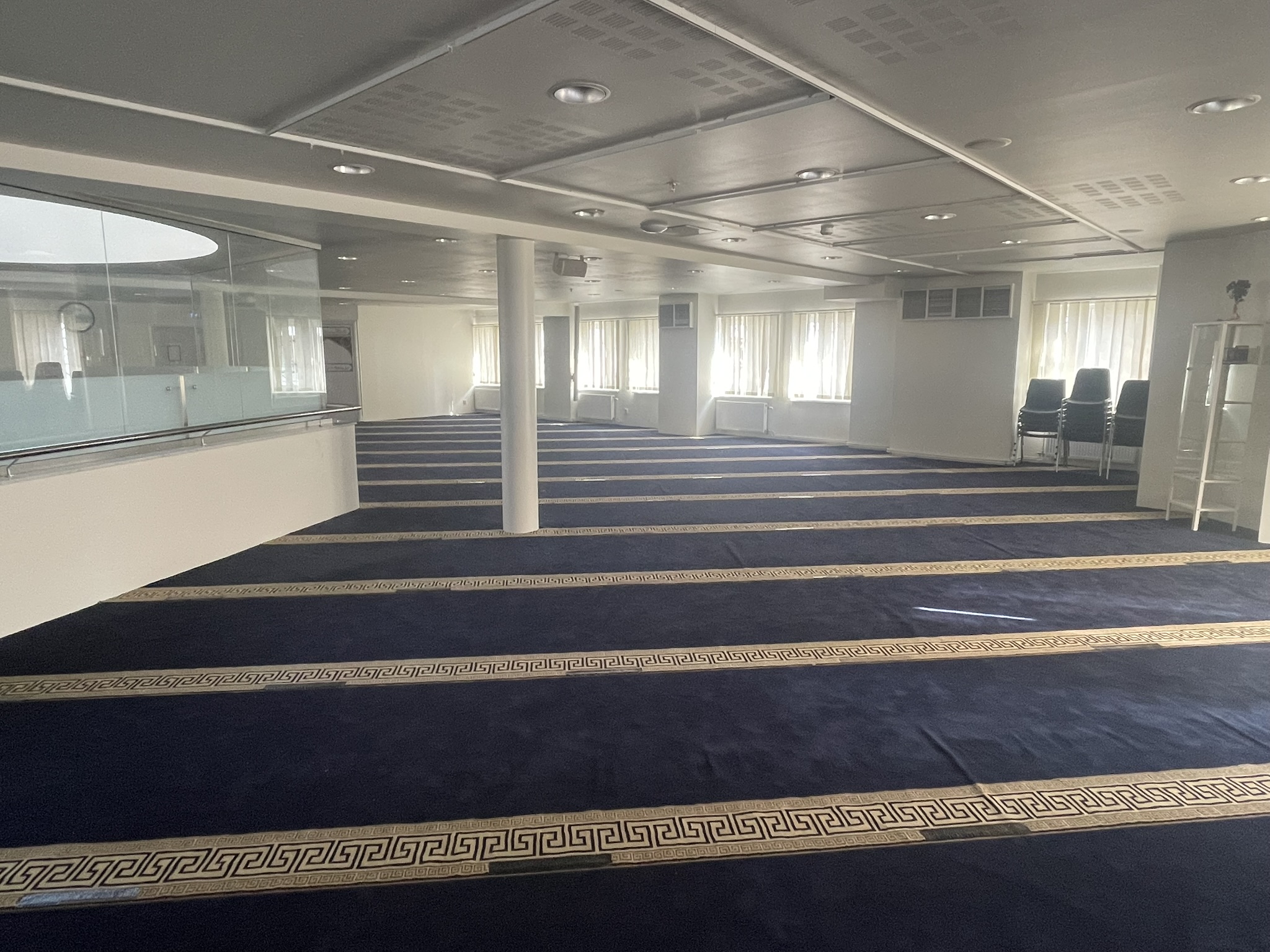
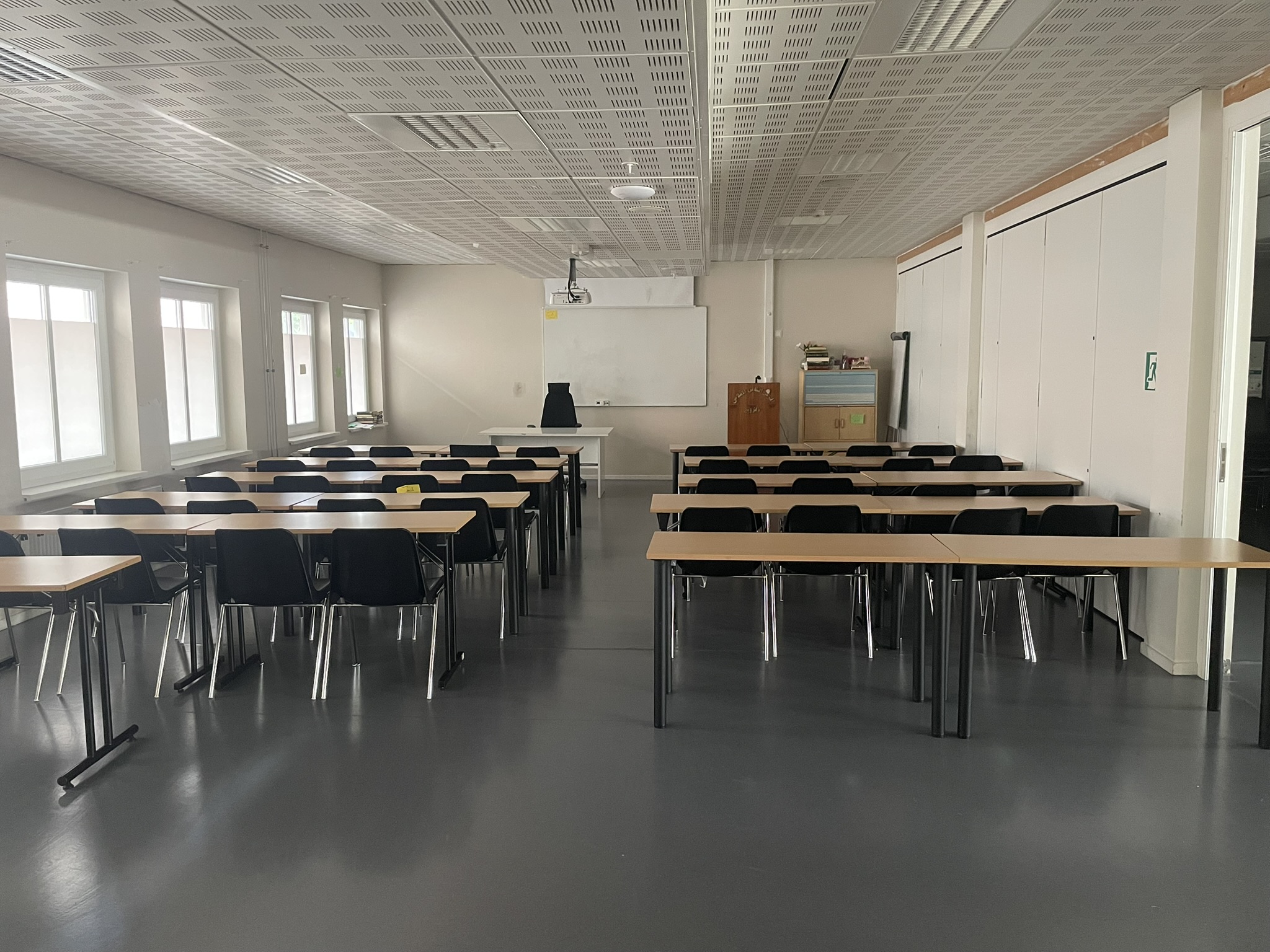
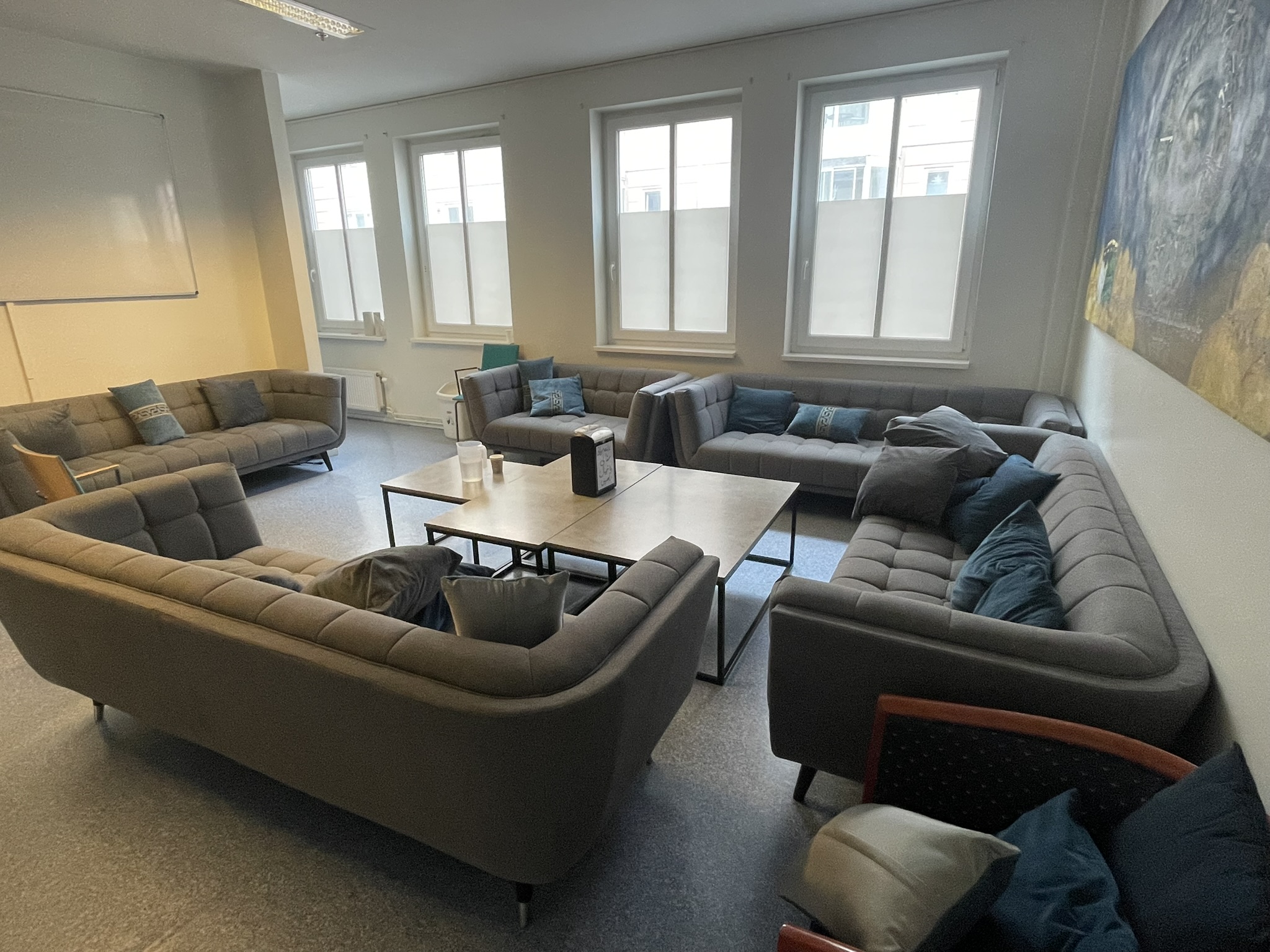
It is good to see that there is good communication and coordination between the scholars and Imāms of the different schools of thought.
Some landmarks of Oslo
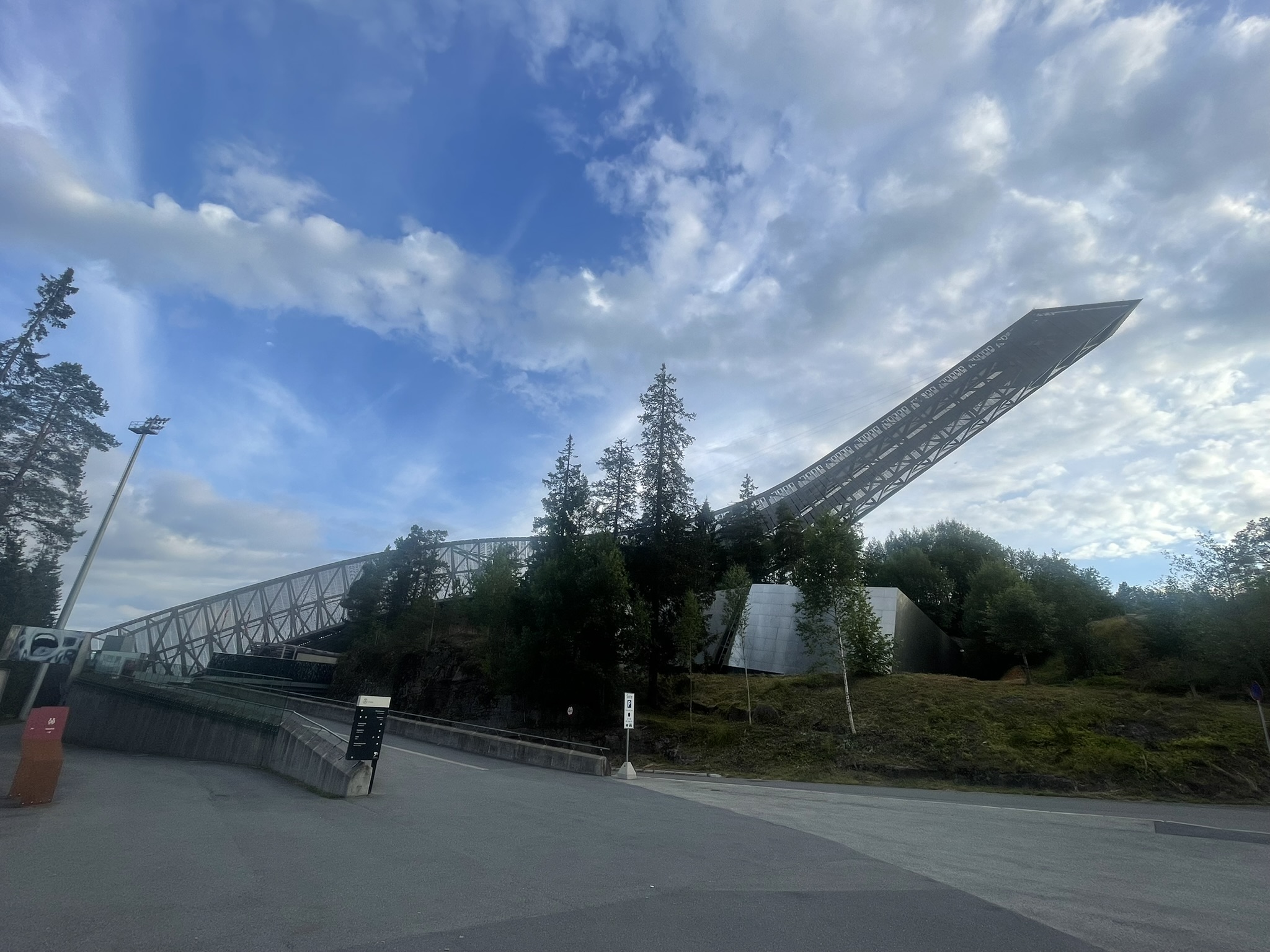
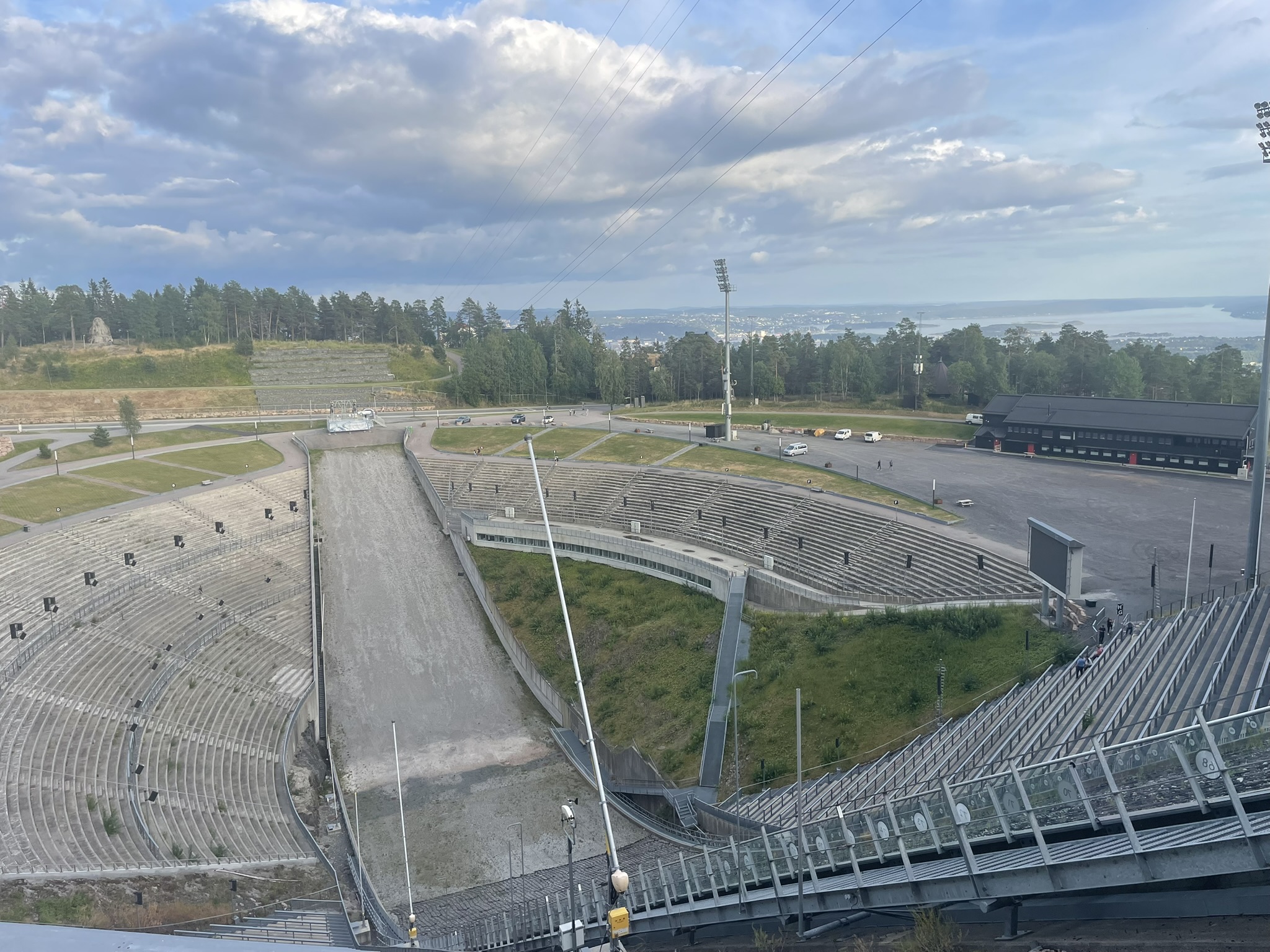
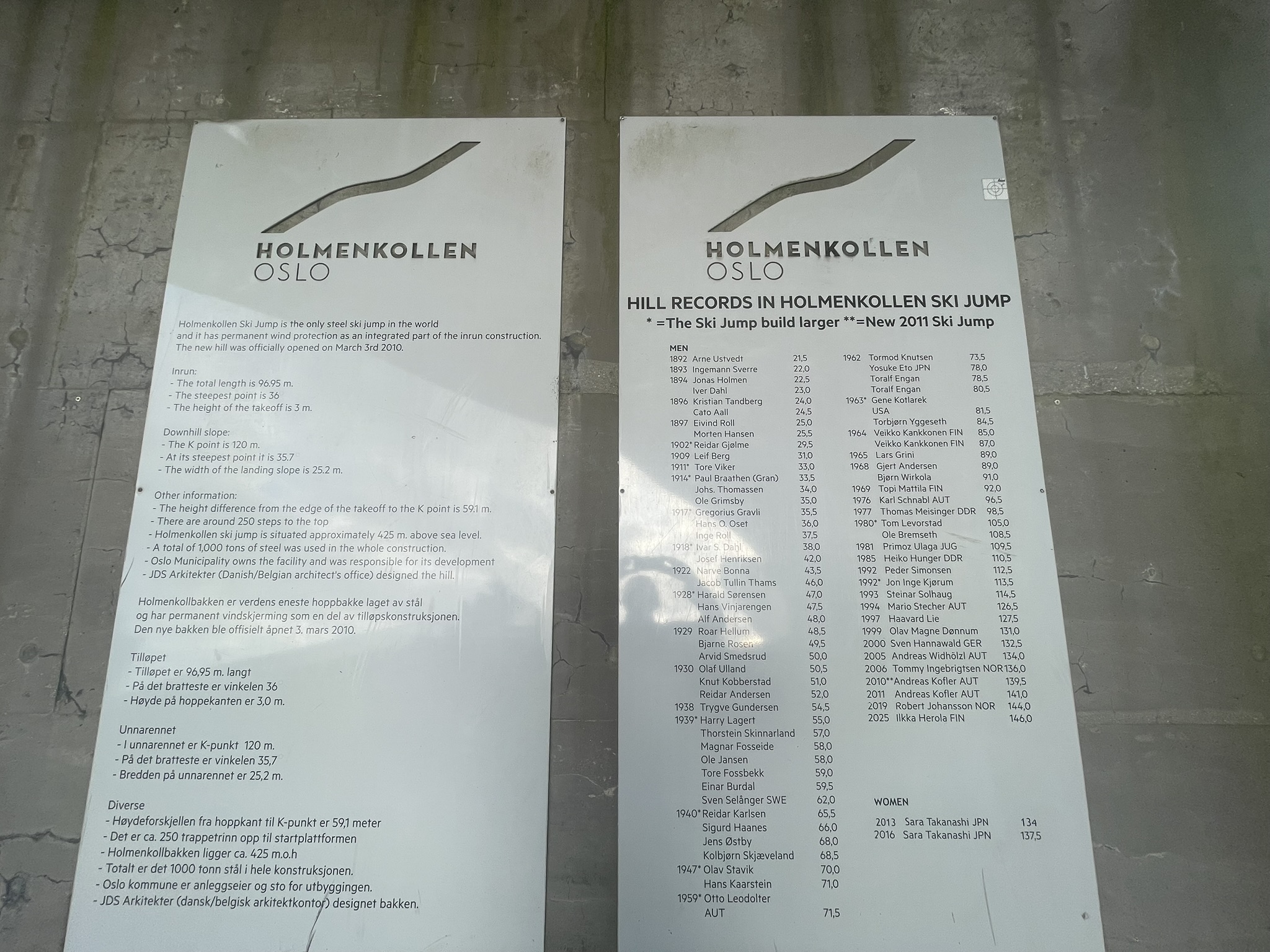
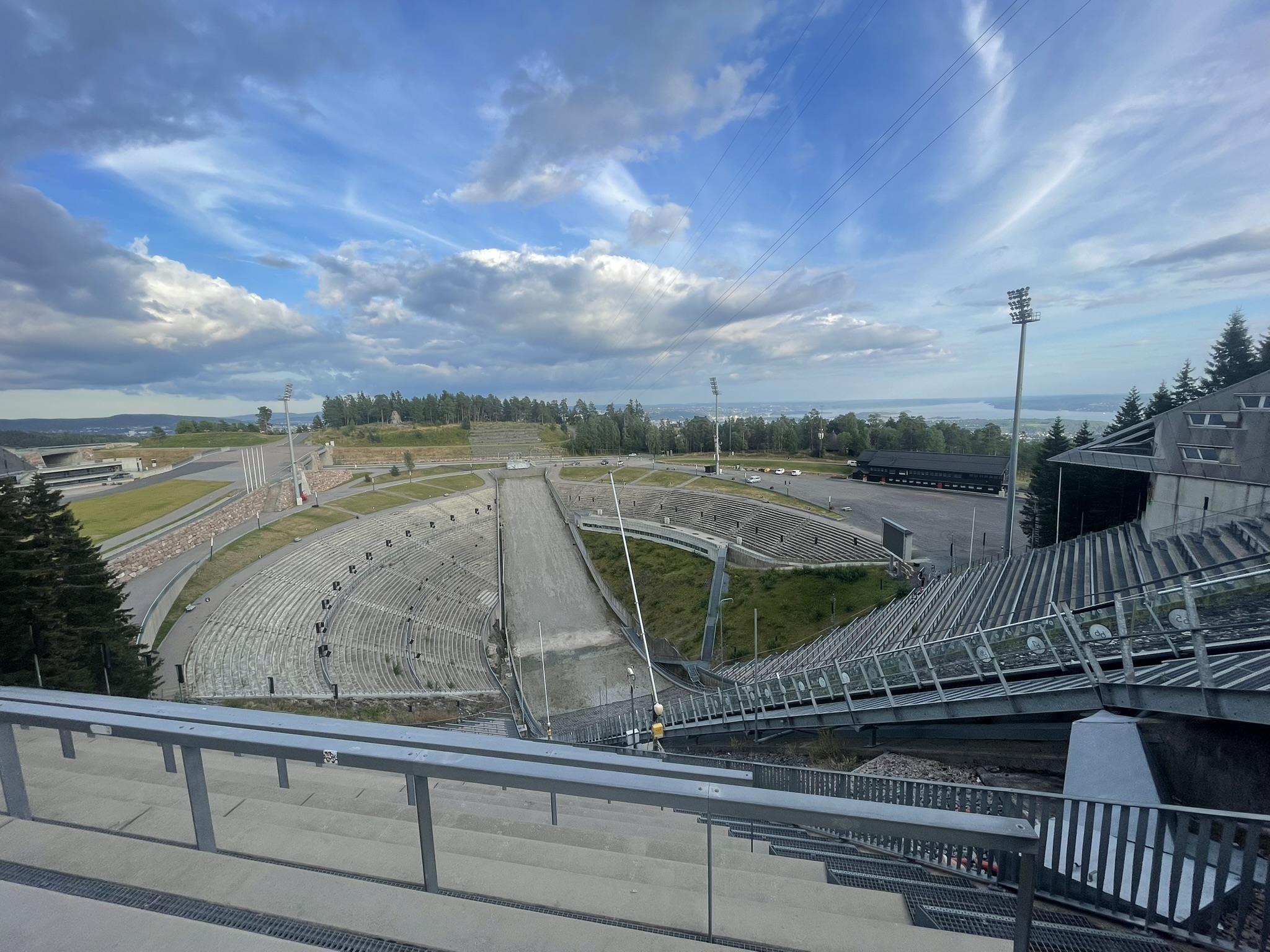
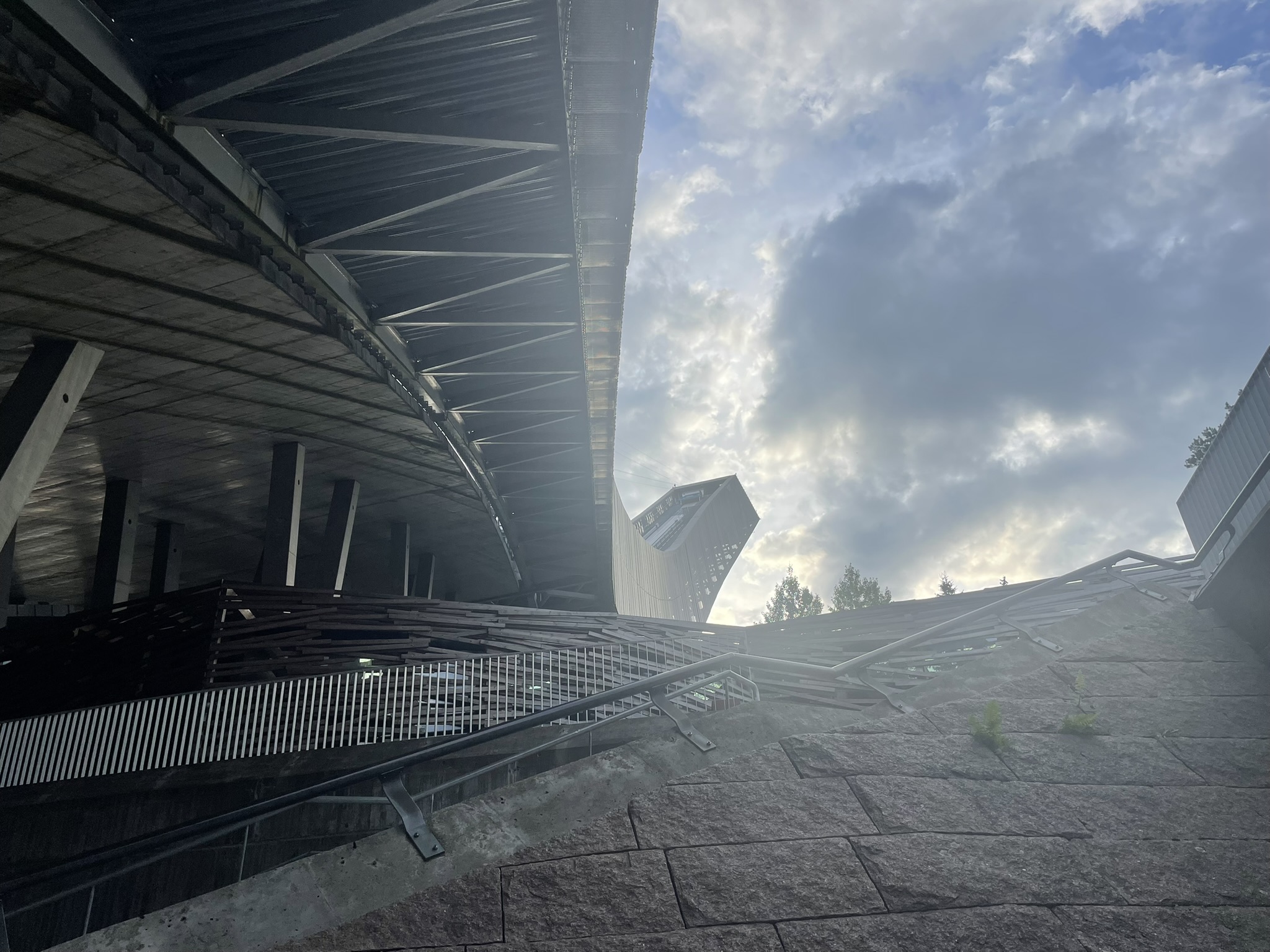
Our time in Oslo is limited. Mawlānā Rizwan and Mawlānā Qamar give us a quick tour of some of the landmarks. We pass the parliament, the opera house and the City Hall where the Nobel Peace Prize ceremony takes place annually. At 7.45pm, we arrive at Holmenkollen, which is where the international ski competition takes place. This is located in the Vestre Aker borough of Oslo which goes up to 500 metres above sea level. At the moment, the weather is good, but in winter, it becomes very cold, allowing Holmenkollen to maintain a sizeable snowpack.
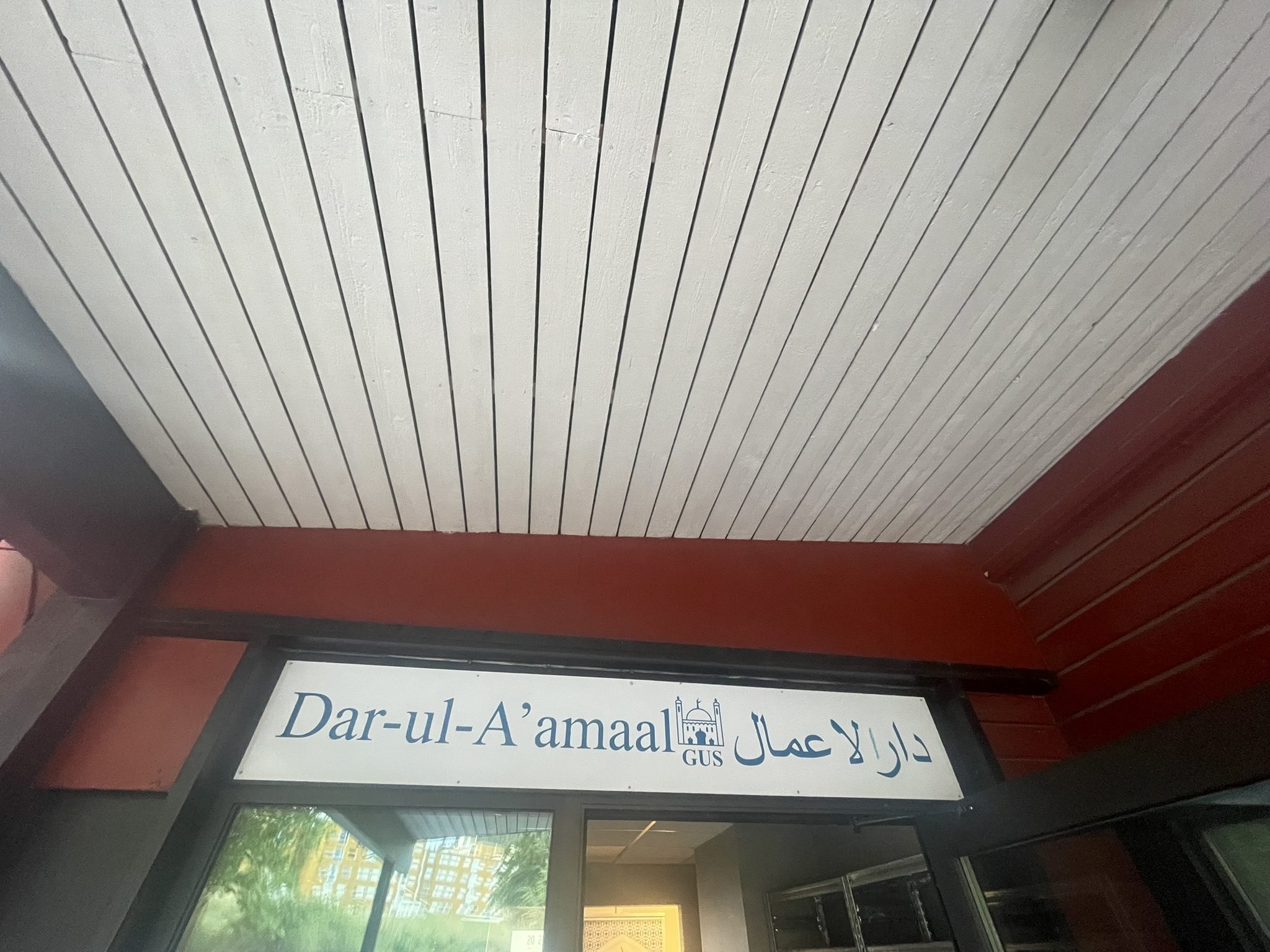
Dar-ul-A’maal Masjid
At 8.30pm, we arrive at Dar-ul-A’maal Masjid, which is a muṣallā run by Mawlānā Raḥīl Ṣāḥib. He is also a senior member of Tablīg Jamāʿat and became a scholar recently.
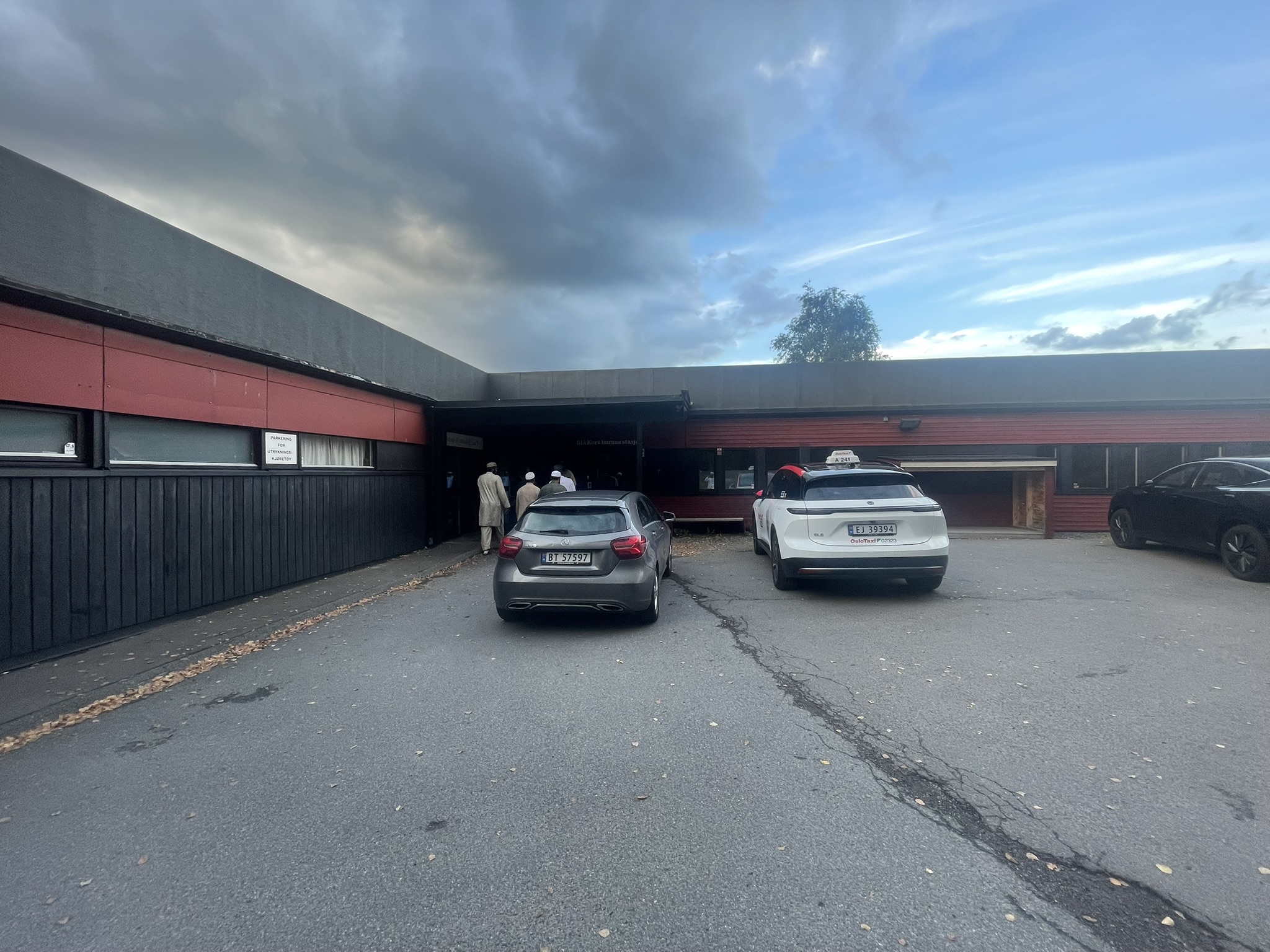
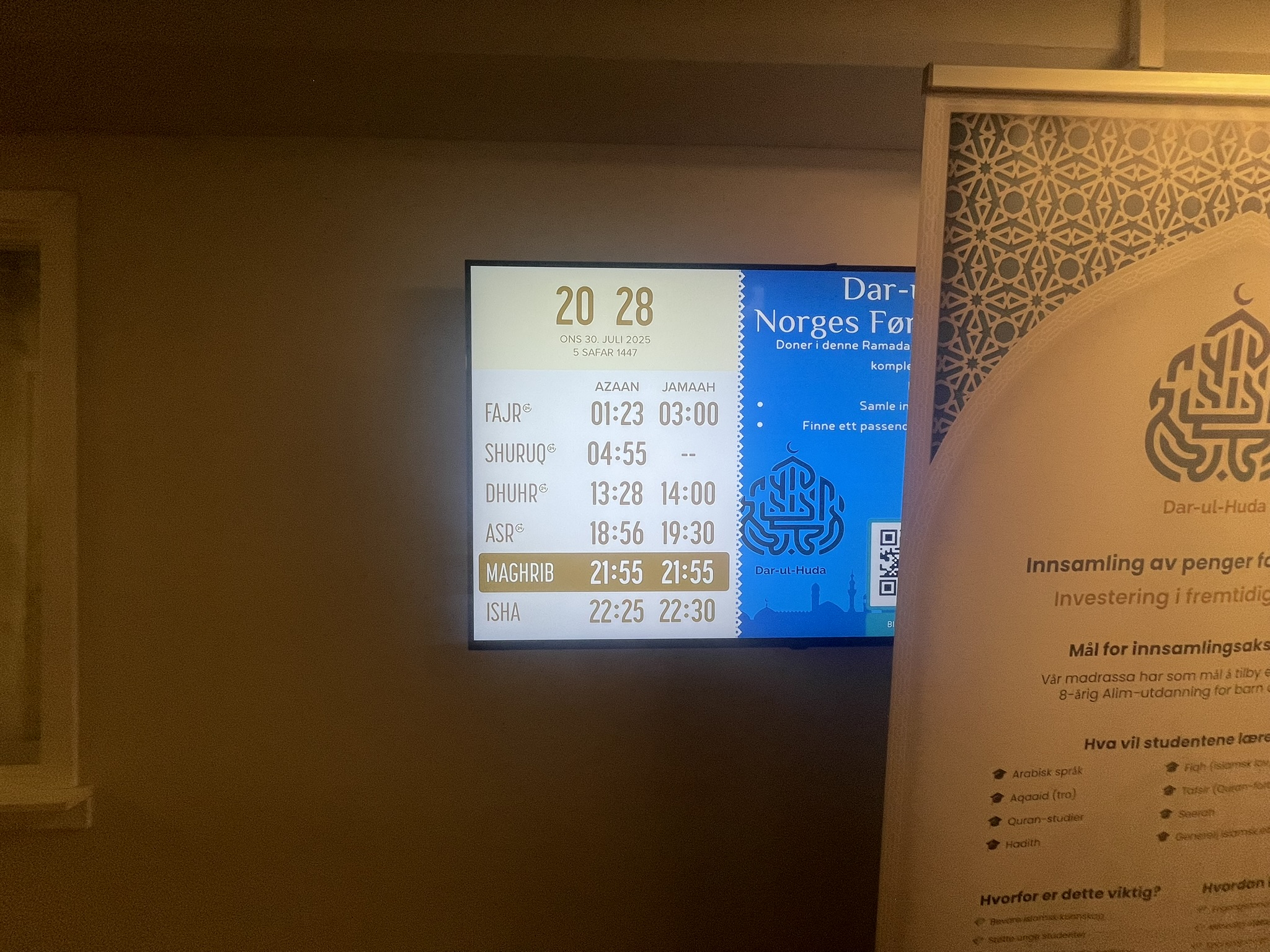
The positive thing in Norway is that Jamāʿats from both the Niẓāmuddīn and Shūrā groups are welcomed. Mawlānā Raḥīl Ṣāḥib is closely connected with Shaykh al-Ḥadīth Mawlānā Faḍlurraḥmān al-Aʿẓamī (b. 1365/1946) and has plans to establish a Darul Uloom here. We discuss his plans and also the situation of Muslims and Maktabs in the country with the scholars who have gathered here. Mawlānā Raḥīl Ṣāḥib has also arranged dinner.
Masjid Omar Al-Farooq
After performing Magrib Ṣalāh at the muṣallā, we head to Masjid Omar Al-Farooq where Mawlānā Rizwan is the Imām. There is a Tablīg Jamāʿat here from Batley, UK. The work of Tablīg also appears to be stronger here compared to Denmark. ʿIshāʾ Ṣalāh is led by Mawlānā Rizwan in his melodious tone. Allah Almighty bless him. After ʿIshāʾ Ṣalāh, he requests me to say a few words. I mention the importance of Duʿāʾ in Sajdah and encourage the Duʿāʾ ربنا هب لنا من أزواجنا وذرياتنا قرة أعين واجعلنا للمتقين إماما to be read in Sajdah and also outside of Ṣalāh.
Ṣalāh times in Norway
The ʿIshāʾ Ṣalāh was performed 30 minutes after sunset. This is because during four summer months, there is no ʿIshāʾ Ṣalāh time in Oslo. This is somewhat similar to the UK but the number of days of perpetual twilight is greater in Oslo. In fact, in the North of Norway, there are regions where the sun does not set at all in the summer, and in the winter the sun does not rise and it remains dark throughout the day. Time does not permit, otherwise it would be good to visit the north. There are flights from Oslo to the far northern region and there are also cruise options on ferry. Our jurists have discussed the ruling on Ṣalāh in such a scenario and the preferred view is that the five Ṣalāh times have to be estimated and performed. Mawlānā Rizwan mentions that Muslims in the north generally follow Oslo whilst some follow Saudi Arabia.
In relation to Oslo, Mawlānā Rizwan and his colleagues have worked hard to correct the Ṣalāh timetables and have made phenomenal progress. All the Deobandi Masjids follow this timetable as do some Masjids of the other schools of thought. The underlying principles of the Oslo Ṣalāh timetable are as follows:
- Ṣubḥ Ṣādiq (dawn) is when the sun reaches 18 degrees below the horizon.
- When the sun does not reach 18 degrees below the horizon, Niṣf al-Layl (mid-point between sunset and sunrise) is deemed to be Ṣubḥ Ṣādiq. Thus, in most Masjids, Fajr Ṣalāh takes place nowadays at 1.15am. Some Masjids opt for a later time; however, the beginning time is stipulated at Niṣf al-Layl.
- ʿIshāʾ Ṣalāh is based on 15 degrees (based on Shafaq Aḥmar) throughout the year when the sun reaches 18 degrees below the horizon.
- ʿIshāʾ Ṣalāh is performed 30 minutes after sunset, during the days when the sun does not reach 18 degrees below the horizon, as per number two. Thus, whenever Niṣf al-Layl is used for Fajr Ṣalāh, ʿIshāʾ Ṣalāh is performed 30 minutes after sunset.
I ask Mawlānā Rizwan how the transition occurs from number 3 to 4 and vice versa. He explains that there is a jump from 2 hours 35 minutes to 30 minutes and vice versa and people are comfortable with this. Herein is a huge lesson for us in the UK. There is a pressing need to correct the Ṣalāh timetables, and if Oslo in Norway can do it, that has perpetual twilight for four months, why can we not do it? This new timetable was prepared by Mawlānā Rizwan and approved by our respected Mufti Muhammad Taqi Usmani. The scholars of Norway deserve credit for resolving and correcting this issue with unity.
There is only one area for consideration which is the few days on either side when ʿIshāʾ Ṣalāh time occurs based on 15 degrees but not based on 18 degrees, and whether for those days, ʿIshāʾ Ṣalāh should be performed shortly before Niṣf al-Layl. Much more can be written on this issue, but this much is sufficient for this travelogue.
(The writer has been advising Masjid Aqsa in Blackburn, and al-Ḥamdulillāh, a Ṣalāh timetable for 2026 has been released which addresses this final point and also the other points and is the first correct Ṣalāḥ timetable in the UK, to the best of my knowledge).
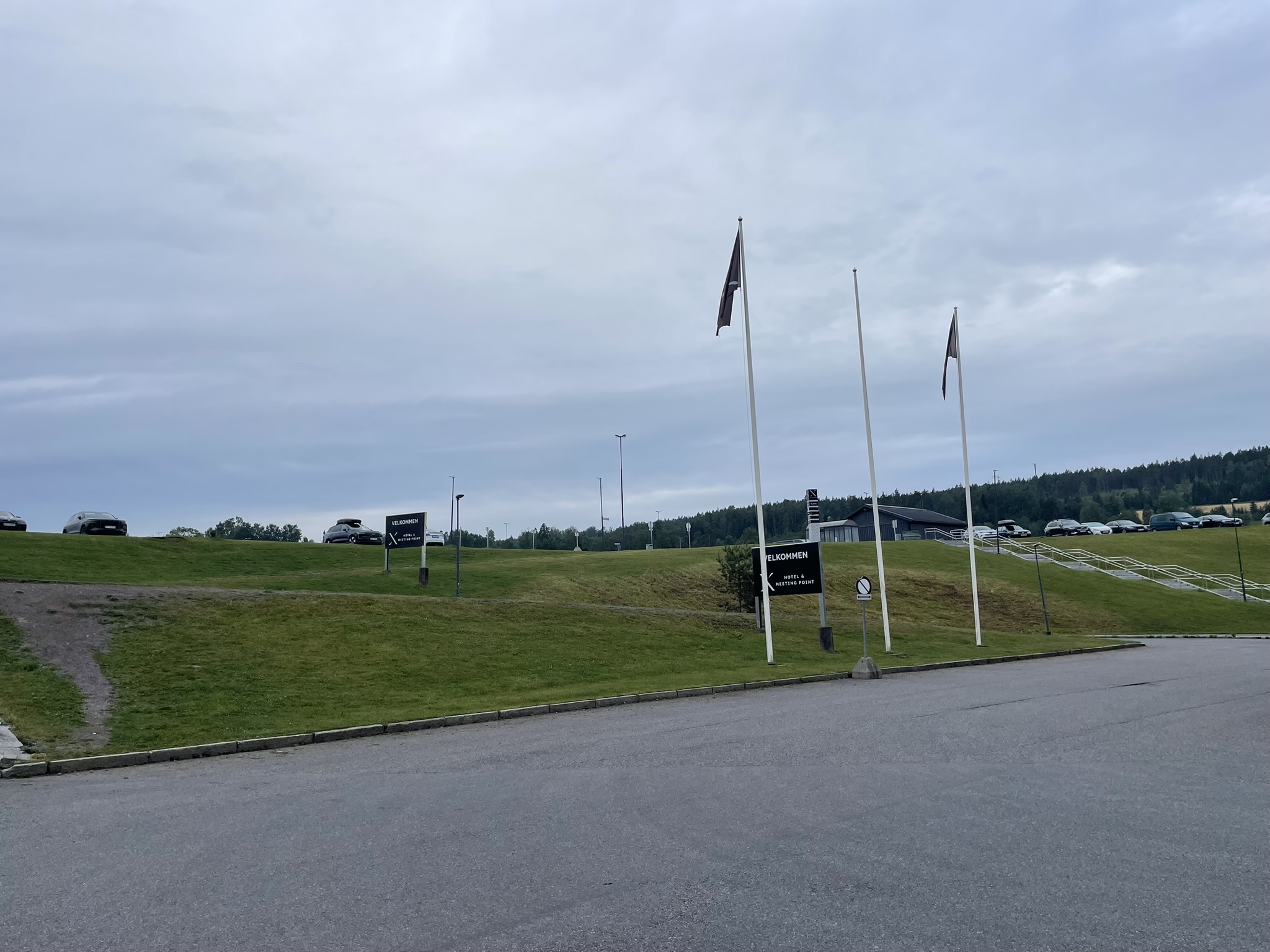
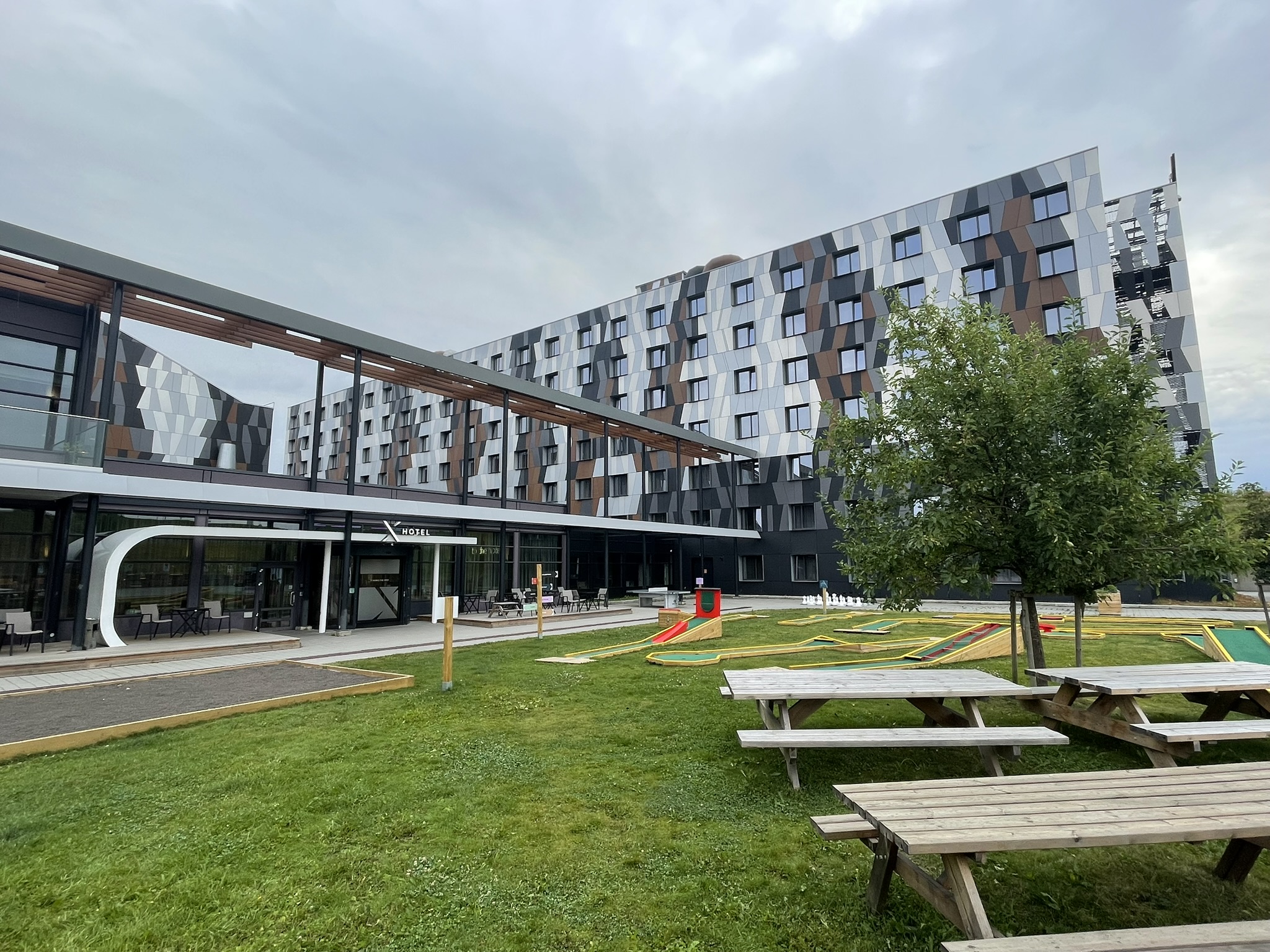
And with these thoughts, we rest for the evening in X hotel.
The Qādiyānī place of worship
At 6.45am, Mawlānā Rizwan and Mawlānā Qamar collect us and we head to the airport. On the way, we observe what appears to be a beautiful Mosque on the highway, in the borough of Alna, northeast of Oslo. It is actually a place of worship built by the Qādiyānīs, called Baitun Nasr Mosque. It is advertised as the largest mosque in Norway with a five-meter dome and a tall minaret. As Muslims, we do not believe it is a mosque.
Oslo Airports
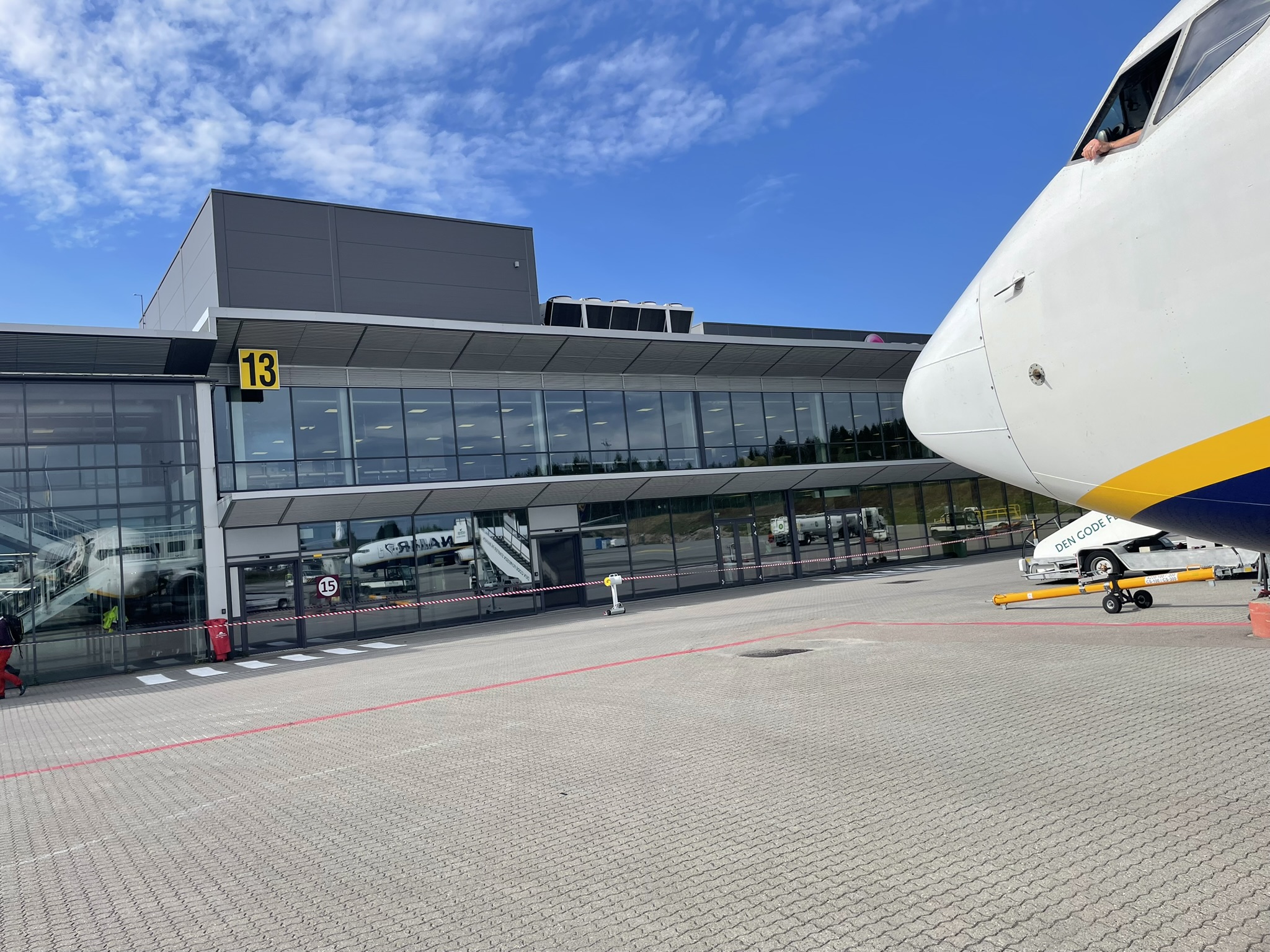
There are two Airports connected to Oslo. Oslo Airport Gardermoen is 47km from the city centre and is the city’s main international airport. The other Airport is Torp Sandefjord Airport, 110km south of Oslo, which is used by several low-cost carriers. This distance should be noted because it is at least 90 minutes from the city. However, the route is scenic and there is the beautiful city of Drammen on route which is situated between mountains. There are also some Muslims here and Mufti Muhammad Taqi Usmani visited this city.
On our way to the Airport, we purchase some chocolates. Mawlānā Rizwan insists on paying and suggests that Norwegian chocolate is better than English chocolate. Allah Almighty bless and him and Mawlānā Qamar for their hospitality and warmth and for giving us a good insight into the country via different interactions and meetings in our limited time.
We board the 10am Ryan Air flight to Manchester and arrive at 11am, after two hours. A key difference between England and the Scandinavian countries is that there is a general calm there. It is very peaceful and there is not much noise including in the cities.
Conclusion
The Muslims of Norway are considerably stronger than their counterparts in Denmark, although the number of Muslims are more in Denmark. The Maktab system is also stronger in Norway and the religious efforts of various groups also appear to be stronger. There are a whole range of reasons for this. May Allah Almighty preserve Islam across Europe and enable us to play a part in preserving and spreading Islam. Āmīn.
Yusuf Shabbir
23 Ṣafar 1447 / 17 August 2025