One Week in Zambia and Tanzania (May 2026)
In the Name of Allah, the Merciful, the Beneficent
Introduction
Approximately, a week ago, I was invited by Mawlānā Ṭalḥah Motālā of Lusaka, Zambia who I had once met in Makkah al-Mukarramah to visit Zambia and deliver a few talks and visit some charitable projects. Prior to this, my dear friend from Leicester, Hārūn Rashīd had also contacted me in this regard. We thus board the 8.54pm Avanti West Coast train from Preston on Monday 4 May 2026 and arrive in Glasgow Central Station at 11.15pm. My dear friend Mawlānā Wasīm Amīn collects us and hosts us at his house near the station for dinner and rest. Allah Almighty reward him, he and his family leave no stone unturned in making our stay comfortable whenever we visit Scotland.
The next morning, Tuesday 5 May 2026, we depart at 5.15am after Fajr Ṣalāh and arrive at 21 Calder Road, Edinburgh, which is home to the recently purchased site for the proposed Eden School project. Here, we meet with brother ʿAqīl ʿUmar who also runs the World Care Foundation charity. He gives us a quick tour of the school site and requests for some support. Mawlānā Wasīm then drops us to Edinburgh Airport, where we board the 7.55am Qatar Airways flight to Doha. The flight only has 100 passengers which is a result of the situation in the Middle East. The official policy of Qatar Airways is that Ṣalāh is not permitted in a standing position, however, the staff do not always enforce this as we experience. During this flight, I complete revising the forthcoming English booklet on Ḥakīm al-Ummah Mawlānā Ashraf ʿAlī Thānawī (d. 1362/1943) and 100 of his discourses which is based on an article written in 2017.
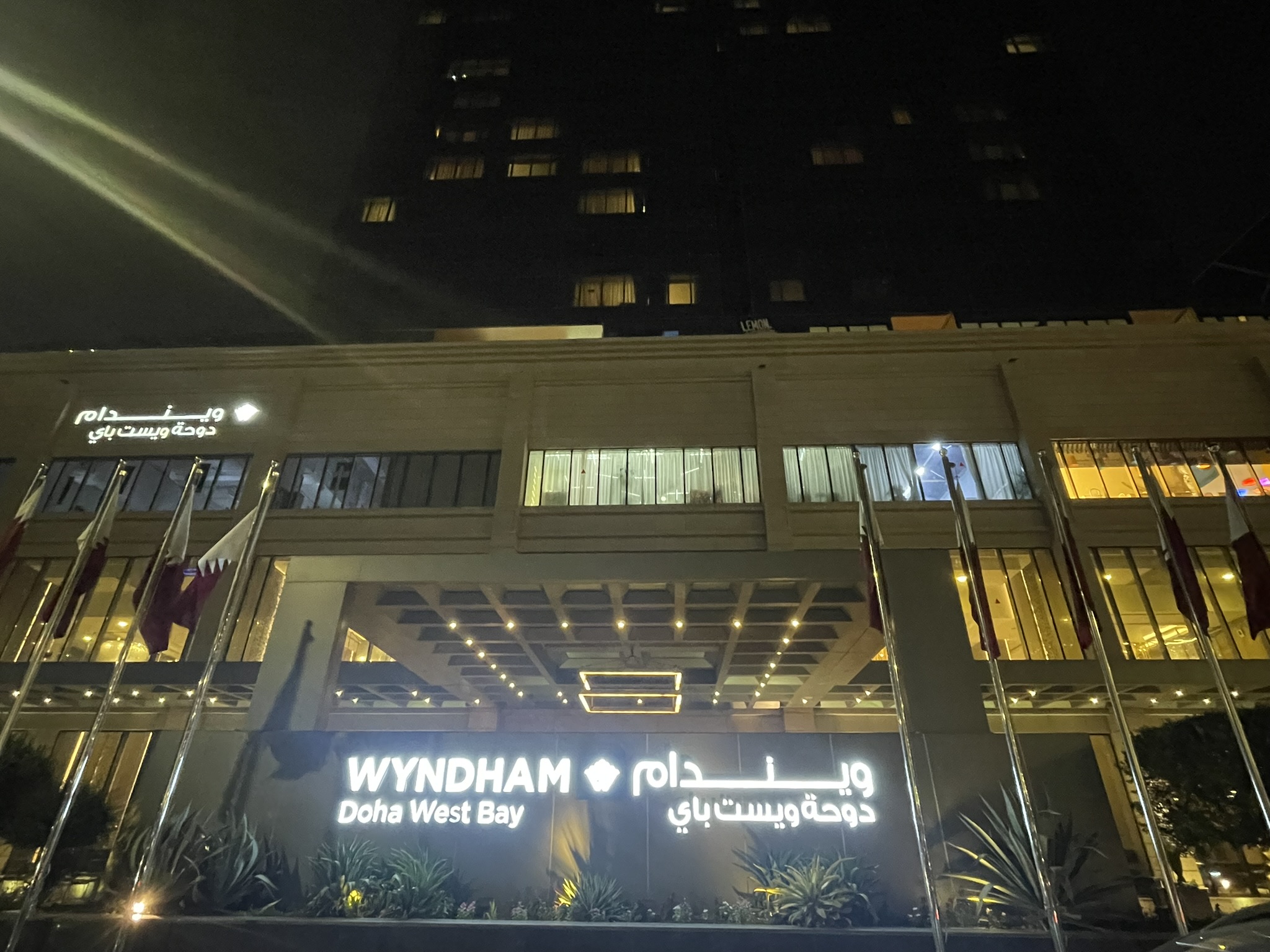
We arrive at Doha’s Hamad International Airport at 5pm, where the time is currently two hours ahead of the UK. Qatar Airways provide complimentary transit accommodation at the Airport or in the city, for passengers who have a transit time exceeding eight hours. This can be booked in advance via their website. We are transported to the Wyndham Doha West Bay hotel where we rest.
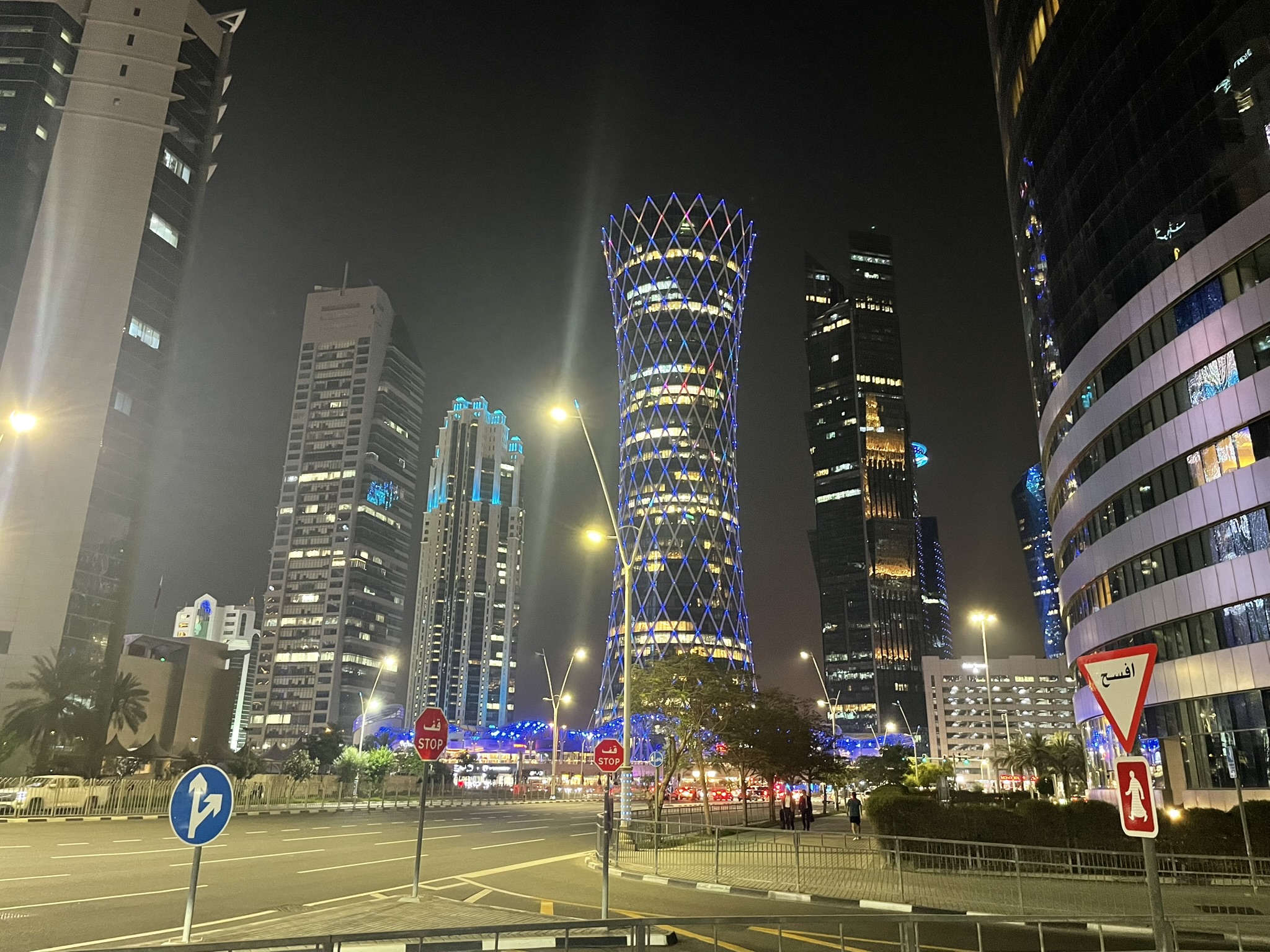
We visit the City Centre Mall nearby and visit the famous Al Mandarin juice shop.
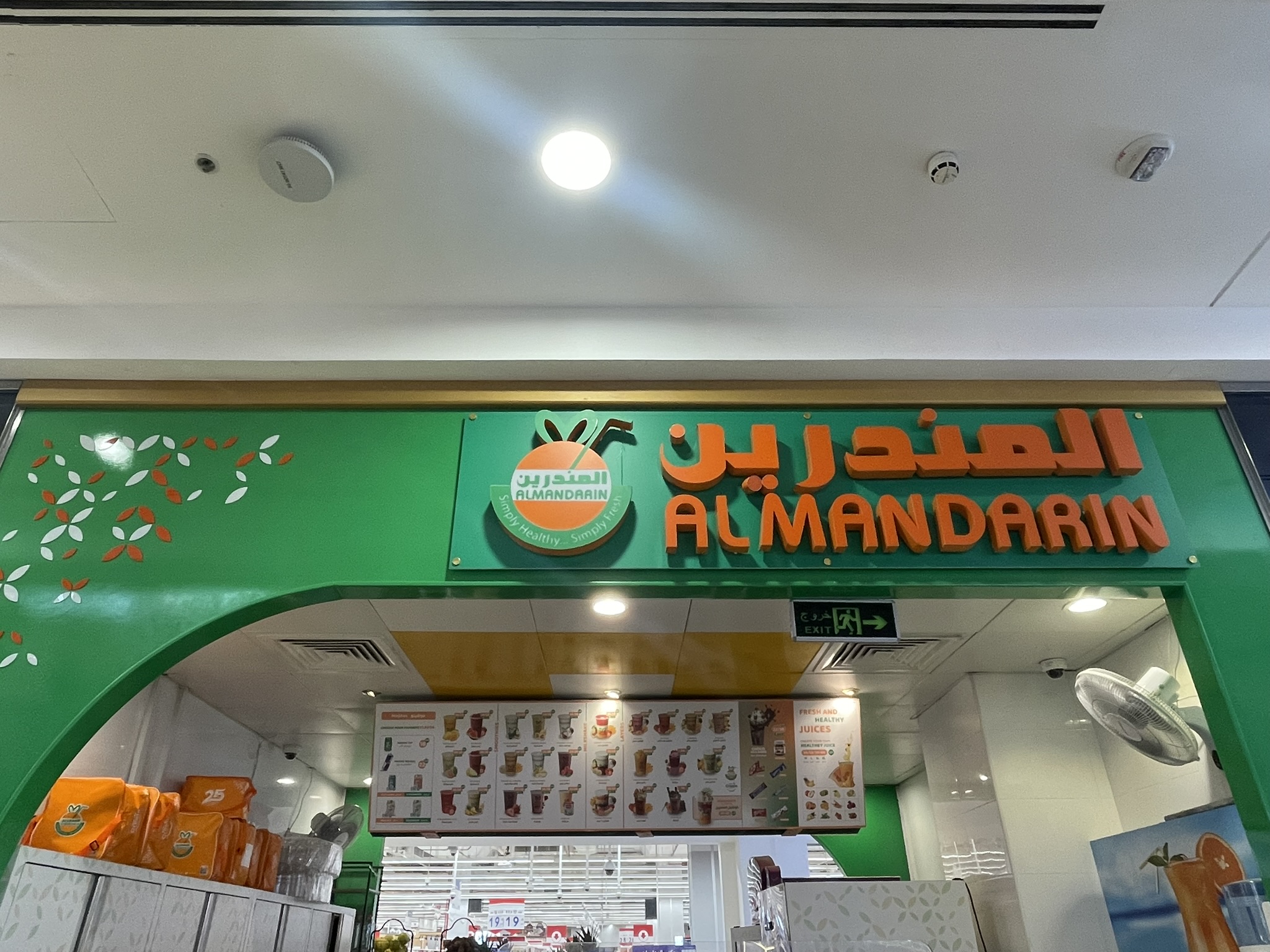
At midnight, we return to the Airport, eat at the Al Mourjan Lounge, with the Kabsa deserving a special mention, and board the 2.20am Qatar Airways flight to Lusaka.
Day 1 – Wednesday 6 May 2026
Arrival into Zambia
Zambia
The Republic of Zambia is a landlocked country at the crossroads of Central, Southern and East Africa. Its neighbours are Congo to the north, Tanzania to the north-east, Malawi to the east, Mozambique to the southeast, Zimbabwe and Botswana to the south, Namibia to the southwest, and Angola to the west. It is the 39th largest country in the world with a size of 290,586 square miles. The capital is Lusaka, located in the south-central part of the country. Its population of 22.5 million is concentrated mainly around Lusaka in the south and the Copperbelt Province to the north, the core economic hubs of the country. The overwhelming majority of the country is Christian (95%) whilst Muslims form approximately 1% of the population. This is because Islam arrived from the coasts of East Africa and penetrated Somalia, Kenya, Tanzania, Mozambique and Malawi and did not penetrate countries like Zambia.
Zambia became independent in 1964 from the United Kingdom. It is renowned for the rugged terrain and diverse wildlife, with many parks and safari areas. On its border with Zimbabwe is the famous Victoria Falls plunging a misty 108m into the narrow Batoka Gorge. The official languages are English, Nyanja and Bemba and the currency is Zambian Kwacha which is currently nineteen kwachas to one US dollar. The country has managed to avoid the war and upheaval that has marked much of Africa’s post-colonial history, earning itself a reputation for political and economic stability. The BBC website provides a useful timeline of the country’s history as follows:
- 12th Century– Shona people arrive in the area, later establishing the empire of the Mwene Mutapa, which includes southern Zambia.
- 16th Century– Arrival of peoples from Luba and Lunda empires of Zaire to set up small kingdoms.
- Late 18th Century– Portuguese explorers visit.
- 19th Century– Instability generated by migration as well as slave-trading by Portuguese and Arabs.
- 1851 – British missionary David Livingstone visits.
- 1889 – Britain establishes control over Northern Rhodesia, administering the area using a system of indirect rule which leaves power in the hands of local rulers.
- Late 1920s– Discovery of copper, which later encourages an influx of European technicians and administrators.
- 1953 – Creation of the Federation of Rhodesia and Nyasaland, comprising Northern Rhodesia (now Zambia), Southern Rhodesia (now Zimbabwe) and Nyasaland (now Malawi).
- 1960 – Independence struggle: Kenneth Kaunda launches United National Independence Party (UNIP).
- 1964 – Independence: Northern Rhodesia is renamed Zambia, President Kaunda rules for next 27 years.
- Late 1960s-1970s– Key enterprises nationalised. Private land nationalised in an unsuccessful agricultural improvement programme.
- 1972 – One-party state: Kaunda’s UNIP becomes the only legal party until 1991.
- 1975 – Tan-Zam railway opened, providing a link between the Copperbelt to the Tanzanian port of Dar es Salaam, reducing Zambian dependence on Rhodesia and South Africa for its exports.
- 1976 – Zambia declares support for the independence struggle in Rhodesia. Zambian help proves crucial to the transition of Rhodesia to an independent Zimbabwe.
- 1991 – First multi-party elections in 23 years, Frederick Chiluba’s Movement for Multiparty Democracy (MMD) wins.
- 1997 – Attempted coup. Former President Kaunda is arrested but later walks free.
- 2001 – President Chiluba steps down over opposition to his bid to run for an unconstitutional third term.
- 2010 – Zambia and China sign mining cooperation agreement and deal to set up joint economic zone. Zambia, China agree to build a second hydroelectric power plant on the Kafue River. Chinese mine managers charged with attempted murder following a multiple shooting at a mine where workers were demonstrating against conditions.
- 2013– The government takes over the Chinese-owned Collum Coal mine after revoking its licence because of safety lapses.
- 2021 – Opposition leader Hakainde Hilichema wins landslide in presidential election.
Arrival into Lusaka
We arrive at Lusaka’s Kenneth Kaunda International Airport at 8.30am local time, which is currently one hour ahead of the UK and one hour behind Qatar. The Airport is large and the immigration and baggage retrieval is swift. There is no corruption at the Airport unlike neighbouring Malawi. This is my first time in Lusaka, although I have travelled to Chipata in East Zambia twice by road from Malawi, once in April 2022, and once in August 2023.
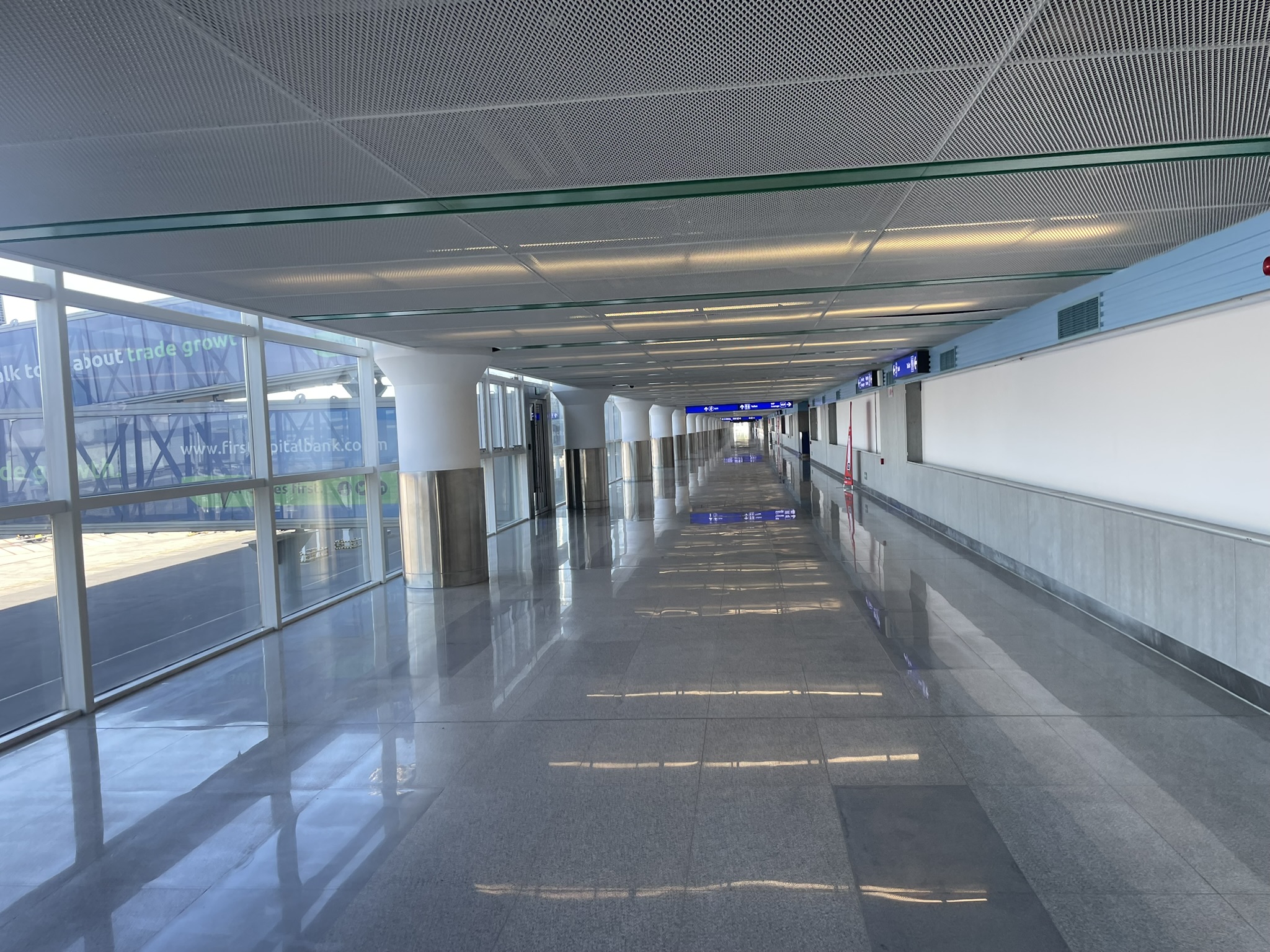
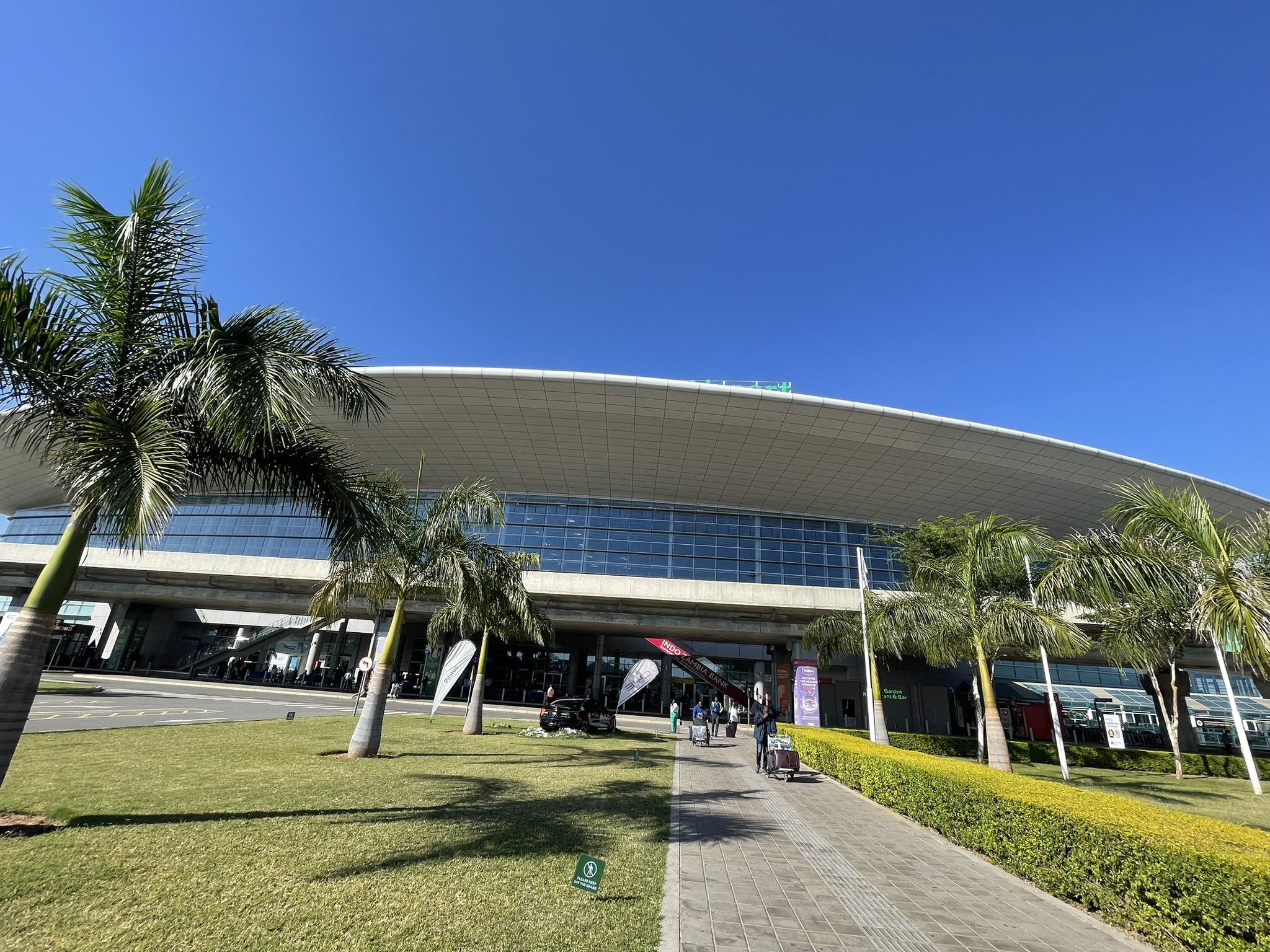
We are welcomed at the Airport by Ḥājī Sulaymān Patel, the younger brother of our very dear Ismāʿīl Bhai Architect of Lilongwe, Malawi who drove me to Chipata by road. Ḥājī Sulaymān is a respected learned noble person who explains that the Government has clamped down on corruption at the Airport, and that the Airport is named after Kenneth Kaunda (d. 1442/2021) also known as KK, who played a leading role in the campaign for independence from the British Empire and served as the country’s first Prime Minister between 1964 and 1991, as mentioned above. Also accompanying him is Ḥājī Muḥammad Aḥmad Rāwat, who also resided in Leicester for some time.
Our host, Mawlānā Ṭalḥah Motālā also arrives with his nephew Ḥasan Motālā, and we proceed to the city. Mawlānā Ṭalḥah is a dynamic young scholar whose maternal grandmother was the cousin of our respected Shaykh al-Ḥadīth Ḥaḍrat Mawlānā Yūsuf Motālā (d. 1441/2019), and whose sister is married to Mawlānā ʿAbd al-Rashīd ibn Mawlānā ʿAbd al-Raḥīm Motālā, the current Principal of the Maʿhad al-Rashīd seminary in Chipata, and whose father in law is Shāhid Motālā (who is doing some phenomenal work in North Zambia as outlined below). Mawlānā Ṭalḥah studied initially in Azadville, South Africa and completed his ʿĀlim studies in Maʿhad al-Faqīr al-Islāmī, Jhang, Pakistan in 2011.
As we proceed to Lusaka city, it is evident that the city is large and much more developed compared to Lilongwe, Blantyre and Harare. It is one of the fastest growing cities in southern Africa. We discuss the religious, political and socio-economic situation of the country. The current government is pro-Israel. Corruption is common. To acquire Zambian citizenship has become difficult. The Zambian Shekel has appreciated in six months from twenty-eight to nineteen kwachas for one US dollar. This is in sharp contrast to Malawi where the currency has not only depreciated significantly, but there is a 100% difference in the official and black-market rates.
Asian Muslims in Zambia
The first Asian Muslims arrived in Zambia in the early 1900s. Today, there are approximately 100,000 Asian Muslims in the country, mainly in Lusaka and Chipata, although there is an increase in migrants living in rural areas. The first area of Lusaka where the Asian Muslims resided was Emmasdale. They are mainly from the Surat and Bharuch areas of Gujarat, India.
There is a strong presence of Tablīg especially among the Asian Muslims. The first Tablīg Jamāʿat came here in the 1960s, and the religiosity among the Asian Muslims is a result of the effort of Tablīg. The world shūrā group is dominant here. The Niẓāmuddīn group is not tolerated.
Brunch and some meetings
At 10.15am after an hour’s drive, we arrive at Mawlānā Ṭalḥah’s residence in the Makeni area of southwest Lusaka and eat brunch. This area was previously in the outskirts of the city. When Shaykh al-Ḥadīth Mawlānā Muḥammad Zakariyyā Kāndhelwī (d. 1402/1982) visited Lusaka in 1981 before his journey to the UK, he resided at the house of Ibrāhīm Lambāt in this area. Mawlānā Ṭalḥah’s elder brother, Mawlānā Muḥammad ʿAlī Motālā arrives as does Ḥāfiẓ Anwar Sīdāt, the nephew of Ismāʿīl Bhai Architect. Mawlānā Ṭalḥah’s young daughter Rumayṣāʾ converses with us in Urdu and is a real delight. Allah Almighty make her pious and the coolness of her parents’ eyes.
Jaamia Zainab and other seminaries in Zambia
Mawlānā Ṭalḥah has arranged for me and my wife to stay at the guest house of Ḥājī Ṣādiq Sīdāt who lives nearby. On route, he shows us the current rented premise of Jaamia Zainab and the new 6.3-acre land for the proposed permanent site, which has been purchased recently thanks to one generous donor.
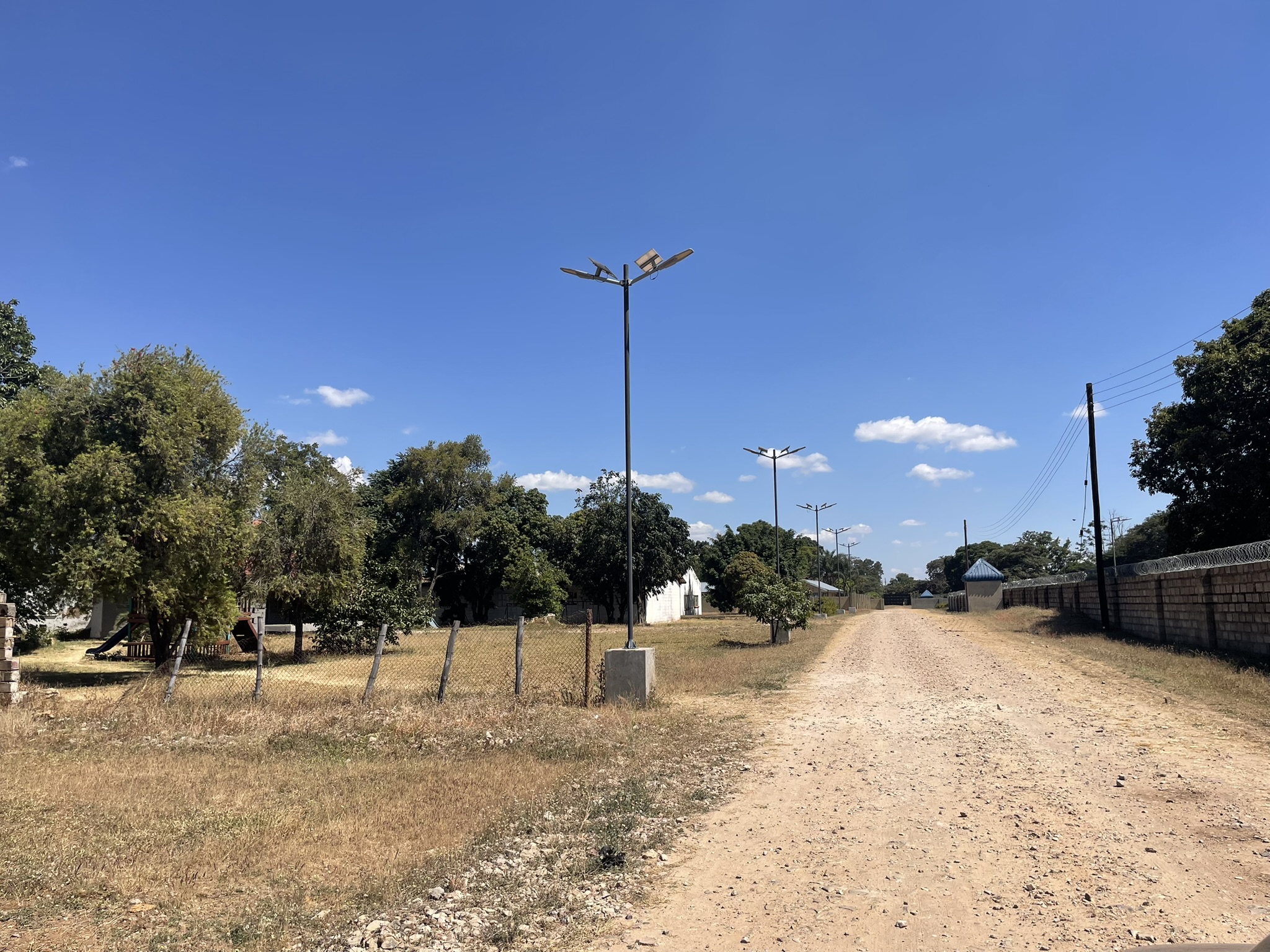
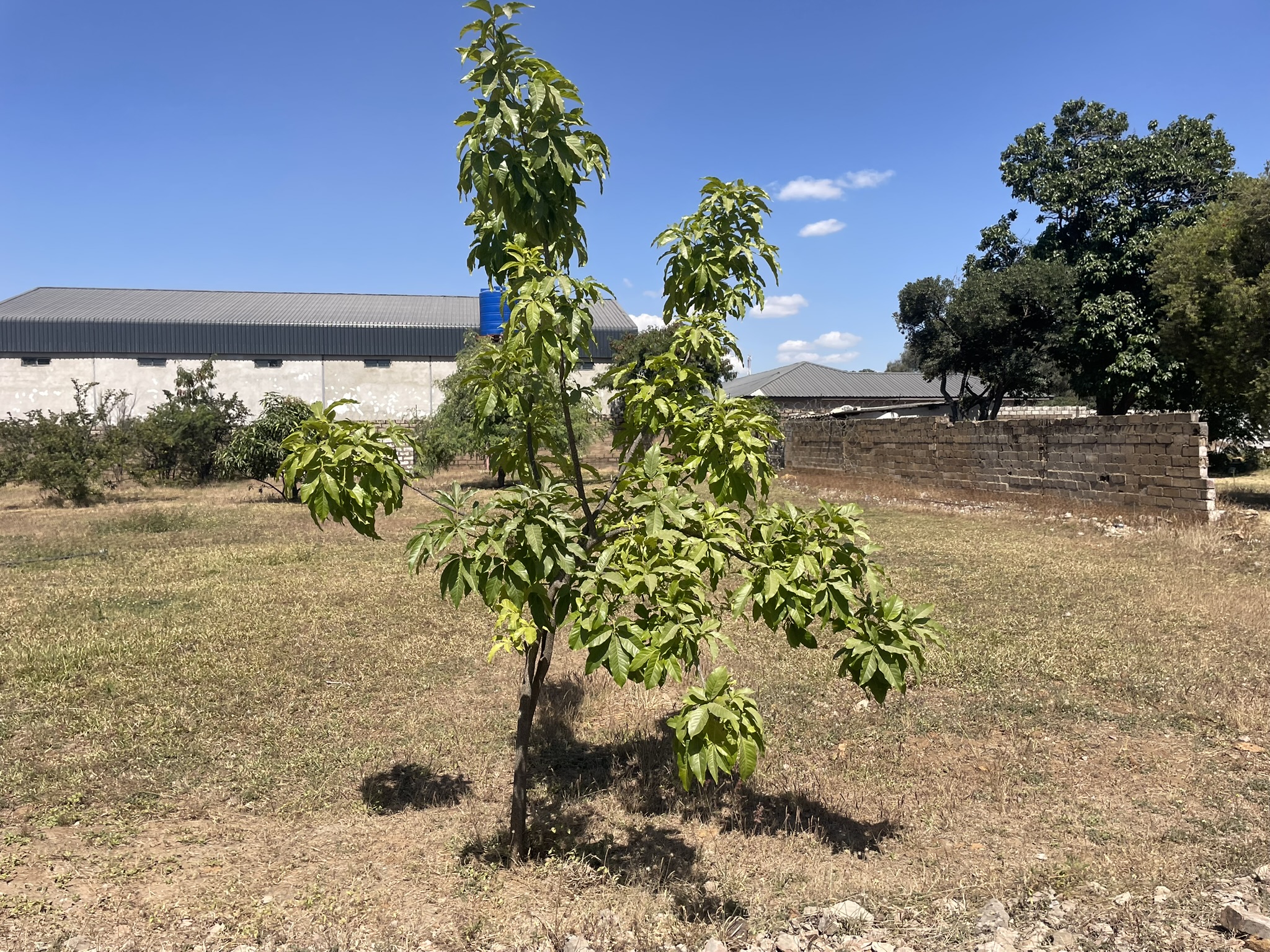
Land and properties are extremely expensive in Lusaka. There are many wealthy families in Lusaka. Generally, large-scale infrastructure projects to build Masjids and seminaries are funded from Lusaka without the need to raise funds from elsewhere.
Jaamia Zainab was established in 2009 by Zāhidah Āpā, the sister of Shāhid Motālā, under the guidance and direction of Pīr Dhu al-Fiqār Aḥmad Naqshbandī (d. 1447/2025) and is currently run by herself and her other family members including Mawlānā Ṭalḥah and Mawlānā Muḥammad ʿAlī. It currently serves 200 female students in total; 100 students attend in person whilst 100 partake online. 25 are residential students from various countries including Zambia, Mozambique, Malawi, Malaysia and Philippines. Most of the students study the ʿĀlimah course whilst 25 girls are memorising the Qurʾān. There is also provision for Qirāʾah and a Takhaṣṣuṣ for the memorisation of Ṣaḥīḥ al-Bukhārī. Six girls have memorised Ṣaḥīḥ al-Bukhārī. This is impressive. I have not come across a formal programme for the memorisation of Ṣaḥīḥ al-Bukhārī within the Indo-Pak seminaries anywhere.
Mawlānā Ṭalḥah explains that there are six seminaries for boys in Zambia and three for girls. They are as follows:
- Jamiah Islamiyyah, Lusaka (Boys). This seminary primarily serves Asian students.
- Darul Uloom of Zambia, Lusaka (Boys). This seminary primarily serves indigenous students.
- Al-Falah Academy, Lusaka (Boys). This seminary primarily serves Asian students.
- Darul Iftaa Mahmudiyyah (Boys). This seminary primarily serves Asian students.
- Mahad al-Rashid, Chipata (Boys). This seminary primarily serves indigenous students.
- Jamia Irfania, Mpulungu (Boys). This seminary primarily serves indigenous students.
- Jaamia Zainab, Lusaka (Girls). This seminary primarily serves Asian students.
- Jamiah Islamiyyah, Lusaka (Girls). This seminary primarily serves Asian students.
- The seminary for girls run by Ṣabīḥah Āpā in Lusaka. This seminary primarily serves Asian students.
Unlike Malawi where there is 100% segregation, the seminaries that primarily serve Asian students also have some indigenous students. These seminaries have boarding facilities apart from Darul Iftaa Mahmudiyyah. Along with the religious education, comprehensive schooling is provided in numbers 2 and 6. The indigenous here follow the Ḥanafi school unlike Malawi where the Shāfiʿī fiqh is followed.
Darul Yatama Wal Masakeen
At 3pm, following some rest, we depart to visit the Makeni Institute Trust’s Darul Yatama Wal Masakeen orphanage located in Makeni Konga, 20km southwest of the city. The orphanage was established in 2010 and is home to 230 orphan boys from the indigenous community between the ages of 5 and 17. There is a similar sister institute 6km away which serves 150 orphan girls.
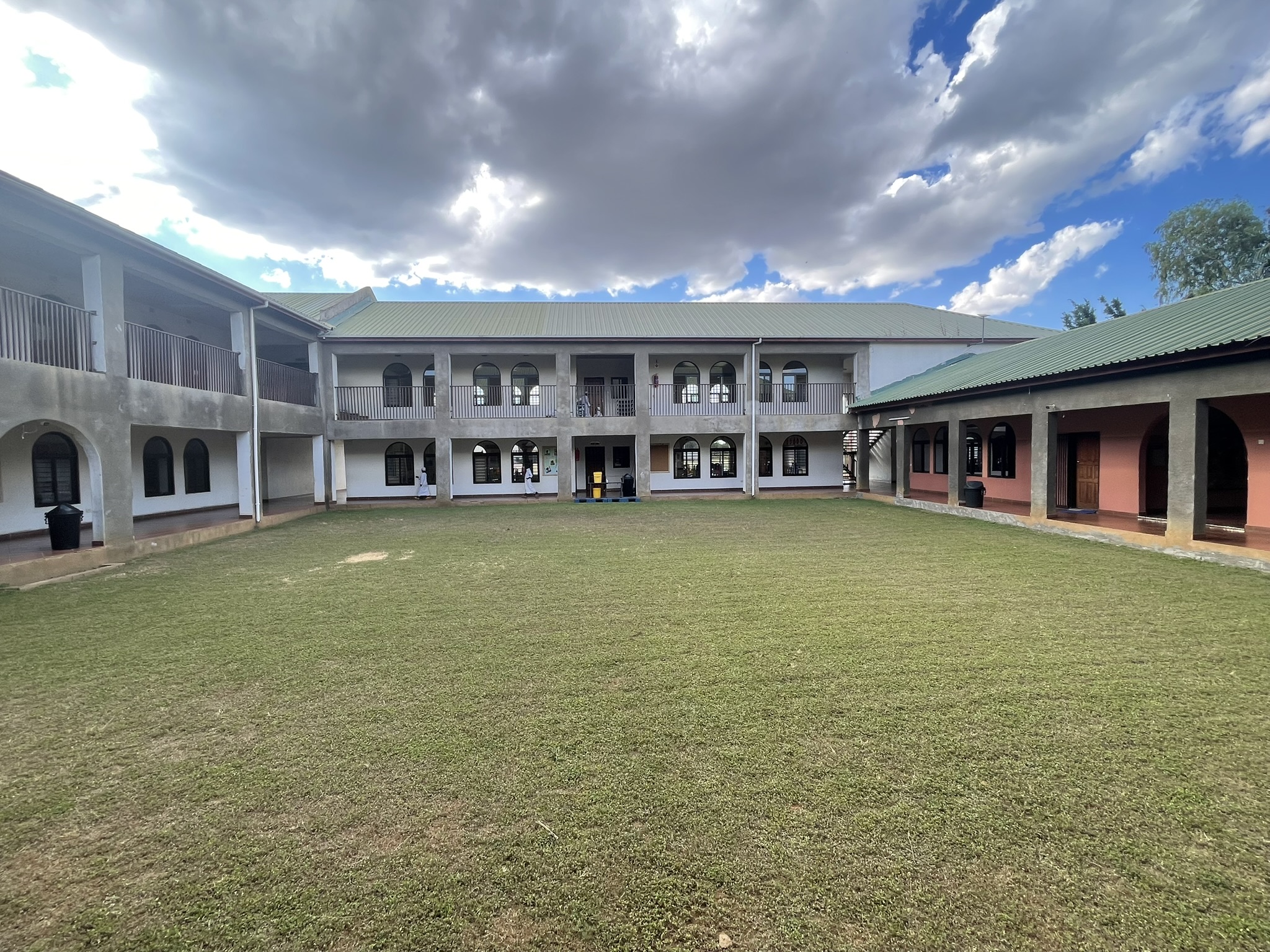
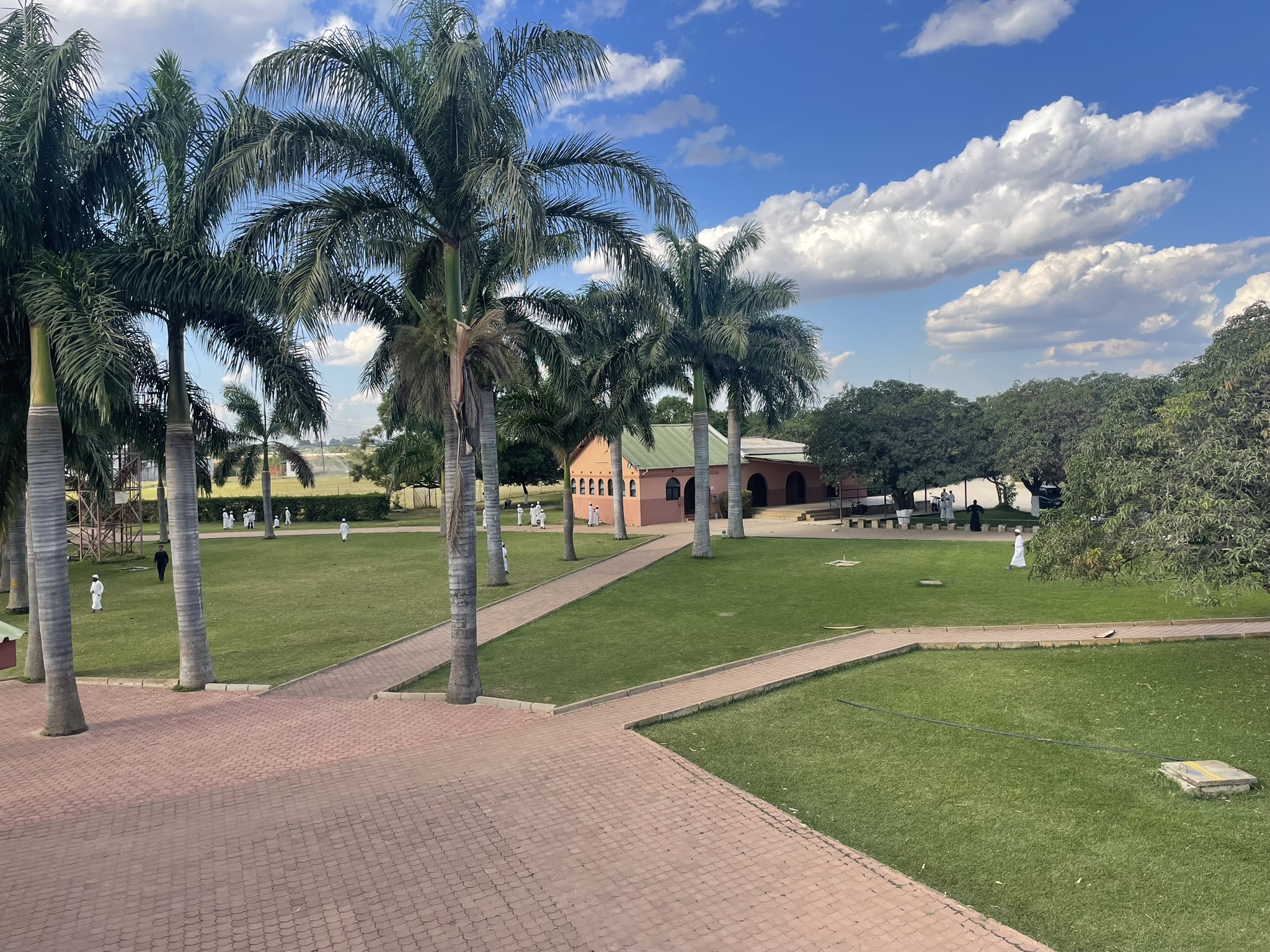
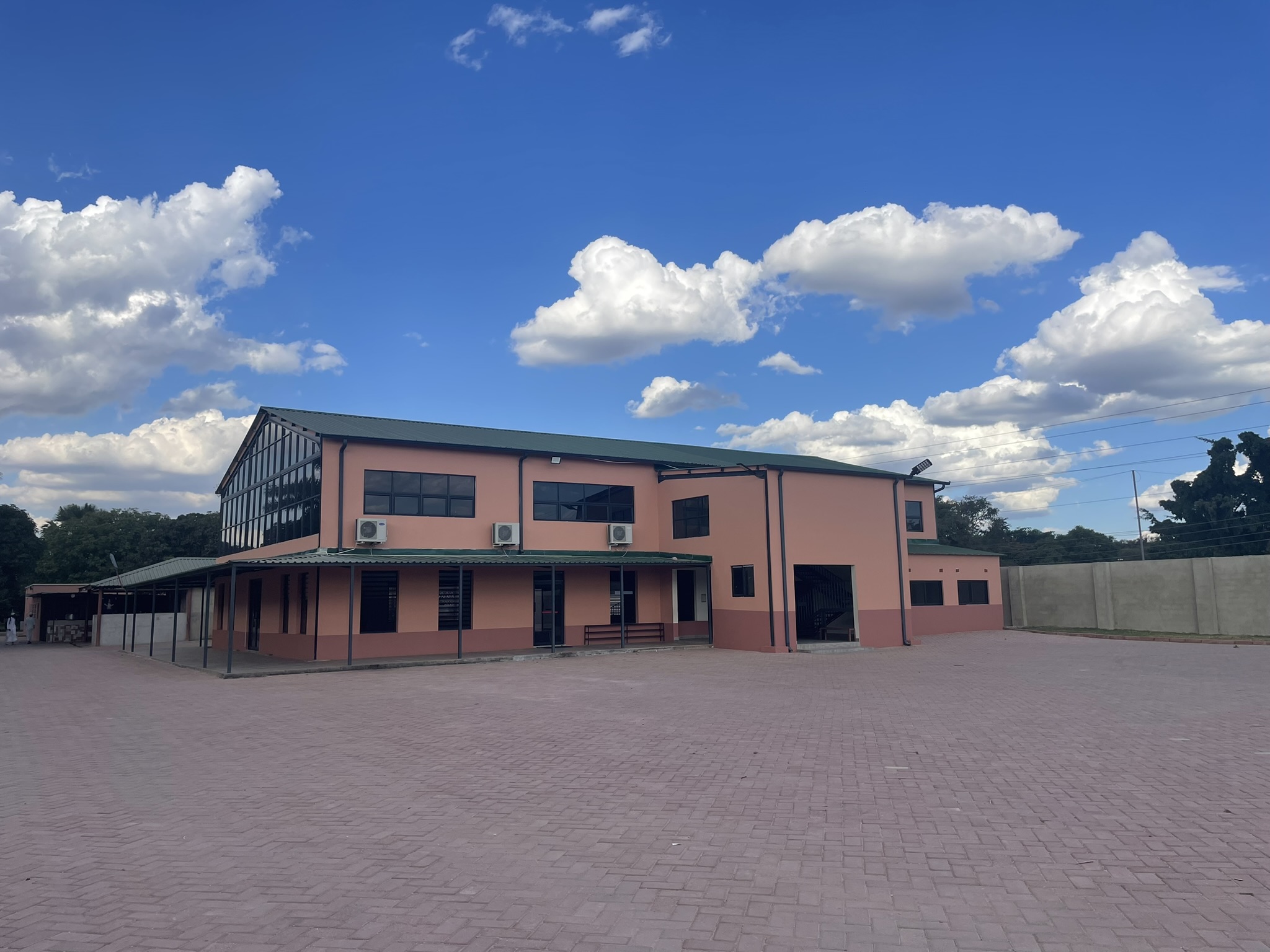
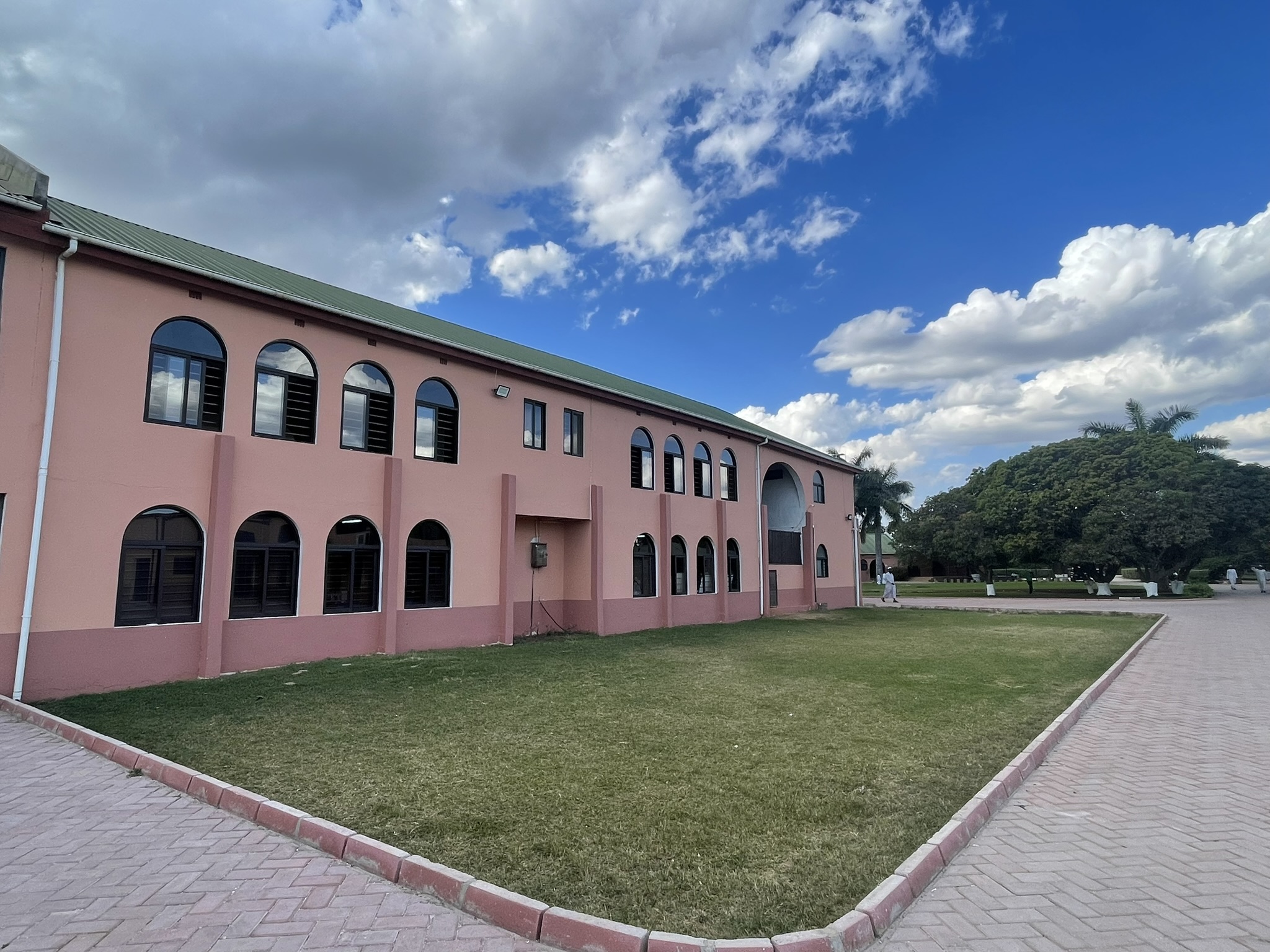
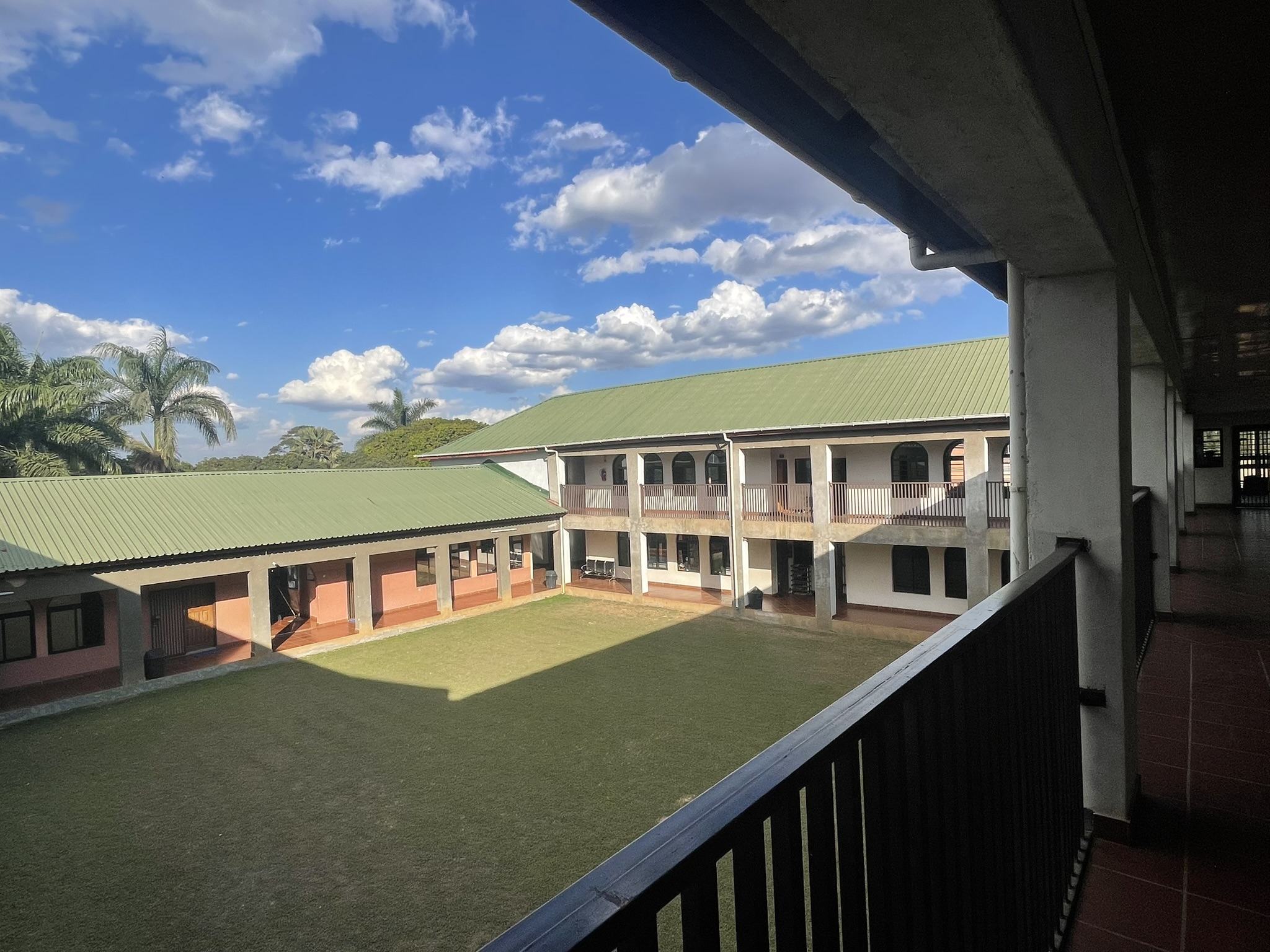
The orphans are provided with schooling as well as Ḥifẓ of the Qurʾān. Recently, a three-year Imām and Khaṭīb training course has also commenced. Some of the students proceed to universities whilst some proceed to the religious seminaries mentioned above. The boys’ orphanage employs 50-60 staff. The main coordinator is Ismāʿīl Ṣadar.
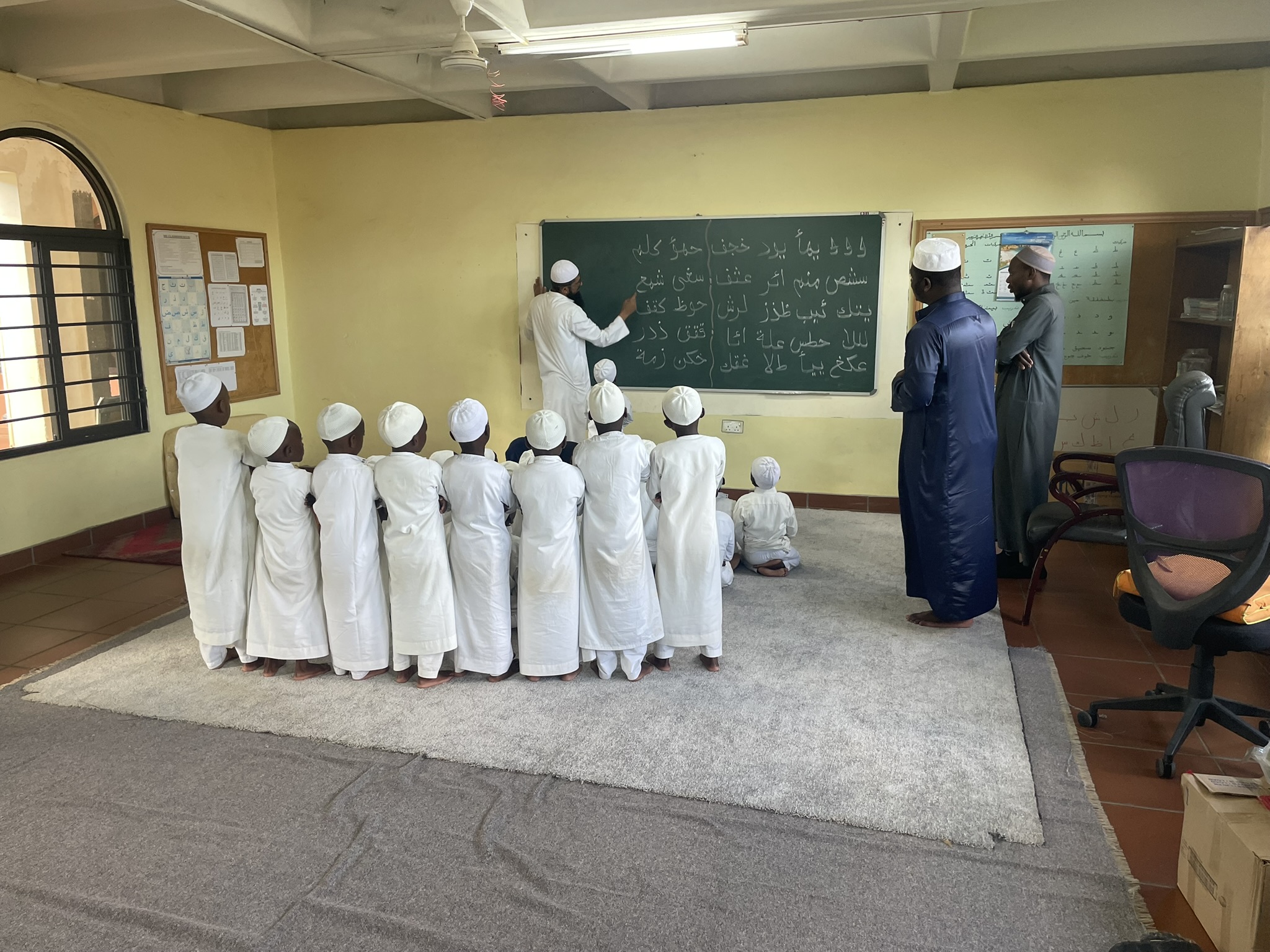
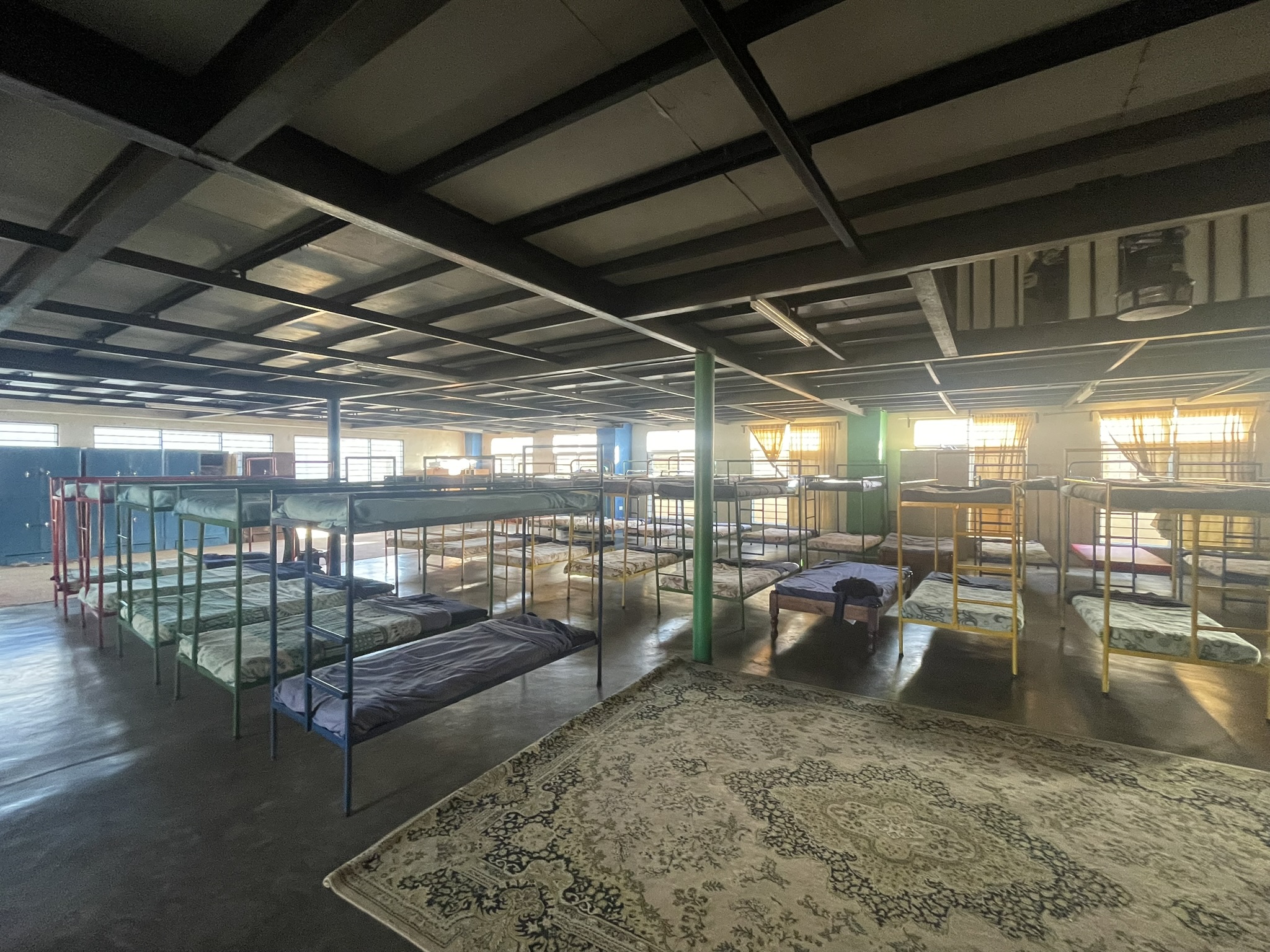
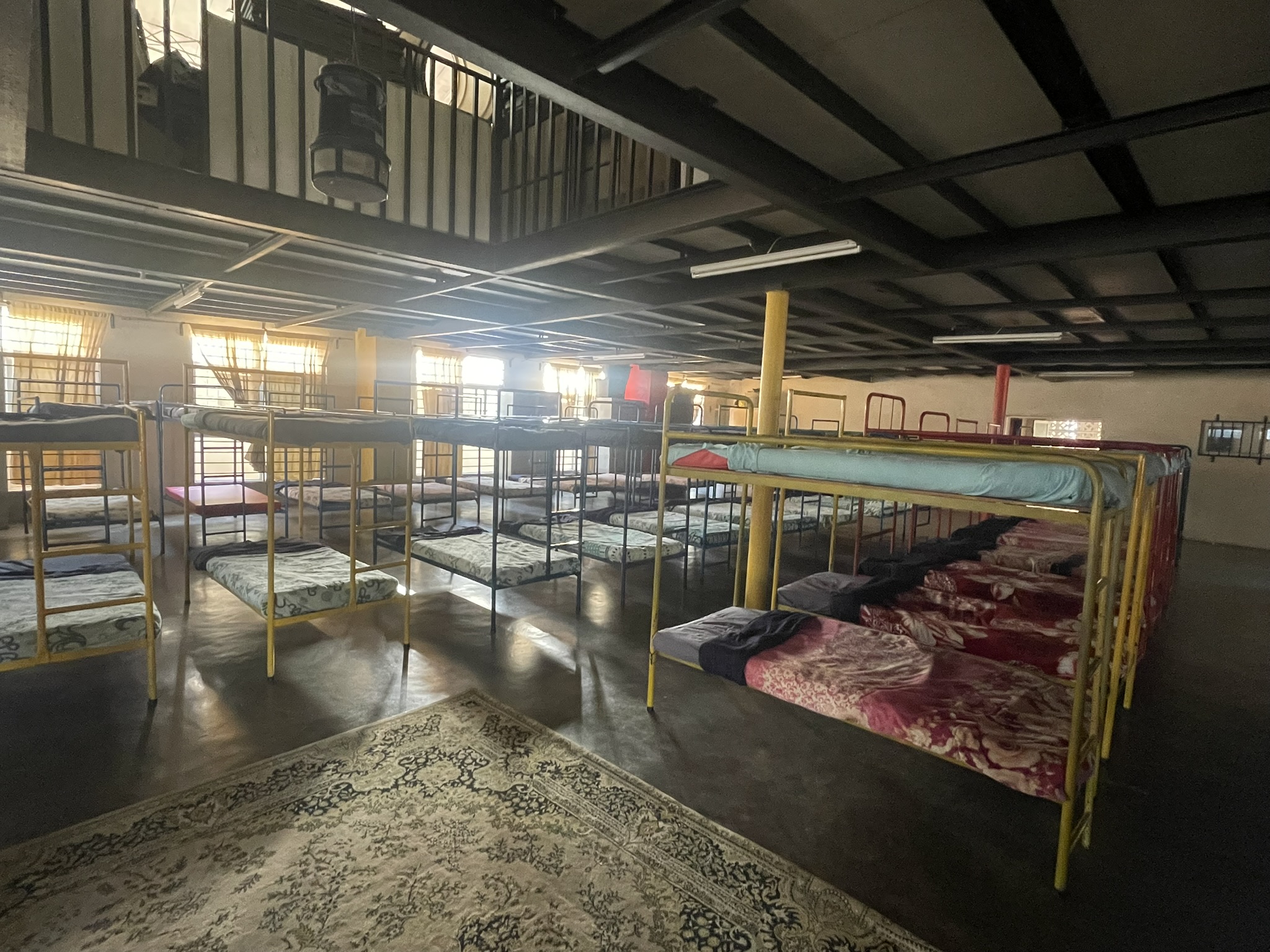
We are given a tour of the classrooms and the boarding facilities by Mawlānā Suhayl and Mawlānā Ismāʿīl. The setup is impressive. The education also appears to be of good quality. The facilities are clean, organised and well looked after. The accommodation for the boys is in one large hall, which I have not come across elsewhere. This has many advantages from a monitoring and child protection perspective, notwithstanding some disadvantages.
Masjid-Ud-Dawah, Makeni
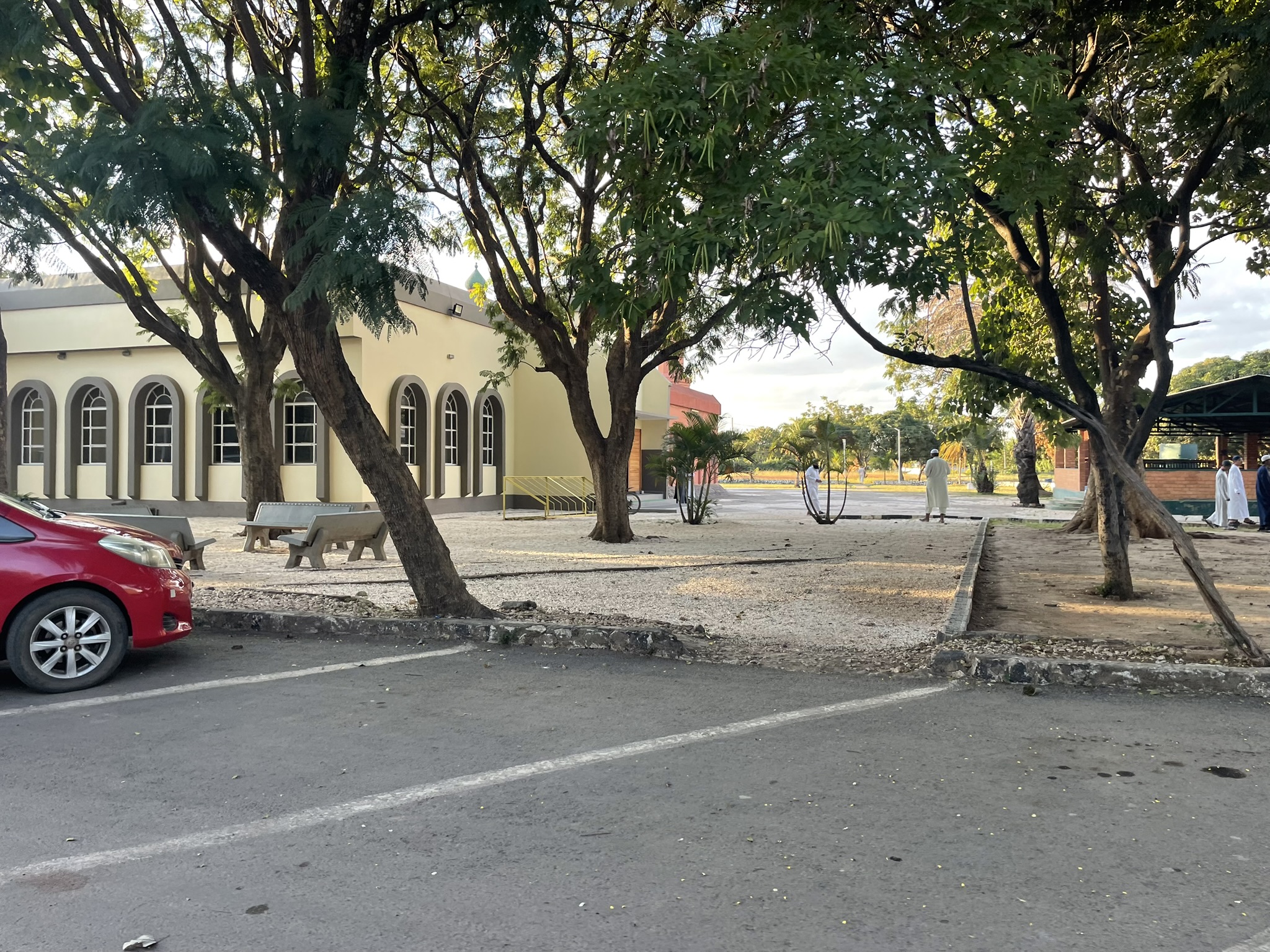
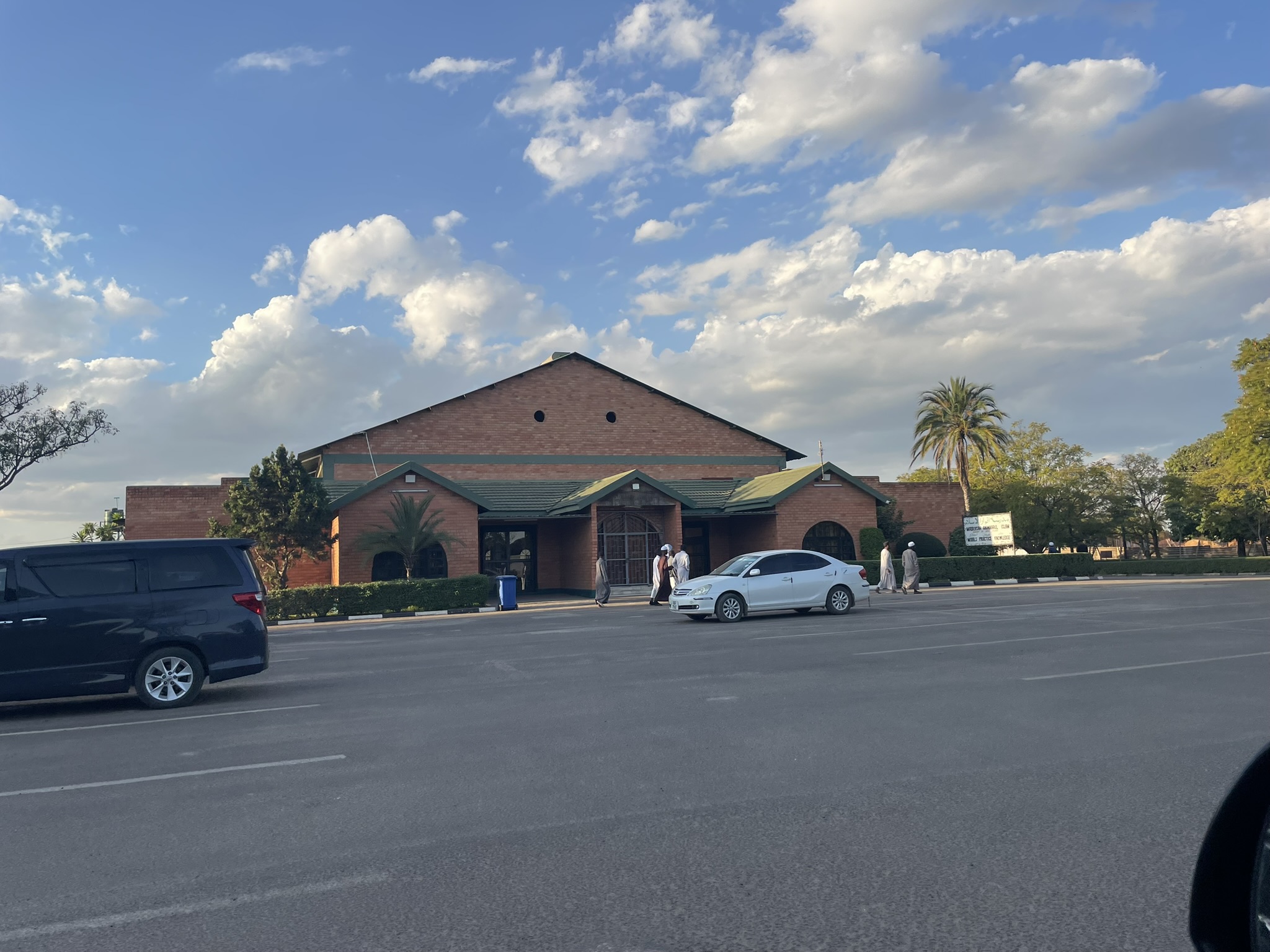
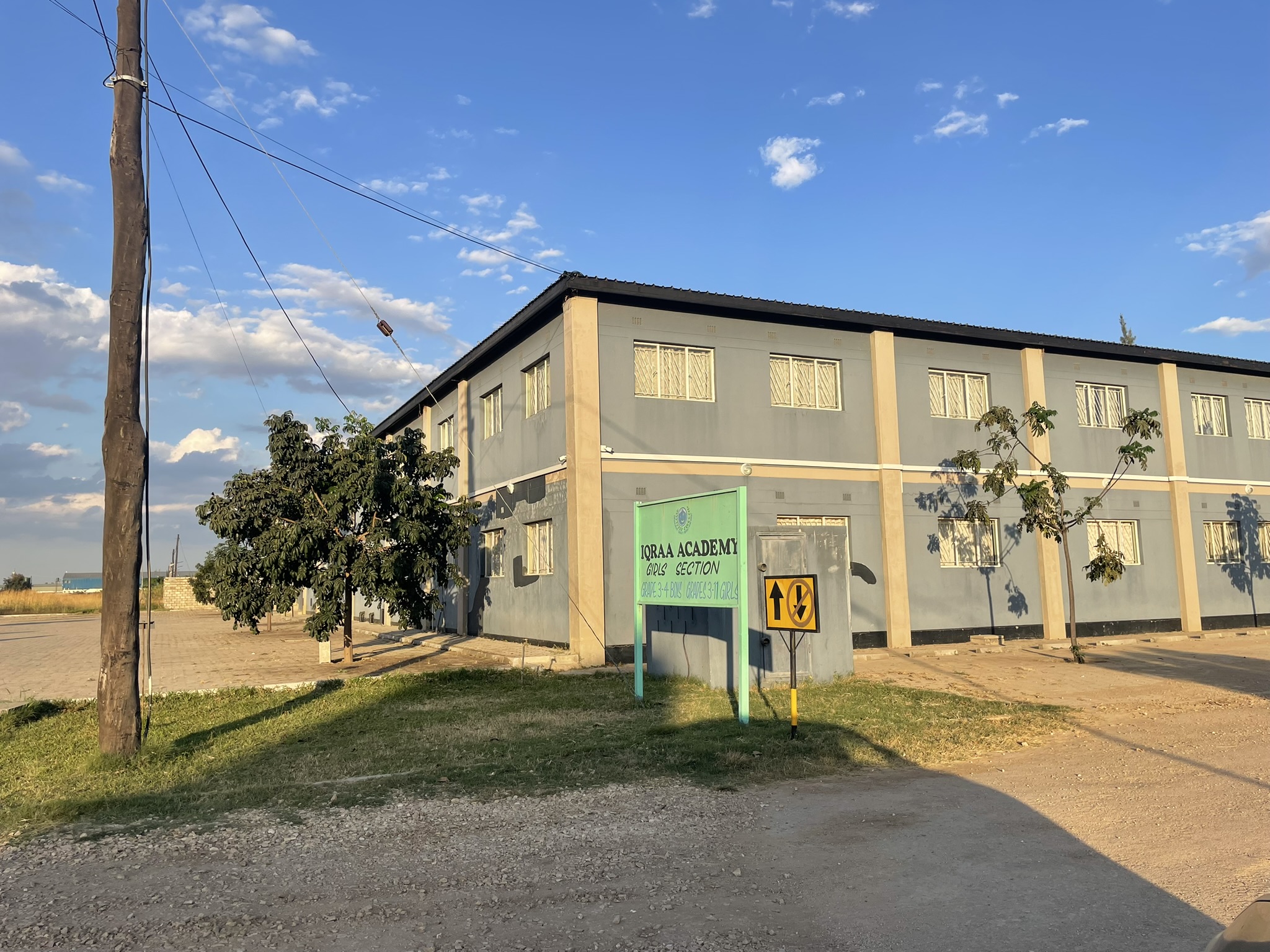
We return to the Makeni area of Lusaka and perform ʿAṣr Ṣalāh at 4.50pm at Masjid-Ud-Dawah. This is one of approximately 40 Masjids in Lusaka. It is located on a 60-acre land which is home to several educational projects including the Iqra School, Al-Qalam Institute, a teacher training college, a clinic and Maktab. These projects were established and financed by the Limbādā family who now reside in Australia. The various projects on this campus are managed by the Makeni Islamic Society Trust (MIST).
Dinner and the first lecture
After Magrib Ṣalāh, we eat dinner at the residence of Ḥāfiẓ Ibrāhīm ʿUmar who is married to Mawlānā Ṭalḥah’s niece. This is in the Rhodes Park area of central Lusaka. The people of Lusaka are very hospitable and extremely welcoming. A few kilograms can easily be put on here within a few days. Ḥaḍrat Mawlānā Rashīd Aḥmad Rāwat Ṣāḥib is also present. He graduated from the Madarsa Miftahul Uloom seminary in Jalalabad, India in 1985 and prior to this studied in Tadkeshwar, Gujarat, India. He knows my respected father Mufti Shabbir Ahmad (b. 1376/1957) as well as my cousin, Mawlānā Mūsā Patel. He attends all the programmes in Lusaka and benefits us with his invaluable wisdom and experiences.
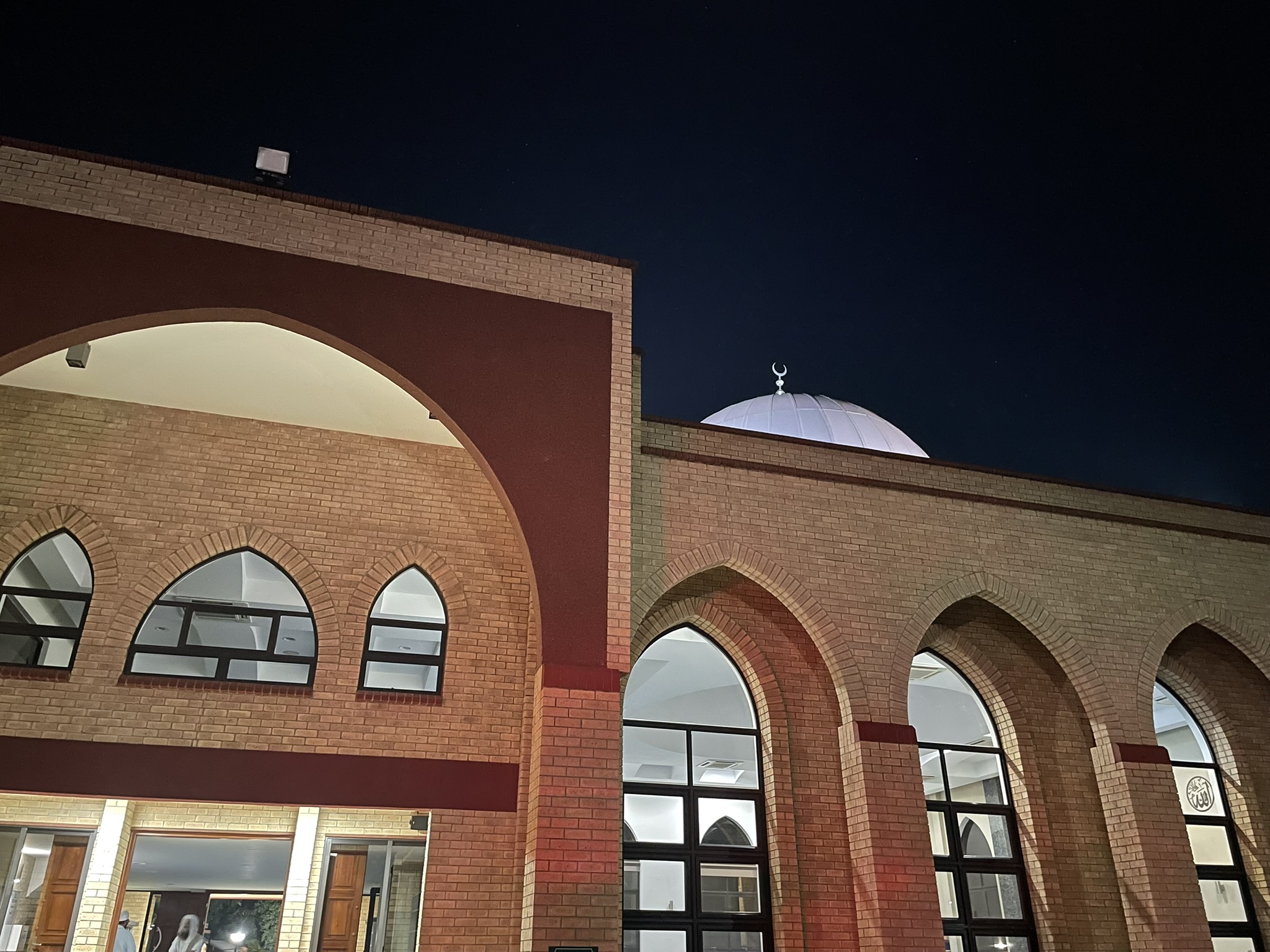
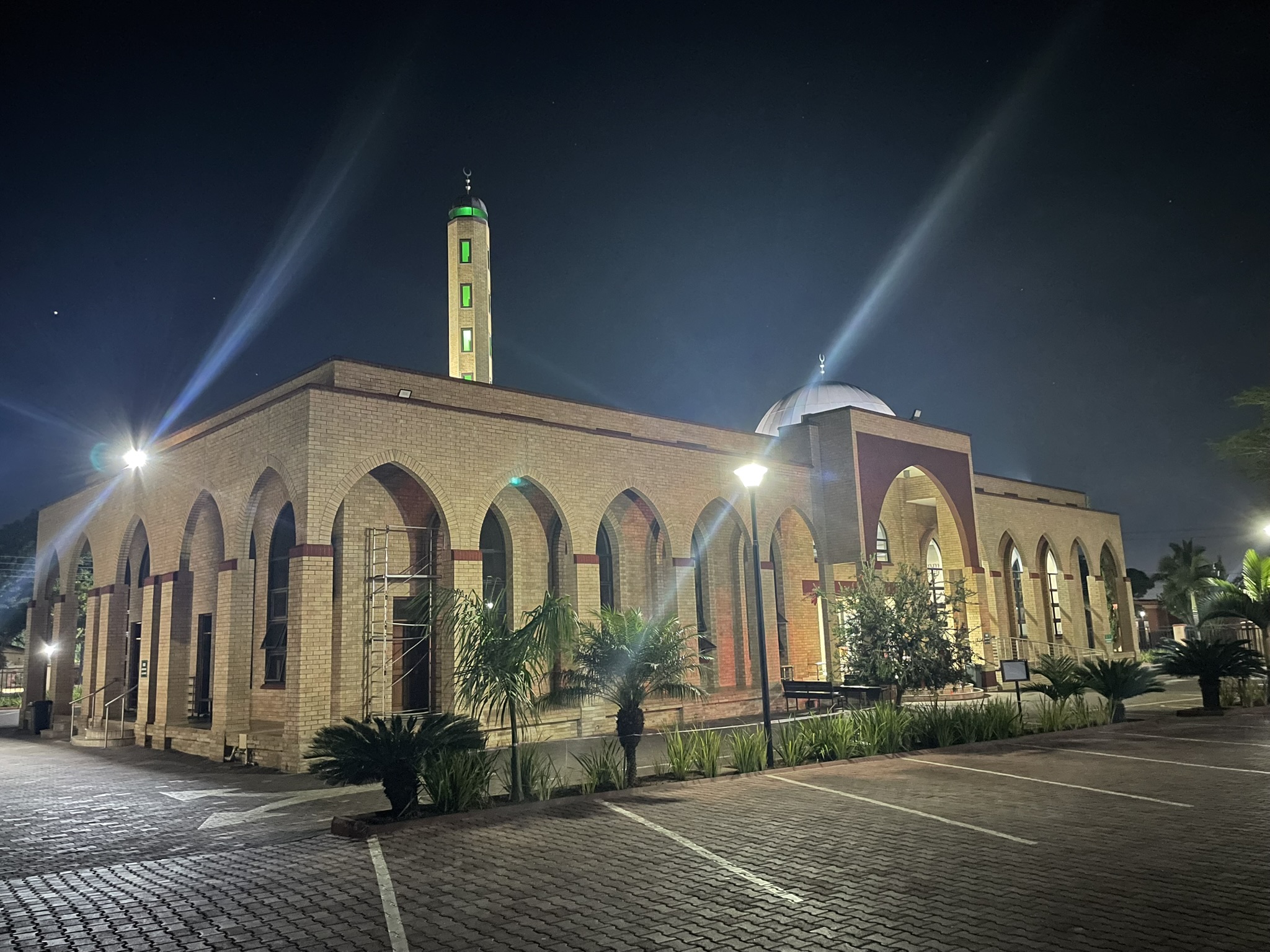
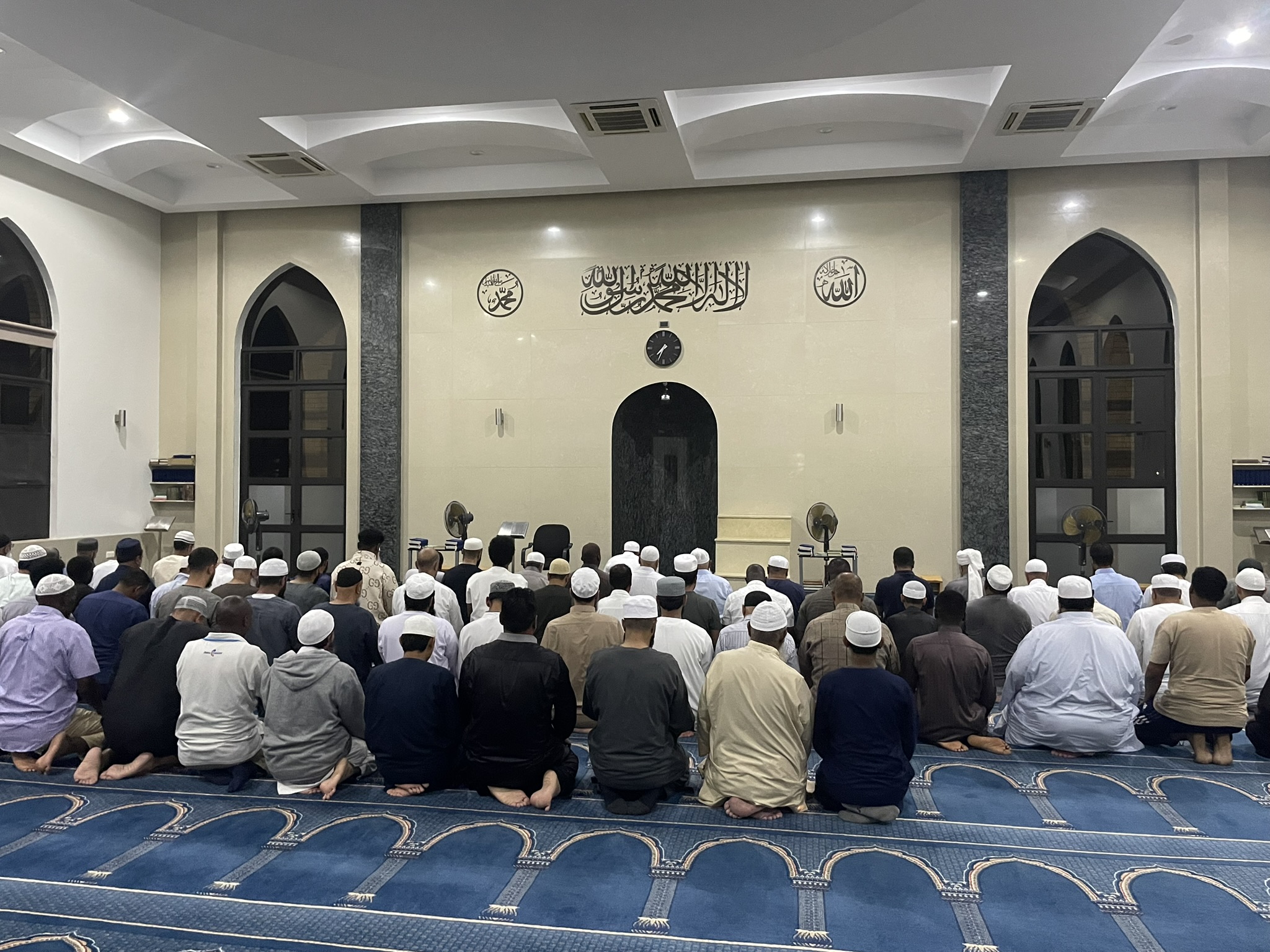
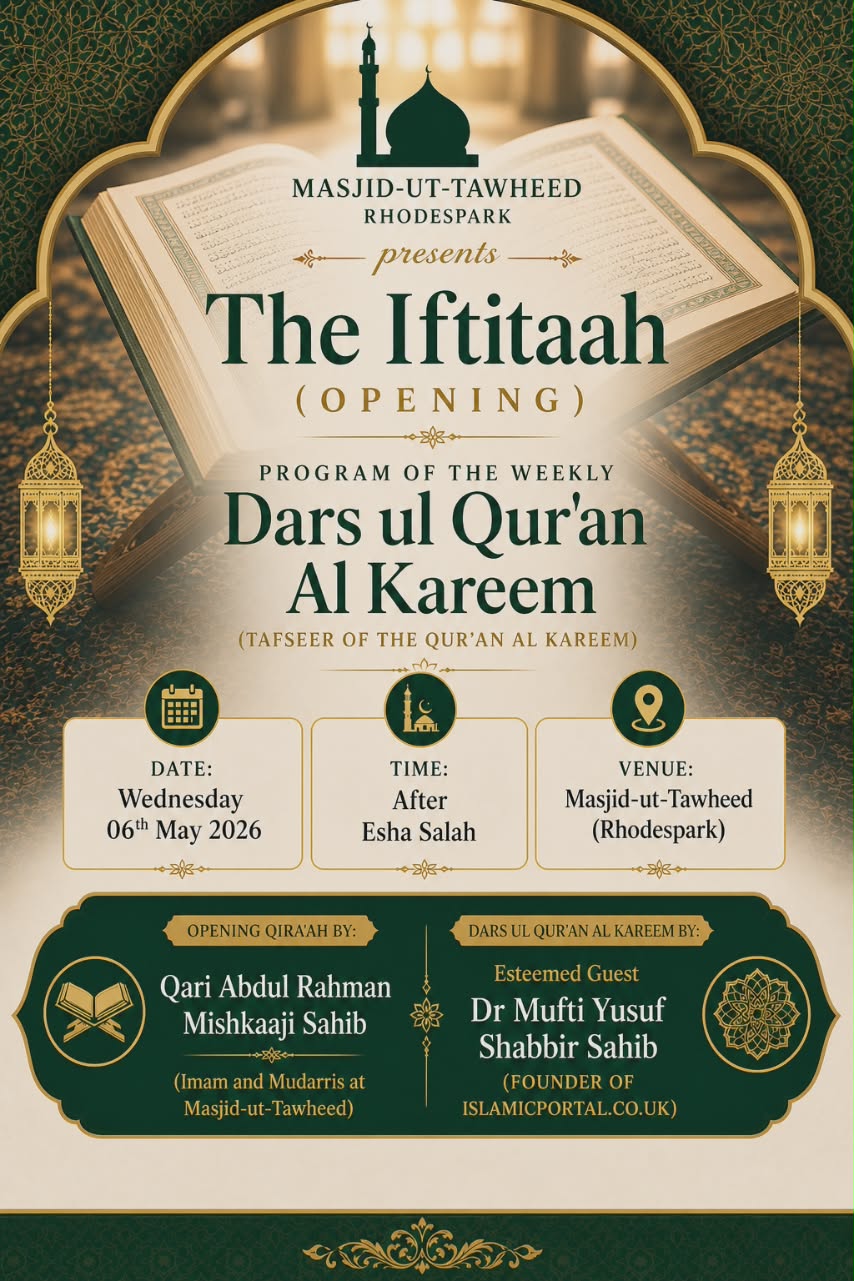
We perform ʿIshāʾ Ṣalāh at Masjid-Ut-Tawheed nearby. The first programme begins thereafter. Qārī ʿAbdurraḥmān Ṣāḥib of Tanzanian origin recites the Qurʾān in a beautiful natural melodious tone without any takalluf (pretentiousness). His recitation is such that one can only wish for him to continue. Mufti Ḥasan Ṣāḥib then proceeds to introduce the “Iftitāḥ” (opening) of the weekly Tafsīr of the Qurʾān and requests me to deliver the introductory talk. I begin by sharing the reflection of Shaykh al-Hind Mawlānā Maḥmūd Ḥasan Deobandī (d. 1339/1920) on his return from Malta and the importance of understanding the Qurʾān followed by the Tafsīr of Taʿawwudh and Tasmiyah and some aspects regarding Sūrah al-Fātiḥah.
After the programme, we drive around the National Assembly of Zambia, the State House, the Supreme Court and other Government buildings and embassies and thereafter return to Makeni and rest for the night.
Day 2 – Thursday 7 May 2026
Visiting various organisations in Lusaka
Breakfast
We perform Fajr Ṣalāh at Masjid-Ud-Dawah at 5.50am and after a short rest eat breakfast at the residence of Ḥāfiẓ Anwar Sīdāt who met us yesterday. Mawlānā ʿĀrif Motālā is also present. He is the brother of Shāhid Motālā and graduated from Darul Uloom Bury in 1988 alongside Dr Mahmood Chandia.
Makeni Islamic Society Trust
At 9.30am, we return towards Masjid-Ud-Dawah and enter the Makeni Islamic Society Trust’s headquarters.
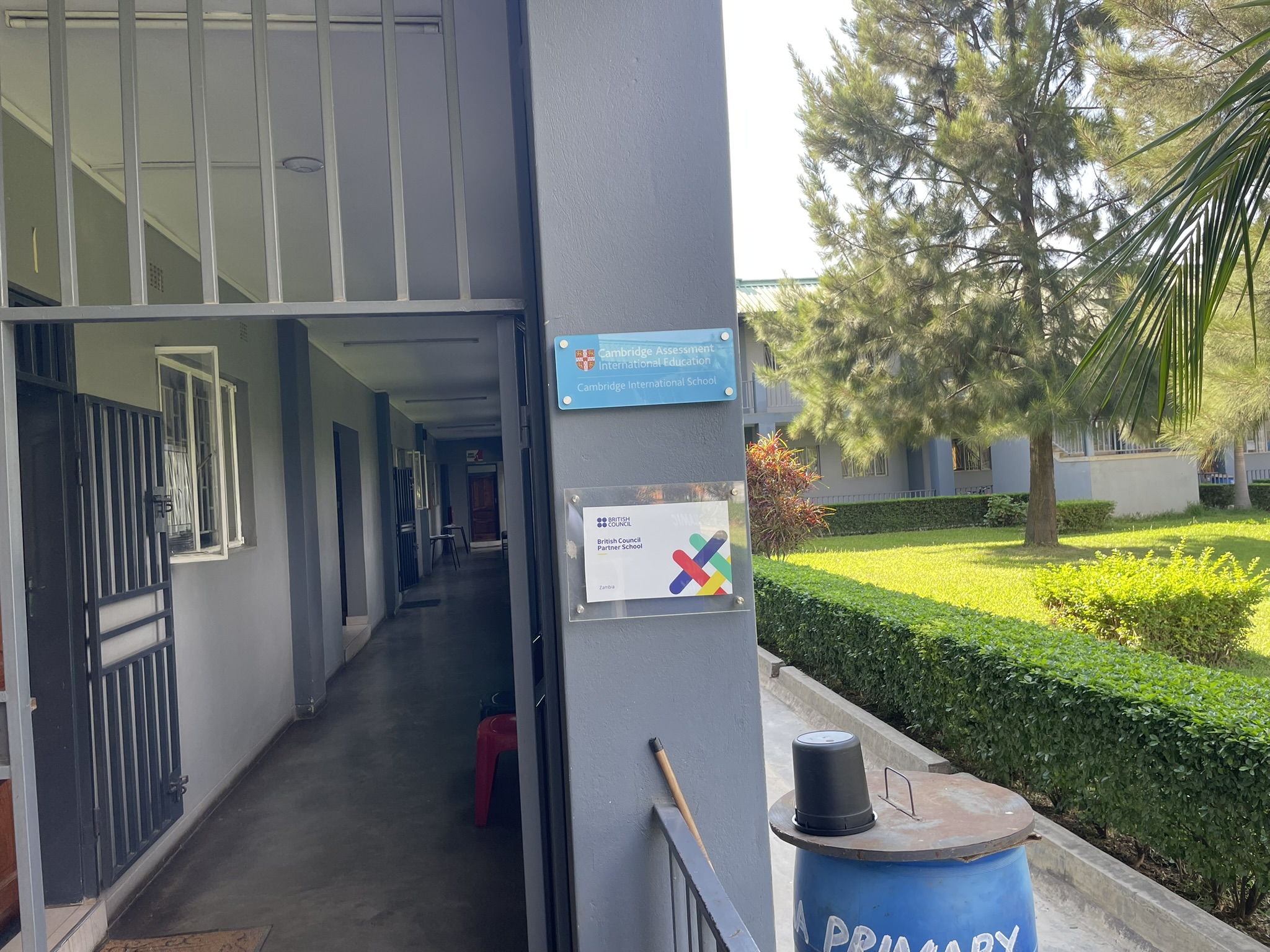
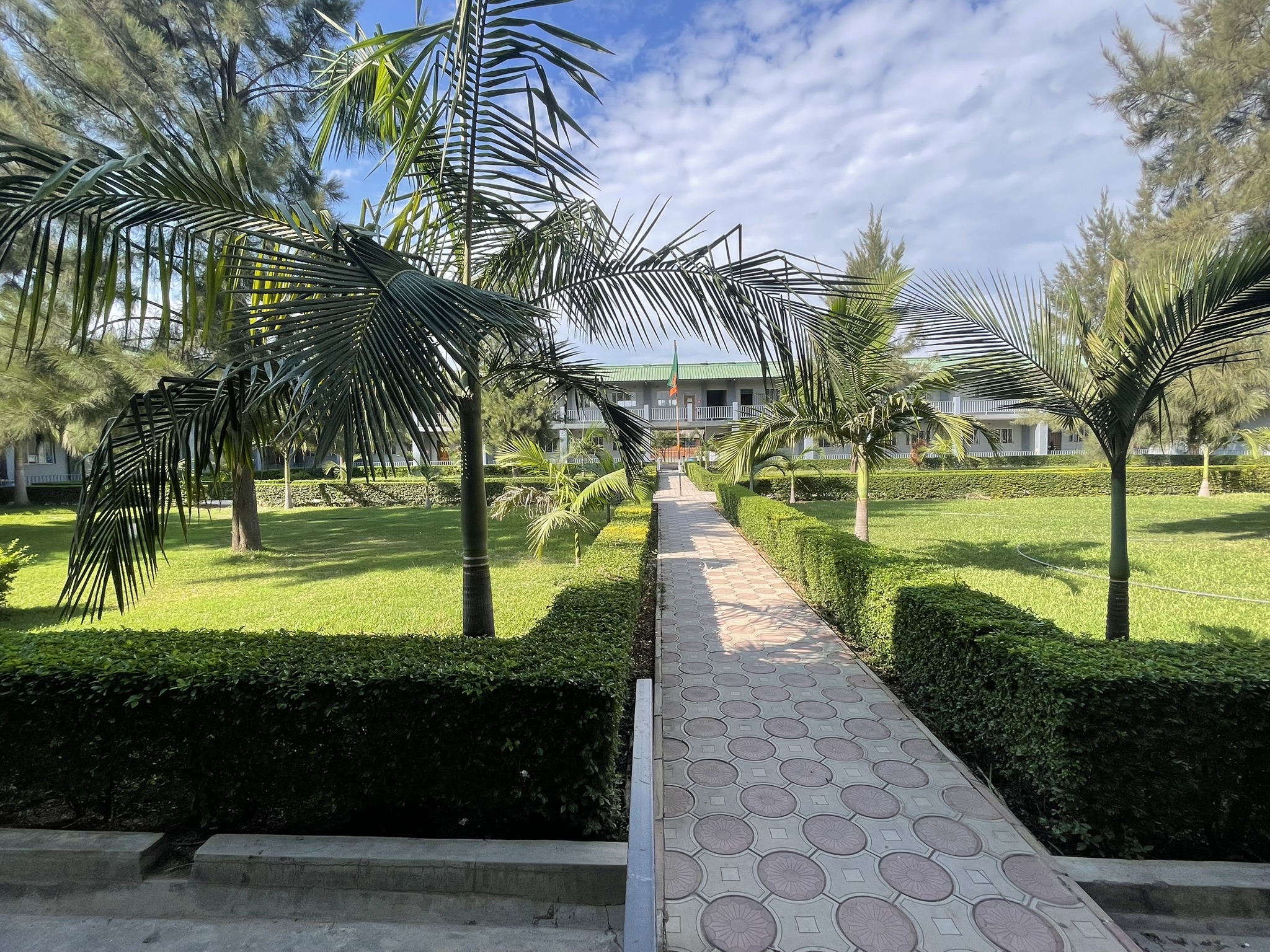
Mawlānā Suhayl Pāndor welcomes us. As soon as I see him, his face seems familiar. He studied Ḥifẓ in Darul Uloom Bury between 1999 and 2001 and we would play football and eat lunch together in the rear section of the staff room. Subḥānallah! I have not seen him for 25 years. Al-Ḥamdulillāh, he is one of the key personnel managing the Trust’s various programmes. He completed his ʿĀlim course at Jamiah Islamiyyah here in Lusaka. He warmly welcomes us and provides a summary of the Trust’s activities and its history. He explains:
“This 60-acre land was originally donated by the Council. We started with a small Masjid several decades ago followed by a Maktab and primary school in the 1980s. The founders were the Limbādās who live in Australia and continue to support the projects with their donations. In addition to the newly built Masjid and Maktab, there are two schools. The first is the Al-Qalam Institute which serves 1100 pupils across all the age ranges until 18. It is primarily for the indigenous community providing education for free. The Zambian national curriculum is taught here. The second is the Iqra School which is fee-paying. It was established in 2019 and currently serves 1050 pupils. The Cambridge curriculum is delivered here, and the current provision is until GCSE, but A Levels will begin soon. The fees per term are $260, $360, $500 for nursery, primary and secondary respectively. Most of the students attend the Maktab classes. In addition to the two schools, the Trust also runs a teacher training college which serves 165 students on site and a further 120 students via distance learning.”
The Trust employs 300 staff. The salaries in Zambia within Muslim organisations and otherwise are much higher than neighbouring Malawi. This perhaps explains why Malawian graduates from Zambian seminaries prefer to remain here in Zambia.
10 Miles IK Muslim Village Park
At 10.30am, Mawlānā Shuʿayb Khānāt collects us and we head northwest of Lusaka towards Chibombo. Mawlānā works for the IK Charitable Trust and is a dynamic active young scholar who is passionate about humanitarian work and has visited Afghanistan, Syria and other countries. He explains that IK refers to Ismāʿīl and Khadījah, the parents of the current director, ʿIrfān Yūsuf.
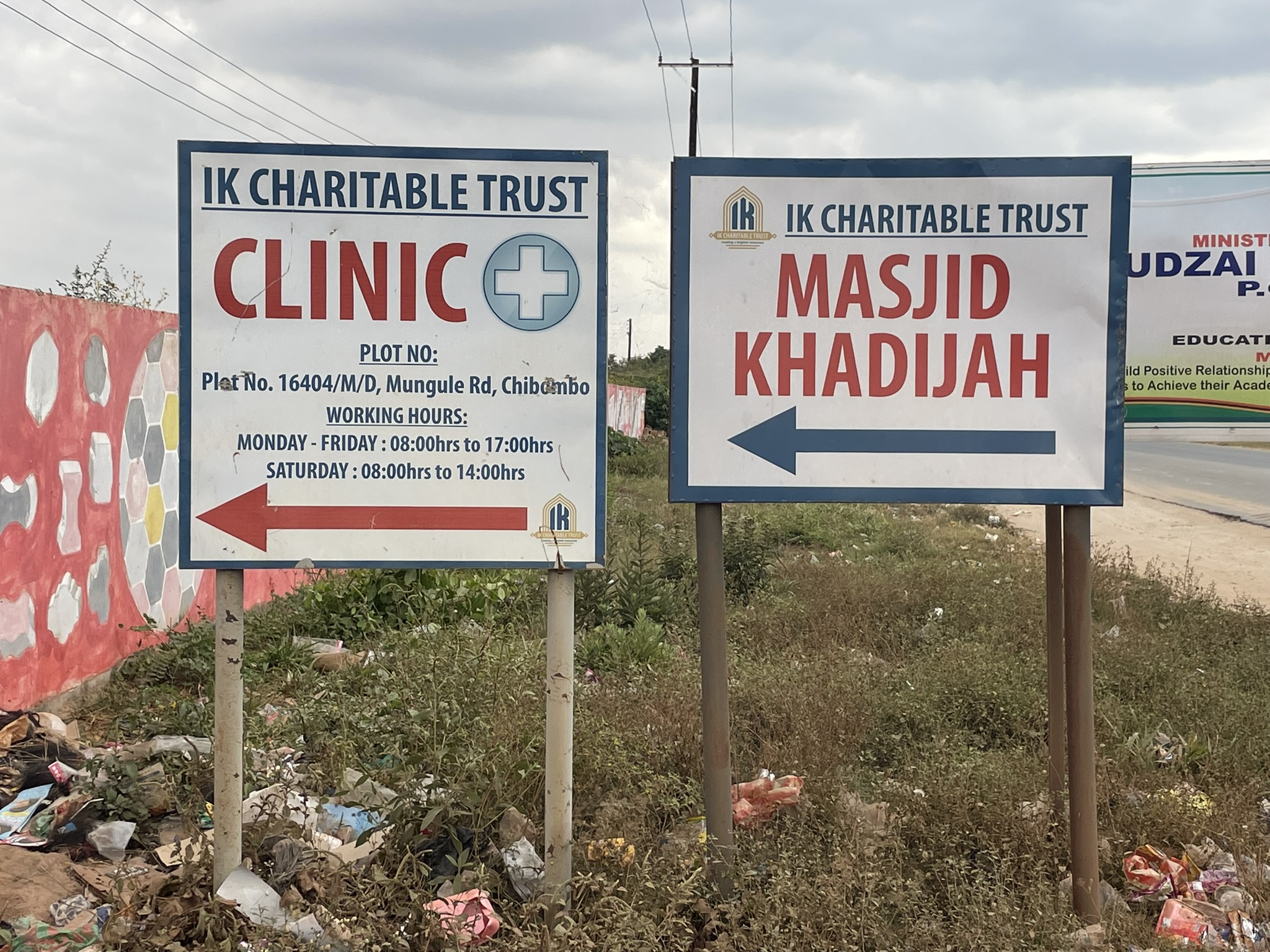
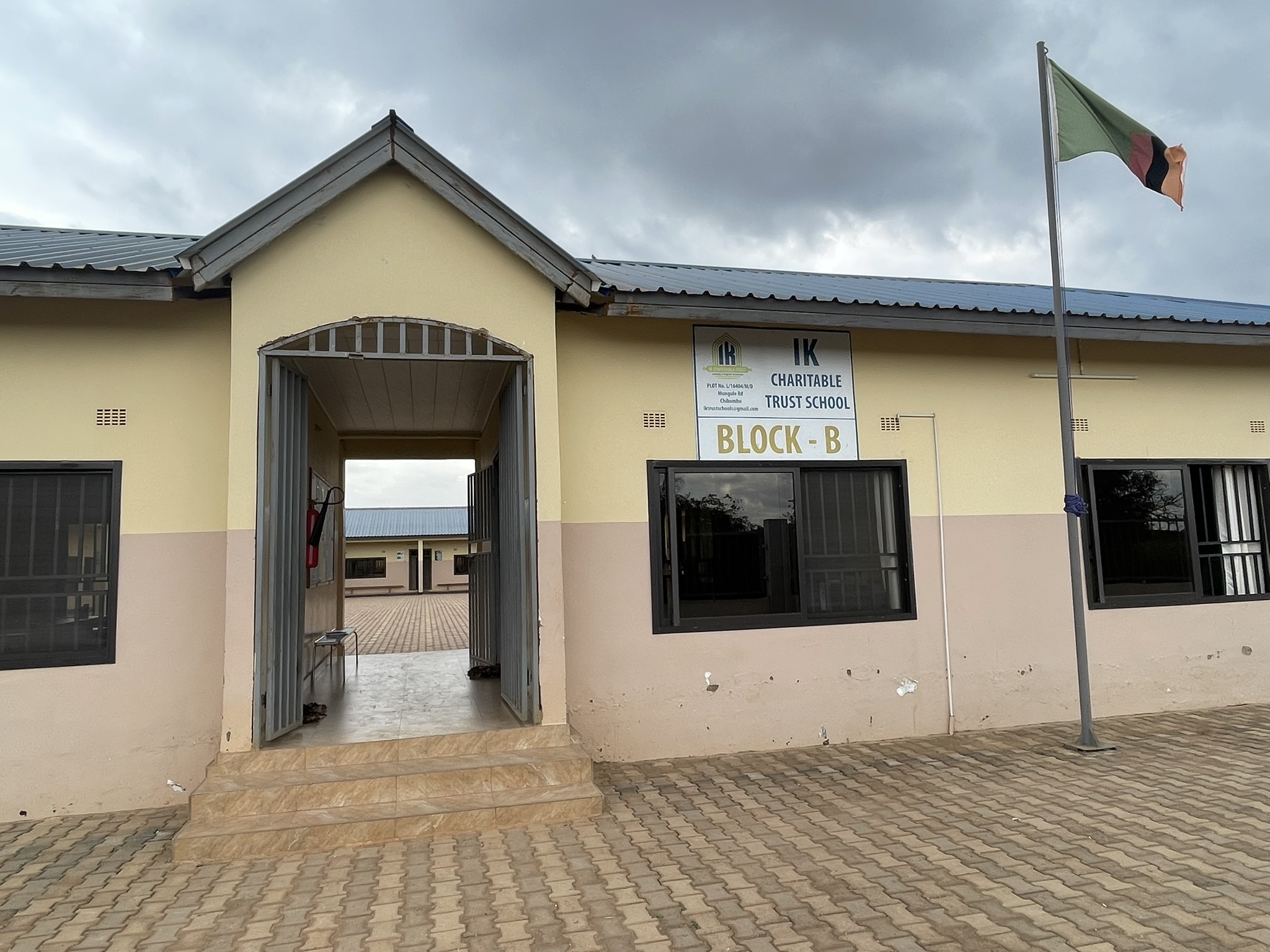
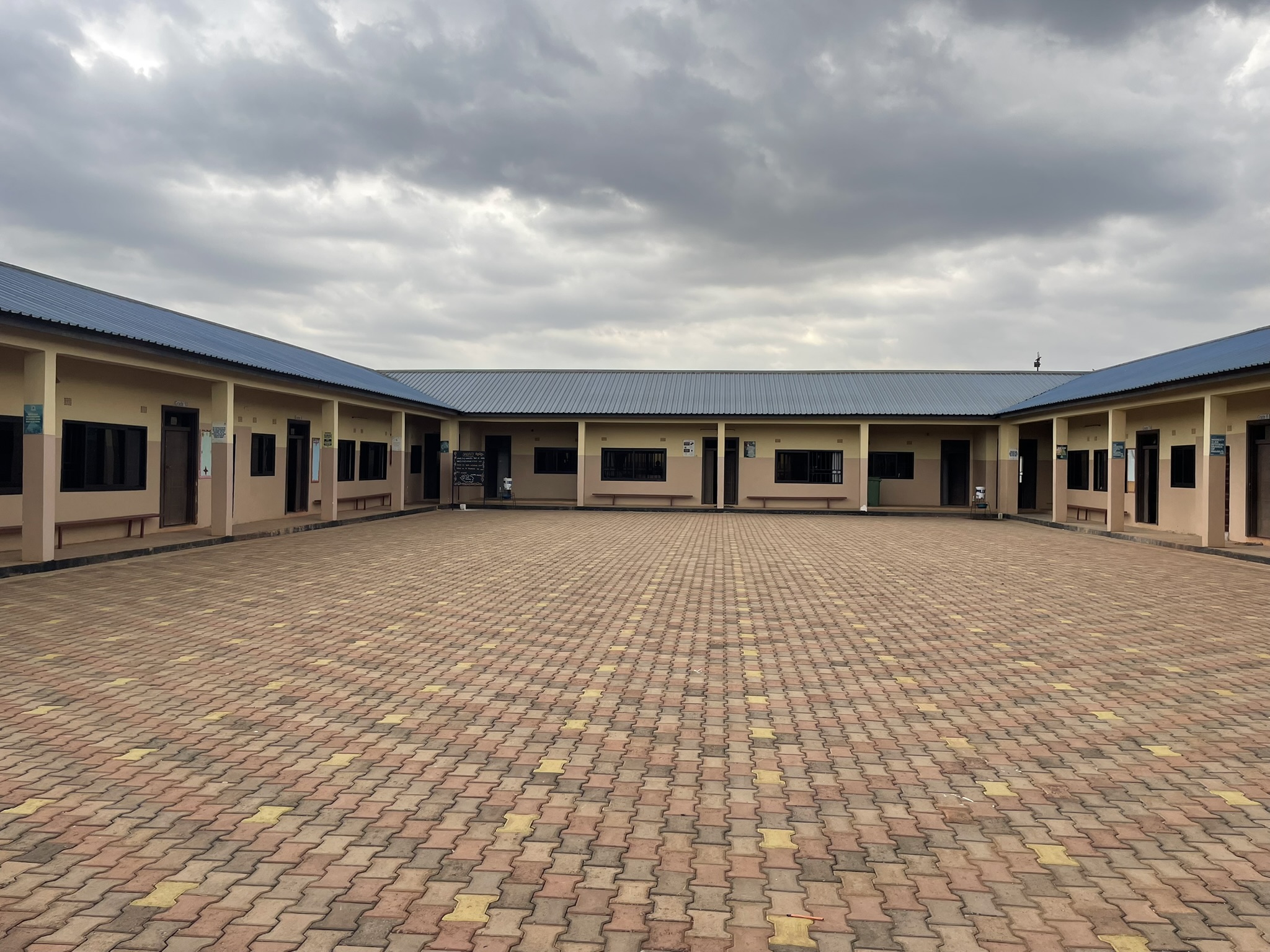
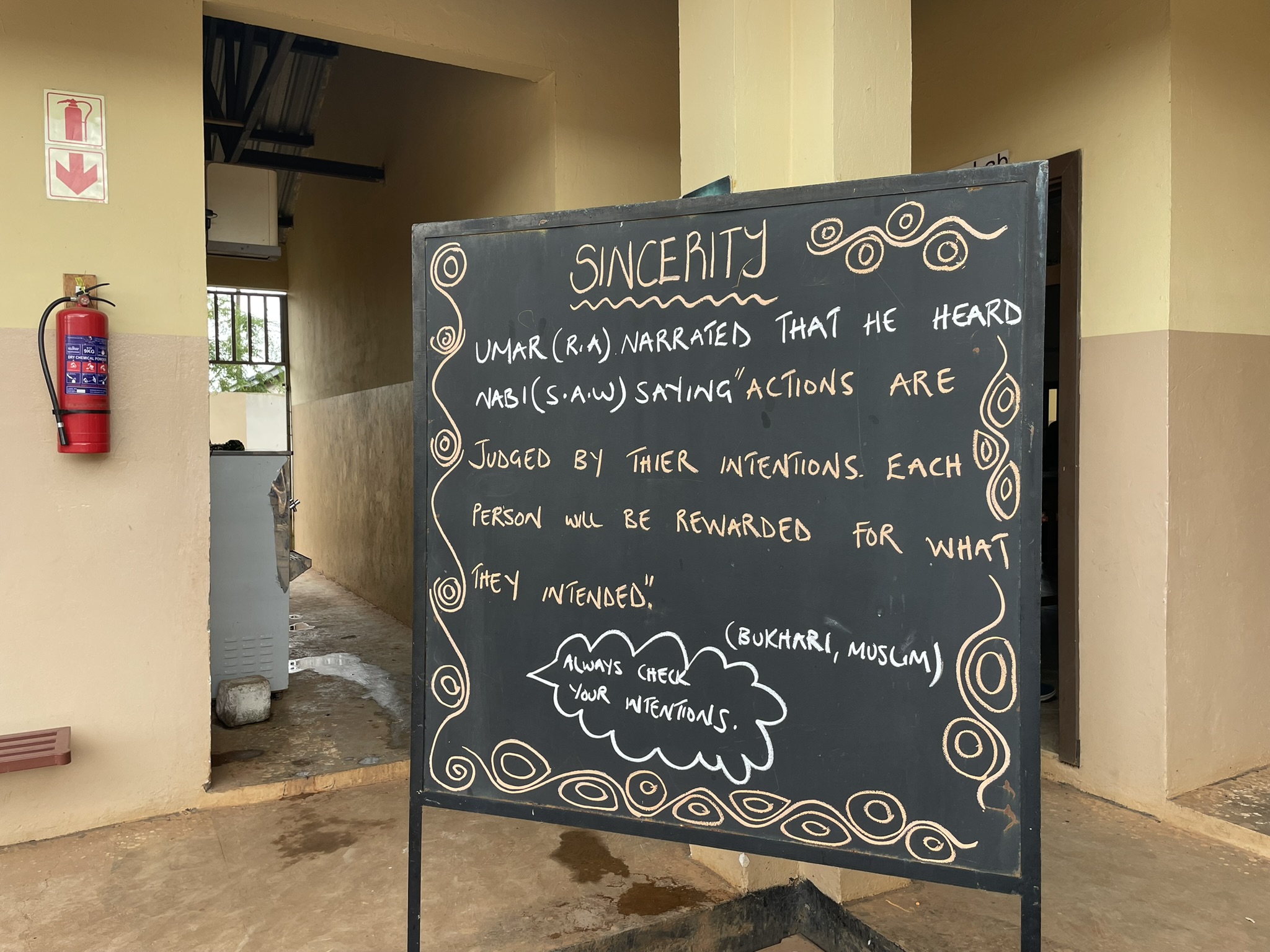
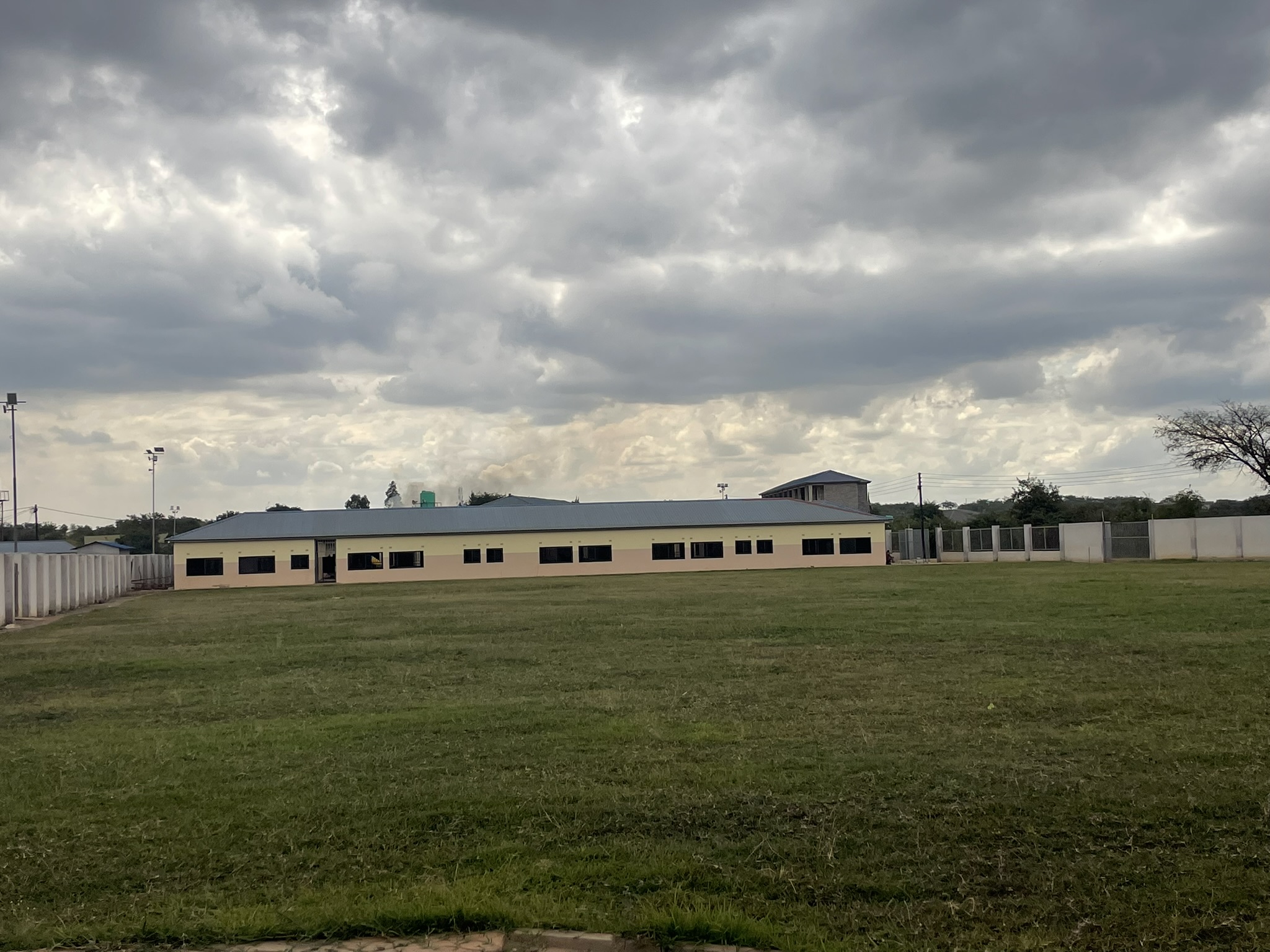
We arrive at the Trust’s flagship Village Park project at 12pm, there is a lot of traffic, and the 35km drive takes 90 minutes. We are welcomed here by Mufti Dhakīyurraḥmān, who graduated from Darul Uloom Deoband in 2006 and has been working for the IK Charitable Trust for the past two years. Prior to this, he was working for another organisation since his arrival to Zambia in 2011. He takes us on a tour of the village which has 200 homes, a medical clinic, a Masjid and a school which serves 643 pupils. The full village was constructed by the Trust.
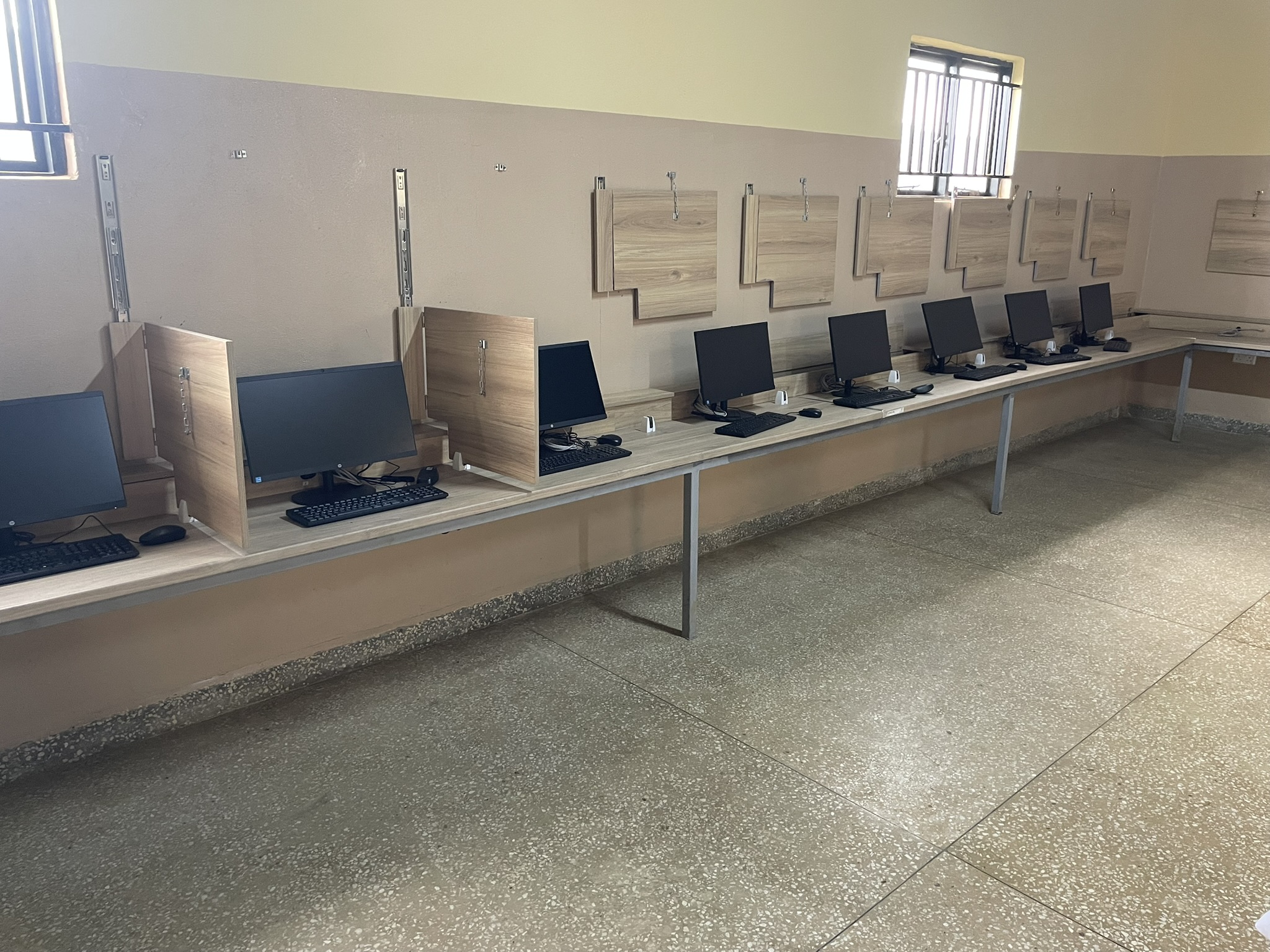
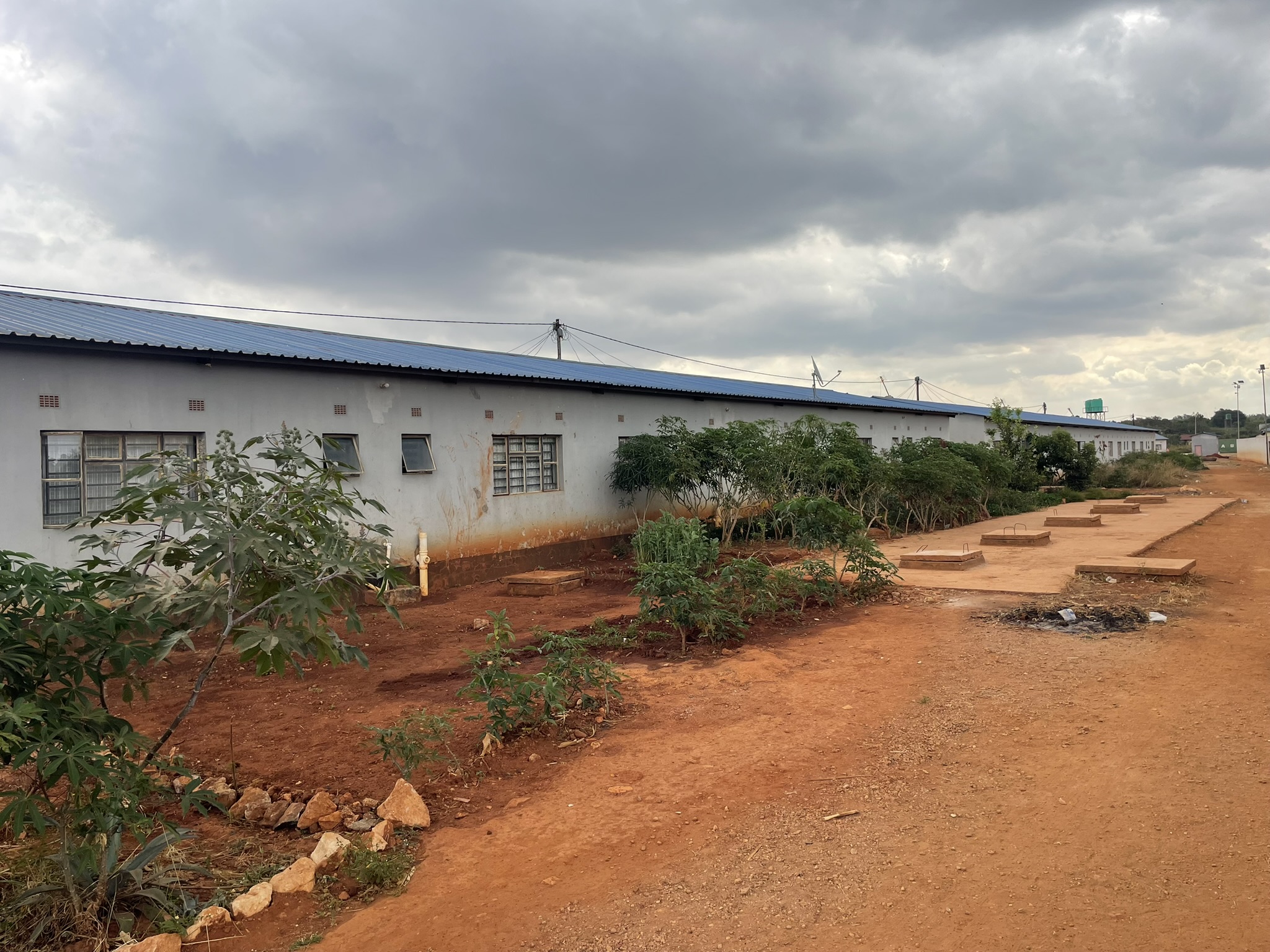
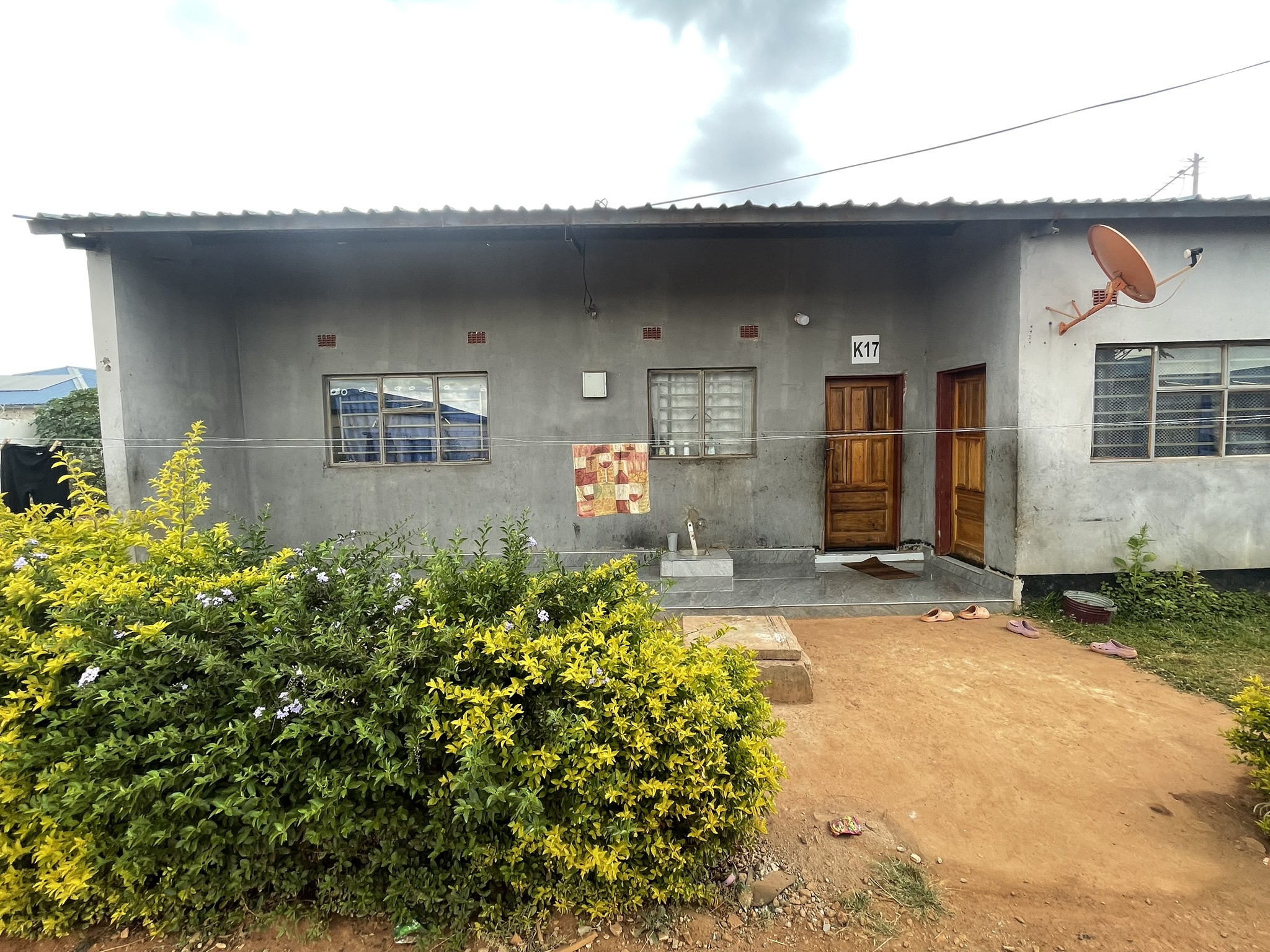
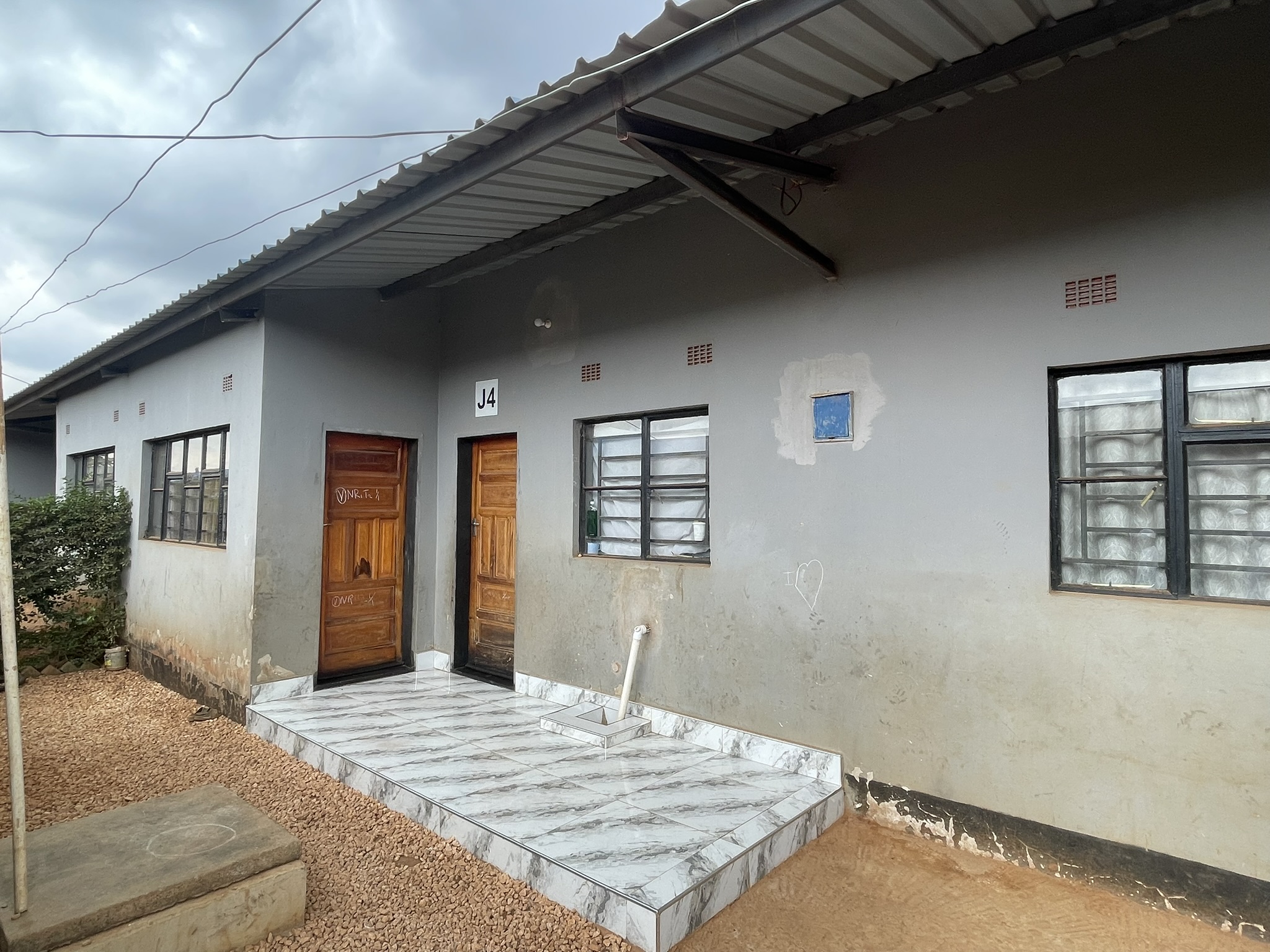
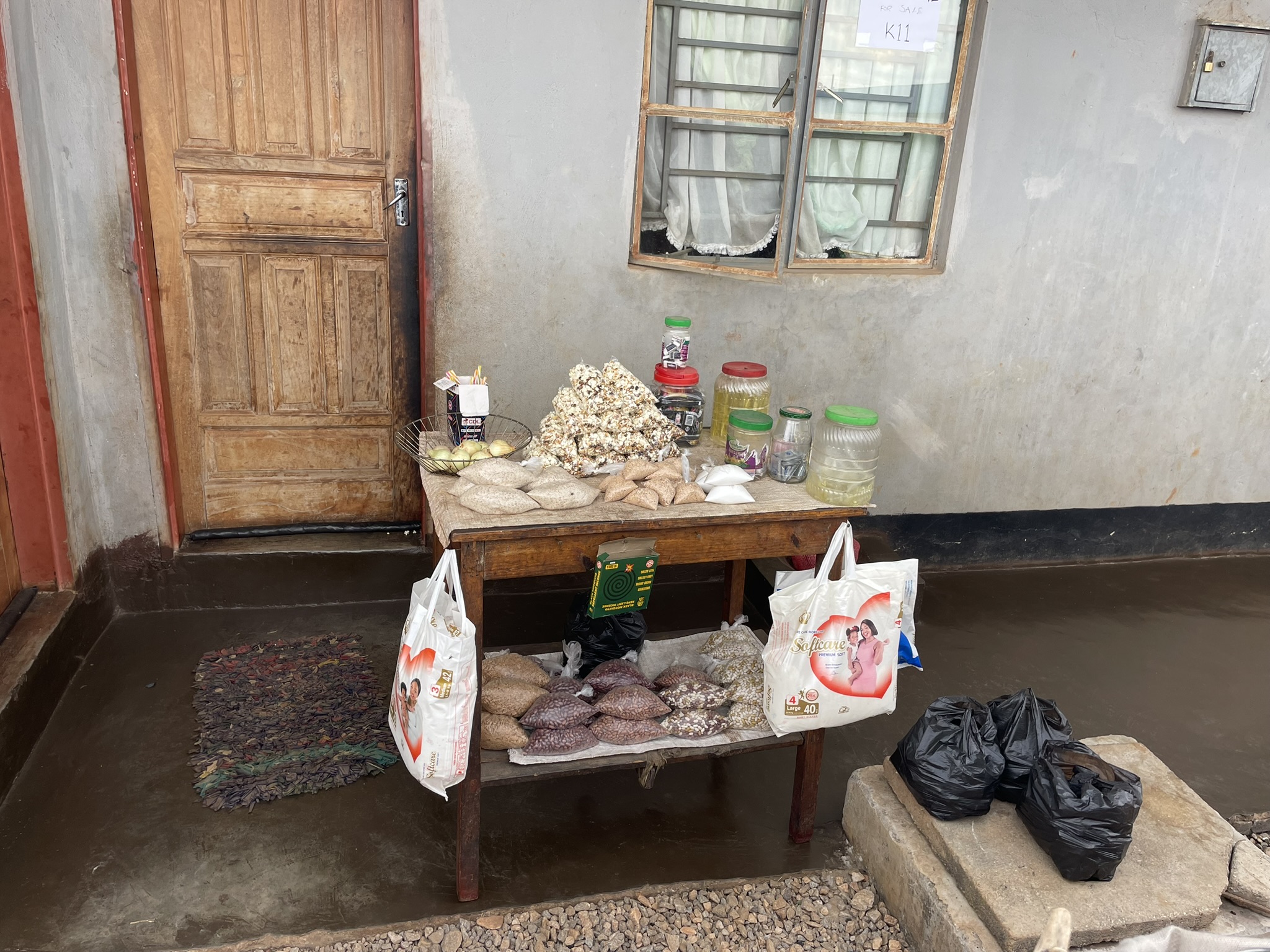
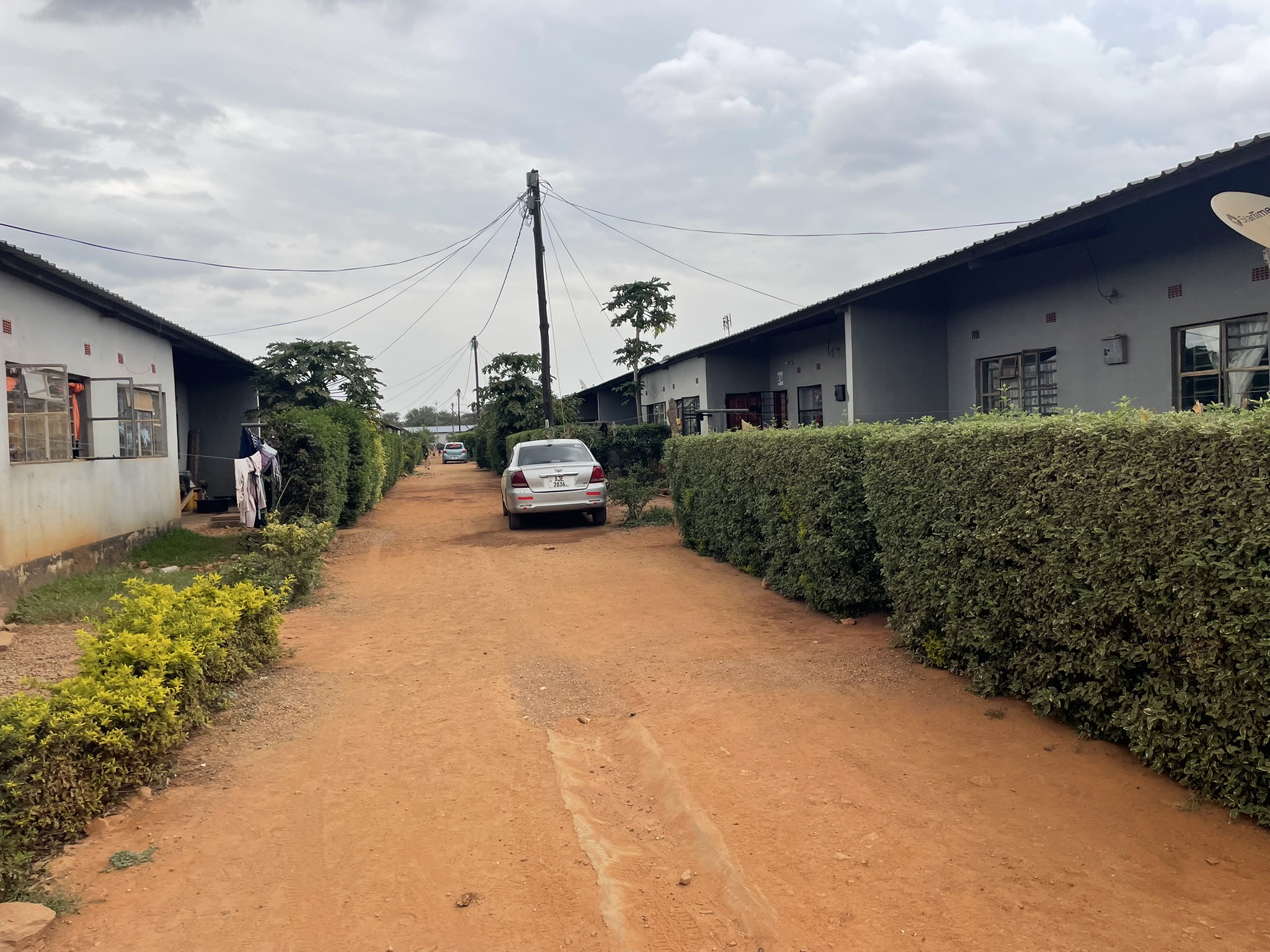
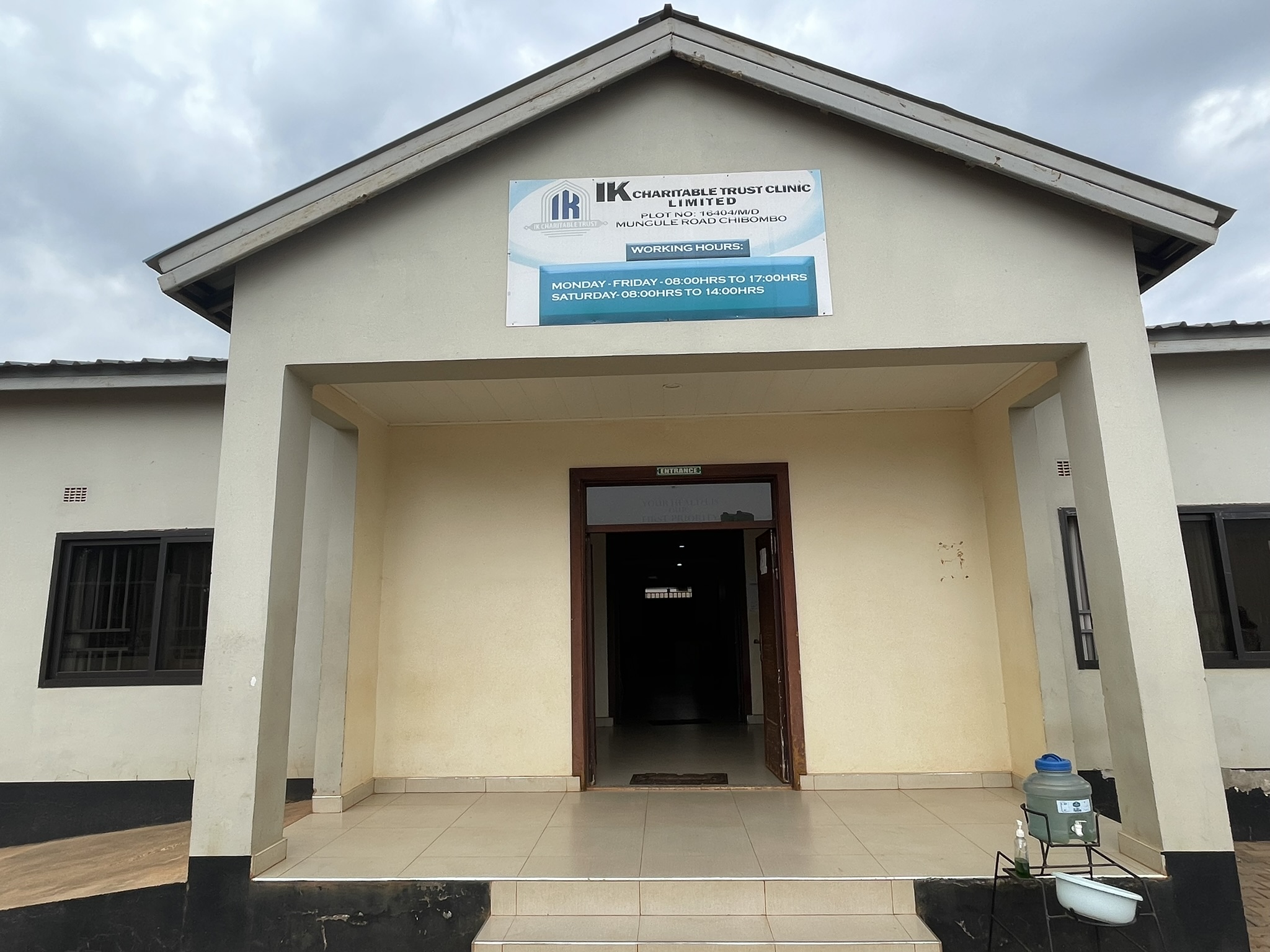
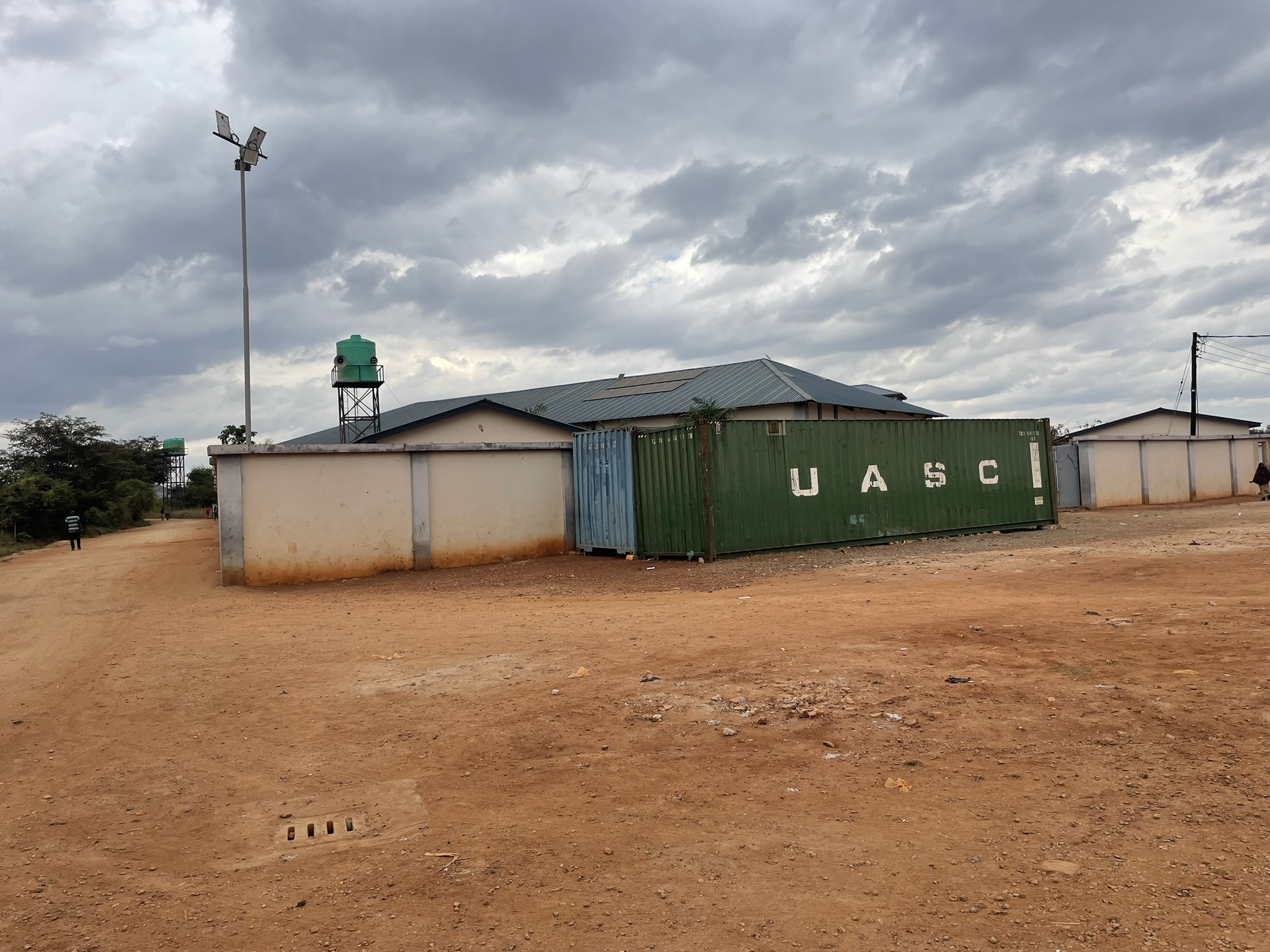
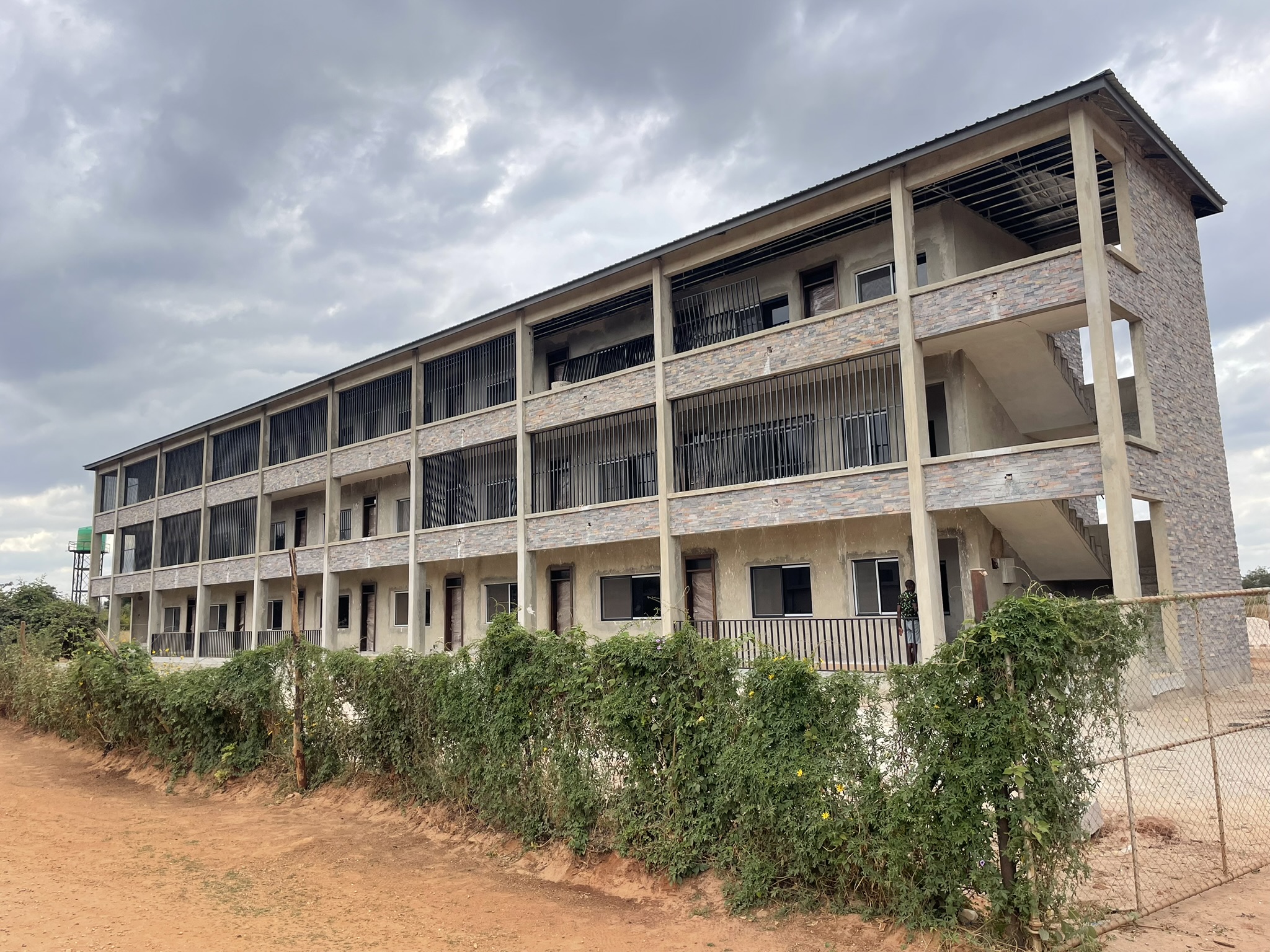

Along with this flagship project, the Trust also funds 360 Higher Education scholarships in addition to other projects.
Makeni Mall
We return to the city and Mawlānā Shuʿayb insists on hosting us for lunch. It has only been one day in Lusaka, but we already sense the warmth, generosity and hospitality of the people. The same is not true in many other countries I have visited and perhaps the UK also. Mawlānā takes us to the Makeni Mall and orders food from the Panarottis takeaway which is certified by ZAMHA (Zambian Halal Certifiers). The neighbouring shop sells ice cream and milkshakes. The Fig and Cashew ice cream deserves a special mention.
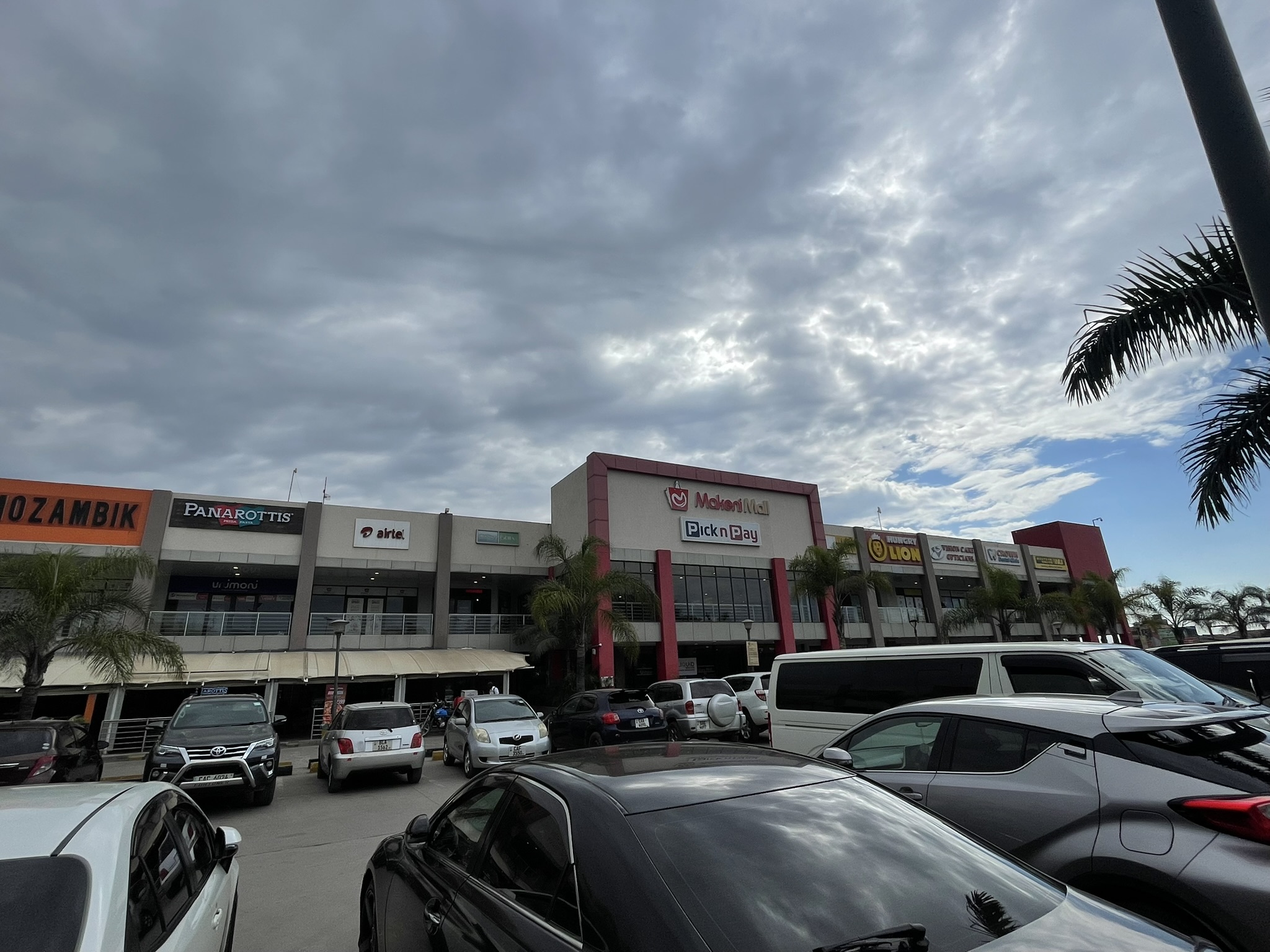

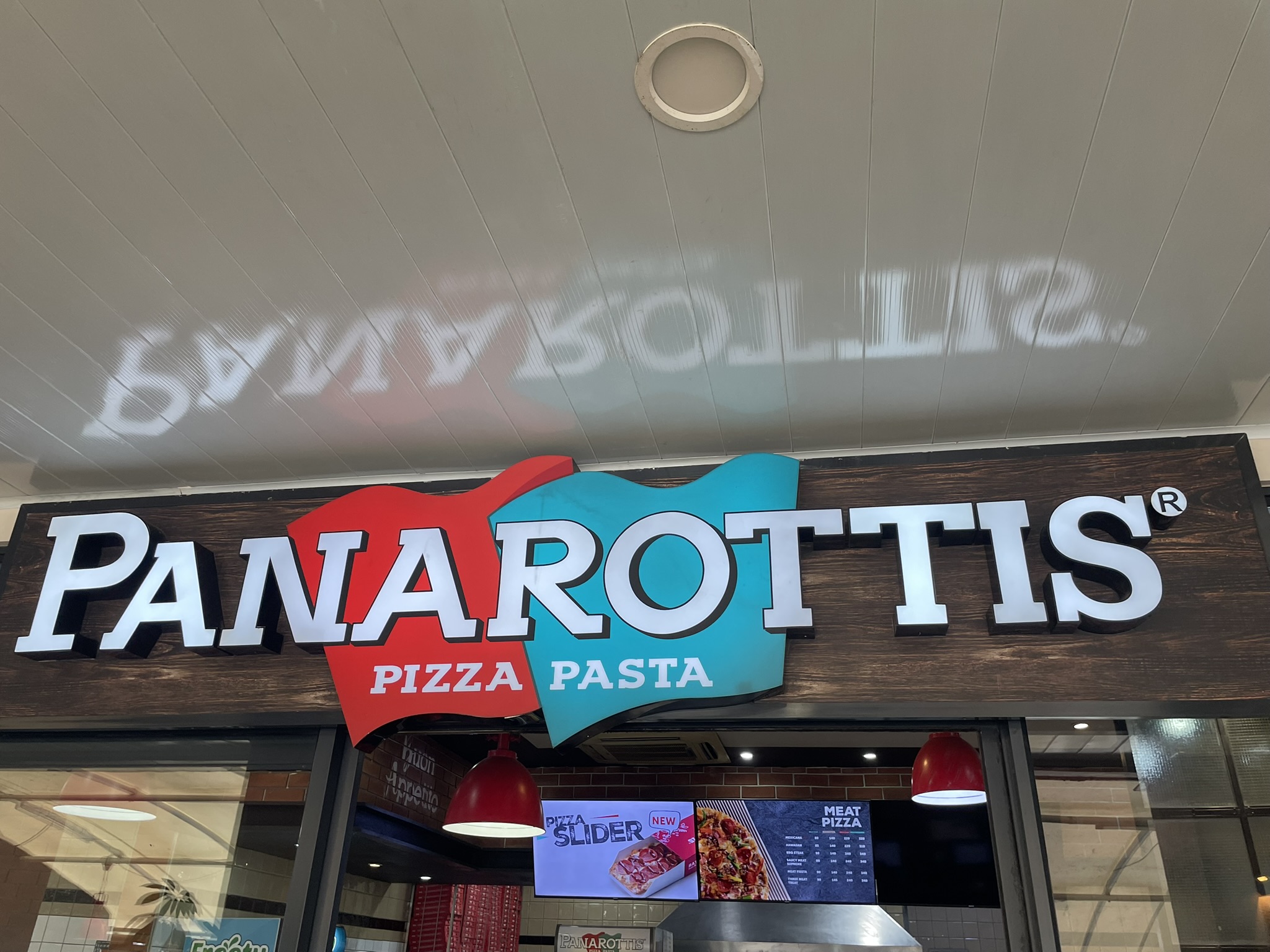
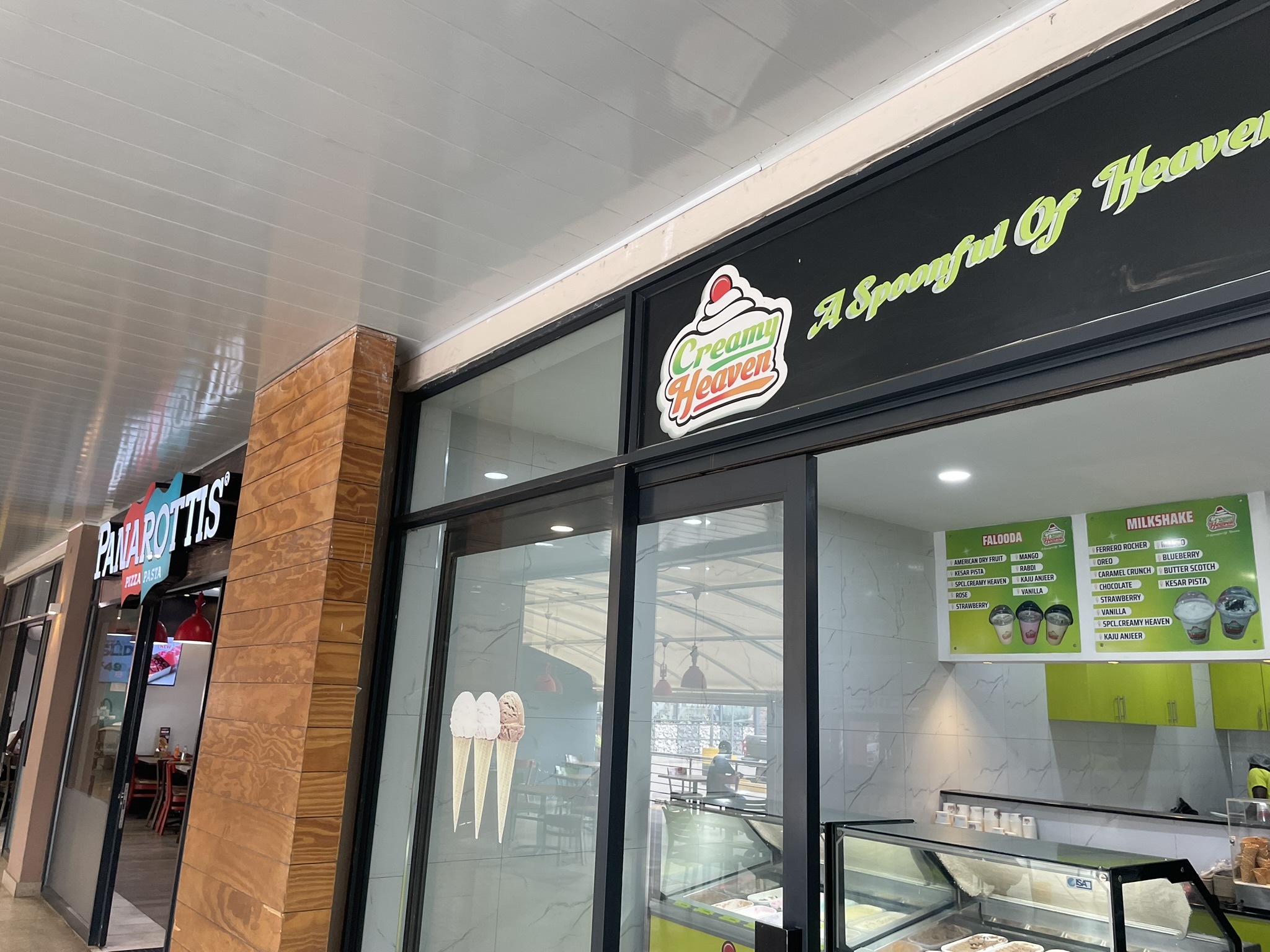
The mall has many shops and there are similar malls in the city. There is a stark difference between Zambia and Malawi, beyond what I had envisaged.
Darul Iftaa Mahmudiyyah
Mawlānā Shuʿayb drops us at our residence in Makeni and a short while later Mawlānā Ṭalḥah collects me and we arrive at Darul Iftaa Mahmudiyyah in the Kamwala area of south Lusaka at approximately 4pm. We are welcomed by Mufti Nabīl Valī and Mufti Muḥammad along with Mufti Bilāl Pāndor who graduated from Darul Uloom Bury UK in 2019. All three scholars trained as Muftis under the tutelage of the late Mufti Ibrāhīm Desai (d. 1442/2021) of Durban, South Africa. This and similar Darul Iftaas in different countries across the world reflect the contribution and legacy of Mufti Ibrāhīm Desai.
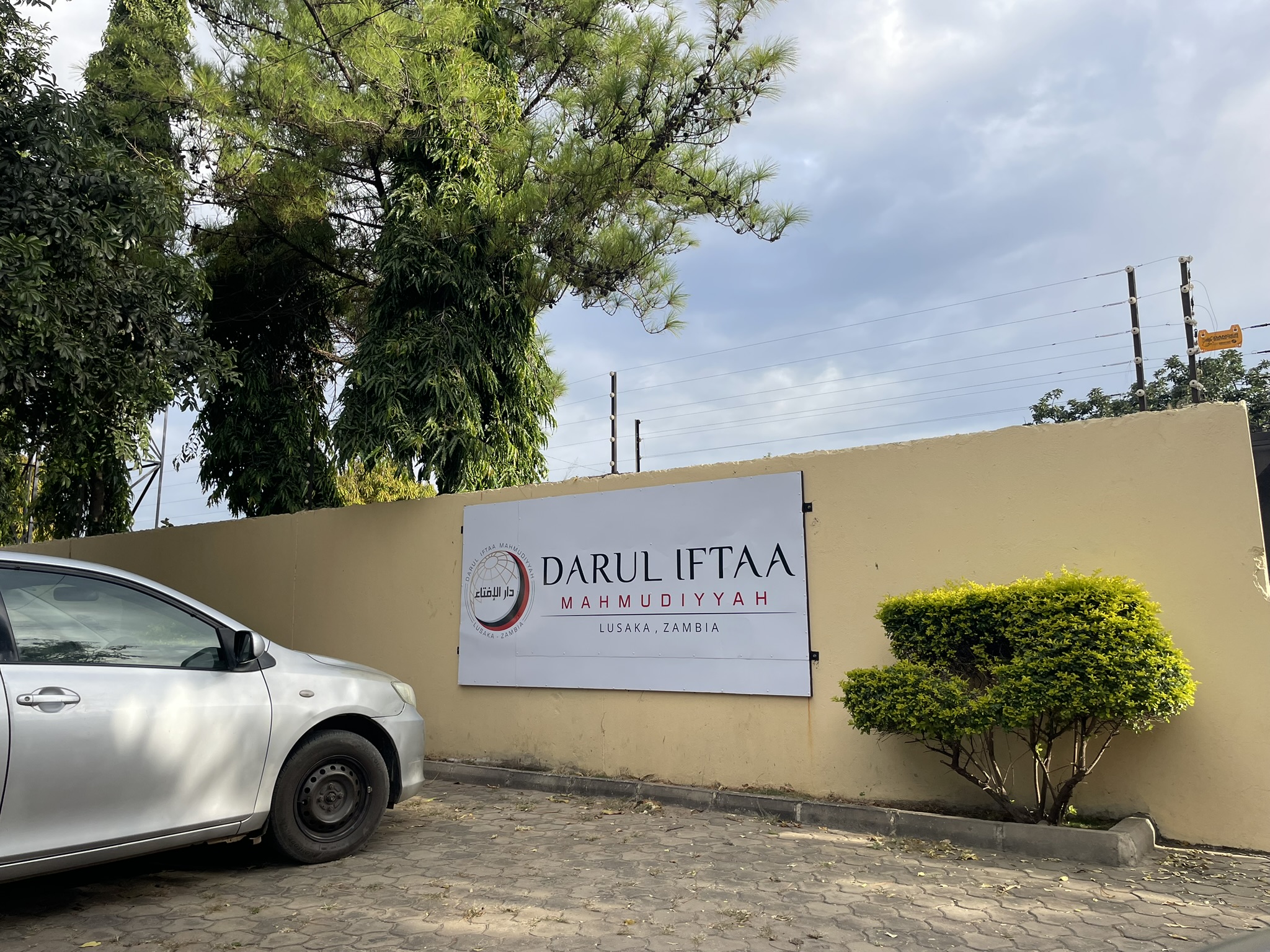
This office of the Darul Iftaa was established three years ago although the Darul Iftaa was established in 2016. There is a library that has a good selection of Ḥanafī books. Marital disputes and requests for Faskh (annulment of the Nikāḥ) is a very common issue here. Generally, divorce is on the rise and there are many marriage breakups. The Darul Iftaa does not issue Faskh easily and is strict in this regard.
As tea and refreshments are served, an interesting discussion follows regarding the use of the English language in seminaries. The Darul Iftaa has recently started the ʿĀlim course for day students and the medium is English. Generally, in Zambia, within Maktabs and otherwise, Urdu is commonly understood and used especially among the Asians. Within homes also, Gujarati and Urdu are used and understood more than England. Perhaps this will change after a generation or two. One of the respected Muftis mentions that whilst studying Dawrat al-Ḥadīth in the UK, one third of the class students would not understand the lessons because they were delivered in Urdu. This is an increasing challenge in the UK. Darul Uloom Leicester has in recent years changed the medium from Urdu to English. Eventually, most Darul Ulooms in the UK will have no choice but to follow suit. This is because it is extremely difficult to understand the Arabic language via a language with which one is not familiar. The net result is that many graduates cannot articulate themselves proficiently in Arabic, Urdu or English. Our fundamental language is Arabic, and the primary purpose of the ʿĀlim course is to understand texts that are in Arabic. If this objective is achieved via the Urdu language, then this is good because there is a lot of material in the Urdu language. However, if the objective is not being achieved, then the medium should be changed to English, and one should not insist on Urdu being the medium. I know of many Darul Ulooms where the medium is Urdu, but the teacher translates the Urdu book on Arabic grammar into English for the students to understand. This is bizarre. There is no inherent virtue of the Urdu language. All languages are creation of Allah, and the Arabic language is supreme. Yes, a lot of our heritage is in the Urdu language, for which Urdu can be taught as a standalone subject. I am a firm advocate of retaining the Urdu and Gujarati languages, because when a language is erased, the culture is also erased. This is something Mawlānā Abū al-Ḥasan ʿAlī al-Nadwī (d. 1420/1999) would emphasise as I have heard my respected father Mufti Shabbīr Aḥmad (b. 1376/1957) quote him many times, and this is evident from what Mustafa Kemal Atatürk (d. 1357/1938) did to the script of the Turkish language a century ago. The script alone can have a material impact. However, if something is not working and the primary objective is not being realised, then the primary objective needs to be prioritised and the impact mitigated as suggested.
Some other issues are also discussed and the respected Muftis gift me some books including a biography of Mufti Ibrāhīm Desai. May Allah Almighty illuminate his grave and grant him Jannat al-Firdaws. Āmīn.
Al-Ihsan Trust
We perform ʿAṣr Ṣalāh at Darul Iftaa and thereafter head to Al-Ihsan Trust in the same Kamwala area nearby, next to Masjid Umar.
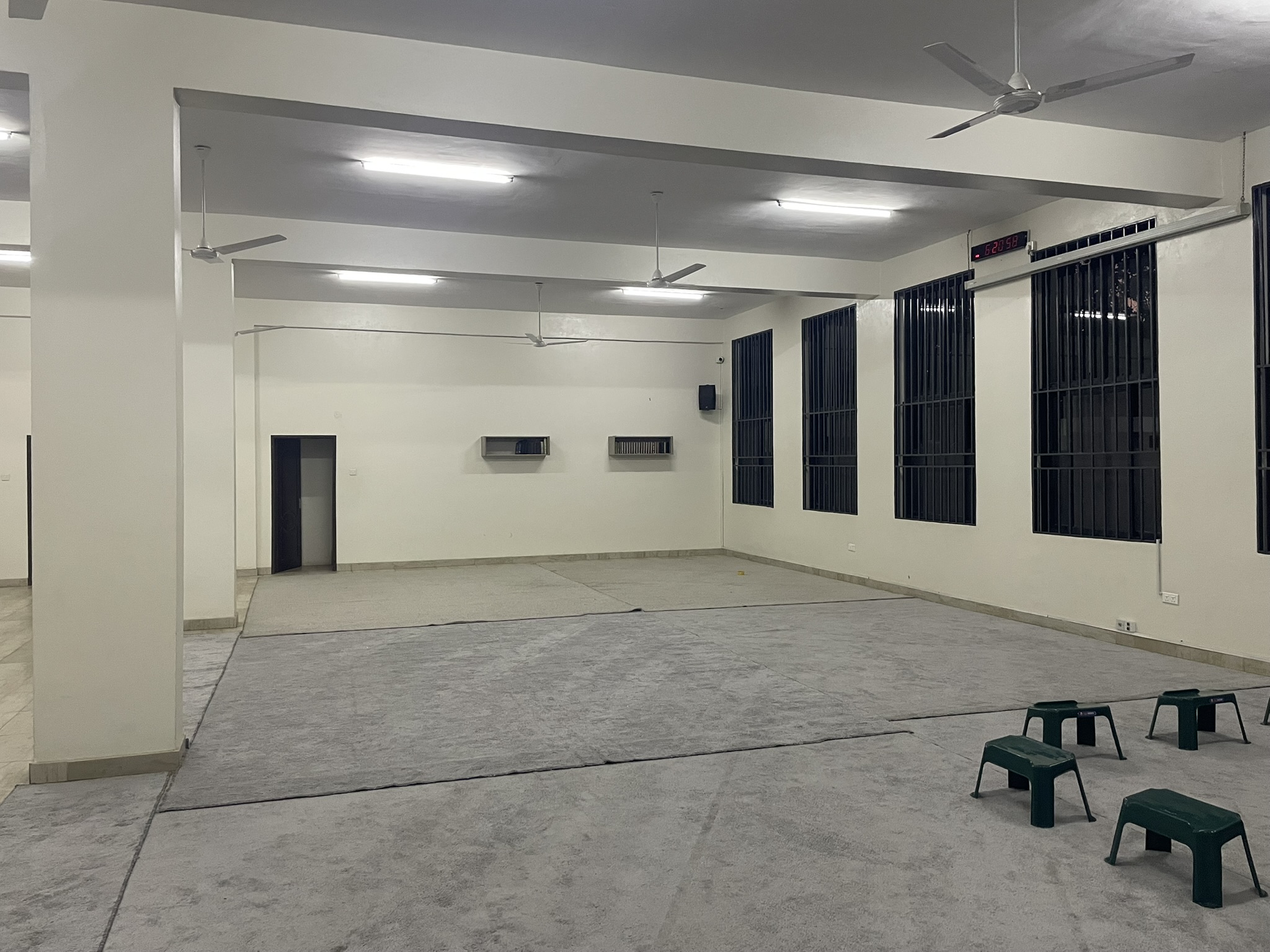
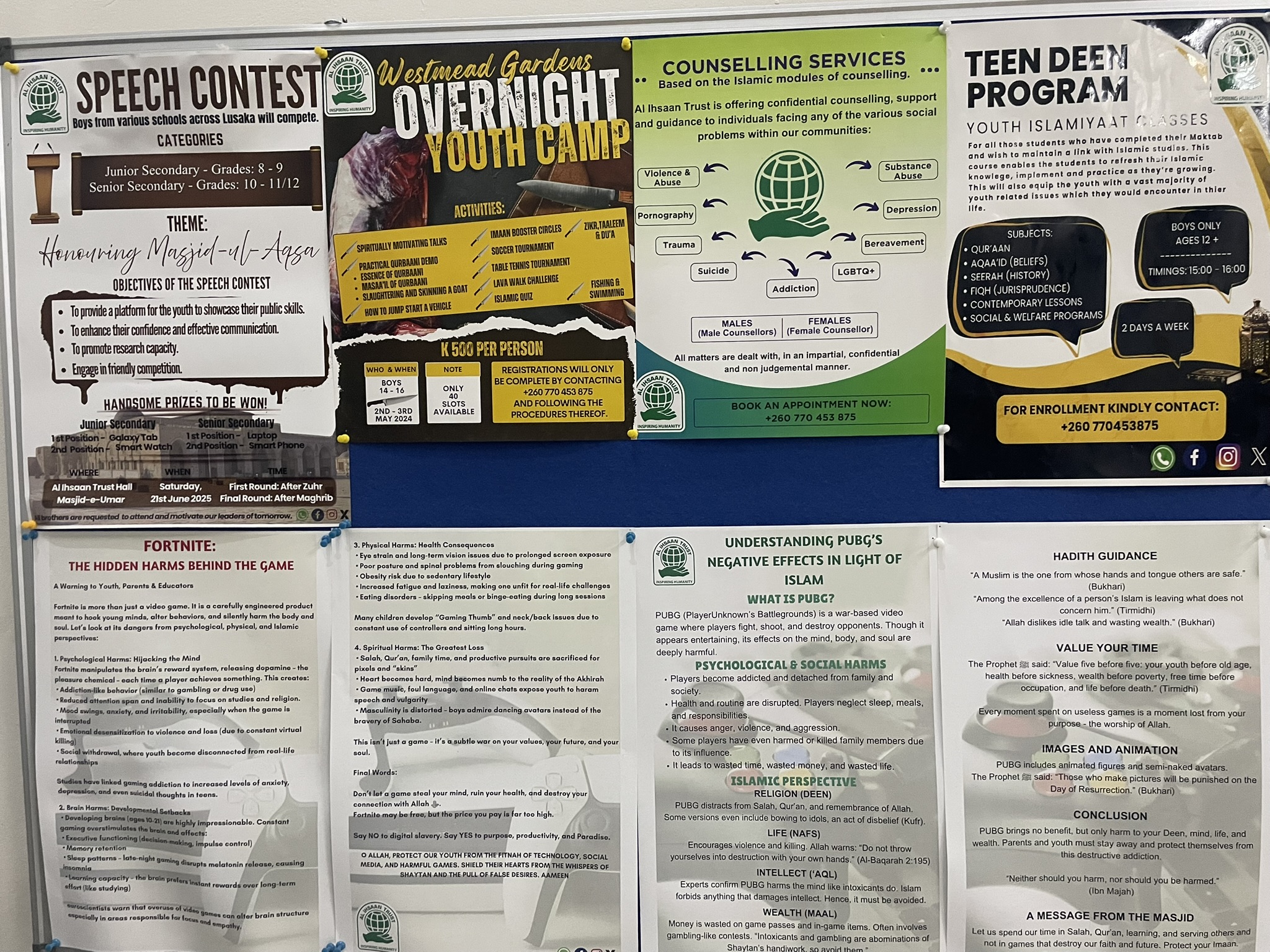
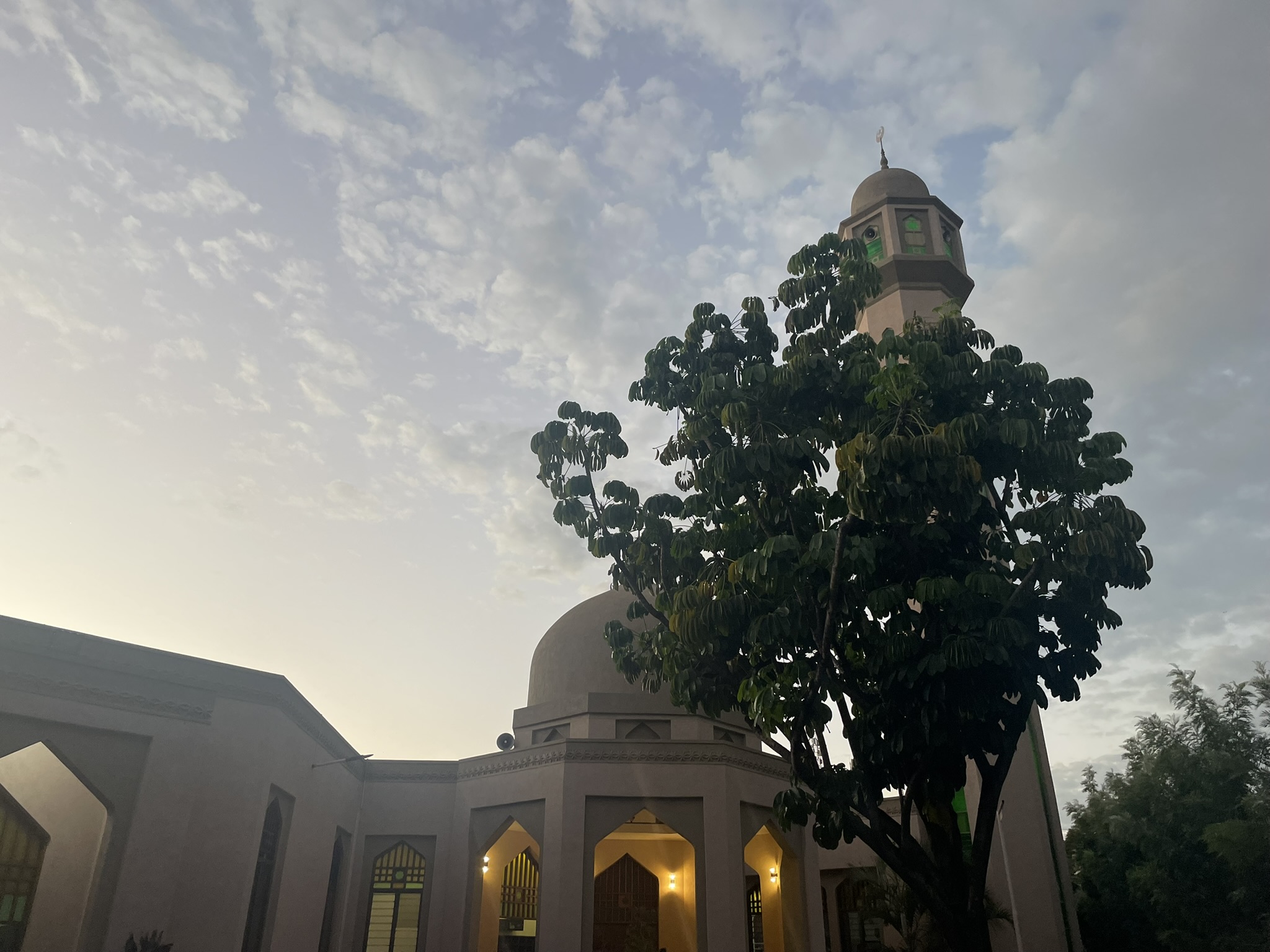
The Trust draws inspiration from the Durban based Darul Ihsan founded by the respected Mufti Zubayr Bayāt. It was established in 2020 and provides invaluable services for the youth, including post-Maktab classes, revision of the Qurʾān classes, education classes for the reverts, accepting Islam services, monthly youth programmes, school visits and other activities. These services are the need of the time. In Lusaka and in the UK, there is an imbalance in the amount of funds spent on bricks and buildings compared to the funds spent on people and the provision of services. I suggest to Mawlānā Muḥammad and his colleagues of Al-Ihsan to establish a dedicated wing for females with all the necessary safeguards and thereby enhance the work of the Trust and preserve the Īmān of our sisters.
Dinner and programme at Jamiah Islamiyyah
We perform Magrib Ṣalāh at the neighbouring Masjid Umar and eat dinner at the residence of Fārūq Sārodī. We return to Makeni thereafter and perform ʿIshāʾ Ṣalāh at Jamiah Islamiyyah, which is not far from Masjid-Ud-Dawah.
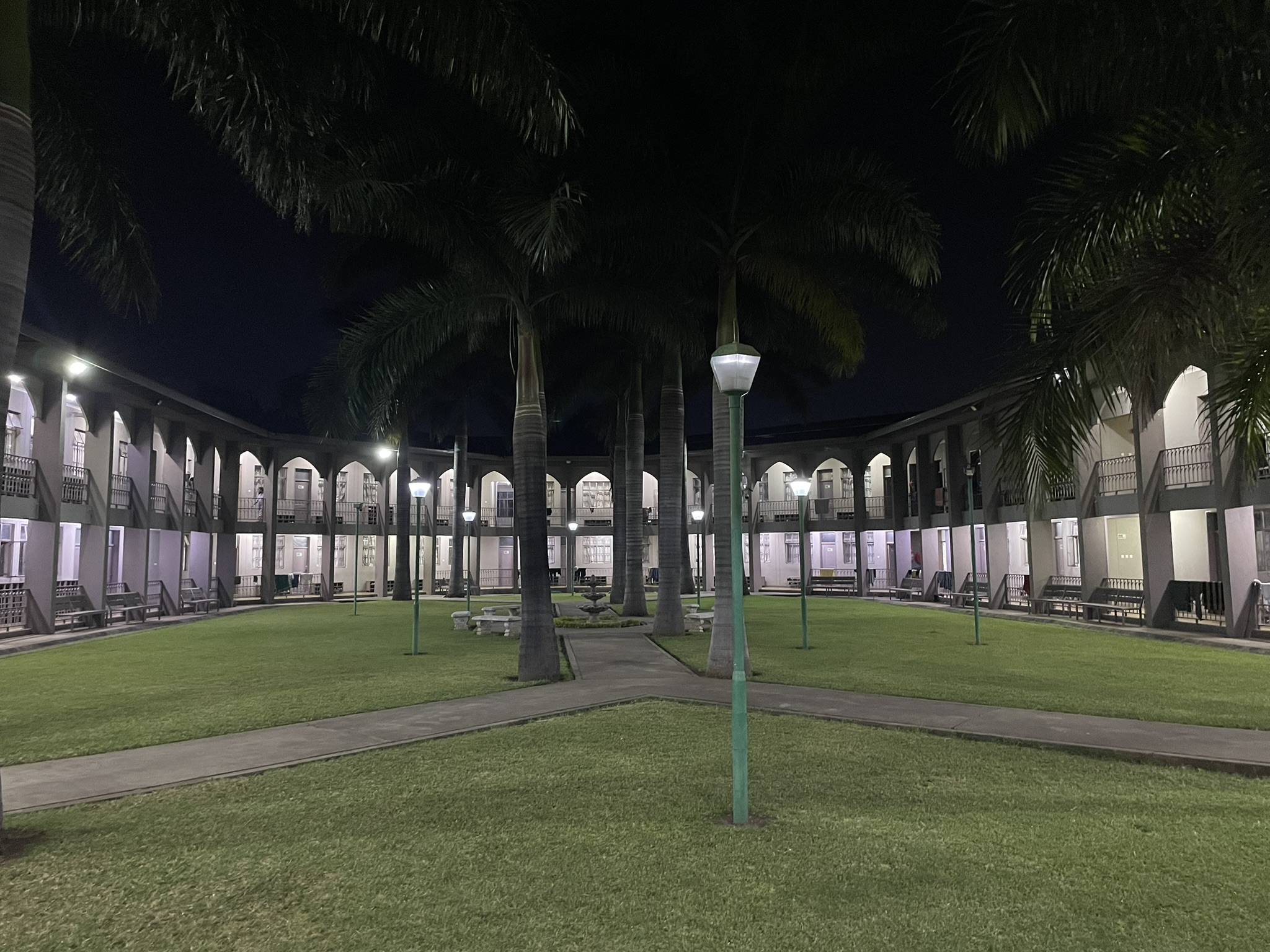
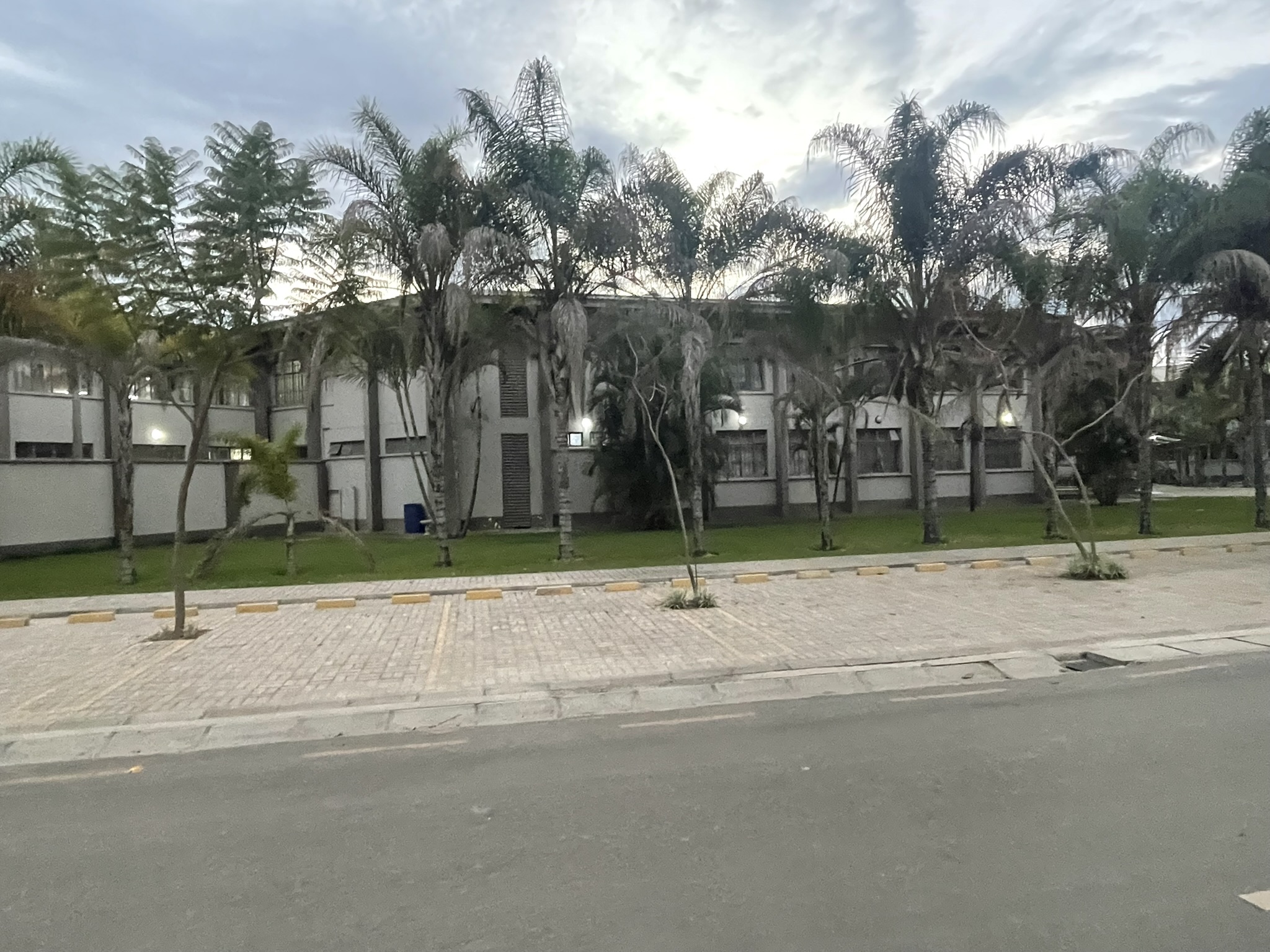
This seminary was established in 1999 by a group of graduates of the Binori Town seminary in Karachi, Pakistan. They include Mawlānā Idrīs and Mufti Ayyūb who both welcome us. I remember Mawlānā Idrīs Ṣāḥib because he accompanied our respected Shaykh Muḥammad Yūnus Jownpūrī (d. 1438/2017) from Zambia to the UK over a decade ago. Mufti Ayyūb Ṣāḥib takes a keen interest in books and regularly meets my respected father Mufti Shabbīr Aḥmad (b. 1376/1957) in Saudi Arabia. The seminary currently has 290 students from 20 nationalities and is housed in a beautiful complex. The annual fee is $1300 which is subsidised for those who cannot afford it. Students begin from the age of 14. There is no provision for full schooling, although English and Maths are taught. The seminary also has a Ḥalāl and charity departments (refer to Saturday below). After Ṣalāh, I deliver a talk to the students focusing on some of the etiquettes for a student of knowledge and a student of Ḥadīth.
Royal Amahle Lodge
After the programme, Mawlānā Ṭalḥah and his wife drop us to the Royal Amahle Lodge in Mwembeshi, 40km west of Lusaka. We arrive at 10.45pm. This is a unique fishing paradise and nature reserve owned by Mawlānā Muḥammad Sherī who kindly hosts us for free. There are currently three lodges on site, and more are being built. We rest for the night.
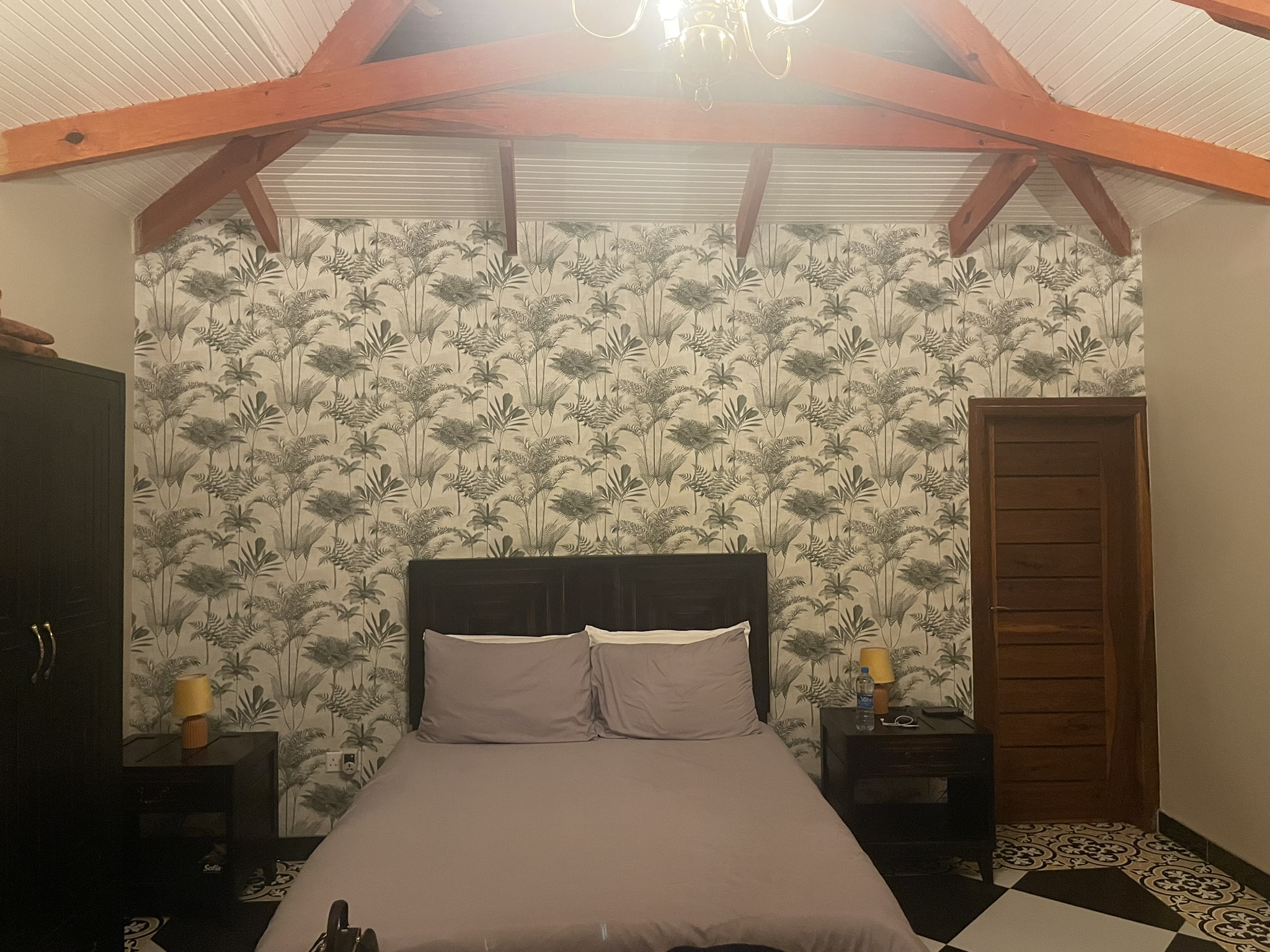
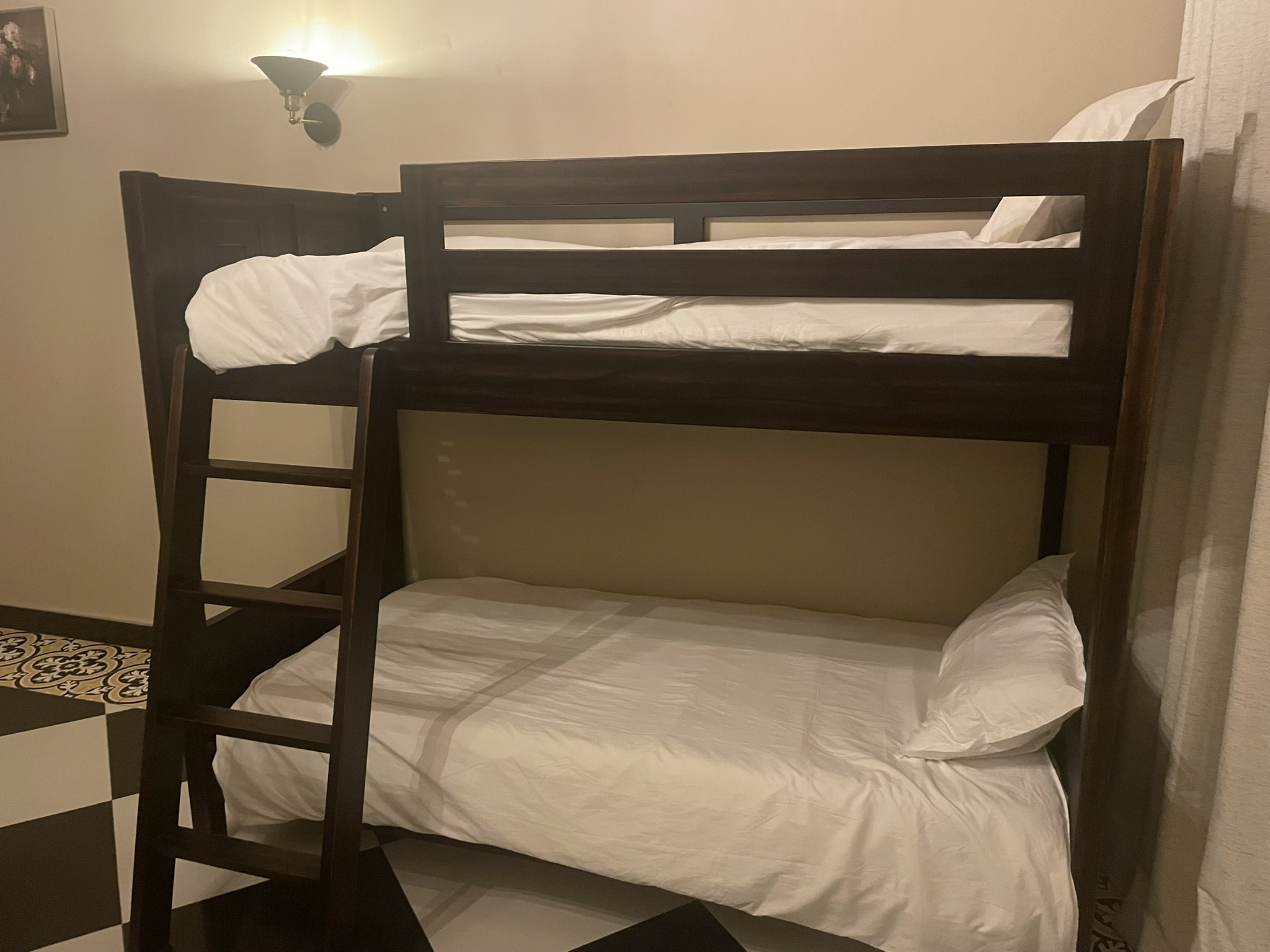
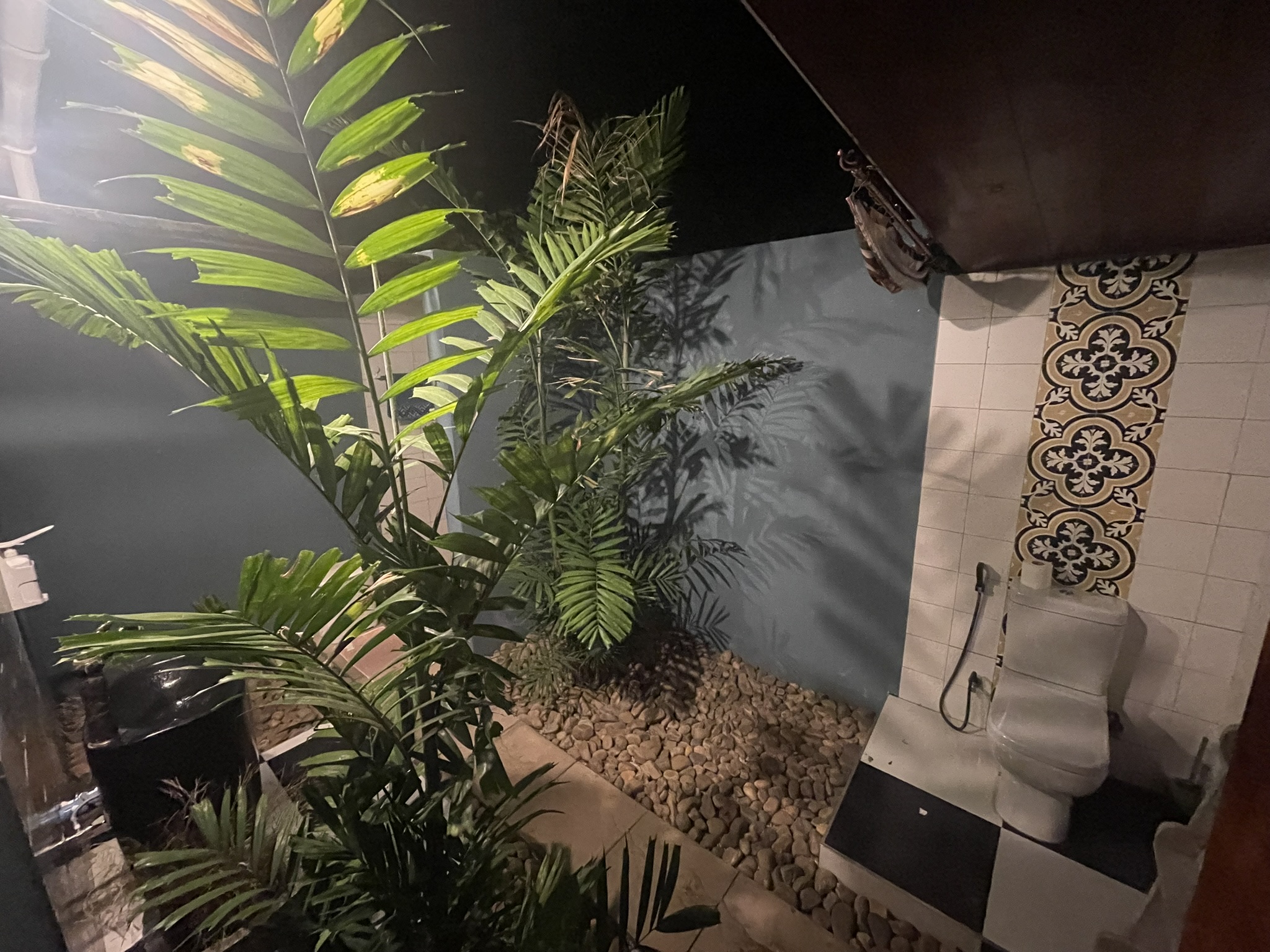
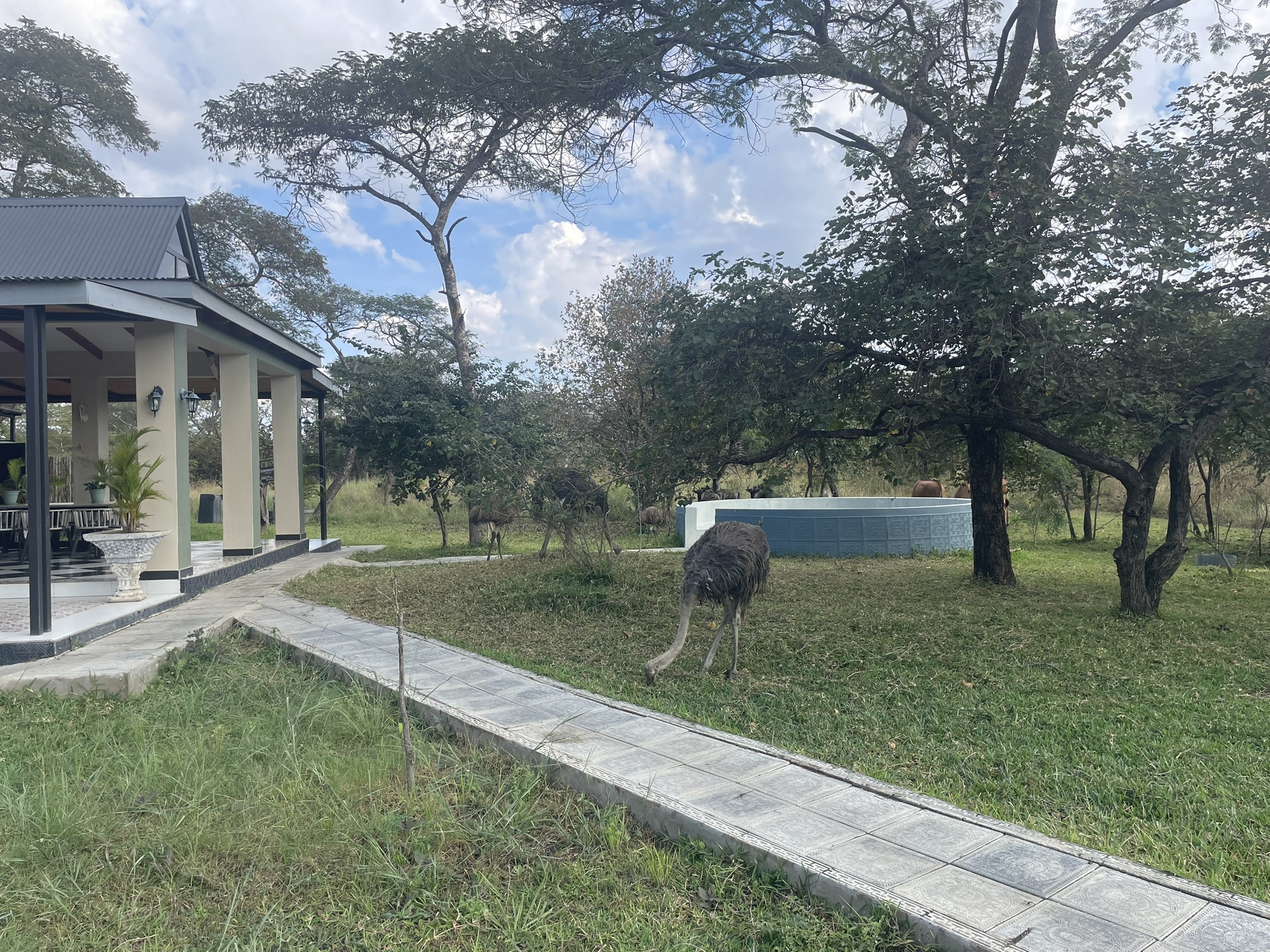
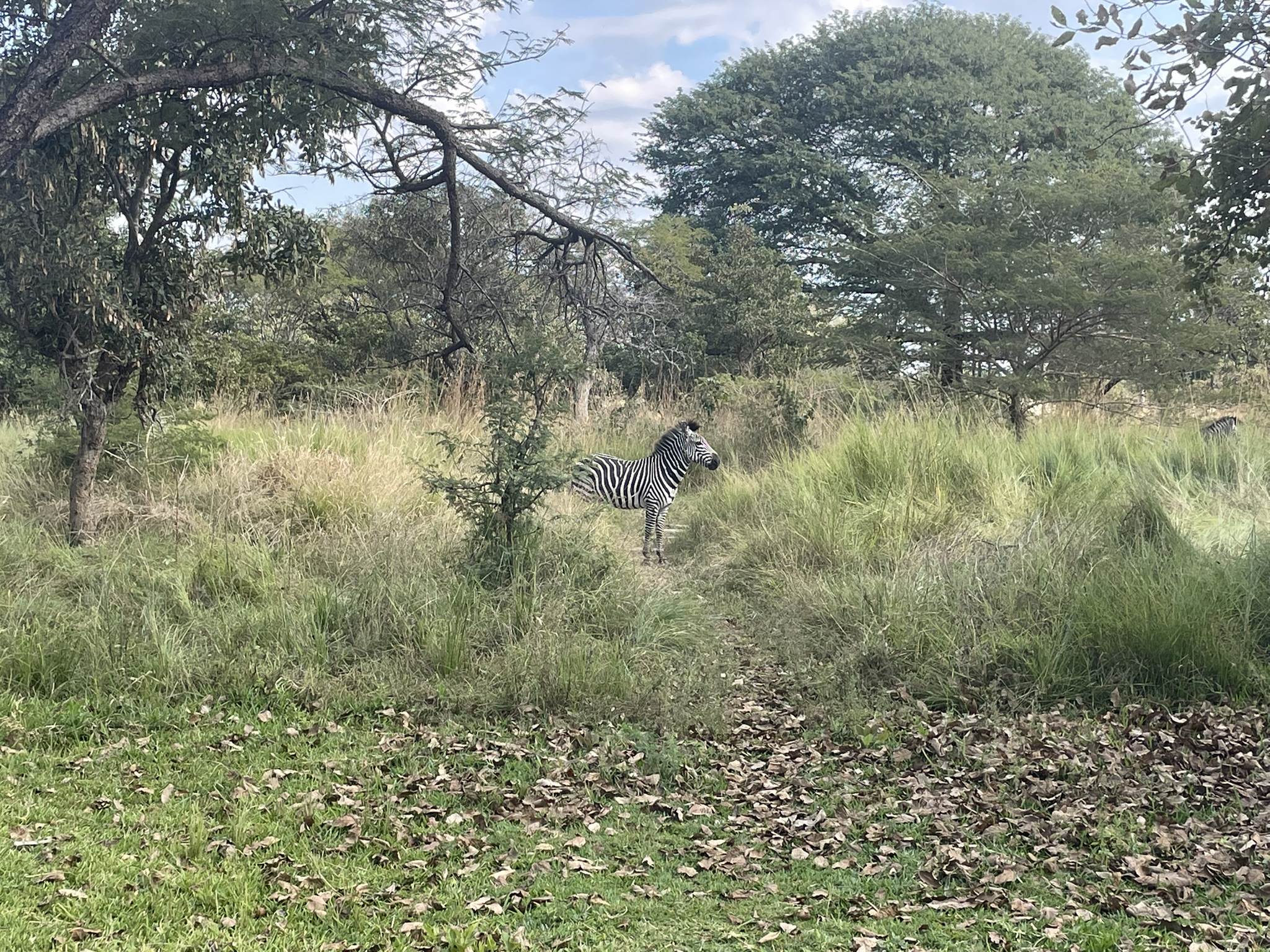
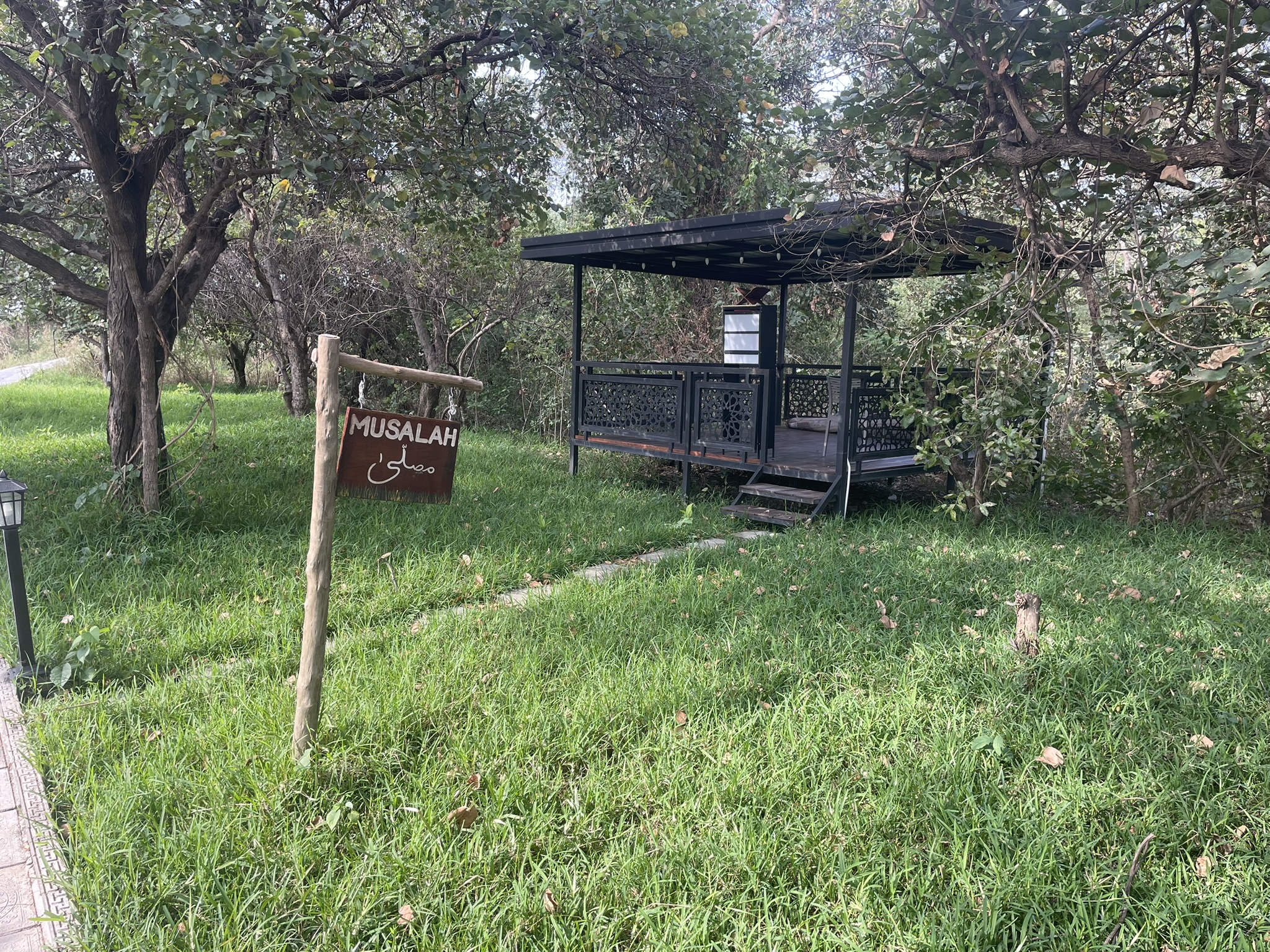
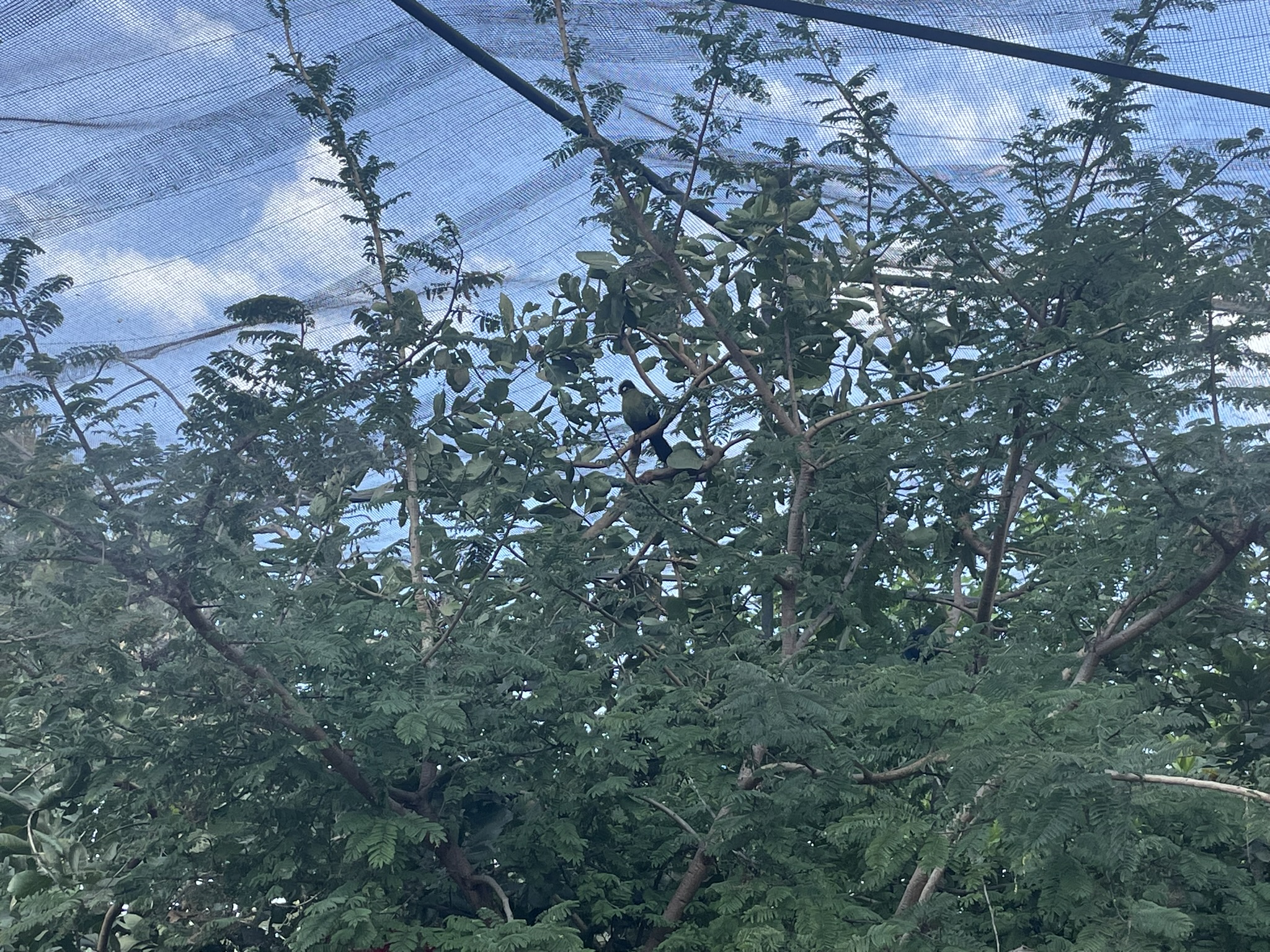
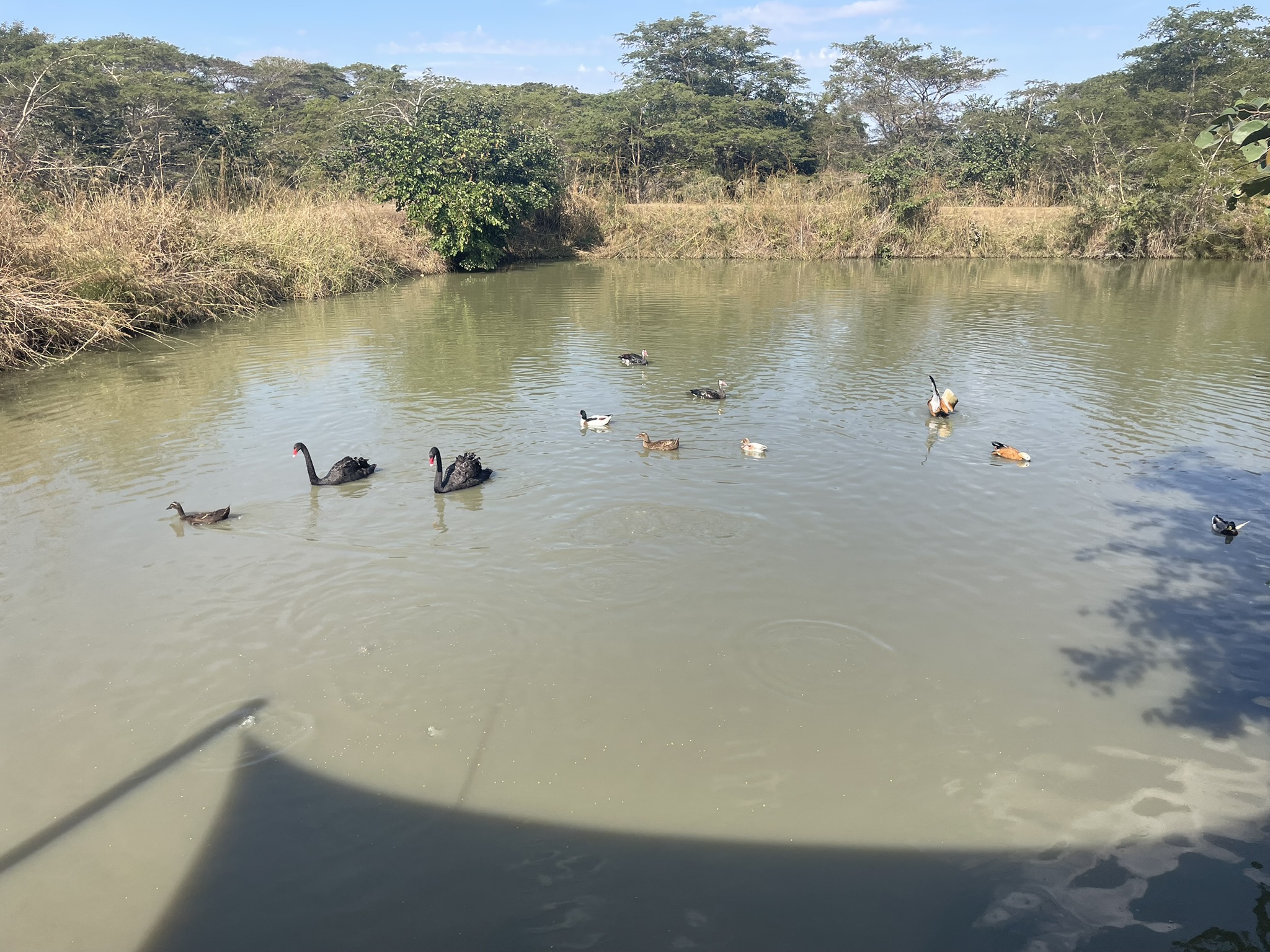
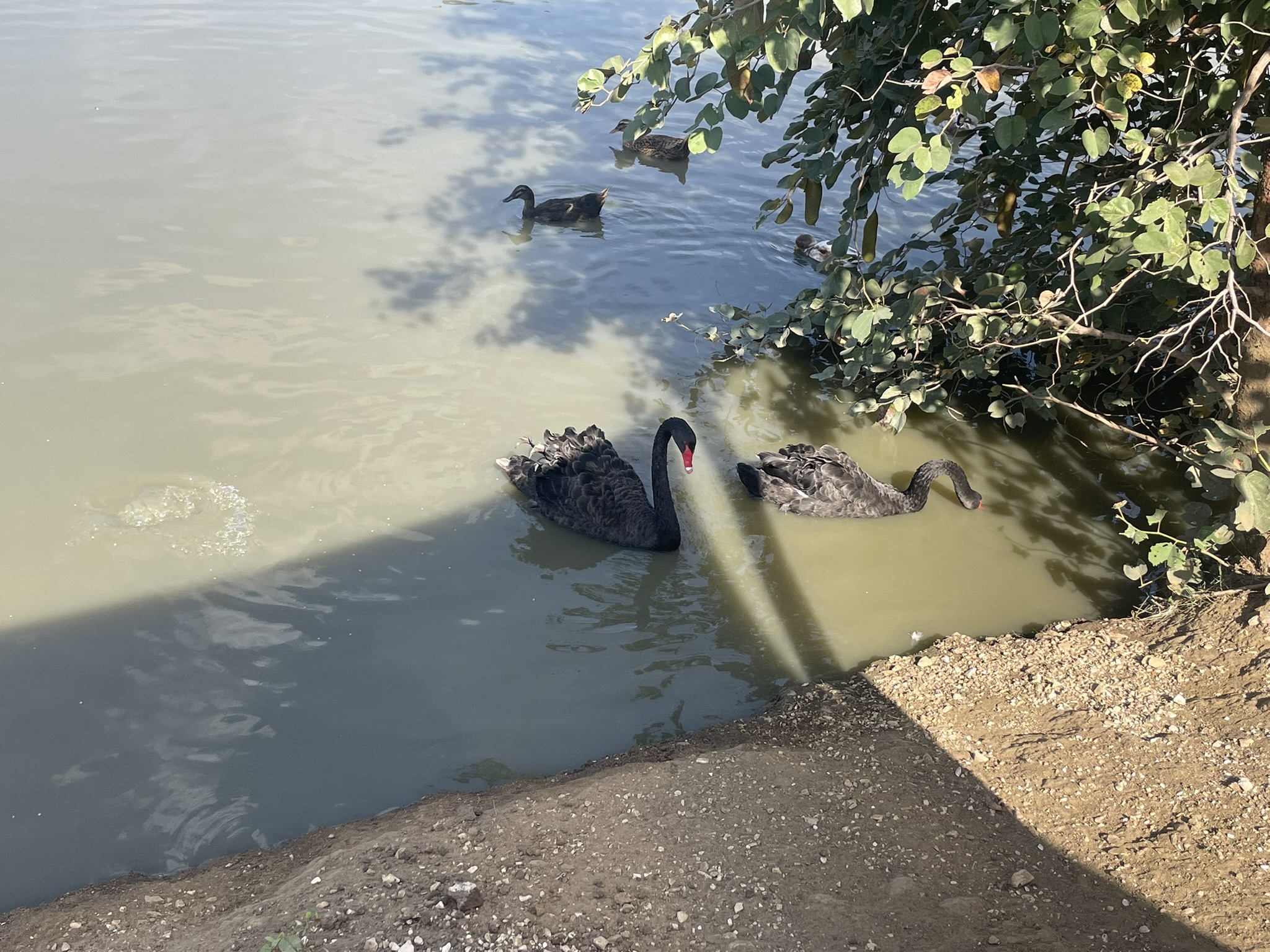

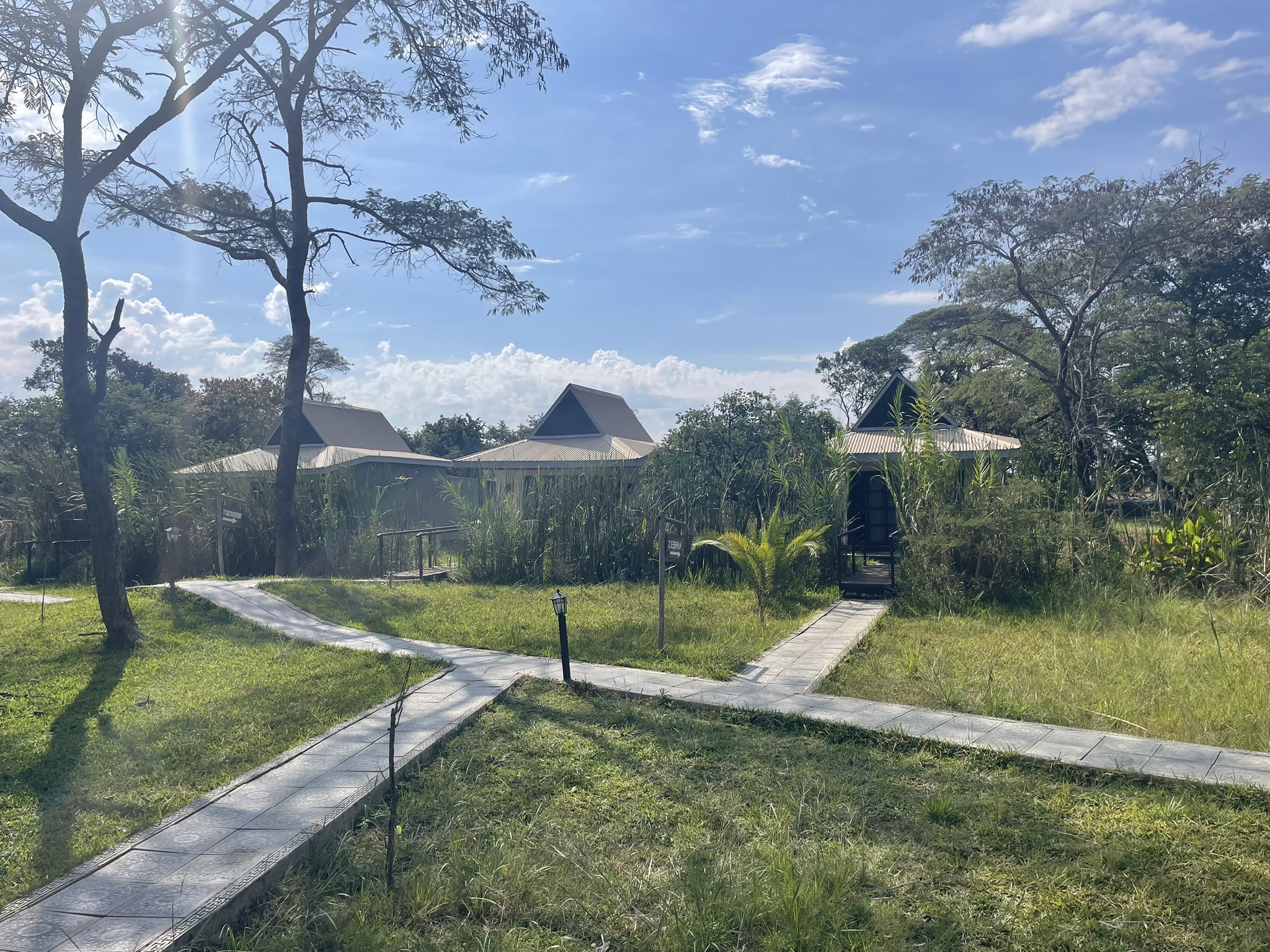
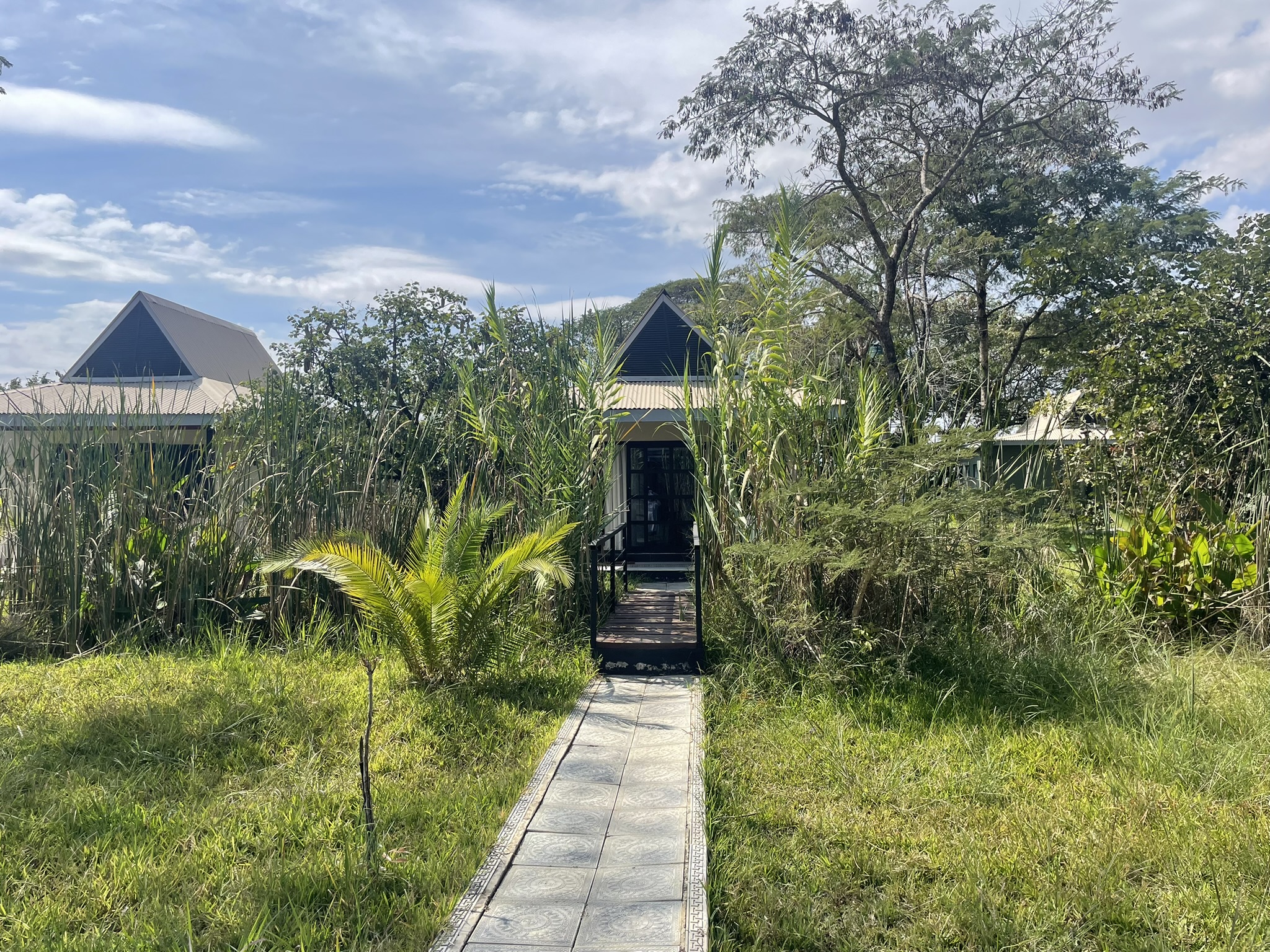
In the morning, we go for fishing and observe the various animals including Zebra, Kudu, Ostrich, Impala and some birds. Good breakfast is served and it is all Ḥalāl.
Day 3 – Friday 8 May 2026
Visit to Darul Uloom of Zambia
Jumuʿah Ṣalāh and lunch
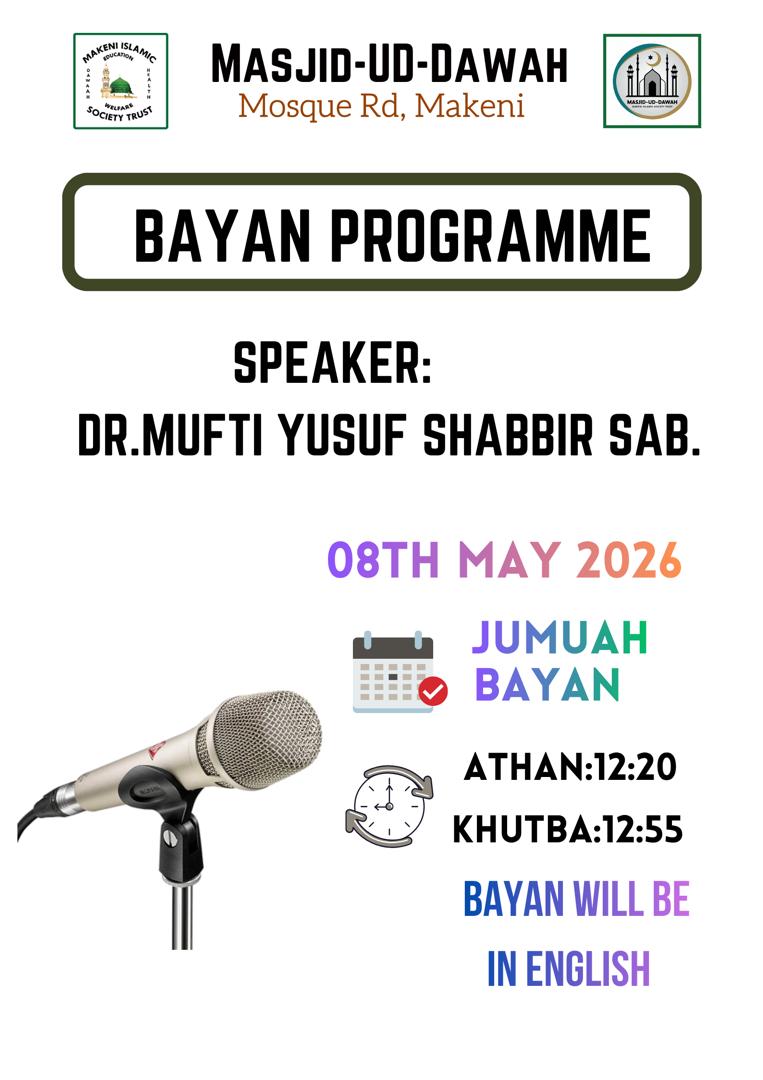
Ḥasan Motālā collects us at 10.45am and we reach Makeni, Lusaka in an hour. I deliver the pre-Jumuʿah talk at Masjid-Ud-Dawah at 12.30pm and Jumuʿah Ṣalāh takes place thereafter. The talk focuses on repentance and the story of al-Kifl as transmitted in Sunan al-Tirmidhī (2496).
After Ṣalāh, we eat lunch at the residence of Salīm Nāthā, where the home-made ice cream served in a clay cup deserves a special mention. Salīm Bhai’s son, Mawlānā Muḥammad gifts us clay cups to drink water in. Allah Almighty reward him for his affection. He accompanies us for the rest of the day as does Ḥaḍrat Mawlānā Rashīd Aḥmad Rāwat.
Ḥifẓ class run by Mawlānā Muḥammad ʿAlī Motālā
After dinner, we visit the Ḥifẓ class run by Mawlānā Muḥammad ʿAlī Motālā, the elder brother of Mawlānā Ṭalḥah. It is a useful interaction with the students, most of whom are studying in Iqra school. Several challenges of the school are shared including the quality of the teaching and the high staff turnover. Most of the students want to pursue a career in accounting. They are reminded to aspire for the highest in whatever they decide to pursue and to always abide by Islamic values.
Darul Uloom of Zambia
Later in the afternoon, we head to the east of Lusaka city and arrive at Darul Uloom of Zambia shortly before Magrib Ṣalāh. Traffic is a major problem in Lusaka.
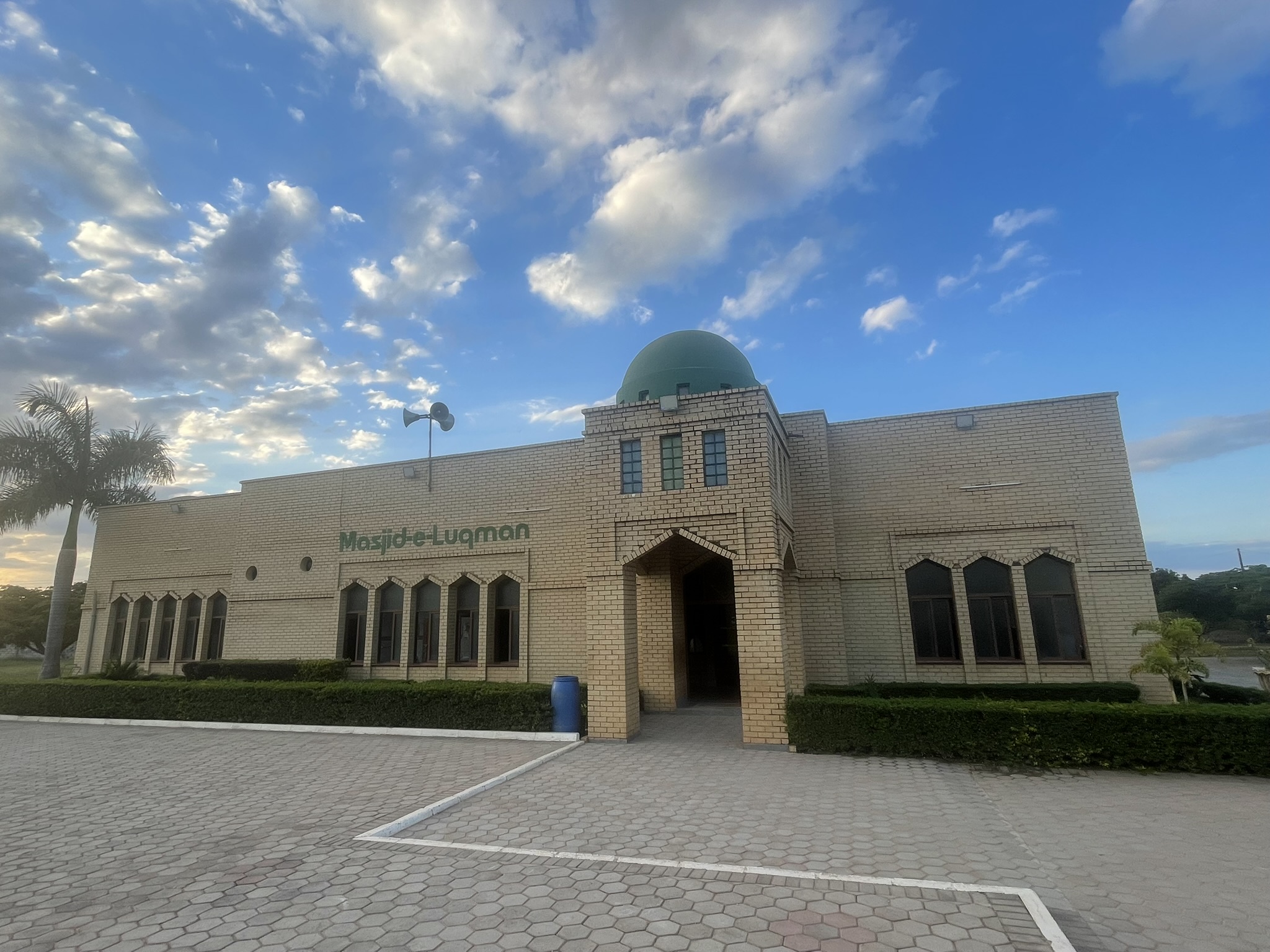
We are welcomed by the main coordinator and engine of the seminary, Ḥājī Najmul Gulām Ḥusayn Patel along with Qārī Afḍal and his colleagues who are originally from India. They provide us with an overview of the seminary. Established in 1976, this is the oldest Darul Uloom in Zambia. Shaykh al-Ḥadīth Mawlānā Muḥammad Zakariyyā Kāndhelwī (d. 1402/1982) visited it in 1981 and named it Madrasah Raḥmāniyyah. The seminary has faced difficulties since its inception but has picked up over the past few years. It currently has 295 pupils primarily from the indigenous community which is what differentiates it from the other seminaries of Lusaka. Boarding is provided to all students. The age range of the pupils is 8-18 and the Zambian school curriculum is provided to all students up to O Level standard. The seminary employs 54 staff. One of the challenges faced by the seminary is the impact of inter-faith marriages. Many students have one non-Muslim parent. This is quite common among the indigenous Zambians and sometimes results in the children being non-Muslim or leaving the fold of Islam later.
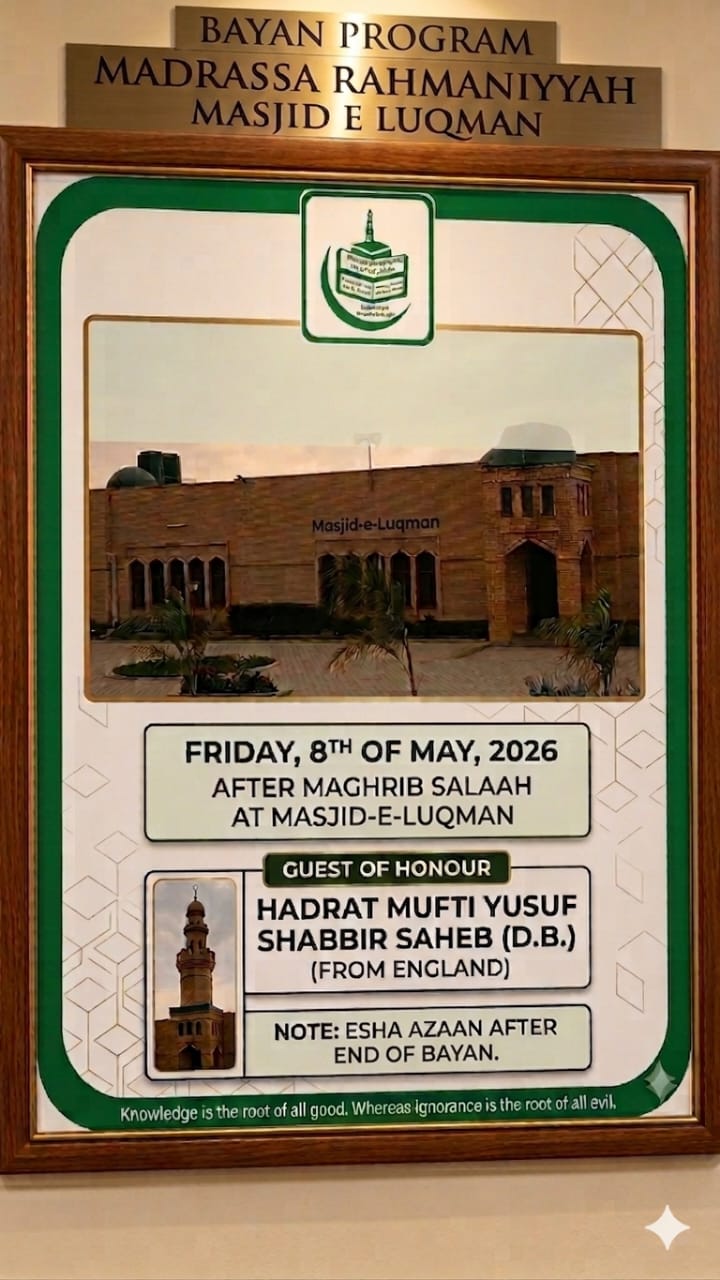
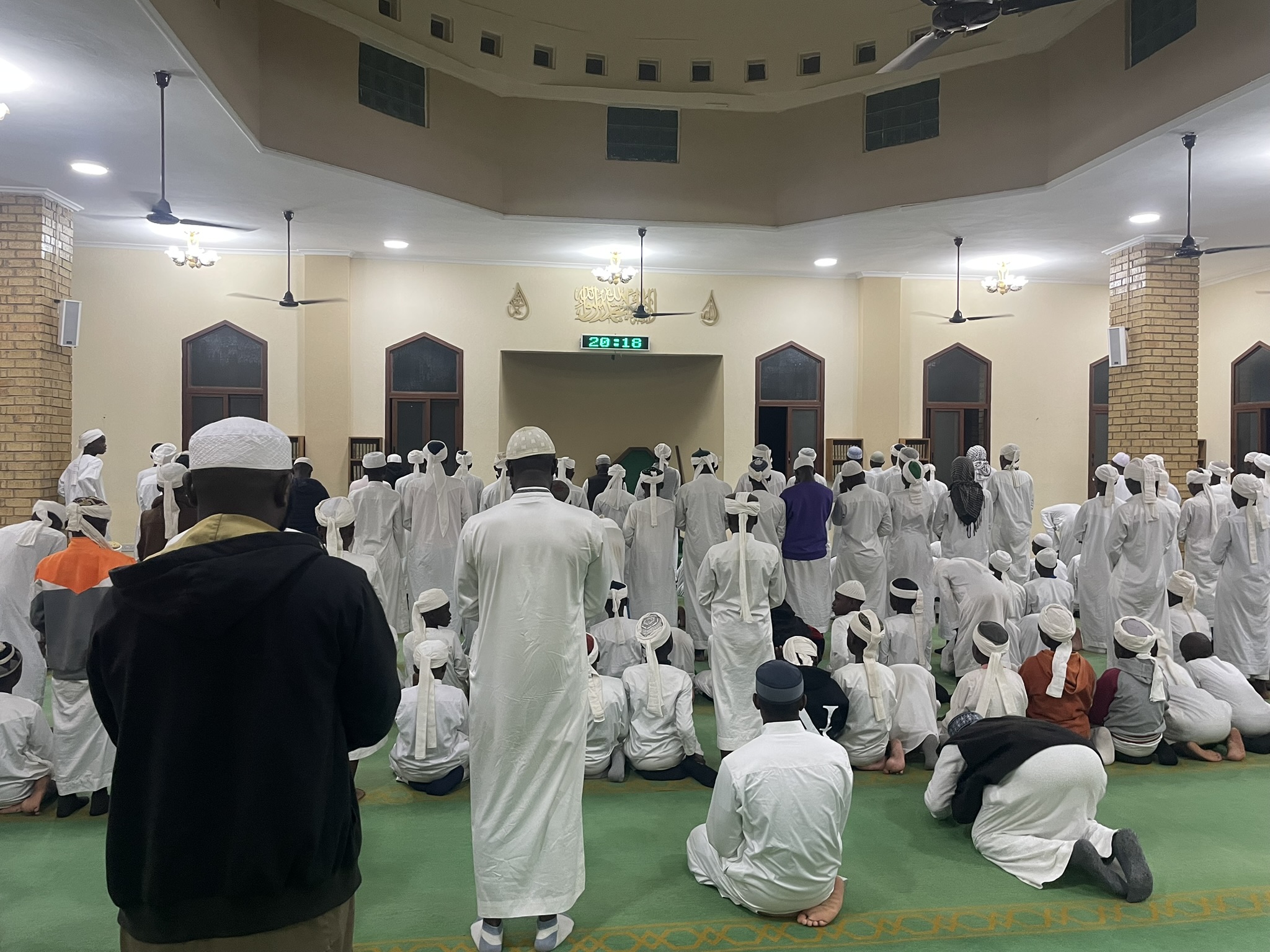
After Magrib Ṣalāh, a student delivers a motivating talk on Masjid al-Aqsa. This is followed by a talk by Mawlānā Ṭalḥah who passionately highlights some of the fundamental differences between the Shiite and Sunni beliefs considering the current situation in the Middle East, whilst maintaining that sympathy is valid for the Iranian people based on humanitarian grounds and the fact that they are challenging the greater enemy. My talk focuses on Masjid al-Aqsa briefly followed by the fascinating story of ʿAllāmah Abū Bakr Muḥammad ibn ʿAbd al-Bāqī al-Anṣārī (d. 535/1141) and the pearl necklace.
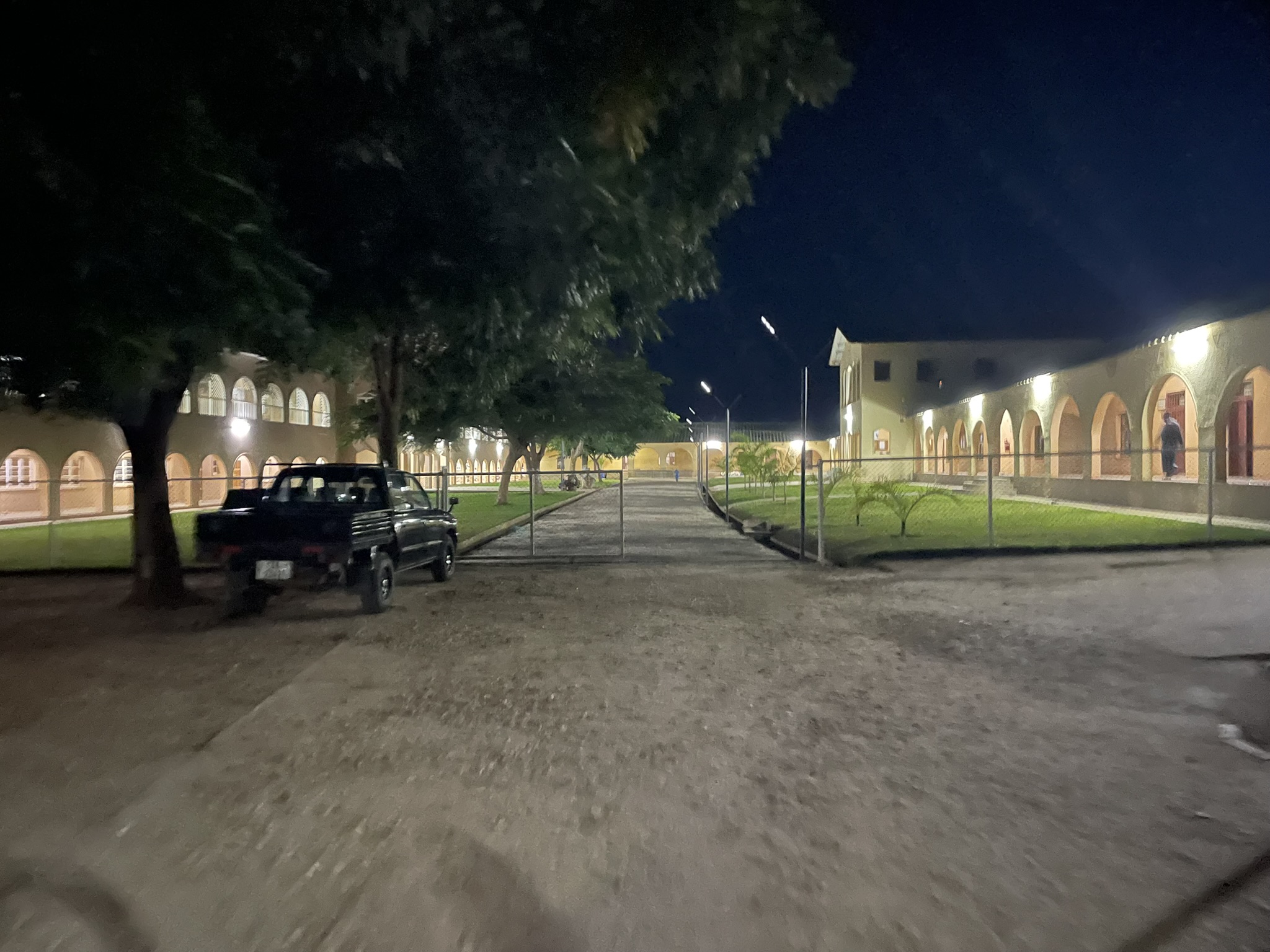
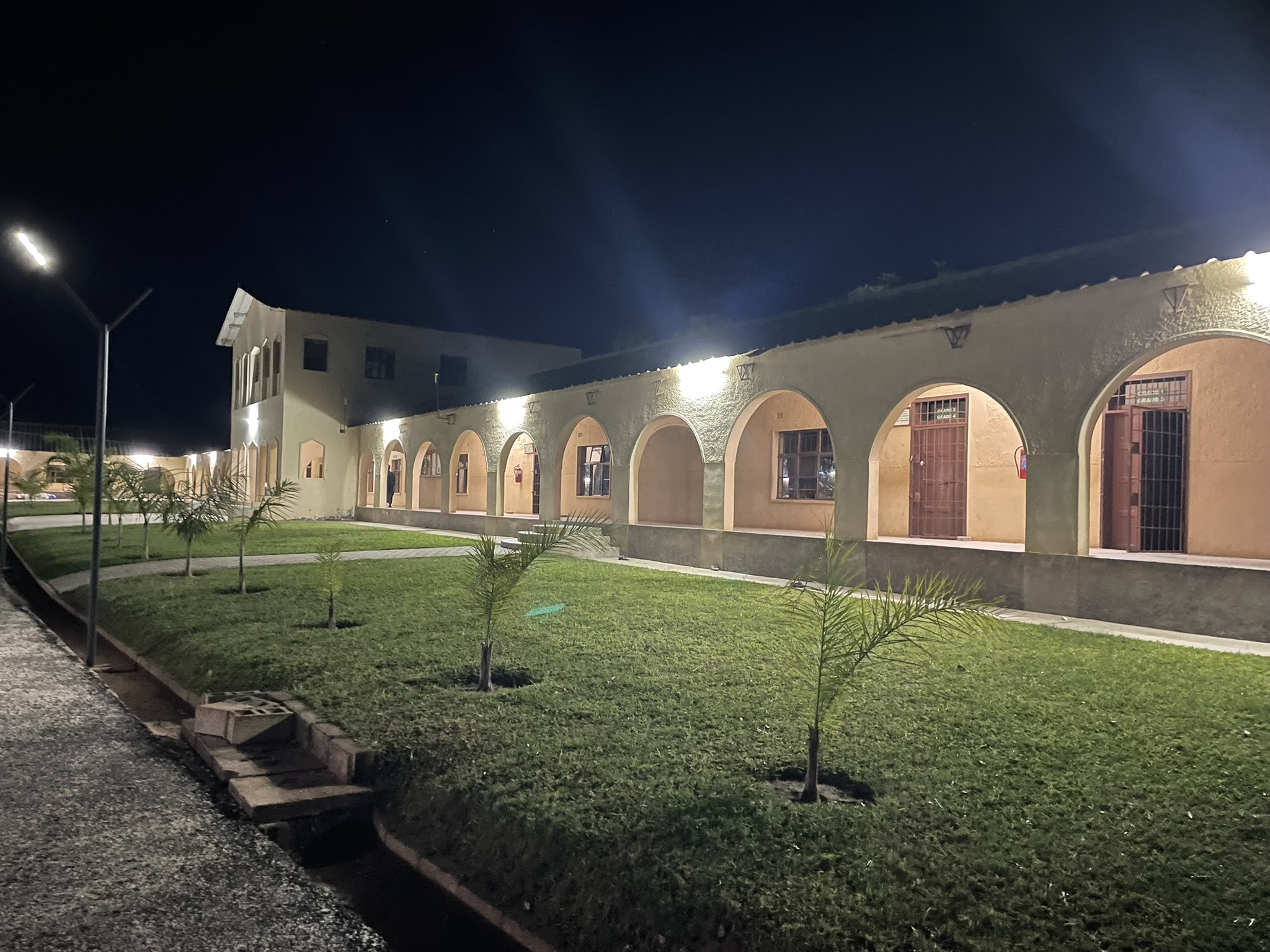
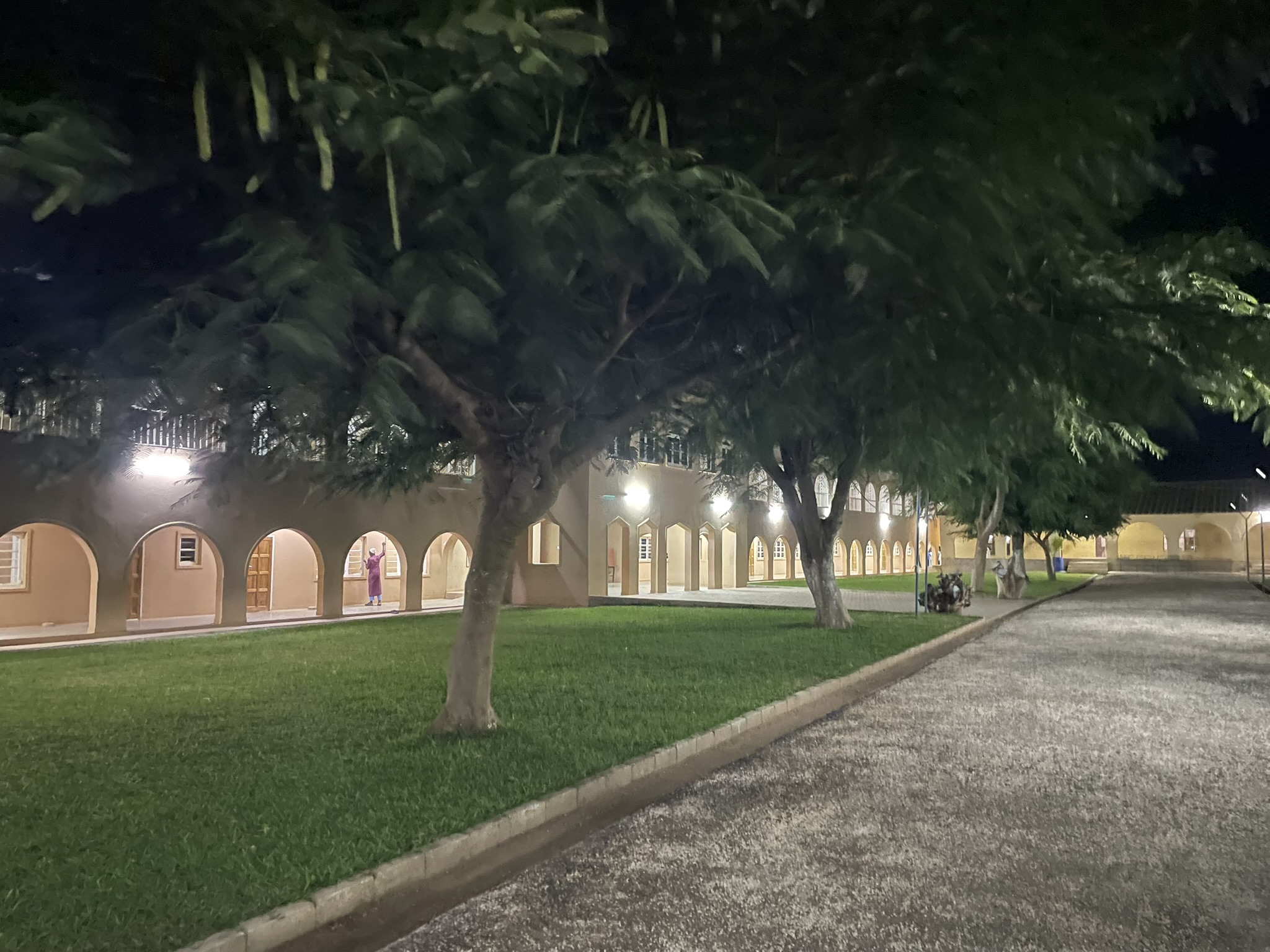
We perform ʿIshāʾ Ṣalāh, eat dinner and thereafter tour various part of the estate. The seminary is very clean and organised. This is generally the case for the seminaries and organisations I have visited in Zambia thus far. We also visit the area to the rear of the estate where there are plans to construct a $3.5 million hostel for students. Duʿāʾ takes place and we take leave and return to Makeni.
Day 4 – Saturday 9 May 2026
Hunting experience for the first time
Return to Jamiah Islamiyyah
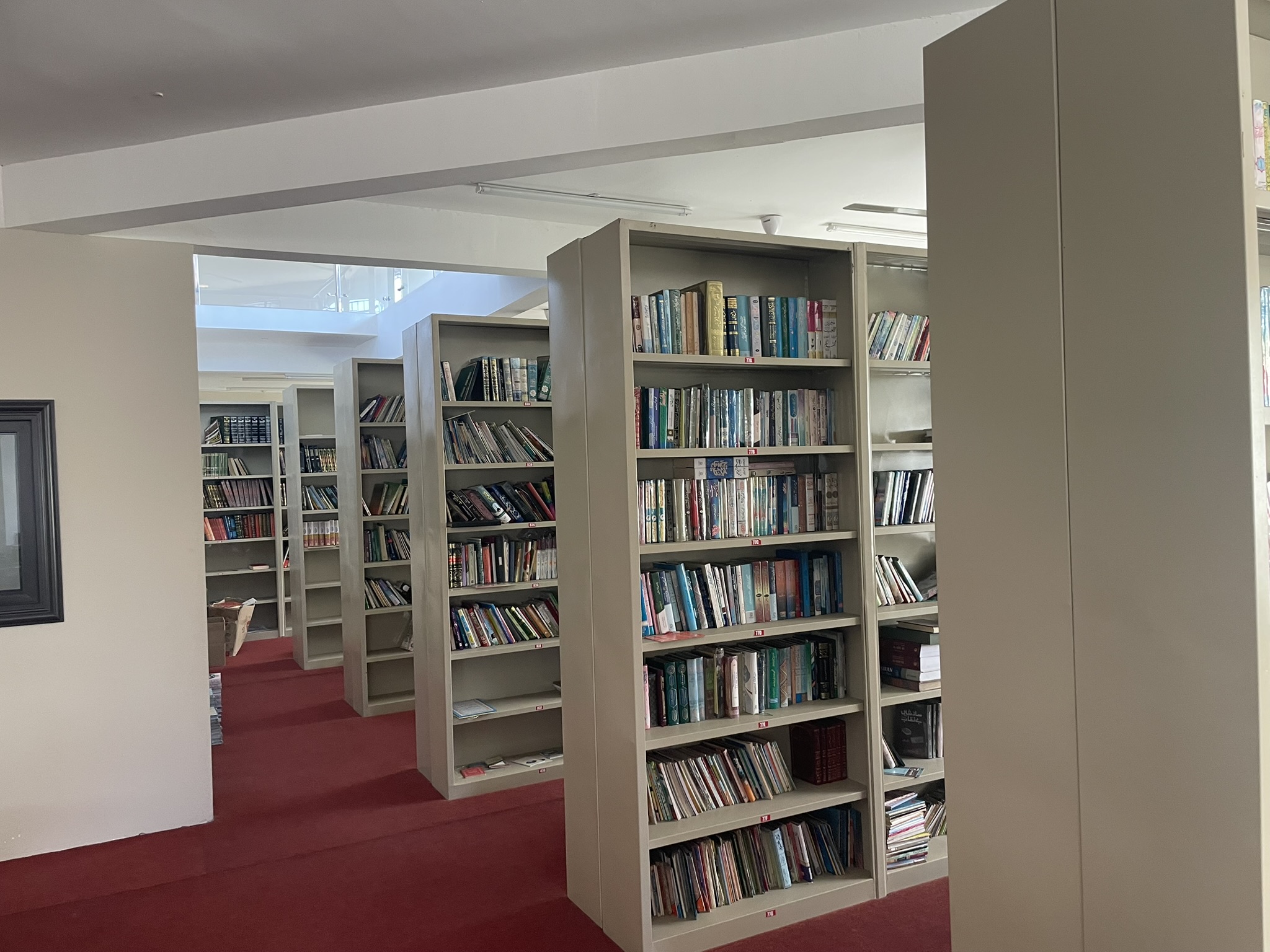
The next morning, we eat breakfast at the residence of Mawlānā Ṭalḥah at 10am and return to Jamiah Islamiyyah. Mufti Ayyūb Ṣāḥib kindly gives us a tour of the estate including the library which has a very good collection and shows us the drawings for the proposed Masjid building.
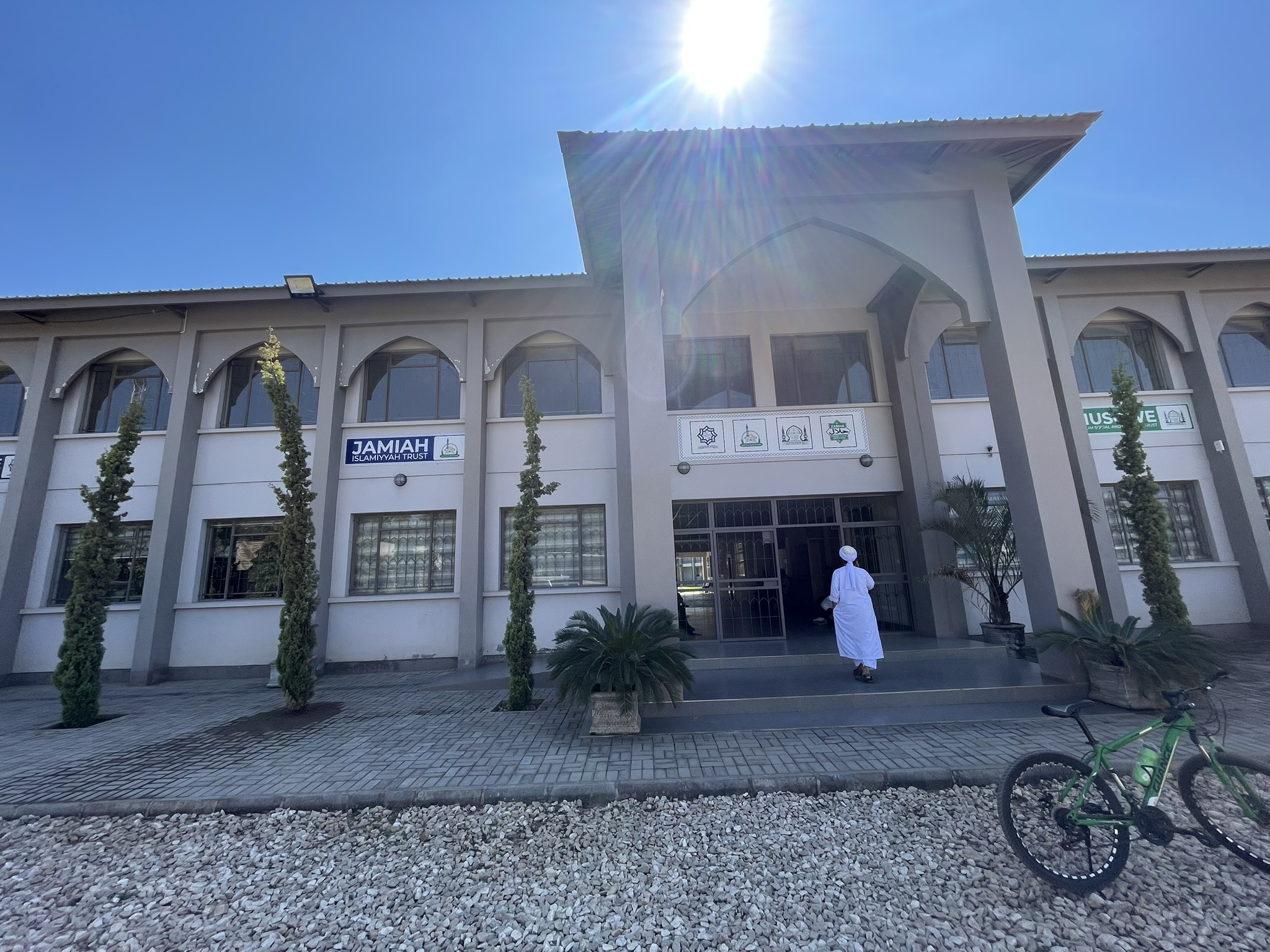
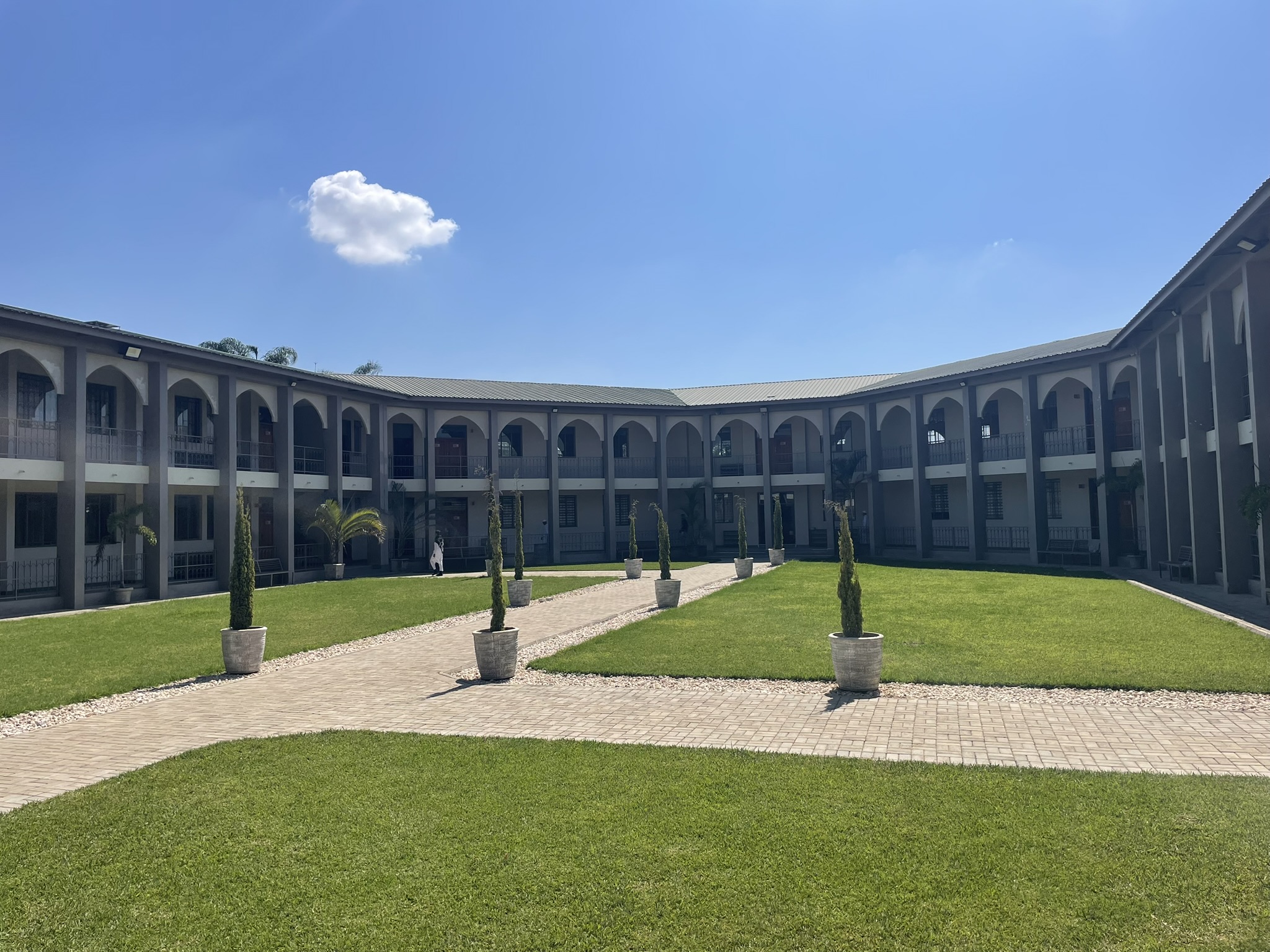
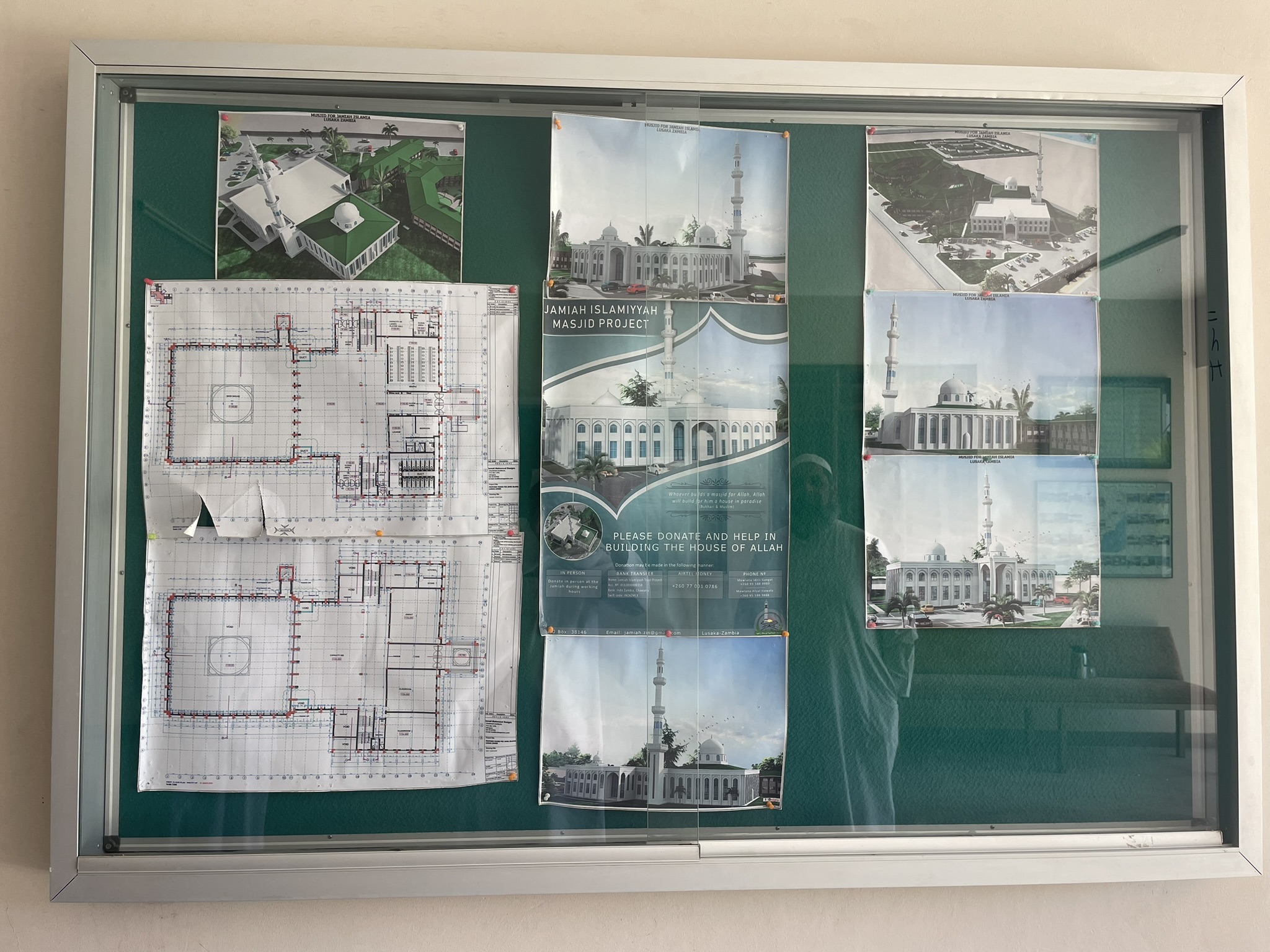
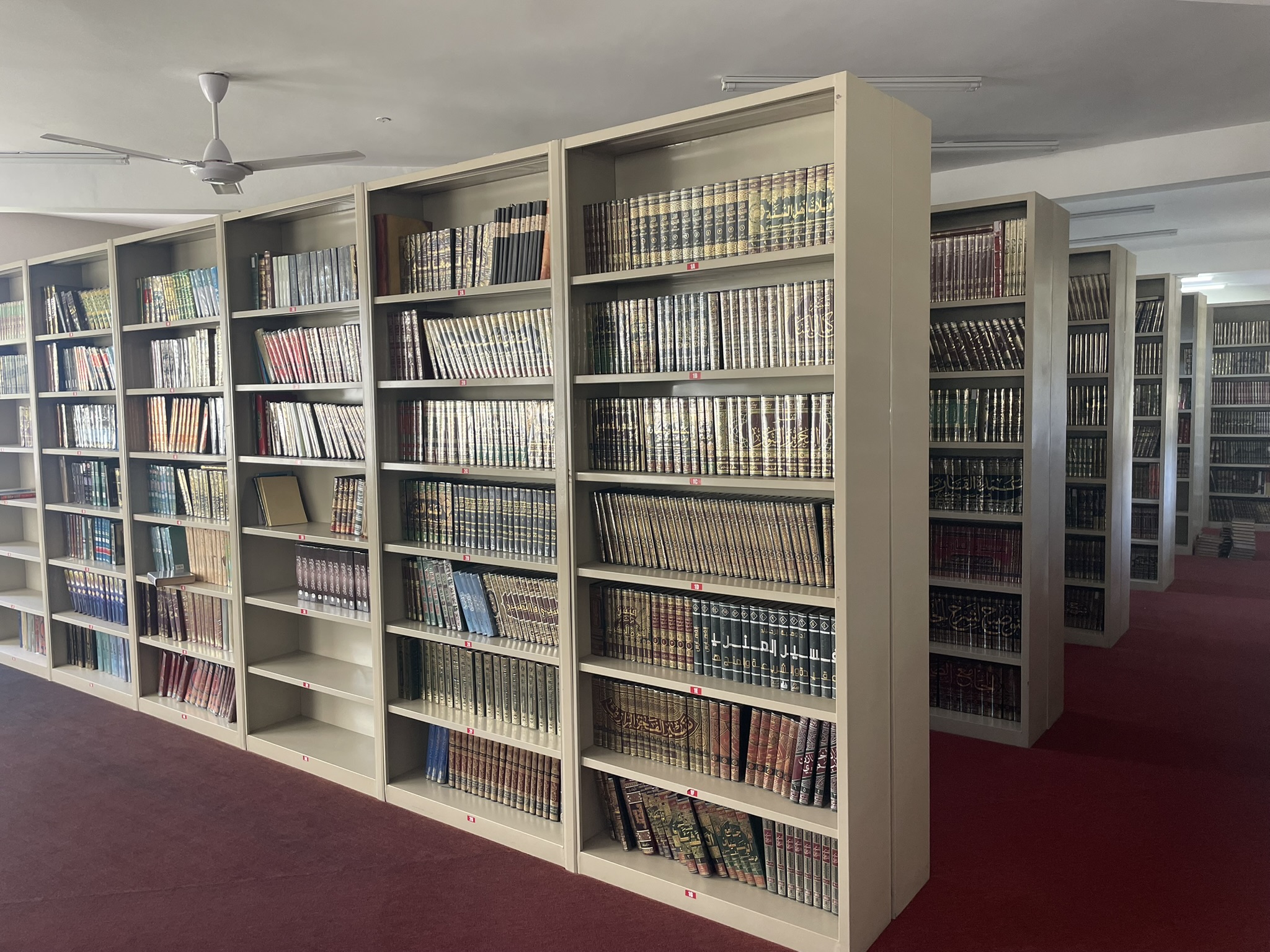
He also introduces us to some of Jamiah’s other work including the services provided by the Muslim Social and Welfare Trust as well as ZAMHA (Zambia Halal Authority).

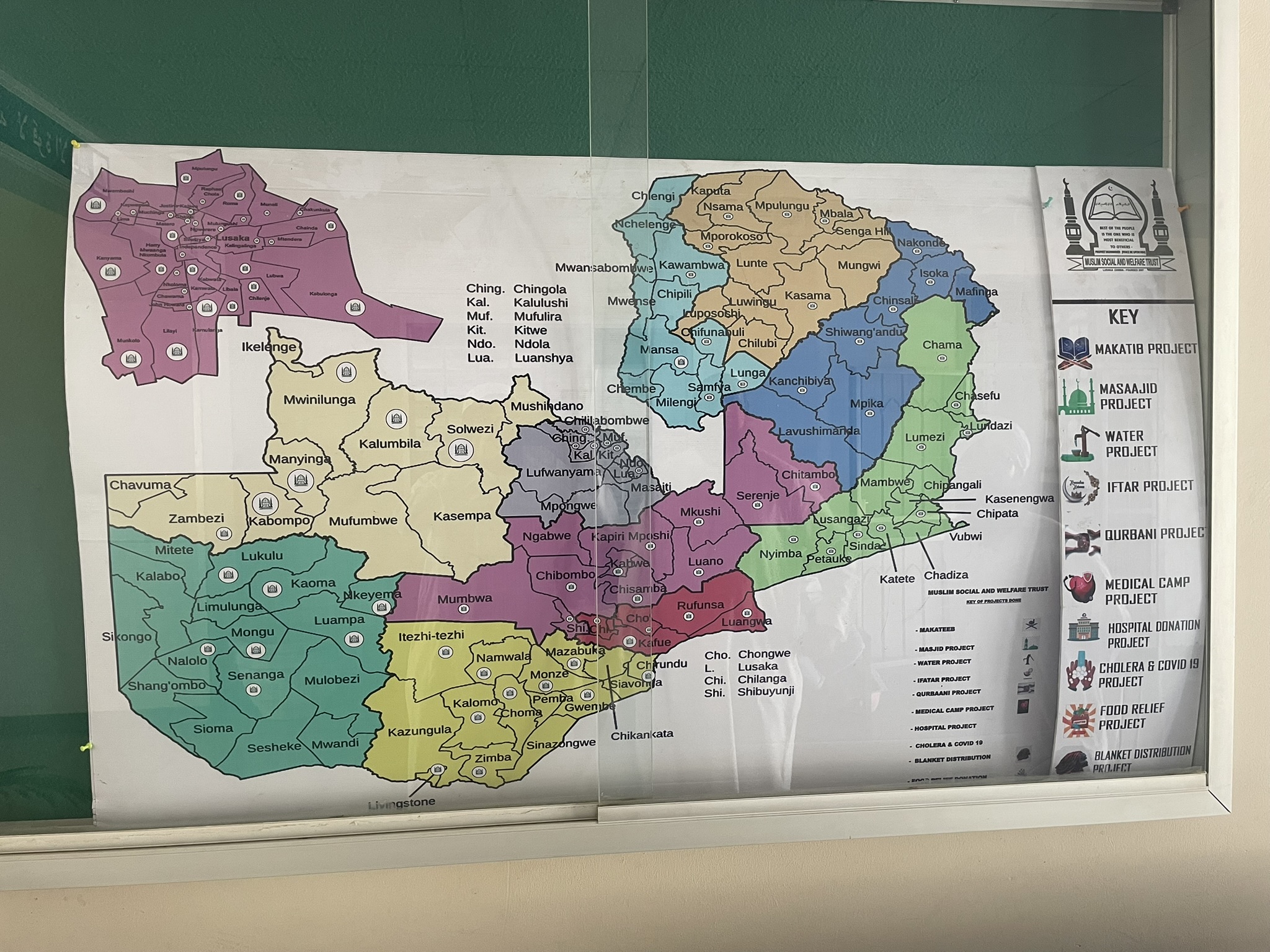
ZAMHA employs 127 supervisors and has a monitoring system throughout the supply chain. A list of certified abattoirs and shops is shared regularly with the community via a PDF circular. Stunning is accepted and regular checks are carried out to ensure that the stunning does not kill the animal. Their experience is that stunning does not kill the chicken and they test this regularly. It is unlawful to check this in the UK. The slaughtermen are employed by the abattoirs, but they are also interviewed by ZAMHA. In addition to this, Jamiah also has a seminary branch in Tanzania.
We also meet with Mufti ʿAbd al- ʿAzīz al-Nepālī who gifts us some of his publications and shares with us his forthcoming work on different books including Jāmiʿ al-Fuṣūlayn and Sharḥ al-Jāmiʿ al-Kabīr of ʿAllāmah Samarqandī (d. ca. 540/1145-6). He is a graduate of Jamiah Islamiyyah and has been appointed to work on publishing books. Only if seminaries in the UK would do similar.
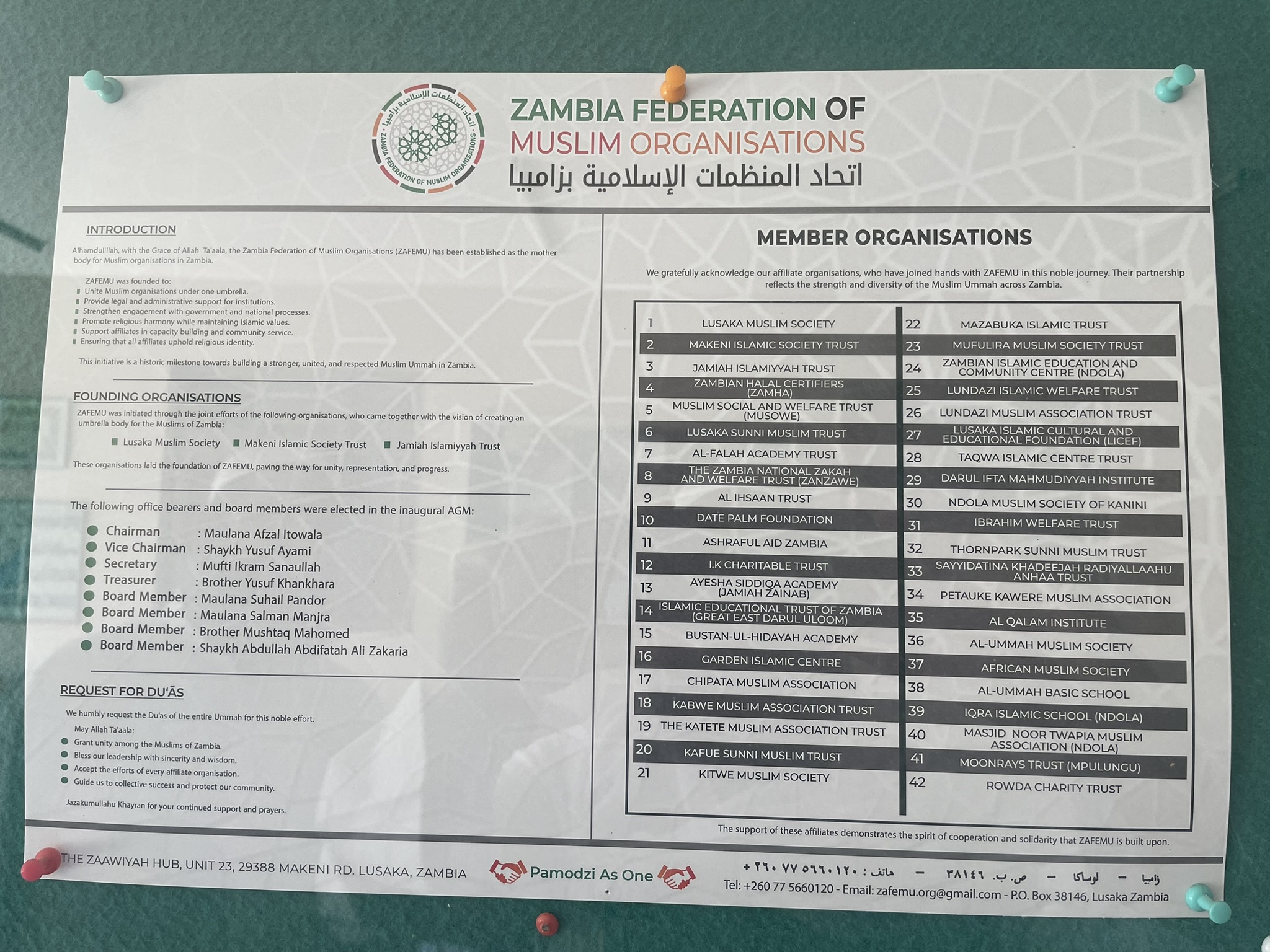
Mufti Ayyūb Ṣāḥib also mentions that Jaamiah is a member of the Zambia Federation of Muslim Organizations (ZAFEMU) which was established in recent years after dissatisfaction with the Islamic Supreme Council of Zambia (ISCZ), which was established much earlier in 1987. Interestingly, Zambia has also not been spared from the moonsighting saga. Most organisations follow the local sighting of Zambia whilst some follow Saudi Arabia.
Jaamia Zainab Jalsah
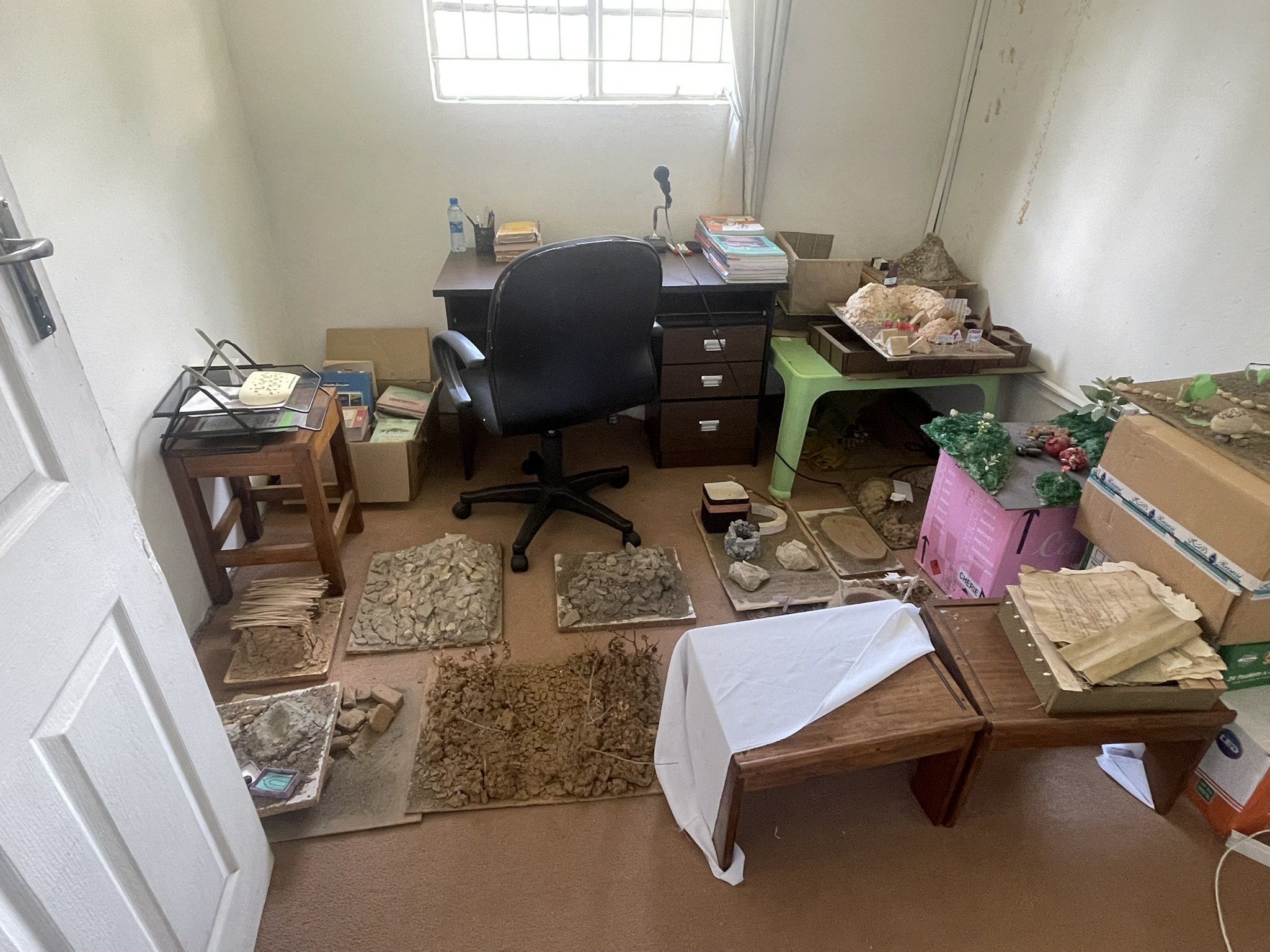
Our next stop at 11.30am is Jaamia Zainab where the certificate handover and exam results ceremony is taking place today. Jaamia Zainab is attached to Wifaq-ul-Madaris al-Arabia of Pakistan, and all examinations take place via Wifaq. I tour some of the classrooms and observe some of the Sīrah artefacts developed by the girls. The talk here focuses on the significance and virtues of the first ten days of Dhū al-Ḥijjah.
Hunting experience
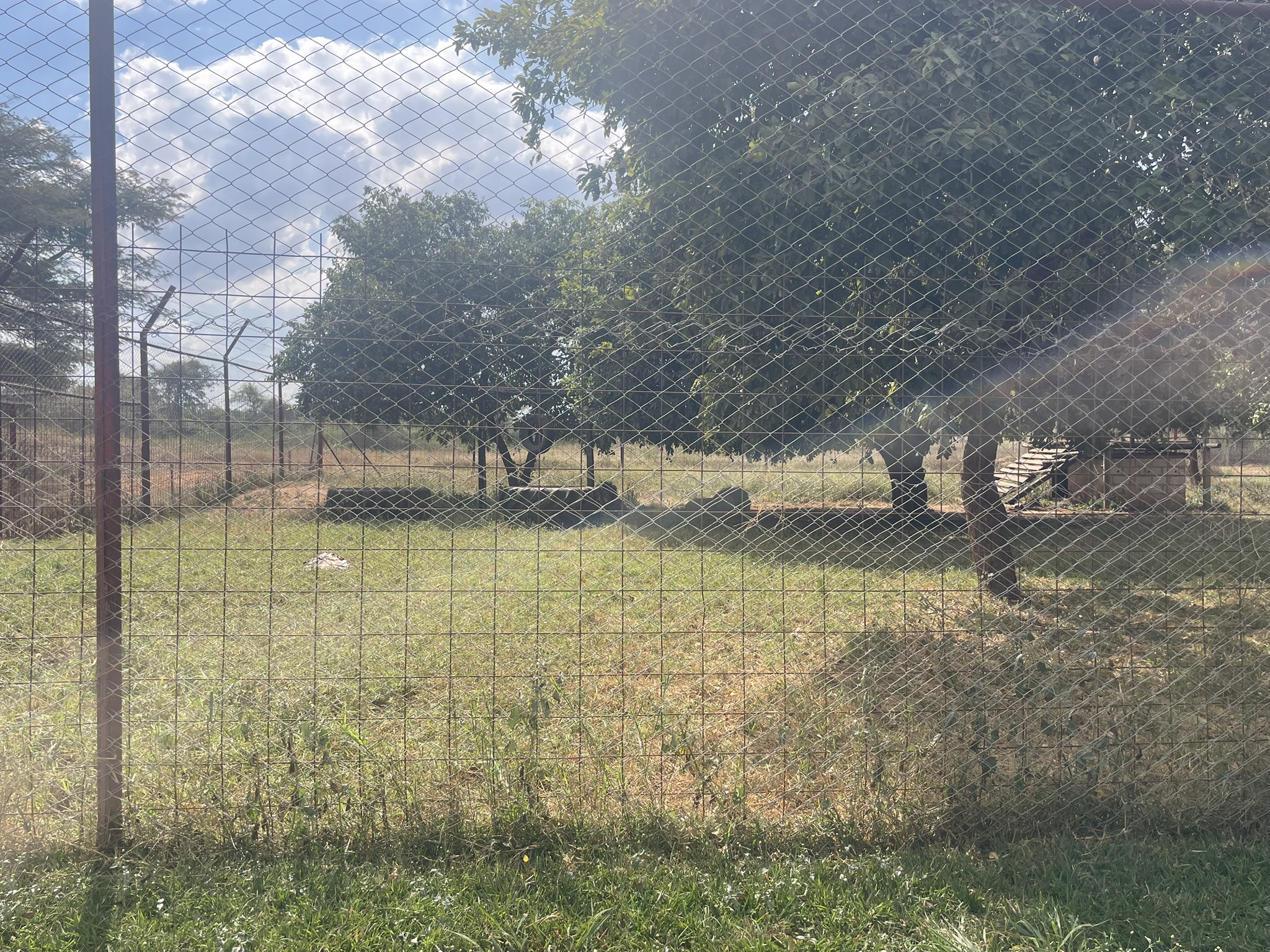
After Ẓuhr Ṣalāh, Adam Nāthā, the son in law of Mawlānā Muḥammad ʿAlī and cousin of Sufyān Ismāʿīl (MEND), kindly takes us to a large farm thirty minutes from Makeni. It belongs to his friend Zayd who welcomes us. He has two lions in a cage. The large farm area has impalas and other animals. We spend the next two hours in the pursuit of a male impala. Both Adam and Zayd kindly train me on how to use a gun to hunt animals. The first attempt at shooting a guinea fowl is successful. Adam quickly proceeds to the bird and slaughters it.
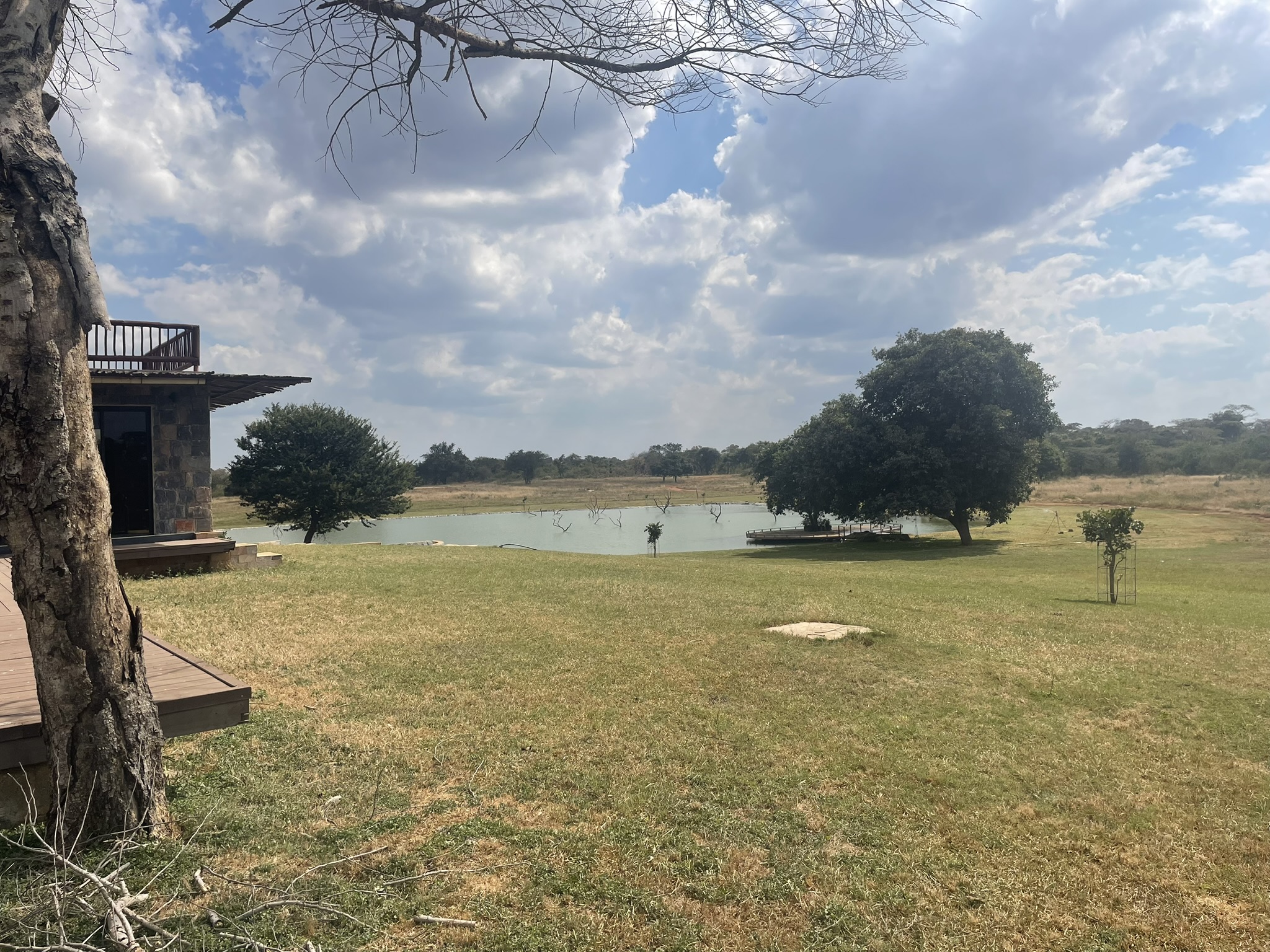
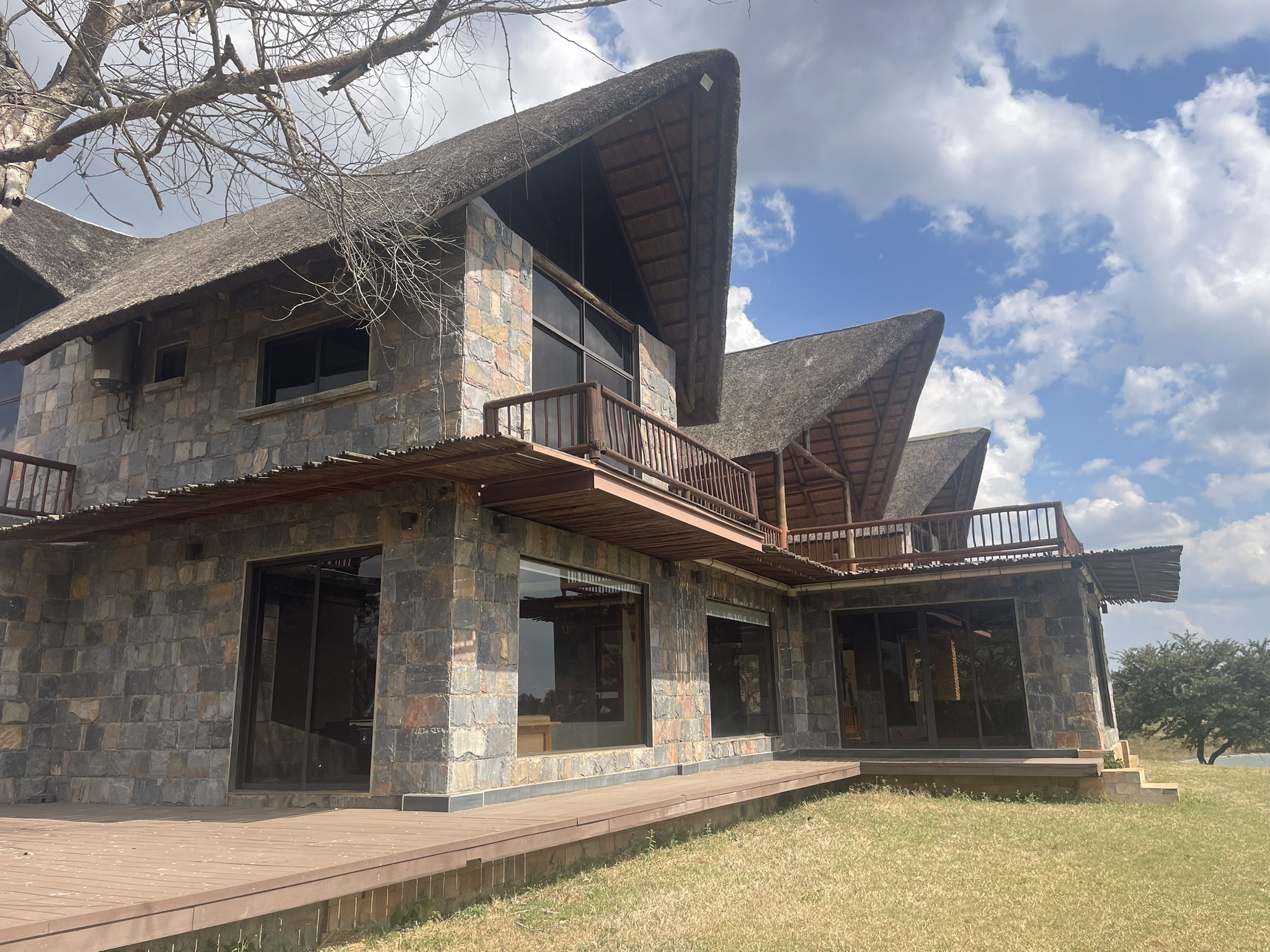
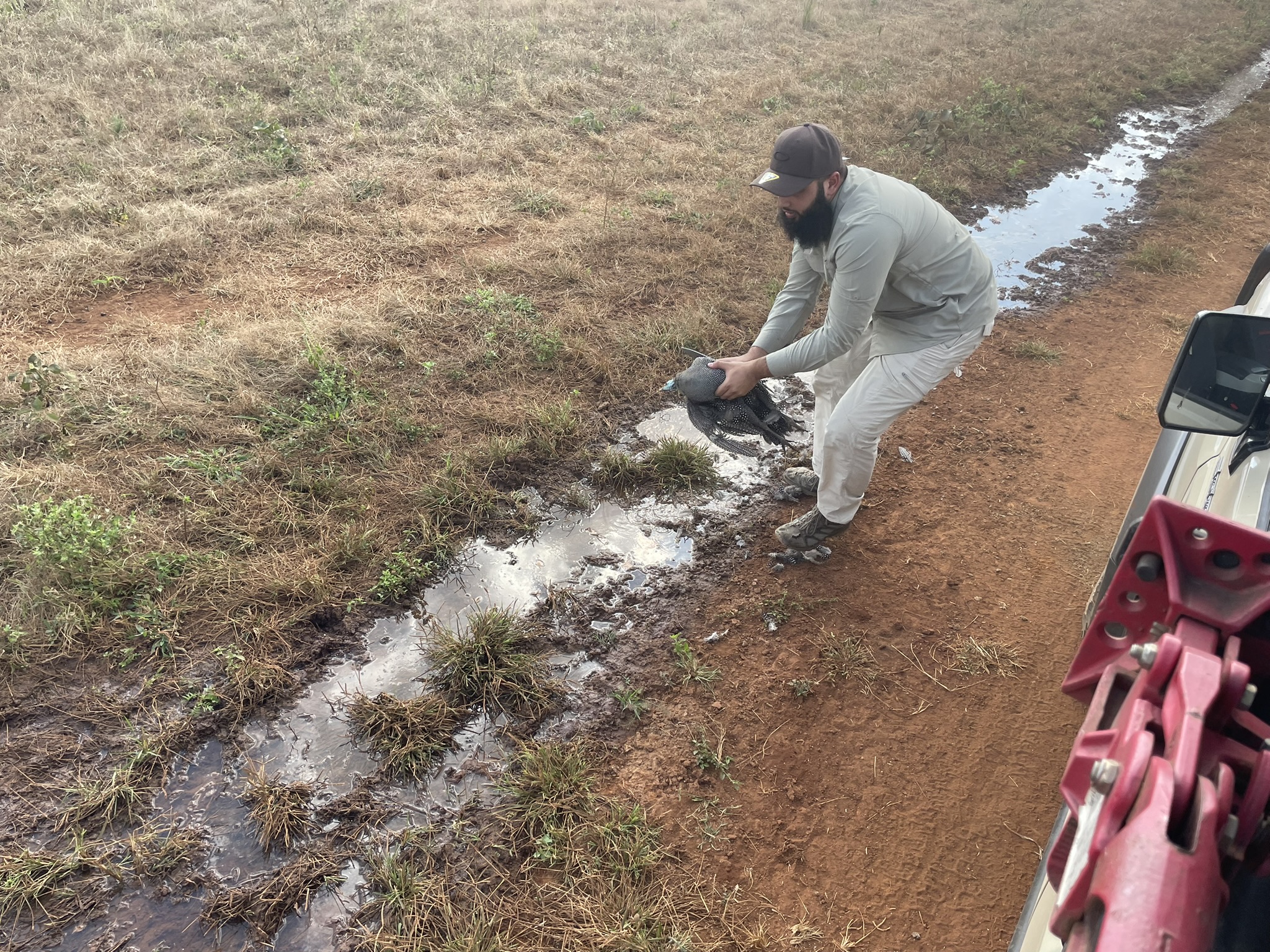
Adam is an experienced hunter including via the use of bow and arrow. He mentions, in accordance with the majority scholarly view, that the arrow would render the animal Ḥalāl whilst the gun would not do so unless the animal was slaughtered thereafter. I ask him based on his experience the difference between the two. He explains that the arrow results in a much larger cut whilst the gunshot results in a lesser cut. In addition, the sharpness of the arrow kills the animal whilst it is the pressure of the bullet that kills the animal. This corresponds with the majority view of the scholars. Allah reward both Adam and Zayd for their hospitality and for the memorable experience.
Youth Programme at Masjid Umar
We return to Makeni shortly after 5pm and head to Masjid Umar in Kamwala, South Lusaka. We perform Magrib Ṣalāh and the youth program commences thereafter. Several hundred people are present including youngsters, thanks to the efforts of the Al-Ihsan Trust.

During the talk, I touch on the ever-increasing technological advancements of the recent decades and the challenges they pose. Some scholars informed me in advance of the growing challenges facing the local community including the use of drugs, the increase in adultery and fornication, the breakup of families, the use of padel, free mixing, vaping, unrestricted freedom for children, the closure of the house kitchen from Friday to Monday, and most importantly and underlying all of this, the fitnah of wealth. These issues are discussed in the talk, highlighting the importance of preserving our faith and values and not being deluded by grand structures and money and reflecting on the obliteration of Islam from Muslim Spain. The Ḥadīth of the seven people who shall be granted the shade of Allah in the hereafter is outlined as a solution to some of these problems. Some of the statements of Mawlānā Abū al-Ḥasan ʿAlī al-Nadwī (d. 1420/1999) are shared in relation to the host community regarding the Muslims as an asset and not a liability.
Dinner and discussion
After the programme and ʿIshāʾ Ṣalāh, we eat dinner at the residence of Ḥājī Sulaymān Patel nearby. He is the brother of Ismāʿīl Bhai architect and came to receive me at the airport. Ḥājī Sulaymān informs me that the name of Masjid Umar was kept by Ḥaḍrat Mawlānā Qārī Ṣiddīq Bāndwī (d. 1418/1997).
We have an interesting discussion with the scholars and community leaders present regarding the salaries of scholars and teachers. Whilst it is much better than neighbouring Malawi, there is still a long way to go, especially when compared to the wealth the community has and the amount of money that is spent on bricks and building grand structures. We also discuss the role of a Masjid and how Masjids need to invest in people including youth workers, drugs counsellors, marriage advisors, so that the challenges of the community can be properly addressed. I humbly suggest that our priorities are misplaced and that if 20% of the funds earmarked for capital programmes are used for human resources and the provision of services and quality schoolteachers then this would resolve much of our challenges without affecting the grandness of our buildings in any significant way. There is a clear imbalance in our priorities. Allah Almighty has blessed the people here with wealth, a lot of which is being used for buildings. There are currently fourteen construction projects in the local community of Lusaka, which are all funded via local donations.
Day 5 – Sunday 10 May 2026
Travel to Northeast Zambia
Lusaka to Kasama
We perform Fajr Ṣalāh at Masjid-Ud-Dawah. Thereafter, Mawlānā Ṭalḥah drops us to the Airport.
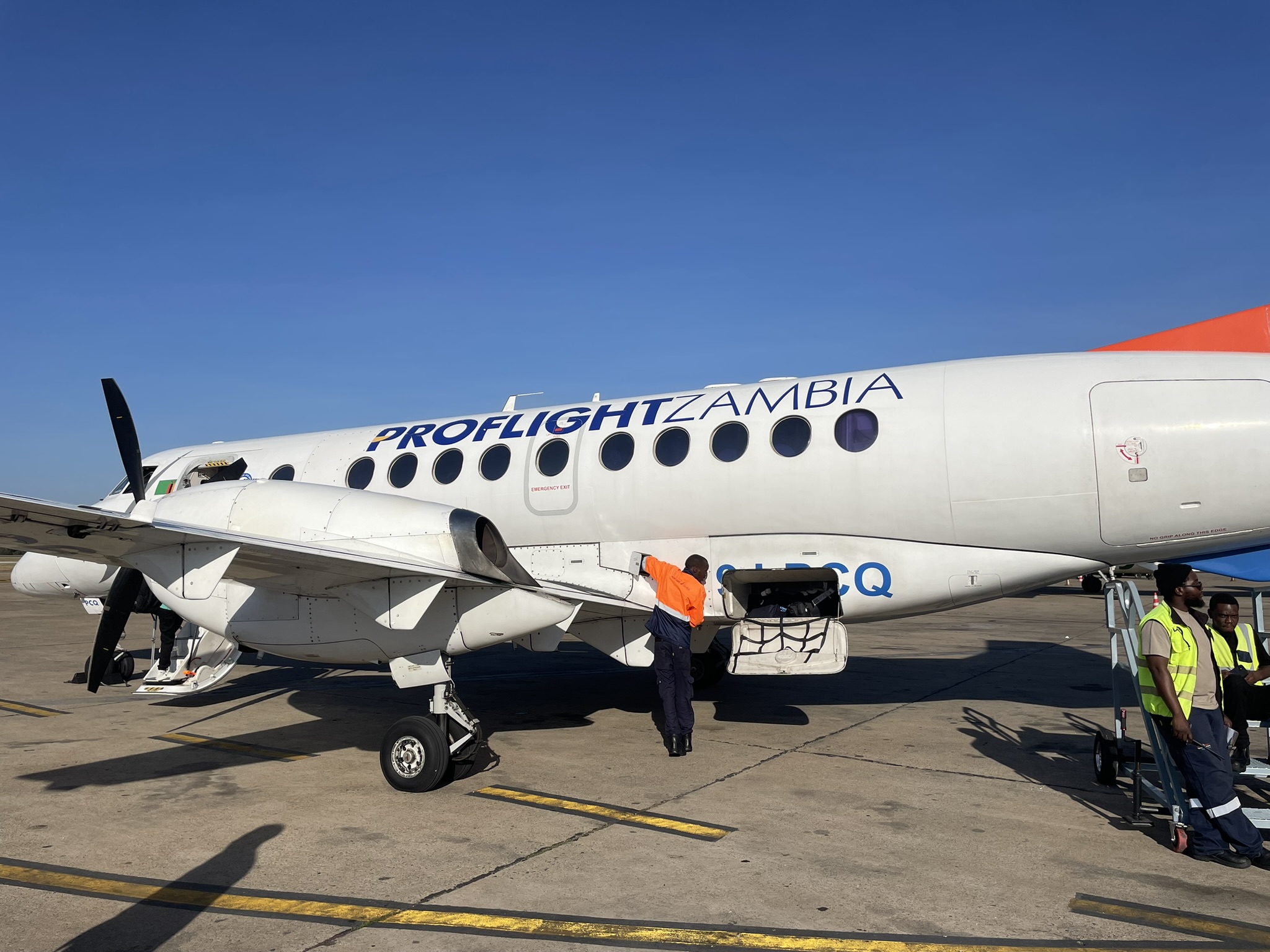
We board the delayed 7.55am Proflight Zambia propeller aeroplane which departs at 8.30am and arrives at Kasama Airport at 10am. The distance between Lusaka and Kasama is 850km. Kasama is in the northern province of Zambia and serves as the capital of Kasama District. Its airport is the closest to Mpulungu which is our destination. The local language here is different to the language in Lusaka.
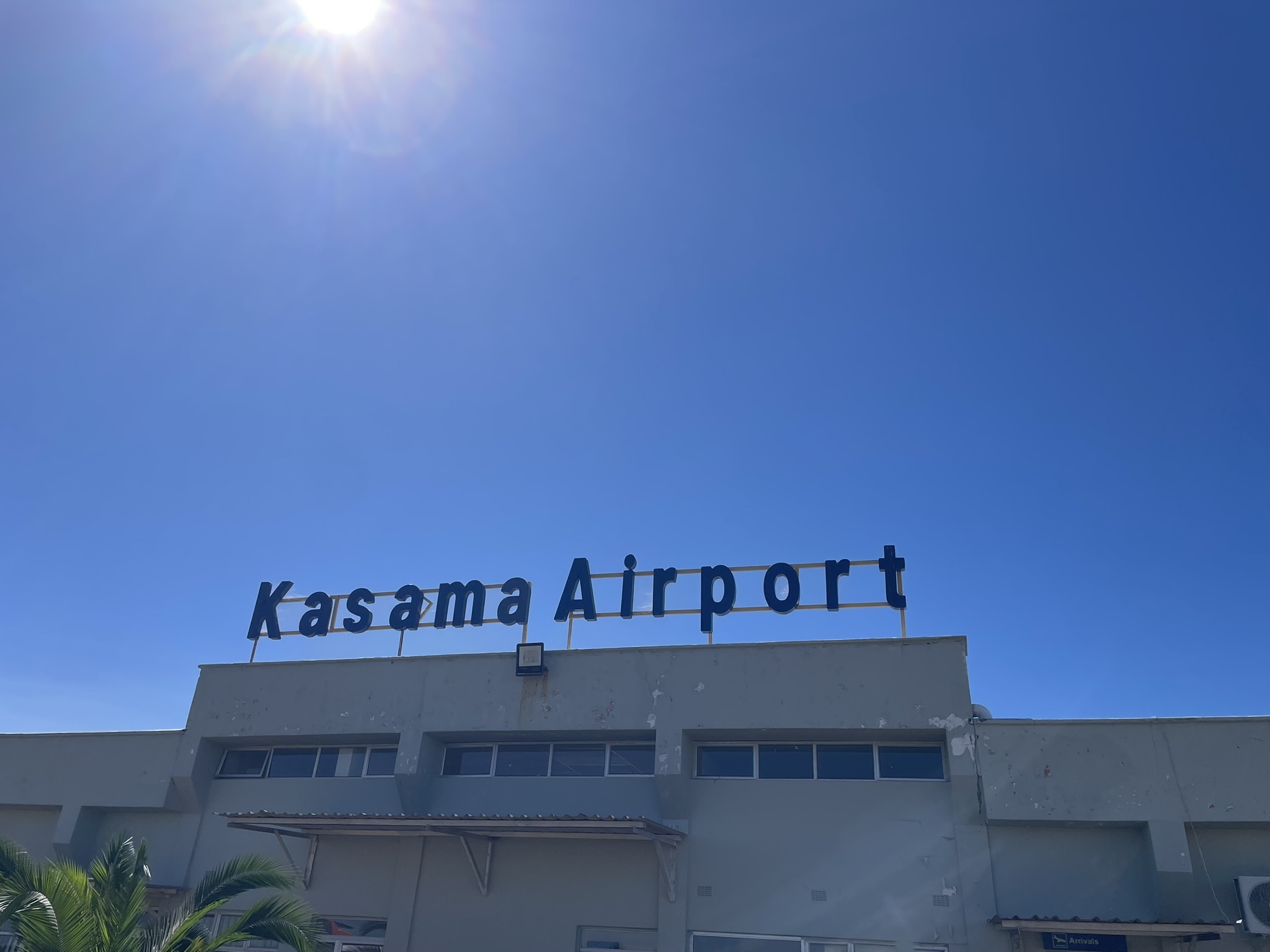
We are welcomed at the Airport by Mufti Abrār Motālā, his mother, sister and young nephew, Muḥammad Anas. Mufti Abrār is a learned and dynamic young scholar who graduated from Darul Uloom Miftahul Falaah (Port Shepstone, South Africa) and takes a keen interest in research. He is the son of the respected Shāhid Motālā and the brother-in-law of Mawlānā Ṭalḥah Motālā. I have known him for several years since some mischief makers made some unnecessary noise about a particular issue. Sometimes there is good that comes out of this. We have remained in touch since. His interest in research and passion to serve the Dīn is commendable. Most recently, we discussed the issue of the Ibāḍis because neighbouring Tanzania is home to many Ibāḍīs.
As we proceed to the town, Mufti Abrār explains that Kasama is home to some Asian businessmen as well as Indian migrants who work for large corporations owned by Lusaka based Asians such as the Trade Kings Group. Our first stop in Kasama is the residence of Ḥāfiẓ Mubīn and his father-in-law who is from Tankaria, Gujarat, India. They run a bakery here. We freshen up and they kindly pack some refreshments for us.
Islam in this region
We are now on the road to Chishimba Falls, which is located 40km west of Kasama. Mufti Abrār Ṣāḥib outlines the advent of Islam into this region of northeast Zambia. He says:
“Islam first entered Zambia via this region. When David Livingstone (d. 1290/1873) came to this region, he found Muslims here. He is the one who setup the first church of Zambia in Mpulungu. Arab traders and hunters came here from neighbouring Tanzania. ʿAbdullāh ibn Sulaymān was an Arab-Swahili hunter who came to this region in around 1867. He assisted a local chief and in return was given a whole village which he established (near present-day Nsama/Kamwendo, 250km northwest of Kasama). He constructed a Masjid which still exists and is possibly the first Masjid of Zambia or among the first Masjids.”
Chishimba Falls
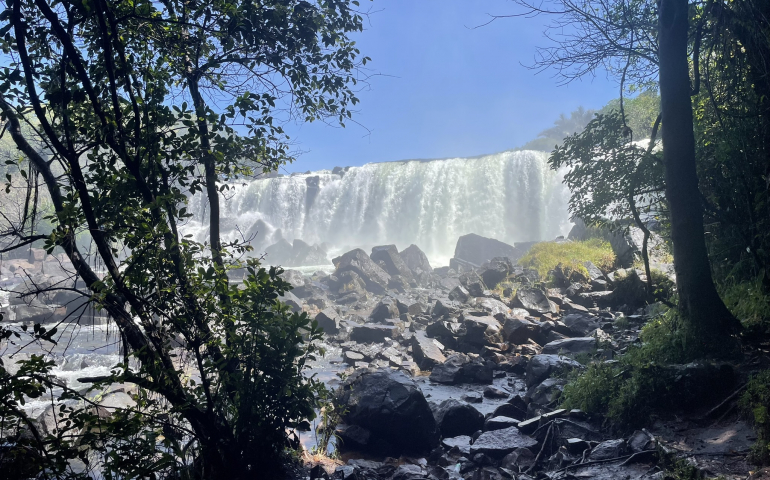
We arrive at Chishimba Falls at 11am. This is a major tourist attraction and the most visited waterfall after Victoria Falls in Livingstone. This attraction is home to a series of three waterfalls named Mutumuna, Kaela and Chishimba, which are separated over 300m along the Luombe River that flows north to south. At the upper falls known as Mutumuna, the river drops 20 metres. At the middle falls known as Kaela, the river drops 10 metres. At the lower falls known as Chishimba, the river drops a further 30 metres. Thus, the total drop is approximately 60 metres. The Bemba people of this region regard the Falls as one of the most sacred places of power.
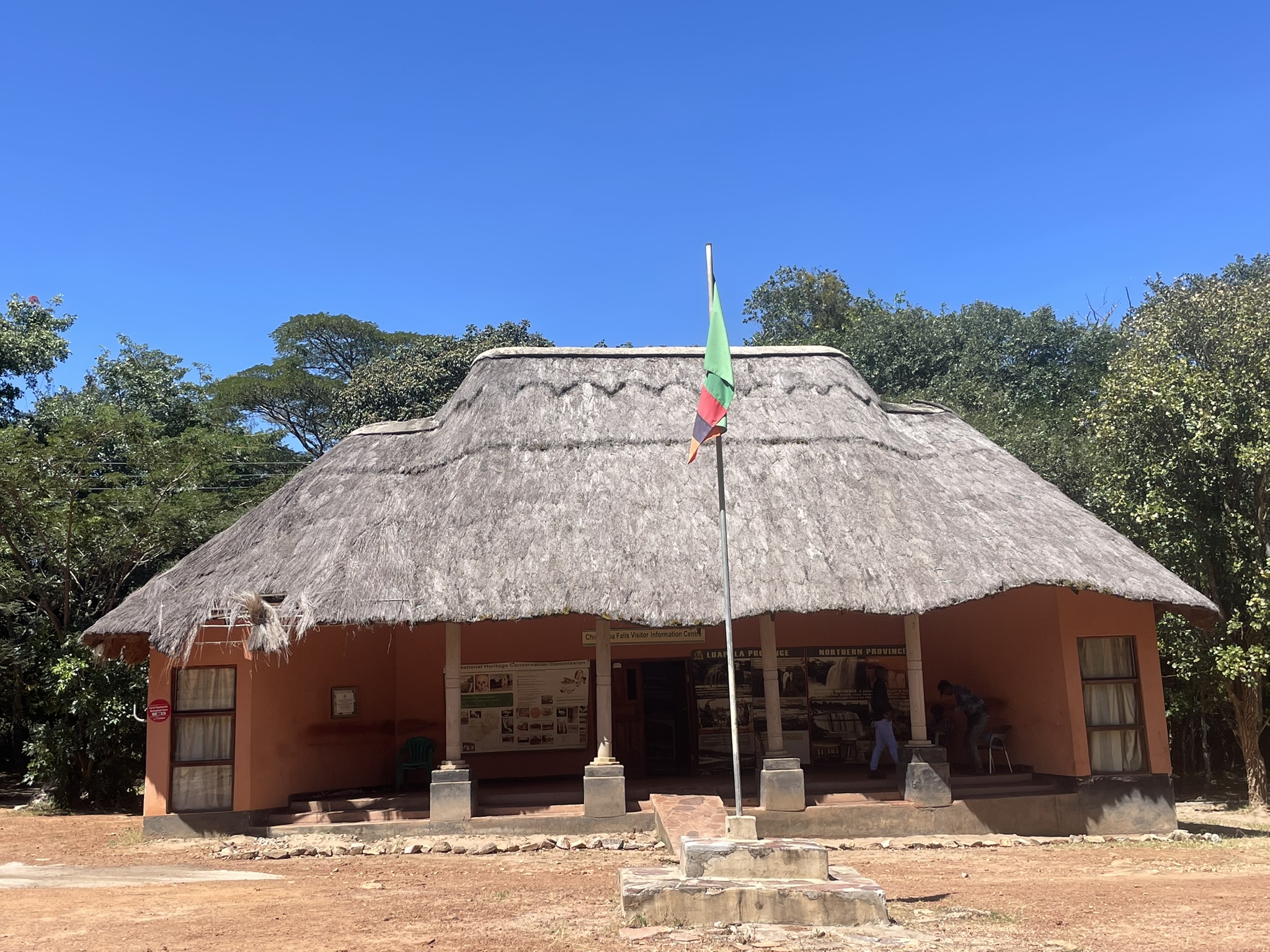
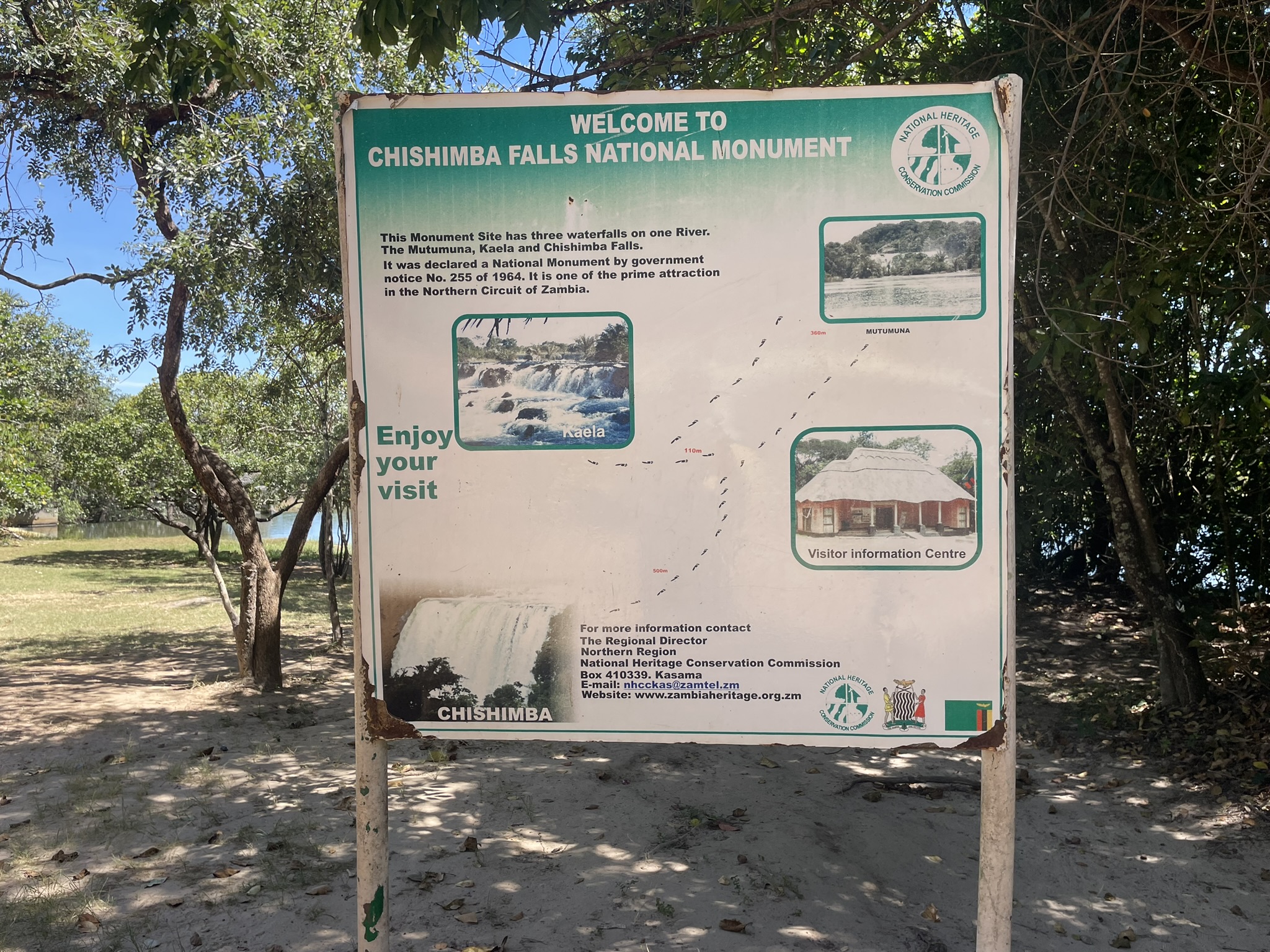
Mufti Abrār and his family prepare breakfast, whilst his six-year-old nephew, Muḥammad Anas, who speaks fluent Arabic to our surprise, takes us to the Mutumuna falls which is the nearest one to the entrance.
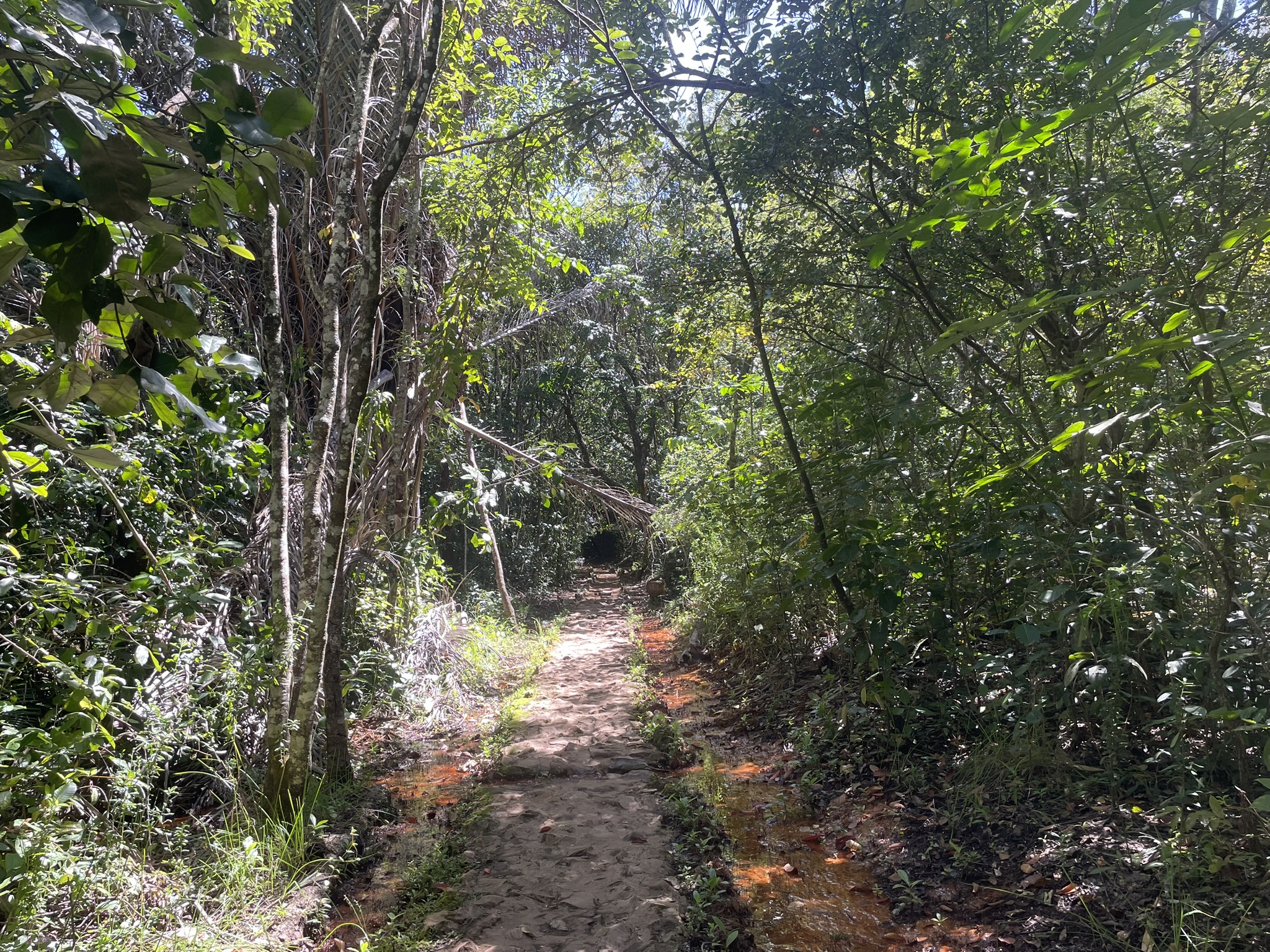
The walk through the trees conceals the falls, but when you arrive close, it is a breathtaking sight. Subḥanallāh! Muḥammad Anas’s commentary in Arabic adds to the charm.
Subhanallah! Mutumuna waterfalls in North Zambia. pic.twitter.com/MdbEpo1QLX
— Dr Yusuf Shabbir (@ibn_shabbir) May 12, 2026
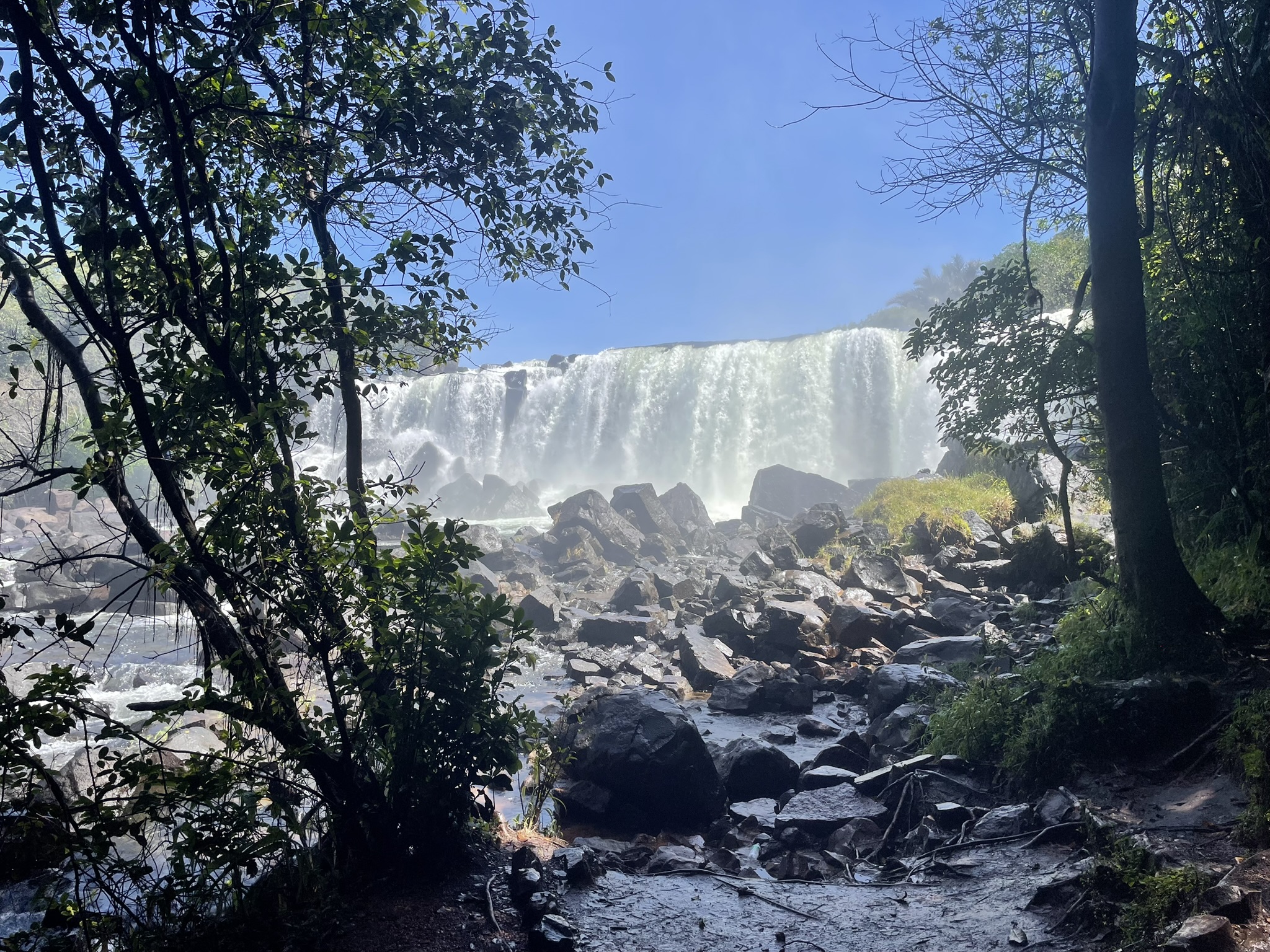
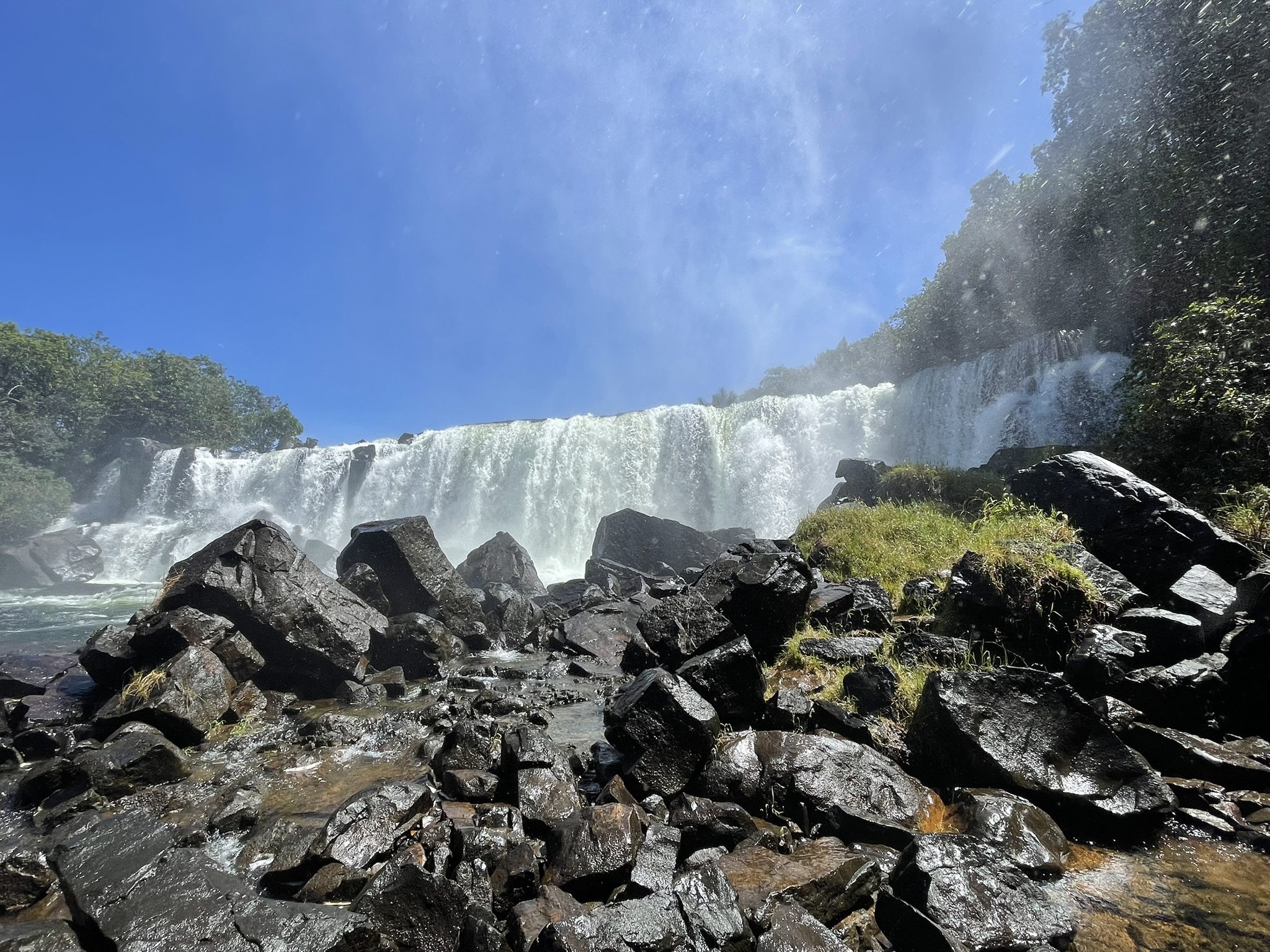
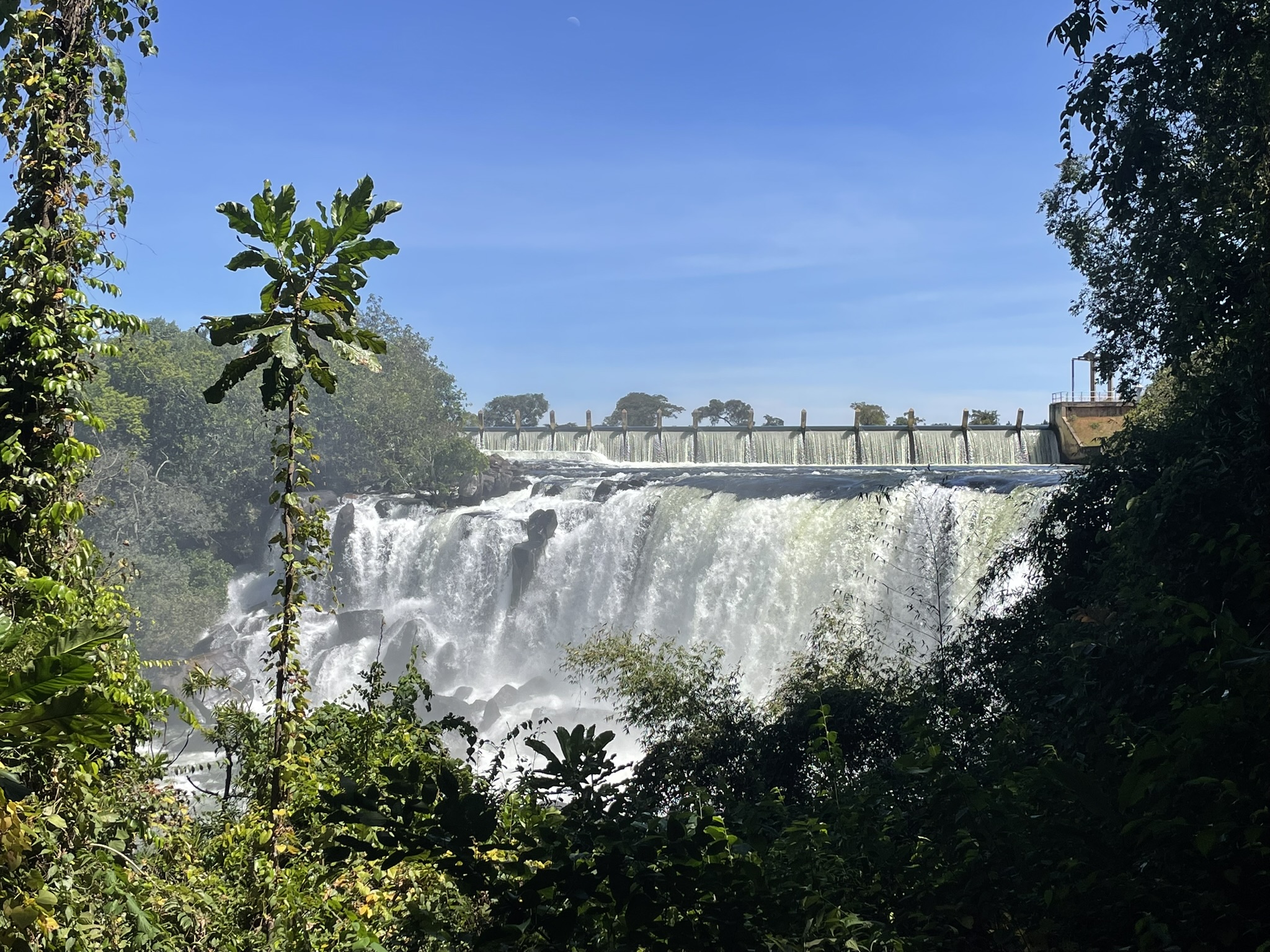
We return to the entrance area and eat breakfast kindly prepared by Mufti Abrār Ṣāḥib’s family. It is nothing short of a feast.
Programme in Kasama Mosque
We return to Kasama and arrive at Kasama Mosque for Ẓuhr Ṣalāh. The community here is small. Like Lusaka, I observe that al-Ḥamdulillāh most Muslims have the beard. I deliver a brief talk on the importance of preserving our Īmān and remaining punctual on Ṣalāh and keeping the Masjid populated. The people here live a simple life.
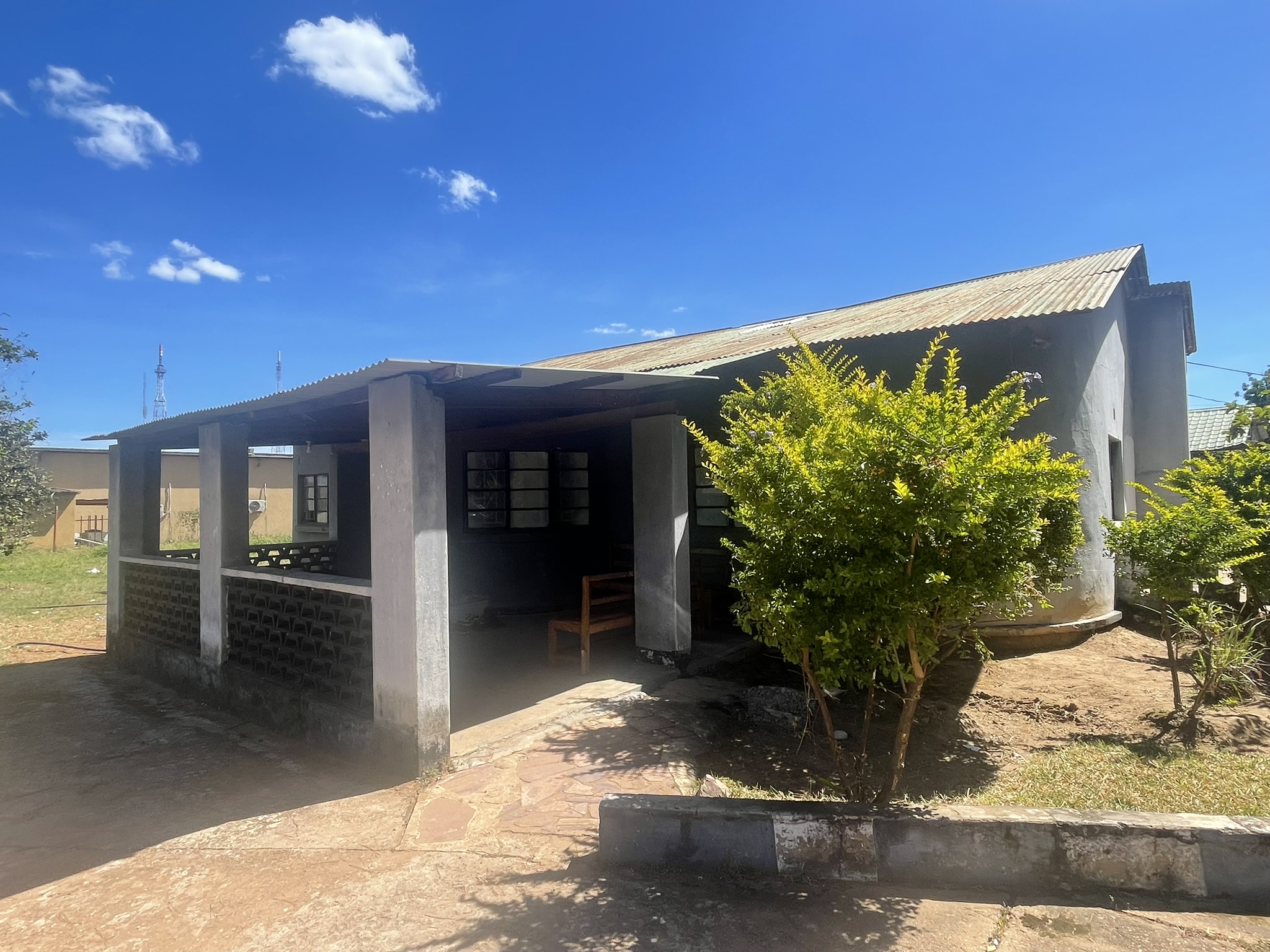
Kasama to Mpulungu
We depart from Kasama and travel north towards Mpulungu. The distance between the two is 300km and the drive takes three hours. There are some potholes in the road and some of the route is grovel road. On route, we discuss various jurisprudential and other issues with Mufti Abrār. It is interesting to learn about the refugees from Congo who have arrived in Zambia which include some Muslims. However, it is extremely difficult to access the United Nation administered refugee camps where they reside.
We arrive Mpulungu at 5pm and pass the Niamkolo Church, which is the oldest standing stone-built church in Zambia.
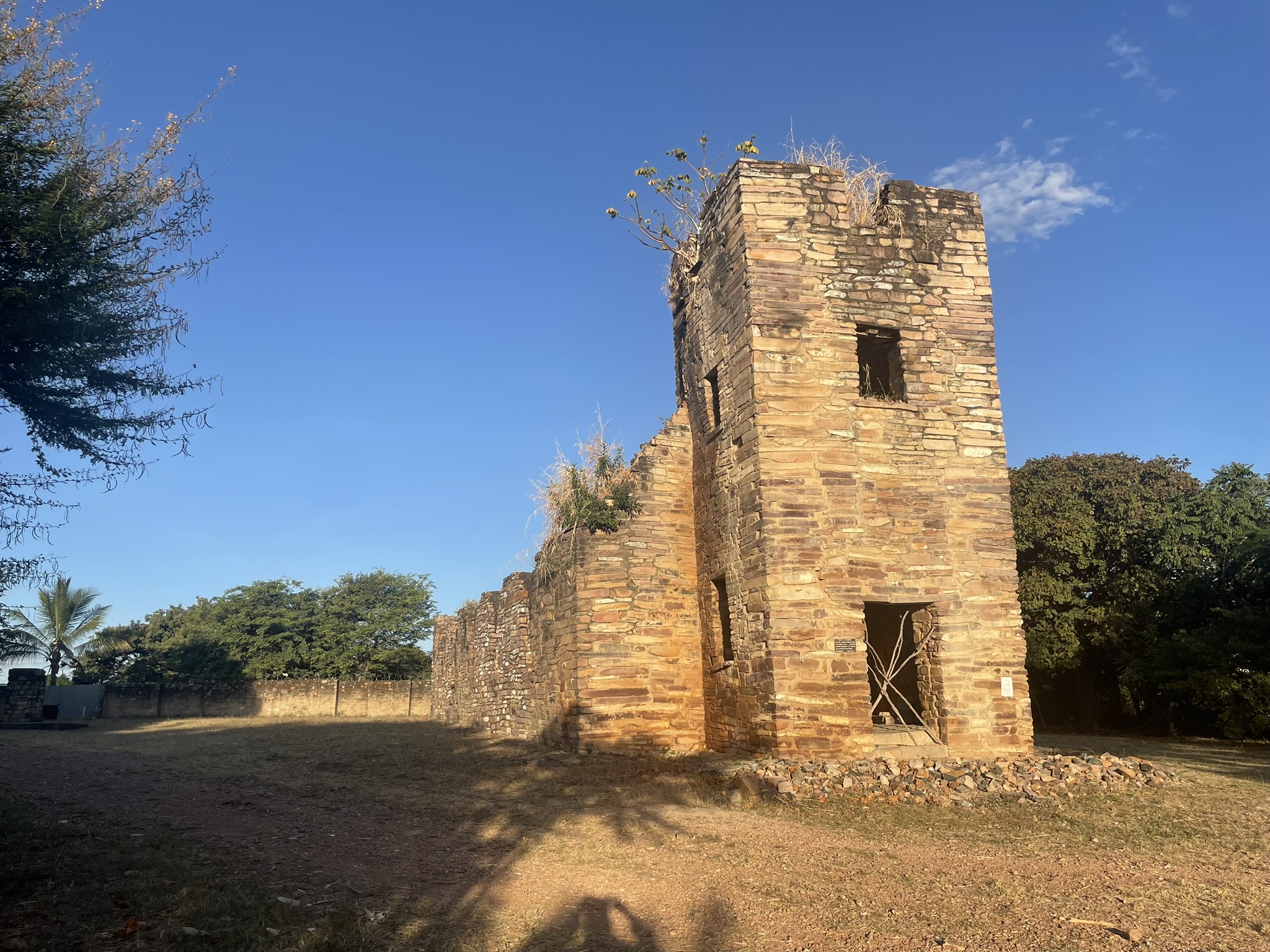
This reflects the historic nature of the town, which is also a port town located at the southern tip of Lake Tanganyika, making it the country’s only international deep-water port, connecting the country to the Democratic Republic of the Congo (DRC), Tanzania and Burundi.
Shāhid Motālā
We arrive at the residence of Mufti Abrār’s father, Shāhid Motālā, who I have been eager to meet. The residence is next to Lake Tanganyika.
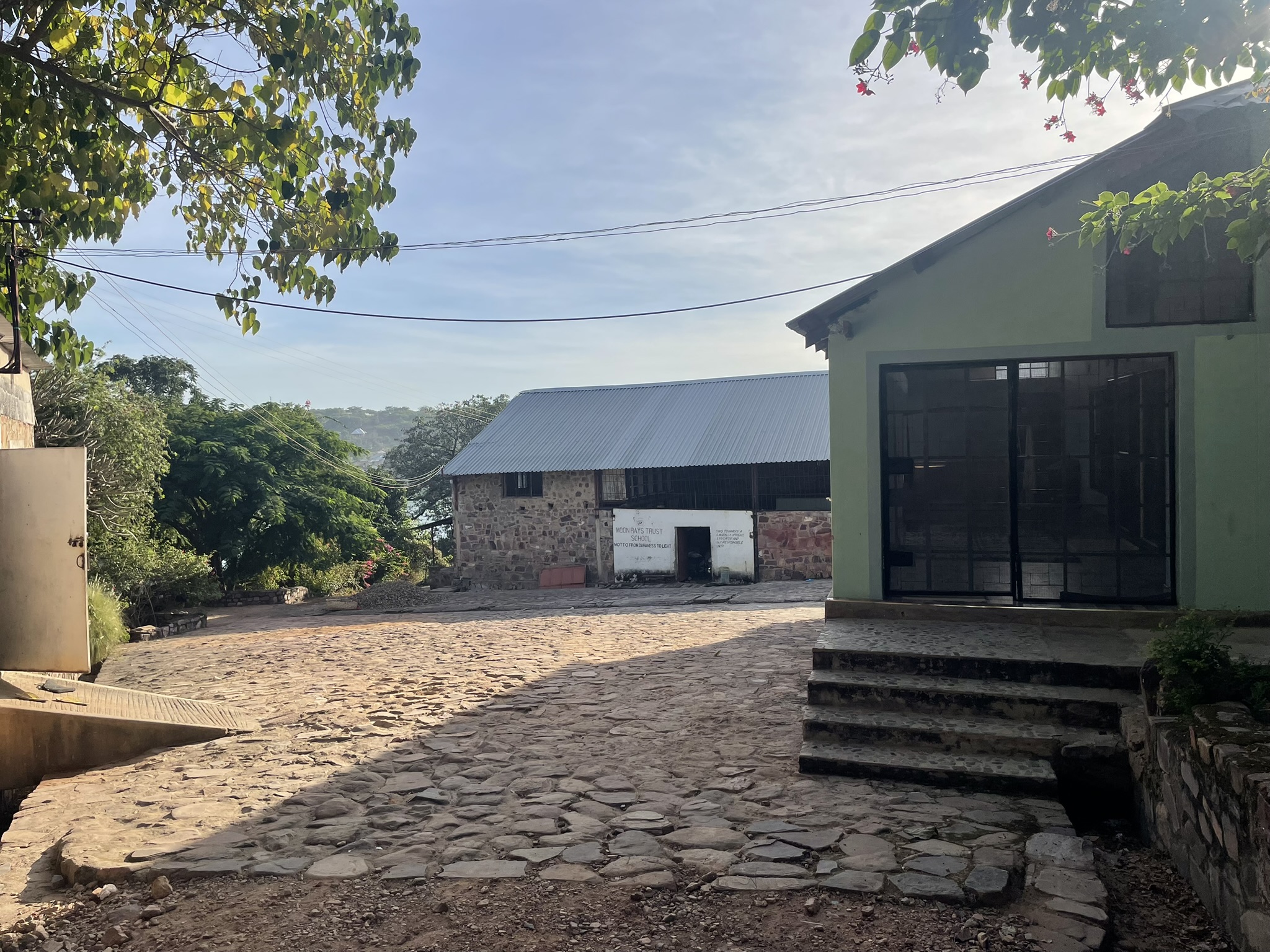
Shāhid Bhai’s parents are relatives of our respected Shaykh al-Ḥadīth Ḥaḍrat Mawlānā Yūsuf Motālā (d. 1441/2019). He moved from Lusaka to Mpulungu in 1999 for some fishing business. Later, he decided to bring two teachers from Lusaka to teach his children and the children of some of his staff. This was the beginning. However, Allah Almighty had planned otherwise, and Shāhid Bhai started benefiting the local community through these teachers. It is not easy to work and reside in such remote areas. At the time, his was the only Asian family here. There have been many struggles along the way, especially because this is a Christian country by constitution and his work was at one stage perceived to be a threat. It was assumed that Islam has no presence here. However, Shāhid Bhai persevered and today al-Ḥamdulillāh, there are a variety of projects that are running here. They include:
- Jamia Irfania – The Darul Uloom for boys has 70 students studying the Imām and Khaṭīb course as well as the ʿĀlim course. Previously, the education was across all the years until the Dawrat al-Ḥadīth, then there were some challenges. The current provision is until the Hidāyah class (fourth year) and the plan is to continue until Dawrat al-Ḥadīth. The Darul Uloom along with many of the other projects are now spearheaded by Shāhid Bhai’s very competent son, Mufti Abrār Ṣāḥib, who has excellent leadership and interpersonal skills. Along with the boys, the Darul Uloom also serves 20 female students, making the total number of students 90.
- Moonrays Trust School – The school provides primary and secondary education to 600 boys and girls and is the only Muslim boarding school in the whole country.
- Makātib – There are 63 Maktabs throughout the northern region including in remote areas. The furthest Maktab is located 800km from here.
- Masjids – Many Masjids have been built particularly with the support of the UK based charity, One Nation.
- Orphanages – Two orphanages have been built with the support of One Nation.
- House Construction – Some houses have been built in the town.
There also some other projects that are all undertaken via four charitable vehicles that have been created. The total annual budget exceeds $1 million.
Shāhid Bhai himself has studied until the penultimate year of the ʿĀlim course and has ijāzah in Taṣawwuf from Ḥaḍrat Mawlānā Qamruzzamān Ilāhābādī (b. 1351-2/1933). He welcomes us and makes us feel at home. He has a very calm, noble and soothing personality. I ask him about the change he has seen in Zambia over the past few decades and the current challenges. He explains:
“I was born in Zambia, and my father was also born here. Initially, there were financial struggles. Among the Asians, the religiosity is due to the effort of Tablīg. The first Tablīg Jamāʿat came to Zambia in 1968. Tablīg connected the Asian Muslims to Dīn. However, the effort among the indigenous was and remains weak. In 60 years, we have achieved little. This is unlike Malawi where Tablīg has penetrated to a great extent into the indigenous people. Here, the seminary of Ḥaḍrat Mawlānā ʿAbdurraḥīm Motālā (d. 1434/2012) in Chipata and the establishment of Maktabs have played a role in preserving some of the Dīn among the indigenous. We are far behind, despite running 63 Maktabs in three provinces here in the north. We are only 1.5% Muslim in the country. There is a Muslim identity crisis here among the indigenous. The single biggest cause of apostasy is marriage. When Muslim indigenous girls marry non-Muslims, they leave the fold of Islam. It becomes very challenging for the children when one parent is a Muslim and the other is not. This is a huge problem. Beyond this, over the past few decades, the core traditional values are diminishing among all the people. Materialism and internet are affecting everyone.”
Shāhid Bhai then mentions a profound point which some of our colleagues particularly of South Africa need to appreciate. He reflects on his experience and says:
“Where we have Maktabs that only provide Dīnī education, the number of students remains the same. However, if a bit of schooling is introduced, then the number of students increases significantly.”
I mention to Shāhid Bhai that this is precisely what the Christians did and this is how they dominated much of the world via their education system. The Qādiyānīs are doing similar in West Africa and other regions. Once upon a time, we Muslims controlled the education system, as outlined in an old article of mine entitled: Is the Parallel Education System Contributing to the Decline of the Muslim Ummah?
Programme in Mpulungu Central Masjid
We proceed to Mpulungu Central Masjid and perform Magrib Ṣalāh.
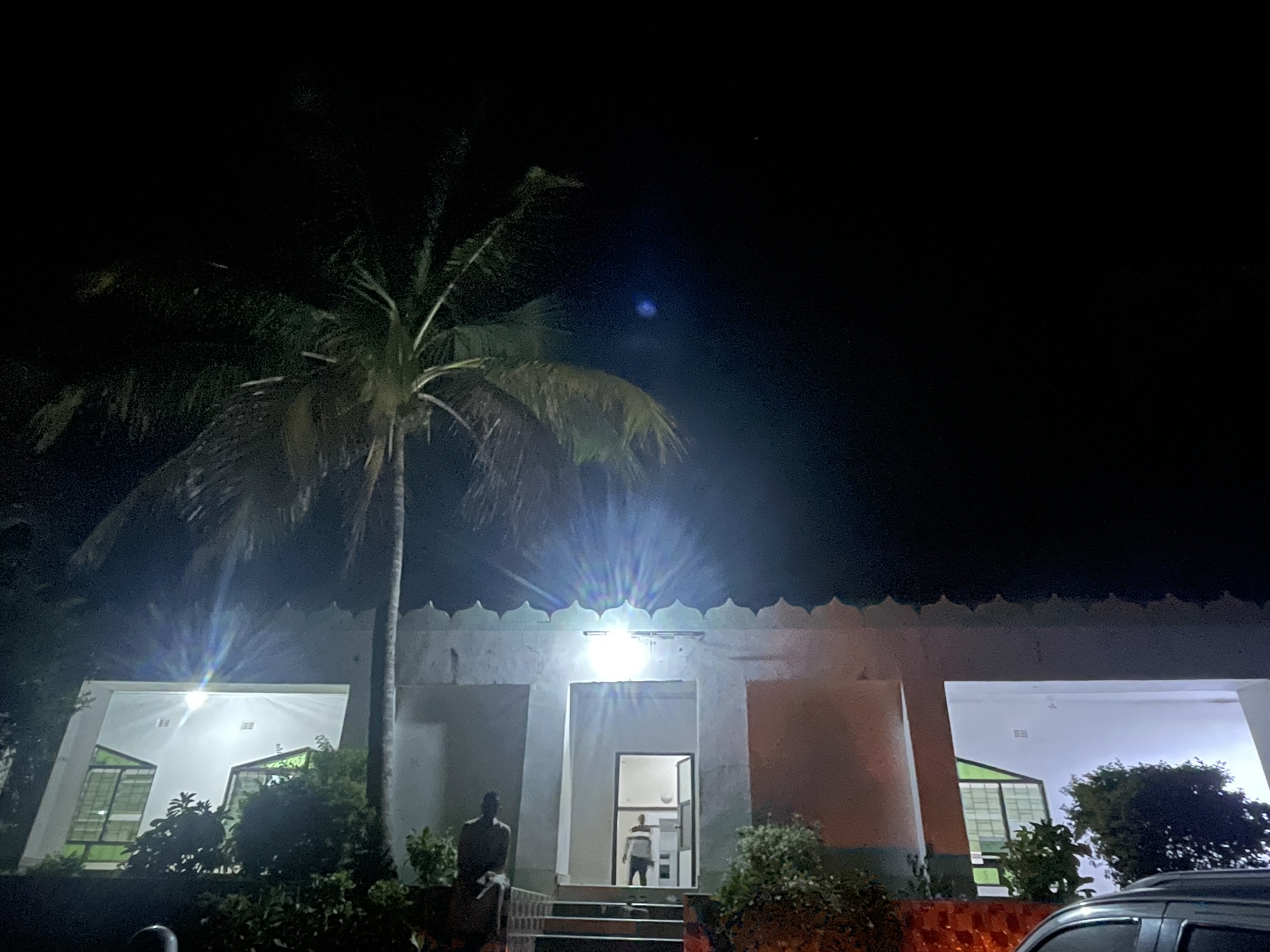

After Ṣalāh, I deliver a talk which is translated by Mufti Abrār Ṣāḥib into the local language. The focus is on the desirability to recite Sūrah al-Kāfirūn and Sūrah al-Ikhlāṣ in the Sunnah prayers of Fajr and Magrib and the differences between the Islamic and Christian beliefs in relation to Prophet ʿĪsā (peace be upon him). After the programme, I meet with three expat scholars from India, Mawlānā Khurshīd ʿĀlam Qāsmī, a 2003 graduate of Darul Uloom Deoband who has been stationed here since 2009, along with Mufti Nuʿmān a graduate of Dabhel and Mufti Āsif, a graduate of Darul Uloom Deoband who both came here in 2015.
After ʿIshāʾ Ṣalāh, we return to Shāhid Bhai’s residence, eat dinner and thereafter rest at his daughter’s house. Muḥammad Anas’s younger brother, 3-year-old ʿAbd al-Mannān is also present who is another delight, fluently conversing in Arabic. Shāhid Bhai and his family members also converse in Arabic with them. May Allah Almighty bless them both and make them righteous. Āmīn.
Day 6 – Monday 11 May 2026
Day trip to Tanzania
A Busy Morning
It is an early morning start at 7am, as we begin visiting the various projects in Mpulungu. Our first stop is the residence of Shāhid Bhai where the girls of Jamia Irfania have gathered. A short talk is delivered. This is followed by a visit to the Jamia Irfania boys block nearby which is a very basic structure. The talk here is followed by an interesting Q&A session.
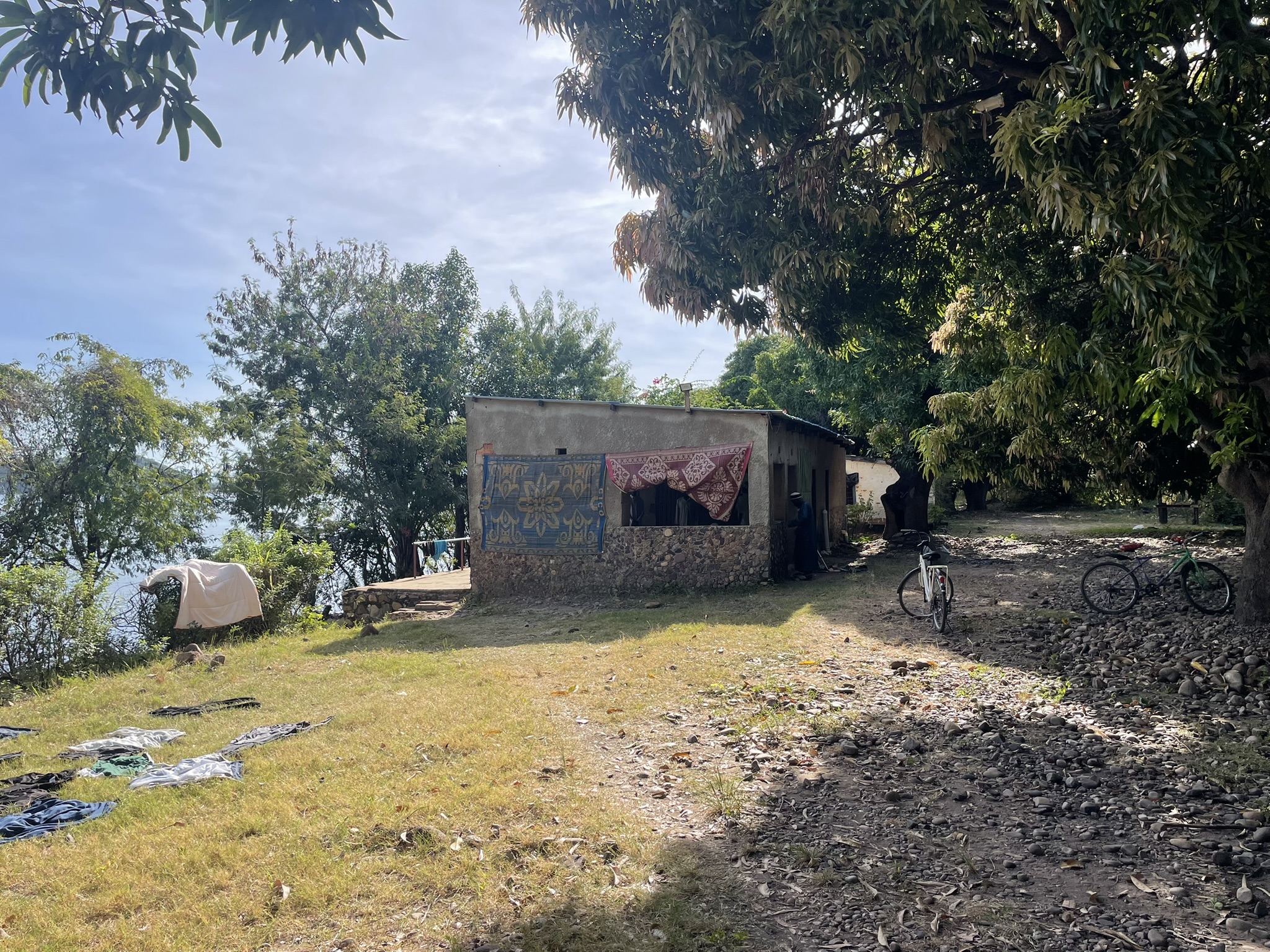
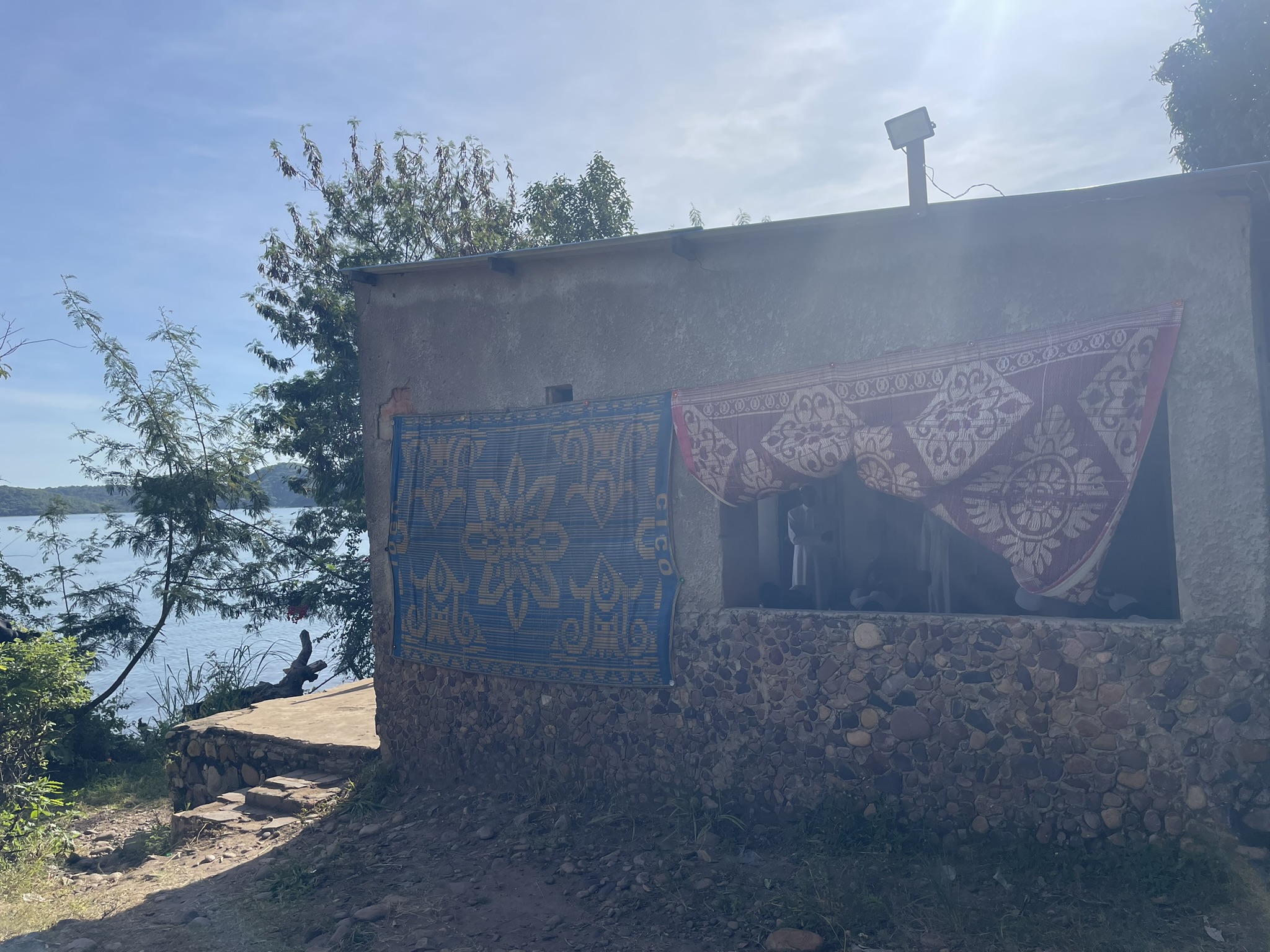
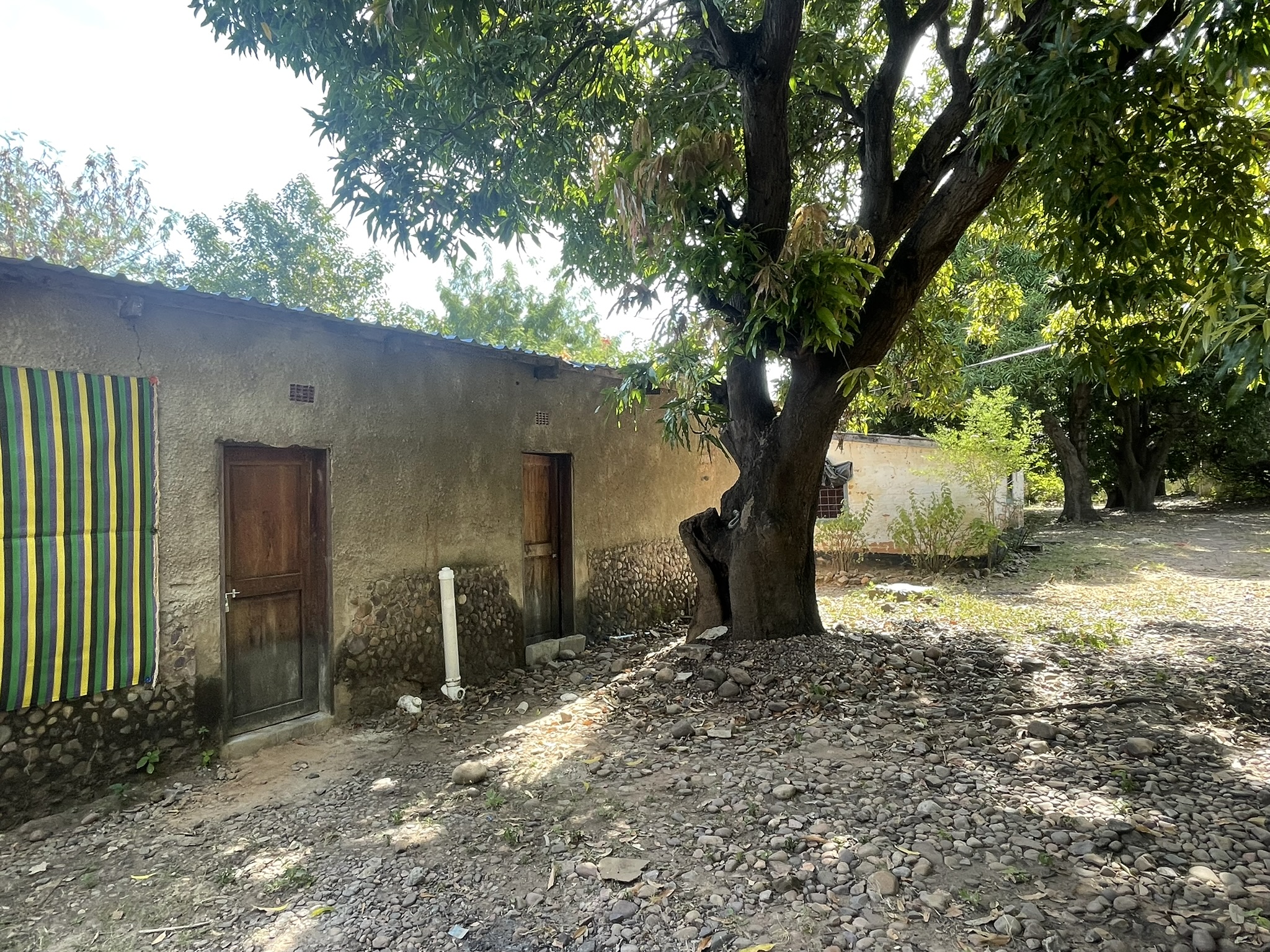
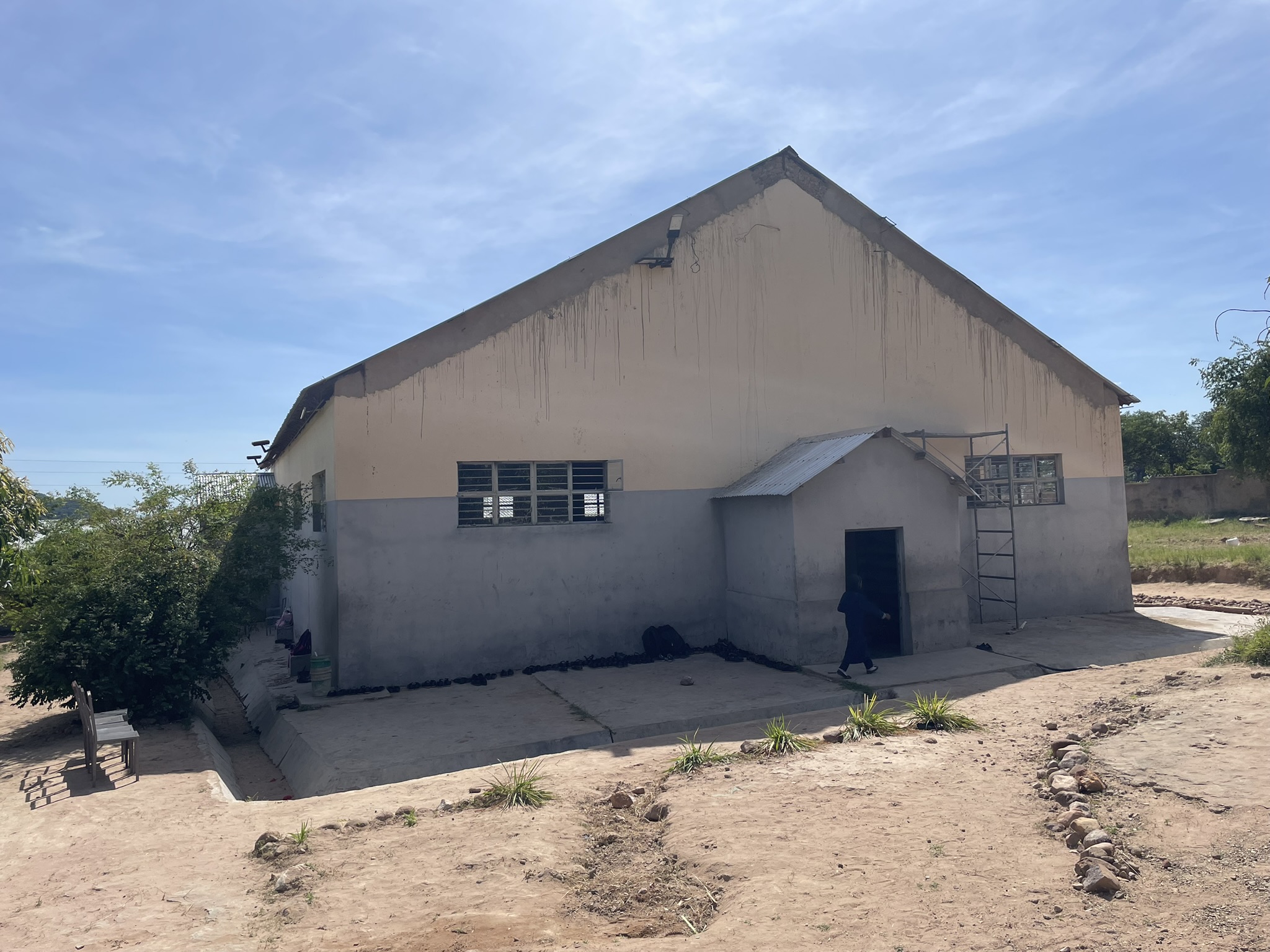
Our next stop is the Moonrays Trust School which is located on a large 35-acre land. Land here is very cheap compared to Lusaka. The girls’ section is on one side of the estate whilst the boys wing is on the other side. Each section has 350 students. A brief talk is given to the girls, followed by a visit to the hostel and classrooms. An interactive meeting with the staff of the boys’ section takes place thereafter. The concept of spiritual intelligence versus spiritual compliance is highlighted to develop confident Muslims, along with continuous improvement. A short talk is given to the boys thereafter. We also visit the ongoing construction of the new Masjid.
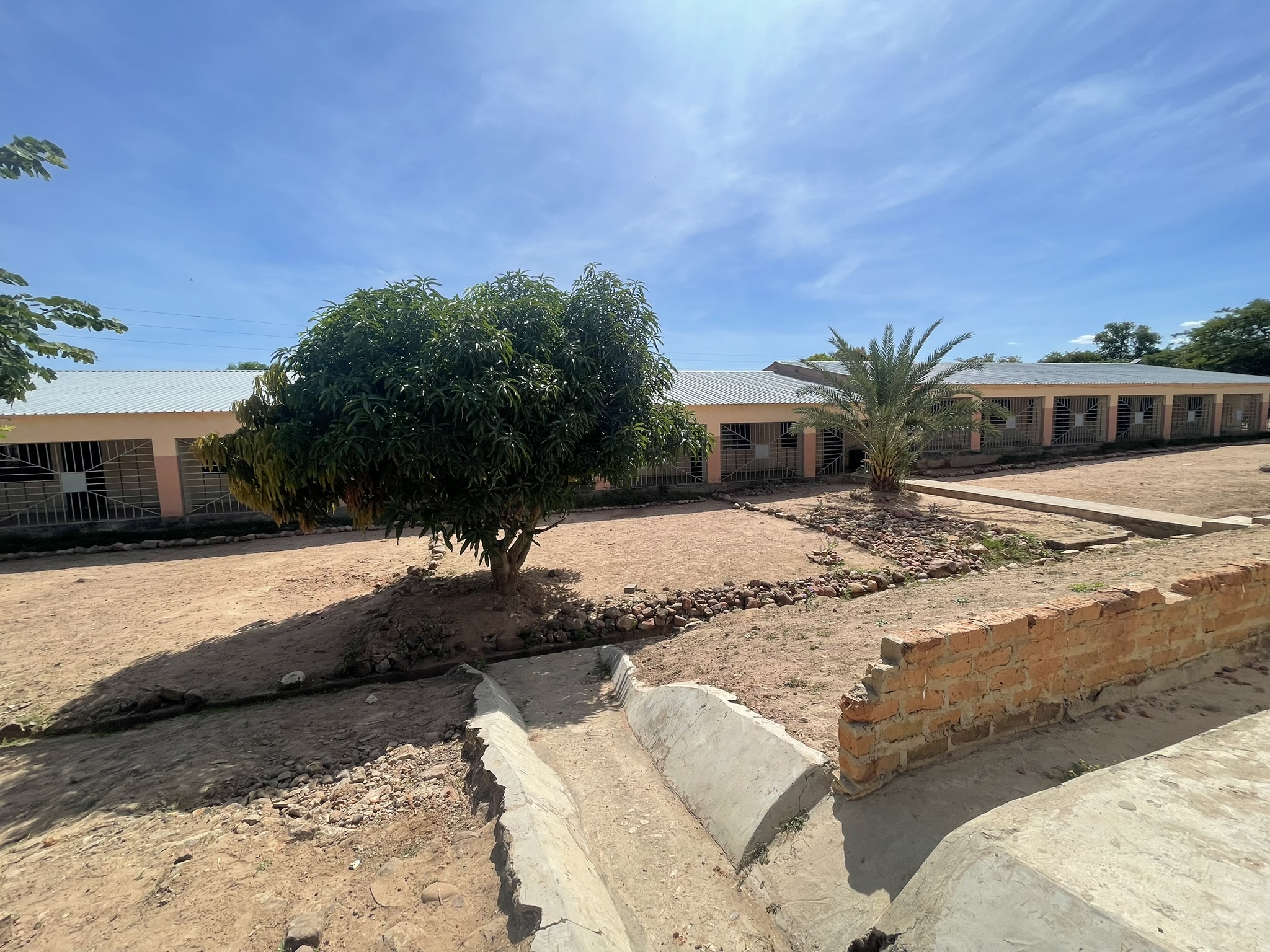
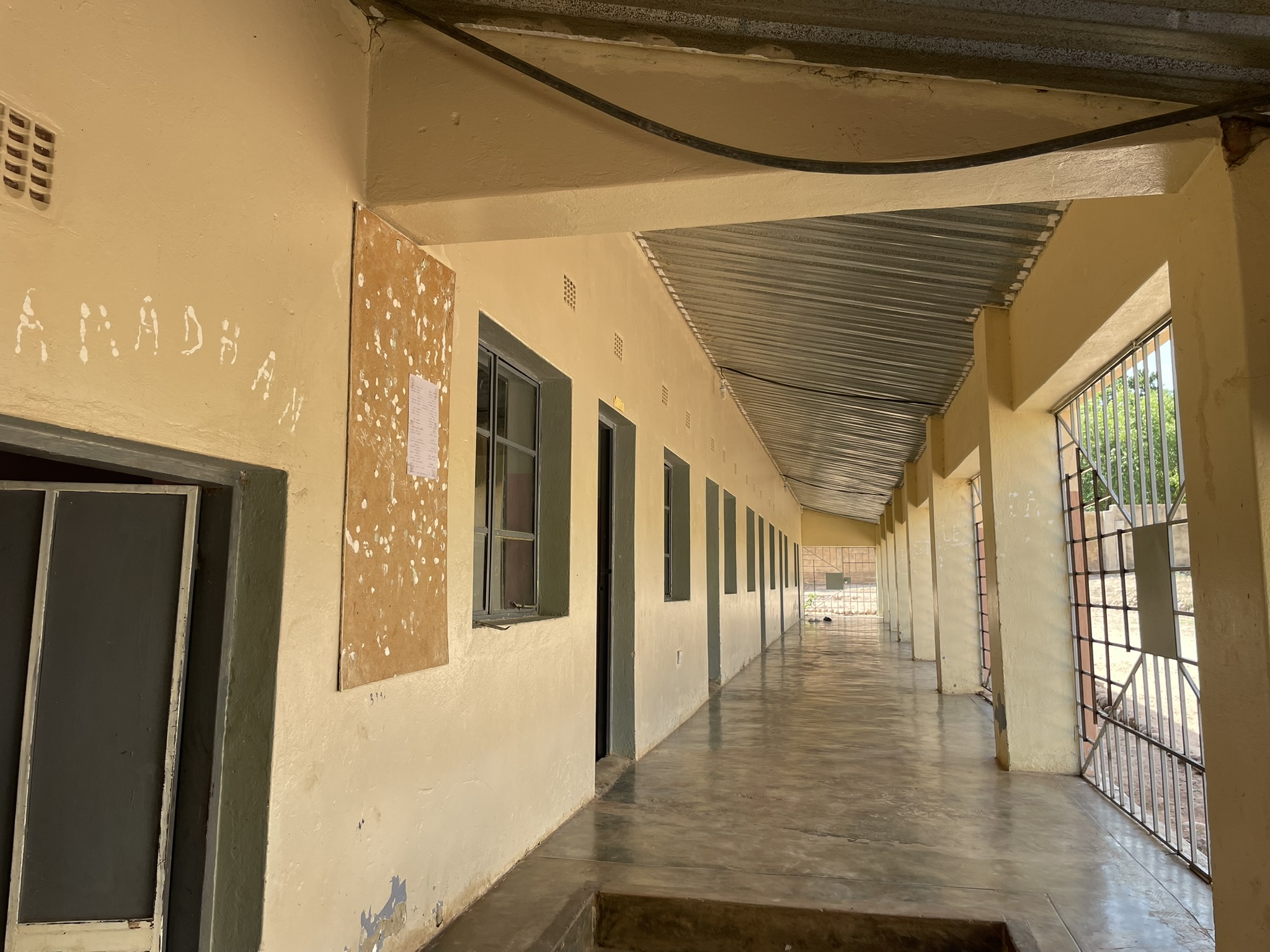
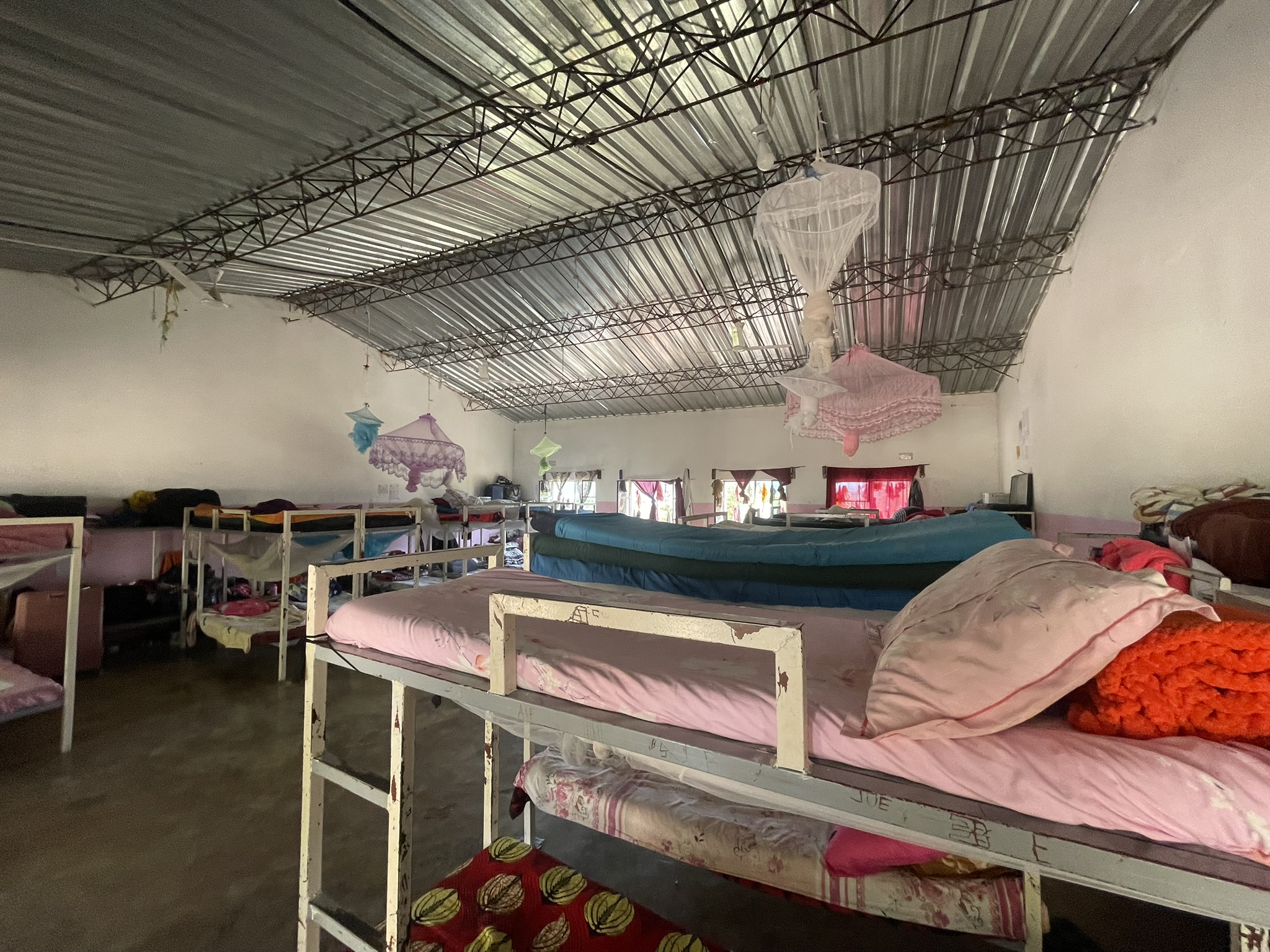
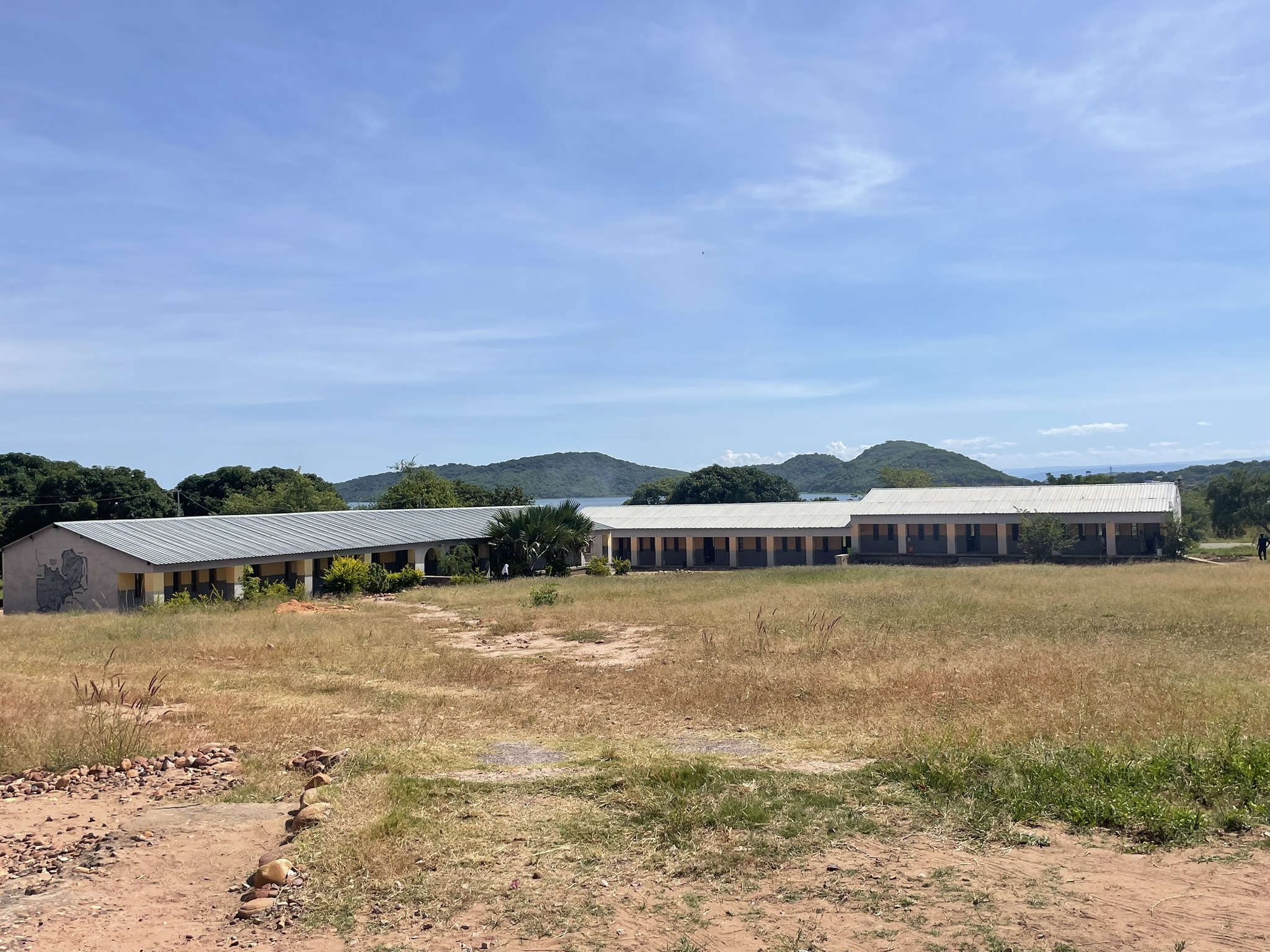
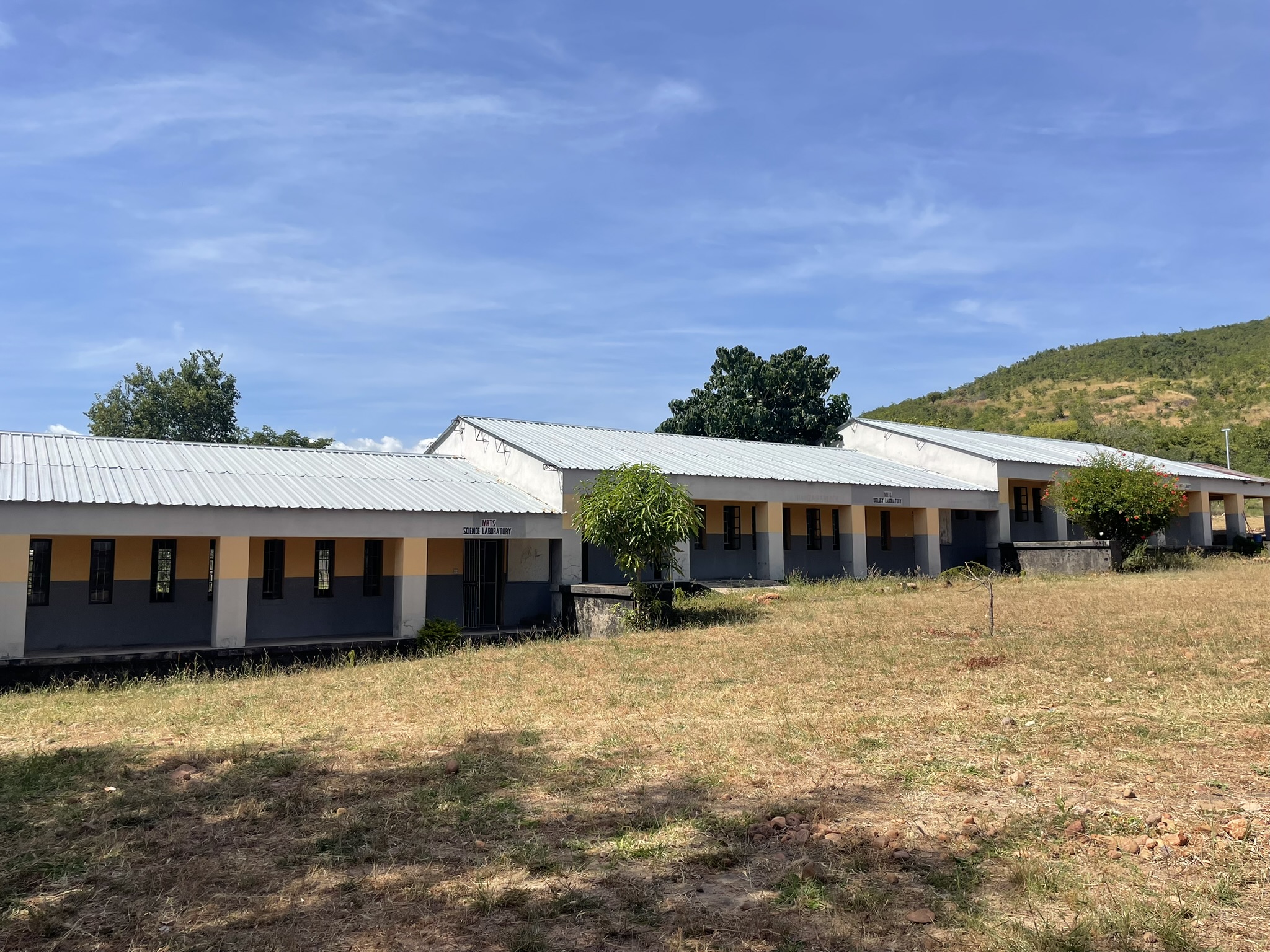
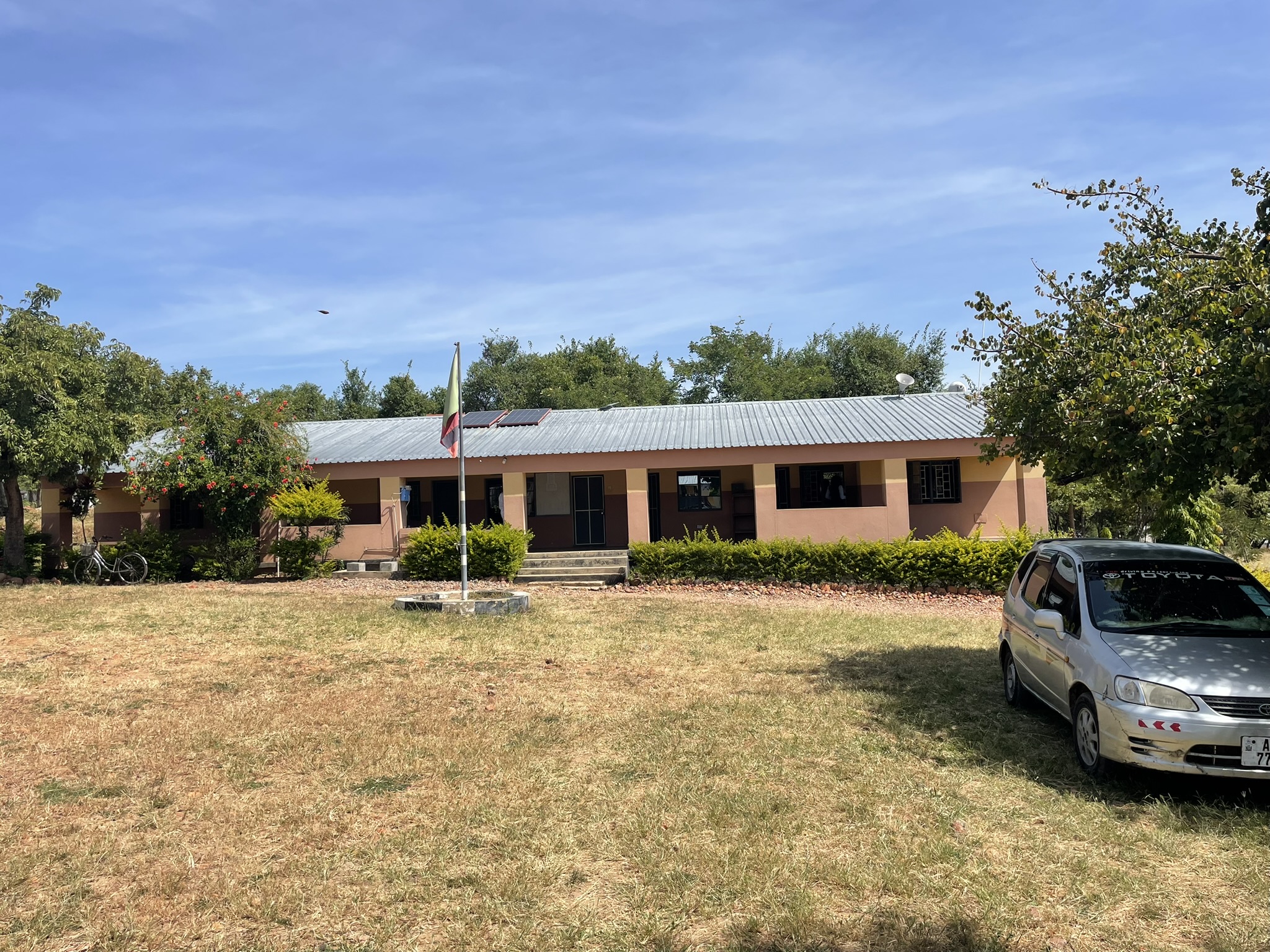

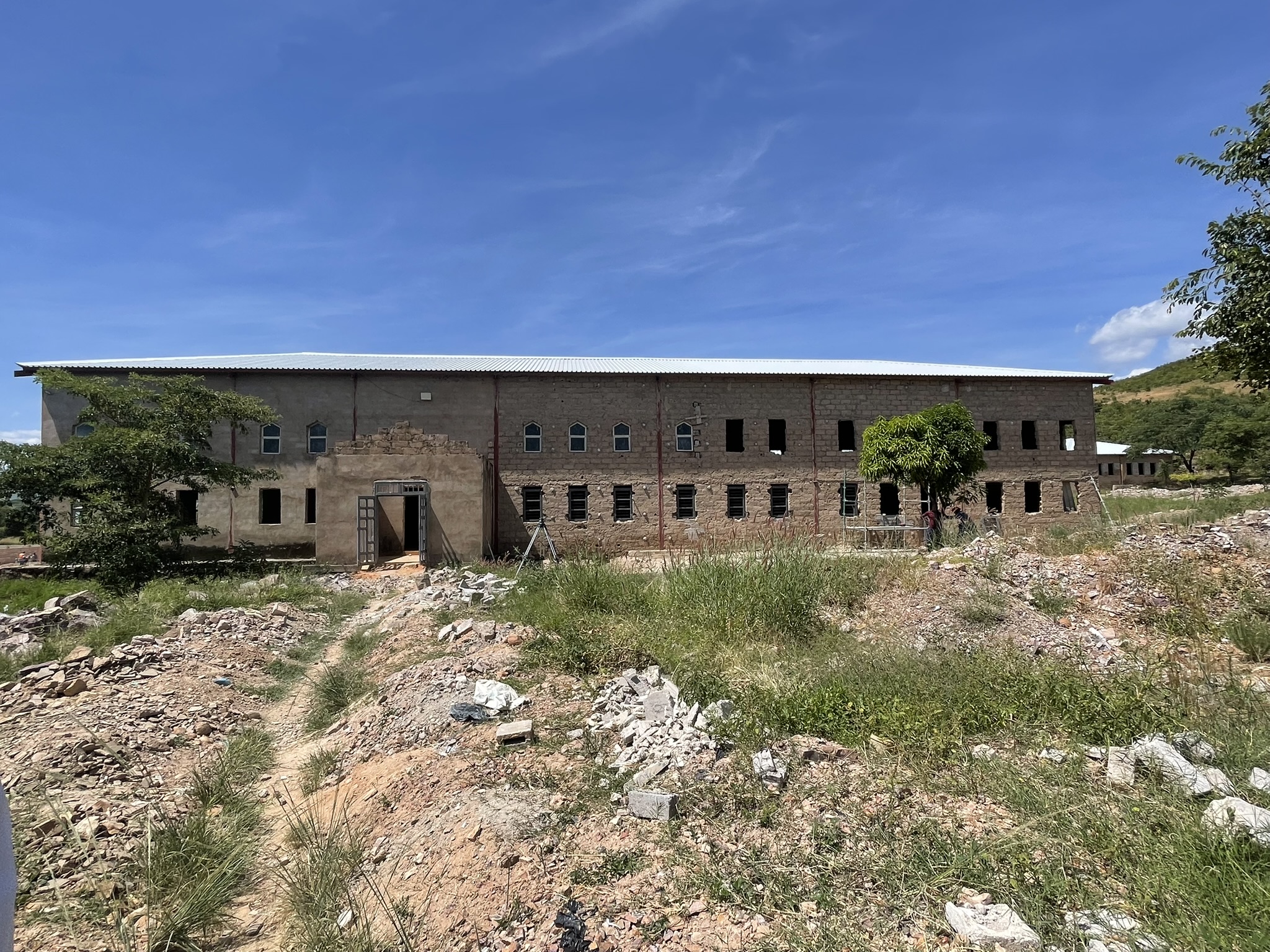
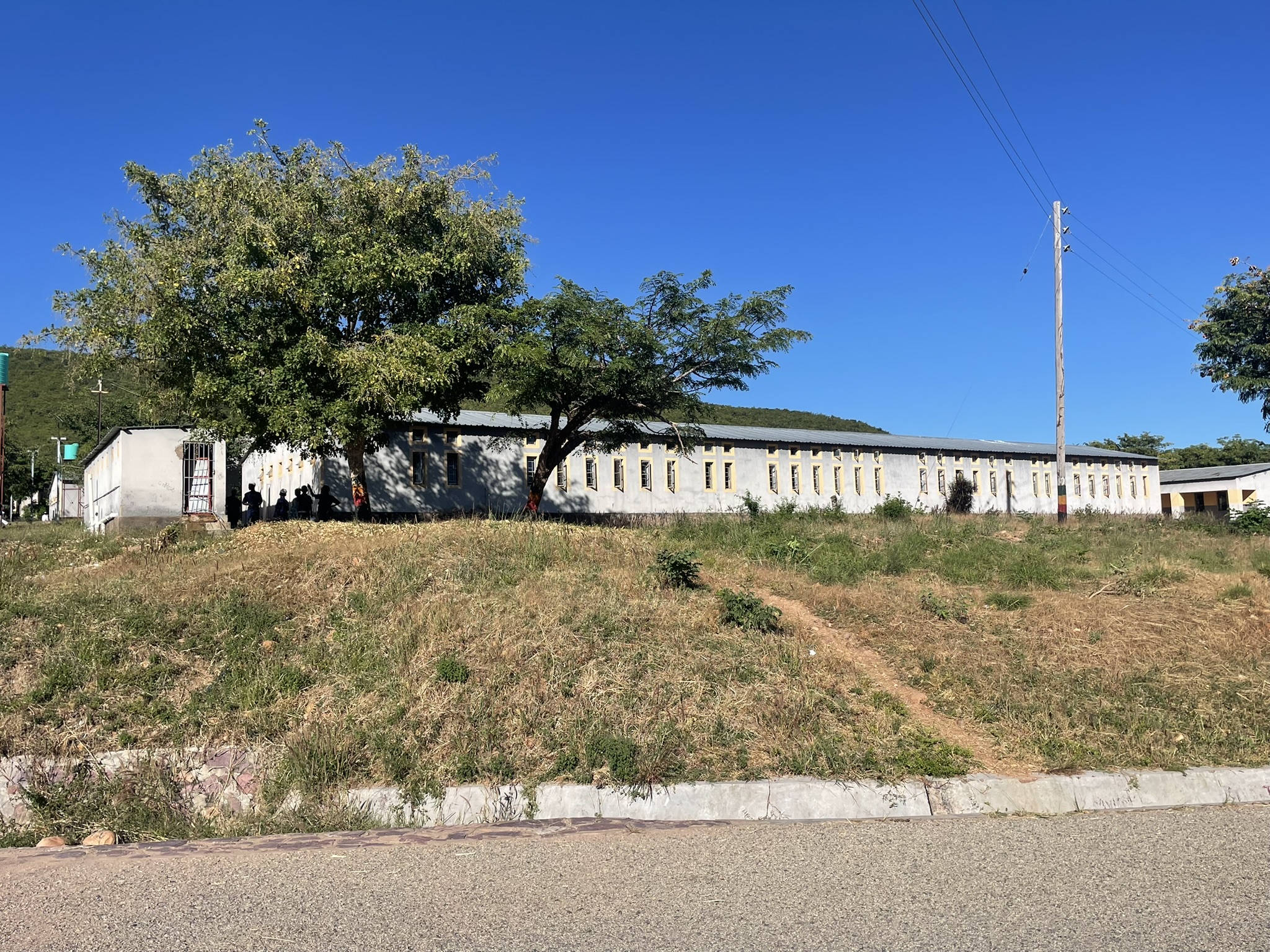
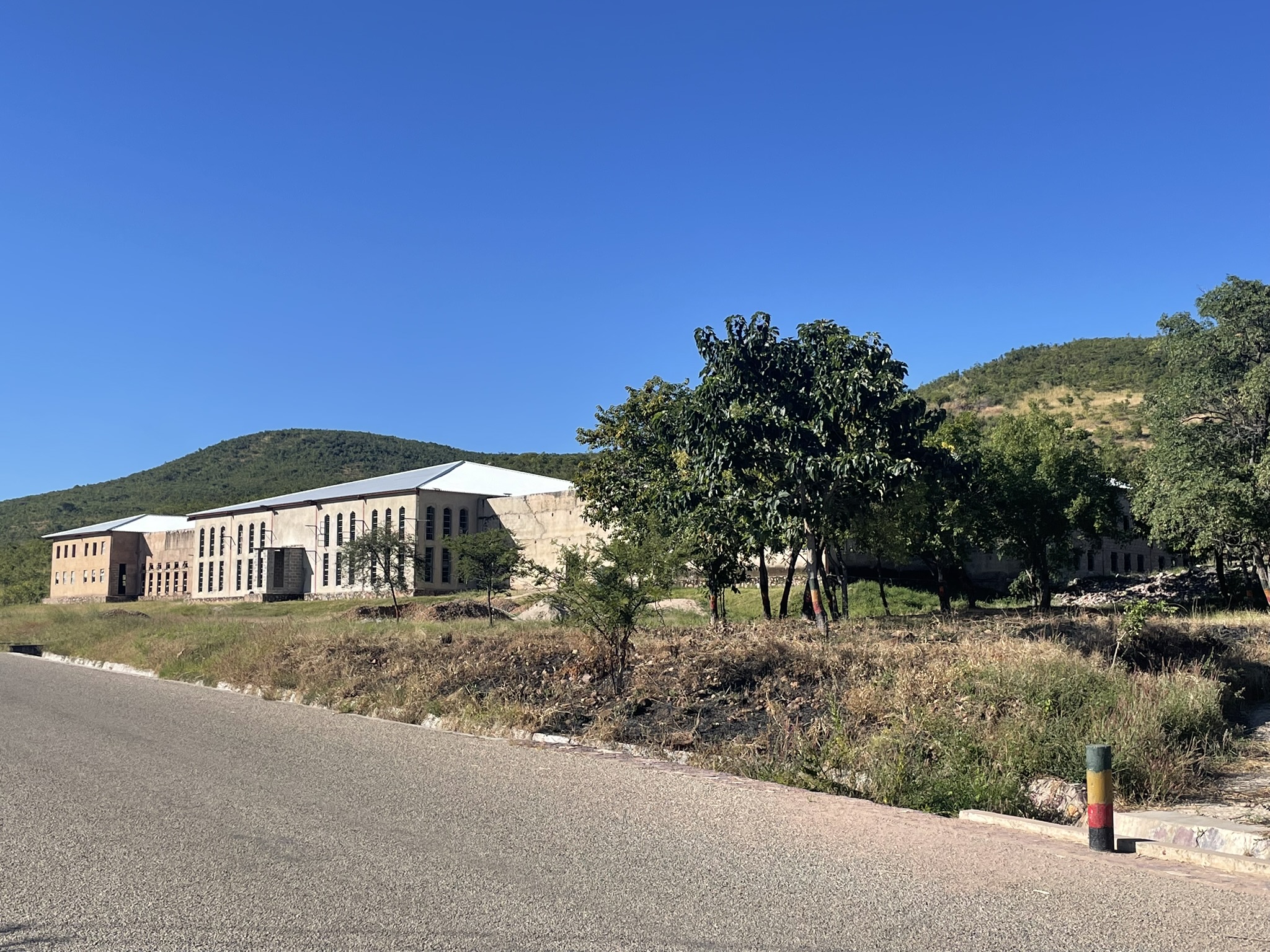
After the five talks and visits to these education projects, we return to Shāhid Bhai’s house and eat lunch including the bukabuka fish of Lake Tanganyika.
Mpulungu to Mtai (Tanzania)
Originally, the scheduled plan for the afternoon was to take a boat ride on Lake Tanganyika. However, I suggest that we visit Tanzania given the proximity and some work that has taken place there. We thus depart with Mufti Abrār at 1pm and travel towards Mbala and from there to the Kasesya border post. The road between Mbala and the border and thereafter to Mtai is grove road with many potholes. We arrive at the Zambian side of the border at 2.30pm. This is a very small border post, so the process is swift.
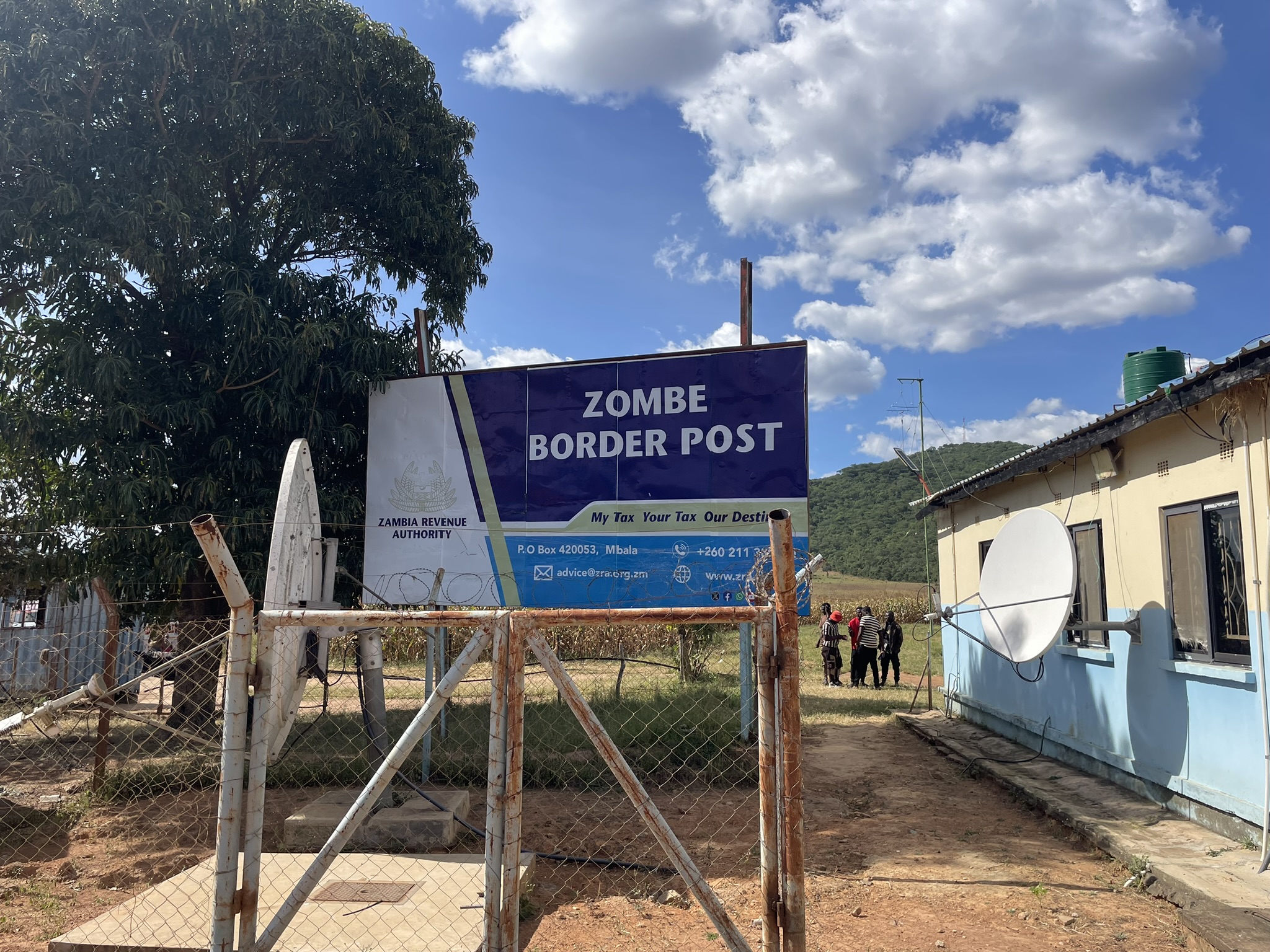
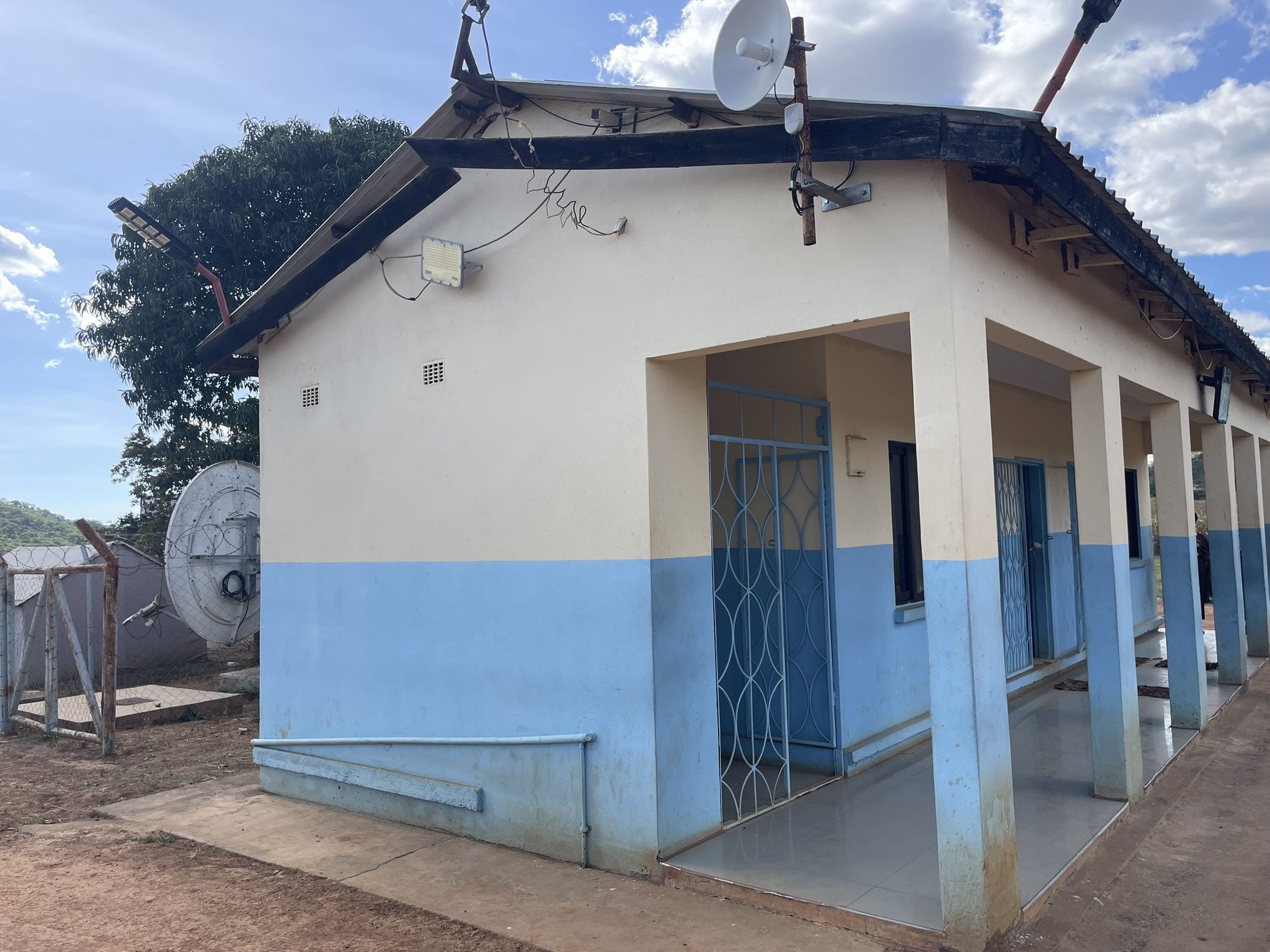
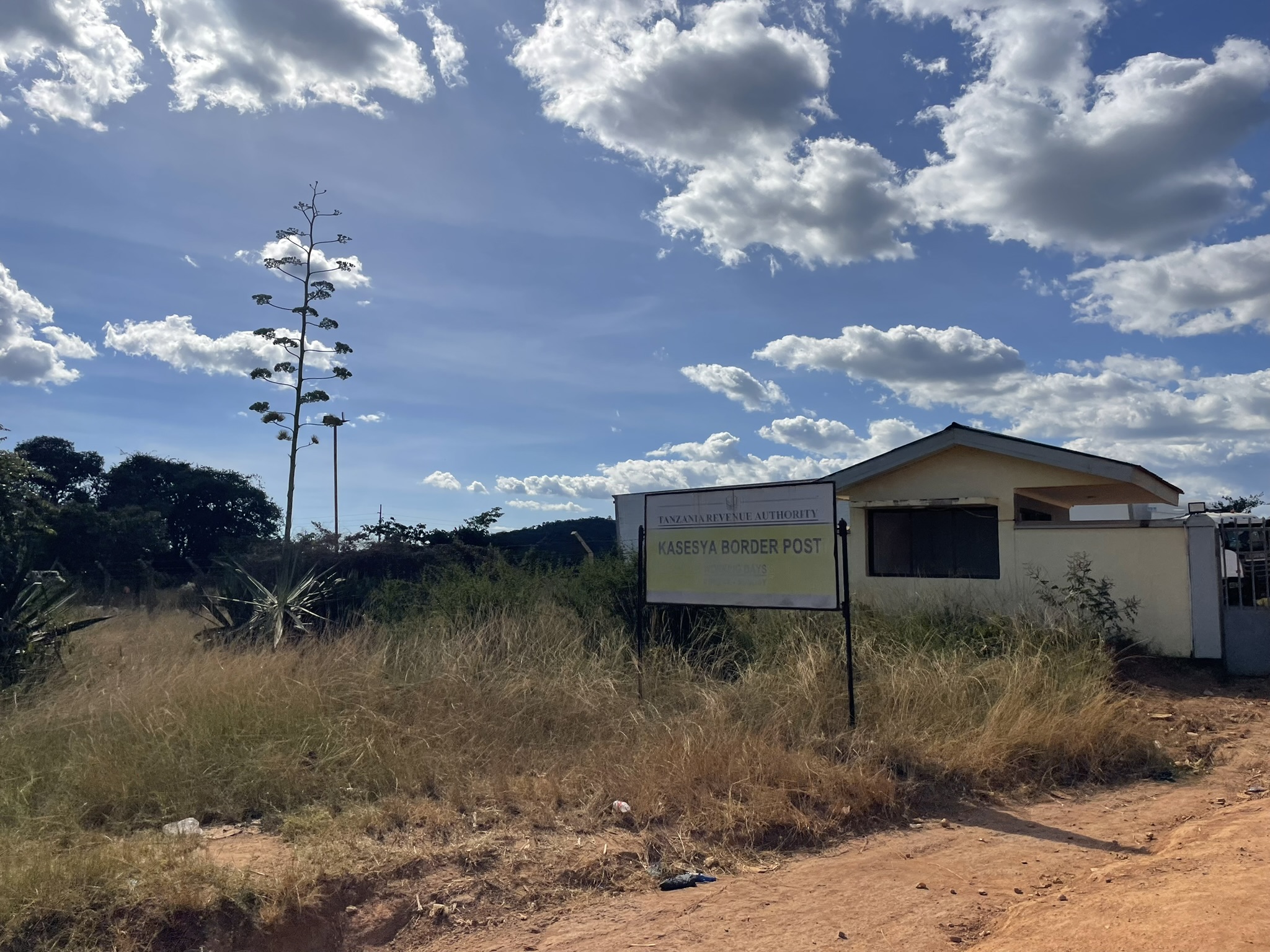
We enter Tanzania at 3pm (4pm Tanzanian time), purchase visa for $50 and proceed to Mtai. This is my first time in Tanzania. Tanzania is a very large country with a population exceeding 70 million people. It is one of the fastest growing countries in the world and the fifth most populous in Africa. Islam has a strong presence here especially in the coastal and northern areas. At least one third of the population is Muslim. In the south, the number of Muslims is less, although the number is much more than Zambia. The non-Muslims here are friendly. Swahili is the national language, 40% of which consists of Arabic words.
Mufti Abrār knows some Muslim officers here because they have built two Masjids in this region, one near the border post and the other in Mtai. They have also undertaken some Uḍḥiyyah (Qurbānī) projects here. Cows here cost $350 whilst in Zambia the cost is $500. Gas is also cheaper here. The current President of the country is a female Muslim. The previous President was not a Muslim but implemented a huge crackdown on corruption.
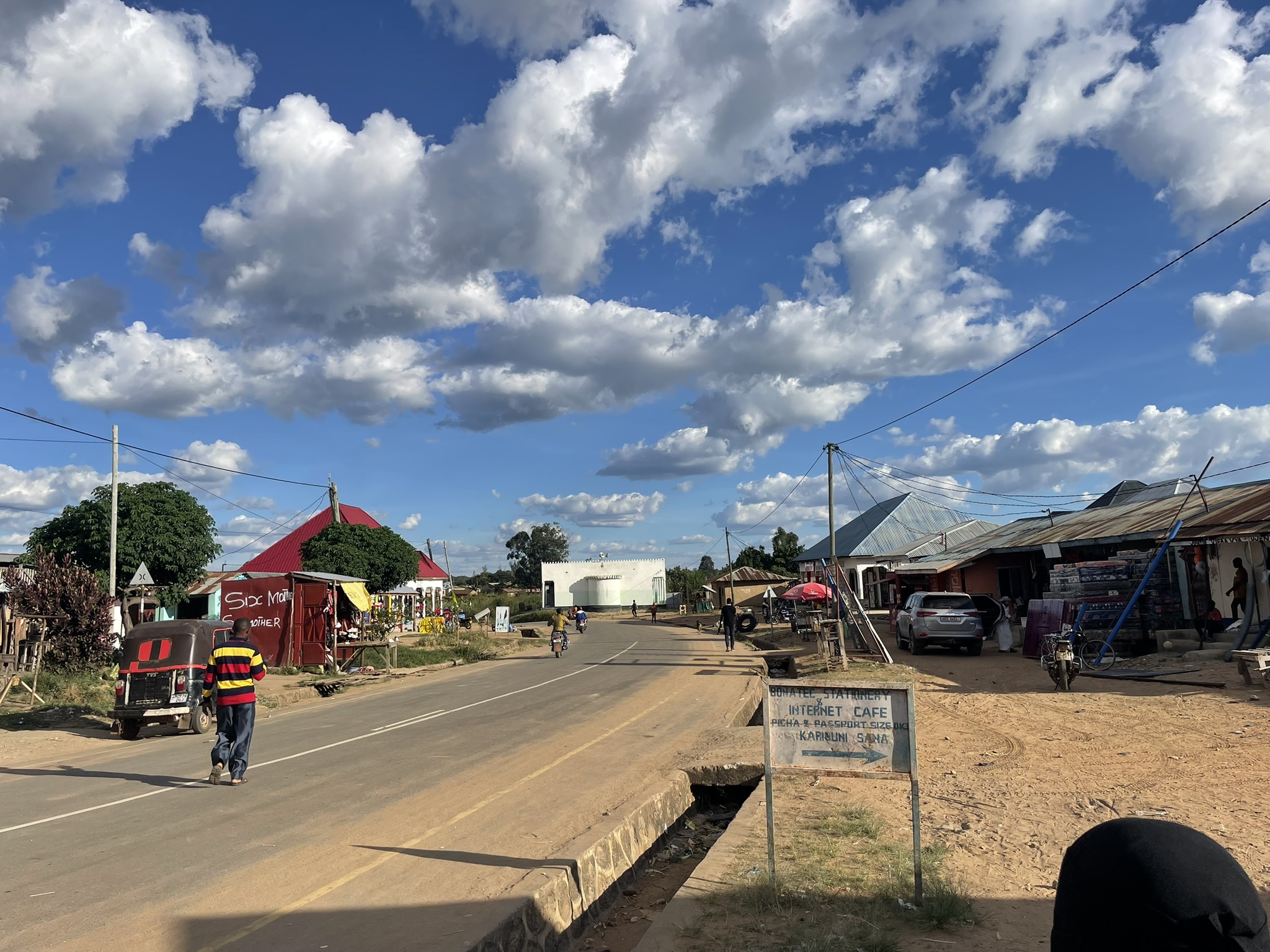
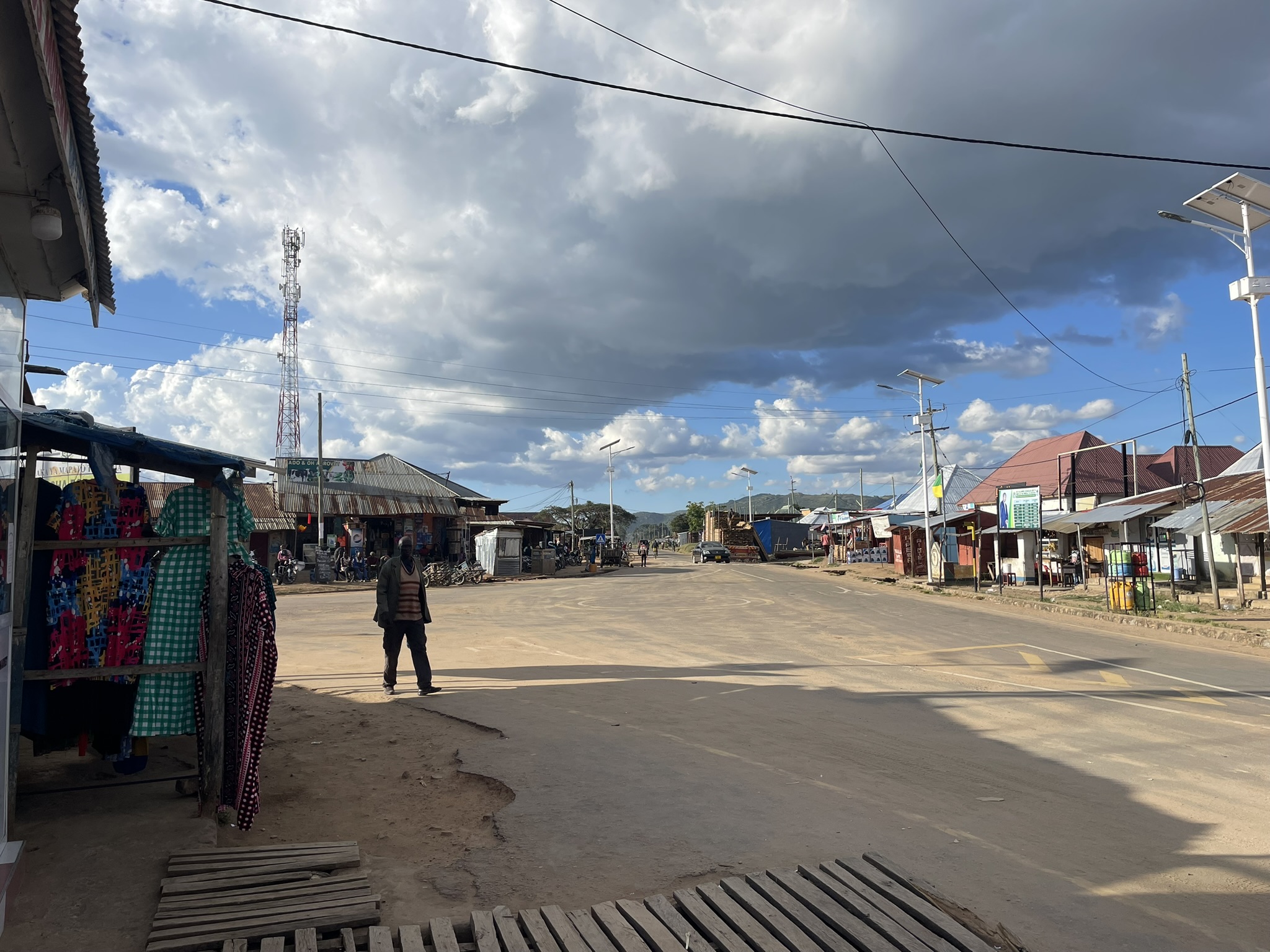
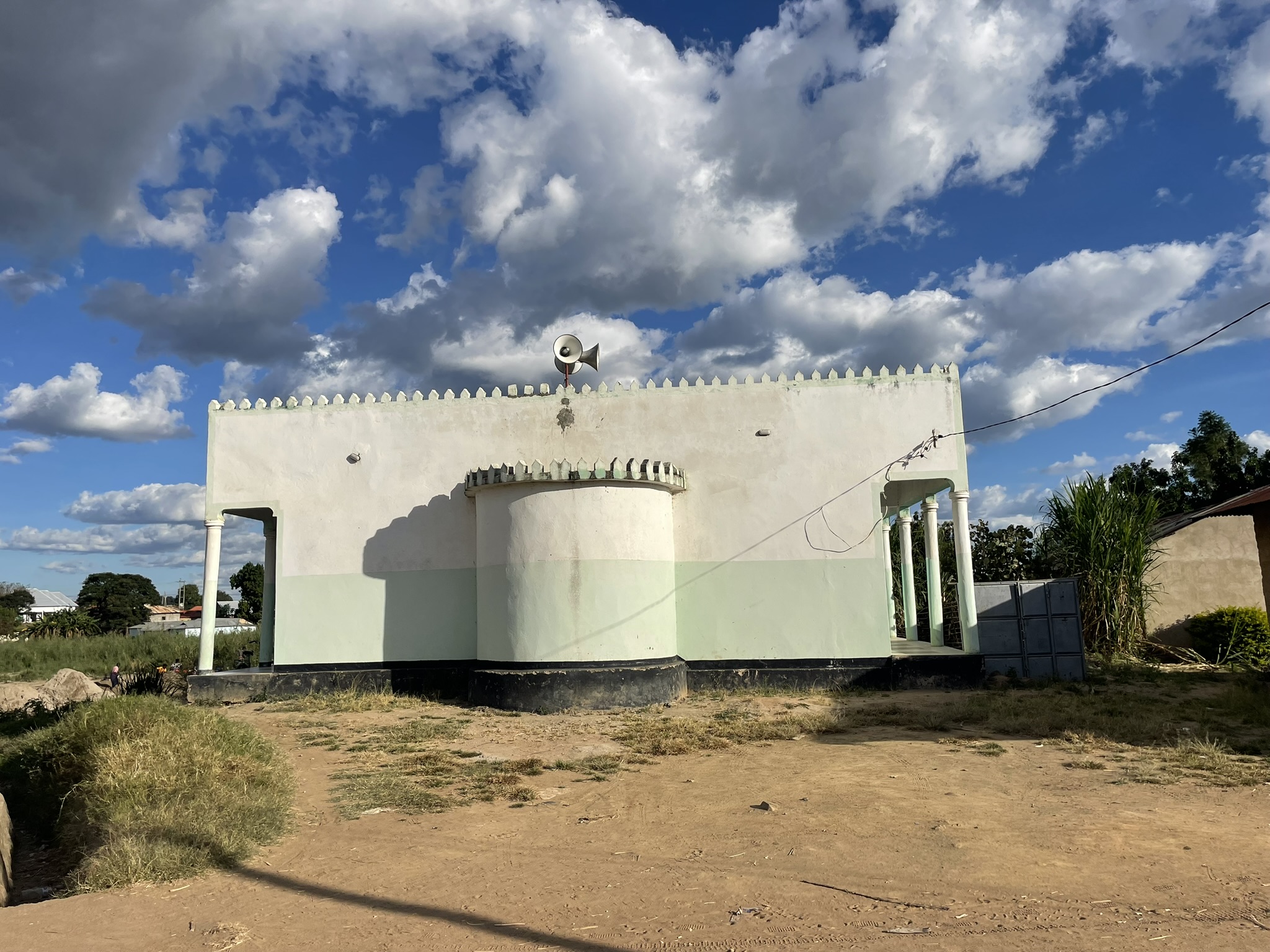
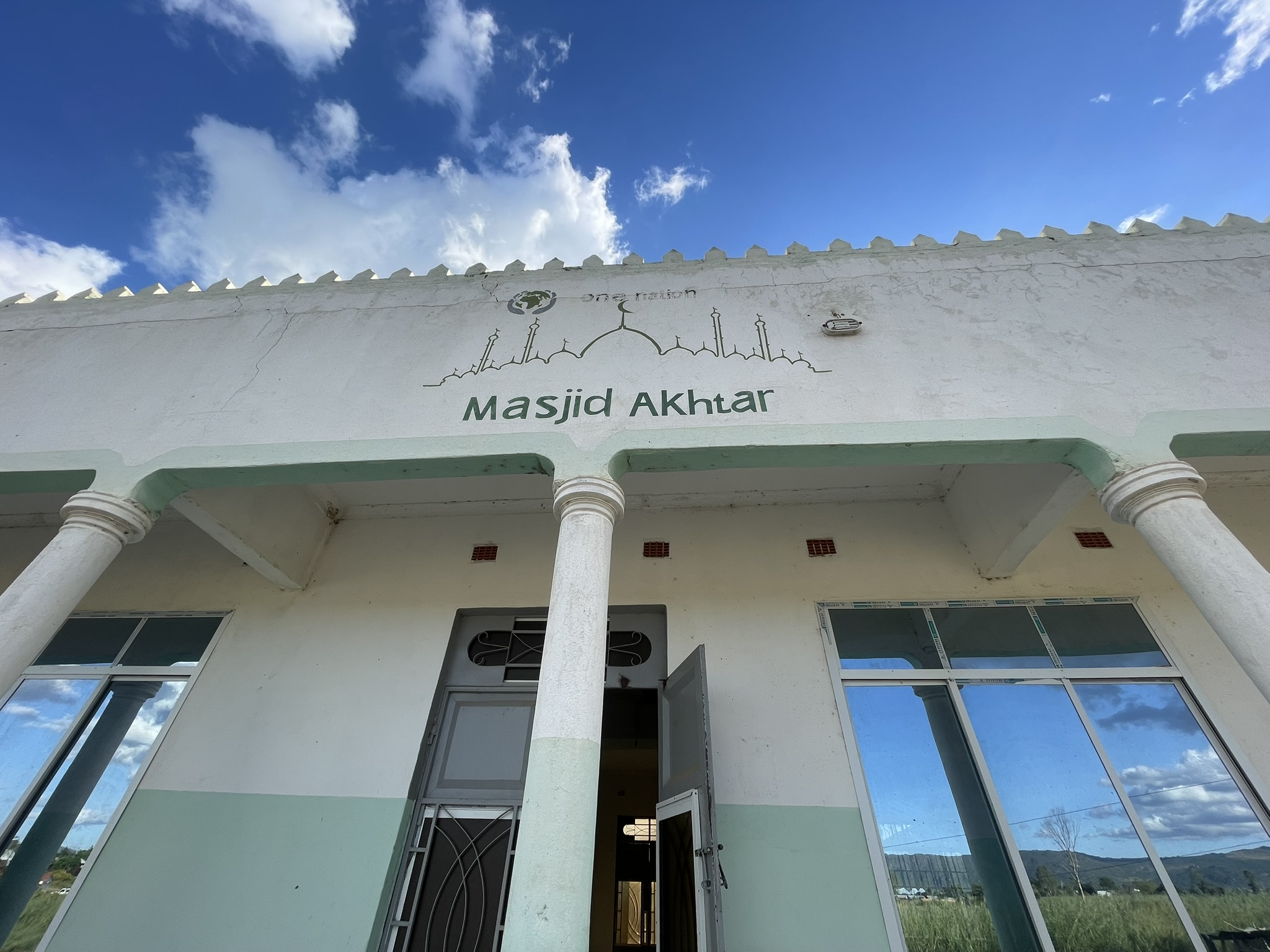
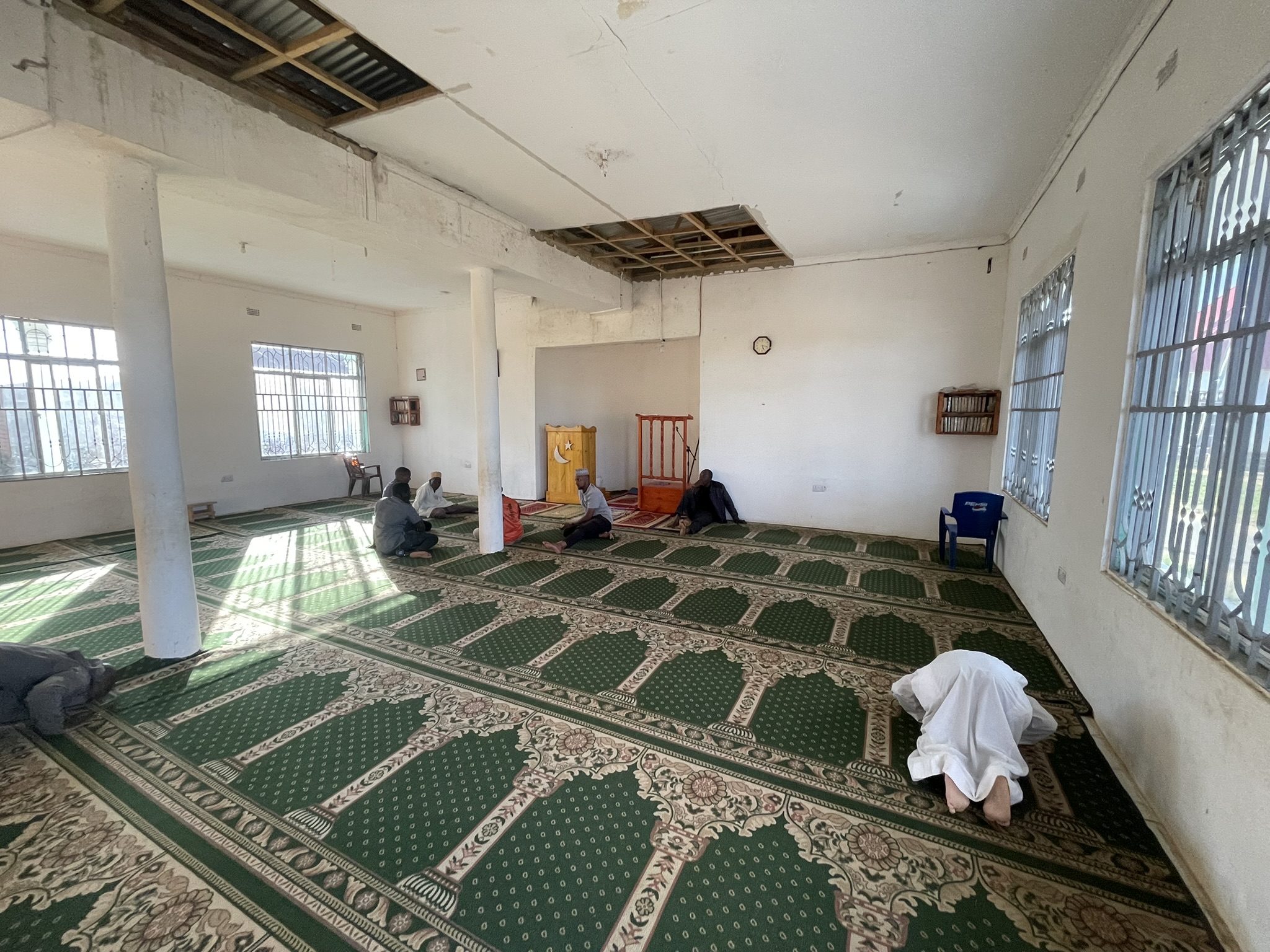
We arrive Mtai at 5pm local time, perform Ṣalāh at a local Masjid financed by One Nation, and deliver a short talk translated by the local Imām. We also visit some local shops. We return to the border post by 6.30pm (5.30pm Zambian time) and re-enter Zambia, my fourth entry to Zambia. Entry to Zambia is free for UK nationals.
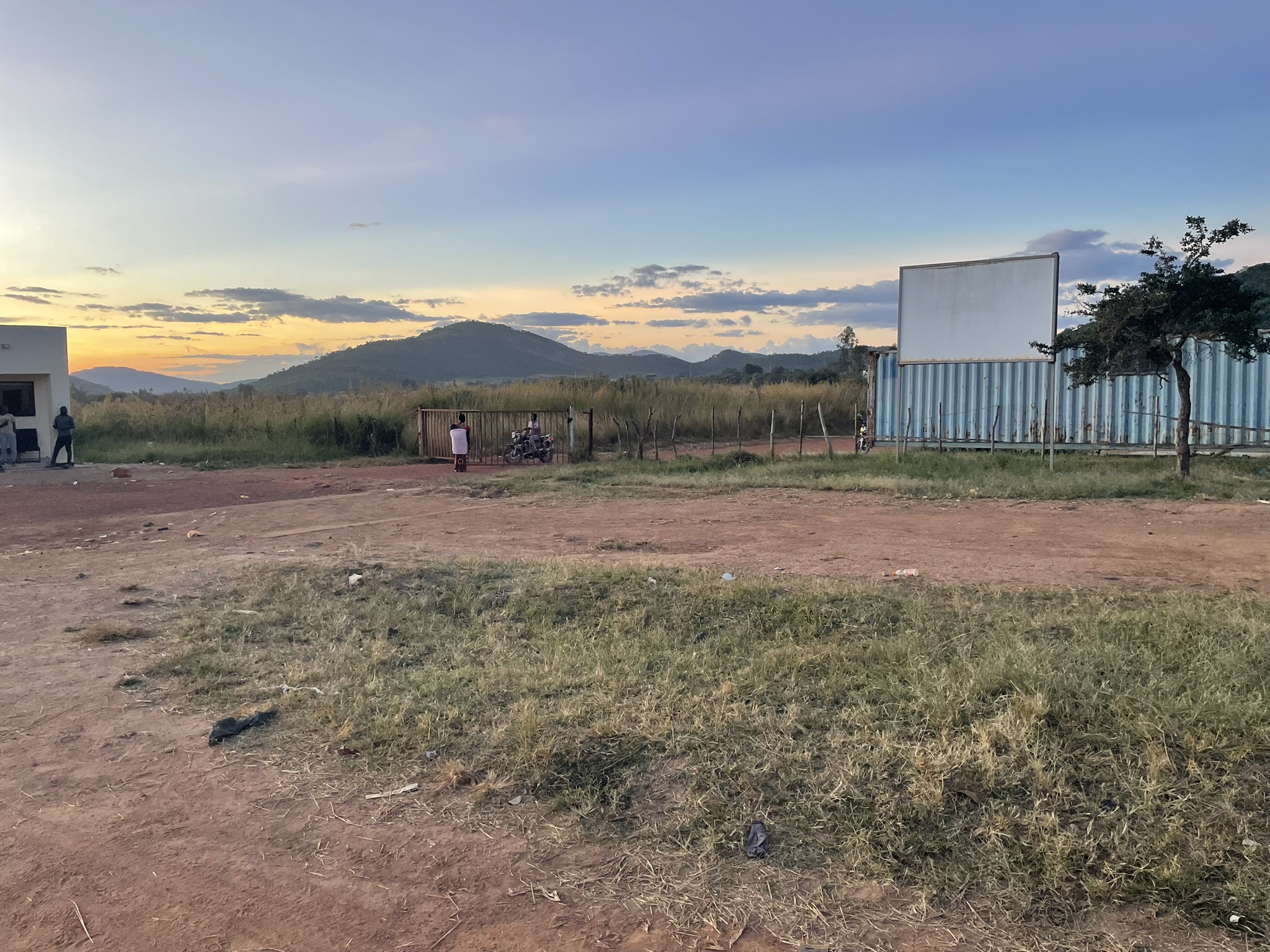
We return to Mpulungu at 7.30pm local time, eat dinner at Shāhid Bhai’s residence and rest for the evening.
Day 7 – Tuesday 12 May 2026
Last day in Zambia
Lake Tanganyika
It is another early morning start at 7am as we meet with the expat scholars, Mawlānā Khurshīd ʿĀlam Qāsmī, Mufti Nuʿmān and Mufti Āsif at Shāhid Bhai’s residence. Mawlānā Khurshīd is an author and gifts me two of his books in English and Urdu regarding Masjid al-Aqsa and Palestine. Mufti Abrār also gifts me a book he authored about fasting and Ramadan, the foreword of which I wrote a few years ago.
We make a brief visit to Lake Tanganyika, next to Shāhid Bhai’s house.
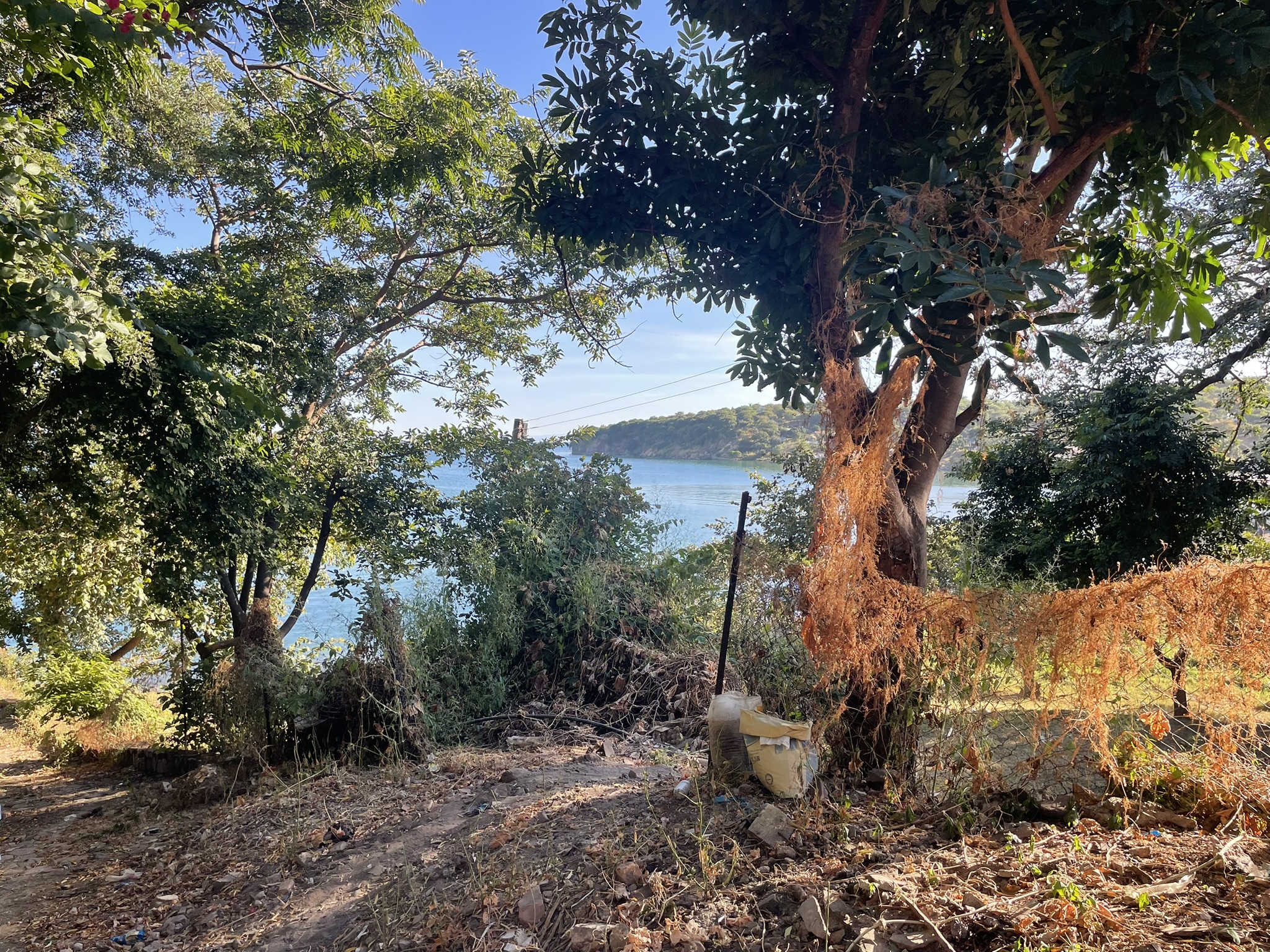
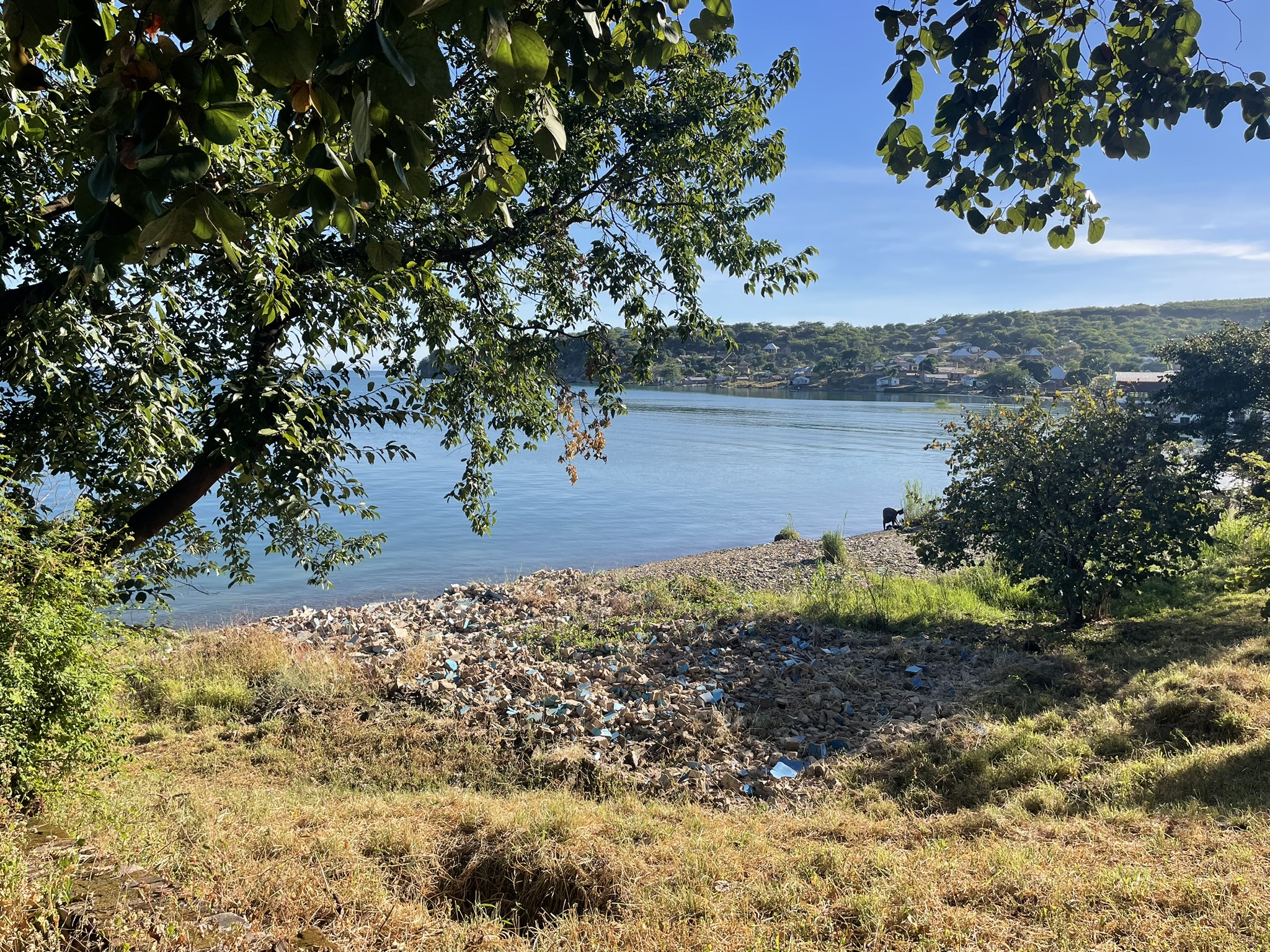
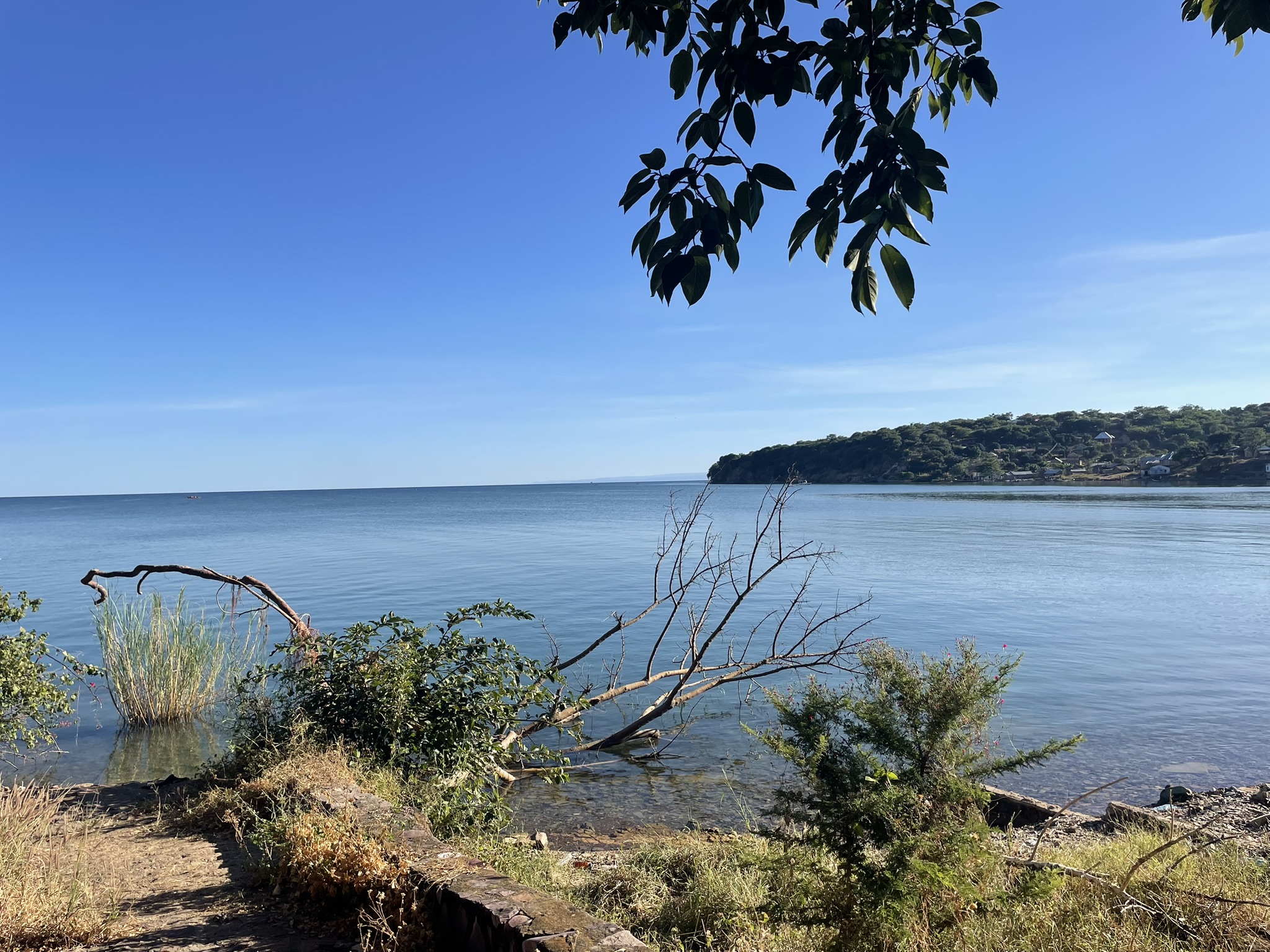
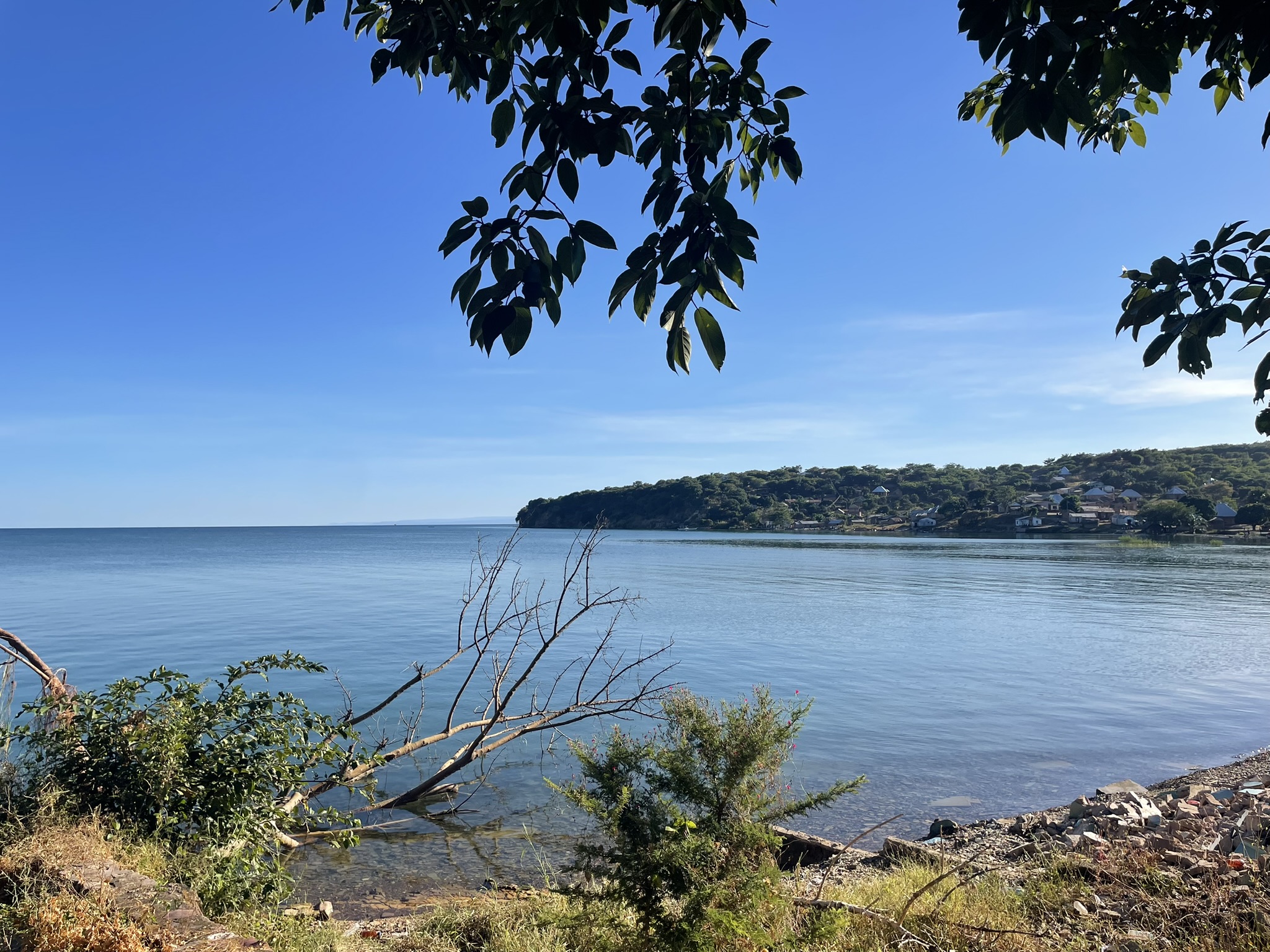
The Encyclopaedia Brittanica states:
“Lake Tanganyika, second largest of the lakes of eastern Africa. It is the longest freshwater lake in the world (410 miles [660 km]) and the second deepest (4,710 feet [1,436 meters]) after Lake Baikal in Russia. Comparatively narrow, varying in width from 10 to 45 miles (16 to 72 km), it covers about 12,700 square miles (32,900 square km) and forms the boundary between Tanzania and the Democratic Republic of the Congo (DRC) and part of the boundary between Burundi and the DRC as well as part of the boundary between Tanzania and Zambia.”
This point here in Mpulungu touches the southern point of the lake.
The weather in Mpulungu here is much warmer than Lusaka. The altitude here is very low. Interestingly, the Mbala highlands which is not far from here has the highest point of the country, the weather is much cooler there.
Visit to Shelter Project
Our final stop in Mpulungu is the shelter project built by Shāhid Bhai and the team. Two different types of houses have been constructed over the years, both within the range of a few thousand pounds.
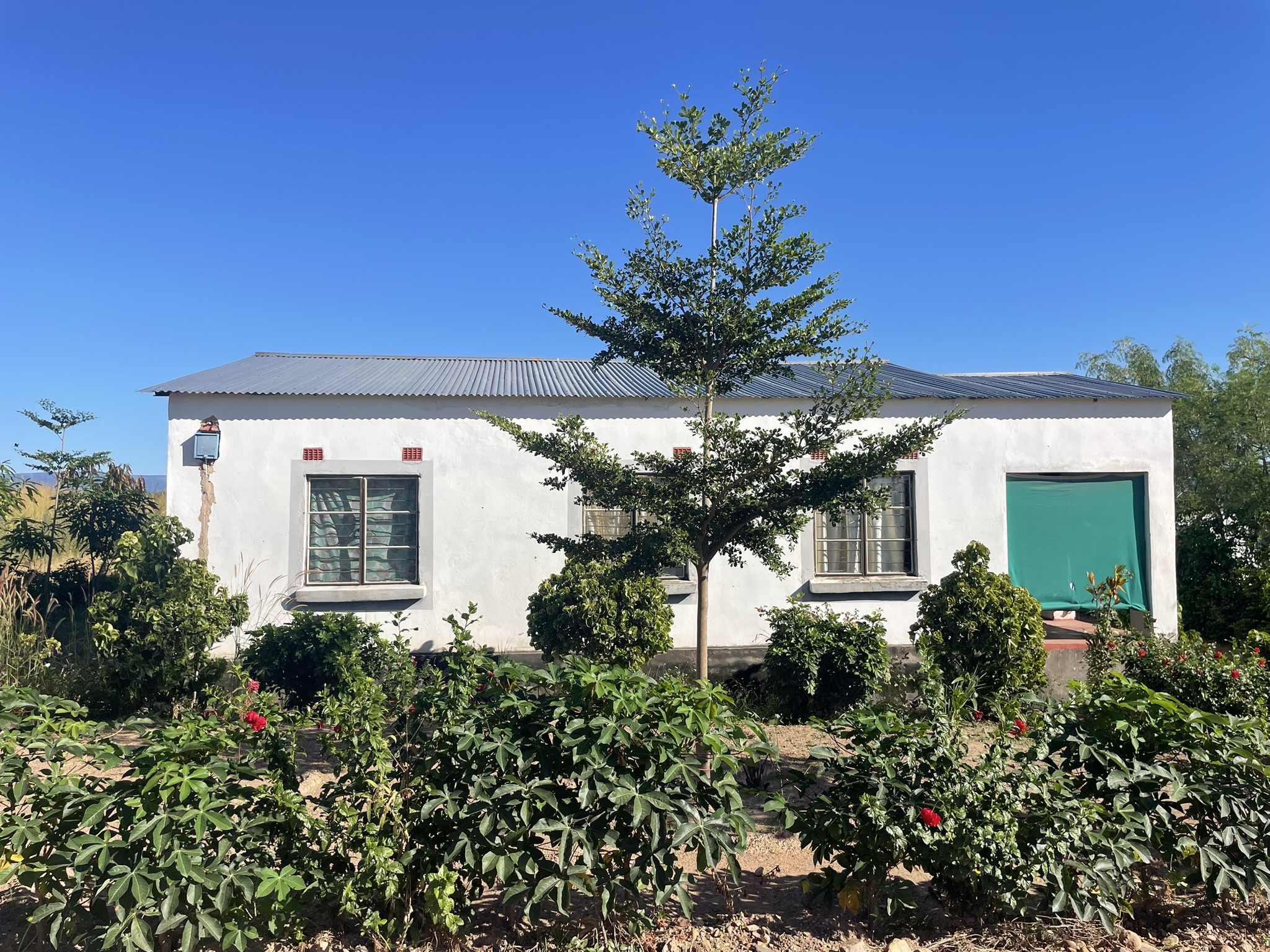
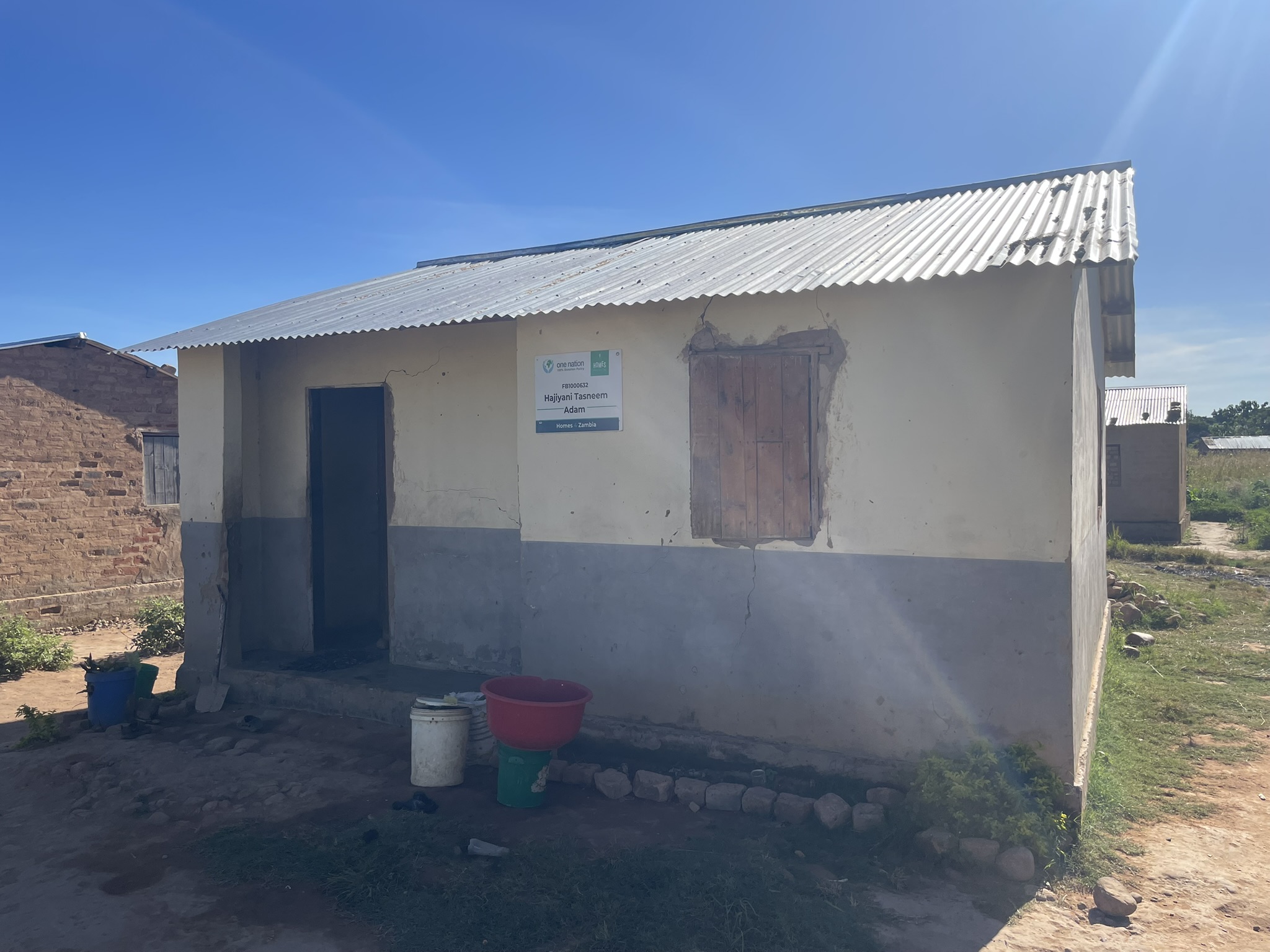
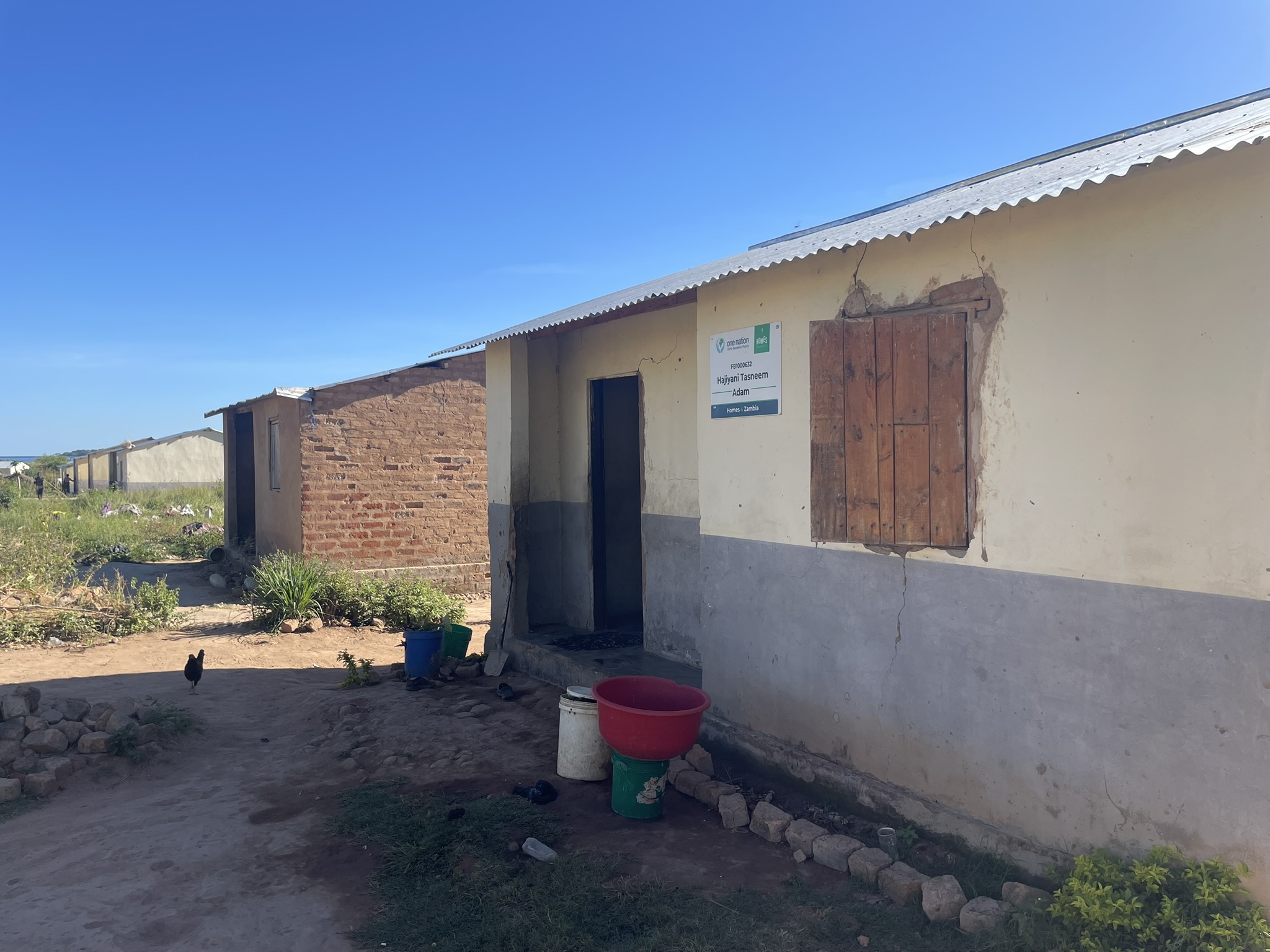
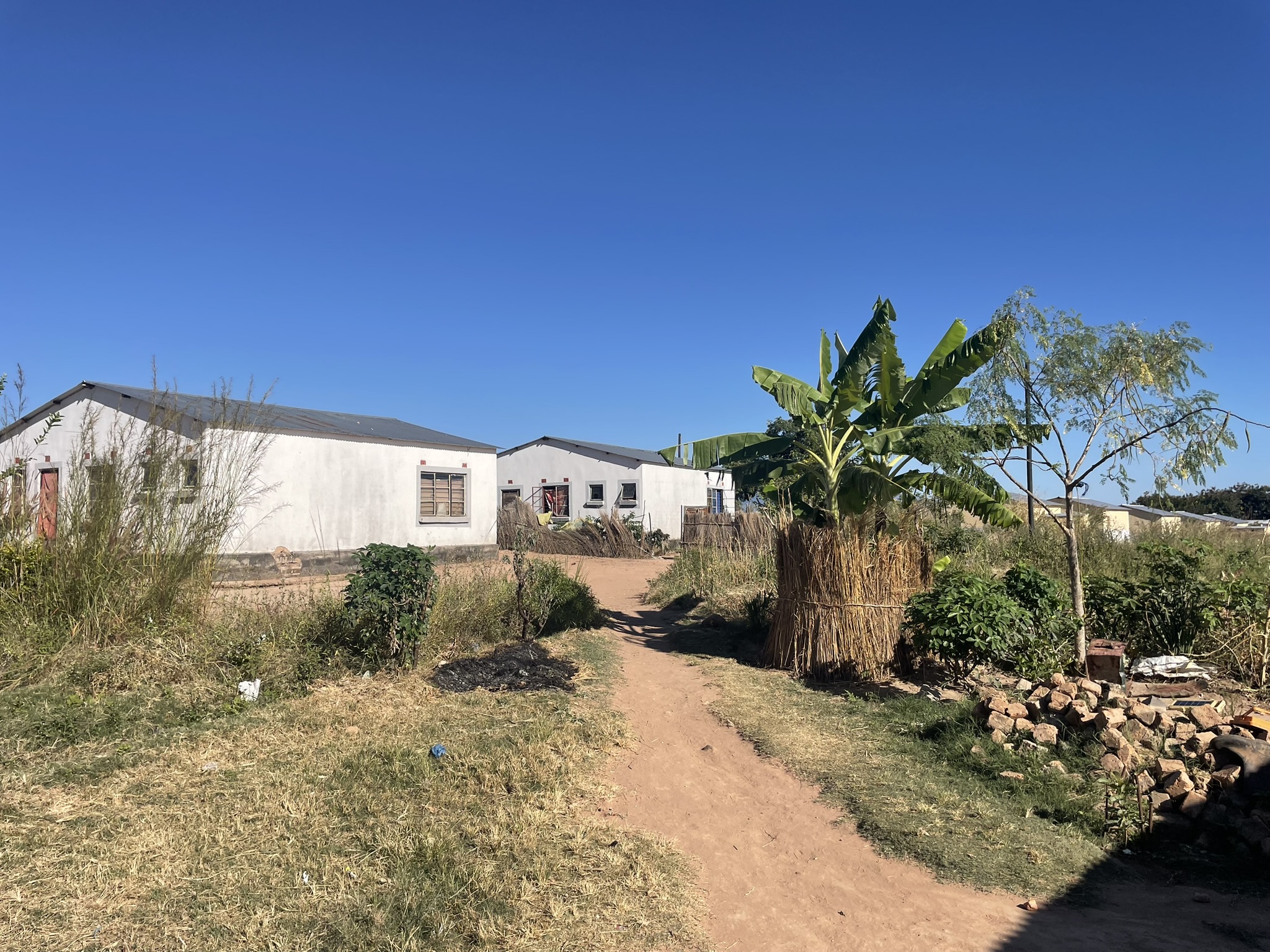
Land here is very cheap as mentioned above. The lakeside became slightly more expensive in recent years, but the price has since dropped due to the rising water level. In relation to other items, the products are more expensive than Lusaka, except for certain items that come from Tanzania.
From Mpulungu to Kasama
The time has come to bid farewell to Mpulungu. It has been a very fruitful visit. Mpulungu is an example of how one person committed to serving the indigenous community and treating them like his own has transformed the region. The foundation has been laid here for the work to grow and expand. Organisations should come forward and support this region. May Allah Almighty accept the work of Shāhid Bhai, the family and all those who are involved.
We depart at 8.15am with Shāhid Bhai. Mufti Abrār is also with us in another car. I ask Shāhid Bhai about the economic situation in the country and how the Zambian Kwacha has strengthened from twenty-seven kwachas to nineteen kwachas per one US dollar. He explains:
“Zambia’s economic condition is much better than Zimbabwe. Zimbabwe’s economy was based on the European model and so it suffered hugely. In Zambia, the European corporations were kicked out in the late 1960s. There was a period of difficulty, but the people managed to establish themselves. Specifically in relation to the Zambian Kwacha strengthening, this has occurred over a period of six months. It went down to fifteen kwachas, but it has now stabilised at nineteen kwachas per one US dollar. There are three reasons for this. The first is that Zambia is a big producer of copper and cobalt, and demand for these two metals have increased worldwide. The second is that the Government has a new policy against importing raw materials. Only finished products can be exported. This has resulted in foreign investments in processing in partnership with local investors. This also avoids undervaluation and reduces the risks of disguise and thereby increases tax revenues. The third reason is that the Chinese Yuan is being used to repay debts. The dependency on the dollar is decreasing. Despite all this, the appreciation is not being realised at street level, the cost of items including for imports has not reduced.”
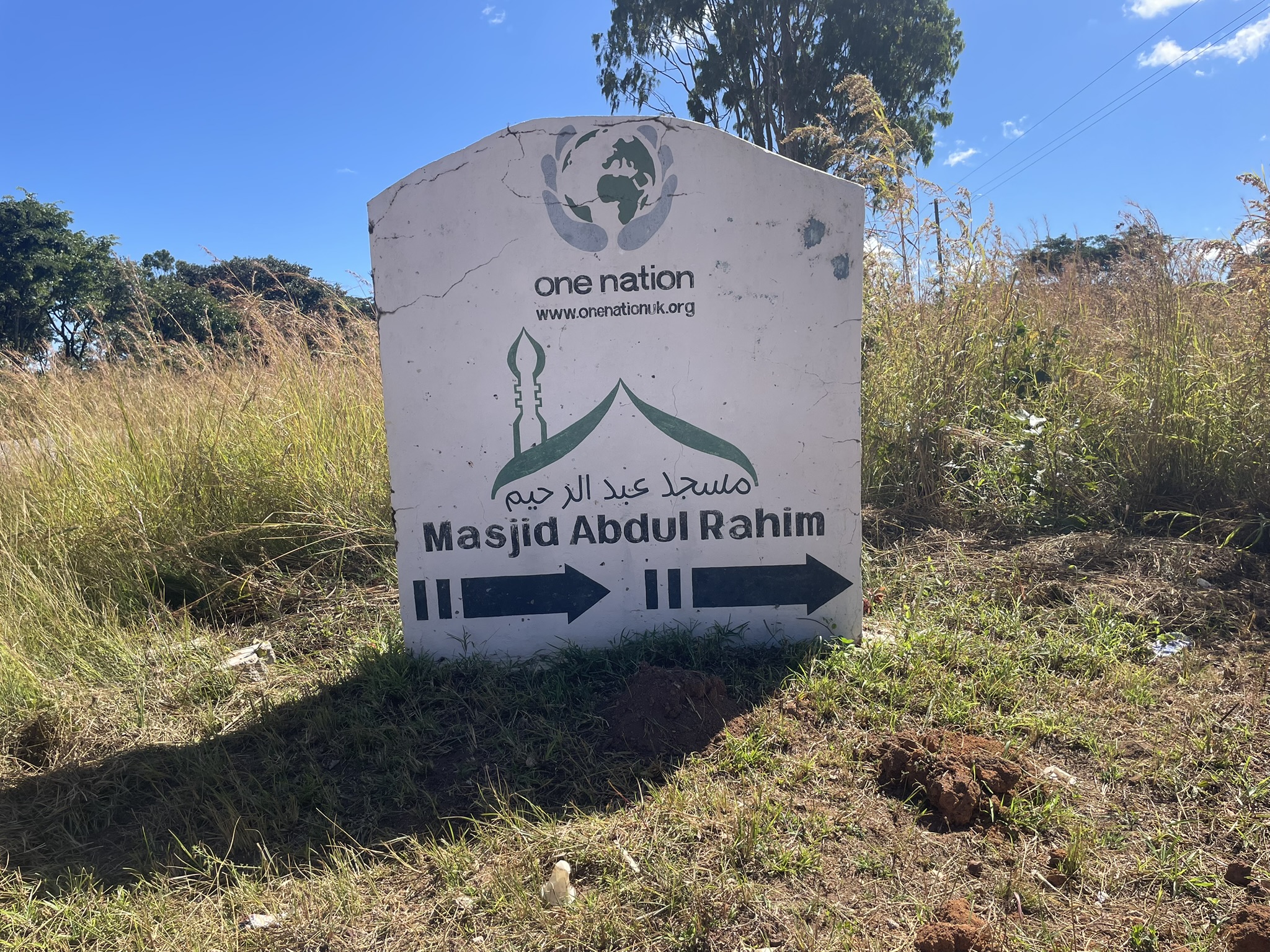
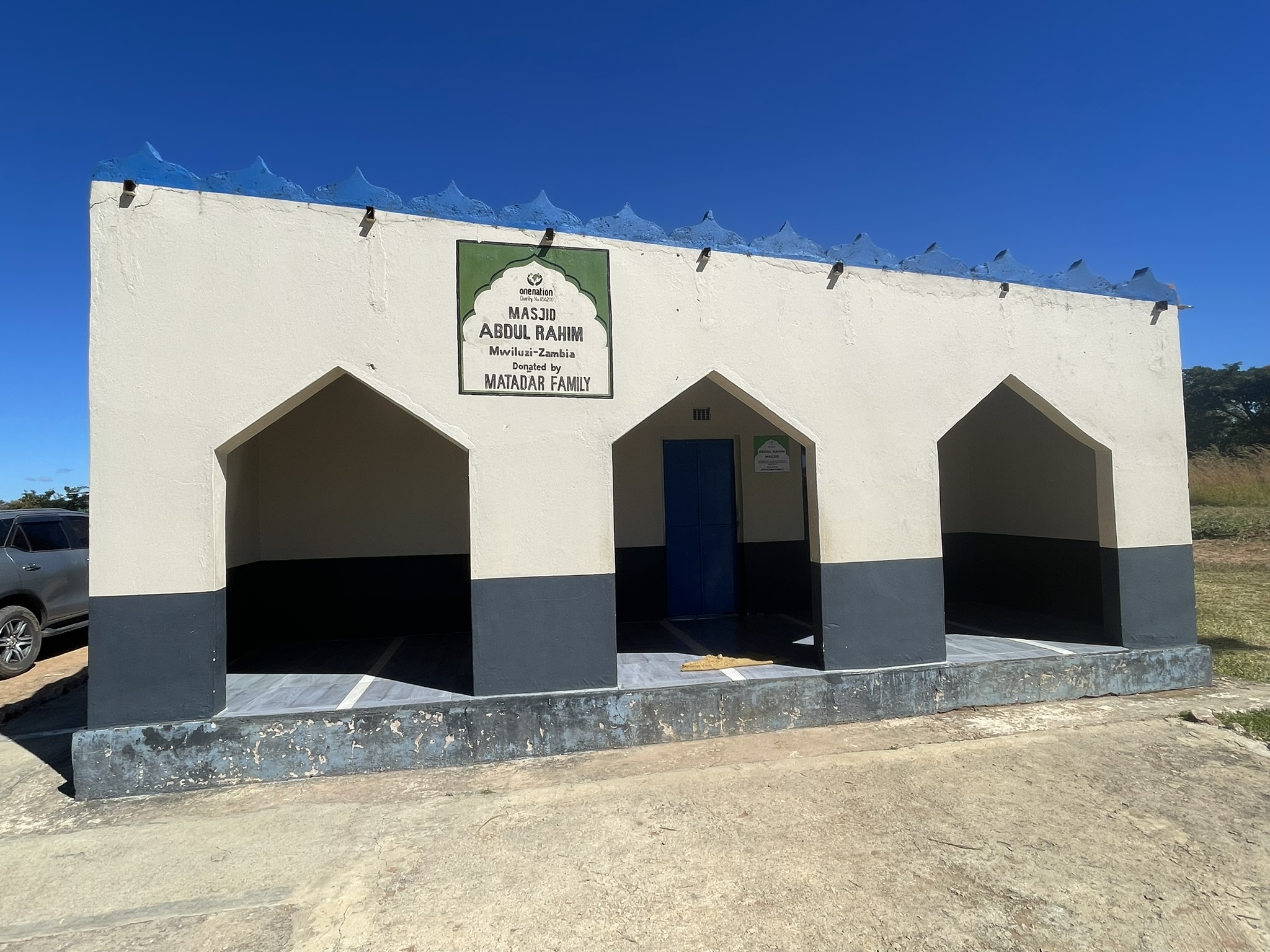
At 10am, we stop at Masjid Abdul Rahim in Mwiluzi, built by Shāhid Bhai and funded by One Nation, and perform two Rakʿat Ṣalāh.

We continue the journey and arrive Kasama at 11.30am and eat breakfast at the residence of Shuʿayb Marjā, who has also resided in the UK.
Return to Lusaka
We arrive at the Airport late at 12.25pm and board the 12.55pm Proflight Zambia to Lusaka. The aircraft is slightly larger, so the flying time is reduced to one hour.
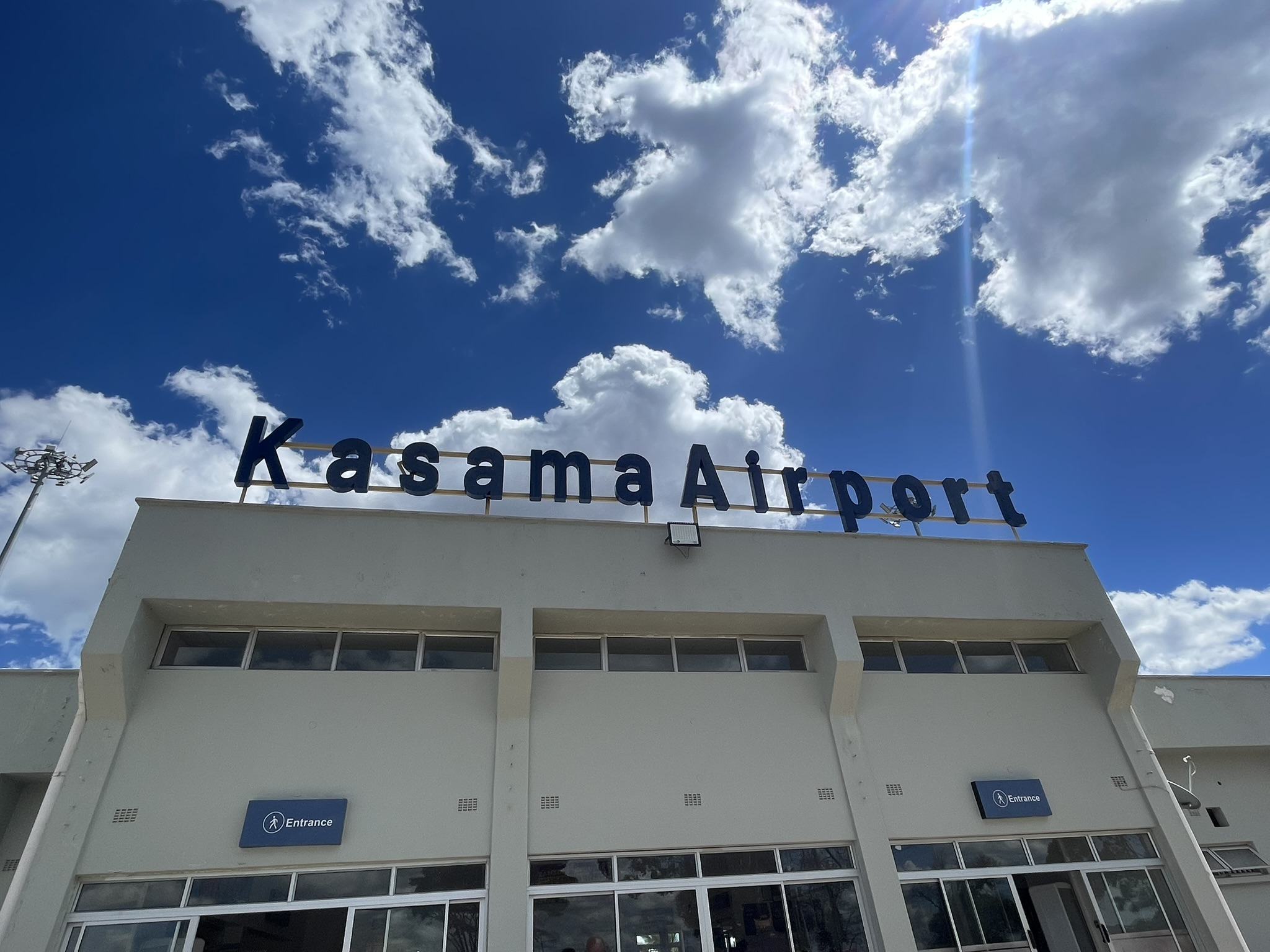
Mufti Abrār is also accompanying us because he is travelling for Ḥajj tomorrow. Currently, the Nusuk system has not been introduced in Zambia. Hajj is very expensive from here, so Nusuk maybe beneficial.
Al-Falah Academy
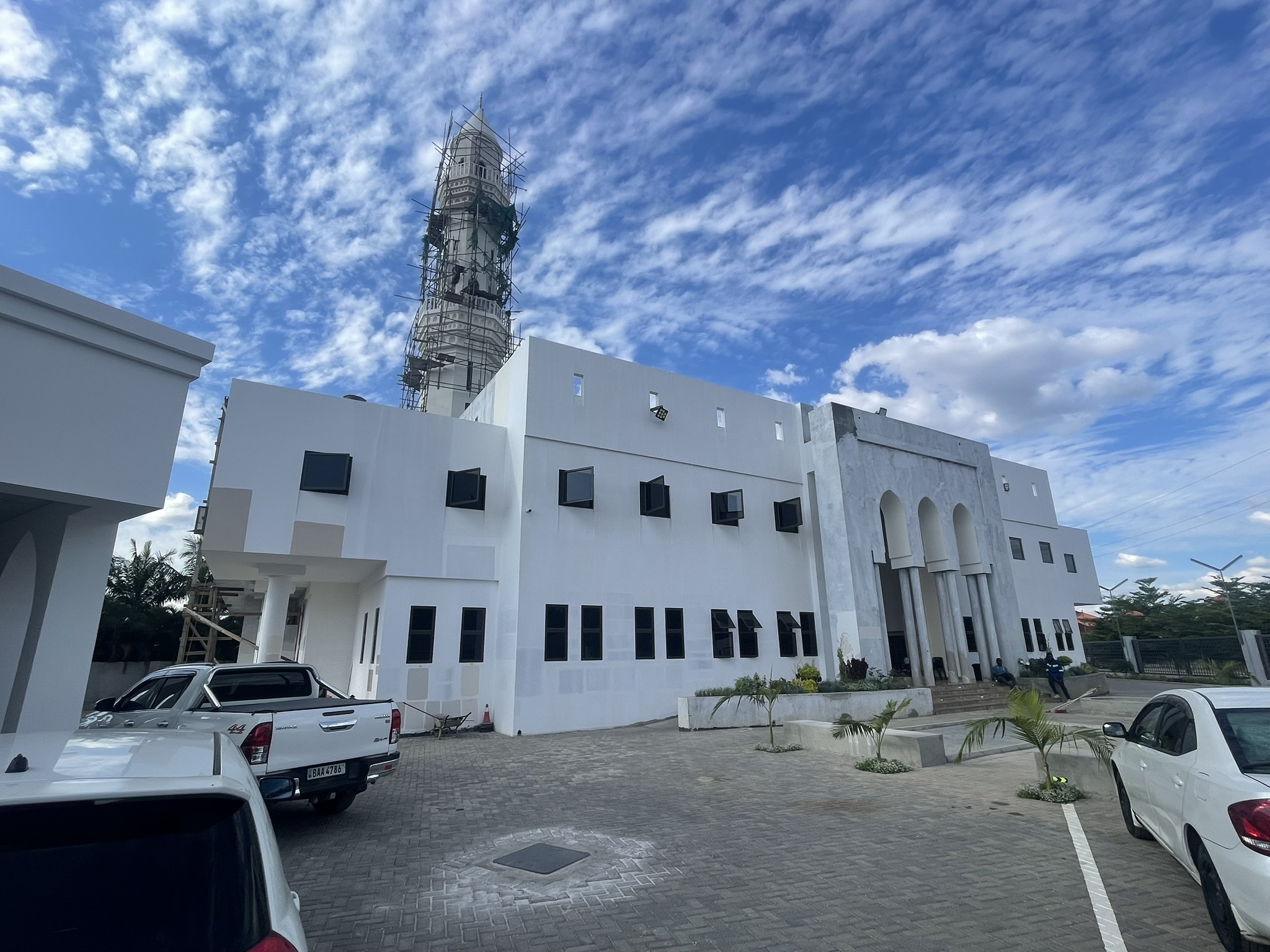
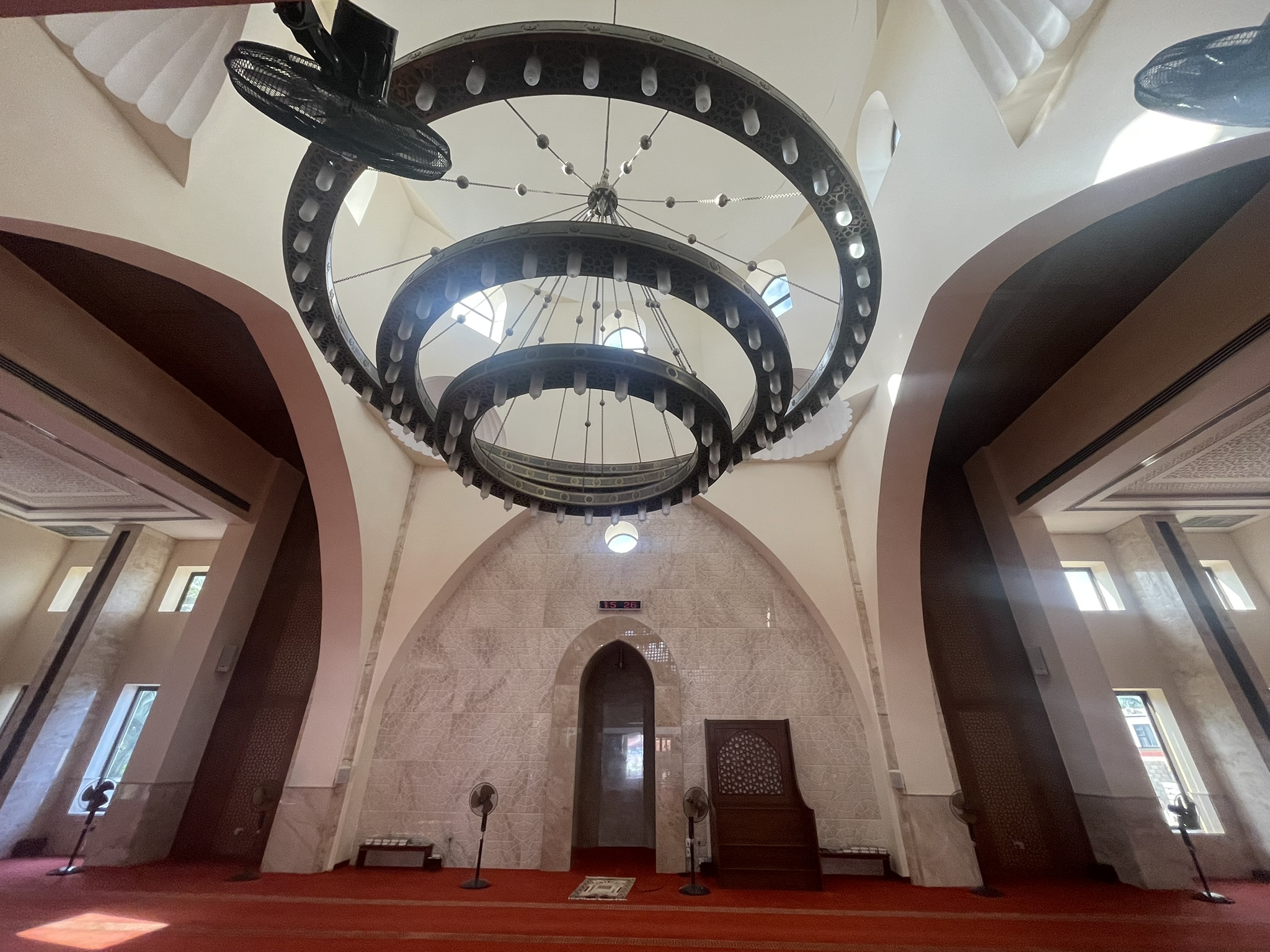
Mawlānā Ṭalḥah’s nephew, Ḥasan Motālā collects us and we proceed from Lusaka Airport to Al-Falah Academy in the Mass Media area next to the Rhodes Park area. This is an affluent area close to the centre of the city. We arrive at 3.30pm and are welcomed by Mawlānā Anas, Mawlānā Fayṣal and Mawlānā ʿImrān, who are all graduates of Islamic Dawah Academy, Leicester UK. The Academy operates a full time Darul Uloom primarily for Asian students as mentioned above and currently serves 30 students. The beautiful Masjid block was recently built at a cost of $2 million. The land was kindly purchased by Mawlānā ʿImrān’s father and donated for the cause. There is a hostel currently being constructed. We sit in the library and eat some snacks and take leave.
Residence of Muḥammad Bobāt
We proceed to the residence of Muḥammad Bobāt nearby in the Rhodes Park area and start to prepare for our return home. Here, we meet with brother Ḥārith whose wife is Mufti Abrār’s sister-in-law. He is originally from Rajasthan, India and trades in emeralds and precious stones. We perform ʿAṣr Ṣalāh at Masjid-Ut-Tawheed and visit his home. We return to brother Muḥammad Bobāt’s house and eat food. Allah Almighty reward them for their warmth and hospitality.
Several scholars have arrived to bid us farewell. They include Mawlānā Ṭalḥah Motālā, his elder brother, Mawlānā Muḥammad ʿAlī Motālā, along with Ḥaḍrat Mawlānā Rashīd Aḥmad Rāwat who attended every lecture and programme in Lusaka. These scholars bless us with many gifts. Allah Almighty accept their affection and warmth and bless them.
Return home
We depart at 6.50pm for the airport with Muḥammad Bobāt. The distance is short, but there is heavy traffic. We should have departed earlier. Al-Ḥamdulillāḥ, we arrive at 8.15pm, quickly check in and board the 9.30pm Qatar Airway flight to Doha.
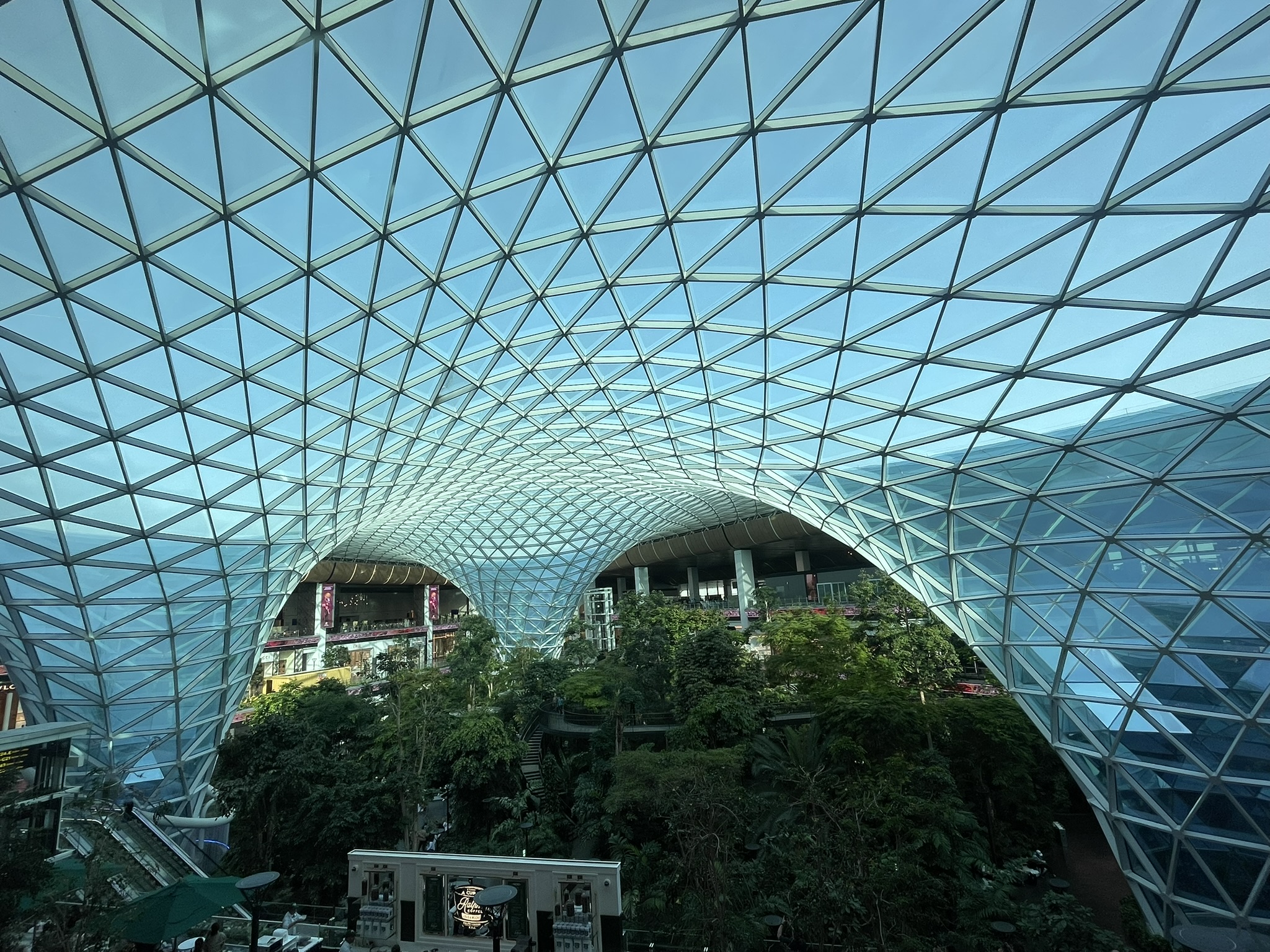
We spend a few hours at the Garden Oryx Hotel within the Airport terminal and thereafter board the Qatar Airways flight at 2pm the next day and land in Manchester at 7.30pm. During both flights, I work on an article on Mawlānā Rashīd Aḥmad Gangohī (d. 1323/1905). My dear cousin, Mawlānā Ashraf kindly collects us from the Airport, just as he dropped us to Preston Train Station at the beginning of the jouney. May Allah Almighty reward him.
Conclusion
Reflecting on the journey, Allah Almighty has blessed the Asian community of Zambia and in particular Lusaka with many good qualities. They are hospitable, generous and warm, and spend in the path of Allah in abundance. Although they are a small community, they are well established in business as well as in religious institutions. However, the focus needs to shift from buildings and bricks to people and services. There are many challenges faced by the community. Divorce rates are on the rise as are vices. If 20% of the funds raised for construction projects are utilised for services and Masjids are activated and their potential realised, this would be a huge investment. There is also a need to improve Muslim schools and increase the salaries of teachers. Above all, there is a real need to increase work among the indigenous community. The work in Mpulungu and the other charitable and education projects we visited are excellent examples of this. Mawlānā Abū al-Ḥasan ʿAlī Nadwī (d. 1420/1999) warned the Muslims of the UK that become an asset for the host community, not a liability, otherwise your future will be in jeopardy. This is true wherever Muslims live as a minority. May Allah Almighty protect the community of Zambia and accept everyone’s efforts. Āmīn.
Yusuf Shabbir
5 Dhū al-Ḥijjah 1446 / 15 May 2026