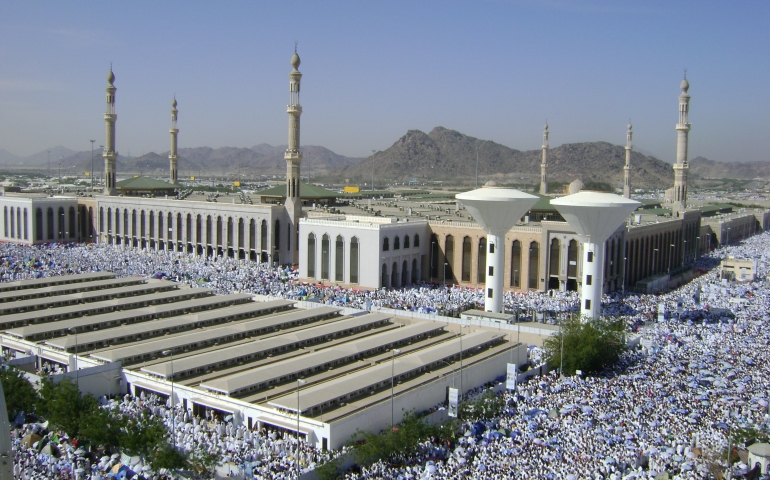
Khadījah, who will believe in me?
Question
There is a statement that tends to circulate every Hajj season, usually alongside images of the huge crowds of pilgrims, “Khadijah, who will believe in me?” The caption implies that the Prophet ﷺ said this to our mother Khadijah (may Allah be pleased with her) after the first revelation, and that the multitudes at Hajj today are a kind of answer to that moment. Could you please verify the authenticity of this statement, in particular:
- Is this exact wording established in any hadith or early sīrah source?
- Does it have any basis in the classical sīrah tradition?
- What are the authentic or earliest reported wordings of the Prophet’s ﷺ conversation with Khadijah (may Allah be pleased with her) after the first revelation?
- How should we assess and respond to this popular caption respectfully but accurately?
بسم الله الرحمن الرحیم
Answer
- This wording is not established in the books of ḥadīth or sīrah as far as we are aware.
- We have not come across this saying in the classical sīrah tradition.
- When the Prophet ﷺ returned home after the first revelation, he said, “cover me! cover me!” He then informed her of what had occurred and said, “I fear for myself”. She then reassured him. This is mentioned in Ṣaḥīḥ al-Bukhārī and numerous other books. There is also a slightly different narration outlined below transmitted via a weak chain, but even that does not feature the statement in question or anything similar. Later in life, the Prophet ﷺ once recollected the merits of Khadījah (may Allah be pleased with her) and he said, “She believed in me when the people disbelieved me.” This and other Ḥadīths clearly indicate that she immediately believed in him without any hesitation.
- We should explain politely that any attribution to the Prophet ﷺ must be substantiated. In addition, we can use authentic Ḥadīths to convey the size of the Ummah, for example, “I am the prophet who will have the greatest number of followers on the day of resurrection” (Ṣaḥīḥ Muslim, 196).
عن عائشة في حديث بدء الوحي الطويل، قالت: فرجع بها رسول الله صلى الله عليه وسلم يرجف فؤاده، فدخل على خديجة بنت خويلد، فقال: زملوني زملوني، فزملوه حتى ذهب عنه الروع، فقال لخديجة وأخبرها الخبر: لقد خشيت على نفسي، فقالت خديجة: كلا والله ما يخزيك الله أبدا، إنك لتصل الرحم، وتحمل الكل، وتكسب المعدوم، وتقري الضيف، وتعين على نوائب الحق، الحديث، رواه البخاري (٣) وغيره، وهو حديث معروف مشهور۔
وروى محمد بن إسحاق صاحب السيرة عن عبد الملك بن عبد الله بن أبي سفيان بن العلاء بن جارية الثقفي، وكان واعية، عن بعض أهل العلم أن رسول الله صلى الله عليه وسلم حين أراد الله عز وجل كرامته، وابتدأه بالنبوة، وساق الحديث، وفيه: وانصرفت راجعا إلى أهلي حتى أتيت خديجة، فجلست إلى فخذها مضيفا إليها، فقالت: يا أبا القاسم أين كنت فوالله لقد بعثت رسلي في طلبك حتى بلغوا مكة ورجعوا، فقلت لها: إن الأبعد لشاعر أو مجنون، فقالت: أعيذك بالله يا أبا القاسم من ذلك، ما كان الله عز وجل ليفعل بك ذلك مع ما أعلم من صدق حديثك، وعظم أمانتك، وحسن خلقك، وصلة رحمك، وما ذاك يا ابن عم، لعلك رأيت شيئا أو سمعته؟ فأخبرتها الخبر، فقالت: أبشر يا بن عم، واثبت له، فو الذي تحلف به إني لأرجو أن تكون نبي هذه الأمة، ثم قامت فجمعت ثيابها عليها، ثم انطلقت إلى ورقة بن نوفل وهو ابن عمها، وذكر بقية الحديث الطويل. وهو من رواية ابن إسحاق في سيرته (ص ١٢٢)، وقد رواه من طريقه الفاكهي في أخبار مكة (٤/٥٤) والبيهقي في دلائل النبوة (٢/١٤٦)، وفي سنده انقطاع وجهالة۔
وعن عائشة قالت: كان النبي صلى الله عليه وسلم إذا ذكر خديجة أثنى عليها فأحسن الثناء، قالت: فغرت يوما، فقلت: ما أكثر ما تذكرها حمراء الشدق، قد أبدلك الله عز وجل بها خيرا منها، قال: ما أبدلني الله عز وجل خيرا منها، قد آمنت بي إذ كفر بي الناس، وصدقتني إذ كذبني الناس، وواستني بمالها إذ حرمني الناس، ورزقني الله عز وجل ولدها إذ حرمني أولاد النساء، رواه أحمد (٢٤٨٦٤)، وسنده حسن، قاله الهيثمي في مجمع الزوائد (٩/٢٢٤)، وأصل الحديث في الصحيحين بدون ما هو المقصود في هذا المقام۔
وعن أنس بن مالك رفعه: أنا أكثر الأنبياء تبعا يوم القيامة، وأنا أول من يقرع باب الجنة، رواه مسلم (١٩٦)۔
Allah knows best
Yusuf Shabbir
23 Dhū al-Ḥijjah 1447 / 9 June 2026
Approved by: Mufti Shabbir Ahmed and Mufti Muhammad Tahir