Three Days in Ireland (June 2026)
In the Name of Allah, the Merciful, the Beneficent
Introduction
Approximately two weeks ago, my dear colleague, Mawlānā Ḥanīf Dūdhwālā, requested me to accompany him to southwest Ireland, along with his guest Mufti Ṣabīḥ Akhtar, the Shaykh al-Ḥadīth of the large seminary in Hojai, Assam, India. We thus travel on the 12.30pm Ryan Air flight from Manchester to Kerry on Friday 26 June 2026 and arrive in Kerry at 2pm. Mufti Ṣabīḥ Akhtar and Mawlānā Farūq Khepī, the Imām of Birmingham Jame Masjid arrived here yesterday.
Previous visits to Ireland
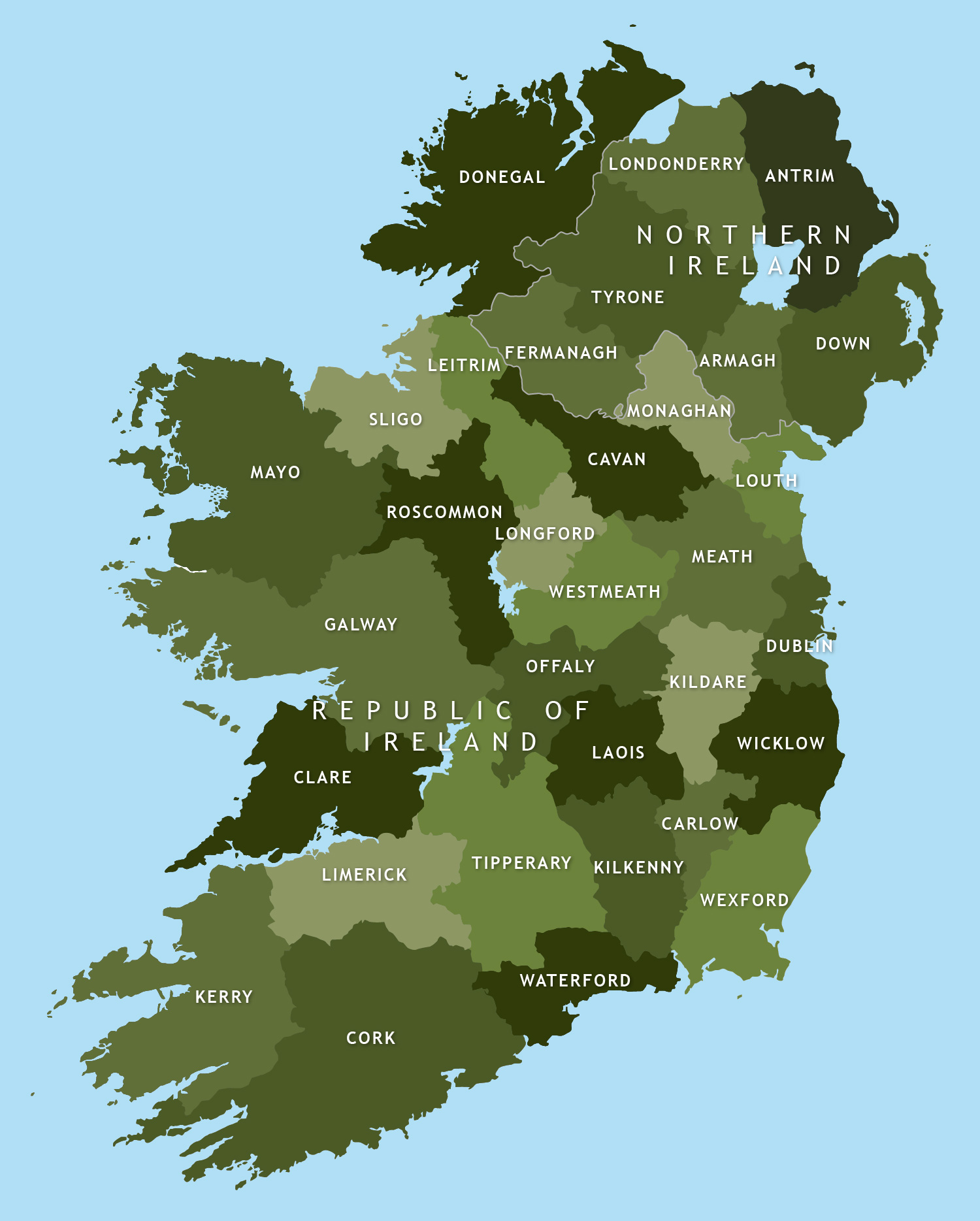
This is my second time here in the Republic of Ireland, which occupies most of the island of Ireland. On 14 August 2022, we made a day trip with my family to Dublin, the capital of the Republic of Ireland. We travelled by ferry from Holyhead and visited a few places in Dublin including the Islamic Cultural Centre of Ireland and Reyna Restaurant (Turkish). Mawlānā Zakariyyā Bhattay who was then serving as an Imām in Dublin kindly drove us to the Powerscourt Waterfall in Wicklow, which is approximately an hour’s drive south of Dublin.
Subsequently, in October 2024, I visited Belfast, the capital of Northern Ireland, with my cousin Mawlānā Ashraf and his son. Northern Ireland is part of the United Kingdom, in the northeast of the island of Ireland, and has been subject to violence due to the competing views on whether it should remain part of the United Kingdom or join the Republic of Ireland.
Kerry Islamic Cultural Centre (Tralee Masjid)
Kerry Airport is very small similar to a small bus terminal.
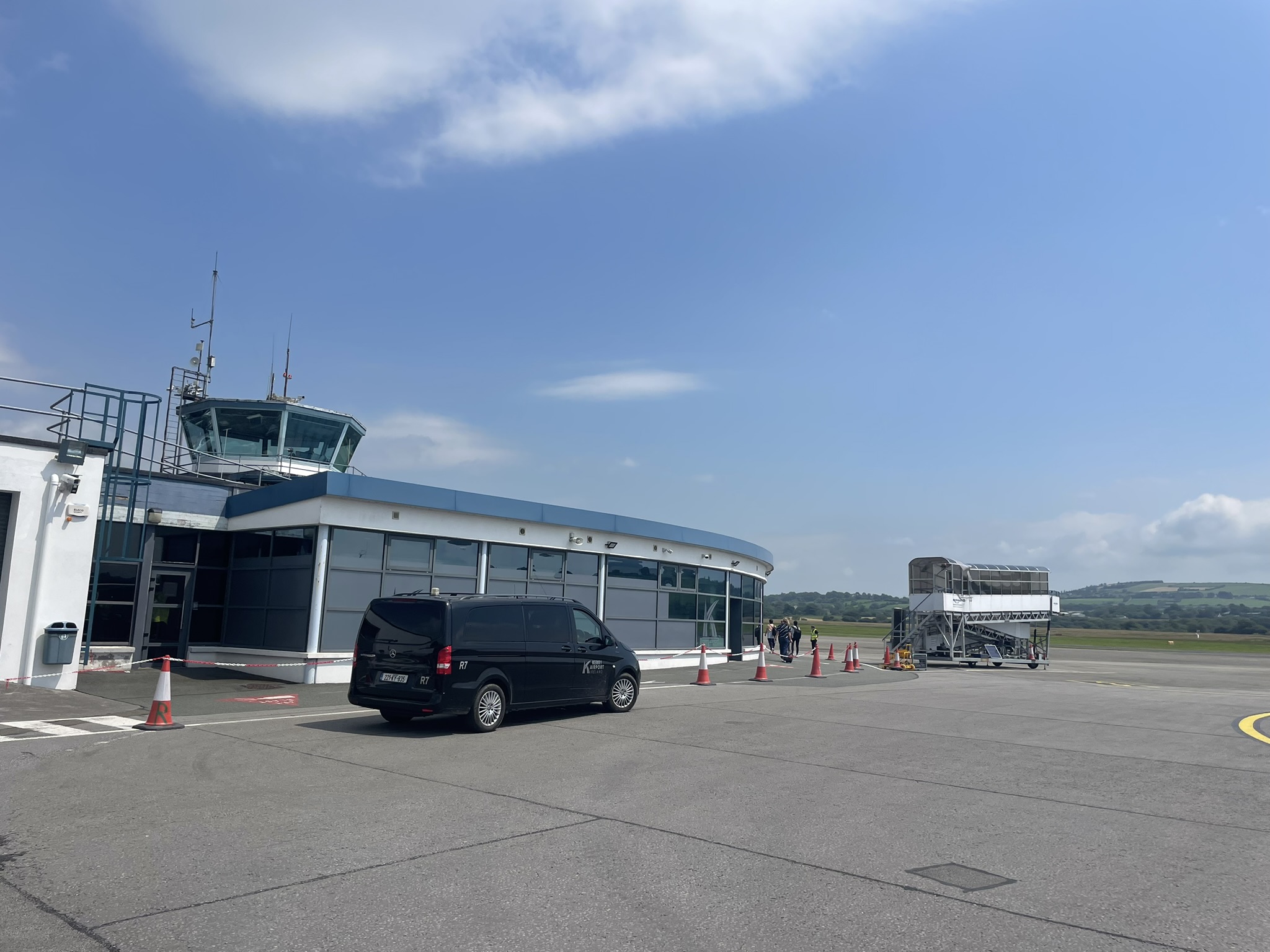
Kerry is the county in southwest Ireland which is bordered by the counties of Limerick and Cork to the east, and the Atlantic Ocean and its inlets to the south, west and north. Brother Fayṣal, a Bangladeshi brother who works in a takeaway, receives us and takes us to Tralee, which is the main town of County Kerry. Tralee is only fifteen minutes from Kerry Airport.
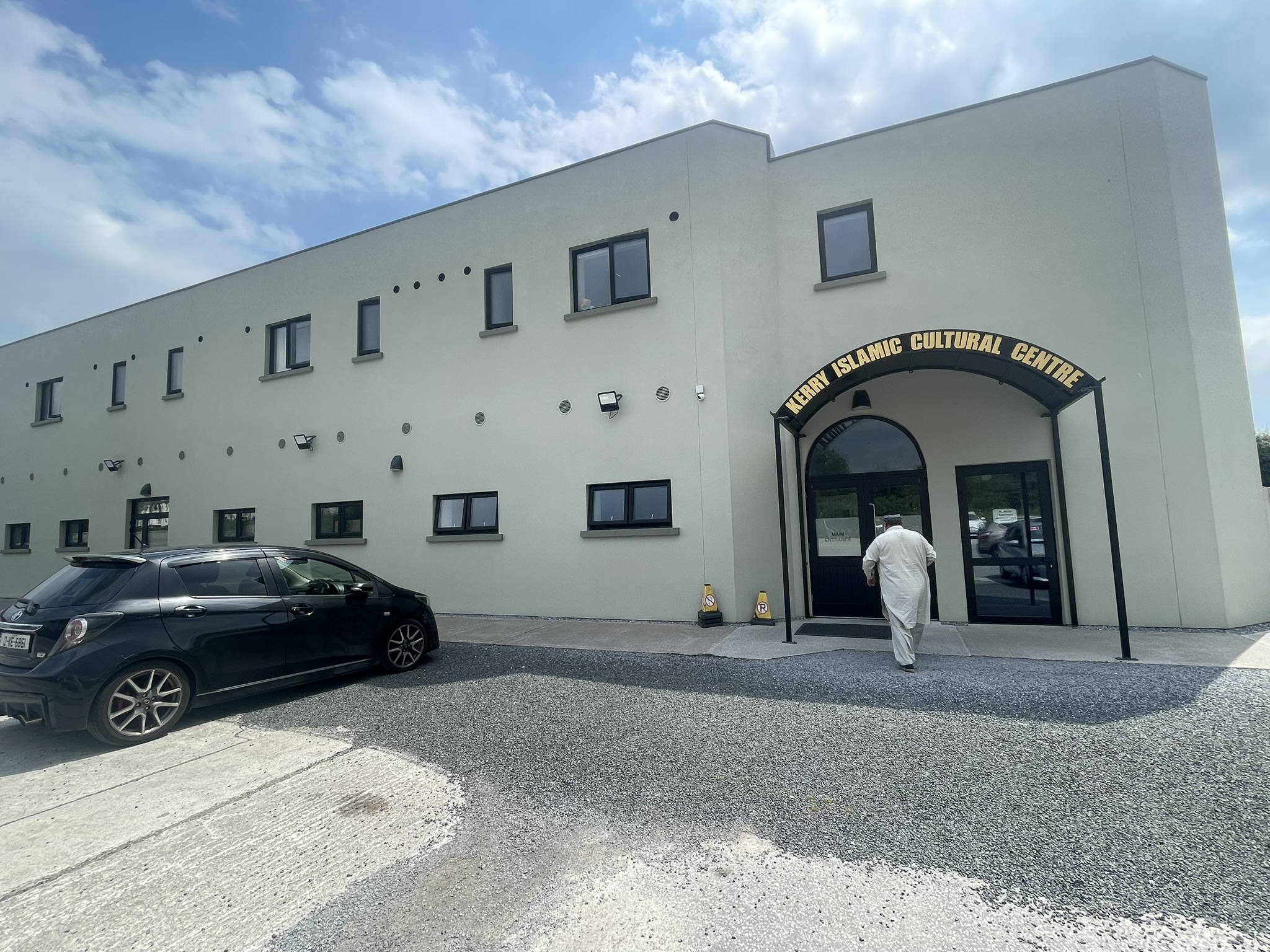
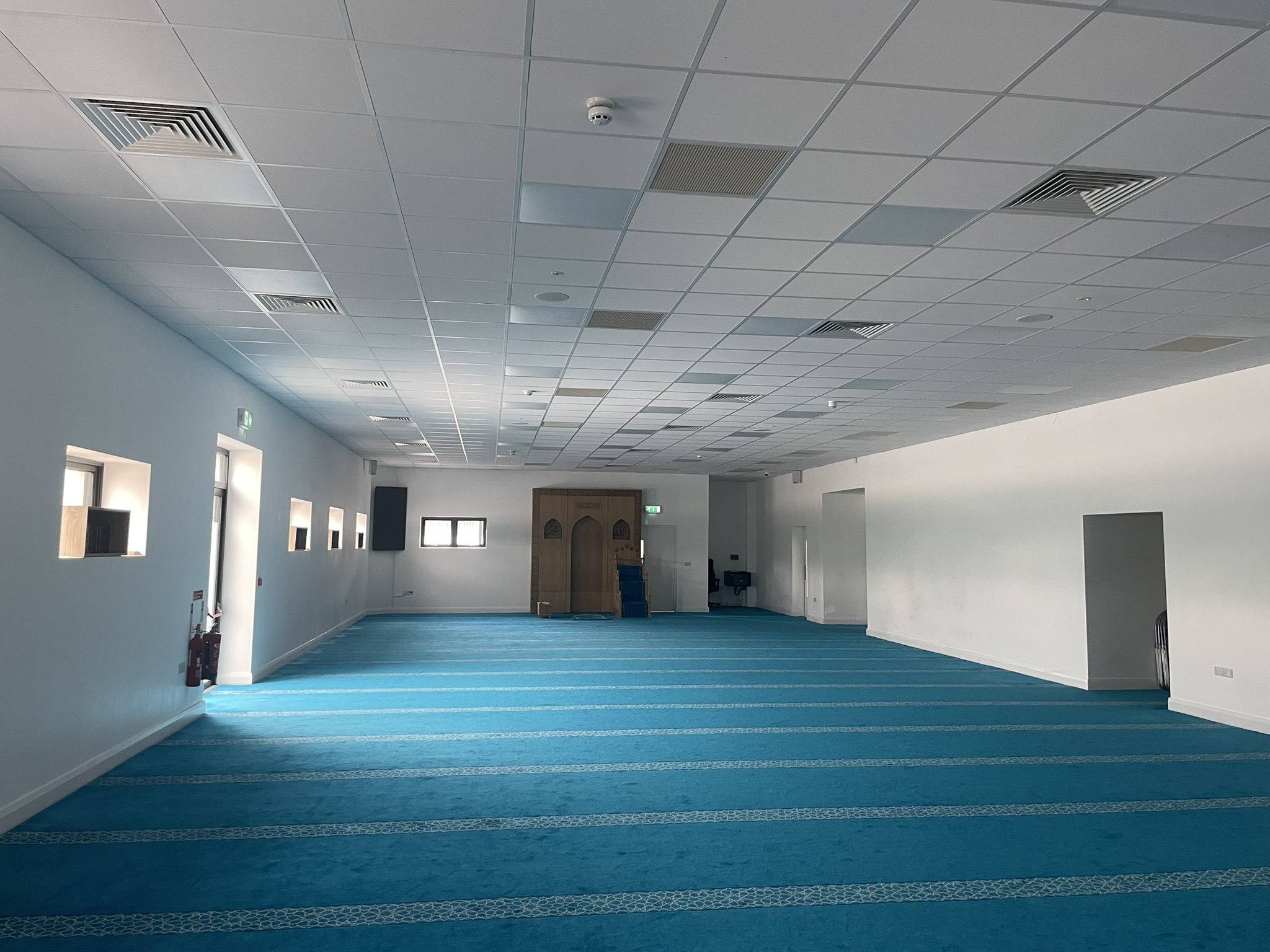
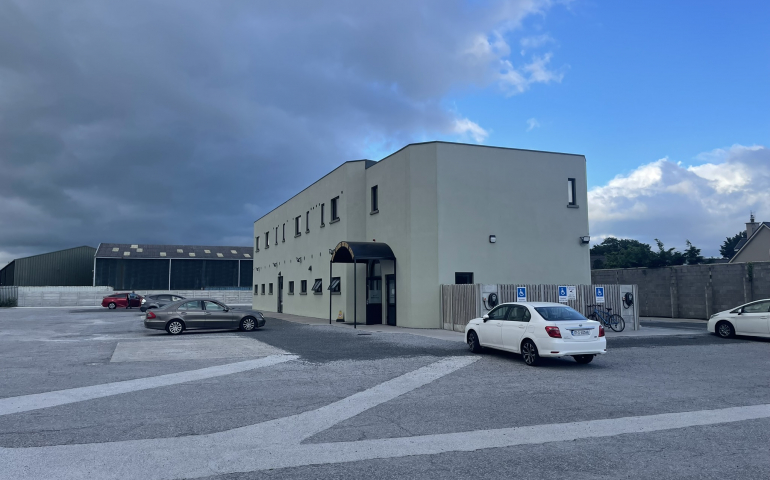
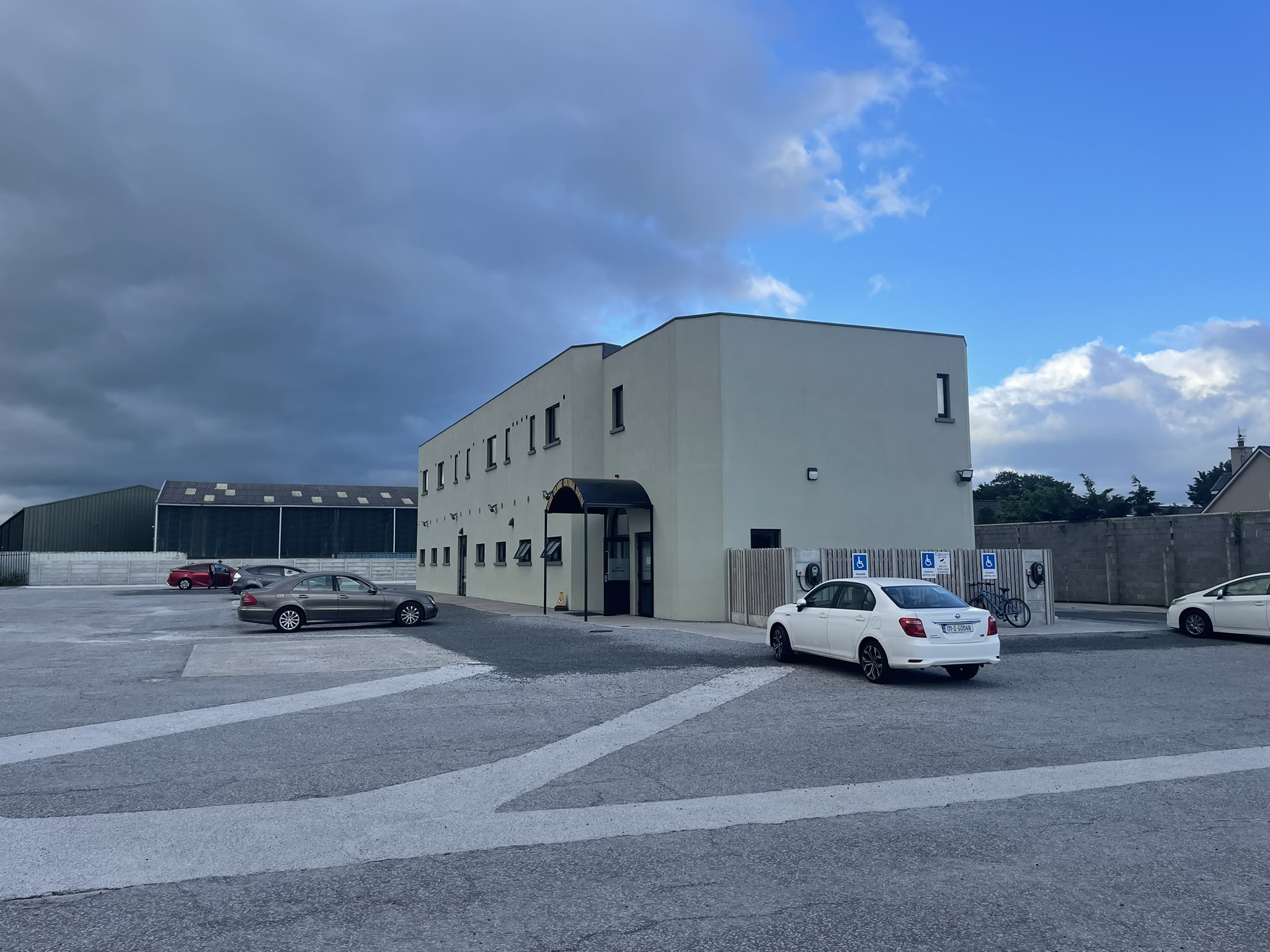
At 2.45pm, we arrive at the Kerry Islamic Cultural Centre (Tralee Masjid) which is a beautiful recently established Masjid. Here, we meet with Mawlānā Muṣṭafā Patel who is the main Imām here and is originally from Bolton. He graduated from Darul Uloom Bolton in 2008 and has been stationed here in Tralee since then. He moved here upon the advice of his teacher, Mawlānā Ibrāhīm Sitponī of Preston, who would travel here to lead Tarāwīḥ Ṣalāh. Mawlānā Muṣṭafā then married the daughter of Mawlānā Farūq Khepī and both husband and wife have been stationed here for approximately eighteen years. The Masjid until recently was in another location. Mawlānā Muṣṭafā recalls that in the beginning there would be occasions when he would be the only one giving the Adhān, Iqāmah and performing the Ṣalāh. The number of attendees in Jumuʿah Ṣalāh would be 20. Al-Ḥamdulillāh, through his efforts, the situation has significantly improved. Today, there are 180 students in the Maktab, and the Masjid is full for Jumuʿah Ṣalāh with several hundred people present. They include Muslims from many countries including Pakistan, Afghanistan, Somalia and Syria.
As the needs of the community has increased, Mawlānā Salmān Modān of Blackburn has recently moved here as the second Imām and teacher in the Maktab. He graduated in 2025 from Madrasa Miftah ul Uloom, Blackburn run by our respected Mufti ʿInāyatullāḥ Ṣāḥib. Both Mawlānā Muṣṭafā and Mawlānā Salmān welcome us and leave no stone unturned in making our stay comfortable. Allah Almighty reward them and provide a pious wife to Mawlānā Salmān who is willing to join him to Ireland and serve the Dīn. When one visits such places, one appreciates the role of a Darul Uloom and the impact one graduate can have upon an entire area and a community.
Lunch
Mufti Ṣabīḥ and Mawlānā Farūq also receive us at the Tralee Masjid. From here, we all go together to the residence of Zāhid Bhai and eat lunch.
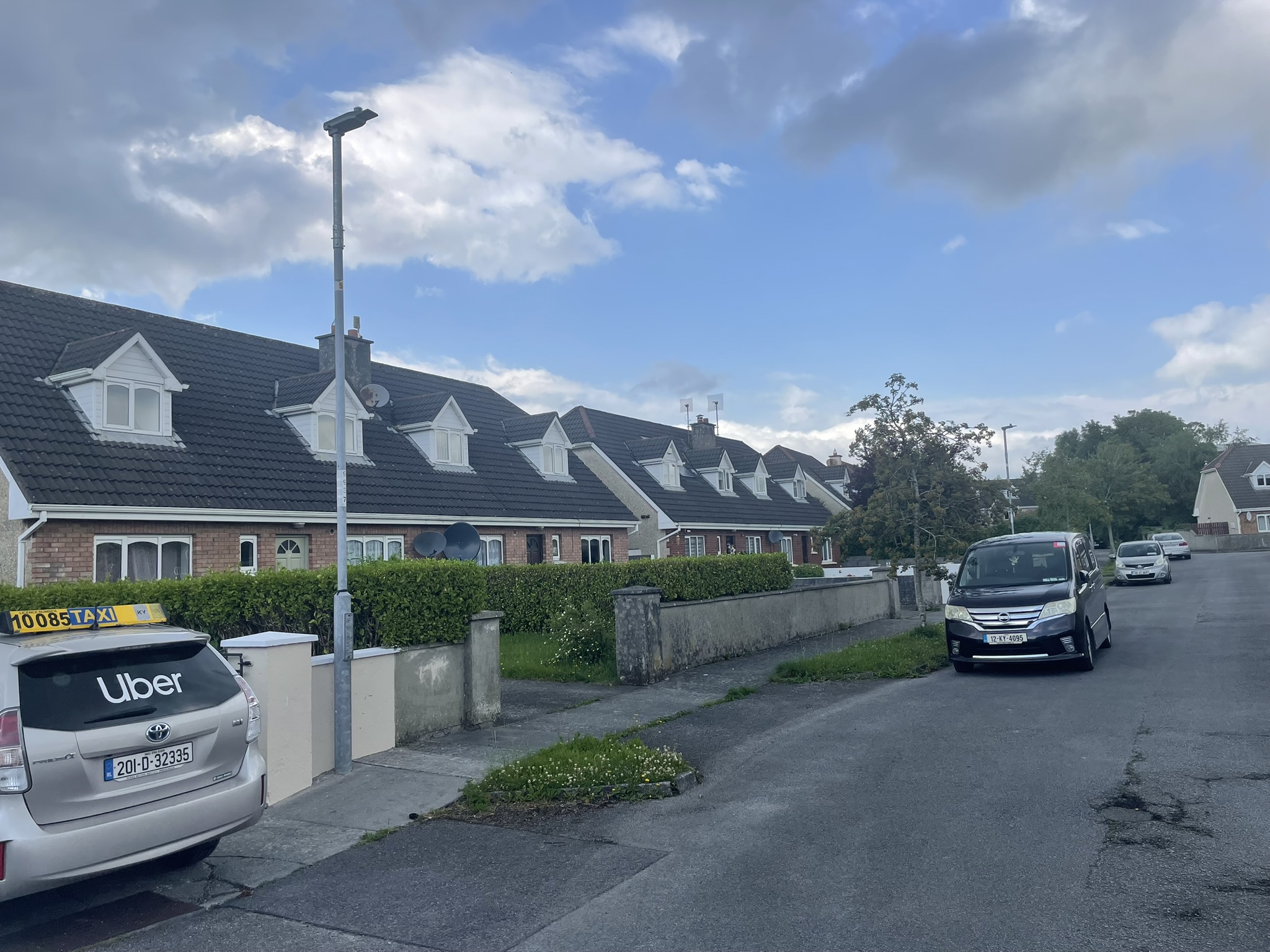
We discuss the ongoing tension between Pakistan and Afghanistan and whether Pakistan is being influenced by the United States of America. After lunch, we return to the Masjid and rest for a short while. The Masjid has some excellent guest rooms on the first floor.
Tralee Golf Club and Fenit
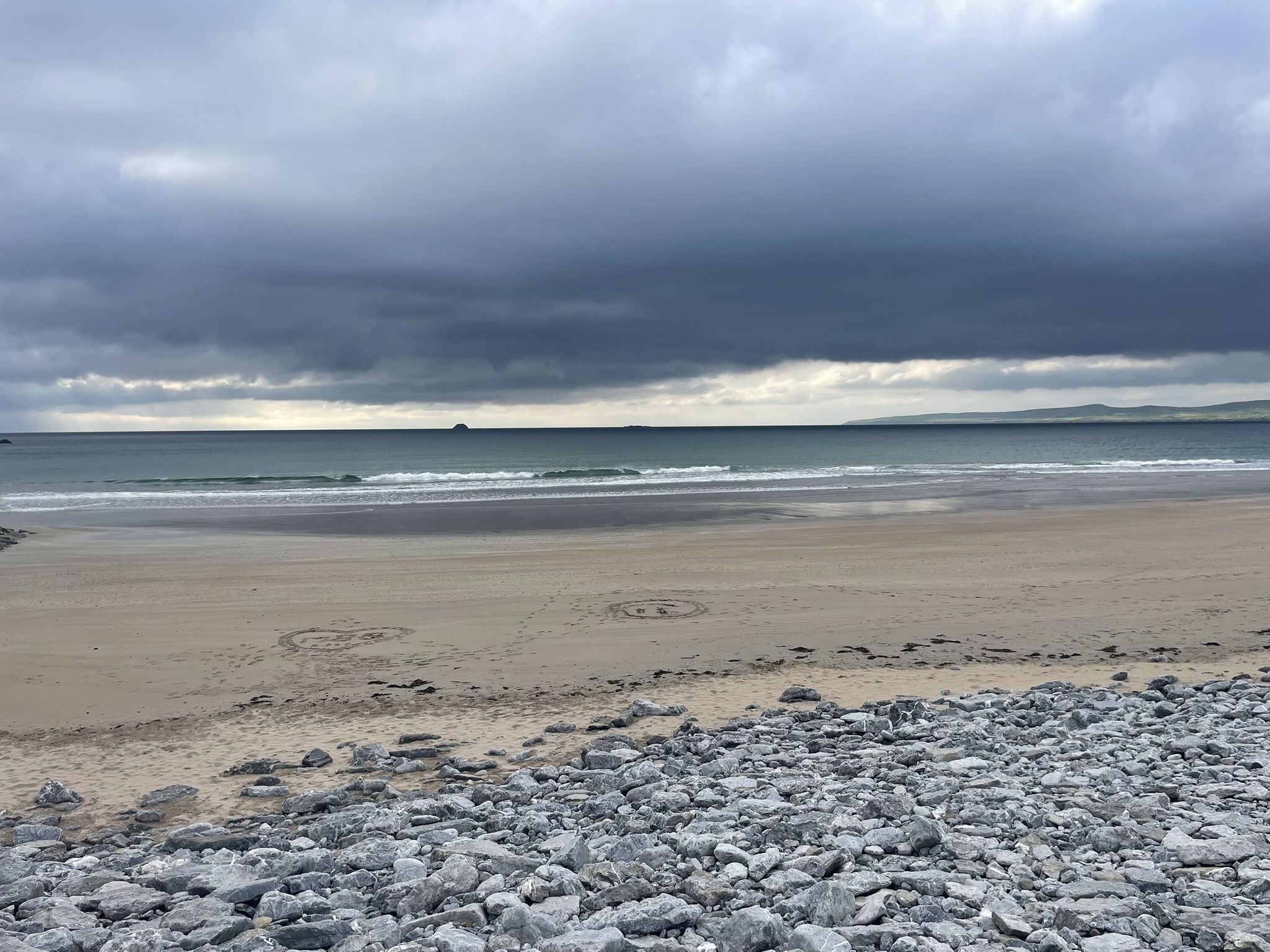
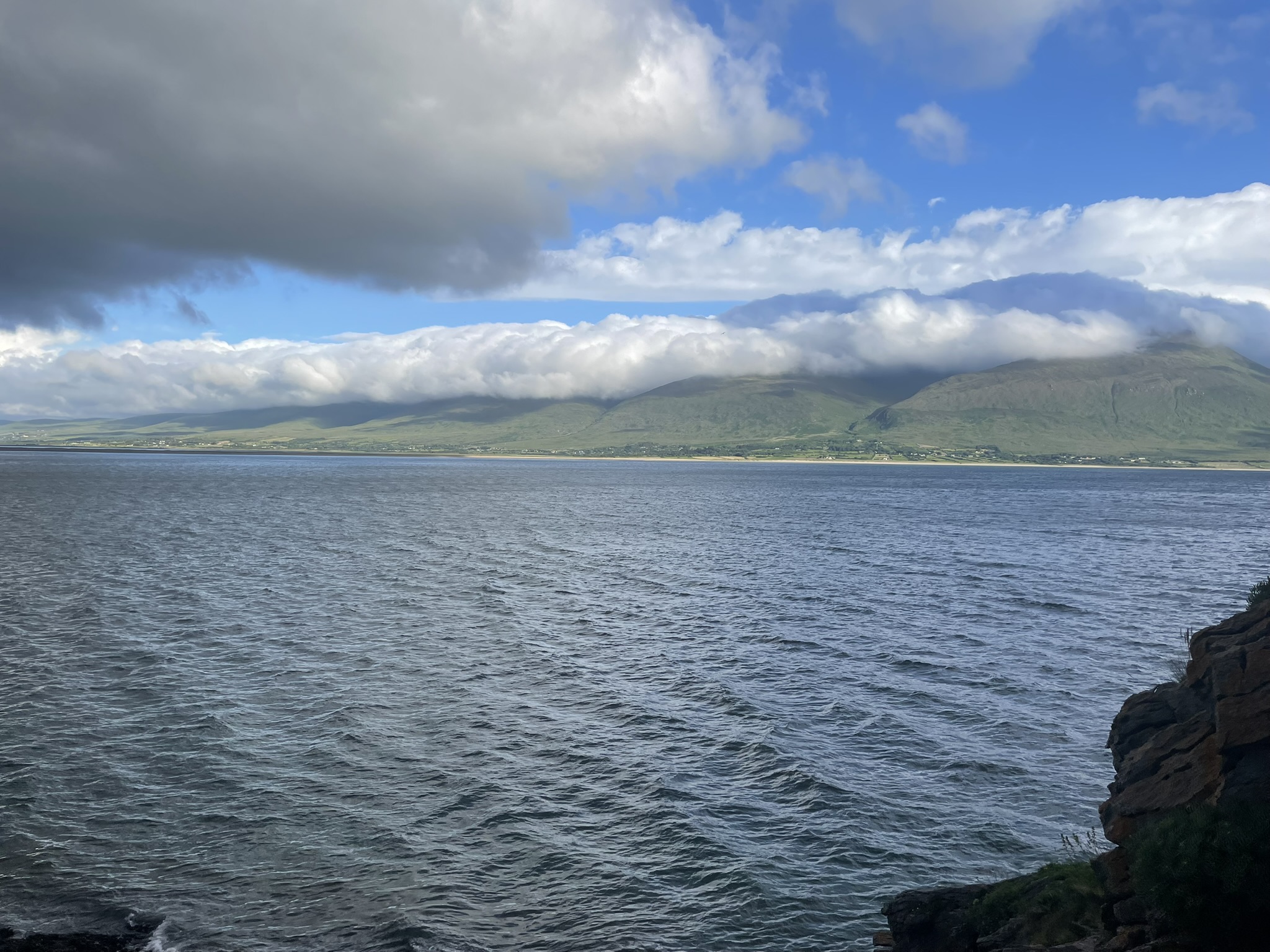
Later in the afternoon, Mawlānā Muṣṭafā drives us to the Tralee Golf Club which is situated on the rugged Atlantic coast and features some stunning views. One of the advantages of this location is that it is quiet. This is a 20-minute drive west of Tralee.
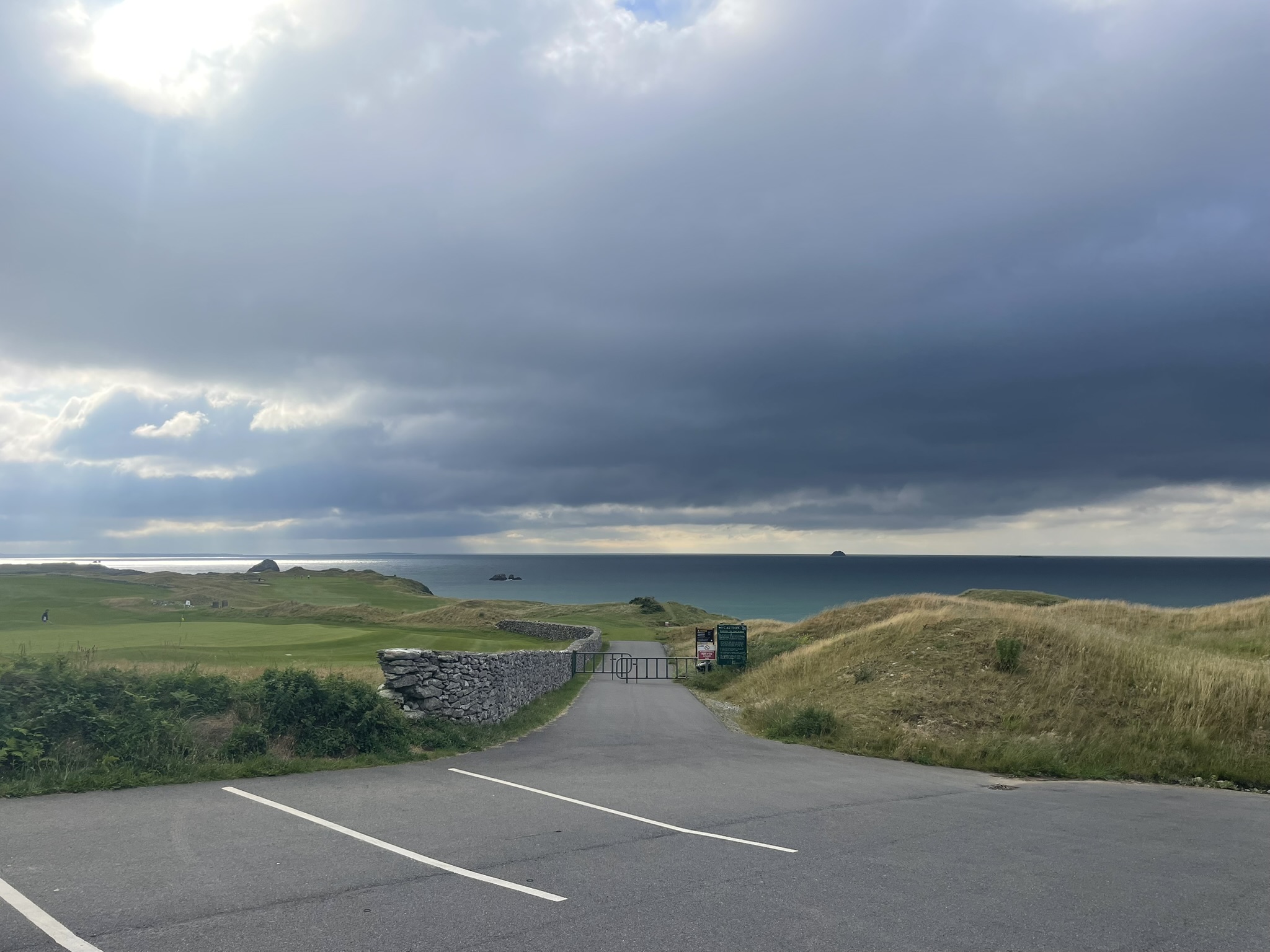
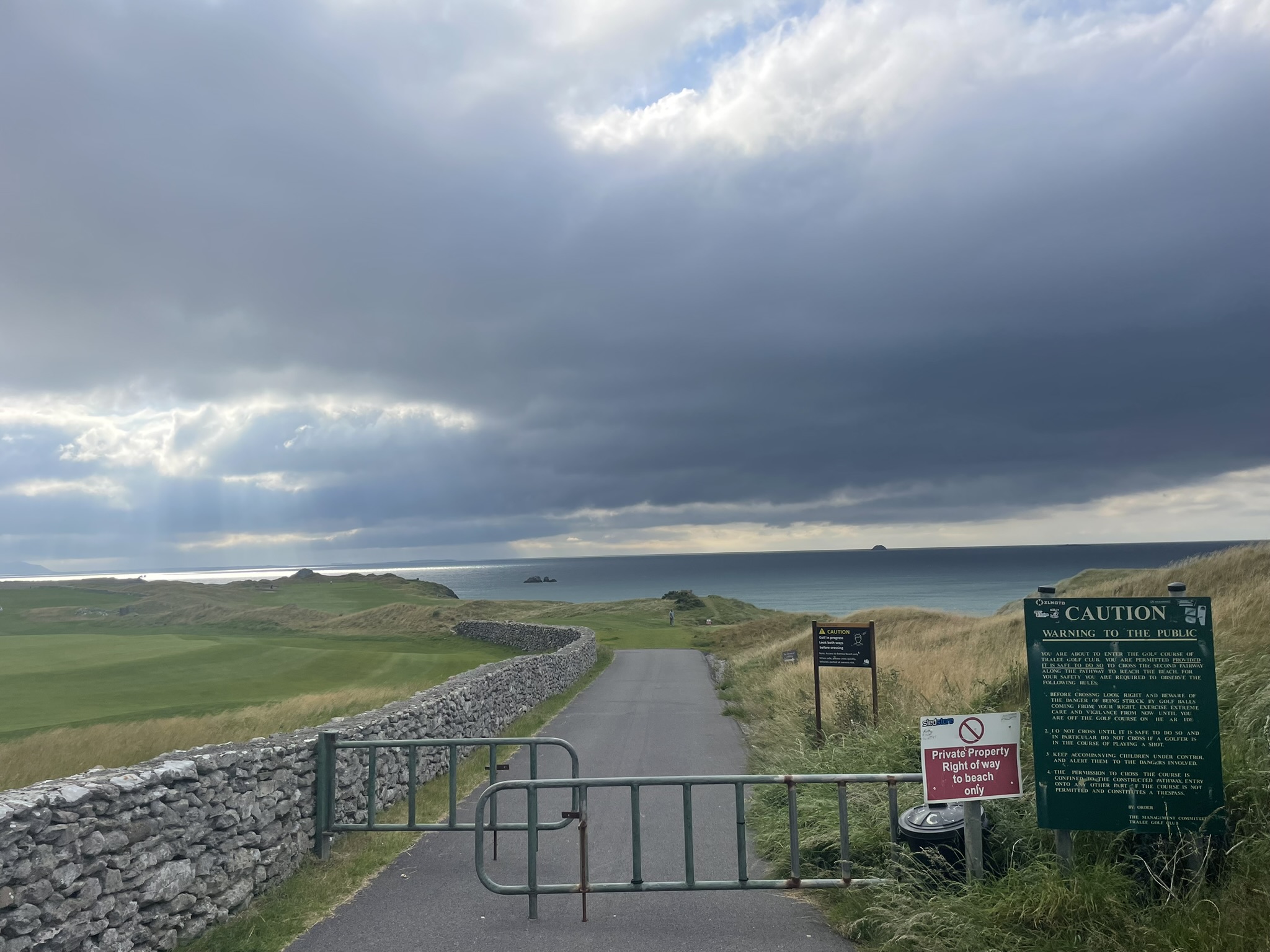
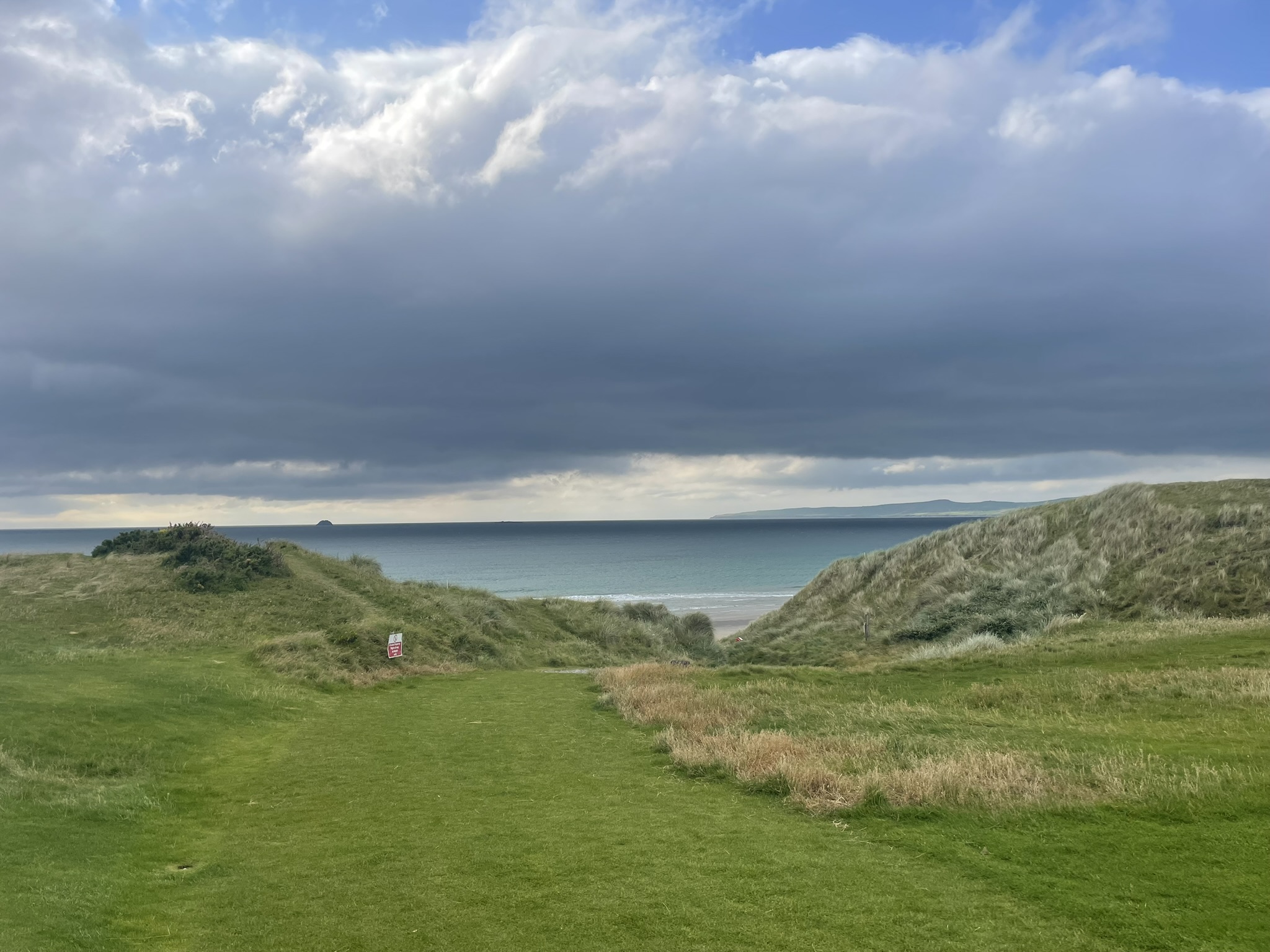
From here, we visit the iconic coastal village of Fenit nearby, which is home to St. Brendan the Navigator monument, a 12-foot bronze statue.
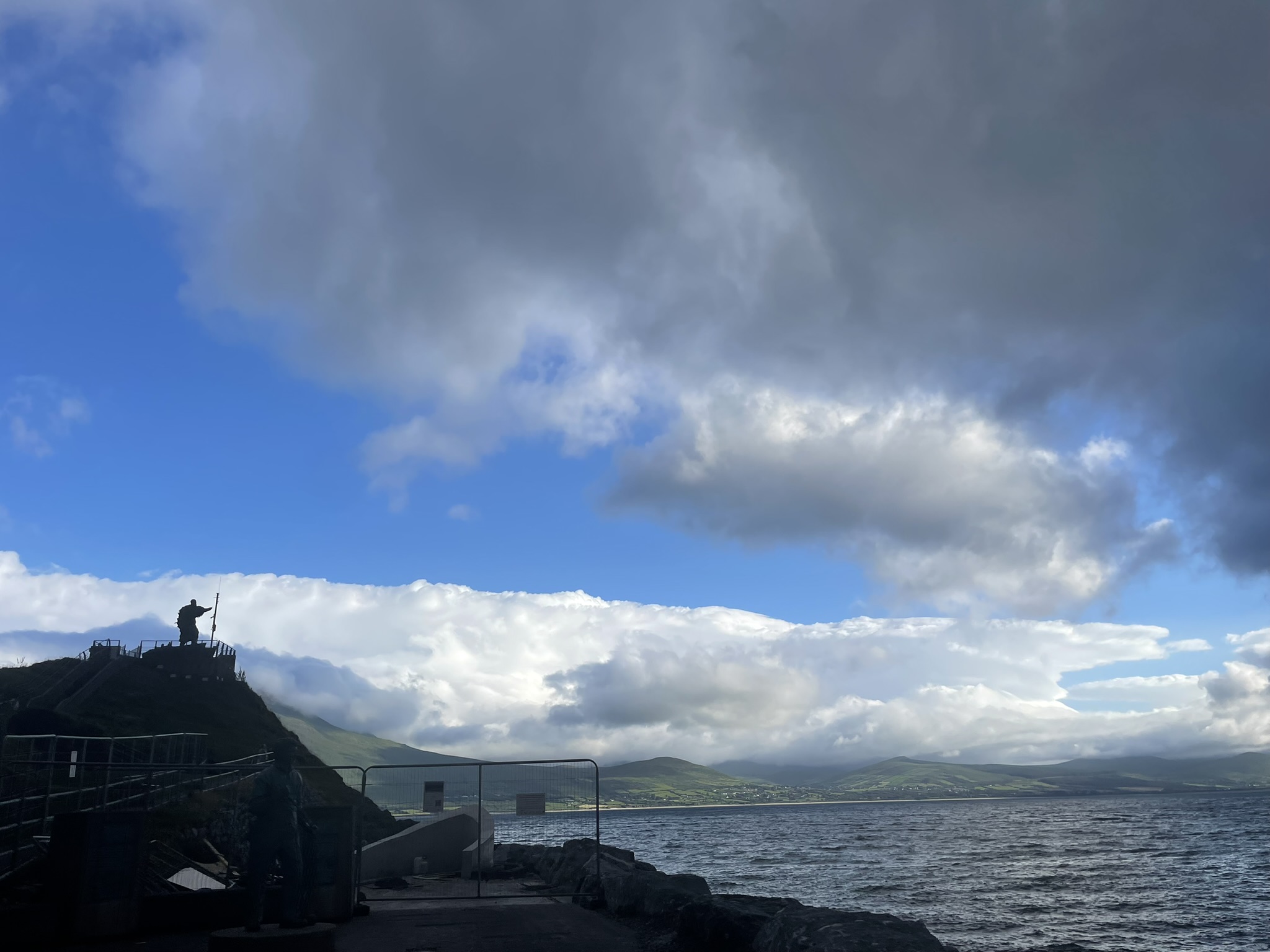
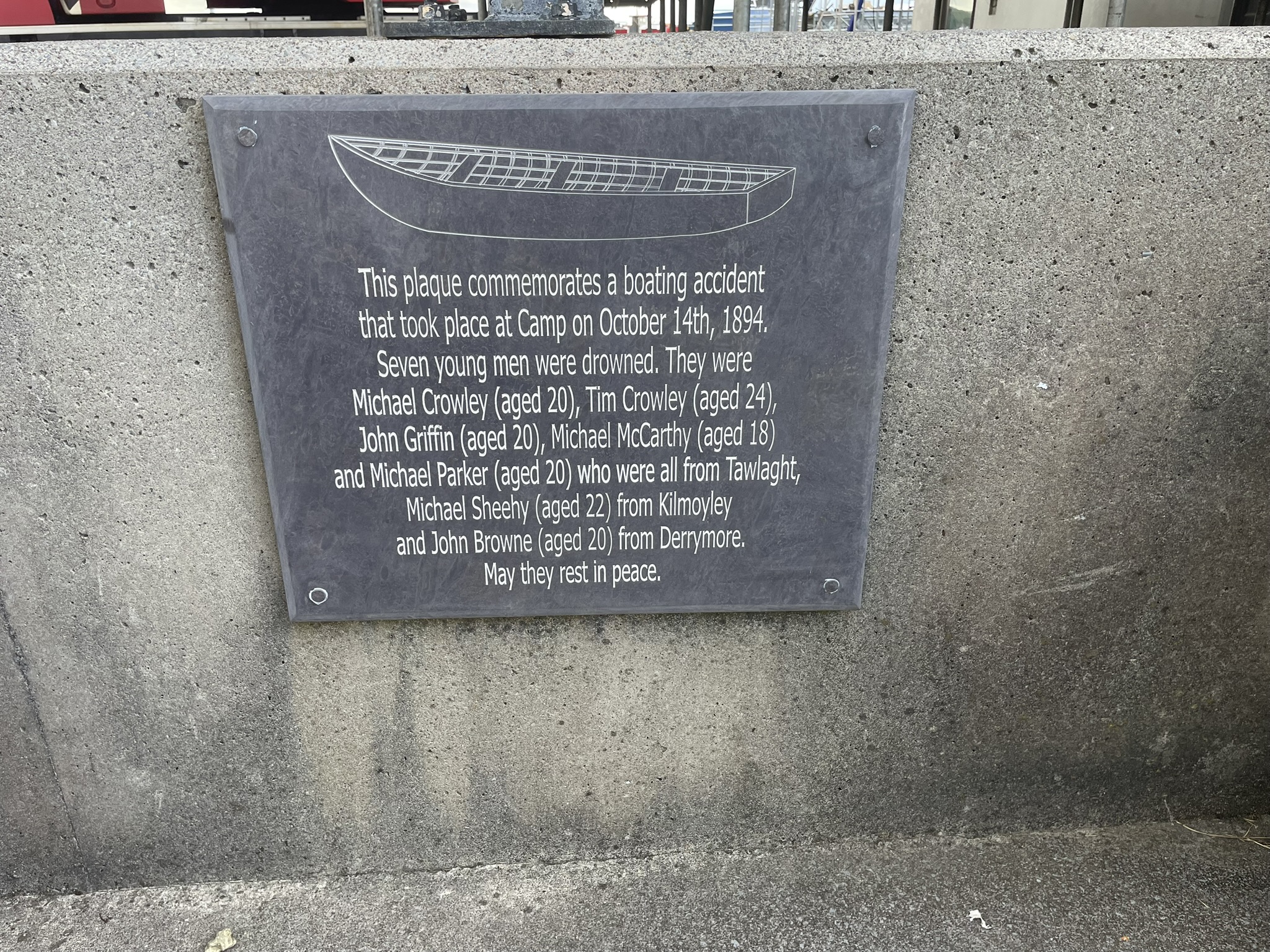
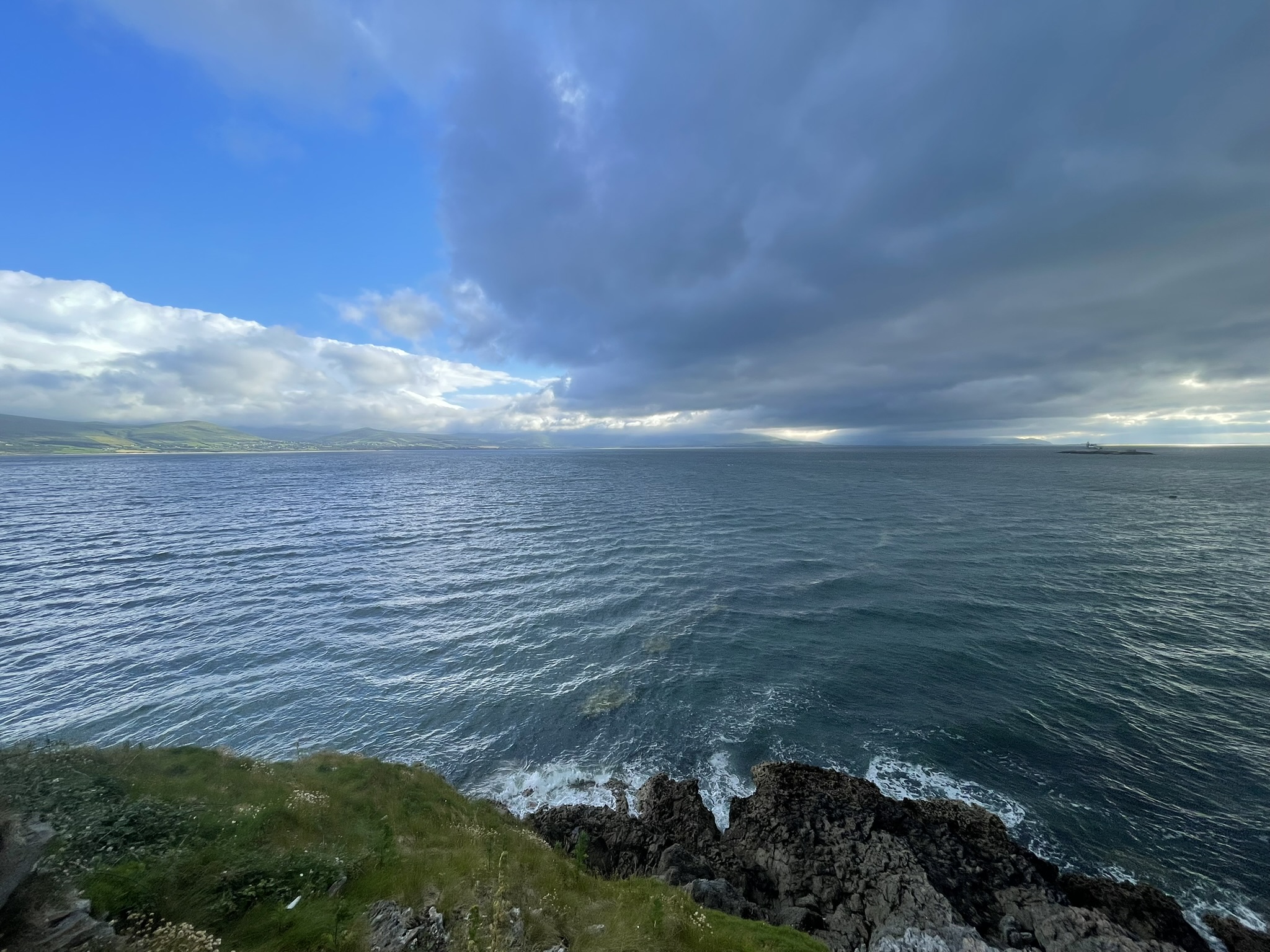
The Irish people are friendly and welcoming. They are religious and many schools here are single sex including at primary level. The current government is pro Palestine, and refugees here are treated much better than other countries.
Dinner and economy of Ireland
We return to Tralee, perform ʿAṣr Ṣalāh and thereafter head to the residence of Owais Bhai who is an accountant originally from Karachi, married to a GP. Dr Altaf Memon is also present who is the main Trustee of Tralee Masjid and has been residing here for thirty years. We discuss many issues including the economy of the country. Income tax is very high here. However, corporation tax is 12.5% which is why large corporations like Apple and Google are based here. The benefits and social security system is very generous. Many people opt to stay at home instead of working as a result.
Dars of the Quran and Ṣalāh times
We return to the Masjid and perform Magrib Ṣalāh.
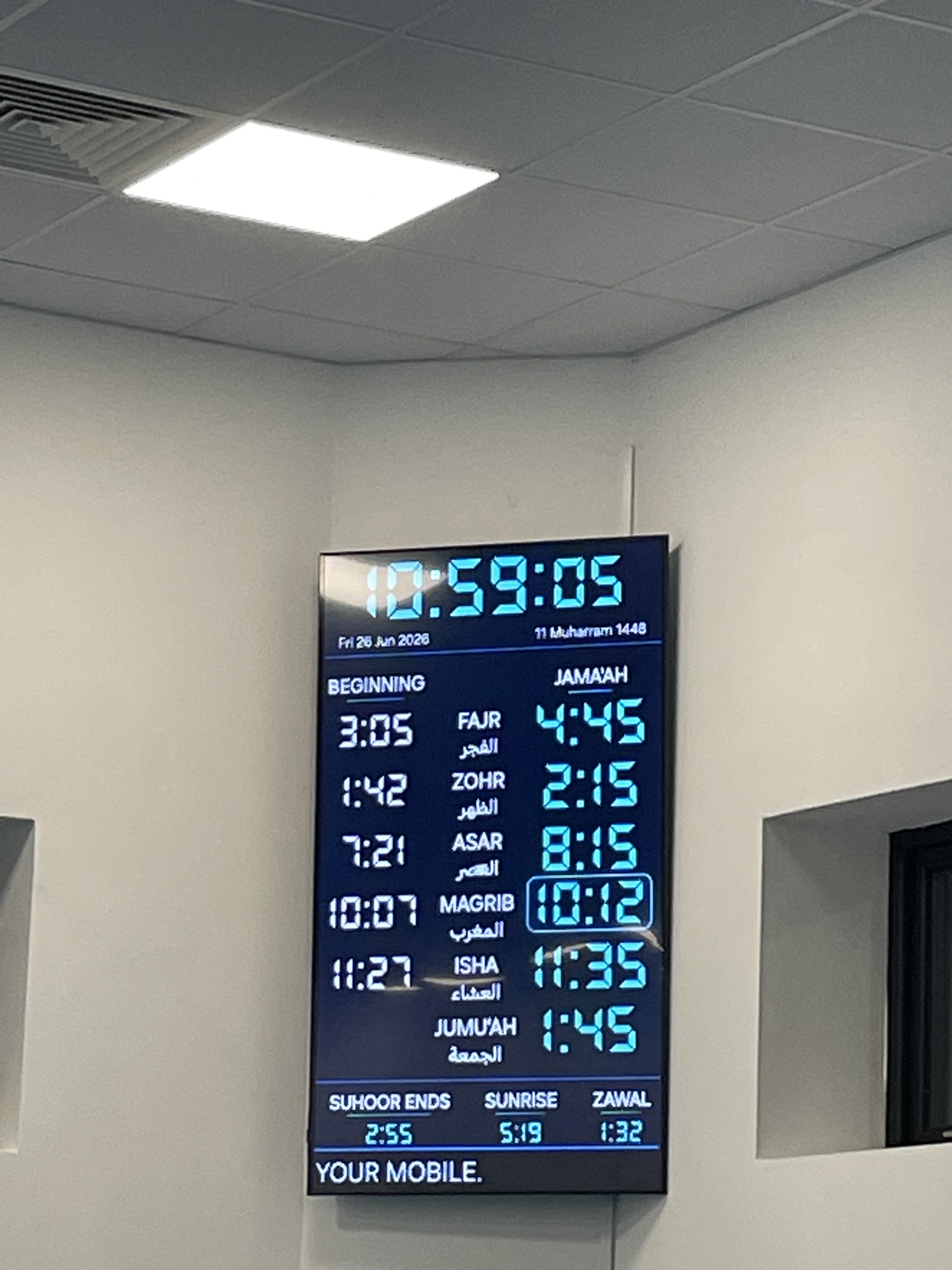
After Ṣalāh, Mufti Ṣabīḥ Ṣāḥib delivers a Dars of the Quran lesson. Today’s sunset time is 10.07pm. The ʿIshāʾ Ṣalāh beginning time is written as 11.27pm, one hour twenty minutes after sunset, and congregational Ṣalāh takes place at 11.35pm. The people are accustomed to this. Notwithstanding what this timetable is based on, it shows that there is no such thing as 10pm or 10.30pm or even 11pm constituting Ḥaraj for the purpose of performing Ṣalāh before time.
Before ʿIshāʾ Ṣalāh, we meet with Ḥāfiẓ Ibrāhīm, the maternal grandson of Shaykh al-Ḥadīth Mawlānā Islām al-Ḥaq (d. 1416/1996), the first Shaykh al-Ḥadīth of Darul Uloom Bury. He is originally from South Africa and moved here a few years ago. He runs a small institute in Ballyhaunis, which is located 250km north of Tralee.
Conor Pass
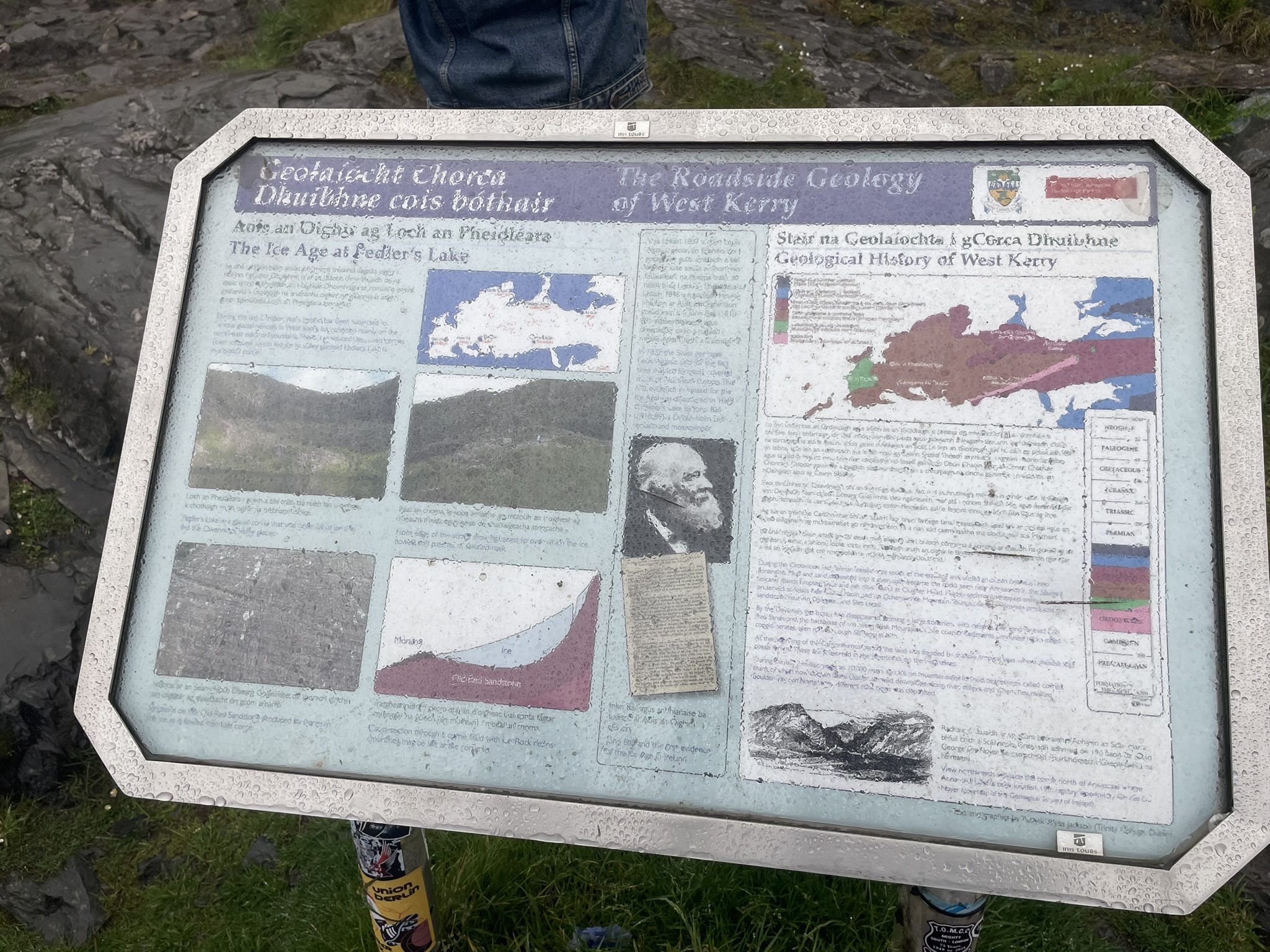
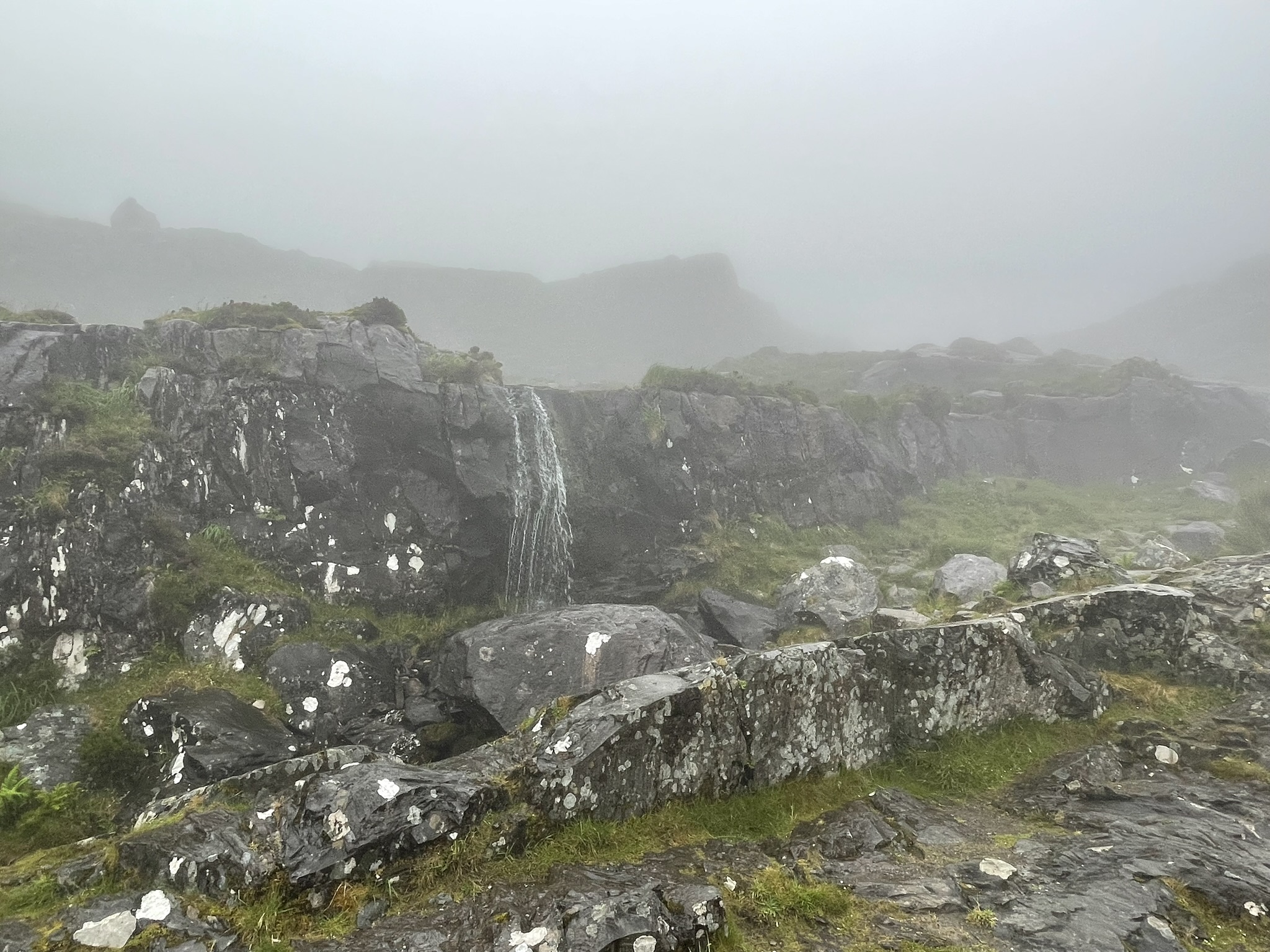
The next morning, Saturday 27 June 2026, we eat breakfast at the residence of Mawlānā Muṣṭafā. We depart thereafter at 1pm to travel to Dingle. The distance between Tralee and Dingle is 50km. The route is very scenic, but it is cloudy today. A clear day would feature some very scenic views. On route, ten minutes before entering Dingle, we stop at the Conor Pass Waterfall and meet with some hikers. The Conor Pass is one of the highest mountain passes in Ireland. Some parts of the Pass are narrow where two cars cannot pass at the same time.
Dingle
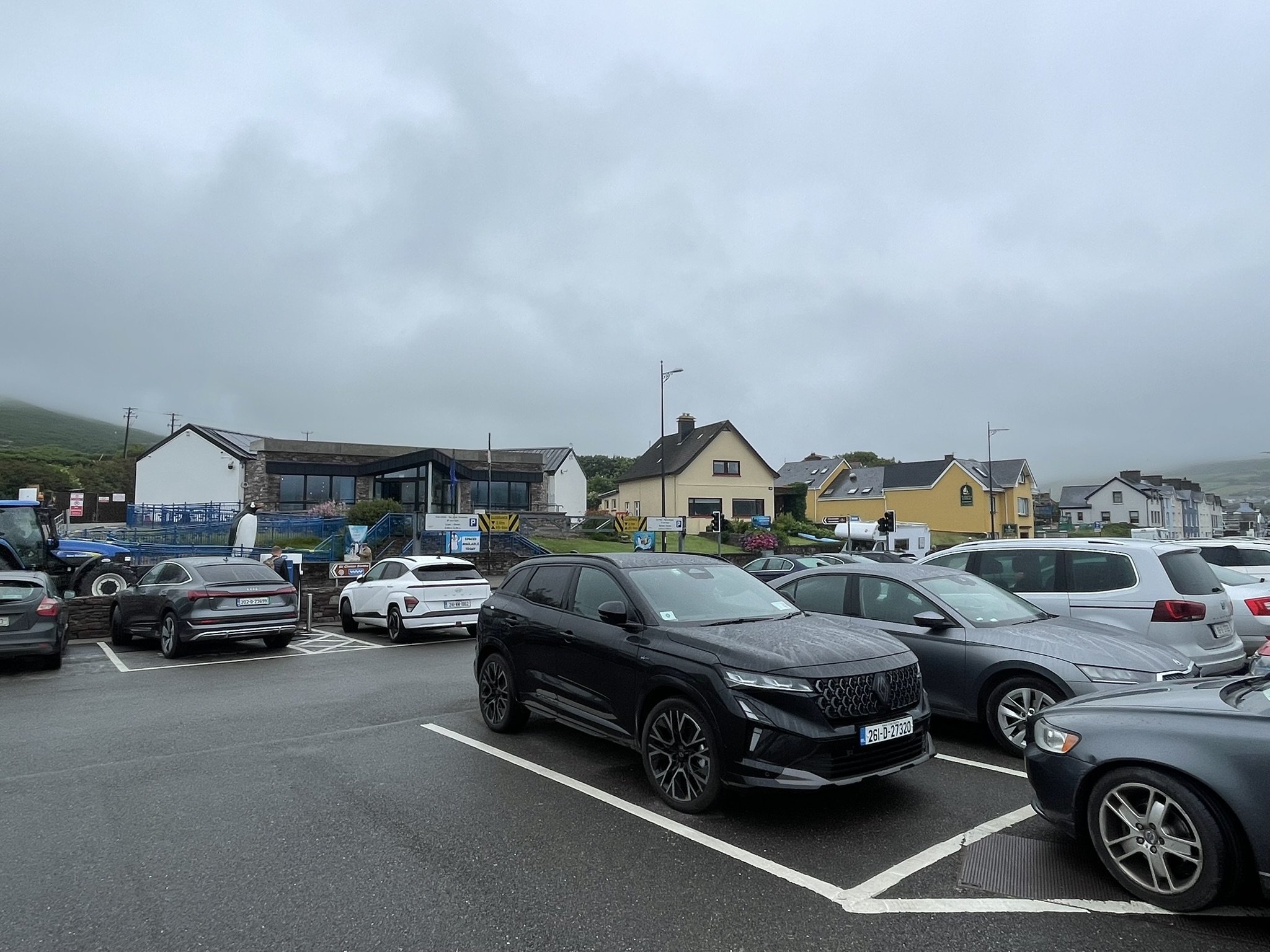
As 2.15pm, we enter Dingle, which is a small port town on southwest Ireland’s Dingle Peninsula which sits on the Atlantic coast. The town is visited by many tourists and is known for its rugged scenery, trails and sandy beaches. It was previously famous for an adult dolphin named Fungie that had been courting human contact in Dingle Bay but disappeared in 2020. The town’s population is less than two thousand people.
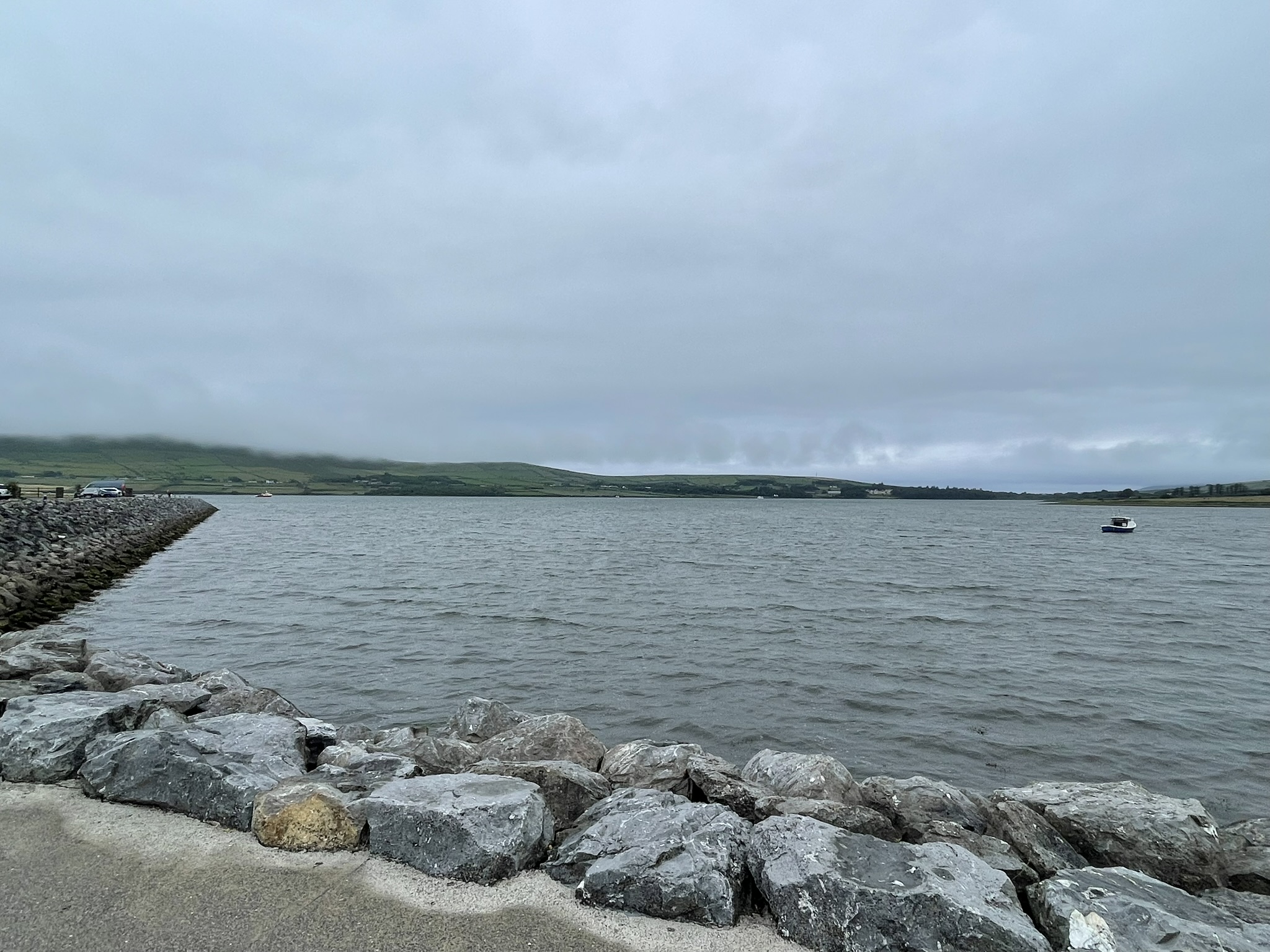
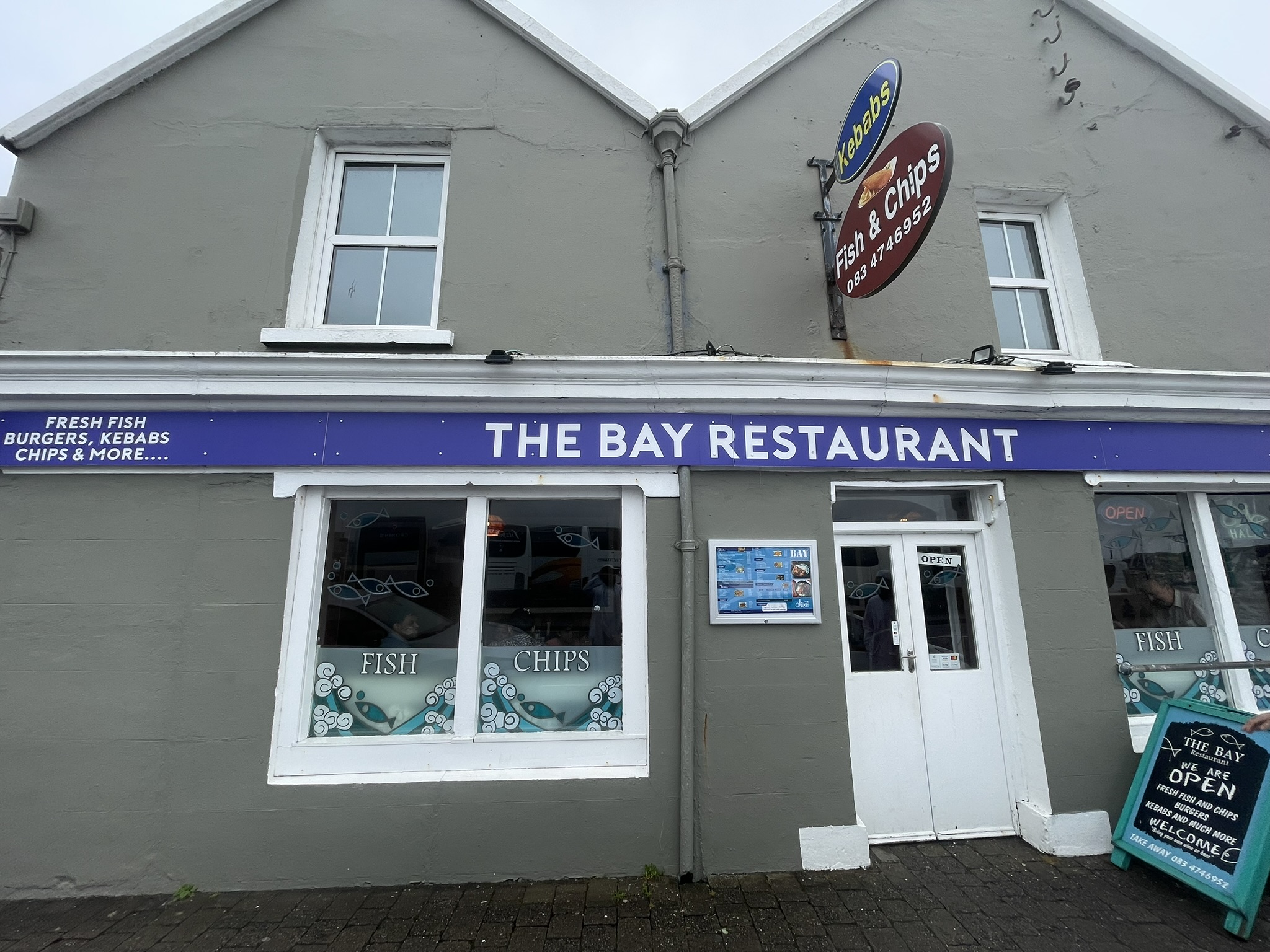
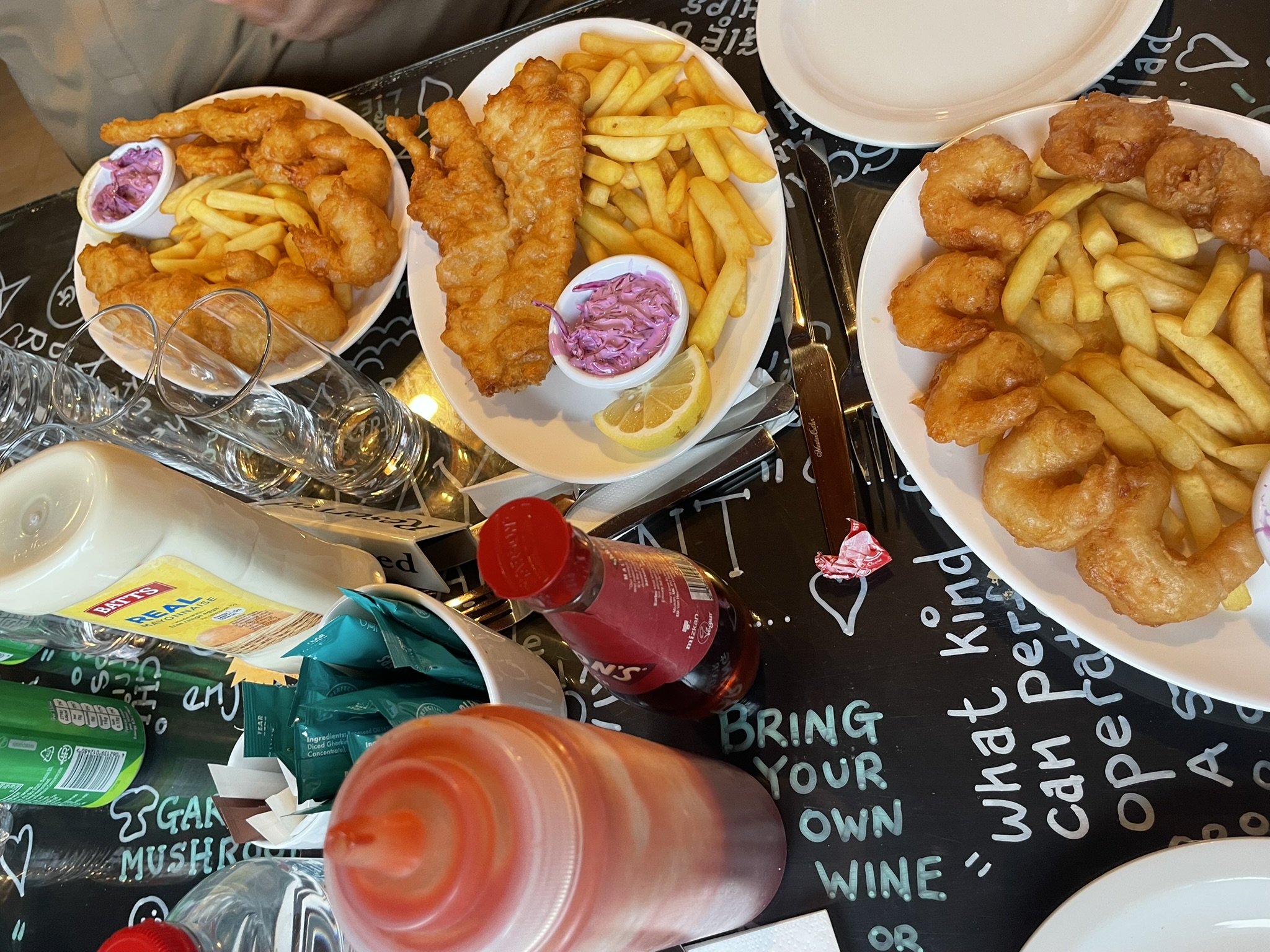
We walk near the Dingle Bay and thereafter visit The Bay Restaurant, owned by brother Reyḥānullāh of Peshawari origin, who is known to Mawlānā Muṣṭafā. He insists on feeding us fish and chips and other seafood. The fish is fresh; he does not serve frozen fish. He does not serve alcohol despite the demand. This is significant, alcohol is common in Ireland, perhaps more than England.
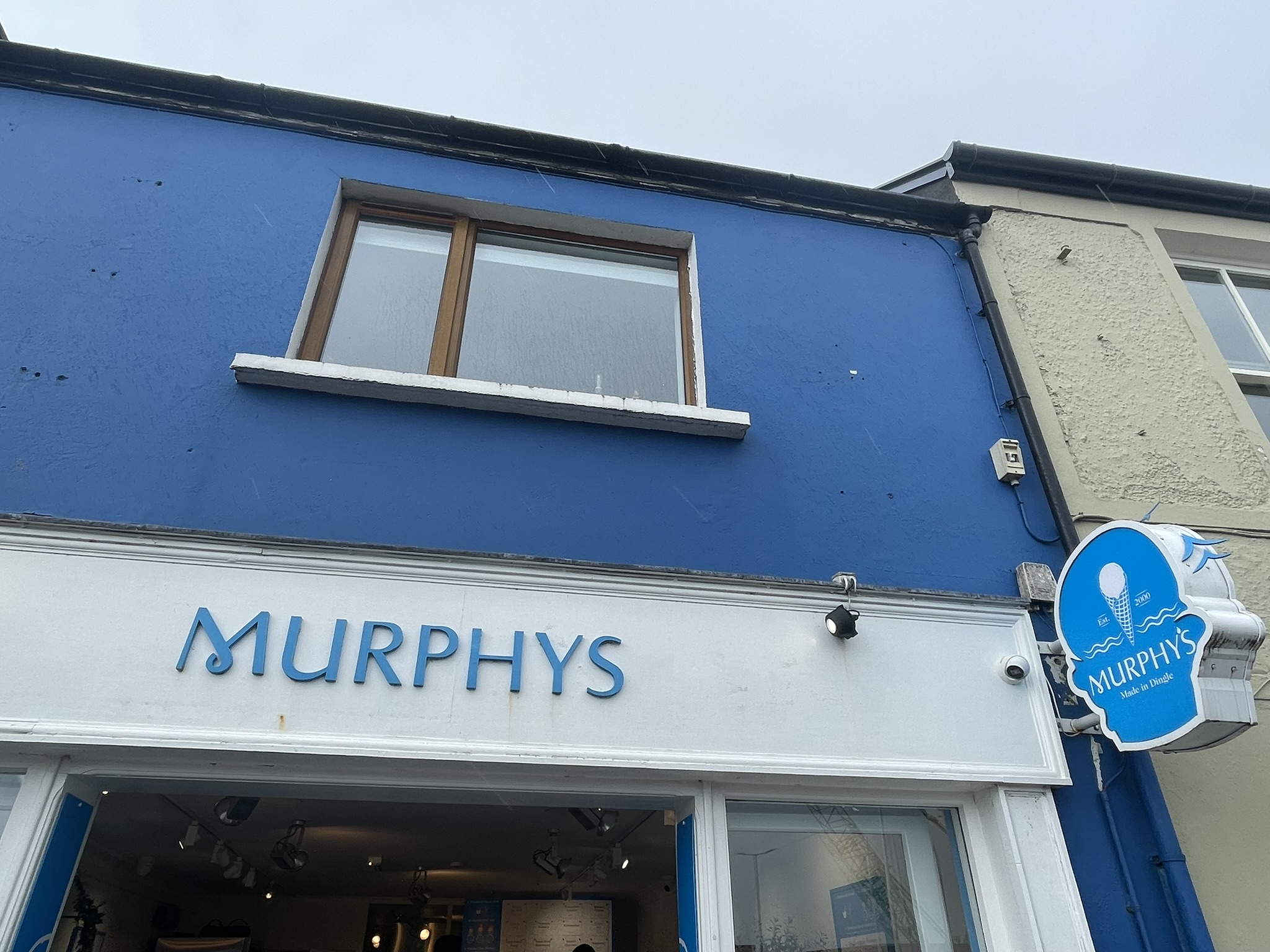
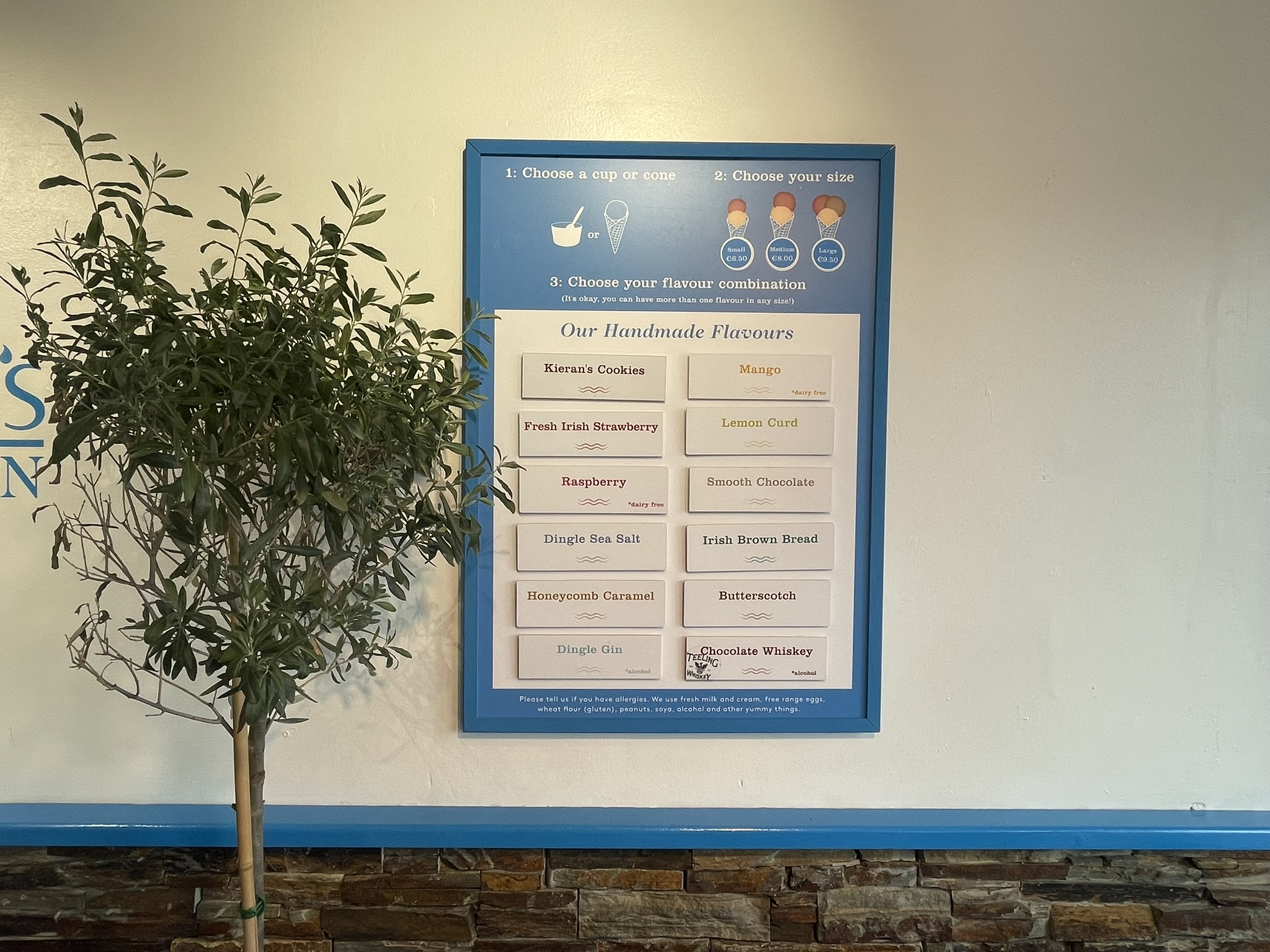
After lunch, we walk to the Murphys ice-cream shop which has some good fresh ice cream options including Irish Brown Bread which I have not come across before. The Kieran’s Cookies and Fresh Irish Strawberry options are good. Customers are actively encouraged to taste the various flavours. The price however is not cheap. Generally, Ireland is more expensive than England and Northern Ireland.
Castlegregory
We start the return journey to Tralee and stop at Castlegregory at 4.30pm. This is a small village between Dingle and Tralee. The residents do not exceed a few hundred people. We visit the beach where the calm quiet blue water is freshening. It is extremely quiet.
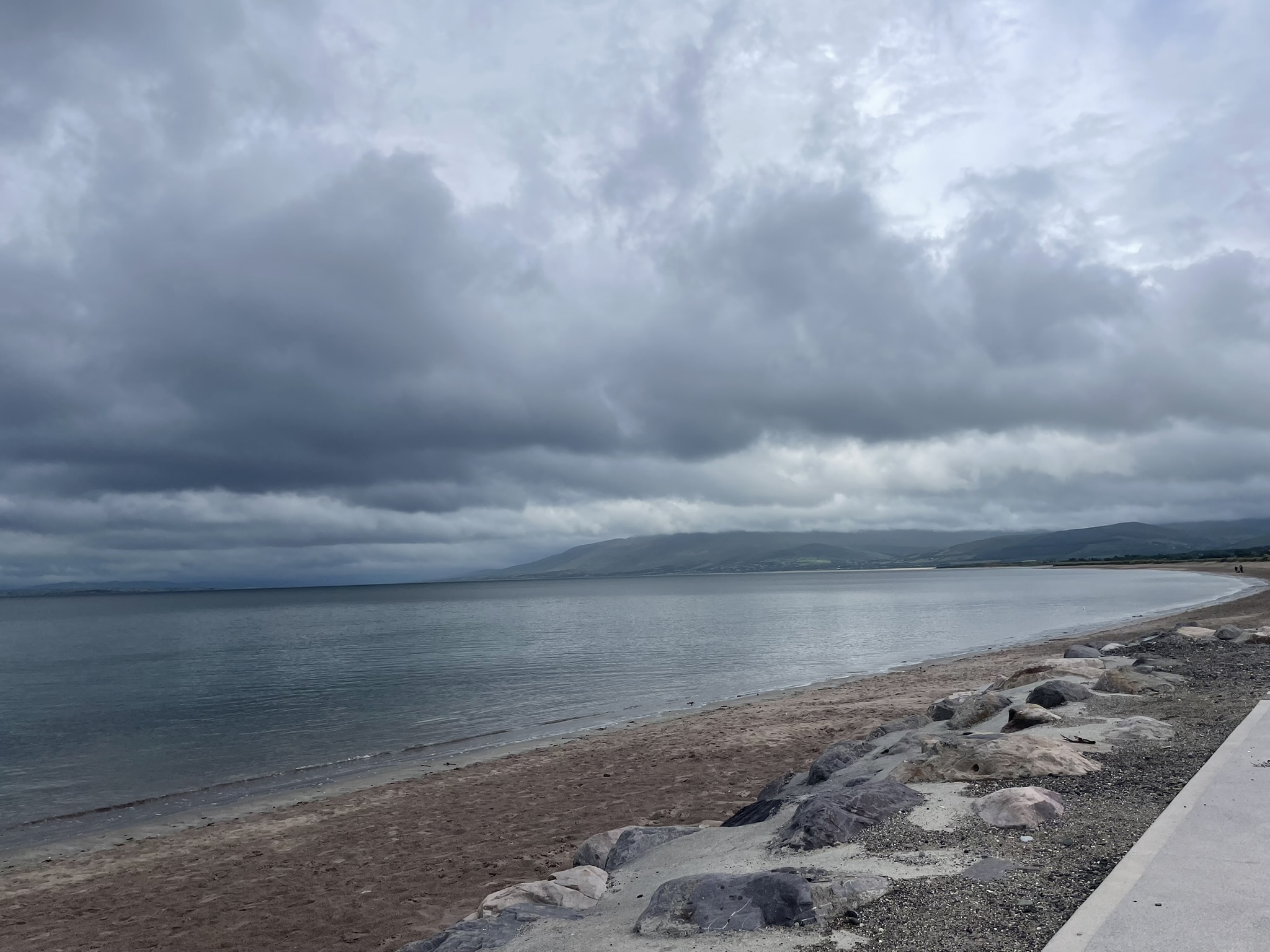
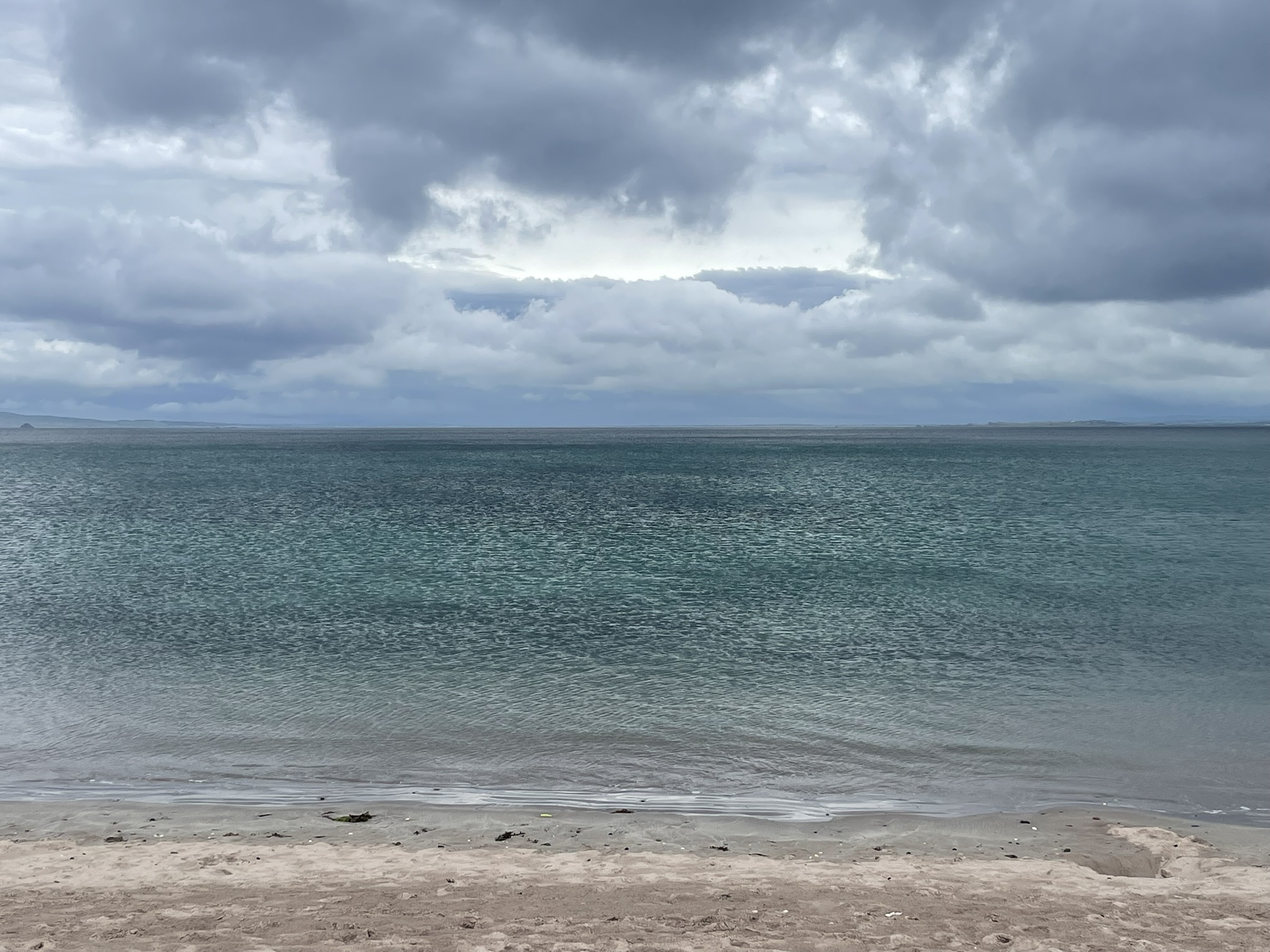
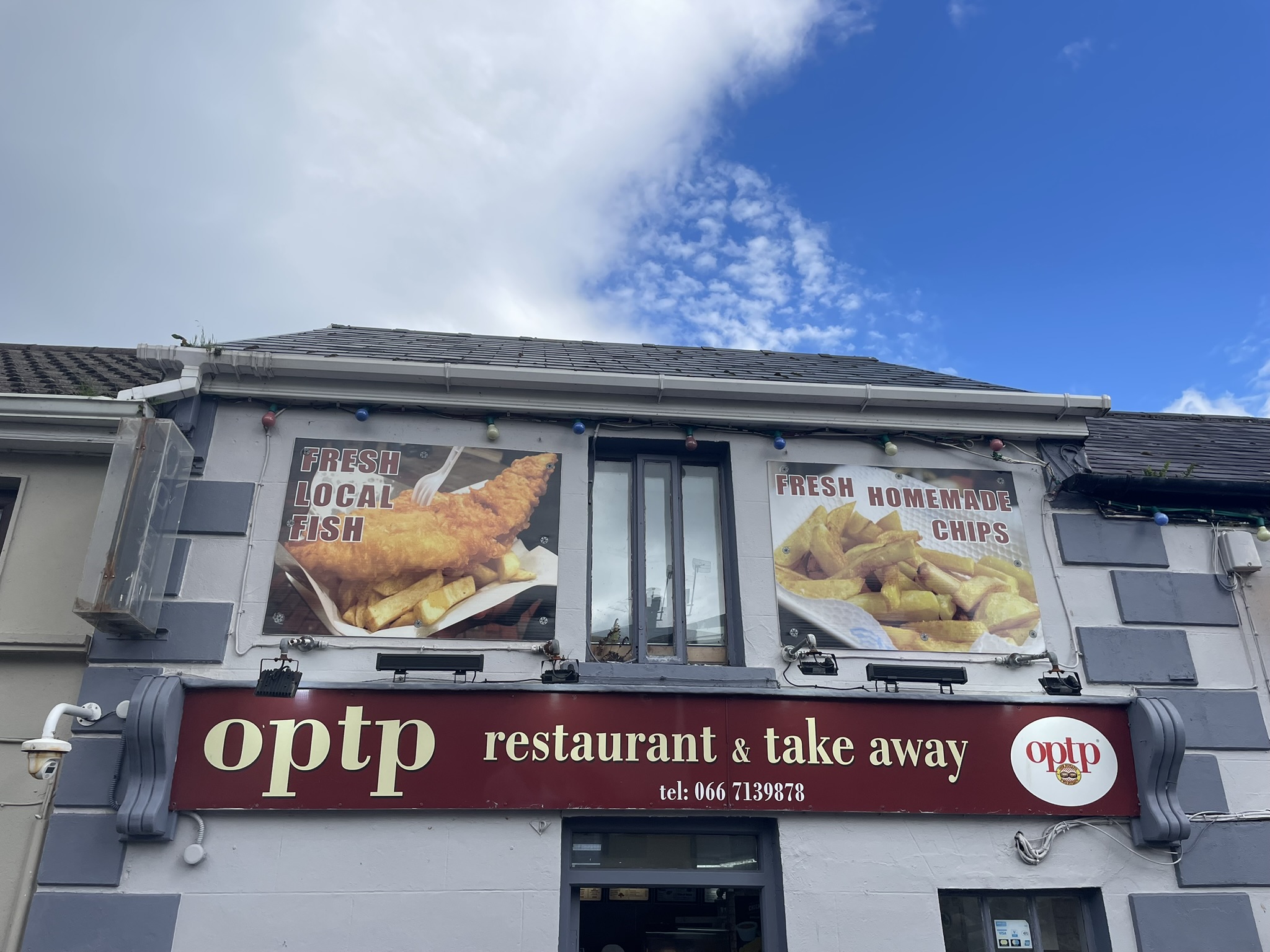
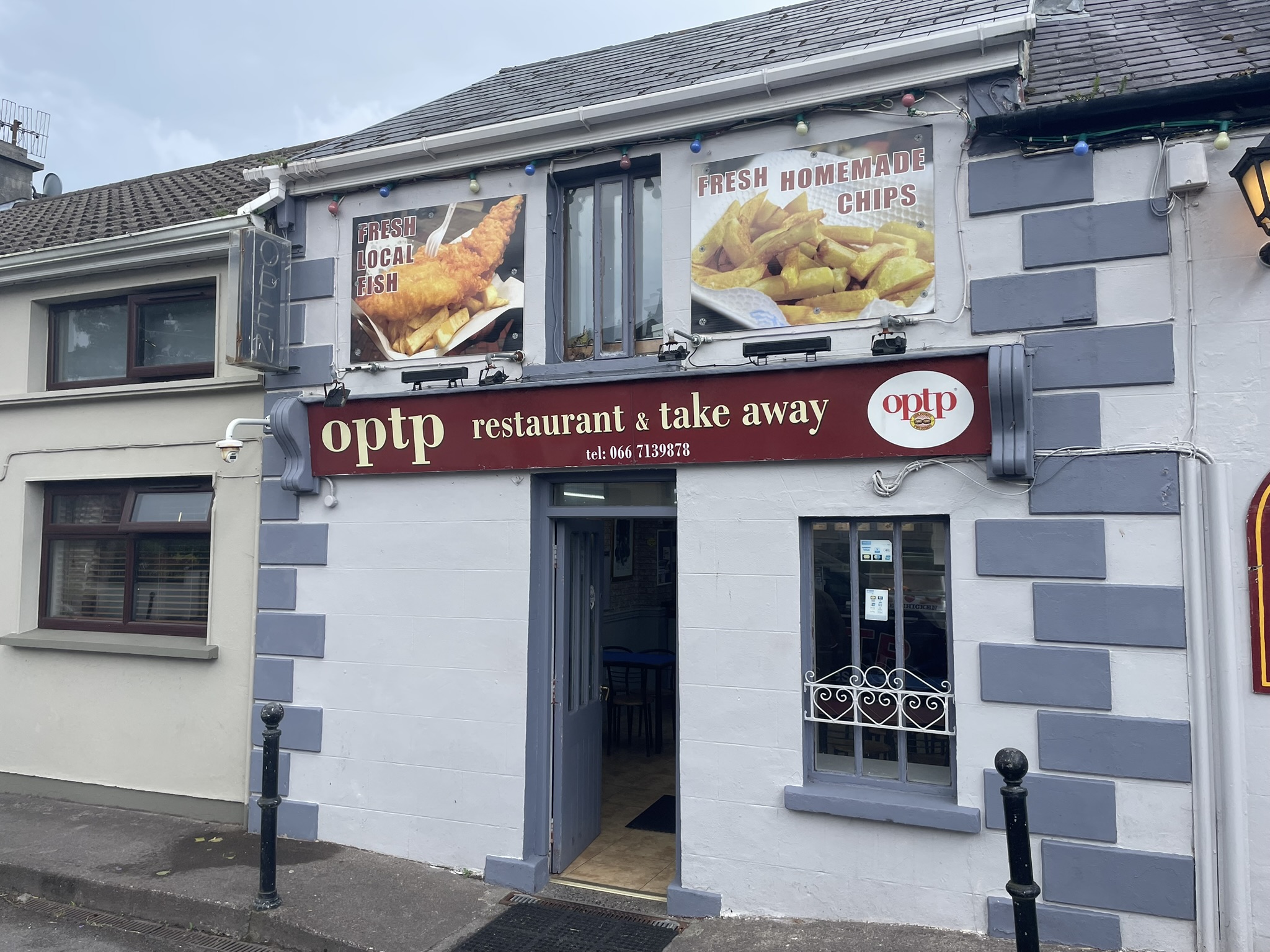
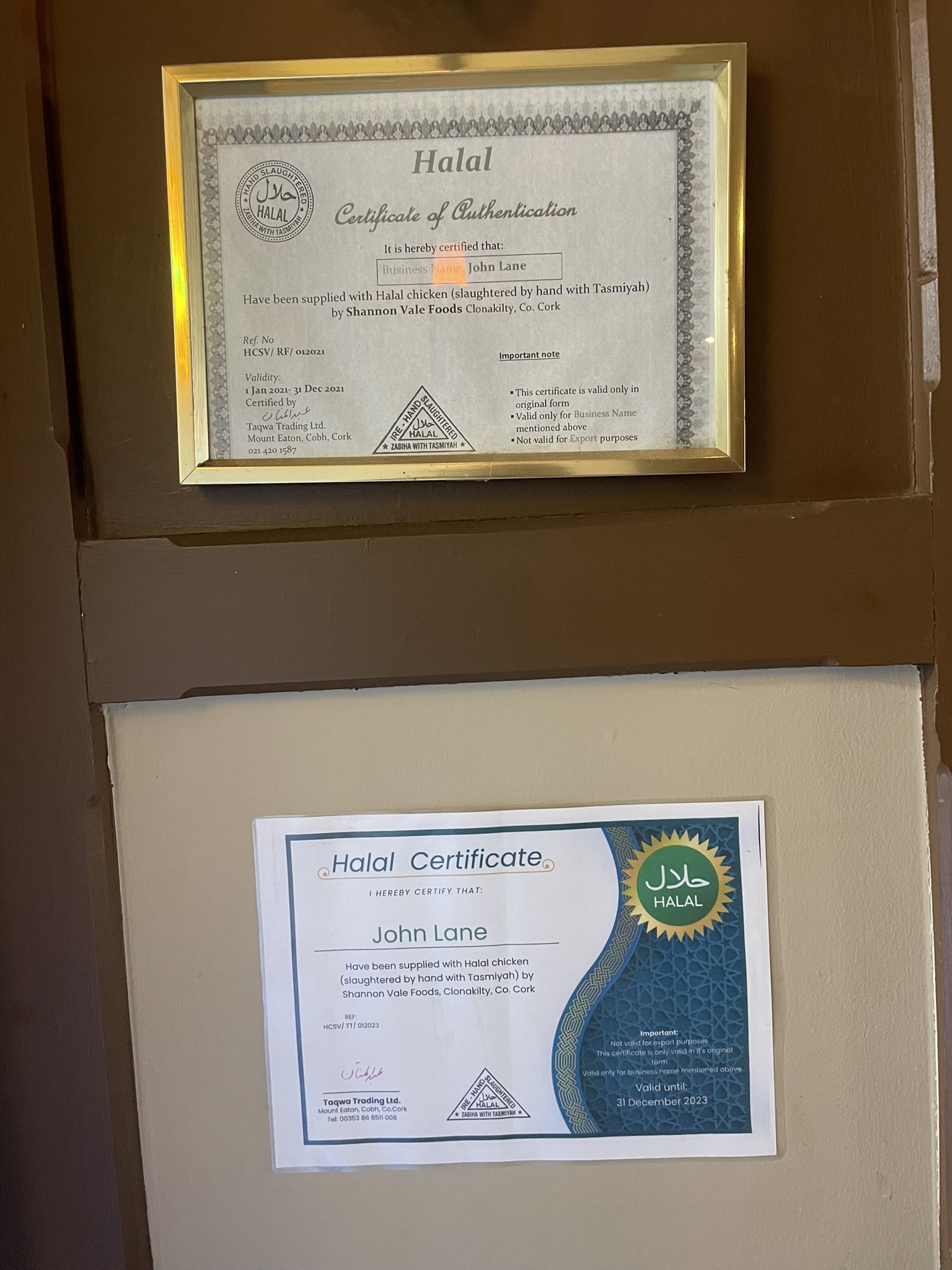
Whilst on the beach, we meet with a very friendly Irish elderly couple who out of courtesy offer to take our photo. They have travelled to many countries via the cruise and are extremely critical of Netanyahu and Trump. After finishing from the beach, we visit the Optp Restaurant and Take away owned by an acquaintance of Mawlānā Muṣṭafā and eat some food. The fresh Nān deserves a mention.
Emotional Ḥifẓ Quran Programme
We return to Tralee Masjid and perform ʿAṣr Ṣalāh at 8.15pm. After Ṣalāh, the Quran Hifẓ completion programme begins. Mawlānā Muṣṭafā requests me to say a few words. I narrate the Ḥadīth of ʿAbdullāh ibn ʿUmar (d. 73/693, may Allah be pleased with them) about envy for two people and also touch on the four young ʿAbdullāh’s in the Prophetic era. This is followed by an Urdu lecture by Mufti Ṣabīḥ Ṣāḥib. Thereafter, the young Ayan completes the Quran. He struggles to read due to severe speech issues. Mawlānā Muṣṭafā explains that he persevered and completed the Ḥifẓ and that he reads 2-3 Juz daily to him. He struggles more in the presence of others. He finds it extremely hard to complete the Quran in the gathering. This reminds me of the Ḥadīth which mentions that such a person who struggles to read the Quran receives double reward. At the end of the programme, my dear colleague Mawlānā Ḥanīf Dūdhwālā gifts some money to Ayan and others follow suit.
Food is served after the programme. There are several scholars present including Mawlānā Owais Bentick of Preston who is an Imām in Sligo (a few hours from here) as well as Mufti Muḥammad ibn Mufti Aslam of Bolton who is an Imām in Killarney which is a 30 minute drive from here.
After Magrib Ṣālāh, we visit the house of Dr Altaf Memon for some snacks and return to the Masjid.
Brunch
The next day, Sunday 28 June 2026, we eat brunch at Grill and Thrill located in Tralee’s Town Centre. Along with Mawlānā Muṣṭafā and Mawlānā Salmān, Dr Altaf and Dr Humayon Zaheer are present.
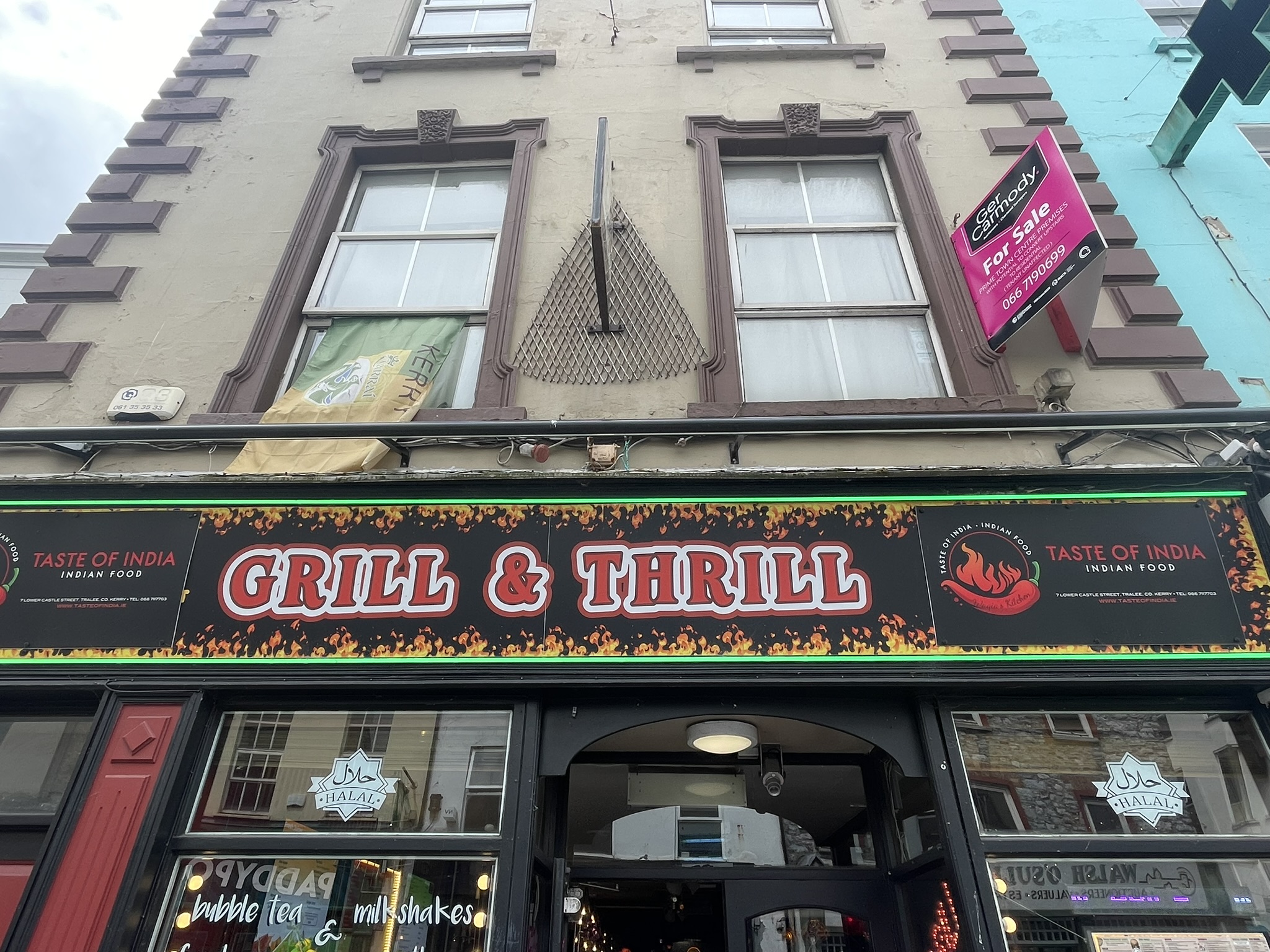
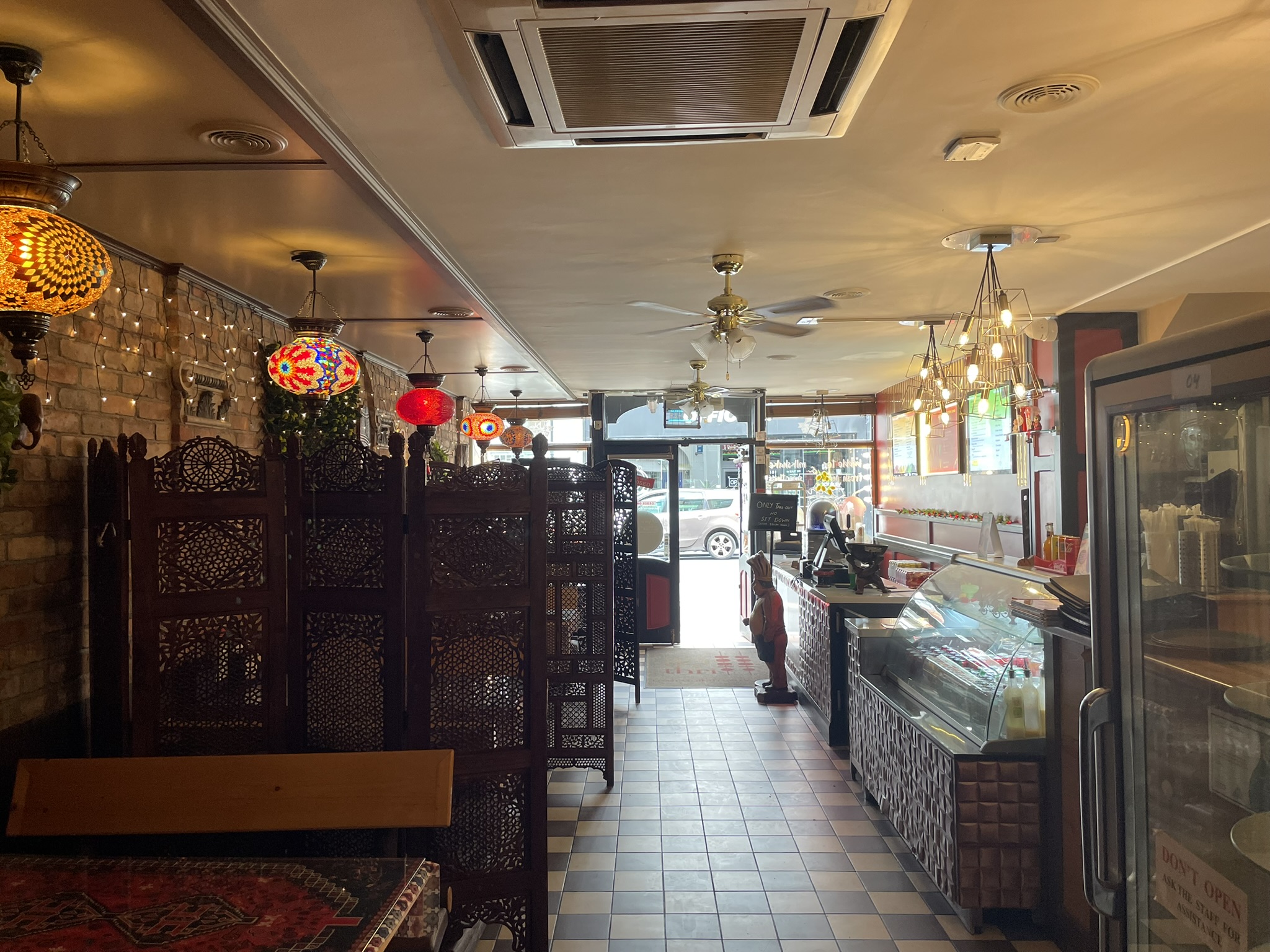
An interesting discussion follows regarding the decline in the Ummah. At one stage, we also discuss with Mufti Ṣabīḥ Ṣāḥib succession in our institutes and the disastrous consequences of children automatically inheriting their fathers’ positions irrespective of ability and competence.
Ireland is a very clean country. If anyone is caught tipping, there is a 160 euro fine.
St John’s Catholic Church, Tralee
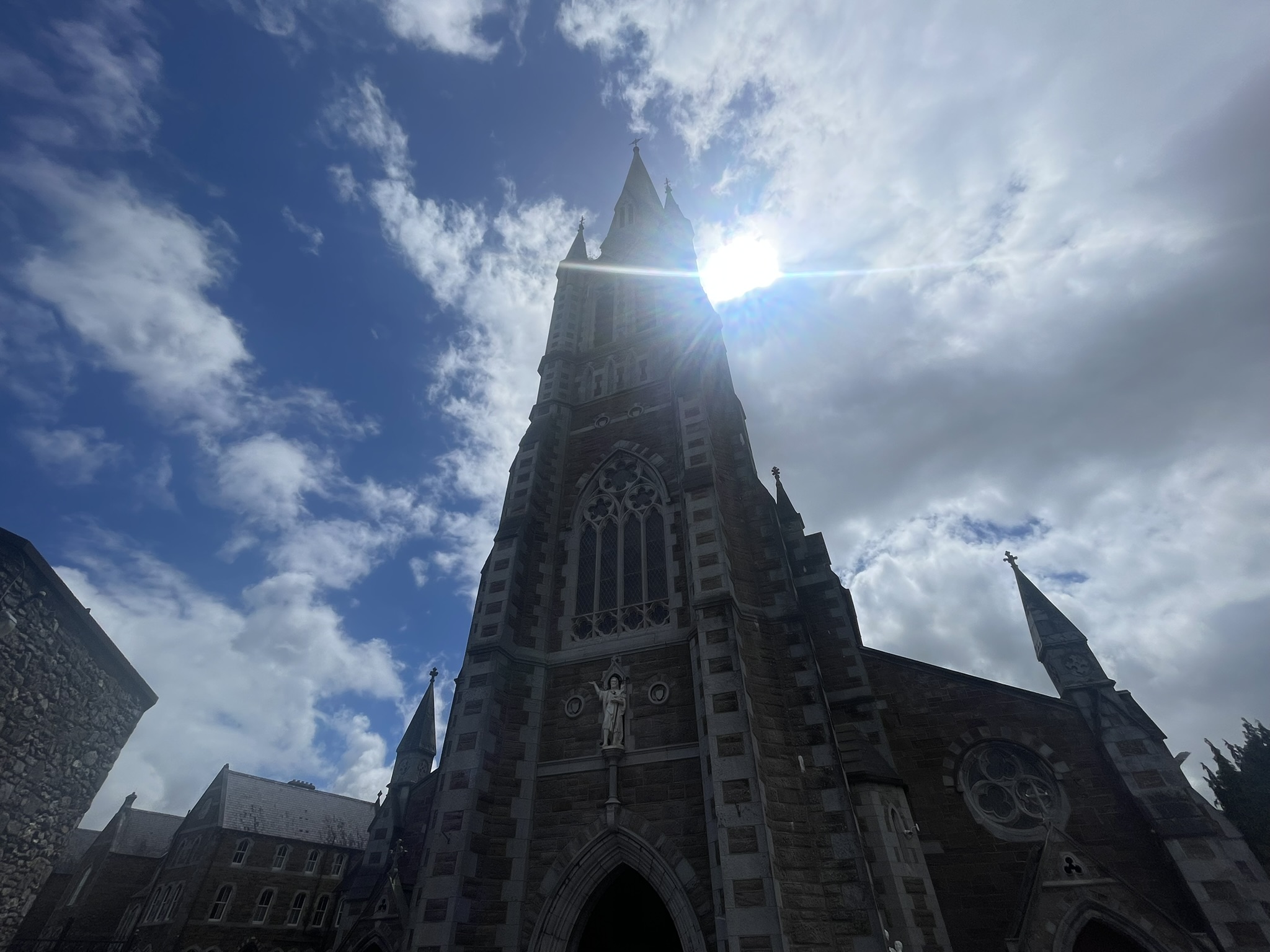
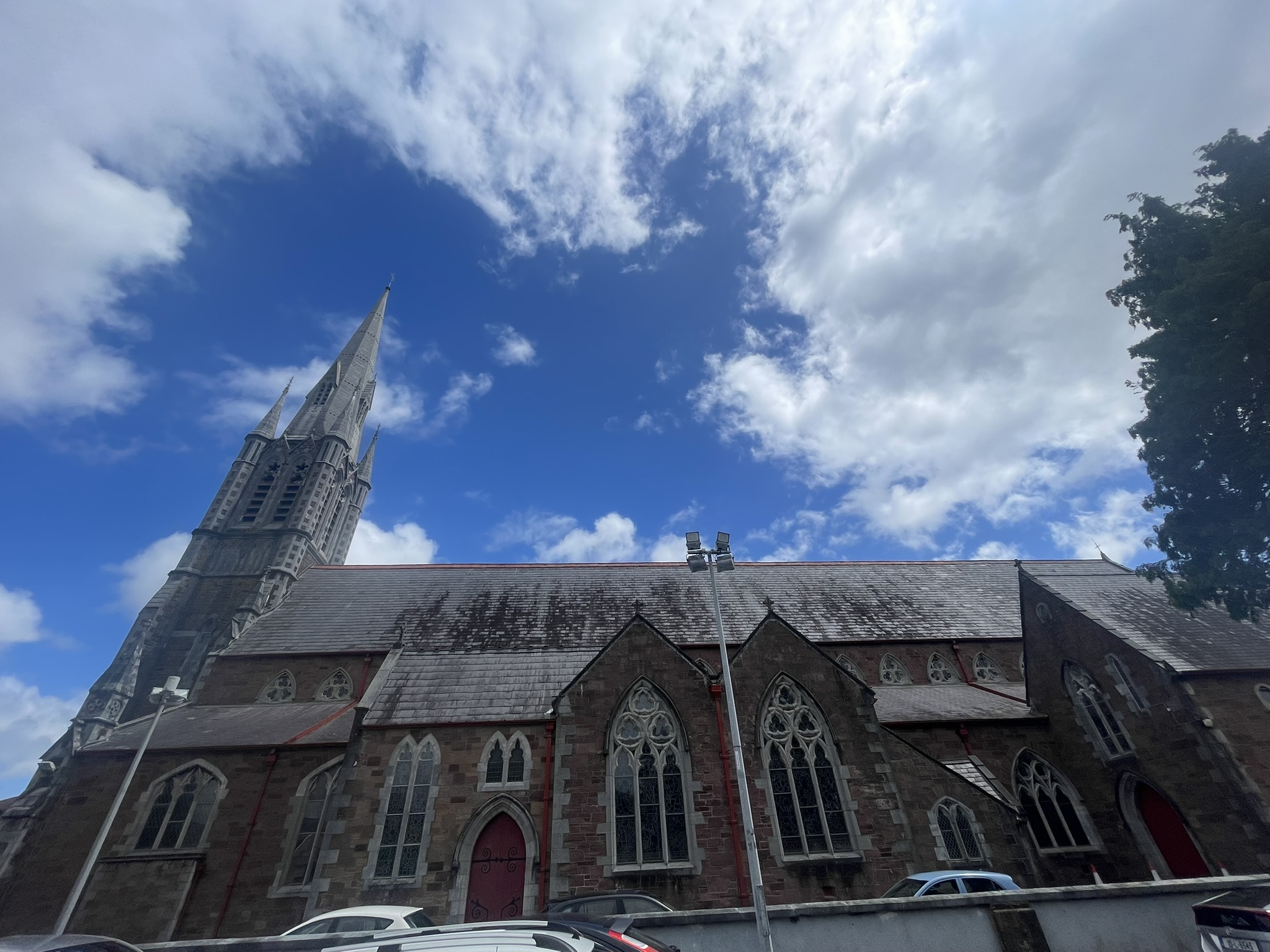
As we return to the nearby car park, we pass St John’s Catholic Church. Mufti Ṣabīḥ Ṣāḥib has never visited a church and expresses a desire to enter. This is a neo-Gothic Roman Catholic church with ten-bay nave elevations, side aisles, side chapels and spire to north. It was built in 1861 and renovated and extended between 1950 and 1960.
Banna Beach
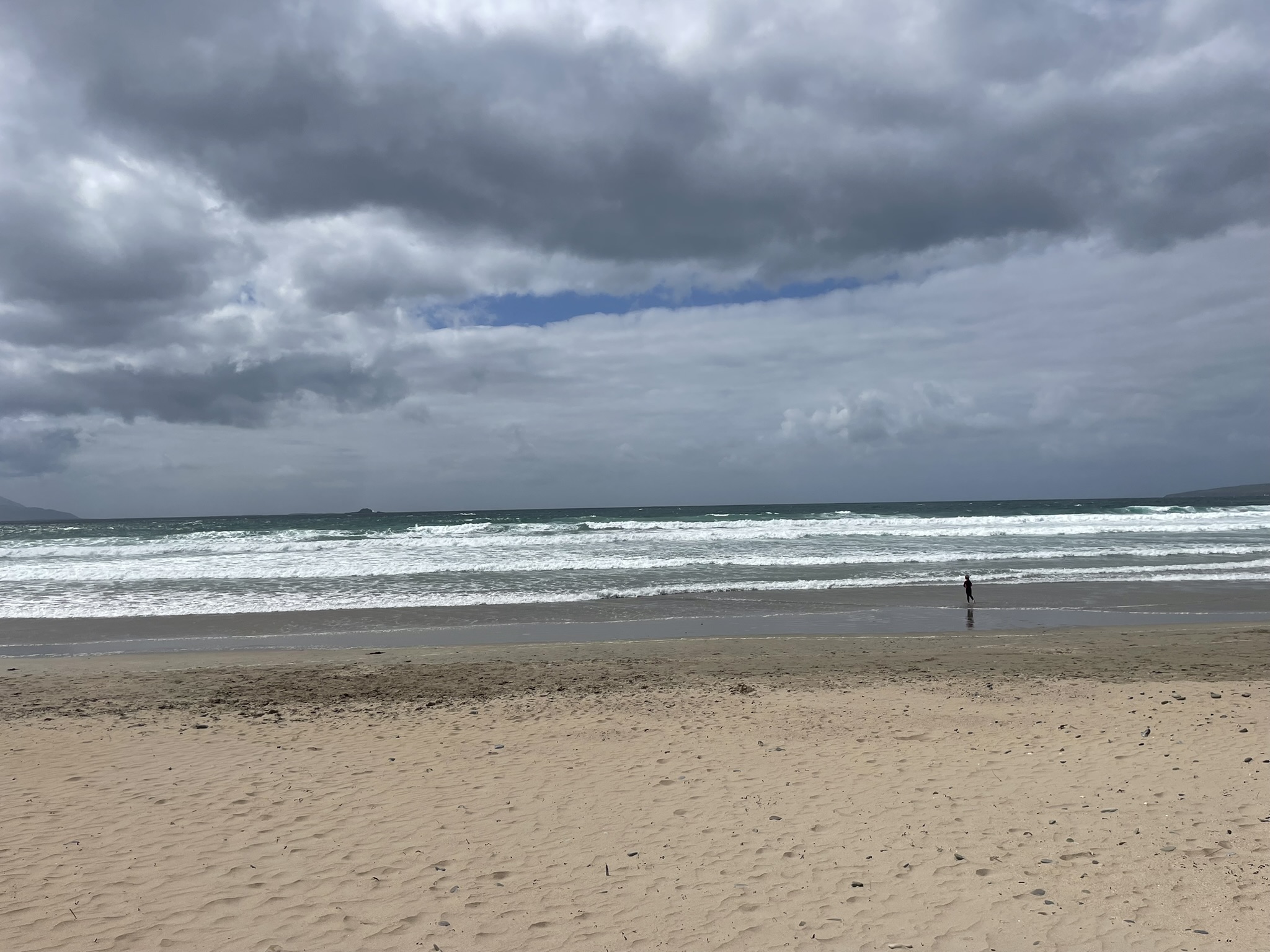
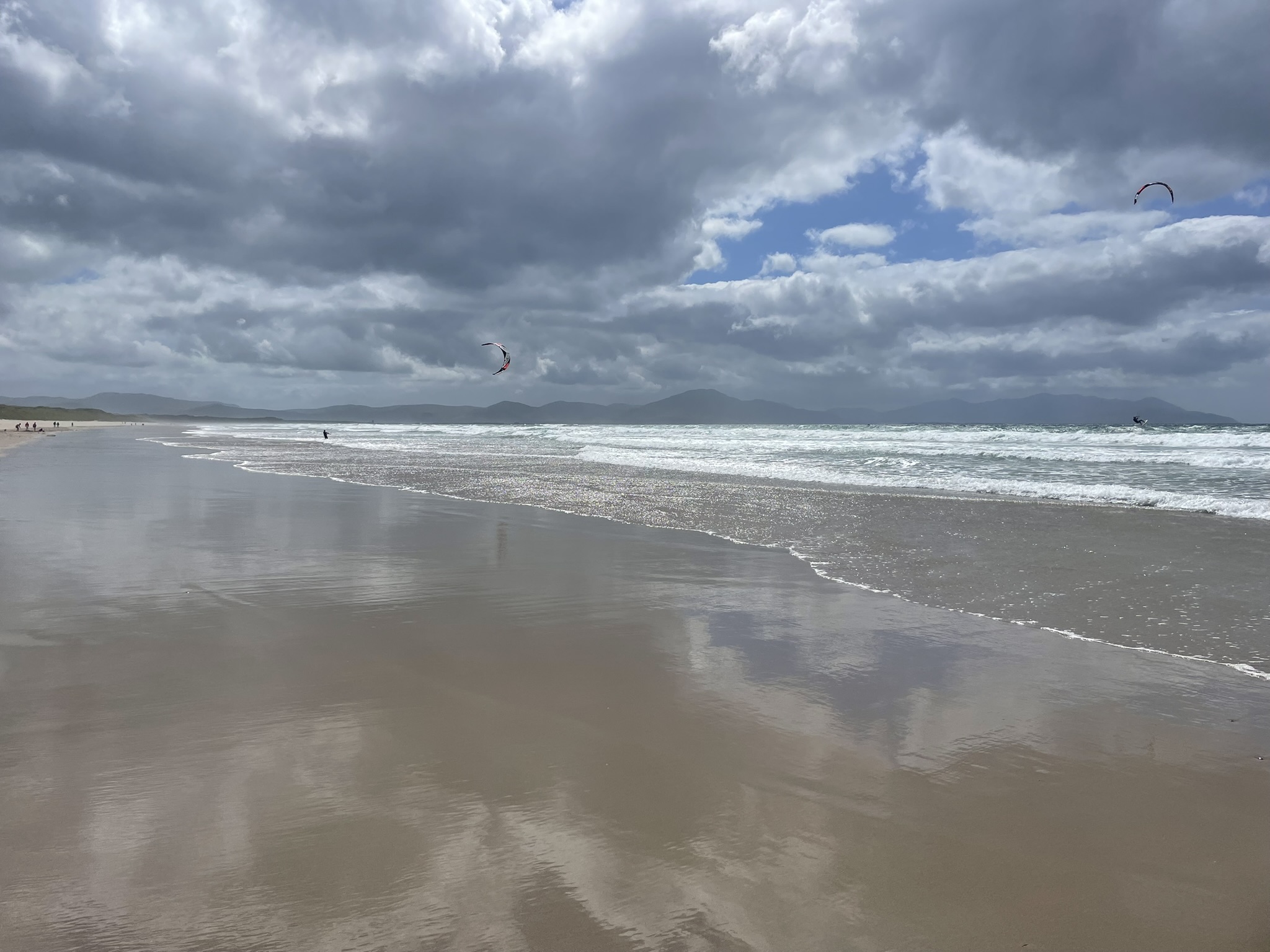
We depart from Tralee and head to Banna Beach, an Atlantic Ocean beach located 12km northwest of Tralee. The beach has an 8km stretch of sand and is famous for its high dunes, blue water and views of the Dingle Peninsula. It is ideal for surfing, swimming as well as coastal walks. We arrive here at 3.15pm and spend some time here. It is relatively quiet although it can get busy during peak periods.
Tralee to Shannon
We return to Tralee at 4pm, visit the old Masjid of Tralee, and eat at Mawlānā Muṣṭafā’s house.
Mawlānā then drives us to Shannon which is located 120km from Tralee. The drive takes nearly two hours. There is no direct flight today from Kerry to Manchester or Liverpool, so we booked the £15 flight from Shannon to Liverpool. Shannon Airport is much larger than Tralee Airport and has more flight options. Our 8.30pm Ryan Air flight is delayed by nearly an hour. We arrive in Liverpool at 10.15pm. Ḥāfiẓ Zubair who kindly dropped us to Manchester receives us and we reach home at 11.15pm.
Mawlānā Fārūq Khepī
One of the highlights of this journey has been the opportunity to spend time with and benefit from Mawlānā Fārūq Khepī Ṣāḥib who travels direct from Liverpool to his home in Birmingham. Although I have met him previously, this was the first time I was able to converse with him in detail and benefit from his wisdom. Mawlānā is a very humble and wise person with extensive experience. He encouraged his children to study both the Islamic sciences as well as degree programmes. He graduated from Darul Uloom Deoband in 1980 and has been serving as Imām of Birmingham Jame Mosque (Saddam Hussein Mosque) for several decades. Allah Almighty has blessed him with many qualities. During the journey, I asked him how he became acquainted with Mufti Ṣabīḥ Ṣāḥib. He mentions that they first met in Masjid al-Ḥarām during the Hajj of 2011, and this was the beginning of their relationship.
Conclusion
Ireland is a very scenic country where there is huge scope to undertake religious work. The example of Tralee Masjid demonstrates the impact of one scholar in transforming the community. There are other areas in Ireland that need Imāms, particularly in remote locations. There is also a lot of work needed among females, making it an ideal place for couples to serve the Dīn. The Muslim population is increasing due to migrants and otherwise and therefore the needs of the community are also growing. The people are welcoming. May Allah Almighty empower the community of Ireland and reward all those serving the Dīn. Āmīn.
Yusuf Shabbir
23 Muḥarram 1448 / 6 July 2026