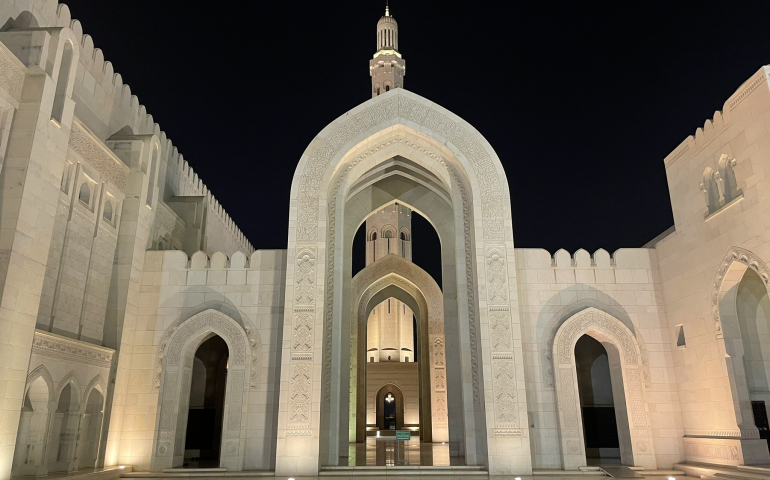
Nine days in Oman, Qatar and east Saudi Arabia (Juwāthā)
In the Name of Allah, the Merciful, the Beneficent
Introduction
It has been my desire for a long time to visit Oman and Qatar due to their heritage and history and also their current role in the geopolitical events of the world. In April 2019, we travelled from Karachi to Jeddah via Oman but did not exit the Airport. Likewise, in January 2022, I travelled with my cousin and teacher, Mawlānā Rashīd ibn Hāshim from the blessed city of Madīnah to Dohā where we had a stopover for a few hours and visited some landmarks of Doha as part of the Airport transit tour. A visit to both countries is long overdue. We thus coordinate with my brother and his family and travel on the 1.55pm Pegasus Airlines from Manchester to Istanbul and from there to Muscat, the capital of Oman.
Day 1 – Friday 15 August 2025
Arrival into Oman
Oman
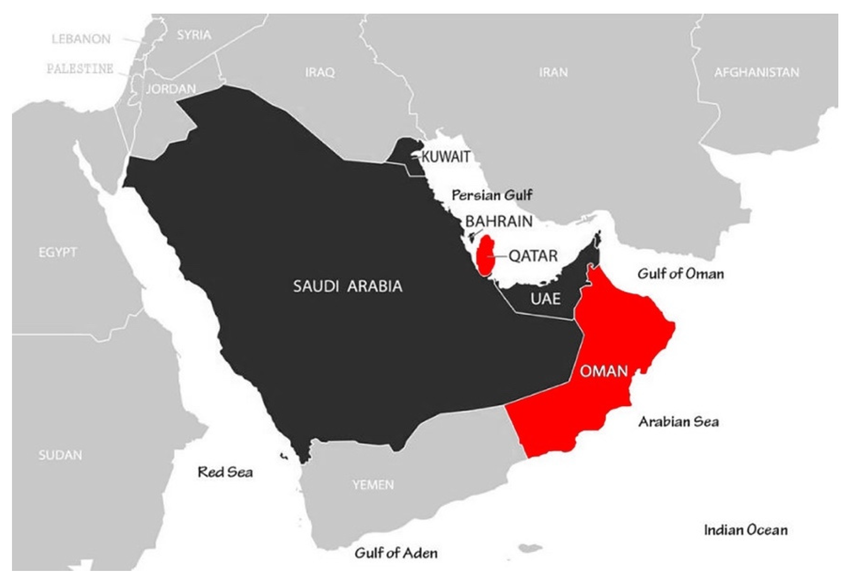
The Sultanate of Oman is located on the southeastern coast of the Arabian Peninsula. It shares land borders with Saudi Arabia to the west, the United Arab Emirates to the northeast, and Yemen to the southwest. Oman’s coastline faces the Arabian Sea to the southeast and the Gulf of Oman on the northeast. A small exclave, the Ruʾūs al-Jibāl (the Mountaintops), occupies the northern tip of the Musandam Peninsula at the Strait of Hormuz; this territory gives Oman its only frontage on the Persian Gulf. To travel to this exclave by road, one has to cross into the United Arab Emirates. The country’s size is 119,500 square miles and the capital city is Muscat.
Oman is home to nearly 5.5 million people. More than half of the country’s population is Arab, and there is a large number of Baloch and Persian people who migrated here over the past few centuries. Arabic is the official language and 1 Omani Rial is equivalent to £1.93.
The Encyclopedia Brittanica states:
“Renowned in ancient times for its frankincense and metalworking, Oman occupies a strategically important location, for which it has long been a prize for empire builders. In the 16th century, Muscat was seized by Portugal, which held the city until 1650. During the 18th century, the Āl Bū Saʿīd dynasty expelled a Persian occupation and established Omani control over much of the Persian Gulf. The Āl Bū Saʿīd weathered much political turbulence but preserved its hold on power into the 21st century, largely by maintaining close relations with the United Kingdom, but the dynasty was slow to open the country to innovation. Significant modernization did not begin until after the coup in 1970 that brought Qaboos bin Said (Qābūs ibn Saʿīd) to power, at which point Oman rapidly began to develop an advanced economy. The once insular country now actively encourages tourism, and travellers come from afar to enjoy its hospitality and unspoiled landscapes.”
The BBC website states:
“Oman is the oldest independent state in the Arab world. It is strategically placed at the mouth of the Gulf at the south-east corner of the Arabian Peninsula. From the 17th Century onwards, the Omani Sultanate was an empire and competed with the Portuguese and British empires for influence in the Persian Gulf and Indian Ocean. In the 19th Century, Oman’s territory extended across the Strait of Hormuz to Iran and Pakistan and down the East African coast to Zanzibar. After deposing his father in 1970, Sultan Qaboos opened up the country and embarked on a policy of modernisation – abolishing slavery which had once been a key part of its trade. Oil reserves in Dhofar were discovered in 1964.”
It is worth noting that in 1798, Oman and Great Britain signed a Treaty of Friendship. Under this treaty, Britain guaranteed the Sultan’s rule. In 1856, the Omani Empire divided into the Sultanate of Oman and Muscat and the Sultanate of Zanzibar. In 1891, Oman and Muscat became a British Protectorate, and attained independence in 1951.
History of Islam in Oman
Islam is the dominant religion here. 95% of the population is Muslim. Of this, 75% follow Ibadism, 20% are Sunni and 5% are Shiite. The remainder follow Hinduism or Christianity. Islam spread in Oman in Dhū al-Qaʿdah 8 Hijrī (630 CE) when the Prophet ﷺ dispatched ʿAmr ibn al-ʿĀṣ (d. 43/664, may Allah be pleased with him) with a letter to the King of this region Jayfar and his brother ʿAbd inviting them to Islam. The full letter is published in Al-Ṭabaqāt al-Kubrā (1:201), Zād al-Maʿād (3: 605), Naṣb al-Rāyah (4: 423) and other books. They accepted Islam and so did a large number of their people (al-Iṣābah, 1:641). ʿAmr ibn al-ʿĀṣ (may Allah be pleased with him) remained there until the demise of the Prophet ﷺ. Their voluntary acceptance of Islam and their treatment of ʿAmr ibn al-ʿĀṣ (may Allah be pleased with him) was acknowledged by the Prophet ﷺ. On one occasion, the Prophet ﷺ sent a companion to an Arab tribe. They swore at him and also hit him. The Prophet ﷺ said:
“If you went to the people of Oman, they would have neither swore at you nor hit you” (Ṣaḥīḥ Muslim, 2544).
It is worth noting that prior to this, a small group of people from Oman had accepted Islam (as mentioned below under Nizwa Fort).
Arrival into Muscat
We arrive into Muscat International Airport at 3am, thirty minutes ahead of schedule. The airport is beautiful, with a modern interior with subtle Omani overtones.
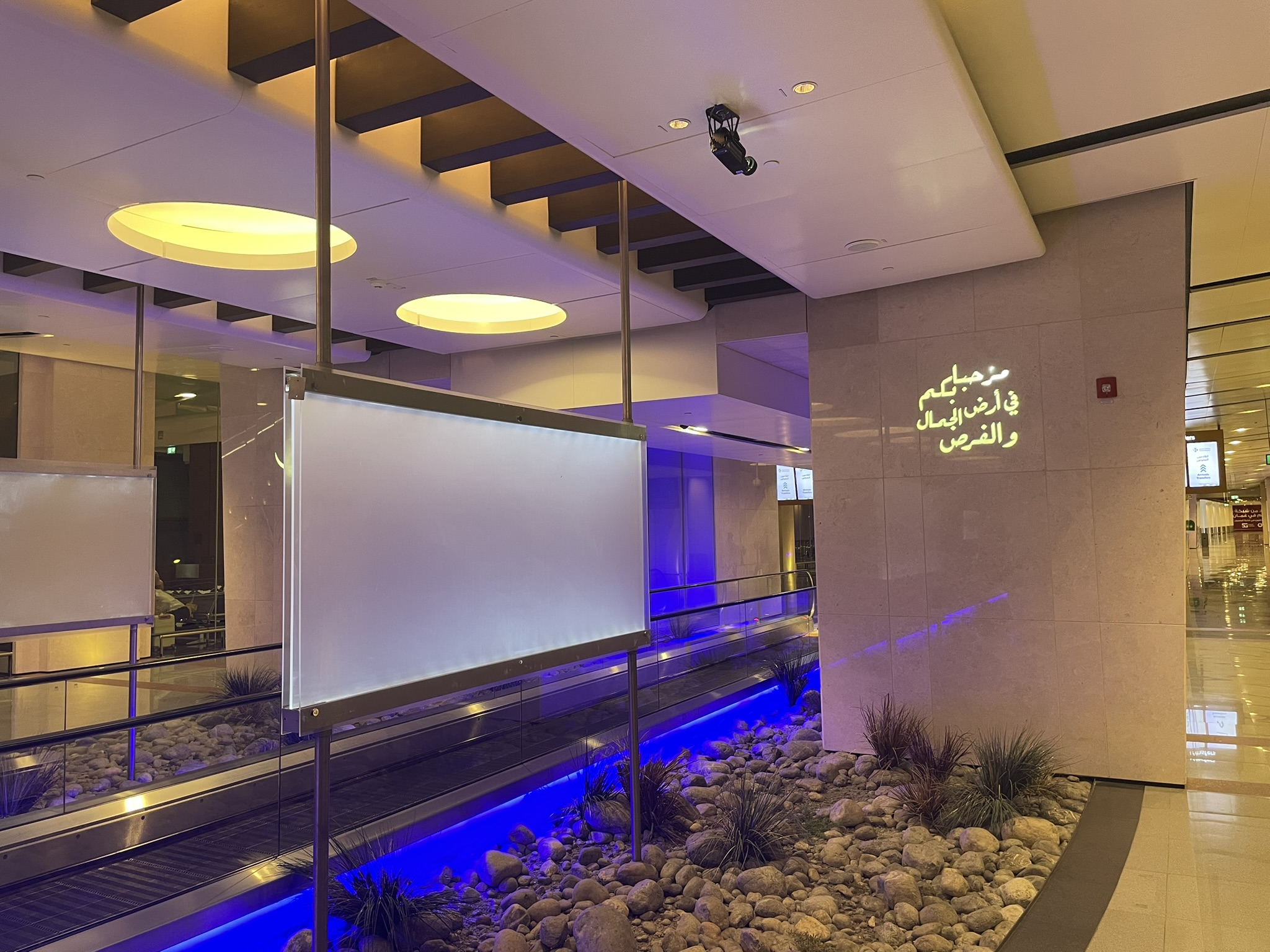
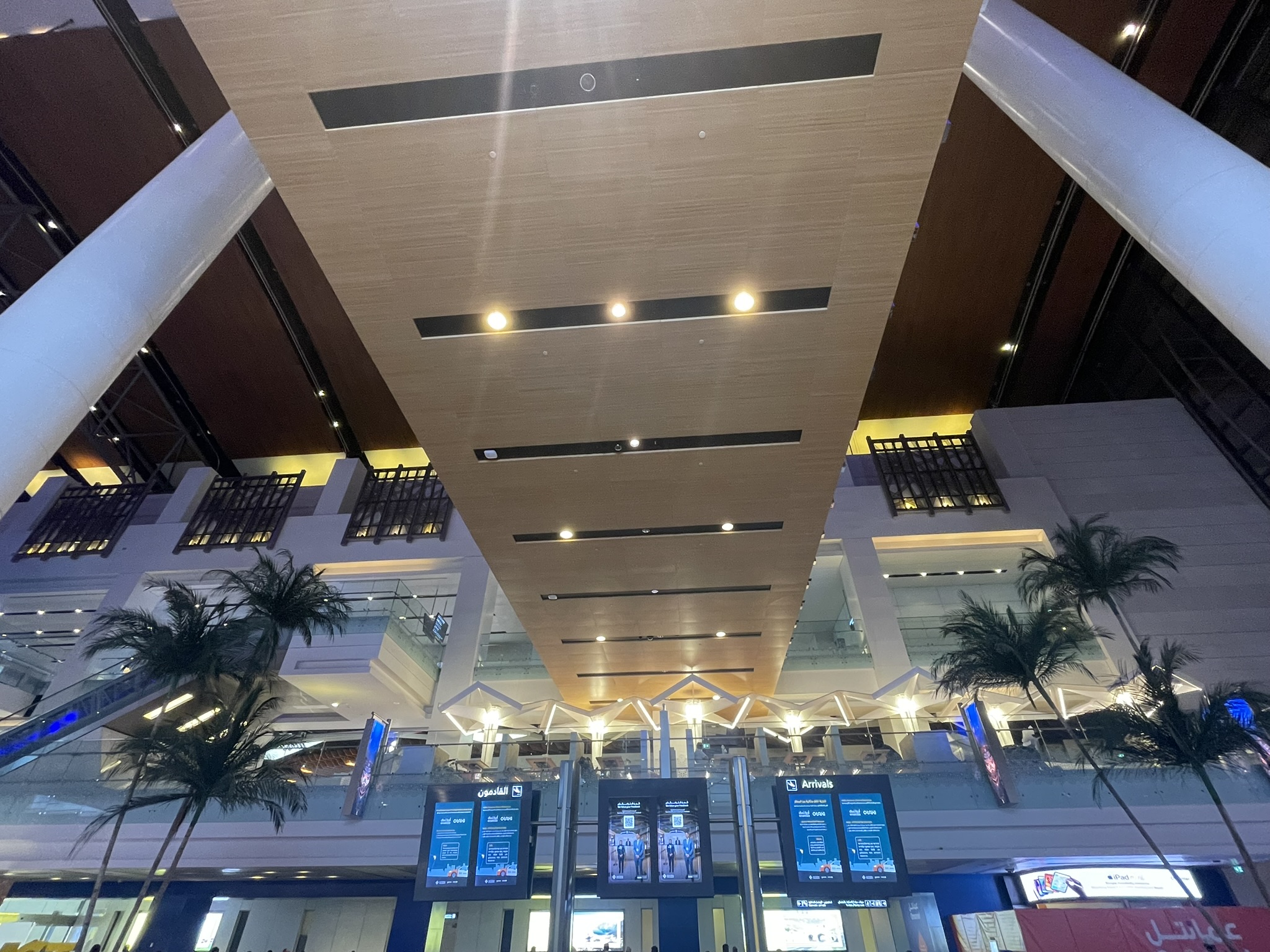
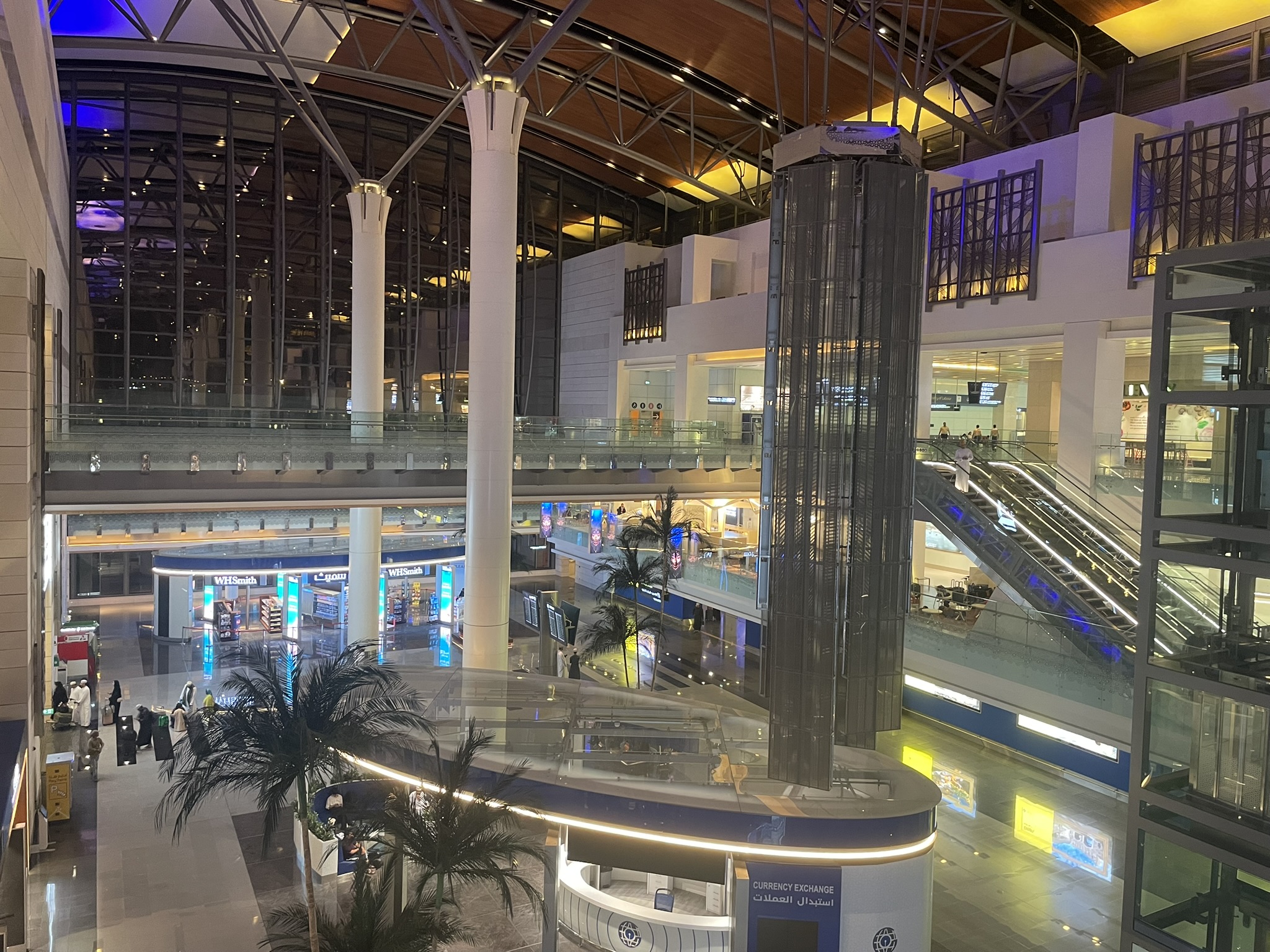
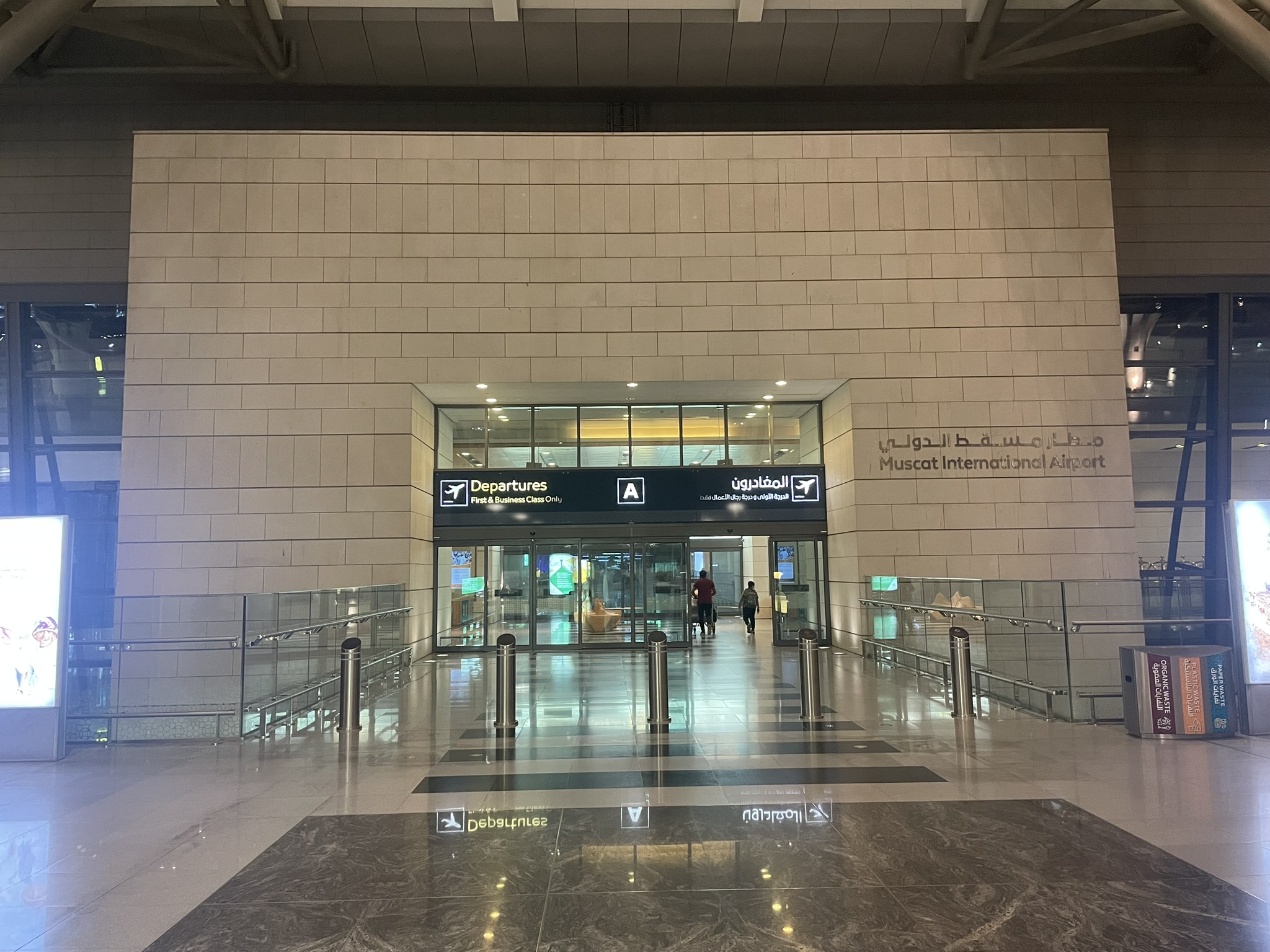
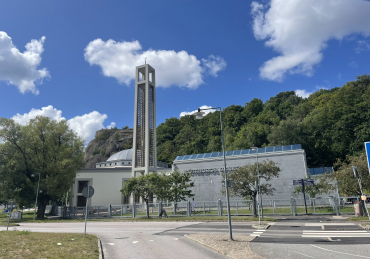
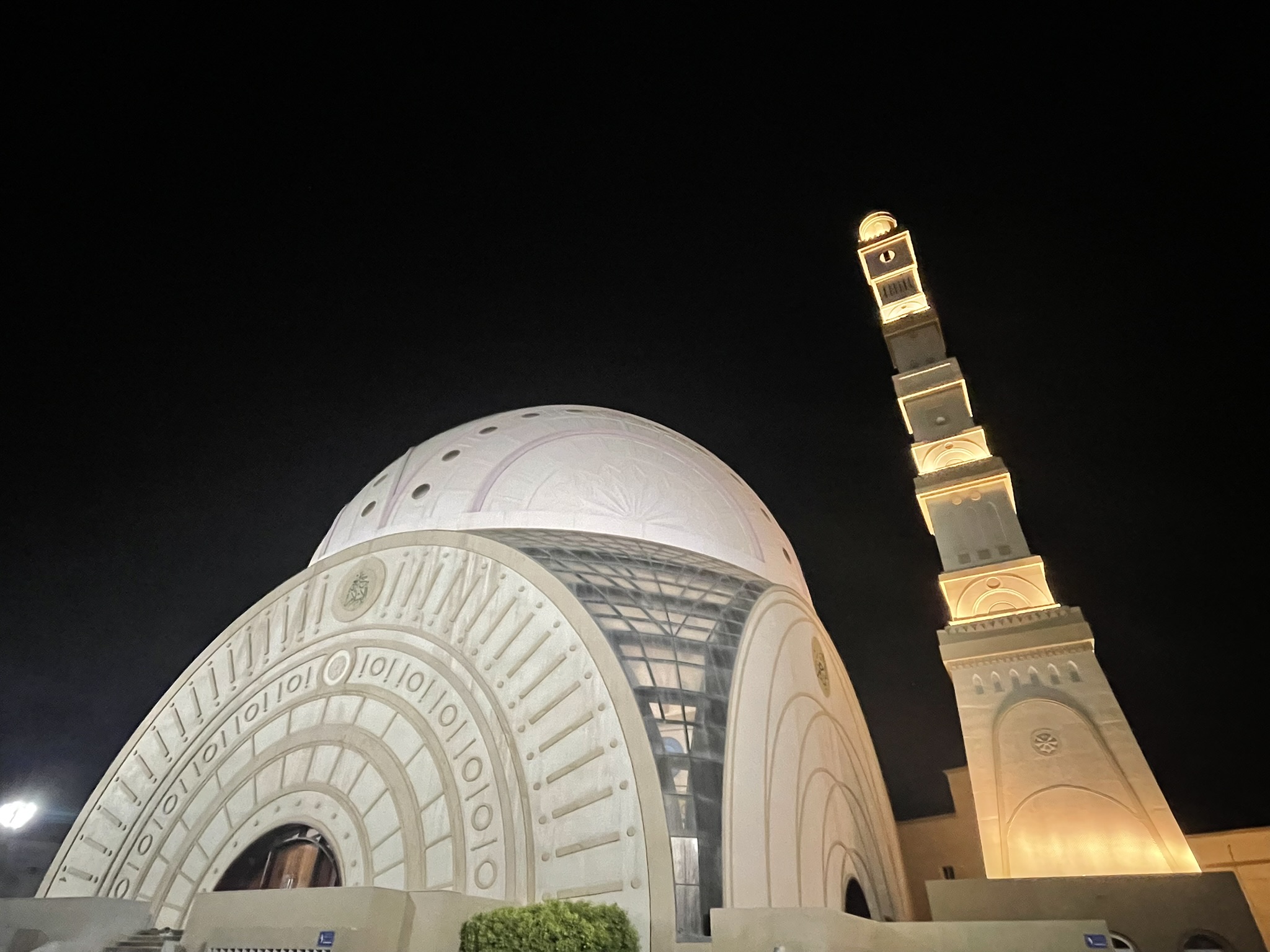
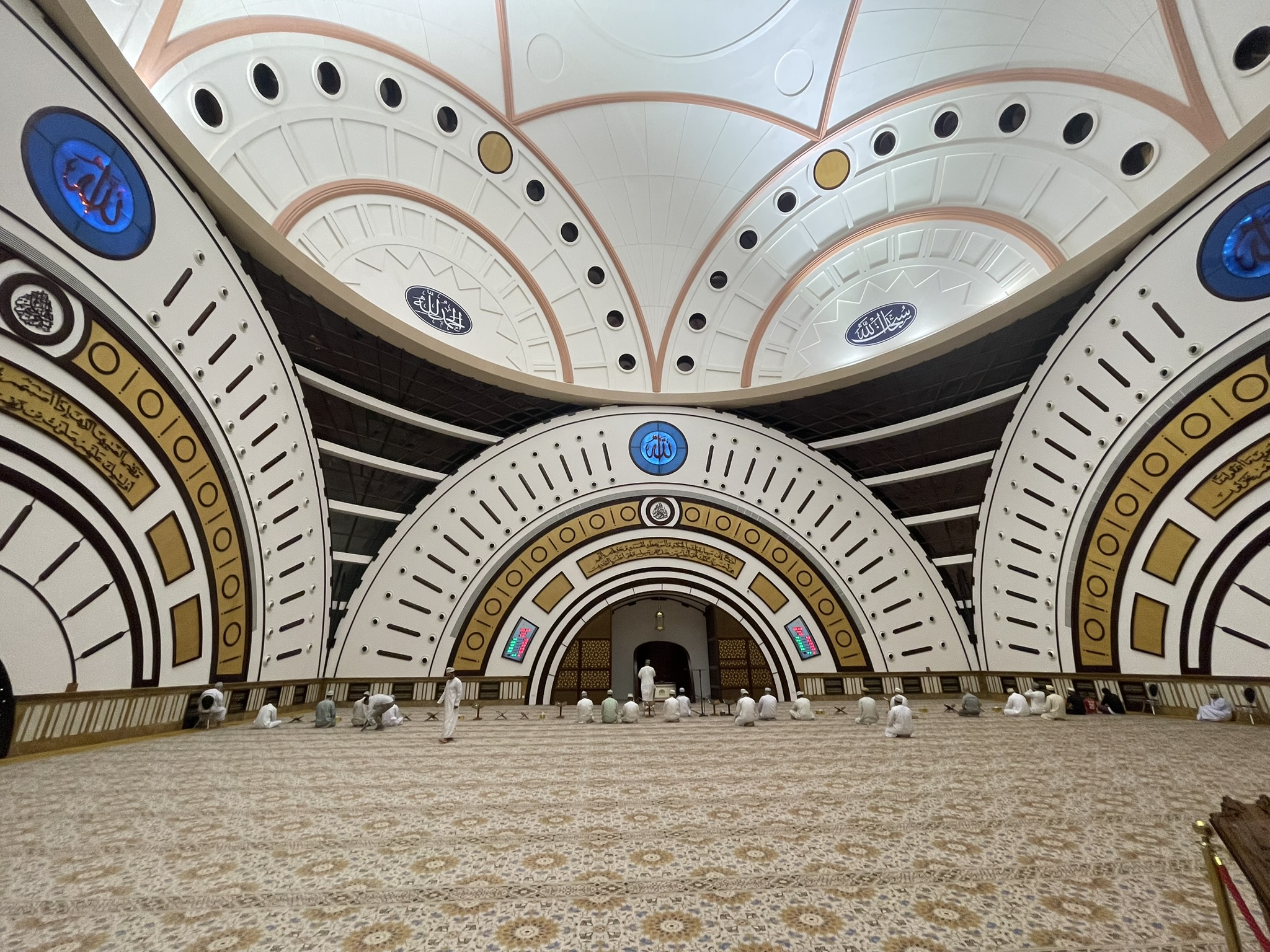
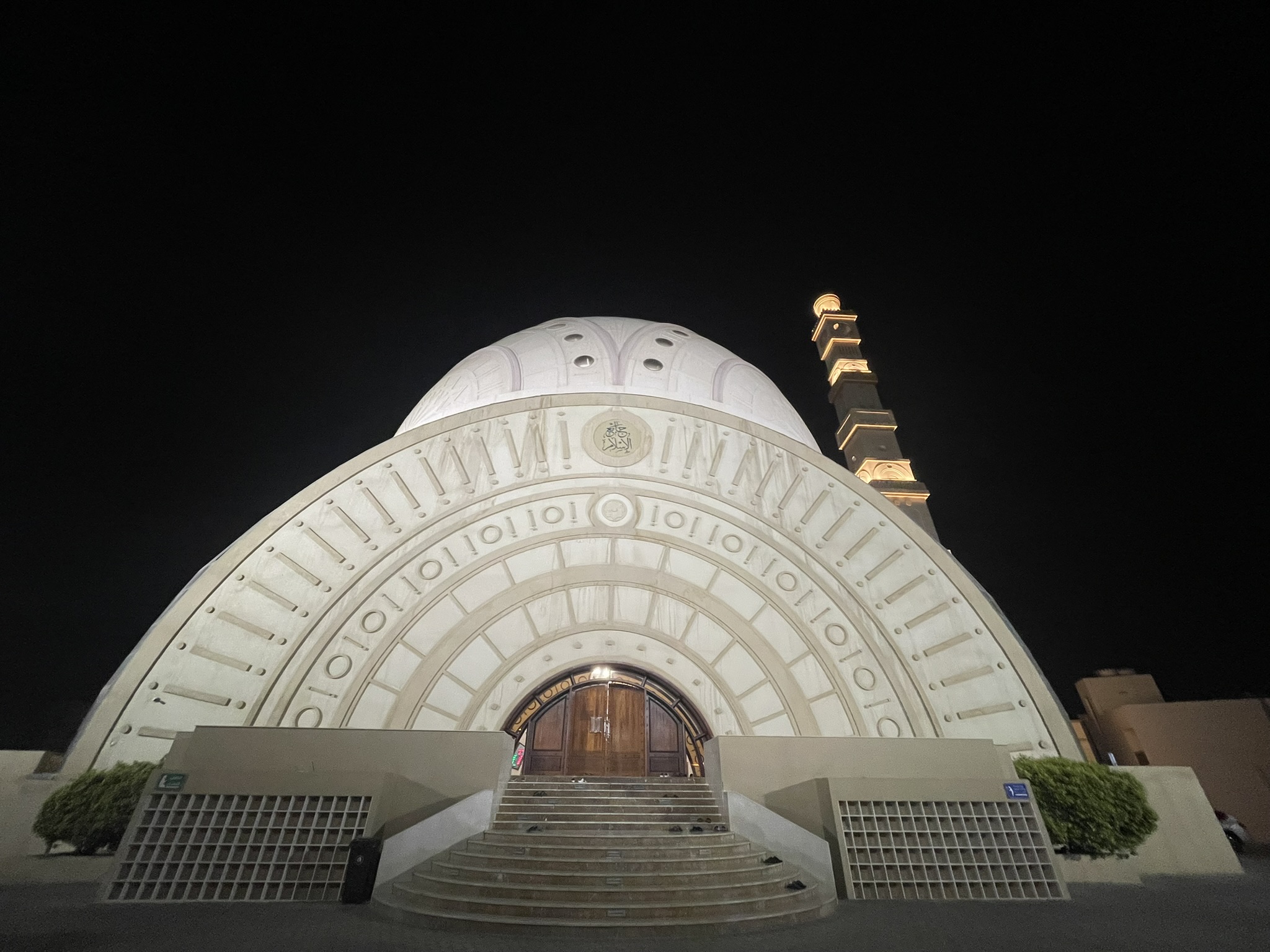
The people are friendly. Free water bottles are provided at the Duty-Free Shop. My brother, Mufti Muhammad, his son Hammad, and our family friend Akil collect us. They arrived here earlier and are residing in Al-Jabal Al-Akhdar, two hours from Muscat. We perform Fajr Ṣalāh on route at the beautiful Jāmiʿ al-Islām in Al-Mawāliḥ al-Janūbiyyah and also eat some breakfast.
Al-Jabal Al-Akhdar
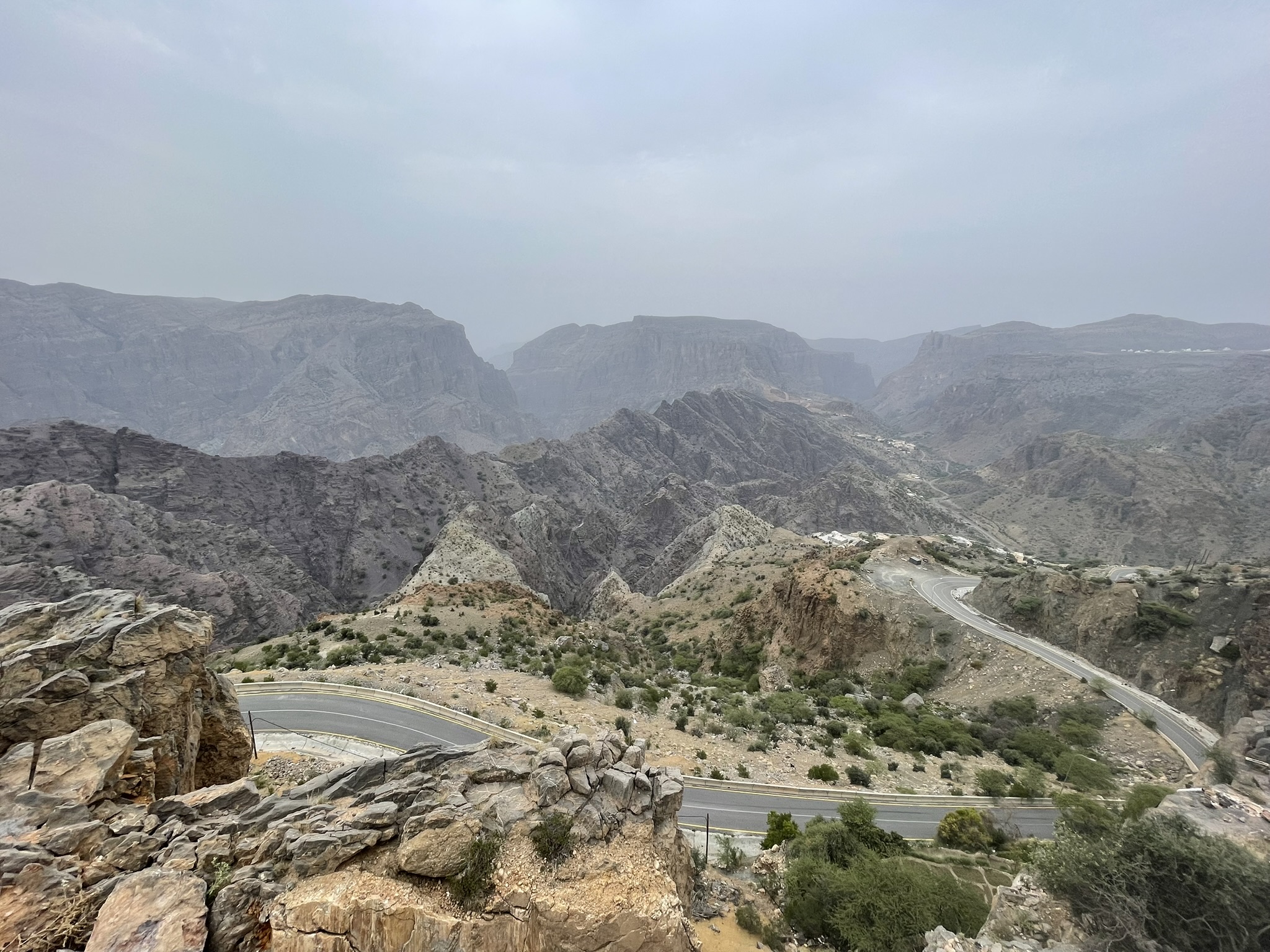
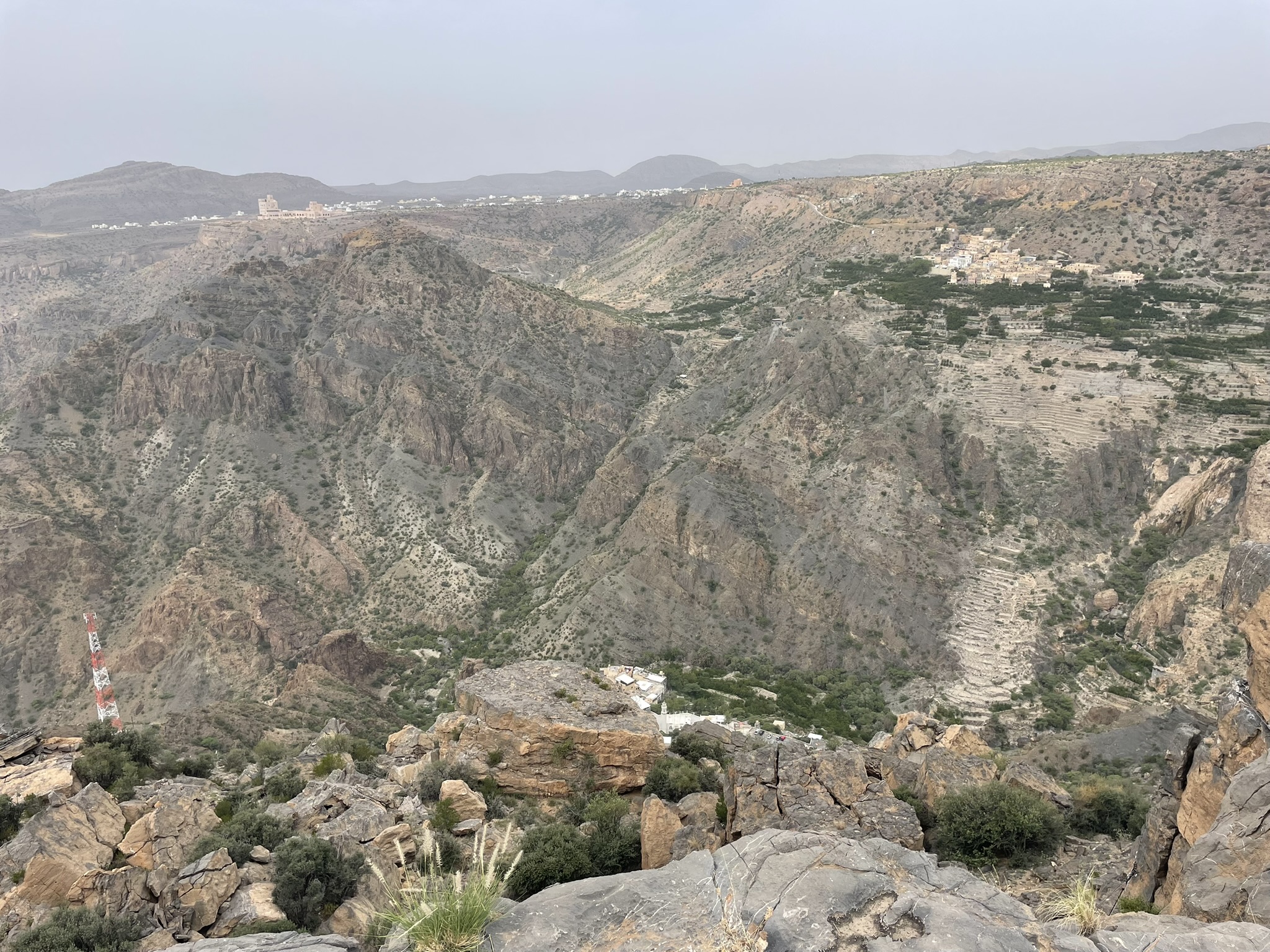
We travel south west of Muscat towards Imti and Izki and thereafter start the ascent towards Al-Jabal Al-Akhdar (The Green Mountain). This is a mountain range approximately five miles long and twenty miles wide. It rises to a height of 3018 metres and encompasses the Saiq Plateau at 2000 metres above sea level. This area is famous for its labyrinth of river valleys (wādīs) and terraced orchards, where pomegranates, apricots, and roses grow in abundance due to its mild mediterranean climate.
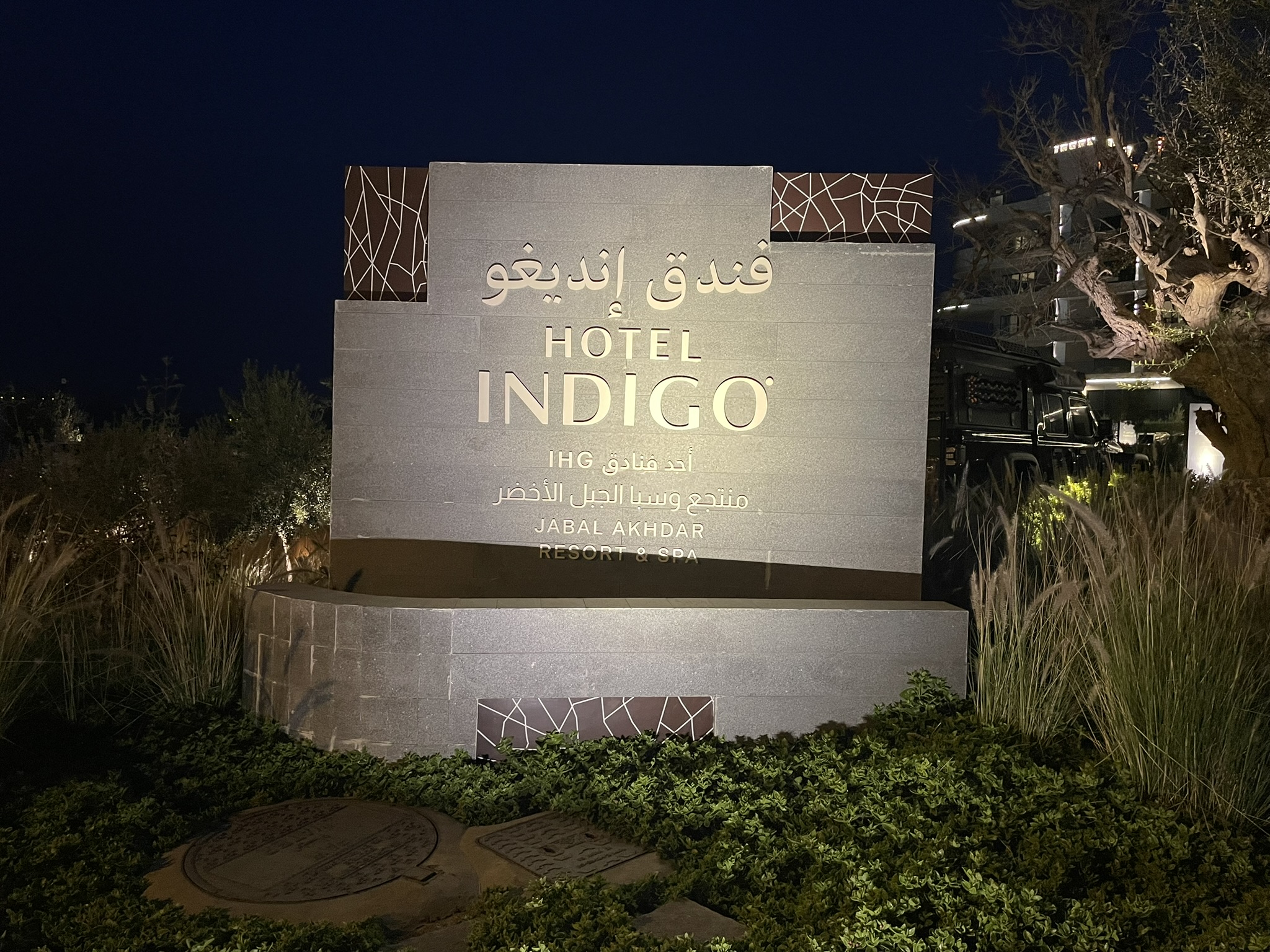
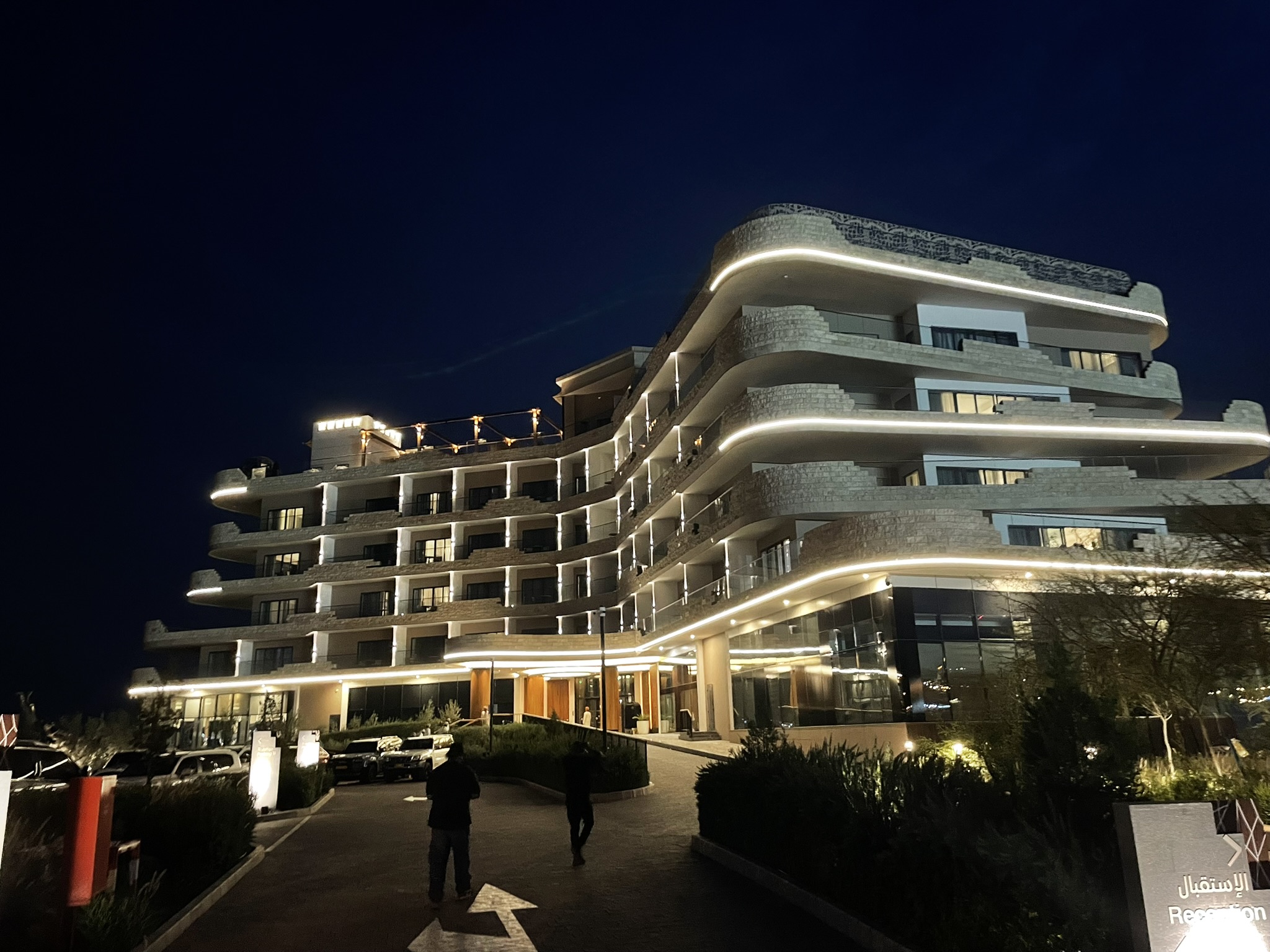
We arrive at the IHG run Indigo hotel located in the Saiq Plateau.
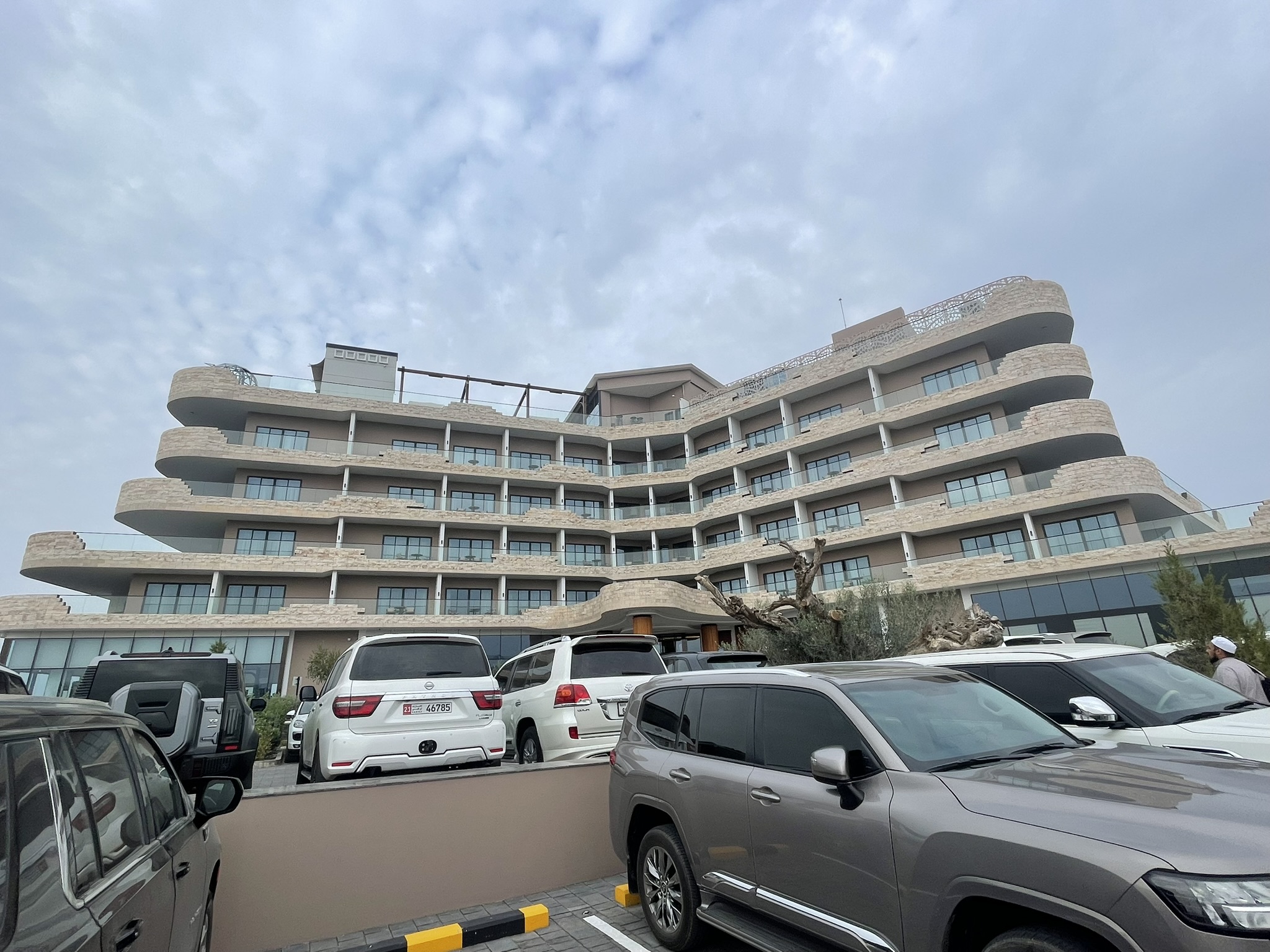
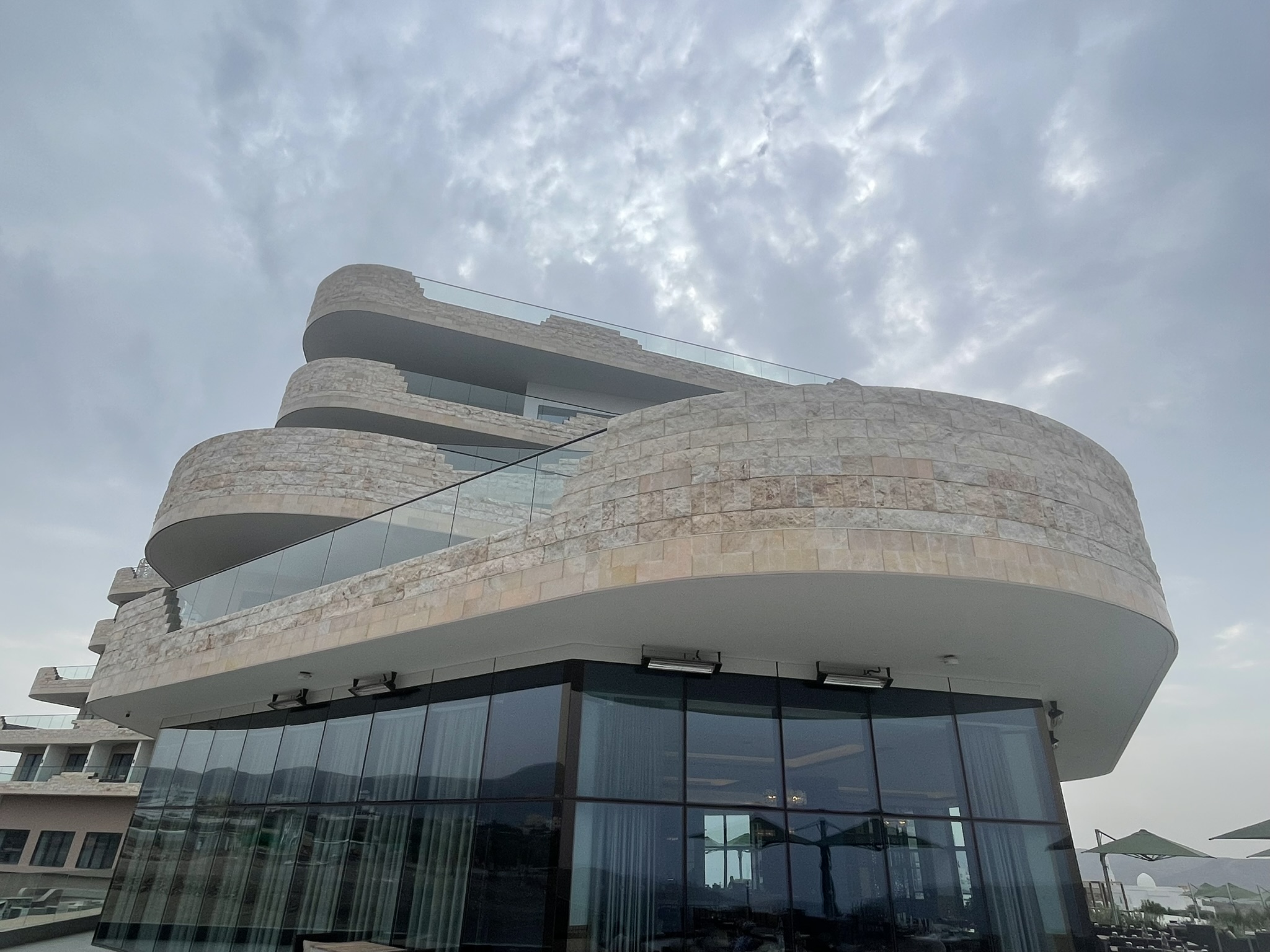
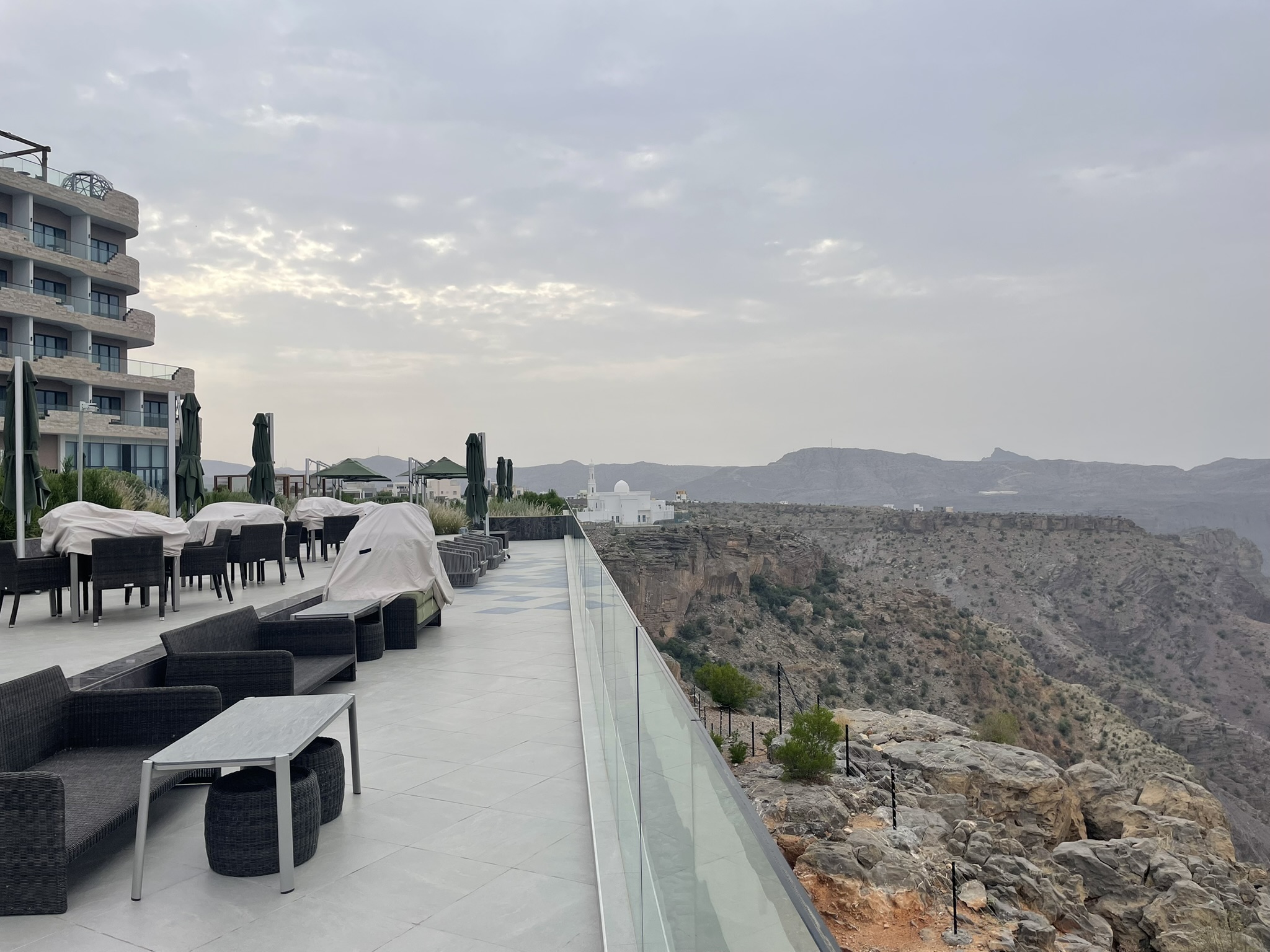
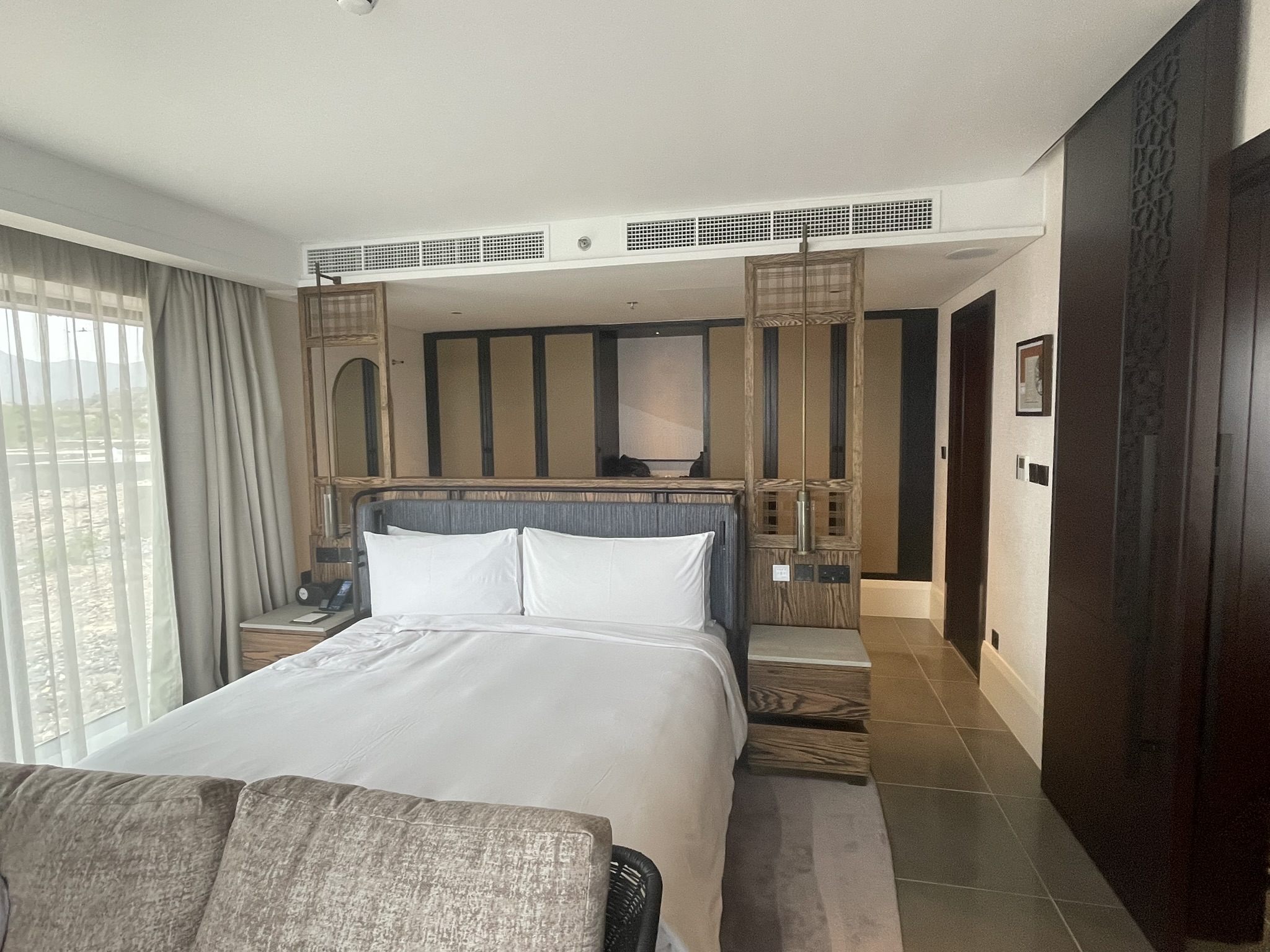
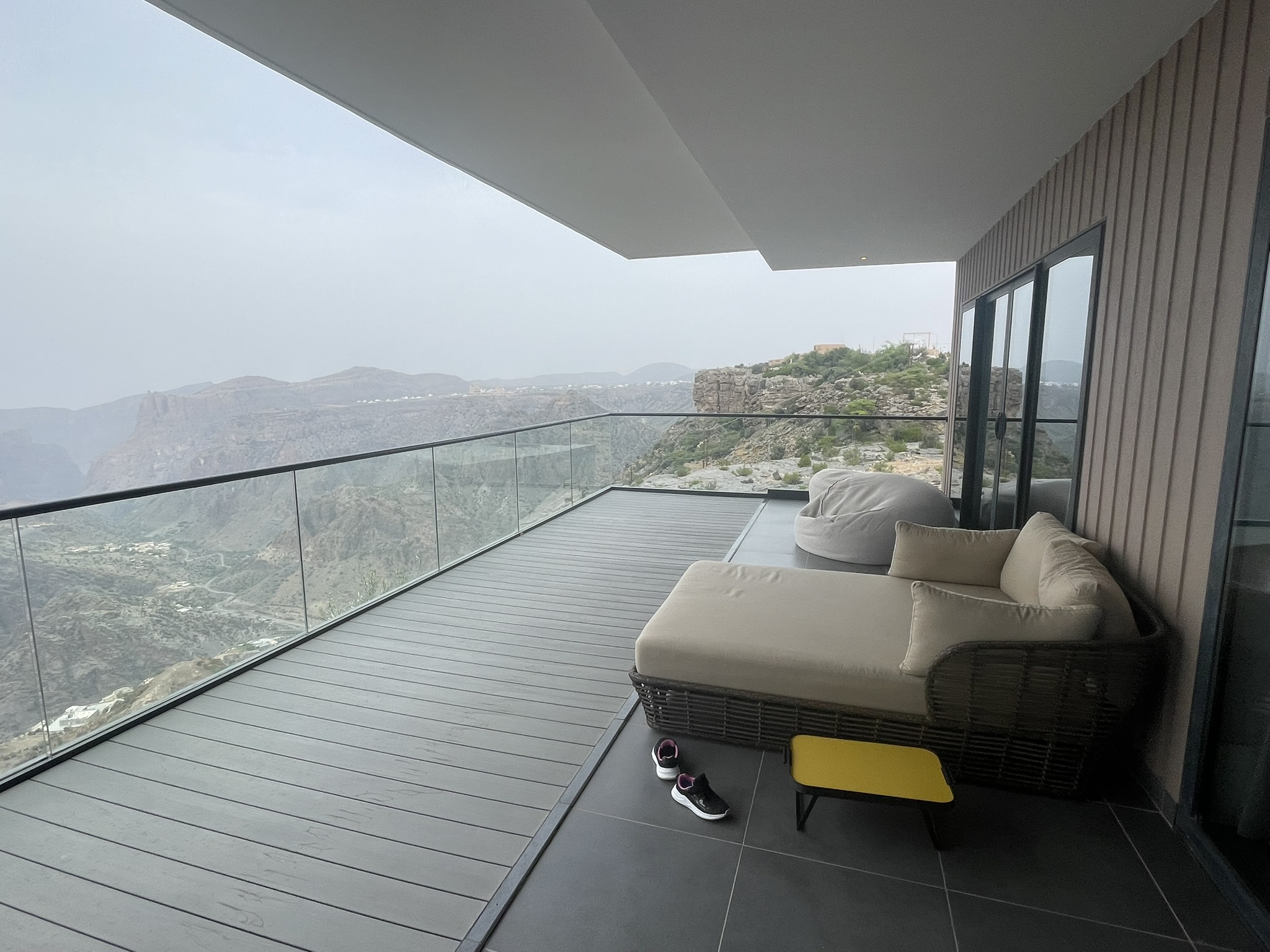
The weather is much cooler here compared to Muscat. It is 20-25 degrees Celsius, 10 degrees less than Muscat. This is why many locals and tourists prefer to spend some time here in the summer months. There is a lot of peace and tranquillity here combined with scenic views of the mountains. The restaurant in the hotel is regarded as the highest restaurant across the Middle East.
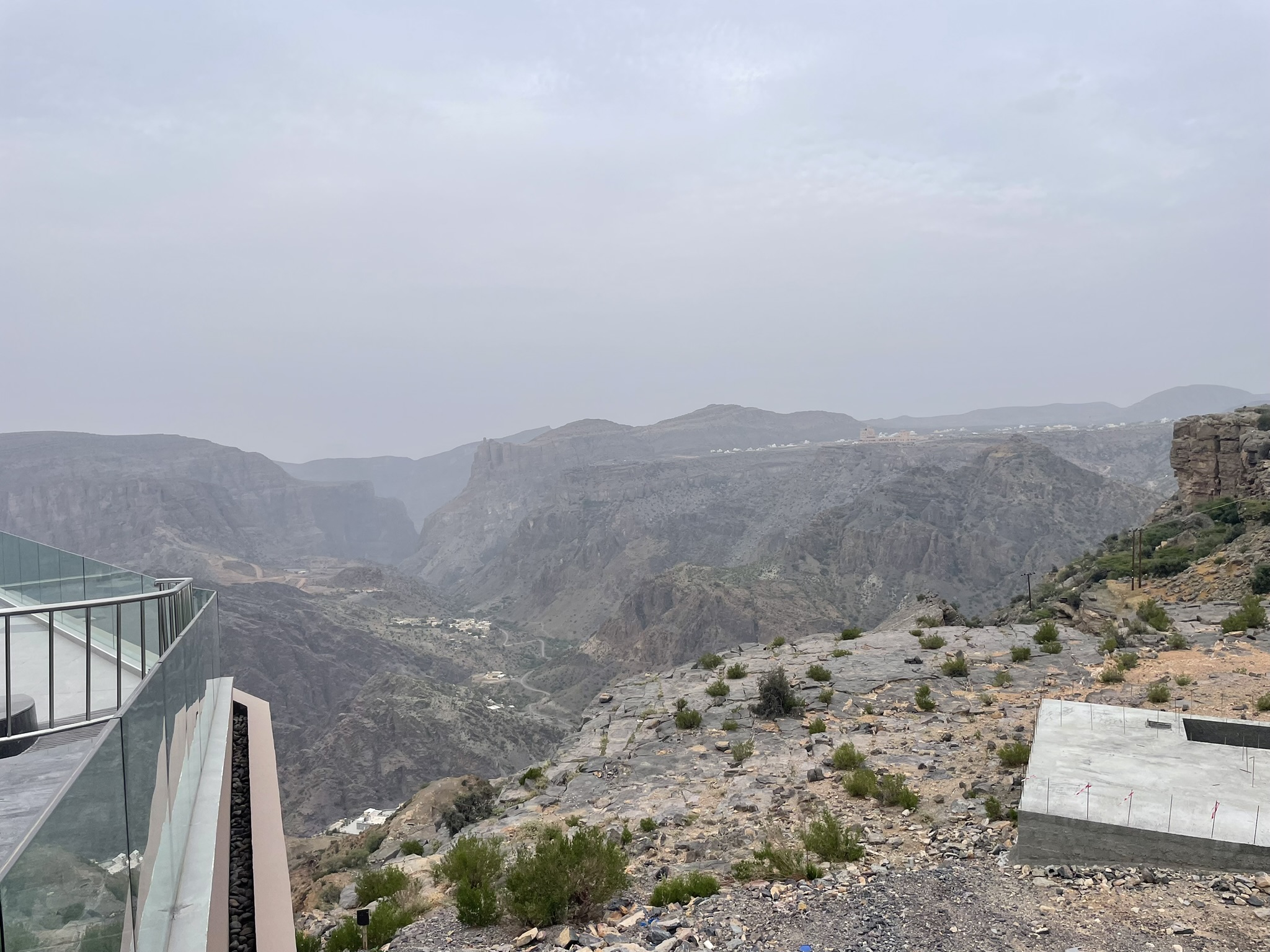
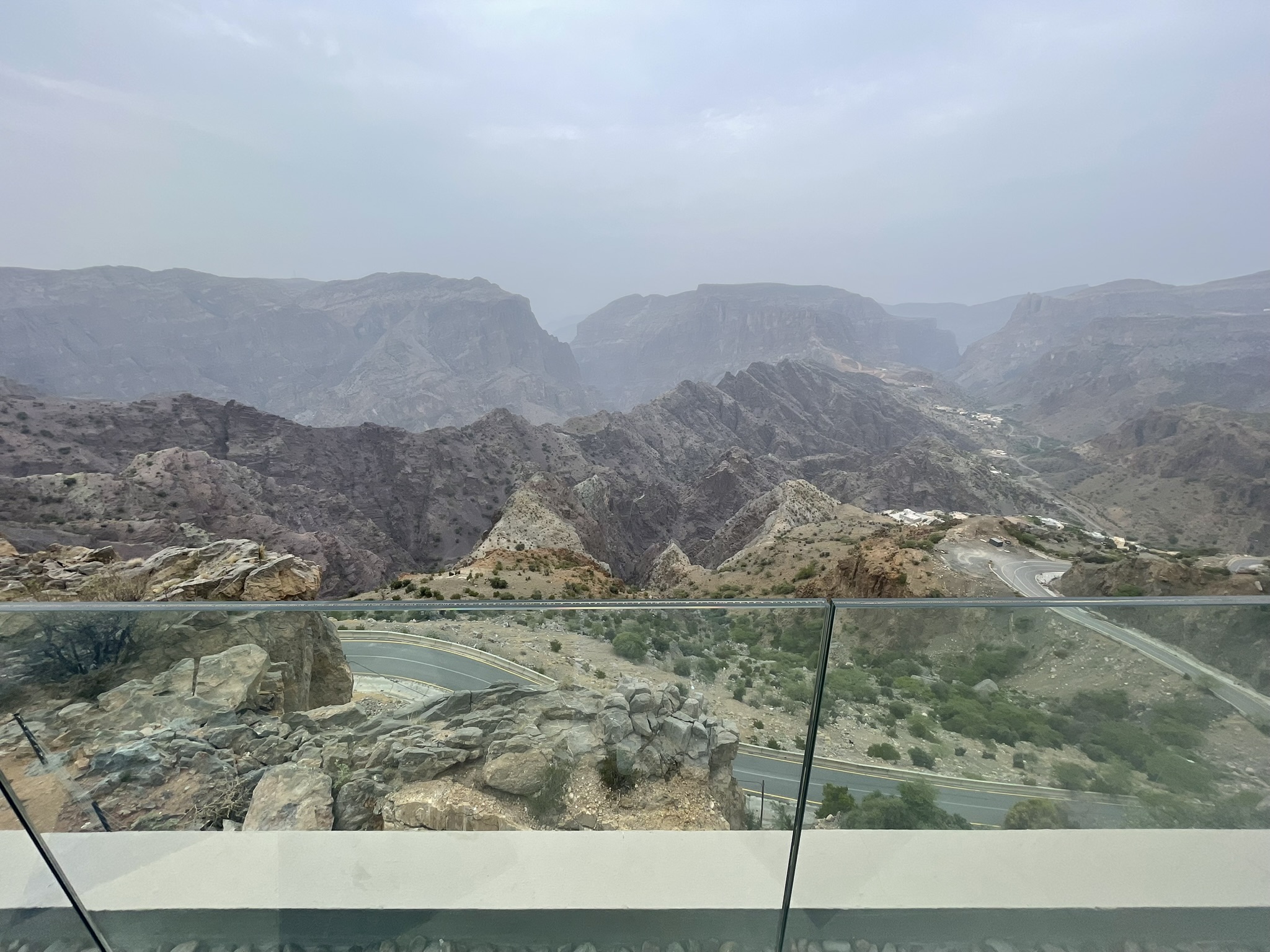
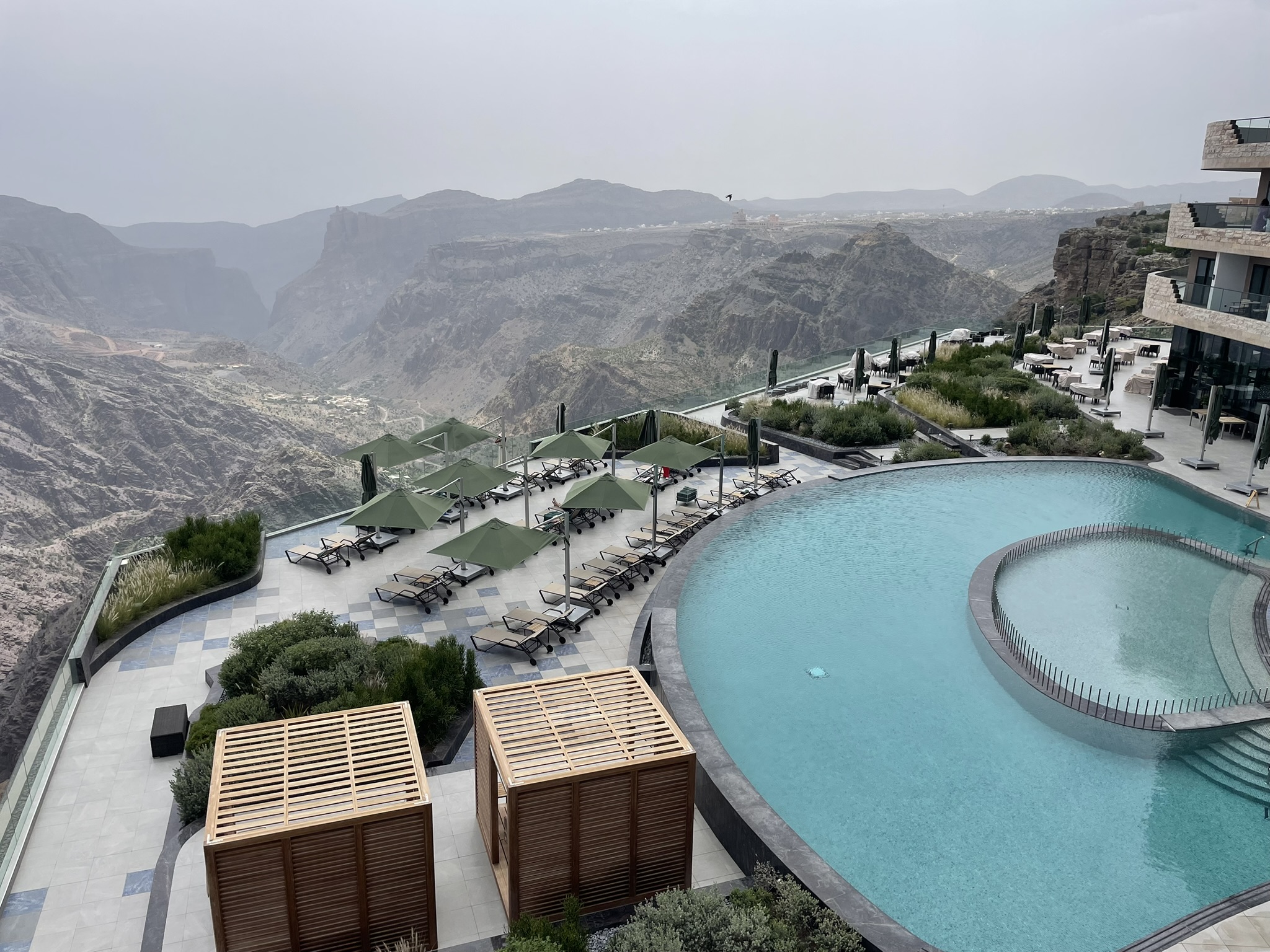
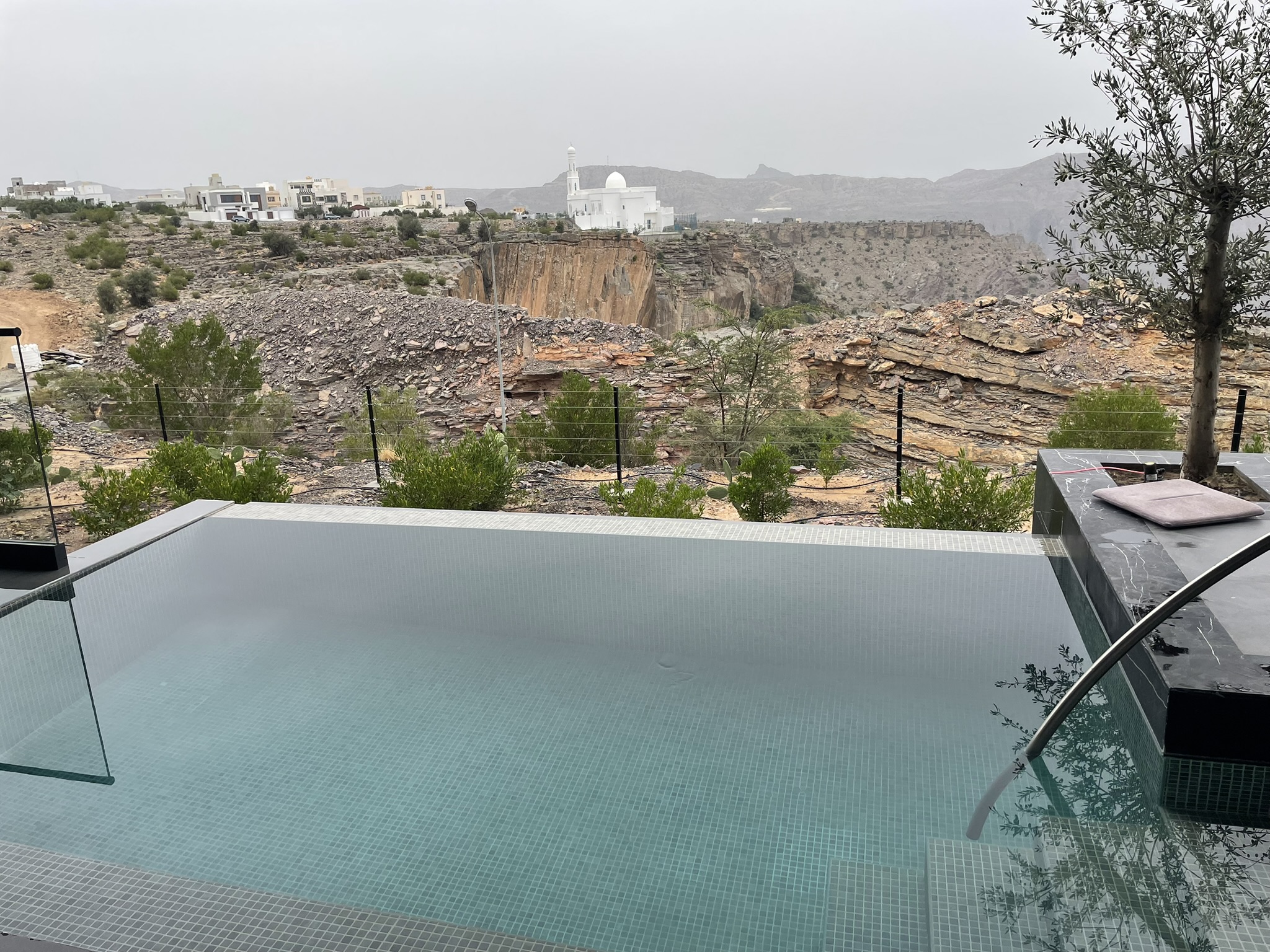
Some of the hotel rooms have a private pool.
Jumuʿah Ṣalāh
We eat breakfast and rest until midday. The hotel staff inform us that although there are many mosques within the area, there is only one Jumuʿah Ṣalāh at the central Jāmiʿ Mosque nearby. This reflects the historical tradition across the Muslim world.
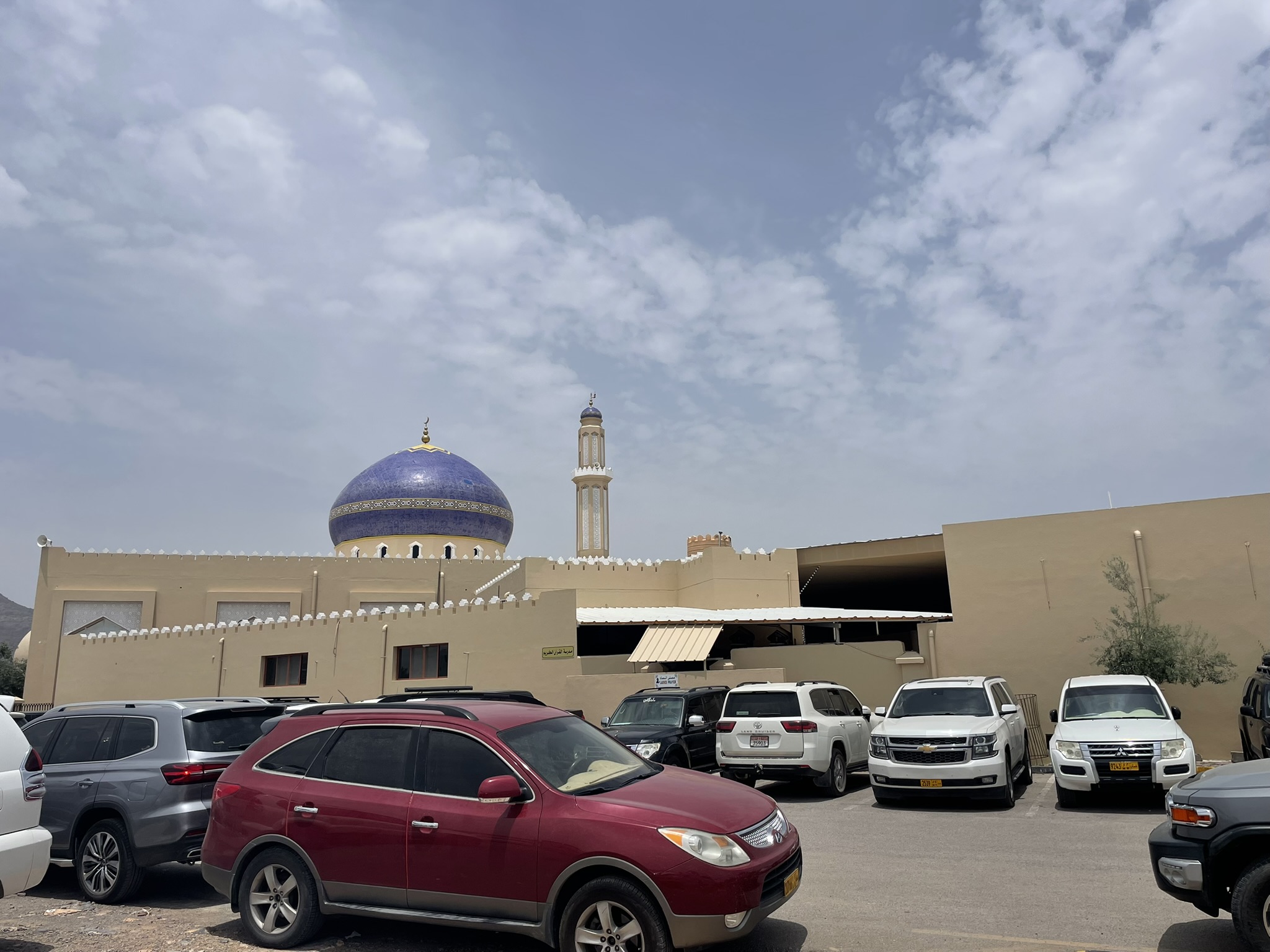
We also note a few things about the method of Ṣalāh of most of the attendees. The Iqāmah is the same as the Ḥanafī method of Iqāmah. At the of end of Ṣalāh, there is only one Salām, with Assālāmu ʿalaykum said when the head is turned to the right, and the remainder Waraḥmatullāh said when the head is turned to the left. There is Irsāl, similar to the practice of many Mālikīs, with the hands released to the sides during Qiyām. This is the Ibāḍī method of performing Ṣalāh.
Ibāḍīs
The majority of the residents of Oman subscribe to the Ibāḍī school of thought. There are also some Ibādīs in some African countries like Zanzibar, Algeria, Tunisia and Libya. The term Ibādī is attributed to ʿAbdullāh ibn Yaḥyā ibn Ibāḍ al-Tamīmī of the first century hijrī who is regarded as the founder of this sect, although not much is known about him. The sect draws inspiration from the teachings and views of Imām Jābir ibn Zayd (d. 93/712), a renowned scholar and senior student of ʿAbdullāh ibn ʿAbbās (d. 68/687-8, may Allah be pleased with them), who is also revered and respected by the Sunnis and his Ḥadīths are transmitted in all the six books of Ḥadīths.
There is a lot of confusion regarding this group and whether performing Ṣalāh behind them is valid or otherwise. On the one hand, Mufti Rashīd Aḥmad Ludyānwī (d. 1422/2002) mentions in Aḥsan al-Fatāwā (1: 197) that although he is unaware of the specific beliefs of the Ibāḍīs in Oman, if they share the views of the Ibāḍī sect attributed to ʿAbdullāh ibn Ibāḍ al-Tamīmī then Ṣalāh is not valid behind them, because they are a group of Khawārij as mentioned in the books. Mufti Ṣāḥib has also quoted from Fatāwā Kāmiliyyah which also attributes to the Ibāḍīs that they regard their opponents (the Ahl al-Sunnah) as non-Muslim (which is however something the contemporary Ibāḍīs of Oman do not subscribe to).
This point that the Ibāḍīs are a sect of the Khawārij has been mentioned by many earlier and later scholars including Imām Mālik (d. 179/795) in Mudawwanah (1: 258, 530), Imām Abū ʿUbayd al-Qāsim ibn Sallām (d. 224/838) in al-Īmān (p. 50), Imām Abū al-Ḥasan al-Ashʿarī (d. 324/935) in his Maqālāt, Shaykh al-Islām Ibn Taymiyyah (d. 728/1328) in his Fatāwā (7: 481) and Minhāj al-Sunnah (5: 11), Ḥāfiẓ Dhahabī (d. 748/1348) in his Tārīkh (3: 93; 7:636) and Ḥāfiẓ Ibn Ḥajar al-ʿAsqalānī (d. 852/1449) in Lisān al-Mīzān (4: 418). In fact, Imām Mālik says that Ṣalāt al-Janāzah will not be performed for their deceased and their sick will not be visited.
On the other hand, the contemporary scholar, Dr ʿAlī Muḥammad al-Ṣallābī (b. 1383/1963) has authored a detailed 1000-page book entitled ‘Al-Ibāḍiyyah, Madrasah Islāmiyyah Baʿīdah ʿan al-Khawārij’ (The Ibāḍīs, a school distant from the Khawārij). He firmly believes that there has been an error on the part of earlier scholars in including the Ibādīs from the Khawārij and explains that this error occurred as a result of not referring to the primary Ibādī books. He emphasises that the Ibāḍīs opposed the Khawārij and suggests that the opposition of the Ibāḍīs to the Umayyads resulted in the spreading of false and exaggerated rumours regarding them. He has also listed the names of other contemporary scholars who have reached a similar conclusion (p. 942). He also mentions that the Fiqh of the Ibāḍīs is close to the Mālikī Fiqh and that their school is a Sunni school in so far as the principles of Fiqh are concerned, making it the oldest school of jurisprudence to continue to exist. There are many Ibāḍī books that feature their beliefs and Fiqh.
Dr Ṣallābī does identify some views of theirs which are at odds with the well-established creed of the Ahl al-Sunnah. For example:
- According to the Khawārij, a perpetrator of a major sin leaves the fold of Islam. According to the Ibāḍīs, the perpetrator does not leave the fold of Islam in so far as his worldly status is concerned. Thus, his Janāzah Ṣalāh will be performed and he will be regarded a Muslim for inheritance purposes. However, if he passes away without repentance then his status in the hereafter is to remain in Hell fire forever (p.949). As repentance is a private matter, no judgement is made regarding any specific person, but the statement of principle is as outlined.
- Based on the above, intercession (Shafāʿah) will not benefit the perpetrator of a major sin, according to the Ibāḍīs. They do not deny Shafāʿah for Muslims.
- The Ibādīs do not believe in seeing Allah Almighty in the hereafter (p.954).
- The Ibāḍīs believe in the Quran being a creation of Allah (p.956).
It is certainly true that the Ibāḍīs do not share all the erroneous views of the other sects of the Khawārij. ʿAllāmah Ibn Ḥazm (d. 456/1064) has written extensively on sects. He writes in al-Fiṣal (2: 89) that the Ibāḍīs are the closest of the Khawārij sects to the Ahl al-Sunnah whilst the Azāriqah are the most distant of the Khawārij from the Ahl al-Sunnah. This clearly indicates that there are differences among the Khawārij sects and that the Ibāḍīs are the least severe. Ḥāfiẓ Ibn Ḥajar al-ʿAsqalānī (d. 852/1449) also suggests in Fatḥ al-Bārī (1: 450) that the Ibāḍiyyah are a sect of the Khawārij but that their views are not as severe as the others. He has also quoted the aforementioned quote of ʿAllāmah Ibn Ḥazm in another place in Fatḥ al-Bārī (12: 285). However, both these luminaries and others have described the Ibāḍīs from a sect of the Khawārij, probably because they have some common beliefs and also because of their opposition to the Umayyads. It is also possible that some of the earlier Ibāḍis shared some of the other erroneous views of the Khawārij.
Returning to the issue of Ṣalāh, Dr Ṣallābī concludes that Ṣalāh behind the current Ibāḍīs is valid and supports this with various Ḥadīths and statements of earlier scholars. According to him, the aforementioned issues are not sufficient to invalidate their Ṣalāh. Even if their classification as the Khawārij is accepted, Dr Ṣallābi would argue that the scholars have two views regarding performing Ṣalāh behind them as outlined in Sharḥ Ibn Baṭṭāl (2: 327) and other books. Our Ḥanafī texts suggest that the Ṣalāh behind an innovator whose misguided views do not reach the threshold of disbelief is valid, albeit Makrūḥ (disliked). ʿAllāmah Ḥaṣkafī (d. 1088/1677) mentions in al-Durr al-Mukhtār (1:561) that Ṣalāh behind the Khawārij – who regard our blood and wealth as Ḥalāl and negate the attributes of Allah and the seeing of Allah – is valid albeit Makrūh. The Ibāḍīs regard the Ahl al-Sunnah as Muslims unlike many of the other Khawārij, and this is why many of them partake in Tablīgh Jamāʿat and are also genuinely very sympathetic to the Palestinian cause. It is also mentioned in Radd al-Muḥtār (1: 561) from ʿAllāmah Ibn al-Humām’s (d. 861/1457) Taḥrīr (p. 537; al-Taqrīr wa al-Taḥbīr, 3: 317) that the negating of Shafāʿah and the belief that the perpetrator of a major sin leaves Islam along with negating seeing Allah do not reach the threshold of disbelief.
This leaves the issue of the creation of the Quran. It is explicitly mentioned in most of our Ḥanafī texts that Ṣalāh is not valid behind someone who believes that the Quran is a creation of Allah because this reaches the threshold of disbelief (al-Muḥīṭ al-Riḍwī, 1:291; Fatāwā Qāḍīkhān, 1: 86; al-Muḥīṭ al—Burhānī, 1:406; al-Gāyah fī Sharḥ al-Hidāyah, 3: 339; Tabyīn al-Ḥaqāʾiq, 1: 134; Fatḥ al-Qadīr, 1:350; al-Baḥr al-Rāʾiq, 1:370, 5:134; Hindiyya, 1:84, 2:257, 266). It is also mentioned in Uṣūl al-Bazdawī (1:9) from Imām Abū Ḥanīfah (d. 150/767), Imām Abū Yūsuf (d. 182/798) and Imām Muḥammad (d. 189/805) that the belief in the creation of the Quran is disbelief. However, ʿAllāmah Ibn al-Humām, ʿAllāmah Ibn Amīr Ḥāj (d. 879/1474) and ʿAllāmah Ibn ʿĀbidīn (d. 1252/1836) are inclined otherwise (see al-Musāyarah, 2: 213; al-Taqrīr wa al-Taḥbīr, 3:303; Radd al-Muḥtār, 4: 263). ʿAllāmah Ḥaṣkafī (d. 1088/1677) also appears to be inclined to this based on the mention of the attributes of Allah above. The other three schools of Fiqh are also divided on the matter of the creation of the Quran. The dominant Shāfiʿī view is it does not reach the threshold of disbelief and therefore Ṣalāh is valid (Rawḍat al-Ṭālibīn, 4: 170; al-Majmūʿ, 4: 150; Asnā al-Maṭālib, 1: 219). The dominant Mālikī position is the same (Al-Fawākih al-Dawānī, 1: 94) except that they are strict in relation to performing Ṣalah behind an innovator. The Ḥanbalī position differentiates between the Muqallids and those who propagate and invite others to this belief, with the latter constituting disbelief not the former (al-Furūʿ, 11:337; al-Inṣāf, 12:47; Kashshāf al-Qanāʿ, 4: 0165, 6: 420).
Although contemporary Ibāḍīs regard this issue as one with a valid difference of opinion and do not invite others to this, their view in principle is of the creation of the Quran. However, earlier Ibāḍīs were divided on the matter. In fact, the Omani Ibāḍī scholar Shaykh Abū al-Ḥasan ʿAlī ibn Muḥammad al-Bisyawī of the fourth century hijrī who was alive in 364 Hijrī has refuted the view of the creation of the Quran in his book Jāmiʿ Abī al-Ḥasan al-Bisyawī (1: 452 – 462). This however is not the view of the contemporary Ibāḍīs. Dr Ṣallābī argues that this view is based on an interpretation and ijtihād, which creates Shubhah, and therefore will not reach the threshold of disbelief.
The discussion has prolonged beyond the scope of this travelogue. I have outlined both views with some detail because very limited information is available on this matter in our books, so that further research can be conducted in this regard and respected Muftis can look into this further. If what Dr Ṣallābī has written is correct, then it appears that the Ṣalāh would be valid according to some of our jurists, but this issue requires more research.
I contact my respected friend, Mufti Maḥmūd Bārdolī, senior lecturer of Tafsīr and Ḥadīth at the seminary in Dabhel regarding this as I recall he has visited Oman before. He shares with me the Fatwā of Mufti Raḍāul Ḥaq (b. 1369/1950) on the Ṣalāh being invalid, and also sends me a list of the Mosques of the Ahl al-Sunnah in Muscat. There is no doubt that there are some views of the Ibāḍīs that are against the beliefs of the Ahl al-Sunnah as mentioned above, and even if they do not reach the threshold of disbelief according to some scholars, one should endeavour to perform Ṣalāh in the Masjids of the Ahl al-Sunnah.
(Three months after our visit to Oman, I ask our respected Mufti Muhammad Taqi Usmani regarding this. Mufti Ṣāḥib suggests that Ṣalāh would be valid behind the current Ibāḍīs of Oman in so far as their creed is concerned, because the likes of Imām Aḥmad ibn Ḥanbal performed Ṣalāh behind those who held the view of the creation of the Quran. However, Mufti Ṣāḥib mentions another concern that they do not add a Sūrah in some prayers. Upon checking, I find that they do not recite Sūrah after Sūrah al-Fātiḥah in the quiet Farḍ prayers, i.e., Ẓuhr and ʿAṣr prayers, similar to the final Rakʿat of Magrib and the final two Rakʿats of ʿIshā Ṣalāh, wherein Sūrah is not read after Sūrah al-Fātiḥah. The common dominator according to them is the quiet recitation. This issue appears to be less severe than the creedal issues because the ruling on whether reciting the Sūrah after Sūrah al-Fātiḥah is necessary is differed upon within the four schools of thought. Nevertheless, one should endeavour to perform Ṣalāh in the Masjids of the Ahl al-Sunnah as mentioned. Jurists however need to consider that there are areas in the country in which there is no Masjid of the Ahl al-Sunnah, and what a person should do especially for Jumuʿah Ṣalāh, considering the aforementioned points. Further, when I share Imām Mālik’s aforementioned position to Mufti Ṣāḥib, he suggests that perhaps it is a reference to the Ibāḍis of his era who may have held other erroneous views. It is also possible that it was based on the information that reached him, and Allah Almighty knows best).
Shuwa and the Al-Jabal Al-Akhdar Festival
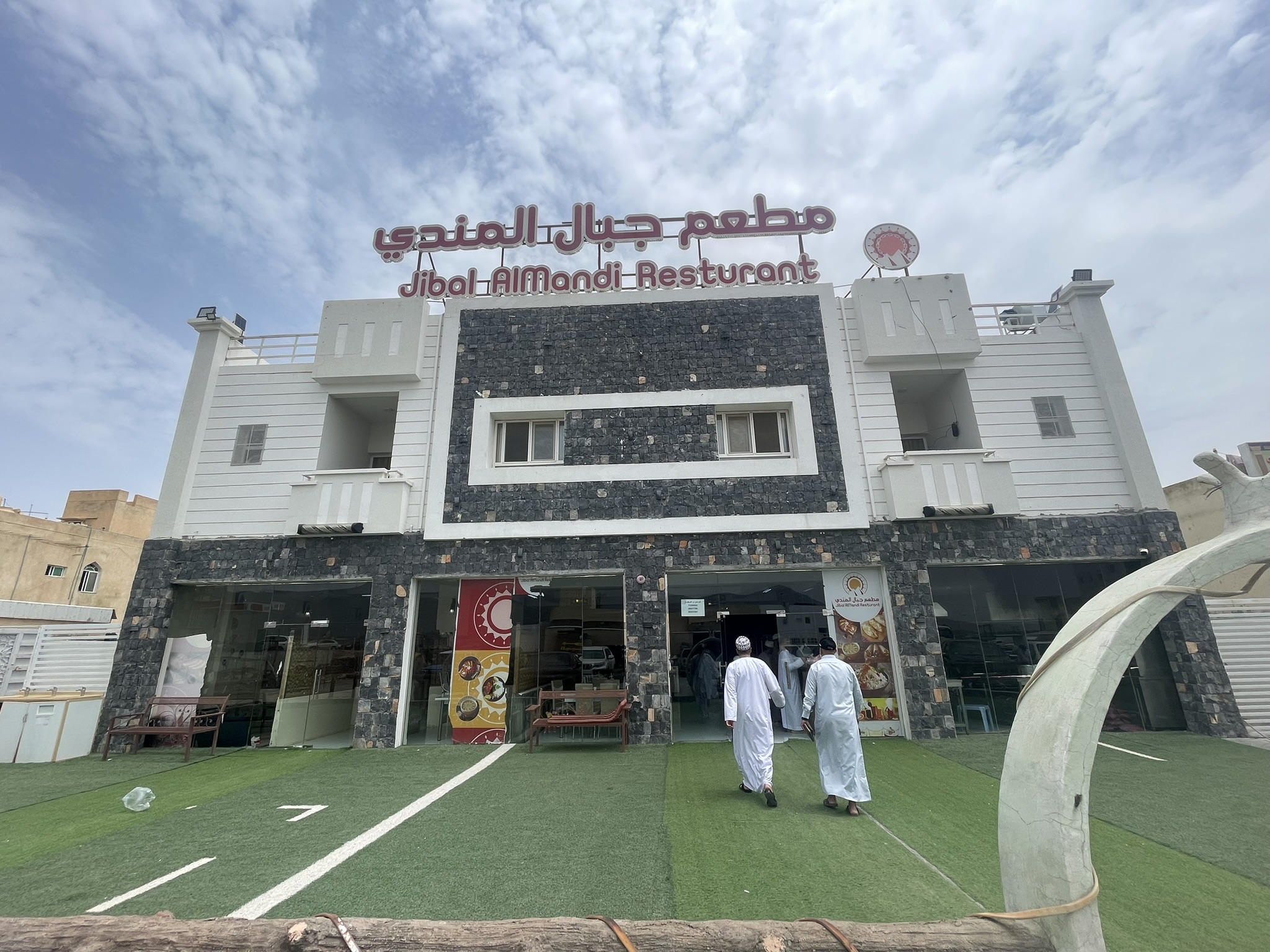
We visit the Jibal Al Mandi Restaurant and purchase the Omani national dish known as Shuwa, which is meat slow cooked in the ground. It is our Aḥmad’s favourite.
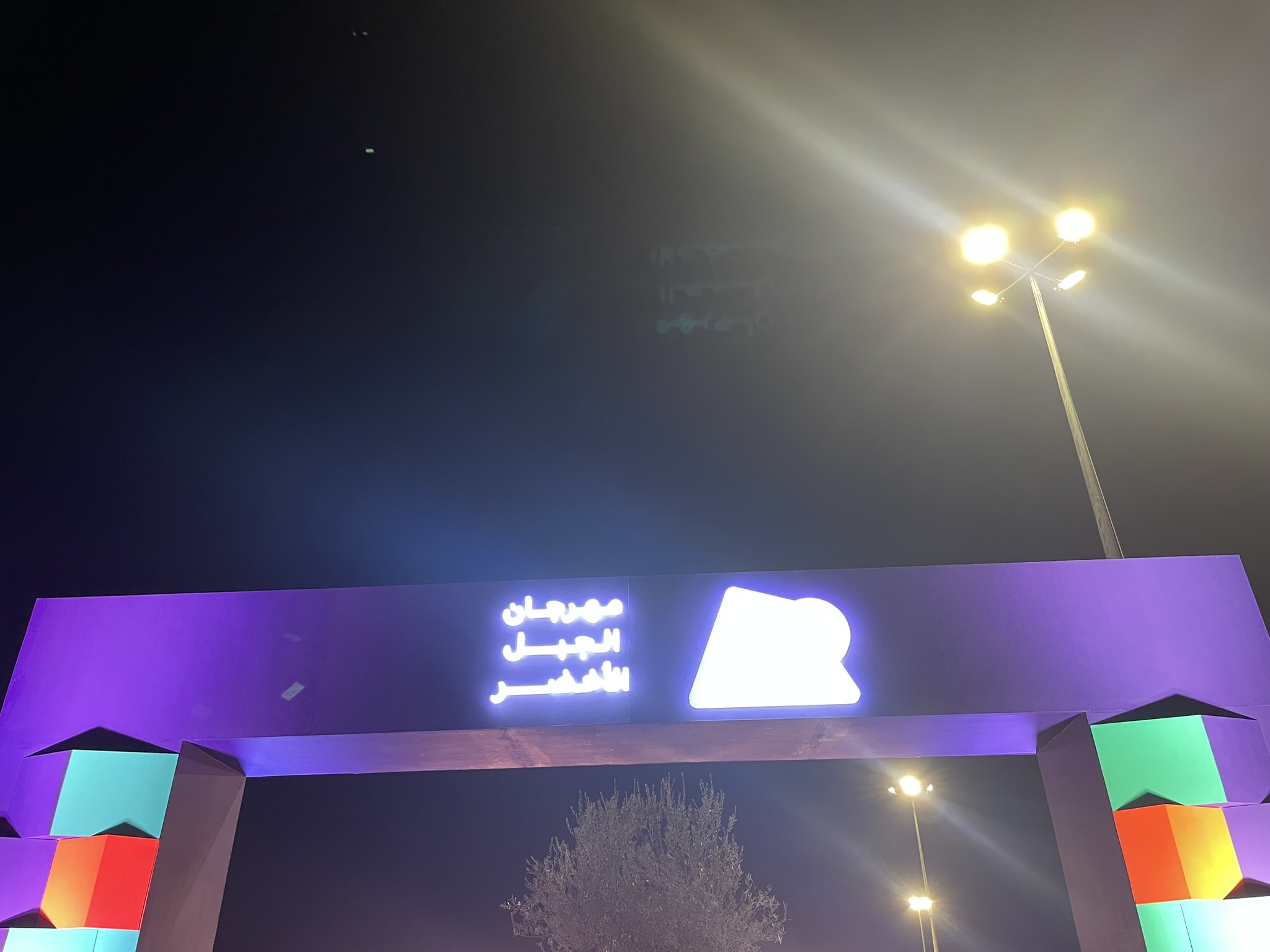
Later in the evening, we visit the Al-Jabal Al-Akhdar Festival that runs throughout August. It features cultural shows, folk art performances including the national Omani sword dance, plays, restaurants, play areas, sports activities and shops to purchase local goods and produce. The aim of this is to boost tourism and empower local businesses.
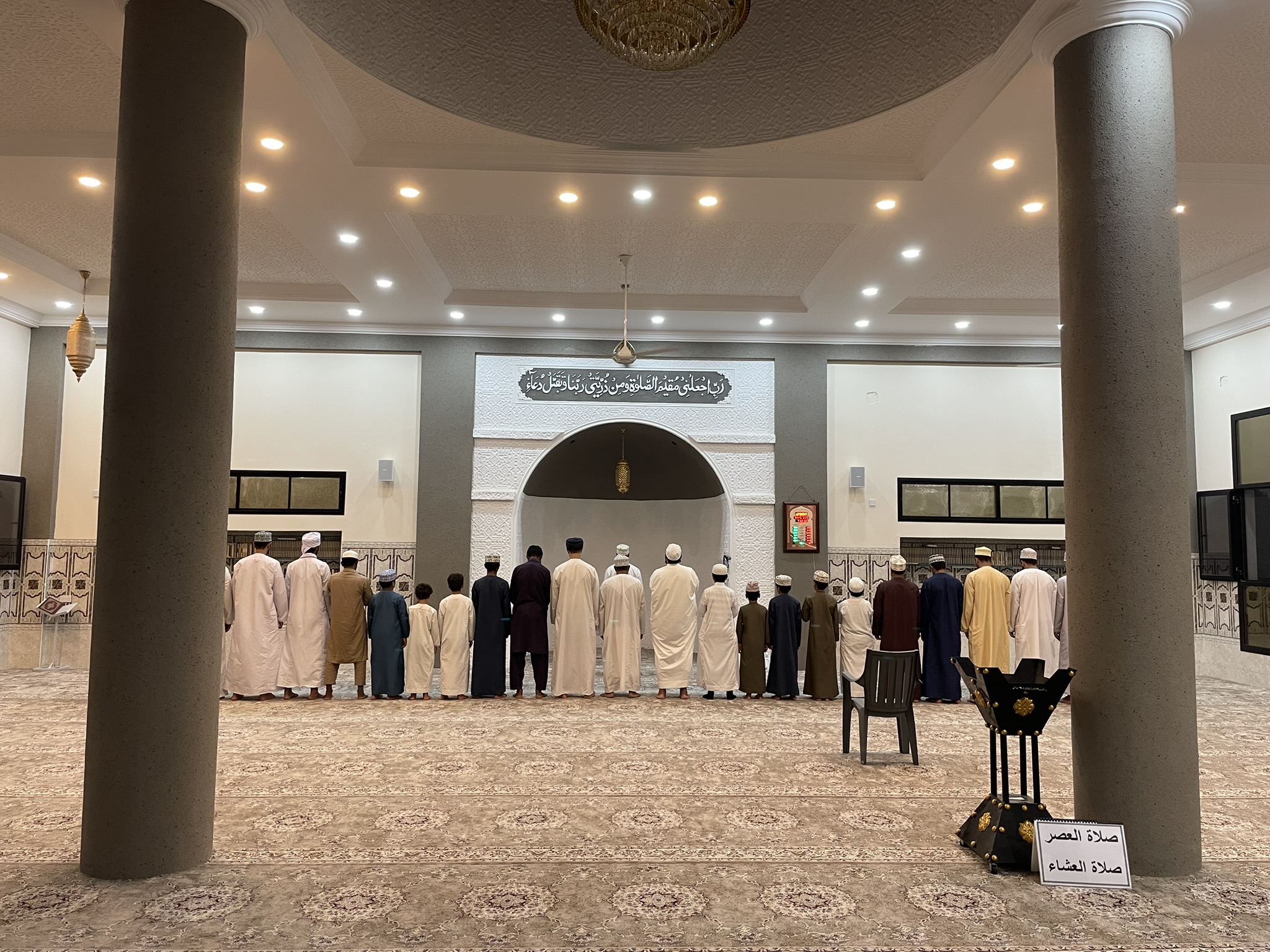
There are many infrastructure projects in the area and tourism is on the rise. We also visit Masjid al-Fayyadiyyah and meet Imām Al-Ḥusayn Al-ʿAmr.
We rest for the evening whilst Akil and his family depart for Muscat as they are flying home tomorrow.
Day 2 – Saturday 16 August 2025
From Al-Jabal Al-Akhdar to Muscat
Anantara Hotel and Diana’s Point
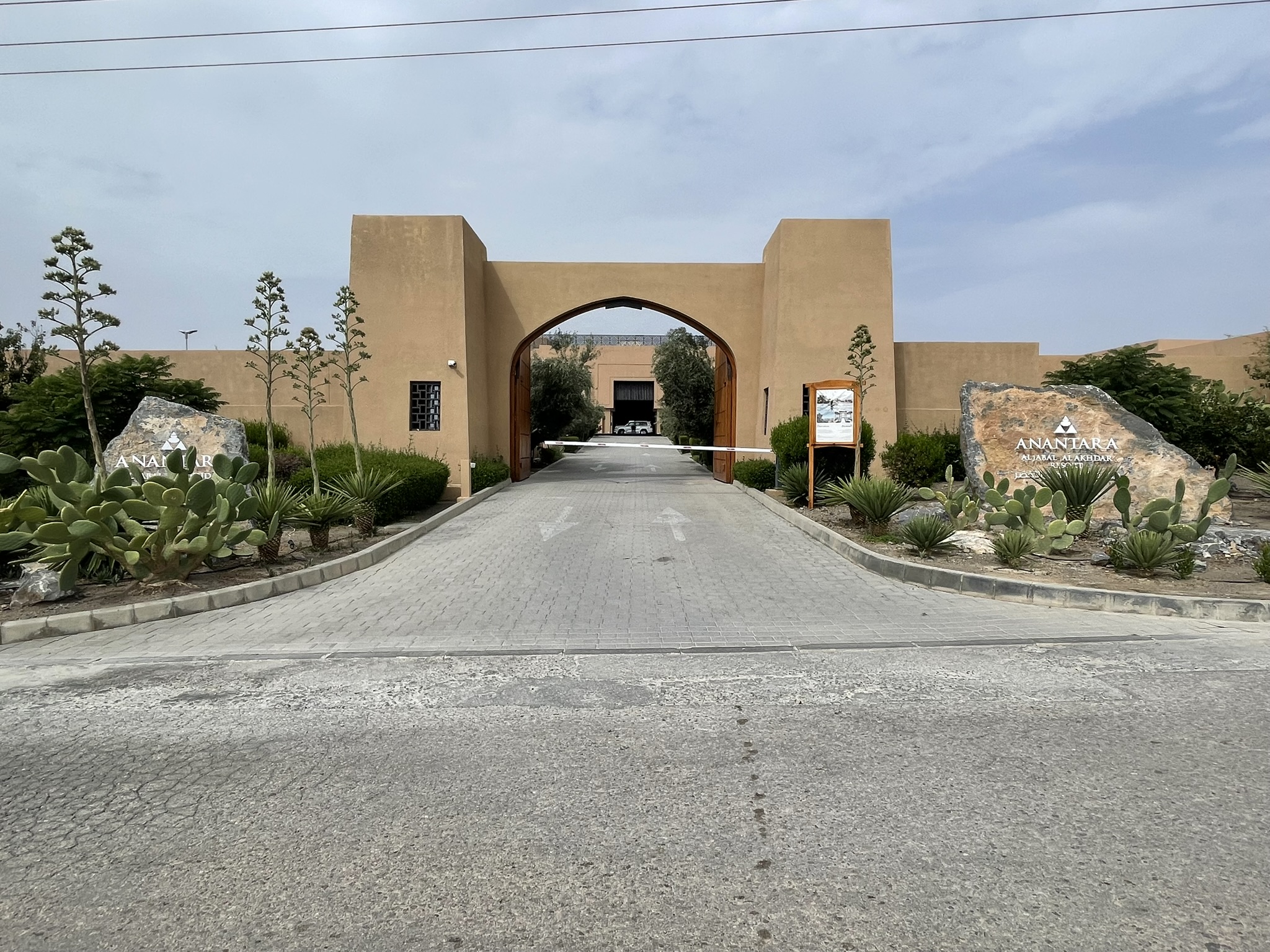
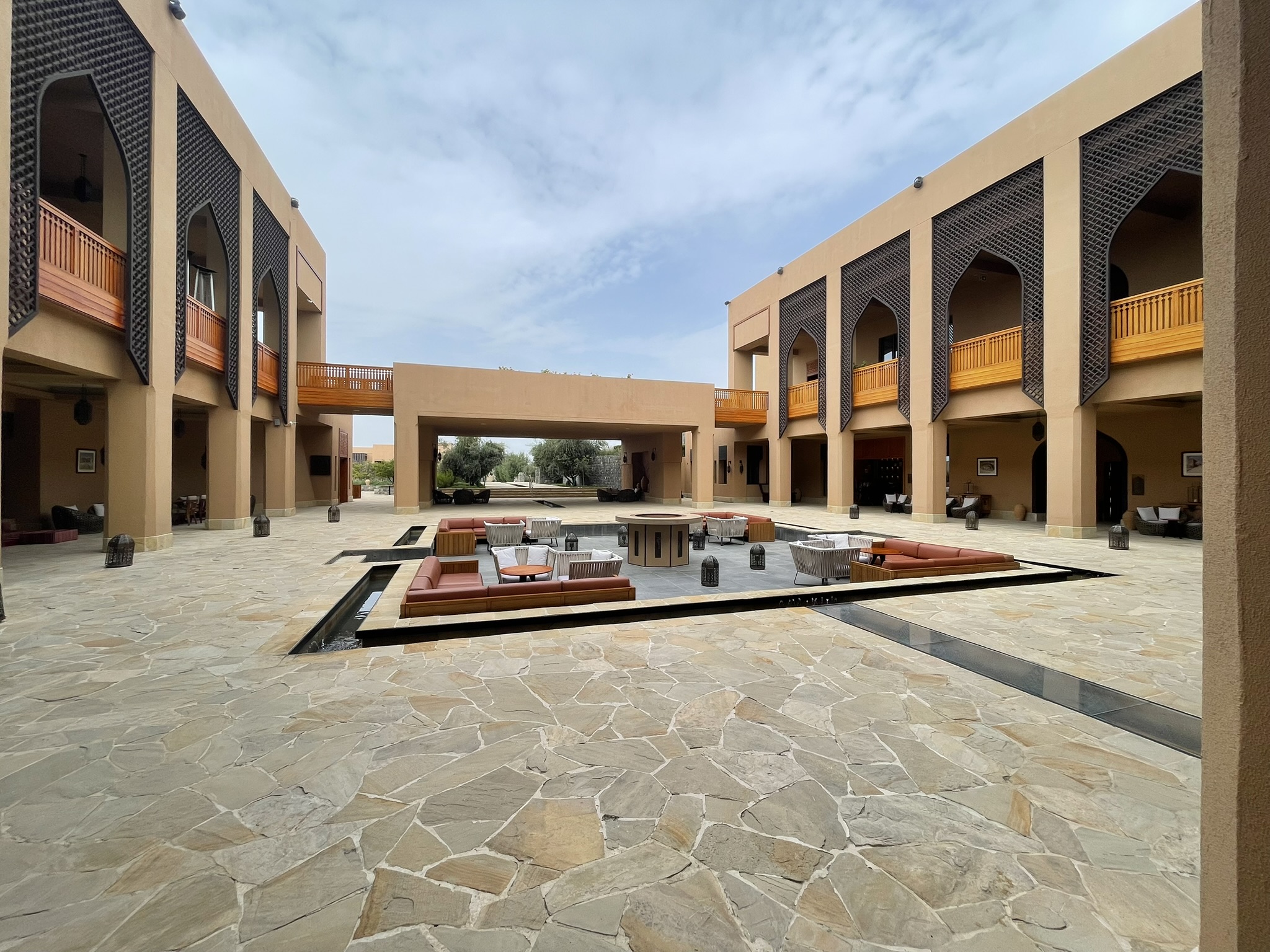
We depart at 8.45am and visit the Anantara Al Jabal Al Akhdar Resort nearby, which provides breathtaking panoramic views of the mountains and the valleys from the cliff-edge infinity pool.
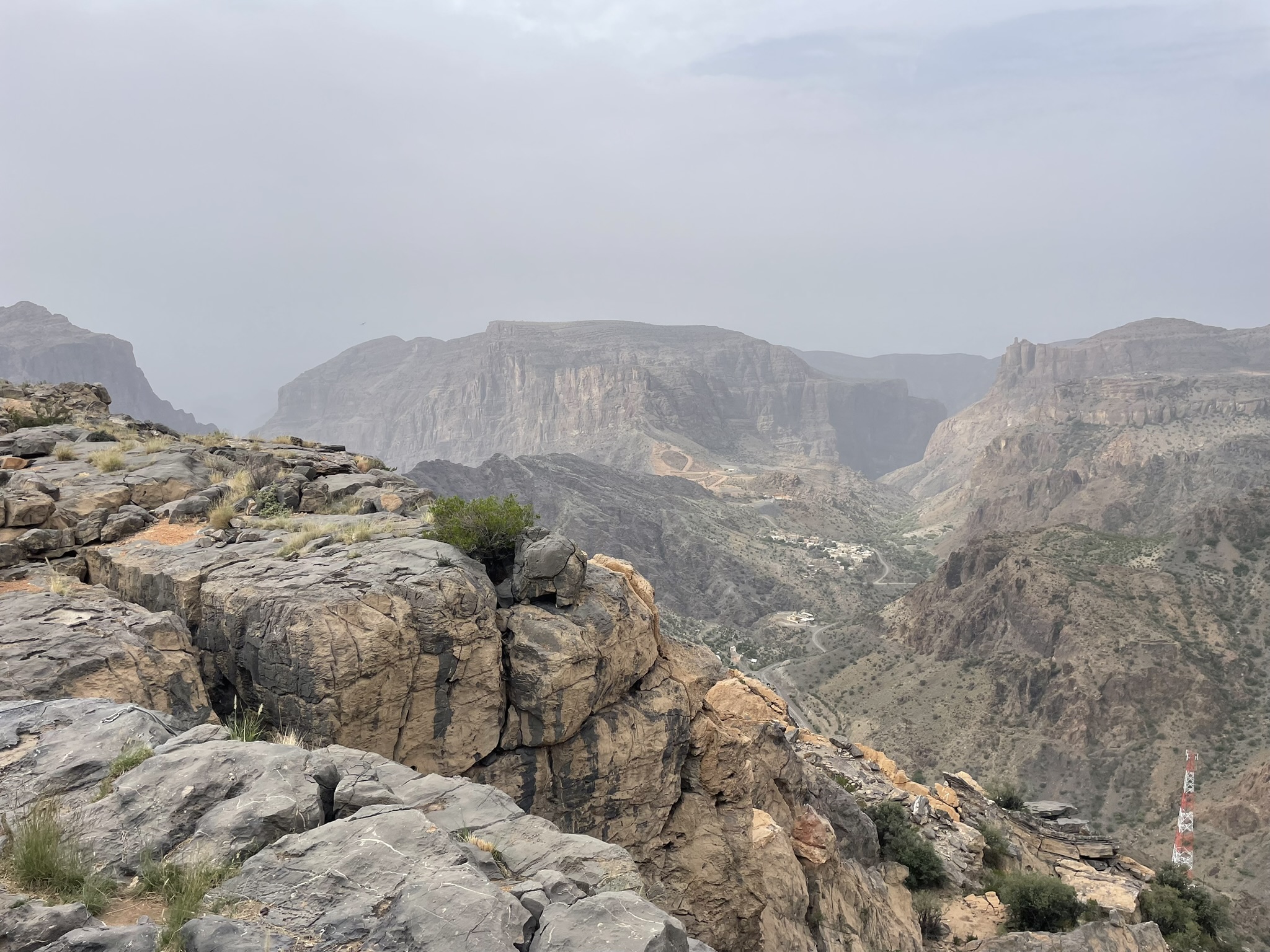
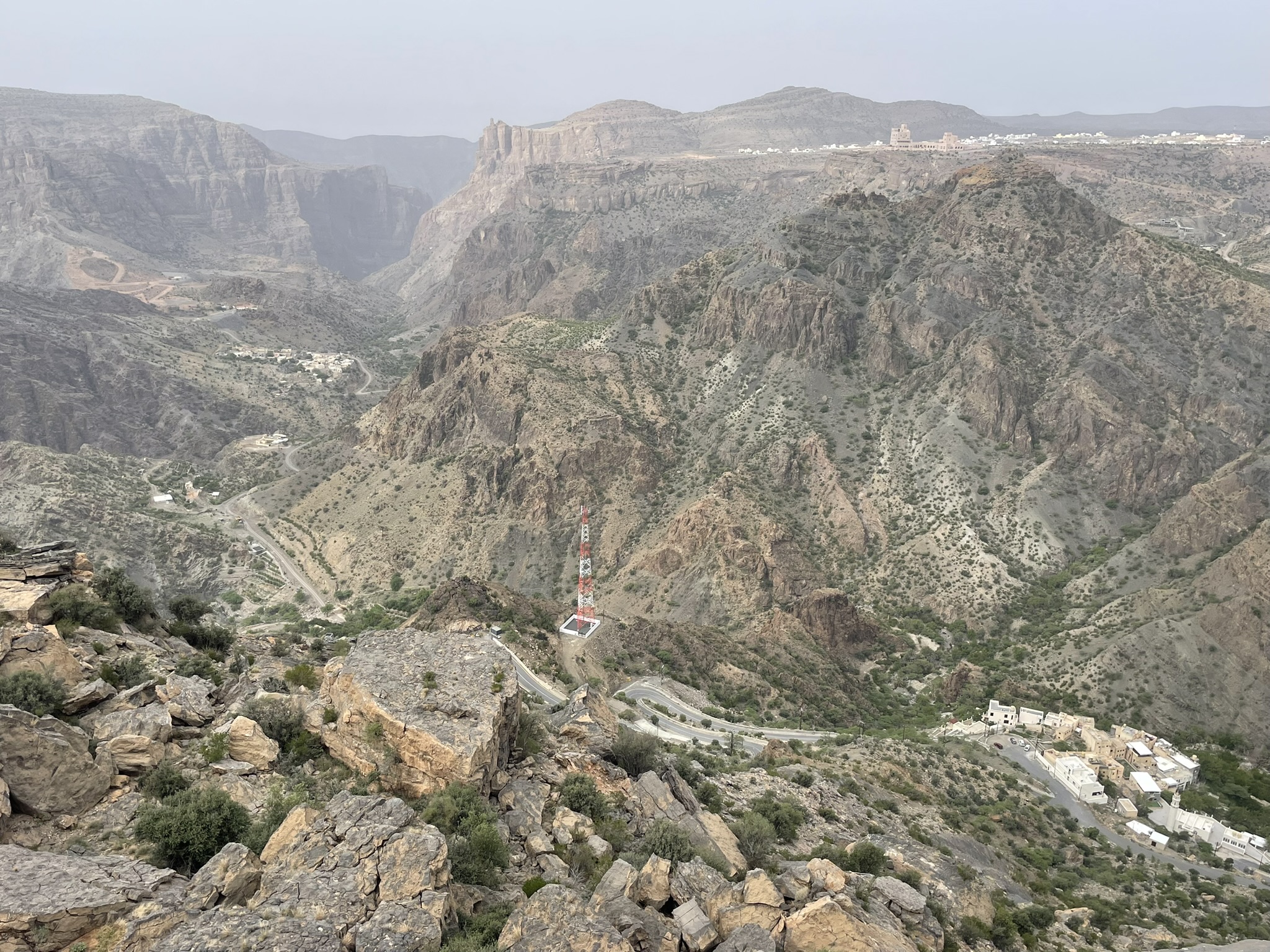
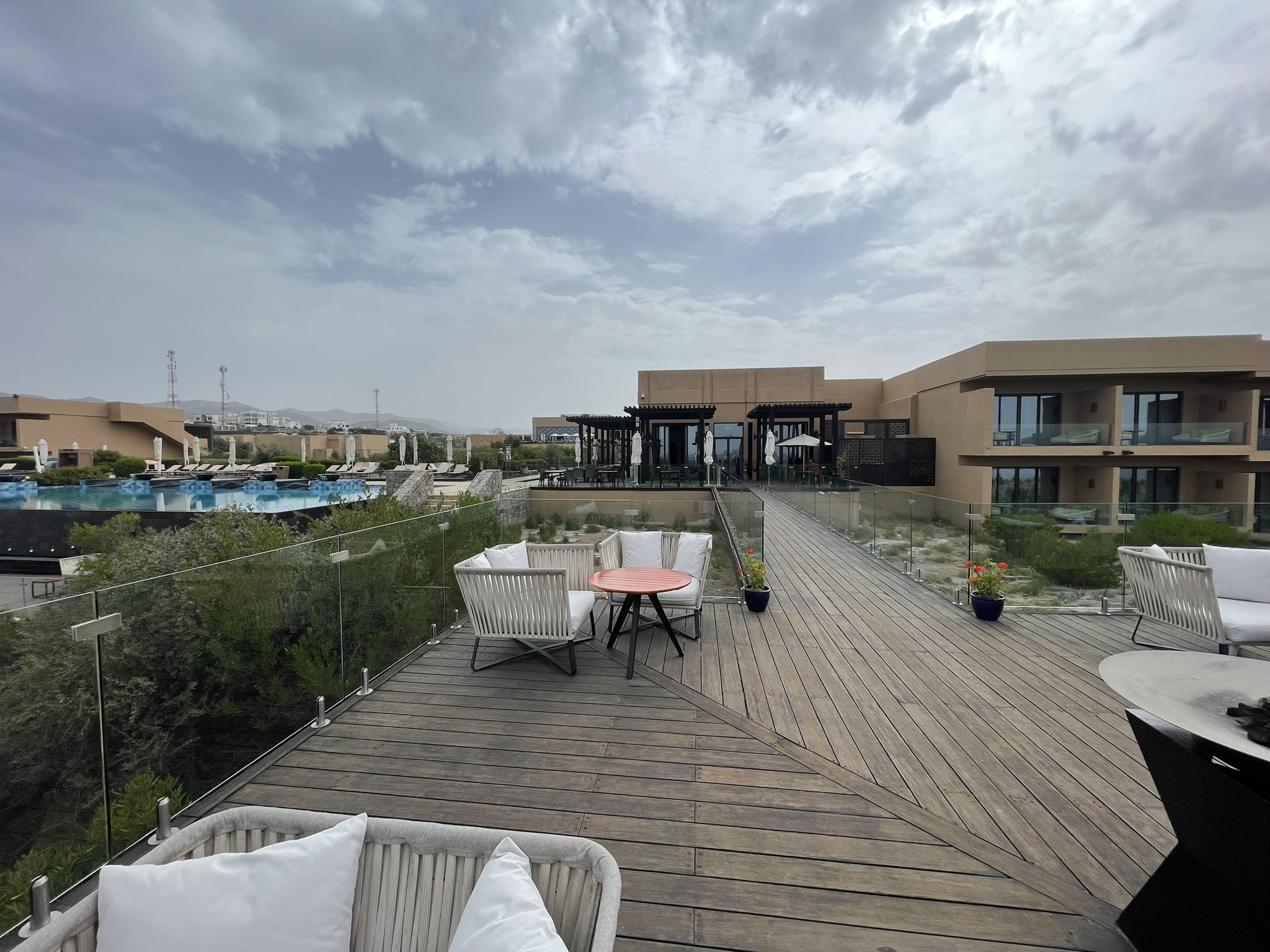
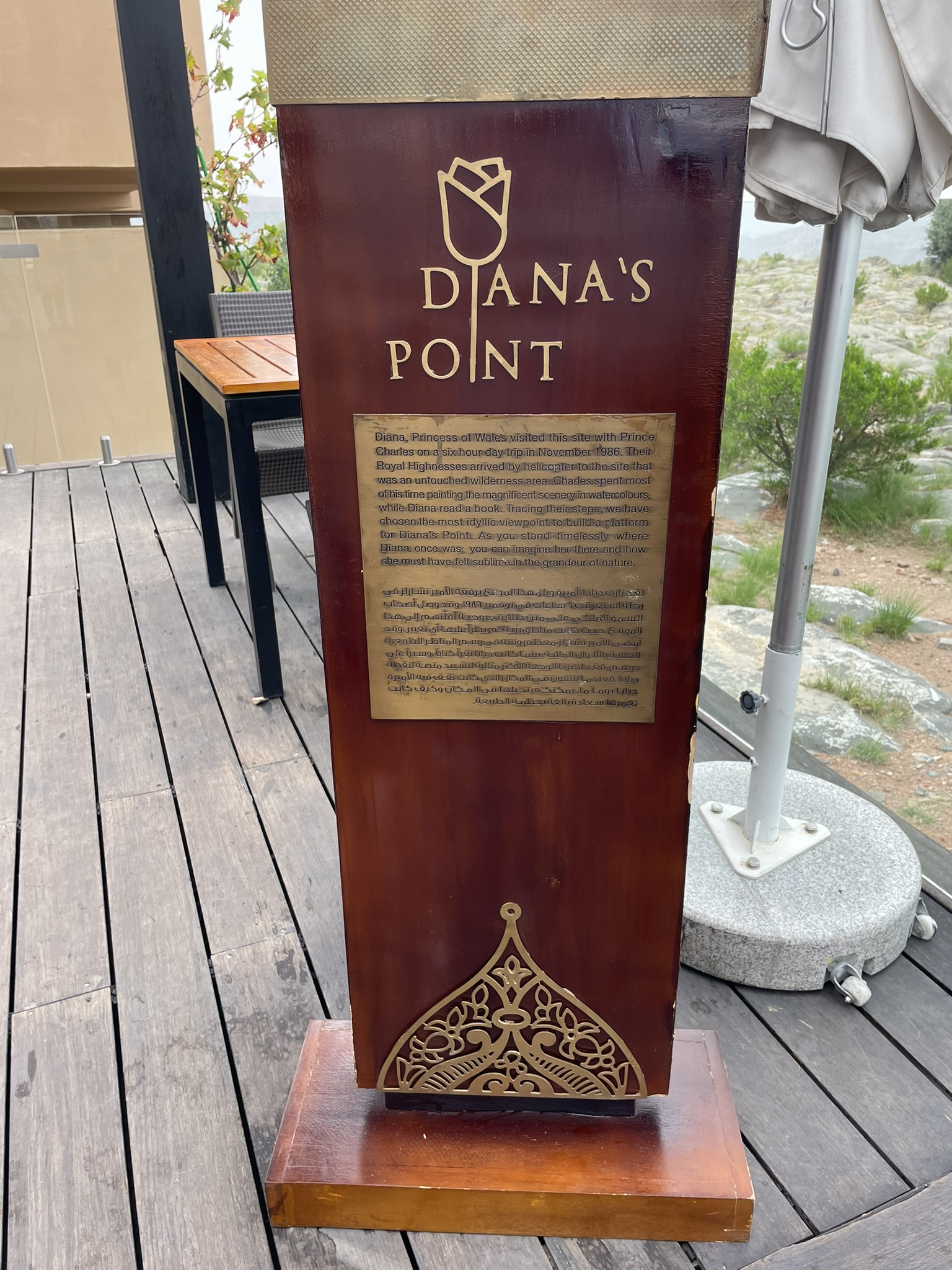
The hotel is also home to Diana’s Point, where a plaque states:
“Diana, Princess of Wales, visited this site with Prince Charles on a six-hour day trip in November 1986. Their Royal Highnesses arrived by helicopter to the site that was an untouched wilderness area. Charles spent most of his time painting the magnificent scenery in water colours, whilst Diana read a book. Tracing their steps, we have chosen the most idyllic viewpoint to build a platform for Diana’s Point.”
Pomegranate Farms
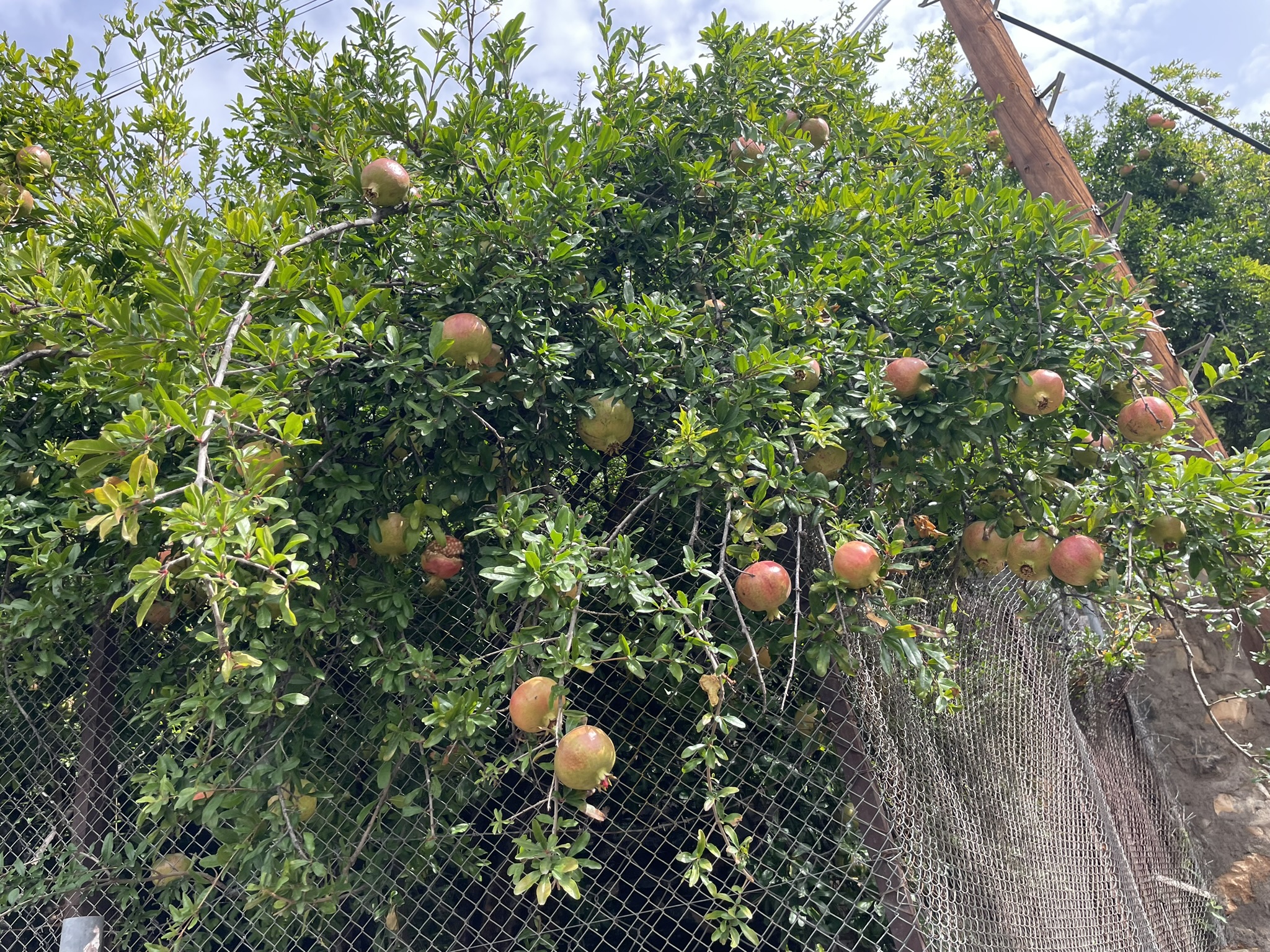
Our next and final stop within Al-Jabal Al-Akhdar is the Pomegranate Farms in the Seeq (Saiq) village. The area is famous for this. Pomegranates along with rose water and local fruits are sold on the roads.
Nizwa
We descend from Al-Jabal Al-Akhdar and travel 60km to Nizwa. We arrive at 10.40am and the weather is 37 degrees Celsius, 10-15 degrees more than Al-Jabal Al-Akhdar.
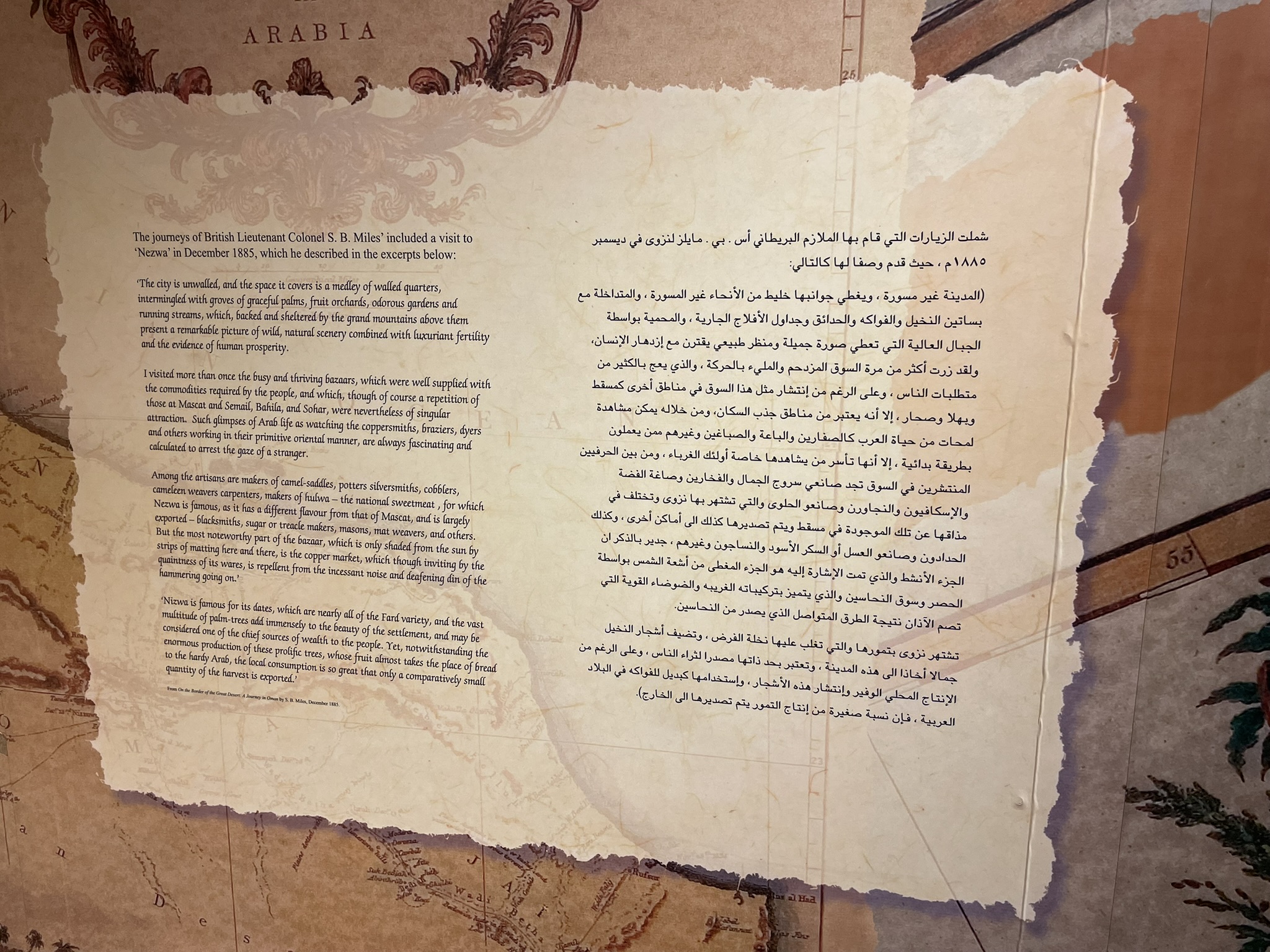
Nizwa is an ancient city that was the capital of Oman. It is located 87 miles from the current capital Muscat. It was once a centre of trade, religion, education and art and its grand mosque was formerly a centre for Islamic learning. Imām Jābir ibn Zayd (d. 93/712) was born here.
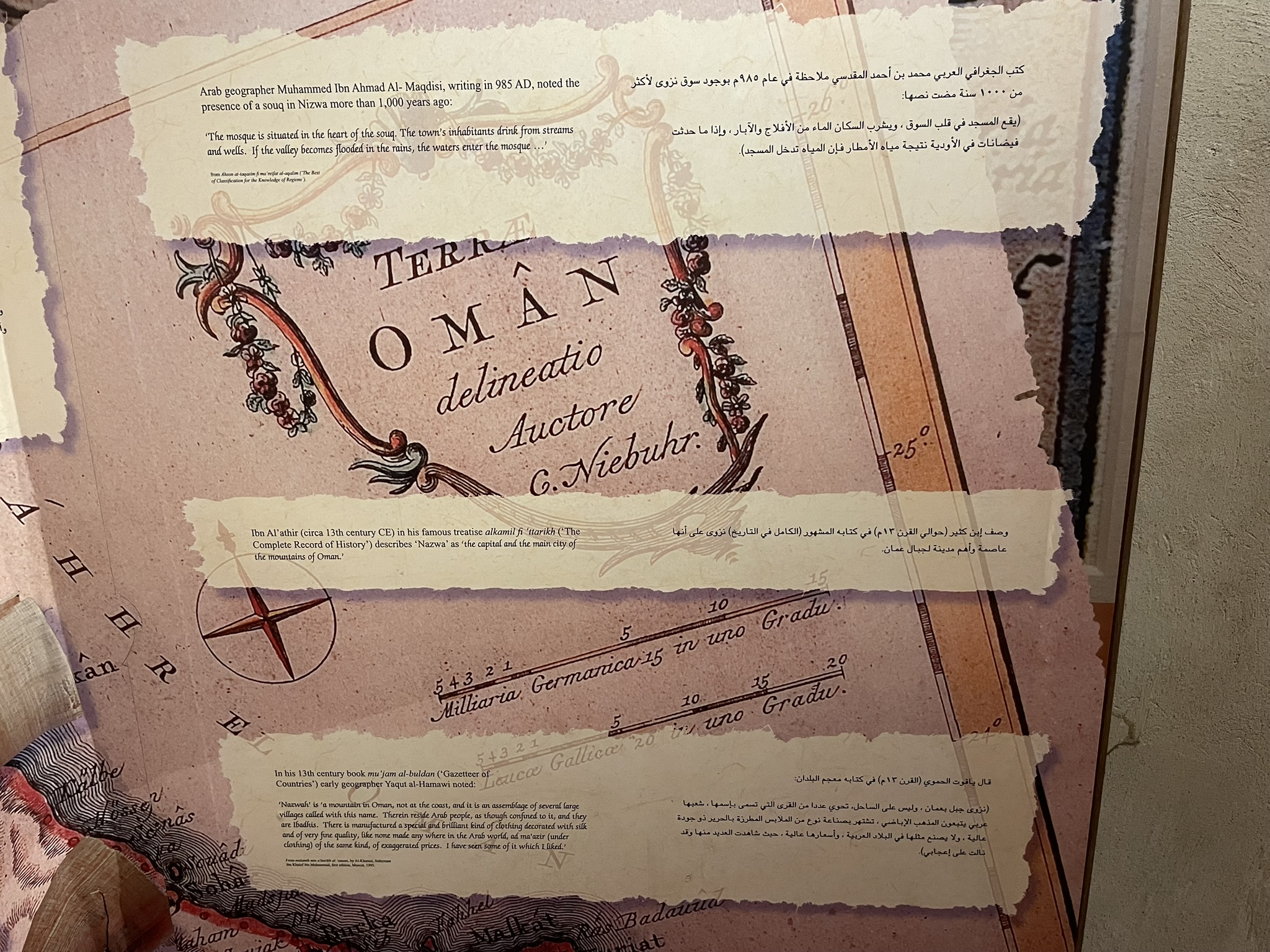
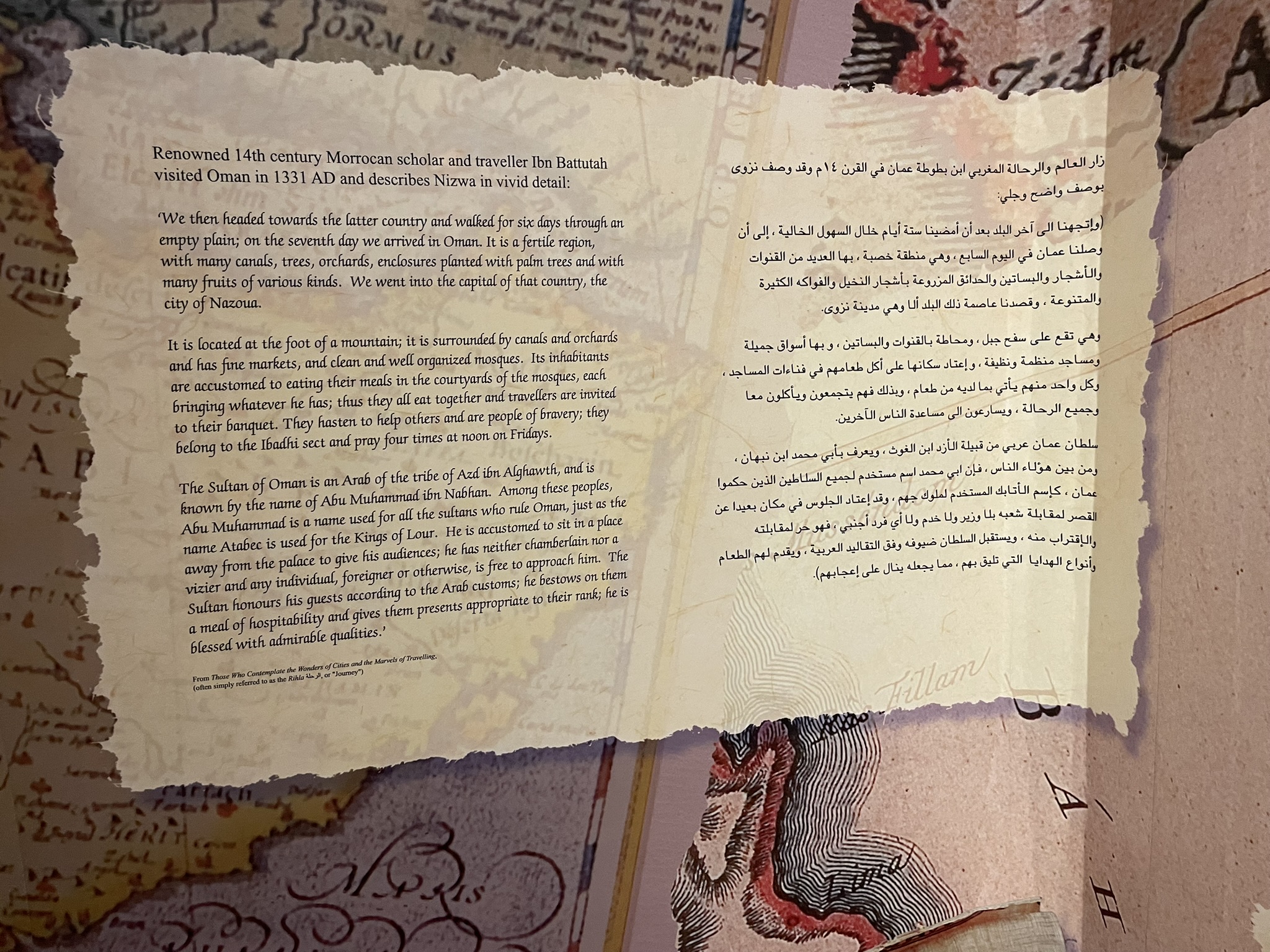
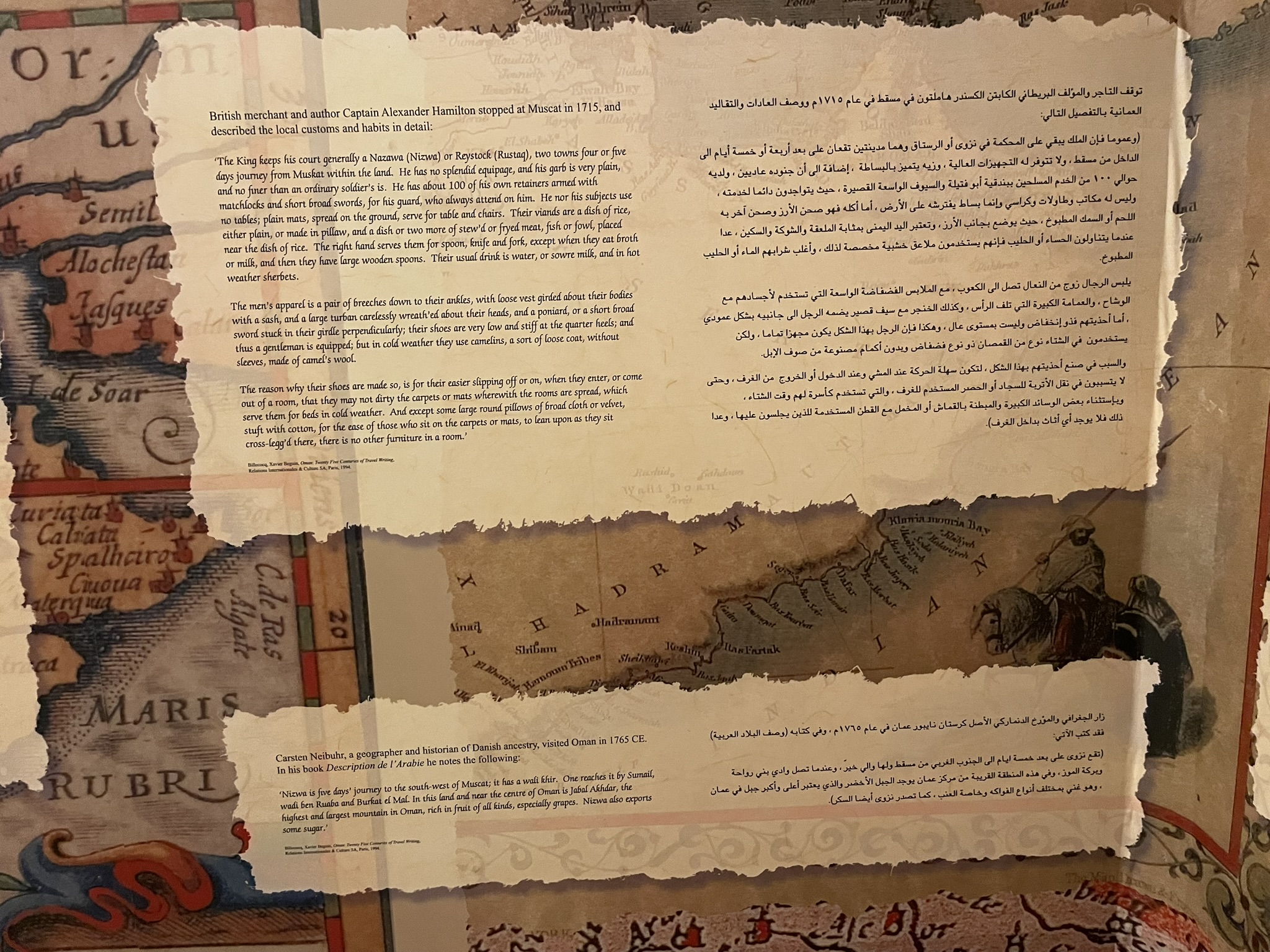
The famous traveller Ibn Baṭṭūtah (n.d.) visited Nizwa in the 14th century (Riḥlat Ibn Baṭṭūṭah, 1: 208). He suggests that the pronunciation of the city is Nazwa. He mentions that the city is located at the foot of a mountain, enveloped by orchards and streams. Everyone brings whatever they have and they eat in the courtyard of the Mosque and travellers eat with them. He refers to their bravery and wars, and also to them avoiding the mention of Sayyidunā ʿUthmān (d. 35/656, may Allah be pleased with him) and Sayyidunā ʿAlī (d. 40/661, may Allah be pleased with him) in their sermons and praising ʿAbd al-Raḥmān ibn Muljim (d. 40/661), the one who killed Sayyidunā ʿAlī. Whilst Ibn Baṭṭūṭah’s assertions always require affirmation from other sources, this would support those who claim that the Ibāḍīs, or at least some of them, were part of the Khawārij.
ʿAllāmah Yāqūt al-Ḥamawī (d. 622/1225) also visited ‘Nazwah’ and mentions that he saw them making garments embellished with silk, of excellent quality, the like of which is not made anywhere in the Arab countries (Muʿjam al-Buldān, 5: 281).
Nizwa Fort
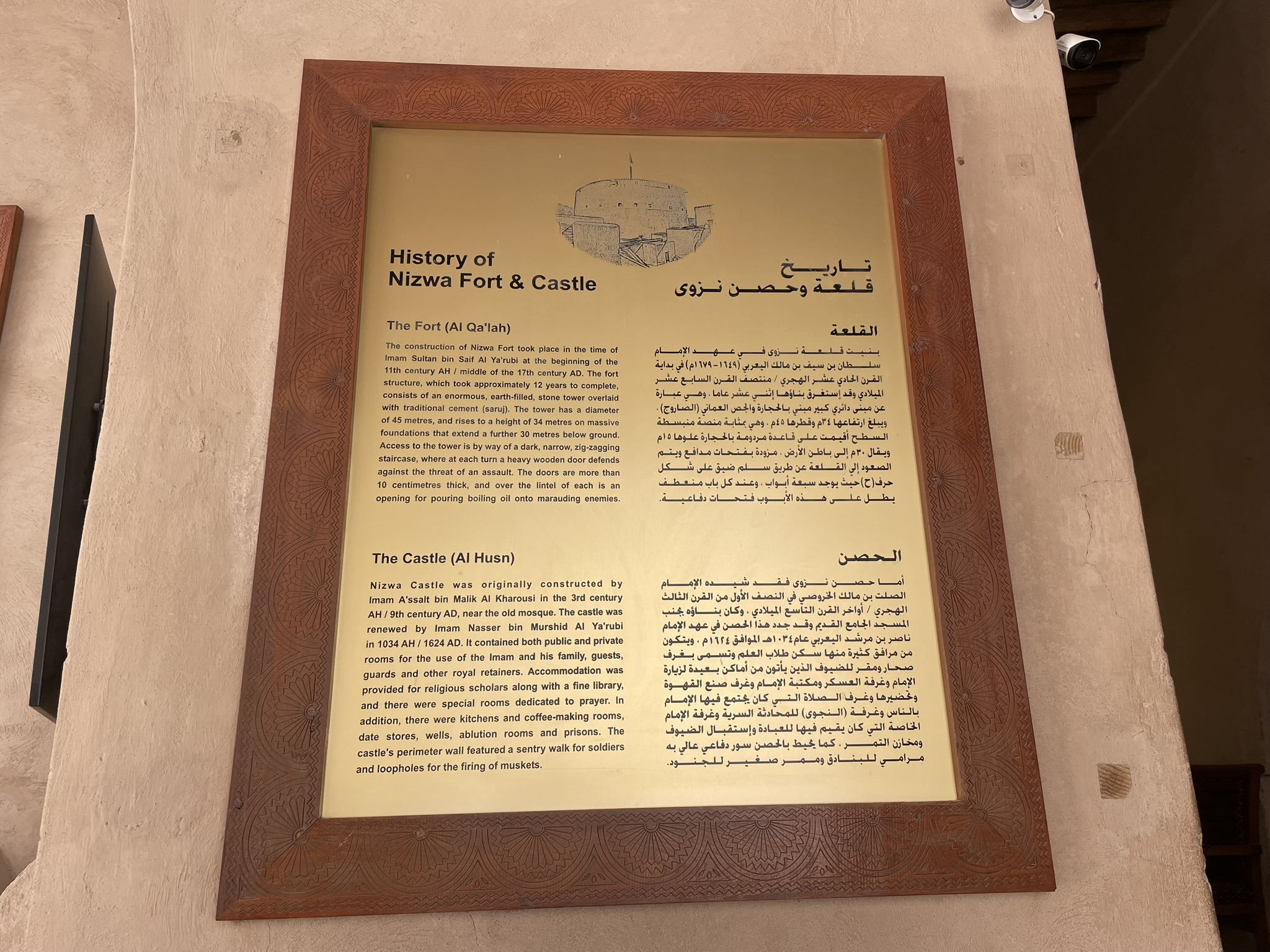
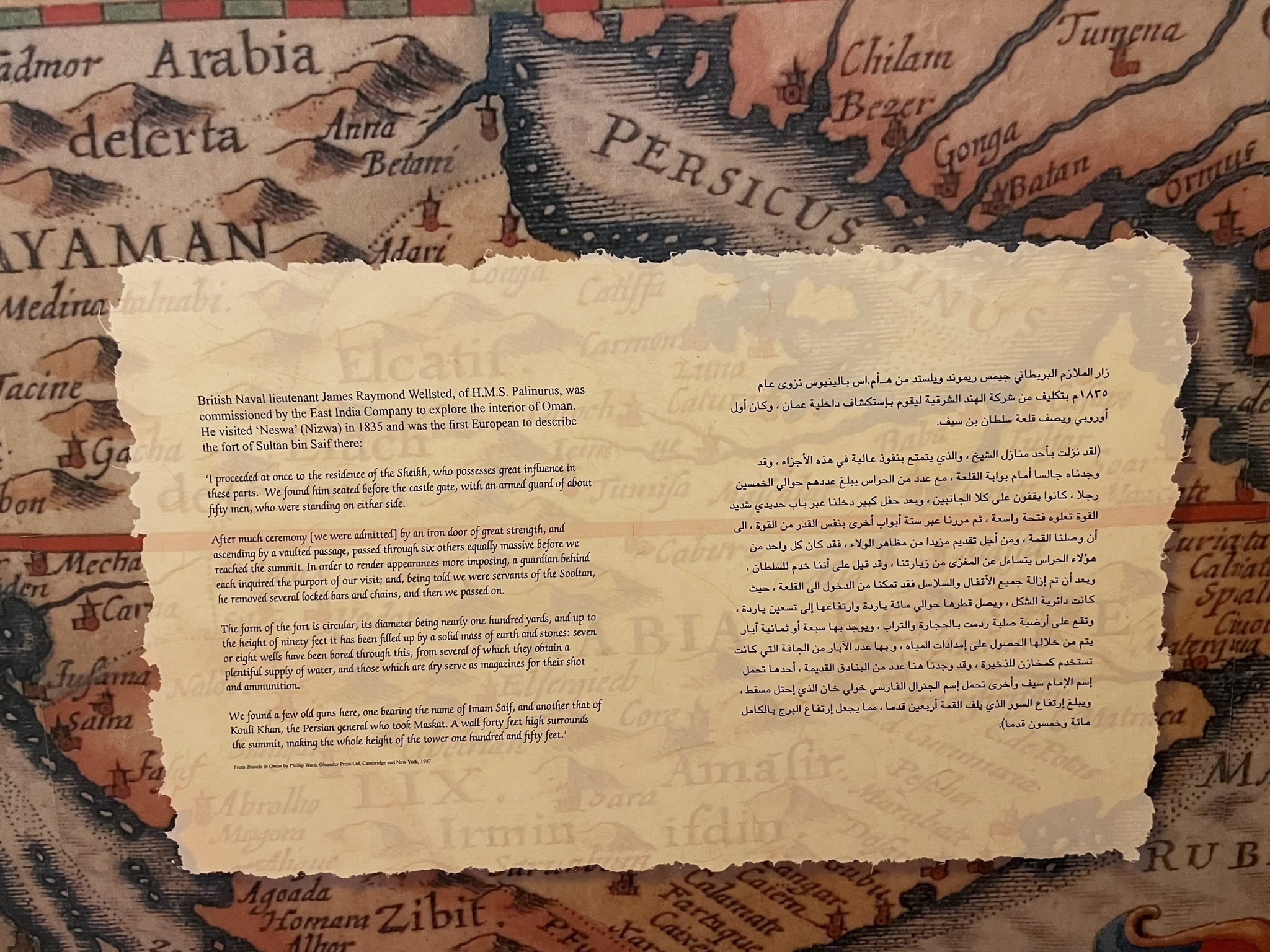
Today, the city is most famous for the Nizwa Fort, built in 1668 by Imām Sulṭān ibn Sayf al-Yaʿrubī (d. 1091/1679), who expelled the Portuguese from Oman in 1650. It served as the administrative seat of authority for the presiding rulers and also served to defend the city at an important crossroad of vital routes. It is Oman’s most visited national monument. It has a height of 24 metres and a diameter of 40 metres. It is the largest circular tower in the Middle East. The Fort was built next to the associated castle which was initially built earlier in the 8th century. Opposite the Fort is the Nizwa Souk, which is lined with handicrafts stalls and silversmiths working in small shops.
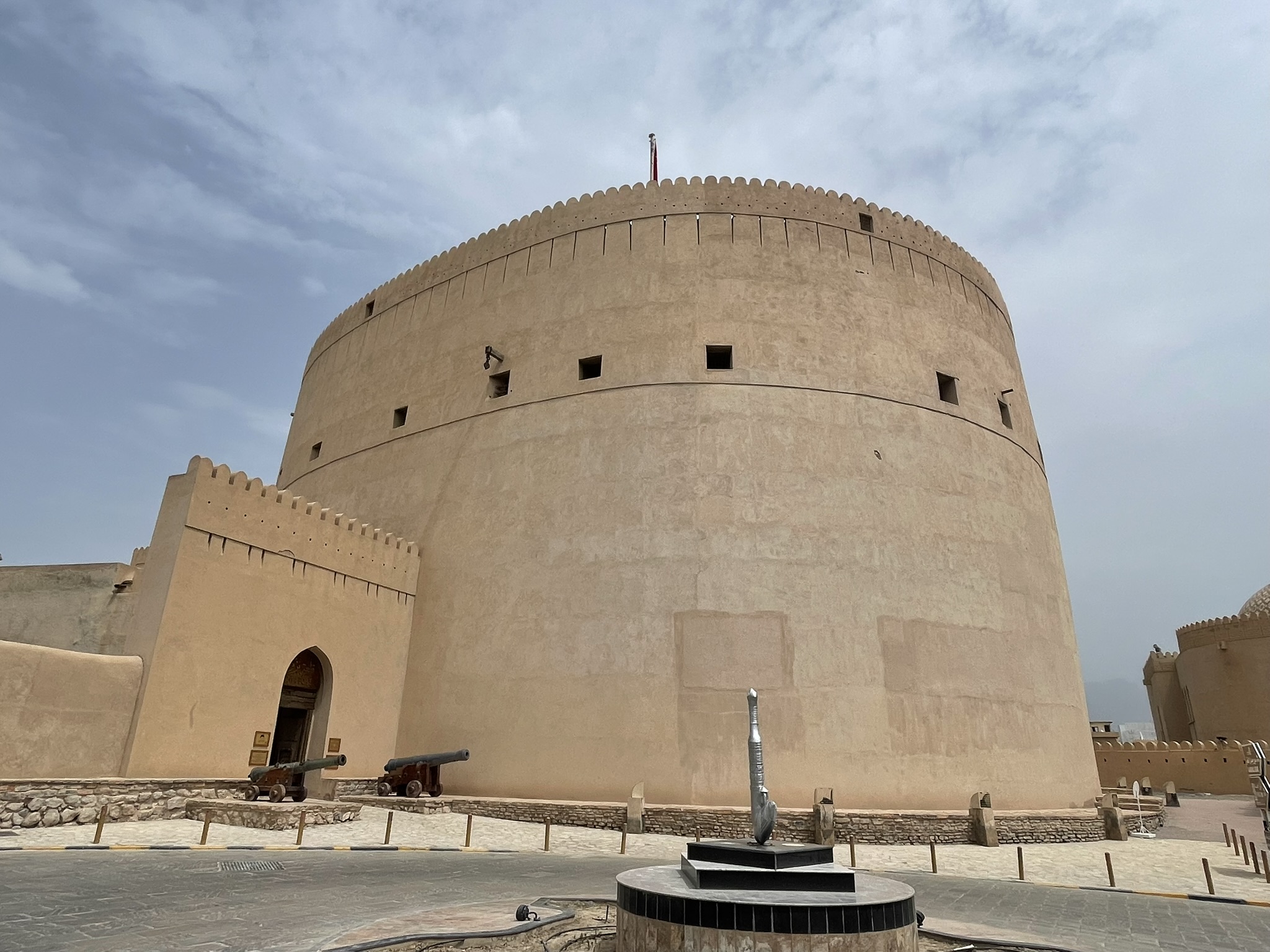
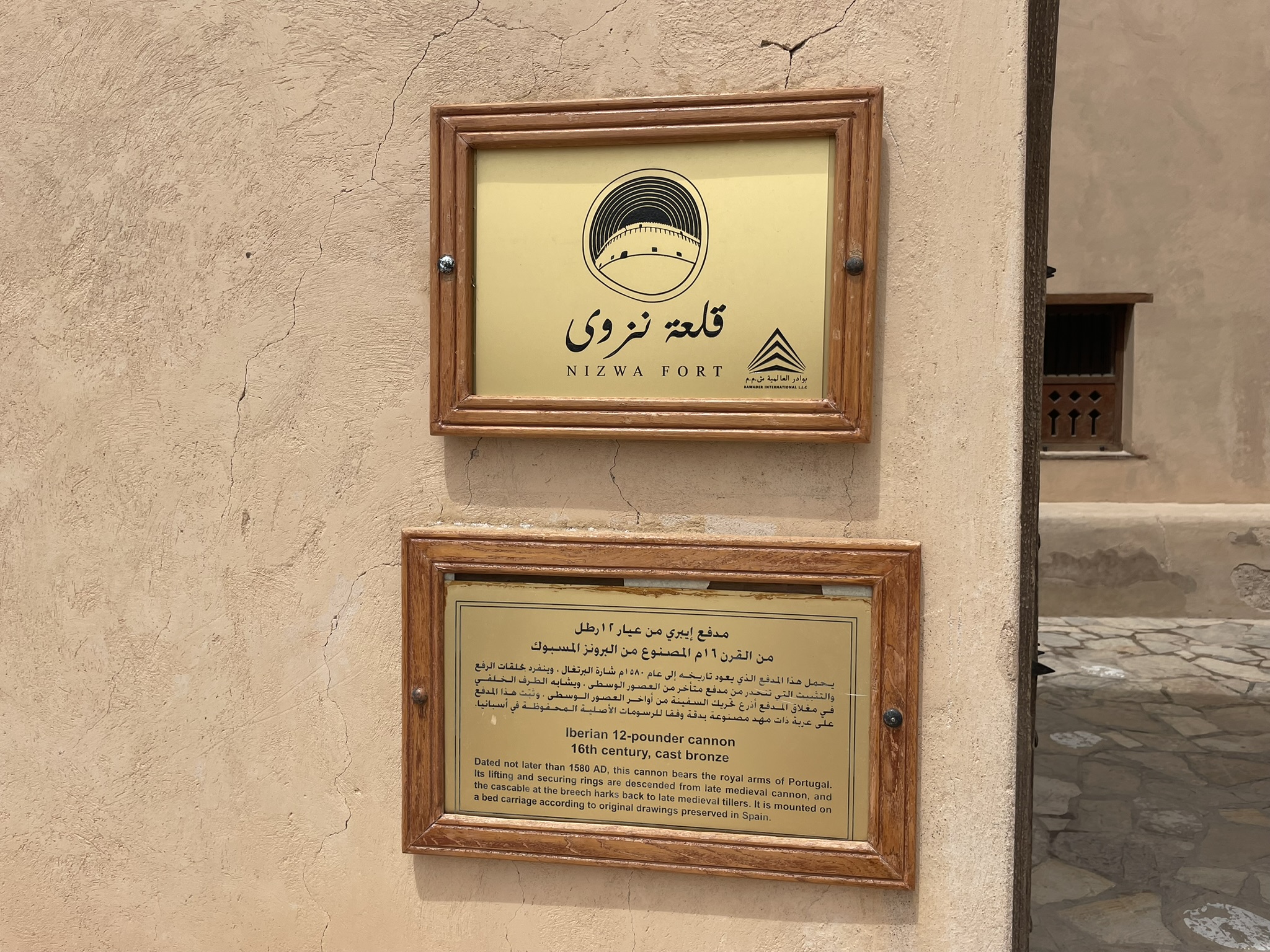
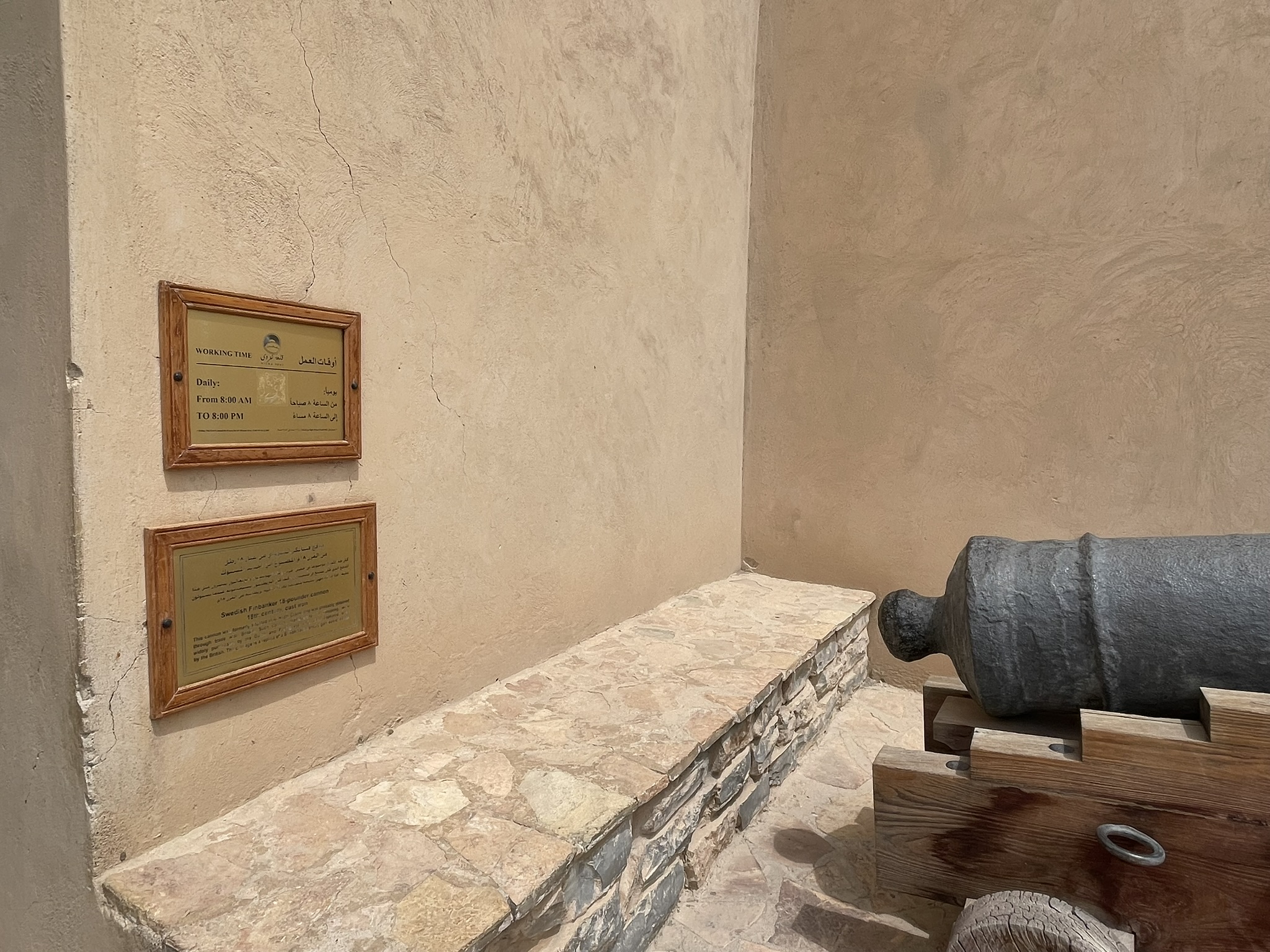
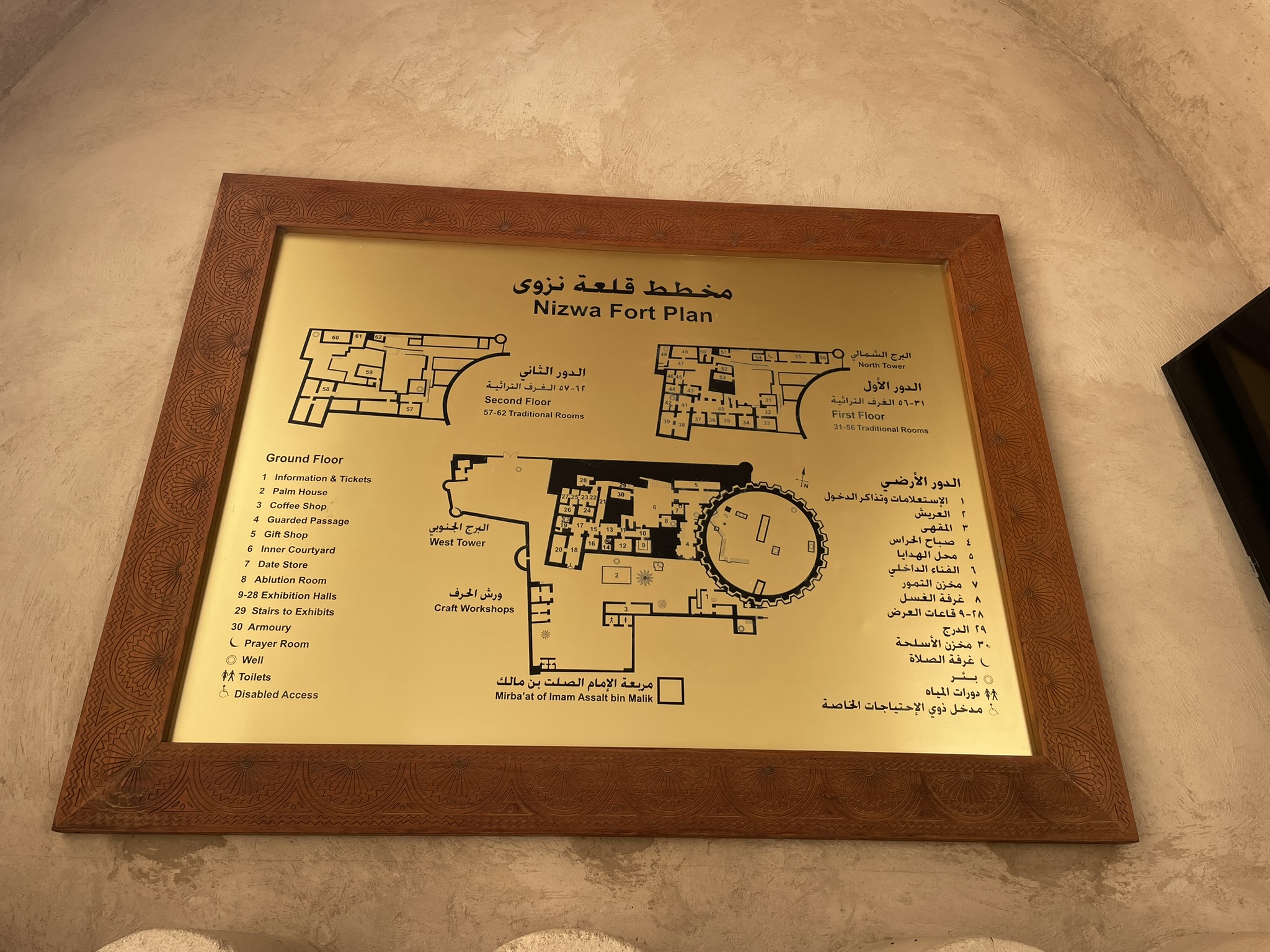
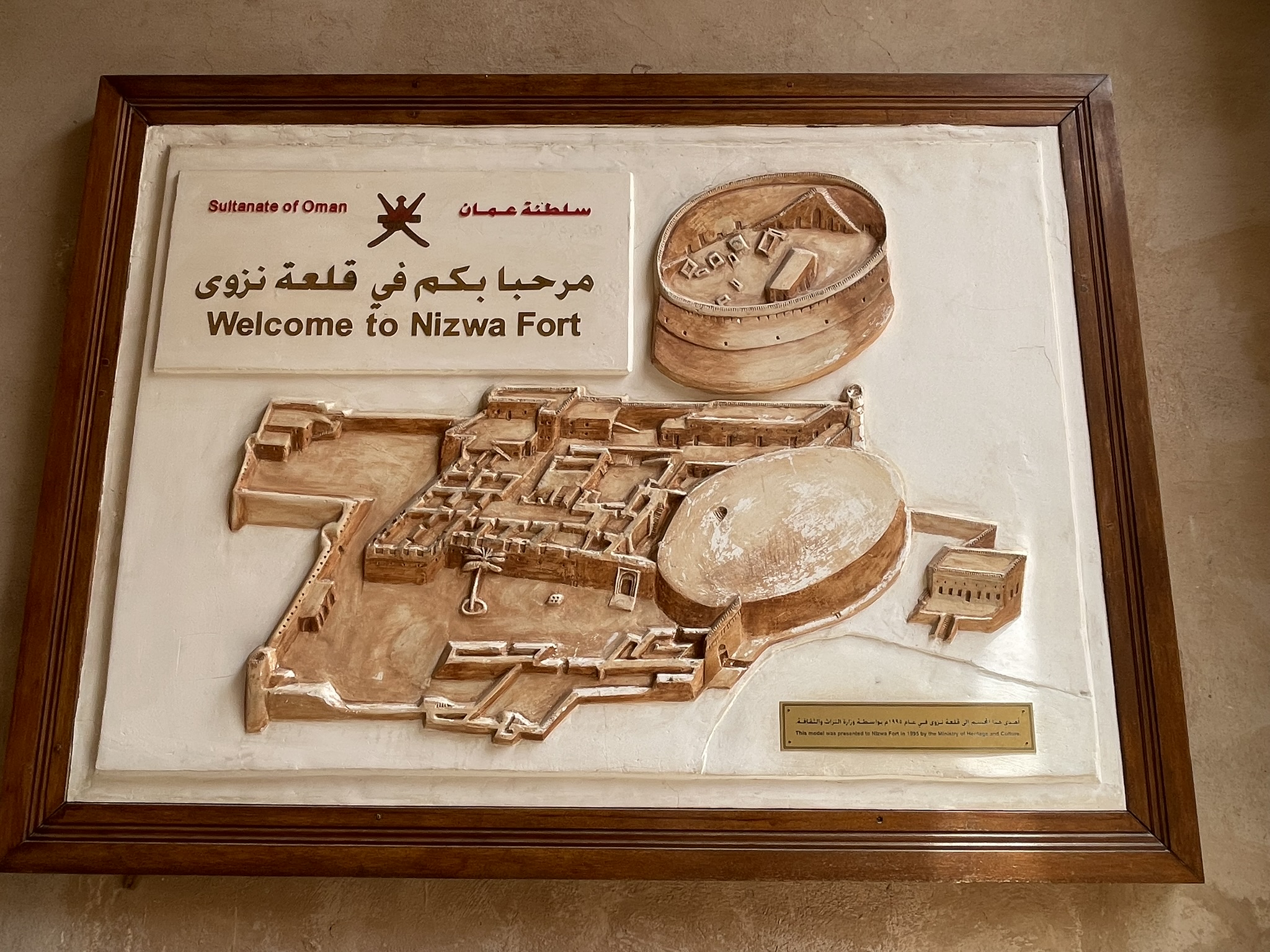
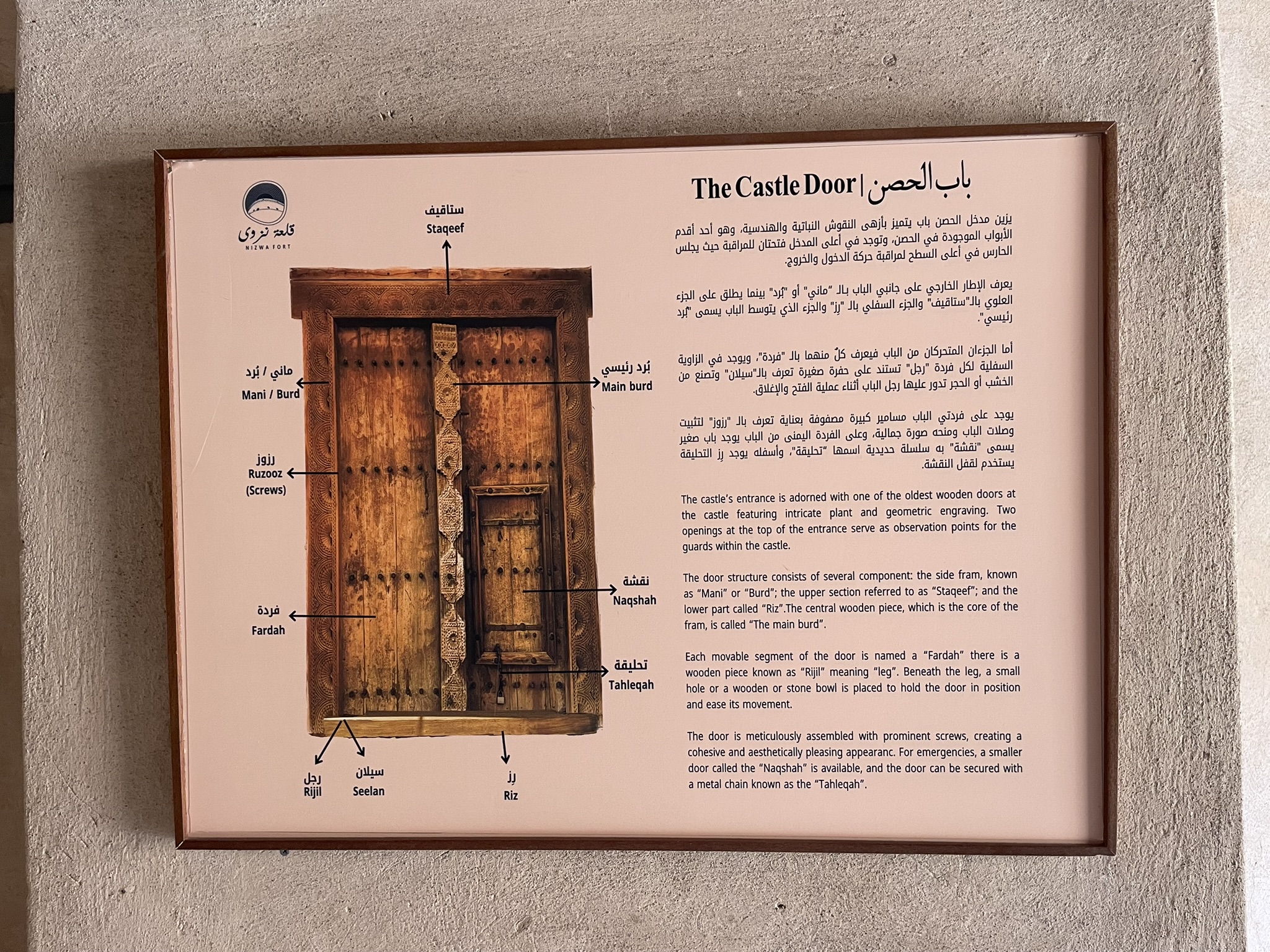
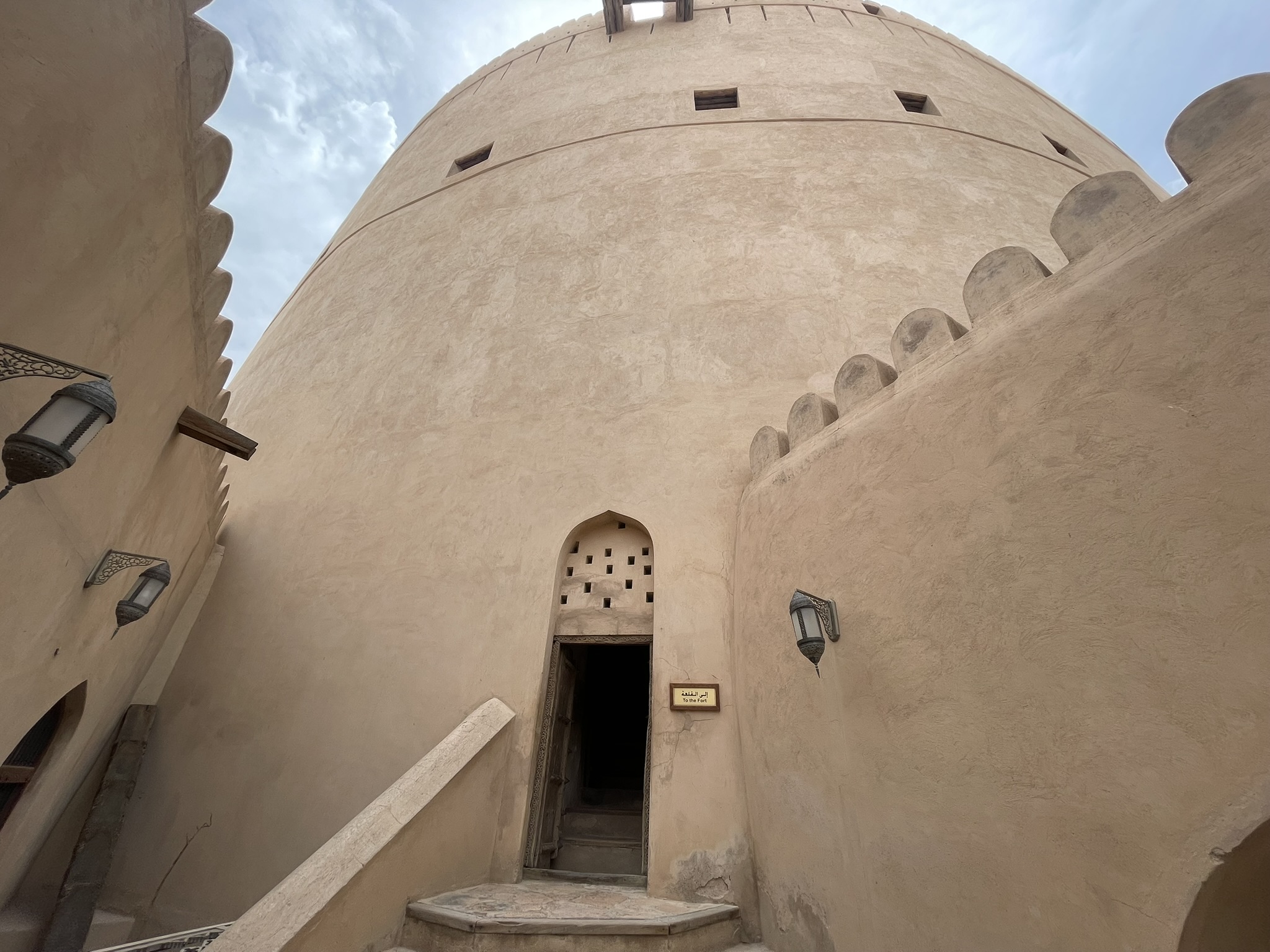
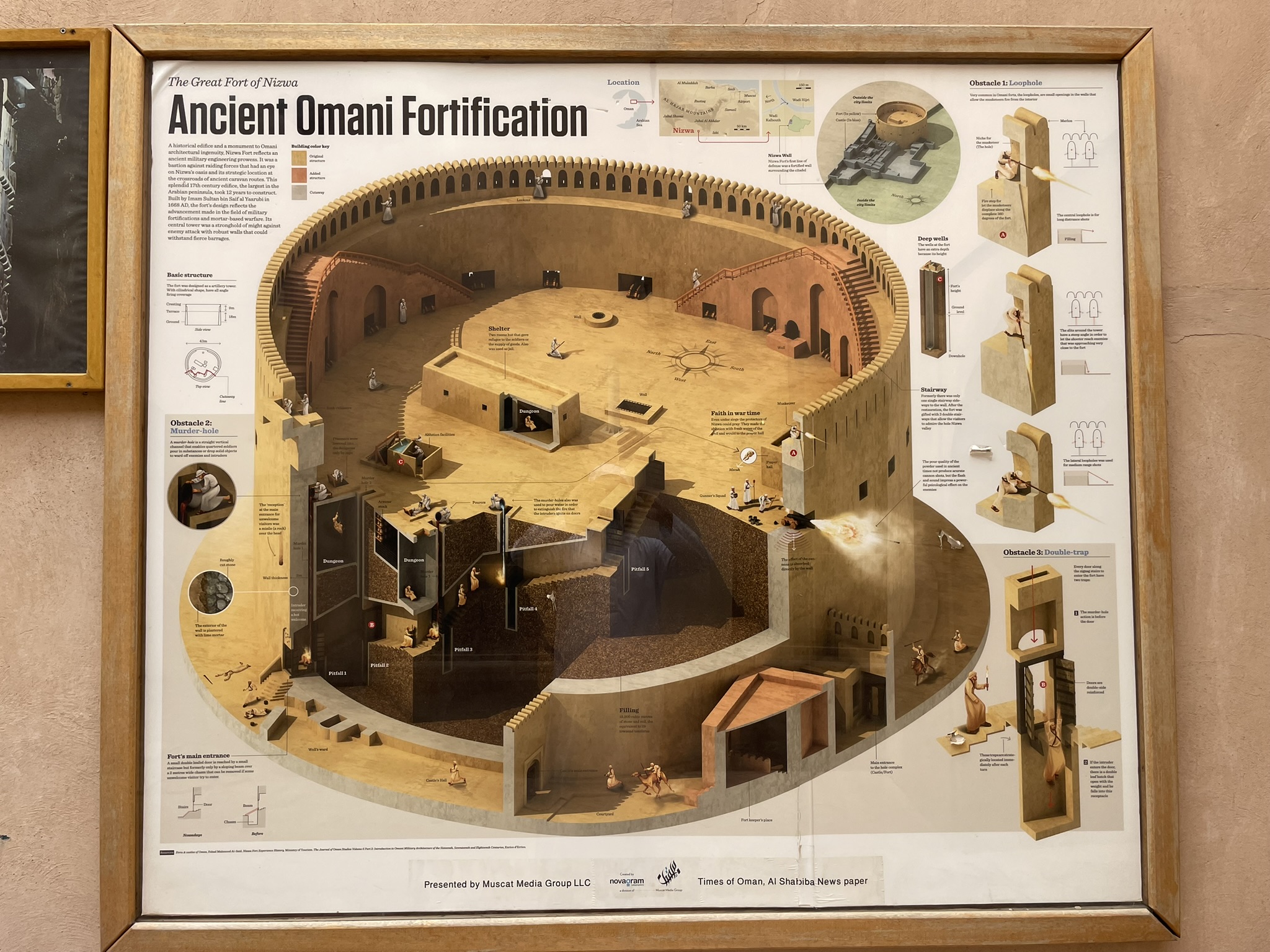
We arrive at 10.40am and begin by visiting the Fort and ascend the staircase to the roof.
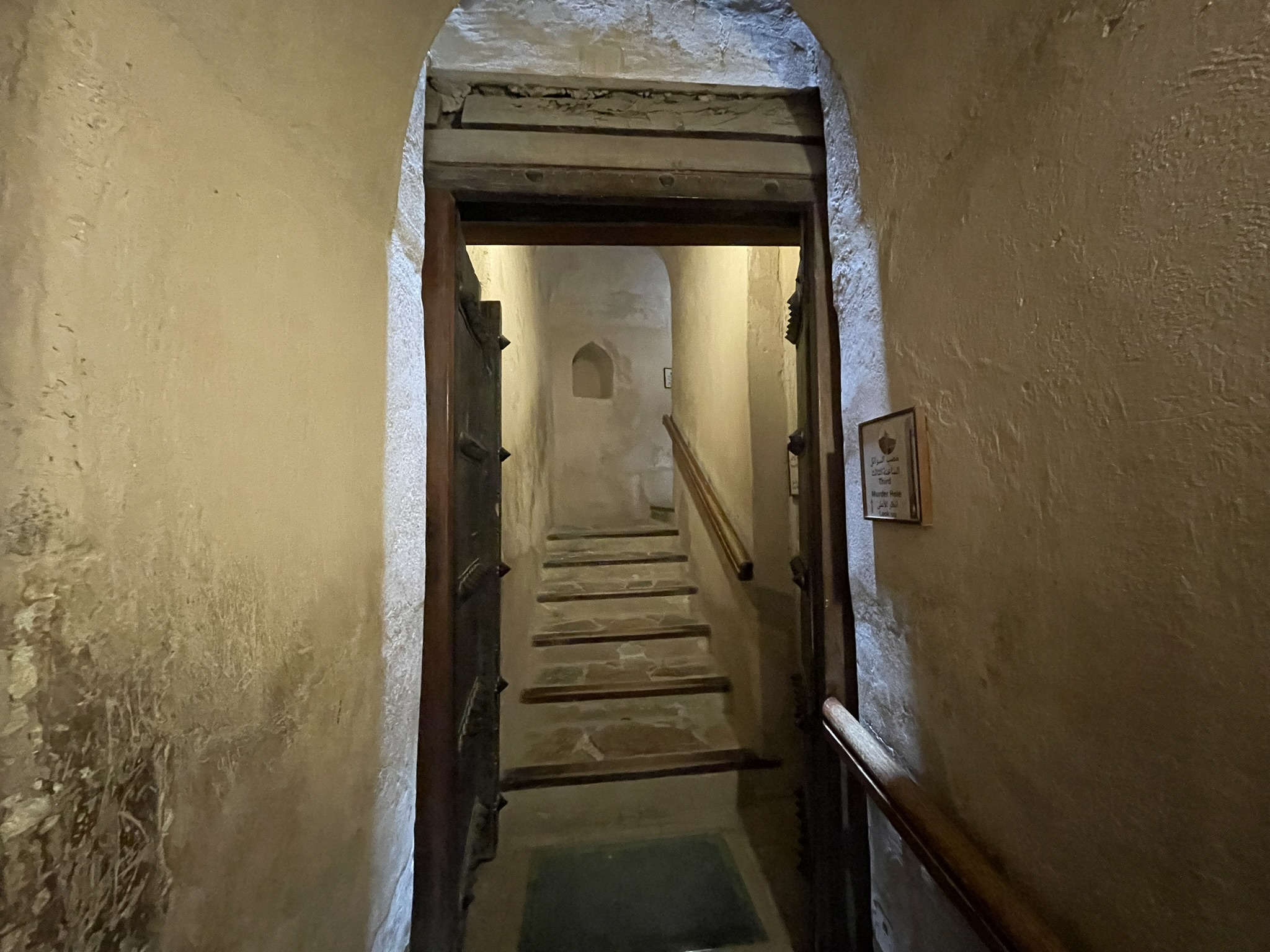
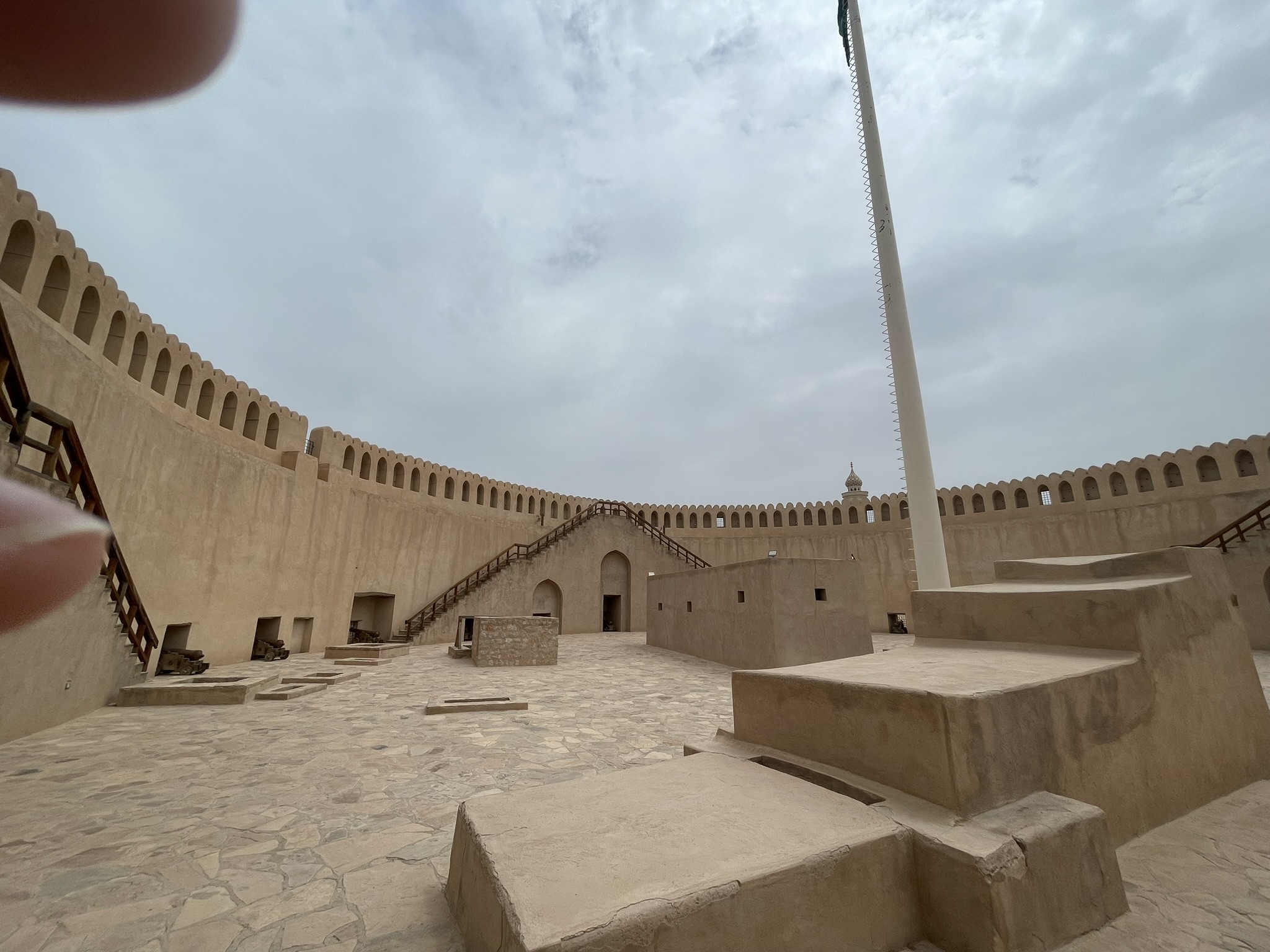
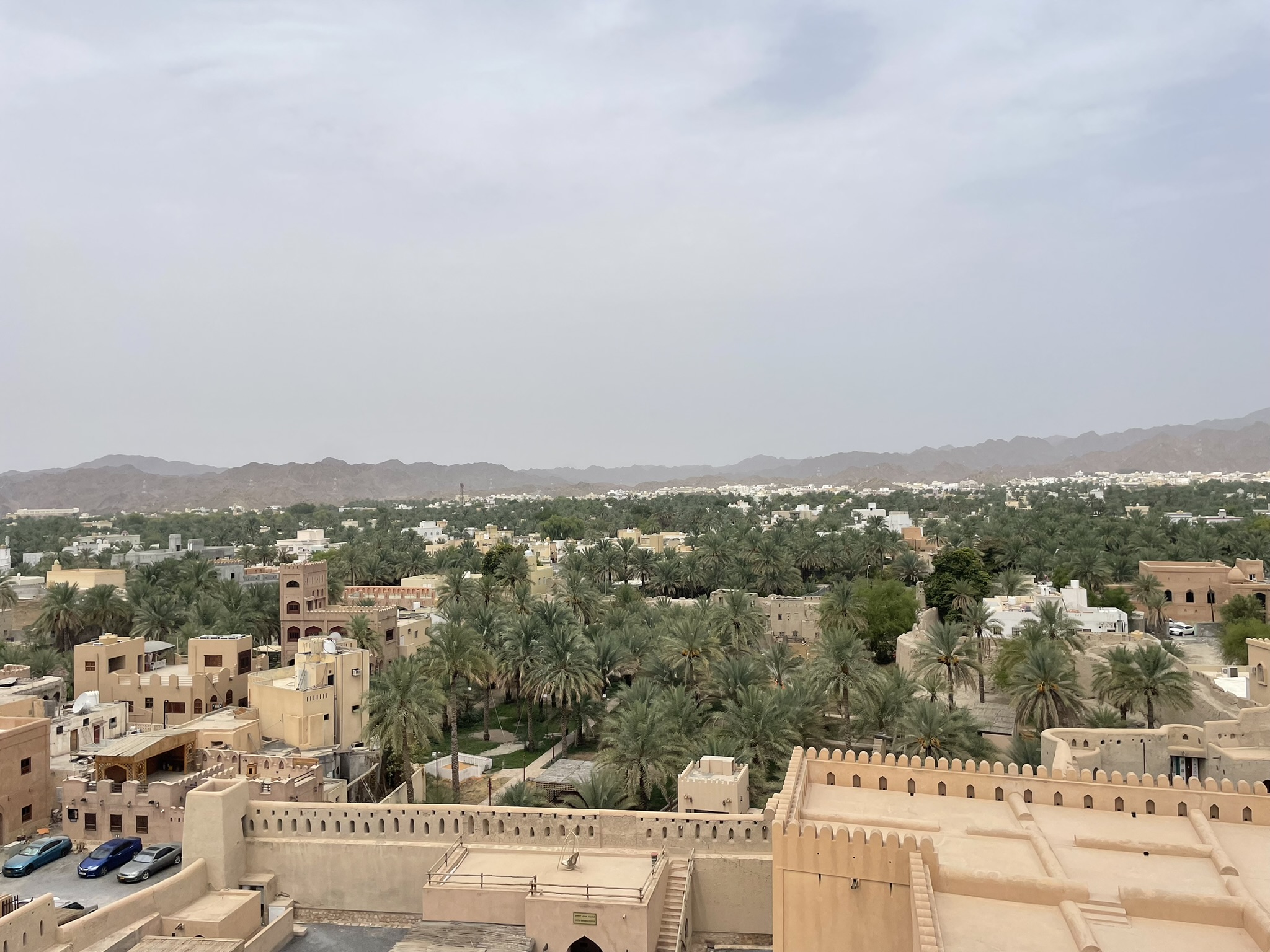
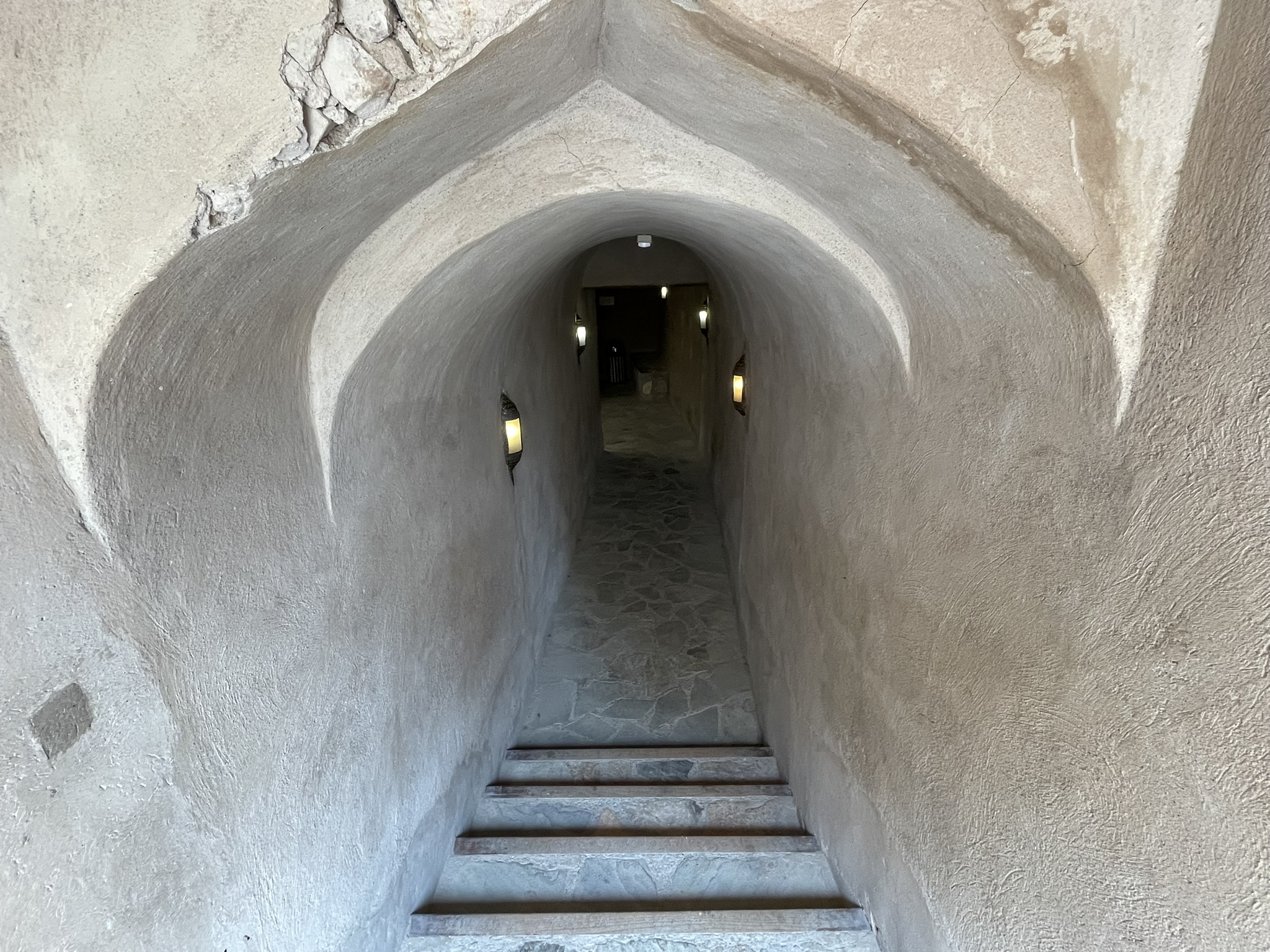
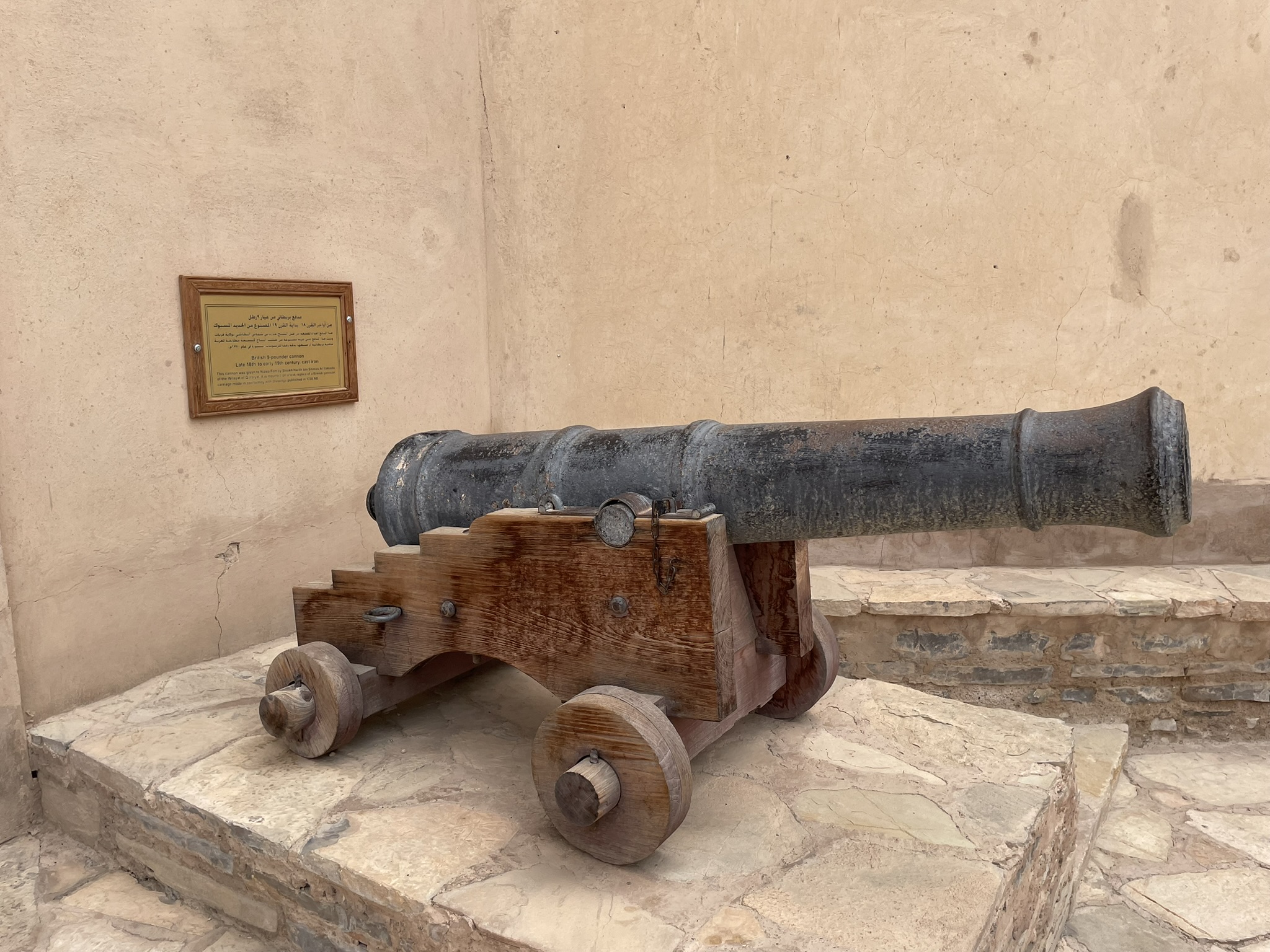
There are four old cannons therein and 17 wells which continue to have water. We also visit the castle including the public meeting room, the Imām’s residence, guest rooms, date stores, student residences, prison, the library and other rooms.
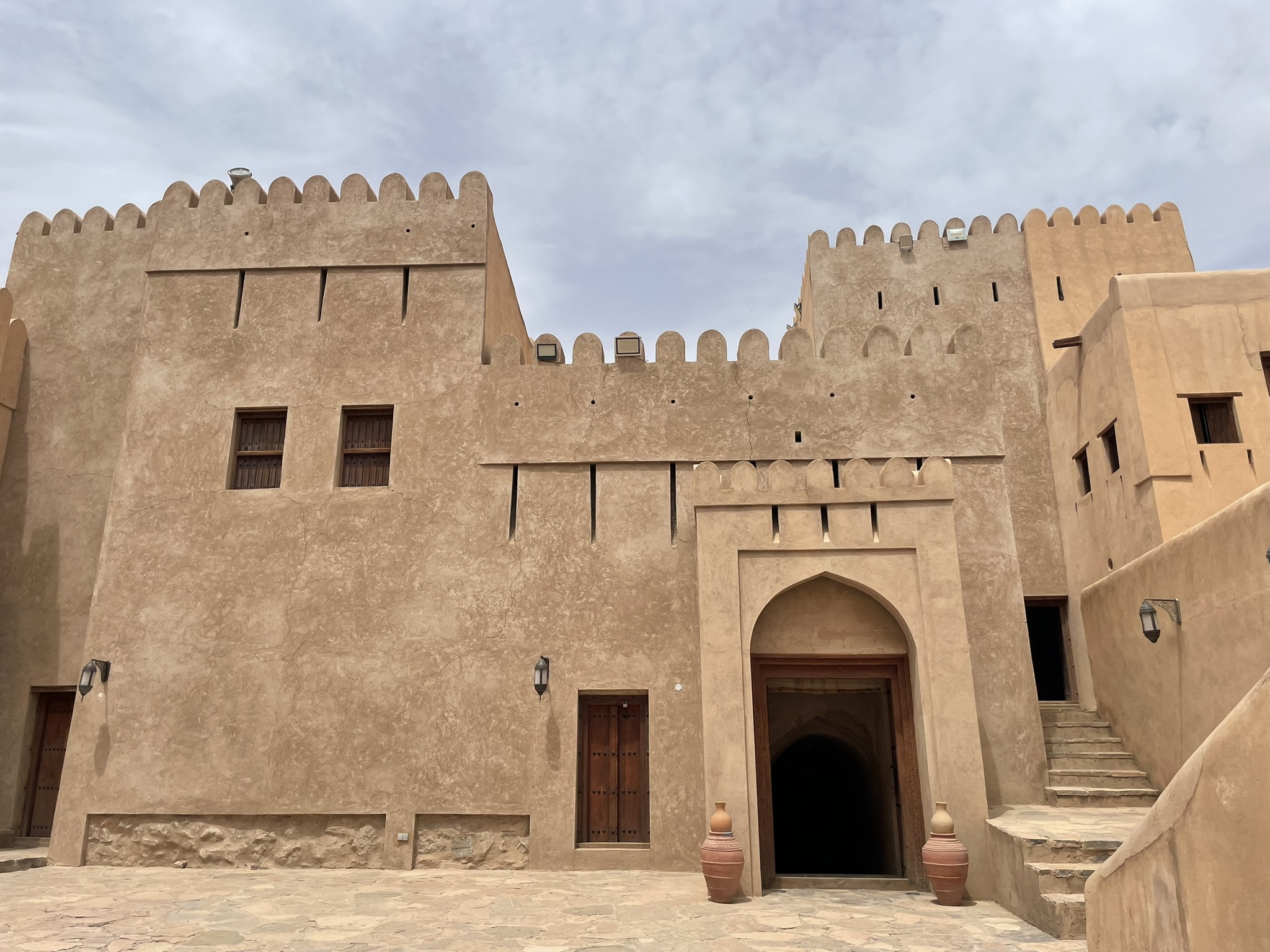
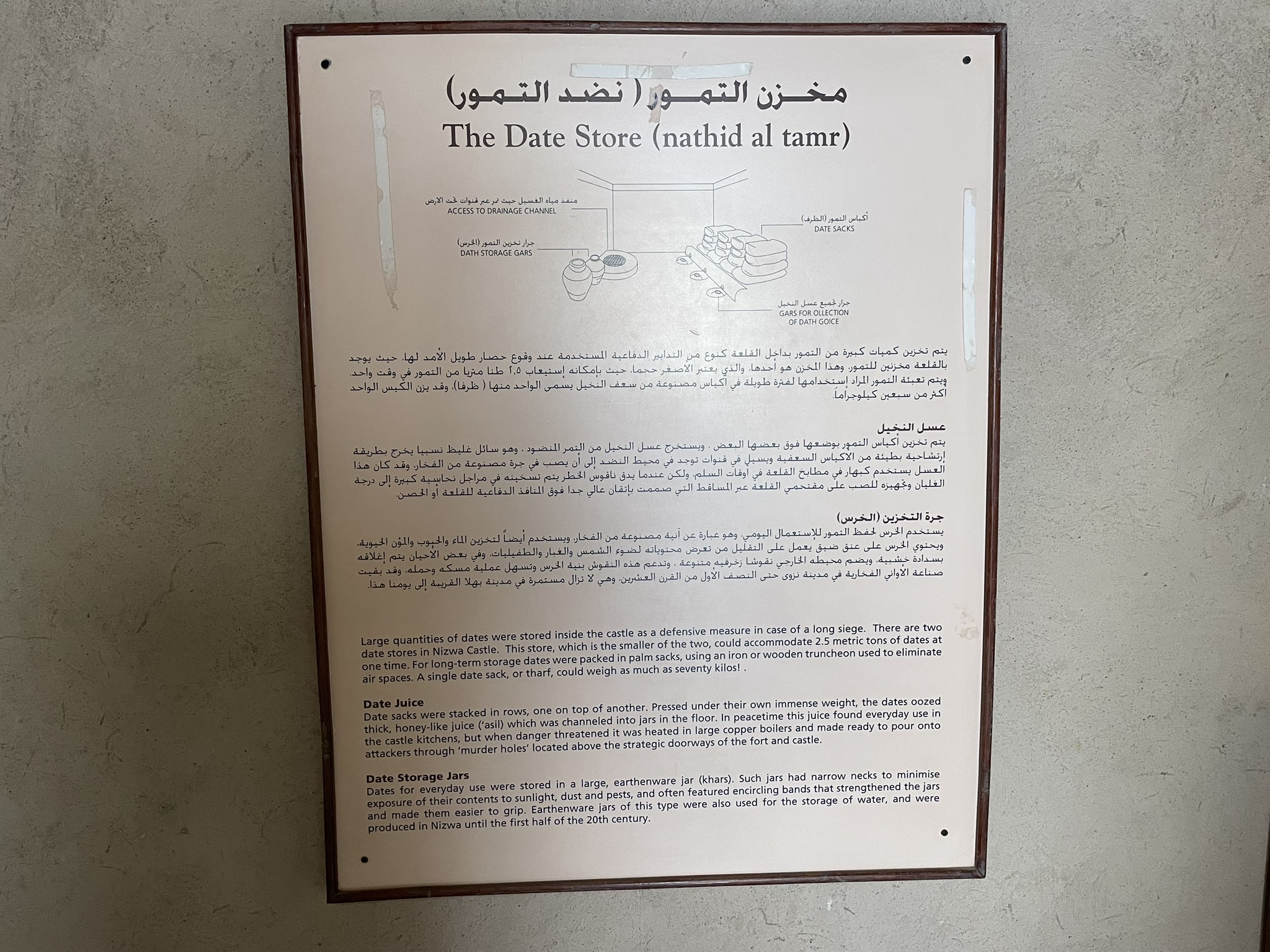
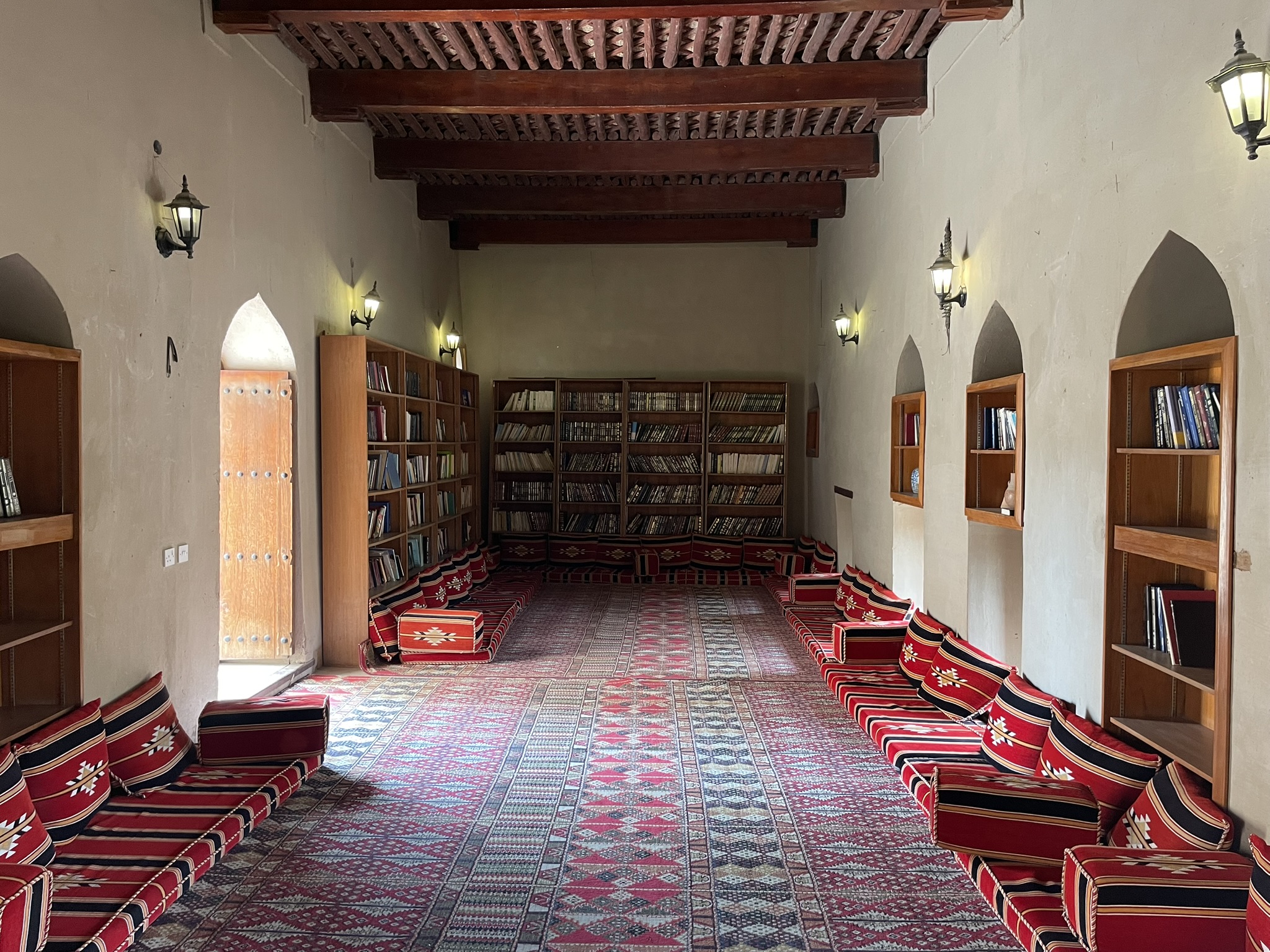
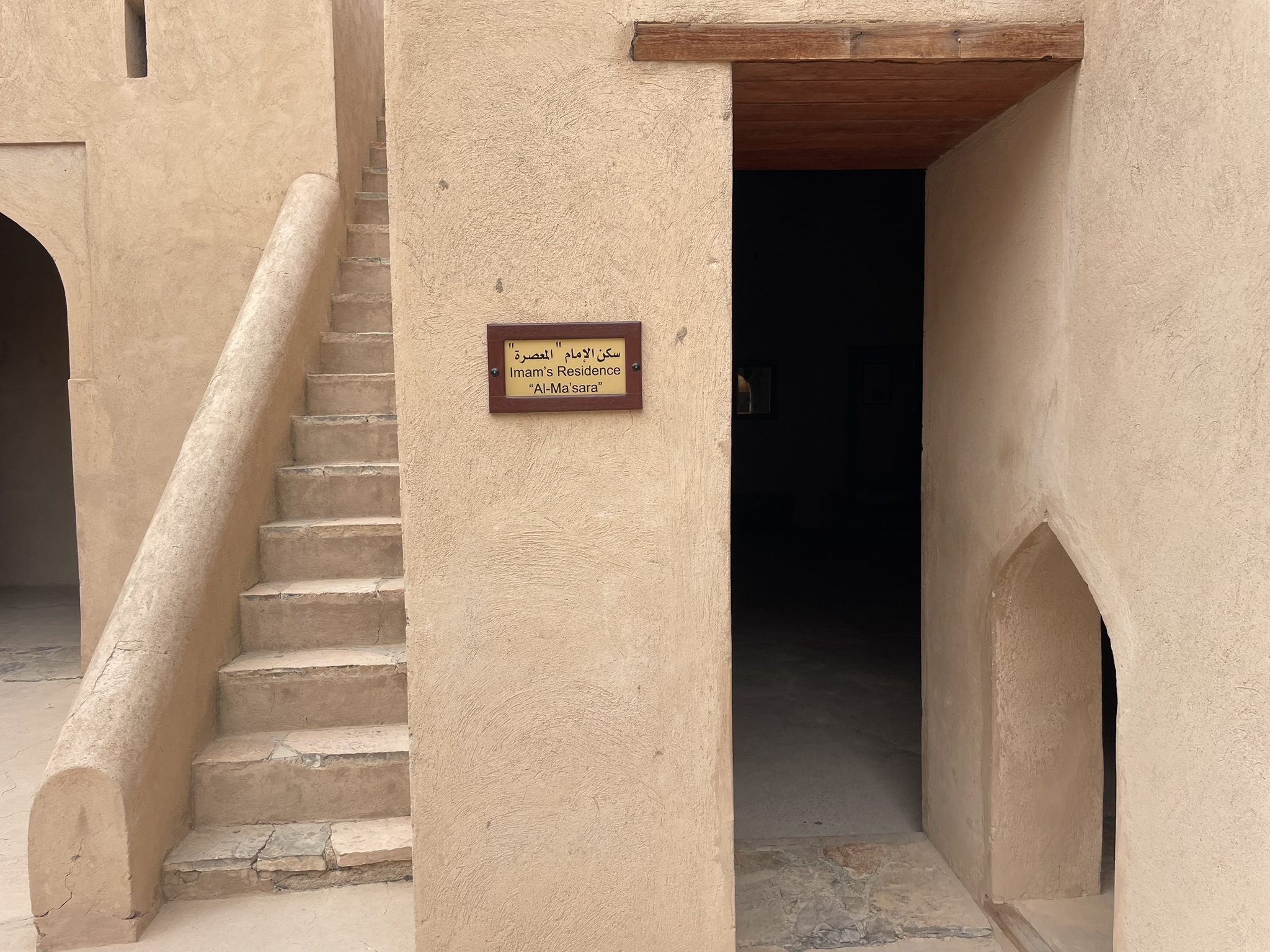
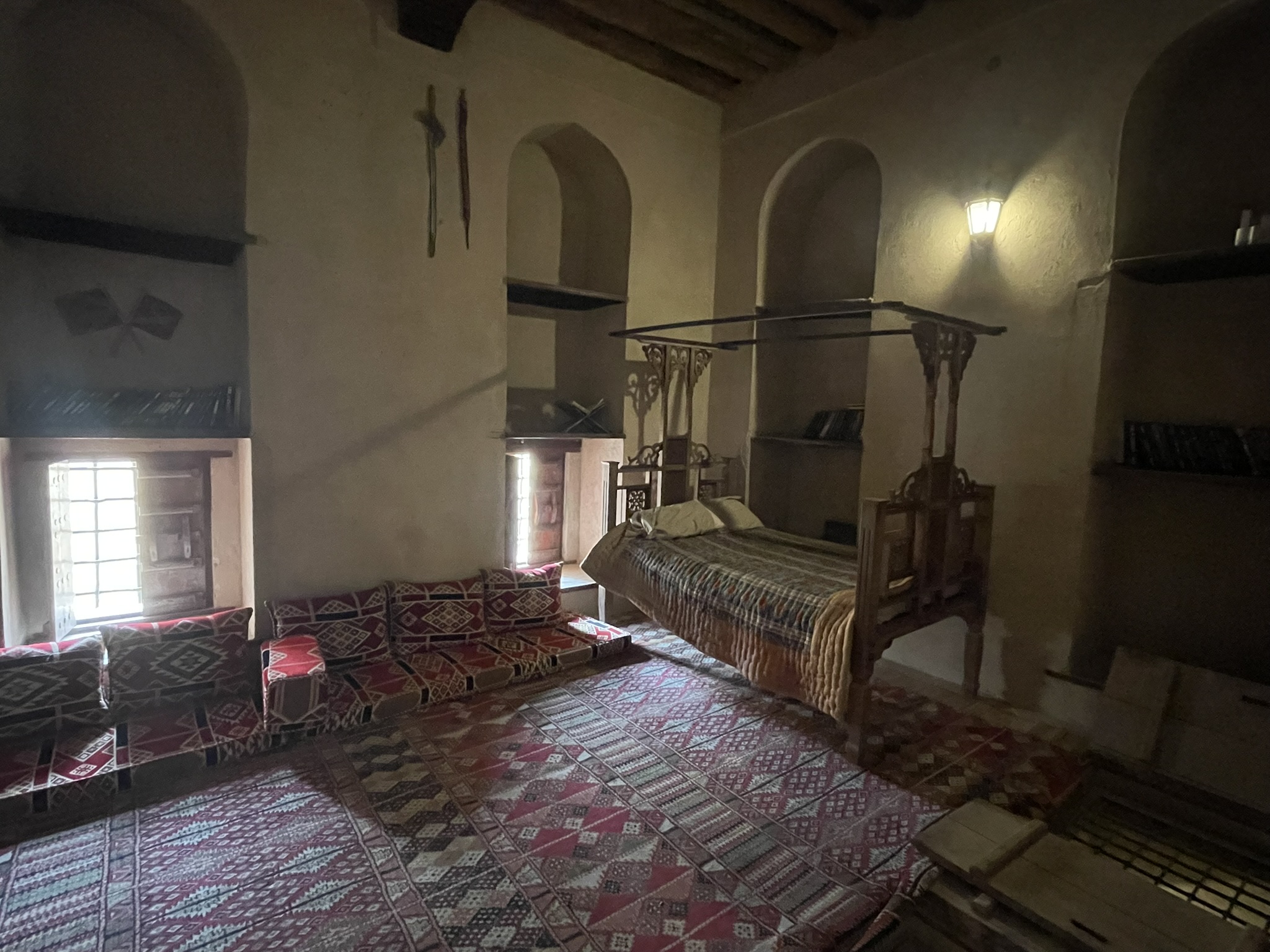
There are also some manuscripts.
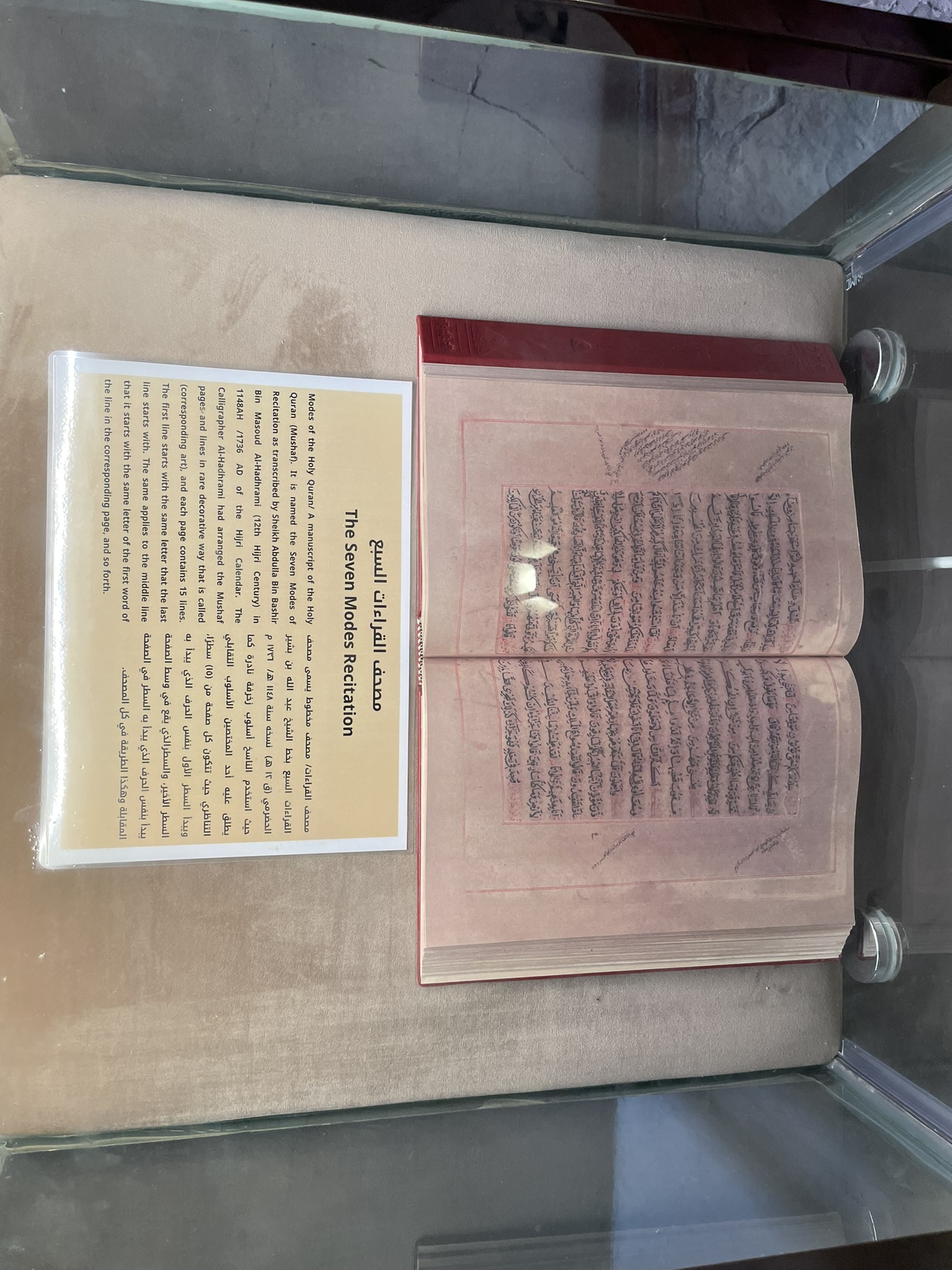
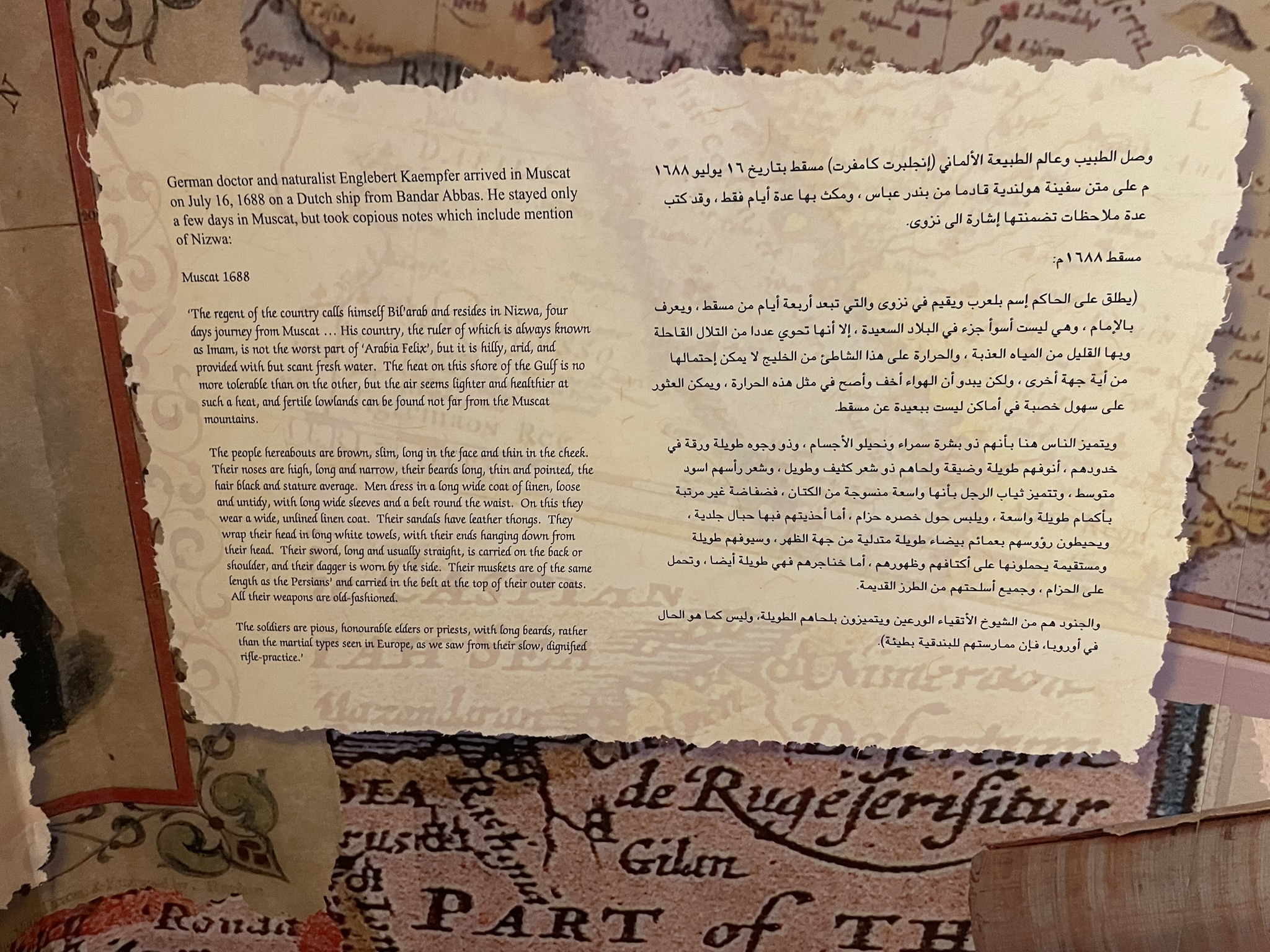
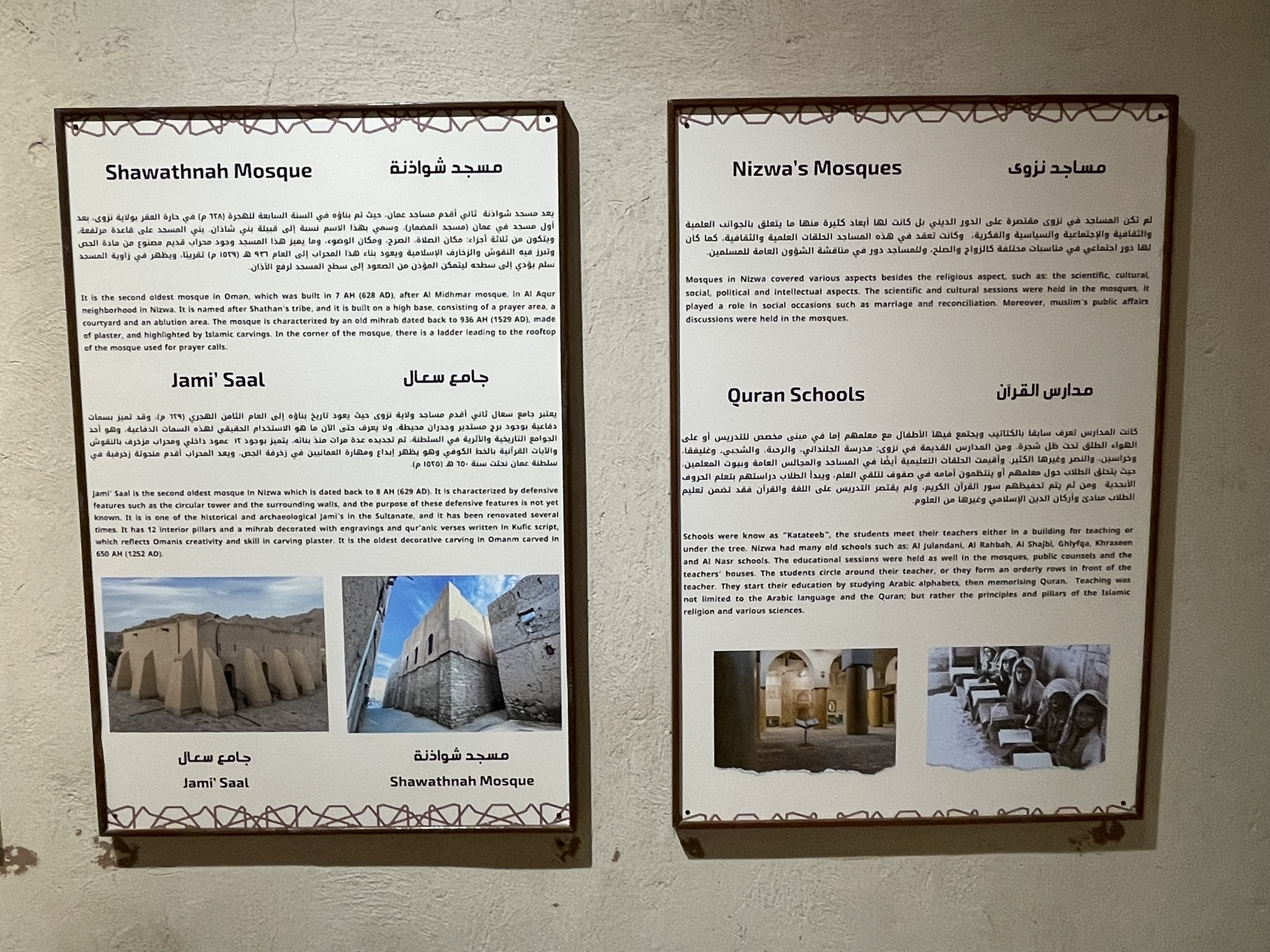
There are is a lot of information on display regarding the fort and the castle, along with exhibits in the exhibition halls showcasing the history of Oman, its culture, the rulers and scholars of Nizwa and much more.
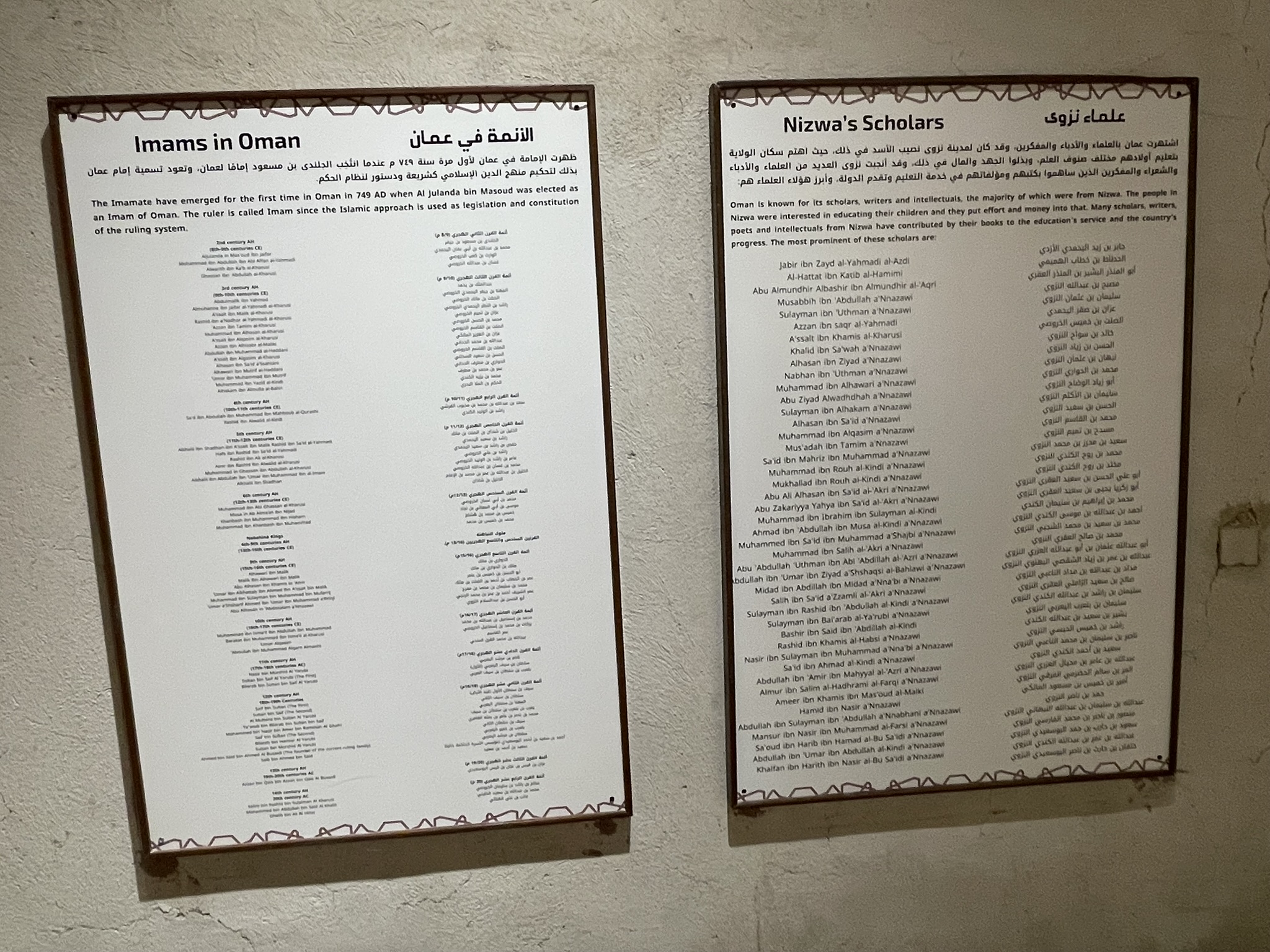
The first Muslim of Oman
Of particular interest is the information about how Islam came to Oman, the early Muslims and the first Mosque. The letter of the Prophet ﷺ referred to above is featured.
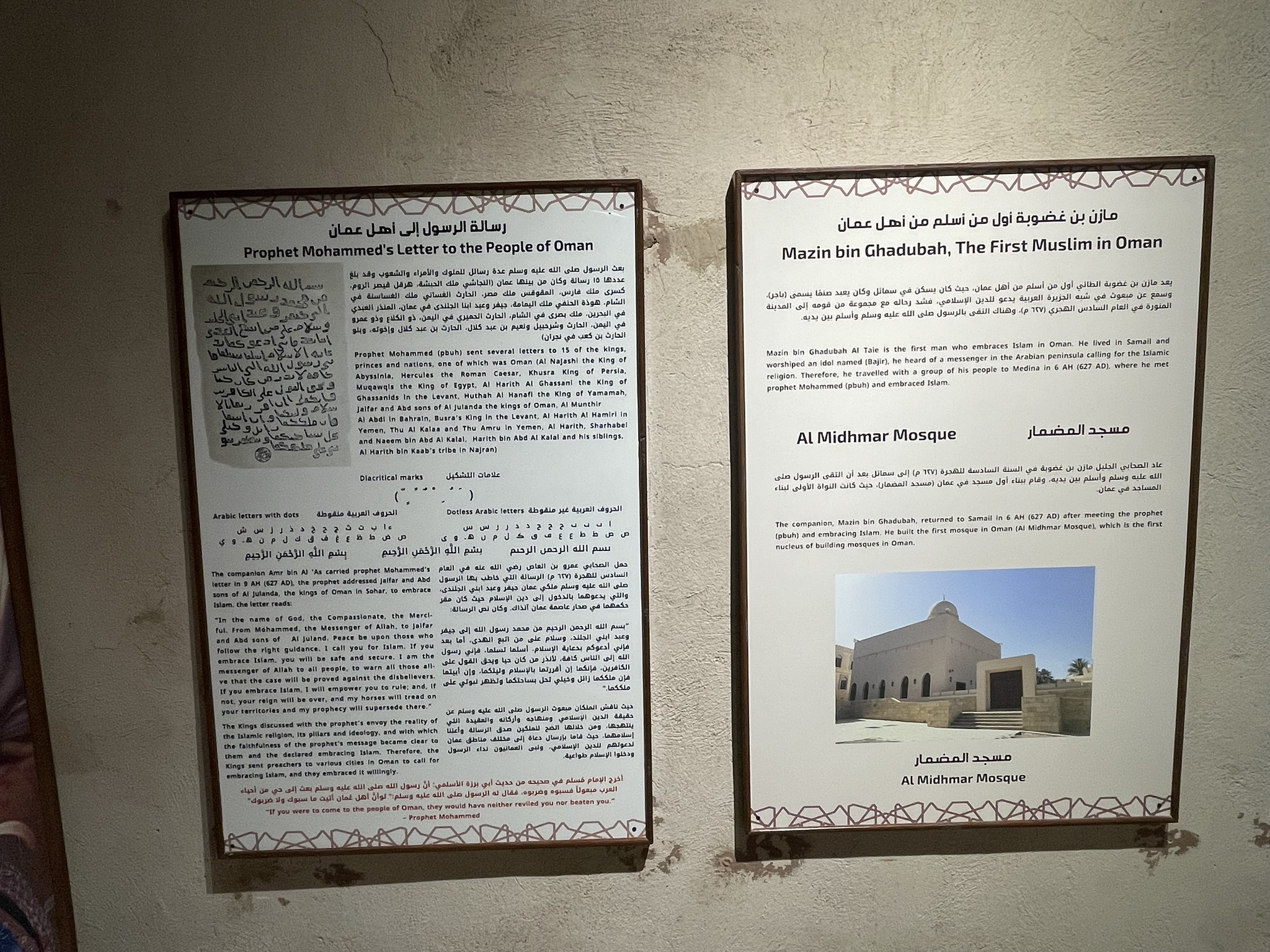
In addition, there is a mention of Māzin ibn al-Gaḍūbah al-Ṭāʾī (may Allah be pleased with him) as the first Muslim of Oman. He lived in Samail, located between Nizwa and Muscat and was an idol worshipper. He travelled with a group of people in 6 Hijrī (627 CE) to Madīnah Munawwarah and accepted Islam. He faced strong opposition on his return. He also built the first mosque in Samail called Masjid al-Miḍmār, which we understand still exists. (It would have been good to visit this, as it is was on our way to Muscat). Further details regarding him and his story of travelling to Madīnah are detailed in al-Muʿjam al-Kabīr (20: 338) and al-Iṣābah (5: 520). He is also the narrator of a Ḥadīth wherein the Prophet ﷺ said, “Be truthful, because it leads to Paradise” (al-Muʿjam al-Kabīr, 20: 337; al-Muʿjam al-Awsaṭ, 7564; Muʿjam al-Ṣaḥābah of Ibn Qāniʿ, 3: 121; Maʿrifat al-Ṣaḥābah, 5: 2588).
His descendants include ʿAlī ibn Ḥarb (d. 265/879) and his brother Aḥmad ibn Ḥarb (d. 263/876-7), the narrations of both have been transmitted in Sunān al-Nasāʾī (Tahdhīb al-Kamāl, 1: 288, 20: 361; also see Tārīkh Bagdād, 13: 363; Tārīkh al-Islām, 6: 261, 371; Siyar, 12: 251).
Oman Across Ages Museum
Shortly after midday, we arrive at the Oman Across Ages Museum, located 20km south of Nizwa Fort. This is a cultural and educational landmark. The iconic building has won many international awards and its design was inspired by the mountain ridges that form the background of the museum site, blending contemporary design and traditional Omani elements. The museum takes you on a fascinating journey through the country’s history, from ancient times to the present.
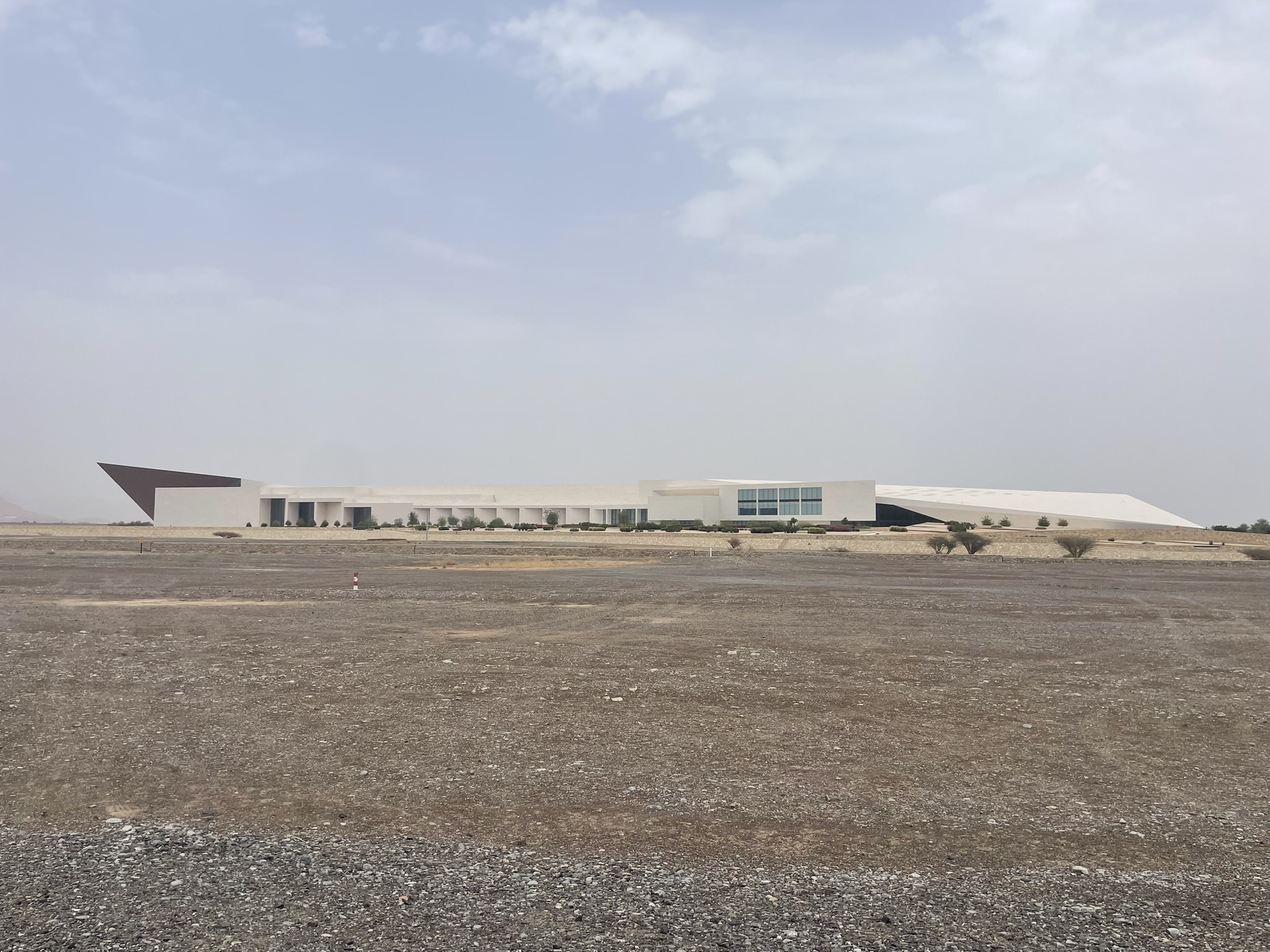
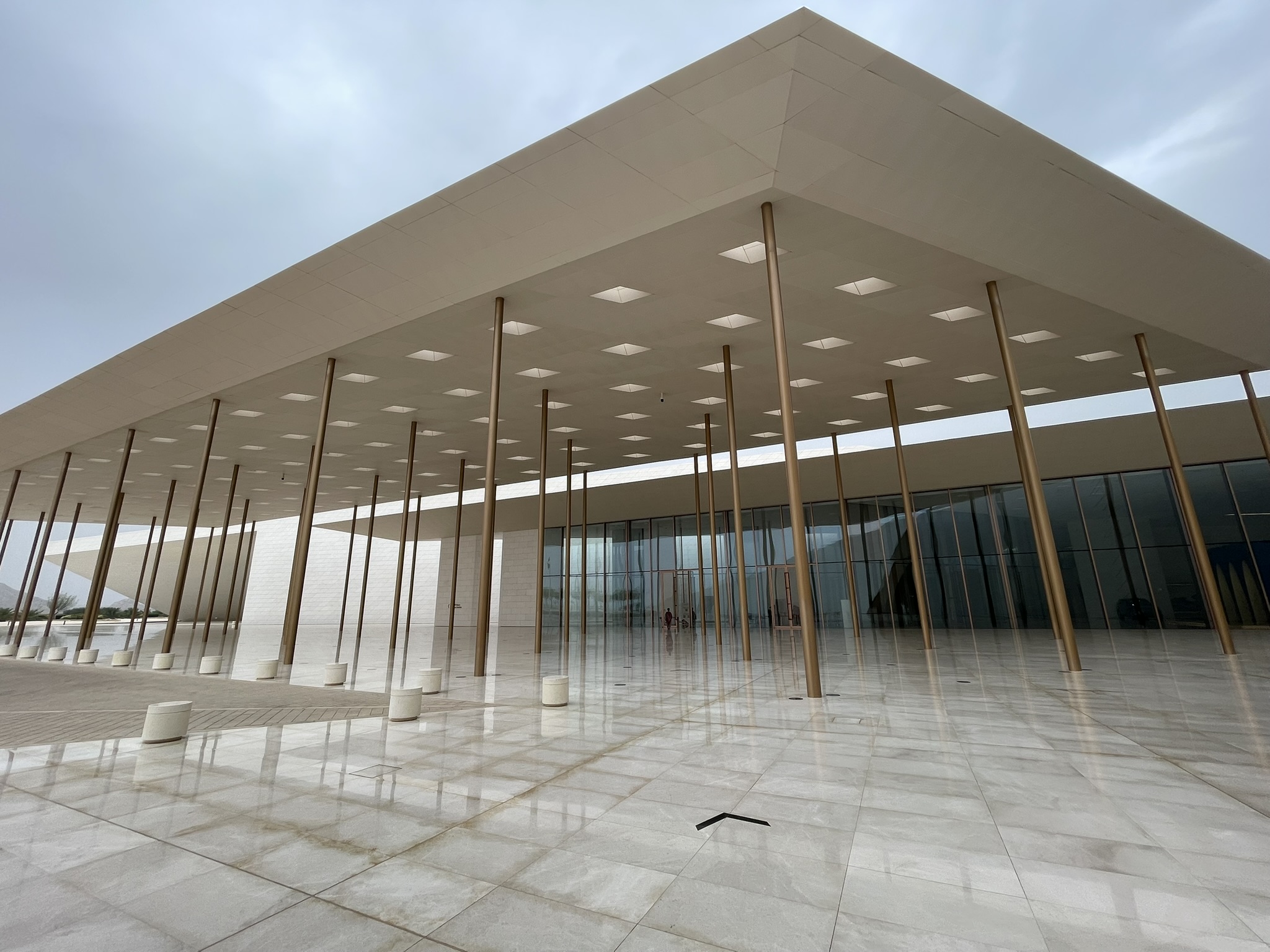
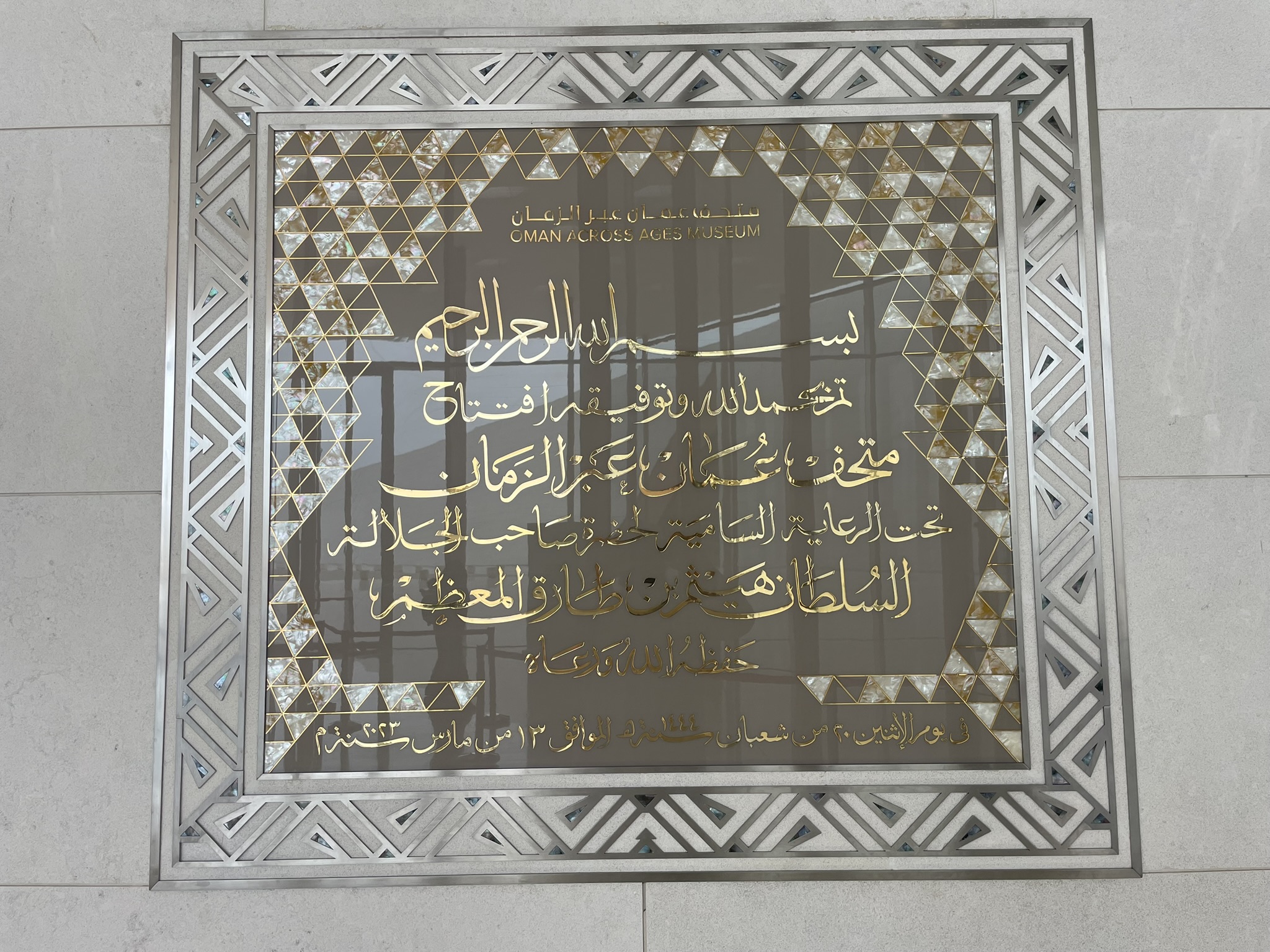
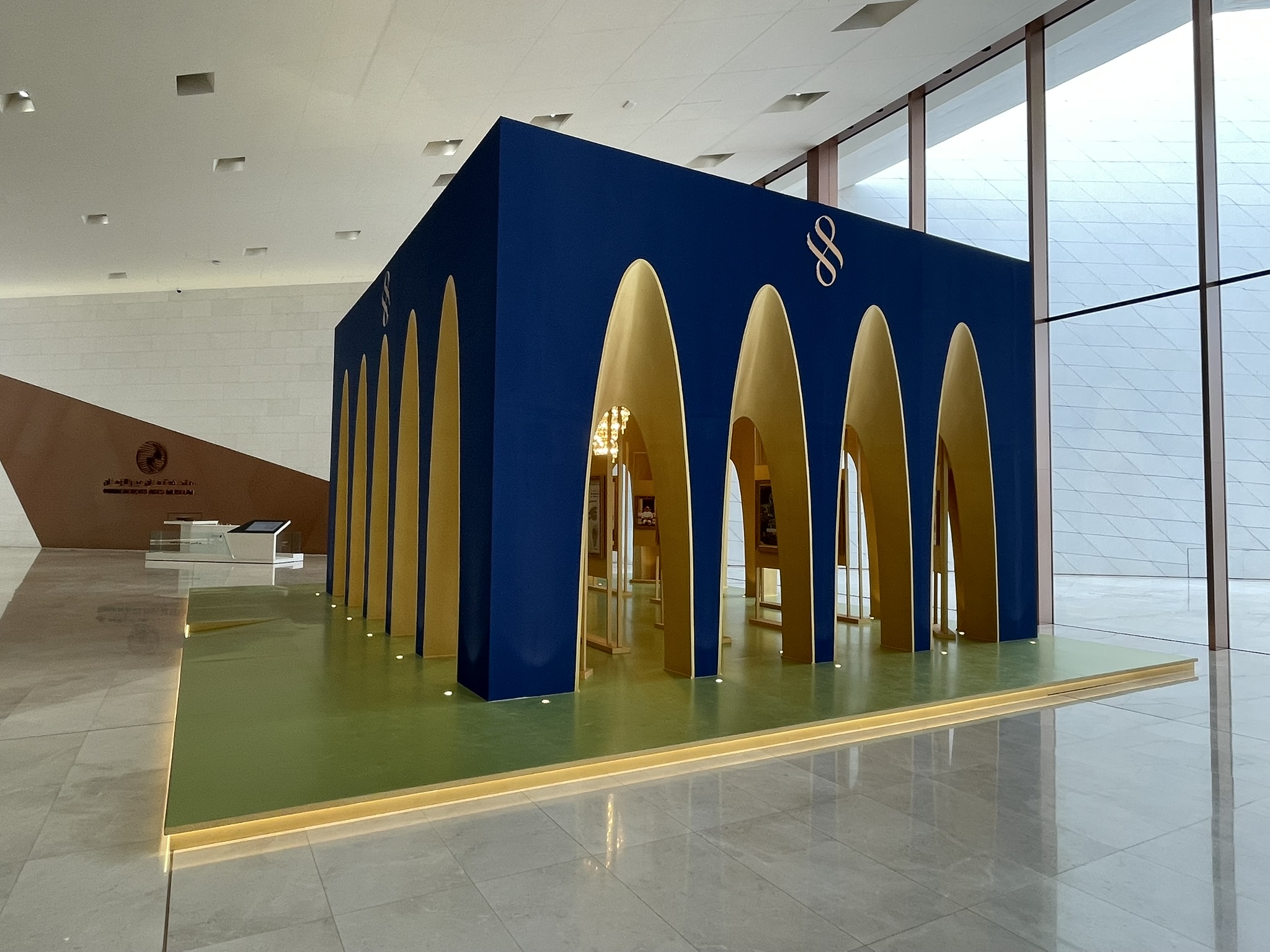
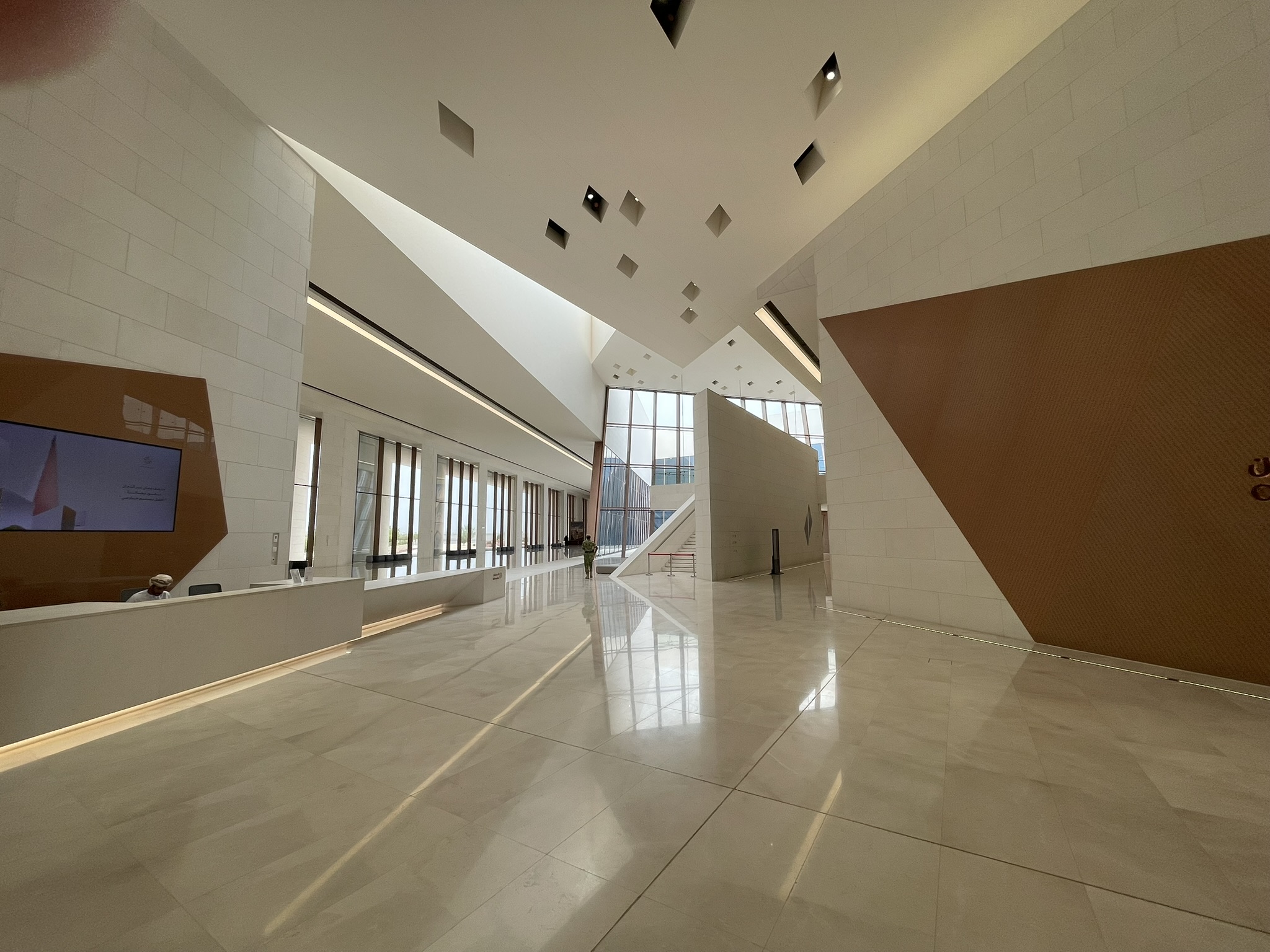
The museum is divided into two parts. The first part is the history of the country until 1970. The country’s Foreign Ministry website states in relation to this: “The History Gallery consists of a series of pavilions each dedicated to a particular subject: The Land of Oman, Early Settlers, The Civilisation of Magan, The Kingdom of Magan, Maritime Heritage, Aflaj Irrigation, Embracing Islam, The Al Ya’aruba Dynasty and The Al Busaidi Dynasty. Accordiingly, visitors travel through time and space, right from the country’s geological formation, through the experiences of the early settlers to the modern Renaissance age.”
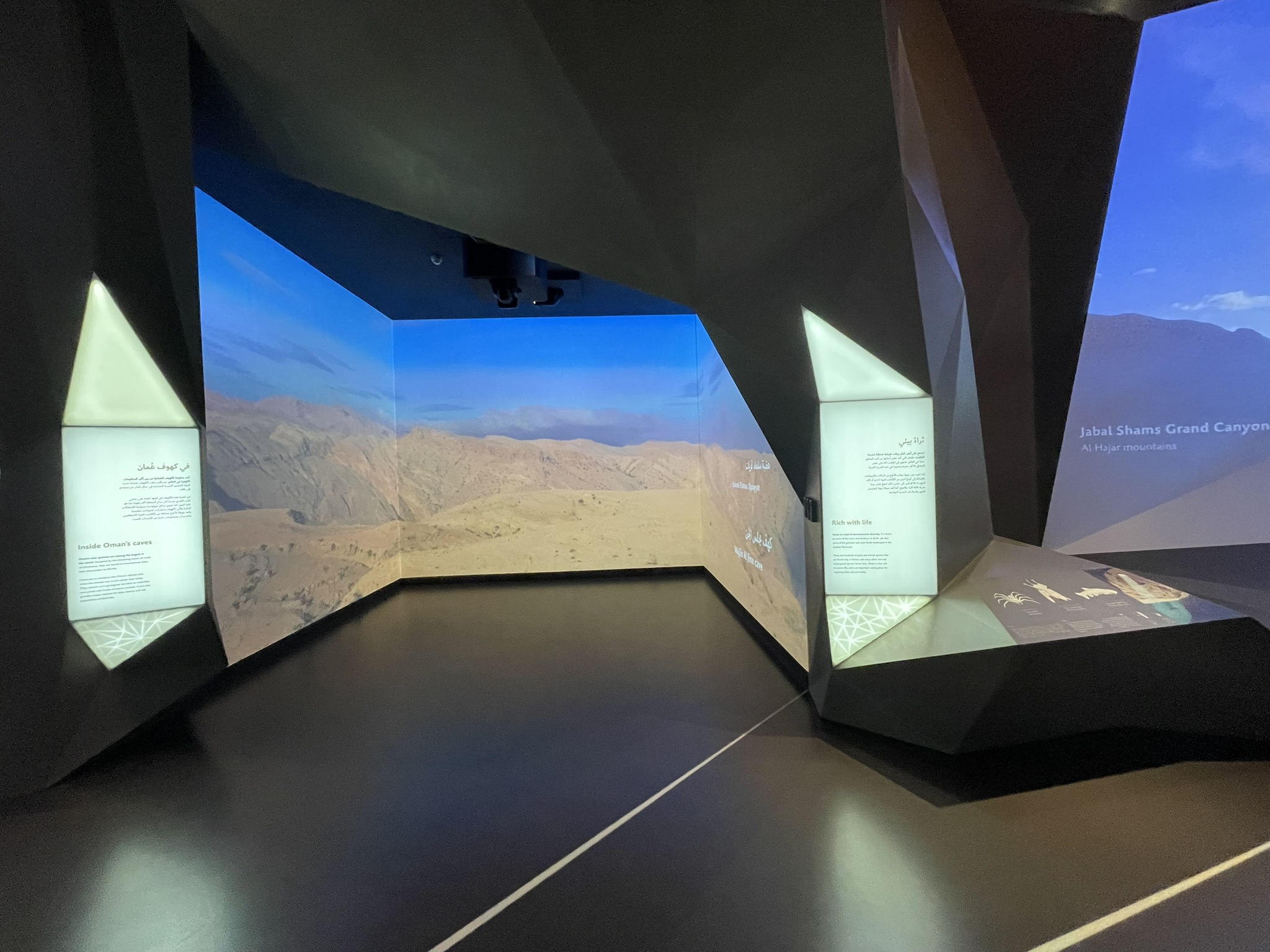
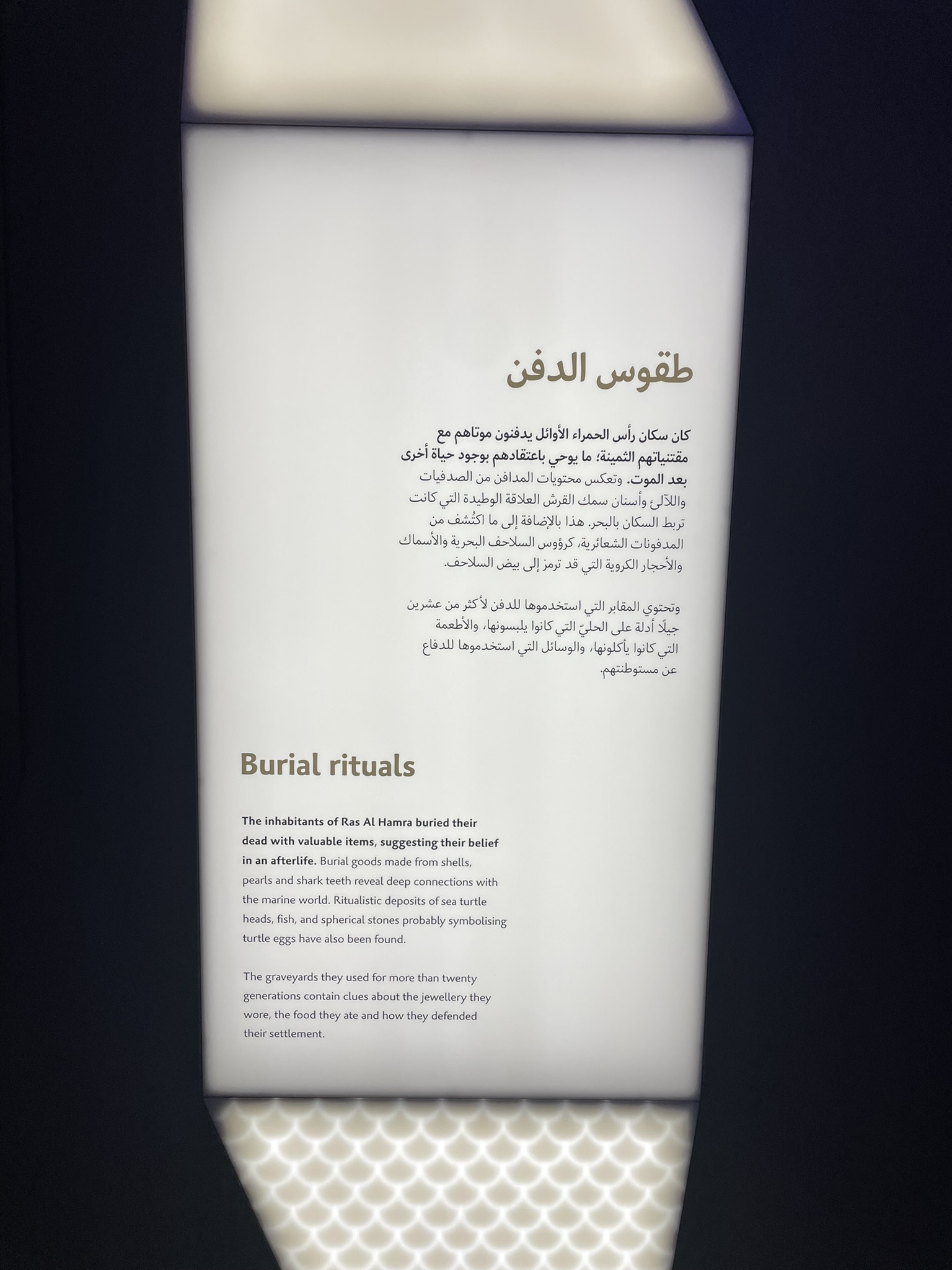
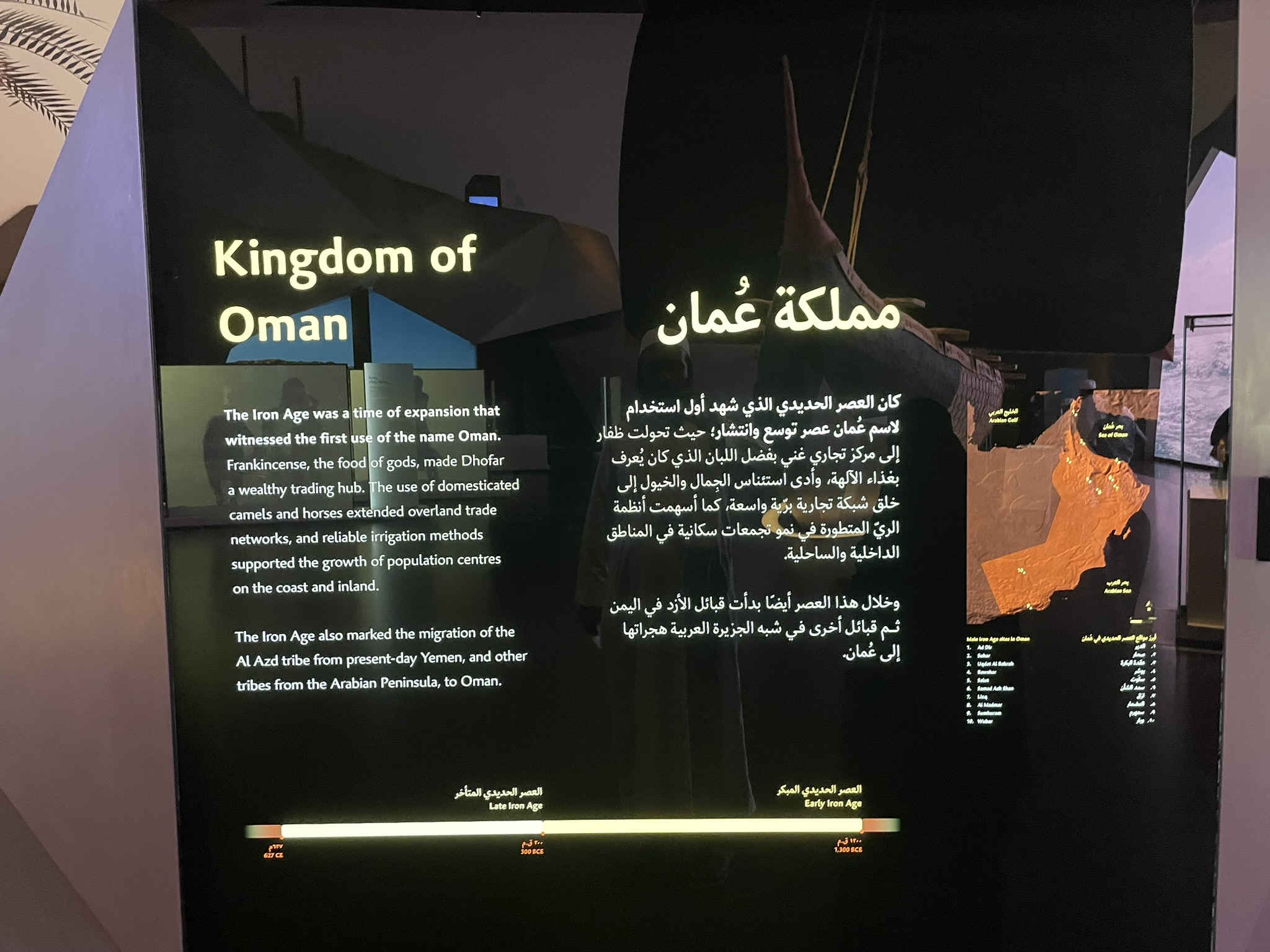
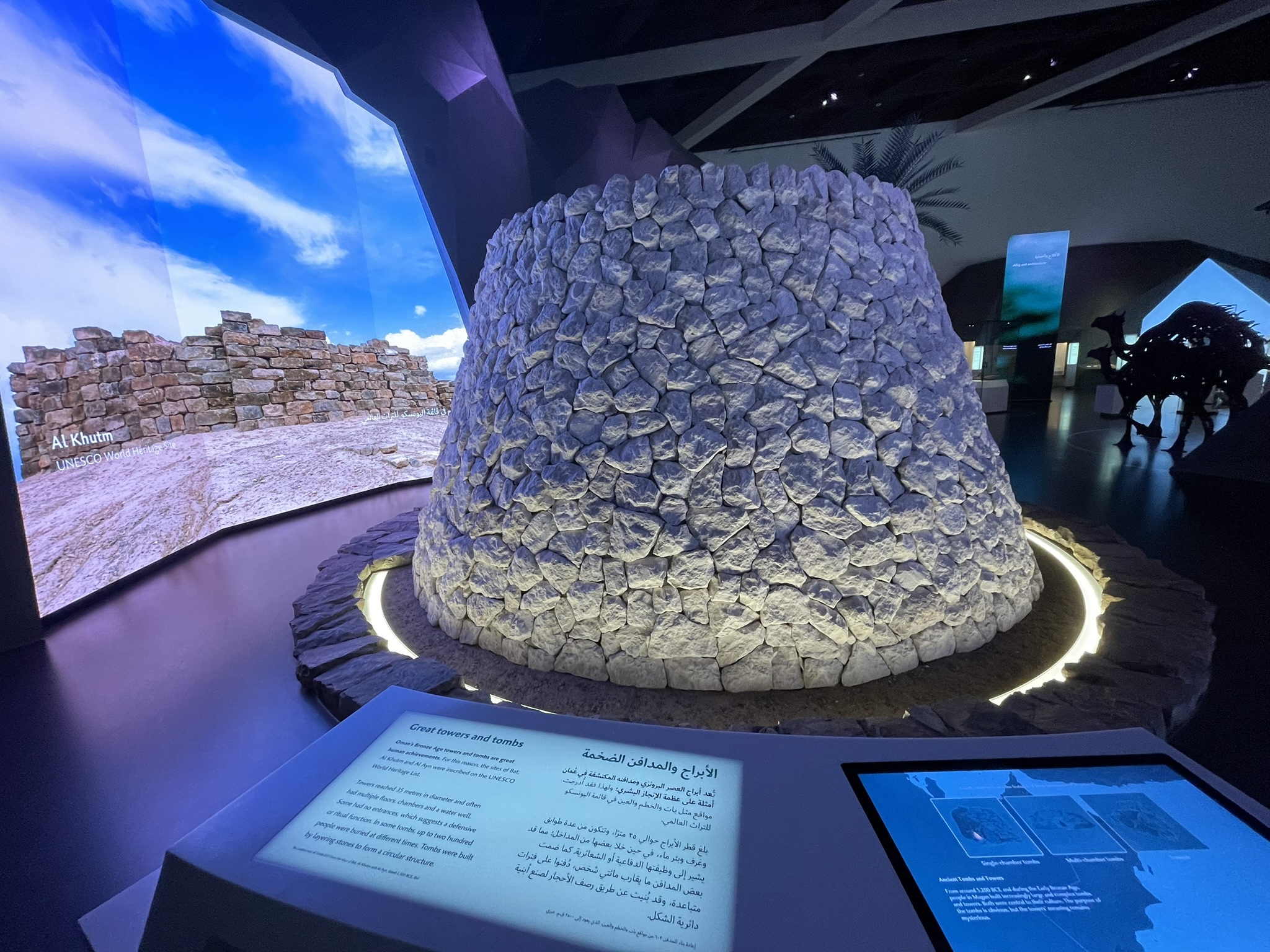
The second part focuses on the 50-year renaissance that followed under the reign of the late Sultan Qaboos (d. 1441/2020) during which the country experienced remarkable economic, technological, political and social progress while preserving its identity and cultural traditions.
The museum is among the best museums we have visited. The extensive use of interactive visual and sound presentations enhances the experience, both for adults and children. In total, the museum has 310 video exhibits and 1200 interactive 2D and 3D screens, map projection technology, as well as 1300 antique exhibits, 80 replica exhibits, 500 text panels and drawings, 150 display boxes, 61 kilometres of fibre-optic cables and 21 kilometres of audio-video cables. The museum is well organised and the atmosphere is peaceful and soothing, allowing visitors to fully appreciate the cultural heritage of the country. Like any other national museum, there are inherent biases especially in relation to the alliance with the UK and how Sultan Qaboos came to power. The overthrow of his father for example is downplayed.
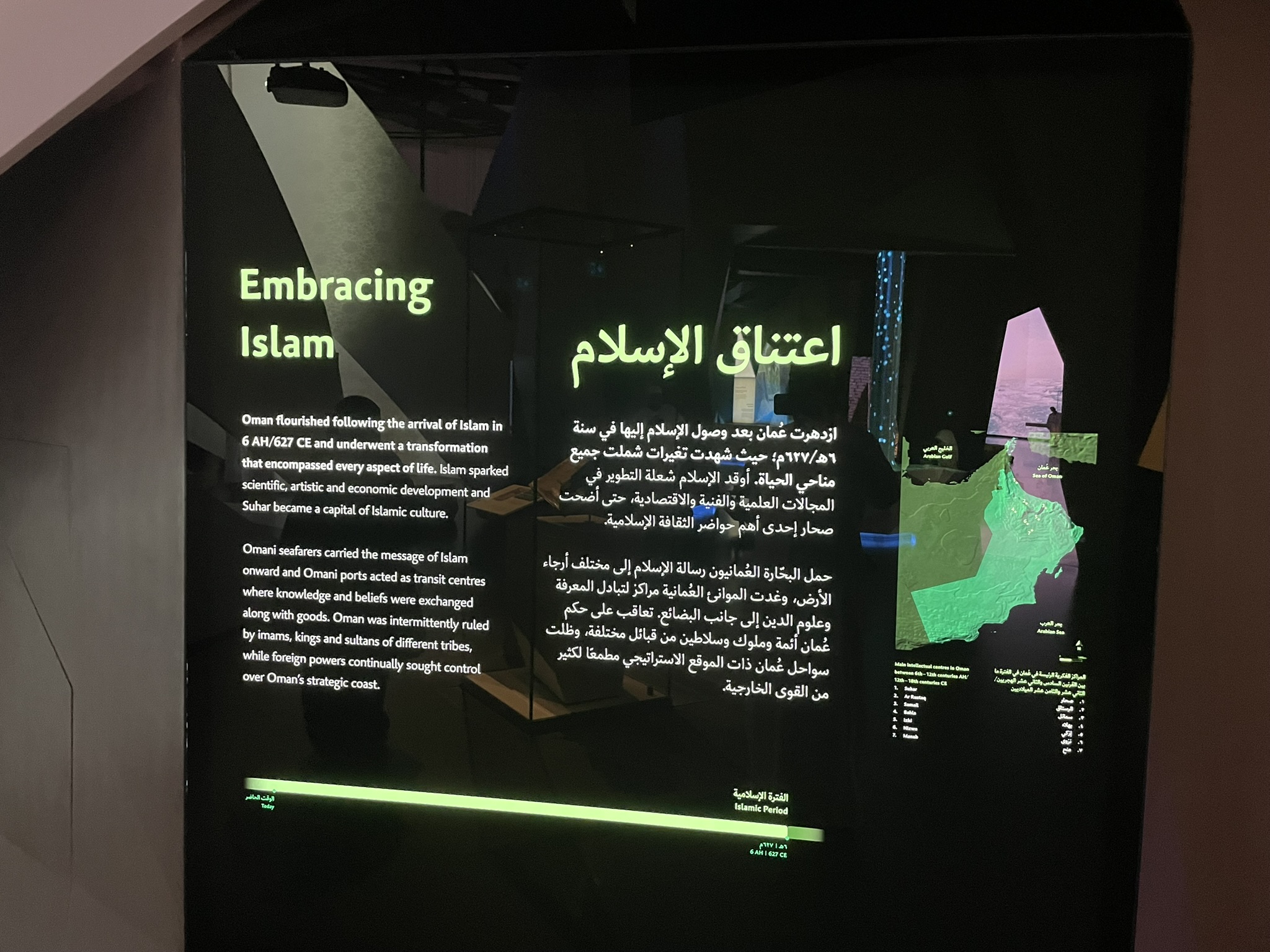
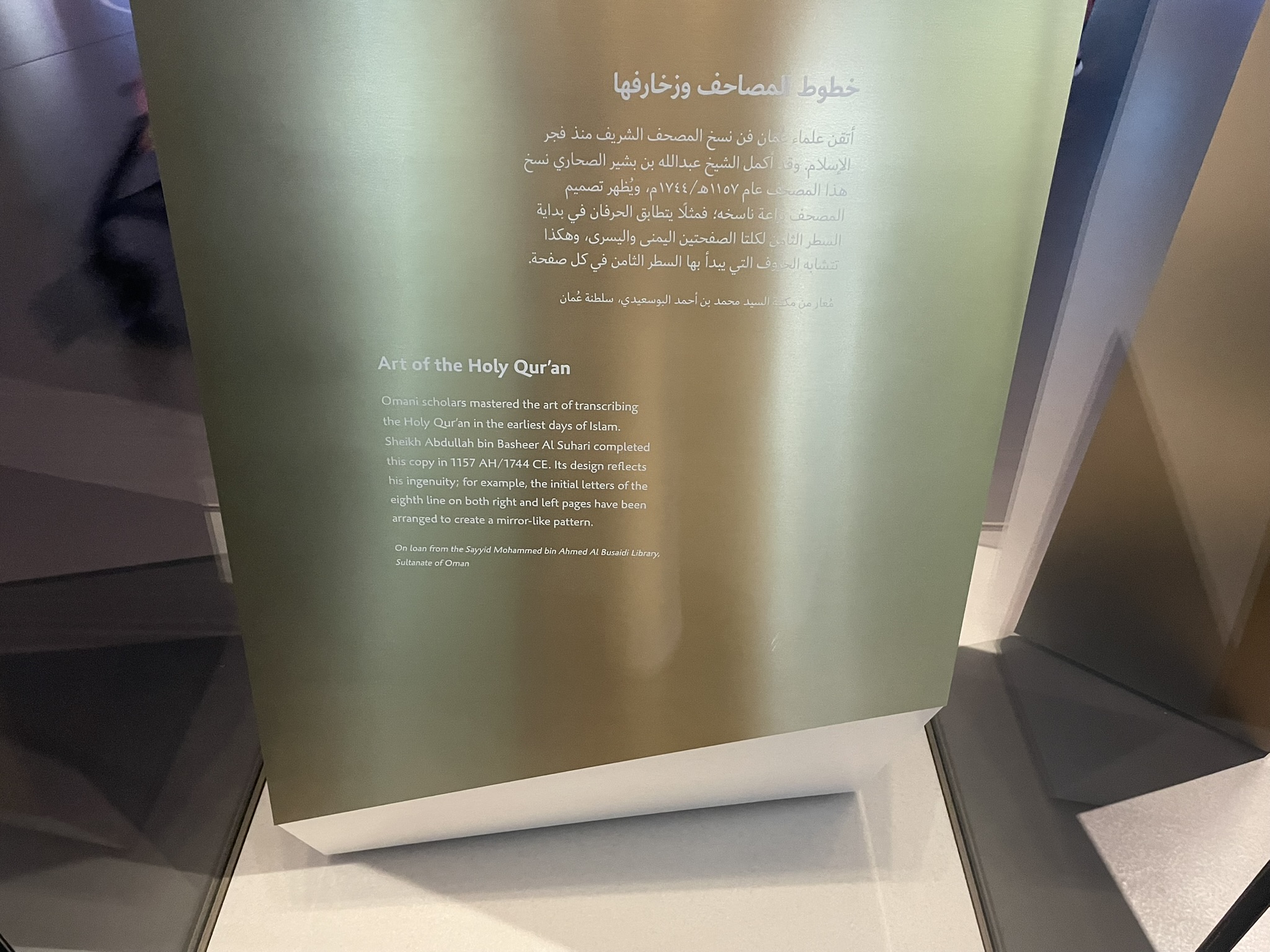
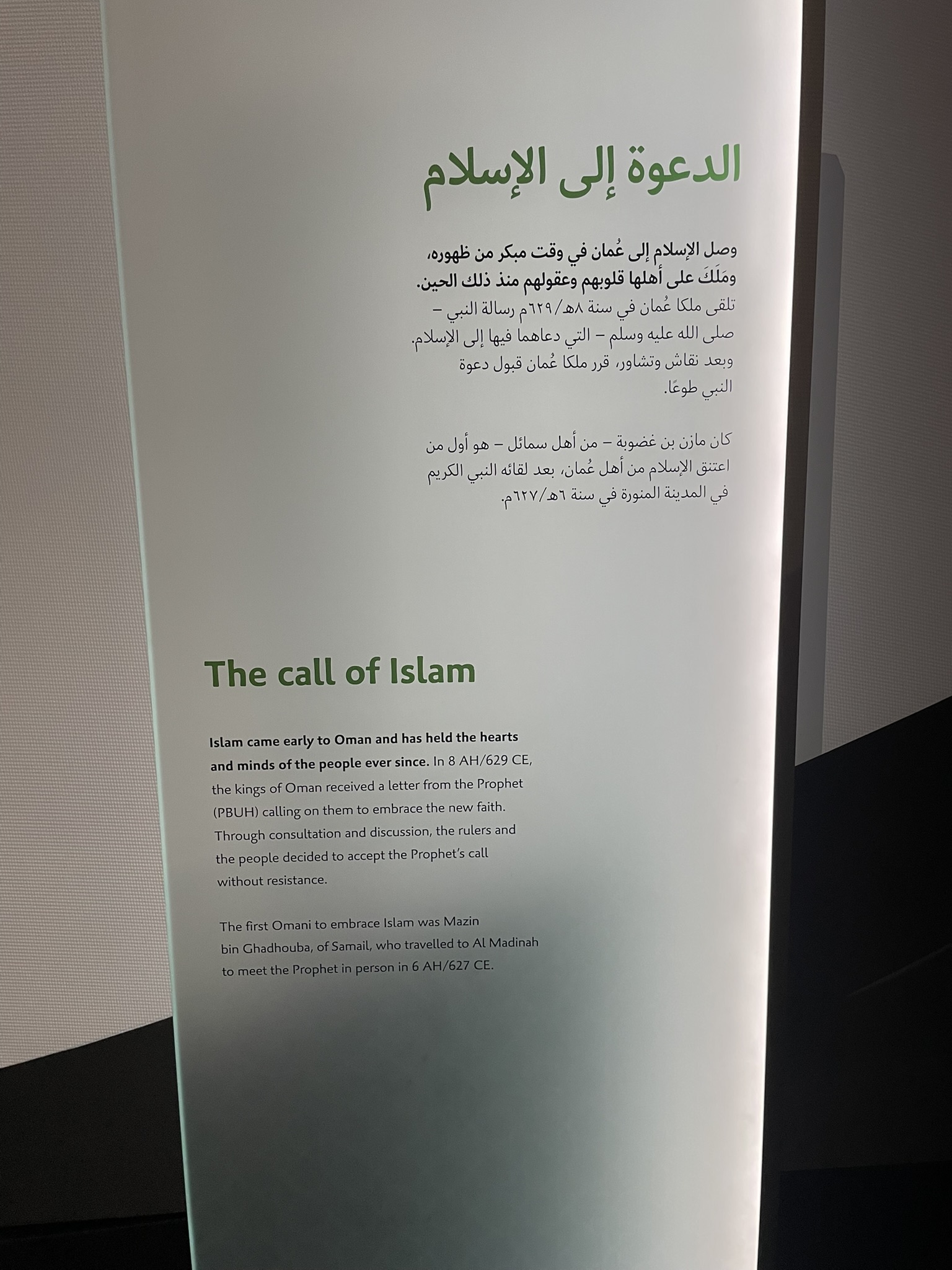
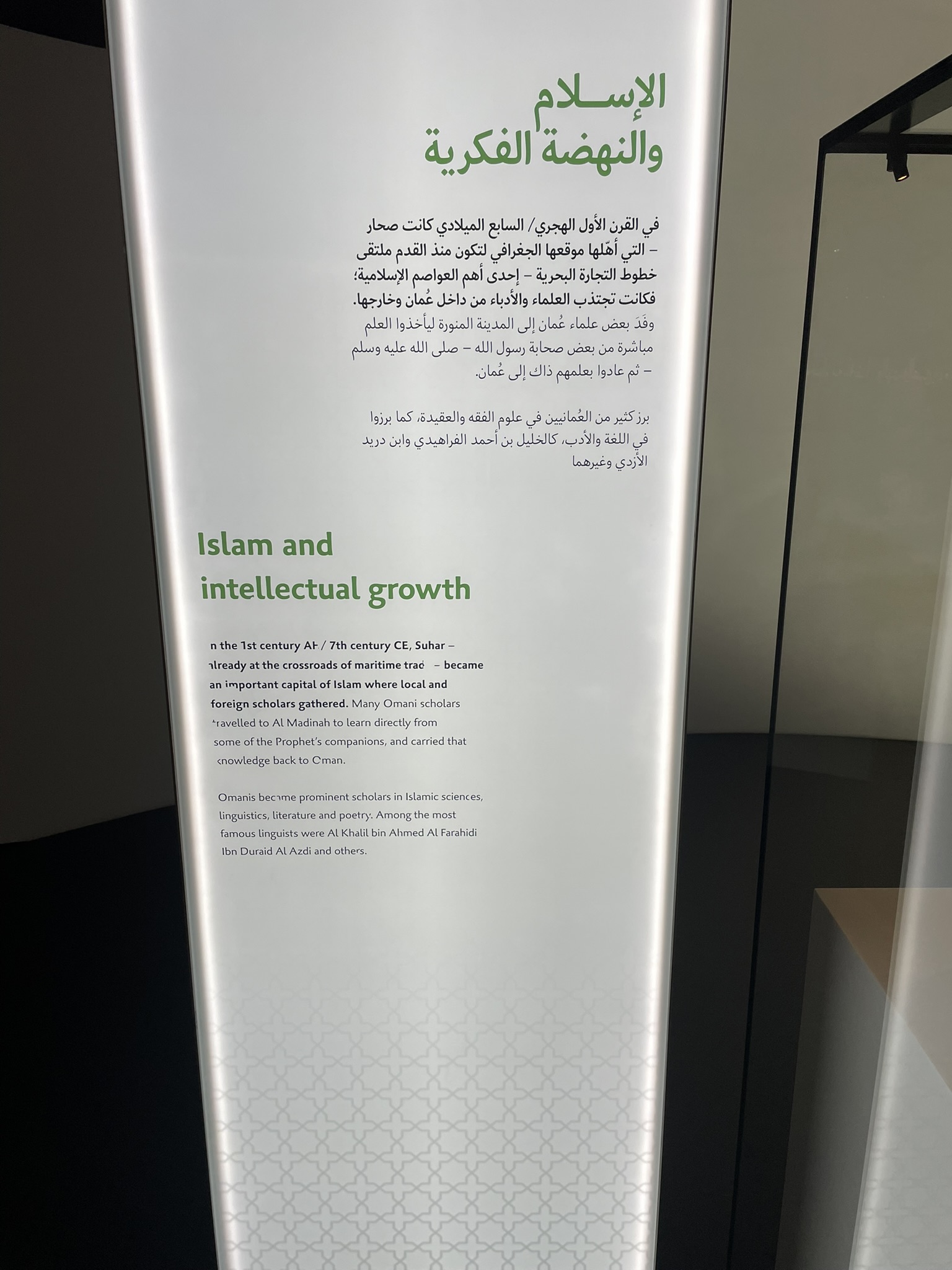
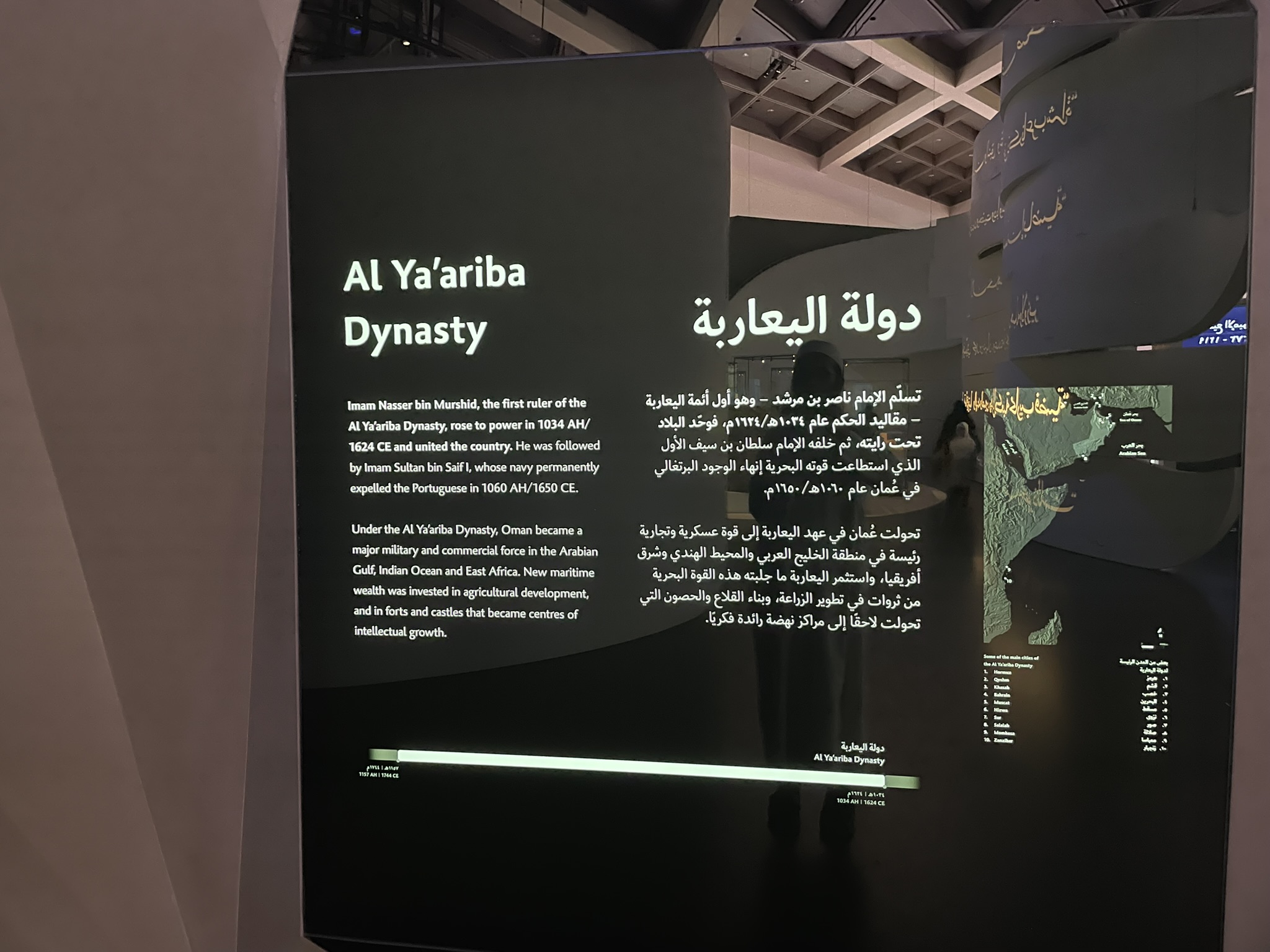
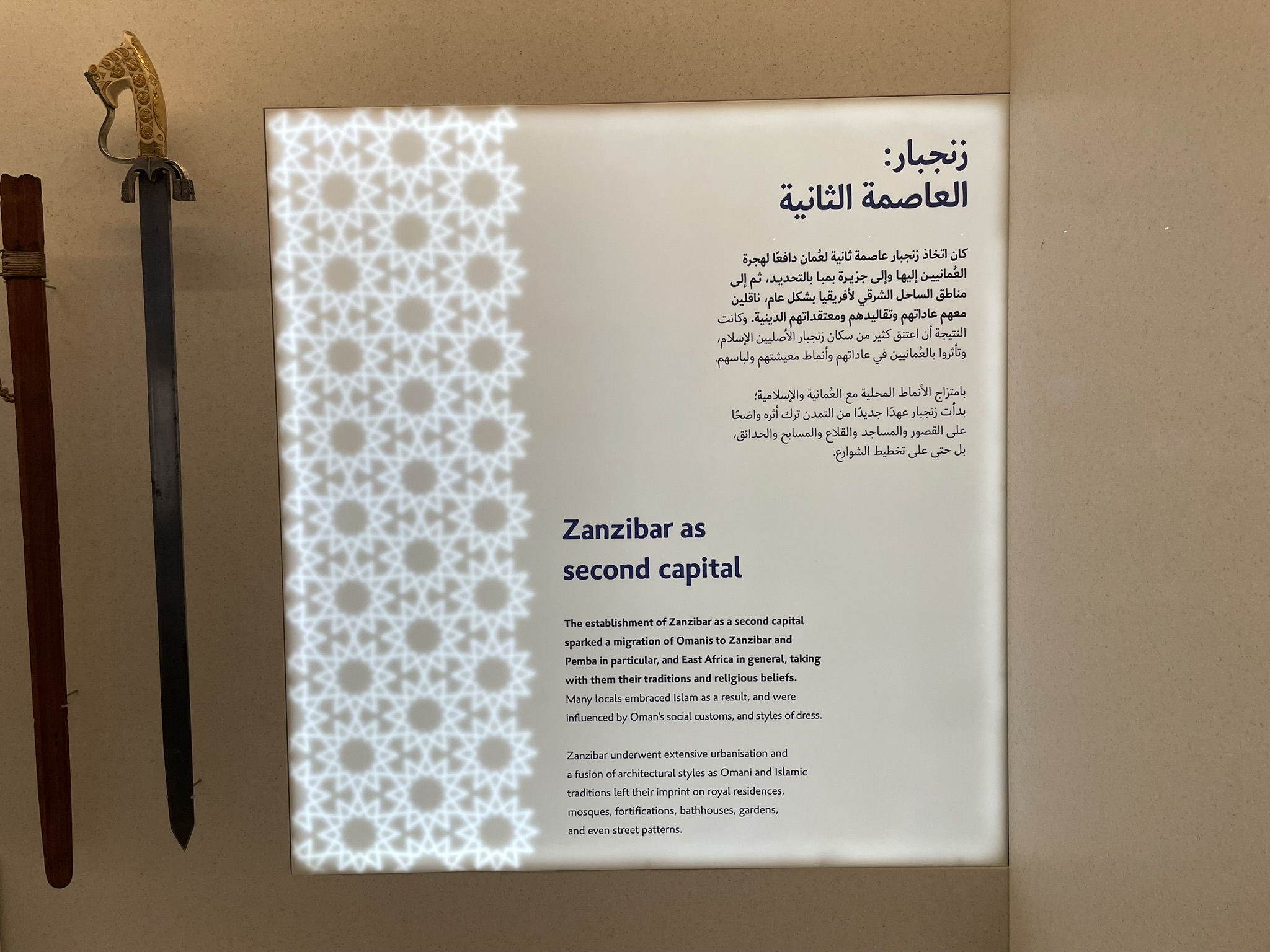
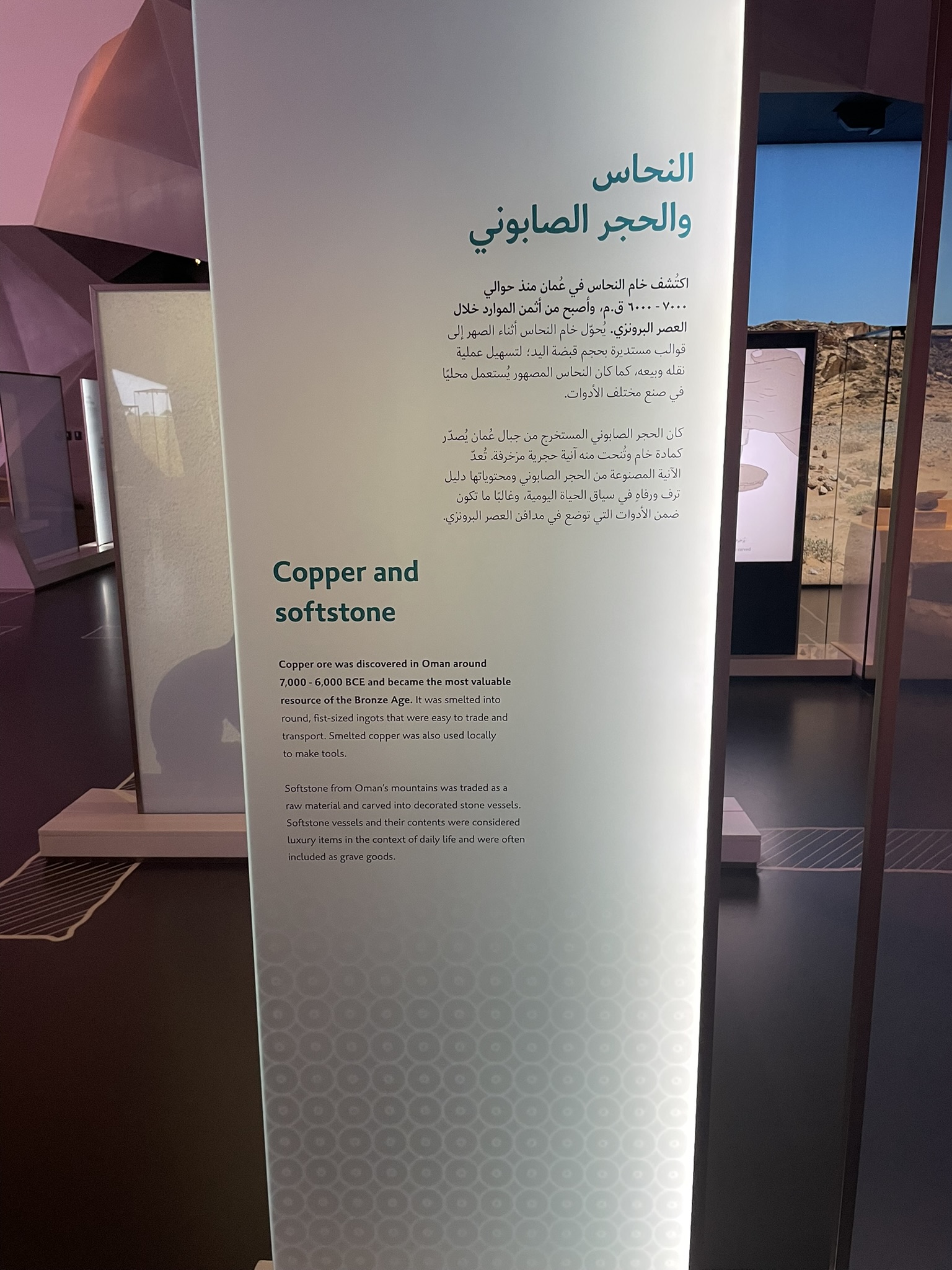
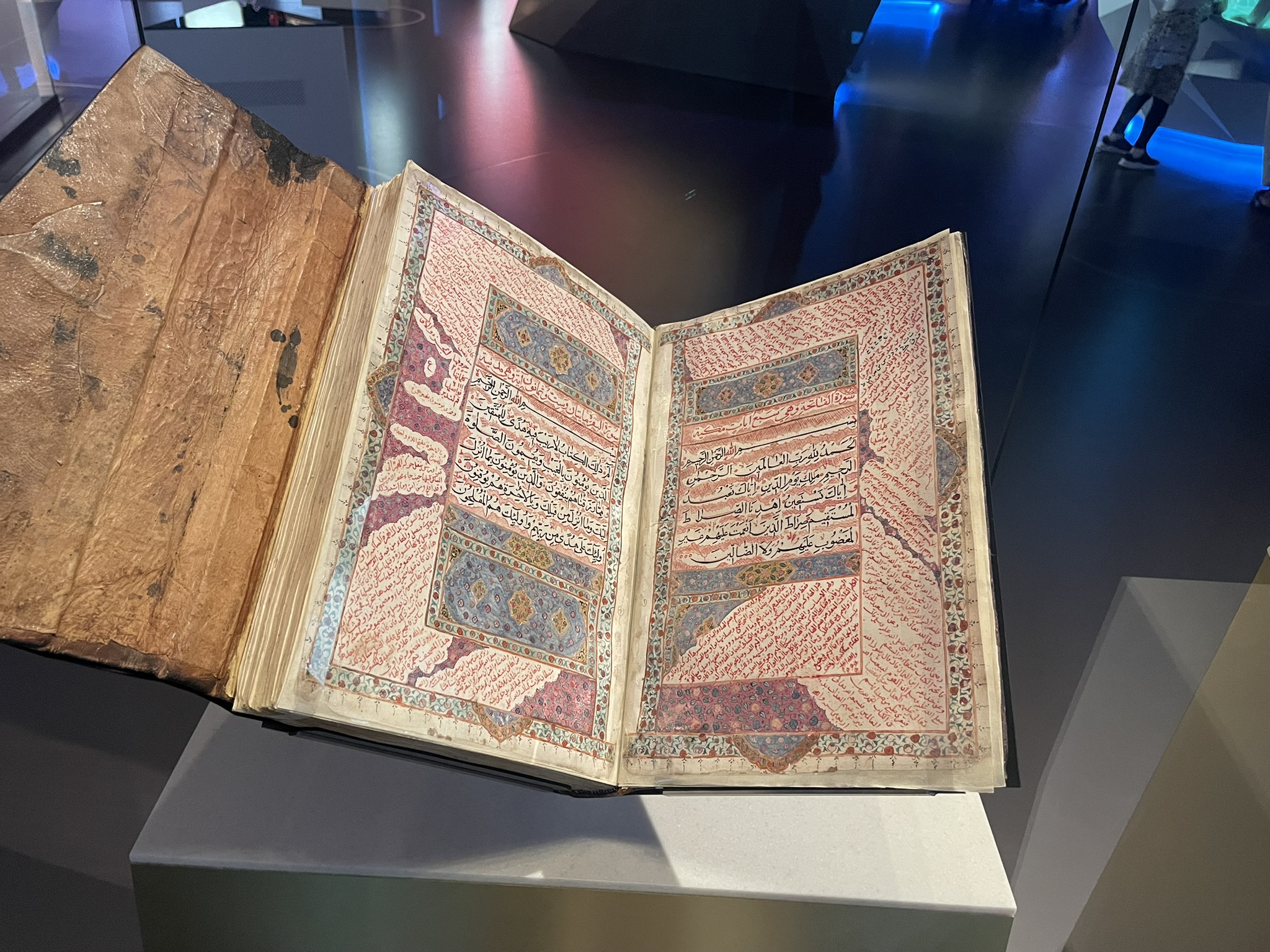
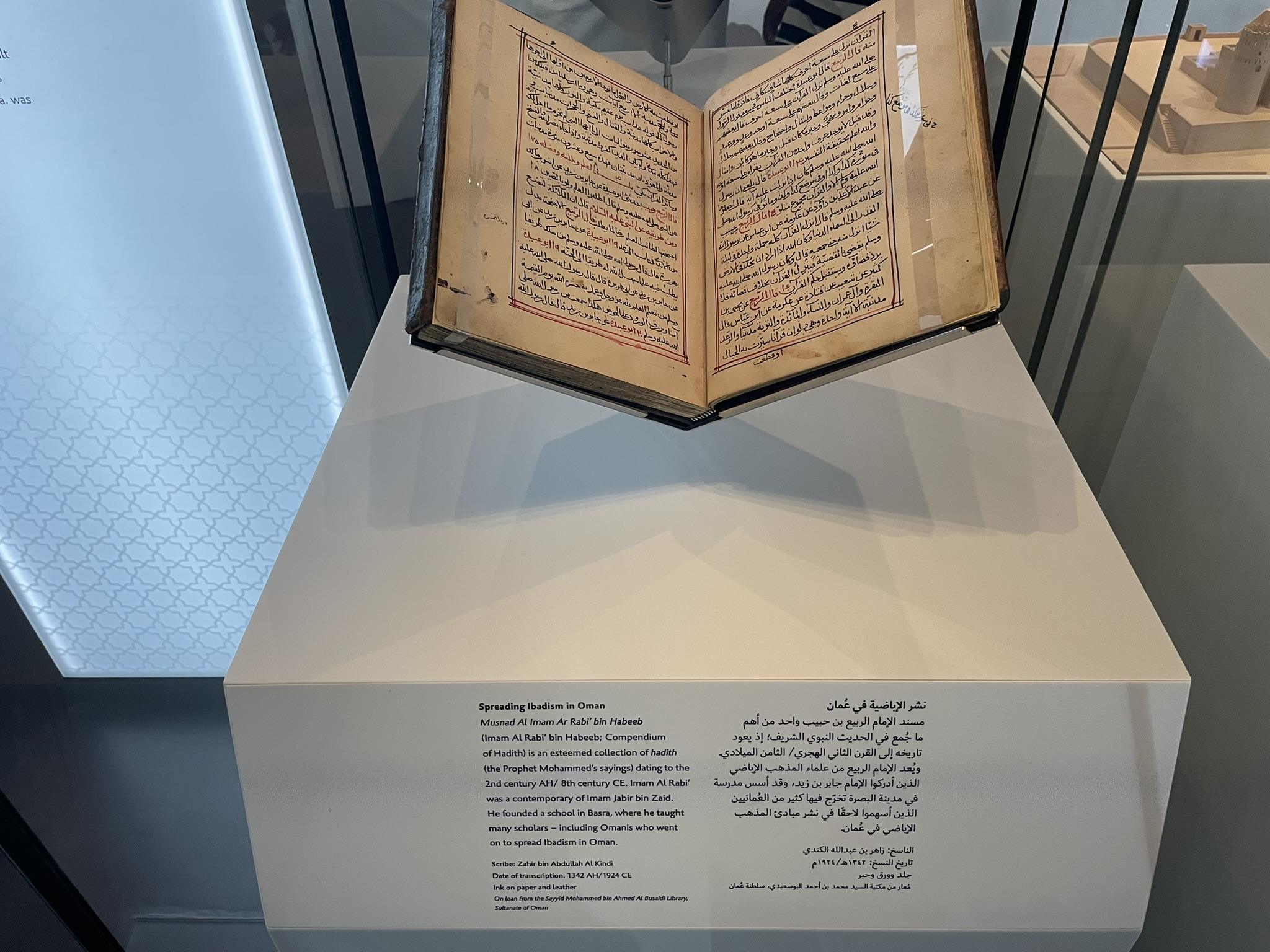
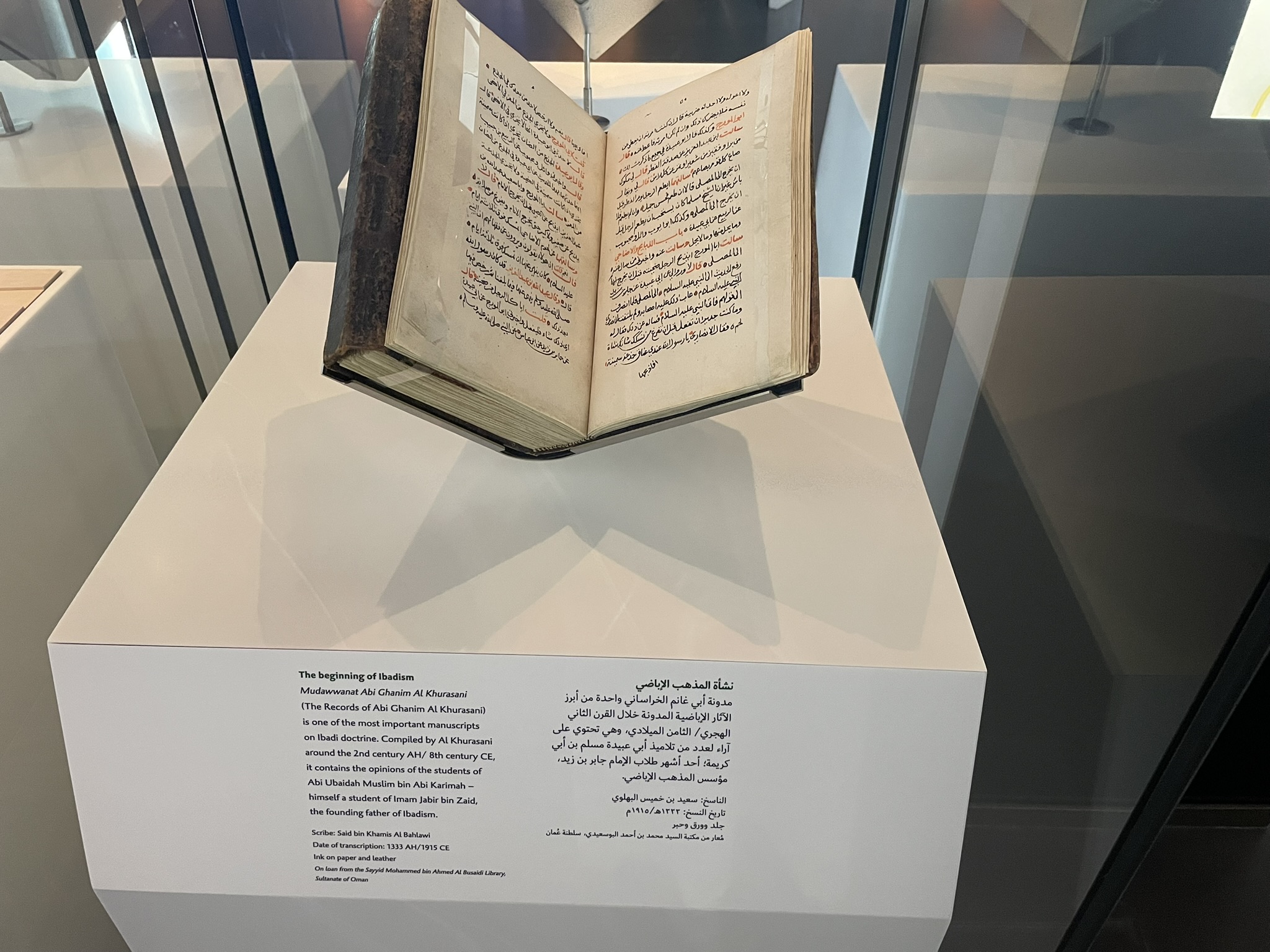
The main benefit of visiting museums is that one can learn a great deal within a short time. A particular aspect that really intrigued me is the connection between Oman and Zanzibar (located in East Africa) and how Zanzibar was once part of the Sultanate of Oman. Historically, maritime routes played a major role in kingdoms and power. I have written previously in my travelogue of Mozambique that Mūsā ibn Bīq Raḥimahullāh on whose name the country is named was originally from Oman. There was a close connection between the east coast of Africa and Oman. Another interesting learning is that copper ore was discovered in Oman around 7000 – 6000 BCE. The museum also has many manuscripts particularly of the Ibāḍī scholars.
Towards Muscat
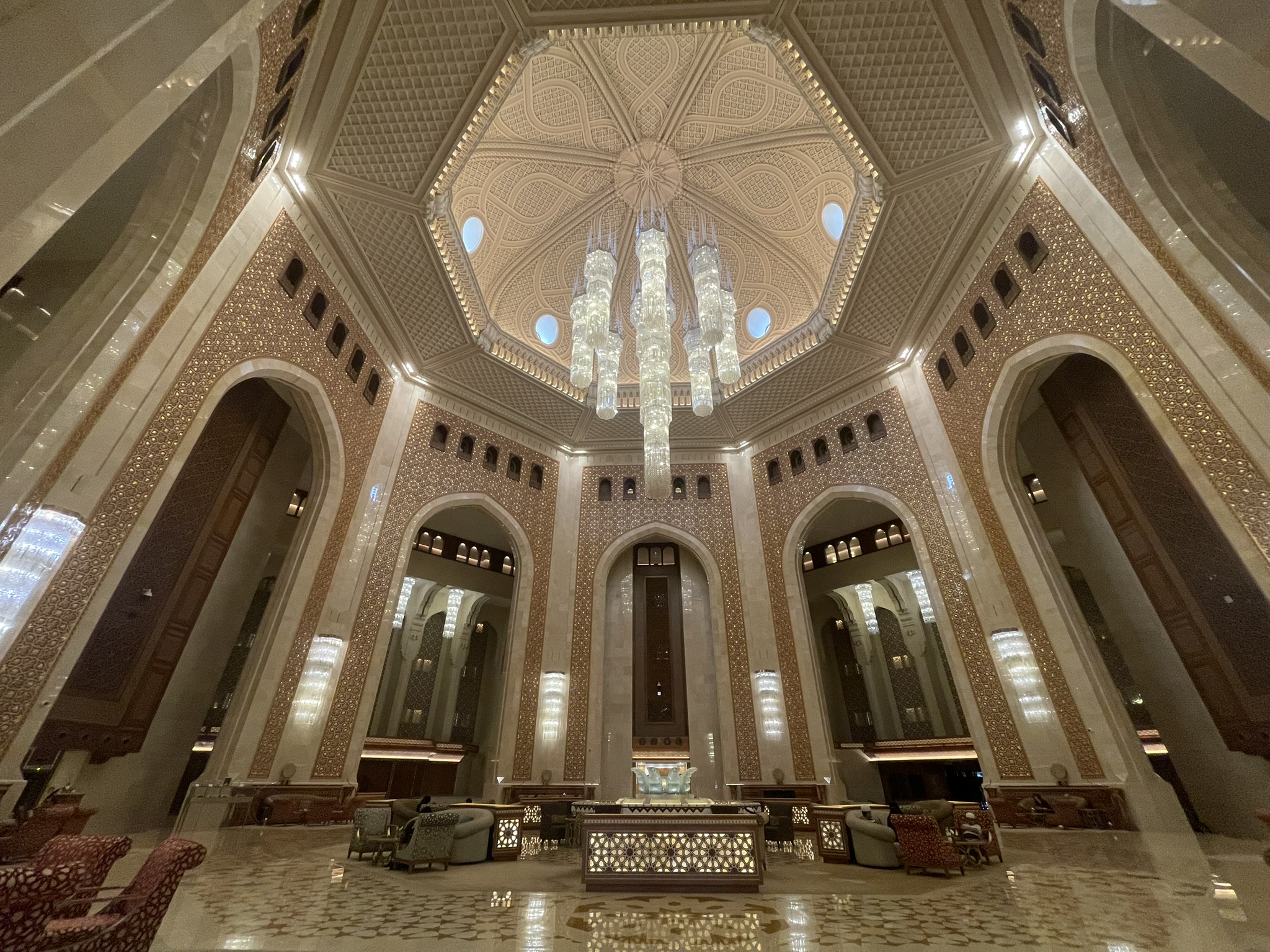
We depart from the museum at 2.15pm and travel north east towards Muscat, the capital and most populous city of Oman. It served as the leading port for trade between the west and east for at least two millennia. We pass Samail on the way, which is the home town of the first Muslim of Oman, but we do not know this at the time. We arrive at Al Bustan Palace, a Ritz-Carlton Hotel, at 4pm, which we manage to book for cheap.
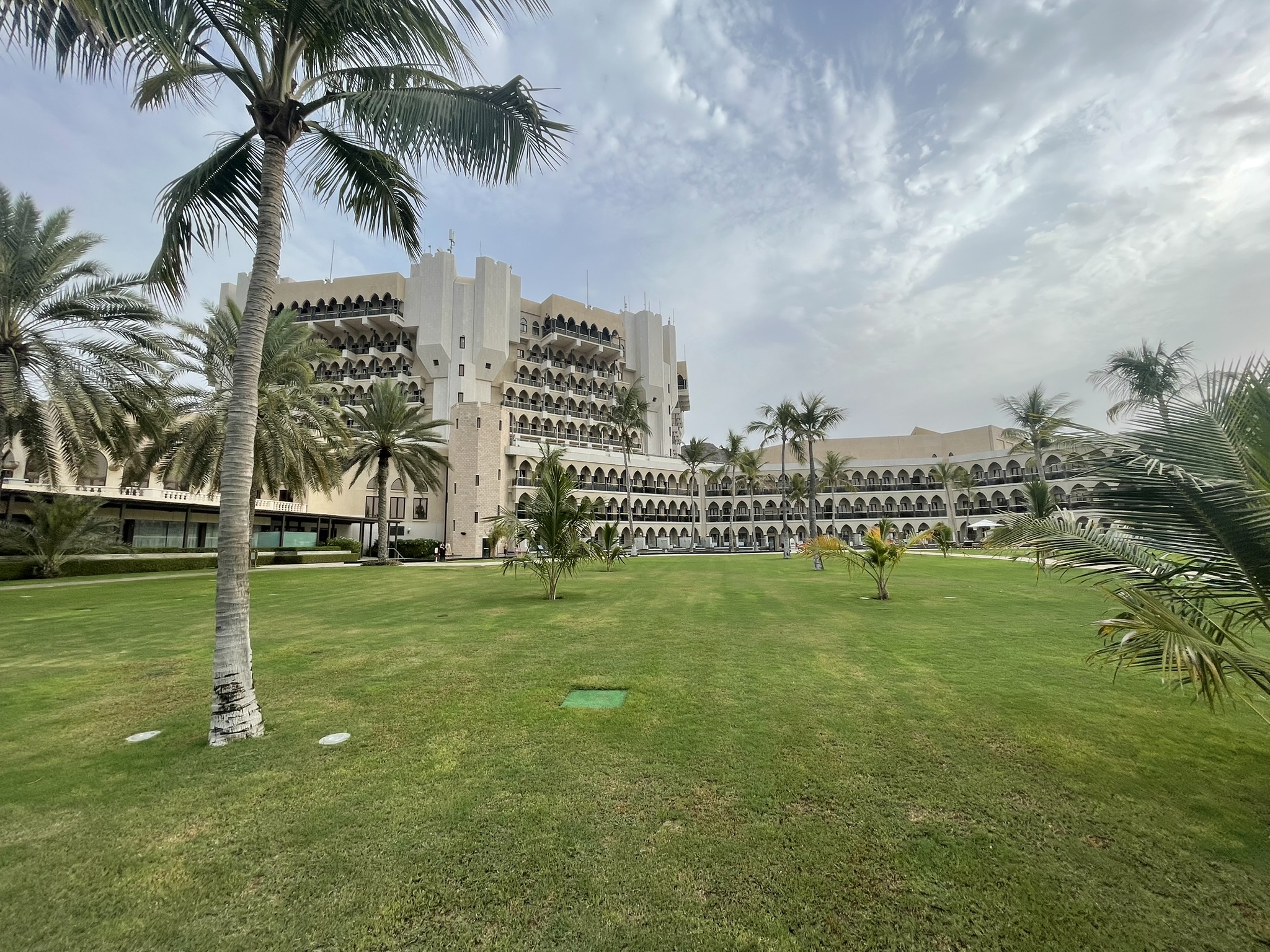
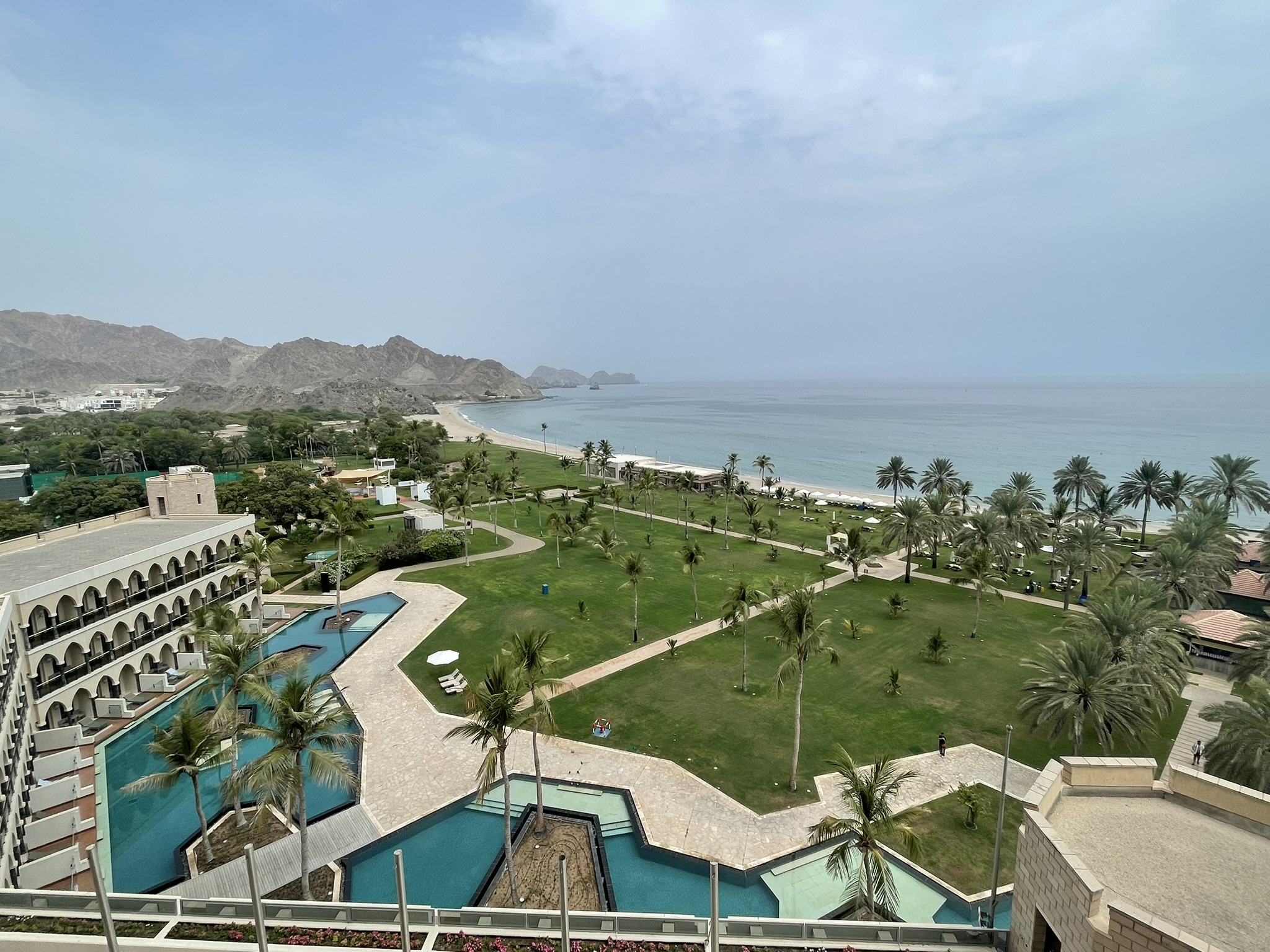
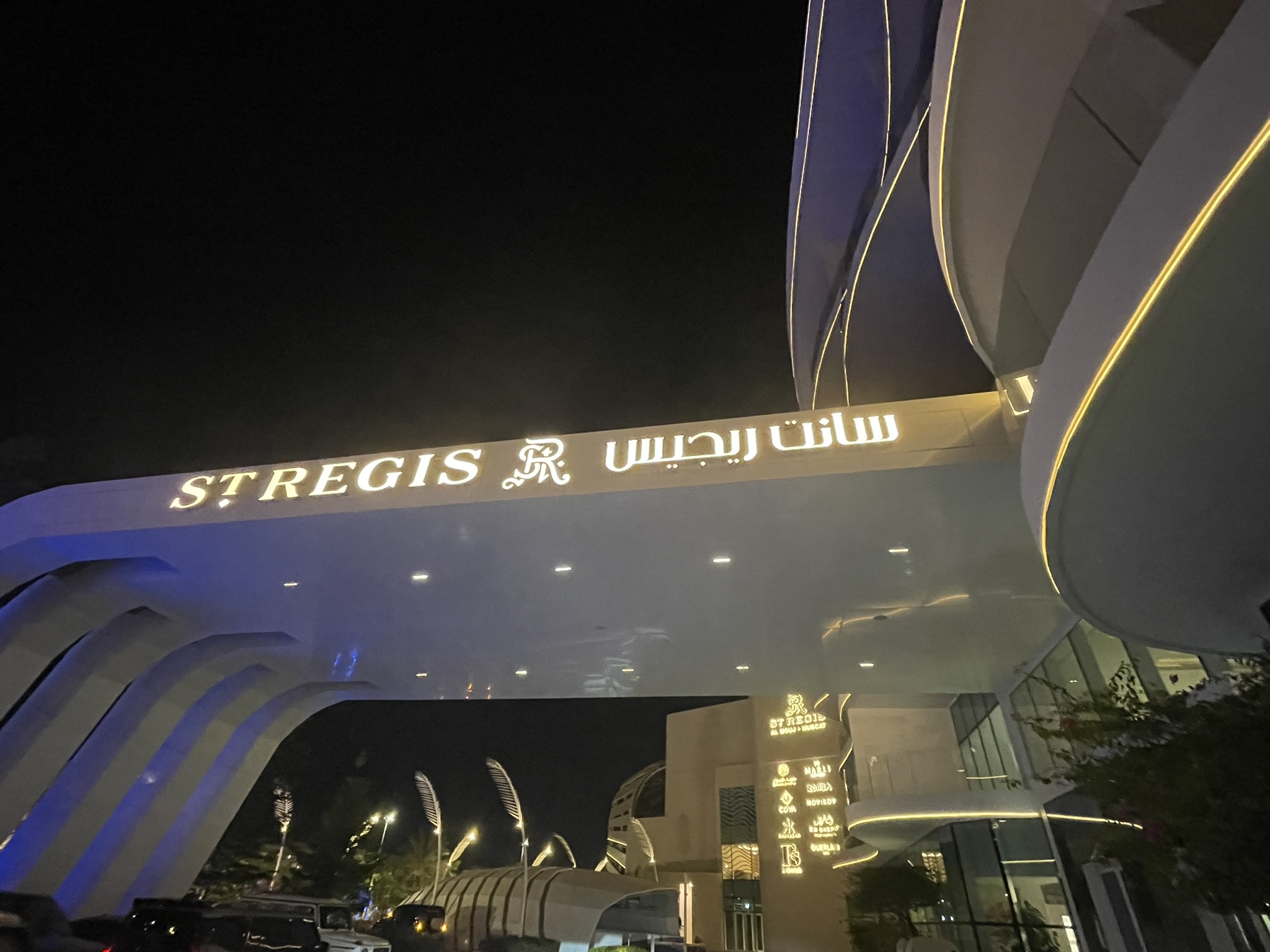
There are several hotels in this area, which is a 20-minute drive from Muscat city. The advantage of this area is that along with the beach and the sea, there are mountains. Muscat city does not have mountains. This particular hotel also has an exclusive spa and beach for females, which is fully segregated behind a mountain. The disadvantage however is that one requires a car, otherwise taxi costs can add up. There are many hotels near the city, and for those who wish to remain close to the Airport, there is a St. Regis hotel very near the Airport on the beach which we visit later in the evening as we head to the city.
Sultan Qaboos Grand Mosque
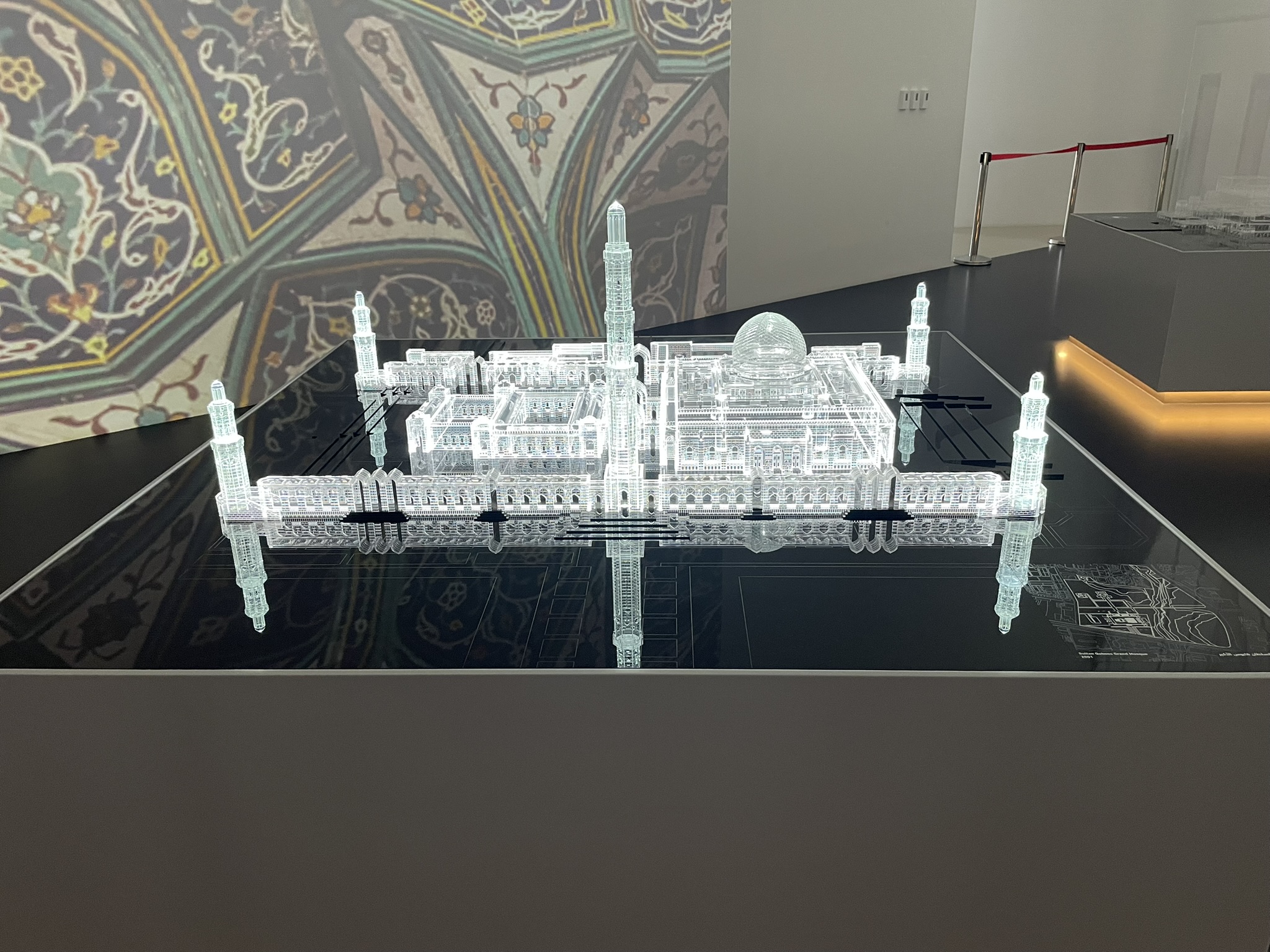
Muscat has many attractions and landmarks. One of the main landmarks is the Sultan Qaboos Grand Mosque, the largest mosque in the country that can accommodate 20,000 worshippers and covers an estimated area of 416,000 square metres. It was completed in 2001 after six years of construction and has a contemporary Islamic style.
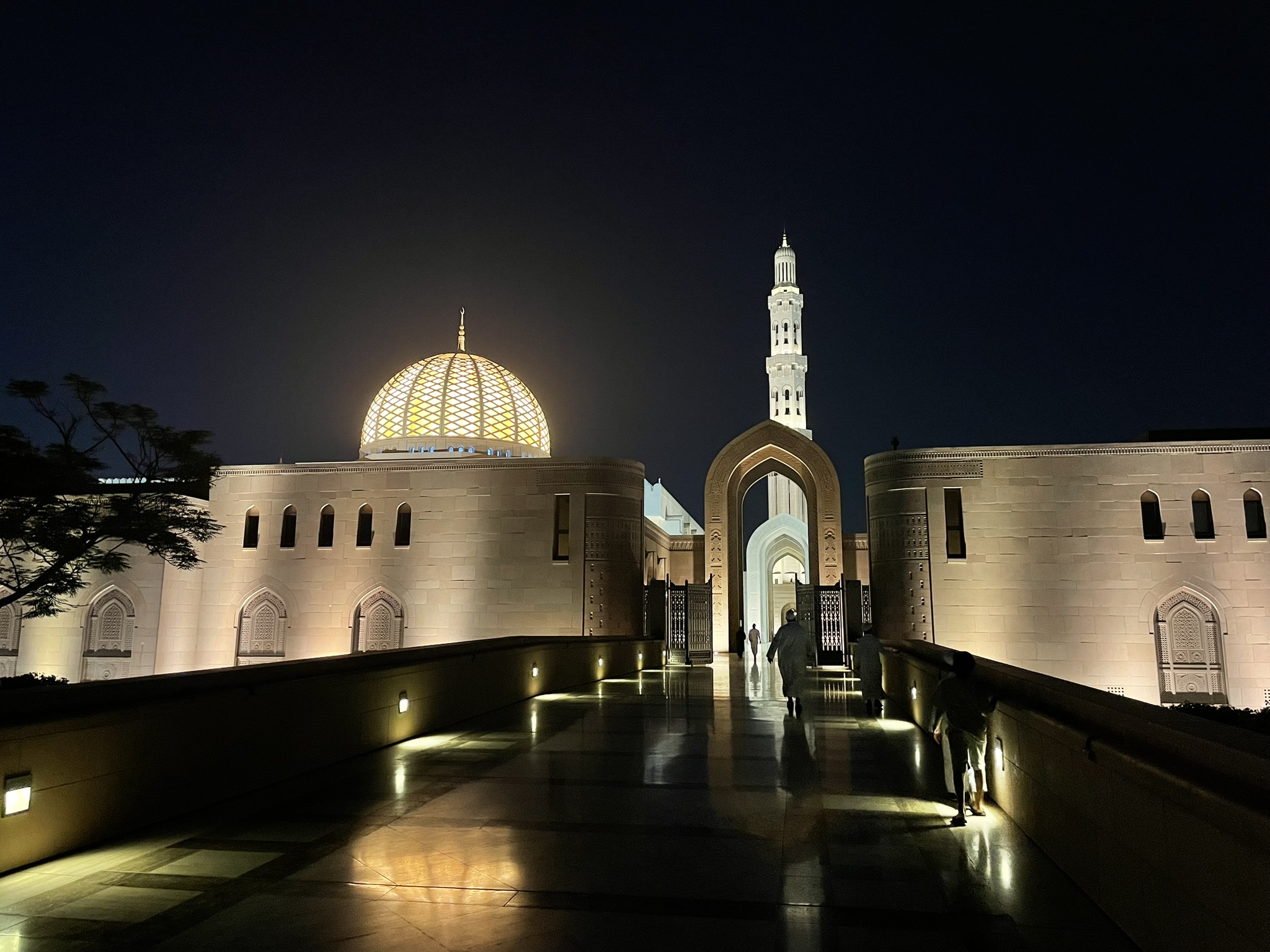
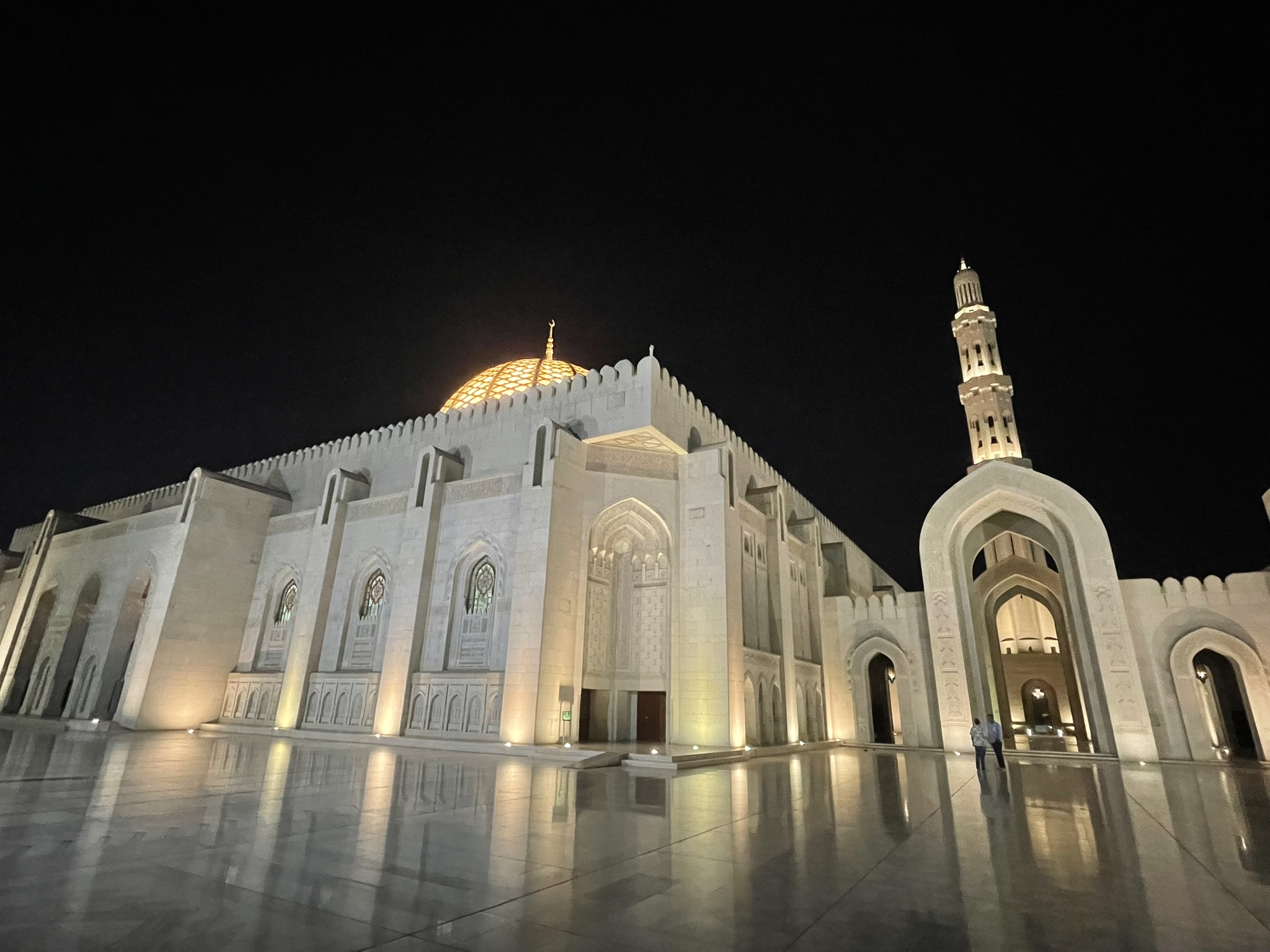
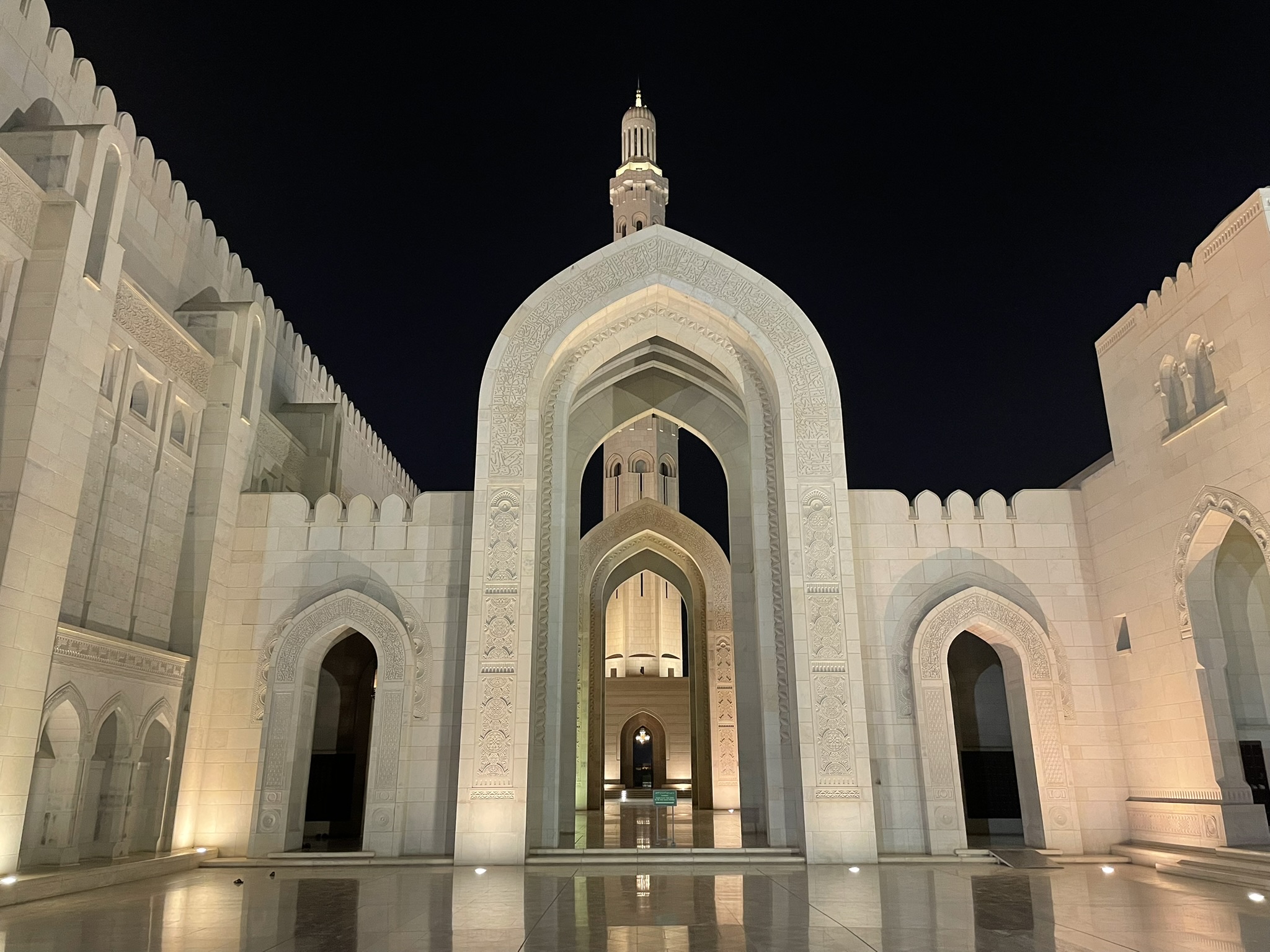
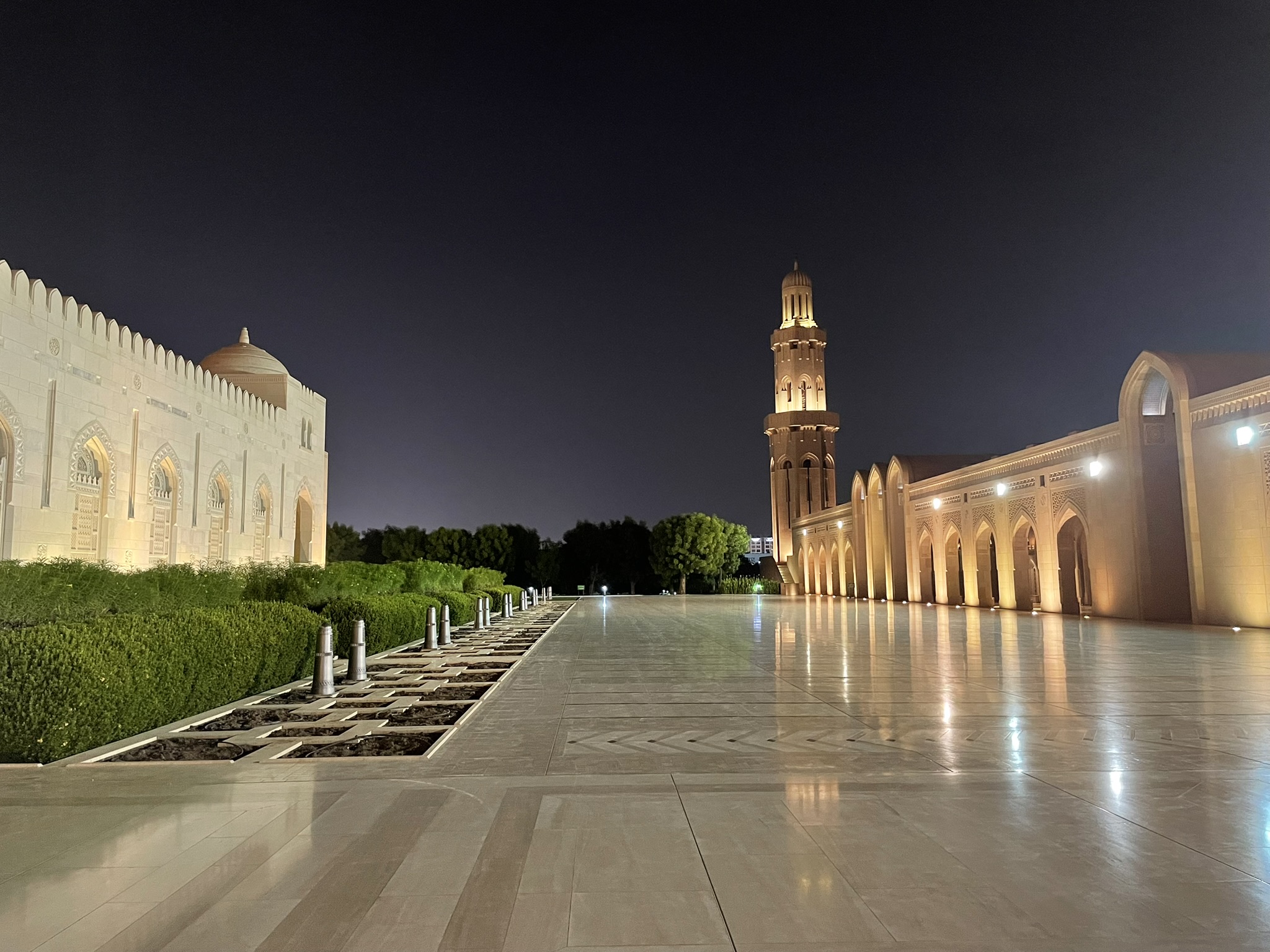
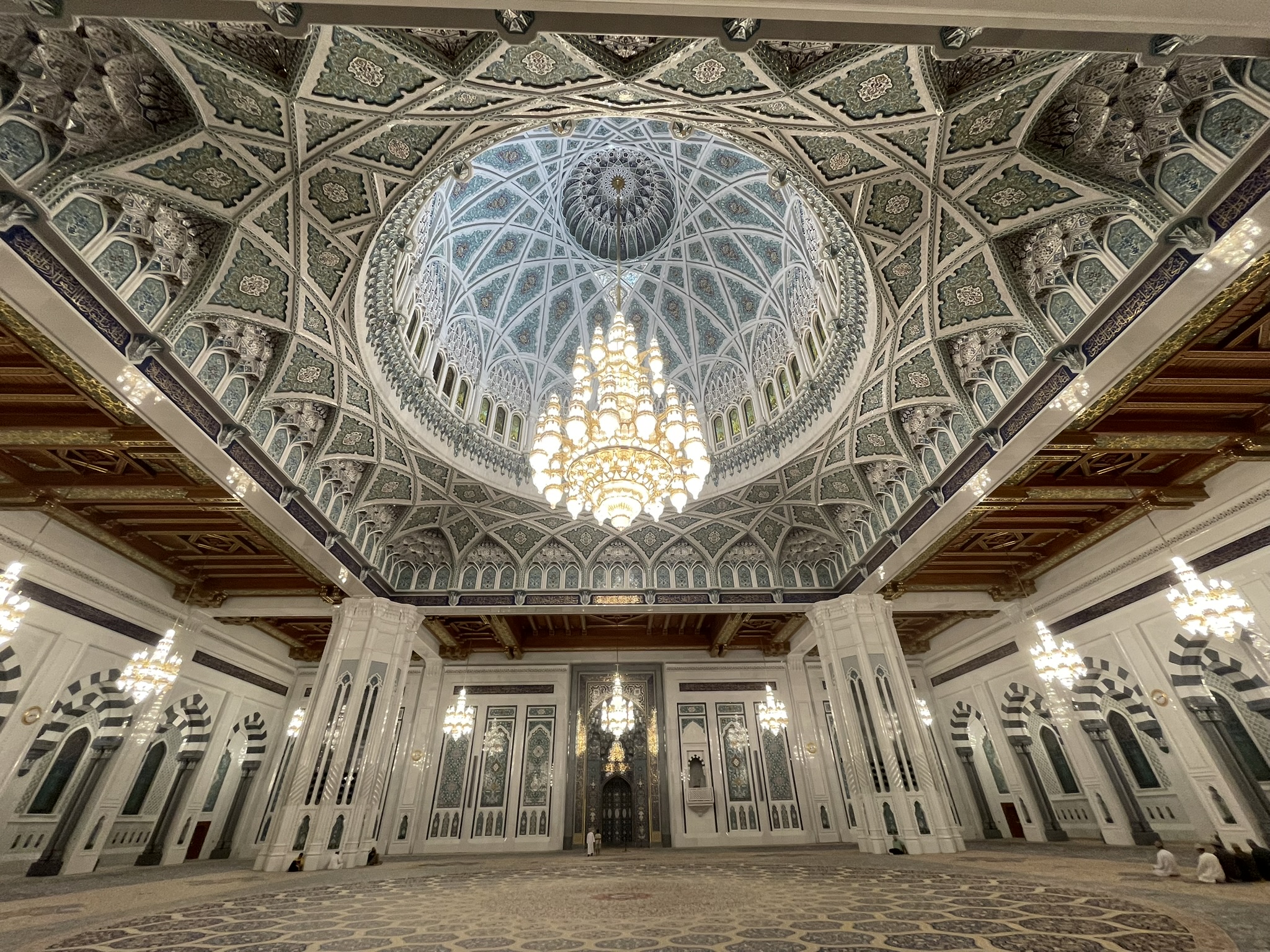
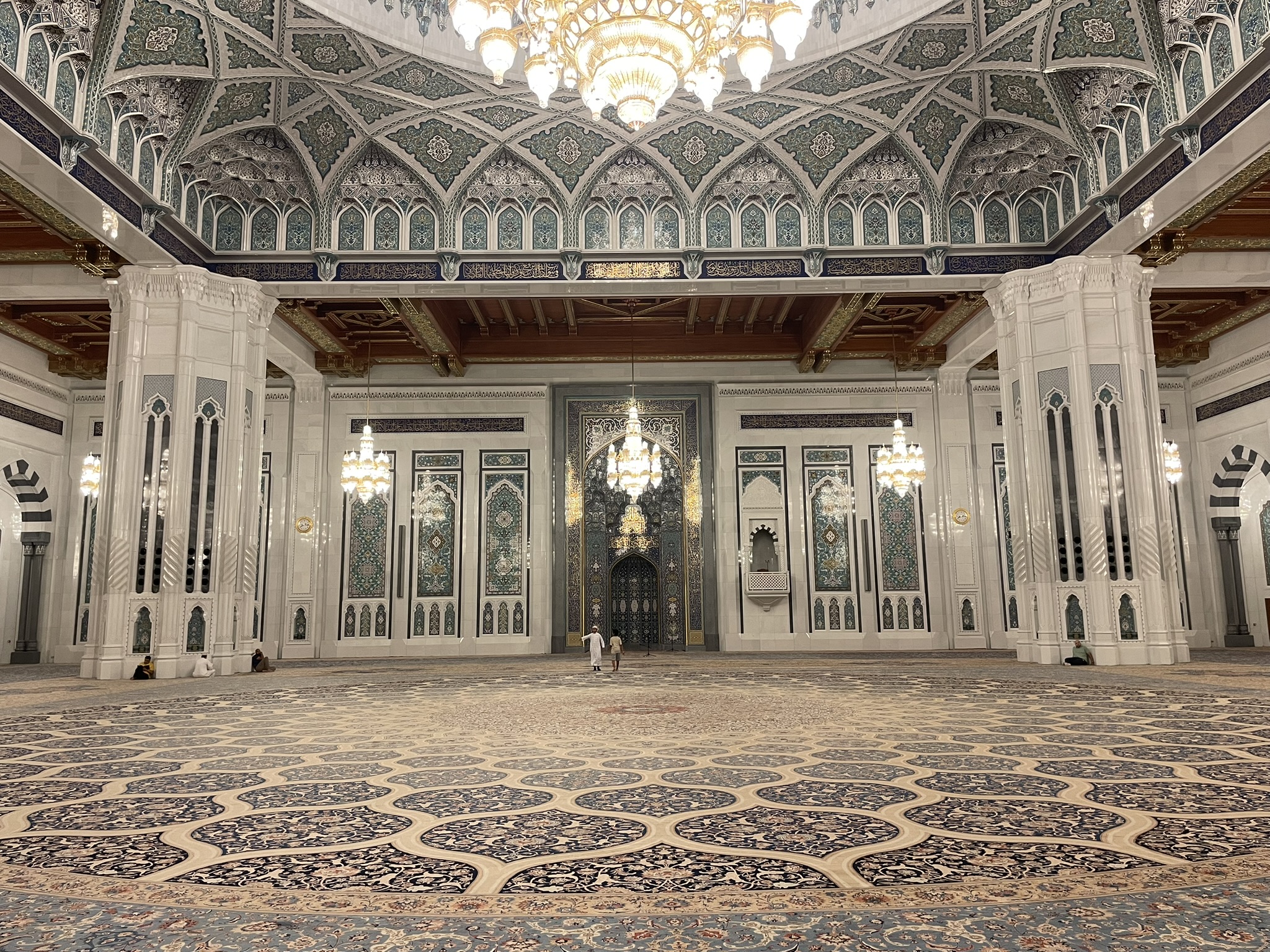
The main square-shaped Ṣalāh area can accommodate 6,500 people and has a central dome which rises 50 metres. Children under ten are not allowed into the Ṣalāh area.
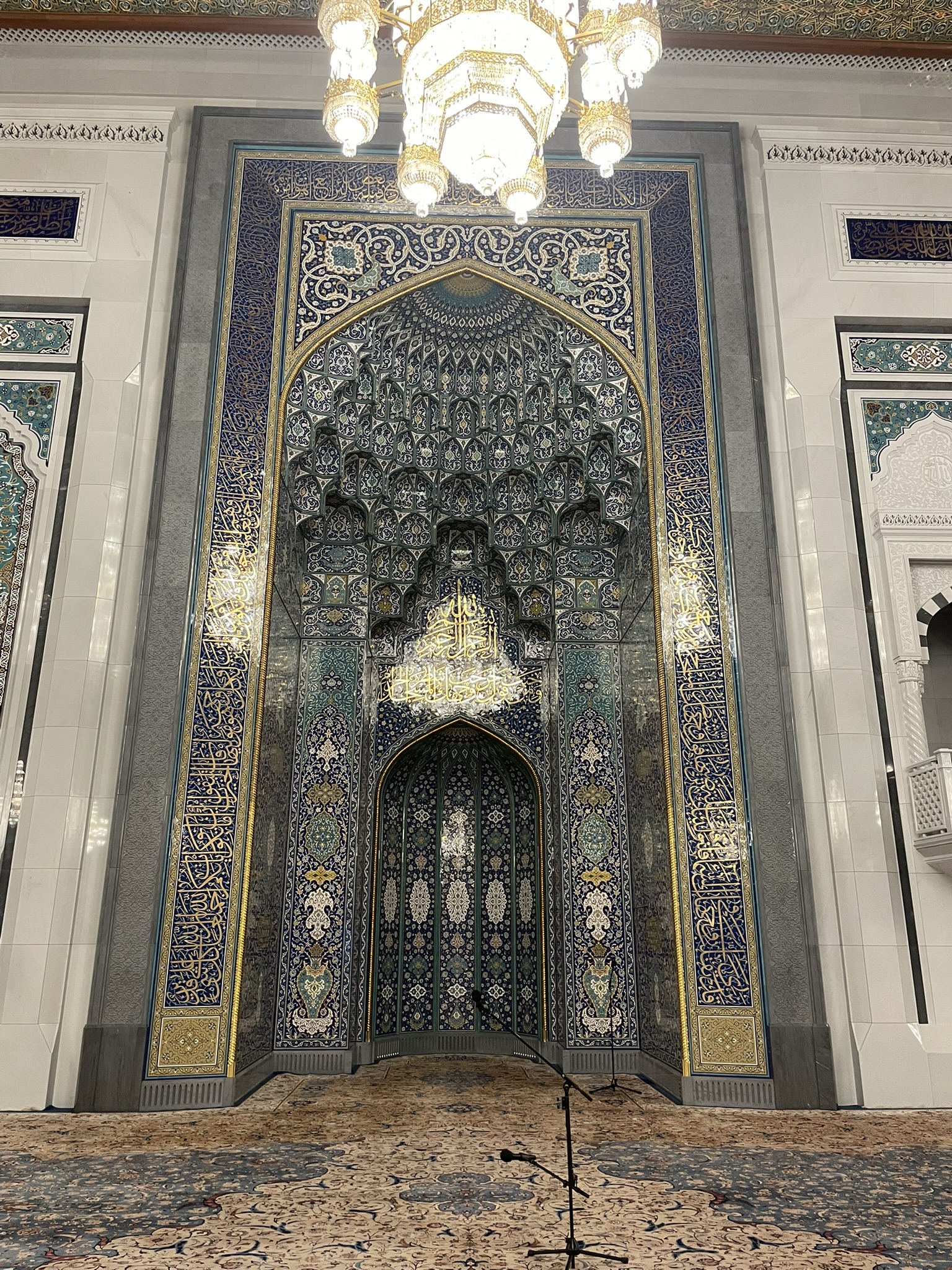
Interestingly, there is a female Ṣalāh area to the rear of the compound, but there is a significant gap between it and the men’s prayer area. This appears to be the norm in Oman, unlike other Arab countries where the Ṣalāh facility for females is adjoined or above the Ṣalāh area for the males.
Hyderabadi Restaurant
We eat dinner at the Hyderabadi Restaurant.
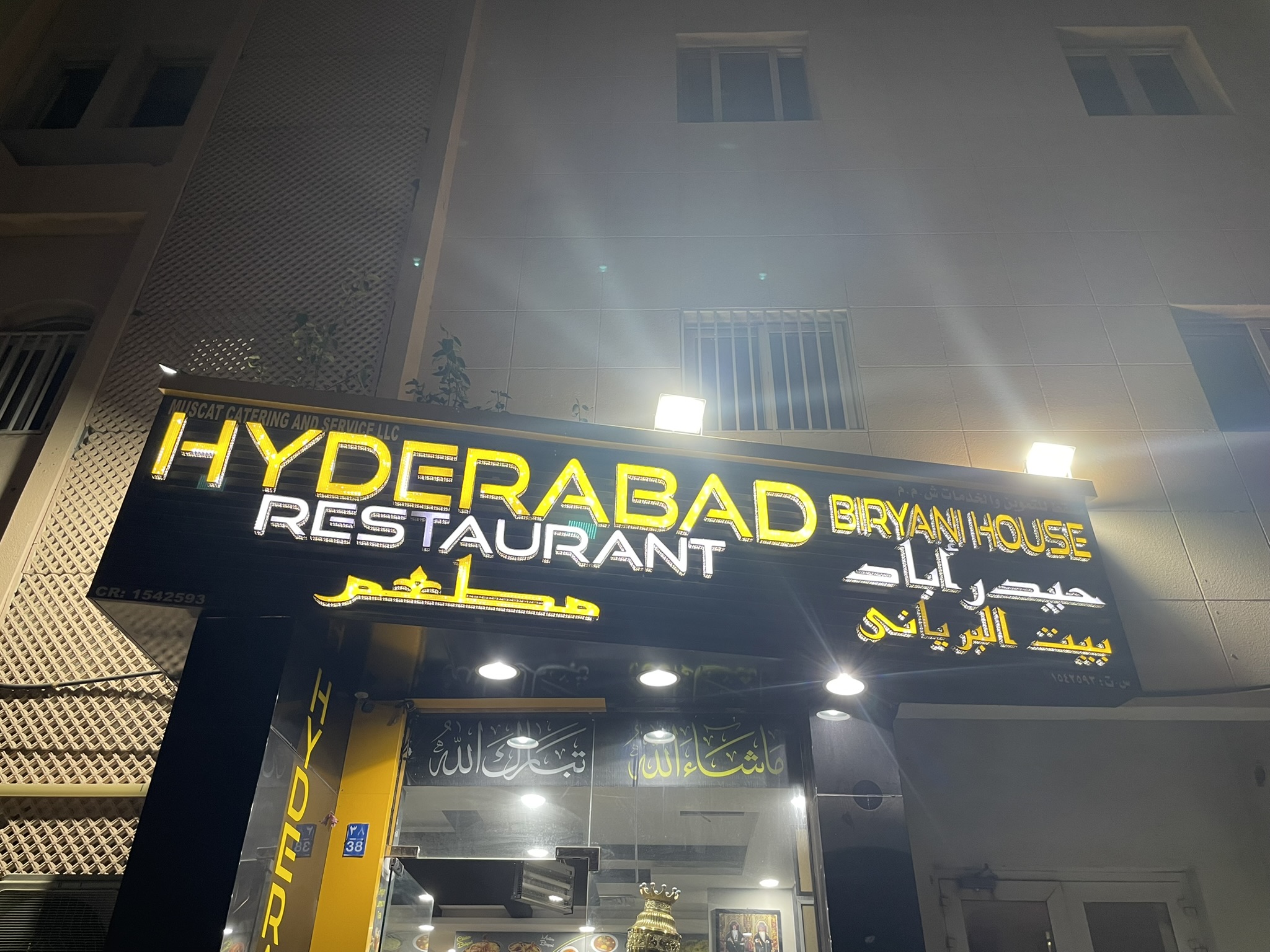
The red meat comes from India and Pakistan and chicken is locally slaughtered. We experience similar in other food outlets also. The branded outlets import chicken from abroad, whilst the use of imported chicken in non-branded outlets appears to be much less than other Arab countries. Nevertheless, it is advised to enquire about the origin of the meat.
Despite being the capital city, it is generally calm and quiet here. There are no skyscrapers or tall buildings. This is deliberate to preserve the country’s cultural heritage, traditional aesthetic and natural beauty.
Day 3 – Sunday 17 August 2025
The natural wonders of Muscat
Qantab Heights
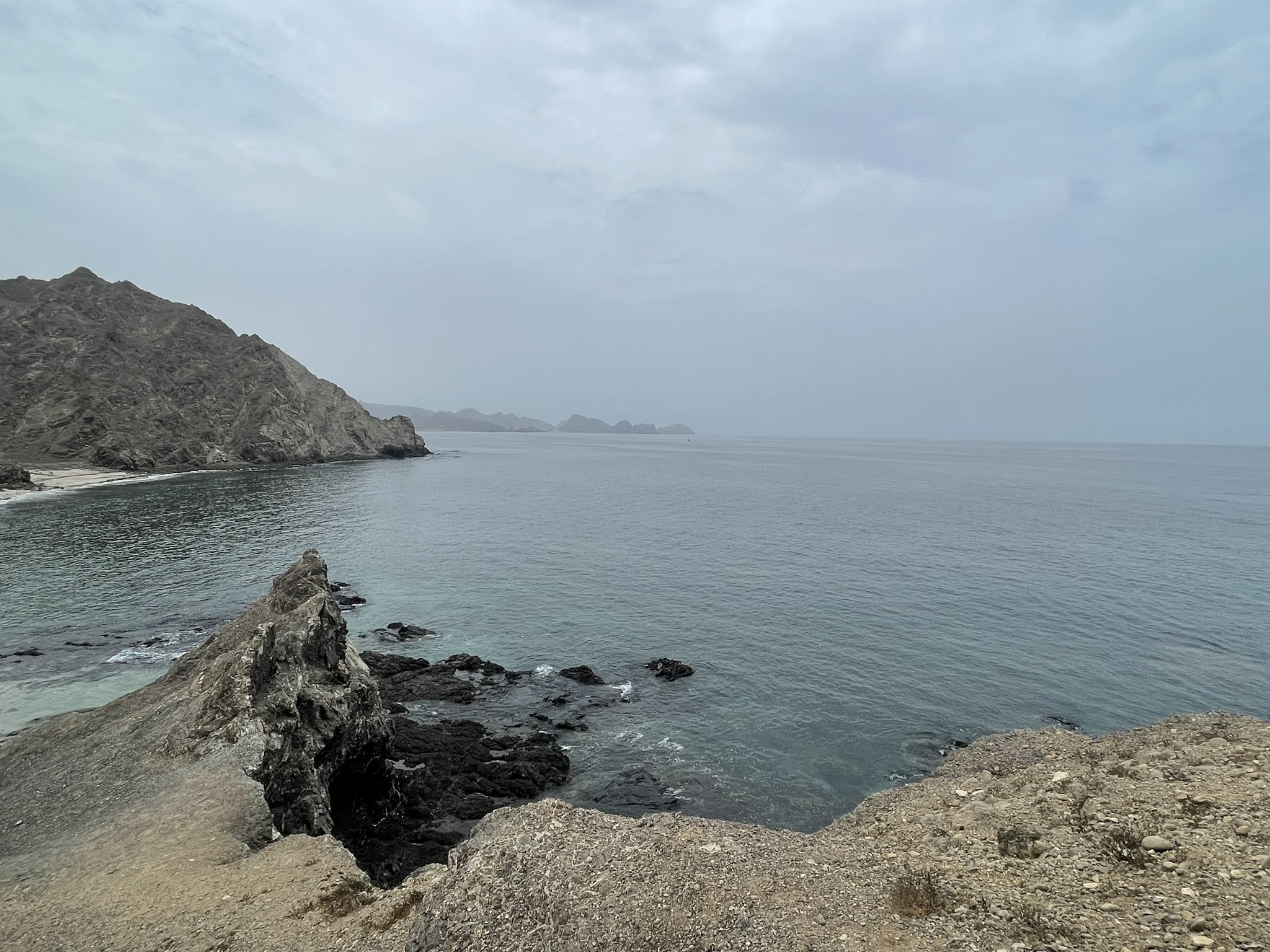
Oman has many natural wonders. Today, our aim is to visit some of them. We start after midday and visit the Qantab Heights, which provides panoramic views that stretch across the coastline and the rugged mountains.
Boat ride at Bandar al-Khayran
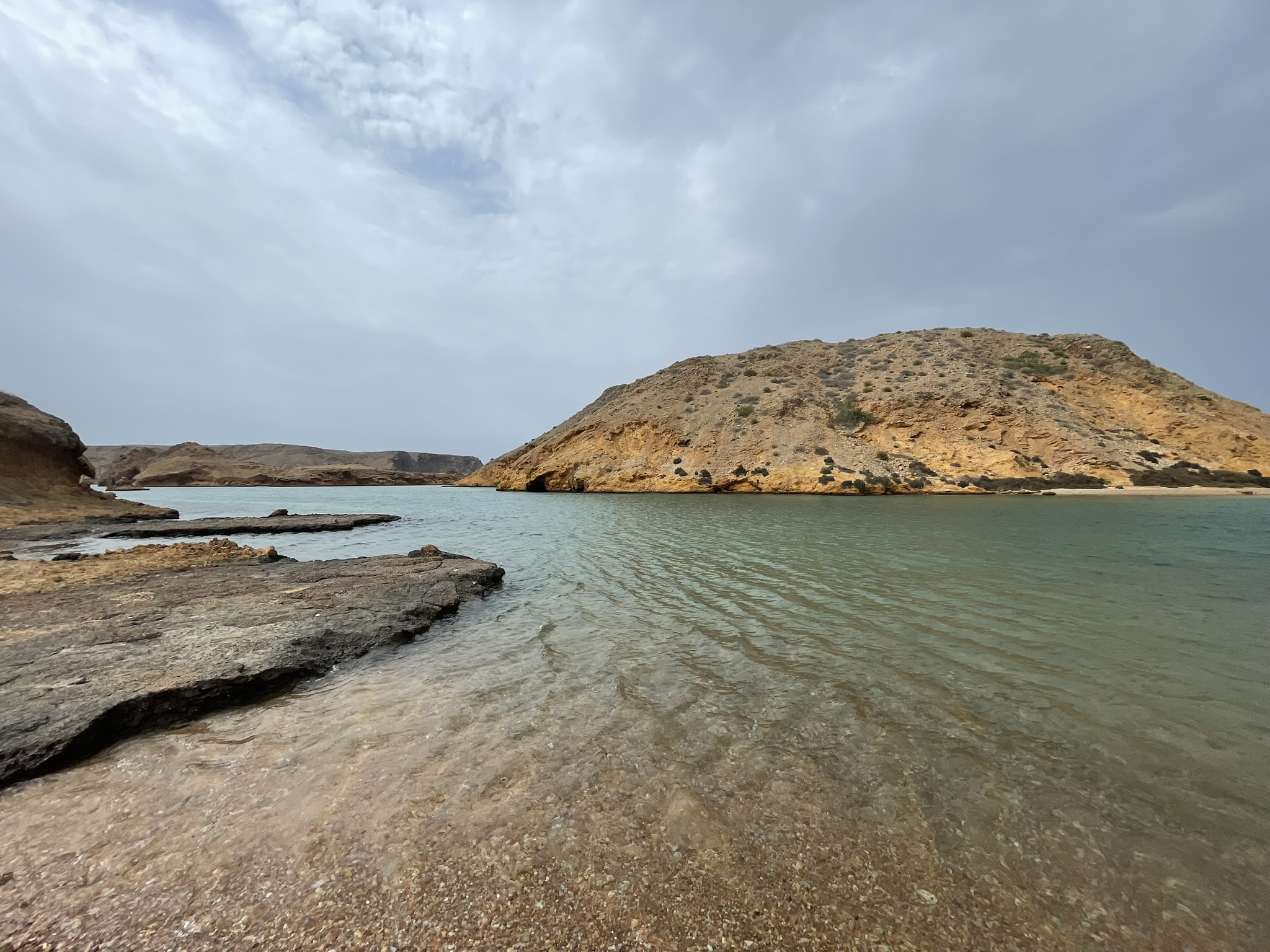
We drive towards Bandar al-Khayran. It is a very scenic drive through the mountains. As we approach Bandar al-Khayran, we notice some boats and a person waving at us. This is precisely at these coordinates (23.507214, 58.727783). The person offers us a boat ride at a very reasonable cost. This was not something planned but it is a surreal experience, with turtles and a variety of fish visible from the boat, combined with the serene natural landscape and stunning caves.
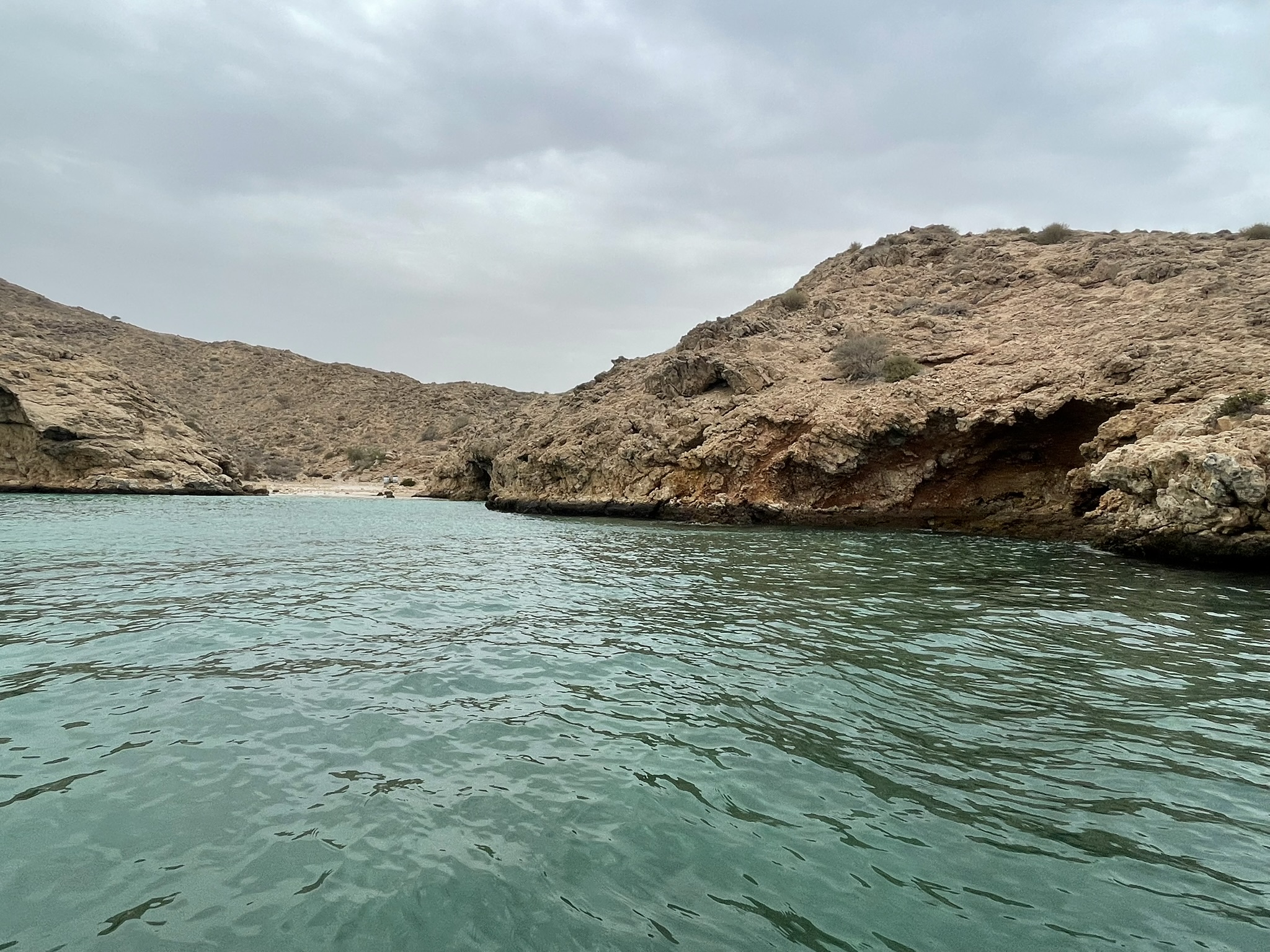
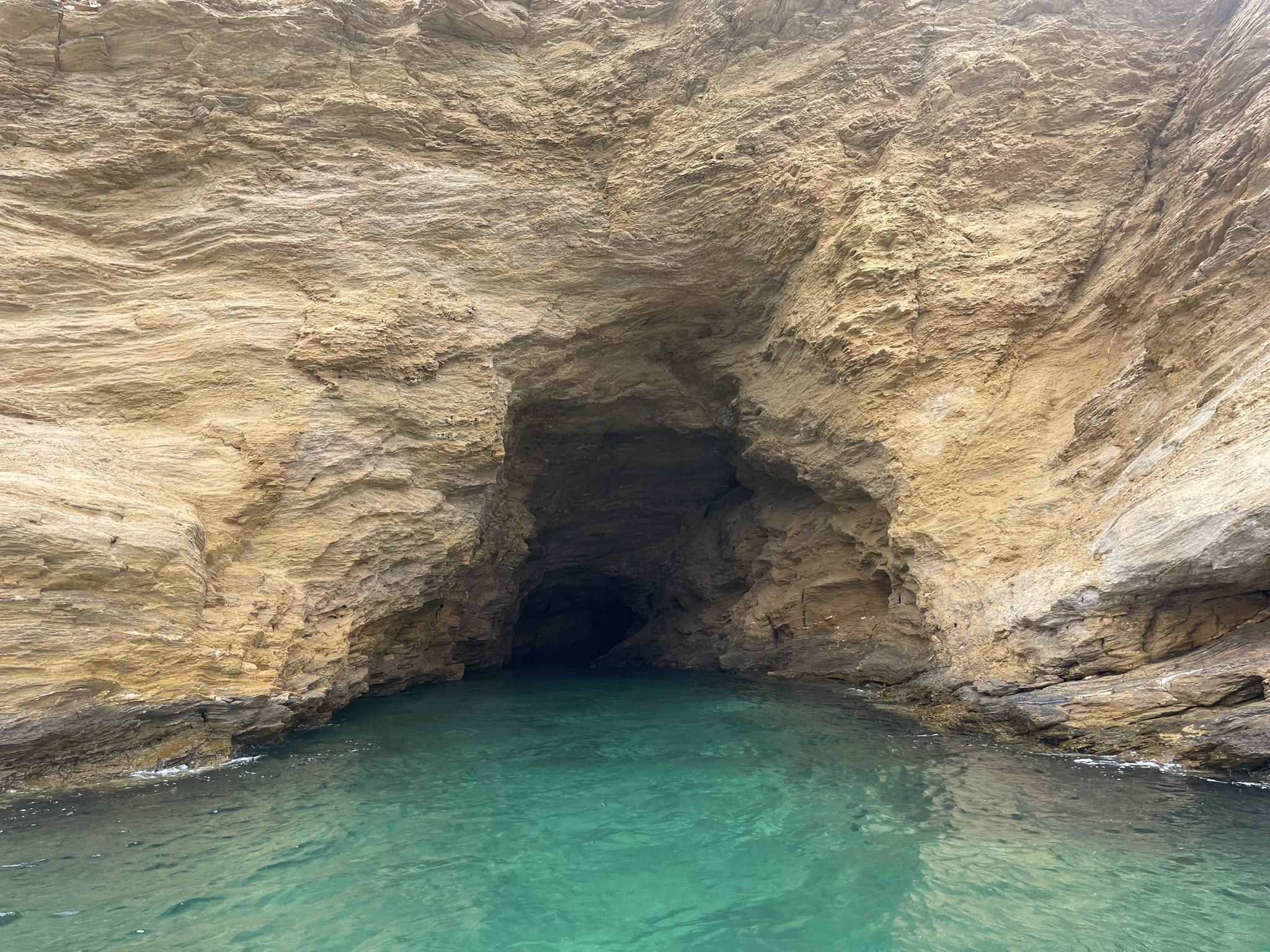
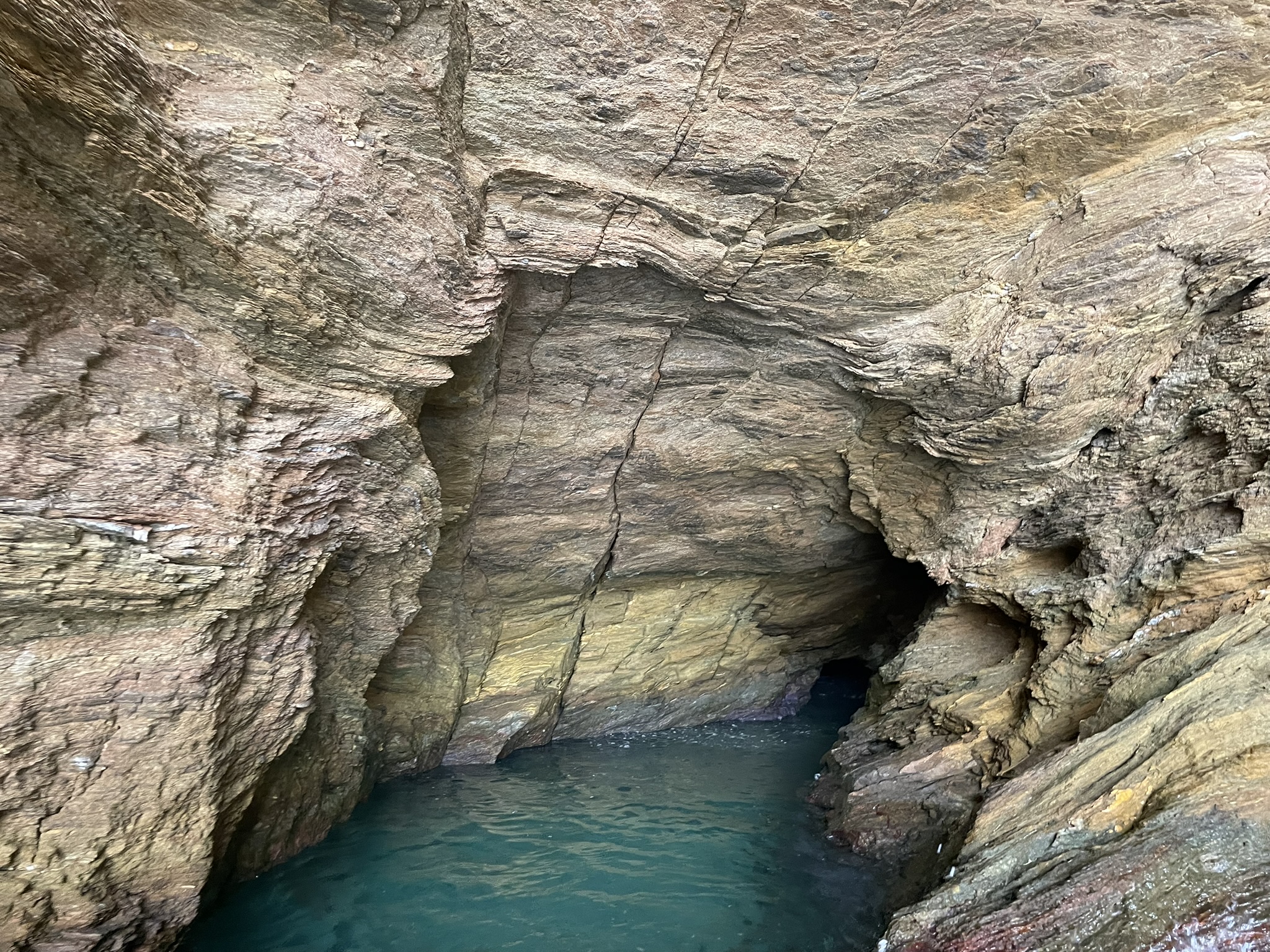
Bandar al-Khayran viewpoint
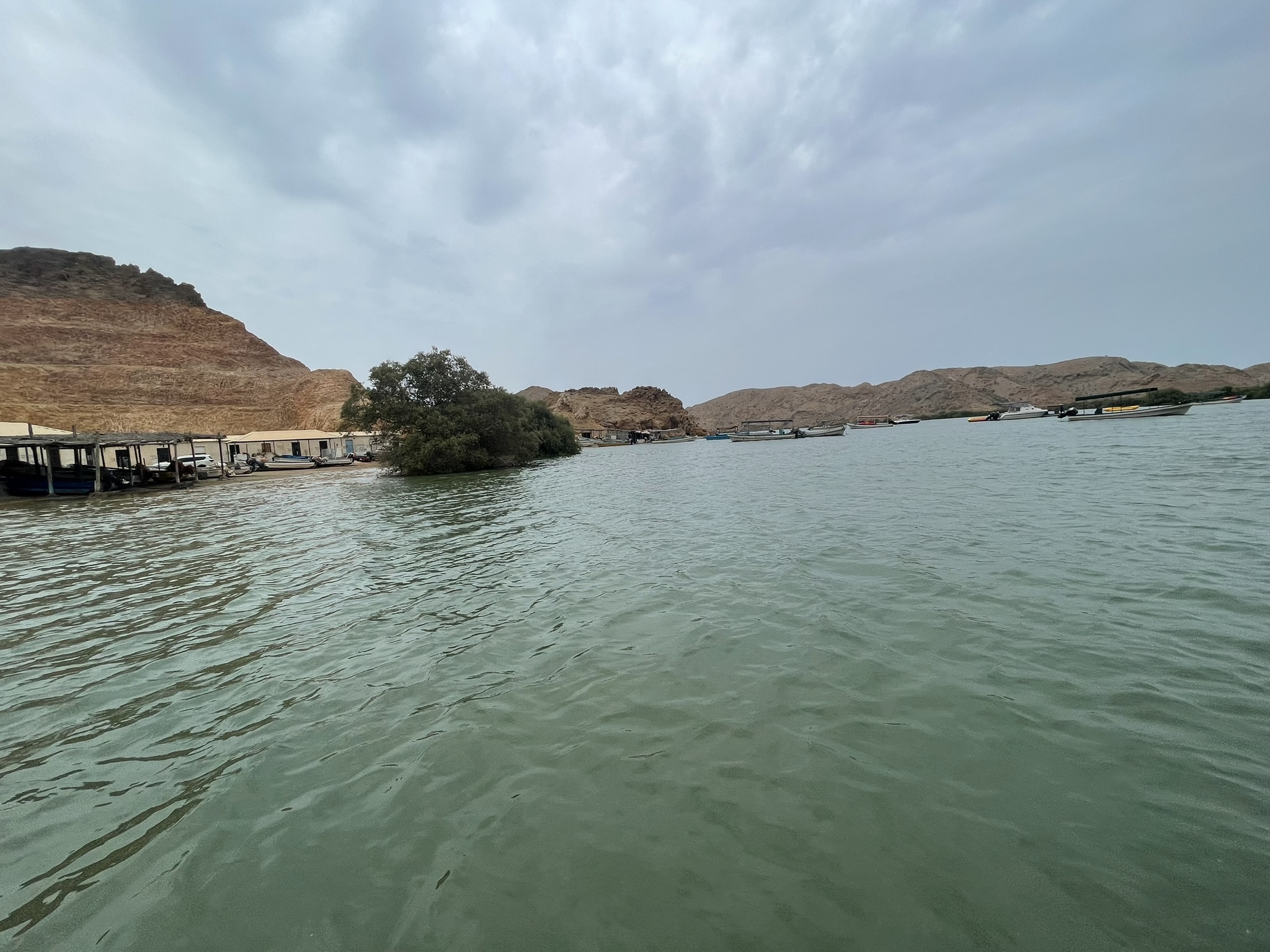
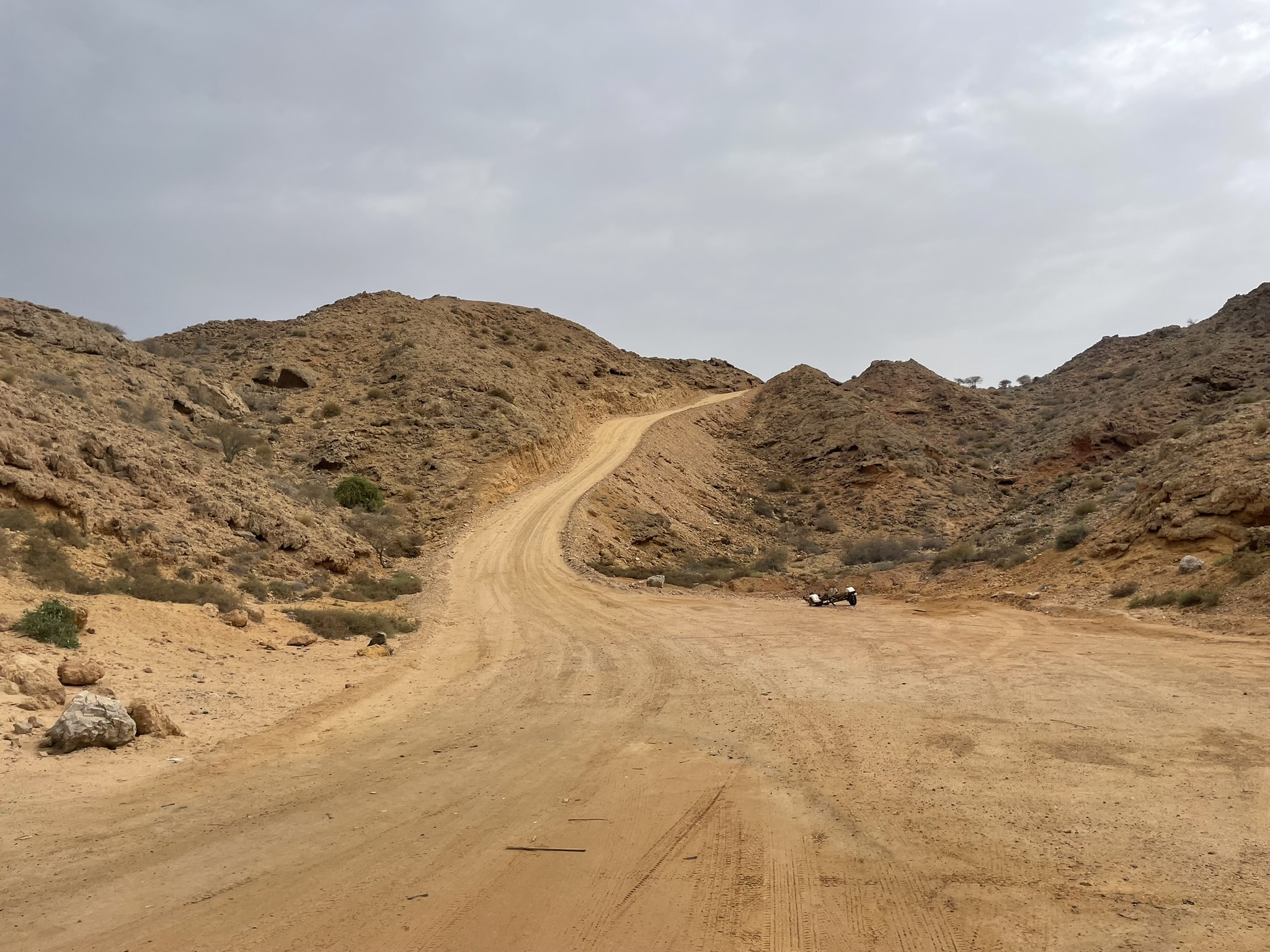
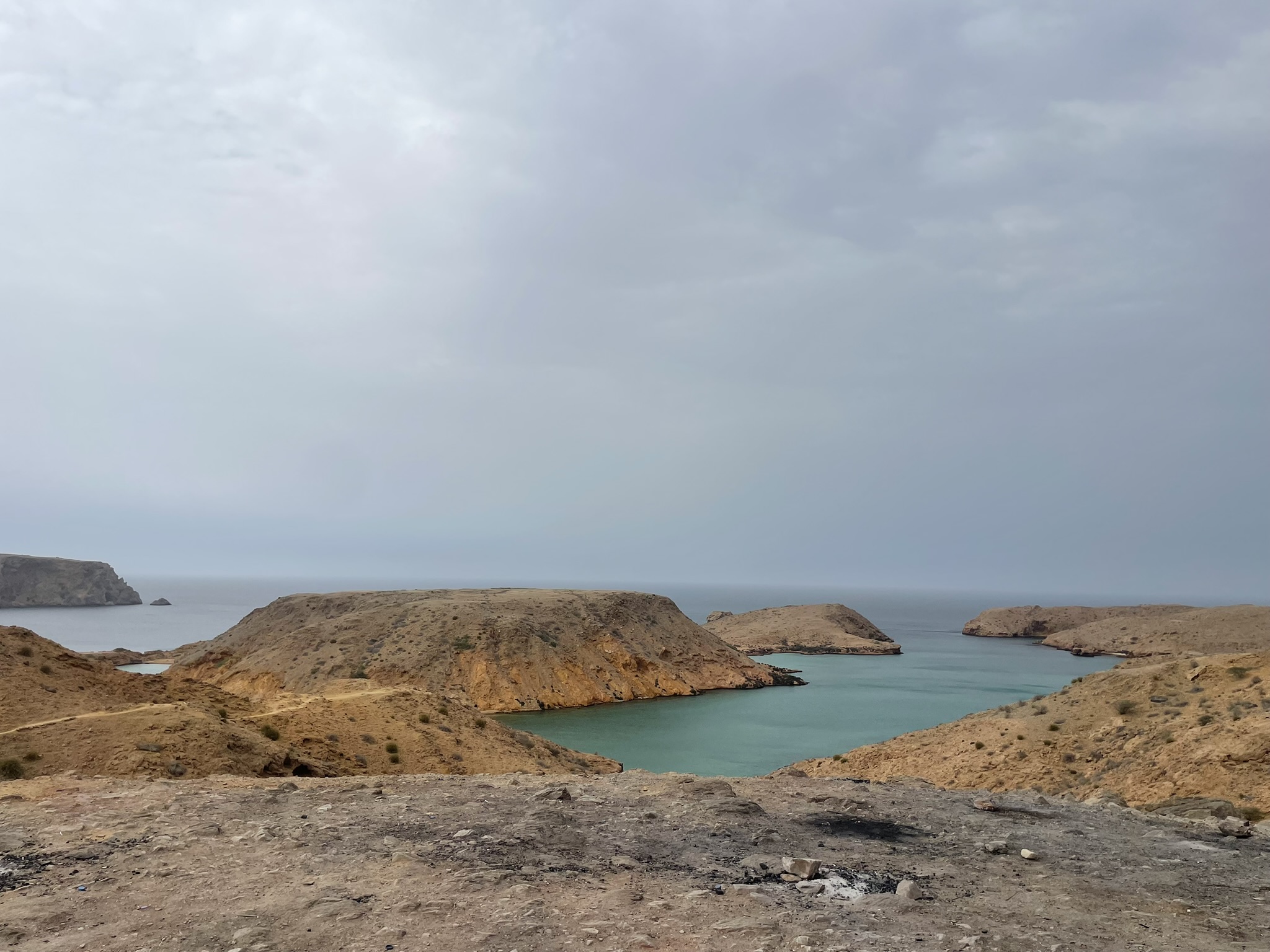
Our next stop is the nearby Bandar al-Khayran viewpoint which provides breathtaking panoramic views of the coastline and the sea. There is a very steep descent on the sand road, a 4×4 car is necessary to go down.
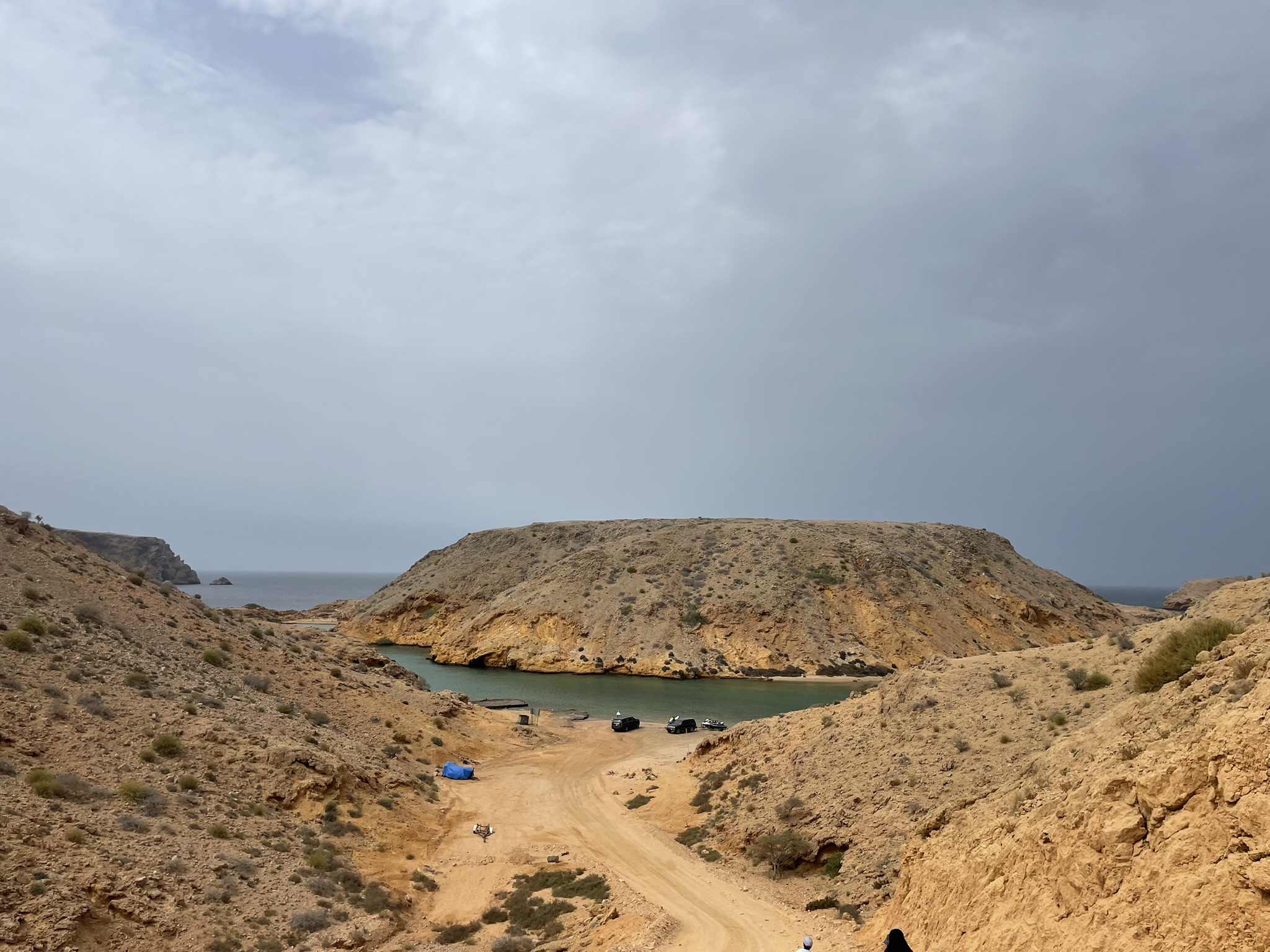
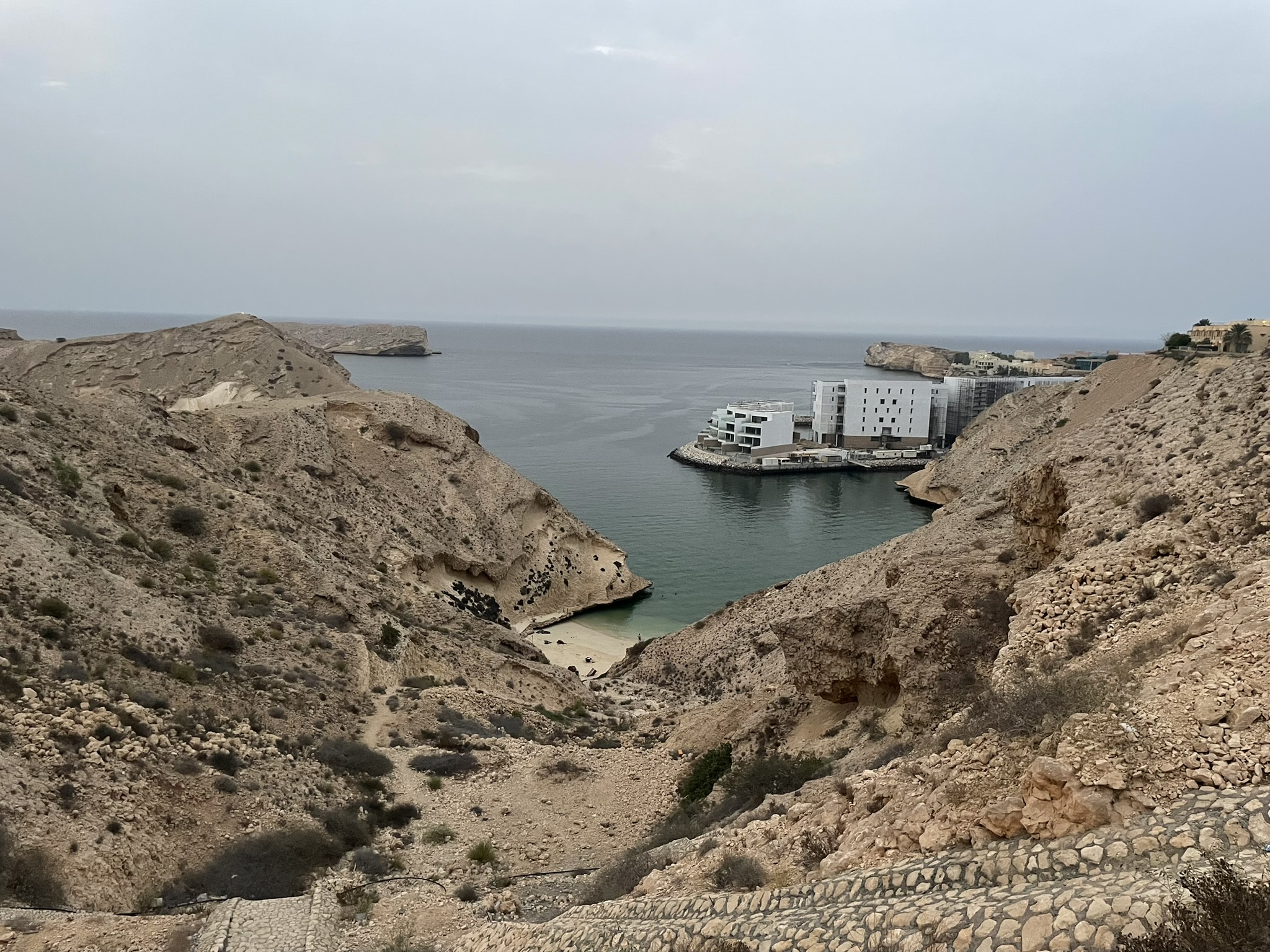
We also visit the Hill Top beach view point near the Shangri La hotel.
Lulu Hypermarket
We return to Muscat city and visit a branch of the Lulu Hypermarket to purchase some goods. Whilst here, we note that the chicken is slaughtered locally whilst the beef comes from India, Pakistan and also Australia.

Mutrah Souq
Another famous landmark of Muscat is the Mutrah Souq, a traditional market which is regarded as one of the oldest souqs in the Arab world. As is the norm in the region, haggling is important. The Souq sells a range of products including the famous Omani hat.
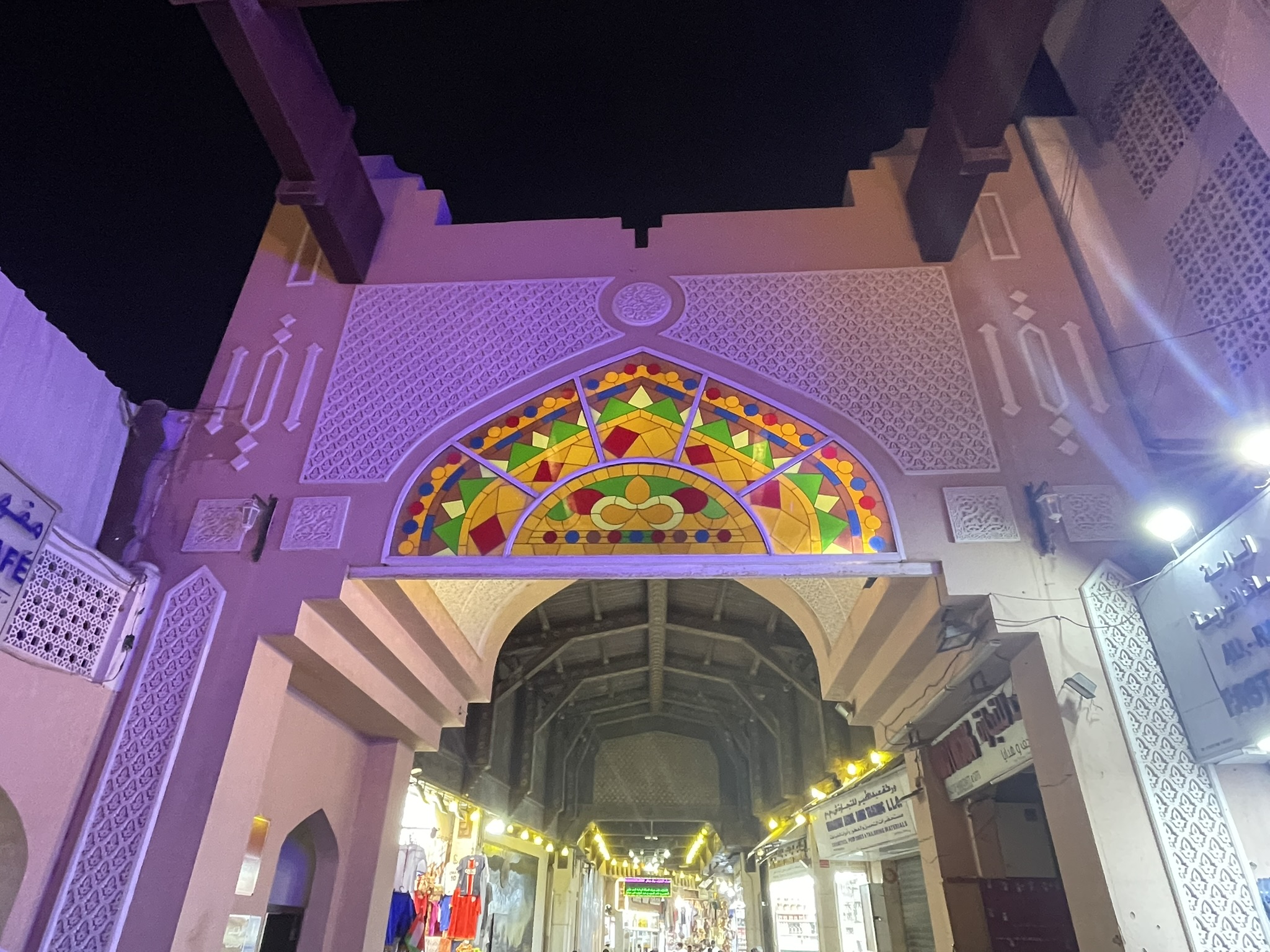
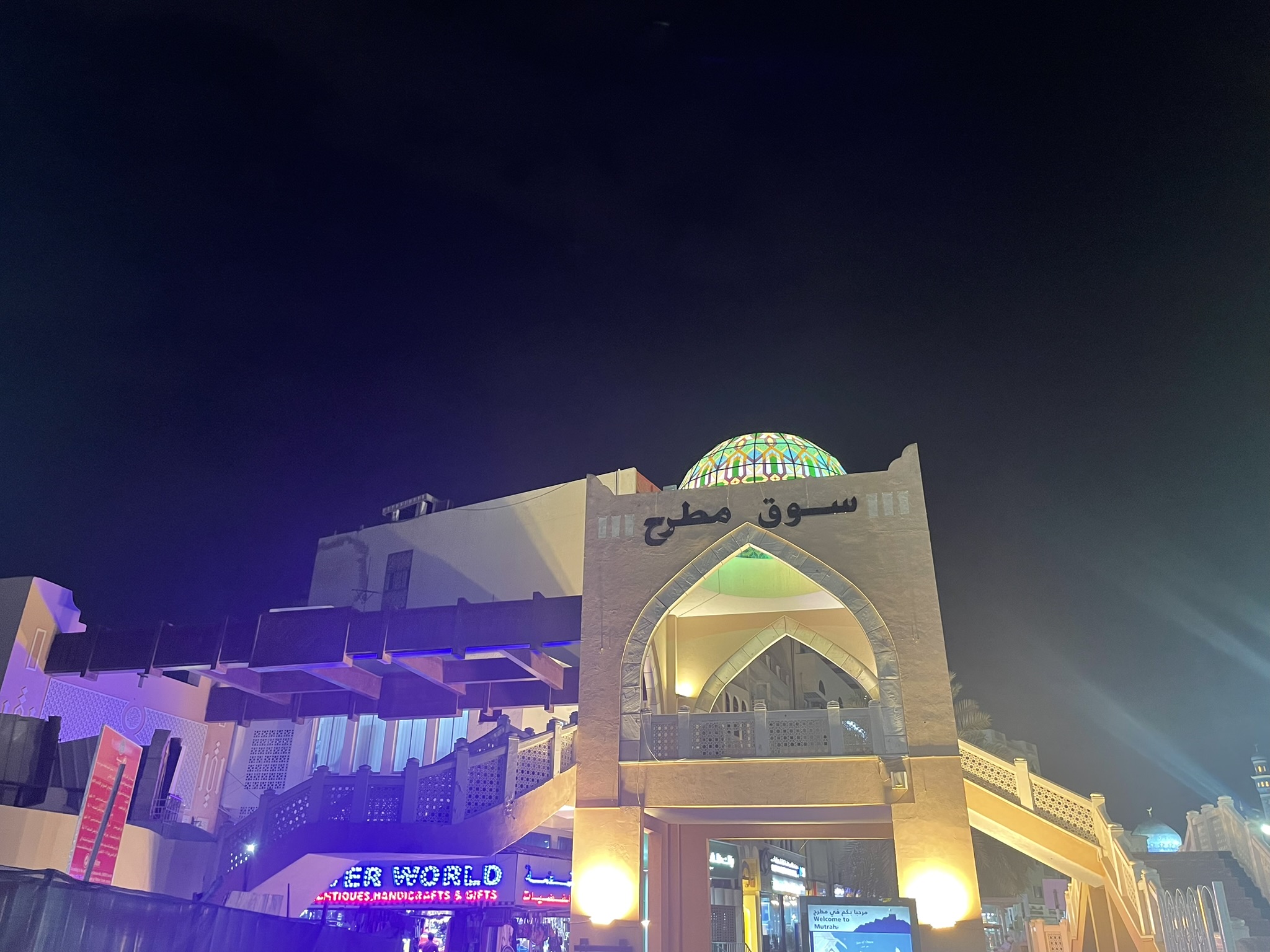
Bait Al Luban restaurant
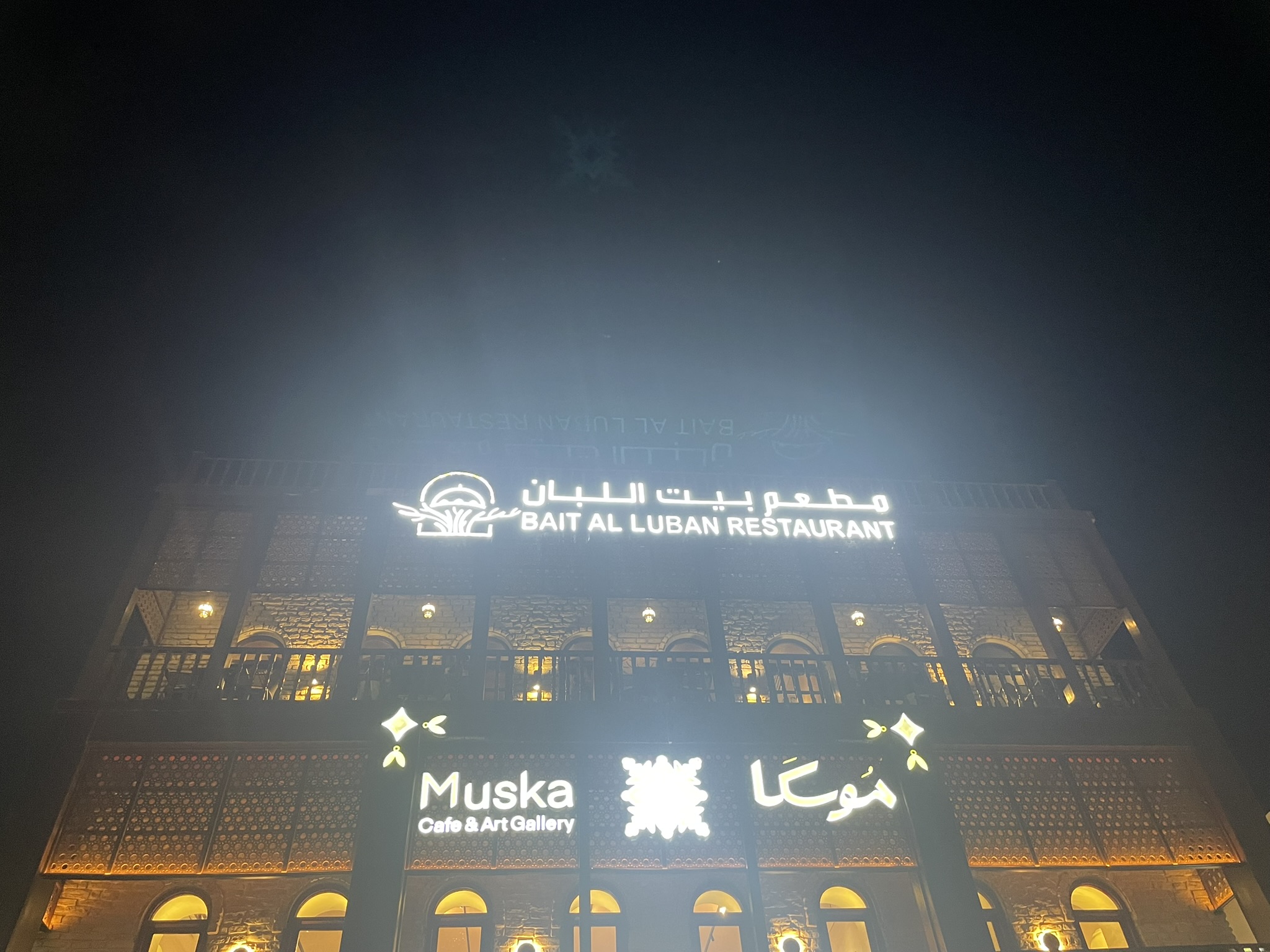
We eat dinner at the nearby Bait Al Luban restaurant that serves Omani food including Shuwa. As per the name of the restaurant, complimentary frankincense water is provided to customers.
Day 4 – Monday 18 August 2025
From Oman to Qatar
From Muscat to the Qatar-Saudi border
There are two land routes from Oman to Qatar. One is via United Arab Emirates and Saudi Arabia and the second is via Saudi Arabia only which is 1200km. We take the second option although it is 200km longer. We depart in the morning at 8am and drive to the Al-Rub’ Al-Khali (Empty Quarter) Border Crossing where we arrive at 12.30pm. The first three hours of the drive are scenic with beautiful mountains, thereafter it is desert. As the name of the border crossing suggests, it is empty. This is the only border crossing between Oman and Saudi Arabia. The process at the border takes a bit long because of an error in one of our Saudi visas and also the luggage inspection. Currently, the Saudi Electronic Visa Waiver costs $40.
Eventually we depart at 1pm Saudi time (2pm Oman time) and start the long journey towards Qatar. The road is a single road but it is virtually empty allowing you to drive fast. The only thing is visible is sand dunes. There is not a sign of life anywhere, no villages, no homes, no animals and absolutely nothing. We drive approximately 350km. The only thing visible is oil drilling machines. We stop for lunch at 3pm and fuel at probably the only fuel station until UAE-Saudi border region.
We depart at 4pm and drive east and thereafter north towards Salwa, near the Qatar-Saudi border. At approximately 6pm, we arrive near the UAE-Saudi border from where the road becomes a dual carriageway. We arrive at the Qatar-Saudi border at 7pm. Visa is free for Qatar similar to Oman. Visitors have to go into the terminal for fingerprints. The formalities are completed and we enter Qatar at 8pm. This is my second time here after a brief three-hour visit in January 2022. The weather is very hot.
Qatar
The State of Qatar is situated on the northeastern coast of the Arabian Peninsula. It shares its sole land border with Saudi Arabia to the south, with the rest of its territory surrounded by the Persian Gulf. The Gulf of Bahrain, an inlet of the Persian Gulf, separates Qatar from nearby Bahrain. The Qatar Bahrain Bridge is under construction and will connect the two countries. The country is home to 2.7 million people, the majority of whom live in the capital Doha. Approximately 10% are indigenous Qataris, whilst the rest are foreigners. The size of the country is 4,471 square miles and the most of this made up of flat, low-lying desert. Despite its small size, it has significant geopolitical importance, largely due to its rich natural gas reserves and strategic location. It has acted as a mediator in the Afghanistan and Palestine crises. It has also garnered international attention through the Al Jazeera TV channel and the hosting of the 2022 World Cup. The attempts of Saudi Arabia and other countries in 2017 to enforce an embargo failed to achieve its aims. Historically, it was one of the poorest Gulf states, but today it is one of the richest countries in the region.
The history of the country goes back tens of thousands of years. However, the history of the modern state of Qatar goes back to 1825 when the Āl Thānī dynasty established control over Qatar from the Bahraini rulers. This was however not recognised by the British until 1868. In 1871, the country came under the rule of Ottomans until 1913. In 1916, Qatar became a British protectorate and gained independence in 1971. The current emir is Tamīm ibn Ḥammād Āl Thānī, who holds nearly all executive, legislative and judicial power.
Al-Mandarin Ramada
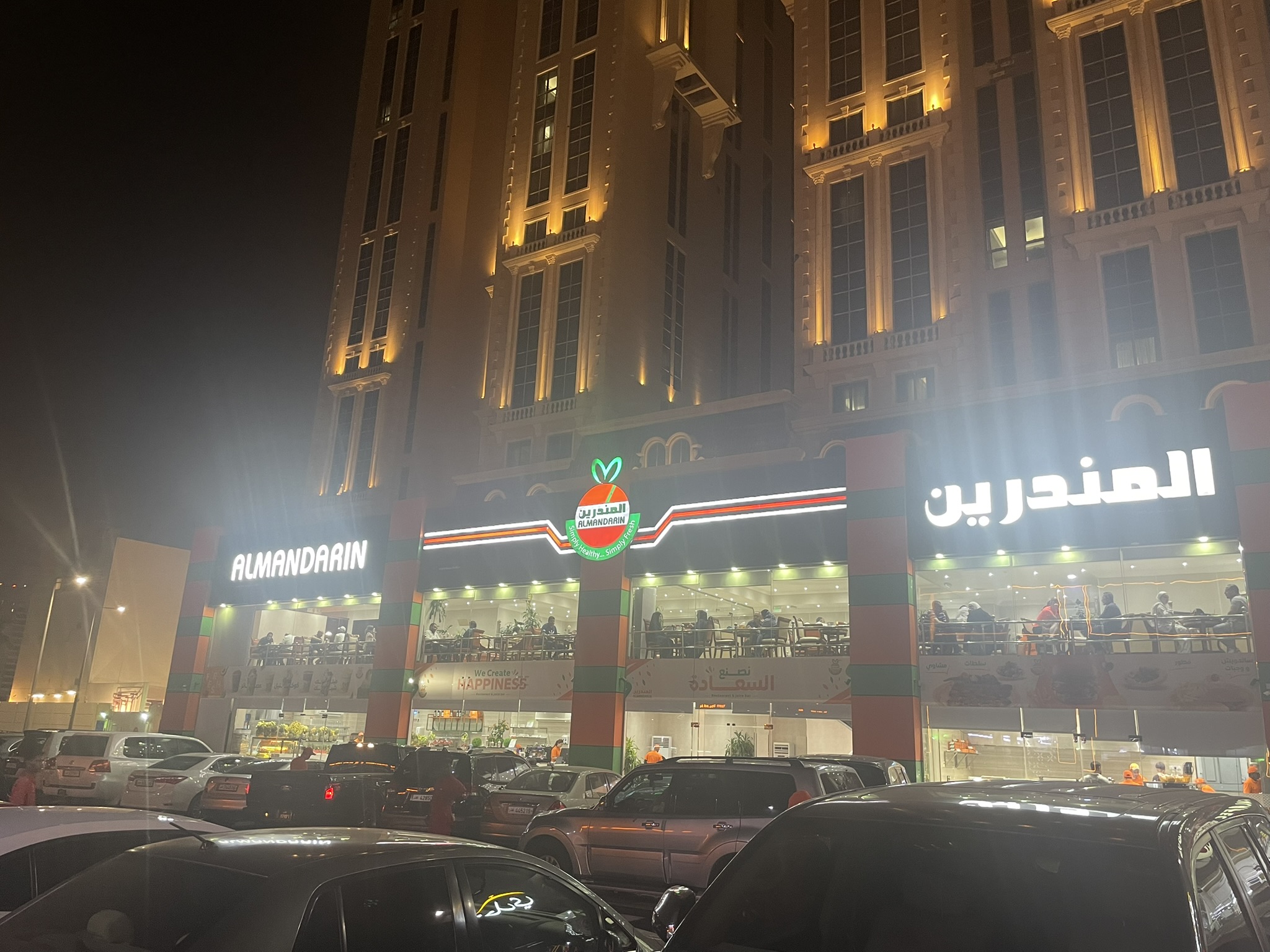
We arrive into Doha and first visit the famous Al-Mandarin Ramada juice shop, and also eat dinner at a Pakistani restaurant opposite. The beef and the mutton are from Pakistan whilst the chicken is from Brazil, which we avoid. This is a common problem here in Qatar.
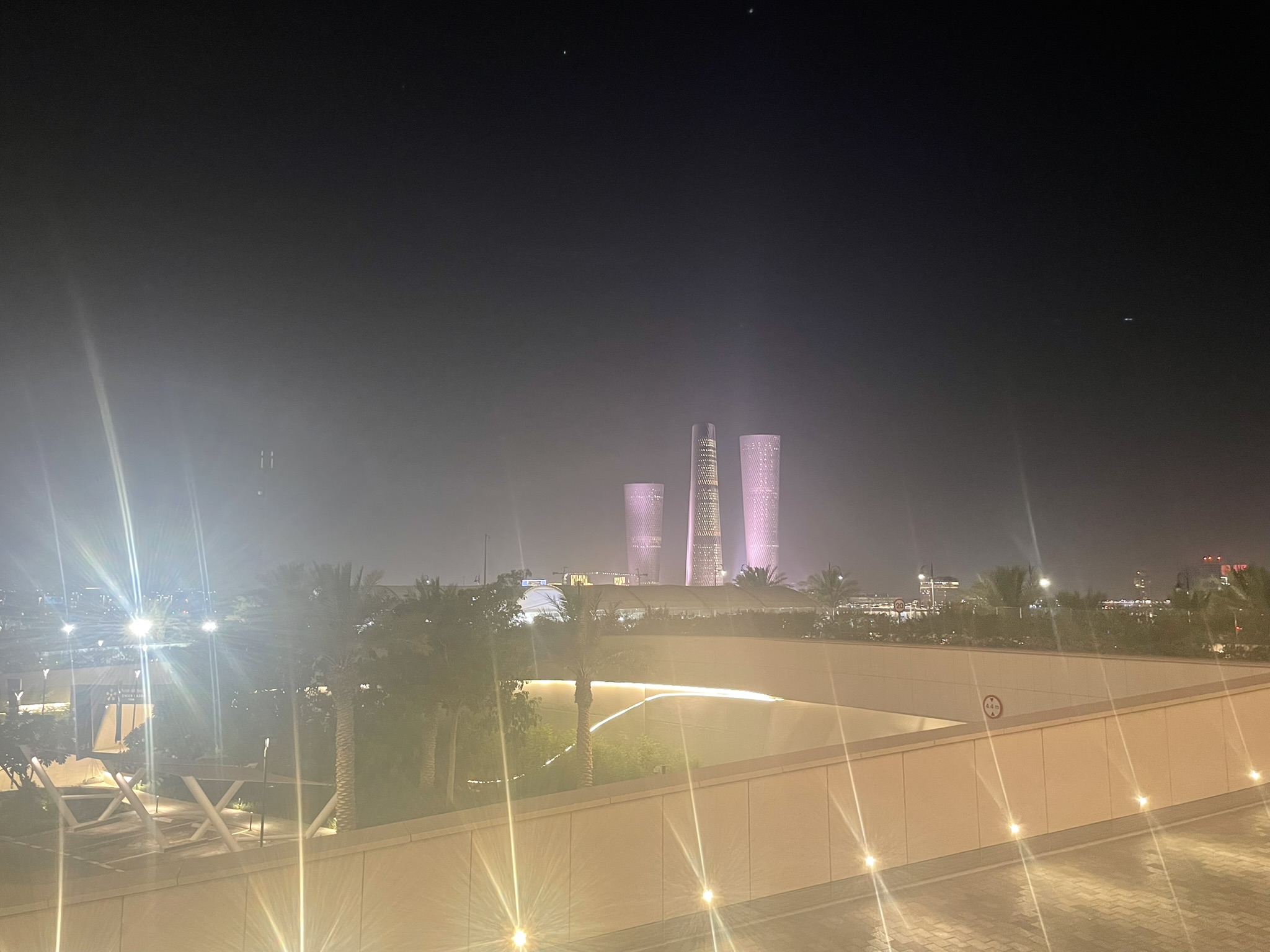
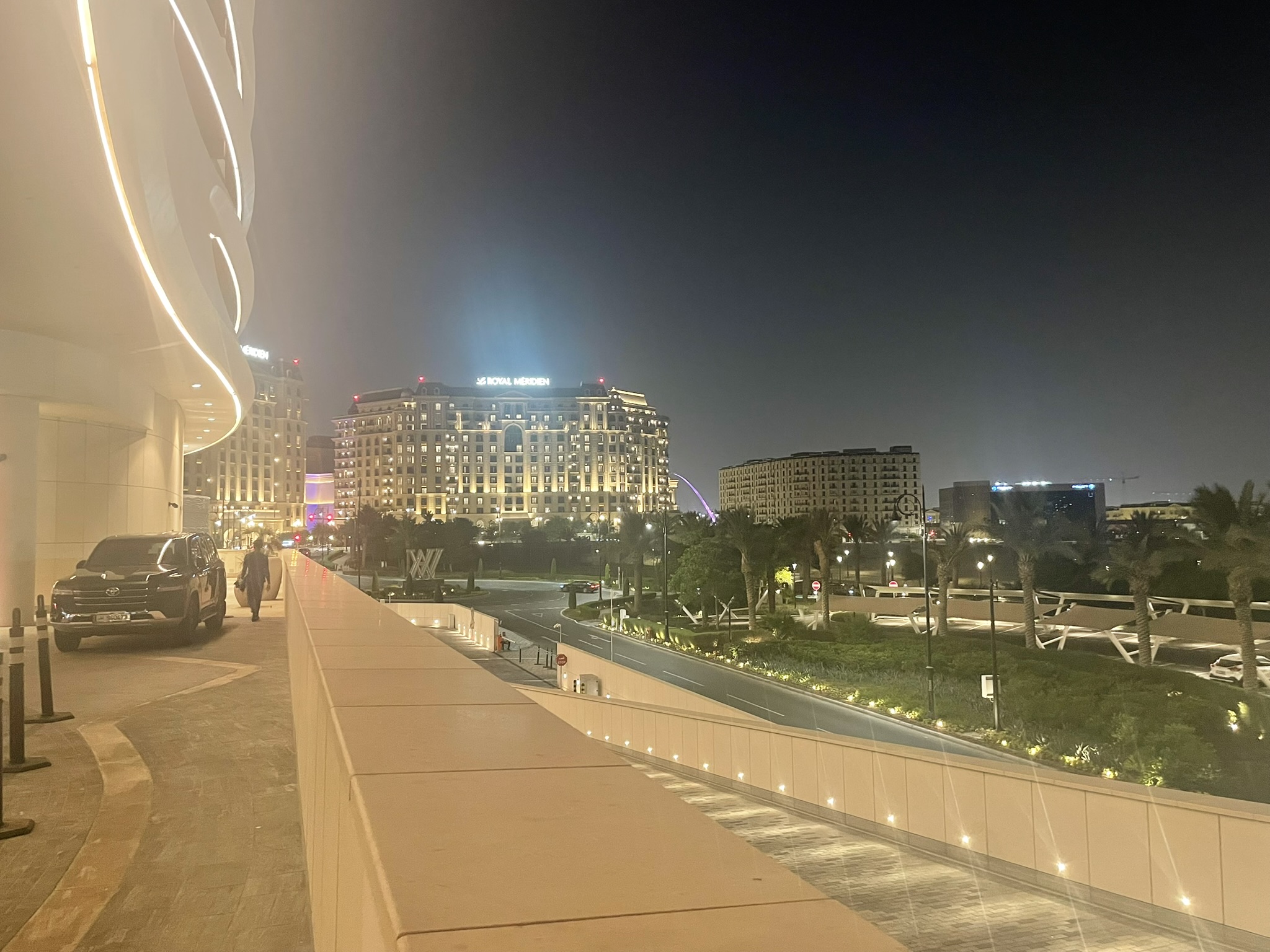
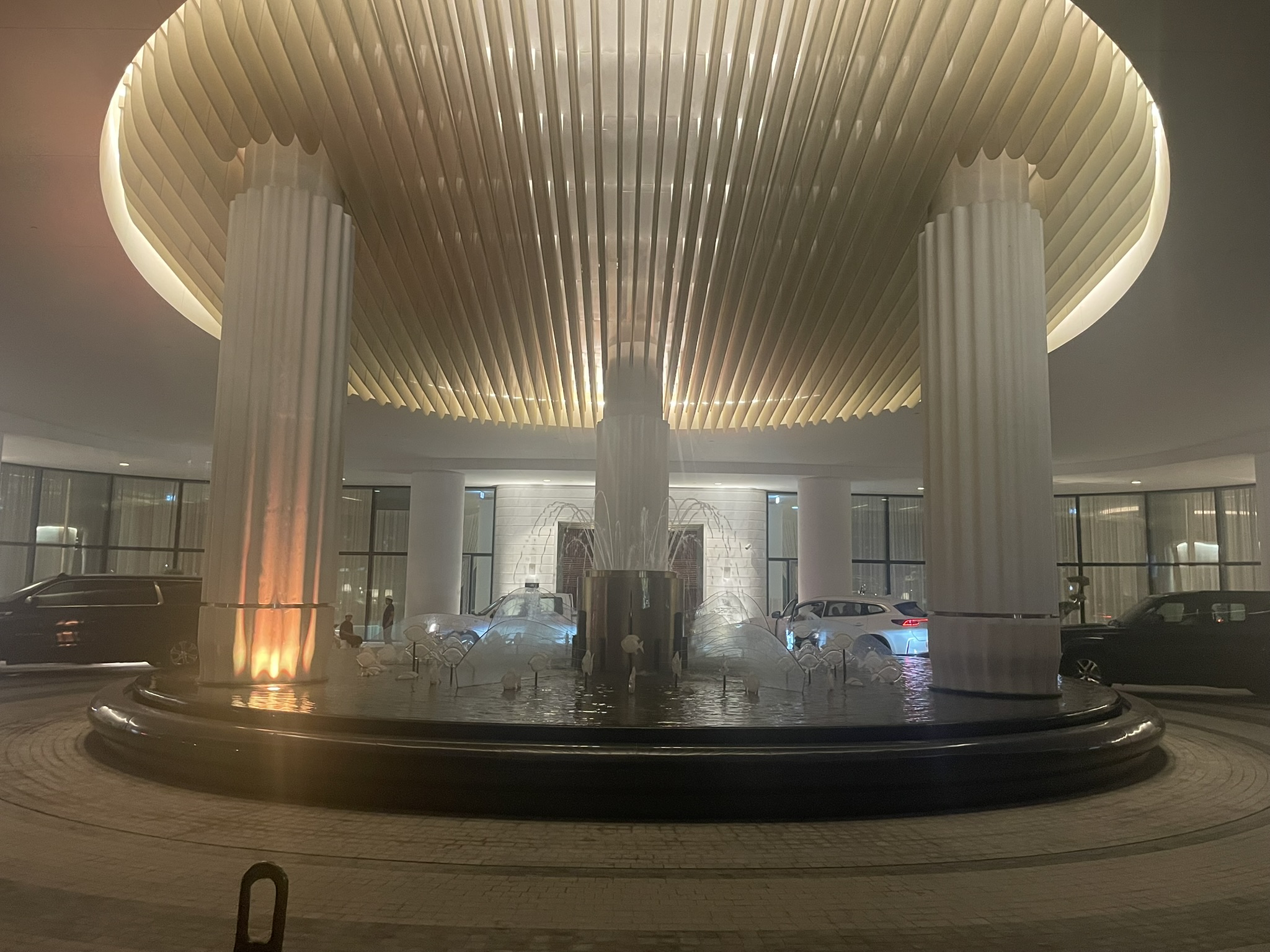
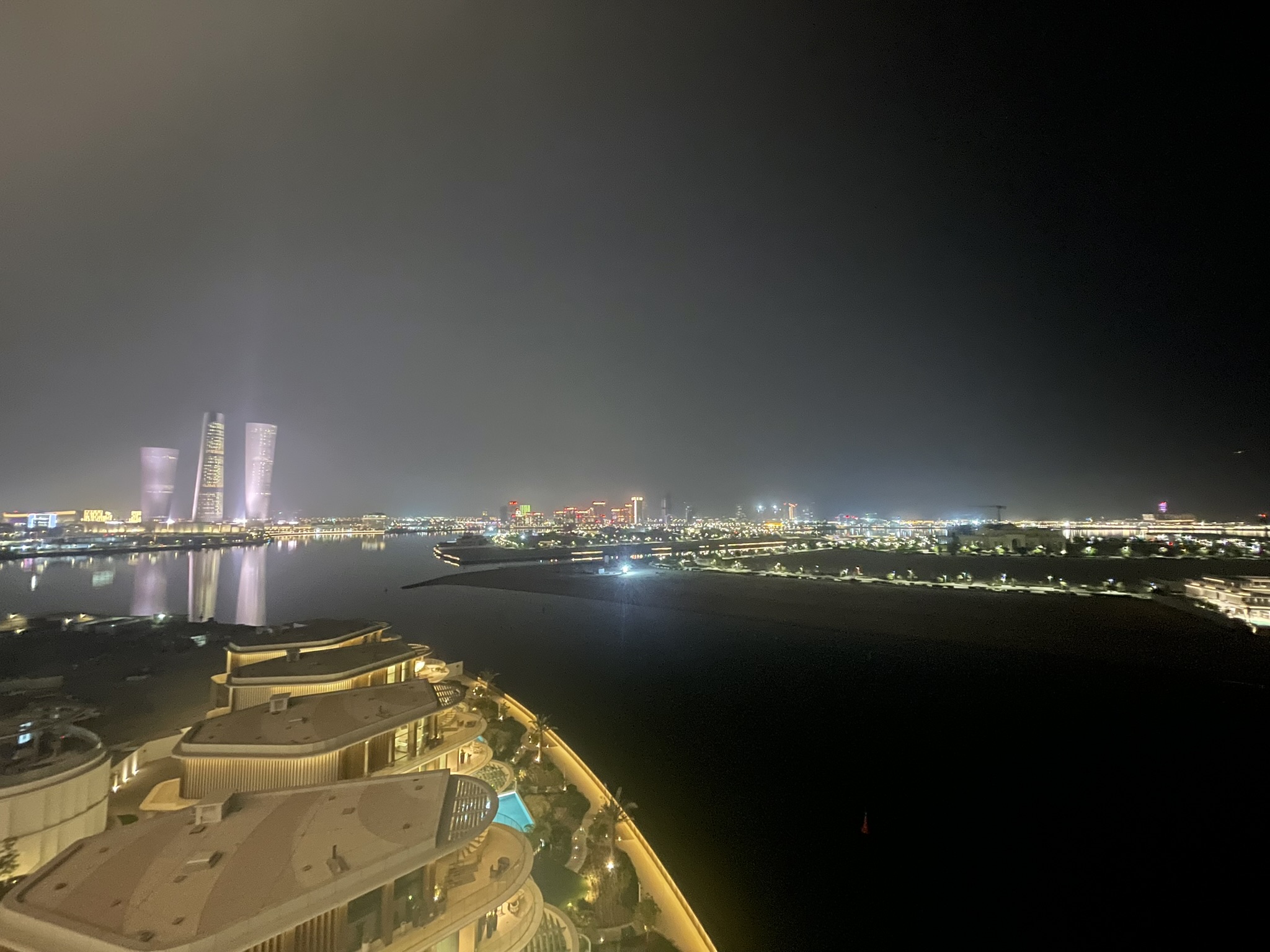
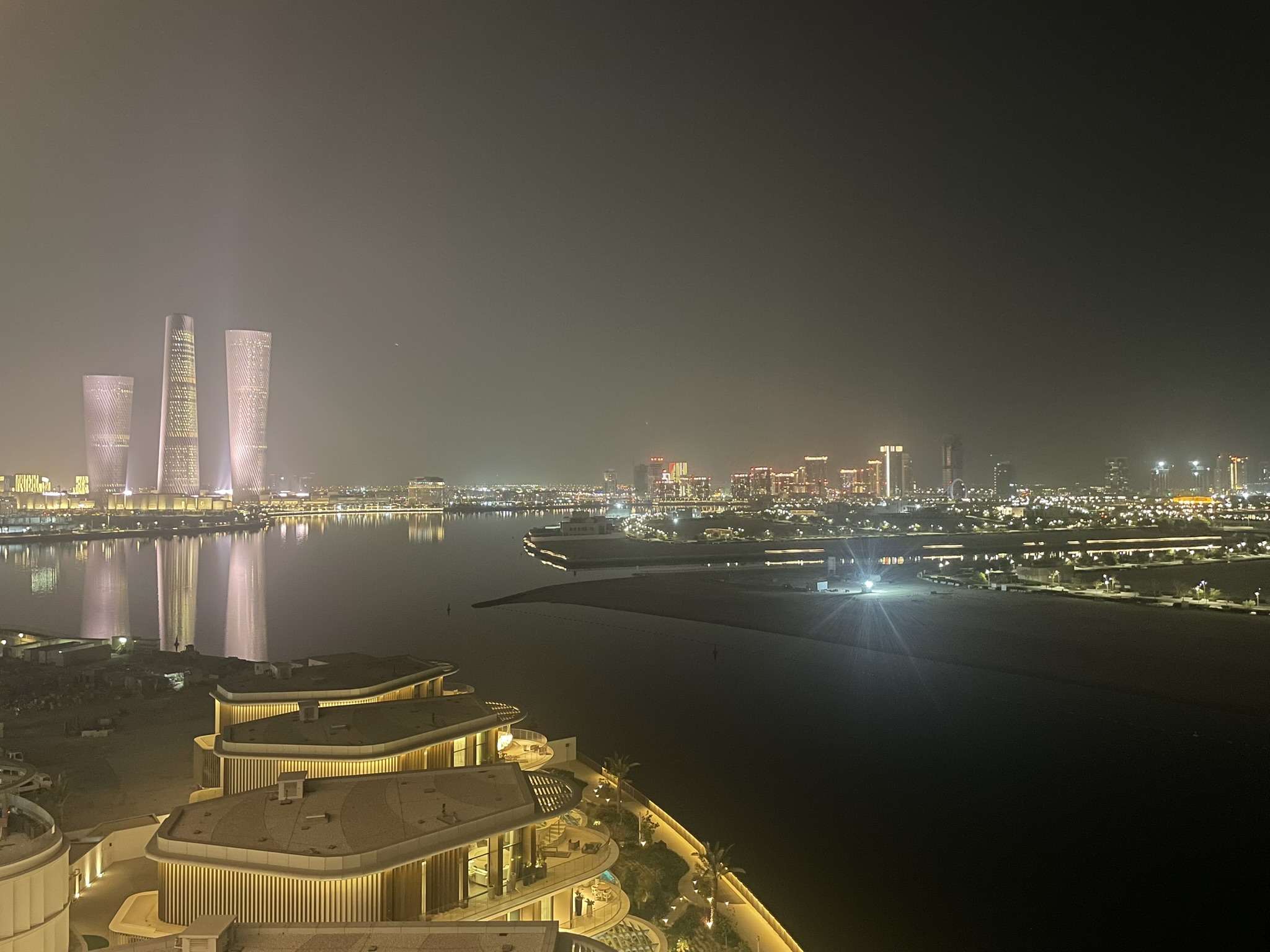
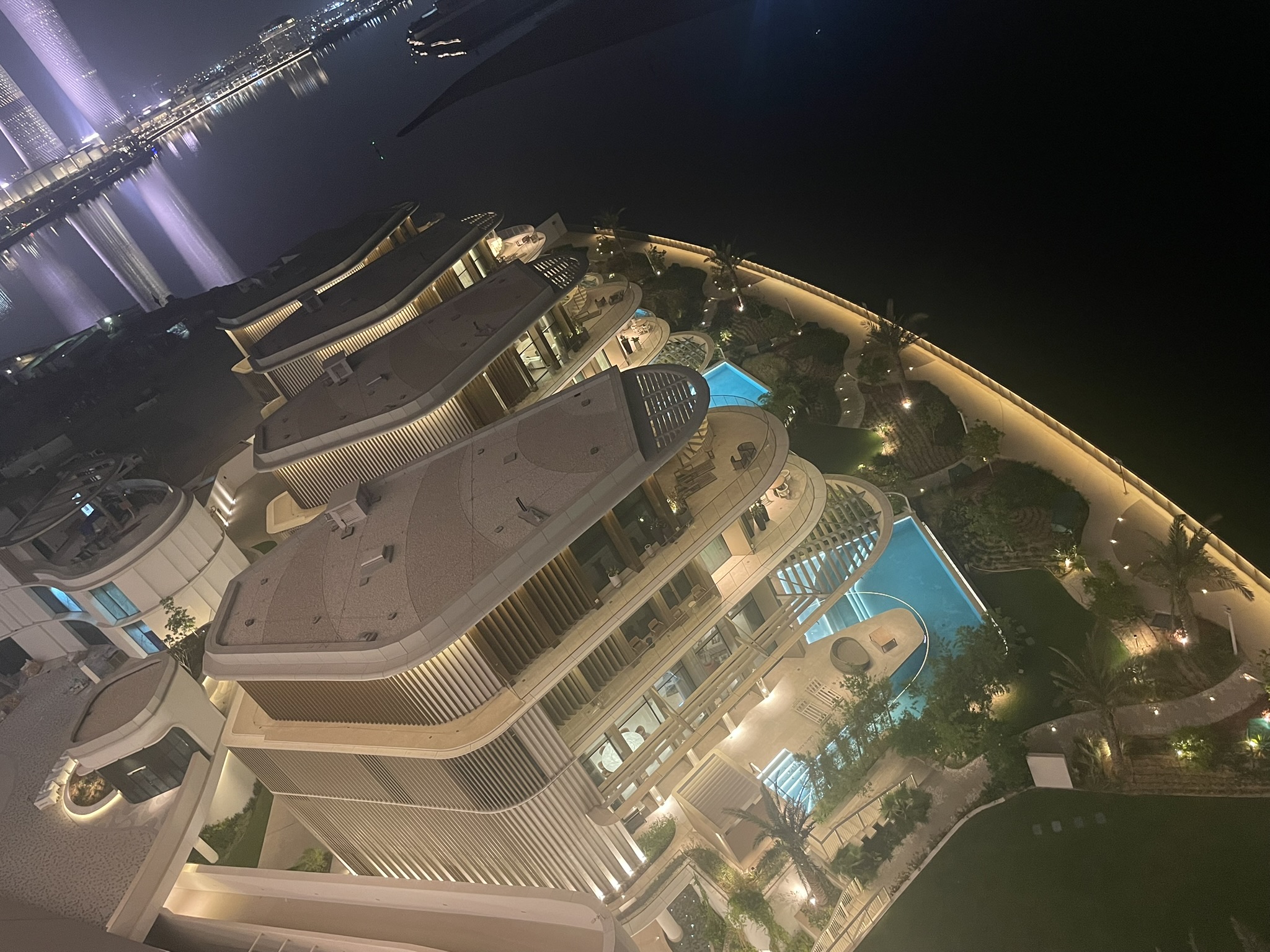
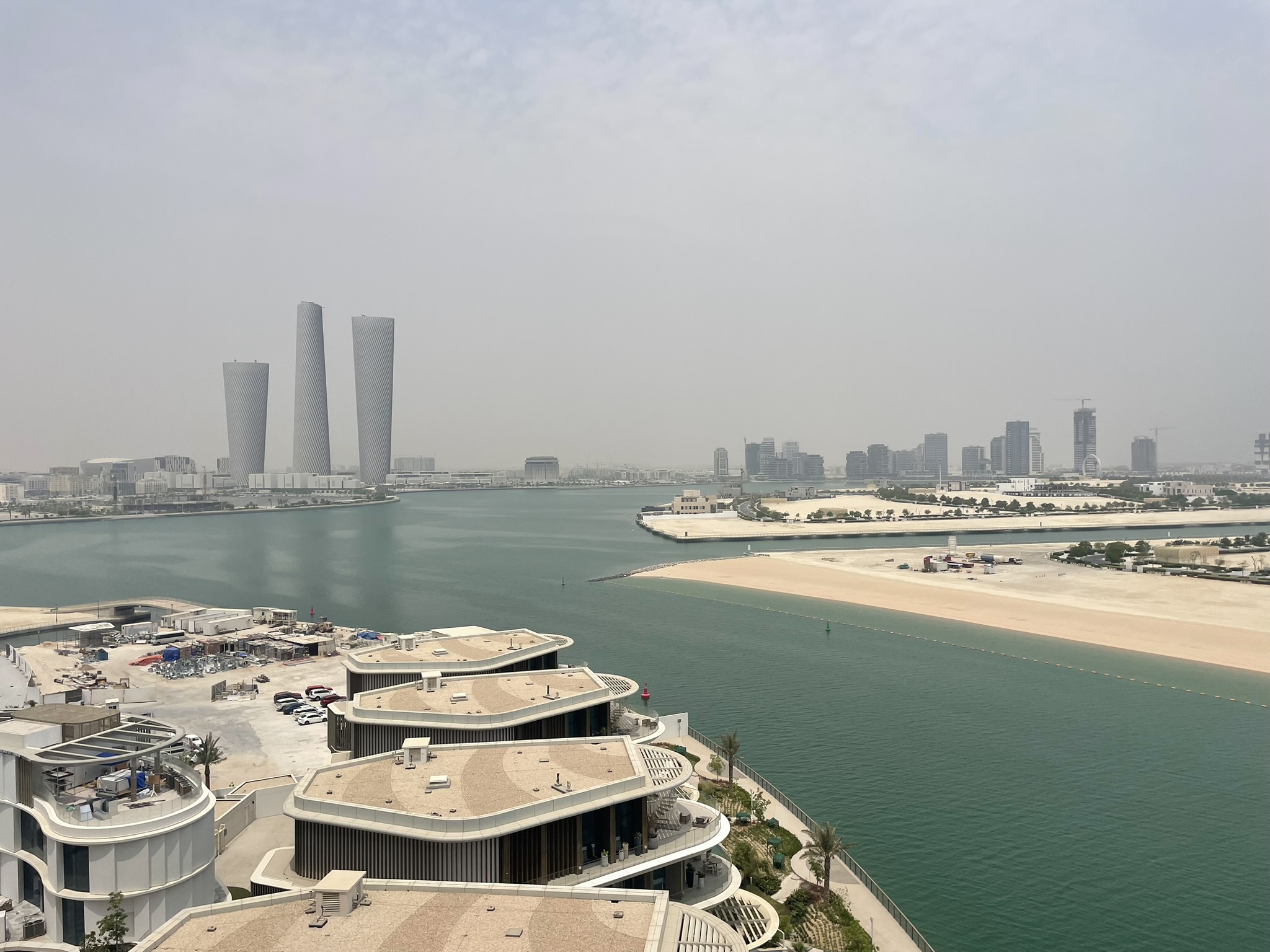
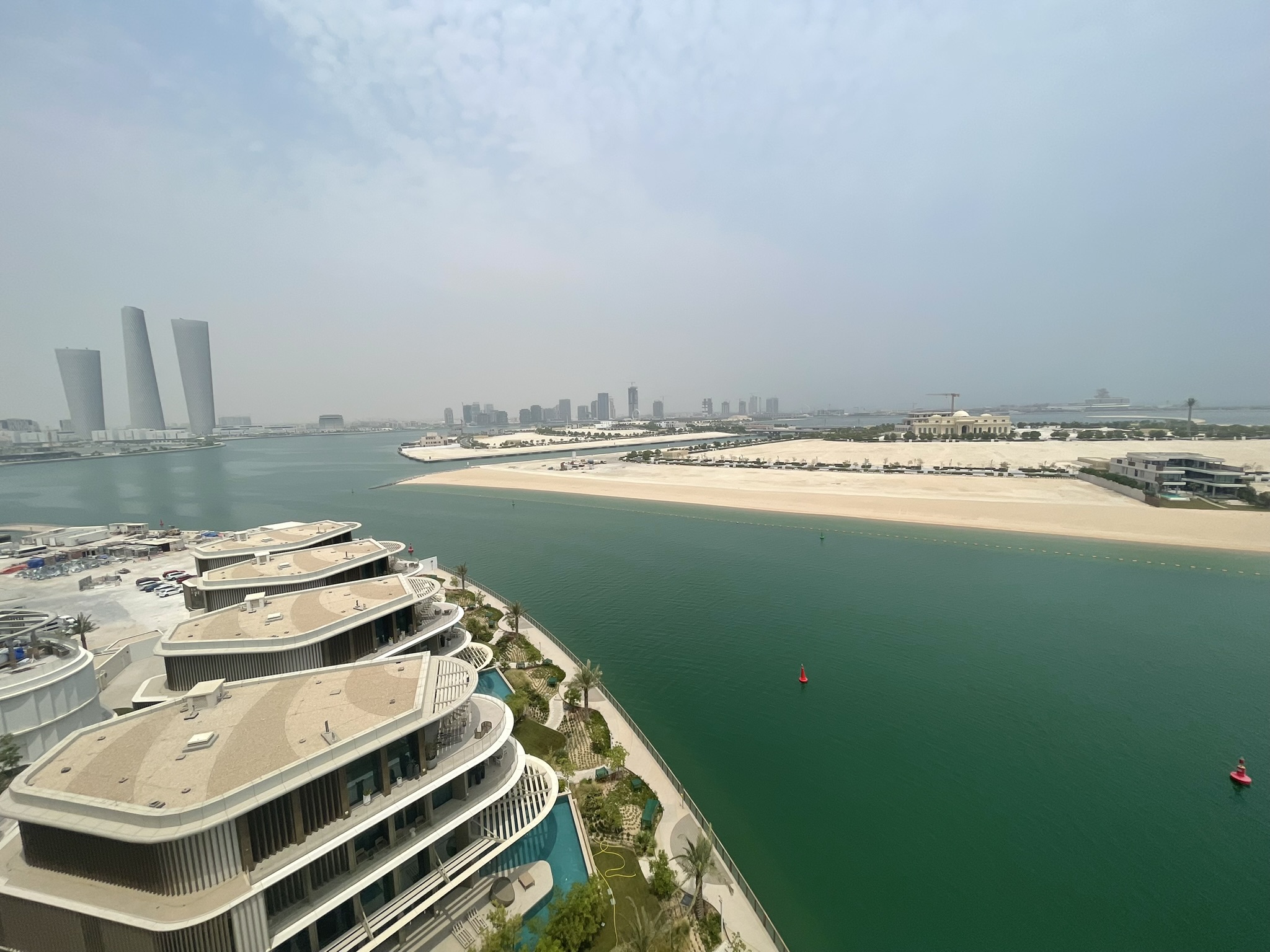
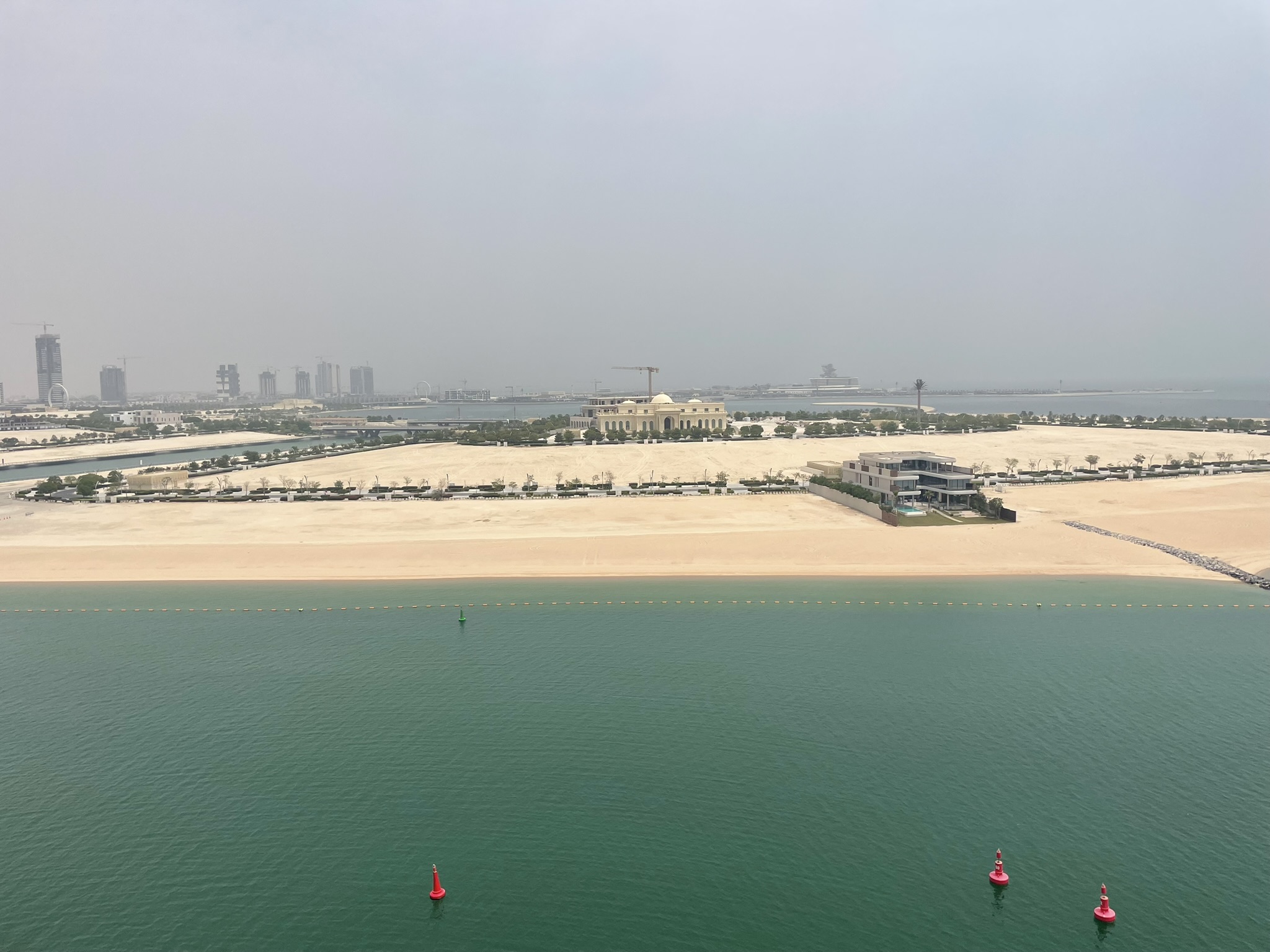
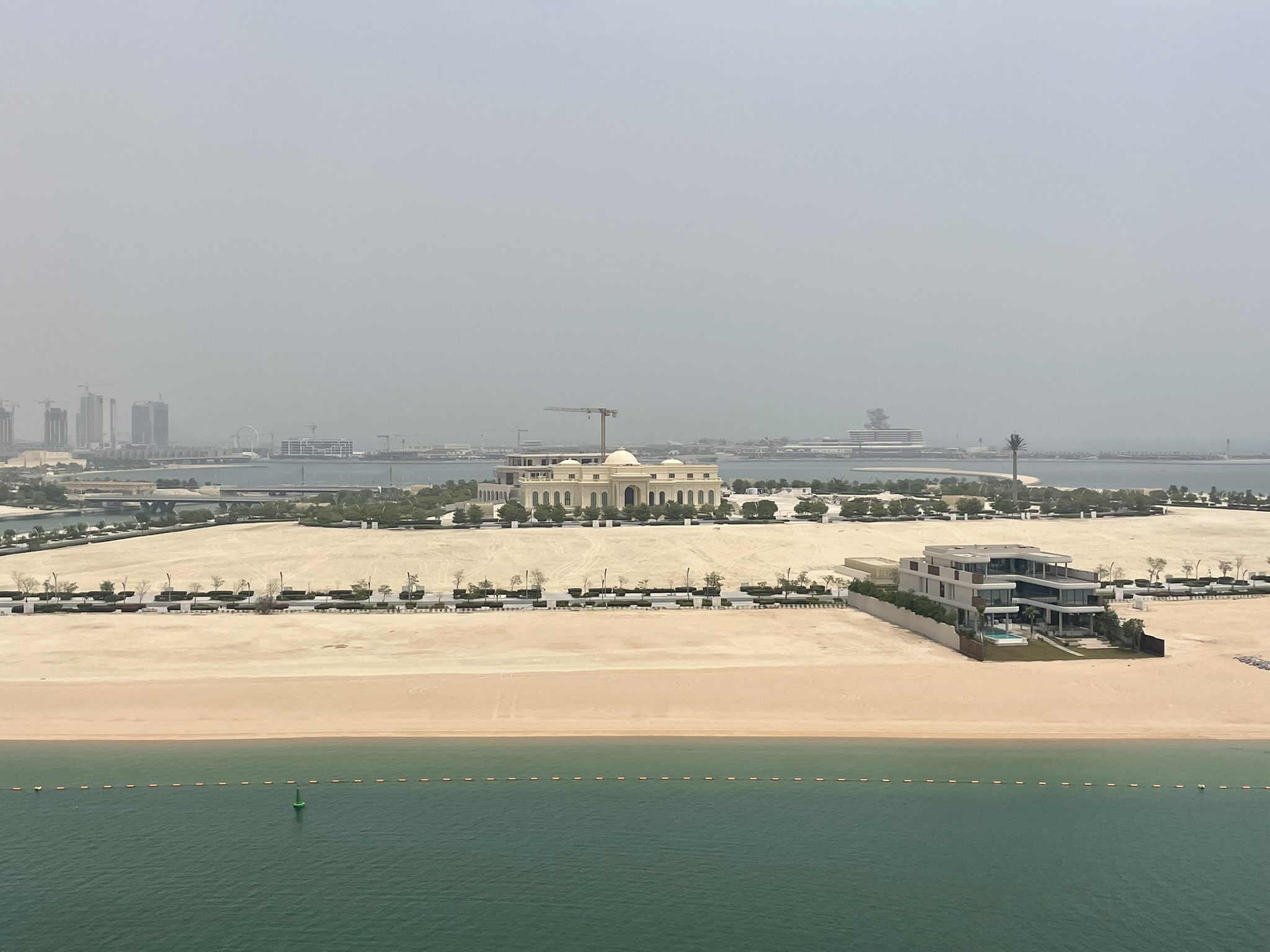
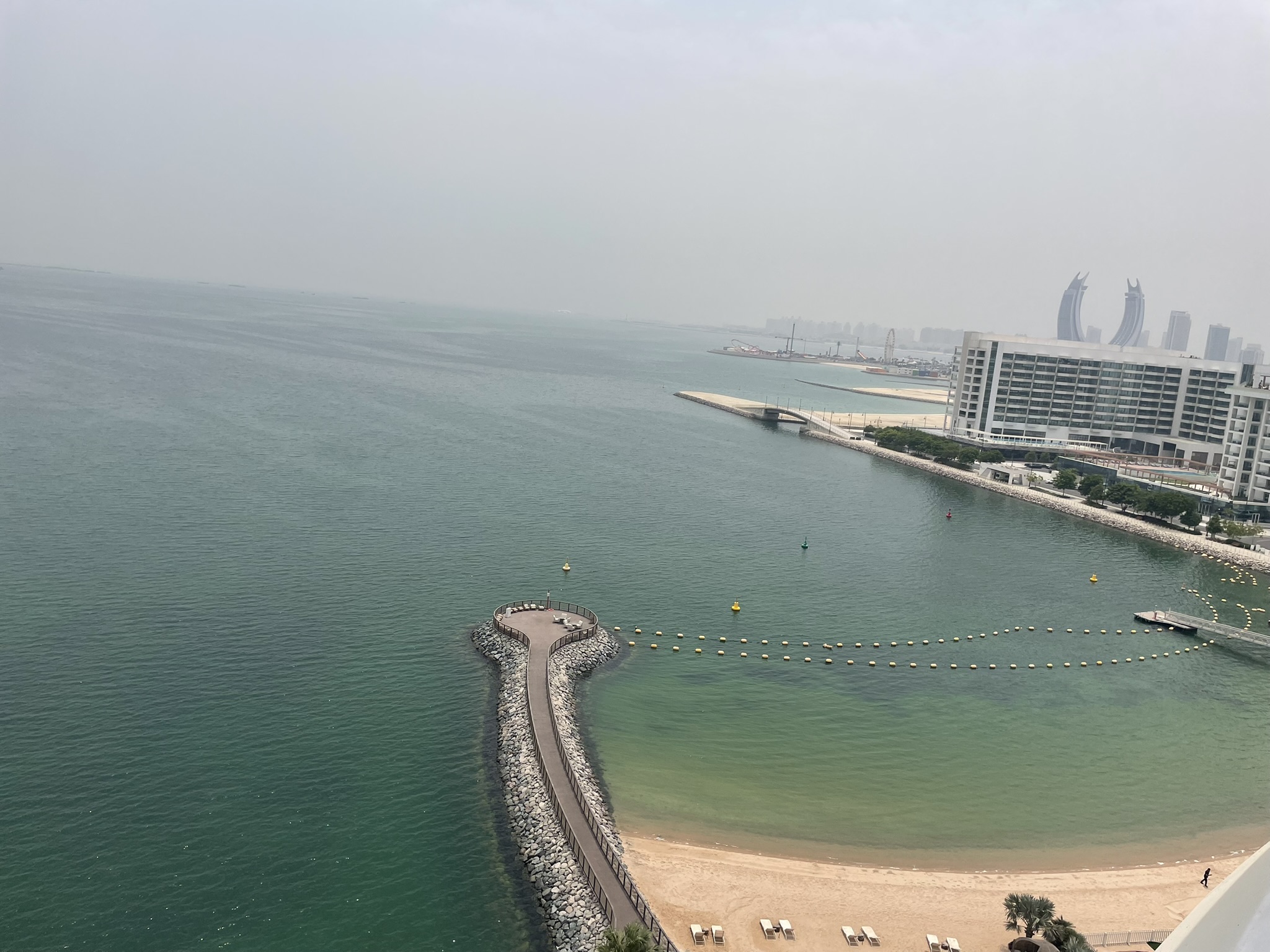
We rest for the evening in the Waldorf Astoria hotel in the Lusail area of Doha.
Day 5 – Tuesday 19 August 2025
Visit to historic Masjid in Juwāthā, Saudi Arabia
Desert Falls Water & Adventure Park
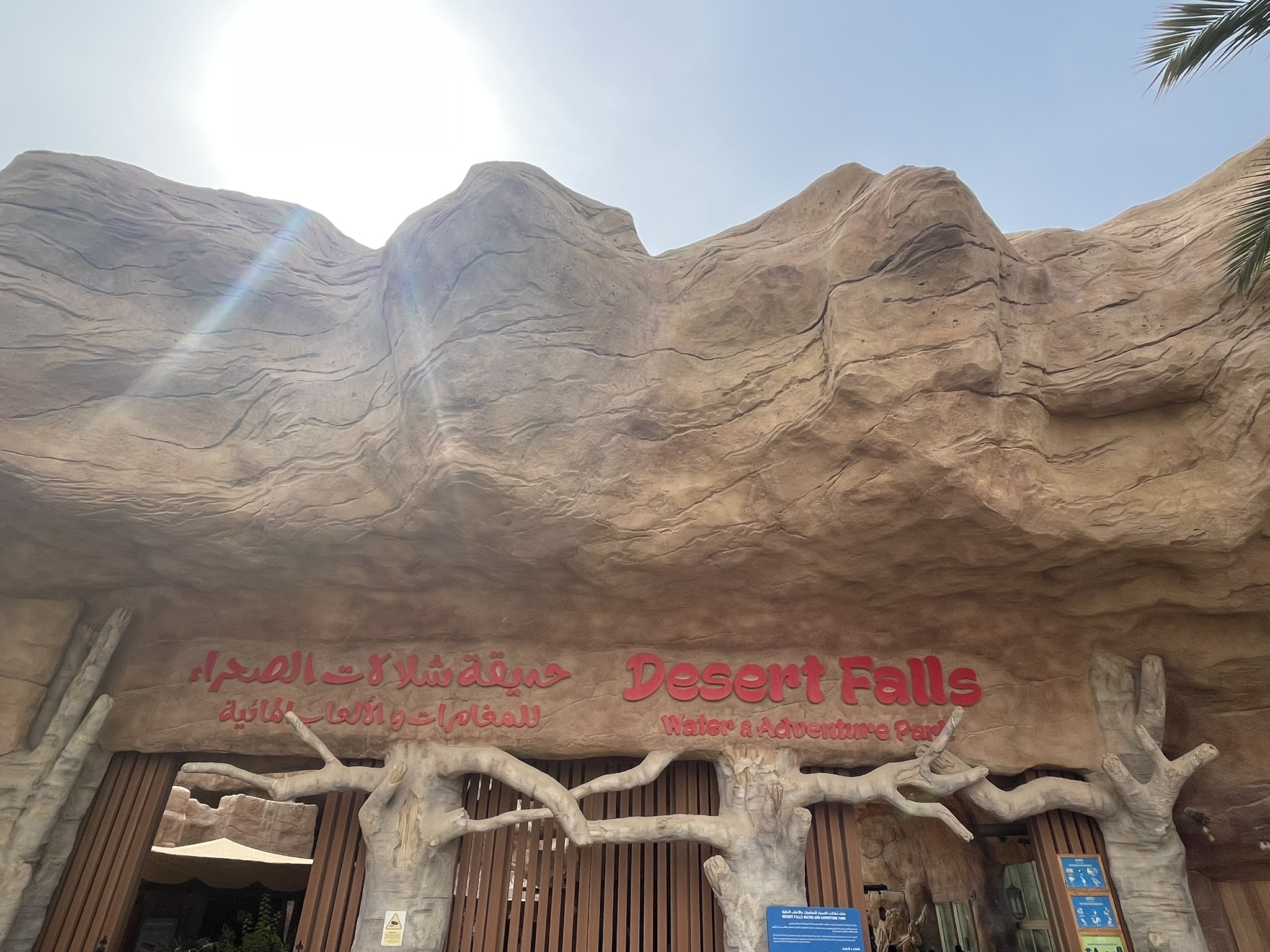
We leave shortly after midday and drop the children to the Desert Falls Water & Adventure Park, near the Saudi-Qatar border.
My brother and I in the meanwhile travel to Saudi Arabia and visit the historic Masjid in Juwāthā.
Juwāthā (Jawatha/Juatha)
Juwāthā is located 165km from the Qatar-Saudi border, 260km from Doha, and 1000km from the blessed city of Madīnah Munawwarah. It is situated near Al-Hofuf, the main city of Al-Ahsa governate, which is home to many of our Ḥanafī scholars. The significance of Juwāthā is understood from a famous Ḥadīth of ʿAbdullāh ibn ʿAbbās (d. 68/687-8, may Allah be pleased with them) who said:
“Indeed, the first Jumuʿah Ṣalāh to take place after the Jumuʿah in the Masjid of the Messenger ﷺ was in Masjid ʿAbd al-Qays in Juwāthā of Bahrain” (Ṣaḥīḥ al-Bukhārī, 892).
In today’s geography, Juwāthā is in Saudi Arabia, 160km from the Saudi-Bahrain border and 190km from Manama, the capital of Bahrain.
It is from here that the famous delegation of ʿAbd al-Qays travelled to Madīnah Munawwarah with scholars differing on the year of their arrival and the number of times they came. ʿAbdullāh ibn ʿAbbās (d. 68/687-8, may Allah be pleased with them) says, ‘A delegation of ʿAbd al-Qays came to Allah’s Messenger ﷺ and said, “We belong to such and such branch of the tribe of Rabīʿah and we can only come to you in the sacred months (due to the tribe of Muḍar). Order us to do something so that we may take it from you and also invite to it those whom we have left behind (at home).” So, he said, “I order you to do four things and forbid you from four things: To believe in Allah” – and then he explained it to them, “to testify that there is no God but Allah, and that I am Allah’s Messenger, to establish Ṣalāh, to give Zakāt, and that you hand me the Khumus (fifth) on the spoils of war you acquire. And I forbid you from gourd, green pitcher, hollow stump and varnished jar” (all these were utensils used for the preparation of alcoholic drinks) (Ṣaḥīḥ al-Bukhārī, 523).
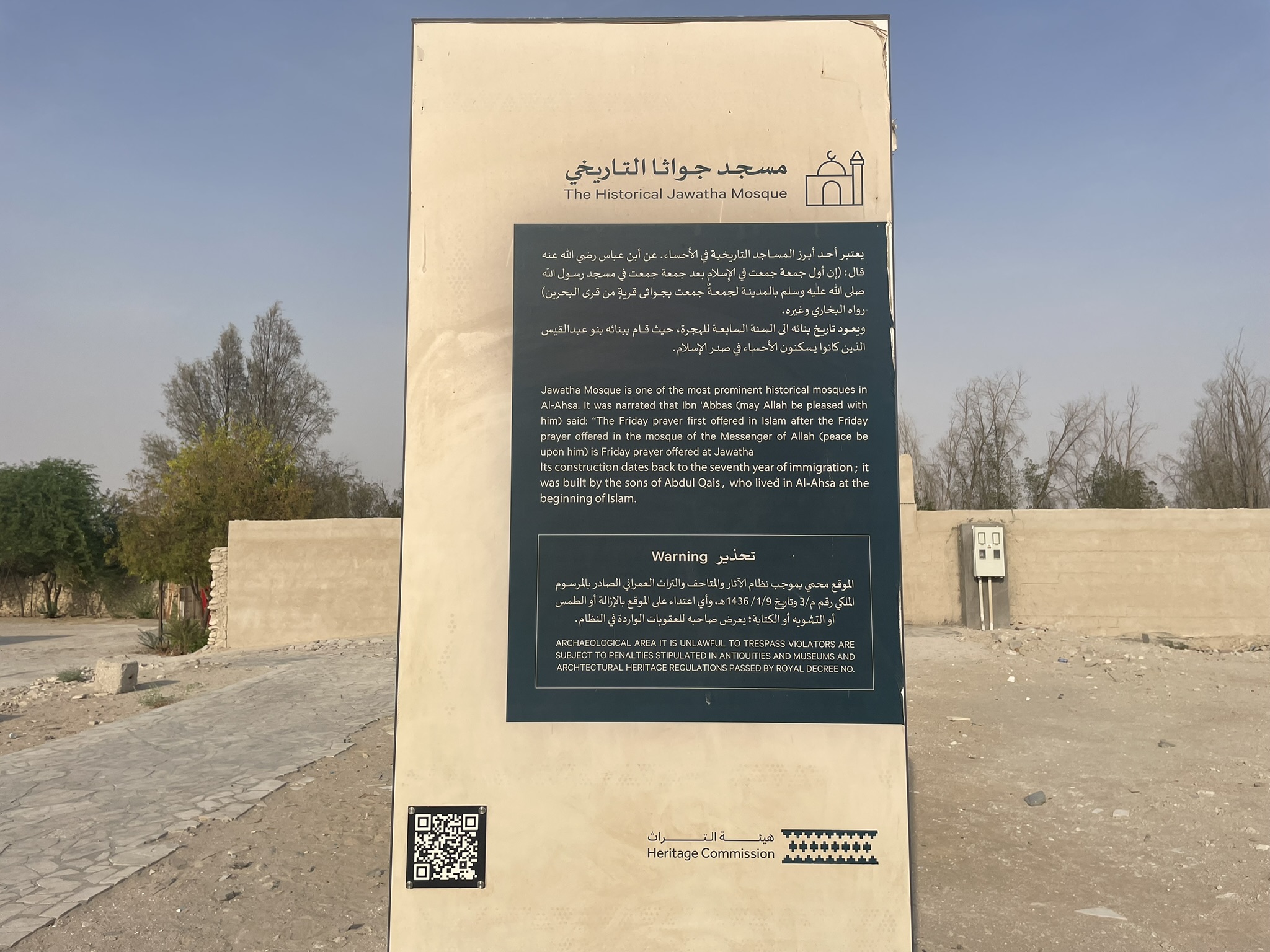
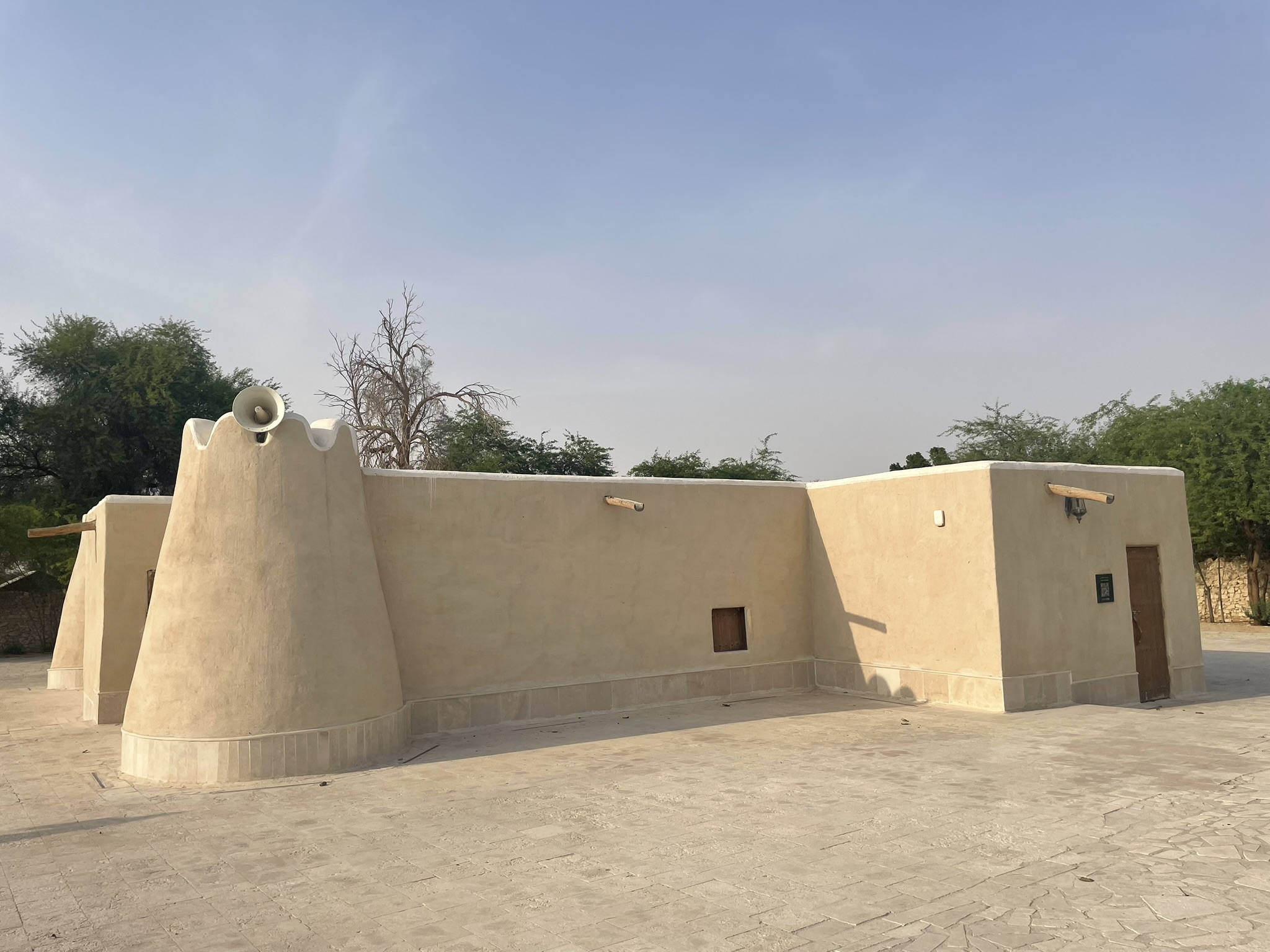
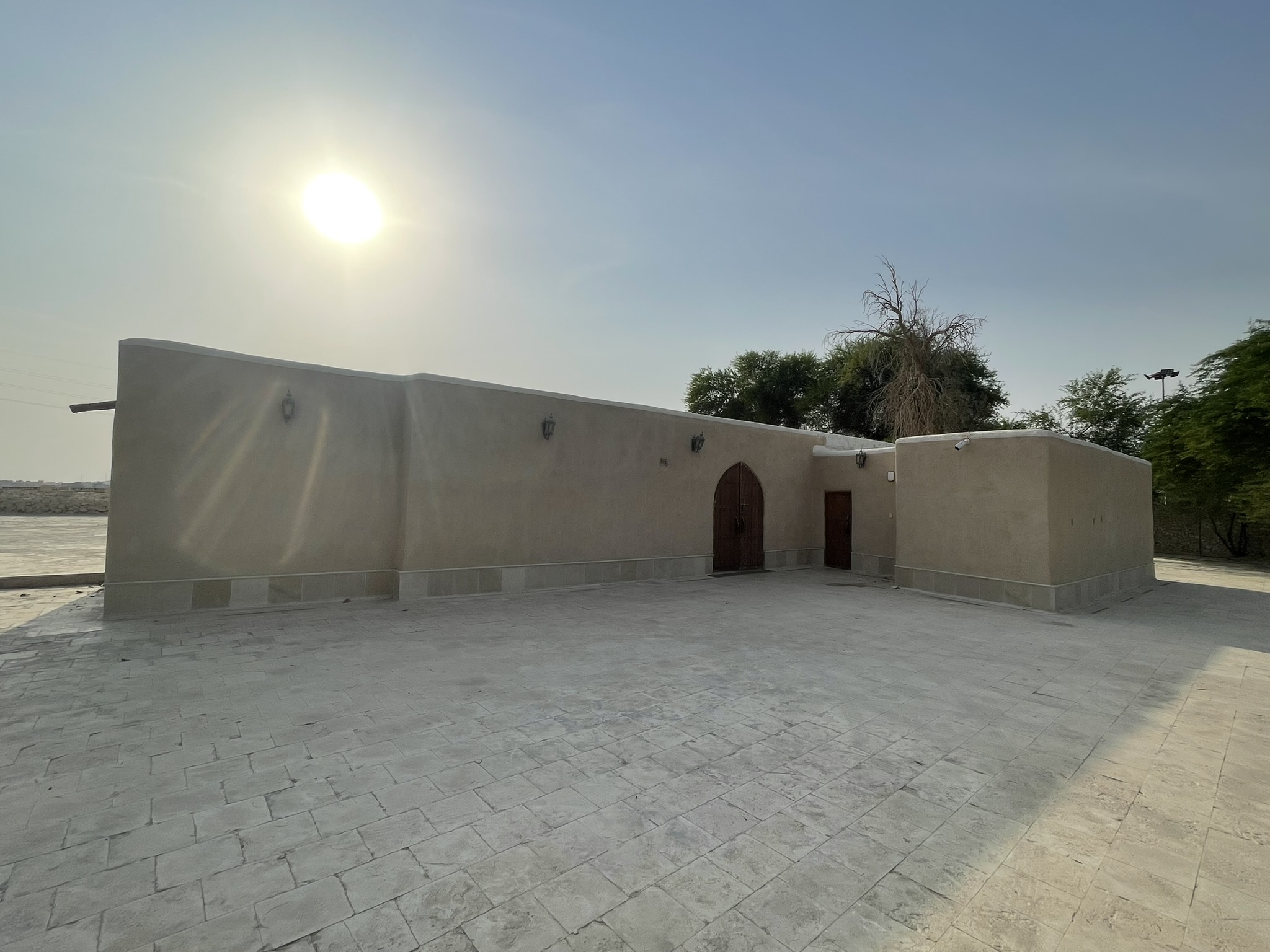
We arrive at the historic Masjid ʿAbd al-Qays at 4pm. Most of the historical Masjid fell into ruins. However, it has been restored to preserve its original mudbrick architecture and is now a major heritage site. A plaque outside suggests that it was built in the seventh Hijrī.

Scholars are divided on when the delegation came to Madīnah and how many times. Some scholars only mention one date. However:
- Ḥāfiẓ Ibn Ḥajar (d. 852/ 1149) is of the view that they came twice, in the 5th Hijrī and 8th Hijrī.
- ʿAllāmah Anwar Shāh Kashmīrī (d. 1352/1933) suggests 6th and 8th Hijrī.
- Shaykh al-Ḥadīth Mawlānā Muḥammad Zakariyyā Kāndhelwī(d. 1402/1982) and his student and our teacher Shaykh al-Ḥadīth Mawlānā Muḥammad Yūnus Jownpūrī (d. 1438/2017) suggest 8th and 9th Hijrī (Nibrās al-Sārī, 8: 614).
We are unable to enter the Masjid because it is closed. A local person suggests that it only opens at Ṣalāh times. It is extremely hot here. The temperature is 47 degrees Celsius.
Al Qarah Mountain and Masjid al-Ashajj ibn ʿAbd al-Qays
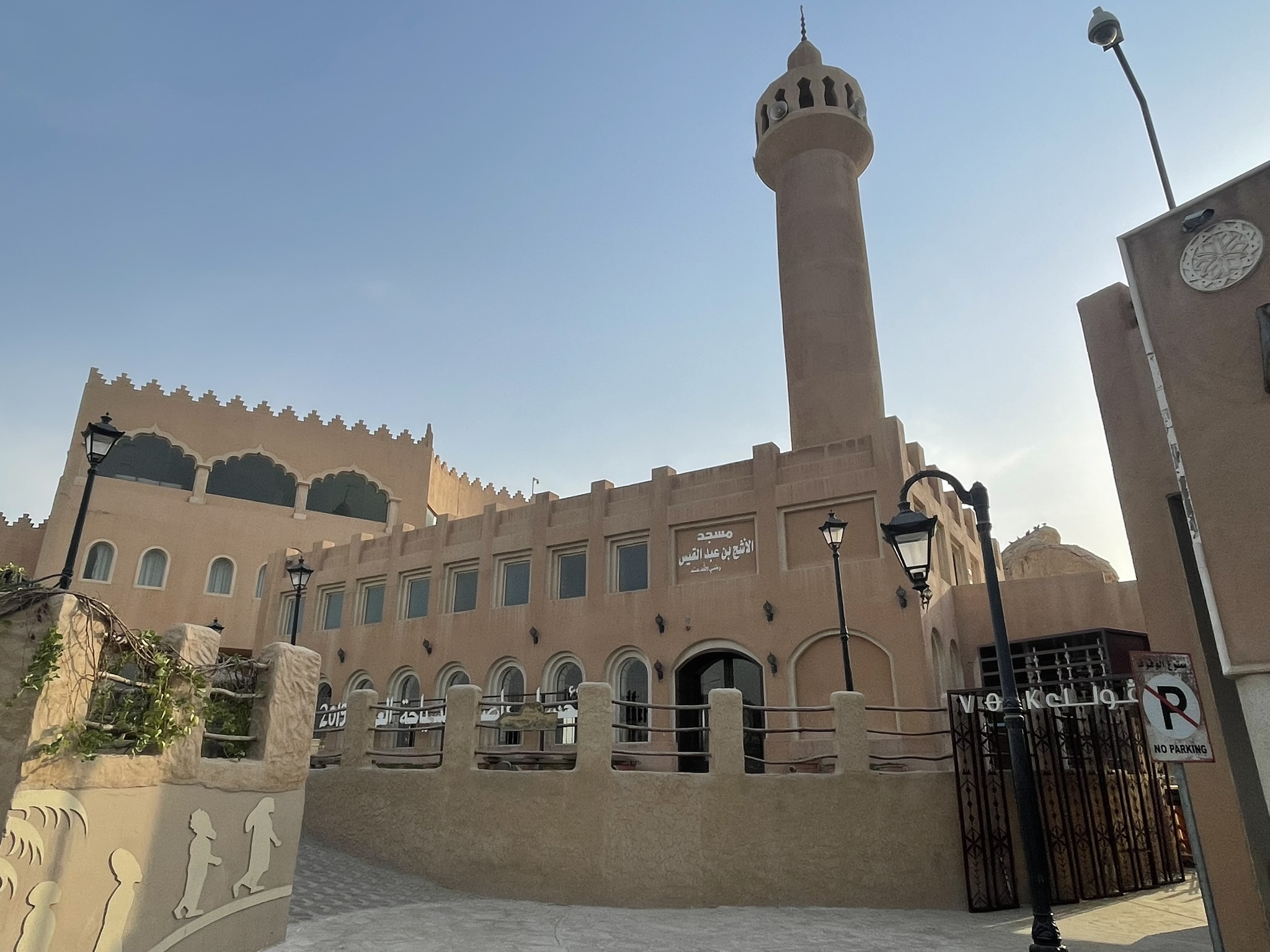
Our next stop nearby is the Al Qarah Mountain and the neighbouring Masjid al-Ashajj ibn ʿAbd al-Qays, named after the one of the leaders of the delegation, Ashajj (may Allah be pleased with him), to whom the Prophet ﷺ said:
“Indeed, there are two qualities in you which Allah likes: Forbearance and deliberateness” (Ṣaḥīḥ Muslim, 17).
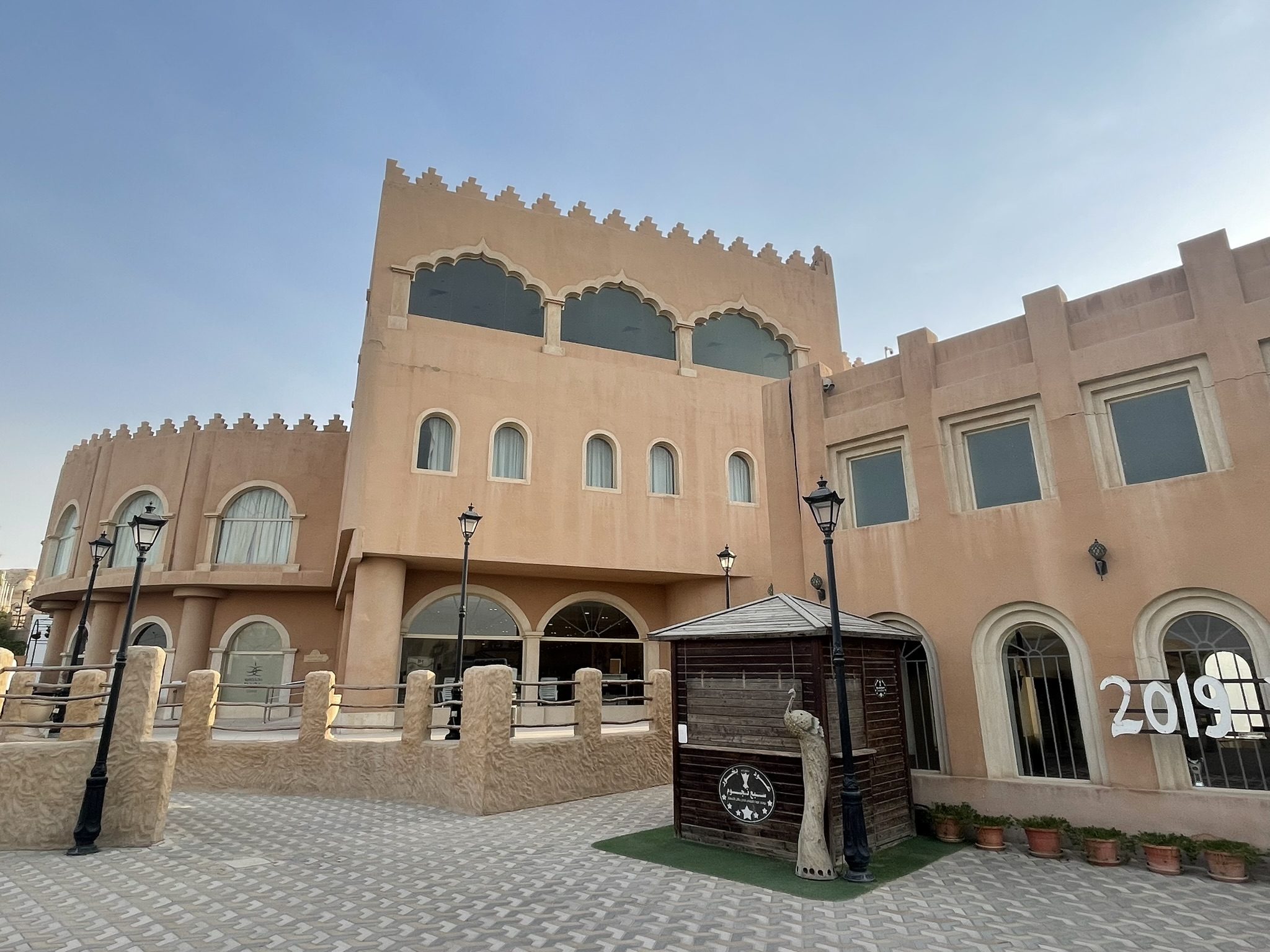
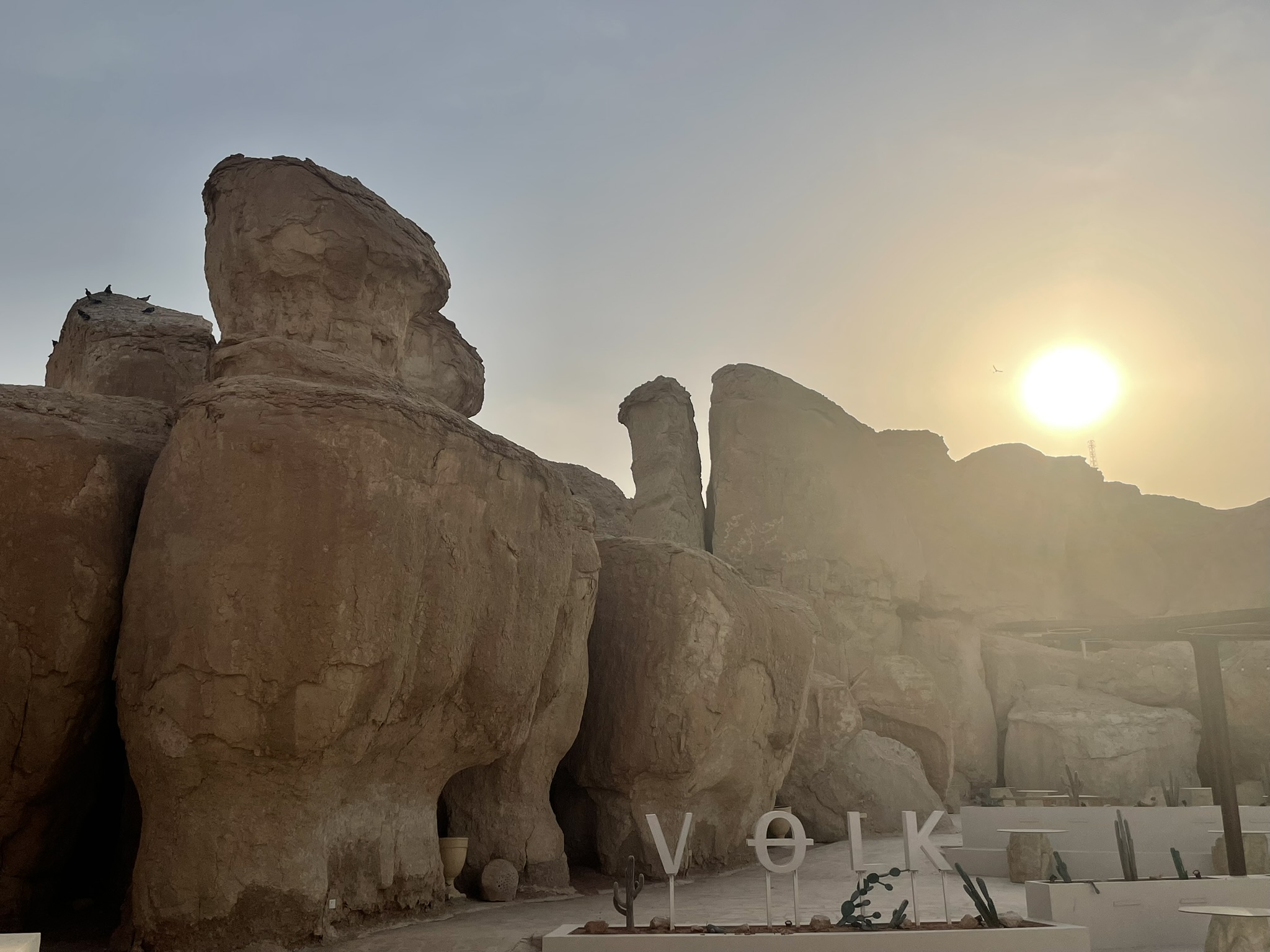
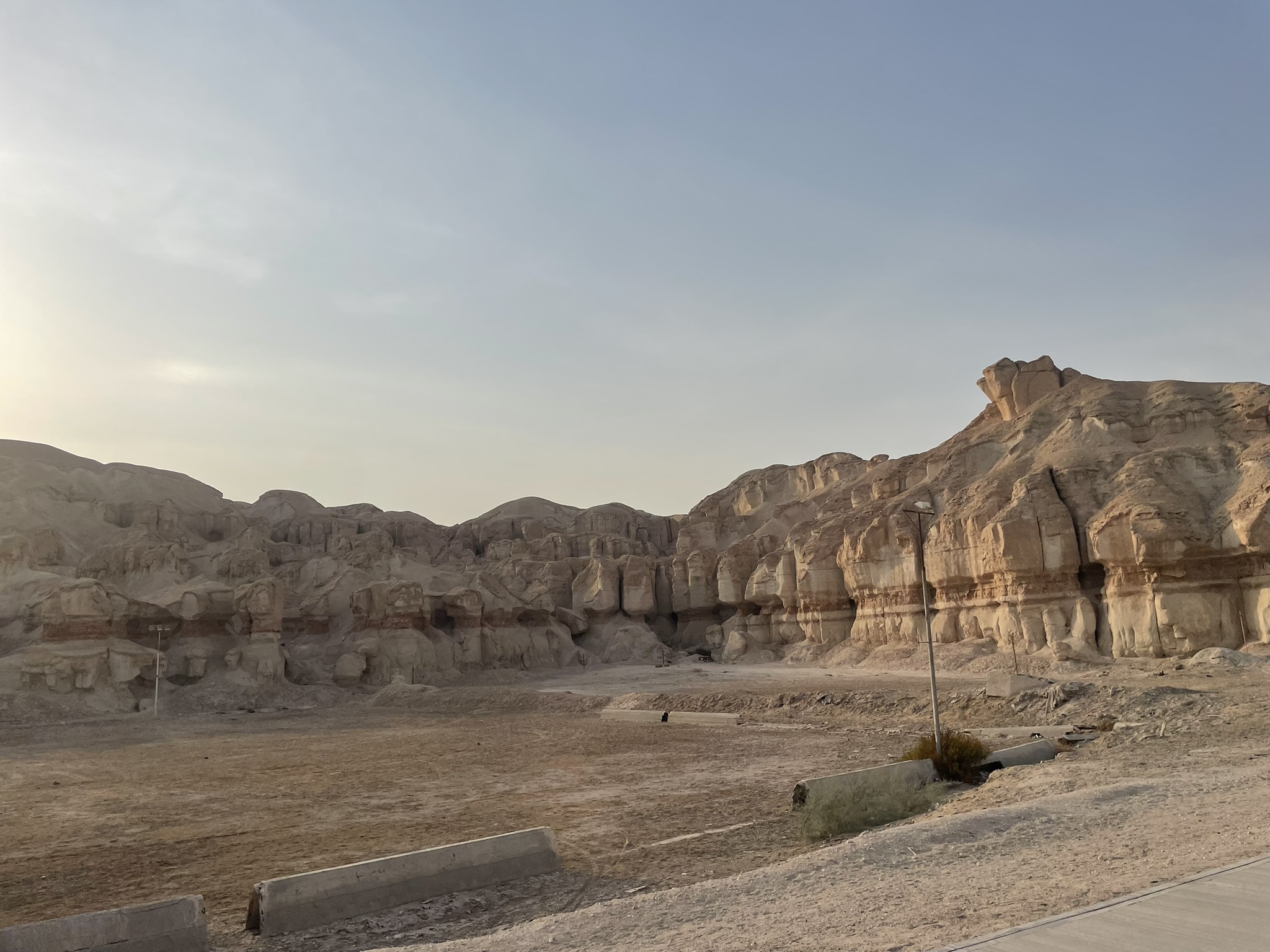
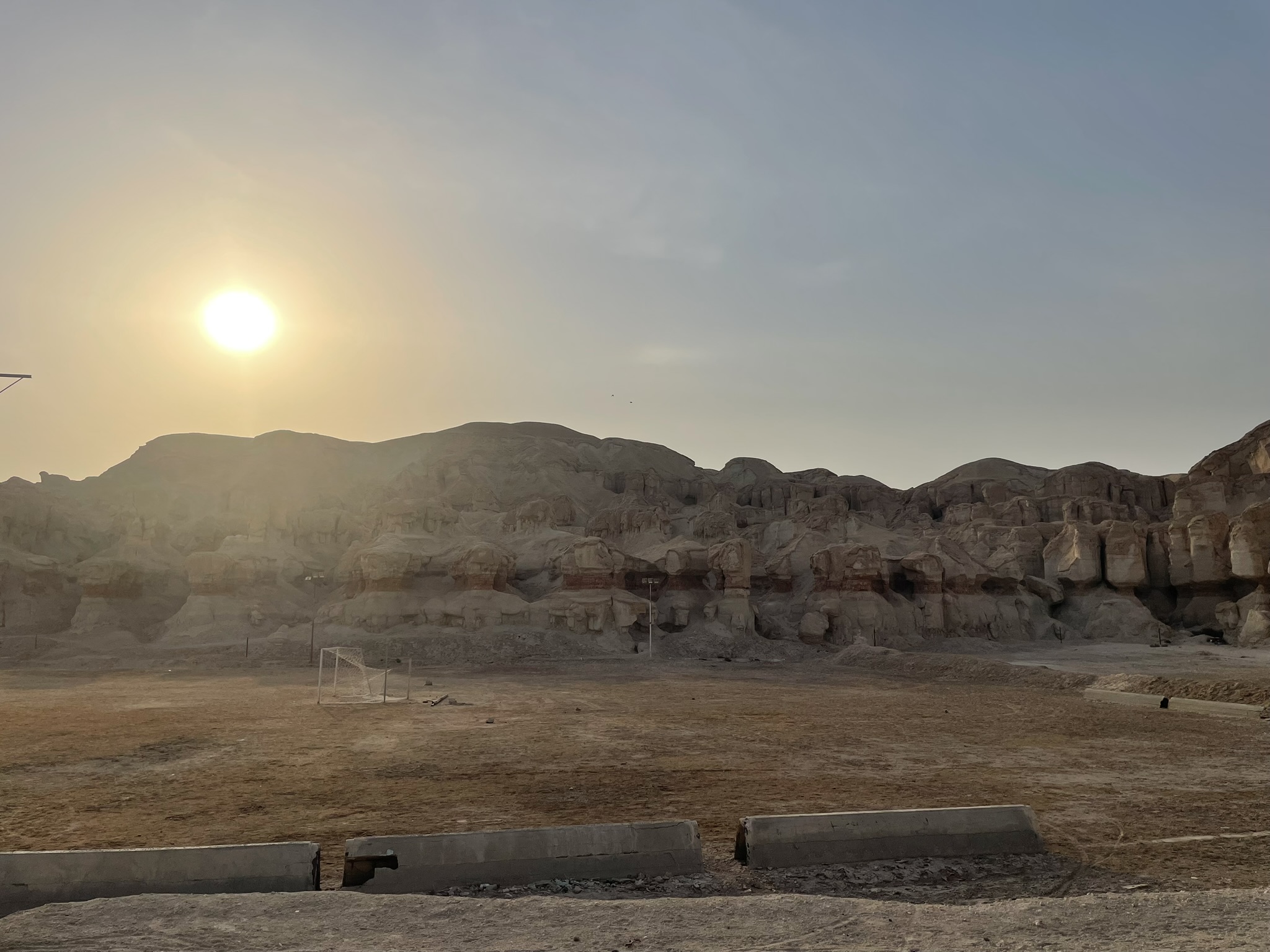
The mountain is among the unique geological and natural landmarks of the region and is also a UNESCO heritage sight. It stretches over 1.5 kilometres and is famous for the extraordinary network of caves and passageways, formed over millennia by water erosion, abrasion and seismic activity. Some of the caves are famous for their naturally regulated temperatures throughout the year. There is a fee to enter and visit the mountain.
Danat al-Bahar BBQ Fish at Souq Waqif
We return to the border, collect the family and return to Doha. Later in the evening, we drive on the famous Corniche and eat dinner at Danat al-Bahar BBQ Fish in Souq Waqif. The food is good. Our dear friend, Mawlānā Shuʿayb Mangera, who is residing at our hotel, also joins us with his family.
Day 6 – Wednesday 20 August 2025
Understanding Qatar’s history
Ministry of Endowments and Islamic Affairs
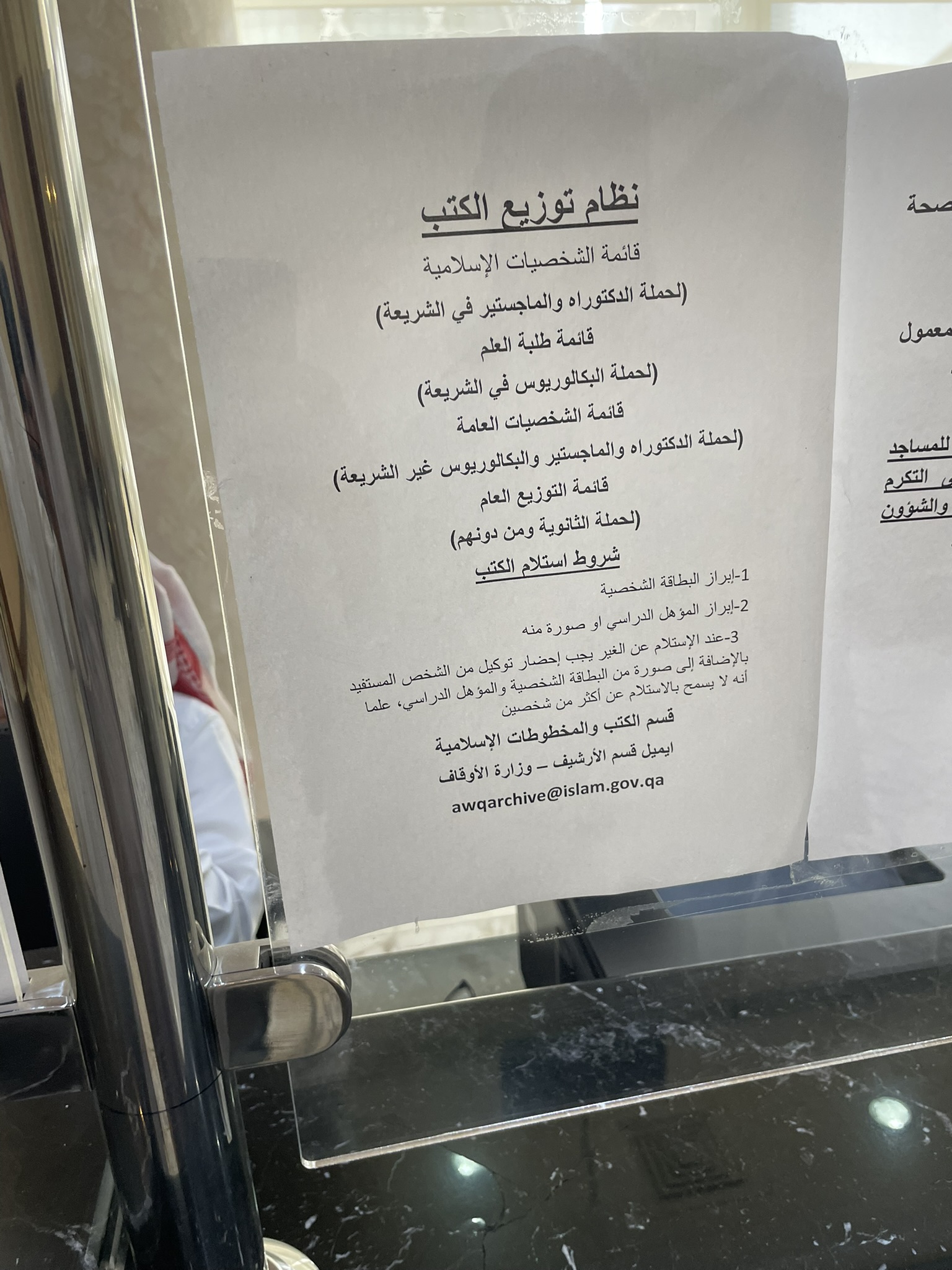
At midday, we visit the Ministry of Endowments (Awqāf) and Islamic Affairs and obtain some of their recent publications for free. My details are registered from my passport, which would enable me or any representative to collect their new publications. Their publications include the original Ṣaḥīḥ Ibn Ḥibbān which was published for the first time recently. The Ministry sometimes publishes books from scratch, and sometimes reprints books published by other publishers for free distribution.
National Museum
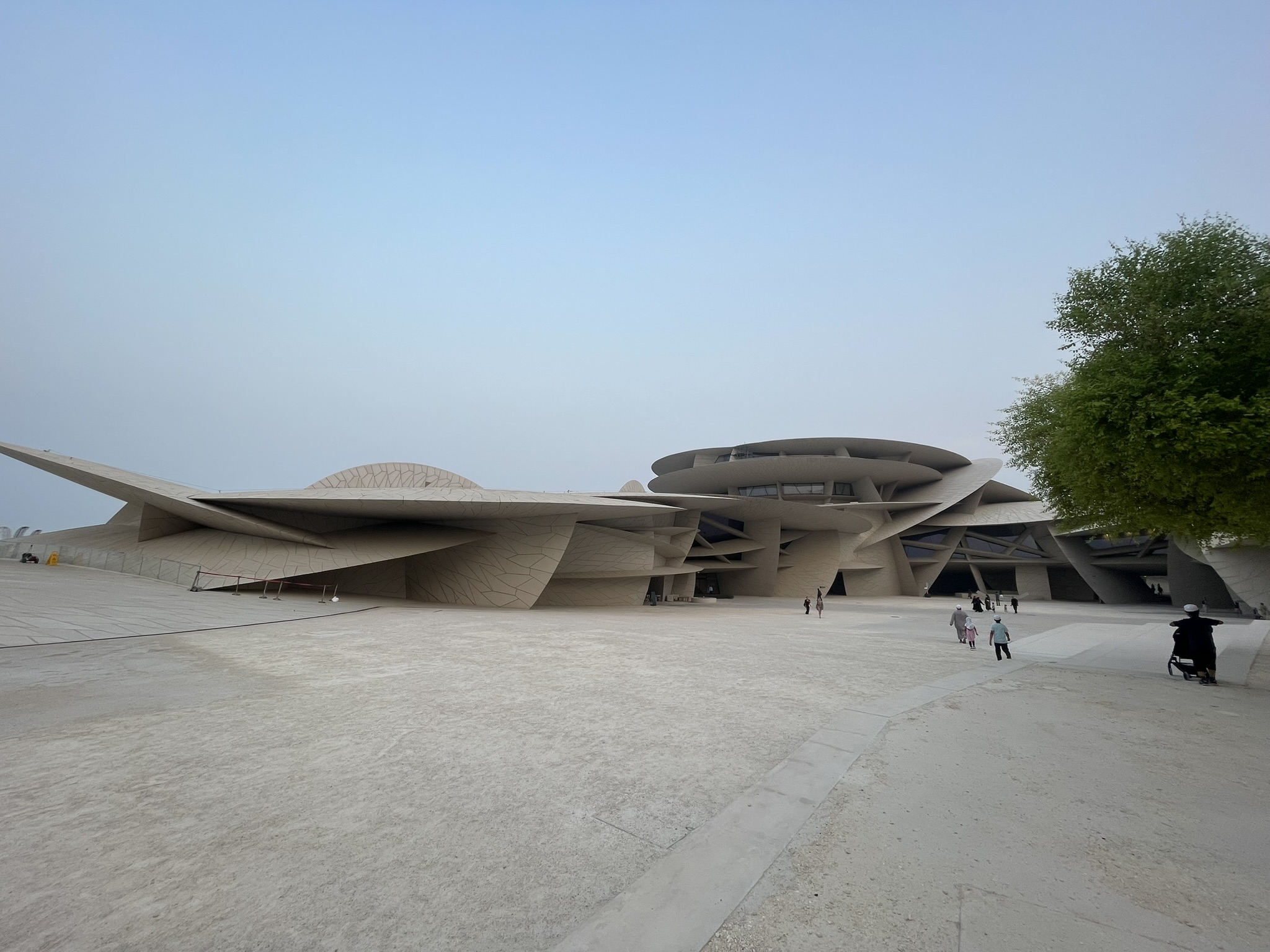
At 4.45pm, we arrive at the National Museum of Qatar, which is housed in a beautiful building designed by the French architect Jean Nouvel who was inspired by the desert rose crystal.
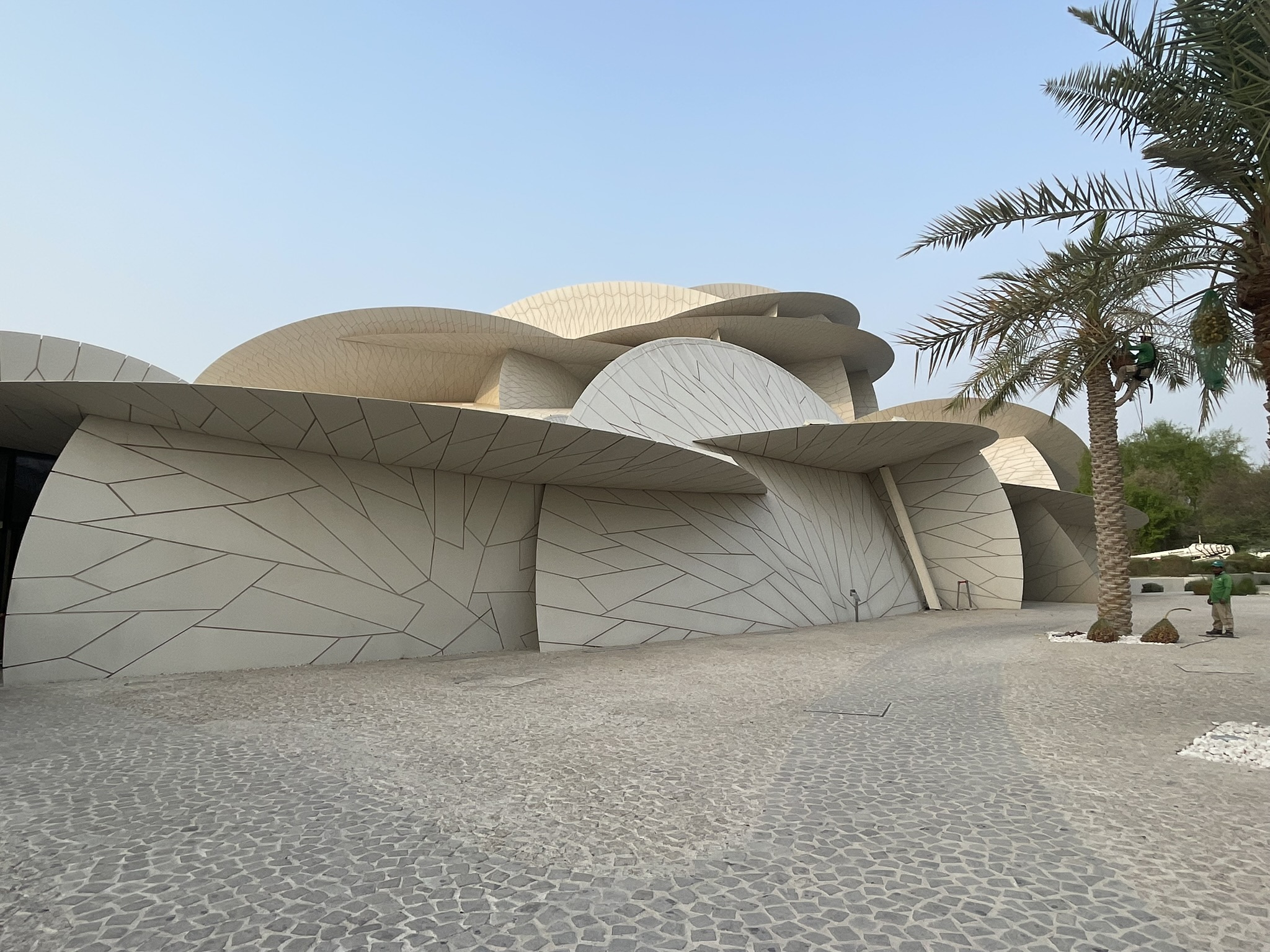
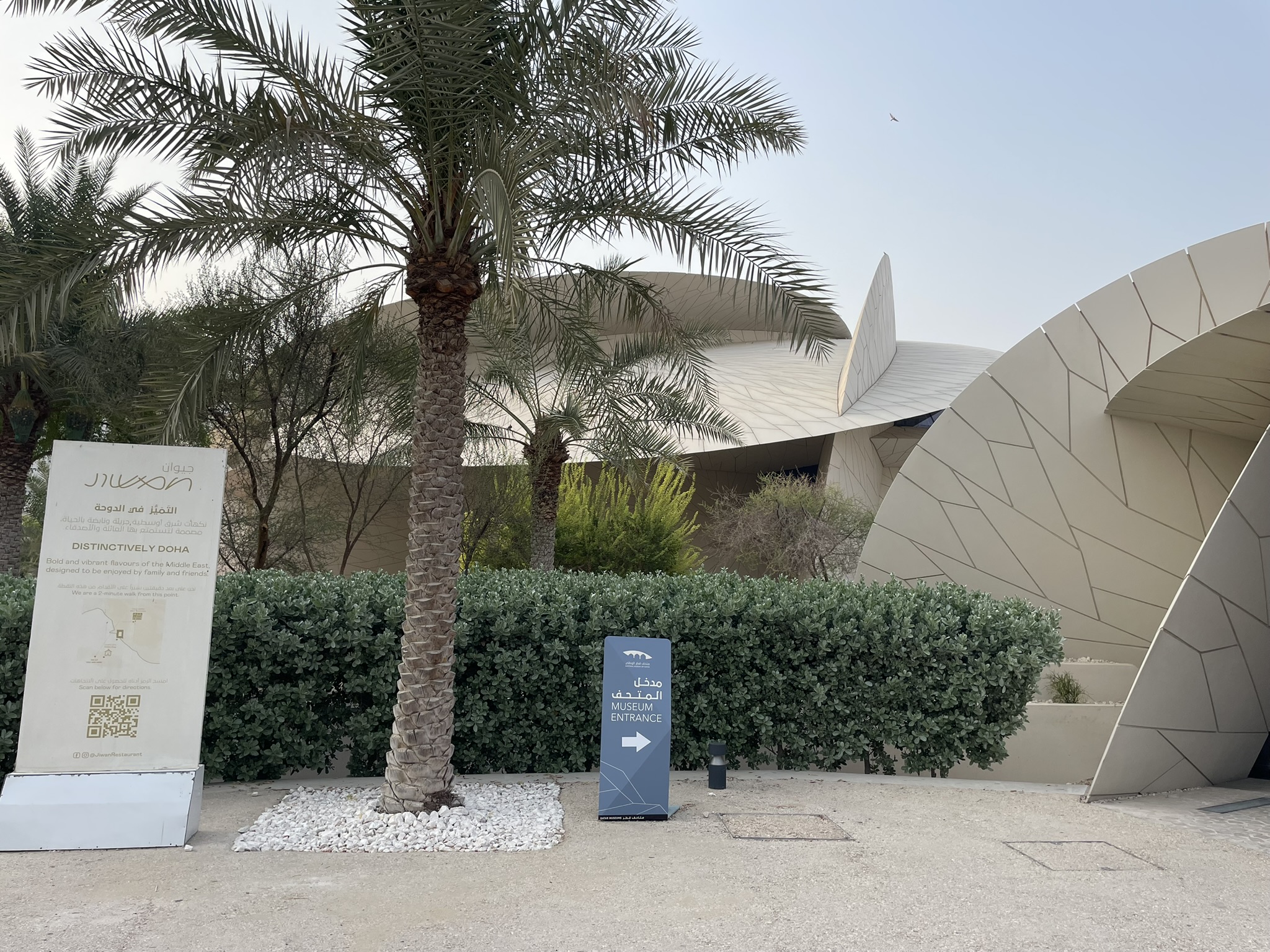
The building opened in March 2019 and integrates modern and traditional elements. It is home to extensive collections and exhibitions detailing the country’s history, natural environment, and cultural transformation from ancient times to the modern era. It also includes the historic palace of the Emir between 1913 and 1949, Sheikh Abdullah bin Jassim Al Thani (d. 1376/1957).
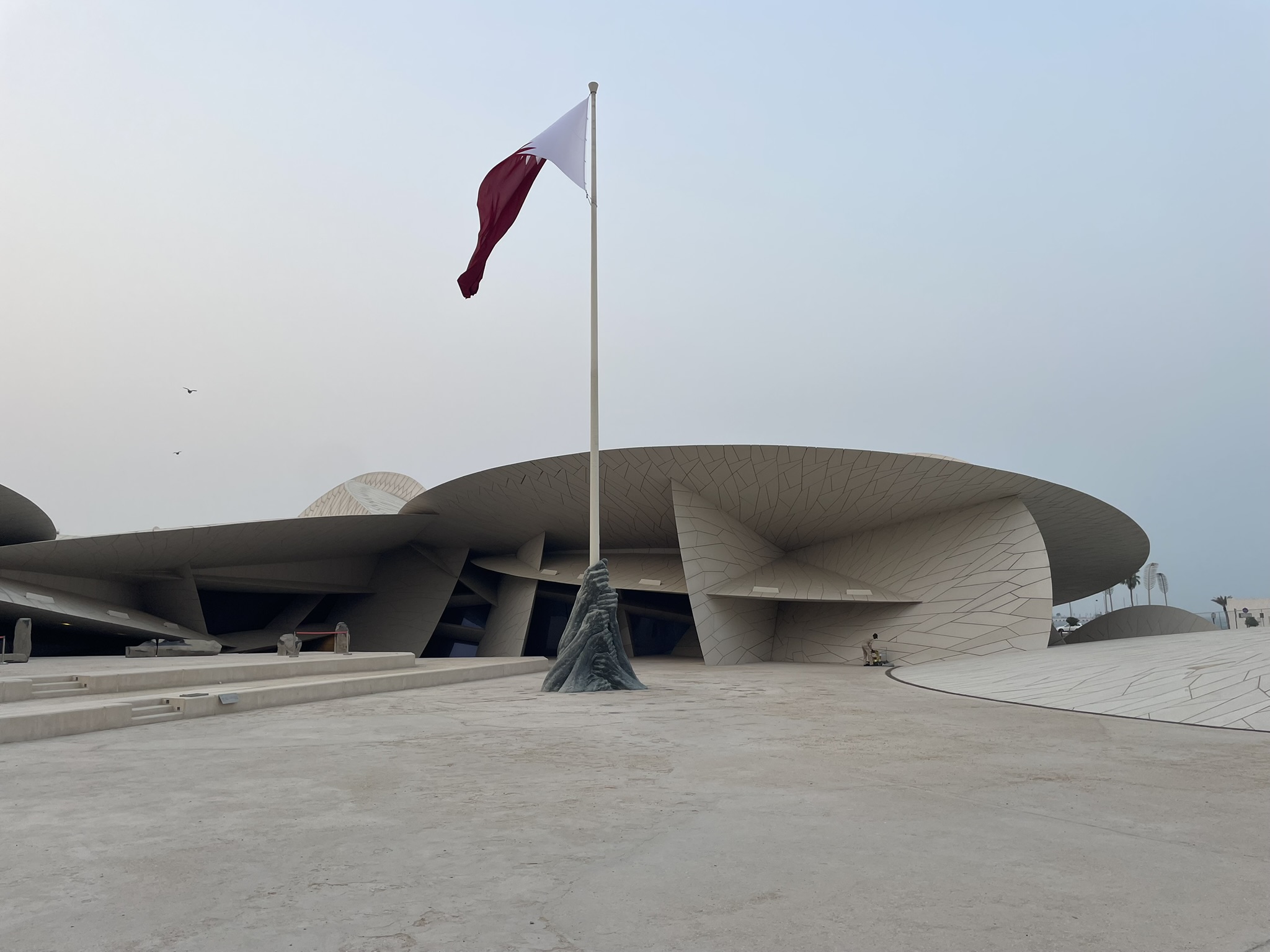
As mentioned above, one can learn a great deal in museums within a short space of time. The historical connection of the country with pearls and horses are highlighted.
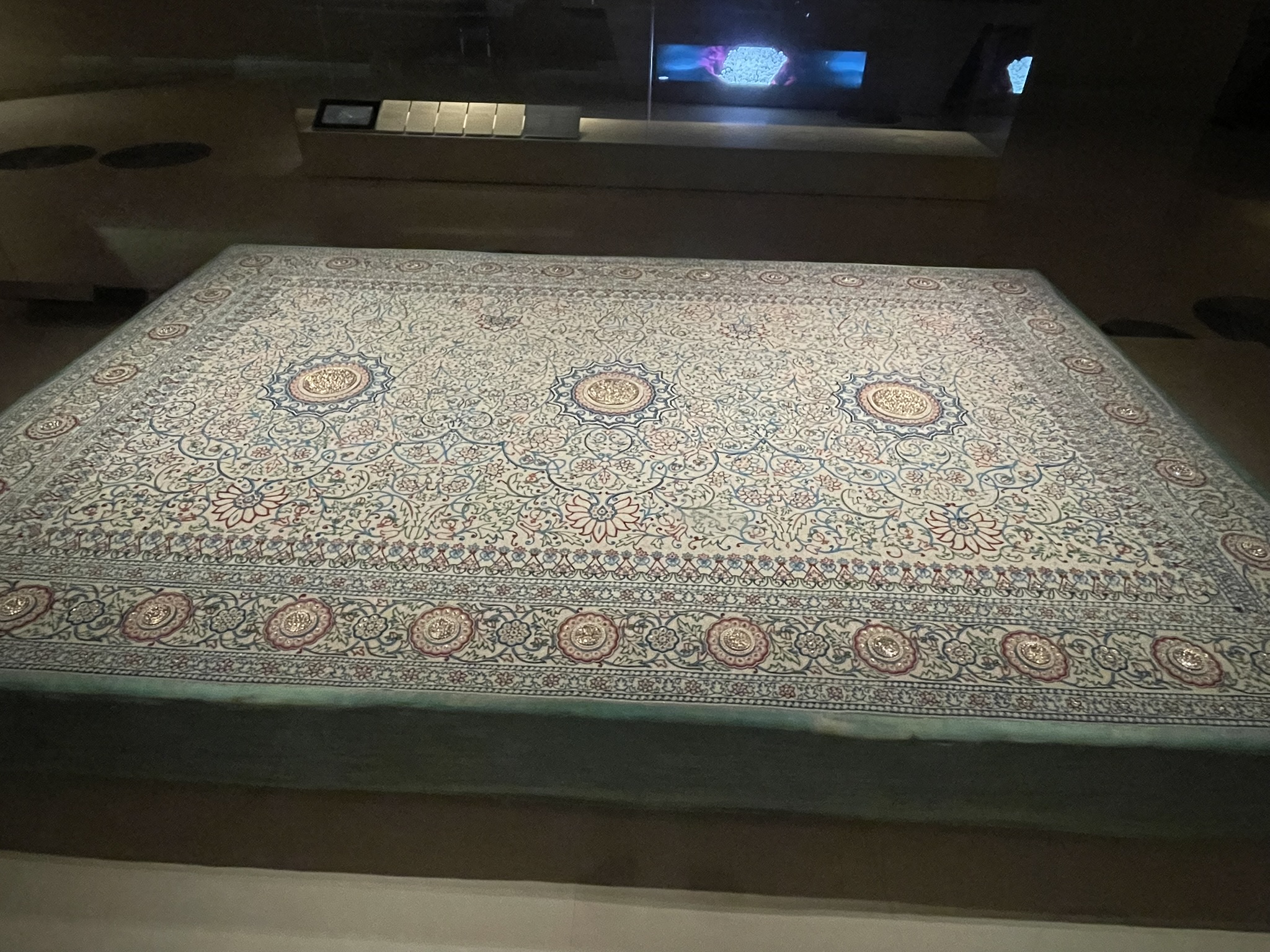
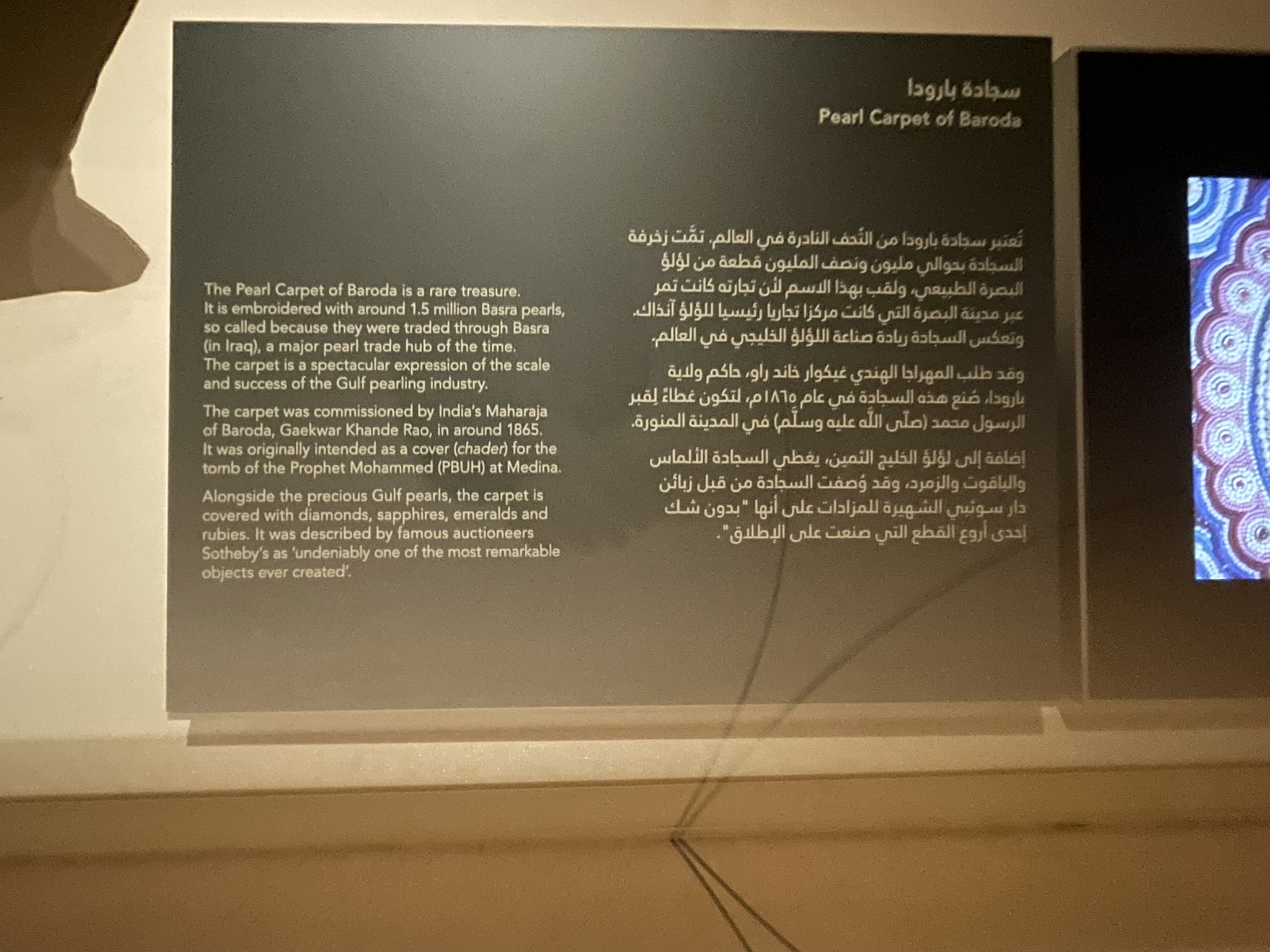
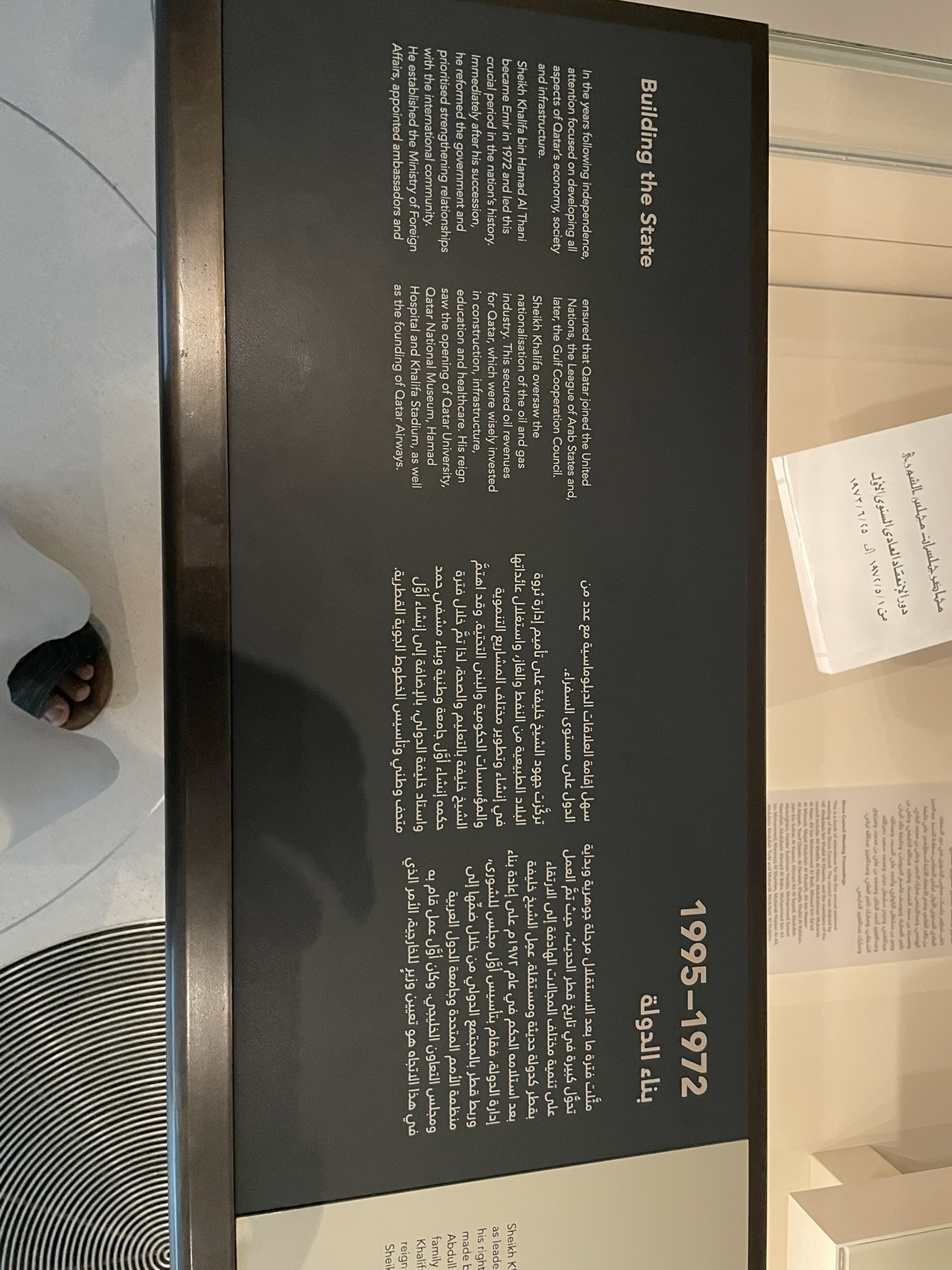
The highlight of the museum is perhaps the Pearl Carpet of Baroda which was intended to be the cover cloth for the tomb of our beloved Prophet ﷺ. It was commissioned by the Maharaja of Baroda, Gekwar Khand Rao (d. 1287/1870) in 1865. It is approximately 2.64 metres long and 1.74 metres wide and comprises a base of deer skin and silk that is heavily embroidered with beads and precious stones forming arabesque patterns and motifs. It is estimated to contain over 1.5 million Basra pearls weighing about 30,000 carats, and cut-diamonds weighing close to 400 carats. In addition, rubies, emeralds, sapphires and coloured glass beads embellish parts of the composition.
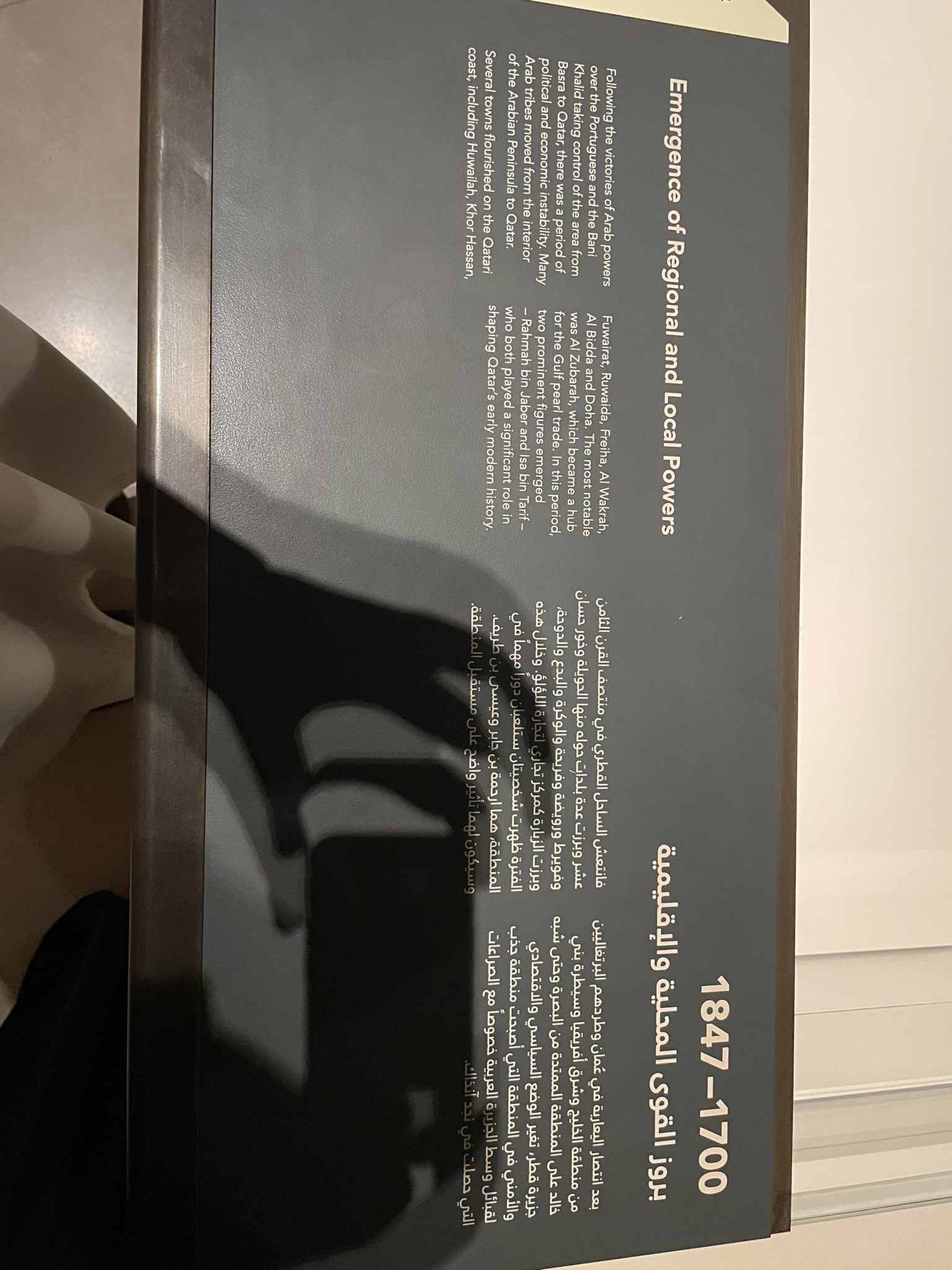
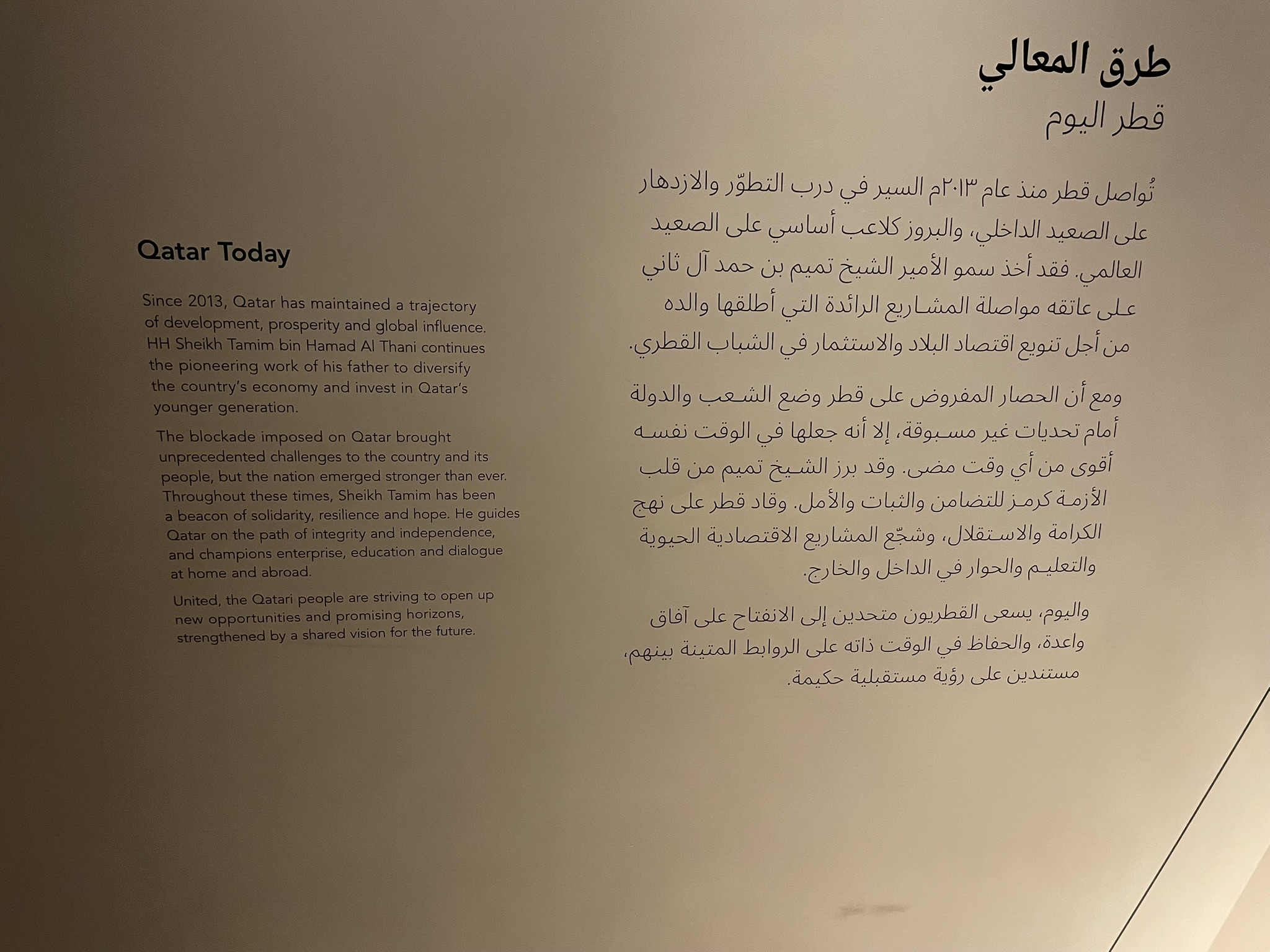
The museum features a detailed and interactive history of the country from 1500CE with different exhibitions for different periods, alongside a summary for each period. The role of tribes cannot be underestimated. The Ottomans did not have total control over the area; the control was more based on local alliances. Towards the end, the Ottomans who were thinly spread could not, at least from a Qatari perspective, support and defend the region, hence the alliance of the Qataris with the British. The most striking learning however is the connection between Qatar and the British Raj and the continuation of the connection even after partition and the collapse of the Raj. Indeed, the Indian Rupee continued to be used in Qatar until 1966.

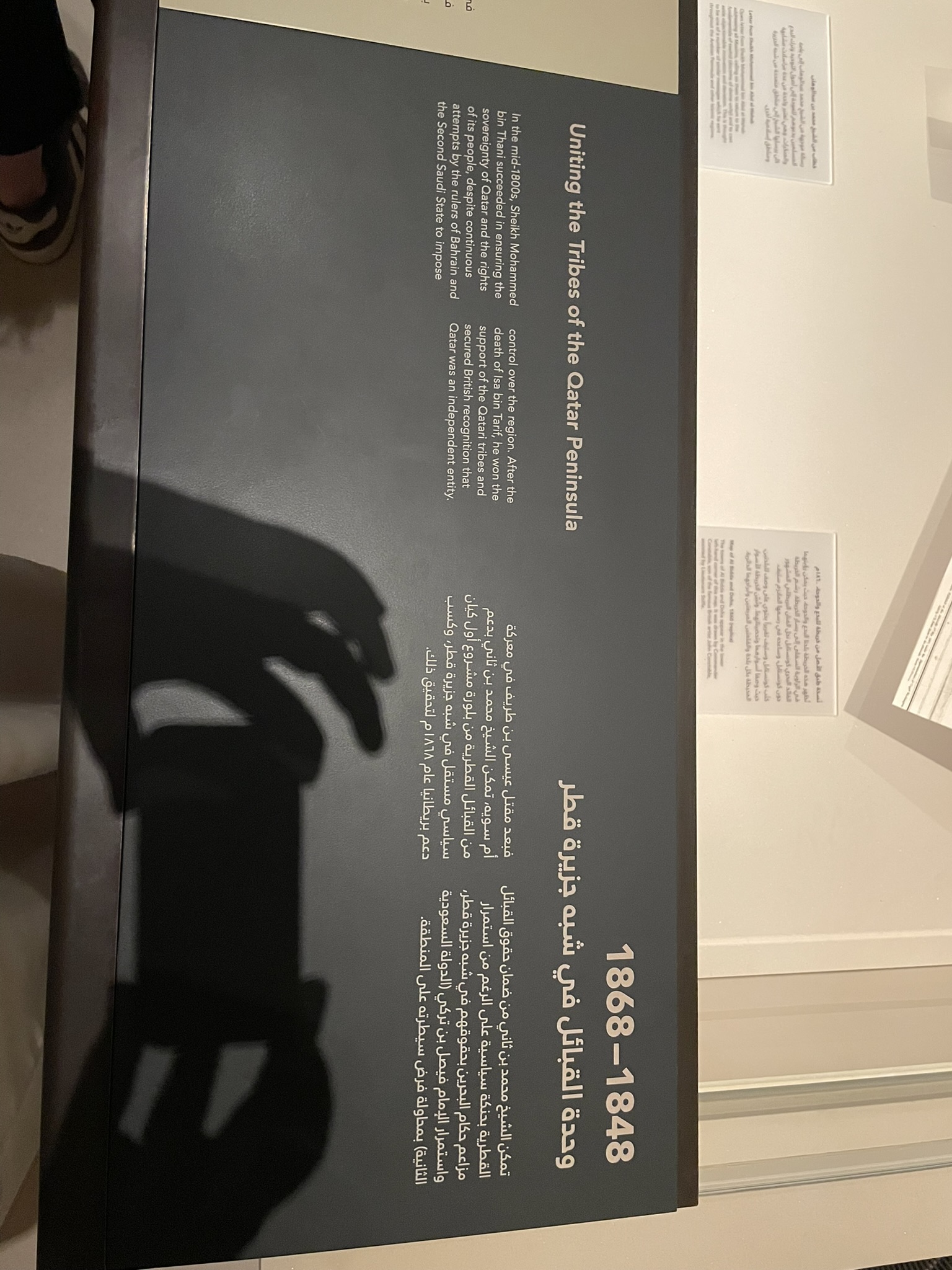
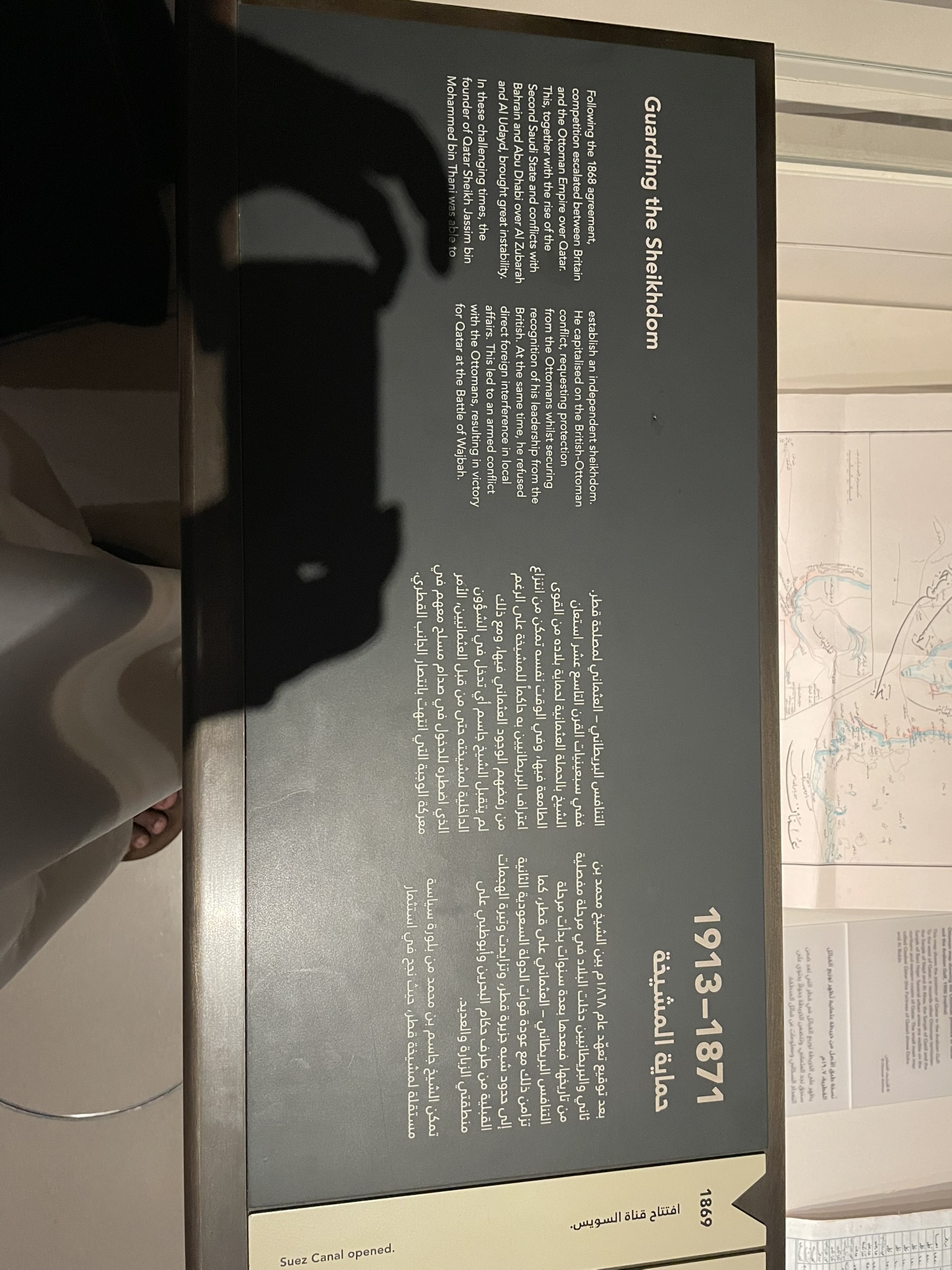
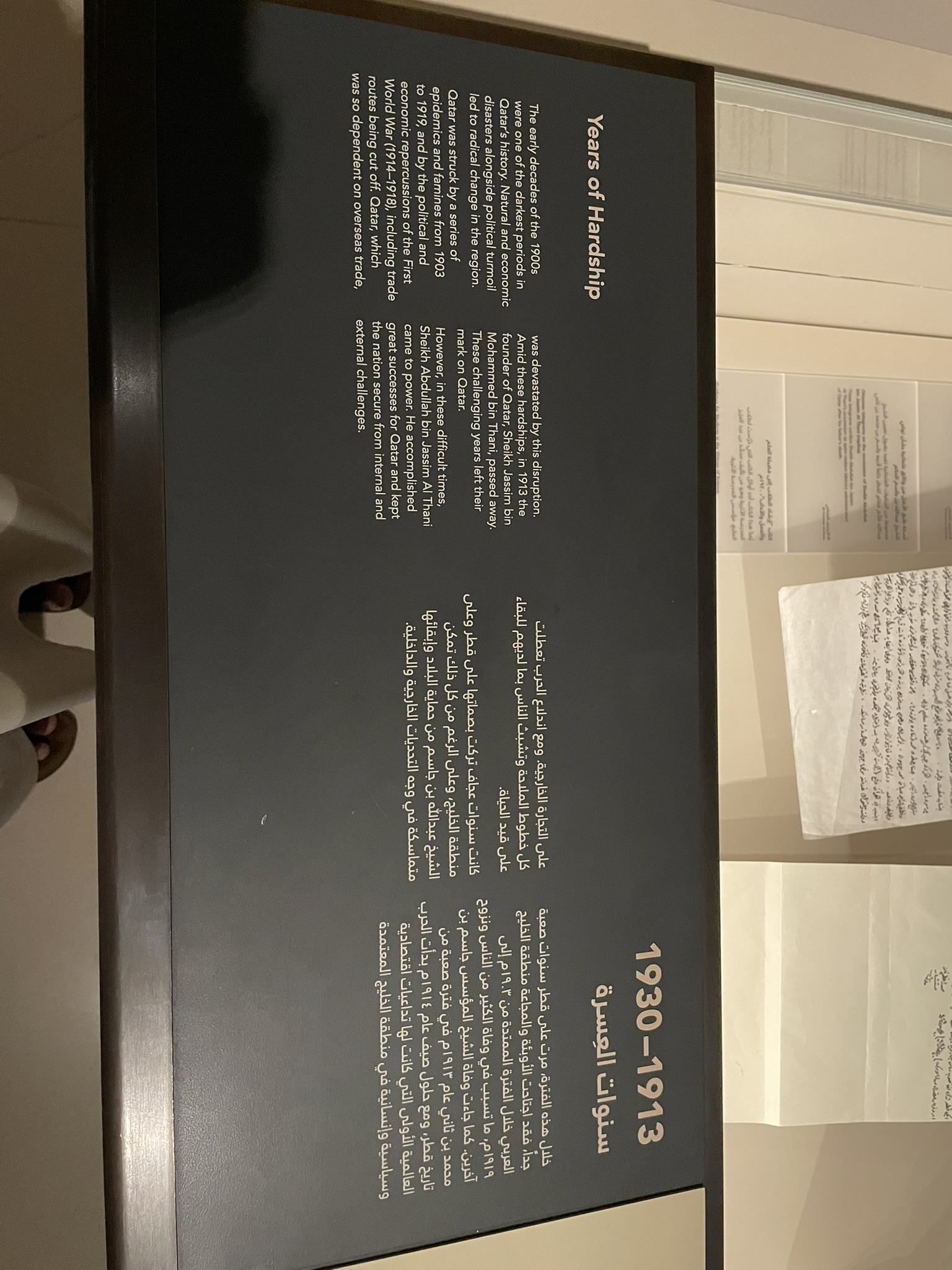

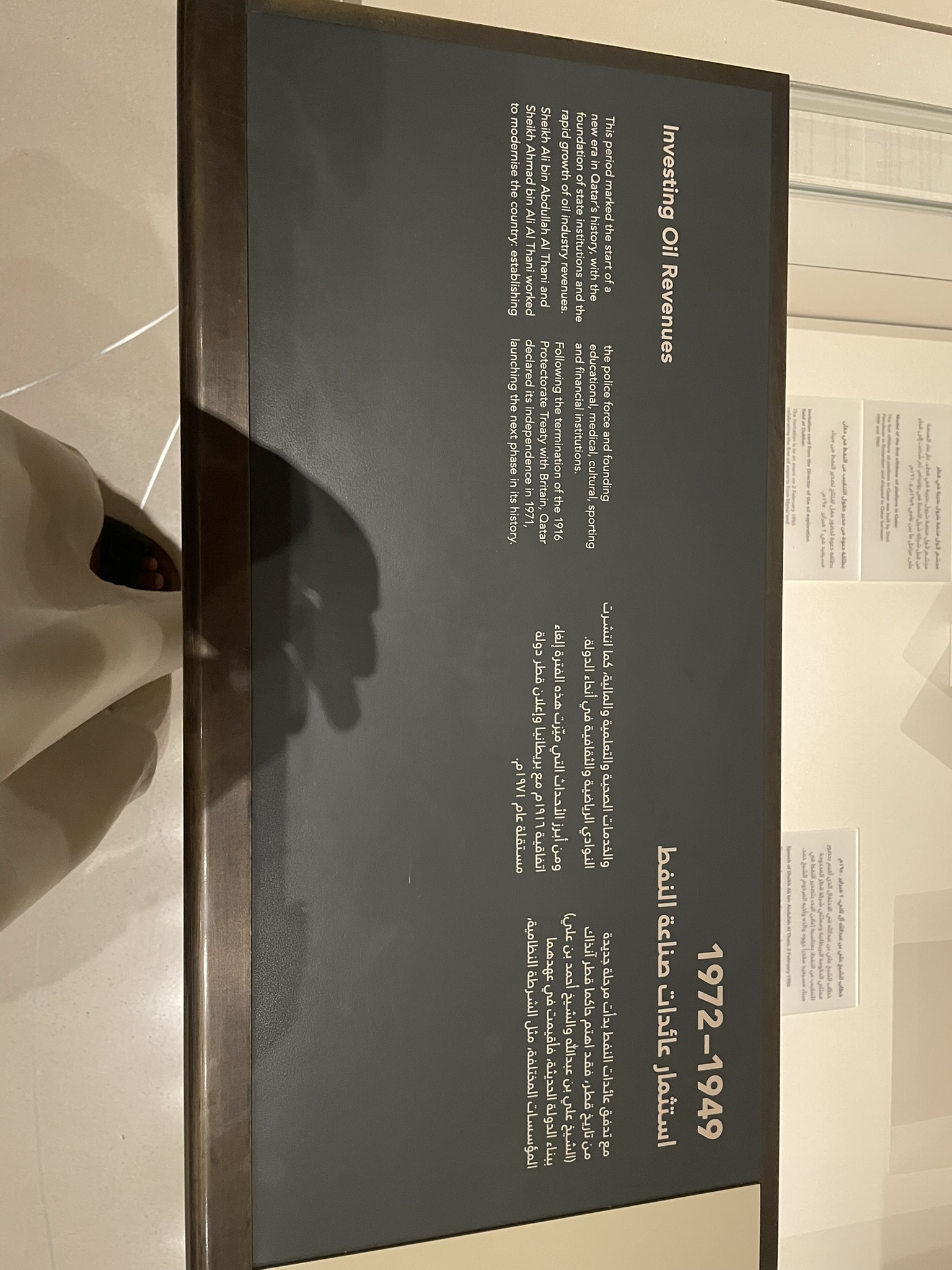

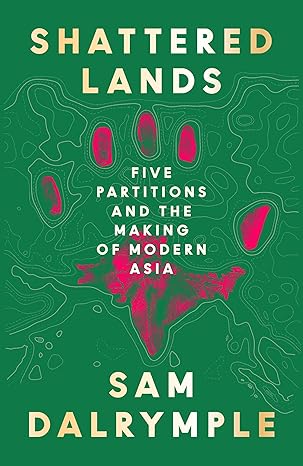
There is an excellent book recently published called ‘Shattered Lands: Five Partitions and the Making of Modern Asia’ by Sam Dalrymple which presents the whole story of how the Indian Empire became twelve modern nations, and how these 12 nations (India, Pakistan, Bangladesh, Burma, Nepal, Bhutan, Yemen, Oman, the UAE, Qatar, Bahrain and Kuwait) were bound together until as recently as 1928, under a single imperial banner, known officially as the Indian Empire or the Raj. It is a must read for anyone interested in the history of these countries, and illustrates that the borders of these countries are far from being absolute and permanent.
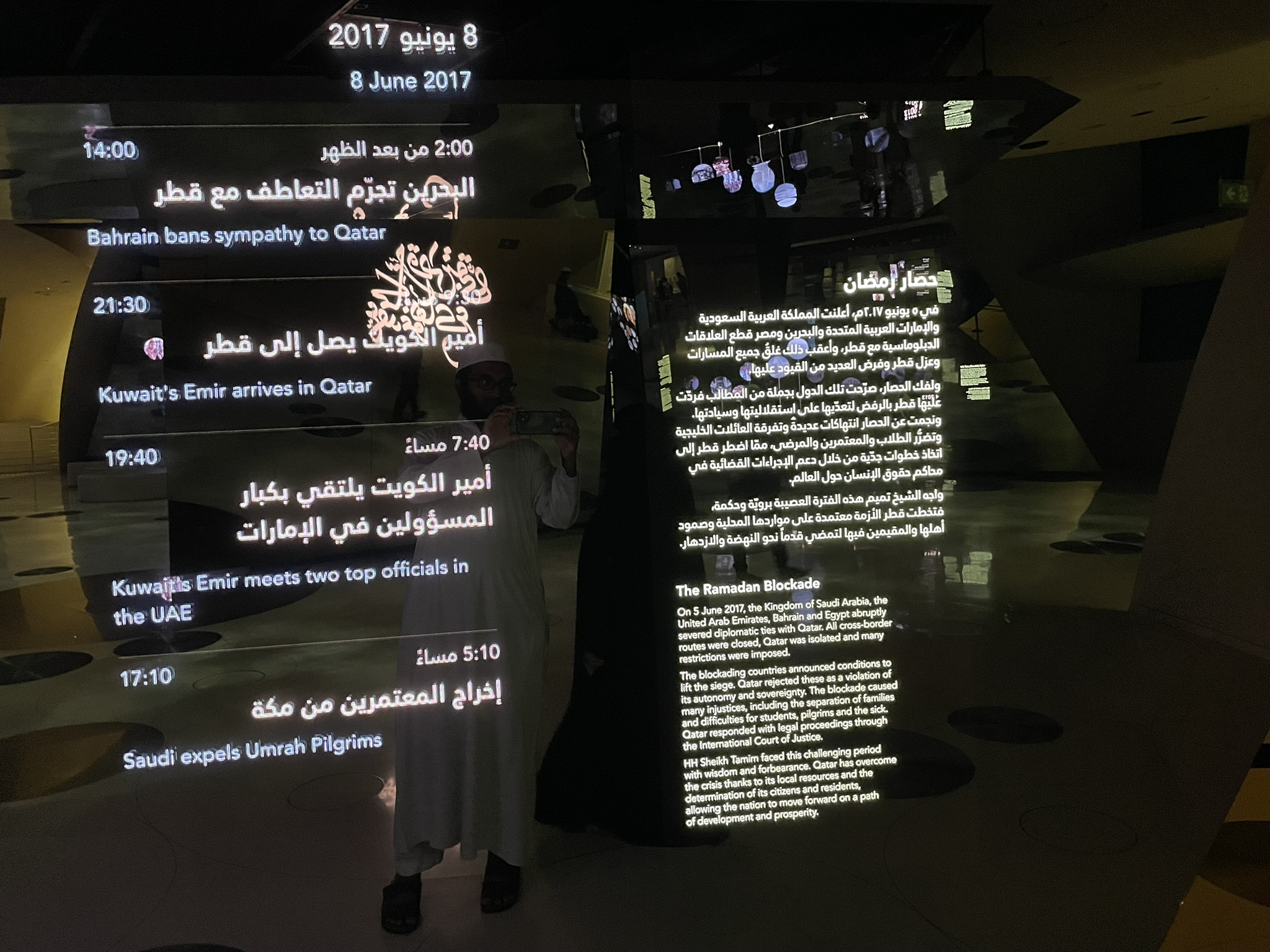
The museum also has a detailed section on the 2017 blockade and how Qatar persevered and did not bow to its neighbours. The detailed timeline is beneficial, and this display of the country’s resolve is a reflection of its strength within the region.
Shaykh ʿĀdil Yamānī
After Magrib Ṣalāh, we are invited by the learned scholar, Shaykh ʿĀdil Ḥasan Amīn al-Yamānī al-Nadwī, a lecturer at Qatar University. He is a graduate of Nadwatul Ulama Lucknow and had a close connection with Shaykh Abū al-Ḥasan ʿAlī al-Nadwī (d. 1420/1999). He spent time in his company and also travelled with him to Bhatkal. He also had a good connection with our respected teacher, Shaykh al-Ḥadīth Mawlānā Muḥammad Yūnus Jownpūrī (d. 1438/2017) and travelled with him from Lucknow to Banda and later invited him to Qatar. He has many memories. He recalls that Shaykh Abū al-Ḥasan ʿAlī al-Nadwī would not stand up except for a few people. They include: Shaykh Muḥammad Yūnus Jownpūrī, Qārī Ṣiddīq Bāndwī (d. 1418/1997) and Mawlānā Abrār al-Ḥaq (d. 1426/2005). Shaykh ʿĀdil also has a very close relationship with Mufti Muhammad Taqi Usmani (b. 1362/1943), Shaykh Muḥammad ʿAwwāmah (b. 1358/1940) and other scholars and shows me various letters of luminaries and their writings. He has a treasure. I suggest to him to consider publishing these alongside his memories and interactions with the luminaries.
Shaykh ʿĀdil is extremely fond of Shaykh Muḥammad Yūnus Jownpūrī. He says:
“Many years ago I had accompanied Shaykh from Lucknow to Banda on the train. I then invited him to visit Qatar and he agreed in approximately 2014 on the condition that Shaykh Aḥmad ʿĀshūr and Shaykh ʿAbdullāḥ Tūm will accompany him. At that time, Shaykh ʿAbdullāh Tūm did not have visa. I told them to make the bookings and his visa only arrived on the day of travel. Shaykh was received directly from the plane as a VIP guest. As soon as I met him, he cried and cried. He said that I am merely a farmer’s child and I am only here as a result of the blessings of Ḥadīths. Then we had one public gathering and some other private gatherings in the hotel. He was an amazing person.”
He then enquires about the works of Shaykh and offers his support and insists that they need to be published. He also refers to his article on Shaykh in the collection of articles published by Shaykh Muḥammad ibn Nāṣir al-ʿAjmī of Kuwait under the title of ‘Qalāʾid al-Maqālat wa al-Dhikriyāt fī Shaykh al-Ḥadīth al-ʿAllāmah Muḥammad Yūnus al-Jownfūrī Muḥibb wa Shāriḥ Ṣaḥīḥ al-Bukhārī’.
Shaykh ʿĀdil is the author of several works and the co-author of the four-volume book ‘Alfāẓ al-Jarḥ wa al-Taʿdīl, Jamʿ wa Dirāsah min Kitāb Tahdhīb al-Tahdhīb’. His most recent work is the publication of the Malfūẓāt (dictums) of the founder of Tablīg, Mawlānā Ilyās Kāndhelwī (d. 1363/1944) in Arabic, published by Dār al-Qalam. The original is in Urdu by Mawlānā Manẓūr Nuʿmānī (d. 1417/1997) and is not easy to understand. Coincidentally, I started reading the Urdu two weeks ago. He gifts me a copy and mentions that the translation is elaborate and expansive to make it easy to understand and digest, and suggests that it should now be translated from the Arabic version into English.

Shaykh ʿĀdil is pleased, when I inform him regarding the recent article by Mufti Muhammad Taqi Usmani on the Abrahamic Accords. I inform him that Mufti Ṣāḥib once mentioned to me after his attendance in a conference in UAE that some of his friends from Qatar contacted him to express some reservations. Shaykh ʿĀdil confirms that it was him. Recently, he also arranged for Mufti Ṣāḥib to meet with some of the Palestinian leaders stationed in Qatar.
We discuss many different issues and thereafter perform ʿIshāʾ Ṣalāh at the local Masjid. Generally, the original inhabitants of Qatar are Ḥanbalī similar to Saudi Arabia. This was my first meeting with Shaykh ʿĀdil, an extremely lively and friendly person with a lot of humility and simplicity.
Afghan Brothers Restaurant
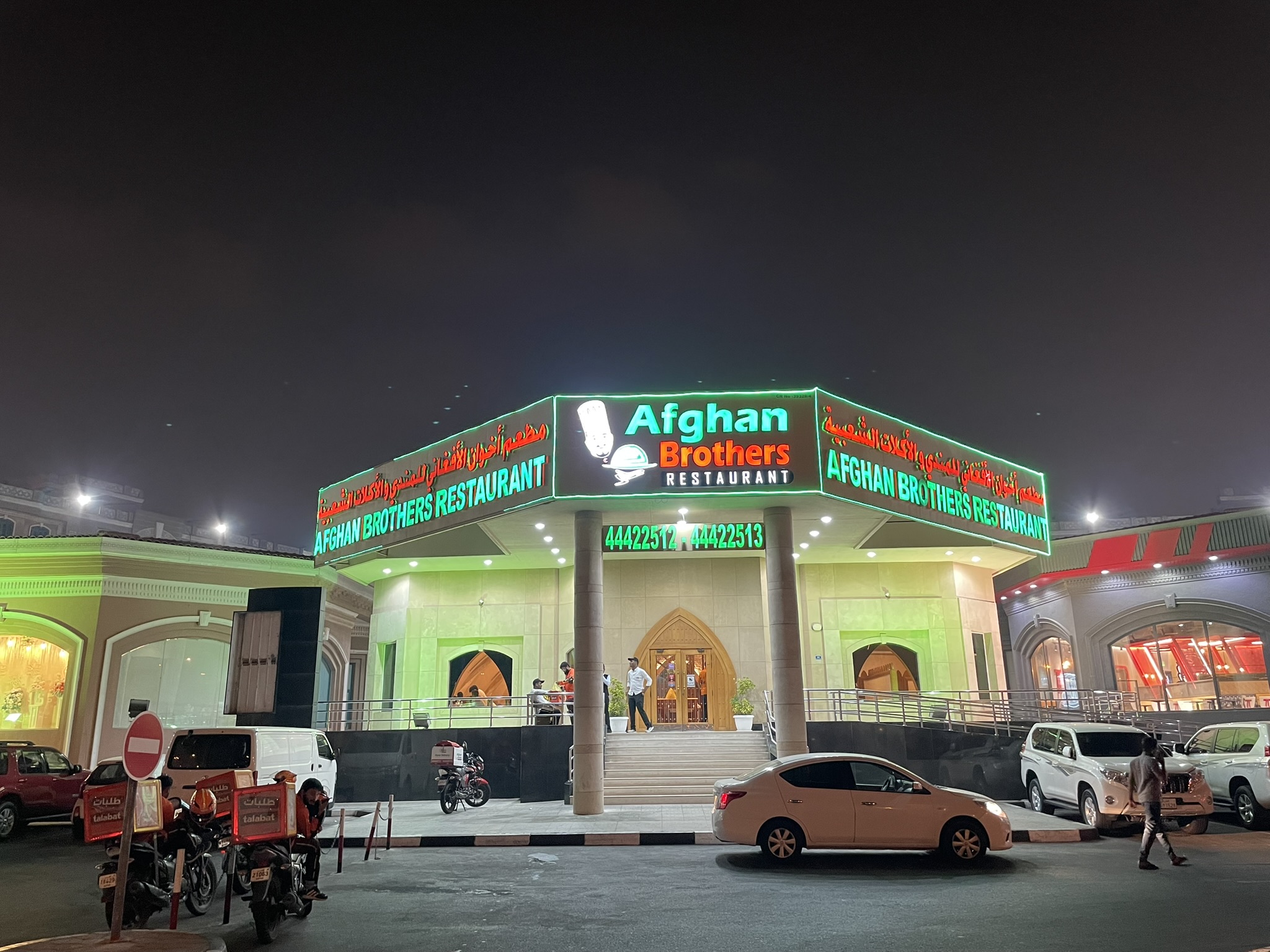
We eat dinner at the Afghan Brothers Restaurant. The quarter goat served with rice deserves a special mention.
Day 7 – Thursday 21 August 2025
The Sand Dunes of Qatar
Mesaieed
We transfer to the St. Regis Hotel in the West Bay area of Doha, and thereafter depart south for the Sealine Beach in Mesaieed at 3.30pm. The distance is approximately 45 miles. As we approach the Beach, the off-road sand starts, enabling cars to drive in the sand. This requires the tyre pressure to be reduced. A 4×4 is necessary. It is very scenic and a different experience.

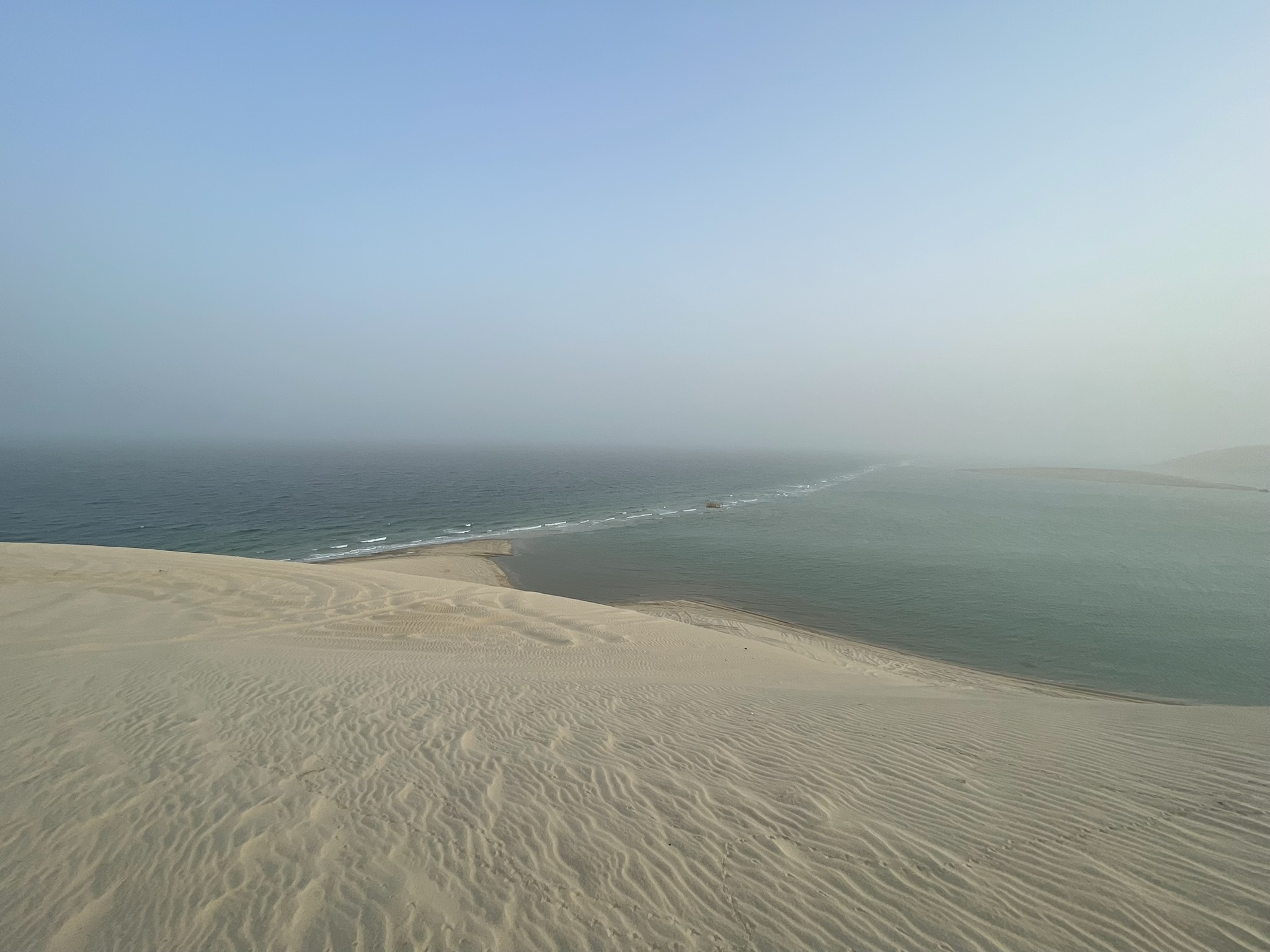

There are also camel riding and quad bikes nearby which we experience. The quad bikes take you on the sand dunes. Instructions must be followed, otherwise it can be dangerous.
Old Wakra Souq
During the return journey to Doha, we stop on route at the Old Wakra Souq which is home to many shops including the Resha and Hebr for Arabic Calligraphy shop. We purchase some tools for Arabic calligraphy.


Museum of Islamic Art
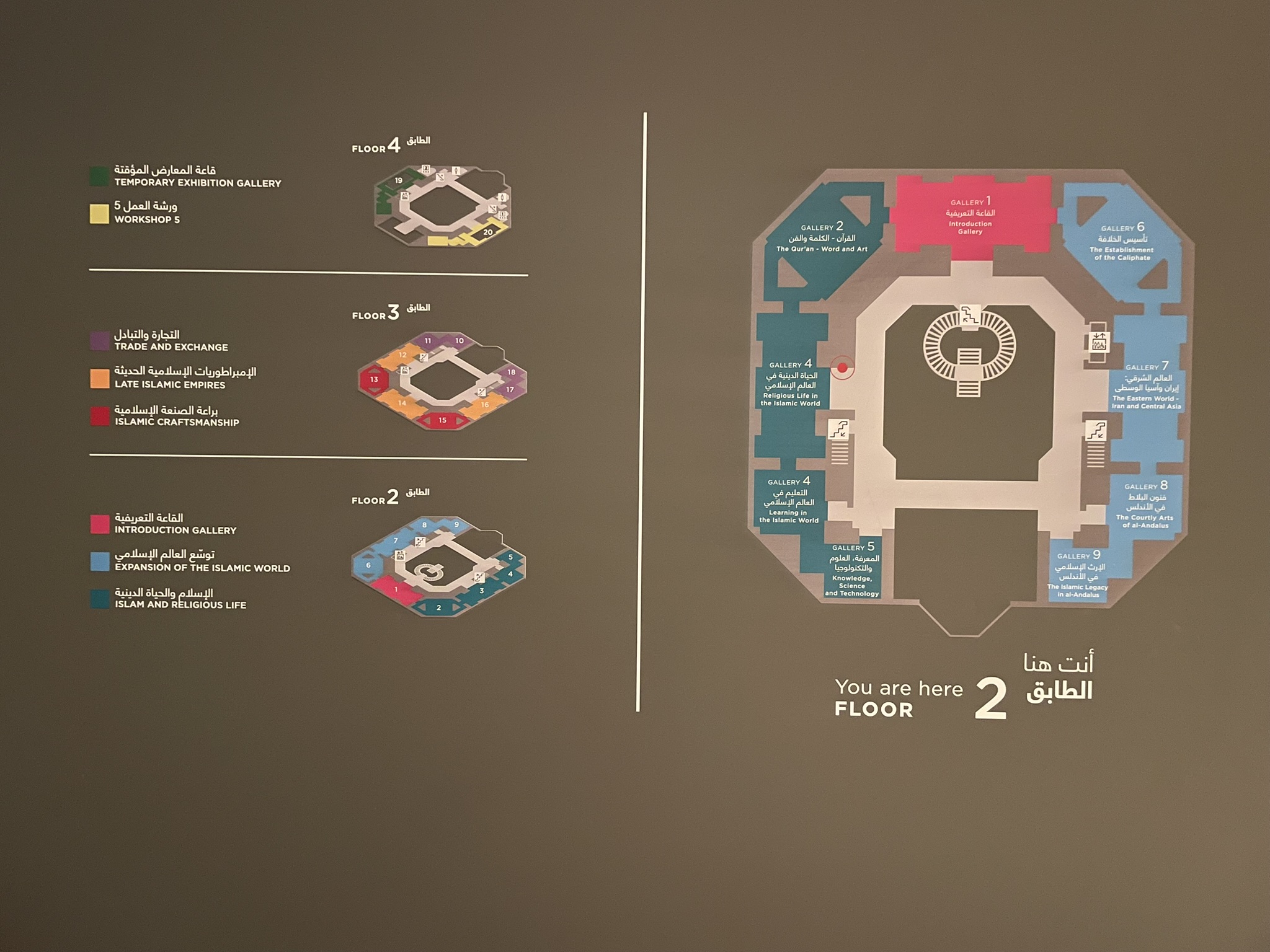
We return to Doha at 8pm and visit the Museum of Islamic Art. This, from recollection, is the first place I visited during the brief tour of the city in January 2022. At the time, we did not enter the building. The museum is located on one end of the Corniche of Doha and is built on an island. It is influenced by Islamic architecture combined with a unique modern design involving geometric patterns. Entry is free for residents and children, and there is a fee for non-resident adults.

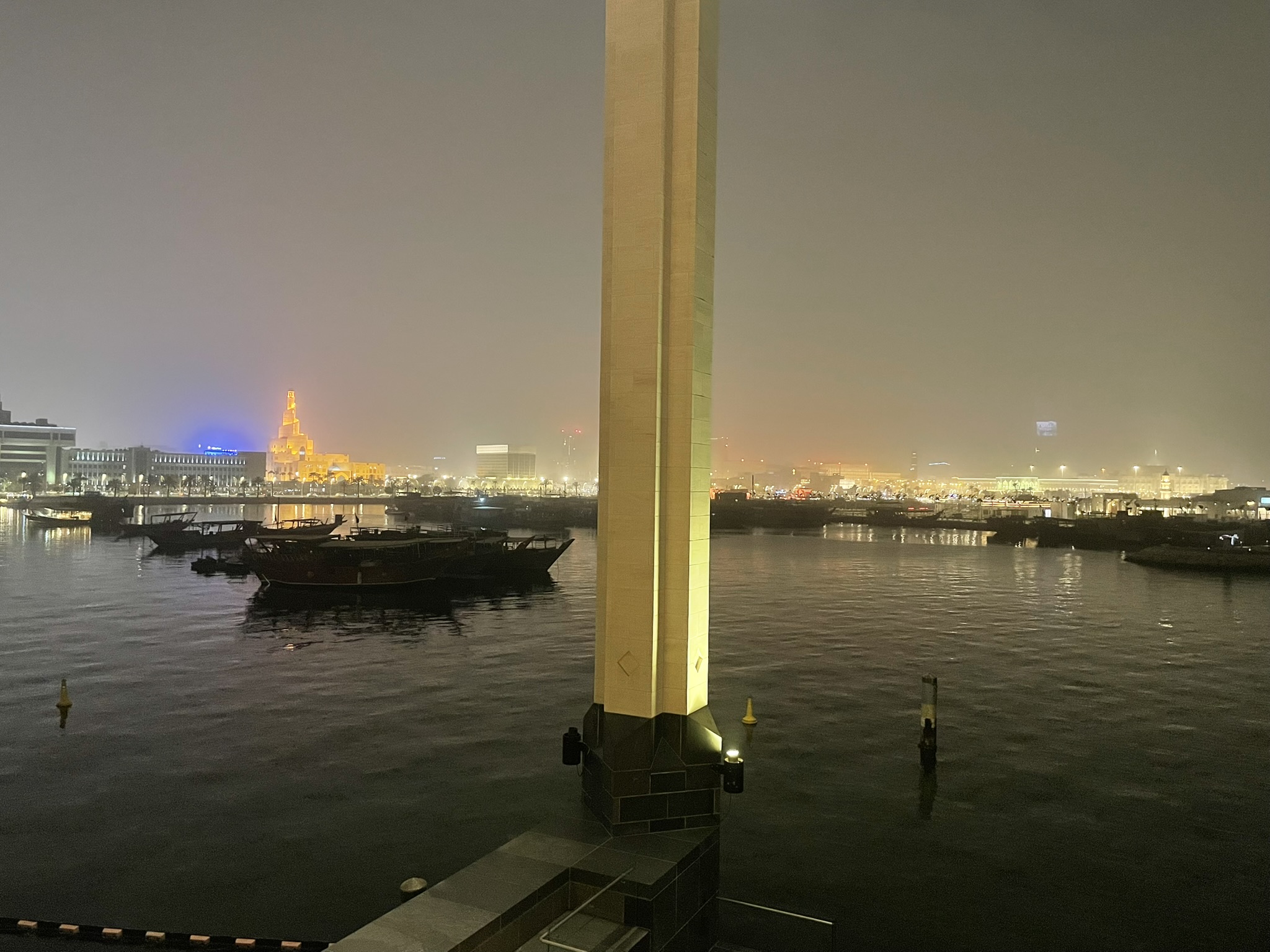
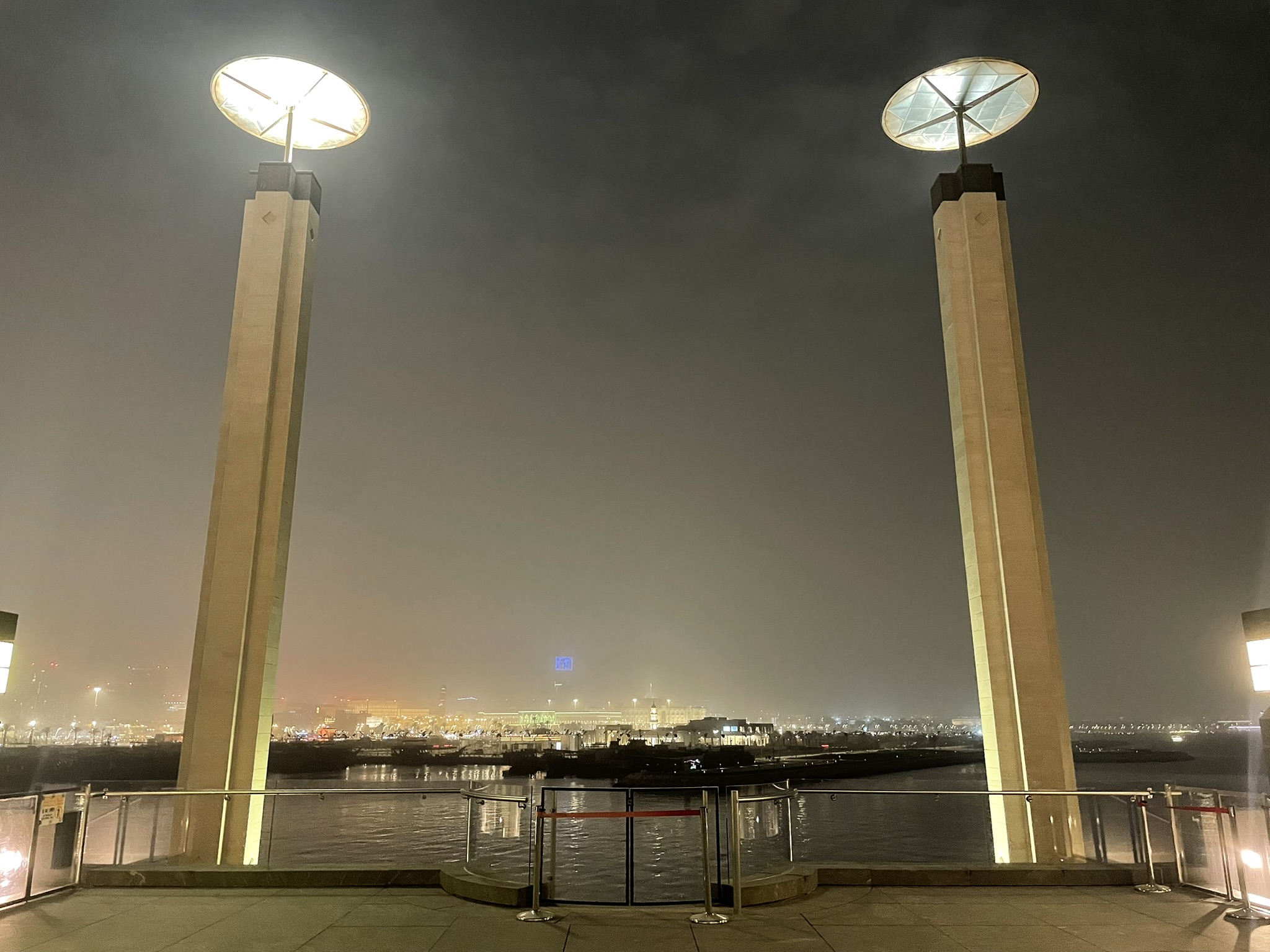


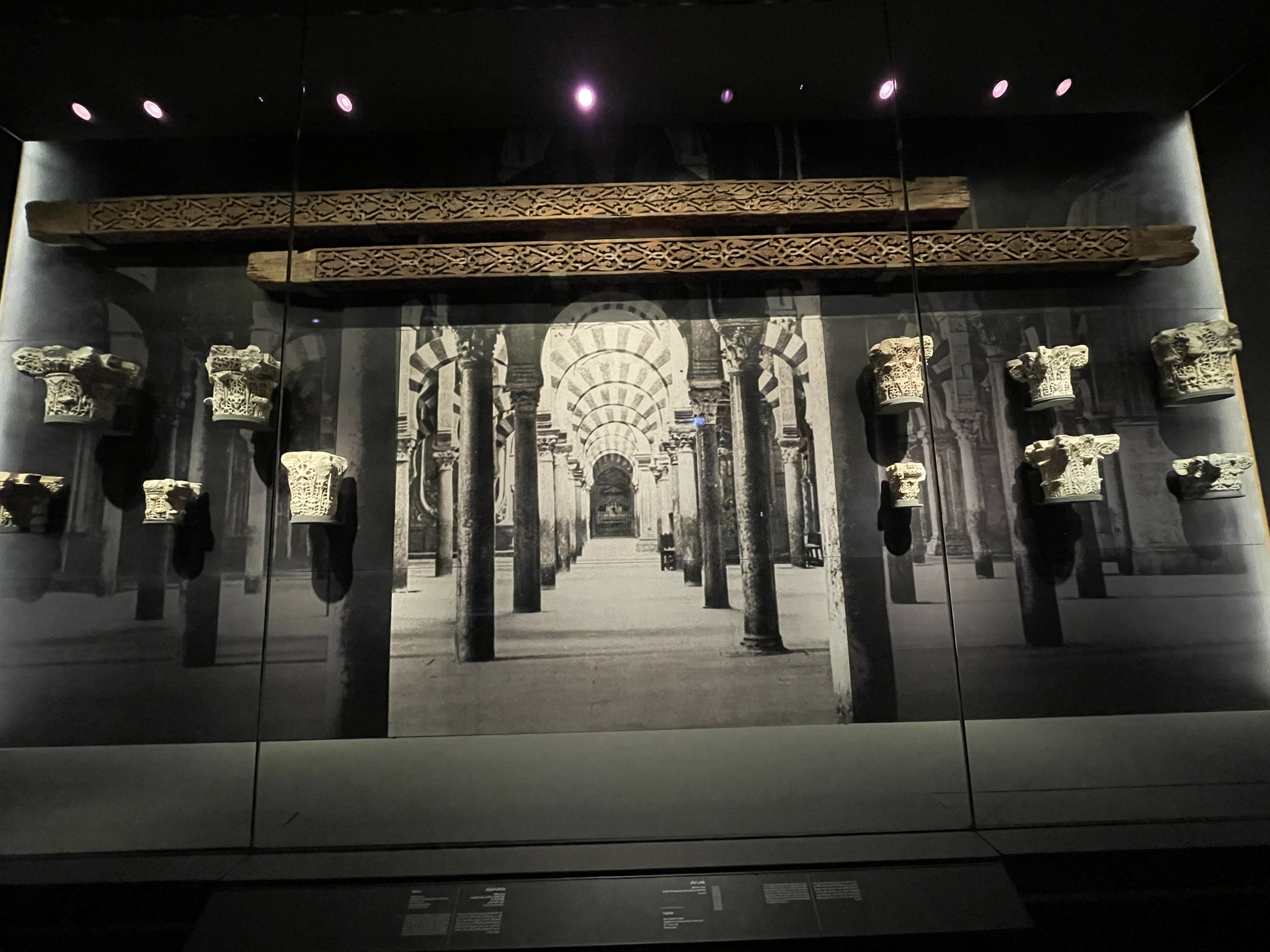
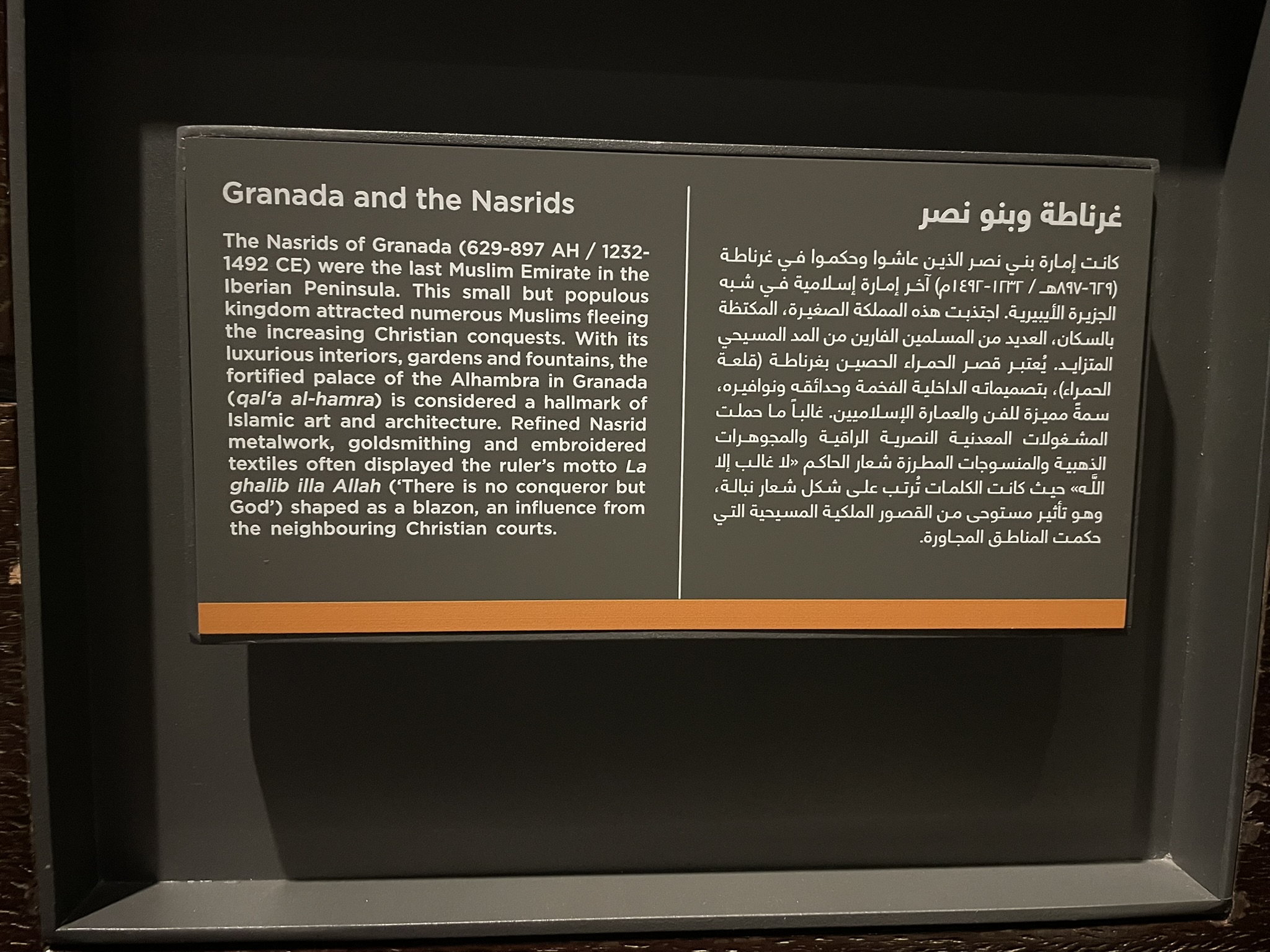
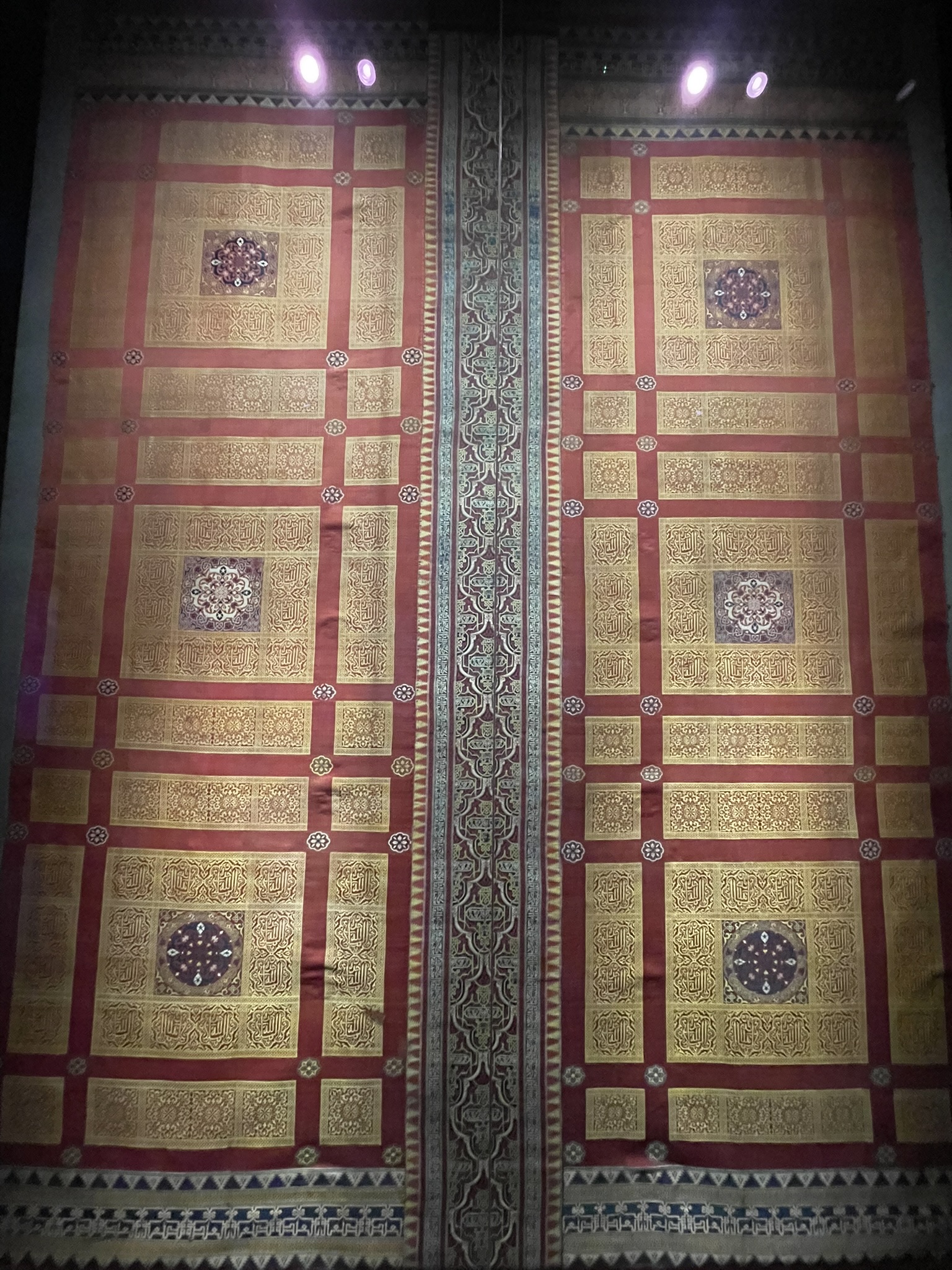
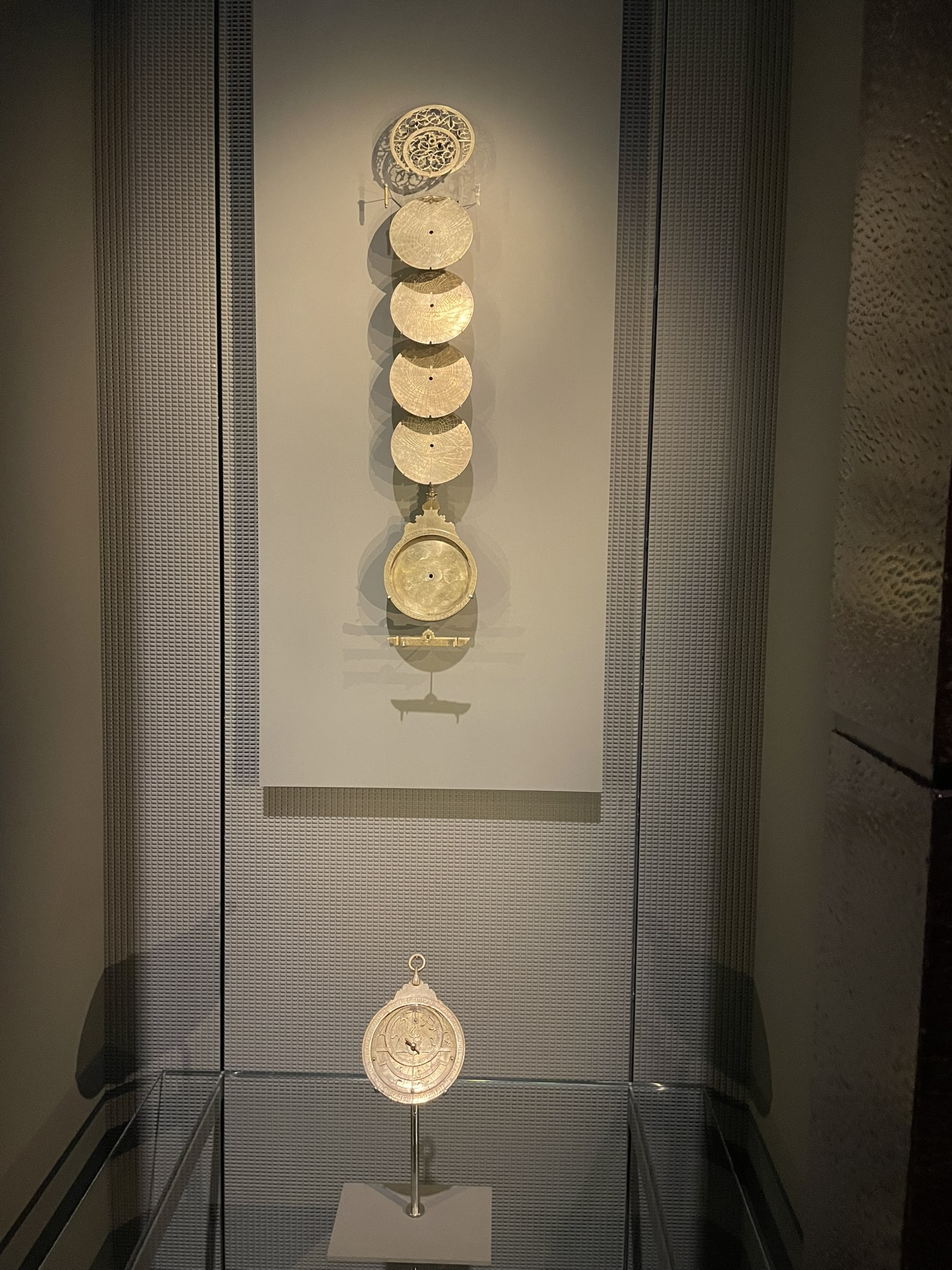
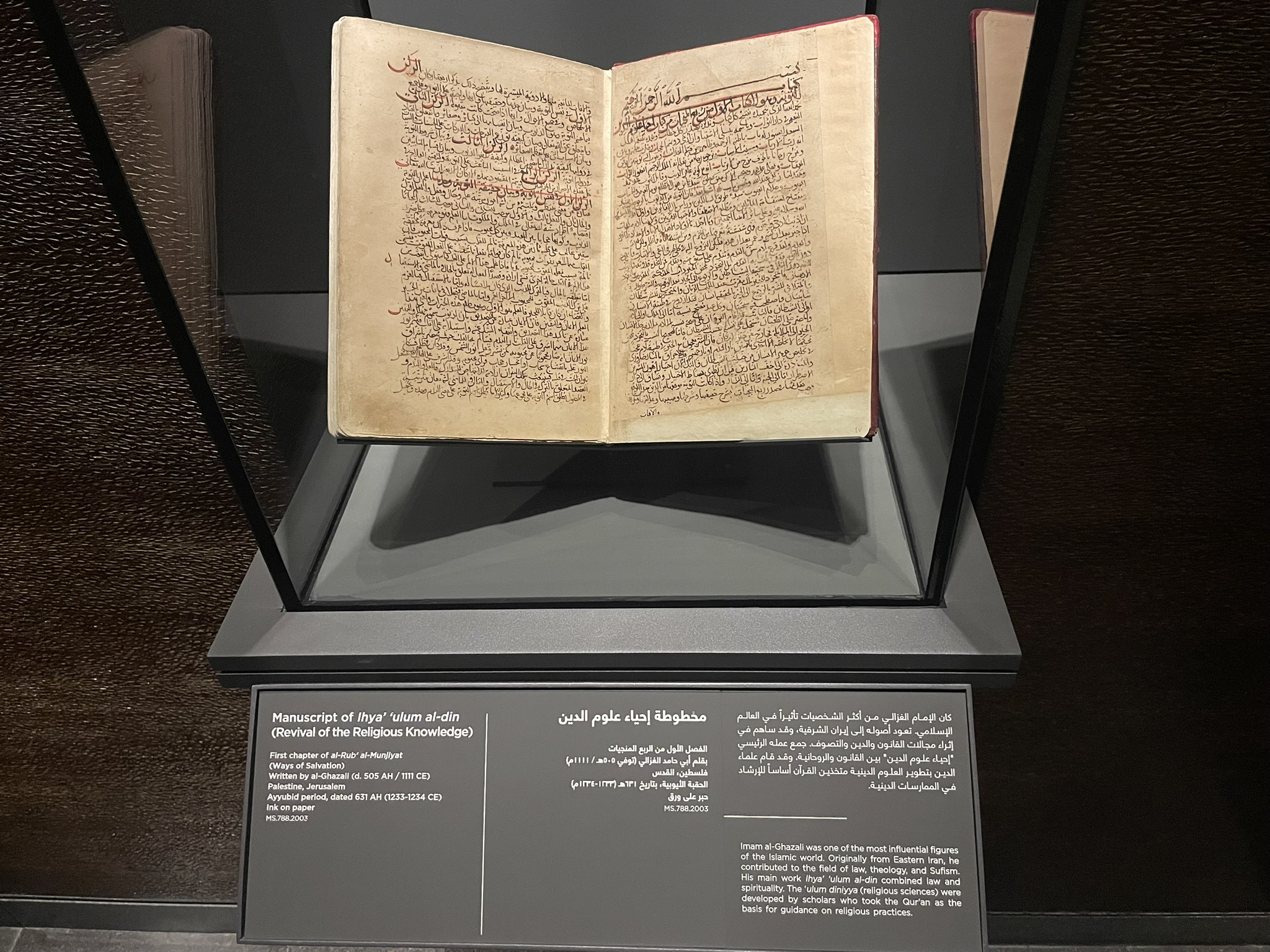
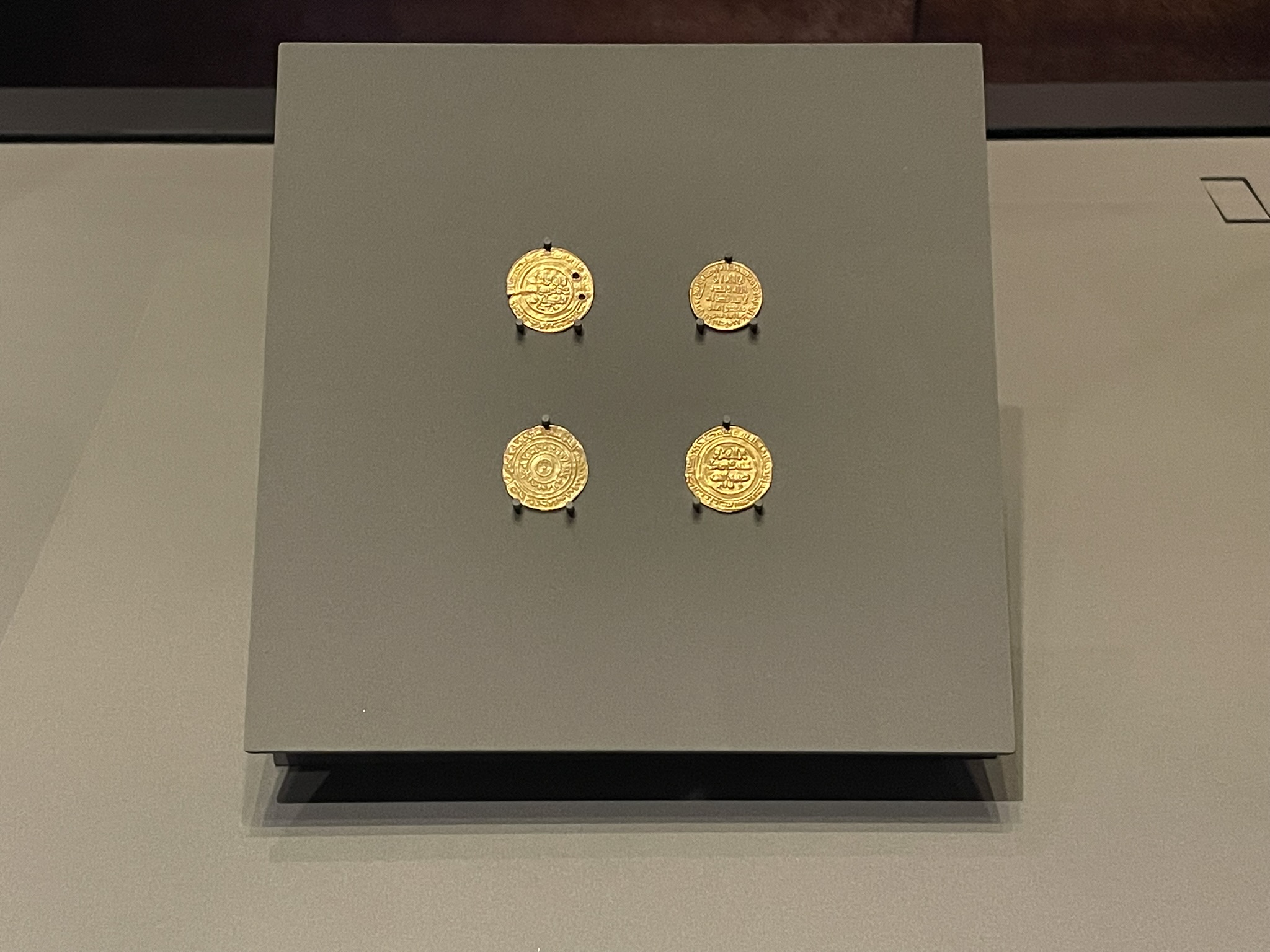
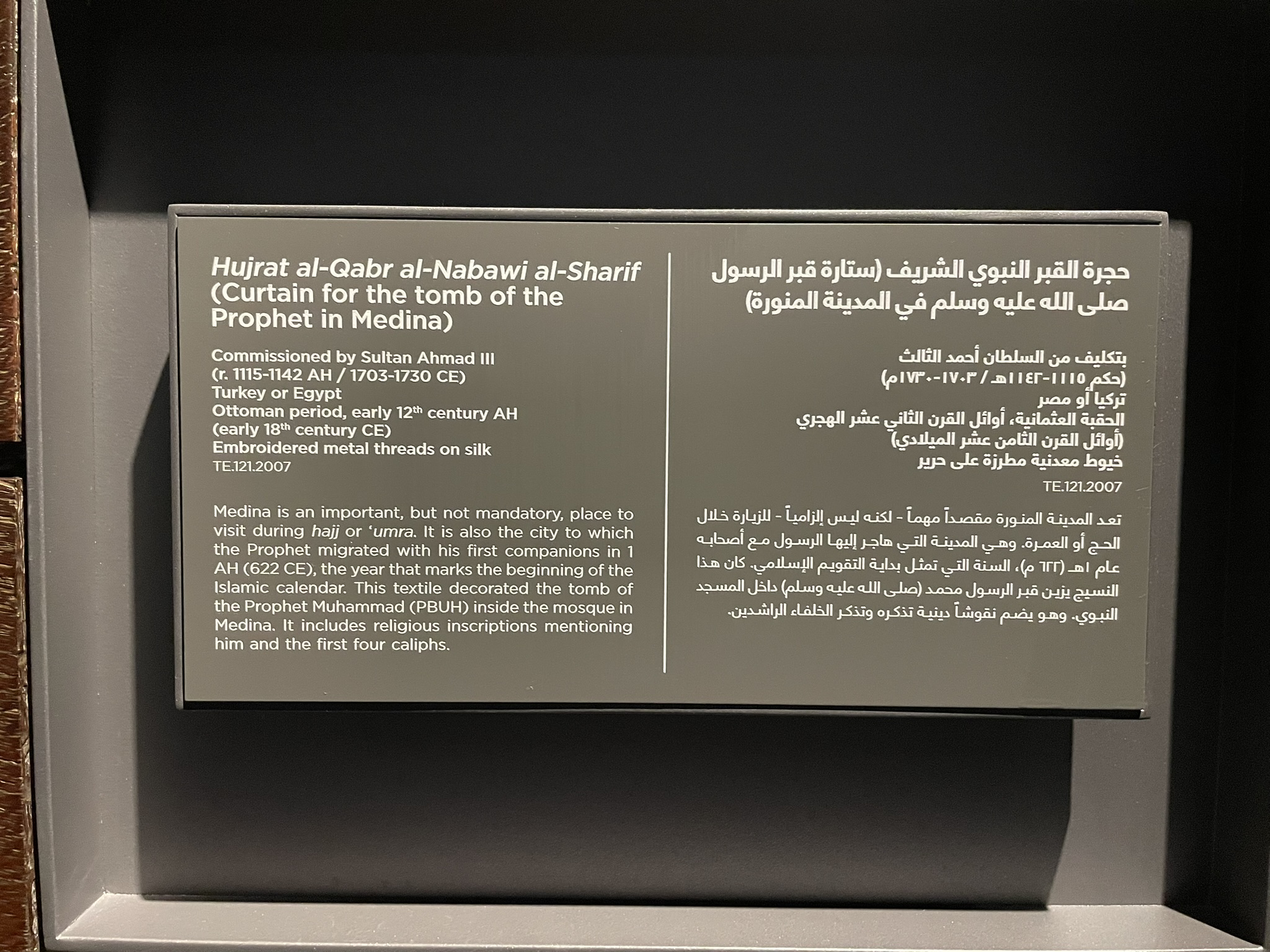
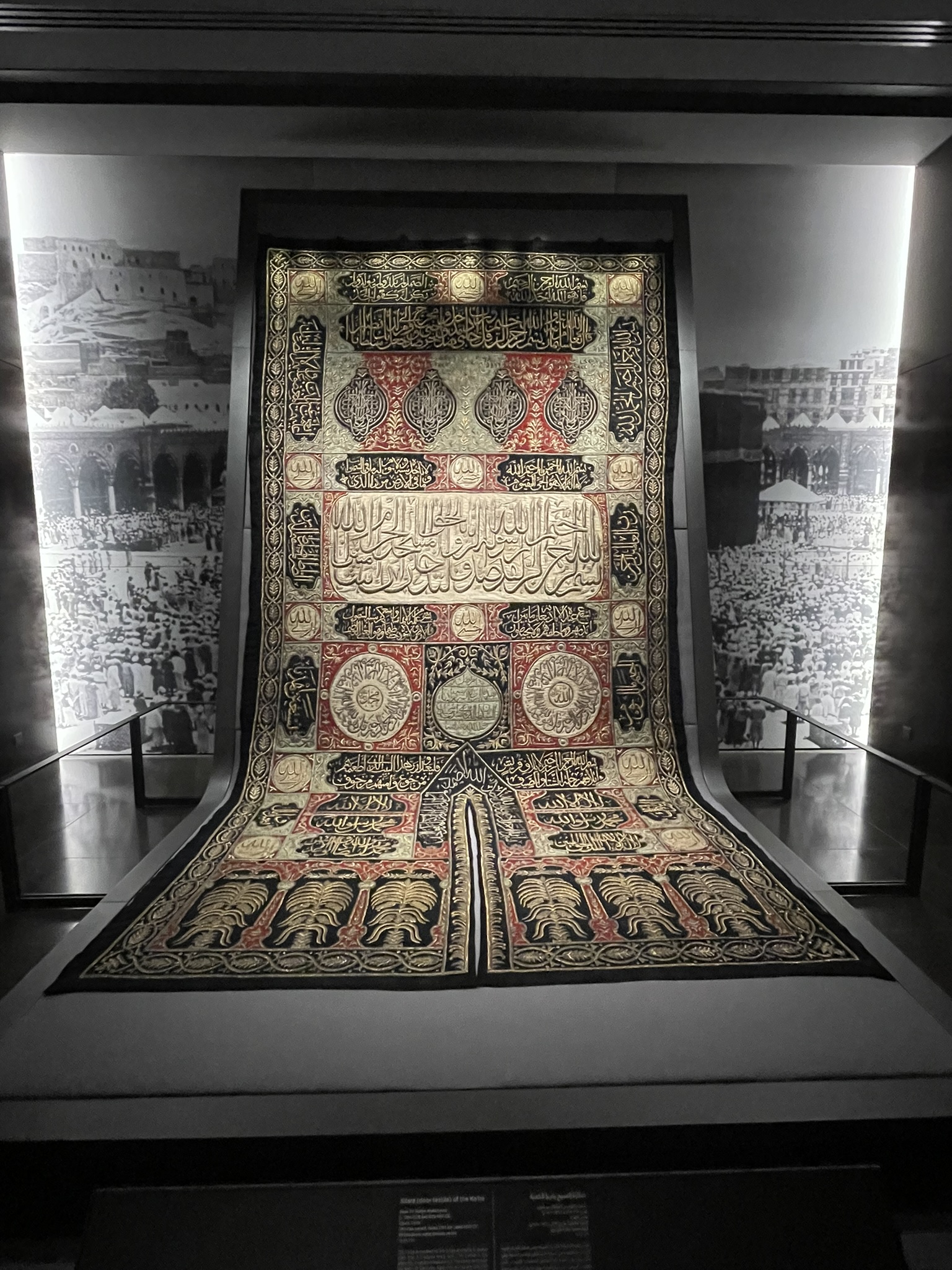
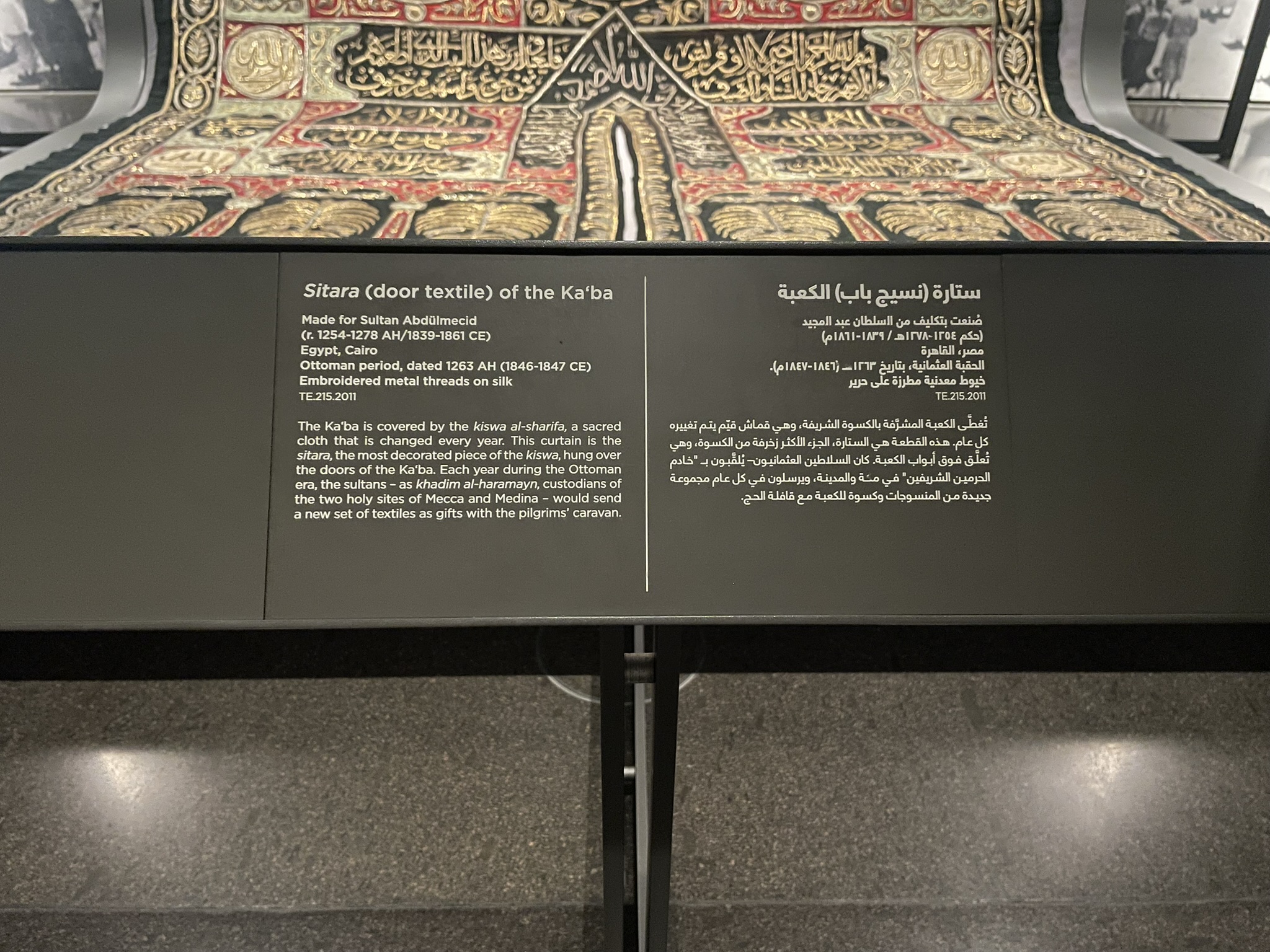
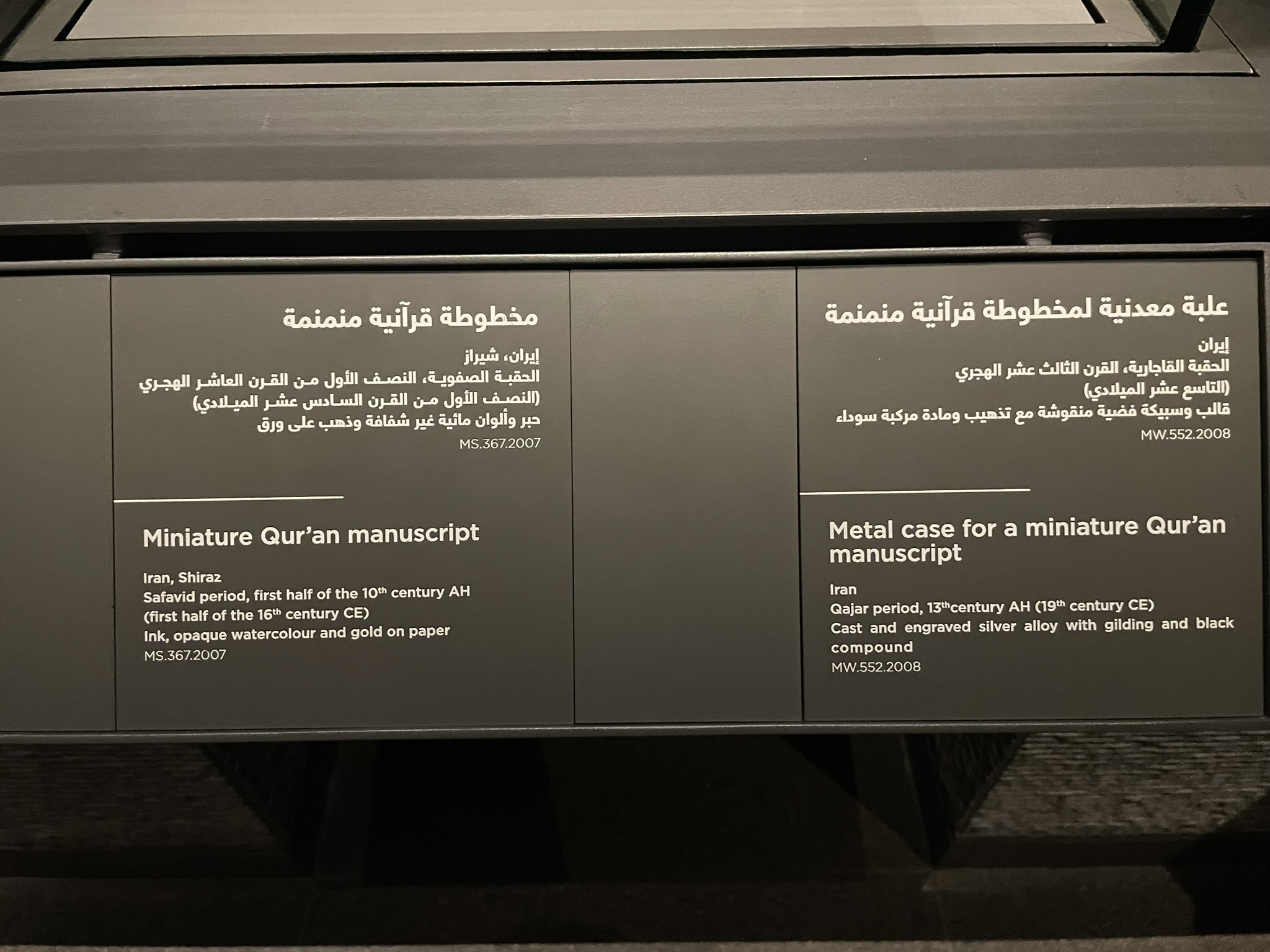
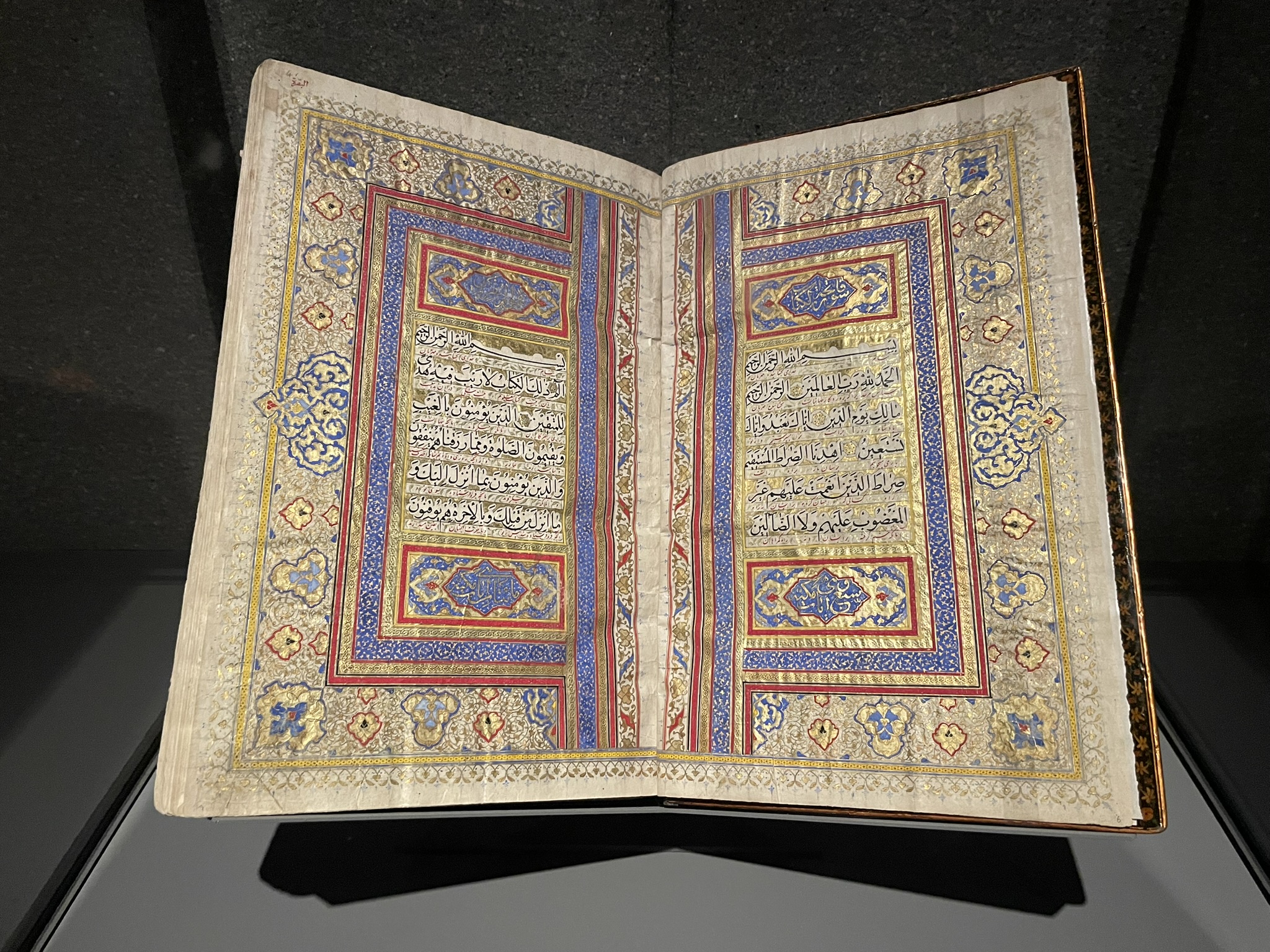
The museum features over 14 centuries of Islamic art and culture including: manuscripts including a miniature Quran, coins, utensils, textiles and clothes from different parts of the world, history of different parts of the world including Muslim Spain, astronomical tools such as the Astrolabe, Qiblah determiner, compass, sundial and a Ruznāmā used to calculate Hijrī dates. The museum also offers various exhibitions. Again, another very good museum especially from an Islamic history perspective.









Mawlānā Raḥmatullāh Ḥāfiẓ Nadwī
Later in the evening, we are invited for dinner at the residence of Mawlānā Raḥmatullāh Ḥāfiẓ Nadwī, the prolific author and translator of many books. Mawlānā studied in Nadwatul Ulama Lucknow and is originally from the Indian state of Bihar. He has been residing here in Doha for many years. His current project which is in the final stages is the Arabic translation of al-Sīrah al-Nabawiyyah by Mawlānā Shiblī Nuʿmānī (d. 1332/1914) and Sayyid Sulaymān Nadwī (d. 1373/1953). Previously, his works include the Arabic biographies of Mawlānā Ashraf ʿAlī Thānawī (d. 1362/1943), Mawlānā Muḥammad Zakariyyā Kāndhelwī (d. 1402/1982) and Qāḍī Mujāhid al-Islām Qāsmī (d. 1423/2002) as well as a modern professional version of Mawlānā ʿAbd al-Ḥayy Laknawī’s (d. 1304/1886) al-Fawāʾid al-Bahiyyah and Ṭarb al-Amāthil. He also published the Mukhtaṣar al-Ṭaḥāwī and translated Sayyid Sulymān Nadwī’s Sīrah of the mother of believers, ʿĀʾishah (d. 58/678, may Allah be pleased with her). He praises Mawlānā ʿAbd al-Ḥayy al-Laknawī and makes reference to the wide-ranging books and manuscripts he had access to. He says, “Shaykh ʿAbd al-Fattāḥ Abū Guddah was not inspired to work on his writings without a reason.”
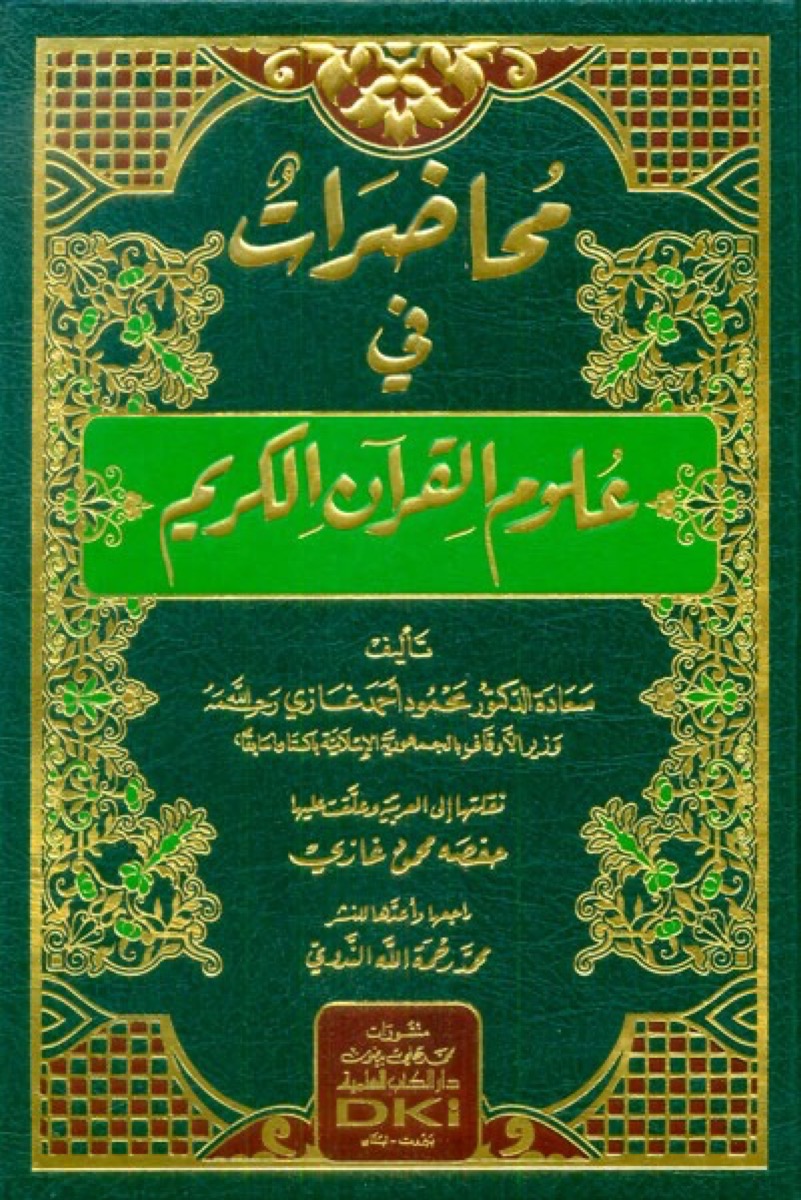
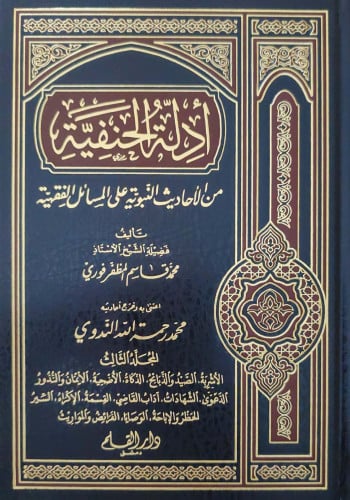
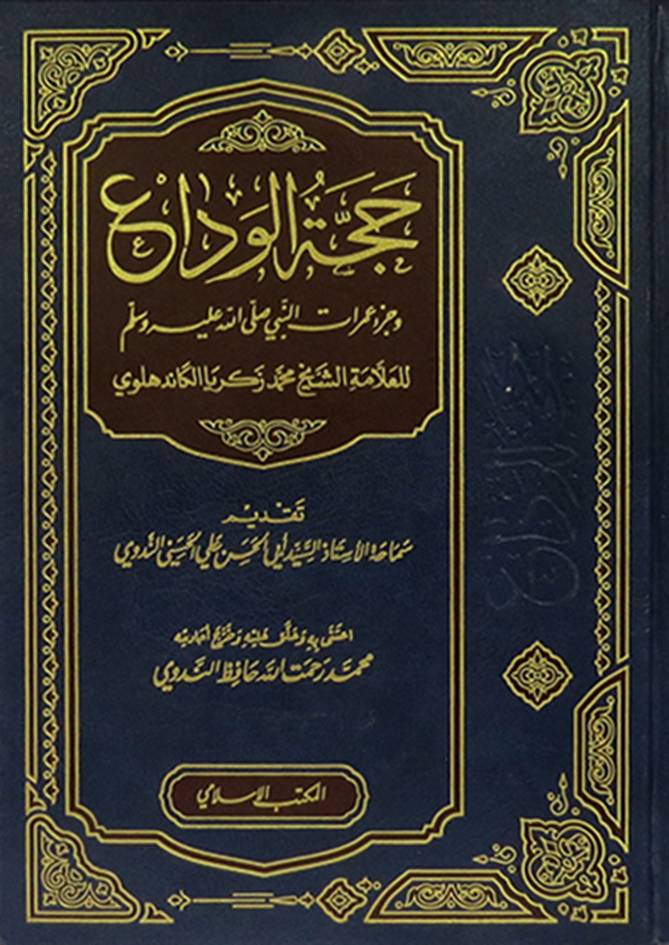
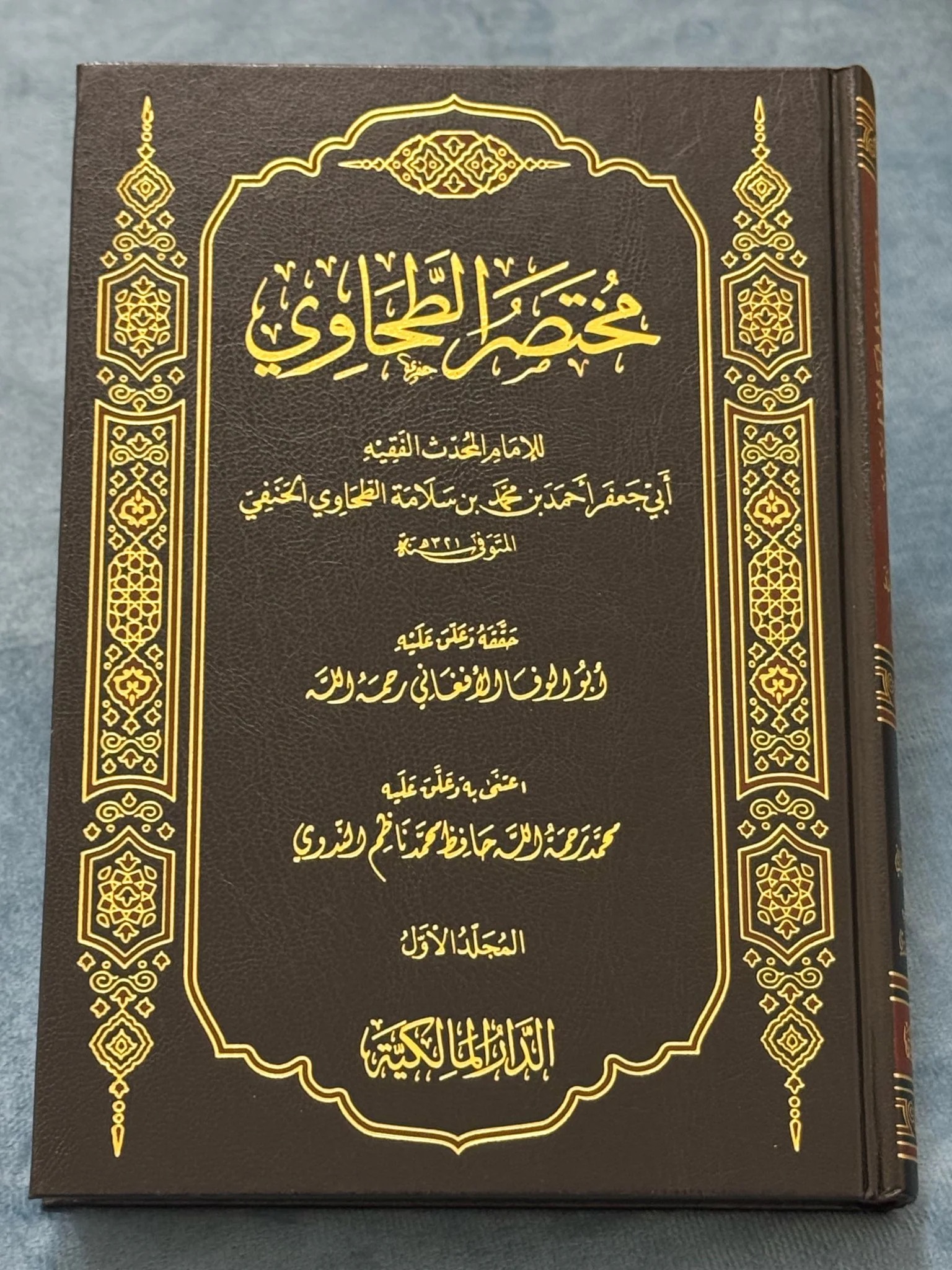
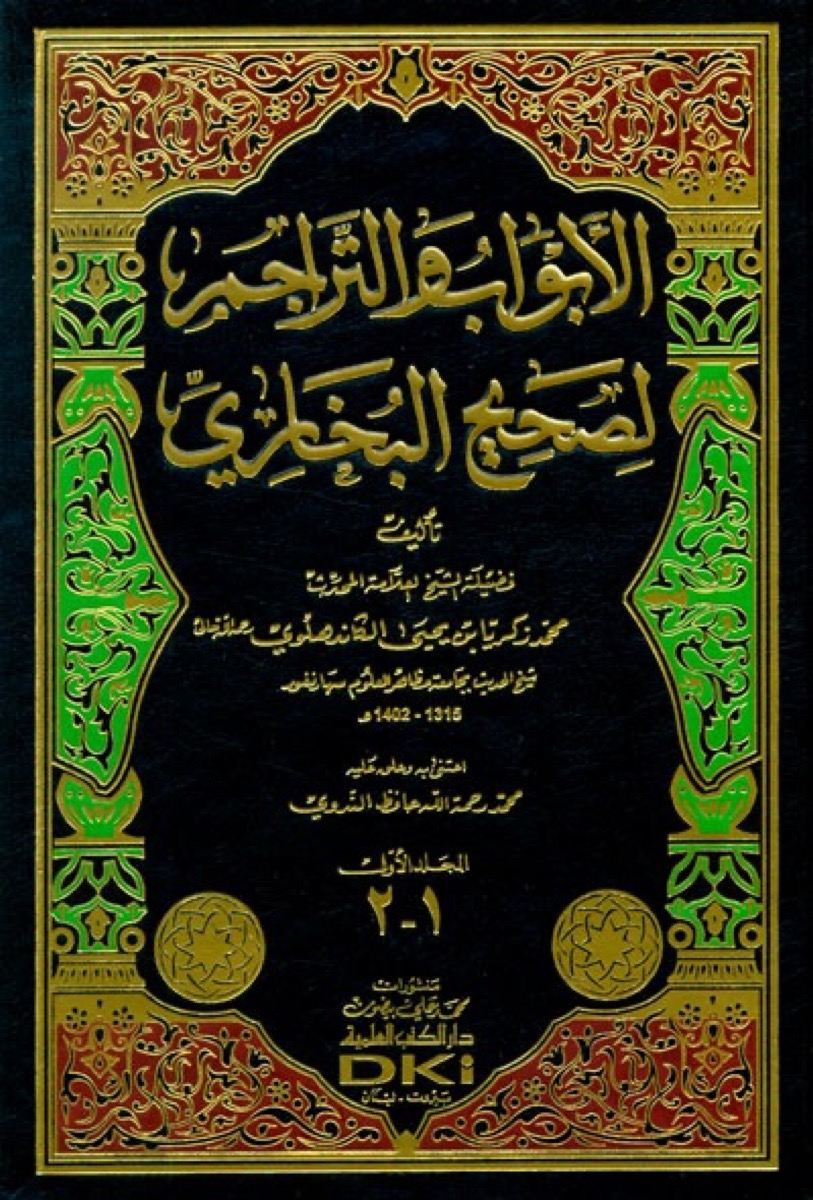
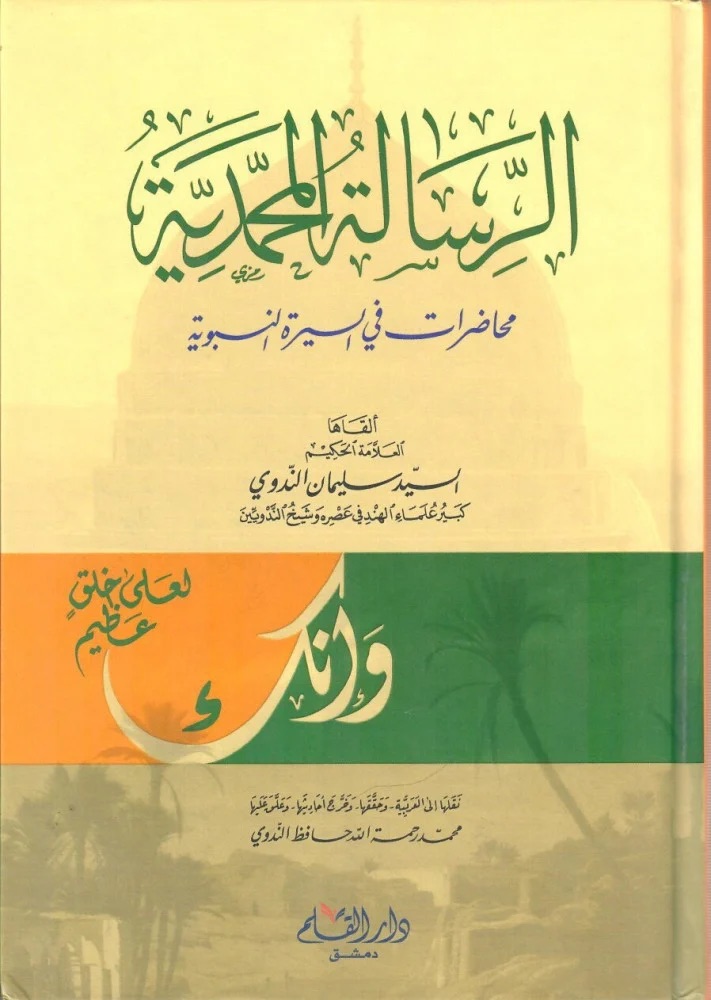
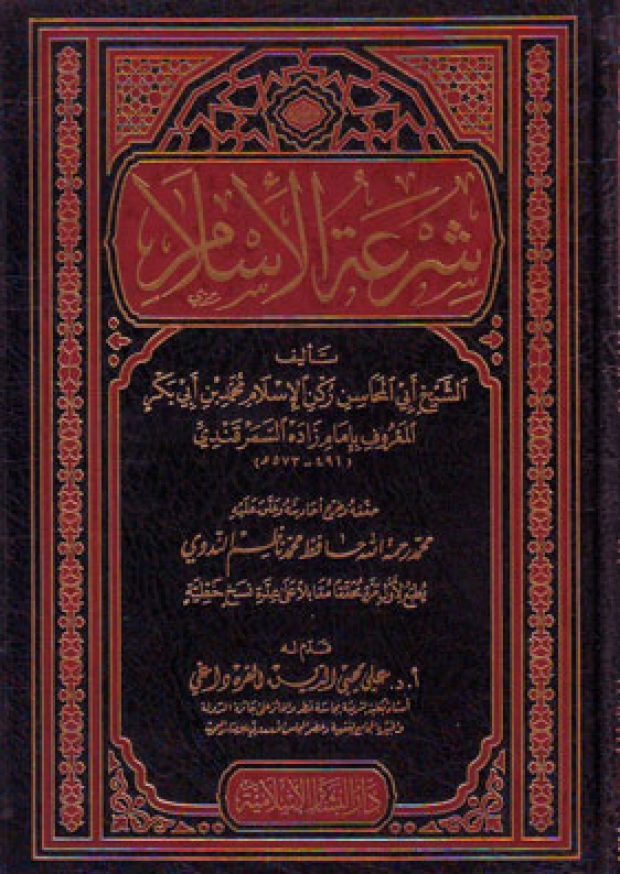
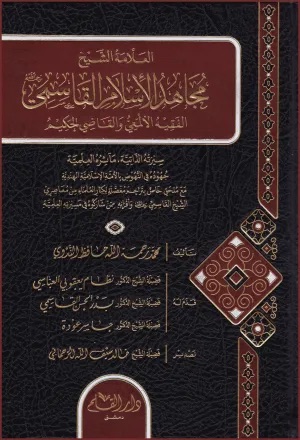
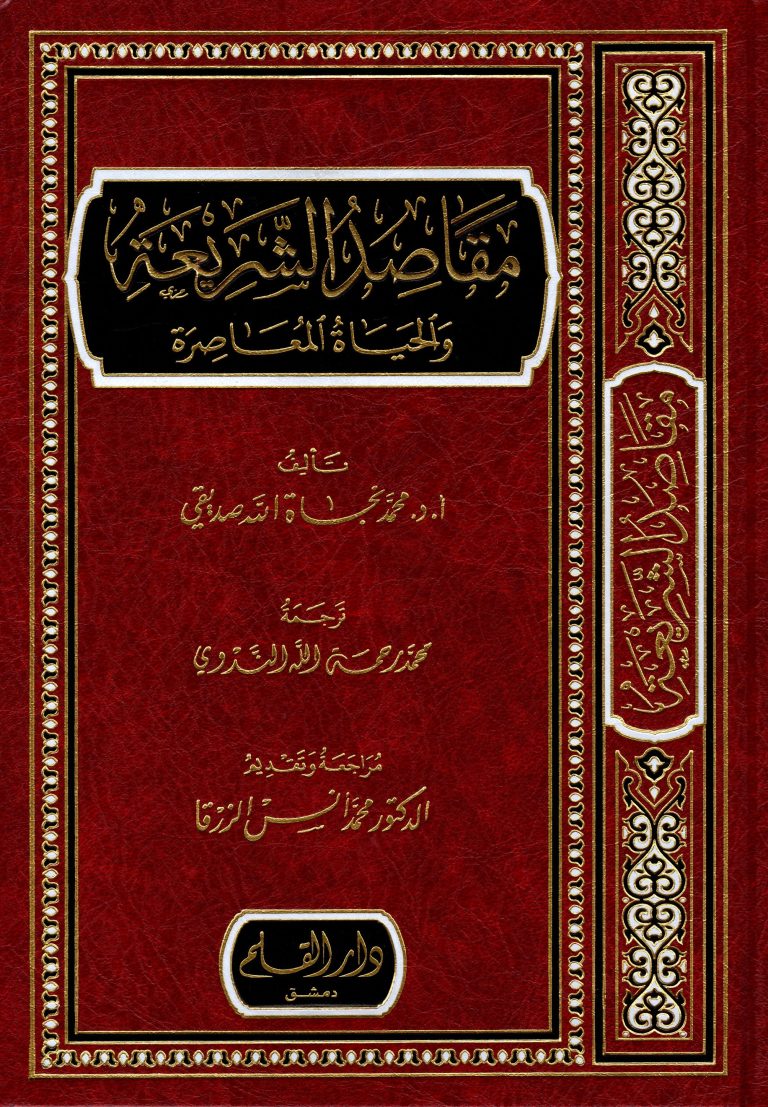
Mawlānā is extremely friendly, humble and hospitable. This is my first meeting with him. He is a good friend of my brother and they travelled to India together. He mentions the importance of translating the Urdu works of the scholars of the Indian subcontinent to Arabic, and specifically refers to Jawāhir al-Fiqh of Mufti Muḥammad Shafīʿ (d. 1396/1976). I concur and also suggest Aḥsan al-Fatāwā by Mufti Rashīd Aḥmad Ludyānwī (d. 1422/2002). He mentions the difficulties in translating Mawlānā Manāẓir Aḥsan Gīlānī’s (d. 1375/1956) book on Awqāf. Shaykh Khālid Āl Thānī, who was very fond of Shaykh Muḥammad Yūnus Jownpūrī, is currently a senior in the Ministry of Awqāf. He is interested in Awqāf and Islamic finance related publications. He is currently abroad. During the hot weather, many Qataris travel to Europe and elsewhere. Mawlānā mentions that the Ḥanbalīs of Qatar are moderate and balanced. The Ministry of Awqāf publishes a wide range of books. The origin of the Ḥanbalīs here lies in the scholars of Qassim, Saudi Arabia who came here.
There are several guests present including Mawlānā ʿAbd al-Ḥayy Nadwī. There is a mention of Mawlānā Saʿīdurraḥmān, the Headteacher of Nadwatul Ulama who is extremely unwell. We also learn that when Iran attacked a US base in Qatar, it was felt by those living 20km away.
Mawlānā gifts me an Urdu book featuring the profile of his late uncle, whose name I do not recall at this stage.
Day 8 – Friday 22 August 2025
Some more landmarks of Doha
Hamad Bin Jassim Bin Jaber Bin Mohamed Al Thani Mosque
Qatar shares the same time zone as Saudi Arabia which means that the Ṣalāh times are relatively early. Sunrise is at 5.10am, Ẓuhr Ṣalāh time starts at 11.40am and sunset is at 6.05pm. We perform Jumuʿah Ṣalāh at the Hamad Bin Jassim Bin Jaber Bin Mohamed Al Thani Mosque on the Pearl Island. The Imām begins the sermon with the Khuṭbah al-Ḥājah and then requests everyone to fill in the gaps and move forward. The sermon is focused on the importance and virtues of Fridays and what a Friday would typically look like in the Prophetic era. The second sermon is mainly supplications. The Khuṭbah is good. The recitation in Ṣalāh is the first and final parts of Sūrah Jumuʿah with the middle not read. I do not understand the need for this. It is not that the Sūrah is very long.
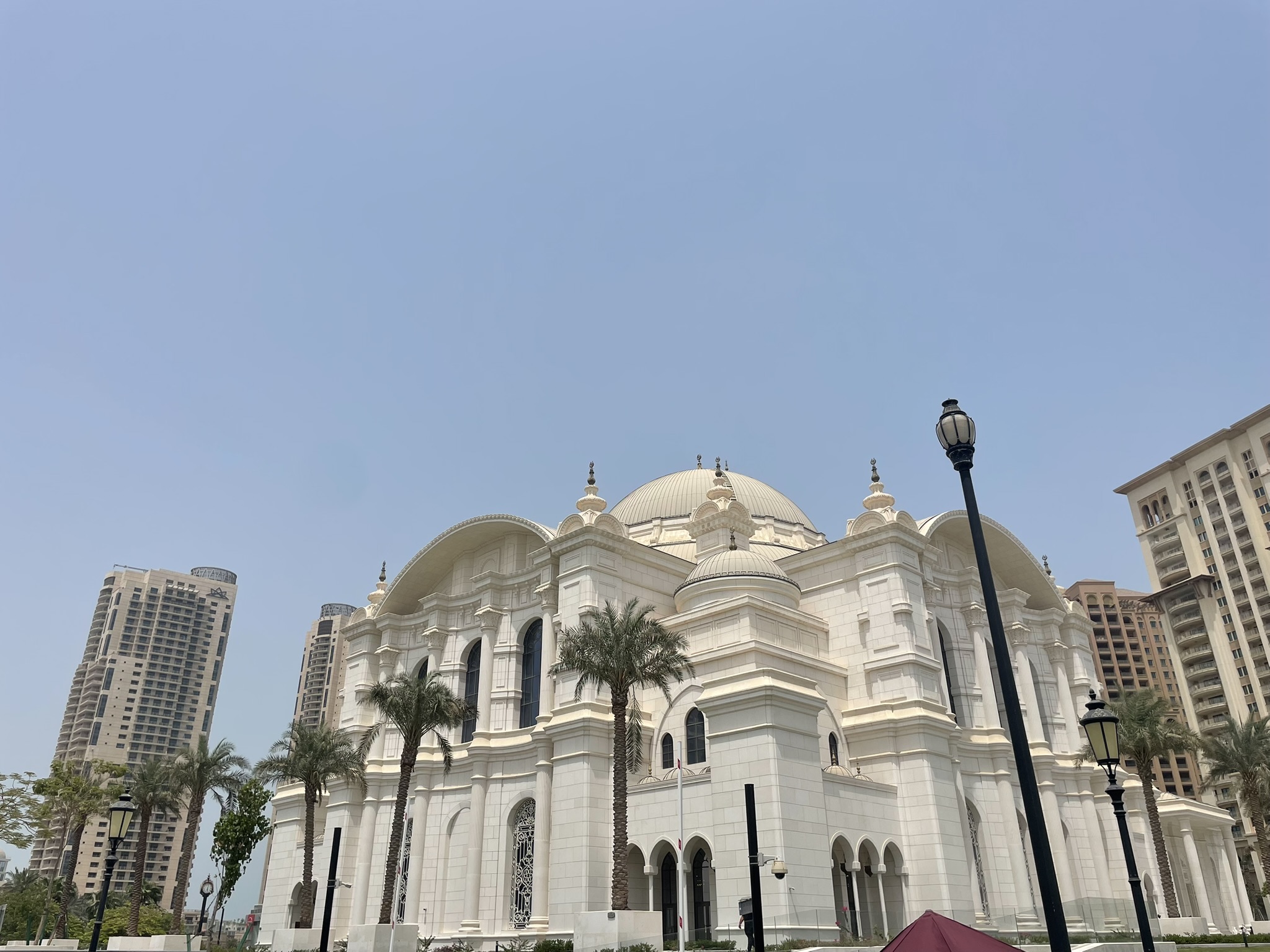

After Ṣalāh, we tour the Pearl Island, an artificial island the size of which is nearly 4 square kilometres (1.5 square miles). Foreigners can own land and properties there on freehold. There are many hotels, restaurants and shops with picturesque views. Throughout this journey, Gaza has been on the mind and there is a feeling of guilt, Allah Almighty forgive us.
Imam Muhammad ibn Abd al-Wahhab Mosque
Our next stop is the Imam Muhammad ibn Abd al-Wahhab Mosque, the largest mosque in Qatar which can house 30,000 worshippers. It has a striking architectural design with an enormous fort-like appearance and dozens of domes on its roof. At night, these are illuminated white and can be seen on the horizon for miles. Inside the mosque, there is a very good balcony for women, the women can see down but the men cannot see. In many Mosques in Qatar, I sense that that if one was unaware, they would not know that there are Ṣalāh facilities for women. They are discreet.
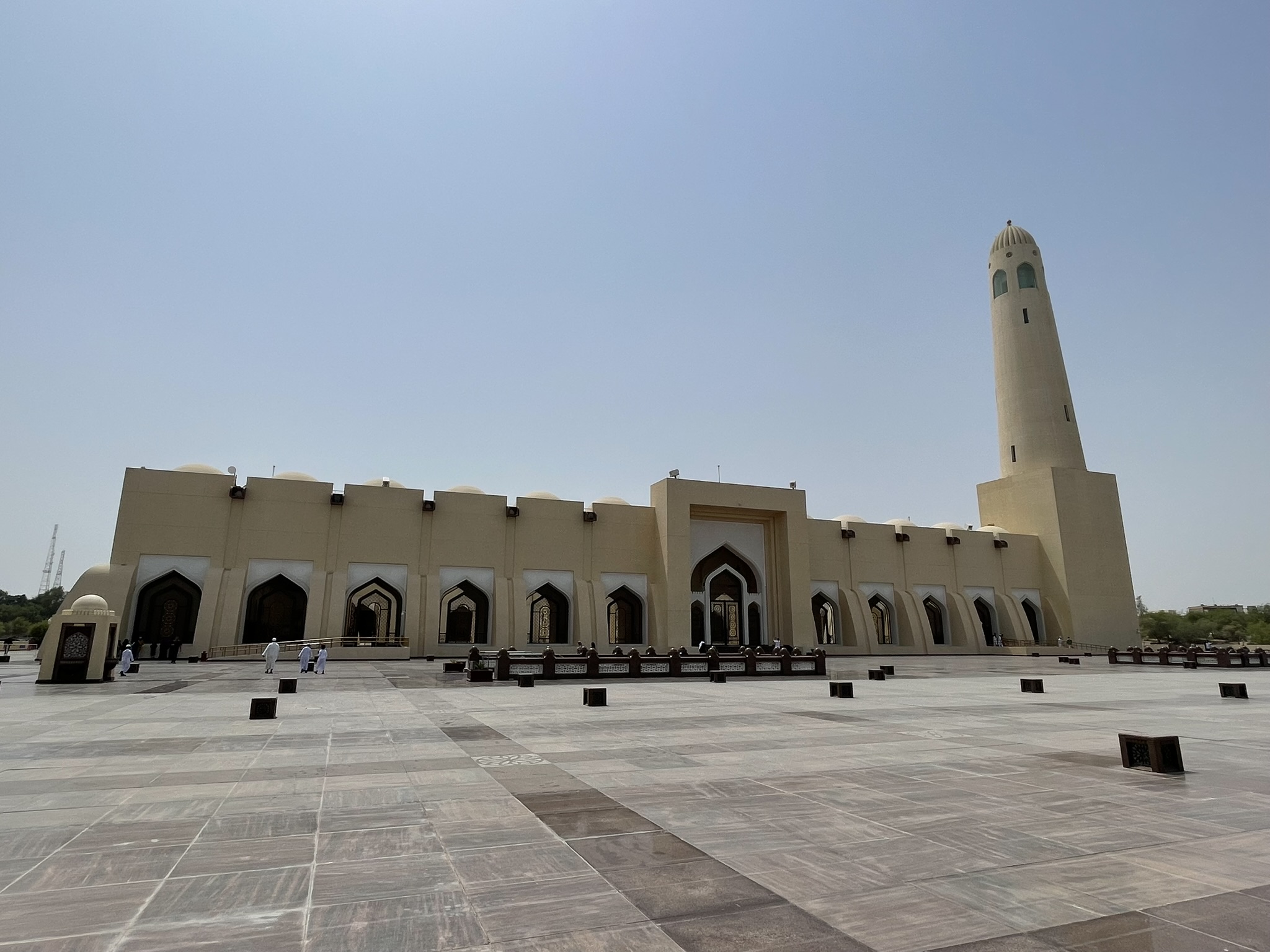
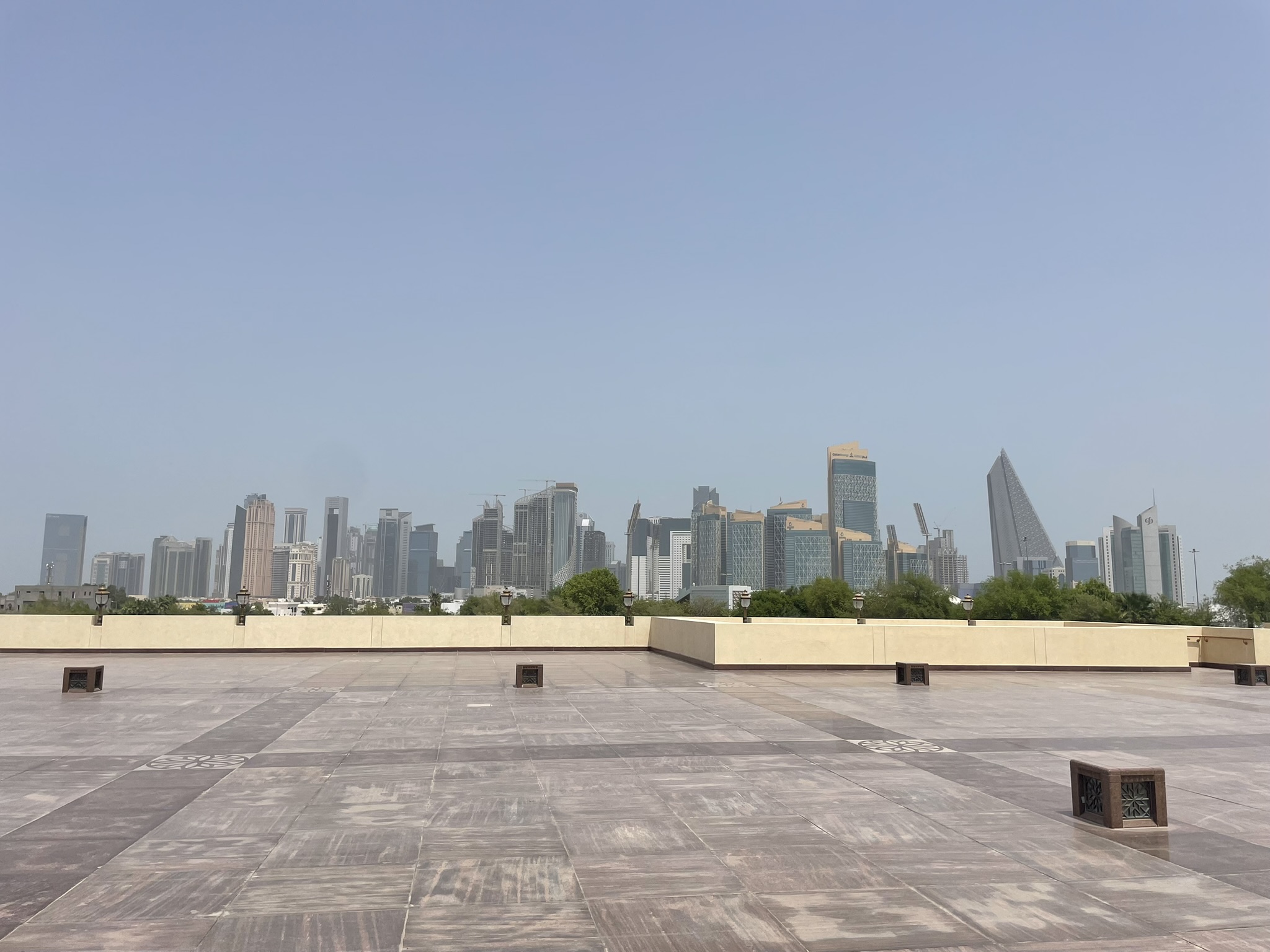
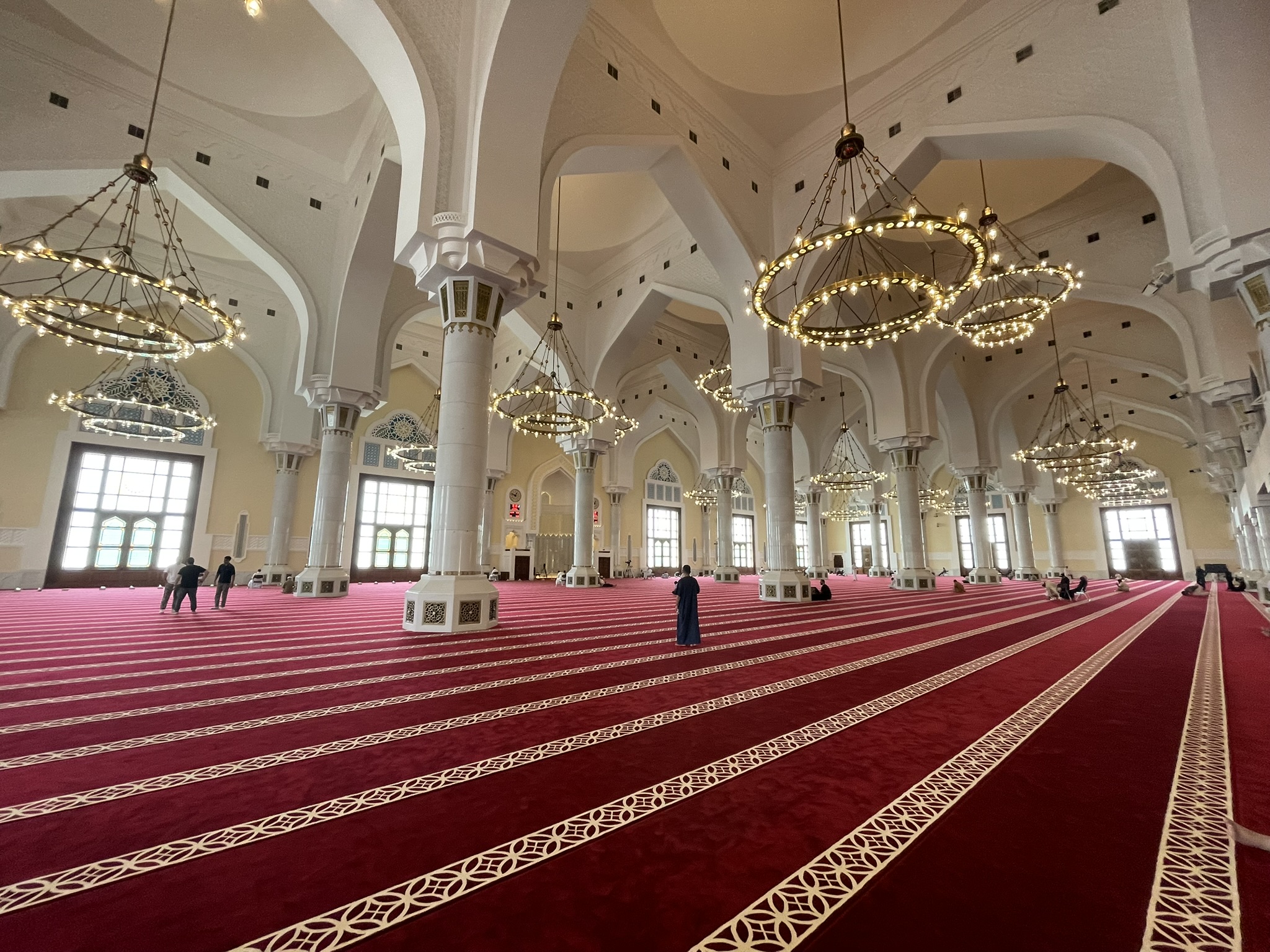
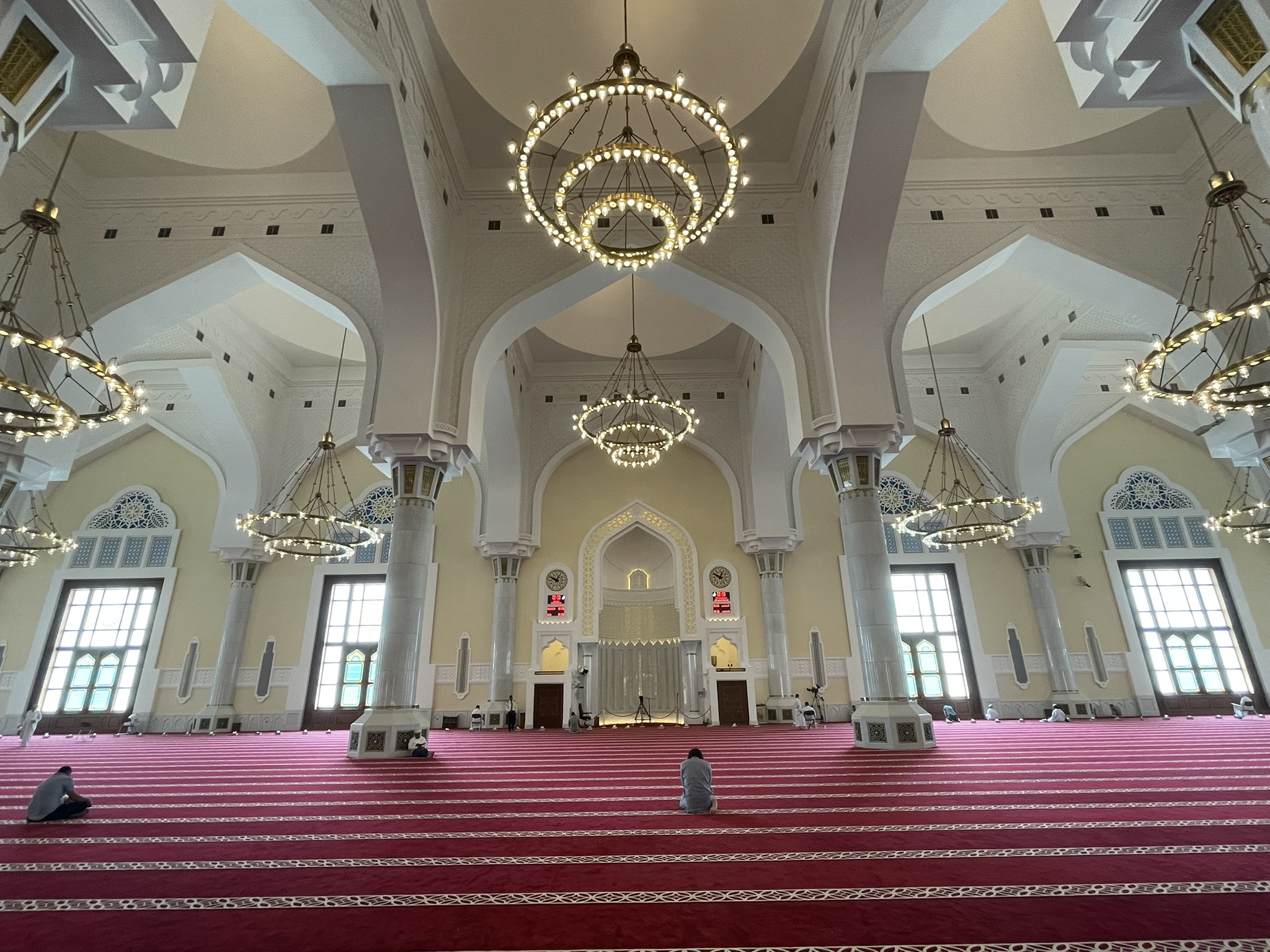
The Mosque is named after the controversial Saudi scholar and preacher, Shaykh Muḥammad ibn ʿAbd al-Wahhāb (d. 1206/1792), who is praised by some and regarded as a reviver and loathed by others. The scholars of the Indian subcontinent are also divided regarding him. Mawlānā Manẓūr Nuʿmānī (d. 1417/1997) wrote a treatise in his defence and this was endorsed by the rector of Darul Uloom Deoband, Ḥakīm al-Islām Qārī Muḥammad Ṭayyib (d. 1403/1983) and also Shaykh al-Ḥadīth Mawlānā Muḥammad Zakariyyā Kāndhelwī (d. 1402/1982). Shaykh al-Islām Mawlānā Ḥusayn Aḥmad Madanī (d. 1377/1957) was also critical of him and then retracted, as mentioned in Fatāwā Shaykh al-Islām. Mufti Maḥmūd Ḥasan Gangohī (d. 1417/1996) also appears to have softened his stance in his later edicts. The expert on deviant sects, ʿAllāmah Khālid Maḥmūd (d. 1441/2020) attested to his credentials and described him from being among the seniors (Akābir) of the Ahl al-Sunnah. On the other hand, ʿAllāmah Anwar Shāh Kashmīrī (d. 1352/1933) was critical of him as was ʿAllāmah Ibn ʿAbīdīn al-Shāmī (d. 1252/1836) of Damascus, and Allah Almighty knows best. The turbulent history of the Middle East and Asia over the past few centuries and the competing political and religious narratives along with the attitudes and narrowmindedness of those ascribing to a particular ideology or personality and the experiences of people have all shaped how personalities are perceived.
Katara Cultural Village
We return to the hotel and use the jet ski. Thereafter, at 3.45pm, we visit the Katara Cultural Village located near our hotel. Its design resembles a traditional Qatari village and it features low sand-coloured buildings with flat roofs, shaded alleys and courtyards alongside contemporary facilities. Externally, the Katara Beach offers swimming, pedal boating and kayaking. There are also two parks on the Katara Hills featuring lush vegetation, a water stream and walking trails.
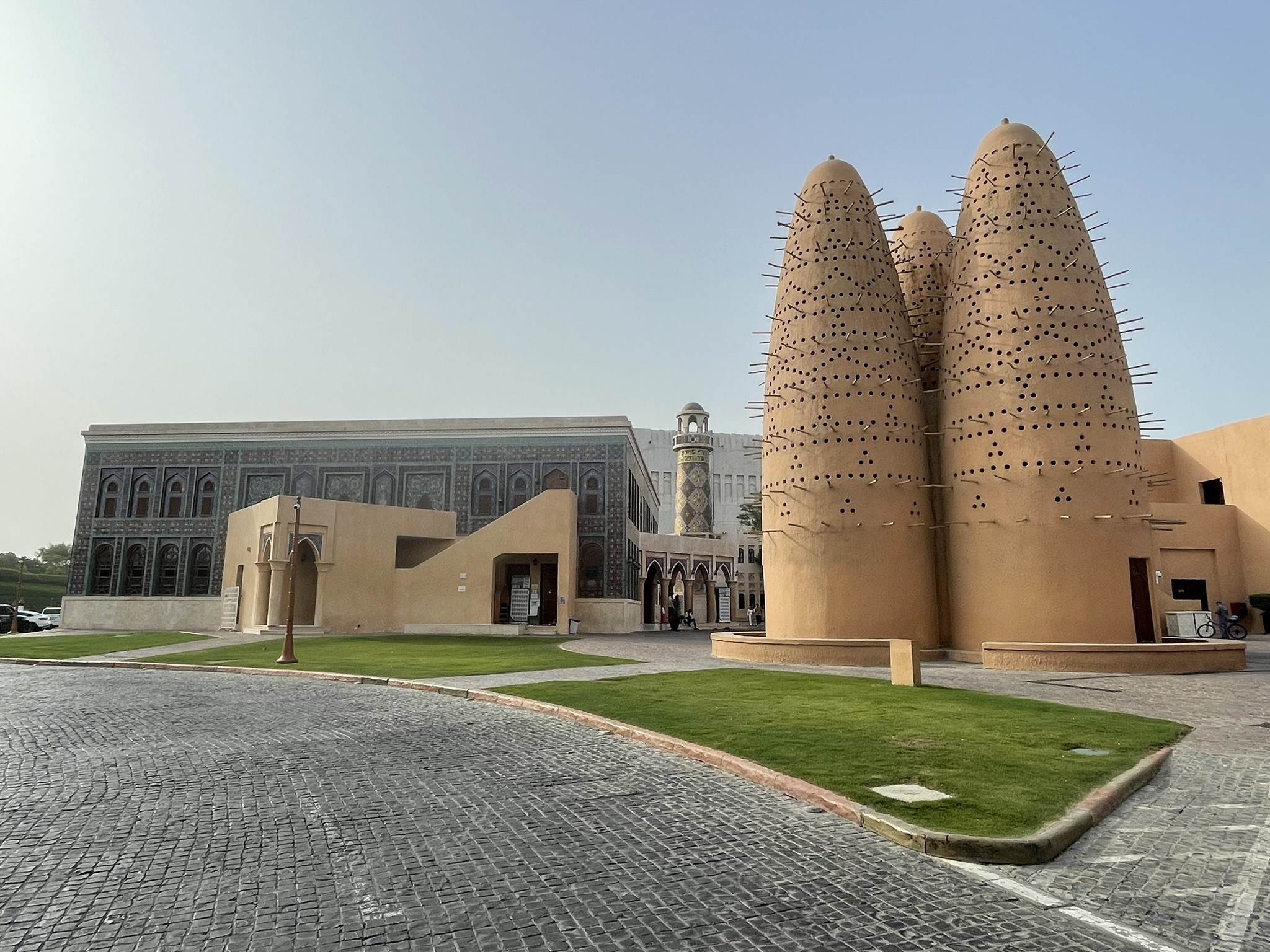
A cart buggy drives us around the village. There are several art galleries, photography exhibitions and libraries. There are also two mosques, the Ottoman-style Golden Mosque, adorned with gold tiles, and the Katara Mosque, decorated with turquoise and purple mosaics.
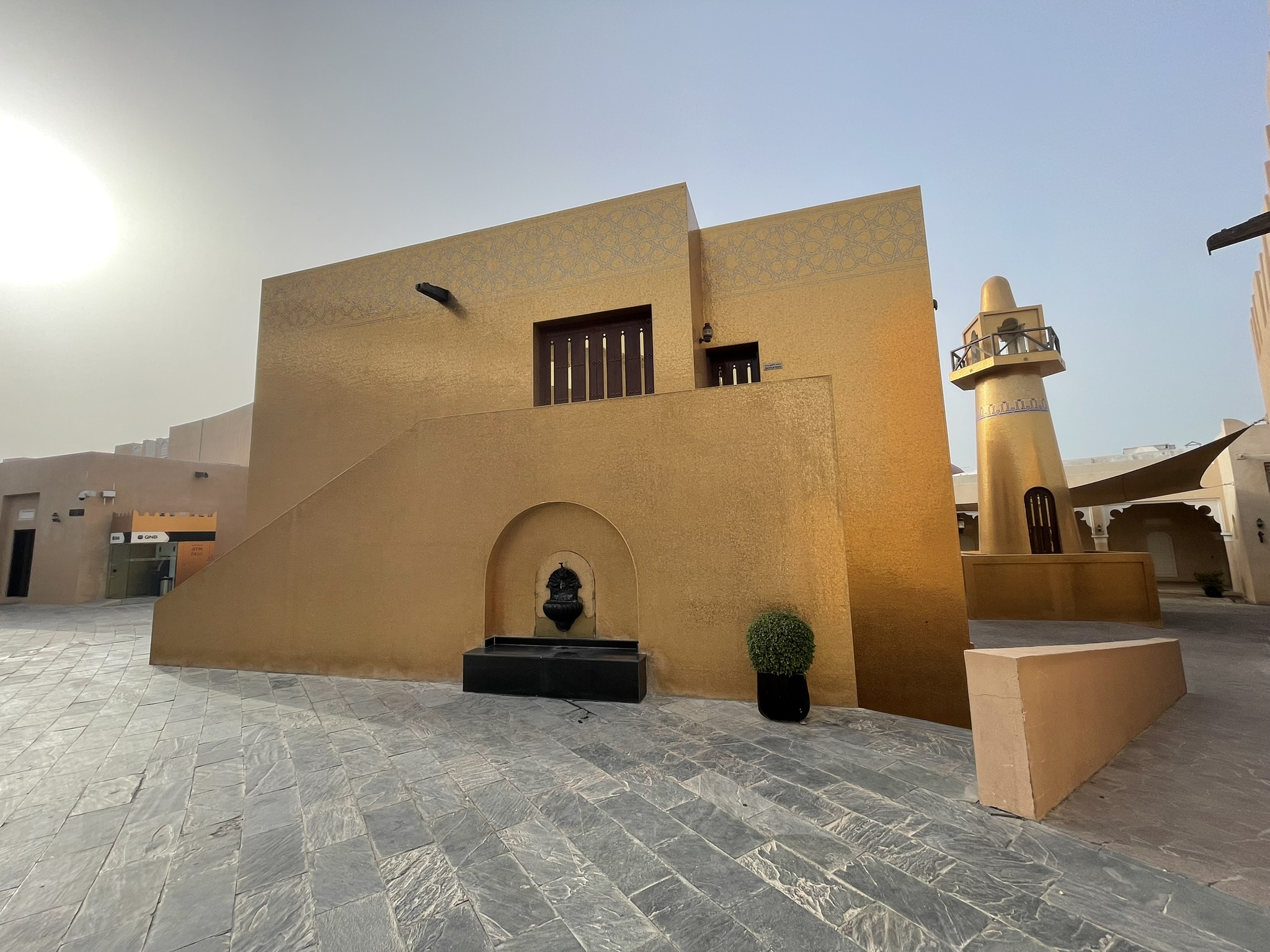
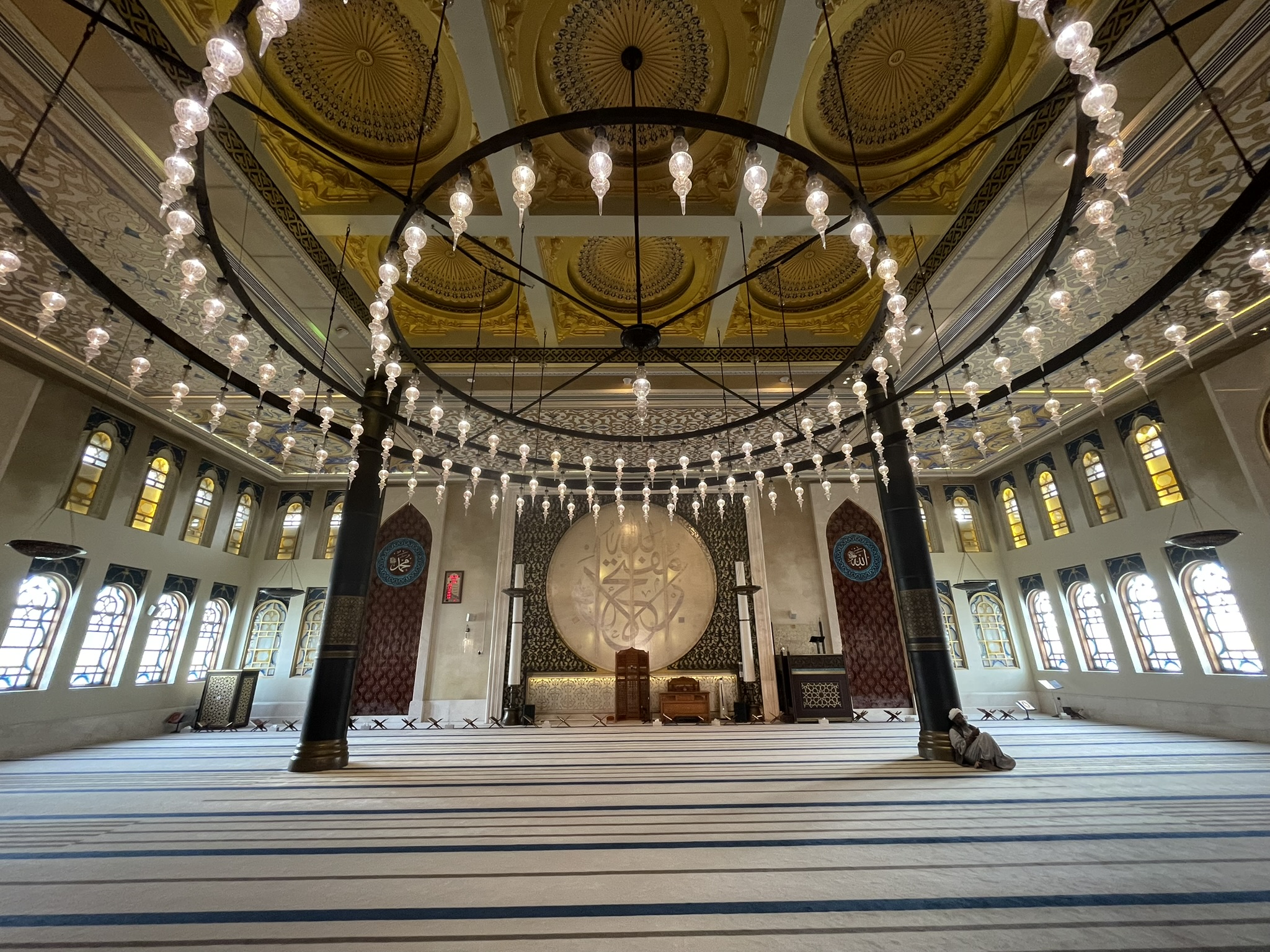
We also visit the 3,275-square-metre marble amphitheatre, blending ancient Greek and traditional Arabic design elements, which can seat up to 5,000 spectators. There is also an area within the village where AC comes out from the ground.

Souq Falih
At 5.30pm, we arrive at Souq Falih, near Souq Waqif. This is an ideal place for Abaya shopping for females. Haggling is a must. The prices are cheap.
Qatar National Library
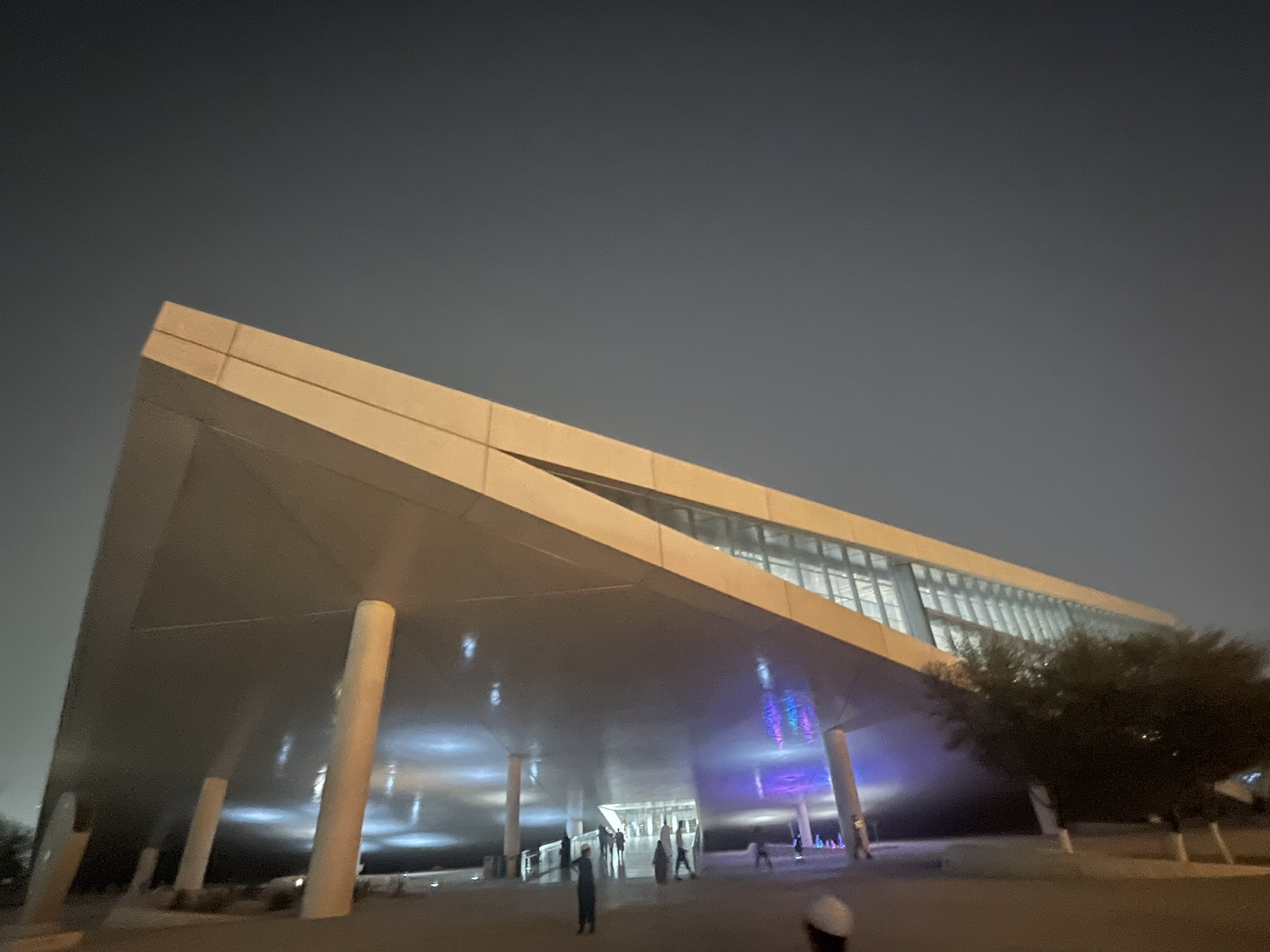
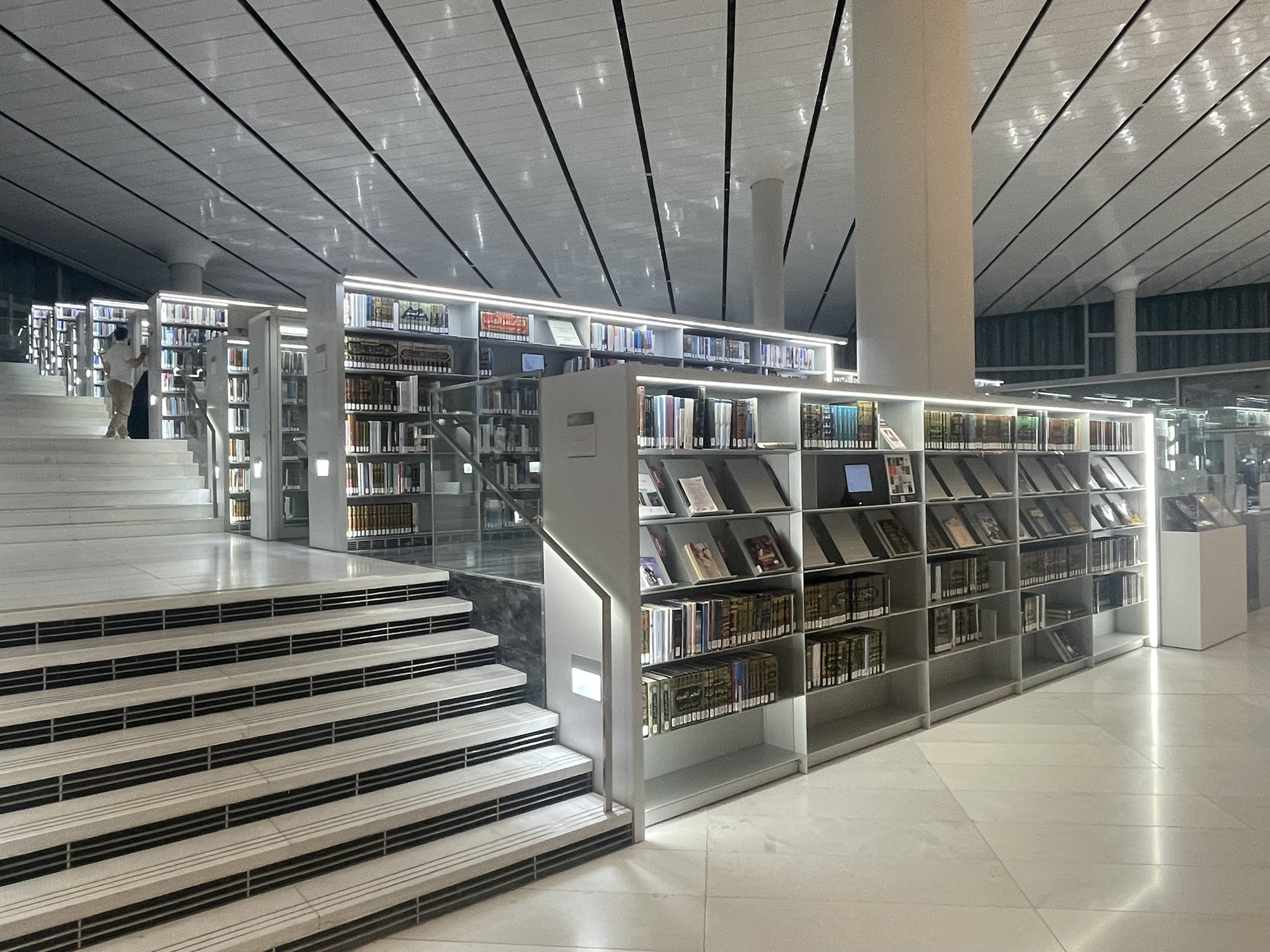
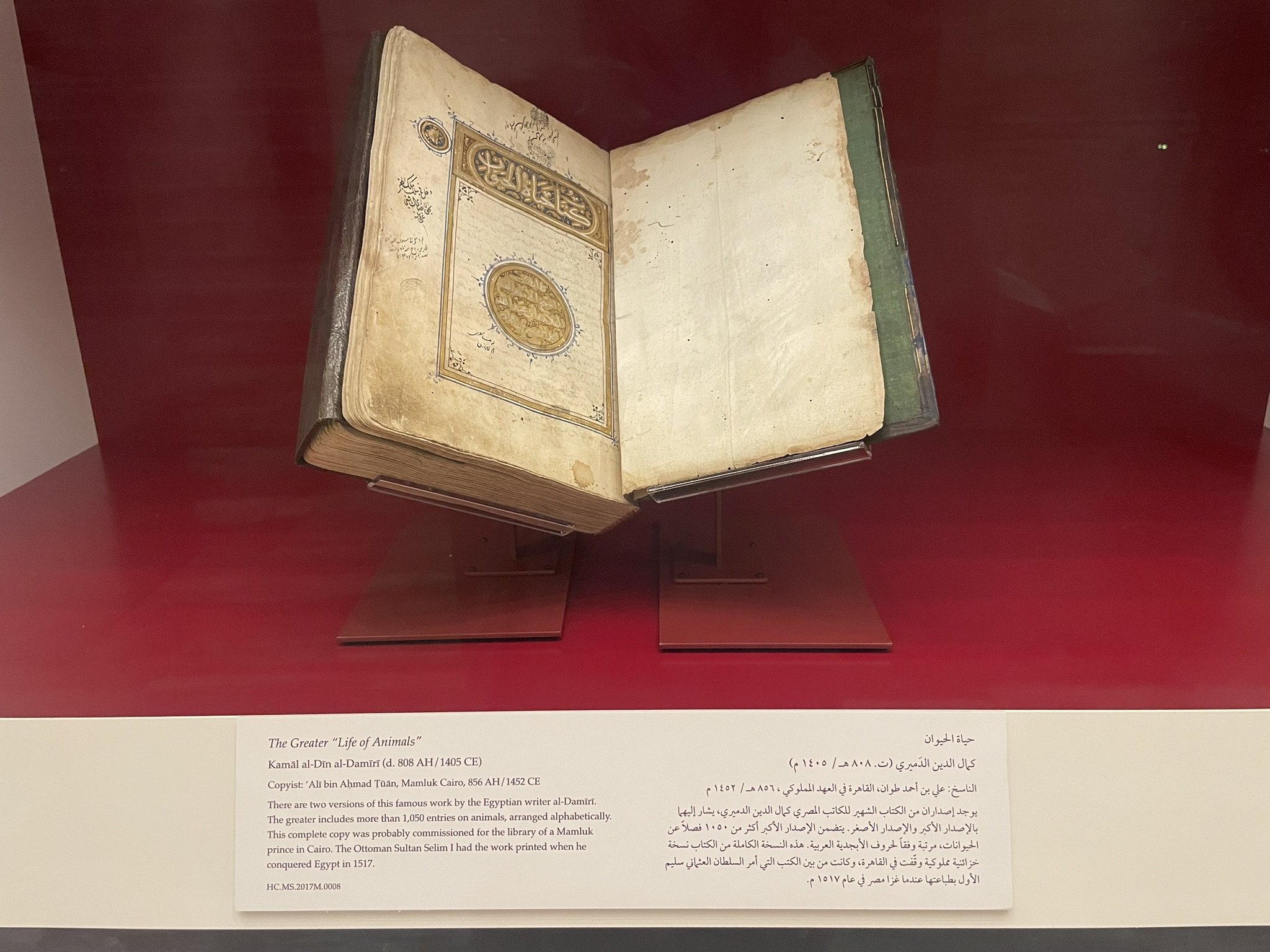
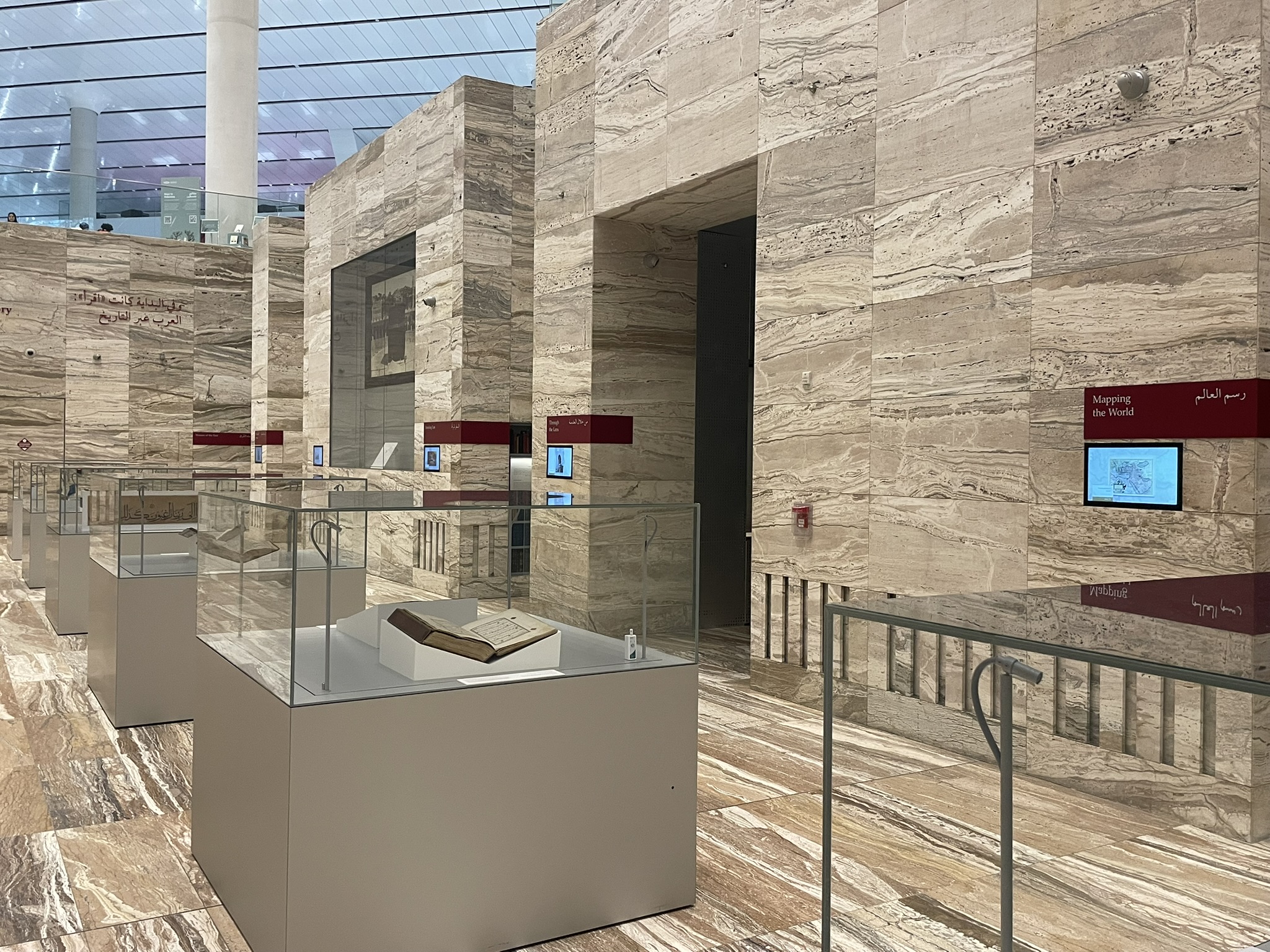
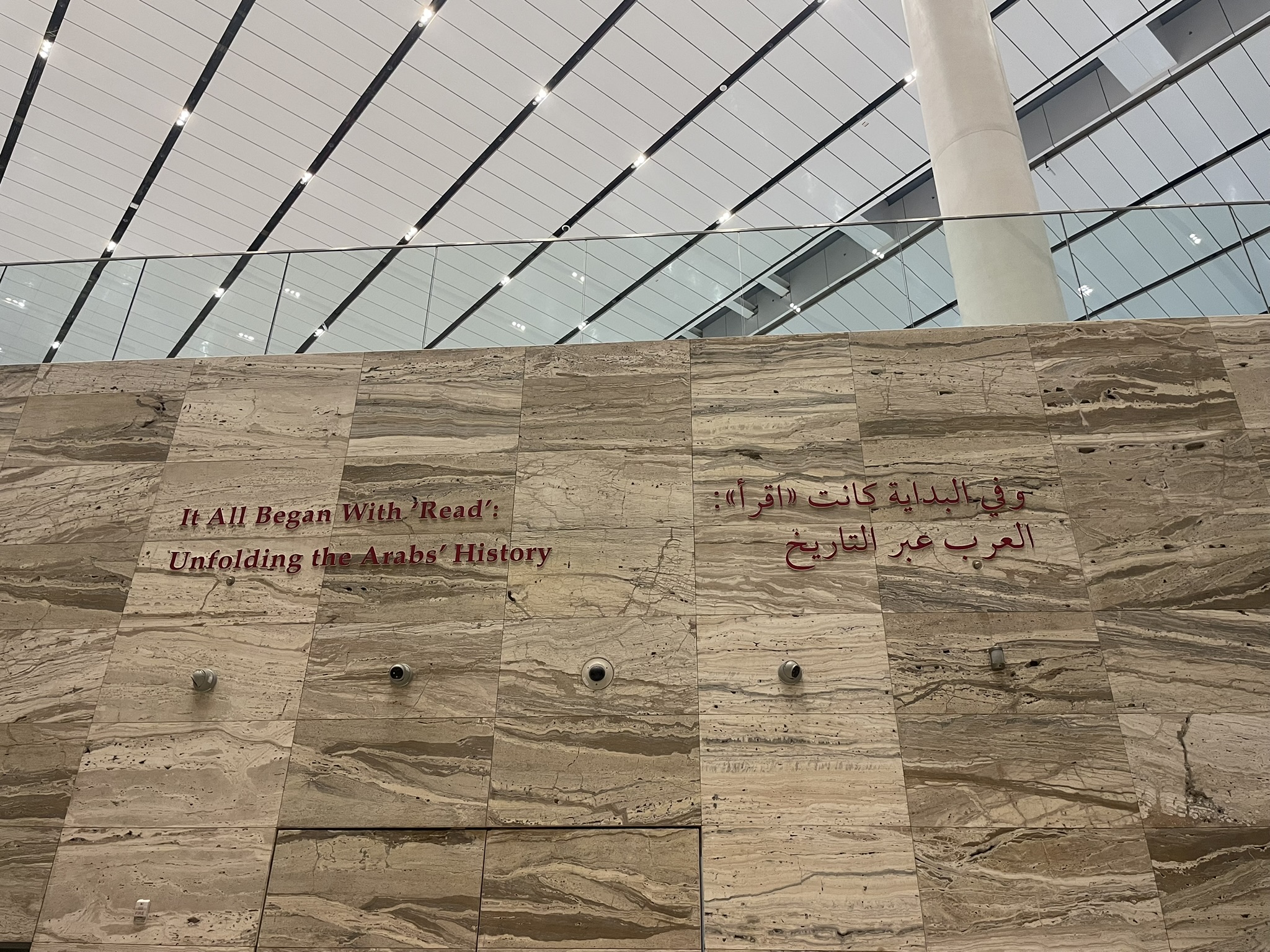
Our next stop at 7.40pm is the Qatar National Library. I have not seen a Library of this magnitude and magnificence. It is located in the heart of the Education City and contains Doha’s National Library, Public Library and University Library. It preserves the Heritage Collection, which consists of valuable texts and manuscripts related to the Arab-Islamic civilisation. The public library houses over a million books and space for thousands of readers over an area of 42,000 square metres. The layout and the design are breathtaking. It was established in 2017. Our time is limited, so we suffice with a visit to the Heritage Collection.


Education City Mosque
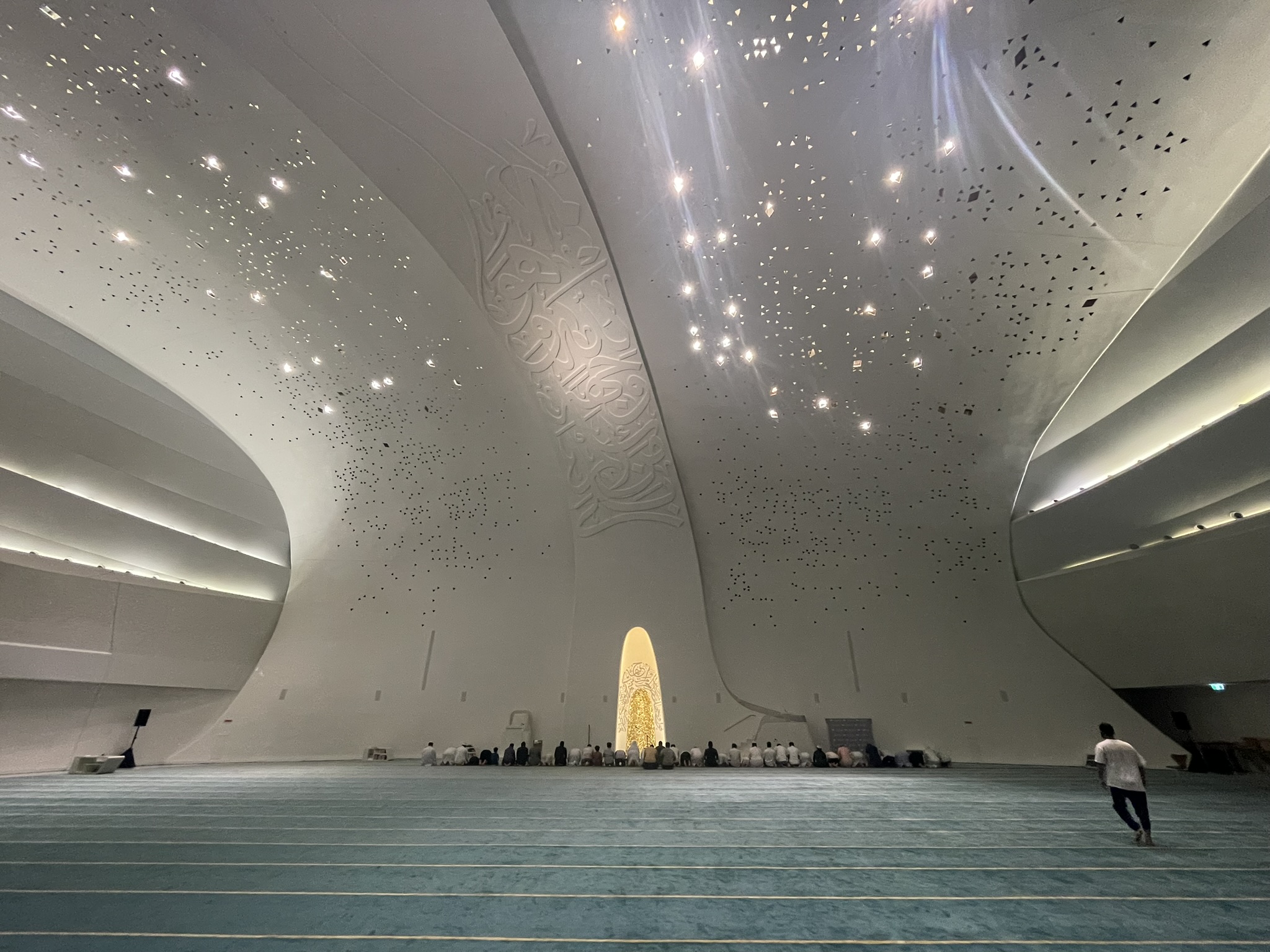
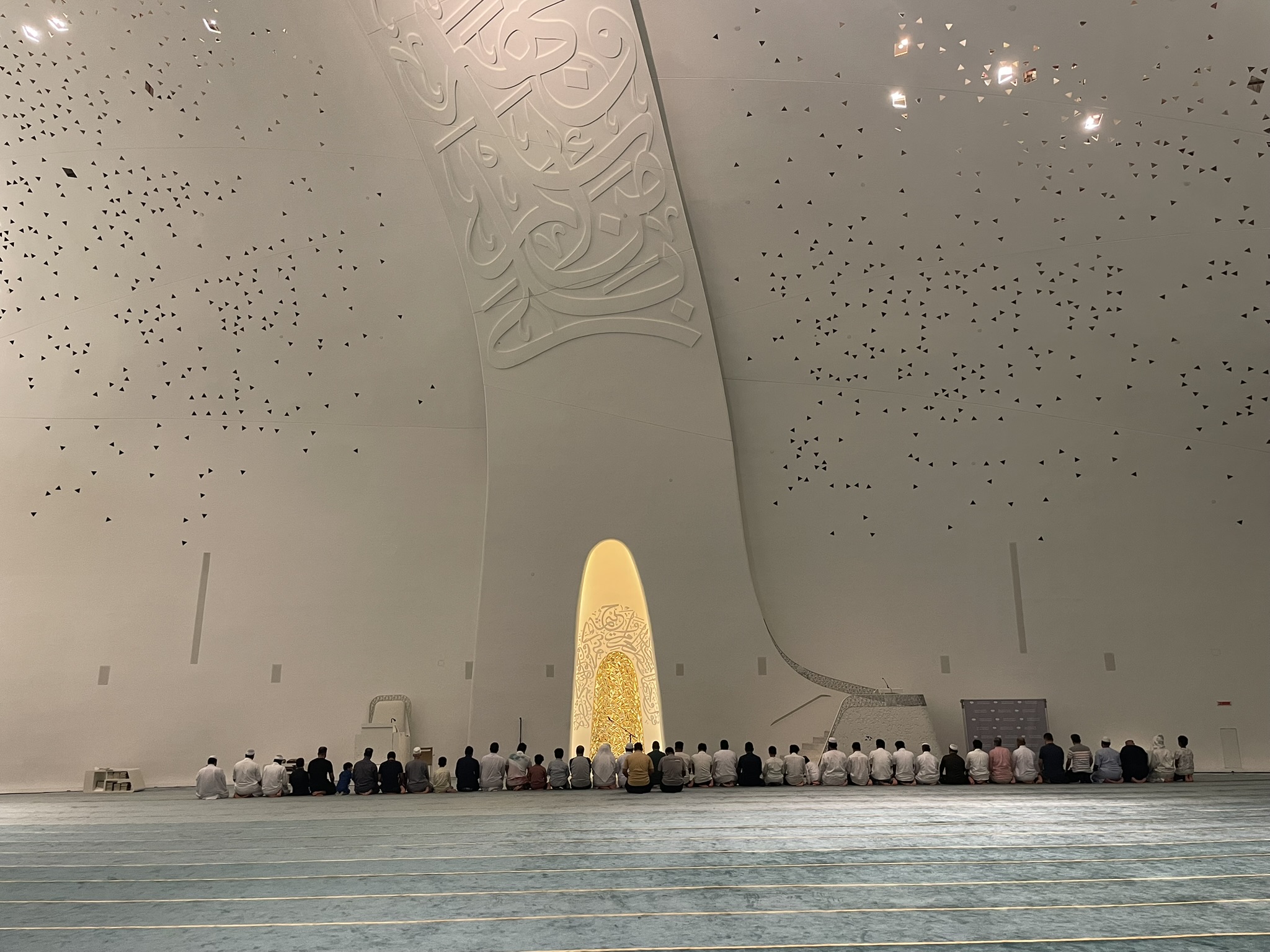
We perform ʿIshāʾ Ṣalāh at the nearby Education City Mosque, another architectural award-winning monument. The mosque rests on five large columns representing the five pillars of Islam, with each featuring a verse drawn from the Quran.
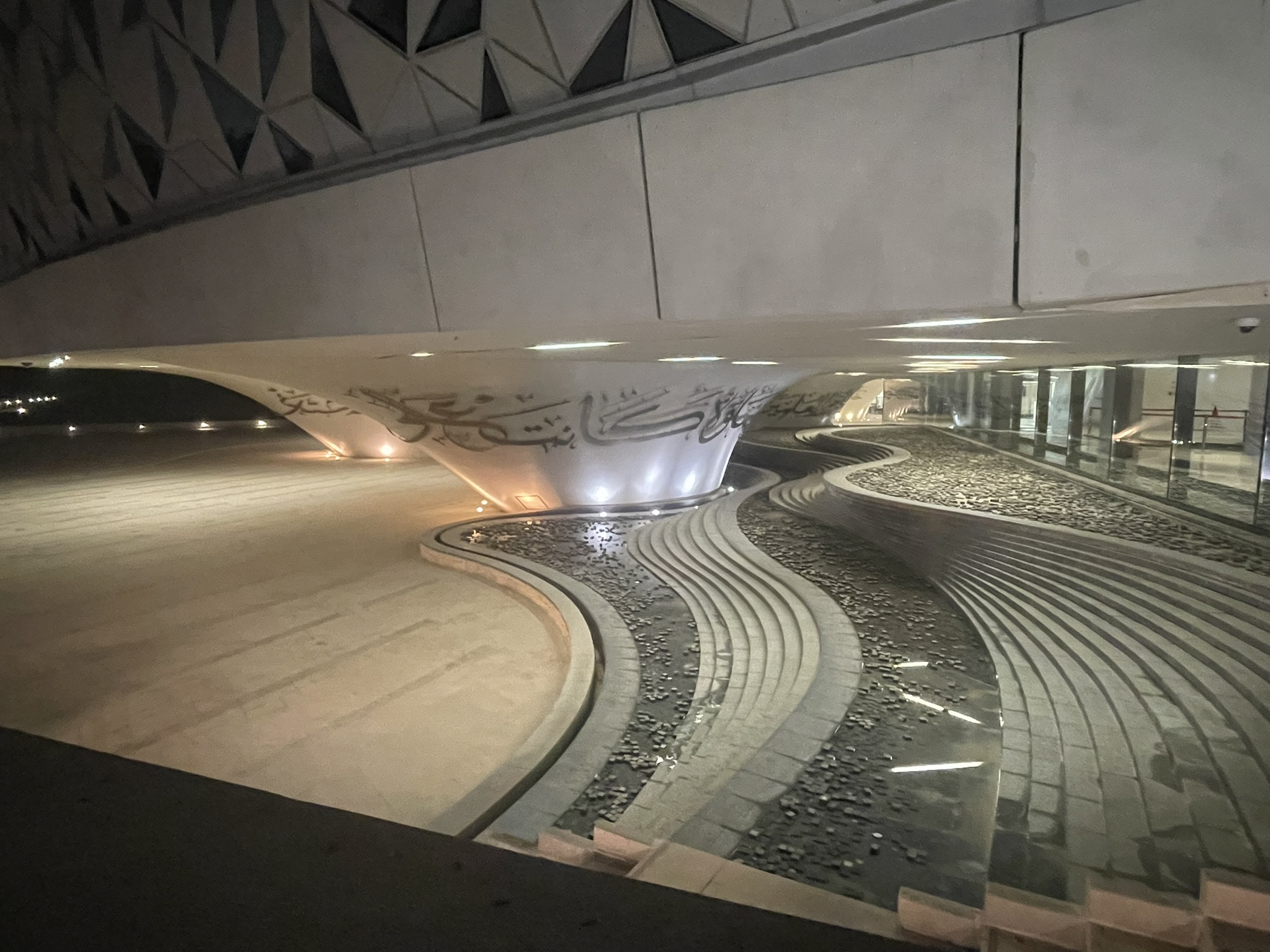
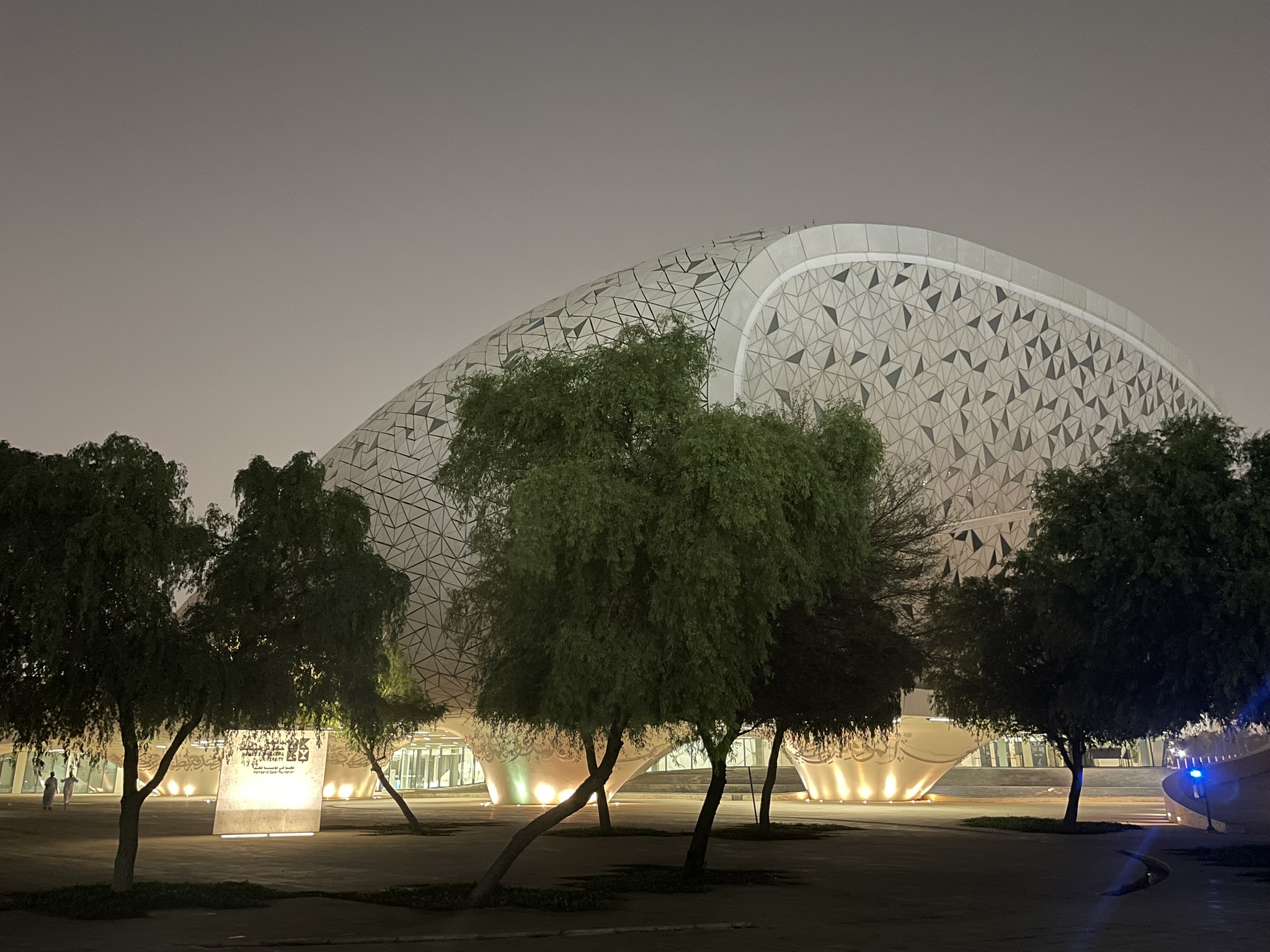
It can host 1,800 worshippers in its main prayer hall and another 1,000 in its exterior courtyard. It is part of Hamad Bin Khalifa University’s College of Islamic Studies (CIS). In its outdoor spaces, there are four streams that represent the four rivers of Paradise mentioned in the Quran: water, honey, milk and wine. The complex is also home to the Quranic Botanic Garden, which contains all the plants mentioned in the Quran. This is worth visiting in a future journey.
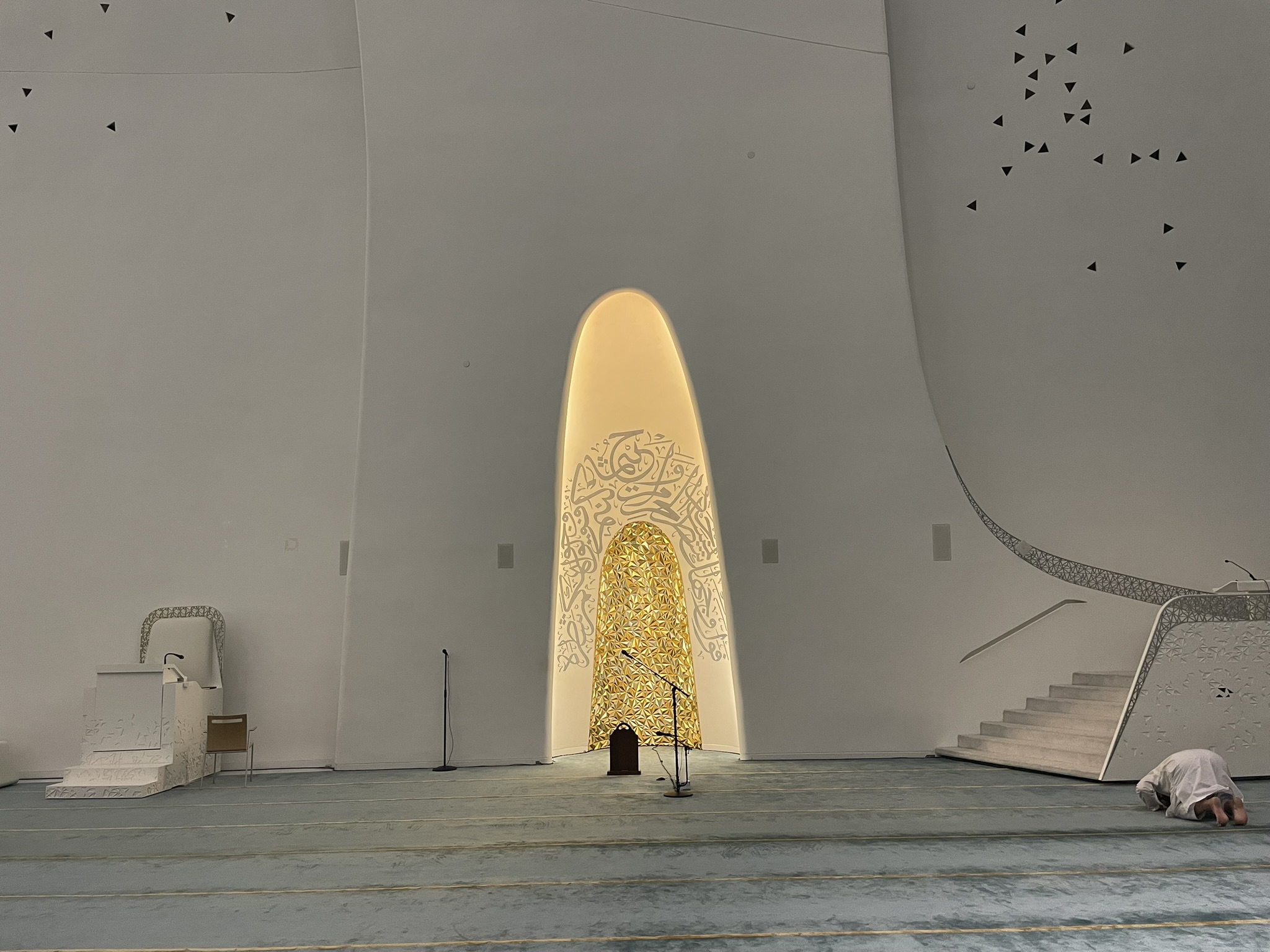

The Education City has also a free tram service, which we use.

We eat food at Katara Cultural Village. Our friend Akil who was with us in Oman arrived earlier today from the UK with his family. They also join us.
Day 9 – Saturday 23 August 2025
Banana Island
Today is our last day in Doha, and we decide to spend the whole day on the Banana Island, a crescent shaped artificial island just off the coast of Doha city. The island is reached via a 20-minute boat ride. The island offers an alcohol-free family-friendly escape with a range of activities including water sports, children’s play areas, zip line, and other activities that cater for all age ranges.
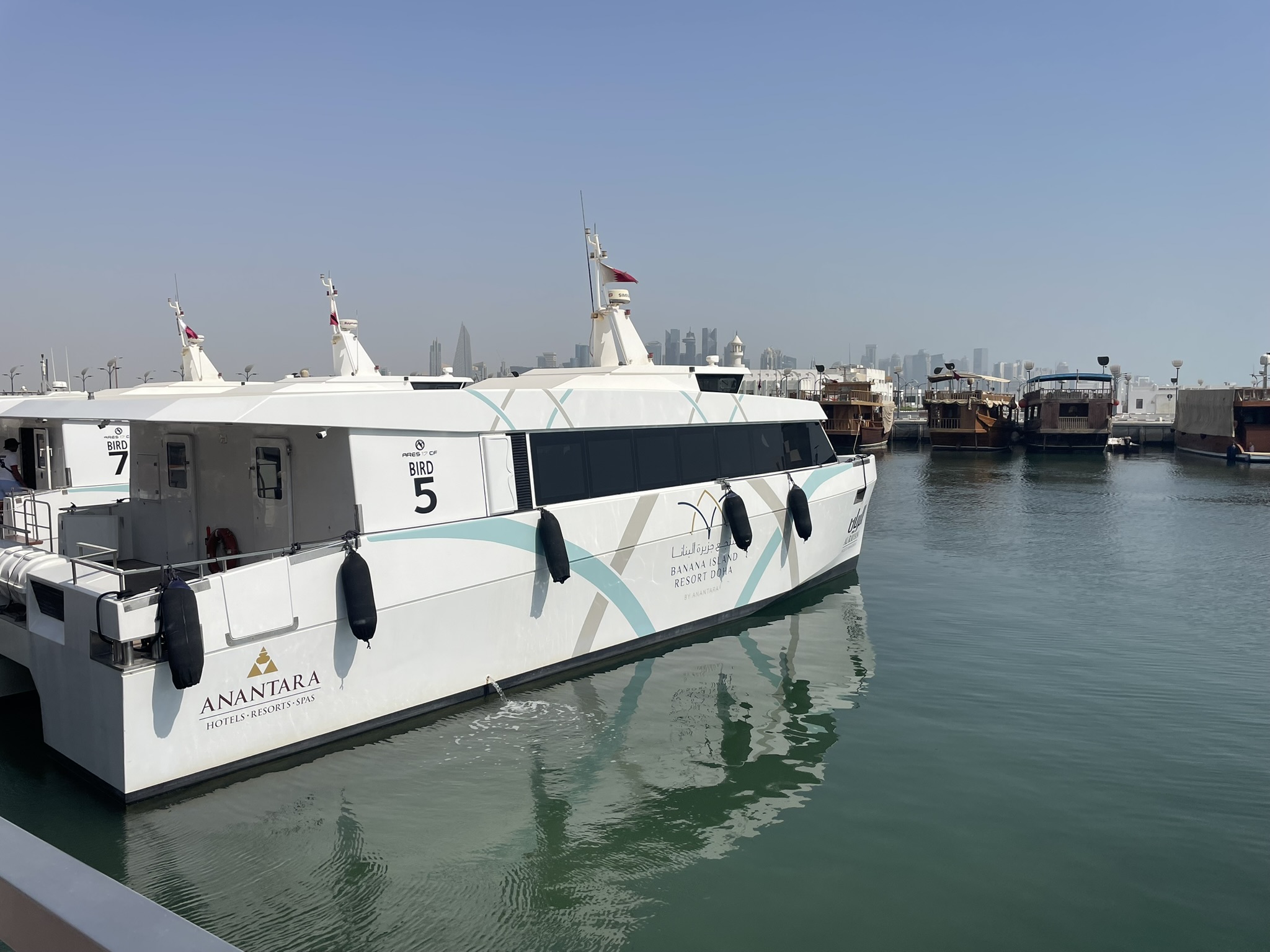
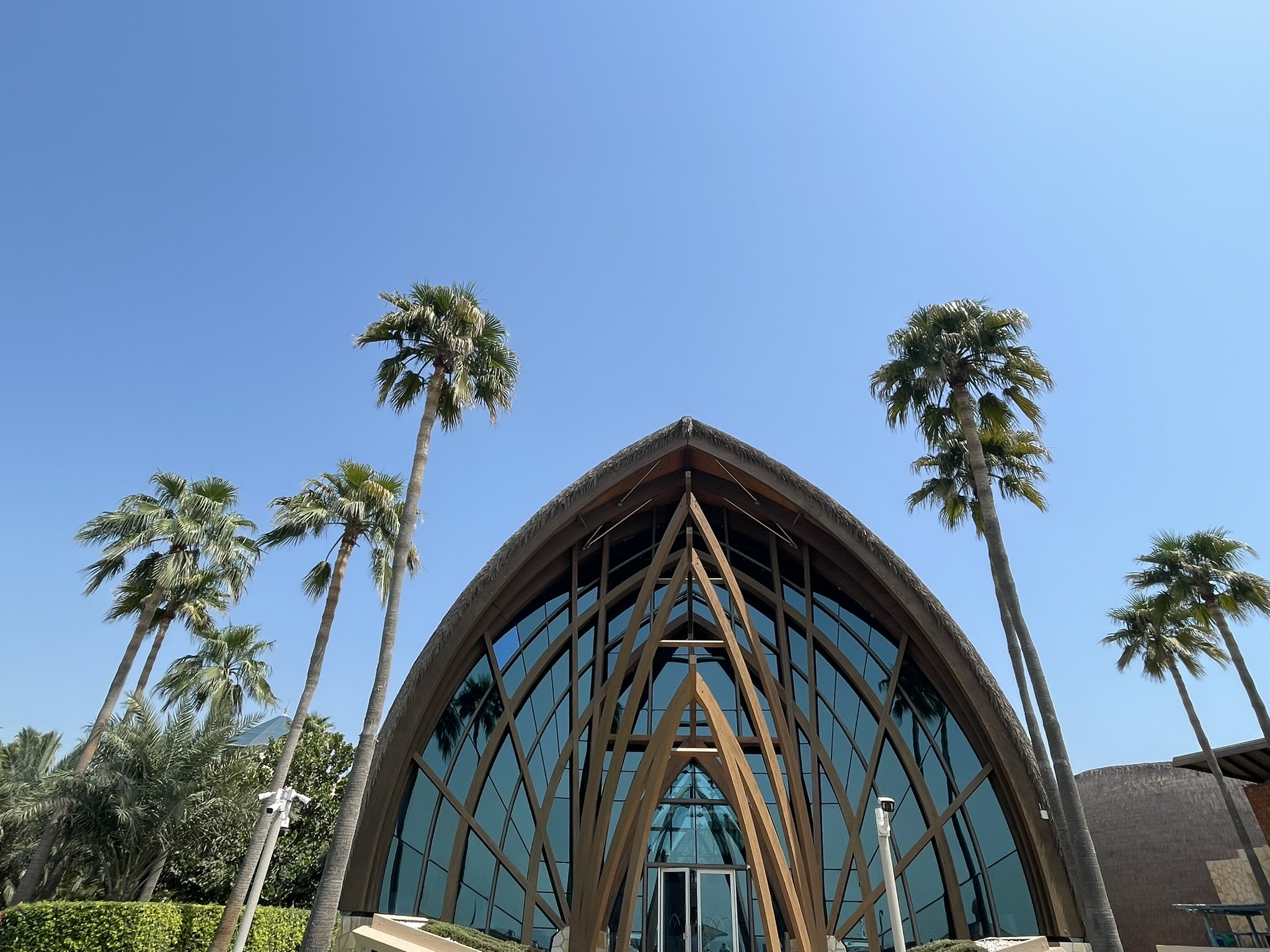
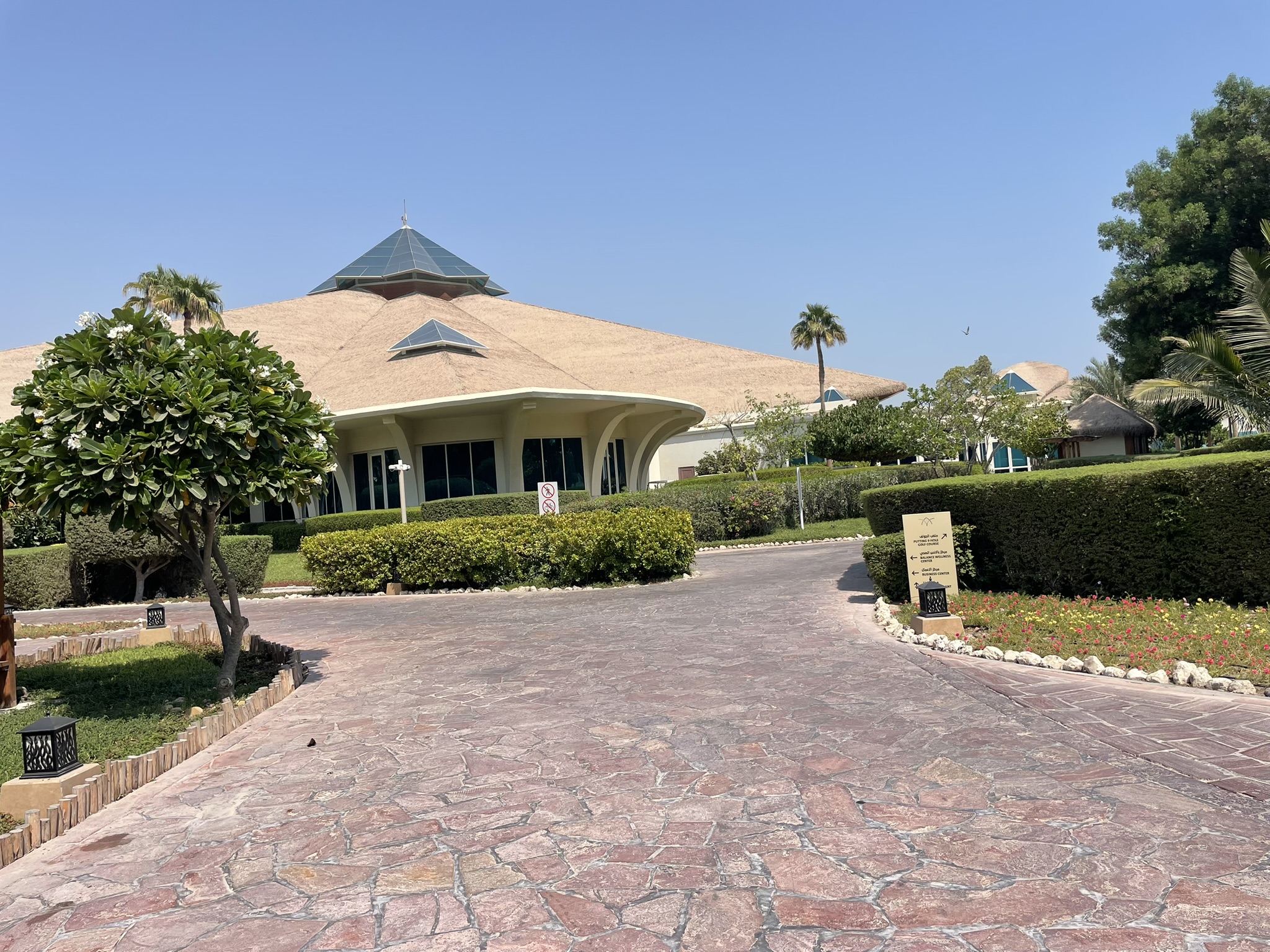
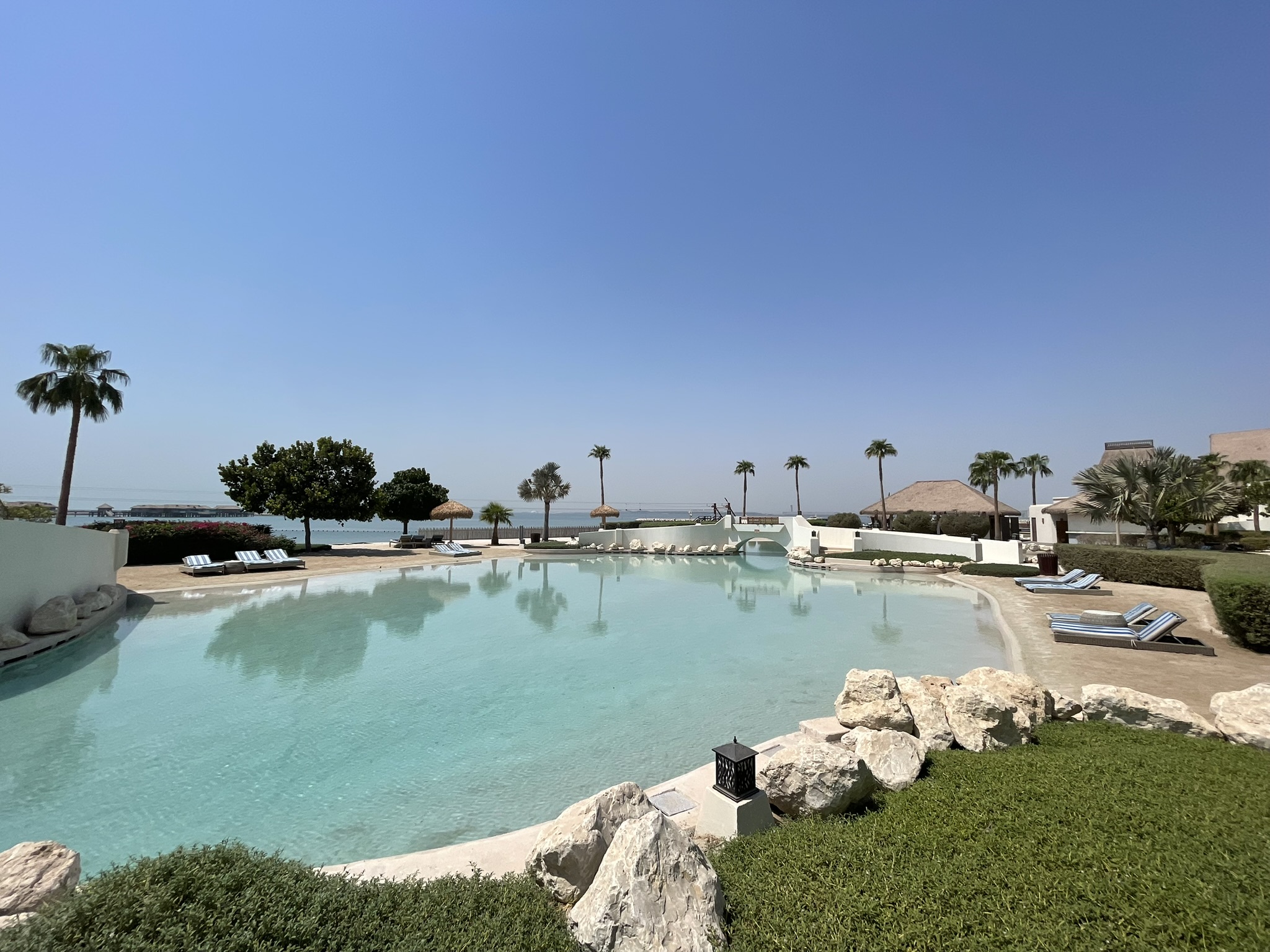
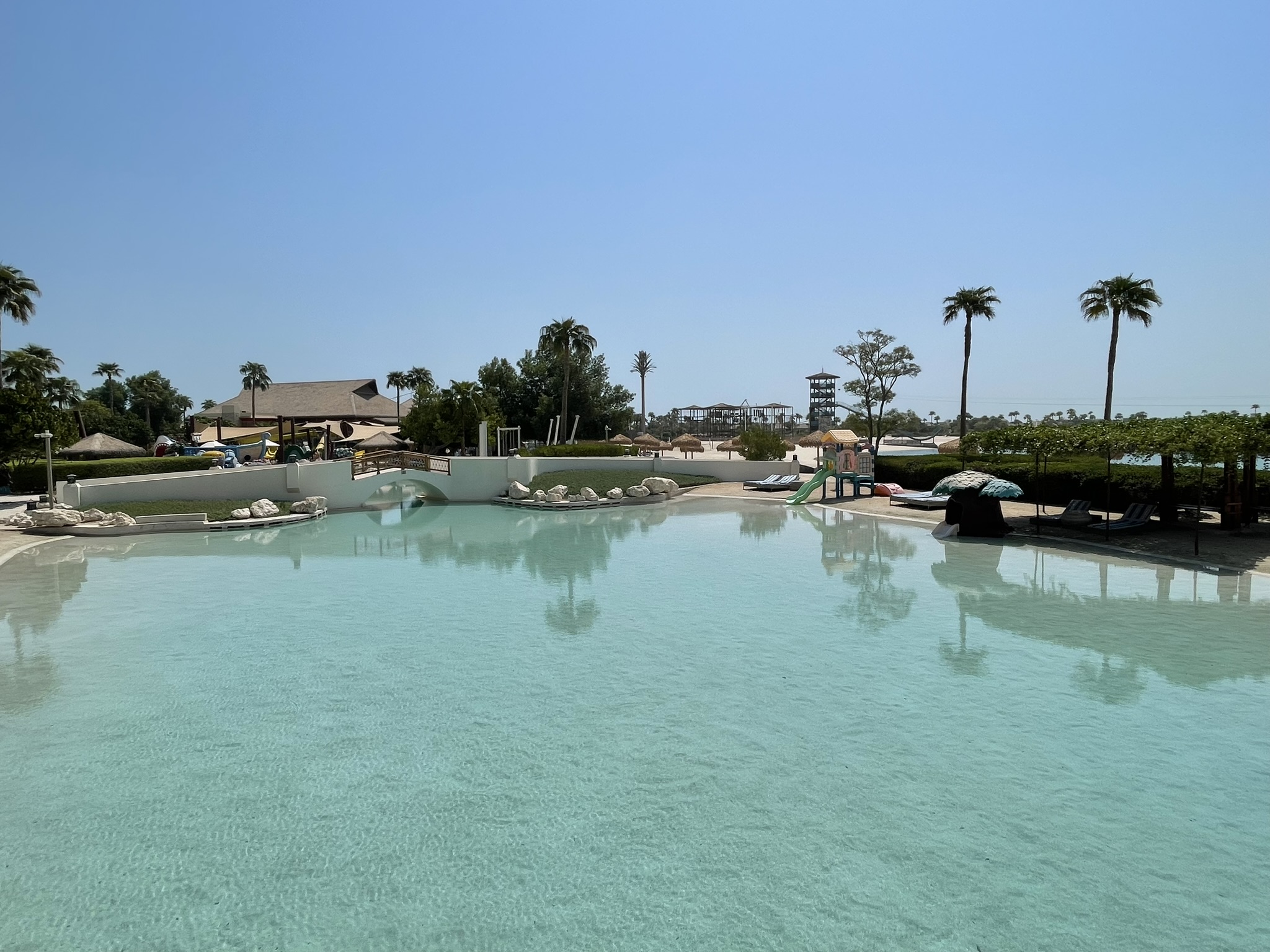
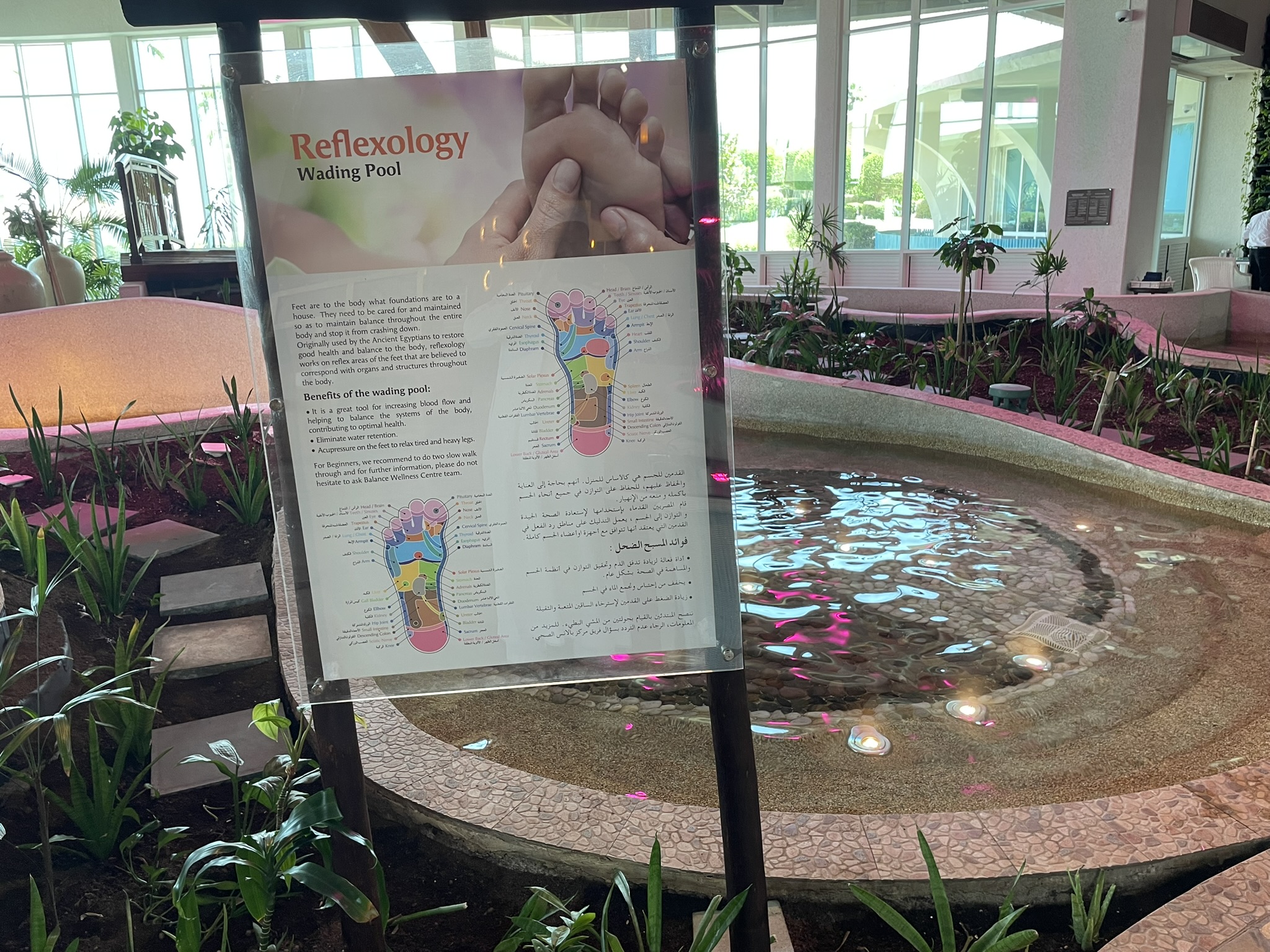
We return in the evening to the mainland, eat dinner and head to the Airport. My brother and his family have left no stone unturned in making our stay comfortable and providing us an unforgettable experience. May Allah Almighty bless and reward them. We board the 2.40am Qatar Airways flight and arrive into Manchester at 8am, on Sunday 24 August 2025.
Reflecting on our visit, there is a lot to learn when travelling and no matter which country one visits, the journey can be transformed into an educational and also spiritually uplifting journey. The Ummah has so much wealth and resources. May Allah Almighty unite the Ummah and enable countries like Qatar and Oman to use their resources for Islam and Muslims and champion the rights of the oppressed. Āmīn.
Yusuf Shabbir
3 Rabīʿ al-Awwal 1447 / 27 August 2025